View allAll Photos Tagged affetto
---- Angels & Demons (devil tries to tempt Saint Lucia, August 2018, Savoca - Sicily) ----
---- Angeli & Demoni (il demonio tenta Santa Lucia, agosto 2018, Savoca - Sicilia) ----
-----------------------------------------------------------------
click to activate the icon of slideshow: the small triangle inscribed in the small rectangle, at the top right, in the general photostream;
clicca per attivare l'icona dello slideshow: il piccolo triangolo inscritto all'interno del rettangolo (rappresenterebbe il monitor), in alto a destra sulla pagina principale del photostream;
Qi Bo's photos on Flickr Hive Mind
www.worldphoto.org/sony-world-photography-awards/winners-...
www.fotografidigitali.it/gallery/2726/opere-italiane-segn...
-------------------------------------------------------------------
this is a photographic narration that speaks of the eternal struggle that takes place between good and evil, which speaks of a dark period of history, speaks of the violence suffered by women but also by those who belonged to the poorest social classes, historical facts that have been handed down to us in the form of a story and associated-transmuted in the martyrdom of Saint Lucia, this is what happens in the town of Savoca (Sicily). This is a short and long report, I did in Savoca on August 2018 about the living representation of the martyrdom of Saint Lucia (patron saint of the city of Savoca); the cult of the young Saint of Syracuse seems to date back to the fifteenth century, under the influence of Spanish traditions. The commemoration of the history of St. Lucia occurs in two consecutive days, Saturday and Sunday: here I try to tell some times of the both days: Saturday and Sunday (on Sandey is the day during which the feast is held at the height of her beauty). And 'This is a historical event which speaks of Demons and Angels: Saint Lucy refused to marry a rich and powerful suitor (Lucy declared She was married in Christ), which reported the Christian faith of Lucia to prefect Pascasio that ordered his Praetorian Guard to drag Lucia with a rope to a place of prostitution; legend has it that the Holy became heavy, they then tried to drag it with the help of oxen, but it was impossible to move it from where he stood; failing in this, it was then given the order to cavarle eyes, but the young martyr (native of Syracuse) her eyes reappeared.
In the village of Savoca a young girl, affectionately called the "Lucy" is carried on the shoulder of a porter along the streets of the country (sitting on a pillow tied on the shoulder of a man, but in fact men are two); the young Saint remains impassive in the face of demonic temptations: the Devil, called in Sicilian dialect "u Diavulazzu, shake, shakes, turns his pitchfork in an attempt to "distract" the Saint.
The first day of this representation, on Saturday, in an old church in Savoca, the two girls who impersonate the Lucia, of the current year and the previous year, meet with the delivery of palm; the traditional event which we witness on Saturday, has all the appearance of an important rehearsal for the next day, on Sunday when the traditional festival will take place in all its beauty.
Sunday: on top of the procession there are the "Jews" (the emissaries of the prefect Pascasio) along with some Angels, is located immediately after the wagon drawn by two cows from which branches off a rope that will arrive to Saint Lucia (a girl of six years); between her and the cows there are Roman soldiers, who make their way through the crowd squirming like crazy; to hold the rope there are also male figures; the job of Devil (his mask is made of wood, whose invoice is dated, it seems, of the 400') is to distract the little Saint with the help of a long stick equipped of curved points, called "u 'croccu": Lucia hardly is deceived by the promises of the evil one, she will not abandon the state of her property concentration, aided in this by staring, almost in a trance, a small palm branch in silver , she brings devoutly in her hands.It's very important to mention the Baron Baldassarre (nicknamed Baron Altadonna), who applied without any hesitation the practice of Jus de seigneur: using this law the Baron obliged the young brides to spend the wedding night in his alcove. It 'very possible that in the representation of Saint Lucia of Savoca the character of the Devil tempting young Santa with his pitchfork, in reality is nothing but himself, Baron Altadonna, so allegorically described in this traditional Sicilian feast: the figure of the Devil if one takes into account what historians relate, does not belong more to the legend, but sadly to actual event happened. Post scriptum: the photographs, realized both on Saturday and Sunday, were organized and posted without taking into account the temporal chronology of what happened during the two days of the event; two photos of the mummy of Baron Altadonna have been included, which is located in the crypt of the Capuchin Fathers of Savoca; the portraits of two "Lucie" from previous editions, grandfather and great-grandfather of the "DIAVOLI" dynasty were included; the "silver palm" was delivered by Lucia of 2016 (Valentina), to the current Lucia (Miriana), in 2017 the event was not performed.
Ezio Famà.
------------------------------------------------------------------------------------------
questa è una narrazione fotografica che parla dell'eterna lotta che avviene tra il bene ed il male, che parla di un periodo buio della storia, che parla delle violenze subite dalle donne ma anche da coloro che appartenevano alle classi sociali più povere, fatti storici che sono stati tramandati fino a noi in forma di racconto ed associati-trasmutati nel martirio di Santa Lucia, questo è quanto accade nel paese di Savoca (Sicilia). Questo è un report corto e lungo, che ho realizzato in quel di Savoca nel mese di Agosto 2018, su quella che è la rappresentazione vivente del martirio di Santa Lucia (Santa patrona della città di Savoca); il culto della giovane Santa di Siracusa sembra risalire al XV secolo, sotto l'influenza delle tradizioni spagnole. La rievocazione vivente della storia di S.Lucia avviene in due giornate consecutive, il sabato e la domenica: qui tento di raccontare alcuni momenti della giornata del sabato e della domenica (la domenica la festa si svolge nel pieno della sua bellezza). E' questa una rievocazione storica che parla di Demoni ed Angeli: la storia rievoca di quando la Santa, si rifiutò di andare in sposa ad un suo ricco e potente pretendente (essendosi dichiarata Cristiana e sposa in Cristo), il quale per vendetta riferì della fede Cristiana di Lucia al prefetto Pascasio; costui diede ordine ai suoi pretoriani di trascinare Lucia con una corda fino ad un lupanare, un luogo di prostituzione; la leggenda narra che la Santa divenne pesantissima, si tentò allora di trascinarla con l'ausilio dei buoi, ma fu impossibile smuoverla da dove si trovava; non riuscendo in ciò, fu allora dato l'ordine di cavarle gli occhi, ma alla giovane martire (nativa di Siracusa) gli occhi le rispuntarono. Nel paese di Savoca una giovane ragazza, chiamata con affetto "la Lucia" viene portata in spalla lungo le vie del paese (seduta su di un cuscino legato sulla spalla di un uomo; in realtà gli uomini portatori sono due, dandosi il cambio l'un l'altro); la giovane Santa rimane impassibile di fronte alle tentazioni demoniache: il Diavolo, chiamato in dialetto siciliano "u Diavulazzu, agita, scuote, fa ruotare il suo forcone nel tentativo di "distrarre" la Santa ma, vani saranno i suoi tentativi. Il primo giorno di questa rappresentazione, il sabato, in una vecchia chiesa di Savoca, le due bambine che impersonano la Lucia, dell'anno in corso e dell'anno precedente, si incontrano con la consegna della palma da una bimba all'altra; l'evento tradizionale al quale si assiste il sabato, ha tutto l'aspetto di una importante prova generale per il giorno dopo, quando la domenica la festa tradizionale avverrà in tutta la sua bellezza.La domenica: in cima alla processione ci sono i "Giudei" (gli emissari del prefetto Pascasio) insieme ad alcuni Angeli, subito dopo si trova il carro tirato da due giumente dalle quali si diparte una corda che giungerà fino a cingere il fianco della bimba che impersona Santa Lucia (una bambina di sei anni); tra lei e le giumente ci sono i soldati Romani, che si fanno largo tra la folla dimenandosi a più non posso; a tenere la corda ci sono anche delle figure maschili che evitano che gli strattonamenti dei soldati romani possano giungere fino alla Santa (ricordiamolo, che è legata a quella corda); davanti alla Santa piroetta il diavolo tentatore, u' Diavulazzu (la maschera è in legno, la cui fattura è datata, sembra, del 400'), il cui compito è quello di distrarre la piccola Santa con l'aiuto di un lungo bastone dotato di punte ricurve, chiamto dialettalmente "u' croccu": Lucia difficilmente si lascerà ingannare dalle promesse del Maligno, non abbandonerà quel suo stato di immobile concentrazione, aiutata in ciò dal fissare, quasi in stato di trance, un piccolo ramo di palma in argento, che lei strige devotamente tra le sue mani. E’ fondamentale menzionare tra i vari personaggi storici della tradizione, il barone Baldassarre, vissuto in Savoca in epoca medioevale, soprannominato barone Altadonna, che applicava senza remora alcuna la pratica della Jus primae noctis: avvalendosi di questa legge il barone obbligava le giovani spose a trascorrere la prima notte di nozze nella sua alcova. E’ fortemente ipotizzabile che nella rappresentazione di Santa Lucia di Savoca il personaggio del Diavolo che tenta la giovane Santa col suo forcone, in realtà non sia altro che egli stesso, il barone Altadonna, così allegoricamente descritto nella festa tradizionale siciliana: la figura del Diavolo, se si tiene conto di quanto narrano gli storici, non apparterrebbe più alla leggenda, ma a questo tristo personaggio realmente vissuto, che usava quotidianamente la moneta della prepotenza. Post scriptum: le fotografie, realizzate sia il sabato che la domenica, sono state organizzate e postate senza tenere conto della cronologia temporale di quanto avvenuto nei due giorni della manifestazione; sono state inserite due foto della mummia del barone Altadonna, che si trova nella cripta dei Padri Cappuccini di Savoca; sono stati inseriti i ritratti di due "Lucie" delle precedenti edizioni, del nonno e del bisnonno della dinastia dei "DIAVOLI"; la "palma d'argento" è stata consegnata dalla Lucia del 2016 (Valentina), alla attuale Lucia (Miriana); nel 2017 la manifestazione non è stata eseguita.
Ezio Famà.
--------------------------------------------------------------------
Savoca, rappresentazione Santa Lucia 2016
U Diavulazzu - Festa Santa Lucia a Savoca (ME) 2011
U Diavulazzu - Festa Santa Lucia a Savoca (ME) 2011 - Rappresentazione del Martirio
Savoca, intervista a Vincenzo Pasquale per i Festeggiamenti di S. Lucia
-------------------------------------
DIFF 2014 - I AM NOJOOM, AGE 10 AND DIVORCED
Divorced at Age 10 | Nat Geo Live
LA SPOSA BAMBINA (Clip HD ufficiale ita) | Nojoom condotta in casa del marito
LA SPOSA BAMBINA (Clip HD ufficiale ita) | Riconsegnata ai genitori
Cute puppy having a Golden Light Bath Time .
All Rights Reserved
© Angela M. Lobefaro
© RIPRODUZIONE RISERVATA
Aos meus Queridos Amigos desejo que o Ano Novo seja o início de Novos Tempos, onde possamos cultivar sempre bons sentimentos e possamos ter uma colheita farta de amor, fraternidade, união e muita paz, Feliz 2015!
Deus abençoe a todos com muita saúde, que a Paz de Jesus esteja em cada coração, muito obrigada por mais este ano de sua preciosa amizade, atenção e delicadeza.
Um beijo com muito carinho,
Celisa
***
To my Dear Friends I wish that the New Year is the beginning of New Times, where we can always cultivate good feelings and can have a rich harvest of love, brotherhood, unity and much peace, Happy 2015!
God bless you all with good health, the Peace of Jesus is in every heart, thank you for yet another year of your precious friendship, care and delicacy.
A kiss with great affection,
Celisa
***
Pour mes Chers Amis, je souhaite que la nouvelle année est le début de New Times, où nous pouvons cultiver toujours de bons sentiments et peut avoir une riche moisson d'amour, de fraternité, d'unité et beaucoup de paix, heureux 2015!
Dieu vous bénisse tous avec une bonne santé, la paix de Jésus est dans tous les cœurs, vous remercier pour encore une autre année de sa précieuse amitié, soin et délicatesse.
Un baiser d'amour,
Celisa
***
A mis Queridos Amigos deseo que el Año Nuevo es el comienzo de nuevos tiempos, donde siempre podemos cultivar buenos sentimientos y podemos tener una rica cosecha de amor, la fraternidad, la unidad y mucha paz, feliz 2015!
Dios los bendiga a todos con buena salud, la Paz de Jesús está en cada corazón, gracias por otro año de su amistad preciosa, cuidado y delicadeza.
Un beso de afecto,
Celisa
***
Ai miei Cari Amici mi auguro che il nuovo anno è l'inizio della Tempi Nuovi, dove si può sempre coltivare buoni sentimenti e possiamo avere una ricca messe di amore, di fraternità, di unità e tanta pace, felice 2015!
Dio vi benedica tutti con la buona salute, la pace di Gesù è in ogni cuore, grazie per un altro anno della sua preziosa amicizia, la cura e delicatezza.
Un bacio d'affetto,
Celisa
Tutti noi abbiamo bisogno di qualcuno che ci sia.
Tutti abbiamo bisogno di qualcuno che ci abbracci quando ne abbiamo bisogno, che ci consoli nei momenti tragici, che ci stia vicino, che ci chieda anche solo come stiamo e che ci sorrida quando abbiamo bisogno di tirarci su. Abbiamo tutti bisogno di affetto e tutti abbiamo bisogno di donarlo. Non posso credere che ci siano persone di ghiaccio che non ne hanno bisogno. Credo, più che altro, che ogni persona dimostri affetto a modo suo e che bisogna solo imparare a coglierlo.
We all need someone to be there.
We all need someone who hugs when we need that comfort us in times of tragedy, we're close, we ask just how we are and that we smile when we need to pick ourselves up. We all need love and we all need to give it. I can not believe that there are people who do not need ice. I think, more than anything else, that each person shows affection in their own way and you just have to learn how to catch.
Spesso comprendiamo il senso delle cose non perché vi sia una chiara consapevolezza delle nostre scelte, ma guardando cosa abbiamo fatto, le nostre azioni, cosa hanno determinato, e riusciamo a darci qualche risposta. Il mio lavoro è prendermi cura delle persone come psicoterapeuta e psichiatra, insegno, come fa l'artigiano, ai giovani psicologi e medici questo mestiere, e ci sono arrivato attraverso una strada tortuosa e per nulla facile. All'inizio credo di aver unito la mia passione per il sociale al bisogno di riscatto familiare prendendo una laurea in medicina, passando poi dal solo corpo … alla persona. E io ho incontrato in questi anni migliaia di persone e ho ascoltato e riletto con loro migliaia di storie personali, delle coppie, delle famiglie. Ora guardo a questo lavoro con l'affetto di un nonno che ha condiviso con gli altri le sofferenze della vita e con qualche inquietudine per i giovani.
Luciano Tonellato, medico e psicoterapeuta familiare
Often we understand the sense of events not because there is a clear awareness of our choices, but looking at what we've done, our actions, what they have determined, and we are able to give us some answers. My job is to take care of people as a psychotherapist and psychiatrist, I teach, how does the craftsman, to young psychologists and doctors this craft, and I came through a winding road and nt easy at all. At the beginning I think I've combined my passion for social cause with the need of familiar redemption taking a degree in medicine, then I moved from the body ... to the person. And I've met in recent years thousands of people and I have listened to and read with them thousands of personal stories of couples, of families. Now I look at this work with the affection of a grandfather who has shared with others the sufferings of life and with some concern for young people.
----------------------------------------------------------------
click to activate the icon of slideshow: the small triangle inscribed in the small rectangle, at the top right, in the photostream;
or…. Press the “L” button to zoom in the image;
clicca sulla piccola icona per attivare lo slideshow: sulla facciata principale del photostream, in alto a destra c'è un piccolo rettangolo (rappresenta il monitor) con dentro un piccolo triangolo nero;
oppure…. premi il tasto “L” per ingrandire l'immagine;
www.worldphoto.org/sony-world-photography-awards/winners-...
www.fotografidigitali.it/gallery/2726/opere-italiane-segn...
-------------------------------------------------------------------
What happened three days ago is a very bad story, a 63-year-old man shot two women in the face, one 48 years old, the other 49 years old, and then took his own life, all of which happened in a town in the province of Catania, one of them allegedly had an extramarital affair with the killer: in 2022 120 women were killed, 97 of them were killed in the family or emotional sphere, of these 57 died for hand of the partner or former partner. This tragic and sad incipit linked to the ever-present drama of feminicides, to introduce the photographic story that I made in the town of Savoca (Messina - Sicily) on 08/13/2022, of a very particular representation that was held last time in August 2018; is a narration that pits Evil (a devil armed with a long grappling hook) against Good (Saint Lucia, who holds a silver palm leaf in her hands), the Evil-Devil tries to seduce-distract Saint Lucia with own grappling hook, instead Saint Lucia remains impassive in front of her flattery: violence against women in this very suggestive representation finds distant and deep roots, Saint Lucia actually represents those women who in medieval times had to suffer the abuses perpetrated by the Baron of Savoca nicknamed "Barone Altadonna", which making use of the law "ius primae noctis" (from the Latin "right of the first night"), referred to the "right" according to which a feudal lord could rape a newly married woman on her wedding night. Therefore, this is a photographic narration that speaks of the eternal struggle that takes place between good and evil, which speaks of a dark period of history, speaks of the violence suffered by women but also by those who belonged to the poorest social classes, historical facts that have been handed down to us in the form of a story and associated-transmuted in the martyrdom of Saint Lucia, this is what happens in the town of Savoca (Sicily). This is a report of the living representation of the martyrdom of Saint Lucia (patron saint of the city of Savoca); the cult of the young Saint of Syracuse seems to date back to the fifteenth century, under the influence of Spanish traditions. The living re-enactment of the history of St. Lucia takes place on two consecutive days, Saturday and Sunday: here I try to tell some moments of Saturday, the day during which the celebration does not take place in its full beauty, it is the day during which "the silver palm" is delivered "from the Lucia of the previous edition" to the "Lucia of the current edition", it is the day during which the last details are tested, above all the "impassivity of the little girl who impersonates Saint Lucia", lovingly called "the Lucia".. And 'This is a historical event which speaks of Demons and Angels: Saint Lucy refused to marry a rich and powerful suitor (Lucy declared She was married in Christ), which reported the Christian faith of Lucia to prefect Pascasio that ordered his Praetorian Guard to drag Lucia with a rope to a place of prostitution; legend has it that the Holy became heavy, they then tried to drag it with the help of oxen, but it was impossible to move it from where he stood; failing in this, it was then given the order to cavarle eyes, but the young martyr (native of Syracuse) her eyes reappeared.
In the village of Savoca a young girl, affectionately called the "Lucy" is carried on the shoulder of a porter along the streets of the country (sitting on a pillow tied on the shoulder of a man, but in fact men are two); the young Saint remains impassive in the face of demonic temptations: the Devil, called in Sicilian dialect "u Diavulazzu, shake, shakes, turns his pitchfork in an attempt to "distract" the Saint.
The first day of this representation, on Saturday, in an old church in Savoca, the two girls who impersonate the Lucia, of the current year and the previous year, meet with the delivery of palm; the traditional event which we witness on Saturday, has all the appearance of an important rehearsal for the next day, on Sunday when the traditional festival will take place in all its beauty.
Sunday: on top of the procession there are the "Jews" (the emissaries of the prefect Pascasio) along with some Angels, is located immediately after the wagon drawn by two cows from which branches off a rope that will arrive to Saint Lucia (a girl of six years); between her and the cows there are Roman soldiers, who make their way through the crowd squirming like crazy; to hold the rope there are also male figures; the job of Devil (his mask is made of wood, whose invoice is dated, it seems, of the 400') is to distract the little Saint with the help of a long stick equipped of curved points, called "u 'croccu": Lucia hardly is deceived by the promises of the evil one, she will not abandon the state of her property concentration, aided in this by staring, almost in a trance, a small palm branch in silver , she brings devoutly in her hands.It's very important to mention the Baron Baldassarre (nicknamed Baron Altadonna), who applied without any hesitation the practice of Jus de seigneur: using this law the Baron obliged the young brides to spend the wedding night in his alcove. It 'very possible that in the representation of Saint Lucia of Savoca the character of the Devil tempting young Santa with his pitchfork, in reality is nothing but himself, Baron Altadonna, so allegorically described in this traditional Sicilian feast: the figure of the Devil if one takes into account what historians relate, does not belong more to the legend, but sadly to actual event happened.
------------------------------------------------------------------------------------------
E' una bruttissima storia quanto accaduto tre giorni fa, un uomo di 63 anni, ha ucciso a colpi di pistola in pieno volto due donne, una di 48 anni, l'altra di 49 anni, per poi togliersi la vita, il tutto accaduto in una cittadina in provincia di Catania, una di loro avrebbe avuto una relazione extraconiugale con l'assassino: nel 2022 sono state 120 le donne uccise, 97 di loro sono state uccise in ambito familiare o affettivo, di queste 57 hanno trovato la morte per mano del partner o ex partner. Questo tragico e triste incipit legato al sempre attuale dramma dei femminicidi, per introdurre il racconto fotografico che ho realizzato nella cittadina di Savoca (Messina - Sicilia) il 13/08/2022, di una particolarissima rappresentazione che si era tenuta l'ultima volta nell'agosto del 2018; è una narrazione che vede contrapposto il Male (un diavolo armato di un lungo rampino), al Bene (Santa Lucia, che stringe tra le mani una foglia di palma d'argento), il Male-Diavolo tenta di sedurre-distrarre Santa Lucia col proprio rampino, invece Santa Lucia resta impassibile davanti le sue lusinghe: la violenza sulle donne in questa rappresentazione molto suggestiva, trova radici lontane e profonde, Santa Lucia in realtà rappresenta quelle donne che in epoca medioevale dovevano subire gli abusi perpetrati dal Barone di Savoca soprannominato "Barone Altadonna", che avvalendosi della legge "ius primae noctis" (dal latino "diritto della prima notte"), si riferiva al “diritto” secondo cui un signore feudale poteva violentare una donna appena sposata durante la sua prima notte di nozze. Quindi questa è una narrazione fotografica che parla dell'eterna lotta che avviene tra il bene ed il male, che parla di un periodo buio della storia, che parla delle violenze subite dalle donne ma anche da tutti coloro che appartenevano alle classi sociali più povere, fatti storici che sono stati tramandati fino a noi in forma di racconto ed associati-trasmutati nel martirio di Santa Lucia, questo è quanto accade nel paese di Savoca (Sicilia). Questo è un report della rappresentazione vivente del martirio di Santa Lucia (Santa patrona della città di Savoca); il culto della giovane Santa di Siracusa sembra risalire al XV secolo, sotto l'influenza delle tradizioni spagnole. La rievocazione vivente della storia di Santa Lucia avviene in due giornate consecutive, il sabato e la domenica: qui tento di raccontare alcuni momenti della giornata del sabato, giorno durante il quale la festa non si svolge nel pieno della sua bellezza, è il giorno durante il quale “la palma d’argento” viene consegnata “dalla Lucia della edizione precedente” alla “Lucia dell’attuale edizione”, è il giorno durante il quale si testano gli ultimi dettagli, soprattutto si mette alla prova “l’impassibilità della bambina che impersona Santa Lucia”, chiamata amorevolmente “la Lucia”. E' questa una rievocazione storica che parla di Demoni ed Angeli: la storia rievoca di quando la Santa, si rifiutò di andare in sposa ad un suo ricco e potente pretendente (essendosi dichiarata Cristiana e sposa in Cristo), il quale per vendetta riferì della fede Cristiana di Lucia al prefetto Pascasio; costui diede ordine ai suoi pretoriani di trascinare Lucia con una corda fino ad un lupanare, un luogo di prostituzione; la leggenda narra che la Santa divenne pesantissima, si tentò allora di trascinarla con l'ausilio dei buoi, ma fu impossibile smuoverla da dove si trovava; non riuscendo in ciò, fu allora dato l'ordine di cavarle gli occhi, ma alla giovane martire (nativa di Siracusa) gli occhi le rispuntarono. Nel paese di Savoca una giovane ragazza, chiamata con affetto "la Lucia" viene portata in spalla lungo le vie del paese (seduta su di un cuscino legato sulla spalla di un uomo; in realtà gli uomini portatori sono due, dandosi il cambio l'un l'altro); la giovane Santa rimane impassibile di fronte alle tentazioni demoniache: il Diavolo, chiamato in dialetto siciliano "u Diavulazzu, agita, scuote, fa ruotare il suo forcone nel tentativo di "distrarre" la Santa ma, vani saranno i suoi tentativi. Il primo giorno di questa rappresentazione, il sabato, in una vecchia chiesa di Savoca, le due bambine che impersonano la Lucia, dell'anno in corso e dell'anno precedente, si incontrano con la consegna della palma da una bimba all'altra; l'evento tradizionale al quale si assiste il sabato, ha tutto l'aspetto di una importante prova generale per il giorno dopo, quando la domenica la festa tradizionale avverrà in tutta la sua bellezza. La domenica: in cima alla processione ci sono i "Giudei" (gli emissari del prefetto Pascasio) insieme ad alcuni Angeli, subito dopo si trova il carro tirato da due giumente dalle quali si diparte una corda che giungerà fino a cingere il fianco della bimba che impersona Santa Lucia (una bambina di sei anni); tra lei e le giumente ci sono i soldati Romani, che si fanno largo tra la folla dimenandosi a più non posso; a tenere la corda ci sono anche delle figure maschili che evitano che gli strattonamenti dei soldati romani possano giungere fino alla Santa (ricordiamolo, che è legata a quella corda); davanti alla Santa piroetta il diavolo tentatore, u' Diavulazzu (la maschera è in legno, la cui fattura è datata, sembra, del 400'), il cui compito è quello di distrarre la piccola Santa con l'aiuto di un lungo bastone dotato di punte ricurve, chiamato dialettalmente "u' croccu": Lucia difficilmente si lascerà ingannare dalle promesse del Maligno, non abbandonerà quel suo stato di immobile concentrazione, aiutata in ciò dal fissare, quasi in stato di trance, un piccolo ramo di palma in argento, che lei stringe devotamente tra le sue mani. E’ fondamentale menzionare tra i vari personaggi storici della tradizione, il barone Baldassarre, vissuto in Savoca in epoca medioevale, soprannominato barone Altadonna, che applicava senza remora alcuna la pratica della Jus primae noctis: avvalendosi di questa legge il barone obbligava le giovani spose a trascorrere la prima notte di nozze nella sua alcova. E’ fortemente ipotizzabile che nella rappresentazione di Santa Lucia di Savoca il personaggio del Diavolo che tenta la giovane Santa col suo forcone, in realtà non sia altro che egli stesso, il barone Altadonna, così allegoricamente descritto nella festa tradizionale siciliana: la figura del Diavolo, se si tiene conto di quanto narrano gli storici, non apparterrebbe più alla leggenda, ma a questo tristo personaggio realmente vissuto, che usava quotidianamente la moneta della prepotenza.
"the artists of the "Casa del Musical" group (House of Musical)".
“gli artisti del gruppo "Casa del Musical".
-----------------------------------------------------------------
click to activate the icon of slideshow: the small triangle inscribed in the small rectangle, at the top right, in the photostream;
or…. Press the “L” button to zoom in the image;
clicca sulla piccola icona per attivare lo slideshow: sulla facciata principale del photostream, in alto a destra c'è un piccolo rettangolo (rappresenta il monitor) con dentro un piccolo triangolo nero;
oppure…. premi il tasto “L” per ingrandire l'immagine;
www.worldphoto.org/sony-world-photography-awards/winners-...
www.fotografidigitali.it/gallery/2726/opere-italiane-segn...
……………………………………………………………………….
A history of Taormina: chronicles of a forbidden love and its great secret (not only Paolo and Francesca) with an unexpected "scoop".
This story is an integral part of the story previously told, the historical period is the same, the place is the same, the various characters often meet each other because they know each other; Taormina, between the end of the 1800s and the beginning of the 1900s, in an ever increasing growth, became the place of residence of elite tourism, thanks to the international interest aroused by writers and artists, such as Johann Wolfgang von Goethe , or great personalities like Lady Florence Trevelyan: Taormina becomes so famous, thanks to the paintings of the painter Otto Geleng and the photographs of the young Sicilian models by Wilhelm von Gloeden; in the air of Taormina there is a sense of libertine, its famous and histrionic visitors never fail to create scandal, even surpassing the famous Capri, in which, to cite just one example, the German gunsmith Krupp, trying to recreate the he environment of Arcadia that one breathed in Taormina (thanks to the photos of von Gloeden) was overwhelmed by the scandal for homosexuality, and took his own life. Taormina thus becomes a heavenly-like place, far from industrial civilizations, where you can freely live your life and sexuality; this is the socio-cultural environment in which the two protagonists of this story move, the British painter Robert Hawthorn Kitson (1873 - 1947) and the painter Carlo Siligato (born in Taormina in 1875, and died there in 1959). Robert H. Kitson, born in Leeds in England, belonged to a more than wealthy family, as a young engineer he had begun to replace his father in the family locomotive construction company (Kitson & Co.), on the death of his father in 1899 sells everything and decides to move very rich in Sicily to Taormina (he had been there the previous year with a trip made with his parents, here he had met, in addition to Baron von Gloeden, also the writer and poet Oscar Wilde who came to Italy, immediately after having served two years in prison in forced labor, on charges of sodomy); Kitson settled there because he was suffering from a severe form of rheumatic fever (like von Gloeden was advised to treat himself in the Mediterranean climate milder), and because as a homosexual, he leaves England because the Labouchere amendment considered homosexuality a crime. The other protagonist of this story is Carlo Siligato, he was from Taormina, he had attended the Academy of Fine Arts in Venice, a very gifted painter, he was very good at oil painting (he exhibited his paintings in an art workshop, even now existing, in via Teatro Greco in Taormina), the meeting with the painter Robert Kitson, led him to adopt the watercolor technique: almost to relive Dante's verses on Paolo and Francesca "Galeotto was the book and who wrote it" the common passion for painting led the two artists to live an intense love story. Kitson built his home in the "Cuseni" district of Taormina, called for this "Casa Cuseni", the house was built between 1900 and 1905, its decorations were entrusted to the artists Alfred East (realist landscape painter, president of the Royal Society ), and Frank Brangwyn (painter, decorator, designer), he was a pupil of William Morris, leader of the English movement "Arts and Crafts" which spread to England in the second half of the nineteenth century (the Arts and Crafts was a response to the industrialization of Europe, of mass production operated by factories, all this at the expense of traditional craftsmanship, from this movement originated the Art Nouveau, in Italy also known as Liberty Style or Floral Style, which distinguished itself for having been a artistic and philosophical movement, which developed between the end of the 19th century and the first decade of the 20th century, whose style spread in such a way as to be present everywhere). Casa Cuseni has kept a secret for 100 years that goes far beyond the forbidden love lived by Robert and Carlo, a secret hidden inside the "secret room", that dinning room that was reopened in 2012; entering the dining room, you can witness a series of murals painted on the four walls by Frank Brangwyn, in Art Nouveau style, which portray the life and love story between the painter Robert Kitson, and his life partner, the Carlo Siligato from Taormina, but the thing that makes these murals even more special, full of tenderness and sweetness, is that "their secret" (!) is represented in them, it is described visually, as in an "episodic" story that really happened in their lives: Messina (and Reggio Calabria) are destroyed by the terrible earthquake with a tsunami on December 28, 1908, Carlo Siligato, Robert Kitson, Wilhelm von Gloeden and Anatole France leave for Messina, to see and document in person the tragedy, the city was a pile of rubble, many dead, Robert and Carlo see a baby, Francesco, he is alone in the world, without parents who died in the earthquake, abandoned to a certain and sad destiny, a deep desire for protection is born in the two of them, a maternal and paternal desire is born, they decide to takes that little child with them even knowing that they are risking a lot ... (!), what they want to do is something absolutely unthinkable in that historical period, they are a homosexual couple, what they are about to do is absolutely forbidden ..(!) but now there is Francesco in their life, thus becoming, in fact, the first homogenitorial family (with a more generic term, rainbow family) in world history: hence the need to keep the whole story absolutely hidden, both from an artistic point of view , represented by the murals (for more than 100 years, the "dinning room" will be kept hidden), both of what happens in real life, with little Francesco cared for lovingly, but with great risk or. I have allegorically inserted, in the photographic story, some photographs of the artists of the company "Casa del Musical", who came to Taormina to perform during the Christmas period: today as yesterday, Taormina has always been (starting from the last 20 years of the 19th century) center of a crossroads of artists and great personalities, Casa Cuseni also in this has an enormous palmares of illustrious guests, too long to state. The young boys painted on the murals of Casa Cuseni, wear white, this is a sign of purity, they wanted to represent their ideal homosexual world, fighting against the figure dressed in black, short in stature, disturbing, which acquires a negative value, an allegorical figure of the English society of the time, indicating the Victorian morality that did not hesitate to condemn Oscar Wilde, depriving him of all his assets and rights, even preventing him from giving the surname to his children. The boys are inspired by the young Sicilian models photographed by Wilhelm von Gloeden, dressed in white tunics, with their heads surrounded by local flowers. The only female figure present has given rise to various interpretations, one could be Kitson's detachment from his motherland, or his detachment from his mother. On the third wall we witness the birth of the homogenitorial family, both (allegorically Carlo and Kitson with the child in their arms) are in profile, they are walking, the younger man has a long, Greek-style robe, placed on the front, next to him behind him, the sturdier companion holds and gently protects the little child in his arms, as if to spare the companion the effort of a long and uncertain journey, there is in the representation of the family the idea of a long journey, in fact the man holding the child wears heavy shoes, their faces are full of apprehension and concern: in front of them an empty wall, so deliberately left by Frank Brangwin, since their future is unknown, in front of them they have a destiny full of unknowns (at the same time, their path points east, they go towards the rising sun: opening the large window the sun floods everything in the room). In the "secret room" there is the picture painted in 1912 by Alfred E. East, an oil on canvas, representing Lake Bourget. Carlo Siligato later married Costanza, she was my father's grandmother's sister, they had a son, Nino, who for many years lived and worked as a merchant in his father's art workshop. I sincerely thank my colleague Dr. Francesco Spadaro, doctor and esteemed surgeon, owner and director of the "Casa Cuseni" House-Garden-Museum, who, affectionately acting as a guide, gave me the precious opportunity to create "this photographic tour" inside the house- museum and in the "metaphysical garden" of Casa Cuseni. … And the scoop that I announced in the title ..? After photographing the tomb of Carlo Siligato, in the Catholic cemetery of Taormina, I started looking for that of Robert Kitson, in the non-Catholic cemetery of Taormina: when I finally found it (with him lies his niece Daphne Phelps, buried later in 2005) ... I felt a very strong emotion, first of all I was expecting a mausoleum, instead I found a small, very modest tomb on this is not a photo of him, not an epitaph, not a Cross, not a praying Angel to point it out, but ... unexpectedly for a funerary tombstone ... a small bas-relief carved on marble (or stone) depicting ... the Birth ... (!), obviously , having chosen her could have a very specific meaning: a desire to transmit a message, something very profound about him, his tomb thus testified that in his soul, what was really important in life was having a family, with Carlo and baby Francesco, certainly beloved, saved from a certain and sad fate, in the terrible Messina earthquake-tsunami of 28 December 1908 ... almost recalling in an absolute synthesis, at the end of his life, what had already been told in the "secret murals" of Casa Cuseni.
…………………………………………………………………..
Una storia di Taormina: cronache di un amore proibito e del suo grande segreto (non solo Paolo e Francesca) con inaspettato “scoop”.
Questa storia fa parte integrante della storia precedentemente raccontata, il periodo storico è lo stesso, il luogo è lo stesso, i vari personaggi spesso si frequentano tra loro poiché si conoscono; Taormina, tra la fine dell’800 e l’inizio del’900, in un sempre maggiore crescendo, diventa luogo di residenza del turismo d’élite, grazie all’interesse internazionale suscitato ad opera di scrittori ed artisti, come Johann Wolfgang von Goethe, o grandi personalità come Lady Florence Trevelyan: Taormina diventa così famosa, complici i quadri del pittore Otto Geleng e le fotografie dei giovani modelli siciliani di Wilhelm von Gloeden; nell’aria di Taormina si respira un che di libertino, i suoi famosi ed istrionici frequentatori non mancano mai di creare scandalo, superando persino la famosa Capri, nella quale, per citare solo un esempio, l’armiere tedesco Krupp, cercando di ricreare l’ambiente dell’Arcadia che si respirava a Taormina (grazie alle foto di von Gloeden) viene travolto dallo scandalo per omosessualità, e si toglie la vita. Taormina diviene quindi un luogo simil-paradisiaco, lontana dalle civiltà industriali, nella quale poter vivere liberamente la propria vita e la propria sessualità; questo è l’ambiente socio-culturale nel quale si muovono i due protagonisti di questa vicenda, il pittore britannico Robert Hawthorn Kitson (1873 – 1947) ed il pittore Carlo Siligato (nato a Taormina nel 1875, ed ivi morto nel 1959). Robert H. Kitson, nacque a Leeds in Inghilterra, apparteneva ad una famiglia più che benestante, da giovane ingegnere aveva cominciato a sostituire il padre nell’impresa familiare di costruzioni di locomotive (la Kitson & Co.), alla morte del padre nel 1899 vende tutto e decide di trasferirsi ricchissimo in Sicilia a Taormina (vi era stato l’anno precedente con un viaggio fatto coi suoi genitori, qui aveva conosciuto, oltre al barone von Gloeden, anche lo scrittore e poeta Oscar Wilde venuto in Italia, subito dopo aver scontato due anni di prigione ai lavori forzati, con l’accusa di sodomia); Kitson vi si stabilisce perché affetto da una grave forma di febbre reumatica (come von Gloeden gli fu consigliato di curarsi nel clima mediterraneo più mite), sia perché in quanto omosessuale, lascia l’Inghilterra perché l’emendamento Labouchere considerava l’omosessualità un crimine. L’altro protagonista di questa storia è Carlo Siligato, egli era taorminese, aveva frequentato l’Accademia di Belle Arti di Venezia, pittore molto dotato, era bravissimo nel dipingere ad olio (esponeva i suoi quadri in una bottega d’arte, ancora adesso esistente, in via Teatro Greco a Taormina), l’incontro col pittore Robert Kitson, lo portò ad adottare la tecnica dell’acquarello: quasi a rivivere i versi di Dante su Paolo e Francesca “Galeotto fu ‘l libro e chi lo scrisse” la comune passione per la pittura condusse i due artisti a vivere una intensa storia d’amore. Kitson costruì nel quartiere “Cuseni” di Taormina la sua abitazione, detta per questo “Casa Cuseni”, la casa fu costruita tra il 1900 ed il 1905, le sue decorazioni furono affidate agli artisti Alfred East (pittore verista paesaggista, presidente della Royal Society), e Frank Brangwyn (pittore, decoratore, designer, progettista), egli era allievo di William Morris, leader del movimento inglese “Arts and Crafts” (Arti e Mestieri) che si diffuse in Inghilterra nella seconda metà del XIX secolo (l’Arts and Crafts era una risposta alla industrializzazione dell’Europa, della produzione in massa operata dalle fabbriche, tutto ciò a scapito dell’artigianato tradizionale, da questo movimento ebbe origine l’Art Nouveau, in Italia conosciuta anche come Stile Liberty o Stile Floreale, che si distinse per essere stata un movimento artistico e filosofico, che si sviluppò tra la fine dell’800 ed il primo decennio del ‘900, il cui stile si diffuse in tal modo da essere presente dappertutto). Casa Cuseni ha custodito per 100 anni un segreto che va ben oltre quell’amore proibito vissuto da Robert e Carlo, segreto celato all’interno della “stanza segreta”, quella dinning room che è stata riaperta nel 2012; entrando nella sala da pranzo, si assiste ad una serie di murales realizzati sulle quattro pareti da Frank Brangwyn, in stile Art Nouveau, che ritraggono la vita e la storia d’amore tra il pittore Robert Kitson, ed il suo compagno di vita, il pittore taorminese Carlo Siligato, ma la cosa che rende questi murales ancora più particolari, carichi di tenerezza e dolcezza, è che in essi viene rappresentato “il loro segreto” (!), viene descritto visivamente, come in un racconto “ad episodi” quello che è realmente avvenuto nella loro vita: Messina (e Reggio Calabria) vengono distrutte dal terribile sisma con maremoto il 28 dicembre del 1908, partono per Messina, Carlo Siligato, Robert Kitson, Wilhelm von Gloeden ed Anatole France, per vedere e documentare di persona la tragedia, la città era un cumulo di macerie, moltissimi i morti, Robert e Carlo vedono un piccolo bimbo, Francesco, egli è solo al mondo, privo dei genitori periti nel terremoto, abbandonato ad un certo e triste destino, nasce in loro due un profondo desiderio di protezione, nasce un desiderio materno e paterno, decidono di prende quel piccolo bimbo con loro pur sapendo che stanno rischiando moltissimo…(!) , quello che vogliono fare è una cosa assolutamente impensabile in quel periodo storico, loro sono una coppia omosessuale, quello che stanno per fare è assolutamente proibito..(!) ma oramai c’è Francesco nella loro vita, divenendo così, di fatto, la prima famiglia omogenitoriale (con termine più generico, famiglia arcobaleno) nella storia mondiale: da qui la necessità di tenere assolutamente nascosta tutta la vicenda, sia dal punto di vista artistico, rappresentata dai murales (per più di 100 anni, la “dinning room” verrà tenuta nascosta), sia di quanto accade nella vita reale, col piccolo Francesco accudito amorevolmente, ma con grandissimo rischio. Ho inserito allegoricamente, nel racconto fotografico, alcune fotografie degli artisti della compagnia “Casa del Musical”, giunti a Taormina per esibirsi durante il periodo natalizio: oggi come ieri, Taormina è sempre stata (a partire dagli ultimi 20 anni dell’800) al centro di un crocevia di artisti e grandi personalità, Casa Cuseni anche in questo ha un enorme palmares di ospiti illustri, troppo lungo da enunciare. I giovani ragazzi dipinti sui murales di Casa Cuseni, vestono di bianco, questo è segno di purezza, si è voluto in tal modo rappresentare il loro mondo ideale omosessuale, in lotta contro la figura vestita di nero, bassa di statura, inquietante, che acquista un valore negativo, figura allegorica della società inglese dell’epoca, indicante la morale Vittoriana che non ha esitato a condannare Oscar Wilde, privandolo di tutti i suoi beni e diritti, impedendogli persino di dare il cognome ai suoi figli. I ragazzi sono ispirati ai giovani modelli siciliani fotografati da Wilhelm von Gloeden, vestiti con tuniche bianche, col capo cinto dei fiori locali. L’unica figura femminile presente, ha dato spunto a varie interpretazioni, una potrebbe essere il distacco da parte di Kitson dalla sua madre patria, oppure il distacco da sua madre. Sulla terza parete si assiste alla nascita della famiglia omogenitoriale, entrambi (allegoricamente Carlo e Kitson col bimbo in braccio) sono di profilo, sono in cammino, l’uomo più giovane ha una veste lunga, alla greca, posto sul davanti, accanto a lui, alle sue spalle, il compagno più robusto sostiene in braccio e protegge con dolcezza il piccolo bimbo, quasi a voler risparmiare al compagno la fatica di un lungo ed incerto percorso, vi è nella rappresentazione della famiglia l’idea di un lungo percorso, infatti l’uomo che regge il bimbo indossa delle calzature pesanti, i loro volti sono carichi di apprensione e preoccupazione: davanti a loro una parete vuota, così volutamente lasciata da Frank Brangwin, poiché il loro futuro è ignoto, davanti hanno un destino pieno di incognite (al tempo stesso, il loro cammino indica l’est, vanno verso il sole nascente: aprendo la grande finestra il sole inonda ogni cosa nella stanza).
Nella “stanza segreta” c’è il quadro dipinto nel 1912 da Alfred E. East, un olio su tela, rappresentante il lago Bourget.
Carlo Siligato, successivamente si sposò con Costanza, una sorella della nonna di mio padre, da lei ebbe un figlio, Nino, il quale per tantissimi anni ha vissuto e lavorato come commerciante nella bottega d’arte del padre. Ringrazio di cuore il mio collega dott. Francesco Spadaro, medico e stimato chirurgo, proprietario e direttore della Casa-Giardino-Museo “Casa Cuseni”, il quale, facendomi affettuosamente da cicerone, mi ha dato la preziosa opportunità di realizzare “questo tour fotografico” all’interno dell’abitazione-museo e nel “giardino-metafisico” di Casa Cuseni.
…E lo scoop che ho annunciato nel titolo..? Dopo aver fotografato la tomba di Carlo Siligato, nel cimitero cattolico di Taormina, mi sono messo alla ricerca di quella di Robert Kitson, nel cimitero acattolico di Taormina: quando finalmente l’ho trovata (insieme a lui giace sua nipote Daphne Phelps, seppellita successivamente nel 2005)…ho provato una fortissima commozione, innanzitutto mi aspettavo un mausoleo, invece ho trovato una tomba piccola, molto modesta, su questa non una sua foto, non un epitaffio, non una Croce, non un Angelo pregante ad indicarla, ma … inaspettatamente per una lapide funeraria…un piccolo bassorilievo scolpito su marmo (o su pietra) raffigurante…la Natalità…(!), evidentemente, l’averla scelta potrebbe avere un significato ben preciso: un desiderio di trasmettere un messaggio, qualcosa di molto profondo di lui, la sua tomba testimoniava così che nel suo animo, ciò che in vita fu davvero importante fu l’aver avuto una famiglia, con Carlo e col piccolo Francesco, certamente amatissimo, salvato da un molto probabile triste destino, nel terribile terremoto-maremoto di Messina del 28 dicembre del 1908…quasi rievocando in una sintesi assoluta, al termine della sua vita, ciò che era già stato raccontato nei “murales segreti” di Casa Cuseni.
………………………………………………………………………………….
Abençoado e Lindo Fim de Semana para meus Queridos Amigos.
Muito obrigada por todo carinho, delicadeza, atenção e amizade.
***
Blessed and Beautiful Weekend to my Dear Friends.
Thank you for all the affection, kindness, attention and friendship.
***
Week-end Heureux et Belle pour mes Chers Amis.
Merci pour toute la affections, la gentillesse, l'attention et l'amitié.
***
Fin de semana Bienaventurado y Hermoso para mis Queridos Amigos.
Gracias por todo lo afecto, amabilidad, atención y amistad.
***
Beato e Bella Fine Settimana per i miei Cari Amici.
Grazie per tutto il affetto, la gentilezza, l'attenzione e l'amicizia.
Dedicated to each woman who is mother or who is in Love or who was in Love. Love, the most wonderful feeling in our life, Love for sons, love for family, Love for Friends, Love for each one we meet everyday
----------------------------------------------------------------
click to activate the icon of slideshow: the small triangle inscribed in the small rectangle, at the top right, in the photostream;
or…. Press the “L” button to zoom in the image;
clicca sulla piccola icona per attivare lo slideshow: sulla facciata principale del photostream, in alto a destra c'è un piccolo rettangolo (rappresenta il monitor) con dentro un piccolo triangolo nero;
oppure…. premi il tasto “L” per ingrandire l'immagine;
www.worldphoto.org/sony-world-photography-awards/winners-...
www.fotografidigitali.it/gallery/2726/opere-italiane-segn...
-------------------------------------------------------------------
What happened three days ago is a very bad story, a 63-year-old man shot two women in the face, one 48 years old, the other 49 years old, and then took his own life, all of which happened in a town in the province of Catania, one of them allegedly had an extramarital affair with the killer: in 2022 120 women were killed, 97 of them were killed in the family or emotional sphere, of these 57 died for hand of the partner or former partner. This tragic and sad incipit linked to the ever-present drama of feminicides, to introduce the photographic story that I made in the town of Savoca (Messina - Sicily) on 08/13/2022, of a very particular representation that was held last time in August 2018; is a narration that pits Evil (a devil armed with a long grappling hook) against Good (Saint Lucia, who holds a silver palm leaf in her hands), the Evil-Devil tries to seduce-distract Saint Lucia with own grappling hook, instead Saint Lucia remains impassive in front of her flattery: violence against women in this very suggestive representation finds distant and deep roots, Saint Lucia actually represents those women who in medieval times had to suffer the abuses perpetrated by the Baron of Savoca nicknamed "Barone Altadonna", which making use of the law "ius primae noctis" (from the Latin "right of the first night"), referred to the "right" according to which a feudal lord could rape a newly married woman on her wedding night. Therefore, this is a photographic narration that speaks of the eternal struggle that takes place between good and evil, which speaks of a dark period of history, speaks of the violence suffered by women but also by those who belonged to the poorest social classes, historical facts that have been handed down to us in the form of a story and associated-transmuted in the martyrdom of Saint Lucia, this is what happens in the town of Savoca (Sicily). This is a report of the living representation of the martyrdom of Saint Lucia (patron saint of the city of Savoca); the cult of the young Saint of Syracuse seems to date back to the fifteenth century, under the influence of Spanish traditions. The living re-enactment of the history of St. Lucia takes place on two consecutive days, Saturday and Sunday: here I try to tell some moments of Saturday, the day during which the celebration does not take place in its full beauty, it is the day during which "the silver palm" is delivered "from the Lucia of the previous edition" to the "Lucia of the current edition", it is the day during which the last details are tested, above all the "impassivity of the little girl who impersonates Saint Lucia", lovingly called "the Lucia".. And 'This is a historical event which speaks of Demons and Angels: Saint Lucy refused to marry a rich and powerful suitor (Lucy declared She was married in Christ), which reported the Christian faith of Lucia to prefect Pascasio that ordered his Praetorian Guard to drag Lucia with a rope to a place of prostitution; legend has it that the Holy became heavy, they then tried to drag it with the help of oxen, but it was impossible to move it from where he stood; failing in this, it was then given the order to cavarle eyes, but the young martyr (native of Syracuse) her eyes reappeared.
In the village of Savoca a young girl, affectionately called the "Lucy" is carried on the shoulder of a porter along the streets of the country (sitting on a pillow tied on the shoulder of a man, but in fact men are two); the young Saint remains impassive in the face of demonic temptations: the Devil, called in Sicilian dialect "u Diavulazzu, shake, shakes, turns his pitchfork in an attempt to "distract" the Saint.
The first day of this representation, on Saturday, in an old church in Savoca, the two girls who impersonate the Lucia, of the current year and the previous year, meet with the delivery of palm; the traditional event which we witness on Saturday, has all the appearance of an important rehearsal for the next day, on Sunday when the traditional festival will take place in all its beauty.
Sunday: on top of the procession there are the "Jews" (the emissaries of the prefect Pascasio) along with some Angels, is located immediately after the wagon drawn by two cows from which branches off a rope that will arrive to Saint Lucia (a girl of six years); between her and the cows there are Roman soldiers, who make their way through the crowd squirming like crazy; to hold the rope there are also male figures; the job of Devil (his mask is made of wood, whose invoice is dated, it seems, of the 400') is to distract the little Saint with the help of a long stick equipped of curved points, called "u 'croccu": Lucia hardly is deceived by the promises of the evil one, she will not abandon the state of her property concentration, aided in this by staring, almost in a trance, a small palm branch in silver , she brings devoutly in her hands.It's very important to mention the Baron Baldassarre (nicknamed Baron Altadonna), who applied without any hesitation the practice of Jus de seigneur: using this law the Baron obliged the young brides to spend the wedding night in his alcove. It 'very possible that in the representation of Saint Lucia of Savoca the character of the Devil tempting young Santa with his pitchfork, in reality is nothing but himself, Baron Altadonna, so allegorically described in this traditional Sicilian feast: the figure of the Devil if one takes into account what historians relate, does not belong more to the legend, but sadly to actual event happened.
------------------------------------------------------------------------------------------
E' una bruttissima storia quanto accaduto tre giorni fa, un uomo di 63 anni, ha ucciso a colpi di pistola in pieno volto due donne, una di 48 anni, l'altra di 49 anni, per poi togliersi la vita, il tutto accaduto in una cittadina in provincia di Catania, una di loro avrebbe avuto una relazione extraconiugale con l'assassino: nel 2022 sono state 120 le donne uccise, 97 di loro sono state uccise in ambito familiare o affettivo, di queste 57 hanno trovato la morte per mano del partner o ex partner. Questo tragico e triste incipit legato al sempre attuale dramma dei femminicidi, per introdurre il racconto fotografico che ho realizzato nella cittadina di Savoca (Messina - Sicilia) il 13/08/2022, di una particolarissima rappresentazione che si era tenuta l'ultima volta nell'agosto del 2018; è una narrazione che vede contrapposto il Male (un diavolo armato di un lungo rampino), al Bene (Santa Lucia, che stringe tra le mani una foglia di palma d'argento), il Male-Diavolo tenta di sedurre-distrarre Santa Lucia col proprio rampino, invece Santa Lucia resta impassibile davanti le sue lusinghe: la violenza sulle donne in questa rappresentazione molto suggestiva, trova radici lontane e profonde, Santa Lucia in realtà rappresenta quelle donne che in epoca medioevale dovevano subire gli abusi perpetrati dal Barone di Savoca soprannominato "Barone Altadonna", che avvalendosi della legge "ius primae noctis" (dal latino "diritto della prima notte"), si riferiva al “diritto” secondo cui un signore feudale poteva violentare una donna appena sposata durante la sua prima notte di nozze. Quindi questa è una narrazione fotografica che parla dell'eterna lotta che avviene tra il bene ed il male, che parla di un periodo buio della storia, che parla delle violenze subite dalle donne ma anche da tutti coloro che appartenevano alle classi sociali più povere, fatti storici che sono stati tramandati fino a noi in forma di racconto ed associati-trasmutati nel martirio di Santa Lucia, questo è quanto accade nel paese di Savoca (Sicilia). Questo è un report della rappresentazione vivente del martirio di Santa Lucia (Santa patrona della città di Savoca); il culto della giovane Santa di Siracusa sembra risalire al XV secolo, sotto l'influenza delle tradizioni spagnole. La rievocazione vivente della storia di Santa Lucia avviene in due giornate consecutive, il sabato e la domenica: qui tento di raccontare alcuni momenti della giornata del sabato, giorno durante il quale la festa non si svolge nel pieno della sua bellezza, è il giorno durante il quale “la palma d’argento” viene consegnata “dalla Lucia della edizione precedente” alla “Lucia dell’attuale edizione”, è il giorno durante il quale si testano gli ultimi dettagli, soprattutto si mette alla prova “l’impassibilità della bambina che impersona Santa Lucia”, chiamata amorevolmente “la Lucia”. E' questa una rievocazione storica che parla di Demoni ed Angeli: la storia rievoca di quando la Santa, si rifiutò di andare in sposa ad un suo ricco e potente pretendente (essendosi dichiarata Cristiana e sposa in Cristo), il quale per vendetta riferì della fede Cristiana di Lucia al prefetto Pascasio; costui diede ordine ai suoi pretoriani di trascinare Lucia con una corda fino ad un lupanare, un luogo di prostituzione; la leggenda narra che la Santa divenne pesantissima, si tentò allora di trascinarla con l'ausilio dei buoi, ma fu impossibile smuoverla da dove si trovava; non riuscendo in ciò, fu allora dato l'ordine di cavarle gli occhi, ma alla giovane martire (nativa di Siracusa) gli occhi le rispuntarono. Nel paese di Savoca una giovane ragazza, chiamata con affetto "la Lucia" viene portata in spalla lungo le vie del paese (seduta su di un cuscino legato sulla spalla di un uomo; in realtà gli uomini portatori sono due, dandosi il cambio l'un l'altro); la giovane Santa rimane impassibile di fronte alle tentazioni demoniache: il Diavolo, chiamato in dialetto siciliano "u Diavulazzu, agita, scuote, fa ruotare il suo forcone nel tentativo di "distrarre" la Santa ma, vani saranno i suoi tentativi. Il primo giorno di questa rappresentazione, il sabato, in una vecchia chiesa di Savoca, le due bambine che impersonano la Lucia, dell'anno in corso e dell'anno precedente, si incontrano con la consegna della palma da una bimba all'altra; l'evento tradizionale al quale si assiste il sabato, ha tutto l'aspetto di una importante prova generale per il giorno dopo, quando la domenica la festa tradizionale avverrà in tutta la sua bellezza. La domenica: in cima alla processione ci sono i "Giudei" (gli emissari del prefetto Pascasio) insieme ad alcuni Angeli, subito dopo si trova il carro tirato da due giumente dalle quali si diparte una corda che giungerà fino a cingere il fianco della bimba che impersona Santa Lucia (una bambina di sei anni); tra lei e le giumente ci sono i soldati Romani, che si fanno largo tra la folla dimenandosi a più non posso; a tenere la corda ci sono anche delle figure maschili che evitano che gli strattonamenti dei soldati romani possano giungere fino alla Santa (ricordiamolo, che è legata a quella corda); davanti alla Santa piroetta il diavolo tentatore, u' Diavulazzu (la maschera è in legno, la cui fattura è datata, sembra, del 400'), il cui compito è quello di distrarre la piccola Santa con l'aiuto di un lungo bastone dotato di punte ricurve, chiamato dialettalmente "u' croccu": Lucia difficilmente si lascerà ingannare dalle promesse del Maligno, non abbandonerà quel suo stato di immobile concentrazione, aiutata in ciò dal fissare, quasi in stato di trance, un piccolo ramo di palma in argento, che lei stringe devotamente tra le sue mani. E’ fondamentale menzionare tra i vari personaggi storici della tradizione, il barone Baldassarre, vissuto in Savoca in epoca medioevale, soprannominato barone Altadonna, che applicava senza remora alcuna la pratica della Jus primae noctis: avvalendosi di questa legge il barone obbligava le giovani spose a trascorrere la prima notte di nozze nella sua alcova. E’ fortemente ipotizzabile che nella rappresentazione di Santa Lucia di Savoca il personaggio del Diavolo che tenta la giovane Santa col suo forcone, in realtà non sia altro che egli stesso, il barone Altadonna, così allegoricamente descritto nella festa tradizionale siciliana: la figura del Diavolo, se si tiene conto di quanto narrano gli storici, non apparterrebbe più alla leggenda, ma a questo tristo personaggio realmente vissuto, che usava quotidianamente la moneta della prepotenza.
"the artists of the "Casa del Musical" group (House of Musical)".
“gli artisti del gruppo "Casa del Musical".
-----------------------------------------------------------------
click to activate the icon of slideshow: the small triangle inscribed in the small rectangle, at the top right, in the photostream;
or…. Press the “L” button to zoom in the image;
clicca sulla piccola icona per attivare lo slideshow: sulla facciata principale del photostream, in alto a destra c'è un piccolo rettangolo (rappresenta il monitor) con dentro un piccolo triangolo nero;
oppure…. premi il tasto “L” per ingrandire l'immagine;
www.worldphoto.org/sony-world-photography-awards/winners-...
www.fotografidigitali.it/gallery/2726/opere-italiane-segn...
……………………………………………………………………….
A history of Taormina: chronicles of a forbidden love and its great secret (not only Paolo and Francesca) with an unexpected "scoop".
This story is an integral part of the story previously told, the historical period is the same, the place is the same, the various characters often meet each other because they know each other; Taormina, between the end of the 1800s and the beginning of the 1900s, in an ever increasing growth, became the place of residence of elite tourism, thanks to the international interest aroused by writers and artists, such as Johann Wolfgang von Goethe , or great personalities like Lady Florence Trevelyan: Taormina becomes so famous, thanks to the paintings of the painter Otto Geleng and the photographs of the young Sicilian models by Wilhelm von Gloeden; in the air of Taormina there is a sense of libertine, its famous and histrionic visitors never fail to create scandal, even surpassing the famous Capri, in which, to cite just one example, the German gunsmith Krupp, trying to recreate the he environment of Arcadia that one breathed in Taormina (thanks to the photos of von Gloeden) was overwhelmed by the scandal for homosexuality, and took his own life. Taormina thus becomes a heavenly-like place, far from industrial civilizations, where you can freely live your life and sexuality; this is the socio-cultural environment in which the two protagonists of this story move, the British painter Robert Hawthorn Kitson (1873 - 1947) and the painter Carlo Siligato (born in Taormina in 1875, and died there in 1959). Robert H. Kitson, born in Leeds in England, belonged to a more than wealthy family, as a young engineer he had begun to replace his father in the family locomotive construction company (Kitson & Co.), on the death of his father in 1899 sells everything and decides to move very rich in Sicily to Taormina (he had been there the previous year with a trip made with his parents, here he had met, in addition to Baron von Gloeden, also the writer and poet Oscar Wilde who came to Italy, immediately after having served two years in prison in forced labor, on charges of sodomy); Kitson settled there because he was suffering from a severe form of rheumatic fever (like von Gloeden was advised to treat himself in the Mediterranean climate milder), and because as a homosexual, he leaves England because the Labouchere amendment considered homosexuality a crime. The other protagonist of this story is Carlo Siligato, he was from Taormina, he had attended the Academy of Fine Arts in Venice, a very gifted painter, he was very good at oil painting (he exhibited his paintings in an art workshop, even now existing, in via Teatro Greco in Taormina), the meeting with the painter Robert Kitson, led him to adopt the watercolor technique: almost to relive Dante's verses on Paolo and Francesca "Galeotto was the book and who wrote it" the common passion for painting led the two artists to live an intense love story. Kitson built his home in the "Cuseni" district of Taormina, called for this "Casa Cuseni", the house was built between 1900 and 1905, its decorations were entrusted to the artists Alfred East (realist landscape painter, president of the Royal Society ), and Frank Brangwyn (painter, decorator, designer), he was a pupil of William Morris, leader of the English movement "Arts and Crafts" which spread to England in the second half of the nineteenth century (the Arts and Crafts was a response to the industrialization of Europe, of mass production operated by factories, all this at the expense of traditional craftsmanship, from this movement originated the Art Nouveau, in Italy also known as Liberty Style or Floral Style, which distinguished itself for having been a artistic and philosophical movement, which developed between the end of the 19th century and the first decade of the 20th century, whose style spread in such a way as to be present everywhere). Casa Cuseni has kept a secret for 100 years that goes far beyond the forbidden love lived by Robert and Carlo, a secret hidden inside the "secret room", that dinning room that was reopened in 2012; entering the dining room, you can witness a series of murals painted on the four walls by Frank Brangwyn, in Art Nouveau style, which portray the life and love story between the painter Robert Kitson, and his life partner, the Carlo Siligato from Taormina, but the thing that makes these murals even more special, full of tenderness and sweetness, is that "their secret" (!) is represented in them, it is described visually, as in an "episodic" story that really happened in their lives: Messina (and Reggio Calabria) are destroyed by the terrible earthquake with a tsunami on December 28, 1908, Carlo Siligato, Robert Kitson, Wilhelm von Gloeden and Anatole France leave for Messina, to see and document in person the tragedy, the city was a pile of rubble, many dead, Robert and Carlo see a baby, Francesco, he is alone in the world, without parents who died in the earthquake, abandoned to a certain and sad destiny, a deep desire for protection is born in the two of them, a maternal and paternal desire is born, they decide to takes that little child with them even knowing that they are risking a lot ... (!), what they want to do is something absolutely unthinkable in that historical period, they are a homosexual couple, what they are about to do is absolutely forbidden ..(!) but now there is Francesco in their life, thus becoming, in fact, the first homogenitorial family (with a more generic term, rainbow family) in world history: hence the need to keep the whole story absolutely hidden, both from an artistic point of view , represented by the murals (for more than 100 years, the "dinning room" will be kept hidden), both of what happens in real life, with little Francesco cared for lovingly, but with great risk or. I have allegorically inserted, in the photographic story, some photographs of the artists of the company "Casa del Musical", who came to Taormina to perform during the Christmas period: today as yesterday, Taormina has always been (starting from the last 20 years of the 19th century) center of a crossroads of artists and great personalities, Casa Cuseni also in this has an enormous palmares of illustrious guests, too long to state. The young boys painted on the murals of Casa Cuseni, wear white, this is a sign of purity, they wanted to represent their ideal homosexual world, fighting against the figure dressed in black, short in stature, disturbing, which acquires a negative value, an allegorical figure of the English society of the time, indicating the Victorian morality that did not hesitate to condemn Oscar Wilde, depriving him of all his assets and rights, even preventing him from giving the surname to his children. The boys are inspired by the young Sicilian models photographed by Wilhelm von Gloeden, dressed in white tunics, with their heads surrounded by local flowers. The only female figure present has given rise to various interpretations, one could be Kitson's detachment from his motherland, or his detachment from his mother. On the third wall we witness the birth of the homogenitorial family, both (allegorically Carlo and Kitson with the child in their arms) are in profile, they are walking, the younger man has a long, Greek-style robe, placed on the front, next to him behind him, the sturdier companion holds and gently protects the little child in his arms, as if to spare the companion the effort of a long and uncertain journey, there is in the representation of the family the idea of a long journey, in fact the man holding the child wears heavy shoes, their faces are full of apprehension and concern: in front of them an empty wall, so deliberately left by Frank Brangwin, since their future is unknown, in front of them they have a destiny full of unknowns (at the same time, their path points east, they go towards the rising sun: opening the large window the sun floods everything in the room). In the "secret room" there is the picture painted in 1912 by Alfred E. East, an oil on canvas, representing Lake Bourget. Carlo Siligato later married Costanza, she was my father's grandmother's sister, they had a son, Nino, who for many years lived and worked as a merchant in his father's art workshop. I sincerely thank my colleague Dr. Francesco Spadaro, doctor and esteemed surgeon, owner and director of the "Casa Cuseni" House-Garden-Museum, who, affectionately acting as a guide, gave me the precious opportunity to create "this photographic tour" inside the house- museum and in the "metaphysical garden" of Casa Cuseni. … And the scoop that I announced in the title ..? After photographing the tomb of Carlo Siligato, in the Catholic cemetery of Taormina, I started looking for that of Robert Kitson, in the non-Catholic cemetery of Taormina: when I finally found it (with him lies his niece Daphne Phelps, buried later in 2005) ... I felt a very strong emotion, first of all I was expecting a mausoleum, instead I found a small, very modest tomb on this is not a photo of him, not an epitaph, not a Cross, not a praying Angel to point it out, but ... unexpectedly for a funerary tombstone ... a small bas-relief carved on marble (or stone) depicting ... the Birth ... (!), obviously , having chosen her could have a very specific meaning: a desire to transmit a message, something very profound about him, his tomb thus testified that in his soul, what was really important in life was having a family, with Carlo and baby Francesco, certainly beloved, saved from a certain and sad fate, in the terrible Messina earthquake-tsunami of 28 December 1908 ... almost recalling in an absolute synthesis, at the end of his life, what had already been told in the "secret murals" of Casa Cuseni.
…………………………………………………………………..
Una storia di Taormina: cronache di un amore proibito e del suo grande segreto (non solo Paolo e Francesca) con inaspettato “scoop”.
Questa storia fa parte integrante della storia precedentemente raccontata, il periodo storico è lo stesso, il luogo è lo stesso, i vari personaggi spesso si frequentano tra loro poiché si conoscono; Taormina, tra la fine dell’800 e l’inizio del’900, in un sempre maggiore crescendo, diventa luogo di residenza del turismo d’élite, grazie all’interesse internazionale suscitato ad opera di scrittori ed artisti, come Johann Wolfgang von Goethe, o grandi personalità come Lady Florence Trevelyan: Taormina diventa così famosa, complici i quadri del pittore Otto Geleng e le fotografie dei giovani modelli siciliani di Wilhelm von Gloeden; nell’aria di Taormina si respira un che di libertino, i suoi famosi ed istrionici frequentatori non mancano mai di creare scandalo, superando persino la famosa Capri, nella quale, per citare solo un esempio, l’armiere tedesco Krupp, cercando di ricreare l’ambiente dell’Arcadia che si respirava a Taormina (grazie alle foto di von Gloeden) viene travolto dallo scandalo per omosessualità, e si toglie la vita. Taormina diviene quindi un luogo simil-paradisiaco, lontana dalle civiltà industriali, nella quale poter vivere liberamente la propria vita e la propria sessualità; questo è l’ambiente socio-culturale nel quale si muovono i due protagonisti di questa vicenda, il pittore britannico Robert Hawthorn Kitson (1873 – 1947) ed il pittore Carlo Siligato (nato a Taormina nel 1875, ed ivi morto nel 1959). Robert H. Kitson, nacque a Leeds in Inghilterra, apparteneva ad una famiglia più che benestante, da giovane ingegnere aveva cominciato a sostituire il padre nell’impresa familiare di costruzioni di locomotive (la Kitson & Co.), alla morte del padre nel 1899 vende tutto e decide di trasferirsi ricchissimo in Sicilia a Taormina (vi era stato l’anno precedente con un viaggio fatto coi suoi genitori, qui aveva conosciuto, oltre al barone von Gloeden, anche lo scrittore e poeta Oscar Wilde venuto in Italia, subito dopo aver scontato due anni di prigione ai lavori forzati, con l’accusa di sodomia); Kitson vi si stabilisce perché affetto da una grave forma di febbre reumatica (come von Gloeden gli fu consigliato di curarsi nel clima mediterraneo più mite), sia perché in quanto omosessuale, lascia l’Inghilterra perché l’emendamento Labouchere considerava l’omosessualità un crimine. L’altro protagonista di questa storia è Carlo Siligato, egli era taorminese, aveva frequentato l’Accademia di Belle Arti di Venezia, pittore molto dotato, era bravissimo nel dipingere ad olio (esponeva i suoi quadri in una bottega d’arte, ancora adesso esistente, in via Teatro Greco a Taormina), l’incontro col pittore Robert Kitson, lo portò ad adottare la tecnica dell’acquarello: quasi a rivivere i versi di Dante su Paolo e Francesca “Galeotto fu ‘l libro e chi lo scrisse” la comune passione per la pittura condusse i due artisti a vivere una intensa storia d’amore. Kitson costruì nel quartiere “Cuseni” di Taormina la sua abitazione, detta per questo “Casa Cuseni”, la casa fu costruita tra il 1900 ed il 1905, le sue decorazioni furono affidate agli artisti Alfred East (pittore verista paesaggista, presidente della Royal Society), e Frank Brangwyn (pittore, decoratore, designer, progettista), egli era allievo di William Morris, leader del movimento inglese “Arts and Crafts” (Arti e Mestieri) che si diffuse in Inghilterra nella seconda metà del XIX secolo (l’Arts and Crafts era una risposta alla industrializzazione dell’Europa, della produzione in massa operata dalle fabbriche, tutto ciò a scapito dell’artigianato tradizionale, da questo movimento ebbe origine l’Art Nouveau, in Italia conosciuta anche come Stile Liberty o Stile Floreale, che si distinse per essere stata un movimento artistico e filosofico, che si sviluppò tra la fine dell’800 ed il primo decennio del ‘900, il cui stile si diffuse in tal modo da essere presente dappertutto). Casa Cuseni ha custodito per 100 anni un segreto che va ben oltre quell’amore proibito vissuto da Robert e Carlo, segreto celato all’interno della “stanza segreta”, quella dinning room che è stata riaperta nel 2012; entrando nella sala da pranzo, si assiste ad una serie di murales realizzati sulle quattro pareti da Frank Brangwyn, in stile Art Nouveau, che ritraggono la vita e la storia d’amore tra il pittore Robert Kitson, ed il suo compagno di vita, il pittore taorminese Carlo Siligato, ma la cosa che rende questi murales ancora più particolari, carichi di tenerezza e dolcezza, è che in essi viene rappresentato “il loro segreto” (!), viene descritto visivamente, come in un racconto “ad episodi” quello che è realmente avvenuto nella loro vita: Messina (e Reggio Calabria) vengono distrutte dal terribile sisma con maremoto il 28 dicembre del 1908, partono per Messina, Carlo Siligato, Robert Kitson, Wilhelm von Gloeden ed Anatole France, per vedere e documentare di persona la tragedia, la città era un cumulo di macerie, moltissimi i morti, Robert e Carlo vedono un piccolo bimbo, Francesco, egli è solo al mondo, privo dei genitori periti nel terremoto, abbandonato ad un certo e triste destino, nasce in loro due un profondo desiderio di protezione, nasce un desiderio materno e paterno, decidono di prende quel piccolo bimbo con loro pur sapendo che stanno rischiando moltissimo…(!) , quello che vogliono fare è una cosa assolutamente impensabile in quel periodo storico, loro sono una coppia omosessuale, quello che stanno per fare è assolutamente proibito..(!) ma oramai c’è Francesco nella loro vita, divenendo così, di fatto, la prima famiglia omogenitoriale (con termine più generico, famiglia arcobaleno) nella storia mondiale: da qui la necessità di tenere assolutamente nascosta tutta la vicenda, sia dal punto di vista artistico, rappresentata dai murales (per più di 100 anni, la “dinning room” verrà tenuta nascosta), sia di quanto accade nella vita reale, col piccolo Francesco accudito amorevolmente, ma con grandissimo rischio. Ho inserito allegoricamente, nel racconto fotografico, alcune fotografie degli artisti della compagnia “Casa del Musical”, giunti a Taormina per esibirsi durante il periodo natalizio: oggi come ieri, Taormina è sempre stata (a partire dagli ultimi 20 anni dell’800) al centro di un crocevia di artisti e grandi personalità, Casa Cuseni anche in questo ha un enorme palmares di ospiti illustri, troppo lungo da enunciare. I giovani ragazzi dipinti sui murales di Casa Cuseni, vestono di bianco, questo è segno di purezza, si è voluto in tal modo rappresentare il loro mondo ideale omosessuale, in lotta contro la figura vestita di nero, bassa di statura, inquietante, che acquista un valore negativo, figura allegorica della società inglese dell’epoca, indicante la morale Vittoriana che non ha esitato a condannare Oscar Wilde, privandolo di tutti i suoi beni e diritti, impedendogli persino di dare il cognome ai suoi figli. I ragazzi sono ispirati ai giovani modelli siciliani fotografati da Wilhelm von Gloeden, vestiti con tuniche bianche, col capo cinto dei fiori locali. L’unica figura femminile presente, ha dato spunto a varie interpretazioni, una potrebbe essere il distacco da parte di Kitson dalla sua madre patria, oppure il distacco da sua madre. Sulla terza parete si assiste alla nascita della famiglia omogenitoriale, entrambi (allegoricamente Carlo e Kitson col bimbo in braccio) sono di profilo, sono in cammino, l’uomo più giovane ha una veste lunga, alla greca, posto sul davanti, accanto a lui, alle sue spalle, il compagno più robusto sostiene in braccio e protegge con dolcezza il piccolo bimbo, quasi a voler risparmiare al compagno la fatica di un lungo ed incerto percorso, vi è nella rappresentazione della famiglia l’idea di un lungo percorso, infatti l’uomo che regge il bimbo indossa delle calzature pesanti, i loro volti sono carichi di apprensione e preoccupazione: davanti a loro una parete vuota, così volutamente lasciata da Frank Brangwin, poiché il loro futuro è ignoto, davanti hanno un destino pieno di incognite (al tempo stesso, il loro cammino indica l’est, vanno verso il sole nascente: aprendo la grande finestra il sole inonda ogni cosa nella stanza).
Nella “stanza segreta” c’è il quadro dipinto nel 1912 da Alfred E. East, un olio su tela, rappresentante il lago Bourget.
Carlo Siligato, successivamente si sposò con Costanza, una sorella della nonna di mio padre, da lei ebbe un figlio, Nino, il quale per tantissimi anni ha vissuto e lavorato come commerciante nella bottega d’arte del padre. Ringrazio di cuore il mio collega dott. Francesco Spadaro, medico e stimato chirurgo, proprietario e direttore della Casa-Giardino-Museo “Casa Cuseni”, il quale, facendomi affettuosamente da cicerone, mi ha dato la preziosa opportunità di realizzare “questo tour fotografico” all’interno dell’abitazione-museo e nel “giardino-metafisico” di Casa Cuseni.
…E lo scoop che ho annunciato nel titolo..? Dopo aver fotografato la tomba di Carlo Siligato, nel cimitero cattolico di Taormina, mi sono messo alla ricerca di quella di Robert Kitson, nel cimitero acattolico di Taormina: quando finalmente l’ho trovata (insieme a lui giace sua nipote Daphne Phelps, seppellita successivamente nel 2005)…ho provato una fortissima commozione, innanzitutto mi aspettavo un mausoleo, invece ho trovato una tomba piccola, molto modesta, su questa non una sua foto, non un epitaffio, non una Croce, non un Angelo pregante ad indicarla, ma … inaspettatamente per una lapide funeraria…un piccolo bassorilievo scolpito su marmo (o su pietra) raffigurante…la Natalità…(!), evidentemente, l’averla scelta potrebbe avere un significato ben preciso: un desiderio di trasmettere un messaggio, qualcosa di molto profondo di lui, la sua tomba testimoniava così che nel suo animo, ciò che in vita fu davvero importante fu l’aver avuto una famiglia, con Carlo e col piccolo Francesco, certamente amatissimo, salvato da un molto probabile triste destino, nel terribile terremoto-maremoto di Messina del 28 dicembre del 1908…quasi rievocando in una sintesi assoluta, al termine della sua vita, ciò che era già stato raccontato nei “murales segreti” di Casa Cuseni.
………………………………………………………………………………….
----------------------------------------------------------------
click to activate the icon of slideshow: the small triangle inscribed in the small rectangle, at the top right, in the photostream;
or…. Press the “L” button to zoom in the image;
clicca sulla piccola icona per attivare lo slideshow: sulla facciata principale del photostream, in alto a destra c'è un piccolo rettangolo (rappresenta il monitor) con dentro un piccolo triangolo nero;
oppure…. premi il tasto “L” per ingrandire l'immagine;
www.worldphoto.org/sony-world-photography-awards/winners-...
www.fotografidigitali.it/gallery/2726/opere-italiane-segn...
-------------------------------------------------------------------
What happened three days ago is a very bad story, a 63-year-old man shot two women in the face, one 48 years old, the other 49 years old, and then took his own life, all of which happened in a town in the province of Catania, one of them allegedly had an extramarital affair with the killer: in 2022 120 women were killed, 97 of them were killed in the family or emotional sphere, of these 57 died for hand of the partner or former partner. This tragic and sad incipit linked to the ever-present drama of feminicides, to introduce the photographic story that I made in the town of Savoca (Messina - Sicily) on 08/13/2022, of a very particular representation that was held last time in August 2018; is a narration that pits Evil (a devil armed with a long grappling hook) against Good (Saint Lucia, who holds a silver palm leaf in her hands), the Evil-Devil tries to seduce-distract Saint Lucia with own grappling hook, instead Saint Lucia remains impassive in front of her flattery: violence against women in this very suggestive representation finds distant and deep roots, Saint Lucia actually represents those women who in medieval times had to suffer the abuses perpetrated by the Baron of Savoca nicknamed "Barone Altadonna", which making use of the law "ius primae noctis" (from the Latin "right of the first night"), referred to the "right" according to which a feudal lord could rape a newly married woman on her wedding night. Therefore, this is a photographic narration that speaks of the eternal struggle that takes place between good and evil, which speaks of a dark period of history, speaks of the violence suffered by women but also by those who belonged to the poorest social classes, historical facts that have been handed down to us in the form of a story and associated-transmuted in the martyrdom of Saint Lucia, this is what happens in the town of Savoca (Sicily). This is a report of the living representation of the martyrdom of Saint Lucia (patron saint of the city of Savoca); the cult of the young Saint of Syracuse seems to date back to the fifteenth century, under the influence of Spanish traditions. The living re-enactment of the history of St. Lucia takes place on two consecutive days, Saturday and Sunday: here I try to tell some moments of Saturday, the day during which the celebration does not take place in its full beauty, it is the day during which "the silver palm" is delivered "from the Lucia of the previous edition" to the "Lucia of the current edition", it is the day during which the last details are tested, above all the "impassivity of the little girl who impersonates Saint Lucia", lovingly called "the Lucia".. And 'This is a historical event which speaks of Demons and Angels: Saint Lucy refused to marry a rich and powerful suitor (Lucy declared She was married in Christ), which reported the Christian faith of Lucia to prefect Pascasio that ordered his Praetorian Guard to drag Lucia with a rope to a place of prostitution; legend has it that the Holy became heavy, they then tried to drag it with the help of oxen, but it was impossible to move it from where he stood; failing in this, it was then given the order to cavarle eyes, but the young martyr (native of Syracuse) her eyes reappeared.
In the village of Savoca a young girl, affectionately called the "Lucy" is carried on the shoulder of a porter along the streets of the country (sitting on a pillow tied on the shoulder of a man, but in fact men are two); the young Saint remains impassive in the face of demonic temptations: the Devil, called in Sicilian dialect "u Diavulazzu, shake, shakes, turns his pitchfork in an attempt to "distract" the Saint.
The first day of this representation, on Saturday, in an old church in Savoca, the two girls who impersonate the Lucia, of the current year and the previous year, meet with the delivery of palm; the traditional event which we witness on Saturday, has all the appearance of an important rehearsal for the next day, on Sunday when the traditional festival will take place in all its beauty.
Sunday: on top of the procession there are the "Jews" (the emissaries of the prefect Pascasio) along with some Angels, is located immediately after the wagon drawn by two cows from which branches off a rope that will arrive to Saint Lucia (a girl of six years); between her and the cows there are Roman soldiers, who make their way through the crowd squirming like crazy; to hold the rope there are also male figures; the job of Devil (his mask is made of wood, whose invoice is dated, it seems, of the 400') is to distract the little Saint with the help of a long stick equipped of curved points, called "u 'croccu": Lucia hardly is deceived by the promises of the evil one, she will not abandon the state of her property concentration, aided in this by staring, almost in a trance, a small palm branch in silver , she brings devoutly in her hands.It's very important to mention the Baron Baldassarre (nicknamed Baron Altadonna), who applied without any hesitation the practice of Jus de seigneur: using this law the Baron obliged the young brides to spend the wedding night in his alcove. It 'very possible that in the representation of Saint Lucia of Savoca the character of the Devil tempting young Santa with his pitchfork, in reality is nothing but himself, Baron Altadonna, so allegorically described in this traditional Sicilian feast: the figure of the Devil if one takes into account what historians relate, does not belong more to the legend, but sadly to actual event happened.
------------------------------------------------------------------------------------------
E' una bruttissima storia quanto accaduto tre giorni fa, un uomo di 63 anni, ha ucciso a colpi di pistola in pieno volto due donne, una di 48 anni, l'altra di 49 anni, per poi togliersi la vita, il tutto accaduto in una cittadina in provincia di Catania, una di loro avrebbe avuto una relazione extraconiugale con l'assassino: nel 2022 sono state 120 le donne uccise, 97 di loro sono state uccise in ambito familiare o affettivo, di queste 57 hanno trovato la morte per mano del partner o ex partner. Questo tragico e triste incipit legato al sempre attuale dramma dei femminicidi, per introdurre il racconto fotografico che ho realizzato nella cittadina di Savoca (Messina - Sicilia) il 13/08/2022, di una particolarissima rappresentazione che si era tenuta l'ultima volta nell'agosto del 2018; è una narrazione che vede contrapposto il Male (un diavolo armato di un lungo rampino), al Bene (Santa Lucia, che stringe tra le mani una foglia di palma d'argento), il Male-Diavolo tenta di sedurre-distrarre Santa Lucia col proprio rampino, invece Santa Lucia resta impassibile davanti le sue lusinghe: la violenza sulle donne in questa rappresentazione molto suggestiva, trova radici lontane e profonde, Santa Lucia in realtà rappresenta quelle donne che in epoca medioevale dovevano subire gli abusi perpetrati dal Barone di Savoca soprannominato "Barone Altadonna", che avvalendosi della legge "ius primae noctis" (dal latino "diritto della prima notte"), si riferiva al “diritto” secondo cui un signore feudale poteva violentare una donna appena sposata durante la sua prima notte di nozze. Quindi questa è una narrazione fotografica che parla dell'eterna lotta che avviene tra il bene ed il male, che parla di un periodo buio della storia, che parla delle violenze subite dalle donne ma anche da tutti coloro che appartenevano alle classi sociali più povere, fatti storici che sono stati tramandati fino a noi in forma di racconto ed associati-trasmutati nel martirio di Santa Lucia, questo è quanto accade nel paese di Savoca (Sicilia). Questo è un report della rappresentazione vivente del martirio di Santa Lucia (Santa patrona della città di Savoca); il culto della giovane Santa di Siracusa sembra risalire al XV secolo, sotto l'influenza delle tradizioni spagnole. La rievocazione vivente della storia di Santa Lucia avviene in due giornate consecutive, il sabato e la domenica: qui tento di raccontare alcuni momenti della giornata del sabato, giorno durante il quale la festa non si svolge nel pieno della sua bellezza, è il giorno durante il quale “la palma d’argento” viene consegnata “dalla Lucia della edizione precedente” alla “Lucia dell’attuale edizione”, è il giorno durante il quale si testano gli ultimi dettagli, soprattutto si mette alla prova “l’impassibilità della bambina che impersona Santa Lucia”, chiamata amorevolmente “la Lucia”. E' questa una rievocazione storica che parla di Demoni ed Angeli: la storia rievoca di quando la Santa, si rifiutò di andare in sposa ad un suo ricco e potente pretendente (essendosi dichiarata Cristiana e sposa in Cristo), il quale per vendetta riferì della fede Cristiana di Lucia al prefetto Pascasio; costui diede ordine ai suoi pretoriani di trascinare Lucia con una corda fino ad un lupanare, un luogo di prostituzione; la leggenda narra che la Santa divenne pesantissima, si tentò allora di trascinarla con l'ausilio dei buoi, ma fu impossibile smuoverla da dove si trovava; non riuscendo in ciò, fu allora dato l'ordine di cavarle gli occhi, ma alla giovane martire (nativa di Siracusa) gli occhi le rispuntarono. Nel paese di Savoca una giovane ragazza, chiamata con affetto "la Lucia" viene portata in spalla lungo le vie del paese (seduta su di un cuscino legato sulla spalla di un uomo; in realtà gli uomini portatori sono due, dandosi il cambio l'un l'altro); la giovane Santa rimane impassibile di fronte alle tentazioni demoniache: il Diavolo, chiamato in dialetto siciliano "u Diavulazzu, agita, scuote, fa ruotare il suo forcone nel tentativo di "distrarre" la Santa ma, vani saranno i suoi tentativi. Il primo giorno di questa rappresentazione, il sabato, in una vecchia chiesa di Savoca, le due bambine che impersonano la Lucia, dell'anno in corso e dell'anno precedente, si incontrano con la consegna della palma da una bimba all'altra; l'evento tradizionale al quale si assiste il sabato, ha tutto l'aspetto di una importante prova generale per il giorno dopo, quando la domenica la festa tradizionale avverrà in tutta la sua bellezza. La domenica: in cima alla processione ci sono i "Giudei" (gli emissari del prefetto Pascasio) insieme ad alcuni Angeli, subito dopo si trova il carro tirato da due giumente dalle quali si diparte una corda che giungerà fino a cingere il fianco della bimba che impersona Santa Lucia (una bambina di sei anni); tra lei e le giumente ci sono i soldati Romani, che si fanno largo tra la folla dimenandosi a più non posso; a tenere la corda ci sono anche delle figure maschili che evitano che gli strattonamenti dei soldati romani possano giungere fino alla Santa (ricordiamolo, che è legata a quella corda); davanti alla Santa piroetta il diavolo tentatore, u' Diavulazzu (la maschera è in legno, la cui fattura è datata, sembra, del 400'), il cui compito è quello di distrarre la piccola Santa con l'aiuto di un lungo bastone dotato di punte ricurve, chiamato dialettalmente "u' croccu": Lucia difficilmente si lascerà ingannare dalle promesse del Maligno, non abbandonerà quel suo stato di immobile concentrazione, aiutata in ciò dal fissare, quasi in stato di trance, un piccolo ramo di palma in argento, che lei stringe devotamente tra le sue mani. E’ fondamentale menzionare tra i vari personaggi storici della tradizione, il barone Baldassarre, vissuto in Savoca in epoca medioevale, soprannominato barone Altadonna, che applicava senza remora alcuna la pratica della Jus primae noctis: avvalendosi di questa legge il barone obbligava le giovani spose a trascorrere la prima notte di nozze nella sua alcova. E’ fortemente ipotizzabile che nella rappresentazione di Santa Lucia di Savoca il personaggio del Diavolo che tenta la giovane Santa col suo forcone, in realtà non sia altro che egli stesso, il barone Altadonna, così allegoricamente descritto nella festa tradizionale siciliana: la figura del Diavolo, se si tiene conto di quanto narrano gli storici, non apparterrebbe più alla leggenda, ma a questo tristo personaggio realmente vissuto, che usava quotidianamente la moneta della prepotenza.
Due anziani, fianco a fianco, scendevano lentamente una vecchia scalinata. L'uomo, con un gesto affettuoso, teneva a braccetto la donna, guidandola con attenzione. Mentre avanzavano, indicò una Madonnina incorniciata sulla parete sopra di loro e, con voce tenera, le sussurrò: "Ti ricordi quando eravamo giovani e ci fermavamo sempre qui sotto a pregare?"
La donna, con uno sguardo confuso e un leggero borbottio, sembrava non riuscire a ricordare. La sua mente era ormai offuscata da una malattia che lentamente le stava portando via i ricordi. Ma l'uomo, determinato a farle rivivere quei momenti preziosi, continuava a raccontarle delle loro avventure giovanili sotto quella Madonnina, sperando che, anche solo per un istante, potesse riaffiorare qualche frammento di memoria.
Con pazienza e amore, l'uomo cercava di rievocare i giorni passati, consapevole che quei momenti di condivisione erano ormai tutto ciò che restava del loro legame. E mentre il sole tramontava, la loro storia di amore e ricordi continuava a vivere, sostenuta dalla forza del loro affetto.
Two elderly people, side by side, were slowly descending an old staircase. The man, with an affectionate gesture, held the woman by the arm, guiding her with care. As they moved forward, he pointed to a small framed Madonna on the wall above them and, with a tender and nostalgic voice, whispered to her, "Do you remember when we were young and always stopped here to pray?"
The woman, with a confused look and a slight murmur, seemed unable to remember. Her mind was now clouded by a disease that was slowly taking her memories away. But the man, determined to make her relive those precious moments, continued to tell her about their youthful adventures under that Madonna, hoping that, even for just an instant, some fragment of memory might resurface.
With patience and love, the man sought to evoke the days gone by, aware that those moments of sharing were now all that remained of their bond. And as the sun set, their story of love and memories continued to live on, sustained by the strength of their affection.
"in this mural, a very important moment in the life of Robert Kitson and Carlo SIligato is described, together they adopted a baby who was orphaned by the terrible Messina earthquake of 1908: they thus gave birth to the first homogenitorial family in history.
The mural is the work of Frank Brangwyn."
“in questo murales, viene descritto un momento importantissimo della vita di Robert Kitson e di Carlo SIligato, insieme hanno adottato un bimbo rimasto orfano a causa del terribile terremoto di Messina del 1908: essi hanno dato così vita alla prima famiglia omogenitoriale della storia.
Il murales è opera di Frank Brangwyn.”
-----------------------------------------------------------------
click to activate the icon of slideshow: the small triangle inscribed in the small rectangle, at the top right, in the photostream;
or…. Press the “L” button to zoom in the image;
clicca sulla piccola icona per attivare lo slideshow: sulla facciata principale del photostream, in alto a destra c'è un piccolo rettangolo (rappresenta il monitor) con dentro un piccolo triangolo nero;
oppure…. premi il tasto “L” per ingrandire l'immagine;
www.worldphoto.org/sony-world-photography-awards/winners-...
www.fotografidigitali.it/gallery/2726/opere-italiane-segn...
……………………………………………………………………….
A history of Taormina: chronicles of a forbidden love and its great secret (not only Paolo and Francesca) with an unexpected "scoop".
This story is an integral part of the story previously told, the historical period is the same, the place is the same, the various characters often meet each other because they know each other; Taormina, between the end of the 1800s and the beginning of the 1900s, in an ever increasing growth, became the place of residence of elite tourism, thanks to the international interest aroused by writers and artists, such as Johann Wolfgang von Goethe , or great personalities like Lady Florence Trevelyan: Taormina becomes so famous, thanks to the paintings of the painter Otto Geleng and the photographs of the young Sicilian models by Wilhelm von Gloeden; in the air of Taormina there is a sense of libertine, its famous and histrionic visitors never fail to create scandal, even surpassing the famous Capri, in which, to cite just one example, the German gunsmith Krupp, trying to recreate the he environment of Arcadia that one breathed in Taormina (thanks to the photos of von Gloeden) was overwhelmed by the scandal for homosexuality, and took his own life. Taormina thus becomes a heavenly-like place, far from industrial civilizations, where you can freely live your life and sexuality; this is the socio-cultural environment in which the two protagonists of this story move, the British painter Robert Hawthorn Kitson (1873 - 1947) and the painter Carlo Siligato (born in Taormina in 1875, and died there in 1959). Robert H. Kitson, born in Leeds in England, belonged to a more than wealthy family, as a young engineer he had begun to replace his father in the family locomotive construction company (Kitson & Co.), on the death of his father in 1899 sells everything and decides to move very rich in Sicily to Taormina (he had been there the previous year with a trip made with his parents, here he had met, in addition to Baron von Gloeden, also the writer and poet Oscar Wilde who came to Italy, immediately after having served two years in prison in forced labor, on charges of sodomy); Kitson settled there because he was suffering from a severe form of rheumatic fever (like von Gloeden was advised to treat himself in the Mediterranean climate milder), and because as a homosexual, he leaves England because the Labouchere amendment considered homosexuality a crime. The other protagonist of this story is Carlo Siligato, he was from Taormina, he had attended the Academy of Fine Arts in Venice, a very gifted painter, he was very good at oil painting (he exhibited his paintings in an art workshop, even now existing, in via Teatro Greco in Taormina), the meeting with the painter Robert Kitson, led him to adopt the watercolor technique: almost to relive Dante's verses on Paolo and Francesca "Galeotto was the book and who wrote it" the common passion for painting led the two artists to live an intense love story. Kitson built his home in the "Cuseni" district of Taormina, called for this "Casa Cuseni", the house was built between 1900 and 1905, its decorations were entrusted to the artists Alfred East (realist landscape painter, president of the Royal Society ), and Frank Brangwyn (painter, decorator, designer), he was a pupil of William Morris, leader of the English movement "Arts and Crafts" which spread to England in the second half of the nineteenth century (the Arts and Crafts was a response to the industrialization of Europe, of mass production operated by factories, all this at the expense of traditional craftsmanship, from this movement originated the Art Nouveau, in Italy also known as Liberty Style or Floral Style, which distinguished itself for having been a artistic and philosophical movement, which developed between the end of the 19th century and the first decade of the 20th century, whose style spread in such a way as to be present everywhere). Casa Cuseni has kept a secret for 100 years that goes far beyond the forbidden love lived by Robert and Carlo, a secret hidden inside the "secret room", that dinning room that was reopened in 2012; entering the dining room, you can witness a series of murals painted on the four walls by Frank Brangwyn, in Art Nouveau style, which portray the life and love story between the painter Robert Kitson, and his life partner, the Carlo Siligato from Taormina, but the thing that makes these murals even more special, full of tenderness and sweetness, is that "their secret" (!) is represented in them, it is described visually, as in an "episodic" story that really happened in their lives: Messina (and Reggio Calabria) are destroyed by the terrible earthquake with a tsunami on December 28, 1908, Carlo Siligato, Robert Kitson, Wilhelm von Gloeden and Anatole France leave for Messina, to see and document in person the tragedy, the city was a pile of rubble, many dead, Robert and Carlo see a baby, Francesco, he is alone in the world, without parents who died in the earthquake, abandoned to a certain and sad destiny, a deep desire for protection is born in the two of them, a maternal and paternal desire is born, they decide to takes that little child with them even knowing that they are risking a lot ... (!), what they want to do is something absolutely unthinkable in that historical period, they are a homosexual couple, what they are about to do is absolutely forbidden ..(!) but now there is Francesco in their life, thus becoming, in fact, the first homogenitorial family (with a more generic term, rainbow family) in world history: hence the need to keep the whole story absolutely hidden, both from an artistic point of view , represented by the murals (for more than 100 years, the "dinning room" will be kept hidden), both of what happens in real life, with little Francesco cared for lovingly, but with great risk or. I have allegorically inserted, in the photographic story, some photographs of the artists of the company "Casa del Musical", who came to Taormina to perform during the Christmas period: today as yesterday, Taormina has always been (starting from the last 20 years of the 19th century) center of a crossroads of artists and great personalities, Casa Cuseni also in this has an enormous palmares of illustrious guests, too long to state. The young boys painted on the murals of Casa Cuseni, wear white, this is a sign of purity, they wanted to represent their ideal homosexual world, fighting against the figure dressed in black, short in stature, disturbing, which acquires a negative value, an allegorical figure of the English society of the time, indicating the Victorian morality that did not hesitate to condemn Oscar Wilde, depriving him of all his assets and rights, even preventing him from giving the surname to his children. The boys are inspired by the young Sicilian models photographed by Wilhelm von Gloeden, dressed in white tunics, with their heads surrounded by local flowers. The only female figure present has given rise to various interpretations, one could be Kitson's detachment from his motherland, or his detachment from his mother. On the third wall we witness the birth of the homogenitorial family, both (allegorically Carlo and Kitson with the child in their arms) are in profile, they are walking, the younger man has a long, Greek-style robe, placed on the front, next to him behind him, the sturdier companion holds and gently protects the little child in his arms, as if to spare the companion the effort of a long and uncertain journey, there is in the representation of the family the idea of a long journey, in fact the man holding the child wears heavy shoes, their faces are full of apprehension and concern: in front of them an empty wall, so deliberately left by Frank Brangwin, since their future is unknown, in front of them they have a destiny full of unknowns (at the same time, their path points east, they go towards the rising sun: opening the large window the sun floods everything in the room). In the "secret room" there is the picture painted in 1912 by Alfred E. East, an oil on canvas, representing Lake Bourget. Carlo Siligato later married Costanza, she was my father's grandmother's sister, they had a son, Nino, who for many years lived and worked as a merchant in his father's art workshop. I sincerely thank my colleague Dr. Francesco Spadaro, doctor and esteemed surgeon, owner and director of the "Casa Cuseni" House-Garden-Museum, who, affectionately acting as a guide, gave me the precious opportunity to create "this photographic tour" inside the house- museum and in the "metaphysical garden" of Casa Cuseni. … And the scoop that I announced in the title ..? After photographing the tomb of Carlo Siligato, in the Catholic cemetery of Taormina, I started looking for that of Robert Kitson, in the non-Catholic cemetery of Taormina: when I finally found it (with him lies his niece Daphne Phelps, buried later in 2005) ... I felt a very strong emotion, first of all I was expecting a mausoleum, instead I found a small, very modest tomb on this is not a photo of him, not an epitaph, not a Cross, not a praying Angel to point it out, but ... unexpectedly for a funerary tombstone ... a small bas-relief carved on marble (or stone) depicting ... the Birth ... (!), obviously , having chosen her could have a very specific meaning: a desire to transmit a message, something very profound about him, his tomb thus testified that in his soul, what was really important in life was having a family, with Carlo and baby Francesco, certainly beloved, saved from a certain and sad fate, in the terrible Messina earthquake-tsunami of 28 December 1908 ... almost recalling in an absolute synthesis, at the end of his life, what had already been told in the "secret murals" of Casa Cuseni.
…………………………………………………………………..
Una storia di Taormina: cronache di un amore proibito e del suo grande segreto (non solo Paolo e Francesca) con inaspettato “scoop”.
Questa storia fa parte integrante della storia precedentemente raccontata, il periodo storico è lo stesso, il luogo è lo stesso, i vari personaggi spesso si frequentano tra loro poiché si conoscono; Taormina, tra la fine dell’800 e l’inizio del’900, in un sempre maggiore crescendo, diventa luogo di residenza del turismo d’élite, grazie all’interesse internazionale suscitato ad opera di scrittori ed artisti, come Johann Wolfgang von Goethe, o grandi personalità come Lady Florence Trevelyan: Taormina diventa così famosa, complici i quadri del pittore Otto Geleng e le fotografie dei giovani modelli siciliani di Wilhelm von Gloeden; nell’aria di Taormina si respira un che di libertino, i suoi famosi ed istrionici frequentatori non mancano mai di creare scandalo, superando persino la famosa Capri, nella quale, per citare solo un esempio, l’armiere tedesco Krupp, cercando di ricreare l’ambiente dell’Arcadia che si respirava a Taormina (grazie alle foto di von Gloeden) viene travolto dallo scandalo per omosessualità, e si toglie la vita. Taormina diviene quindi un luogo simil-paradisiaco, lontana dalle civiltà industriali, nella quale poter vivere liberamente la propria vita e la propria sessualità; questo è l’ambiente socio-culturale nel quale si muovono i due protagonisti di questa vicenda, il pittore britannico Robert Hawthorn Kitson (1873 – 1947) ed il pittore Carlo Siligato (nato a Taormina nel 1875, ed ivi morto nel 1959). Robert H. Kitson, nacque a Leeds in Inghilterra, apparteneva ad una famiglia più che benestante, da giovane ingegnere aveva cominciato a sostituire il padre nell’impresa familiare di costruzioni di locomotive (la Kitson & Co.), alla morte del padre nel 1899 vende tutto e decide di trasferirsi ricchissimo in Sicilia a Taormina (vi era stato l’anno precedente con un viaggio fatto coi suoi genitori, qui aveva conosciuto, oltre al barone von Gloeden, anche lo scrittore e poeta Oscar Wilde venuto in Italia, subito dopo aver scontato due anni di prigione ai lavori forzati, con l’accusa di sodomia); Kitson vi si stabilisce perché affetto da una grave forma di febbre reumatica (come von Gloeden gli fu consigliato di curarsi nel clima mediterraneo più mite), sia perché in quanto omosessuale, lascia l’Inghilterra perché l’emendamento Labouchere considerava l’omosessualità un crimine. L’altro protagonista di questa storia è Carlo Siligato, egli era taorminese, aveva frequentato l’Accademia di Belle Arti di Venezia, pittore molto dotato, era bravissimo nel dipingere ad olio (esponeva i suoi quadri in una bottega d’arte, ancora adesso esistente, in via Teatro Greco a Taormina), l’incontro col pittore Robert Kitson, lo portò ad adottare la tecnica dell’acquarello: quasi a rivivere i versi di Dante su Paolo e Francesca “Galeotto fu ‘l libro e chi lo scrisse” la comune passione per la pittura condusse i due artisti a vivere una intensa storia d’amore. Kitson costruì nel quartiere “Cuseni” di Taormina la sua abitazione, detta per questo “Casa Cuseni”, la casa fu costruita tra il 1900 ed il 1905, le sue decorazioni furono affidate agli artisti Alfred East (pittore verista paesaggista, presidente della Royal Society), e Frank Brangwyn (pittore, decoratore, designer, progettista), egli era allievo di William Morris, leader del movimento inglese “Arts and Crafts” (Arti e Mestieri) che si diffuse in Inghilterra nella seconda metà del XIX secolo (l’Arts and Crafts era una risposta alla industrializzazione dell’Europa, della produzione in massa operata dalle fabbriche, tutto ciò a scapito dell’artigianato tradizionale, da questo movimento ebbe origine l’Art Nouveau, in Italia conosciuta anche come Stile Liberty o Stile Floreale, che si distinse per essere stata un movimento artistico e filosofico, che si sviluppò tra la fine dell’800 ed il primo decennio del ‘900, il cui stile si diffuse in tal modo da essere presente dappertutto). Casa Cuseni ha custodito per 100 anni un segreto che va ben oltre quell’amore proibito vissuto da Robert e Carlo, segreto celato all’interno della “stanza segreta”, quella dinning room che è stata riaperta nel 2012; entrando nella sala da pranzo, si assiste ad una serie di murales realizzati sulle quattro pareti da Frank Brangwyn, in stile Art Nouveau, che ritraggono la vita e la storia d’amore tra il pittore Robert Kitson, ed il suo compagno di vita, il pittore taorminese Carlo Siligato, ma la cosa che rende questi murales ancora più particolari, carichi di tenerezza e dolcezza, è che in essi viene rappresentato “il loro segreto” (!), viene descritto visivamente, come in un racconto “ad episodi” quello che è realmente avvenuto nella loro vita: Messina (e Reggio Calabria) vengono distrutte dal terribile sisma con maremoto il 28 dicembre del 1908, partono per Messina, Carlo Siligato, Robert Kitson, Wilhelm von Gloeden ed Anatole France, per vedere e documentare di persona la tragedia, la città era un cumulo di macerie, moltissimi i morti, Robert e Carlo vedono un piccolo bimbo, Francesco, egli è solo al mondo, privo dei genitori periti nel terremoto, abbandonato ad un certo e triste destino, nasce in loro due un profondo desiderio di protezione, nasce un desiderio materno e paterno, decidono di prende quel piccolo bimbo con loro pur sapendo che stanno rischiando moltissimo…(!) , quello che vogliono fare è una cosa assolutamente impensabile in quel periodo storico, loro sono una coppia omosessuale, quello che stanno per fare è assolutamente proibito..(!) ma oramai c’è Francesco nella loro vita, divenendo così, di fatto, la prima famiglia omogenitoriale (con termine più generico, famiglia arcobaleno) nella storia mondiale: da qui la necessità di tenere assolutamente nascosta tutta la vicenda, sia dal punto di vista artistico, rappresentata dai murales (per più di 100 anni, la “dinning room” verrà tenuta nascosta), sia di quanto accade nella vita reale, col piccolo Francesco accudito amorevolmente, ma con grandissimo rischio. Ho inserito allegoricamente, nel racconto fotografico, alcune fotografie degli artisti della compagnia “Casa del Musical”, giunti a Taormina per esibirsi durante il periodo natalizio: oggi come ieri, Taormina è sempre stata (a partire dagli ultimi 20 anni dell’800) al centro di un crocevia di artisti e grandi personalità, Casa Cuseni anche in questo ha un enorme palmares di ospiti illustri, troppo lungo da enunciare. I giovani ragazzi dipinti sui murales di Casa Cuseni, vestono di bianco, questo è segno di purezza, si è voluto in tal modo rappresentare il loro mondo ideale omosessuale, in lotta contro la figura vestita di nero, bassa di statura, inquietante, che acquista un valore negativo, figura allegorica della società inglese dell’epoca, indicante la morale Vittoriana che non ha esitato a condannare Oscar Wilde, privandolo di tutti i suoi beni e diritti, impedendogli persino di dare il cognome ai suoi figli. I ragazzi sono ispirati ai giovani modelli siciliani fotografati da Wilhelm von Gloeden, vestiti con tuniche bianche, col capo cinto dei fiori locali. L’unica figura femminile presente, ha dato spunto a varie interpretazioni, una potrebbe essere il distacco da parte di Kitson dalla sua madre patria, oppure il distacco da sua madre. Sulla terza parete si assiste alla nascita della famiglia omogenitoriale, entrambi (allegoricamente Carlo e Kitson col bimbo in braccio) sono di profilo, sono in cammino, l’uomo più giovane ha una veste lunga, alla greca, posto sul davanti, accanto a lui, alle sue spalle, il compagno più robusto sostiene in braccio e protegge con dolcezza il piccolo bimbo, quasi a voler risparmiare al compagno la fatica di un lungo ed incerto percorso, vi è nella rappresentazione della famiglia l’idea di un lungo percorso, infatti l’uomo che regge il bimbo indossa delle calzature pesanti, i loro volti sono carichi di apprensione e preoccupazione: davanti a loro una parete vuota, così volutamente lasciata da Frank Brangwin, poiché il loro futuro è ignoto, davanti hanno un destino pieno di incognite (al tempo stesso, il loro cammino indica l’est, vanno verso il sole nascente: aprendo la grande finestra il sole inonda ogni cosa nella stanza).
Nella “stanza segreta” c’è il quadro dipinto nel 1912 da Alfred E. East, un olio su tela, rappresentante il lago Bourget.
Carlo Siligato, successivamente si sposò con Costanza, una sorella della nonna di mio padre, da lei ebbe un figlio, Nino, il quale per tantissimi anni ha vissuto e lavorato come commerciante nella bottega d’arte del padre. Ringrazio di cuore il mio collega dott. Francesco Spadaro, medico e stimato chirurgo, proprietario e direttore della Casa-Giardino-Museo “Casa Cuseni”, il quale, facendomi affettuosamente da cicerone, mi ha dato la preziosa opportunità di realizzare “questo tour fotografico” all’interno dell’abitazione-museo e nel “giardino-metafisico” di Casa Cuseni.
…E lo scoop che ho annunciato nel titolo..? Dopo aver fotografato la tomba di Carlo Siligato, nel cimitero cattolico di Taormina, mi sono messo alla ricerca di quella di Robert Kitson, nel cimitero acattolico di Taormina: quando finalmente l’ho trovata (insieme a lui giace sua nipote Daphne Phelps, seppellita successivamente nel 2005)…ho provato una fortissima commozione, innanzitutto mi aspettavo un mausoleo, invece ho trovato una tomba piccola, molto modesta, su questa non una sua foto, non un epitaffio, non una Croce, non un Angelo pregante ad indicarla, ma … inaspettatamente per una lapide funeraria…un piccolo bassorilievo scolpito su marmo (o su pietra) raffigurante…la Natalità…(!), evidentemente, l’averla scelta potrebbe avere un significato ben preciso: un desiderio di trasmettere un messaggio, qualcosa di molto profondo di lui, la sua tomba testimoniava così che nel suo animo, ciò che in vita fu davvero importante fu l’aver avuto una famiglia, con Carlo e col piccolo Francesco, certamente amatissimo, salvato da un molto probabile triste destino, nel terribile terremoto-maremoto di Messina del 28 dicembre del 1908…quasi rievocando in una sintesi assoluta, al termine della sua vita, ciò che era già stato raccontato nei “murales segreti” di Casa Cuseni.
………………………………………………………………………………….
My poor dreams/
of love blessed /
in the best of joy you perished /
you arose proud but unfortunate /
like birds /
in the woods you perished.
Poveri sogni miei/
d'amor beati /
nel meglio del gioir siete periti /
sorgeste fieri ma sfortunati /
come gli uccelli /
nei boschi siete periti.
----------------------------------------------------------------
click to activate the icon of slideshow: the small triangle inscribed in the small rectangle, at the top right, in the photostream;
or…. Press the “L” button to zoom in the image;
clicca sulla piccola icona per attivare lo slideshow: sulla facciata principale del photostream, in alto a destra c'è un piccolo rettangolo (rappresenta il monitor) con dentro un piccolo triangolo nero;
oppure…. premi il tasto “L” per ingrandire l'immagine;
www.worldphoto.org/sony-world-photography-awards/winners-...
www.fotografidigitali.it/gallery/2726/opere-italiane-segn...
………………………………………………………………………………………….
Gesualdo Bufalino, an expert connoisseur of Sicily, wrote that the Sicilies are many, it is impossible to count them all, in Sicily "everything is mixed, changing, contradictory, as in the most composite of continents" ... and again " There is a "babba" Sicily, that is mild…a “crafty” Sicily, that is smart…there is a lazy Sicily and a frenetic one…”; but why so many Sicilies? Bufalino explained “because Sicily has had the good fortune to act as a link over the centuries between the great Western culture and the temptations of the desert and the sun, between reason and magic, the temperatures of feeling and the heat of passion. Sicily suffers from an excess of identity, and I don't know if it's a good thing or a bad thing." Even Leonard Sciascia, an immense Sicilian thinker, said "I continue to be convinced that Sicily offers the representation of many problems, of many contradictions, not only Italian but also European, to the point of being able to constitute the metaphor of today's world". This start to introduce the character whose life (and violent death) I wish to recall with some of my photographs (except for two images, belonging to the weekly "Epoca"), with information taken both from the WEB and from direct testimonies that I have collected in years, in summary a character who seems to embody the many faces of Sicily, his name is Salvatore Giuliano, known as the Bandit Giuliano; there are many Salvatore Giulianos, it changes according to who knew him, according to the many facts told by others or by himself (in his memoirs), he is described now as a "Robin Hood" with a noble heart, now as a ferocious brigand unscrupulous, but in any case, in this story, the use of all the "adverbs of doubt" that we know is always mandatory, because speaking of him, knowing the real truth is an illusion ... this is a story in which the pain of the many dead is the background. In speaking of him I will try to use almost telegraphic language. Salvatore Giuliano was born in Sicily in Montelepre (November 16, 1922), the son of a farmer who emigrated to America, and then returned to Sicily for the birth of his son; Salvatore soon left school to work in the fields, privately continuing to cultivate his studies. These are the years of the Second World War, the fascist regime has introduced bread rationing (the real problem is the grinding of wheat, with the mills controlled by the army, the Giulianos have a small clandestine mill), the clandestine trade in necessity becomes common, even Salvatore becomes a small smuggler, he is inexperienced when he is stopped with two sacks of wheat by two carabinieri and two country guards, they take everything from him including his documents, a distraction by the guards and quickly Salvatore tries to escape, the a few shots are fired at him, two hit him at his side, a carabiniere approaches him (Salvatore describes what happened in one of his memoirs) who is shot to death by him: from this moment on he will always be the Bandit Salvatore Giuliano ( or Turiddu, which in Sicilian means Salvatore). According to some Turiddu is a hero of the people, he hopes for a civil redemption of the Sicilian people, establishes relations with the political world, with the deviated secret services, with the Sicilian separatist movement whose initials are MIS (Sicilian Independent Movement) of which, also pushed by a colonel of the American army who deluded him that Sicily could be annexed as a state of the U.S.A. , joins his armed wing, the E.V.I.S. (Volunteer Army for Sicilian Independence), fighting with the rank of colonel against the Italian army in the two-year period 1945/46: the EVIS was commanded by the lawyer Antonio Canepa, who was killed on 17 June 1945 in a clash with the carabineer in the town of Randazzo. During this period the legend of the Bandit Giuliano was born, the peasants, the poor people in general, see in him a hope of redemption from a life of hardship and sacrifices, he is seen as a fiery lover with many fleeting stories, with women who join him in his lair by passing "the filter" of his men (he hosted a young Swedish journalist, Maria Cyjliakus, she was interested in interviewing him, with whom he also had a relationship), but he himself could reach to love the women while running many risks: in the collective imagination the idea of a brigand with a kind and good heart was developing, he often gave to the poor what he stole from the rich; but there was the dark and brutal side of his personality, he tended ambushes and assaults on the forces of order, he killed whoever he considered to be an informer of the carabinieri; the bandit was elusive, there were numerous ambushes and roundups from which he and his men managed to escape, indeed, every action carried out by the military was always followed by a retaliatory reaction, with the consequence that the killed soldiers always increased by more. The descending phase of Giuliano begins to appear on the horizon, the M.I.S. enters legality being recognized as belonging to the Sicilian Special Statute, Giuliano does not accept the agreement by continuing with his men to wage war against the state, in 1946 the new Italian government grants a pardon to the EVIS guerrillas, in this way Giuliano loses his army and his role as colonel (thus the female component of EVIS was dissolved too, with about 20 women, his sister Mariannina was also part of it); with the first institutional referendum the monarchy falls, the Republic is born, the peasant movement hopes for change and agrarian reform, the struggle in defense of their rights leads to the killing of trade unionists (Miraglia, Rizzotto, Carnevale) whose instigators will never be discovered ; Giuliano establishes relations with the mafia, meets men of the institutions, leading to suspect that behind many (villainous) actions of Giuliano and behind his death, many responsibilities and mysteries are hidden, on which no light has yet been shed. We arrive on May 1, 1947, in the countryside of Portella della Ginestra near Piana degli Albanesi (PA), there is a large crowd of peasants gathered to celebrate Workers' Day, there are also many women and children, suddenly the The festive atmosphere is dramatically interrupted by the shots of a machine gun and other weapons of various kinds, including the launch of grenades, 11 people remain lifeless on the field (including two children), and many injured on whose number there is no concordance; the massacre began the "crisis of May 1947" with attacks on the headquarters of left-wing parties and labor chambers in the area, the reasons for which would be linked, it has been said ... to Giuliano's aversion to the Communists ... but also to the will of the mafia powers to maintain the old balance in the new institutional framework (editor's note: it seems that Giuliano a Portella only wanted to teach a lesson to Girolamo Li Causi, leader of the communists, who was warned of the ambush, and did not show up in Portella, in my opinion Giuliano's aforementioned aversion to the Communists does not stand up, he who always found warmth, protection and complicity precisely on the part of those peasants who were slaughtered; whoever organized the massacre was a criminal and refined mind, he frightened peasant movements, and at the same time decreed the unpopularity of the bandit Giuliano who saw scorched earth around him: mafia men extraneous to Giuliano's gang equipped with 9-gauge rifles fired, while the men of the the band had 6.5 caliber weapons, just as Giuliano's men did not possess grenade launchers; Giuliano tried to exculpate himself by writing his "Memorial on the events of Portella della Ginestra" in the newspapers, claiming that he was in possession of documents that would have demonstrated who were the real culprits of the massacre). The circle was tightening around Giuliano, the forces of order made use of the mafia to convince his trusted lieutenant Gaspare Pisciotta to collaborate with them, they made use of informants, such as Salvatore Ferreri, known as frà Diavolo, head of the anti-banditry forces was the colonel of the carabinieri Ugo Luca; on July 5, 1950 Salvatore Giuliano was killed, it seems there was a firefight with the carabinieri in the courtyard of the house of the lawyer. De Maria in Castelvetrano (TP), however it is a staging, the journalists who immediately rushed to the place where the body lies notice it, the blood impregnates the undershirt on the back, no blood comes out of several holes, on the side of the arm there is a " laceration of the skin" (as if the limb had been in contact with ice), one of the journalists who notices these and other details, Tommaso Besozzi, writes his journalistic article by titling it "certainly there is only that he died ” (l'Europeo n. 29, year 1950), actually to kill him while he was sleeping with a pistol shot, perhaps stunned by a drug put in the wine, it would have been his most trusted man, Gaspare Pisciotta, who was subsequently arrested, and during the Viterbo trial he would scream from the cage "we were one body, bandits, police and mafia, like the Father, the Son and the Holy Spirit" , he is ready to name names, revelations, but he won't have time, inside the Ucciardone prison in Palermo, to deliver a lethal dose of strychnine put in a medicine prescribed for his tuberculosis (not in coffee) he will kill him sooner trying to vomit. The story does not seem to have to end when, following a report from Professor Giuseppe Casarrubea, an important historian, who had Giuliano's body exhumed in 2010 with his complaint to the Public Prosecutor's Office, assuming that the tomb held the corpse of a double, the However, DNA tests would have shown a genetic profile compatible with that of a nephew of Giuliano. On Salvatore's tomb, a month later, the verses sent by letter to his mother by a woman who signed herself “Santuzza” were carved, verses which declared that she had received them personally from her son Salvatore: “My poor dreams/of love blessed /in the best of joy you perished /you arose proud butunfortunate/like birds /in the woods you perished”. Santuzza was the pseudonym of Maddalena Lo Giudice, when she was young she is described as a beautiful, shy, reserved girl, she was the daughter of the Podestà of her town (during the fascist regime, the Podestà was the head of the municipal administration), it seems they met in a hospital in Catania, each visiting an acquaintance of their own, Maddalena would have had from Giuliano: a son (she was subjected to a gynecological examination to ascertain its veracity against her will), a box with valuables, and a memorial, in which Giuliano would have wrote very important things about his relationships with "men of the state and not"; Maddalena later said that she had handed everything over to a trusted person, who would have bricked everything up, later perhaps frightened by the great clamor that had arisen around her, in a journalistic interview she declared that she had dreamed and invented everything… (note of the editor: I have always tried much emotion for this poor woman, it would be interesting to be able to trace a psychological profile, her father was the Podestà of the town, always benefiting from the doubt, as in all this story, people told me that His father as Podestà took away from the poor people even what little they had, who knows if the poor Maddalena fell in love with Giuliano also because he represented her antithesis, giving to the poor what she took away from the rich people...), Maddalena went to give birth in secret from the well-meaning eyes of the town (not being a married woman it would have created a scandal) in Calabria, that son to protect him was immediately placed in an orphanage (all the forces of order in Sicily were looking for the bandit Giuliano, who knows what would have happened if he had come to know of a son of him ..! they would have used it as one does with a lamb tied to a post, waiting for the arrival of the fair…); upon Giuliano's death, this woman was joined by Salvatore's mother (Maria Giuliano Lombardo) and sister (Mariannina Giuliano), to have all that Salvatore had left to Maddalena, who certainly had sworn not to give anyone what she had received from him, certainly until when Maddalena would have kept "the treasure" hidden with her (certainly not the jewels, the true value was her memorial!), no one would have hurt her; however, Maddalena took this secret of hers with her to her grave. In her old age Maddalena lived secluded, she was a solitary type, she had to resort to dialysis for a serious kidney infection, for which she had to be accompanied several times a week by a driver to the hospital, she had severe pain for which she had to resort to powerful analgesics, the only ones who gave her any affection were her many dogs, the only ones who managed to reassure her, she never had the affection of that only son she had from Salvatore, of whom nothing was ever known (there were a couple of characters who declared themselves the children of the bandit, but nothing has ever been ascertained). In conclusion, I learned of a Sicilian film operator, who worked for Incom Week (it was an Italian newsreel, distributed weekly in cinemas), who at the news of the killing of the bandit Giuliano (like many journalists) immediately went to Castelvetrano to the house of the lawyer De Maria, where he allegedly found Salvatore's body, he said that when Salvatore's mother arrived, she kissed him in a heartbreaking, terribly moving way, including the parts covered in blood, that Incom operator said, that the emotion was so great for him to seeing that Mother …he did not have the courage to continue filming: I would like to end by saying that the tremendous pain of that Mother was the tremendous pain of All those Mothers who saw their son (or their husbands) to perish in that so dark not so far period of history of Sicily.
………………………………………….
Scriveva Gesualdo Bufalino, esperto conoscitore della Sicilia, che le Sicilie sono tante, impossibile contarle tutte, in Sicilia “tutto è mischiato, cangiante, contraddittorio, come nel più composito dei continenti”…ed ancora ” Vi è una Sicilia “babba”, cioè mite…una Sicilia “sperta”, cioè furba…vi è una Sicilia pigra ed una frenetica…”; ma come mai così tante Sicilie? Bufalino spiegava “perché la Sicilia ha avuto la sorte di ritrovarsi a far da cerniera nei secoli fra la grande cultura occidentale e le tentazioni del deserto e del sole, tra la ragione e la magia, le temperie del sentimento e le canicole della passione. Soffre, la Sicilia, di un eccesso d'identità, né so se sia un bene o sia un male.” Anche Sciascia, immenso pensatore siciliano, diceva “Continuo ad essere convinto che la Sicilia offre la rappresentazione di tanti problemi, di tante contraddizioni, non solo italiani ma anche europei, al punto da poter costituire la metafora del mondo odierno”. Questo incipit per introdurre il personaggio del quale desidero rievocarne la vita (e la morte violenta) con alcune mie fotografie (tranne due immagini, appartenenti al settimanale “Epoca”), con notizie prese sia dal WEB, sia da testimonianze dirette che ho raccolto negli anni, in sintesi un personaggio che sembra incarnare i tanti volti della Sicilia, lui si chiama Salvatore Giuliano, noto come il Bandito Giuliano; sono tanti i Salvatore Giuliano, cambia in base a chi lo conobbe, in base ai tantissimi fatti raccontati da altri o da lui stesso (nei suoi memoriali), viene descritto ora come un “Robin Hood” dal cuore nobile, ora come un feroce brigante privo di scrupoli, però in ogni caso, in questa storia, è sempre obbligatorio l’uso di tutti gli “avverbi di dubbio o dubitativi” che conosciamo, perché parlando di lui conoscere la vera verità è una utopia…una vicenda questa, nella quale il dolore dei tanti morti, fa da sfondo. Nel parlarne cercherò di adoperare un linguaggio quasi telegrafico. Salvatore Giuliano nasce in Sicilia a Montelepre (il 16 novembre 1922), figlio di un contadino emigrato in America, e poi rientrato in Sicilia per la nascita del figlio; Salvatore abbandonò presto la scuola per lavorare nei campi, continuando privatamente a coltivare i suoi studi. Sono gli anni della seconda guerra mondiale, il regime fascista ha introdotto il razionamento del pane (il vero problema è la macinazione del grano, coi mulini controllati dall’esercito, i Giuliano hanno un piccolo mulino clandestino), il commercio clandestino degli alimenti di prima necessità diviene comune, anche Salvatore diviene un piccolo contrabbandiere, è inesperto quando viene fermato con due sacchi di grano da due carabinieri e da due guardie campestri, gli prendono tutto incluso i suoi documenti, una distrazione delle guardie e lestamente Salvatore tenta la fuga, gli vengono sparati contro alcuni colpi, due lo raggiungono ad un fianco, gli si avvicina un carabiniere (Salvatore descrive l’accaduto in un suo memoriale) che viene da lui colpito a morte: da questo momento in poi sarà per sempre il Bandito Salvatore Giuliano (o Turiddu, che in siciliano significa Salvatore). Secondo alcuni Turiddu è un eroe del popolo, egli spera in un riscatto civile del popolo siciliano, allaccia rapporti col mondo politico, coi servizi segreti deviati, col movimento separatista siciliano la cui sigla è MIS (Movimento Indipendentista Siciliano) del quale, spinto anche da un colonnello dell’esercito americano che lo illuse che la Sicilia poteva essere annessa come stato degli U.S.A. , entra a far parte del suo braccio armato, l’E.V.I.S. (Esercito Volontario per l’Indipendenza Siciliana), combattendo col grado di colonnello contro l’esercito italiano nel biennio 1945/46: l’EVIS era comandato dall’avv. Antonio Canepa, che viene ucciso il 17 giugno del 1945 in uno scontro coi carabinieri nel paese di Randazzo. Durante questo periodo nasce la leggenda del Bandito Giuliano, i contadini, la povera gente in generale, vede in lui una speranza di riscatto di una vita di stenti e di sacrifici, viene visto come un focoso amante dalle tante fugaci storie, con donne che lo raggiungono nel suo covo oltrepassando “il filtro” dei suoi uomini (ospitò una giovane giornalista svedese, Maria Cyjliakus, interessata ad intervistarlo, con la quale ebbe anche una relazione), ma poteva egli stesso raggiungere le amate pur correndo molti rischi: nell’immaginario collettivo si andava maturando l’idea di un brigante dal cuore gentile e buono, egli spesso donava ai poveri quello che sottraeva ai ricchi; però c’era il lato oscuro e brutale della sua personalità, egli tendeva agguati ed assalti alle forze dell’ordine, uccideva chi considerava essere un informatore dei carabinieri; il bandito era imprendibile, numerosi erano gli agguati ed i rastrellamenti ai quali lui ed i suoi uomini riuscivano a sottrarsi, anzi, ad ogni azione condotta dai militari, faceva sempre seguito una reazione di rappresaglia, con la conseguenza che i militari uccisi aumentavano sempre di più. La fase discendente di Giuliano incomincia ad apparire all’orizzonte, il M.I.S. entra nella legalità venendo riconosciuta come appartenente allo Statuto Speciale Siciliano, Giuliano non accetta l’accordo continuando coi suoi uomini a fare guerra allo stato, nel 1946 il nuovo governo italiano concede l’indulto ai guerriglieri dell’EVIS, in tal modo Giuliano perde il suo esercito ed il suo ruolo di colonnello (viene così sciolta la componente femminile dell’EVIS, con circa 20 donne, vi faceva anche parte sua sorella Mariannina); col primo referendum istituzionale cade la monarchia, nasce la Repubblica, il movimento contadino spera nel cambiamento e nella riforma agraria, la lotta in difesa dei loro diritti porta alla uccisione di sindacalisti (Miraglia, Rizzotto, Carnevale) dei quali non si scopriranno mai i mandanti; Giuliano stringe rapporti con la mafia, incontra uomini delle istituzioni, inducendo a sospettare che dietro molte azioni (scellerate) di Giuliano e dietro la sua morte, si celino tante responsabilità e misteri, sulle quali non si è fatto ancora luce. Arriviamo al 1° Maggio del 1947, nelle campagne di Portella della Ginestra nei pressi di Piana degli Albanesi (PA), c’è una gran folla di contadini riuniti per celebrare la festa dei lavoratorI, ci sono anche tante donne e bambini, improvvisamente l’atmosfera festosa viene interrotta drammaticamente dai colpi di una mitragliatrice e di altre armi di vario genere, tra queste anche lancio di granate, sul campo restano senza vita 11 persone (tra queste due bambini), e molti feriti sul cui numero non c’è concordanza; la strage dette inizio alla “crisi del maggio 1947” con assalti alle sedi dei partiti di sinistra e delle camere del lavoro della zona, le cui motivazioni sarebbero legate, si è detto… all’avversione di Giuliano per i comunisti…ma anche alla volontà dei poteri mafiosi di mantenere i vecchi equilibri nel nuovo quadro istituzionale (n.d.r. sembra che Giuliano a Portella volesse solo dare una lezione a Girolamo Li Causi, leader dei comunisti, il quale fu avvisato dell’agguato,e non si presentò a Portella, secondo me non regge la citata avversione di Giuliano per i comunisti, lui che trovava sempre calore, protezione e complicità proprio da parte di quei contadini che furono trucidati; chi organizzò la strage era una mente criminale e raffinata, spaventò i movimenti contadini, e nel contempo decretò la subentrata impopolarità del bandito Giuliano che vide farsi attorno terra bruciata: spararono uomini mafiosi estranei alla banda di Giuliano dotati di fucili calibro 9, mentre gli uomini della banda avevano armi calibro 6,5, così come gli uomini di Giuliano non possedevano lanciagranate; Giuliano tentò di discolparsi scrivendo sui giornali un suo “Memoriale sui fatti di Portella della Ginestra”, sostenendo di essere in possesso di documenti che avrebbero dimostrato chi erano i veri colpevoli della strage). Il cerchio si andava stringendo attorno a Giuliano, le forze dell’ordine si avvalsero della mafia per convincere a collaborare con loro il suo fidatissimo luogotenente Gaspare Pisciotta, si avvalsero di informatori, come Salvatore Ferreri, detto frà Diavolo, a capo delle forze antibanditismo c’era il colonnello dei carabinieri Ugo Luca; il 5 luglio del 1950 viene ucciso Salvatore Giuliano, sembra ci sia stato un conflitto a fuoco coi carabinieri nel cortile della casa dell’avv. De Maria a Castelvetrano (TP), però è una messinscena, se ne accorgono i giornalisti accorsi immediatamente sul luogo dove giace il corpo, il sangue impregna la canottiera sul dorso, da diversi fori non fuoriesce sangue, sul lato del braccio è presente una “lacerazione della cute” (come se l’arto fosse stato a contatto con del ghiaccio), uno dei giornalisti che si accorge di questi ed altri dettagli, Tommaso Besozzi, scrive il suo articolo giornalistico intitolandolo “di sicuro c’è solo che è morto” (l'Europeo n. 29, anno 1950), in realtà ad ucciderlo mentre dormiva con un colpo di pistola, forse stordito da una droga messa nel vino, sarebbe stato il suo uomo più fidato, Gaspare Pisciotta, il quale successivamente viene arrestato, e durante il processo di Viterbo dalla gabbia urlerà “noi eravamo un corpo solo, banditi, polizia e mafia, come il Padre, il Figlio e lo Spirito Santo”, Pisciotta è pronto a fare nomi, rivelazioni, ma non farà in tempo, all’interno del carcere dell’Ucciardone di Palermo, una dose letale di stricnina messa dentro un medicinale prescrittogli per la sua tubercolosi (non dentro il caffè) lo stroncherà prima che possa tentare di vomitare. La storia sembra non dover finire, quando, in seguito ad una segnalazione del professore Giuseppe Casarrubea, importante storiografo, che fece riesumare con un suo esposto in Procura la salma di Giuliano nel 2010, ipotizzando che la tomba custodiva il cadavere di un sosia, il test del DNA avrebbe però dimostrato un profilo genetico compatibile con quello di un nipote di Giuliano. Sulla tomba di Salvatore, un mese dopo, vennero scolpiti i versi inviati per lettera a sua madre (Maria Giuliano Lombardo) di una donna che si firmava “Santuzza”, versi che dichiarava di averli avuti personalmente da suo figlio Salvatore: “Poveri sogni miei d’amor beati, nel meglio del gioir siete periti, sorgeste fieri ma sfortunati, e come uccello nei boschi siete spariti”. “Santuzza” in realtà si chiamava Maddalena Lo Giudice, quando era giovane viene descritta come una bellissima ragazza, timida, riservata, era la figlia del Podestà del suo paese (durante il regime fascista, il Podestà era il capo dell'amministrazione comunale), sembra si conobbero in un nosocomio di Catania, visitando ognuno un proprio conoscente, Maddalena avrebbe avuto da Salvatore un figlio (fu sottoposta suo malgrado a visita ginecologica per appurarne la veridicità), un cofanetto con dei valori, ed un memoriale, nel quale Giuliano avrebbe scritto cose importantissime circa i suoi rapporti con “uomini dello stato e non”; Maddalena successivamente disse di aver consegnato tutto ad una persona fidata, la quale avrebbe murato tutto, successivamente forse impaurita dal grande clamore che si era alzato attorno a lei, in una intervista giornalistica dichiarò che si era sognato ed inventato tutto…(n.d.r. ho sempre provato molta commozione per questa povera donna, sarebbe interessante poterne tracciare un profilo psicologico, suo padre era il Podestà del paese, beneficiando sempre del dubbio, come in tutta questa storia, mi dissero che toglieva ai poveri anche quel poco che avevano, chissà se la povera Maddalena si innamorò di Giuliano anche perché lui ne rappresentava l’antitesi, dando ai poveri quel che toglieva ai possidenti…), Maddalena andò a partorire di nascosto dagli occhi benpensanti del paese (non essendo una donna sposata avrebbe creato scandalo) in Calabria, quel figlio per proteggerlo fu messo subito in un orfanotrofio (tutte le forze dell’ordine della Sicilia cercavano il bandito Giuliano, chissà cosa sarebbe accaduto se si fosse venuto a sapere di un figlio suo..! lo avrebbero usato come si fa con un agnello legato al palo, aspettando l’arrivo della fiera…); questa donna alla morte di Giuliano fu raggiunta dalla sua mamma (Maria Giuliano Lombardo) e da sua sorella Mariannina (Mariannina Giuliano), per avere tutto quello che Salvatore aveva lasciato a Maddalena, la quale sicuramente gli aveva fatto un giuramento, di non dare a nessuno quanto da lui aveva ricevuto, certamente fino a quando Maddalena avrebbe tenuto nascosto con se “il tesoro” (non certo i gioielli, il vero valore era il suo memoriale !), nessuno le avrebbe fatto del male; comunque, Maddalena si è portata con se nella tomba questo suo segreto. In vecchiaia Maddalena viveva appartata, era un tipo solitario, doveva fare ricorso alla dialisi per una grave infezione renale, per la qual cosa doveva farsi accompagnare varie volte la settimana da un autista in ospedale, aveva forti dolori per i quali doveva fare ricorso a potenti analgesici, gli unici a darle un po’ di affetto, erano i suoi molti cani, gli unici che riuscivano a rasserenarla, non ebbe mai l’affetto di quell’unico figlio avuto da Salvatore, del quale non si è mai saputo nulla (ci furono un paio di personaggi che si autodichiararono i figli del bandito, ma non si è mai appurato nulla). Concludo, seppi di un operatore cinematografico siciliano, che lavorava per La Settimana Incom (essa era un cinegiornale italiano, distribuito settimanalmente nei cinema), il quale alla notizia dell’uccisione del bandito Giuliano (come tanti giornalisti) si recò immediatamente a Castelvetrano in casa dell’avv. De Maria, dove avrebbe trovato il corpo di Salvatore, egli raccontò che quando arrivò la madre di Salvatore, lo baciò in maniera struggente, terribilmente commovente, incluse le parti coperte di sangue, quell’operatore Incom disse, che fu talmente grande la commozione che provò nel vedere quella Madre, che non ebbe il coraggio di continuare le riprese: vorrei terminare dicendo, che il dolore tremendo di quella Madre, è stato il dolore tremendo di Tutte quelle Madri che hanno visto perire i loro figli (od i loro mariti) in quel periodo così buio della storia di Sicilia.
……………………………………………………………………………..
" the ancient painting workshop of Carlo Siligato, still existing, in via Teatro Greco, in Taormina."
“l'antica bottega di pittura di Carlo Siligato, ancora esistente, in via Teatro Greco, a Taormina.”
-----------------------------------------------------------------
click to activate the icon of slideshow: the small triangle inscribed in the small rectangle, at the top right, in the photostream;
or…. Press the “L” button to zoom in the image;
clicca sulla piccola icona per attivare lo slideshow: sulla facciata principale del photostream, in alto a destra c'è un piccolo rettangolo (rappresenta il monitor) con dentro un piccolo triangolo nero;
oppure…. premi il tasto “L” per ingrandire l'immagine;
www.worldphoto.org/sony-world-photography-awards/winners-...
www.fotografidigitali.it/gallery/2726/opere-italiane-segn...
……………………………………………………………………….
A history of Taormina: chronicles of a forbidden love and its great secret (not only Paolo and Francesca) with an unexpected "scoop".
This story is an integral part of the story previously told, the historical period is the same, the place is the same, the various characters often meet each other because they know each other; Taormina, between the end of the 1800s and the beginning of the 1900s, in an ever increasing growth, became the place of residence of elite tourism, thanks to the international interest aroused by writers and artists, such as Johann Wolfgang von Goethe , or great personalities like Lady Florence Trevelyan: Taormina becomes so famous, thanks to the paintings of the painter Otto Geleng and the photographs of the young Sicilian models by Wilhelm von Gloeden; in the air of Taormina there is a sense of libertine, its famous and histrionic visitors never fail to create scandal, even surpassing the famous Capri, in which, to cite just one example, the German gunsmith Krupp, trying to recreate the he environment of Arcadia that one breathed in Taormina (thanks to the photos of von Gloeden) was overwhelmed by the scandal for homosexuality, and took his own life. Taormina thus becomes a heavenly-like place, far from industrial civilizations, where you can freely live your life and sexuality; this is the socio-cultural environment in which the two protagonists of this story move, the British painter Robert Hawthorn Kitson (1873 - 1947) and the painter Carlo Siligato (born in Taormina in 1875, and died there in 1959). Robert H. Kitson, born in Leeds in England, belonged to a more than wealthy family, as a young engineer he had begun to replace his father in the family locomotive construction company (Kitson & Co.), on the death of his father in 1899 sells everything and decides to move very rich in Sicily to Taormina (he had been there the previous year with a trip made with his parents, here he had met, in addition to Baron von Gloeden, also the writer and poet Oscar Wilde who came to Italy, immediately after having served two years in prison in forced labor, on charges of sodomy); Kitson settled there because he was suffering from a severe form of rheumatic fever (like von Gloeden was advised to treat himself in the Mediterranean climate milder), and because as a homosexual, he leaves England because the Labouchere amendment considered homosexuality a crime. The other protagonist of this story is Carlo Siligato, he was from Taormina, he had attended the Academy of Fine Arts in Venice, a very gifted painter, he was very good at oil painting (he exhibited his paintings in an art workshop, even now existing, in via Teatro Greco in Taormina), the meeting with the painter Robert Kitson, led him to adopt the watercolor technique: almost to relive Dante's verses on Paolo and Francesca "Galeotto was the book and who wrote it" the common passion for painting led the two artists to live an intense love story. Kitson built his home in the "Cuseni" district of Taormina, called for this "Casa Cuseni", the house was built between 1900 and 1905, its decorations were entrusted to the artists Alfred East (realist landscape painter, president of the Royal Society ), and Frank Brangwyn (painter, decorator, designer), he was a pupil of William Morris, leader of the English movement "Arts and Crafts" which spread to England in the second half of the nineteenth century (the Arts and Crafts was a response to the industrialization of Europe, of mass production operated by factories, all this at the expense of traditional craftsmanship, from this movement originated the Art Nouveau, in Italy also known as Liberty Style or Floral Style, which distinguished itself for having been a artistic and philosophical movement, which developed between the end of the 19th century and the first decade of the 20th century, whose style spread in such a way as to be present everywhere). Casa Cuseni has kept a secret for 100 years that goes far beyond the forbidden love lived by Robert and Carlo, a secret hidden inside the "secret room", that dinning room that was reopened in 2012; entering the dining room, you can witness a series of murals painted on the four walls by Frank Brangwyn, in Art Nouveau style, which portray the life and love story between the painter Robert Kitson, and his life partner, the Carlo Siligato from Taormina, but the thing that makes these murals even more special, full of tenderness and sweetness, is that "their secret" (!) is represented in them, it is described visually, as in an "episodic" story that really happened in their lives: Messina (and Reggio Calabria) are destroyed by the terrible earthquake with a tsunami on December 28, 1908, Carlo Siligato, Robert Kitson, Wilhelm von Gloeden and Anatole France leave for Messina, to see and document in person the tragedy, the city was a pile of rubble, many dead, Robert and Carlo see a baby, Francesco, he is alone in the world, without parents who died in the earthquake, abandoned to a certain and sad destiny, a deep desire for protection is born in the two of them, a maternal and paternal desire is born, they decide to takes that little child with them even knowing that they are risking a lot ... (!), what they want to do is something absolutely unthinkable in that historical period, they are a homosexual couple, what they are about to do is absolutely forbidden ..(!) but now there is Francesco in their life, thus becoming, in fact, the first homogenitorial family (with a more generic term, rainbow family) in world history: hence the need to keep the whole story absolutely hidden, both from an artistic point of view , represented by the murals (for more than 100 years, the "dinning room" will be kept hidden), both of what happens in real life, with little Francesco cared for lovingly, but with great risk or. I have allegorically inserted, in the photographic story, some photographs of the artists of the company "Casa del Musical", who came to Taormina to perform during the Christmas period: today as yesterday, Taormina has always been (starting from the last 20 years of the 19th century) center of a crossroads of artists and great personalities, Casa Cuseni also in this has an enormous palmares of illustrious guests, too long to state. The young boys painted on the murals of Casa Cuseni, wear white, this is a sign of purity, they wanted to represent their ideal homosexual world, fighting against the figure dressed in black, short in stature, disturbing, which acquires a negative value, an allegorical figure of the English society of the time, indicating the Victorian morality that did not hesitate to condemn Oscar Wilde, depriving him of all his assets and rights, even preventing him from giving the surname to his children. The boys are inspired by the young Sicilian models photographed by Wilhelm von Gloeden, dressed in white tunics, with their heads surrounded by local flowers. The only female figure present has given rise to various interpretations, one could be Kitson's detachment from his motherland, or his detachment from his mother. On the third wall we witness the birth of the homogenitorial family, both (allegorically Carlo and Kitson with the child in their arms) are in profile, they are walking, the younger man has a long, Greek-style robe, placed on the front, next to him behind him, the sturdier companion holds and gently protects the little child in his arms, as if to spare the companion the effort of a long and uncertain journey, there is in the representation of the family the idea of a long journey, in fact the man holding the child wears heavy shoes, their faces are full of apprehension and concern: in front of them an empty wall, so deliberately left by Frank Brangwin, since their future is unknown, in front of them they have a destiny full of unknowns (at the same time, their path points east, they go towards the rising sun: opening the large window the sun floods everything in the room). In the "secret room" there is the picture painted in 1912 by Alfred E. East, an oil on canvas, representing Lake Bourget. Carlo Siligato later married Costanza, she was my father's grandmother's sister, they had a son, Nino, who for many years lived and worked as a merchant in his father's art workshop. I sincerely thank my colleague Dr. Francesco Spadaro, doctor and esteemed surgeon, owner and director of the "Casa Cuseni" House-Garden-Museum, who, affectionately acting as a guide, gave me the precious opportunity to create "this photographic tour" inside the house- museum and in the "metaphysical garden" of Casa Cuseni. … And the scoop that I announced in the title ..? After photographing the tomb of Carlo Siligato, in the Catholic cemetery of Taormina, I started looking for that of Robert Kitson, in the non-Catholic cemetery of Taormina: when I finally found it (with him lies his niece Daphne Phelps, buried later in 2005) ... I felt a very strong emotion, first of all I was expecting a mausoleum, instead I found a small, very modest tomb on this is not a photo of him, not an epitaph, not a Cross, not a praying Angel to point it out, but ... unexpectedly for a funerary tombstone ... a small bas-relief carved on marble (or stone) depicting ... the Birth ... (!), obviously , having chosen her could have a very specific meaning: a desire to transmit a message, something very profound about him, his tomb thus testified that in his soul, what was really important in life was having a family, with Carlo and baby Francesco, certainly beloved, saved from a certain and sad fate, in the terrible Messina earthquake-tsunami of 28 December 1908 ... almost recalling in an absolute synthesis, at the end of his life, what had already been told in the "secret murals" of Casa Cuseni.
…………………………………………………………………..
Una storia di Taormina: cronache di un amore proibito e del suo grande segreto (non solo Paolo e Francesca) con inaspettato “scoop”.
Questa storia fa parte integrante della storia precedentemente raccontata, il periodo storico è lo stesso, il luogo è lo stesso, i vari personaggi spesso si frequentano tra loro poiché si conoscono; Taormina, tra la fine dell’800 e l’inizio del’900, in un sempre maggiore crescendo, diventa luogo di residenza del turismo d’élite, grazie all’interesse internazionale suscitato ad opera di scrittori ed artisti, come Johann Wolfgang von Goethe, o grandi personalità come Lady Florence Trevelyan: Taormina diventa così famosa, complici i quadri del pittore Otto Geleng e le fotografie dei giovani modelli siciliani di Wilhelm von Gloeden; nell’aria di Taormina si respira un che di libertino, i suoi famosi ed istrionici frequentatori non mancano mai di creare scandalo, superando persino la famosa Capri, nella quale, per citare solo un esempio, l’armiere tedesco Krupp, cercando di ricreare l’ambiente dell’Arcadia che si respirava a Taormina (grazie alle foto di von Gloeden) viene travolto dallo scandalo per omosessualità, e si toglie la vita. Taormina diviene quindi un luogo simil-paradisiaco, lontana dalle civiltà industriali, nella quale poter vivere liberamente la propria vita e la propria sessualità; questo è l’ambiente socio-culturale nel quale si muovono i due protagonisti di questa vicenda, il pittore britannico Robert Hawthorn Kitson (1873 – 1947) ed il pittore Carlo Siligato (nato a Taormina nel 1875, ed ivi morto nel 1959). Robert H. Kitson, nacque a Leeds in Inghilterra, apparteneva ad una famiglia più che benestante, da giovane ingegnere aveva cominciato a sostituire il padre nell’impresa familiare di costruzioni di locomotive (la Kitson & Co.), alla morte del padre nel 1899 vende tutto e decide di trasferirsi ricchissimo in Sicilia a Taormina (vi era stato l’anno precedente con un viaggio fatto coi suoi genitori, qui aveva conosciuto, oltre al barone von Gloeden, anche lo scrittore e poeta Oscar Wilde venuto in Italia, subito dopo aver scontato due anni di prigione ai lavori forzati, con l’accusa di sodomia); Kitson vi si stabilisce perché affetto da una grave forma di febbre reumatica (come von Gloeden gli fu consigliato di curarsi nel clima mediterraneo più mite), sia perché in quanto omosessuale, lascia l’Inghilterra perché l’emendamento Labouchere considerava l’omosessualità un crimine. L’altro protagonista di questa storia è Carlo Siligato, egli era taorminese, aveva frequentato l’Accademia di Belle Arti di Venezia, pittore molto dotato, era bravissimo nel dipingere ad olio (esponeva i suoi quadri in una bottega d’arte, ancora adesso esistente, in via Teatro Greco a Taormina), l’incontro col pittore Robert Kitson, lo portò ad adottare la tecnica dell’acquarello: quasi a rivivere i versi di Dante su Paolo e Francesca “Galeotto fu ‘l libro e chi lo scrisse” la comune passione per la pittura condusse i due artisti a vivere una intensa storia d’amore. Kitson costruì nel quartiere “Cuseni” di Taormina la sua abitazione, detta per questo “Casa Cuseni”, la casa fu costruita tra il 1900 ed il 1905, le sue decorazioni furono affidate agli artisti Alfred East (pittore verista paesaggista, presidente della Royal Society), e Frank Brangwyn (pittore, decoratore, designer, progettista), egli era allievo di William Morris, leader del movimento inglese “Arts and Crafts” (Arti e Mestieri) che si diffuse in Inghilterra nella seconda metà del XIX secolo (l’Arts and Crafts era una risposta alla industrializzazione dell’Europa, della produzione in massa operata dalle fabbriche, tutto ciò a scapito dell’artigianato tradizionale, da questo movimento ebbe origine l’Art Nouveau, in Italia conosciuta anche come Stile Liberty o Stile Floreale, che si distinse per essere stata un movimento artistico e filosofico, che si sviluppò tra la fine dell’800 ed il primo decennio del ‘900, il cui stile si diffuse in tal modo da essere presente dappertutto). Casa Cuseni ha custodito per 100 anni un segreto che va ben oltre quell’amore proibito vissuto da Robert e Carlo, segreto celato all’interno della “stanza segreta”, quella dinning room che è stata riaperta nel 2012; entrando nella sala da pranzo, si assiste ad una serie di murales realizzati sulle quattro pareti da Frank Brangwyn, in stile Art Nouveau, che ritraggono la vita e la storia d’amore tra il pittore Robert Kitson, ed il suo compagno di vita, il pittore taorminese Carlo Siligato, ma la cosa che rende questi murales ancora più particolari, carichi di tenerezza e dolcezza, è che in essi viene rappresentato “il loro segreto” (!), viene descritto visivamente, come in un racconto “ad episodi” quello che è realmente avvenuto nella loro vita: Messina (e Reggio Calabria) vengono distrutte dal terribile sisma con maremoto il 28 dicembre del 1908, partono per Messina, Carlo Siligato, Robert Kitson, Wilhelm von Gloeden ed Anatole France, per vedere e documentare di persona la tragedia, la città era un cumulo di macerie, moltissimi i morti, Robert e Carlo vedono un piccolo bimbo, Francesco, egli è solo al mondo, privo dei genitori periti nel terremoto, abbandonato ad un certo e triste destino, nasce in loro due un profondo desiderio di protezione, nasce un desiderio materno e paterno, decidono di prende quel piccolo bimbo con loro pur sapendo che stanno rischiando moltissimo…(!) , quello che vogliono fare è una cosa assolutamente impensabile in quel periodo storico, loro sono una coppia omosessuale, quello che stanno per fare è assolutamente proibito..(!) ma oramai c’è Francesco nella loro vita, divenendo così, di fatto, la prima famiglia omogenitoriale (con termine più generico, famiglia arcobaleno) nella storia mondiale: da qui la necessità di tenere assolutamente nascosta tutta la vicenda, sia dal punto di vista artistico, rappresentata dai murales (per più di 100 anni, la “dinning room” verrà tenuta nascosta), sia di quanto accade nella vita reale, col piccolo Francesco accudito amorevolmente, ma con grandissimo rischio. Ho inserito allegoricamente, nel racconto fotografico, alcune fotografie degli artisti della compagnia “Casa del Musical”, giunti a Taormina per esibirsi durante il periodo natalizio: oggi come ieri, Taormina è sempre stata (a partire dagli ultimi 20 anni dell’800) al centro di un crocevia di artisti e grandi personalità, Casa Cuseni anche in questo ha un enorme palmares di ospiti illustri, troppo lungo da enunciare. I giovani ragazzi dipinti sui murales di Casa Cuseni, vestono di bianco, questo è segno di purezza, si è voluto in tal modo rappresentare il loro mondo ideale omosessuale, in lotta contro la figura vestita di nero, bassa di statura, inquietante, che acquista un valore negativo, figura allegorica della società inglese dell’epoca, indicante la morale Vittoriana che non ha esitato a condannare Oscar Wilde, privandolo di tutti i suoi beni e diritti, impedendogli persino di dare il cognome ai suoi figli. I ragazzi sono ispirati ai giovani modelli siciliani fotografati da Wilhelm von Gloeden, vestiti con tuniche bianche, col capo cinto dei fiori locali. L’unica figura femminile presente, ha dato spunto a varie interpretazioni, una potrebbe essere il distacco da parte di Kitson dalla sua madre patria, oppure il distacco da sua madre. Sulla terza parete si assiste alla nascita della famiglia omogenitoriale, entrambi (allegoricamente Carlo e Kitson col bimbo in braccio) sono di profilo, sono in cammino, l’uomo più giovane ha una veste lunga, alla greca, posto sul davanti, accanto a lui, alle sue spalle, il compagno più robusto sostiene in braccio e protegge con dolcezza il piccolo bimbo, quasi a voler risparmiare al compagno la fatica di un lungo ed incerto percorso, vi è nella rappresentazione della famiglia l’idea di un lungo percorso, infatti l’uomo che regge il bimbo indossa delle calzature pesanti, i loro volti sono carichi di apprensione e preoccupazione: davanti a loro una parete vuota, così volutamente lasciata da Frank Brangwin, poiché il loro futuro è ignoto, davanti hanno un destino pieno di incognite (al tempo stesso, il loro cammino indica l’est, vanno verso il sole nascente: aprendo la grande finestra il sole inonda ogni cosa nella stanza).
Nella “stanza segreta” c’è il quadro dipinto nel 1912 da Alfred E. East, un olio su tela, rappresentante il lago Bourget.
Carlo Siligato, successivamente si sposò con Costanza, una sorella della nonna di mio padre, da lei ebbe un figlio, Nino, il quale per tantissimi anni ha vissuto e lavorato come commerciante nella bottega d’arte del padre. Ringrazio di cuore il mio collega dott. Francesco Spadaro, medico e stimato chirurgo, proprietario e direttore della Casa-Giardino-Museo “Casa Cuseni”, il quale, facendomi affettuosamente da cicerone, mi ha dato la preziosa opportunità di realizzare “questo tour fotografico” all’interno dell’abitazione-museo e nel “giardino-metafisico” di Casa Cuseni.
…E lo scoop che ho annunciato nel titolo..? Dopo aver fotografato la tomba di Carlo Siligato, nel cimitero cattolico di Taormina, mi sono messo alla ricerca di quella di Robert Kitson, nel cimitero acattolico di Taormina: quando finalmente l’ho trovata (insieme a lui giace sua nipote Daphne Phelps, seppellita successivamente nel 2005)…ho provato una fortissima commozione, innanzitutto mi aspettavo un mausoleo, invece ho trovato una tomba piccola, molto modesta, su questa non una sua foto, non un epitaffio, non una Croce, non un Angelo pregante ad indicarla, ma … inaspettatamente per una lapide funeraria…un piccolo bassorilievo scolpito su marmo (o su pietra) raffigurante…la Natalità…(!), evidentemente, l’averla scelta potrebbe avere un significato ben preciso: un desiderio di trasmettere un messaggio, qualcosa di molto profondo di lui, la sua tomba testimoniava così che nel suo animo, ciò che in vita fu davvero importante fu l’aver avuto una famiglia, con Carlo e col piccolo Francesco, certamente amatissimo, salvato da un molto probabile triste destino, nel terribile terremoto-maremoto di Messina del 28 dicembre del 1908…quasi rievocando in una sintesi assoluta, al termine della sua vita, ciò che era già stato raccontato nei “murales segreti” di Casa Cuseni.
………………………………………………………………………………….
"the artists of the "Casa del Musical" group (House of Musical)".
“gli artisti del gruppo "Casa del Musical".
-----------------------------------------------------------------
click to activate the icon of slideshow: the small triangle inscribed in the small rectangle, at the top right, in the photostream;
or…. Press the “L” button to zoom in the image;
clicca sulla piccola icona per attivare lo slideshow: sulla facciata principale del photostream, in alto a destra c'è un piccolo rettangolo (rappresenta il monitor) con dentro un piccolo triangolo nero;
oppure…. premi il tasto “L” per ingrandire l'immagine;
www.worldphoto.org/sony-world-photography-awards/winners-...
www.fotografidigitali.it/gallery/2726/opere-italiane-segn...
……………………………………………………………………….
A history of Taormina: chronicles of a forbidden love and its great secret (not only Paolo and Francesca) with an unexpected "scoop".
This story is an integral part of the story previously told, the historical period is the same, the place is the same, the various characters often meet each other because they know each other; Taormina, between the end of the 1800s and the beginning of the 1900s, in an ever increasing growth, became the place of residence of elite tourism, thanks to the international interest aroused by writers and artists, such as Johann Wolfgang von Goethe , or great personalities like Lady Florence Trevelyan: Taormina becomes so famous, thanks to the paintings of the painter Otto Geleng and the photographs of the young Sicilian models by Wilhelm von Gloeden; in the air of Taormina there is a sense of libertine, its famous and histrionic visitors never fail to create scandal, even surpassing the famous Capri, in which, to cite just one example, the German gunsmith Krupp, trying to recreate the he environment of Arcadia that one breathed in Taormina (thanks to the photos of von Gloeden) was overwhelmed by the scandal for homosexuality, and took his own life. Taormina thus becomes a heavenly-like place, far from industrial civilizations, where you can freely live your life and sexuality; this is the socio-cultural environment in which the two protagonists of this story move, the British painter Robert Hawthorn Kitson (1873 - 1947) and the painter Carlo Siligato (born in Taormina in 1875, and died there in 1959). Robert H. Kitson, born in Leeds in England, belonged to a more than wealthy family, as a young engineer he had begun to replace his father in the family locomotive construction company (Kitson & Co.), on the death of his father in 1899 sells everything and decides to move very rich in Sicily to Taormina (he had been there the previous year with a trip made with his parents, here he had met, in addition to Baron von Gloeden, also the writer and poet Oscar Wilde who came to Italy, immediately after having served two years in prison in forced labor, on charges of sodomy); Kitson settled there because he was suffering from a severe form of rheumatic fever (like von Gloeden was advised to treat himself in the Mediterranean climate milder), and because as a homosexual, he leaves England because the Labouchere amendment considered homosexuality a crime. The other protagonist of this story is Carlo Siligato, he was from Taormina, he had attended the Academy of Fine Arts in Venice, a very gifted painter, he was very good at oil painting (he exhibited his paintings in an art workshop, even now existing, in via Teatro Greco in Taormina), the meeting with the painter Robert Kitson, led him to adopt the watercolor technique: almost to relive Dante's verses on Paolo and Francesca "Galeotto was the book and who wrote it" the common passion for painting led the two artists to live an intense love story. Kitson built his home in the "Cuseni" district of Taormina, called for this "Casa Cuseni", the house was built between 1900 and 1905, its decorations were entrusted to the artists Alfred East (realist landscape painter, president of the Royal Society ), and Frank Brangwyn (painter, decorator, designer), he was a pupil of William Morris, leader of the English movement "Arts and Crafts" which spread to England in the second half of the nineteenth century (the Arts and Crafts was a response to the industrialization of Europe, of mass production operated by factories, all this at the expense of traditional craftsmanship, from this movement originated the Art Nouveau, in Italy also known as Liberty Style or Floral Style, which distinguished itself for having been a artistic and philosophical movement, which developed between the end of the 19th century and the first decade of the 20th century, whose style spread in such a way as to be present everywhere). Casa Cuseni has kept a secret for 100 years that goes far beyond the forbidden love lived by Robert and Carlo, a secret hidden inside the "secret room", that dinning room that was reopened in 2012; entering the dining room, you can witness a series of murals painted on the four walls by Frank Brangwyn, in Art Nouveau style, which portray the life and love story between the painter Robert Kitson, and his life partner, the Carlo Siligato from Taormina, but the thing that makes these murals even more special, full of tenderness and sweetness, is that "their secret" (!) is represented in them, it is described visually, as in an "episodic" story that really happened in their lives: Messina (and Reggio Calabria) are destroyed by the terrible earthquake with a tsunami on December 28, 1908, Carlo Siligato, Robert Kitson, Wilhelm von Gloeden and Anatole France leave for Messina, to see and document in person the tragedy, the city was a pile of rubble, many dead, Robert and Carlo see a baby, Francesco, he is alone in the world, without parents who died in the earthquake, abandoned to a certain and sad destiny, a deep desire for protection is born in the two of them, a maternal and paternal desire is born, they decide to takes that little child with them even knowing that they are risking a lot ... (!), what they want to do is something absolutely unthinkable in that historical period, they are a homosexual couple, what they are about to do is absolutely forbidden ..(!) but now there is Francesco in their life, thus becoming, in fact, the first homogenitorial family (with a more generic term, rainbow family) in world history: hence the need to keep the whole story absolutely hidden, both from an artistic point of view , represented by the murals (for more than 100 years, the "dinning room" will be kept hidden), both of what happens in real life, with little Francesco cared for lovingly, but with great risk or. I have allegorically inserted, in the photographic story, some photographs of the artists of the company "Casa del Musical", who came to Taormina to perform during the Christmas period: today as yesterday, Taormina has always been (starting from the last 20 years of the 19th century) center of a crossroads of artists and great personalities, Casa Cuseni also in this has an enormous palmares of illustrious guests, too long to state. The young boys painted on the murals of Casa Cuseni, wear white, this is a sign of purity, they wanted to represent their ideal homosexual world, fighting against the figure dressed in black, short in stature, disturbing, which acquires a negative value, an allegorical figure of the English society of the time, indicating the Victorian morality that did not hesitate to condemn Oscar Wilde, depriving him of all his assets and rights, even preventing him from giving the surname to his children. The boys are inspired by the young Sicilian models photographed by Wilhelm von Gloeden, dressed in white tunics, with their heads surrounded by local flowers. The only female figure present has given rise to various interpretations, one could be Kitson's detachment from his motherland, or his detachment from his mother. On the third wall we witness the birth of the homogenitorial family, both (allegorically Carlo and Kitson with the child in their arms) are in profile, they are walking, the younger man has a long, Greek-style robe, placed on the front, next to him behind him, the sturdier companion holds and gently protects the little child in his arms, as if to spare the companion the effort of a long and uncertain journey, there is in the representation of the family the idea of a long journey, in fact the man holding the child wears heavy shoes, their faces are full of apprehension and concern: in front of them an empty wall, so deliberately left by Frank Brangwin, since their future is unknown, in front of them they have a destiny full of unknowns (at the same time, their path points east, they go towards the rising sun: opening the large window the sun floods everything in the room). In the "secret room" there is the picture painted in 1912 by Alfred E. East, an oil on canvas, representing Lake Bourget. Carlo Siligato later married Costanza, she was my father's grandmother's sister, they had a son, Nino, who for many years lived and worked as a merchant in his father's art workshop. I sincerely thank my colleague Dr. Francesco Spadaro, doctor and esteemed surgeon, owner and director of the "Casa Cuseni" House-Garden-Museum, who, affectionately acting as a guide, gave me the precious opportunity to create "this photographic tour" inside the house- museum and in the "metaphysical garden" of Casa Cuseni. … And the scoop that I announced in the title ..? After photographing the tomb of Carlo Siligato, in the Catholic cemetery of Taormina, I started looking for that of Robert Kitson, in the non-Catholic cemetery of Taormina: when I finally found it (with him lies his niece Daphne Phelps, buried later in 2005) ... I felt a very strong emotion, first of all I was expecting a mausoleum, instead I found a small, very modest tomb on this is not a photo of him, not an epitaph, not a Cross, not a praying Angel to point it out, but ... unexpectedly for a funerary tombstone ... a small bas-relief carved on marble (or stone) depicting ... the Birth ... (!), obviously , having chosen her could have a very specific meaning: a desire to transmit a message, something very profound about him, his tomb thus testified that in his soul, what was really important in life was having a family, with Carlo and baby Francesco, certainly beloved, saved from a certain and sad fate, in the terrible Messina earthquake-tsunami of 28 December 1908 ... almost recalling in an absolute synthesis, at the end of his life, what had already been told in the "secret murals" of Casa Cuseni.
…………………………………………………………………..
Una storia di Taormina: cronache di un amore proibito e del suo grande segreto (non solo Paolo e Francesca) con inaspettato “scoop”.
Questa storia fa parte integrante della storia precedentemente raccontata, il periodo storico è lo stesso, il luogo è lo stesso, i vari personaggi spesso si frequentano tra loro poiché si conoscono; Taormina, tra la fine dell’800 e l’inizio del’900, in un sempre maggiore crescendo, diventa luogo di residenza del turismo d’élite, grazie all’interesse internazionale suscitato ad opera di scrittori ed artisti, come Johann Wolfgang von Goethe, o grandi personalità come Lady Florence Trevelyan: Taormina diventa così famosa, complici i quadri del pittore Otto Geleng e le fotografie dei giovani modelli siciliani di Wilhelm von Gloeden; nell’aria di Taormina si respira un che di libertino, i suoi famosi ed istrionici frequentatori non mancano mai di creare scandalo, superando persino la famosa Capri, nella quale, per citare solo un esempio, l’armiere tedesco Krupp, cercando di ricreare l’ambiente dell’Arcadia che si respirava a Taormina (grazie alle foto di von Gloeden) viene travolto dallo scandalo per omosessualità, e si toglie la vita. Taormina diviene quindi un luogo simil-paradisiaco, lontana dalle civiltà industriali, nella quale poter vivere liberamente la propria vita e la propria sessualità; questo è l’ambiente socio-culturale nel quale si muovono i due protagonisti di questa vicenda, il pittore britannico Robert Hawthorn Kitson (1873 – 1947) ed il pittore Carlo Siligato (nato a Taormina nel 1875, ed ivi morto nel 1959). Robert H. Kitson, nacque a Leeds in Inghilterra, apparteneva ad una famiglia più che benestante, da giovane ingegnere aveva cominciato a sostituire il padre nell’impresa familiare di costruzioni di locomotive (la Kitson & Co.), alla morte del padre nel 1899 vende tutto e decide di trasferirsi ricchissimo in Sicilia a Taormina (vi era stato l’anno precedente con un viaggio fatto coi suoi genitori, qui aveva conosciuto, oltre al barone von Gloeden, anche lo scrittore e poeta Oscar Wilde venuto in Italia, subito dopo aver scontato due anni di prigione ai lavori forzati, con l’accusa di sodomia); Kitson vi si stabilisce perché affetto da una grave forma di febbre reumatica (come von Gloeden gli fu consigliato di curarsi nel clima mediterraneo più mite), sia perché in quanto omosessuale, lascia l’Inghilterra perché l’emendamento Labouchere considerava l’omosessualità un crimine. L’altro protagonista di questa storia è Carlo Siligato, egli era taorminese, aveva frequentato l’Accademia di Belle Arti di Venezia, pittore molto dotato, era bravissimo nel dipingere ad olio (esponeva i suoi quadri in una bottega d’arte, ancora adesso esistente, in via Teatro Greco a Taormina), l’incontro col pittore Robert Kitson, lo portò ad adottare la tecnica dell’acquarello: quasi a rivivere i versi di Dante su Paolo e Francesca “Galeotto fu ‘l libro e chi lo scrisse” la comune passione per la pittura condusse i due artisti a vivere una intensa storia d’amore. Kitson costruì nel quartiere “Cuseni” di Taormina la sua abitazione, detta per questo “Casa Cuseni”, la casa fu costruita tra il 1900 ed il 1905, le sue decorazioni furono affidate agli artisti Alfred East (pittore verista paesaggista, presidente della Royal Society), e Frank Brangwyn (pittore, decoratore, designer, progettista), egli era allievo di William Morris, leader del movimento inglese “Arts and Crafts” (Arti e Mestieri) che si diffuse in Inghilterra nella seconda metà del XIX secolo (l’Arts and Crafts era una risposta alla industrializzazione dell’Europa, della produzione in massa operata dalle fabbriche, tutto ciò a scapito dell’artigianato tradizionale, da questo movimento ebbe origine l’Art Nouveau, in Italia conosciuta anche come Stile Liberty o Stile Floreale, che si distinse per essere stata un movimento artistico e filosofico, che si sviluppò tra la fine dell’800 ed il primo decennio del ‘900, il cui stile si diffuse in tal modo da essere presente dappertutto). Casa Cuseni ha custodito per 100 anni un segreto che va ben oltre quell’amore proibito vissuto da Robert e Carlo, segreto celato all’interno della “stanza segreta”, quella dinning room che è stata riaperta nel 2012; entrando nella sala da pranzo, si assiste ad una serie di murales realizzati sulle quattro pareti da Frank Brangwyn, in stile Art Nouveau, che ritraggono la vita e la storia d’amore tra il pittore Robert Kitson, ed il suo compagno di vita, il pittore taorminese Carlo Siligato, ma la cosa che rende questi murales ancora più particolari, carichi di tenerezza e dolcezza, è che in essi viene rappresentato “il loro segreto” (!), viene descritto visivamente, come in un racconto “ad episodi” quello che è realmente avvenuto nella loro vita: Messina (e Reggio Calabria) vengono distrutte dal terribile sisma con maremoto il 28 dicembre del 1908, partono per Messina, Carlo Siligato, Robert Kitson, Wilhelm von Gloeden ed Anatole France, per vedere e documentare di persona la tragedia, la città era un cumulo di macerie, moltissimi i morti, Robert e Carlo vedono un piccolo bimbo, Francesco, egli è solo al mondo, privo dei genitori periti nel terremoto, abbandonato ad un certo e triste destino, nasce in loro due un profondo desiderio di protezione, nasce un desiderio materno e paterno, decidono di prende quel piccolo bimbo con loro pur sapendo che stanno rischiando moltissimo…(!) , quello che vogliono fare è una cosa assolutamente impensabile in quel periodo storico, loro sono una coppia omosessuale, quello che stanno per fare è assolutamente proibito..(!) ma oramai c’è Francesco nella loro vita, divenendo così, di fatto, la prima famiglia omogenitoriale (con termine più generico, famiglia arcobaleno) nella storia mondiale: da qui la necessità di tenere assolutamente nascosta tutta la vicenda, sia dal punto di vista artistico, rappresentata dai murales (per più di 100 anni, la “dinning room” verrà tenuta nascosta), sia di quanto accade nella vita reale, col piccolo Francesco accudito amorevolmente, ma con grandissimo rischio. Ho inserito allegoricamente, nel racconto fotografico, alcune fotografie degli artisti della compagnia “Casa del Musical”, giunti a Taormina per esibirsi durante il periodo natalizio: oggi come ieri, Taormina è sempre stata (a partire dagli ultimi 20 anni dell’800) al centro di un crocevia di artisti e grandi personalità, Casa Cuseni anche in questo ha un enorme palmares di ospiti illustri, troppo lungo da enunciare. I giovani ragazzi dipinti sui murales di Casa Cuseni, vestono di bianco, questo è segno di purezza, si è voluto in tal modo rappresentare il loro mondo ideale omosessuale, in lotta contro la figura vestita di nero, bassa di statura, inquietante, che acquista un valore negativo, figura allegorica della società inglese dell’epoca, indicante la morale Vittoriana che non ha esitato a condannare Oscar Wilde, privandolo di tutti i suoi beni e diritti, impedendogli persino di dare il cognome ai suoi figli. I ragazzi sono ispirati ai giovani modelli siciliani fotografati da Wilhelm von Gloeden, vestiti con tuniche bianche, col capo cinto dei fiori locali. L’unica figura femminile presente, ha dato spunto a varie interpretazioni, una potrebbe essere il distacco da parte di Kitson dalla sua madre patria, oppure il distacco da sua madre. Sulla terza parete si assiste alla nascita della famiglia omogenitoriale, entrambi (allegoricamente Carlo e Kitson col bimbo in braccio) sono di profilo, sono in cammino, l’uomo più giovane ha una veste lunga, alla greca, posto sul davanti, accanto a lui, alle sue spalle, il compagno più robusto sostiene in braccio e protegge con dolcezza il piccolo bimbo, quasi a voler risparmiare al compagno la fatica di un lungo ed incerto percorso, vi è nella rappresentazione della famiglia l’idea di un lungo percorso, infatti l’uomo che regge il bimbo indossa delle calzature pesanti, i loro volti sono carichi di apprensione e preoccupazione: davanti a loro una parete vuota, così volutamente lasciata da Frank Brangwin, poiché il loro futuro è ignoto, davanti hanno un destino pieno di incognite (al tempo stesso, il loro cammino indica l’est, vanno verso il sole nascente: aprendo la grande finestra il sole inonda ogni cosa nella stanza).
Nella “stanza segreta” c’è il quadro dipinto nel 1912 da Alfred E. East, un olio su tela, rappresentante il lago Bourget.
Carlo Siligato, successivamente si sposò con Costanza, una sorella della nonna di mio padre, da lei ebbe un figlio, Nino, il quale per tantissimi anni ha vissuto e lavorato come commerciante nella bottega d’arte del padre. Ringrazio di cuore il mio collega dott. Francesco Spadaro, medico e stimato chirurgo, proprietario e direttore della Casa-Giardino-Museo “Casa Cuseni”, il quale, facendomi affettuosamente da cicerone, mi ha dato la preziosa opportunità di realizzare “questo tour fotografico” all’interno dell’abitazione-museo e nel “giardino-metafisico” di Casa Cuseni.
…E lo scoop che ho annunciato nel titolo..? Dopo aver fotografato la tomba di Carlo Siligato, nel cimitero cattolico di Taormina, mi sono messo alla ricerca di quella di Robert Kitson, nel cimitero acattolico di Taormina: quando finalmente l’ho trovata (insieme a lui giace sua nipote Daphne Phelps, seppellita successivamente nel 2005)…ho provato una fortissima commozione, innanzitutto mi aspettavo un mausoleo, invece ho trovato una tomba piccola, molto modesta, su questa non una sua foto, non un epitaffio, non una Croce, non un Angelo pregante ad indicarla, ma … inaspettatamente per una lapide funeraria…un piccolo bassorilievo scolpito su marmo (o su pietra) raffigurante…la Natalità…(!), evidentemente, l’averla scelta potrebbe avere un significato ben preciso: un desiderio di trasmettere un messaggio, qualcosa di molto profondo di lui, la sua tomba testimoniava così che nel suo animo, ciò che in vita fu davvero importante fu l’aver avuto una famiglia, con Carlo e col piccolo Francesco, certamente amatissimo, salvato da un molto probabile triste destino, nel terribile terremoto-maremoto di Messina del 28 dicembre del 1908…quasi rievocando in una sintesi assoluta, al termine della sua vita, ciò che era già stato raccontato nei “murales segreti” di Casa Cuseni.
………………………………………………………………………………….
"E' davvero facile perdere il controllo quando si tratta di affetto, quanto temuta è l'assenza, la distanza, che spaventa e intimorisce"
.
"It is really easy to lose control when it comes to affection, how feared is absence, distance, which frightens and intimidates"
20 de Julho, Feliz Dia do Amigo aos meus Queridos Amigos!
"Depois de algum tempo você aprende que verdadeiras amizades continuam a crescer mesmo a longas distâncias, e o que importa não é o que você tem na vida, mas quem você tem na vida". (William Shakespeare)
Um beijo com muito carinho e amizade,
Celisa
www.youtube.com/watch?v=r5ZwmTB7NCU
***
July 20, Happy Friend's Day to my Dear Friends!
"After awhile you learn that true friendship continues to grow even over long distances, and what matters is not what you have in life, but who you have in life." (William Shakespeare)
A kiss with great affection and friendship,
Celisa
www.youtube.com/watch?v=r5ZwmTB7NCU
***
20 Juillet, Bonne Fête Ami à mes Chers Amis!
"Après un certain temps vous apprenez que la vraie amitié ne cesse de croître, même sur de longues distances, et ce qui importe n'est pas ce que vous avez dans la vie, mais qui vous avoir dans la vie." (William Shakespeare)
Un baiser d'affection et d'amitié,
Celisa
www.youtube.com/watch?v=r5ZwmTB7NCU
***
20 de Julio, Feliz Día del Amigo a mis Queridos Amigos!
"Después de un tiempo uno aprende que la amistad verdadera continua creciendo, incluso a largas distancias, y lo que importa no es lo que tienes en la vida, pero que tiene en la vida." (William Shakespeare)
Un beso de afecto y amistad,
Celisa
www.youtube.com/watch?v=r5ZwmTB7NCU
***
20 Luglio, Felice Giorno del Amico ai miei Cari Amici! "Dopo un po 'si impara che la vera amicizia continua a crescere anche sulle lunghe distanze, e ciò che conta non è quello che hai nella vita, ma che hai nella vita." (William Shakespeare)
Un bacio di affetto e di amicizia,
Celisa
"dr. Francesco Spadaro, owner and director of the "Casa Cuseni" House-Garden-Museum, inside the dinning room called "the secret room."
"il dott. Francesco Spadaro, proprietario e direttore della Casa-Giardino-Museo "Casa Cuseni", all'interno della sala da pranzo detta "la stanza segreta."
-----------------------------------------------------------------
click to activate the icon of slideshow: the small triangle inscribed in the small rectangle, at the top right, in the photostream;
or…. Press the “L” button to zoom in the image;
clicca sulla piccola icona per attivare lo slideshow: sulla facciata principale del photostream, in alto a destra c'è un piccolo rettangolo (rappresenta il monitor) con dentro un piccolo triangolo nero;
oppure…. premi il tasto “L” per ingrandire l'immagine;
www.worldphoto.org/sony-world-photography-awards/winners-...
www.fotografidigitali.it/gallery/2726/opere-italiane-segn...
……………………………………………………………………….
A history of Taormina: chronicles of a forbidden love and its great secret (not only Paolo and Francesca) with an unexpected "scoop".
This story is an integral part of the story previously told, the historical period is the same, the place is the same, the various characters often meet each other because they know each other; Taormina, between the end of the 1800s and the beginning of the 1900s, in an ever increasing growth, became the place of residence of elite tourism, thanks to the international interest aroused by writers and artists, such as Johann Wolfgang von Goethe , or great personalities like Lady Florence Trevelyan: Taormina becomes so famous, thanks to the paintings of the painter Otto Geleng and the photographs of the young Sicilian models by Wilhelm von Gloeden; in the air of Taormina there is a sense of libertine, its famous and histrionic visitors never fail to create scandal, even surpassing the famous Capri, in which, to cite just one example, the German gunsmith Krupp, trying to recreate the he environment of Arcadia that one breathed in Taormina (thanks to the photos of von Gloeden) was overwhelmed by the scandal for homosexuality, and took his own life. Taormina thus becomes a heavenly-like place, far from industrial civilizations, where you can freely live your life and sexuality; this is the socio-cultural environment in which the two protagonists of this story move, the British painter Robert Hawthorn Kitson (1873 - 1947) and the painter Carlo Siligato (born in Taormina in 1875, and died there in 1959). Robert H. Kitson, born in Leeds in England, belonged to a more than wealthy family, as a young engineer he had begun to replace his father in the family locomotive construction company (Kitson & Co.), on the death of his father in 1899 sells everything and decides to move very rich in Sicily to Taormina (he had been there the previous year with a trip made with his parents, here he had met, in addition to Baron von Gloeden, also the writer and poet Oscar Wilde who came to Italy, immediately after having served two years in prison in forced labor, on charges of sodomy); Kitson settled there because he was suffering from a severe form of rheumatic fever (like von Gloeden was advised to treat himself in the Mediterranean climate milder), and because as a homosexual, he leaves England because the Labouchere amendment considered homosexuality a crime. The other protagonist of this story is Carlo Siligato, he was from Taormina, he had attended the Academy of Fine Arts in Venice, a very gifted painter, he was very good at oil painting (he exhibited his paintings in an art workshop, even now existing, in via Teatro Greco in Taormina), the meeting with the painter Robert Kitson, led him to adopt the watercolor technique: almost to relive Dante's verses on Paolo and Francesca "Galeotto was the book and who wrote it" the common passion for painting led the two artists to live an intense love story. Kitson built his home in the "Cuseni" district of Taormina, called for this "Casa Cuseni", the house was built between 1900 and 1905, its decorations were entrusted to the artists Alfred East (realist landscape painter, president of the Royal Society ), and Frank Brangwyn (painter, decorator, designer), he was a pupil of William Morris, leader of the English movement "Arts and Crafts" which spread to England in the second half of the nineteenth century (the Arts and Crafts was a response to the industrialization of Europe, of mass production operated by factories, all this at the expense of traditional craftsmanship, from this movement originated the Art Nouveau, in Italy also known as Liberty Style or Floral Style, which distinguished itself for having been a artistic and philosophical movement, which developed between the end of the 19th century and the first decade of the 20th century, whose style spread in such a way as to be present everywhere). Casa Cuseni has kept a secret for 100 years that goes far beyond the forbidden love lived by Robert and Carlo, a secret hidden inside the "secret room", that dinning room that was reopened in 2012; entering the dining room, you can witness a series of murals painted on the four walls by Frank Brangwyn, in Art Nouveau style, which portray the life and love story between the painter Robert Kitson, and his life partner, the Carlo Siligato from Taormina, but the thing that makes these murals even more special, full of tenderness and sweetness, is that "their secret" (!) is represented in them, it is described visually, as in an "episodic" story that really happened in their lives: Messina (and Reggio Calabria) are destroyed by the terrible earthquake with a tsunami on December 28, 1908, Carlo Siligato, Robert Kitson, Wilhelm von Gloeden and Anatole France leave for Messina, to see and document in person the tragedy, the city was a pile of rubble, many dead, Robert and Carlo see a baby, Francesco, he is alone in the world, without parents who died in the earthquake, abandoned to a certain and sad destiny, a deep desire for protection is born in the two of them, a maternal and paternal desire is born, they decide to takes that little child with them even knowing that they are risking a lot ... (!), what they want to do is something absolutely unthinkable in that historical period, they are a homosexual couple, what they are about to do is absolutely forbidden ..(!) but now there is Francesco in their life, thus becoming, in fact, the first homogenitorial family (with a more generic term, rainbow family) in world history: hence the need to keep the whole story absolutely hidden, both from an artistic point of view , represented by the murals (for more than 100 years, the "dinning room" will be kept hidden), both of what happens in real life, with little Francesco cared for lovingly, but with great risk or. I have allegorically inserted, in the photographic story, some photographs of the artists of the company "Casa del Musical", who came to Taormina to perform during the Christmas period: today as yesterday, Taormina has always been (starting from the last 20 years of the 19th century) center of a crossroads of artists and great personalities, Casa Cuseni also in this has an enormous palmares of illustrious guests, too long to state. The young boys painted on the murals of Casa Cuseni, wear white, this is a sign of purity, they wanted to represent their ideal homosexual world, fighting against the figure dressed in black, short in stature, disturbing, which acquires a negative value, an allegorical figure of the English society of the time, indicating the Victorian morality that did not hesitate to condemn Oscar Wilde, depriving him of all his assets and rights, even preventing him from giving the surname to his children. The boys are inspired by the young Sicilian models photographed by Wilhelm von Gloeden, dressed in white tunics, with their heads surrounded by local flowers. The only female figure present has given rise to various interpretations, one could be Kitson's detachment from his motherland, or his detachment from his mother. On the third wall we witness the birth of the homogenitorial family, both (allegorically Carlo and Kitson with the child in their arms) are in profile, they are walking, the younger man has a long, Greek-style robe, placed on the front, next to him behind him, the sturdier companion holds and gently protects the little child in his arms, as if to spare the companion the effort of a long and uncertain journey, there is in the representation of the family the idea of a long journey, in fact the man holding the child wears heavy shoes, their faces are full of apprehension and concern: in front of them an empty wall, so deliberately left by Frank Brangwin, since their future is unknown, in front of them they have a destiny full of unknowns (at the same time, their path points east, they go towards the rising sun: opening the large window the sun floods everything in the room). In the "secret room" there is the picture painted in 1912 by Alfred E. East, an oil on canvas, representing Lake Bourget. Carlo Siligato later married Costanza, she was my father's grandmother's sister, they had a son, Nino, who for many years lived and worked as a merchant in his father's art workshop. I sincerely thank my colleague Dr. Francesco Spadaro, doctor and esteemed surgeon, owner and director of the "Casa Cuseni" House-Garden-Museum, who, affectionately acting as a guide, gave me the precious opportunity to create "this photographic tour" inside the house- museum and in the "metaphysical garden" of Casa Cuseni. … And the scoop that I announced in the title ..? After photographing the tomb of Carlo Siligato, in the Catholic cemetery of Taormina, I started looking for that of Robert Kitson, in the non-Catholic cemetery of Taormina: when I finally found it (with him lies his niece Daphne Phelps, buried later in 2005) ... I felt a very strong emotion, first of all I was expecting a mausoleum, instead I found a small, very modest tomb on this is not a photo of him, not an epitaph, not a Cross, not a praying Angel to point it out, but ... unexpectedly for a funerary tombstone ... a small bas-relief carved on marble (or stone) depicting ... the Birth ... (!), obviously , having chosen her could have a very specific meaning: a desire to transmit a message, something very profound about him, his tomb thus testified that in his soul, what was really important in life was having a family, with Carlo and baby Francesco, certainly beloved, saved from a certain and sad fate, in the terrible Messina earthquake-tsunami of 28 December 1908 ... almost recalling in an absolute synthesis, at the end of his life, what had already been told in the "secret murals" of Casa Cuseni.
…………………………………………………………………..
Una storia di Taormina: cronache di un amore proibito e del suo grande segreto (non solo Paolo e Francesca) con inaspettato “scoop”.
Questa storia fa parte integrante della storia precedentemente raccontata, il periodo storico è lo stesso, il luogo è lo stesso, i vari personaggi spesso si frequentano tra loro poiché si conoscono; Taormina, tra la fine dell’800 e l’inizio del’900, in un sempre maggiore crescendo, diventa luogo di residenza del turismo d’élite, grazie all’interesse internazionale suscitato ad opera di scrittori ed artisti, come Johann Wolfgang von Goethe, o grandi personalità come Lady Florence Trevelyan: Taormina diventa così famosa, complici i quadri del pittore Otto Geleng e le fotografie dei giovani modelli siciliani di Wilhelm von Gloeden; nell’aria di Taormina si respira un che di libertino, i suoi famosi ed istrionici frequentatori non mancano mai di creare scandalo, superando persino la famosa Capri, nella quale, per citare solo un esempio, l’armiere tedesco Krupp, cercando di ricreare l’ambiente dell’Arcadia che si respirava a Taormina (grazie alle foto di von Gloeden) viene travolto dallo scandalo per omosessualità, e si toglie la vita. Taormina diviene quindi un luogo simil-paradisiaco, lontana dalle civiltà industriali, nella quale poter vivere liberamente la propria vita e la propria sessualità; questo è l’ambiente socio-culturale nel quale si muovono i due protagonisti di questa vicenda, il pittore britannico Robert Hawthorn Kitson (1873 – 1947) ed il pittore Carlo Siligato (nato a Taormina nel 1875, ed ivi morto nel 1959). Robert H. Kitson, nacque a Leeds in Inghilterra, apparteneva ad una famiglia più che benestante, da giovane ingegnere aveva cominciato a sostituire il padre nell’impresa familiare di costruzioni di locomotive (la Kitson & Co.), alla morte del padre nel 1899 vende tutto e decide di trasferirsi ricchissimo in Sicilia a Taormina (vi era stato l’anno precedente con un viaggio fatto coi suoi genitori, qui aveva conosciuto, oltre al barone von Gloeden, anche lo scrittore e poeta Oscar Wilde venuto in Italia, subito dopo aver scontato due anni di prigione ai lavori forzati, con l’accusa di sodomia); Kitson vi si stabilisce perché affetto da una grave forma di febbre reumatica (come von Gloeden gli fu consigliato di curarsi nel clima mediterraneo più mite), sia perché in quanto omosessuale, lascia l’Inghilterra perché l’emendamento Labouchere considerava l’omosessualità un crimine. L’altro protagonista di questa storia è Carlo Siligato, egli era taorminese, aveva frequentato l’Accademia di Belle Arti di Venezia, pittore molto dotato, era bravissimo nel dipingere ad olio (esponeva i suoi quadri in una bottega d’arte, ancora adesso esistente, in via Teatro Greco a Taormina), l’incontro col pittore Robert Kitson, lo portò ad adottare la tecnica dell’acquarello: quasi a rivivere i versi di Dante su Paolo e Francesca “Galeotto fu ‘l libro e chi lo scrisse” la comune passione per la pittura condusse i due artisti a vivere una intensa storia d’amore. Kitson costruì nel quartiere “Cuseni” di Taormina la sua abitazione, detta per questo “Casa Cuseni”, la casa fu costruita tra il 1900 ed il 1905, le sue decorazioni furono affidate agli artisti Alfred East (pittore verista paesaggista, presidente della Royal Society), e Frank Brangwyn (pittore, decoratore, designer, progettista), egli era allievo di William Morris, leader del movimento inglese “Arts and Crafts” (Arti e Mestieri) che si diffuse in Inghilterra nella seconda metà del XIX secolo (l’Arts and Crafts era una risposta alla industrializzazione dell’Europa, della produzione in massa operata dalle fabbriche, tutto ciò a scapito dell’artigianato tradizionale, da questo movimento ebbe origine l’Art Nouveau, in Italia conosciuta anche come Stile Liberty o Stile Floreale, che si distinse per essere stata un movimento artistico e filosofico, che si sviluppò tra la fine dell’800 ed il primo decennio del ‘900, il cui stile si diffuse in tal modo da essere presente dappertutto). Casa Cuseni ha custodito per 100 anni un segreto che va ben oltre quell’amore proibito vissuto da Robert e Carlo, segreto celato all’interno della “stanza segreta”, quella dinning room che è stata riaperta nel 2012; entrando nella sala da pranzo, si assiste ad una serie di murales realizzati sulle quattro pareti da Frank Brangwyn, in stile Art Nouveau, che ritraggono la vita e la storia d’amore tra il pittore Robert Kitson, ed il suo compagno di vita, il pittore taorminese Carlo Siligato, ma la cosa che rende questi murales ancora più particolari, carichi di tenerezza e dolcezza, è che in essi viene rappresentato “il loro segreto” (!), viene descritto visivamente, come in un racconto “ad episodi” quello che è realmente avvenuto nella loro vita: Messina (e Reggio Calabria) vengono distrutte dal terribile sisma con maremoto il 28 dicembre del 1908, partono per Messina, Carlo Siligato, Robert Kitson, Wilhelm von Gloeden ed Anatole France, per vedere e documentare di persona la tragedia, la città era un cumulo di macerie, moltissimi i morti, Robert e Carlo vedono un piccolo bimbo, Francesco, egli è solo al mondo, privo dei genitori periti nel terremoto, abbandonato ad un certo e triste destino, nasce in loro due un profondo desiderio di protezione, nasce un desiderio materno e paterno, decidono di prende quel piccolo bimbo con loro pur sapendo che stanno rischiando moltissimo…(!) , quello che vogliono fare è una cosa assolutamente impensabile in quel periodo storico, loro sono una coppia omosessuale, quello che stanno per fare è assolutamente proibito..(!) ma oramai c’è Francesco nella loro vita, divenendo così, di fatto, la prima famiglia omogenitoriale (con termine più generico, famiglia arcobaleno) nella storia mondiale: da qui la necessità di tenere assolutamente nascosta tutta la vicenda, sia dal punto di vista artistico, rappresentata dai murales (per più di 100 anni, la “dinning room” verrà tenuta nascosta), sia di quanto accade nella vita reale, col piccolo Francesco accudito amorevolmente, ma con grandissimo rischio. Ho inserito allegoricamente, nel racconto fotografico, alcune fotografie degli artisti della compagnia “Casa del Musical”, giunti a Taormina per esibirsi durante il periodo natalizio: oggi come ieri, Taormina è sempre stata (a partire dagli ultimi 20 anni dell’800) al centro di un crocevia di artisti e grandi personalità, Casa Cuseni anche in questo ha un enorme palmares di ospiti illustri, troppo lungo da enunciare. I giovani ragazzi dipinti sui murales di Casa Cuseni, vestono di bianco, questo è segno di purezza, si è voluto in tal modo rappresentare il loro mondo ideale omosessuale, in lotta contro la figura vestita di nero, bassa di statura, inquietante, che acquista un valore negativo, figura allegorica della società inglese dell’epoca, indicante la morale Vittoriana che non ha esitato a condannare Oscar Wilde, privandolo di tutti i suoi beni e diritti, impedendogli persino di dare il cognome ai suoi figli. I ragazzi sono ispirati ai giovani modelli siciliani fotografati da Wilhelm von Gloeden, vestiti con tuniche bianche, col capo cinto dei fiori locali. L’unica figura femminile presente, ha dato spunto a varie interpretazioni, una potrebbe essere il distacco da parte di Kitson dalla sua madre patria, oppure il distacco da sua madre. Sulla terza parete si assiste alla nascita della famiglia omogenitoriale, entrambi (allegoricamente Carlo e Kitson col bimbo in braccio) sono di profilo, sono in cammino, l’uomo più giovane ha una veste lunga, alla greca, posto sul davanti, accanto a lui, alle sue spalle, il compagno più robusto sostiene in braccio e protegge con dolcezza il piccolo bimbo, quasi a voler risparmiare al compagno la fatica di un lungo ed incerto percorso, vi è nella rappresentazione della famiglia l’idea di un lungo percorso, infatti l’uomo che regge il bimbo indossa delle calzature pesanti, i loro volti sono carichi di apprensione e preoccupazione: davanti a loro una parete vuota, così volutamente lasciata da Frank Brangwin, poiché il loro futuro è ignoto, davanti hanno un destino pieno di incognite (al tempo stesso, il loro cammino indica l’est, vanno verso il sole nascente: aprendo la grande finestra il sole inonda ogni cosa nella stanza).
Nella “stanza segreta” c’è il quadro dipinto nel 1912 da Alfred E. East, un olio su tela, rappresentante il lago Bourget.
Carlo Siligato, successivamente si sposò con Costanza, una sorella della nonna di mio padre, da lei ebbe un figlio, Nino, il quale per tantissimi anni ha vissuto e lavorato come commerciante nella bottega d’arte del padre. Ringrazio di cuore il mio collega dott. Francesco Spadaro, medico e stimato chirurgo, proprietario e direttore della Casa-Giardino-Museo “Casa Cuseni”, il quale, facendomi affettuosamente da cicerone, mi ha dato la preziosa opportunità di realizzare “questo tour fotografico” all’interno dell’abitazione-museo e nel “giardino-metafisico” di Casa Cuseni.
…E lo scoop che ho annunciato nel titolo..? Dopo aver fotografato la tomba di Carlo Siligato, nel cimitero cattolico di Taormina, mi sono messo alla ricerca di quella di Robert Kitson, nel cimitero acattolico di Taormina: quando finalmente l’ho trovata (insieme a lui giace sua nipote Daphne Phelps, seppellita successivamente nel 2005)…ho provato una fortissima commozione, innanzitutto mi aspettavo un mausoleo, invece ho trovato una tomba piccola, molto modesta, su questa non una sua foto, non un epitaffio, non una Croce, non un Angelo pregante ad indicarla, ma … inaspettatamente per una lapide funeraria…un piccolo bassorilievo scolpito su marmo (o su pietra) raffigurante…la Natalità…(!), evidentemente, l’averla scelta potrebbe avere un significato ben preciso: un desiderio di trasmettere un messaggio, qualcosa di molto profondo di lui, la sua tomba testimoniava così che nel suo animo, ciò che in vita fu davvero importante fu l’aver avuto una famiglia, con Carlo e col piccolo Francesco, certamente amatissimo, salvato da un molto probabile triste destino, nel terribile terremoto-maremoto di Messina del 28 dicembre del 1908…quasi rievocando in una sintesi assoluta, al termine della sua vita, ciò che era già stato raccontato nei “murales segreti” di Casa Cuseni.
………………………………………………………………………………….
"the artists of the "Casa del Musical" group (House of Musical)".
“gli artisti del gruppo "Casa del Musical".
-----------------------------------------------------------------
click to activate the icon of slideshow: the small triangle inscribed in the small rectangle, at the top right, in the photostream;
or…. Press the “L” button to zoom in the image;
clicca sulla piccola icona per attivare lo slideshow: sulla facciata principale del photostream, in alto a destra c'è un piccolo rettangolo (rappresenta il monitor) con dentro un piccolo triangolo nero;
oppure…. premi il tasto “L” per ingrandire l'immagine;
www.worldphoto.org/sony-world-photography-awards/winners-...
www.fotografidigitali.it/gallery/2726/opere-italiane-segn...
……………………………………………………………………….
A history of Taormina: chronicles of a forbidden love and its great secret (not only Paolo and Francesca) with an unexpected "scoop".
This story is an integral part of the story previously told, the historical period is the same, the place is the same, the various characters often meet each other because they know each other; Taormina, between the end of the 1800s and the beginning of the 1900s, in an ever increasing growth, became the place of residence of elite tourism, thanks to the international interest aroused by writers and artists, such as Johann Wolfgang von Goethe , or great personalities like Lady Florence Trevelyan: Taormina becomes so famous, thanks to the paintings of the painter Otto Geleng and the photographs of the young Sicilian models by Wilhelm von Gloeden; in the air of Taormina there is a sense of libertine, its famous and histrionic visitors never fail to create scandal, even surpassing the famous Capri, in which, to cite just one example, the German gunsmith Krupp, trying to recreate the he environment of Arcadia that one breathed in Taormina (thanks to the photos of von Gloeden) was overwhelmed by the scandal for homosexuality, and took his own life. Taormina thus becomes a heavenly-like place, far from industrial civilizations, where you can freely live your life and sexuality; this is the socio-cultural environment in which the two protagonists of this story move, the British painter Robert Hawthorn Kitson (1873 - 1947) and the painter Carlo Siligato (born in Taormina in 1875, and died there in 1959). Robert H. Kitson, born in Leeds in England, belonged to a more than wealthy family, as a young engineer he had begun to replace his father in the family locomotive construction company (Kitson & Co.), on the death of his father in 1899 sells everything and decides to move very rich in Sicily to Taormina (he had been there the previous year with a trip made with his parents, here he had met, in addition to Baron von Gloeden, also the writer and poet Oscar Wilde who came to Italy, immediately after having served two years in prison in forced labor, on charges of sodomy); Kitson settled there because he was suffering from a severe form of rheumatic fever (like von Gloeden was advised to treat himself in the Mediterranean climate milder), and because as a homosexual, he leaves England because the Labouchere amendment considered homosexuality a crime. The other protagonist of this story is Carlo Siligato, he was from Taormina, he had attended the Academy of Fine Arts in Venice, a very gifted painter, he was very good at oil painting (he exhibited his paintings in an art workshop, even now existing, in via Teatro Greco in Taormina), the meeting with the painter Robert Kitson, led him to adopt the watercolor technique: almost to relive Dante's verses on Paolo and Francesca "Galeotto was the book and who wrote it" the common passion for painting led the two artists to live an intense love story. Kitson built his home in the "Cuseni" district of Taormina, called for this "Casa Cuseni", the house was built between 1900 and 1905, its decorations were entrusted to the artists Alfred East (realist landscape painter, president of the Royal Society ), and Frank Brangwyn (painter, decorator, designer), he was a pupil of William Morris, leader of the English movement "Arts and Crafts" which spread to England in the second half of the nineteenth century (the Arts and Crafts was a response to the industrialization of Europe, of mass production operated by factories, all this at the expense of traditional craftsmanship, from this movement originated the Art Nouveau, in Italy also known as Liberty Style or Floral Style, which distinguished itself for having been a artistic and philosophical movement, which developed between the end of the 19th century and the first decade of the 20th century, whose style spread in such a way as to be present everywhere). Casa Cuseni has kept a secret for 100 years that goes far beyond the forbidden love lived by Robert and Carlo, a secret hidden inside the "secret room", that dinning room that was reopened in 2012; entering the dining room, you can witness a series of murals painted on the four walls by Frank Brangwyn, in Art Nouveau style, which portray the life and love story between the painter Robert Kitson, and his life partner, the Carlo Siligato from Taormina, but the thing that makes these murals even more special, full of tenderness and sweetness, is that "their secret" (!) is represented in them, it is described visually, as in an "episodic" story that really happened in their lives: Messina (and Reggio Calabria) are destroyed by the terrible earthquake with a tsunami on December 28, 1908, Carlo Siligato, Robert Kitson, Wilhelm von Gloeden and Anatole France leave for Messina, to see and document in person the tragedy, the city was a pile of rubble, many dead, Robert and Carlo see a baby, Francesco, he is alone in the world, without parents who died in the earthquake, abandoned to a certain and sad destiny, a deep desire for protection is born in the two of them, a maternal and paternal desire is born, they decide to takes that little child with them even knowing that they are risking a lot ... (!), what they want to do is something absolutely unthinkable in that historical period, they are a homosexual couple, what they are about to do is absolutely forbidden ..(!) but now there is Francesco in their life, thus becoming, in fact, the first homogenitorial family (with a more generic term, rainbow family) in world history: hence the need to keep the whole story absolutely hidden, both from an artistic point of view , represented by the murals (for more than 100 years, the "dinning room" will be kept hidden), both of what happens in real life, with little Francesco cared for lovingly, but with great risk or. I have allegorically inserted, in the photographic story, some photographs of the artists of the company "Casa del Musical", who came to Taormina to perform during the Christmas period: today as yesterday, Taormina has always been (starting from the last 20 years of the 19th century) center of a crossroads of artists and great personalities, Casa Cuseni also in this has an enormous palmares of illustrious guests, too long to state. The young boys painted on the murals of Casa Cuseni, wear white, this is a sign of purity, they wanted to represent their ideal homosexual world, fighting against the figure dressed in black, short in stature, disturbing, which acquires a negative value, an allegorical figure of the English society of the time, indicating the Victorian morality that did not hesitate to condemn Oscar Wilde, depriving him of all his assets and rights, even preventing him from giving the surname to his children. The boys are inspired by the young Sicilian models photographed by Wilhelm von Gloeden, dressed in white tunics, with their heads surrounded by local flowers. The only female figure present has given rise to various interpretations, one could be Kitson's detachment from his motherland, or his detachment from his mother. On the third wall we witness the birth of the homogenitorial family, both (allegorically Carlo and Kitson with the child in their arms) are in profile, they are walking, the younger man has a long, Greek-style robe, placed on the front, next to him behind him, the sturdier companion holds and gently protects the little child in his arms, as if to spare the companion the effort of a long and uncertain journey, there is in the representation of the family the idea of a long journey, in fact the man holding the child wears heavy shoes, their faces are full of apprehension and concern: in front of them an empty wall, so deliberately left by Frank Brangwin, since their future is unknown, in front of them they have a destiny full of unknowns (at the same time, their path points east, they go towards the rising sun: opening the large window the sun floods everything in the room). In the "secret room" there is the picture painted in 1912 by Alfred E. East, an oil on canvas, representing Lake Bourget. Carlo Siligato later married Costanza, she was my father's grandmother's sister, they had a son, Nino, who for many years lived and worked as a merchant in his father's art workshop. I sincerely thank my colleague Dr. Francesco Spadaro, doctor and esteemed surgeon, owner and director of the "Casa Cuseni" House-Garden-Museum, who, affectionately acting as a guide, gave me the precious opportunity to create "this photographic tour" inside the house- museum and in the "metaphysical garden" of Casa Cuseni. … And the scoop that I announced in the title ..? After photographing the tomb of Carlo Siligato, in the Catholic cemetery of Taormina, I started looking for that of Robert Kitson, in the non-Catholic cemetery of Taormina: when I finally found it (with him lies his niece Daphne Phelps, buried later in 2005) ... I felt a very strong emotion, first of all I was expecting a mausoleum, instead I found a small, very modest tomb on this is not a photo of him, not an epitaph, not a Cross, not a praying Angel to point it out, but ... unexpectedly for a funerary tombstone ... a small bas-relief carved on marble (or stone) depicting ... the Birth ... (!), obviously , having chosen her could have a very specific meaning: a desire to transmit a message, something very profound about him, his tomb thus testified that in his soul, what was really important in life was having a family, with Carlo and baby Francesco, certainly beloved, saved from a certain and sad fate, in the terrible Messina earthquake-tsunami of 28 December 1908 ... almost recalling in an absolute synthesis, at the end of his life, what had already been told in the "secret murals" of Casa Cuseni.
…………………………………………………………………..
Una storia di Taormina: cronache di un amore proibito e del suo grande segreto (non solo Paolo e Francesca) con inaspettato “scoop”.
Questa storia fa parte integrante della storia precedentemente raccontata, il periodo storico è lo stesso, il luogo è lo stesso, i vari personaggi spesso si frequentano tra loro poiché si conoscono; Taormina, tra la fine dell’800 e l’inizio del’900, in un sempre maggiore crescendo, diventa luogo di residenza del turismo d’élite, grazie all’interesse internazionale suscitato ad opera di scrittori ed artisti, come Johann Wolfgang von Goethe, o grandi personalità come Lady Florence Trevelyan: Taormina diventa così famosa, complici i quadri del pittore Otto Geleng e le fotografie dei giovani modelli siciliani di Wilhelm von Gloeden; nell’aria di Taormina si respira un che di libertino, i suoi famosi ed istrionici frequentatori non mancano mai di creare scandalo, superando persino la famosa Capri, nella quale, per citare solo un esempio, l’armiere tedesco Krupp, cercando di ricreare l’ambiente dell’Arcadia che si respirava a Taormina (grazie alle foto di von Gloeden) viene travolto dallo scandalo per omosessualità, e si toglie la vita. Taormina diviene quindi un luogo simil-paradisiaco, lontana dalle civiltà industriali, nella quale poter vivere liberamente la propria vita e la propria sessualità; questo è l’ambiente socio-culturale nel quale si muovono i due protagonisti di questa vicenda, il pittore britannico Robert Hawthorn Kitson (1873 – 1947) ed il pittore Carlo Siligato (nato a Taormina nel 1875, ed ivi morto nel 1959). Robert H. Kitson, nacque a Leeds in Inghilterra, apparteneva ad una famiglia più che benestante, da giovane ingegnere aveva cominciato a sostituire il padre nell’impresa familiare di costruzioni di locomotive (la Kitson & Co.), alla morte del padre nel 1899 vende tutto e decide di trasferirsi ricchissimo in Sicilia a Taormina (vi era stato l’anno precedente con un viaggio fatto coi suoi genitori, qui aveva conosciuto, oltre al barone von Gloeden, anche lo scrittore e poeta Oscar Wilde venuto in Italia, subito dopo aver scontato due anni di prigione ai lavori forzati, con l’accusa di sodomia); Kitson vi si stabilisce perché affetto da una grave forma di febbre reumatica (come von Gloeden gli fu consigliato di curarsi nel clima mediterraneo più mite), sia perché in quanto omosessuale, lascia l’Inghilterra perché l’emendamento Labouchere considerava l’omosessualità un crimine. L’altro protagonista di questa storia è Carlo Siligato, egli era taorminese, aveva frequentato l’Accademia di Belle Arti di Venezia, pittore molto dotato, era bravissimo nel dipingere ad olio (esponeva i suoi quadri in una bottega d’arte, ancora adesso esistente, in via Teatro Greco a Taormina), l’incontro col pittore Robert Kitson, lo portò ad adottare la tecnica dell’acquarello: quasi a rivivere i versi di Dante su Paolo e Francesca “Galeotto fu ‘l libro e chi lo scrisse” la comune passione per la pittura condusse i due artisti a vivere una intensa storia d’amore. Kitson costruì nel quartiere “Cuseni” di Taormina la sua abitazione, detta per questo “Casa Cuseni”, la casa fu costruita tra il 1900 ed il 1905, le sue decorazioni furono affidate agli artisti Alfred East (pittore verista paesaggista, presidente della Royal Society), e Frank Brangwyn (pittore, decoratore, designer, progettista), egli era allievo di William Morris, leader del movimento inglese “Arts and Crafts” (Arti e Mestieri) che si diffuse in Inghilterra nella seconda metà del XIX secolo (l’Arts and Crafts era una risposta alla industrializzazione dell’Europa, della produzione in massa operata dalle fabbriche, tutto ciò a scapito dell’artigianato tradizionale, da questo movimento ebbe origine l’Art Nouveau, in Italia conosciuta anche come Stile Liberty o Stile Floreale, che si distinse per essere stata un movimento artistico e filosofico, che si sviluppò tra la fine dell’800 ed il primo decennio del ‘900, il cui stile si diffuse in tal modo da essere presente dappertutto). Casa Cuseni ha custodito per 100 anni un segreto che va ben oltre quell’amore proibito vissuto da Robert e Carlo, segreto celato all’interno della “stanza segreta”, quella dinning room che è stata riaperta nel 2012; entrando nella sala da pranzo, si assiste ad una serie di murales realizzati sulle quattro pareti da Frank Brangwyn, in stile Art Nouveau, che ritraggono la vita e la storia d’amore tra il pittore Robert Kitson, ed il suo compagno di vita, il pittore taorminese Carlo Siligato, ma la cosa che rende questi murales ancora più particolari, carichi di tenerezza e dolcezza, è che in essi viene rappresentato “il loro segreto” (!), viene descritto visivamente, come in un racconto “ad episodi” quello che è realmente avvenuto nella loro vita: Messina (e Reggio Calabria) vengono distrutte dal terribile sisma con maremoto il 28 dicembre del 1908, partono per Messina, Carlo Siligato, Robert Kitson, Wilhelm von Gloeden ed Anatole France, per vedere e documentare di persona la tragedia, la città era un cumulo di macerie, moltissimi i morti, Robert e Carlo vedono un piccolo bimbo, Francesco, egli è solo al mondo, privo dei genitori periti nel terremoto, abbandonato ad un certo e triste destino, nasce in loro due un profondo desiderio di protezione, nasce un desiderio materno e paterno, decidono di prende quel piccolo bimbo con loro pur sapendo che stanno rischiando moltissimo…(!) , quello che vogliono fare è una cosa assolutamente impensabile in quel periodo storico, loro sono una coppia omosessuale, quello che stanno per fare è assolutamente proibito..(!) ma oramai c’è Francesco nella loro vita, divenendo così, di fatto, la prima famiglia omogenitoriale (con termine più generico, famiglia arcobaleno) nella storia mondiale: da qui la necessità di tenere assolutamente nascosta tutta la vicenda, sia dal punto di vista artistico, rappresentata dai murales (per più di 100 anni, la “dinning room” verrà tenuta nascosta), sia di quanto accade nella vita reale, col piccolo Francesco accudito amorevolmente, ma con grandissimo rischio. Ho inserito allegoricamente, nel racconto fotografico, alcune fotografie degli artisti della compagnia “Casa del Musical”, giunti a Taormina per esibirsi durante il periodo natalizio: oggi come ieri, Taormina è sempre stata (a partire dagli ultimi 20 anni dell’800) al centro di un crocevia di artisti e grandi personalità, Casa Cuseni anche in questo ha un enorme palmares di ospiti illustri, troppo lungo da enunciare. I giovani ragazzi dipinti sui murales di Casa Cuseni, vestono di bianco, questo è segno di purezza, si è voluto in tal modo rappresentare il loro mondo ideale omosessuale, in lotta contro la figura vestita di nero, bassa di statura, inquietante, che acquista un valore negativo, figura allegorica della società inglese dell’epoca, indicante la morale Vittoriana che non ha esitato a condannare Oscar Wilde, privandolo di tutti i suoi beni e diritti, impedendogli persino di dare il cognome ai suoi figli. I ragazzi sono ispirati ai giovani modelli siciliani fotografati da Wilhelm von Gloeden, vestiti con tuniche bianche, col capo cinto dei fiori locali. L’unica figura femminile presente, ha dato spunto a varie interpretazioni, una potrebbe essere il distacco da parte di Kitson dalla sua madre patria, oppure il distacco da sua madre. Sulla terza parete si assiste alla nascita della famiglia omogenitoriale, entrambi (allegoricamente Carlo e Kitson col bimbo in braccio) sono di profilo, sono in cammino, l’uomo più giovane ha una veste lunga, alla greca, posto sul davanti, accanto a lui, alle sue spalle, il compagno più robusto sostiene in braccio e protegge con dolcezza il piccolo bimbo, quasi a voler risparmiare al compagno la fatica di un lungo ed incerto percorso, vi è nella rappresentazione della famiglia l’idea di un lungo percorso, infatti l’uomo che regge il bimbo indossa delle calzature pesanti, i loro volti sono carichi di apprensione e preoccupazione: davanti a loro una parete vuota, così volutamente lasciata da Frank Brangwin, poiché il loro futuro è ignoto, davanti hanno un destino pieno di incognite (al tempo stesso, il loro cammino indica l’est, vanno verso il sole nascente: aprendo la grande finestra il sole inonda ogni cosa nella stanza).
Nella “stanza segreta” c’è il quadro dipinto nel 1912 da Alfred E. East, un olio su tela, rappresentante il lago Bourget.
Carlo Siligato, successivamente si sposò con Costanza, una sorella della nonna di mio padre, da lei ebbe un figlio, Nino, il quale per tantissimi anni ha vissuto e lavorato come commerciante nella bottega d’arte del padre. Ringrazio di cuore il mio collega dott. Francesco Spadaro, medico e stimato chirurgo, proprietario e direttore della Casa-Giardino-Museo “Casa Cuseni”, il quale, facendomi affettuosamente da cicerone, mi ha dato la preziosa opportunità di realizzare “questo tour fotografico” all’interno dell’abitazione-museo e nel “giardino-metafisico” di Casa Cuseni.
…E lo scoop che ho annunciato nel titolo..? Dopo aver fotografato la tomba di Carlo Siligato, nel cimitero cattolico di Taormina, mi sono messo alla ricerca di quella di Robert Kitson, nel cimitero acattolico di Taormina: quando finalmente l’ho trovata (insieme a lui giace sua nipote Daphne Phelps, seppellita successivamente nel 2005)…ho provato una fortissima commozione, innanzitutto mi aspettavo un mausoleo, invece ho trovato una tomba piccola, molto modesta, su questa non una sua foto, non un epitaffio, non una Croce, non un Angelo pregante ad indicarla, ma … inaspettatamente per una lapide funeraria…un piccolo bassorilievo scolpito su marmo (o su pietra) raffigurante…la Natalità…(!), evidentemente, l’averla scelta potrebbe avere un significato ben preciso: un desiderio di trasmettere un messaggio, qualcosa di molto profondo di lui, la sua tomba testimoniava così che nel suo animo, ciò che in vita fu davvero importante fu l’aver avuto una famiglia, con Carlo e col piccolo Francesco, certamente amatissimo, salvato da un molto probabile triste destino, nel terribile terremoto-maremoto di Messina del 28 dicembre del 1908…quasi rievocando in una sintesi assoluta, al termine della sua vita, ciò che era già stato raccontato nei “murales segreti” di Casa Cuseni.
………………………………………………………………………………….
nota bene: she brought the blanket herself and put it like this in order to use it as a pillow...she's a clever little beast <3<3<3
Merveille de la Nature...
Forza, concentrazione ed agilità per questo esemplare di Camoscio delle Alpi, affetto da cheratocongiuntivite all'occhio destro!
Una sorpresa osservarlo balzare, nonostante la parziale cecità, di Roccia in Roccia...
Meravigliosa Natura!
Il mio tempo in Montagna!
www.facebook.com/WashiInPuntadiPiedi
La Vallée d'Aoste à ma guise - La Valle d'Aosta a modo mio - Aosta Valley in my own way
Vivre en Montagne, au quotidien, pour satisfaire la Curiosité de la Photographie de la Nature...
Valle d'Aosta - Vallée d'Aoste
(Une Montagne d'émotions...)
Clickalps Photography - Troise Carmine - Washi
I miei Video amatoriali su:
www.youtube.com/user/Washi59/videos
Canon EOS 7D Mark ll
www.linkedin.com/in/troisecarminewashi?trk=nav_responsive...
Come spesso accade quando guardiamo foto dal dolce sapore antico, ci assale, impietosa, la nostalgia di ciò che non c’è più… ma se chiudiamo gli occhi e sappiamo ascoltare, la potenza dei bei ricordi non ci evoca solo nostalgia ma anche un’impagabile serenità.
E’ da questo incontro con passate e dolcissime memorie che nasce in me, oggi, il desiderio di parlarvi dell’inestimabile valore dei nonni. Cercherò di affrontare l’argomento in modo professionale ma spero vorrete perdonarmi se l’intensità di certe memorie che riaffiorano mi porterà a emozionarmi ancora una volta!
Casa lega nonni e nipoti? Una relazione unica e speciale dove i primi possono trasmettere alle generazioni successive quel senso di prezioso affetto che aiuta a crescere e a confrontarsi con la vita e i secondi potranno attingere nel tempo alla ricchezza di sentimenti, testimonianze e storie condivise. L’intensità del legame che unisce nonni e nipoti nasce da una grande complicità ed intesa e l’investimento affettivo che ne deriva talvolta supera quello esistente tra genitori e figli.
Si può ipotizzare come alla nascita di un nipote i nonni vivono una sorta di doppia felicità: la prima per l’arrivo di un neonato e la seconda per la gioia provata dai propri figli.
As often happens when we look at old photos from sweet flavor, assails us, merciless, the longing for what is not there anymore ... but if we close our eyes and we listen, the power of the memories it evokes not only nostalgia but also a 'priceless serenity.
And 'from this meeting with past and sweet memories that arises in me, today, the desire to speak of the inestimable value of their grandparents. I will try to address the issue in a professional manner, but I hope you will forgive me if the intensity of certain memories that resurface take me to move me again!
House league grandparents and grandchildren? A unique and special relationship where the former can be transmitted to subsequent generations a sense of precious affection that helps to grow and deal with life and the latter can draw in time to the wealth of feelings, testimonies and stories shared. The intensity of the bond between grandparents and grandchildren born from a great complicity and understanding and the emotional investment that comes sometimes exceeds that between parents and children.
It can be assumed as the birth of a grandchild grandparents live a kind of double happiness: the first for the arrival of a newborn and the second to the joy experienced by their children.
"Mesmo que eu tivesse em minhas mãos todo o perfume das rosas, toda a beleza do céu, toda a pureza dos anjos, toda a inocência das crianças, toda a grandeza do mar, toda a força das ondas, mesmo que eu tivesse todas as coisas belas da vida e todos os belos lugares do mundo, nada teria sentido se eu não tivesse o presente mais valioso, mais nobre e mais sagrado que Deus pode me dar… A amizade de vocês!
Eu só tenho a agradecer por vocês existirem em minha vida!"
Deus vos abençoe, um beijo com carinho e eterna gratidão,
Celisa
***
"Even though I had my hands around the scent of roses, the beauty of the sky, all the purity of angels, all the innocence of children, all the grandeur of the sea, the full force of the waves, even if I had all beautiful things of life and all the beautiful places in the world nothing would have felt if I had not the most valuable gift, more noble and more sacred than God can give me ... the friendship of you!
I just have to thank you for existing in my life! "
God bless you, a kiss with affection and eternal gratitude,
Celisa
***
"Même si j'ai eu mes mains autour de l'odeur des roses, la beauté du ciel, toute la pureté des anges, toute l'innocence des enfants, toute la grandeur de la mer, la force des vagues, même si j'ai eu tout belles choses de la vie et tous les beaux endroits dans le monde rien se seraient sentis si je n'avais pas le cadeau le plus précieux, de plus noble et de plus sacré que Dieu peut me donner ... l'amitié de vous!
J'ai juste à vous remercier d'exister dans ma vie! "
Que Dieu vous bénisse, un baiser d' affection et de gratitude éternelle,
Celisa
***
"Aunque yo tenía mis manos alrededor de la fragancia de las rosas, la belleza del cielo, toda la pureza de los ángeles, toda la inocencia de los niños, toda la grandeza del mar, toda la fuerza de las olas, aunque yo tenía todo hermosas cosas de la vida y todos los lugares hermosos en el mundo nada se habrían sentido si no lo hubiera hecho el regalo más valioso, más noble y más sagrado que Dios me puede dar ... la amistad de ustedes!
Sólo tengo que darle las gracias por existir en mi vida! "
Dios te bendiga, un beso de afecto y gratitud eterna,
Celisa
***
"Anche se ho avuto le mie mani intorno il profumo delle rose, la bellezza del cielo, tutta la purezza degli angeli, tutta l'innocenza dei bambini, tutta la grandezza del mare, la forza delle onde, anche se ho avuto tutto cose belle della vita e di tutti i bei posti del mondo nulla si sarebbe sentito se non ho avuto il dono più prezioso, più nobile e più sacro di Dio può dare a me ... l'amicizia di voi!
Non mi resta che ringraziarvi di esistere nella mia vita! "
Dio ti benedica, un bacio con affetto e gratitudine eterna,
Celisa
Mi piacerebbe svegliarmi ogni mattina con te al mio fianco.
Alzarmi di soppiatto facendo in modo di non far rumore e volando alla porta guardandoti ancora una volta prima di dirigermi verso il mio sancta sanctorum: la cucina.
La mattina tutto sembra perfetto; la luce è forte e splendente, l'aria sa di nuovo e i fornelli sembrano chiamarmi e attrarmi verso di loro!
Non c'è modo migliore di iniziare bene la giornata se non preparando, con amore e affetto, e condividendo la colazione con chi amo e amo amare!
_________________________________________________________________
I would wake up every morning with you by my side.
Get up quietly, making any noise, and flying at the door to enter into my inner sanctum: the kitchen.
In the morning everything seems perfect; the light is strong and shining, the air smells of new and the kitchen seem to call me.
The better way to start my day is preparing, with love and immagination, and sharing breakfast with those who I love and I love loving
1. :: Le orme -- Gioco di Bimba ::, 2. www.flickr.com/photos/miyon_sybert_douval/4375966590/, 3. :: Golden Nights ::, 4. :: Dusty Fingertips Club :: CH Kids, 5. :: Gloria :: Mallarmé Le LoirRouge, 6. :: Di Perle e di Rubini :: Tommelise
Created with fd's Flickr Toys
Grazie a tutti quanti per il vostro affetto e il vostro supporto nei miei confronti!^___^ Ve ne sono davvero grata!!
Buon 2011 a tutti!!!^______________^
Many thanks for your love and your support!! And happy 2010!!! >_____<
"the artists of the "Casa del Musical" group (House of Musical)".
“gli artisti del gruppo "Casa del Musical".
-----------------------------------------------------------------
click to activate the icon of slideshow: the small triangle inscribed in the small rectangle, at the top right, in the photostream;
or…. Press the “L” button to zoom in the image;
clicca sulla piccola icona per attivare lo slideshow: sulla facciata principale del photostream, in alto a destra c'è un piccolo rettangolo (rappresenta il monitor) con dentro un piccolo triangolo nero;
oppure…. premi il tasto “L” per ingrandire l'immagine;
www.worldphoto.org/sony-world-photography-awards/winners-...
www.fotografidigitali.it/gallery/2726/opere-italiane-segn...
……………………………………………………………………….
A history of Taormina: chronicles of a forbidden love and its great secret (not only Paolo and Francesca) with an unexpected "scoop".
This story is an integral part of the story previously told, the historical period is the same, the place is the same, the various characters often meet each other because they know each other; Taormina, between the end of the 1800s and the beginning of the 1900s, in an ever increasing growth, became the place of residence of elite tourism, thanks to the international interest aroused by writers and artists, such as Johann Wolfgang von Goethe , or great personalities like Lady Florence Trevelyan: Taormina becomes so famous, thanks to the paintings of the painter Otto Geleng and the photographs of the young Sicilian models by Wilhelm von Gloeden; in the air of Taormina there is a sense of libertine, its famous and histrionic visitors never fail to create scandal, even surpassing the famous Capri, in which, to cite just one example, the German gunsmith Krupp, trying to recreate the he environment of Arcadia that one breathed in Taormina (thanks to the photos of von Gloeden) was overwhelmed by the scandal for homosexuality, and took his own life. Taormina thus becomes a heavenly-like place, far from industrial civilizations, where you can freely live your life and sexuality; this is the socio-cultural environment in which the two protagonists of this story move, the British painter Robert Hawthorn Kitson (1873 - 1947) and the painter Carlo Siligato (born in Taormina in 1875, and died there in 1959). Robert H. Kitson, born in Leeds in England, belonged to a more than wealthy family, as a young engineer he had begun to replace his father in the family locomotive construction company (Kitson & Co.), on the death of his father in 1899 sells everything and decides to move very rich in Sicily to Taormina (he had been there the previous year with a trip made with his parents, here he had met, in addition to Baron von Gloeden, also the writer and poet Oscar Wilde who came to Italy, immediately after having served two years in prison in forced labor, on charges of sodomy); Kitson settled there because he was suffering from a severe form of rheumatic fever (like von Gloeden was advised to treat himself in the Mediterranean climate milder), and because as a homosexual, he leaves England because the Labouchere amendment considered homosexuality a crime. The other protagonist of this story is Carlo Siligato, he was from Taormina, he had attended the Academy of Fine Arts in Venice, a very gifted painter, he was very good at oil painting (he exhibited his paintings in an art workshop, even now existing, in via Teatro Greco in Taormina), the meeting with the painter Robert Kitson, led him to adopt the watercolor technique: almost to relive Dante's verses on Paolo and Francesca "Galeotto was the book and who wrote it" the common passion for painting led the two artists to live an intense love story. Kitson built his home in the "Cuseni" district of Taormina, called for this "Casa Cuseni", the house was built between 1900 and 1905, its decorations were entrusted to the artists Alfred East (realist landscape painter, president of the Royal Society ), and Frank Brangwyn (painter, decorator, designer), he was a pupil of William Morris, leader of the English movement "Arts and Crafts" which spread to England in the second half of the nineteenth century (the Arts and Crafts was a response to the industrialization of Europe, of mass production operated by factories, all this at the expense of traditional craftsmanship, from this movement originated the Art Nouveau, in Italy also known as Liberty Style or Floral Style, which distinguished itself for having been a artistic and philosophical movement, which developed between the end of the 19th century and the first decade of the 20th century, whose style spread in such a way as to be present everywhere). Casa Cuseni has kept a secret for 100 years that goes far beyond the forbidden love lived by Robert and Carlo, a secret hidden inside the "secret room", that dinning room that was reopened in 2012; entering the dining room, you can witness a series of murals painted on the four walls by Frank Brangwyn, in Art Nouveau style, which portray the life and love story between the painter Robert Kitson, and his life partner, the Carlo Siligato from Taormina, but the thing that makes these murals even more special, full of tenderness and sweetness, is that "their secret" (!) is represented in them, it is described visually, as in an "episodic" story that really happened in their lives: Messina (and Reggio Calabria) are destroyed by the terrible earthquake with a tsunami on December 28, 1908, Carlo Siligato, Robert Kitson, Wilhelm von Gloeden and Anatole France leave for Messina, to see and document in person the tragedy, the city was a pile of rubble, many dead, Robert and Carlo see a small child, Francesco, he is alone in the world, without parents who died in the earthquake, abandoned to a certain and sad destiny, a deep desire for protection is born in the two of them, a maternal and paternal desire is born, they decide to takes that little child with them even knowing that they are risking a lot ... (!), what they want to do is something absolutely unthinkable in that historical period, they are a homosexual couple, what they are about to do is absolutely forbidden ..(!) but now there is Francesco in their life, thus becoming, in fact, the first homogenitorial family (with a more generic term, rainbow family) in world history: hence the need to keep the whole story absolutely hidden, both from an artistic point of view , represented by the murals (for more than 100 years, the "dinning room" will be kept hidden), both of what happens in real life, with little Francesco cared for lovingly, but with great risk or. I have allegorically inserted, in the photographic story, some photographs of the artists of the company "Casa del Musical", who came to Taormina to perform during the Christmas period: today as yesterday, Taormina has always been (starting from the last 20 years of the 19th century) center of a crossroads of artists and great personalities, Casa Cuseni also in this has an enormous palmares of illustrious guests, too long to state. The young boys painted on the murals of Casa Cuseni, wear white, this is a sign of purity, they wanted to represent their ideal homosexual world, fighting against the figure dressed in black, short in stature, disturbing, which acquires a negative value, an allegorical figure of the English society of the time, indicating the Victorian morality that did not hesitate to condemn Oscar Wilde, depriving him of all his assets and rights, even preventing him from giving the surname to his children. The boys are inspired by the young Sicilian models photographed by Wilhelm von Gloeden, dressed in white tunics, with their heads surrounded by local flowers. The only female figure present has given rise to various interpretations, one could be Kitson's detachment from his motherland, or his detachment from his mother. On the third wall we witness the birth of the homogenitorial family, both (allegorically Carlo and Kitson with the child in their arms) are in profile, they are walking, the younger man has a long, Greek-style robe, placed on the front, next to him behind him, the sturdier companion holds and gently protects the little child in his arms, as if to spare the companion the effort of a long and uncertain journey, there is in the representation of the family the idea of a long journey, in fact the man holding the child wears heavy shoes, their faces are full of apprehension and concern: in front of them an empty wall, so deliberately left by Frank Brangwin, since their future is unknown, in front of them they have a destiny full of unknowns (at the same time, their path points east, they go towards the rising sun: opening the large window the sun floods everything in the room). In the "secret room" there is the picture painted in 1912 by Alfred E. East, an oil on canvas, representing Lake Bourget. Carlo Siligato later married Costanza, a sister of my father's mother, she had a son, Nino, who for many years lived and worked as a merchant in his father's art workshop. I sincerely thank my colleague Dr. Francesco Spadaro, doctor and esteemed surgeon, owner and director of the "Casa Cuseni" House-Garden-Museum, who, affectionately acting as a guide, gave me the precious opportunity to create "this photographic tour" inside the house- museum and in the "metaphysical garden" of Casa Cuseni. … And the scoop that I announced in the title ..? After photographing the tomb of Carlo Siligato, in the Catholic cemetery of Taormina, I started looking for that of Robert Kitson, in the non-Catholic cemetery of Taormina: when I finally found it (with him lies his niece Daphne Phelps, buried later in 2005) ... I felt a very strong emotion, first of all I was expecting a mausoleum, instead I found a small, very modest tomb on this is not a photo of him, not an epitaph, not a Cross, not a praying Angel to point it out, but ... unexpectedly for a funerary tombstone ... a small bas-relief carved on marble (or stone) depicting ... the Birth ... (!), obviously , having chosen her could have a very specific meaning: a desire to transmit a message, something very profound about him, his tomb thus testified that in his soul, what was really important in life was having a family, with Carlo and little Francesco, certainly beloved, saved from a certain and sad fate, in the terrible Messina earthquake-tsunami of 28 December 1908 ... almost recalling in an absolute synthesis, at the end of his life, what had already been told in the "secret murals" of Casa Cuseni.
…………………………………………………………………..
Una storia di Taormina: cronache di un amore proibito e del suo grande segreto (non solo Paolo e Francesca) con inaspettato “scoop”.
Questa storia fa parte integrante della storia precedentemente raccontata, il periodo storico è lo stesso, il luogo è lo stesso, i vari personaggi spesso si frequentano tra loro poiché si conoscono; Taormina, tra la fine dell’800 e l’inizio del’900, in un sempre maggiore crescendo, diventa luogo di residenza del turismo d’élite, grazie all’interesse internazionale suscitato ad opera di scrittori ed artisti, come Johann Wolfgang von Goethe, o grandi personalità come Lady Florence Trevelyan: Taormina diventa così famosa, complici i quadri del pittore Otto Geleng e le fotografie dei giovani modelli siciliani di Wilhelm von Gloeden; nell’aria di Taormina si respira un che di libertino, i suoi famosi ed istrionici frequentatori non mancano mai di creare scandalo, superando persino la famosa Capri, nella quale, per citare solo un esempio, l’armiere tedesco Krupp, cercando di ricreare l’ambiente dell’Arcadia che si respirava a Taormina (grazie alle foto di von Gloeden) viene travolto dallo scandalo per omosessualità, e si toglie la vita. Taormina diviene quindi un luogo simil-paradisiaco, lontana dalle civiltà industriali, nella quale poter vivere liberamente la propria vita e la propria sessualità; questo è l’ambiente socio-culturale nel quale si muovono i due protagonisti di questa vicenda, il pittore britannico Robert Hawthorn Kitson (1873 – 1947) ed il pittore Carlo Siligato (nato a Taormina nel 1875, ed ivi morto nel 1959). Robert H. Kitson, nacque a Leeds in Inghilterra, apparteneva ad una famiglia più che benestante, da giovane ingegnere aveva cominciato a sostituire il padre nell’impresa familiare di costruzioni di locomotive (la Kitson & Co.), alla morte del padre nel 1899 vende tutto e decide di trasferirsi ricchissimo in Sicilia a Taormina (vi era stato l’anno precedente con un viaggio fatto coi suoi genitori, qui aveva conosciuto, oltre al barone von Gloeden, anche lo scrittore e poeta Oscar Wilde venuto in Italia, subito dopo aver scontato due anni di prigione ai lavori forzati, con l’accusa di sodomia); Kitson vi si stabilisce perché affetto da una grave forma di febbre reumatica (come von Gloeden gli fu consigliato di curarsi nel clima mediterraneo più mite), sia perché in quanto omosessuale, lascia l’Inghilterra perché l’emendamento Labouchere considerava l’omosessualità un crimine. L’altro protagonista di questa storia è Carlo Siligato, egli era taorminese, aveva frequentato l’Accademia di Belle Arti di Venezia, pittore molto dotato, era bravissimo nel dipingere ad olio (esponeva i suoi quadri in una bottega d’arte, ancora adesso esistente, in via Teatro Greco a Taormina), l’incontro col pittore Robert Kitson, lo portò ad adottare la tecnica dell’acquarello: quasi a rivivere i versi di Dante su Paolo e Francesca “Galeotto fu ‘l libro e chi lo scrisse” la comune passione per la pittura condusse i due artisti a vivere una intensa storia d’amore. Kitson costruì nel quartiere “Cuseni” di Taormina la sua abitazione, detta per questo “Casa Cuseni”, la casa fu costruita tra il 1900 ed il 1905, le sue decorazioni furono affidate agli artisti Alfred East (pittore verista paesaggista, presidente della Royal Society), e Frank Brangwyn (pittore, decoratore, designer, progettista), egli era allievo di William Morris, leader del movimento inglese “Arts and Crafts” (Arti e Mestieri) che si diffuse in Inghilterra nella seconda metà del XIX secolo (l’Arts and Crafts era una risposta alla industrializzazione dell’Europa, della produzione in massa operata dalle fabbriche, tutto ciò a scapito dell’artigianato tradizionale, da questo movimento ebbe origine l’Art Nouveau, in Italia conosciuta anche come Stile Liberty o Stile Floreale, che si distinse per essere stata un movimento artistico e filosofico, che si sviluppò tra la fine dell’800 ed il primo decennio del ‘900, il cui stile si diffuse in tal modo da essere presente dappertutto). Casa Cuseni ha custodito per 100 anni un segreto che va ben oltre quell’amore proibito vissuto da Robert e Carlo, segreto celato all’interno della “stanza segreta”, quella dinning room che è stata riaperta nel 2012; entrando nella sala da pranzo, si assiste ad una serie di murales realizzati sulle quattro pareti da Frank Brangwyn, in stile Art Nouveau, che ritraggono la vita e la storia d’amore tra il pittore Robert Kitson, ed il suo compagno di vita, il pittore taorminese Carlo Siligato, ma la cosa che rende questi murales ancora più particolari, carichi di tenerezza e dolcezza, è che in essi viene rappresentato “il loro segreto” (!), viene descritto visivamente, come in un racconto “ad episodi” quello che è realmente avvenuto nella loro vita: Messina (e Reggio Calabria) vengono distrutte dal terribile sisma con maremoto il 28 dicembre del 1908, partono per Messina, Carlo Siligato, Robert Kitson, Wilhelm von Gloeden ed Anatole France, per vedere e documentare di persona la tragedia, la città era un cumulo di macerie, moltissimi i morti, Robert e Carlo vedono un piccolo bimbo, Francesco, egli è solo al mondo, privo dei genitori periti nel terremoto, abbandonato ad un certo e triste destino, nasce in loro due un profondo desiderio di protezione, nasce un desiderio materno e paterno, decidono di prende quel piccolo bimbo con loro pur sapendo che stanno rischiando moltissimo…(!) , quello che vogliono fare è una cosa assolutamente impensabile in quel periodo storico, loro sono una coppia omosessuale, quello che stanno per fare è assolutamente proibito..!) ma oramai c’è Francesco nella loro vita, divenendo così, di fatto, la prima famiglia omogenitoriale (con termine più generico, famiglia arcobaleno) nella storia mondiale: da qui la necessità di tenere assolutamente nascosta tutta la vicenda, sia dal punto di vista artistico, rappresentata dai murales (per più di 100 anni, la “dinning room” verrà tenuta nascosta), sia di quanto accade nella vita reale, col piccolo Francesco accudito amorevolmente, ma con grandissimo rischio. Ho inserito allegoricamente, nel racconto fotografico, alcune fotografie degli artisti della compagnia “Casa del Musical”, giunti a Taormina per esibirsi durante il periodo natalizio: oggi come ieri, Taormina è sempre stata (a partire dagli ultimi 20 anni dell’800) al centro di un crocevia di artisti e grandi personalità, Casa Cuseni anche in questo ha un enorme palmares di ospiti illustri, troppo lungo da enunciare. I giovani ragazzi dipinti sui murales di Casa Cuseni, vestono di bianco, questo è segno di purezza, si è voluto in tal modo rappresentare il loro mondo ideale omosessuale, in lotta contro la figura vestita di nero, bassa di statura, inquietante, che acquista un valore negativo, figura allegorica della società inglese dell’epoca, indicante la morale Vittoriana che non ha esitato a condannare Oscar Wilde, privandolo di tutti i suoi beni e diritti, impedendogli persino di dare il cognome ai suoi figli. I ragazzi sono ispirati ai giovani modelli siciliani fotografati da Wilhelm von Gloeden, vestiti con tuniche bianche, col capo cinto dei fiori locali. L’unica figura femminile presente, ha dato spunto a varie interpretazioni, una potrebbe essere il distacco da parte di Kitson dalla sua madre patria, oppure il distacco da sua madre. Sulla terza parete si assiste alla nascita della famiglia omogenitoriale, entrambi (allegoricamente Carlo e Kitson col bimbo in braccio) sono di profilo, sono in cammino, l’uomo più giovane ha una veste lunga, alla greca, posto sul davanti, accanto a lui, alle sue spalle, il compagno più robusto sostiene in braccio e protegge con dolcezza il piccolo bimbo, quasi a voler risparmiare al compagno la fatica di un lungo ed incerto percorso, vi è nella rappresentazione della famiglia l’idea di un lungo percorso, infatti l’uomo che regge il bimbo indossa delle calzature pesanti, i loro volti sono carichi di apprensione e preoccupazione: davanti a loro una parete vuota, così volutamente lasciata da Frank Brangwin, poiché il loro futuro è ignoto, davanti hanno un destino pieno di incognite (al tempo stesso, il loro cammino indica l’est, vanno verso il sole nascente: aprendo la grande finestra il sole inonda ogni cosa nella stanza).
Nella “stanza segreta” c’è il quadro dipinto nel 1912 da Alfred E. East, un olio su tela, rappresentante il lago Bourget.
Carlo Siligato, successivamente si sposò con Costanza, una sorella della madre di mio padre, da lei ebbe un figlio, Nino, il quale per tantissimi anni ha vissuto e lavorato come commerciante nella bottega d’arte del padre. Ringrazio di cuore il mio collega dott. Francesco Spadaro, medico e stimato chirurgo, proprietario e direttore della Casa-Giardino-Museo “Casa Cuseni”, il quale, facendomi affettuosamente da cicerone, mi ha dato la preziosa opportunità di realizzare “questo tour fotografico” all’interno dell’abitazione-museo e nel “giardino-metafisico” di Casa Cuseni.
…E lo scoop che ho annunciato nel titolo..? Dopo aver fotografato la tomba di Carlo Siligato, nel cimitero cattolico di Taormina, mi sono messo alla ricerca di quella di Robert Kitson, nel cimitero acattolico di Taormina: quando finalmente l’ho trovata (insieme a lui giace sua nipote Daphne Phelps, seppellita successivamente nel 2005)…ho provato una fortissima commozione, innanzitutto mi aspettavo un mausoleo, invece ho trovato una tomba piccola, molto modesta, su questa non una sua foto, non un epitaffio, non una Croce, non un Angelo pregante ad indicarla, ma … inaspettatamente per una lapide funeraria…un piccolo bassorilievo scolpito su marmo (o su pietra) raffigurante…la Natalità…(!), evidentemente, l’averla scelta potrebbe avere un significato ben preciso: un desiderio di trasmettere un messaggio, qualcosa di molto profondo di lui, la sua tomba testimoniava così che nel suo animo, ciò che in vita fu davvero importante importante fu l’aver avuto una famiglia, con Carlo e col piccolo Francesco, certamente amatissimo, salvato da un certo e triste destino, nel terribile terremoto-maremoto di Messina del 28 dicembre del 1908…quasi rievocando in una sintesi assoluta, al termine della sua vita, ciò che era già stato raccontato nei “murales segreti” di Casa Cuseni.
………………………………………………………………………………….
"the mural, allegory of the life of Robert Kitson (the tallest, dressed in light blue) and Carlo Siligato (dressed in white) in the Art Nouveau style, inspired by the images of Arcadia, of young Sicilians, of baron von Gloeden."
“il murales, allegoria della vita di Robert Kitson (il più alto, vestito di celeste) e Carlo Siligato (vestito di bianco) nello stile Art Nouveau, ispirato alle immagini dell'Arcadia, dei giovani siciliani, del barone von Gloeden."
-----------------------------------------------------------------
click to activate the icon of slideshow: the small triangle inscribed in the small rectangle, at the top right, in the photostream;
or…. Press the “L” button to zoom in the image;
clicca sulla piccola icona per attivare lo slideshow: sulla facciata principale del photostream, in alto a destra c'è un piccolo rettangolo (rappresenta il monitor) con dentro un piccolo triangolo nero;
oppure…. premi il tasto “L” per ingrandire l'immagine;
www.worldphoto.org/sony-world-photography-awards/winners-...
www.fotografidigitali.it/gallery/2726/opere-italiane-segn...
……………………………………………………………………….
A history of Taormina: chronicles of a forbidden love and its great secret (not only Paolo and Francesca) with an unexpected "scoop".
This story is an integral part of the story previously told, the historical period is the same, the place is the same, the various characters often meet each other because they know each other; Taormina, between the end of the 1800s and the beginning of the 1900s, in an ever increasing growth, became the place of residence of elite tourism, thanks to the international interest aroused by writers and artists, such as Johann Wolfgang von Goethe , or great personalities like Lady Florence Trevelyan: Taormina becomes so famous, thanks to the paintings of the painter Otto Geleng and the photographs of the young Sicilian models by Wilhelm von Gloeden; in the air of Taormina there is a sense of libertine, its famous and histrionic visitors never fail to create scandal, even surpassing the famous Capri, in which, to cite just one example, the German gunsmith Krupp, trying to recreate the he environment of Arcadia that one breathed in Taormina (thanks to the photos of von Gloeden) was overwhelmed by the scandal for homosexuality, and took his own life. Taormina thus becomes a heavenly-like place, far from industrial civilizations, where you can freely live your life and sexuality; this is the socio-cultural environment in which the two protagonists of this story move, the British painter Robert Hawthorn Kitson (1873 - 1947) and the painter Carlo Siligato (born in Taormina in 1875, and died there in 1959). Robert H. Kitson, born in Leeds in England, belonged to a more than wealthy family, as a young engineer he had begun to replace his father in the family locomotive construction company (Kitson & Co.), on the death of his father in 1899 sells everything and decides to move very rich in Sicily to Taormina (he had been there the previous year with a trip made with his parents, here he had met, in addition to Baron von Gloeden, also the writer and poet Oscar Wilde who came to Italy, immediately after having served two years in prison in forced labor, on charges of sodomy); Kitson settled there because he was suffering from a severe form of rheumatic fever (like von Gloeden was advised to treat himself in the Mediterranean climate milder), and because as a homosexual, he leaves England because the Labouchere amendment considered homosexuality a crime. The other protagonist of this story is Carlo Siligato, he was from Taormina, he had attended the Academy of Fine Arts in Venice, a very gifted painter, he was very good at oil painting (he exhibited his paintings in an art workshop, even now existing, in via Teatro Greco in Taormina), the meeting with the painter Robert Kitson, led him to adopt the watercolor technique: almost to relive Dante's verses on Paolo and Francesca "Galeotto was the book and who wrote it" the common passion for painting led the two artists to live an intense love story. Kitson built his home in the "Cuseni" district of Taormina, called for this "Casa Cuseni", the house was built between 1900 and 1905, its decorations were entrusted to the artists Alfred East (realist landscape painter, president of the Royal Society ), and Frank Brangwyn (painter, decorator, designer), he was a pupil of William Morris, leader of the English movement "Arts and Crafts" which spread to England in the second half of the nineteenth century (the Arts and Crafts was a response to the industrialization of Europe, of mass production operated by factories, all this at the expense of traditional craftsmanship, from this movement originated the Art Nouveau, in Italy also known as Liberty Style or Floral Style, which distinguished itself for having been a artistic and philosophical movement, which developed between the end of the 19th century and the first decade of the 20th century, whose style spread in such a way as to be present everywhere). Casa Cuseni has kept a secret for 100 years that goes far beyond the forbidden love lived by Robert and Carlo, a secret hidden inside the "secret room", that dinning room that was reopened in 2012; entering the dining room, you can witness a series of murals painted on the four walls by Frank Brangwyn, in Art Nouveau style, which portray the life and love story between the painter Robert Kitson, and his life partner, the Carlo Siligato from Taormina, but the thing that makes these murals even more special, full of tenderness and sweetness, is that "their secret" (!) is represented in them, it is described visually, as in an "episodic" story that really happened in their lives: Messina (and Reggio Calabria) are destroyed by the terrible earthquake with a tsunami on December 28, 1908, Carlo Siligato, Robert Kitson, Wilhelm von Gloeden and Anatole France leave for Messina, to see and document in person the tragedy, the city was a pile of rubble, many dead, Robert and Carlo see a baby, Francesco, he is alone in the world, without parents who died in the earthquake, abandoned to a certain and sad destiny, a deep desire for protection is born in the two of them, a maternal and paternal desire is born, they decide to takes that little child with them even knowing that they are risking a lot ... (!), what they want to do is something absolutely unthinkable in that historical period, they are a homosexual couple, what they are about to do is absolutely forbidden ..(!) but now there is Francesco in their life, thus becoming, in fact, the first homogenitorial family (with a more generic term, rainbow family) in world history: hence the need to keep the whole story absolutely hidden, both from an artistic point of view , represented by the murals (for more than 100 years, the "dinning room" will be kept hidden), both of what happens in real life, with little Francesco cared for lovingly, but with great risk or. I have allegorically inserted, in the photographic story, some photographs of the artists of the company "Casa del Musical", who came to Taormina to perform during the Christmas period: today as yesterday, Taormina has always been (starting from the last 20 years of the 19th century) center of a crossroads of artists and great personalities, Casa Cuseni also in this has an enormous palmares of illustrious guests, too long to state. The young boys painted on the murals of Casa Cuseni, wear white, this is a sign of purity, they wanted to represent their ideal homosexual world, fighting against the figure dressed in black, short in stature, disturbing, which acquires a negative value, an allegorical figure of the English society of the time, indicating the Victorian morality that did not hesitate to condemn Oscar Wilde, depriving him of all his assets and rights, even preventing him from giving the surname to his children. The boys are inspired by the young Sicilian models photographed by Wilhelm von Gloeden, dressed in white tunics, with their heads surrounded by local flowers. The only female figure present has given rise to various interpretations, one could be Kitson's detachment from his motherland, or his detachment from his mother. On the third wall we witness the birth of the homogenitorial family, both (allegorically Carlo and Kitson with the child in their arms) are in profile, they are walking, the younger man has a long, Greek-style robe, placed on the front, next to him behind him, the sturdier companion holds and gently protects the little child in his arms, as if to spare the companion the effort of a long and uncertain journey, there is in the representation of the family the idea of a long journey, in fact the man holding the child wears heavy shoes, their faces are full of apprehension and concern: in front of them an empty wall, so deliberately left by Frank Brangwin, since their future is unknown, in front of them they have a destiny full of unknowns (at the same time, their path points east, they go towards the rising sun: opening the large window the sun floods everything in the room). In the "secret room" there is the picture painted in 1912 by Alfred E. East, an oil on canvas, representing Lake Bourget. Carlo Siligato later married Costanza, she was my father's grandmother's sister, they had a son, Nino, who for many years lived and worked as a merchant in his father's art workshop. I sincerely thank my colleague Dr. Francesco Spadaro, doctor and esteemed surgeon, owner and director of the "Casa Cuseni" House-Garden-Museum, who, affectionately acting as a guide, gave me the precious opportunity to create "this photographic tour" inside the house- museum and in the "metaphysical garden" of Casa Cuseni. … And the scoop that I announced in the title ..? After photographing the tomb of Carlo Siligato, in the Catholic cemetery of Taormina, I started looking for that of Robert Kitson, in the non-Catholic cemetery of Taormina: when I finally found it (with him lies his niece Daphne Phelps, buried later in 2005) ... I felt a very strong emotion, first of all I was expecting a mausoleum, instead I found a small, very modest tomb on this is not a photo of him, not an epitaph, not a Cross, not a praying Angel to point it out, but ... unexpectedly for a funerary tombstone ... a small bas-relief carved on marble (or stone) depicting ... the Birth ... (!), obviously , having chosen her could have a very specific meaning: a desire to transmit a message, something very profound about him, his tomb thus testified that in his soul, what was really important in life was having a family, with Carlo and baby Francesco, certainly beloved, saved from a certain and sad fate, in the terrible Messina earthquake-tsunami of 28 December 1908 ... almost recalling in an absolute synthesis, at the end of his life, what had already been told in the "secret murals" of Casa Cuseni.
…………………………………………………………………..
Una storia di Taormina: cronache di un amore proibito e del suo grande segreto (non solo Paolo e Francesca) con inaspettato “scoop”.
Questa storia fa parte integrante della storia precedentemente raccontata, il periodo storico è lo stesso, il luogo è lo stesso, i vari personaggi spesso si frequentano tra loro poiché si conoscono; Taormina, tra la fine dell’800 e l’inizio del’900, in un sempre maggiore crescendo, diventa luogo di residenza del turismo d’élite, grazie all’interesse internazionale suscitato ad opera di scrittori ed artisti, come Johann Wolfgang von Goethe, o grandi personalità come Lady Florence Trevelyan: Taormina diventa così famosa, complici i quadri del pittore Otto Geleng e le fotografie dei giovani modelli siciliani di Wilhelm von Gloeden; nell’aria di Taormina si respira un che di libertino, i suoi famosi ed istrionici frequentatori non mancano mai di creare scandalo, superando persino la famosa Capri, nella quale, per citare solo un esempio, l’armiere tedesco Krupp, cercando di ricreare l’ambiente dell’Arcadia che si respirava a Taormina (grazie alle foto di von Gloeden) viene travolto dallo scandalo per omosessualità, e si toglie la vita. Taormina diviene quindi un luogo simil-paradisiaco, lontana dalle civiltà industriali, nella quale poter vivere liberamente la propria vita e la propria sessualità; questo è l’ambiente socio-culturale nel quale si muovono i due protagonisti di questa vicenda, il pittore britannico Robert Hawthorn Kitson (1873 – 1947) ed il pittore Carlo Siligato (nato a Taormina nel 1875, ed ivi morto nel 1959). Robert H. Kitson, nacque a Leeds in Inghilterra, apparteneva ad una famiglia più che benestante, da giovane ingegnere aveva cominciato a sostituire il padre nell’impresa familiare di costruzioni di locomotive (la Kitson & Co.), alla morte del padre nel 1899 vende tutto e decide di trasferirsi ricchissimo in Sicilia a Taormina (vi era stato l’anno precedente con un viaggio fatto coi suoi genitori, qui aveva conosciuto, oltre al barone von Gloeden, anche lo scrittore e poeta Oscar Wilde venuto in Italia, subito dopo aver scontato due anni di prigione ai lavori forzati, con l’accusa di sodomia); Kitson vi si stabilisce perché affetto da una grave forma di febbre reumatica (come von Gloeden gli fu consigliato di curarsi nel clima mediterraneo più mite), sia perché in quanto omosessuale, lascia l’Inghilterra perché l’emendamento Labouchere considerava l’omosessualità un crimine. L’altro protagonista di questa storia è Carlo Siligato, egli era taorminese, aveva frequentato l’Accademia di Belle Arti di Venezia, pittore molto dotato, era bravissimo nel dipingere ad olio (esponeva i suoi quadri in una bottega d’arte, ancora adesso esistente, in via Teatro Greco a Taormina), l’incontro col pittore Robert Kitson, lo portò ad adottare la tecnica dell’acquarello: quasi a rivivere i versi di Dante su Paolo e Francesca “Galeotto fu ‘l libro e chi lo scrisse” la comune passione per la pittura condusse i due artisti a vivere una intensa storia d’amore. Kitson costruì nel quartiere “Cuseni” di Taormina la sua abitazione, detta per questo “Casa Cuseni”, la casa fu costruita tra il 1900 ed il 1905, le sue decorazioni furono affidate agli artisti Alfred East (pittore verista paesaggista, presidente della Royal Society), e Frank Brangwyn (pittore, decoratore, designer, progettista), egli era allievo di William Morris, leader del movimento inglese “Arts and Crafts” (Arti e Mestieri) che si diffuse in Inghilterra nella seconda metà del XIX secolo (l’Arts and Crafts era una risposta alla industrializzazione dell’Europa, della produzione in massa operata dalle fabbriche, tutto ciò a scapito dell’artigianato tradizionale, da questo movimento ebbe origine l’Art Nouveau, in Italia conosciuta anche come Stile Liberty o Stile Floreale, che si distinse per essere stata un movimento artistico e filosofico, che si sviluppò tra la fine dell’800 ed il primo decennio del ‘900, il cui stile si diffuse in tal modo da essere presente dappertutto). Casa Cuseni ha custodito per 100 anni un segreto che va ben oltre quell’amore proibito vissuto da Robert e Carlo, segreto celato all’interno della “stanza segreta”, quella dinning room che è stata riaperta nel 2012; entrando nella sala da pranzo, si assiste ad una serie di murales realizzati sulle quattro pareti da Frank Brangwyn, in stile Art Nouveau, che ritraggono la vita e la storia d’amore tra il pittore Robert Kitson, ed il suo compagno di vita, il pittore taorminese Carlo Siligato, ma la cosa che rende questi murales ancora più particolari, carichi di tenerezza e dolcezza, è che in essi viene rappresentato “il loro segreto” (!), viene descritto visivamente, come in un racconto “ad episodi” quello che è realmente avvenuto nella loro vita: Messina (e Reggio Calabria) vengono distrutte dal terribile sisma con maremoto il 28 dicembre del 1908, partono per Messina, Carlo Siligato, Robert Kitson, Wilhelm von Gloeden ed Anatole France, per vedere e documentare di persona la tragedia, la città era un cumulo di macerie, moltissimi i morti, Robert e Carlo vedono un piccolo bimbo, Francesco, egli è solo al mondo, privo dei genitori periti nel terremoto, abbandonato ad un certo e triste destino, nasce in loro due un profondo desiderio di protezione, nasce un desiderio materno e paterno, decidono di prende quel piccolo bimbo con loro pur sapendo che stanno rischiando moltissimo…(!) , quello che vogliono fare è una cosa assolutamente impensabile in quel periodo storico, loro sono una coppia omosessuale, quello che stanno per fare è assolutamente proibito..(!) ma oramai c’è Francesco nella loro vita, divenendo così, di fatto, la prima famiglia omogenitoriale (con termine più generico, famiglia arcobaleno) nella storia mondiale: da qui la necessità di tenere assolutamente nascosta tutta la vicenda, sia dal punto di vista artistico, rappresentata dai murales (per più di 100 anni, la “dinning room” verrà tenuta nascosta), sia di quanto accade nella vita reale, col piccolo Francesco accudito amorevolmente, ma con grandissimo rischio. Ho inserito allegoricamente, nel racconto fotografico, alcune fotografie degli artisti della compagnia “Casa del Musical”, giunti a Taormina per esibirsi durante il periodo natalizio: oggi come ieri, Taormina è sempre stata (a partire dagli ultimi 20 anni dell’800) al centro di un crocevia di artisti e grandi personalità, Casa Cuseni anche in questo ha un enorme palmares di ospiti illustri, troppo lungo da enunciare. I giovani ragazzi dipinti sui murales di Casa Cuseni, vestono di bianco, questo è segno di purezza, si è voluto in tal modo rappresentare il loro mondo ideale omosessuale, in lotta contro la figura vestita di nero, bassa di statura, inquietante, che acquista un valore negativo, figura allegorica della società inglese dell’epoca, indicante la morale Vittoriana che non ha esitato a condannare Oscar Wilde, privandolo di tutti i suoi beni e diritti, impedendogli persino di dare il cognome ai suoi figli. I ragazzi sono ispirati ai giovani modelli siciliani fotografati da Wilhelm von Gloeden, vestiti con tuniche bianche, col capo cinto dei fiori locali. L’unica figura femminile presente, ha dato spunto a varie interpretazioni, una potrebbe essere il distacco da parte di Kitson dalla sua madre patria, oppure il distacco da sua madre. Sulla terza parete si assiste alla nascita della famiglia omogenitoriale, entrambi (allegoricamente Carlo e Kitson col bimbo in braccio) sono di profilo, sono in cammino, l’uomo più giovane ha una veste lunga, alla greca, posto sul davanti, accanto a lui, alle sue spalle, il compagno più robusto sostiene in braccio e protegge con dolcezza il piccolo bimbo, quasi a voler risparmiare al compagno la fatica di un lungo ed incerto percorso, vi è nella rappresentazione della famiglia l’idea di un lungo percorso, infatti l’uomo che regge il bimbo indossa delle calzature pesanti, i loro volti sono carichi di apprensione e preoccupazione: davanti a loro una parete vuota, così volutamente lasciata da Frank Brangwin, poiché il loro futuro è ignoto, davanti hanno un destino pieno di incognite (al tempo stesso, il loro cammino indica l’est, vanno verso il sole nascente: aprendo la grande finestra il sole inonda ogni cosa nella stanza).
Nella “stanza segreta” c’è il quadro dipinto nel 1912 da Alfred E. East, un olio su tela, rappresentante il lago Bourget.
Carlo Siligato, successivamente si sposò con Costanza, una sorella della nonna di mio padre, da lei ebbe un figlio, Nino, il quale per tantissimi anni ha vissuto e lavorato come commerciante nella bottega d’arte del padre. Ringrazio di cuore il mio collega dott. Francesco Spadaro, medico e stimato chirurgo, proprietario e direttore della Casa-Giardino-Museo “Casa Cuseni”, il quale, facendomi affettuosamente da cicerone, mi ha dato la preziosa opportunità di realizzare “questo tour fotografico” all’interno dell’abitazione-museo e nel “giardino-metafisico” di Casa Cuseni.
…E lo scoop che ho annunciato nel titolo..? Dopo aver fotografato la tomba di Carlo Siligato, nel cimitero cattolico di Taormina, mi sono messo alla ricerca di quella di Robert Kitson, nel cimitero acattolico di Taormina: quando finalmente l’ho trovata (insieme a lui giace sua nipote Daphne Phelps, seppellita successivamente nel 2005)…ho provato una fortissima commozione, innanzitutto mi aspettavo un mausoleo, invece ho trovato una tomba piccola, molto modesta, su questa non una sua foto, non un epitaffio, non una Croce, non un Angelo pregante ad indicarla, ma … inaspettatamente per una lapide funeraria…un piccolo bassorilievo scolpito su marmo (o su pietra) raffigurante…la Natalità…(!), evidentemente, l’averla scelta potrebbe avere un significato ben preciso: un desiderio di trasmettere un messaggio, qualcosa di molto profondo di lui, la sua tomba testimoniava così che nel suo animo, ciò che in vita fu davvero importante fu l’aver avuto una famiglia, con Carlo e col piccolo Francesco, certamente amatissimo, salvato da un molto probabile triste destino, nel terribile terremoto-maremoto di Messina del 28 dicembre del 1908…quasi rievocando in una sintesi assoluta, al termine della sua vita, ciò che era già stato raccontato nei “murales segreti” di Casa Cuseni.
………………………………………………………………………………….
My poor dreams/
of love blessed /
in the best of joy you perished /
you arose proud but unfortunate /
like birds /
in the woods you perished.
Poveri sogni miei/
d'amor beati /
nel meglio del gioir siete periti /
sorgeste fieri ma sfortunati /
come gli uccelli /
nei boschi siete periti.
----------------------------------------------------------------
click to activate the icon of slideshow: the small triangle inscribed in the small rectangle, at the top right, in the photostream;
or…. Press the “L” button to zoom in the image;
clicca sulla piccola icona per attivare lo slideshow: sulla facciata principale del photostream, in alto a destra c'è un piccolo rettangolo (rappresenta il monitor) con dentro un piccolo triangolo nero;
oppure…. premi il tasto “L” per ingrandire l'immagine;
www.worldphoto.org/sony-world-photography-awards/winners-...
www.fotografidigitali.it/gallery/2726/opere-italiane-segn...
………………………………………………………………………………………….
Gesualdo Bufalino, an expert connoisseur of Sicily, wrote that the Sicilies are many, it is impossible to count them all, in Sicily "everything is mixed, changing, contradictory, as in the most composite of continents" ... and again " There is a "babba" Sicily, that is mild…a “crafty” Sicily, that is smart…there is a lazy Sicily and a frenetic one…”; but why so many Sicilies? Bufalino explained “because Sicily has had the good fortune to act as a link over the centuries between the great Western culture and the temptations of the desert and the sun, between reason and magic, the temperatures of feeling and the heat of passion. Sicily suffers from an excess of identity, and I don't know if it's a good thing or a bad thing." Even Leonard Sciascia, an immense Sicilian thinker, said "I continue to be convinced that Sicily offers the representation of many problems, of many contradictions, not only Italian but also European, to the point of being able to constitute the metaphor of today's world". This start to introduce the character whose life (and violent death) I wish to recall with some of my photographs (except for two images, belonging to the weekly "Epoca"), with information taken both from the WEB and from direct testimonies that I have collected in years, in summary a character who seems to embody the many faces of Sicily, his name is Salvatore Giuliano, known as the Bandit Giuliano; there are many Salvatore Giulianos, it changes according to who knew him, according to the many facts told by others or by himself (in his memoirs), he is described now as a "Robin Hood" with a noble heart, now as a ferocious brigand unscrupulous, but in any case, in this story, the use of all the "adverbs of doubt" that we know is always mandatory, because speaking of him, knowing the real truth is an illusion ... this is a story in which the pain of the many dead is the background. In speaking of him I will try to use almost telegraphic language. Salvatore Giuliano was born in Sicily in Montelepre (November 16, 1922), the son of a farmer who emigrated to America, and then returned to Sicily for the birth of his son; Salvatore soon left school to work in the fields, privately continuing to cultivate his studies. These are the years of the Second World War, the fascist regime has introduced bread rationing (the real problem is the grinding of wheat, with the mills controlled by the army, the Giulianos have a small clandestine mill), the clandestine trade in necessity becomes common, even Salvatore becomes a small smuggler, he is inexperienced when he is stopped with two sacks of wheat by two carabinieri and two country guards, they take everything from him including his documents, a distraction by the guards and quickly Salvatore tries to escape, the a few shots are fired at him, two hit him at his side, a carabiniere approaches him (Salvatore describes what happened in one of his memoirs) who is shot to death by him: from this moment on he will always be the Bandit Salvatore Giuliano ( or Turiddu, which in Sicilian means Salvatore). According to some Turiddu is a hero of the people, he hopes for a civil redemption of the Sicilian people, establishes relations with the political world, with the deviated secret services, with the Sicilian separatist movement whose initials are MIS (Sicilian Independent Movement) of which, also pushed by a colonel of the American army who deluded him that Sicily could be annexed as a state of the U.S.A. , joins his armed wing, the E.V.I.S. (Volunteer Army for Sicilian Independence), fighting with the rank of colonel against the Italian army in the two-year period 1945/46: the EVIS was commanded by the lawyer Antonio Canepa, who was killed on 17 June 1945 in a clash with the carabineer in the town of Randazzo. During this period the legend of the Bandit Giuliano was born, the peasants, the poor people in general, see in him a hope of redemption from a life of hardship and sacrifices, he is seen as a fiery lover with many fleeting stories, with women who join him in his lair by passing "the filter" of his men (he hosted a young Swedish journalist, Maria Cyjliakus, she was interested in interviewing him, with whom he also had a relationship), but he himself could reach to love the women while running many risks: in the collective imagination the idea of a brigand with a kind and good heart was developing, he often gave to the poor what he stole from the rich; but there was the dark and brutal side of his personality, he tended ambushes and assaults on the forces of order, he killed whoever he considered to be an informer of the carabinieri; the bandit was elusive, there were numerous ambushes and roundups from which he and his men managed to escape, indeed, every action carried out by the military was always followed by a retaliatory reaction, with the consequence that the killed soldiers always increased by more. The descending phase of Giuliano begins to appear on the horizon, the M.I.S. enters legality being recognized as belonging to the Sicilian Special Statute, Giuliano does not accept the agreement by continuing with his men to wage war against the state, in 1946 the new Italian government grants a pardon to the EVIS guerrillas, in this way Giuliano loses his army and his role as colonel (thus the female component of EVIS was dissolved too, with about 20 women, his sister Mariannina was also part of it); with the first institutional referendum the monarchy falls, the Republic is born, the peasant movement hopes for change and agrarian reform, the struggle in defense of their rights leads to the killing of trade unionists (Miraglia, Rizzotto, Carnevale) whose instigators will never be discovered ; Giuliano establishes relations with the mafia, meets men of the institutions, leading to suspect that behind many (villainous) actions of Giuliano and behind his death, many responsibilities and mysteries are hidden, on which no light has yet been shed. We arrive on May 1, 1947, in the countryside of Portella della Ginestra near Piana degli Albanesi (PA), there is a large crowd of peasants gathered to celebrate Workers' Day, there are also many women and children, suddenly the The festive atmosphere is dramatically interrupted by the shots of a machine gun and other weapons of various kinds, including the launch of grenades, 11 people remain lifeless on the field (including two children), and many injured on whose number there is no concordance; the massacre began the "crisis of May 1947" with attacks on the headquarters of left-wing parties and labor chambers in the area, the reasons for which would be linked, it has been said ... to Giuliano's aversion to the Communists ... but also to the will of the mafia powers to maintain the old balance in the new institutional framework (editor's note: it seems that Giuliano a Portella only wanted to teach a lesson to Girolamo Li Causi, leader of the communists, who was warned of the ambush, and did not show up in Portella, in my opinion Giuliano's aforementioned aversion to the Communists does not stand up, he who always found warmth, protection and complicity precisely on the part of those peasants who were slaughtered; whoever organized the massacre was a criminal and refined mind, he frightened peasant movements, and at the same time decreed the unpopularity of the bandit Giuliano who saw scorched earth around him: mafia men extraneous to Giuliano's gang equipped with 9-gauge rifles fired, while the men of the the band had 6.5 caliber weapons, just as Giuliano's men did not possess grenade launchers; Giuliano tried to exculpate himself by writing his "Memorial on the events of Portella della Ginestra" in the newspapers, claiming that he was in possession of documents that would have demonstrated who were the real culprits of the massacre). The circle was tightening around Giuliano, the forces of order made use of the mafia to convince his trusted lieutenant Gaspare Pisciotta to collaborate with them, they made use of informants, such as Salvatore Ferreri, known as frà Diavolo, head of the anti-banditry forces was the colonel of the carabinieri Ugo Luca; on July 5, 1950 Salvatore Giuliano was killed, it seems there was a firefight with the carabinieri in the courtyard of the house of the lawyer. De Maria in Castelvetrano (TP), however it is a staging, the journalists who immediately rushed to the place where the body lies notice it, the blood impregnates the undershirt on the back, no blood comes out of several holes, on the side of the arm there is a " laceration of the skin" (as if the limb had been in contact with ice), one of the journalists who notices these and other details, Tommaso Besozzi, writes his journalistic article by titling it "certainly there is only that he died ” (l'Europeo n. 29, year 1950), actually to kill him while he was sleeping with a pistol shot, perhaps stunned by a drug put in the wine, it would have been his most trusted man, Gaspare Pisciotta, who was subsequently arrested, and during the Viterbo trial he would scream from the cage "we were one body, bandits, police and mafia, like the Father, the Son and the Holy Spirit" , he is ready to name names, revelations, but he won't have time, inside the Ucciardone prison in Palermo, to deliver a lethal dose of strychnine put in a medicine prescribed for his tuberculosis (not in coffee) he will kill him sooner trying to vomit. The story does not seem to have to end when, following a report from Professor Giuseppe Casarrubea, an important historian, who had Giuliano's body exhumed in 2010 with his complaint to the Public Prosecutor's Office, assuming that the tomb held the corpse of a double, the However, DNA tests would have shown a genetic profile compatible with that of a nephew of Giuliano. On Salvatore's tomb, a month later, the verses sent by letter to his mother by a woman who signed herself “Santuzza” were carved, verses which declared that she had received them personally from her son Salvatore: “My poor dreams/of love blessed /in the best of joy you perished /you arose proud butunfortunate/like birds /in the woods you perished”. Santuzza was the pseudonym of Maddalena Lo Giudice, when she was young she is described as a beautiful, shy, reserved girl, she was the daughter of the Podestà of her town (during the fascist regime, the Podestà was the head of the municipal administration), it seems they met in a hospital in Catania, each visiting an acquaintance of their own, Maddalena would have had from Giuliano: a son (she was subjected to a gynecological examination to ascertain its veracity against her will), a box with valuables, and a memorial, in which Giuliano would have wrote very important things about his relationships with "men of the state and not"; Maddalena later said that she had handed everything over to a trusted person, who would have bricked everything up, later perhaps frightened by the great clamor that had arisen around her, in a journalistic interview she declared that she had dreamed and invented everything… (note of the editor: I have always tried much emotion for this poor woman, it would be interesting to be able to trace a psychological profile, her father was the Podestà of the town, always benefiting from the doubt, as in all this story, people told me that His father as Podestà took away from the poor people even what little they had, who knows if the poor Maddalena fell in love with Giuliano also because he represented her antithesis, giving to the poor what she took away from the rich people...), Maddalena went to give birth in secret from the well-meaning eyes of the town (not being a married woman it would have created a scandal) in Calabria, that son to protect him was immediately placed in an orphanage (all the forces of order in Sicily were looking for the bandit Giuliano, who knows what would have happened if he had come to know of a son of him ..! they would have used it as one does with a lamb tied to a post, waiting for the arrival of the fair…); upon Giuliano's death, this woman was joined by Salvatore's mother (Maria Giuliano Lombardo) and sister (Mariannina Giuliano), to have all that Salvatore had left to Maddalena, who certainly had sworn not to give anyone what she had received from him, certainly until when Maddalena would have kept "the treasure" hidden with her (certainly not the jewels, the true value was her memorial!), no one would have hurt her; however, Maddalena took this secret of hers with her to her grave. In her old age Maddalena lived secluded, she was a solitary type, she had to resort to dialysis for a serious kidney infection, for which she had to be accompanied several times a week by a driver to the hospital, she had severe pain for which she had to resort to powerful analgesics, the only ones who gave her any affection were her many dogs, the only ones who managed to reassure her, she never had the affection of that only son she had from Salvatore, of whom nothing was ever known (there were a couple of characters who declared themselves the children of the bandit, but nothing has ever been ascertained). In conclusion, I learned of a Sicilian film operator, who worked for Incom Week (it was an Italian newsreel, distributed weekly in cinemas), who at the news of the killing of the bandit Giuliano (like many journalists) immediately went to Castelvetrano to the house of the lawyer De Maria, where he allegedly found Salvatore's body, he said that when Salvatore's mother arrived, she kissed him in a heartbreaking, terribly moving way, including the parts covered in blood, that Incom operator said, that the emotion was so great for him to seeing that Mother …he did not have the courage to continue filming: I would like to end by saying that the tremendous pain of that Mother was the tremendous pain of All those Mothers who saw their son (or their husbands) to perish in that so dark not so far period of history of Sicily.
………………………………………….
Scriveva Gesualdo Bufalino, esperto conoscitore della Sicilia, che le Sicilie sono tante, impossibile contarle tutte, in Sicilia “tutto è mischiato, cangiante, contraddittorio, come nel più composito dei continenti”…ed ancora ” Vi è una Sicilia “babba”, cioè mite…una Sicilia “sperta”, cioè furba…vi è una Sicilia pigra ed una frenetica…”; ma come mai così tante Sicilie? Bufalino spiegava “perché la Sicilia ha avuto la sorte di ritrovarsi a far da cerniera nei secoli fra la grande cultura occidentale e le tentazioni del deserto e del sole, tra la ragione e la magia, le temperie del sentimento e le canicole della passione. Soffre, la Sicilia, di un eccesso d'identità, né so se sia un bene o sia un male.” Anche Sciascia, immenso pensatore siciliano, diceva “Continuo ad essere convinto che la Sicilia offre la rappresentazione di tanti problemi, di tante contraddizioni, non solo italiani ma anche europei, al punto da poter costituire la metafora del mondo odierno”. Questo incipit per introdurre il personaggio del quale desidero rievocarne la vita (e la morte violenta) con alcune mie fotografie (tranne due immagini, appartenenti al settimanale “Epoca”), con notizie prese sia dal WEB, sia da testimonianze dirette che ho raccolto negli anni, in sintesi un personaggio che sembra incarnare i tanti volti della Sicilia, lui si chiama Salvatore Giuliano, noto come il Bandito Giuliano; sono tanti i Salvatore Giuliano, cambia in base a chi lo conobbe, in base ai tantissimi fatti raccontati da altri o da lui stesso (nei suoi memoriali), viene descritto ora come un “Robin Hood” dal cuore nobile, ora come un feroce brigante privo di scrupoli, però in ogni caso, in questa storia, è sempre obbligatorio l’uso di tutti gli “avverbi di dubbio o dubitativi” che conosciamo, perché parlando di lui conoscere la vera verità è una utopia…una vicenda questa, nella quale il dolore dei tanti morti, fa da sfondo. Nel parlarne cercherò di adoperare un linguaggio quasi telegrafico. Salvatore Giuliano nasce in Sicilia a Montelepre (il 16 novembre 1922), figlio di un contadino emigrato in America, e poi rientrato in Sicilia per la nascita del figlio; Salvatore abbandonò presto la scuola per lavorare nei campi, continuando privatamente a coltivare i suoi studi. Sono gli anni della seconda guerra mondiale, il regime fascista ha introdotto il razionamento del pane (il vero problema è la macinazione del grano, coi mulini controllati dall’esercito, i Giuliano hanno un piccolo mulino clandestino), il commercio clandestino degli alimenti di prima necessità diviene comune, anche Salvatore diviene un piccolo contrabbandiere, è inesperto quando viene fermato con due sacchi di grano da due carabinieri e da due guardie campestri, gli prendono tutto incluso i suoi documenti, una distrazione delle guardie e lestamente Salvatore tenta la fuga, gli vengono sparati contro alcuni colpi, due lo raggiungono ad un fianco, gli si avvicina un carabiniere (Salvatore descrive l’accaduto in un suo memoriale) che viene da lui colpito a morte: da questo momento in poi sarà per sempre il Bandito Salvatore Giuliano (o Turiddu, che in siciliano significa Salvatore). Secondo alcuni Turiddu è un eroe del popolo, egli spera in un riscatto civile del popolo siciliano, allaccia rapporti col mondo politico, coi servizi segreti deviati, col movimento separatista siciliano la cui sigla è MIS (Movimento Indipendentista Siciliano) del quale, spinto anche da un colonnello dell’esercito americano che lo illuse che la Sicilia poteva essere annessa come stato degli U.S.A. , entra a far parte del suo braccio armato, l’E.V.I.S. (Esercito Volontario per l’Indipendenza Siciliana), combattendo col grado di colonnello contro l’esercito italiano nel biennio 1945/46: l’EVIS era comandato dall’avv. Antonio Canepa, che viene ucciso il 17 giugno del 1945 in uno scontro coi carabinieri nel paese di Randazzo. Durante questo periodo nasce la leggenda del Bandito Giuliano, i contadini, la povera gente in generale, vede in lui una speranza di riscatto di una vita di stenti e di sacrifici, viene visto come un focoso amante dalle tante fugaci storie, con donne che lo raggiungono nel suo covo oltrepassando “il filtro” dei suoi uomini (ospitò una giovane giornalista svedese, Maria Cyjliakus, interessata ad intervistarlo, con la quale ebbe anche una relazione), ma poteva egli stesso raggiungere le amate pur correndo molti rischi: nell’immaginario collettivo si andava maturando l’idea di un brigante dal cuore gentile e buono, egli spesso donava ai poveri quello che sottraeva ai ricchi; però c’era il lato oscuro e brutale della sua personalità, egli tendeva agguati ed assalti alle forze dell’ordine, uccideva chi considerava essere un informatore dei carabinieri; il bandito era imprendibile, numerosi erano gli agguati ed i rastrellamenti ai quali lui ed i suoi uomini riuscivano a sottrarsi, anzi, ad ogni azione condotta dai militari, faceva sempre seguito una reazione di rappresaglia, con la conseguenza che i militari uccisi aumentavano sempre di più. La fase discendente di Giuliano incomincia ad apparire all’orizzonte, il M.I.S. entra nella legalità venendo riconosciuta come appartenente allo Statuto Speciale Siciliano, Giuliano non accetta l’accordo continuando coi suoi uomini a fare guerra allo stato, nel 1946 il nuovo governo italiano concede l’indulto ai guerriglieri dell’EVIS, in tal modo Giuliano perde il suo esercito ed il suo ruolo di colonnello (viene così sciolta la componente femminile dell’EVIS, con circa 20 donne, vi faceva anche parte sua sorella Mariannina); col primo referendum istituzionale cade la monarchia, nasce la Repubblica, il movimento contadino spera nel cambiamento e nella riforma agraria, la lotta in difesa dei loro diritti porta alla uccisione di sindacalisti (Miraglia, Rizzotto, Carnevale) dei quali non si scopriranno mai i mandanti; Giuliano stringe rapporti con la mafia, incontra uomini delle istituzioni, inducendo a sospettare che dietro molte azioni (scellerate) di Giuliano e dietro la sua morte, si celino tante responsabilità e misteri, sulle quali non si è fatto ancora luce. Arriviamo al 1° Maggio del 1947, nelle campagne di Portella della Ginestra nei pressi di Piana degli Albanesi (PA), c’è una gran folla di contadini riuniti per celebrare la festa dei lavoratorI, ci sono anche tante donne e bambini, improvvisamente l’atmosfera festosa viene interrotta drammaticamente dai colpi di una mitragliatrice e di altre armi di vario genere, tra queste anche lancio di granate, sul campo restano senza vita 11 persone (tra queste due bambini), e molti feriti sul cui numero non c’è concordanza; la strage dette inizio alla “crisi del maggio 1947” con assalti alle sedi dei partiti di sinistra e delle camere del lavoro della zona, le cui motivazioni sarebbero legate, si è detto… all’avversione di Giuliano per i comunisti…ma anche alla volontà dei poteri mafiosi di mantenere i vecchi equilibri nel nuovo quadro istituzionale (n.d.r. sembra che Giuliano a Portella volesse solo dare una lezione a Girolamo Li Causi, leader dei comunisti, il quale fu avvisato dell’agguato,e non si presentò a Portella, secondo me non regge la citata avversione di Giuliano per i comunisti, lui che trovava sempre calore, protezione e complicità proprio da parte di quei contadini che furono trucidati; chi organizzò la strage era una mente criminale e raffinata, spaventò i movimenti contadini, e nel contempo decretò la subentrata impopolarità del bandito Giuliano che vide farsi attorno terra bruciata: spararono uomini mafiosi estranei alla banda di Giuliano dotati di fucili calibro 9, mentre gli uomini della banda avevano armi calibro 6,5, così come gli uomini di Giuliano non possedevano lanciagranate; Giuliano tentò di discolparsi scrivendo sui giornali un suo “Memoriale sui fatti di Portella della Ginestra”, sostenendo di essere in possesso di documenti che avrebbero dimostrato chi erano i veri colpevoli della strage). Il cerchio si andava stringendo attorno a Giuliano, le forze dell’ordine si avvalsero della mafia per convincere a collaborare con loro il suo fidatissimo luogotenente Gaspare Pisciotta, si avvalsero di informatori, come Salvatore Ferreri, detto frà Diavolo, a capo delle forze antibanditismo c’era il colonnello dei carabinieri Ugo Luca; il 5 luglio del 1950 viene ucciso Salvatore Giuliano, sembra ci sia stato un conflitto a fuoco coi carabinieri nel cortile della casa dell’avv. De Maria a Castelvetrano (TP), però è una messinscena, se ne accorgono i giornalisti accorsi immediatamente sul luogo dove giace il corpo, il sangue impregna la canottiera sul dorso, da diversi fori non fuoriesce sangue, sul lato del braccio è presente una “lacerazione della cute” (come se l’arto fosse stato a contatto con del ghiaccio), uno dei giornalisti che si accorge di questi ed altri dettagli, Tommaso Besozzi, scrive il suo articolo giornalistico intitolandolo “di sicuro c’è solo che è morto” (l'Europeo n. 29, anno 1950), in realtà ad ucciderlo mentre dormiva con un colpo di pistola, forse stordito da una droga messa nel vino, sarebbe stato il suo uomo più fidato, Gaspare Pisciotta, il quale successivamente viene arrestato, e durante il processo di Viterbo dalla gabbia urlerà “noi eravamo un corpo solo, banditi, polizia e mafia, come il Padre, il Figlio e lo Spirito Santo”, Pisciotta è pronto a fare nomi, rivelazioni, ma non farà in tempo, all’interno del carcere dell’Ucciardone di Palermo, una dose letale di stricnina messa dentro un medicinale prescrittogli per la sua tubercolosi (non dentro il caffè) lo stroncherà prima che possa tentare di vomitare. La storia sembra non dover finire, quando, in seguito ad una segnalazione del professore Giuseppe Casarrubea, importante storiografo, che fece riesumare con un suo esposto in Procura la salma di Giuliano nel 2010, ipotizzando che la tomba custodiva il cadavere di un sosia, il test del DNA avrebbe però dimostrato un profilo genetico compatibile con quello di un nipote di Giuliano. Sulla tomba di Salvatore, un mese dopo, vennero scolpiti i versi inviati per lettera a sua madre (Maria Giuliano Lombardo) di una donna che si firmava “Santuzza”, versi che dichiarava di averli avuti personalmente da suo figlio Salvatore: “Poveri sogni miei d’amor beati, nel meglio del gioir siete periti, sorgeste fieri ma sfortunati, e come uccello nei boschi siete spariti”. “Santuzza” in realtà si chiamava Maddalena Lo Giudice, quando era giovane viene descritta come una bellissima ragazza, timida, riservata, era la figlia del Podestà del suo paese (durante il regime fascista, il Podestà era il capo dell'amministrazione comunale), sembra si conobbero in un nosocomio di Catania, visitando ognuno un proprio conoscente, Maddalena avrebbe avuto da Salvatore un figlio (fu sottoposta suo malgrado a visita ginecologica per appurarne la veridicità), un cofanetto con dei valori, ed un memoriale, nel quale Giuliano avrebbe scritto cose importantissime circa i suoi rapporti con “uomini dello stato e non”; Maddalena successivamente disse di aver consegnato tutto ad una persona fidata, la quale avrebbe murato tutto, successivamente forse impaurita dal grande clamore che si era alzato attorno a lei, in una intervista giornalistica dichiarò che si era sognato ed inventato tutto…(n.d.r. ho sempre provato molta commozione per questa povera donna, sarebbe interessante poterne tracciare un profilo psicologico, suo padre era il Podestà del paese, beneficiando sempre del dubbio, come in tutta questa storia, mi dissero che toglieva ai poveri anche quel poco che avevano, chissà se la povera Maddalena si innamorò di Giuliano anche perché lui ne rappresentava l’antitesi, dando ai poveri quel che toglieva ai possidenti…), Maddalena andò a partorire di nascosto dagli occhi benpensanti del paese (non essendo una donna sposata avrebbe creato scandalo) in Calabria, quel figlio per proteggerlo fu messo subito in un orfanotrofio (tutte le forze dell’ordine della Sicilia cercavano il bandito Giuliano, chissà cosa sarebbe accaduto se si fosse venuto a sapere di un figlio suo..! lo avrebbero usato come si fa con un agnello legato al palo, aspettando l’arrivo della fiera…); questa donna alla morte di Giuliano fu raggiunta dalla sua mamma (Maria Giuliano Lombardo) e da sua sorella Mariannina (Mariannina Giuliano), per avere tutto quello che Salvatore aveva lasciato a Maddalena, la quale sicuramente gli aveva fatto un giuramento, di non dare a nessuno quanto da lui aveva ricevuto, certamente fino a quando Maddalena avrebbe tenuto nascosto con se “il tesoro” (non certo i gioielli, il vero valore era il suo memoriale !), nessuno le avrebbe fatto del male; comunque, Maddalena si è portata con se nella tomba questo suo segreto. In vecchiaia Maddalena viveva appartata, era un tipo solitario, doveva fare ricorso alla dialisi per una grave infezione renale, per la qual cosa doveva farsi accompagnare varie volte la settimana da un autista in ospedale, aveva forti dolori per i quali doveva fare ricorso a potenti analgesici, gli unici a darle un po’ di affetto, erano i suoi molti cani, gli unici che riuscivano a rasserenarla, non ebbe mai l’affetto di quell’unico figlio avuto da Salvatore, del quale non si è mai saputo nulla (ci furono un paio di personaggi che si autodichiararono i figli del bandito, ma non si è mai appurato nulla). Concludo, seppi di un operatore cinematografico siciliano, che lavorava per La Settimana Incom (essa era un cinegiornale italiano, distribuito settimanalmente nei cinema), il quale alla notizia dell’uccisione del bandito Giuliano (come tanti giornalisti) si recò immediatamente a Castelvetrano in casa dell’avv. De Maria, dove avrebbe trovato il corpo di Salvatore, egli raccontò che quando arrivò la madre di Salvatore, lo baciò in maniera struggente, terribilmente commovente, incluse le parti coperte di sangue, quell’operatore Incom disse, che fu talmente grande la commozione che provò nel vedere quella Madre, che non ebbe il coraggio di continuare le riprese: vorrei terminare dicendo, che il dolore tremendo di quella Madre, è stato il dolore tremendo di Tutte quelle Madri che hanno visto perire i loro figli (od i loro mariti) in quel periodo così buio della storia di Sicilia.
……………………………………………………………………………..
.……………………………….
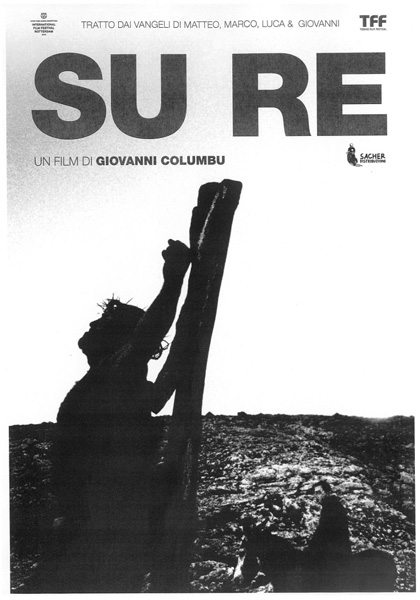
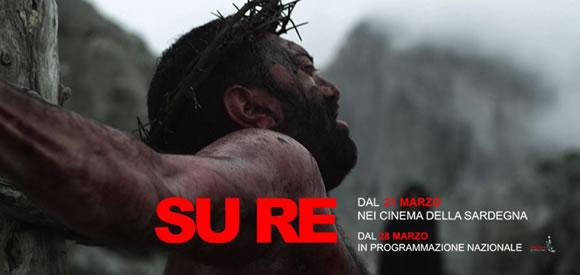
“The Cross is not a Roman pole, but the wood on which God wrote his gospel”.
“La Croce non è un palo dei romani, ma il legno su cui Dio ha scritto il suo vangelo.
(Alda Merini)
-----------------------------------------------------------------
click to activate the icon of slideshow: the small triangle inscribed in the small rectangle, at the top right, in the photostream;
or…. Press the “L” button to zoom in the image;
clicca sulla piccola icona per attivare lo slideshow: sulla facciata principale del photostream, in alto a destra c'è un piccolo rettangolo (rappresenta il monitor) con dentro un piccolo triangolo nero;
oppure…. premi il tasto “L” per ingrandire l'immagine;
www.worldphoto.org/sony-world-photography-awards/winners-...
www.fotografidigitali.it/gallery/2726/opere-italiane-segn...
…………………………………………………………………
Good Friday is an anniversary which in Sicily acquires a cathartic meaning for those who are searching, not only photographically, for popular traditions (we find them widespread throughout Sicily), which are nothing other than a social, cultural event, which merge into a single past and present; from the web "popular traditions are a historical memory linked to customs and rituals that have given shape to the values and beliefs of that culture". Easter in Sicily can be a source of research, it can appear not without contradictions, citing the thoughts of that great Sicilian thinker Leonardo Sciascia, for him Sicily cannot be called Christian referring to the Sicilian festivals, at most it is only in appearance, in those properly pagan explosions tolerated by the Church; Sciascia addresses the topic as an introductory essay in the book "Religious celebrations in Sicily", illustrated with photographs of a young and still unknown Ferdinando Scianna, a book that did not fail to raise some controversy due to the Sicilian thinker's introductory note, thus being in open controversy with the sacredness of that popular Sicilian devotion (the book was criticized by the Holy See newspaper, the Osservatore Romano), Sciascia writes: “what is a religious festival in Sicily? It would be easy to answer that it is anything but a religious holiday. It is, first of all, an existential explosion; the explosion of the collective id, where the collectivity exists only at the level of the id. Since it is only during the celebration that the Sicilian emerges from his condition of a single man, which is the condition of his vigilant and painful superego, to find himself part of a class, of a class, of a city". Another Sicilian thinker, writer and poet, Gesualdo Bufalino, provides interesting indications on the meaning that Sicilians give to these traditional popular events, he says "during Easter every Sicilian feels not only a spectator, but an actor, first sorrowful and then exultant , for a Mystery that is its very existence. The time of the event is that of Spring, the season of metamorphosis, just as the very nature of the rite is metamorphic in which, as in a story from the Puppet Opera, the battle of Good against Evil is fought. Deception, Pain and Triumph, Passion, Death and Resurrection of Christ are present."
In short, Easter in Sicily is a deeply felt anniversary throughout the island since ancient times, it has always had as its fulcrum the emotional participation of the people, with representations and processions which have become rites and traditions which unequivocally characterize numerous Sicilian centres, which they recall the most salient moments narrated in the Gospels and which recall the Passion, Death and Resurrection of Jesus Christ, with processions formed by the various brotherhoods (sometimes with theatrical re-enactments) which have within them contents and symbols often coming from the Spanish domination, which took place in Sicily between the 16th and 17th centuries. This year, on the occasion of Good Friday I went to the pretty town of Licodia Eubea (in the province of Catania), I'll start by saying that in this procession a unique character comes to life in statue form that cannot be found anywhere else place in Sicily, it is called "Ciurciddu" (translated "Circello"), he pulls Christ with a rope tied around his neck while he carries the Cross, this bad character has a profound symbolic-allegorical meaning, he represents "the Evil that exists in the world, the refusal towards the Truth announced by Christ", causing him suffering by pulling him with the rope tied around his neck. The boys and men "carriers of the floats" gather together, preparing for the moment when, once the procession has begun, the "'a Giunta" will take place around 10:00 a.m., or rather the very painful "encounter" between Christ ( who carries the Cross, linked to Ciurciddu) and His Mother of Sorrows (with her heart pierced by a sword, an iconic image of Spanish origin), during the meeting "the bow or greeting takes place" between the two floats, it is the Greeting that Mother and Son do in one of the most characteristic moments of this procession. While the two vares are brought to an ancient church, another event takes place which strongly characterizes this tradition, the "auction of the Cross" takes place, the ability to carry the Cross, weighing 70 kg, on one's shoulder, up to Churc of Calvary (a long uphill journey to reach the upper part of the town), is put up for auction, the highest bidder wins this possibility, after which an extraordinary event occurs: the devotee who wins the auction is embraced by numerous villagers, with great transport and affection, this is because those who participate in the auction certainly do so out of devotion but also possibly because they have had someone in their family with more or less serious health problems, and this is why people hug them and encourage them by showing their closeness . In the afternoon the procession resumes, now the Christ is dead, he is in the vara with the Urn, and is called "'u Signuri' a cascia" (by which term means "the Lord in the coffin"), the two vare (the dead Christ and His Mother of Sorrows) are carried in procession up to the Church of Calvary, where the heavy and ancient Cross carried on the shoulder by the devotee was hoisted; here, even if Christ is dead, the Crucifixion takes place , the mystical moment is accompanied by ancient songs-lamentations by the singers of the SS association. Crucifix; subsequently Christ is placed from the Cross in the urn, and descends back into the center of the town, where in the church of the Capuchin Fathers the devout people "make peace with the Lord", an act of reconciliation and request for forgiveness before the figure of Christ Died. Subsequently, late in the evening, Christ and his Mother are led into the Mother Church.
……………………………………………..
Il Venerdì Santo è una ricorrenza che in Sicilia acquista un significato catartico per chi è alla ricerca, non solo fotografica, delle tradizioni popolari (le troviamo diffuse in tutta la Sicilia), che altro non sono che un evento sociale, culturale, che fondono in un tutt’uno passato e presente; dal web “le tradizioni popolari sono una memoria storica legata ad usanze e ritualità che hanno dato forma ai valori e alle credenze di quella cultura”. La Pasqua in Sicilia può essere fonte di ricerca, essa può apparire non priva di contraddizioni, citando il pensiero di quel grande pensatore Siciliano che fu Leonardo Sciascia, per lui la Sicilia non può dirsi cristiana riferendosi alle feste Siciliane, al massimo lo è solo in apparenza, in quelle esplosioni propriamente pagane, tollerate dalla Chiesa; Sciascia affronta l’argomento come saggio introduttivo nel libro “Feste religiose in Sicilia”, illustrato con fotografie di un giovane ed ancora sconosciuto Ferdinando Scianna, libro che non mancò di sollevare qualche polemica per la nota introduttiva del pensatore Siciliano, essendo così in aperta polemica con la sacralità di quella devozione popolare Siciliana (il libro fu oggetto di una stroncatura da parte del quotidiano della Santa Sede, l’Osservatore Romano), Sciascia scrive: “che cos’ è una festa religiosa in Sicilia? Sarebbe facile rispondere che è tutto, tranne che una festa religiosa. E’, innanzi tutto, un’esplosione esistenziale; l’esplosione dell’es collettivo, dove la collettività esiste soltanto a livello dell’es. Poiché e soltanto nella festa che il siciliano esce dalla sua condizione di uomo solo, che è poi la condizione del suo vigile e doloroso super io, per ritrovarsi parte di un ceto, di una classe, di una città ”. Altro pensatore, scrittore e poeta Siciliano, Gesualdo Bufalino, fornisce indicazioni interessanti sul senso che i Siciliani danno a questi eventi popolari tradizionali, egli dice “durante la Pasqua ogni siciliano si sente non solo uno spettatore, ma un attore, prima dolente e poi esultante, per un Mistero che è la sua stessa esistenza. Il tempo dell’evento è quello della Primavera, la stagione della metamorfosi, così come metamorfica è la natura stessa del rito nel quale, come in un racconto dell’Opera dei Pupi, si combatte la lotta del Bene contro il Male. Sono presenti l’Inganno, il Dolore e il Trionfo, la Passione, la Morte e la Resurrezione di Cristo”.
In breve, la Pasqua in Sicilia è una ricorrenza profondamente sentita in tutta l’isola fin dall’antichità, essa ha sempre avuto come fulcro la commossa partecipazione del popolo, con rappresentazioni e processioni divenuti riti e tradizioni che caratterizzano inequivocabilmente numerosissimi centri Siciliani, che rievocano i momenti più salienti narrati nei Vangeli e che ricordano la Passione, la Morte e la Resurrezione di Gesù Cristo, con cortei formati dalle varie confraternite (a volte con rievocazioni teatrali) che hanno in se contenuti e simbologie spesso provenienti dalla dominazione Spagnola, avvenuta in Sicilia tra il XVI ed il XVII secolo.
Quest’anno, in occasione del Venerdì Santo mi sono recato nel grazioso paese di Licodia Eubea (in provincia di Catania), inizio col dire che in questa processione prende vita, in forma statuaria, un personaggio unico che non si trova in nessun’altro luogo della Sicilia, si chiama “Ciurciddu” (tradotto “Circello”), egli tira con una corda legata al collo il Cristo mentre porta la Croce, questo tristo personaggio ha un profondo significato simbolico-allegorico, egli rappresenta “il Male che c’è nel mondo, il rifuto verso al Verità annunciata dal Cristo”, creandogli sofferenza tirandolo con la corda legata al collo. I ragazzi e gli uomini “portatori delle vare” si riuniscono tra loro, preparandosi al momento in cui, iniziata la processione, si realizzerà attorno alle ore 10:00 “ ‘a Giunta”, ovvero “l’incontro” dolorosissimo tra il Cristo (che porta la Croce, legato a Ciurciddu) e Sua Madre l’Addolorata (col cuore trafitto da una spada, immagine iconica di origine spagnola), durante l’incontro “avviene l’inchino o saluto” tra le due vare, è il Saluto che Madre e Figlio si fanno in uno dei momenti più caratteristici di questa processione. Mentre le due vare vengono portate in una antica chiesa, avviene un altro evento che caratterizza fortemente questa tradizione, ha luogo “l’asta della Croce”, il poter portare in spalla la Croce, del peso di 70 kg, fino alla Chiesa del Calvario (un lungo percorso in salita a raggiungere la parte alta del paese), viene messo all’asta, il maggiore offerente si aggiudica questa possibilità, dopodiché avviene un fatto straordinario: il devoto che si è aggiudicato l’asta viene abbracciato da numerosissimi paesani, con grande trasporto ed affetto, questo perché chi partecipa all’asta lo fa certamente per devozione ma anche possibilmente perché in famiglia ha avuto qualcuno con problemi più o meno gravi di salute, ed è per questo che le persone lo abbracciano e lo incoraggiano mostrandogli la loro vicinanza. Nel pomeriggio riprende la processione, adesso il Cristo è morto, si trova nella vara con l’Urna, ed è chiamato “ ‘ u Signuri ‘ a cascia” (col quale termine si intende “il Signore nella cassa da morto”), le due vare (il Cristo morto e Sua Madre l’Addolorata) vengono portate in processione fin sopra la Chiesa del Calvario, dove la pesante ed antica Croce portata in spalla dal devoto è stata issata, qui, anche se il Cristo è morto, avviene la Crocifissione, il mistico momento è accompagnato da antichi canti-lamentazioni ad opera dei cantori dell’associazione SS. Crocifisso; successivamente il Cristo viene deposto dalla Croce nell’urna, e ridiscende nel centro del paese, ove nella chiesa dei Padri Cappuccini il popolo dei devoti “ fa ‘ a Paci co’ Signuri”, atto di riconciliazione e richiesta di perdono innanzi la figura del Cristo Morto. Successivamente, in tarda serata, il Cristo e Sua Madre vengono condotti nella Chiesa Madre.
……………………………………….
Un fenomeno che mi affascina per i bellissimi colori e lo stile di vita, è questo genere di animali: le anatre.
Le coppie sono legate da grande affetto. Costruiscono i nidi all'asciutto, nel fitto dei cespugli. Di solito la cova e la cura della prole sono a carico della femmina, anche se spesso il maschio collabora.
Quasi tutte le specie di Anatre sono monogame in libertà, mentre in cattività sono necessarie più femmine per maschio.
A PHENOMENON that fascinates me for its beautiful color and style of life, these kinds of animals: ducks.
The pairs are linked by deep affection. They build their nests on dry ground in the thick bushes. Usually the hatching and care of children shall be borne by the female, although the male often collaborates.
Almost all species of ducks are monogamous in freedom, while in captivity need more females to male.
... with a variation of different red tones. The artful red heart is a combination of different colored brush strokes, all in a different red color tone. Hope you like it!
Feel free to use the image in whatever way you want! I would be very grateful for a credit link to www.planetofsuccess.com/blog/ IF you publish this image on a reputable website (such as about.com) or in a reputable newspaper. Thank you!
I guess this heart shape would be great for next valentine's day... you just need to be creative! I wish you all happiness, joy, love as well as peace, freedom and harmony!
Tousand ways to say I love you in different languages...
Je t'aime
I love you
Ik hou van je
te quiero
Ich liebe dich
Ti amo
Я люблю тебя
Aloha wau ia oi
Seni seviyorum
Wo Ai Ni 我爱你
אני אוהב אותך
"the artists of the "Casa del Musical" group (House of Musical)".
“gli artisti del gruppo "Casa del Musical".
-----------------------------------------------------------------
click to activate the icon of slideshow: the small triangle inscribed in the small rectangle, at the top right, in the photostream;
or…. Press the “L” button to zoom in the image;
clicca sulla piccola icona per attivare lo slideshow: sulla facciata principale del photostream, in alto a destra c'è un piccolo rettangolo (rappresenta il monitor) con dentro un piccolo triangolo nero;
oppure…. premi il tasto “L” per ingrandire l'immagine;
www.worldphoto.org/sony-world-photography-awards/winners-...
www.fotografidigitali.it/gallery/2726/opere-italiane-segn...
……………………………………………………………………….
A history of Taormina: chronicles of a forbidden love and its great secret (not only Paolo and Francesca) with an unexpected "scoop".
This story is an integral part of the story previously told, the historical period is the same, the place is the same, the various characters often meet each other because they know each other; Taormina, between the end of the 1800s and the beginning of the 1900s, in an ever increasing growth, became the place of residence of elite tourism, thanks to the international interest aroused by writers and artists, such as Johann Wolfgang von Goethe , or great personalities like Lady Florence Trevelyan: Taormina becomes so famous, thanks to the paintings of the painter Otto Geleng and the photographs of the young Sicilian models by Wilhelm von Gloeden; in the air of Taormina there is a sense of libertine, its famous and histrionic visitors never fail to create scandal, even surpassing the famous Capri, in which, to cite just one example, the German gunsmith Krupp, trying to recreate the he environment of Arcadia that one breathed in Taormina (thanks to the photos of von Gloeden) was overwhelmed by the scandal for homosexuality, and took his own life. Taormina thus becomes a heavenly-like place, far from industrial civilizations, where you can freely live your life and sexuality; this is the socio-cultural environment in which the two protagonists of this story move, the British painter Robert Hawthorn Kitson (1873 - 1947) and the painter Carlo Siligato (born in Taormina in 1875, and died there in 1959). Robert H. Kitson, born in Leeds in England, belonged to a more than wealthy family, as a young engineer he had begun to replace his father in the family locomotive construction company (Kitson & Co.), on the death of his father in 1899 sells everything and decides to move very rich in Sicily to Taormina (he had been there the previous year with a trip made with his parents, here he had met, in addition to Baron von Gloeden, also the writer and poet Oscar Wilde who came to Italy, immediately after having served two years in prison in forced labor, on charges of sodomy); Kitson settled there because he was suffering from a severe form of rheumatic fever (like von Gloeden was advised to treat himself in the Mediterranean climate milder), and because as a homosexual, he leaves England because the Labouchere amendment considered homosexuality a crime. The other protagonist of this story is Carlo Siligato, he was from Taormina, he had attended the Academy of Fine Arts in Venice, a very gifted painter, he was very good at oil painting (he exhibited his paintings in an art workshop, even now existing, in via Teatro Greco in Taormina), the meeting with the painter Robert Kitson, led him to adopt the watercolor technique: almost to relive Dante's verses on Paolo and Francesca "Galeotto was the book and who wrote it" the common passion for painting led the two artists to live an intense love story. Kitson built his home in the "Cuseni" district of Taormina, called for this "Casa Cuseni", the house was built between 1900 and 1905, its decorations were entrusted to the artists Alfred East (realist landscape painter, president of the Royal Society ), and Frank Brangwyn (painter, decorator, designer), he was a pupil of William Morris, leader of the English movement "Arts and Crafts" which spread to England in the second half of the nineteenth century (the Arts and Crafts was a response to the industrialization of Europe, of mass production operated by factories, all this at the expense of traditional craftsmanship, from this movement originated the Art Nouveau, in Italy also known as Liberty Style or Floral Style, which distinguished itself for having been a artistic and philosophical movement, which developed between the end of the 19th century and the first decade of the 20th century, whose style spread in such a way as to be present everywhere). Casa Cuseni has kept a secret for 100 years that goes far beyond the forbidden love lived by Robert and Carlo, a secret hidden inside the "secret room", that dinning room that was reopened in 2012; entering the dining room, you can witness a series of murals painted on the four walls by Frank Brangwyn, in Art Nouveau style, which portray the life and love story between the painter Robert Kitson, and his life partner, the Carlo Siligato from Taormina, but the thing that makes these murals even more special, full of tenderness and sweetness, is that "their secret" (!) is represented in them, it is described visually, as in an "episodic" story that really happened in their lives: Messina (and Reggio Calabria) are destroyed by the terrible earthquake with a tsunami on December 28, 1908, Carlo Siligato, Robert Kitson, Wilhelm von Gloeden and Anatole France leave for Messina, to see and document in person the tragedy, the city was a pile of rubble, many dead, Robert and Carlo see a baby, Francesco, he is alone in the world, without parents who died in the earthquake, abandoned to a certain and sad destiny, a deep desire for protection is born in the two of them, a maternal and paternal desire is born, they decide to takes that little child with them even knowing that they are risking a lot ... (!), what they want to do is something absolutely unthinkable in that historical period, they are a homosexual couple, what they are about to do is absolutely forbidden ..(!) but now there is Francesco in their life, thus becoming, in fact, the first homogenitorial family (with a more generic term, rainbow family) in world history: hence the need to keep the whole story absolutely hidden, both from an artistic point of view , represented by the murals (for more than 100 years, the "dinning room" will be kept hidden), both of what happens in real life, with little Francesco cared for lovingly, but with great risk or. I have allegorically inserted, in the photographic story, some photographs of the artists of the company "Casa del Musical", who came to Taormina to perform during the Christmas period: today as yesterday, Taormina has always been (starting from the last 20 years of the 19th century) center of a crossroads of artists and great personalities, Casa Cuseni also in this has an enormous palmares of illustrious guests, too long to state. The young boys painted on the murals of Casa Cuseni, wear white, this is a sign of purity, they wanted to represent their ideal homosexual world, fighting against the figure dressed in black, short in stature, disturbing, which acquires a negative value, an allegorical figure of the English society of the time, indicating the Victorian morality that did not hesitate to condemn Oscar Wilde, depriving him of all his assets and rights, even preventing him from giving the surname to his children. The boys are inspired by the young Sicilian models photographed by Wilhelm von Gloeden, dressed in white tunics, with their heads surrounded by local flowers. The only female figure present has given rise to various interpretations, one could be Kitson's detachment from his motherland, or his detachment from his mother. On the third wall we witness the birth of the homogenitorial family, both (allegorically Carlo and Kitson with the child in their arms) are in profile, they are walking, the younger man has a long, Greek-style robe, placed on the front, next to him behind him, the sturdier companion holds and gently protects the little child in his arms, as if to spare the companion the effort of a long and uncertain journey, there is in the representation of the family the idea of a long journey, in fact the man holding the child wears heavy shoes, their faces are full of apprehension and concern: in front of them an empty wall, so deliberately left by Frank Brangwin, since their future is unknown, in front of them they have a destiny full of unknowns (at the same time, their path points east, they go towards the rising sun: opening the large window the sun floods everything in the room). In the "secret room" there is the picture painted in 1912 by Alfred E. East, an oil on canvas, representing Lake Bourget. Carlo Siligato later married Costanza, she was my father's grandmother's sister, they had a son, Nino, who for many years lived and worked as a merchant in his father's art workshop. I sincerely thank my colleague Dr. Francesco Spadaro, doctor and esteemed surgeon, owner and director of the "Casa Cuseni" House-Garden-Museum, who, affectionately acting as a guide, gave me the precious opportunity to create "this photographic tour" inside the house- museum and in the "metaphysical garden" of Casa Cuseni. … And the scoop that I announced in the title ..? After photographing the tomb of Carlo Siligato, in the Catholic cemetery of Taormina, I started looking for that of Robert Kitson, in the non-Catholic cemetery of Taormina: when I finally found it (with him lies his niece Daphne Phelps, buried later in 2005) ... I felt a very strong emotion, first of all I was expecting a mausoleum, instead I found a small, very modest tomb on this is not a photo of him, not an epitaph, not a Cross, not a praying Angel to point it out, but ... unexpectedly for a funerary tombstone ... a small bas-relief carved on marble (or stone) depicting ... the Birth ... (!), obviously , having chosen her could have a very specific meaning: a desire to transmit a message, something very profound about him, his tomb thus testified that in his soul, what was really important in life was having a family, with Carlo and baby Francesco, certainly beloved, saved from a certain and sad fate, in the terrible Messina earthquake-tsunami of 28 December 1908 ... almost recalling in an absolute synthesis, at the end of his life, what had already been told in the "secret murals" of Casa Cuseni.
…………………………………………………………………..
Una storia di Taormina: cronache di un amore proibito e del suo grande segreto (non solo Paolo e Francesca) con inaspettato “scoop”.
Questa storia fa parte integrante della storia precedentemente raccontata, il periodo storico è lo stesso, il luogo è lo stesso, i vari personaggi spesso si frequentano tra loro poiché si conoscono; Taormina, tra la fine dell’800 e l’inizio del’900, in un sempre maggiore crescendo, diventa luogo di residenza del turismo d’élite, grazie all’interesse internazionale suscitato ad opera di scrittori ed artisti, come Johann Wolfgang von Goethe, o grandi personalità come Lady Florence Trevelyan: Taormina diventa così famosa, complici i quadri del pittore Otto Geleng e le fotografie dei giovani modelli siciliani di Wilhelm von Gloeden; nell’aria di Taormina si respira un che di libertino, i suoi famosi ed istrionici frequentatori non mancano mai di creare scandalo, superando persino la famosa Capri, nella quale, per citare solo un esempio, l’armiere tedesco Krupp, cercando di ricreare l’ambiente dell’Arcadia che si respirava a Taormina (grazie alle foto di von Gloeden) viene travolto dallo scandalo per omosessualità, e si toglie la vita. Taormina diviene quindi un luogo simil-paradisiaco, lontana dalle civiltà industriali, nella quale poter vivere liberamente la propria vita e la propria sessualità; questo è l’ambiente socio-culturale nel quale si muovono i due protagonisti di questa vicenda, il pittore britannico Robert Hawthorn Kitson (1873 – 1947) ed il pittore Carlo Siligato (nato a Taormina nel 1875, ed ivi morto nel 1959). Robert H. Kitson, nacque a Leeds in Inghilterra, apparteneva ad una famiglia più che benestante, da giovane ingegnere aveva cominciato a sostituire il padre nell’impresa familiare di costruzioni di locomotive (la Kitson & Co.), alla morte del padre nel 1899 vende tutto e decide di trasferirsi ricchissimo in Sicilia a Taormina (vi era stato l’anno precedente con un viaggio fatto coi suoi genitori, qui aveva conosciuto, oltre al barone von Gloeden, anche lo scrittore e poeta Oscar Wilde venuto in Italia, subito dopo aver scontato due anni di prigione ai lavori forzati, con l’accusa di sodomia); Kitson vi si stabilisce perché affetto da una grave forma di febbre reumatica (come von Gloeden gli fu consigliato di curarsi nel clima mediterraneo più mite), sia perché in quanto omosessuale, lascia l’Inghilterra perché l’emendamento Labouchere considerava l’omosessualità un crimine. L’altro protagonista di questa storia è Carlo Siligato, egli era taorminese, aveva frequentato l’Accademia di Belle Arti di Venezia, pittore molto dotato, era bravissimo nel dipingere ad olio (esponeva i suoi quadri in una bottega d’arte, ancora adesso esistente, in via Teatro Greco a Taormina), l’incontro col pittore Robert Kitson, lo portò ad adottare la tecnica dell’acquarello: quasi a rivivere i versi di Dante su Paolo e Francesca “Galeotto fu ‘l libro e chi lo scrisse” la comune passione per la pittura condusse i due artisti a vivere una intensa storia d’amore. Kitson costruì nel quartiere “Cuseni” di Taormina la sua abitazione, detta per questo “Casa Cuseni”, la casa fu costruita tra il 1900 ed il 1905, le sue decorazioni furono affidate agli artisti Alfred East (pittore verista paesaggista, presidente della Royal Society), e Frank Brangwyn (pittore, decoratore, designer, progettista), egli era allievo di William Morris, leader del movimento inglese “Arts and Crafts” (Arti e Mestieri) che si diffuse in Inghilterra nella seconda metà del XIX secolo (l’Arts and Crafts era una risposta alla industrializzazione dell’Europa, della produzione in massa operata dalle fabbriche, tutto ciò a scapito dell’artigianato tradizionale, da questo movimento ebbe origine l’Art Nouveau, in Italia conosciuta anche come Stile Liberty o Stile Floreale, che si distinse per essere stata un movimento artistico e filosofico, che si sviluppò tra la fine dell’800 ed il primo decennio del ‘900, il cui stile si diffuse in tal modo da essere presente dappertutto). Casa Cuseni ha custodito per 100 anni un segreto che va ben oltre quell’amore proibito vissuto da Robert e Carlo, segreto celato all’interno della “stanza segreta”, quella dinning room che è stata riaperta nel 2012; entrando nella sala da pranzo, si assiste ad una serie di murales realizzati sulle quattro pareti da Frank Brangwyn, in stile Art Nouveau, che ritraggono la vita e la storia d’amore tra il pittore Robert Kitson, ed il suo compagno di vita, il pittore taorminese Carlo Siligato, ma la cosa che rende questi murales ancora più particolari, carichi di tenerezza e dolcezza, è che in essi viene rappresentato “il loro segreto” (!), viene descritto visivamente, come in un racconto “ad episodi” quello che è realmente avvenuto nella loro vita: Messina (e Reggio Calabria) vengono distrutte dal terribile sisma con maremoto il 28 dicembre del 1908, partono per Messina, Carlo Siligato, Robert Kitson, Wilhelm von Gloeden ed Anatole France, per vedere e documentare di persona la tragedia, la città era un cumulo di macerie, moltissimi i morti, Robert e Carlo vedono un piccolo bimbo, Francesco, egli è solo al mondo, privo dei genitori periti nel terremoto, abbandonato ad un certo e triste destino, nasce in loro due un profondo desiderio di protezione, nasce un desiderio materno e paterno, decidono di prende quel piccolo bimbo con loro pur sapendo che stanno rischiando moltissimo…(!) , quello che vogliono fare è una cosa assolutamente impensabile in quel periodo storico, loro sono una coppia omosessuale, quello che stanno per fare è assolutamente proibito..(!) ma oramai c’è Francesco nella loro vita, divenendo così, di fatto, la prima famiglia omogenitoriale (con termine più generico, famiglia arcobaleno) nella storia mondiale: da qui la necessità di tenere assolutamente nascosta tutta la vicenda, sia dal punto di vista artistico, rappresentata dai murales (per più di 100 anni, la “dinning room” verrà tenuta nascosta), sia di quanto accade nella vita reale, col piccolo Francesco accudito amorevolmente, ma con grandissimo rischio. Ho inserito allegoricamente, nel racconto fotografico, alcune fotografie degli artisti della compagnia “Casa del Musical”, giunti a Taormina per esibirsi durante il periodo natalizio: oggi come ieri, Taormina è sempre stata (a partire dagli ultimi 20 anni dell’800) al centro di un crocevia di artisti e grandi personalità, Casa Cuseni anche in questo ha un enorme palmares di ospiti illustri, troppo lungo da enunciare. I giovani ragazzi dipinti sui murales di Casa Cuseni, vestono di bianco, questo è segno di purezza, si è voluto in tal modo rappresentare il loro mondo ideale omosessuale, in lotta contro la figura vestita di nero, bassa di statura, inquietante, che acquista un valore negativo, figura allegorica della società inglese dell’epoca, indicante la morale Vittoriana che non ha esitato a condannare Oscar Wilde, privandolo di tutti i suoi beni e diritti, impedendogli persino di dare il cognome ai suoi figli. I ragazzi sono ispirati ai giovani modelli siciliani fotografati da Wilhelm von Gloeden, vestiti con tuniche bianche, col capo cinto dei fiori locali. L’unica figura femminile presente, ha dato spunto a varie interpretazioni, una potrebbe essere il distacco da parte di Kitson dalla sua madre patria, oppure il distacco da sua madre. Sulla terza parete si assiste alla nascita della famiglia omogenitoriale, entrambi (allegoricamente Carlo e Kitson col bimbo in braccio) sono di profilo, sono in cammino, l’uomo più giovane ha una veste lunga, alla greca, posto sul davanti, accanto a lui, alle sue spalle, il compagno più robusto sostiene in braccio e protegge con dolcezza il piccolo bimbo, quasi a voler risparmiare al compagno la fatica di un lungo ed incerto percorso, vi è nella rappresentazione della famiglia l’idea di un lungo percorso, infatti l’uomo che regge il bimbo indossa delle calzature pesanti, i loro volti sono carichi di apprensione e preoccupazione: davanti a loro una parete vuota, così volutamente lasciata da Frank Brangwin, poiché il loro futuro è ignoto, davanti hanno un destino pieno di incognite (al tempo stesso, il loro cammino indica l’est, vanno verso il sole nascente: aprendo la grande finestra il sole inonda ogni cosa nella stanza).
Nella “stanza segreta” c’è il quadro dipinto nel 1912 da Alfred E. East, un olio su tela, rappresentante il lago Bourget.
Carlo Siligato, successivamente si sposò con Costanza, una sorella della nonna di mio padre, da lei ebbe un figlio, Nino, il quale per tantissimi anni ha vissuto e lavorato come commerciante nella bottega d’arte del padre. Ringrazio di cuore il mio collega dott. Francesco Spadaro, medico e stimato chirurgo, proprietario e direttore della Casa-Giardino-Museo “Casa Cuseni”, il quale, facendomi affettuosamente da cicerone, mi ha dato la preziosa opportunità di realizzare “questo tour fotografico” all’interno dell’abitazione-museo e nel “giardino-metafisico” di Casa Cuseni.
…E lo scoop che ho annunciato nel titolo..? Dopo aver fotografato la tomba di Carlo Siligato, nel cimitero cattolico di Taormina, mi sono messo alla ricerca di quella di Robert Kitson, nel cimitero acattolico di Taormina: quando finalmente l’ho trovata (insieme a lui giace sua nipote Daphne Phelps, seppellita successivamente nel 2005)…ho provato una fortissima commozione, innanzitutto mi aspettavo un mausoleo, invece ho trovato una tomba piccola, molto modesta, su questa non una sua foto, non un epitaffio, non una Croce, non un Angelo pregante ad indicarla, ma … inaspettatamente per una lapide funeraria…un piccolo bassorilievo scolpito su marmo (o su pietra) raffigurante…la Natalità…(!), evidentemente, l’averla scelta potrebbe avere un significato ben preciso: un desiderio di trasmettere un messaggio, qualcosa di molto profondo di lui, la sua tomba testimoniava così che nel suo animo, ciò che in vita fu davvero importante fu l’aver avuto una famiglia, con Carlo e col piccolo Francesco, certamente amatissimo, salvato da un molto probabile triste destino, nel terribile terremoto-maremoto di Messina del 28 dicembre del 1908…quasi rievocando in una sintesi assoluta, al termine della sua vita, ciò che era già stato raccontato nei “murales segreti” di Casa Cuseni.
………………………………………………………………………………….
.……………………………….
“The Cross is not a Roman pole, but the wood on which God wrote his gospel”.
“La Croce non è un palo dei romani, ma il legno su cui Dio ha scritto il suo vangelo.
(Alda Merini)
-----------------------------------------------------------------
click to activate the icon of slideshow: the small triangle inscribed in the small rectangle, at the top right, in the photostream;
or…. Press the “L” button to zoom in the image;
clicca sulla piccola icona per attivare lo slideshow: sulla facciata principale del photostream, in alto a destra c'è un piccolo rettangolo (rappresenta il monitor) con dentro un piccolo triangolo nero;
oppure…. premi il tasto “L” per ingrandire l'immagine;
www.worldphoto.org/sony-world-photography-awards/winners-...
www.fotografidigitali.it/gallery/2726/opere-italiane-segn...
…………………………………………………………………
Good Friday is an anniversary which in Sicily acquires a cathartic meaning for those who are searching, not only photographically, for popular traditions (we find them widespread throughout Sicily), which are nothing other than a social, cultural event, which merge into a single past and present; from the web "popular traditions are a historical memory linked to customs and rituals that have given shape to the values and beliefs of that culture". Easter in Sicily can be a source of research, it can appear not without contradictions, citing the thoughts of that great Sicilian thinker Leonardo Sciascia, for him Sicily cannot be called Christian referring to the Sicilian festivals, at most it is only in appearance, in those properly pagan explosions tolerated by the Church; Sciascia addresses the topic as an introductory essay in the book "Religious celebrations in Sicily", illustrated with photographs of a young and still unknown Ferdinando Scianna, a book that did not fail to raise some controversy due to the Sicilian thinker's introductory note, thus being in open controversy with the sacredness of that popular Sicilian devotion (the book was criticized by the Holy See newspaper, the Osservatore Romano), Sciascia writes: “what is a religious festival in Sicily? It would be easy to answer that it is anything but a religious holiday. It is, first of all, an existential explosion; the explosion of the collective id, where the collectivity exists only at the level of the id. Since it is only during the celebration that the Sicilian emerges from his condition of a single man, which is the condition of his vigilant and painful superego, to find himself part of a class, of a class, of a city". Another Sicilian thinker, writer and poet, Gesualdo Bufalino, provides interesting indications on the meaning that Sicilians give to these traditional popular events, he says "during Easter every Sicilian feels not only a spectator, but an actor, first sorrowful and then exultant , for a Mystery that is its very existence. The time of the event is that of Spring, the season of metamorphosis, just as the very nature of the rite is metamorphic in which, as in a story from the Puppet Opera, the battle of Good against Evil is fought. Deception, Pain and Triumph, Passion, Death and Resurrection of Christ are present."
In short, Easter in Sicily is a deeply felt anniversary throughout the island since ancient times, it has always had as its fulcrum the emotional participation of the people, with representations and processions which have become rites and traditions which unequivocally characterize numerous Sicilian centres, which they recall the most salient moments narrated in the Gospels and which recall the Passion, Death and Resurrection of Jesus Christ, with processions formed by the various brotherhoods (sometimes with theatrical re-enactments) which have within them contents and symbols often coming from the Spanish domination, which took place in Sicily between the 16th and 17th centuries. This year, on the occasion of Good Friday I went to the pretty town of Licodia Eubea (in the province of Catania), I'll start by saying that in this procession a unique character comes to life in statue form that cannot be found anywhere else place in Sicily, it is called "Ciurciddu" (translated "Circello"), he pulls Christ with a rope tied around his neck while he carries the Cross, this bad character has a profound symbolic-allegorical meaning, he represents "the Evil that exists in the world, the refusal towards the Truth announced by Christ", causing him suffering by pulling him with the rope tied around his neck. The boys and men "carriers of the floats" gather together, preparing for the moment when, once the procession has begun, the "'a Giunta" will take place around 10:00 a.m., or rather the very painful "encounter" between Christ ( who carries the Cross, linked to Ciurciddu) and His Mother of Sorrows (with her heart pierced by a sword, an iconic image of Spanish origin), during the meeting "the bow or greeting takes place" between the two floats, it is the Greeting that Mother and Son do in one of the most characteristic moments of this procession. While the two vares are brought to an ancient church, another event takes place which strongly characterizes this tradition, the "auction of the Cross" takes place, the ability to carry the Cross, weighing 70 kg, on one's shoulder, up to Churc of Calvary (a long uphill journey to reach the upper part of the town), is put up for auction, the highest bidder wins this possibility, after which an extraordinary event occurs: the devotee who wins the auction is embraced by numerous villagers, with great transport and affection, this is because those who participate in the auction certainly do so out of devotion but also possibly because they have had someone in their family with more or less serious health problems, and this is why people hug them and encourage them by showing their closeness . In the afternoon the procession resumes, now the Christ is dead, he is in the vara with the Urn, and is called "'u Signuri' a cascia" (by which term means "the Lord in the coffin"), the two vare (the dead Christ and His Mother of Sorrows) are carried in procession up to the Church of Calvary, where the heavy and ancient Cross carried on the shoulder by the devotee was hoisted; here, even if Christ is dead, the Crucifixion takes place , the mystical moment is accompanied by ancient songs-lamentations by the singers of the SS association. Crucifix; subsequently Christ is placed from the Cross in the urn, and descends back into the center of the town, where in the church of the Capuchin Fathers the devout people "make peace with the Lord", an act of reconciliation and request for forgiveness before the figure of Christ Died. Subsequently, late in the evening, Christ and his Mother are led into the Mother Church.
……………………………………………..
Il Venerdì Santo è una ricorrenza che in Sicilia acquista un significato catartico per chi è alla ricerca, non solo fotografica, delle tradizioni popolari (le troviamo diffuse in tutta la Sicilia), che altro non sono che un evento sociale, culturale, che fondono in un tutt’uno passato e presente; dal web “le tradizioni popolari sono una memoria storica legata ad usanze e ritualità che hanno dato forma ai valori e alle credenze di quella cultura”. La Pasqua in Sicilia può essere fonte di ricerca, essa può apparire non priva di contraddizioni, citando il pensiero di quel grande pensatore Siciliano che fu Leonardo Sciascia, per lui la Sicilia non può dirsi cristiana riferendosi alle feste Siciliane, al massimo lo è solo in apparenza, in quelle esplosioni propriamente pagane, tollerate dalla Chiesa; Sciascia affronta l’argomento come saggio introduttivo nel libro “Feste religiose in Sicilia”, illustrato con fotografie di un giovane ed ancora sconosciuto Ferdinando Scianna, libro che non mancò di sollevare qualche polemica per la nota introduttiva del pensatore Siciliano, essendo così in aperta polemica con la sacralità di quella devozione popolare Siciliana (il libro fu oggetto di una stroncatura da parte del quotidiano della Santa Sede, l’Osservatore Romano), Sciascia scrive: “che cos’ è una festa religiosa in Sicilia? Sarebbe facile rispondere che è tutto, tranne che una festa religiosa. E’, innanzi tutto, un’esplosione esistenziale; l’esplosione dell’es collettivo, dove la collettività esiste soltanto a livello dell’es. Poiché e soltanto nella festa che il siciliano esce dalla sua condizione di uomo solo, che è poi la condizione del suo vigile e doloroso super io, per ritrovarsi parte di un ceto, di una classe, di una città ”. Altro pensatore, scrittore e poeta Siciliano, Gesualdo Bufalino, fornisce indicazioni interessanti sul senso che i Siciliani danno a questi eventi popolari tradizionali, egli dice “durante la Pasqua ogni siciliano si sente non solo uno spettatore, ma un attore, prima dolente e poi esultante, per un Mistero che è la sua stessa esistenza. Il tempo dell’evento è quello della Primavera, la stagione della metamorfosi, così come metamorfica è la natura stessa del rito nel quale, come in un racconto dell’Opera dei Pupi, si combatte la lotta del Bene contro il Male. Sono presenti l’Inganno, il Dolore e il Trionfo, la Passione, la Morte e la Resurrezione di Cristo”.
In breve, la Pasqua in Sicilia è una ricorrenza profondamente sentita in tutta l’isola fin dall’antichità, essa ha sempre avuto come fulcro la commossa partecipazione del popolo, con rappresentazioni e processioni divenuti riti e tradizioni che caratterizzano inequivocabilmente numerosissimi centri Siciliani, che rievocano i momenti più salienti narrati nei Vangeli e che ricordano la Passione, la Morte e la Resurrezione di Gesù Cristo, con cortei formati dalle varie confraternite (a volte con rievocazioni teatrali) che hanno in se contenuti e simbologie spesso provenienti dalla dominazione Spagnola, avvenuta in Sicilia tra il XVI ed il XVII secolo.
Quest’anno, in occasione del Venerdì Santo mi sono recato nel grazioso paese di Licodia Eubea (in provincia di Catania), inizio col dire che in questa processione prende vita, in forma statuaria, un personaggio unico che non si trova in nessun’altro luogo della Sicilia, si chiama “Ciurciddu” (tradotto “Circello”), egli tira con una corda legata al collo il Cristo mentre porta la Croce, questo tristo personaggio ha un profondo significato simbolico-allegorico, egli rappresenta “il Male che c’è nel mondo, il rifuto verso al Verità annunciata dal Cristo”, creandogli sofferenza tirandolo con la corda legata al collo. I ragazzi e gli uomini “portatori delle vare” si riuniscono tra loro, preparandosi al momento in cui, iniziata la processione, si realizzerà attorno alle ore 10:00 “ ‘a Giunta”, ovvero “l’incontro” dolorosissimo tra il Cristo (che porta la Croce, legato a Ciurciddu) e Sua Madre l’Addolorata (col cuore trafitto da una spada, immagine iconica di origine spagnola), durante l’incontro “avviene l’inchino o saluto” tra le due vare, è il Saluto che Madre e Figlio si fanno in uno dei momenti più caratteristici di questa processione. Mentre le due vare vengono portate in una antica chiesa, avviene un altro evento che caratterizza fortemente questa tradizione, ha luogo “l’asta della Croce”, il poter portare in spalla la Croce, del peso di 70 kg, fino alla Chiesa del Calvario (un lungo percorso in salita a raggiungere la parte alta del paese), viene messo all’asta, il maggiore offerente si aggiudica questa possibilità, dopodiché avviene un fatto straordinario: il devoto che si è aggiudicato l’asta viene abbracciato da numerosissimi paesani, con grande trasporto ed affetto, questo perché chi partecipa all’asta lo fa certamente per devozione ma anche possibilmente perché in famiglia ha avuto qualcuno con problemi più o meno gravi di salute, ed è per questo che le persone lo abbracciano e lo incoraggiano mostrandogli la loro vicinanza. Nel pomeriggio riprende la processione, adesso il Cristo è morto, si trova nella vara con l’Urna, ed è chiamato “ ‘ u Signuri ‘ a cascia” (col quale termine si intende “il Signore nella cassa da morto”), le due vare (il Cristo morto e Sua Madre l’Addolorata) vengono portate in processione fin sopra la Chiesa del Calvario, dove la pesante ed antica Croce portata in spalla dal devoto è stata issata, qui, anche se il Cristo è morto, avviene la Crocifissione, il mistico momento è accompagnato da antichi canti-lamentazioni ad opera dei cantori dell’associazione SS. Crocifisso; successivamente il Cristo viene deposto dalla Croce nell’urna, e ridiscende nel centro del paese, ove nella chiesa dei Padri Cappuccini il popolo dei devoti “ fa ‘ a Paci co’ Signuri”, atto di riconciliazione e richiesta di perdono innanzi la figura del Cristo Morto. Successivamente, in tarda serata, il Cristo e Sua Madre vengono condotti nella Chiesa Madre.
……………………………………….
The swan-necked head lay on the white cushions, silver fence, and a gentle smile hovered in his eyes, the cheeks still smooth, the mouth serene. Not even a sigh or a moan revealed the long ordeal of a lifetime: the little hand was looking for my head in a silent caress of blessing. "Why - he asked me - is your face pale?" » Surprised, I remained silent. But he didn't insist. And the warm breath of his sweet affection even of every pain it soothed the torment. Now I search for the scant words, but in vain, my lost Mother, the light caresses and, deep down in the secret of my soul, the clear light of your blind eyes.
Poetry by
Lea Luzzati Segre Sorrowful Mother
Giaceva la testa dal collo di cigno
sui bianchi cuscini, recinta d'argento,
e mite un sorriso su gli occhi aleggiava,
le gote ancor lisce, la bocca serena.
Neppure un sospiro svelava o un lamento
il lungo calvario di tutta una vita:
la piccola mano cercava il mio capo
in muta carezza di benedizione.
« Perché - mi chiedeva - hai pallido il 'viso? »
Stupita tacevo. Ma non insisteva.
E l'alito caldo del dolce suo affetto
pur d'ogni dolore leniva il tormento.
Or cerco le scarne parole, ma invano,
mia Mamma perduta, le lievi carezze
e, in fondo al segreto dell'anima mia,
la limpida luce degli occhi tuoi ciechi.
Poesia di Lea Luzzati Segre
Mater dolorosa
Even organized by: Ombre D'Arte, Associazione Culturale
Location: Villa Molin
Model: Lucretia Von Denaly
All right reserved - Marco Rossi ©
Do not use or repost it without my permission
"the mural, allegory of the life of Robert Kitson (the tallest, dressed in light blue) and Carlo Siligato (dressed in white) in the Art Nouveau style, inspired by the images of Arcadia, of young Sicilians, of baron von Gloeden."
“il murales, allegoria della vita di Robert Kitson (il più alto, vestito di celeste) e Carlo Siligato (vestito di bianco) nello stile Art Nouveau, ispirato alle immagini dell'Arcadia, dei giovani siciliani, del barone von Gloeden."
-----------------------------------------------------------------
click to activate the icon of slideshow: the small triangle inscribed in the small rectangle, at the top right, in the photostream;
or…. Press the “L” button to zoom in the image;
clicca sulla piccola icona per attivare lo slideshow: sulla facciata principale del photostream, in alto a destra c'è un piccolo rettangolo (rappresenta il monitor) con dentro un piccolo triangolo nero;
oppure…. premi il tasto “L” per ingrandire l'immagine;
www.worldphoto.org/sony-world-photography-awards/winners-...
www.fotografidigitali.it/gallery/2726/opere-italiane-segn...
……………………………………………………………………….
A history of Taormina: chronicles of a forbidden love and its great secret (not only Paolo and Francesca) with an unexpected "scoop".
This story is an integral part of the story previously told, the historical period is the same, the place is the same, the various characters often meet each other because they know each other; Taormina, between the end of the 1800s and the beginning of the 1900s, in an ever increasing growth, became the place of residence of elite tourism, thanks to the international interest aroused by writers and artists, such as Johann Wolfgang von Goethe , or great personalities like Lady Florence Trevelyan: Taormina becomes so famous, thanks to the paintings of the painter Otto Geleng and the photographs of the young Sicilian models by Wilhelm von Gloeden; in the air of Taormina there is a sense of libertine, its famous and histrionic visitors never fail to create scandal, even surpassing the famous Capri, in which, to cite just one example, the German gunsmith Krupp, trying to recreate the he environment of Arcadia that one breathed in Taormina (thanks to the photos of von Gloeden) was overwhelmed by the scandal for homosexuality, and took his own life. Taormina thus becomes a heavenly-like place, far from industrial civilizations, where you can freely live your life and sexuality; this is the socio-cultural environment in which the two protagonists of this story move, the British painter Robert Hawthorn Kitson (1873 - 1947) and the painter Carlo Siligato (born in Taormina in 1875, and died there in 1959). Robert H. Kitson, born in Leeds in England, belonged to a more than wealthy family, as a young engineer he had begun to replace his father in the family locomotive construction company (Kitson & Co.), on the death of his father in 1899 sells everything and decides to move very rich in Sicily to Taormina (he had been there the previous year with a trip made with his parents, here he had met, in addition to Baron von Gloeden, also the writer and poet Oscar Wilde who came to Italy, immediately after having served two years in prison in forced labor, on charges of sodomy); Kitson settled there because he was suffering from a severe form of rheumatic fever (like von Gloeden was advised to treat himself in the Mediterranean climate milder), and because as a homosexual, he leaves England because the Labouchere amendment considered homosexuality a crime. The other protagonist of this story is Carlo Siligato, he was from Taormina, he had attended the Academy of Fine Arts in Venice, a very gifted painter, he was very good at oil painting (he exhibited his paintings in an art workshop, even now existing, in via Teatro Greco in Taormina), the meeting with the painter Robert Kitson, led him to adopt the watercolor technique: almost to relive Dante's verses on Paolo and Francesca "Galeotto was the book and who wrote it" the common passion for painting led the two artists to live an intense love story. Kitson built his home in the "Cuseni" district of Taormina, called for this "Casa Cuseni", the house was built between 1900 and 1905, its decorations were entrusted to the artists Alfred East (realist landscape painter, president of the Royal Society ), and Frank Brangwyn (painter, decorator, designer), he was a pupil of William Morris, leader of the English movement "Arts and Crafts" which spread to England in the second half of the nineteenth century (the Arts and Crafts was a response to the industrialization of Europe, of mass production operated by factories, all this at the expense of traditional craftsmanship, from this movement originated the Art Nouveau, in Italy also known as Liberty Style or Floral Style, which distinguished itself for having been a artistic and philosophical movement, which developed between the end of the 19th century and the first decade of the 20th century, whose style spread in such a way as to be present everywhere). Casa Cuseni has kept a secret for 100 years that goes far beyond the forbidden love lived by Robert and Carlo, a secret hidden inside the "secret room", that dinning room that was reopened in 2012; entering the dining room, you can witness a series of murals painted on the four walls by Frank Brangwyn, in Art Nouveau style, which portray the life and love story between the painter Robert Kitson, and his life partner, the Carlo Siligato from Taormina, but the thing that makes these murals even more special, full of tenderness and sweetness, is that "their secret" (!) is represented in them, it is described visually, as in an "episodic" story that really happened in their lives: Messina (and Reggio Calabria) are destroyed by the terrible earthquake with a tsunami on December 28, 1908, Carlo Siligato, Robert Kitson, Wilhelm von Gloeden and Anatole France leave for Messina, to see and document in person the tragedy, the city was a pile of rubble, many dead, Robert and Carlo see a baby, Francesco, he is alone in the world, without parents who died in the earthquake, abandoned to a certain and sad destiny, a deep desire for protection is born in the two of them, a maternal and paternal desire is born, they decide to takes that little child with them even knowing that they are risking a lot ... (!), what they want to do is something absolutely unthinkable in that historical period, they are a homosexual couple, what they are about to do is absolutely forbidden ..(!) but now there is Francesco in their life, thus becoming, in fact, the first homogenitorial family (with a more generic term, rainbow family) in world history: hence the need to keep the whole story absolutely hidden, both from an artistic point of view , represented by the murals (for more than 100 years, the "dinning room" will be kept hidden), both of what happens in real life, with little Francesco cared for lovingly, but with great risk or. I have allegorically inserted, in the photographic story, some photographs of the artists of the company "Casa del Musical", who came to Taormina to perform during the Christmas period: today as yesterday, Taormina has always been (starting from the last 20 years of the 19th century) center of a crossroads of artists and great personalities, Casa Cuseni also in this has an enormous palmares of illustrious guests, too long to state. The young boys painted on the murals of Casa Cuseni, wear white, this is a sign of purity, they wanted to represent their ideal homosexual world, fighting against the figure dressed in black, short in stature, disturbing, which acquires a negative value, an allegorical figure of the English society of the time, indicating the Victorian morality that did not hesitate to condemn Oscar Wilde, depriving him of all his assets and rights, even preventing him from giving the surname to his children. The boys are inspired by the young Sicilian models photographed by Wilhelm von Gloeden, dressed in white tunics, with their heads surrounded by local flowers. The only female figure present has given rise to various interpretations, one could be Kitson's detachment from his motherland, or his detachment from his mother. On the third wall we witness the birth of the homogenitorial family, both (allegorically Carlo and Kitson with the child in their arms) are in profile, they are walking, the younger man has a long, Greek-style robe, placed on the front, next to him behind him, the sturdier companion holds and gently protects the little child in his arms, as if to spare the companion the effort of a long and uncertain journey, there is in the representation of the family the idea of a long journey, in fact the man holding the child wears heavy shoes, their faces are full of apprehension and concern: in front of them an empty wall, so deliberately left by Frank Brangwin, since their future is unknown, in front of them they have a destiny full of unknowns (at the same time, their path points east, they go towards the rising sun: opening the large window the sun floods everything in the room). In the "secret room" there is the picture painted in 1912 by Alfred E. East, an oil on canvas, representing Lake Bourget. Carlo Siligato later married Costanza, she was my father's grandmother's sister, they had a son, Nino, who for many years lived and worked as a merchant in his father's art workshop. I sincerely thank my colleague Dr. Francesco Spadaro, doctor and esteemed surgeon, owner and director of the "Casa Cuseni" House-Garden-Museum, who, affectionately acting as a guide, gave me the precious opportunity to create "this photographic tour" inside the house- museum and in the "metaphysical garden" of Casa Cuseni. … And the scoop that I announced in the title ..? After photographing the tomb of Carlo Siligato, in the Catholic cemetery of Taormina, I started looking for that of Robert Kitson, in the non-Catholic cemetery of Taormina: when I finally found it (with him lies his niece Daphne Phelps, buried later in 2005) ... I felt a very strong emotion, first of all I was expecting a mausoleum, instead I found a small, very modest tomb on this is not a photo of him, not an epitaph, not a Cross, not a praying Angel to point it out, but ... unexpectedly for a funerary tombstone ... a small bas-relief carved on marble (or stone) depicting ... the Birth ... (!), obviously , having chosen her could have a very specific meaning: a desire to transmit a message, something very profound about him, his tomb thus testified that in his soul, what was really important in life was having a family, with Carlo and baby Francesco, certainly beloved, saved from a certain and sad fate, in the terrible Messina earthquake-tsunami of 28 December 1908 ... almost recalling in an absolute synthesis, at the end of his life, what had already been told in the "secret murals" of Casa Cuseni.
…………………………………………………………………..
Una storia di Taormina: cronache di un amore proibito e del suo grande segreto (non solo Paolo e Francesca) con inaspettato “scoop”.
Questa storia fa parte integrante della storia precedentemente raccontata, il periodo storico è lo stesso, il luogo è lo stesso, i vari personaggi spesso si frequentano tra loro poiché si conoscono; Taormina, tra la fine dell’800 e l’inizio del’900, in un sempre maggiore crescendo, diventa luogo di residenza del turismo d’élite, grazie all’interesse internazionale suscitato ad opera di scrittori ed artisti, come Johann Wolfgang von Goethe, o grandi personalità come Lady Florence Trevelyan: Taormina diventa così famosa, complici i quadri del pittore Otto Geleng e le fotografie dei giovani modelli siciliani di Wilhelm von Gloeden; nell’aria di Taormina si respira un che di libertino, i suoi famosi ed istrionici frequentatori non mancano mai di creare scandalo, superando persino la famosa Capri, nella quale, per citare solo un esempio, l’armiere tedesco Krupp, cercando di ricreare l’ambiente dell’Arcadia che si respirava a Taormina (grazie alle foto di von Gloeden) viene travolto dallo scandalo per omosessualità, e si toglie la vita. Taormina diviene quindi un luogo simil-paradisiaco, lontana dalle civiltà industriali, nella quale poter vivere liberamente la propria vita e la propria sessualità; questo è l’ambiente socio-culturale nel quale si muovono i due protagonisti di questa vicenda, il pittore britannico Robert Hawthorn Kitson (1873 – 1947) ed il pittore Carlo Siligato (nato a Taormina nel 1875, ed ivi morto nel 1959). Robert H. Kitson, nacque a Leeds in Inghilterra, apparteneva ad una famiglia più che benestante, da giovane ingegnere aveva cominciato a sostituire il padre nell’impresa familiare di costruzioni di locomotive (la Kitson & Co.), alla morte del padre nel 1899 vende tutto e decide di trasferirsi ricchissimo in Sicilia a Taormina (vi era stato l’anno precedente con un viaggio fatto coi suoi genitori, qui aveva conosciuto, oltre al barone von Gloeden, anche lo scrittore e poeta Oscar Wilde venuto in Italia, subito dopo aver scontato due anni di prigione ai lavori forzati, con l’accusa di sodomia); Kitson vi si stabilisce perché affetto da una grave forma di febbre reumatica (come von Gloeden gli fu consigliato di curarsi nel clima mediterraneo più mite), sia perché in quanto omosessuale, lascia l’Inghilterra perché l’emendamento Labouchere considerava l’omosessualità un crimine. L’altro protagonista di questa storia è Carlo Siligato, egli era taorminese, aveva frequentato l’Accademia di Belle Arti di Venezia, pittore molto dotato, era bravissimo nel dipingere ad olio (esponeva i suoi quadri in una bottega d’arte, ancora adesso esistente, in via Teatro Greco a Taormina), l’incontro col pittore Robert Kitson, lo portò ad adottare la tecnica dell’acquarello: quasi a rivivere i versi di Dante su Paolo e Francesca “Galeotto fu ‘l libro e chi lo scrisse” la comune passione per la pittura condusse i due artisti a vivere una intensa storia d’amore. Kitson costruì nel quartiere “Cuseni” di Taormina la sua abitazione, detta per questo “Casa Cuseni”, la casa fu costruita tra il 1900 ed il 1905, le sue decorazioni furono affidate agli artisti Alfred East (pittore verista paesaggista, presidente della Royal Society), e Frank Brangwyn (pittore, decoratore, designer, progettista), egli era allievo di William Morris, leader del movimento inglese “Arts and Crafts” (Arti e Mestieri) che si diffuse in Inghilterra nella seconda metà del XIX secolo (l’Arts and Crafts era una risposta alla industrializzazione dell’Europa, della produzione in massa operata dalle fabbriche, tutto ciò a scapito dell’artigianato tradizionale, da questo movimento ebbe origine l’Art Nouveau, in Italia conosciuta anche come Stile Liberty o Stile Floreale, che si distinse per essere stata un movimento artistico e filosofico, che si sviluppò tra la fine dell’800 ed il primo decennio del ‘900, il cui stile si diffuse in tal modo da essere presente dappertutto). Casa Cuseni ha custodito per 100 anni un segreto che va ben oltre quell’amore proibito vissuto da Robert e Carlo, segreto celato all’interno della “stanza segreta”, quella dinning room che è stata riaperta nel 2012; entrando nella sala da pranzo, si assiste ad una serie di murales realizzati sulle quattro pareti da Frank Brangwyn, in stile Art Nouveau, che ritraggono la vita e la storia d’amore tra il pittore Robert Kitson, ed il suo compagno di vita, il pittore taorminese Carlo Siligato, ma la cosa che rende questi murales ancora più particolari, carichi di tenerezza e dolcezza, è che in essi viene rappresentato “il loro segreto” (!), viene descritto visivamente, come in un racconto “ad episodi” quello che è realmente avvenuto nella loro vita: Messina (e Reggio Calabria) vengono distrutte dal terribile sisma con maremoto il 28 dicembre del 1908, partono per Messina, Carlo Siligato, Robert Kitson, Wilhelm von Gloeden ed Anatole France, per vedere e documentare di persona la tragedia, la città era un cumulo di macerie, moltissimi i morti, Robert e Carlo vedono un piccolo bimbo, Francesco, egli è solo al mondo, privo dei genitori periti nel terremoto, abbandonato ad un certo e triste destino, nasce in loro due un profondo desiderio di protezione, nasce un desiderio materno e paterno, decidono di prende quel piccolo bimbo con loro pur sapendo che stanno rischiando moltissimo…(!) , quello che vogliono fare è una cosa assolutamente impensabile in quel periodo storico, loro sono una coppia omosessuale, quello che stanno per fare è assolutamente proibito..(!) ma oramai c’è Francesco nella loro vita, divenendo così, di fatto, la prima famiglia omogenitoriale (con termine più generico, famiglia arcobaleno) nella storia mondiale: da qui la necessità di tenere assolutamente nascosta tutta la vicenda, sia dal punto di vista artistico, rappresentata dai murales (per più di 100 anni, la “dinning room” verrà tenuta nascosta), sia di quanto accade nella vita reale, col piccolo Francesco accudito amorevolmente, ma con grandissimo rischio. Ho inserito allegoricamente, nel racconto fotografico, alcune fotografie degli artisti della compagnia “Casa del Musical”, giunti a Taormina per esibirsi durante il periodo natalizio: oggi come ieri, Taormina è sempre stata (a partire dagli ultimi 20 anni dell’800) al centro di un crocevia di artisti e grandi personalità, Casa Cuseni anche in questo ha un enorme palmares di ospiti illustri, troppo lungo da enunciare. I giovani ragazzi dipinti sui murales di Casa Cuseni, vestono di bianco, questo è segno di purezza, si è voluto in tal modo rappresentare il loro mondo ideale omosessuale, in lotta contro la figura vestita di nero, bassa di statura, inquietante, che acquista un valore negativo, figura allegorica della società inglese dell’epoca, indicante la morale Vittoriana che non ha esitato a condannare Oscar Wilde, privandolo di tutti i suoi beni e diritti, impedendogli persino di dare il cognome ai suoi figli. I ragazzi sono ispirati ai giovani modelli siciliani fotografati da Wilhelm von Gloeden, vestiti con tuniche bianche, col capo cinto dei fiori locali. L’unica figura femminile presente, ha dato spunto a varie interpretazioni, una potrebbe essere il distacco da parte di Kitson dalla sua madre patria, oppure il distacco da sua madre. Sulla terza parete si assiste alla nascita della famiglia omogenitoriale, entrambi (allegoricamente Carlo e Kitson col bimbo in braccio) sono di profilo, sono in cammino, l’uomo più giovane ha una veste lunga, alla greca, posto sul davanti, accanto a lui, alle sue spalle, il compagno più robusto sostiene in braccio e protegge con dolcezza il piccolo bimbo, quasi a voler risparmiare al compagno la fatica di un lungo ed incerto percorso, vi è nella rappresentazione della famiglia l’idea di un lungo percorso, infatti l’uomo che regge il bimbo indossa delle calzature pesanti, i loro volti sono carichi di apprensione e preoccupazione: davanti a loro una parete vuota, così volutamente lasciata da Frank Brangwin, poiché il loro futuro è ignoto, davanti hanno un destino pieno di incognite (al tempo stesso, il loro cammino indica l’est, vanno verso il sole nascente: aprendo la grande finestra il sole inonda ogni cosa nella stanza).
Nella “stanza segreta” c’è il quadro dipinto nel 1912 da Alfred E. East, un olio su tela, rappresentante il lago Bourget.
Carlo Siligato, successivamente si sposò con Costanza, una sorella della nonna di mio padre, da lei ebbe un figlio, Nino, il quale per tantissimi anni ha vissuto e lavorato come commerciante nella bottega d’arte del padre. Ringrazio di cuore il mio collega dott. Francesco Spadaro, medico e stimato chirurgo, proprietario e direttore della Casa-Giardino-Museo “Casa Cuseni”, il quale, facendomi affettuosamente da cicerone, mi ha dato la preziosa opportunità di realizzare “questo tour fotografico” all’interno dell’abitazione-museo e nel “giardino-metafisico” di Casa Cuseni.
…E lo scoop che ho annunciato nel titolo..? Dopo aver fotografato la tomba di Carlo Siligato, nel cimitero cattolico di Taormina, mi sono messo alla ricerca di quella di Robert Kitson, nel cimitero acattolico di Taormina: quando finalmente l’ho trovata (insieme a lui giace sua nipote Daphne Phelps, seppellita successivamente nel 2005)…ho provato una fortissima commozione, innanzitutto mi aspettavo un mausoleo, invece ho trovato una tomba piccola, molto modesta, su questa non una sua foto, non un epitaffio, non una Croce, non un Angelo pregante ad indicarla, ma … inaspettatamente per una lapide funeraria…un piccolo bassorilievo scolpito su marmo (o su pietra) raffigurante…la Natalità…(!), evidentemente, l’averla scelta potrebbe avere un significato ben preciso: un desiderio di trasmettere un messaggio, qualcosa di molto profondo di lui, la sua tomba testimoniava così che nel suo animo, ciò che in vita fu davvero importante fu l’aver avuto una famiglia, con Carlo e col piccolo Francesco, certamente amatissimo, salvato da un molto probabile triste destino, nel terribile terremoto-maremoto di Messina del 28 dicembre del 1908…quasi rievocando in una sintesi assoluta, al termine della sua vita, ciò che era già stato raccontato nei “murales segreti” di Casa Cuseni.
………………………………………………………………………………….
My poor dreams/
of love blessed /
in the best of joy you perished /
you arose proud but unfortunate /
like birds /
in the woods you perished.
Poveri sogni miei/
d'amor beati /
nel meglio del gioir siete periti /
sorgeste fieri ma sfortunati /
come gli uccelli /
nei boschi siete periti.
----------------------------------------------------------------
click to activate the icon of slideshow: the small triangle inscribed in the small rectangle, at the top right, in the photostream;
or…. Press the “L” button to zoom in the image;
clicca sulla piccola icona per attivare lo slideshow: sulla facciata principale del photostream, in alto a destra c'è un piccolo rettangolo (rappresenta il monitor) con dentro un piccolo triangolo nero;
oppure…. premi il tasto “L” per ingrandire l'immagine;
www.worldphoto.org/sony-world-photography-awards/winners-...
www.fotografidigitali.it/gallery/2726/opere-italiane-segn...
………………………………………………………………………………………….
Gesualdo Bufalino, an expert connoisseur of Sicily, wrote that the Sicilies are many, it is impossible to count them all, in Sicily "everything is mixed, changing, contradictory, as in the most composite of continents" ... and again " There is a "babba" Sicily, that is mild…a “crafty” Sicily, that is smart…there is a lazy Sicily and a frenetic one…”; but why so many Sicilies? Bufalino explained “because Sicily has had the good fortune to act as a link over the centuries between the great Western culture and the temptations of the desert and the sun, between reason and magic, the temperatures of feeling and the heat of passion. Sicily suffers from an excess of identity, and I don't know if it's a good thing or a bad thing." Even Leonard Sciascia, an immense Sicilian thinker, said "I continue to be convinced that Sicily offers the representation of many problems, of many contradictions, not only Italian but also European, to the point of being able to constitute the metaphor of today's world". This start to introduce the character whose life (and violent death) I wish to recall with some of my photographs (except for two images, belonging to the weekly "Epoca"), with information taken both from the WEB and from direct testimonies that I have collected in years, in summary a character who seems to embody the many faces of Sicily, his name is Salvatore Giuliano, known as the Bandit Giuliano; there are many Salvatore Giulianos, it changes according to who knew him, according to the many facts told by others or by himself (in his memoirs), he is described now as a "Robin Hood" with a noble heart, now as a ferocious brigand unscrupulous, but in any case, in this story, the use of all the "adverbs of doubt" that we know is always mandatory, because speaking of him, knowing the real truth is an illusion ... this is a story in which the pain of the many dead is the background. In speaking of him I will try to use almost telegraphic language. Salvatore Giuliano was born in Sicily in Montelepre (November 16, 1922), the son of a farmer who emigrated to America, and then returned to Sicily for the birth of his son; Salvatore soon left school to work in the fields, privately continuing to cultivate his studies. These are the years of the Second World War, the fascist regime has introduced bread rationing (the real problem is the grinding of wheat, with the mills controlled by the army, the Giulianos have a small clandestine mill), the clandestine trade in necessity becomes common, even Salvatore becomes a small smuggler, he is inexperienced when he is stopped with two sacks of wheat by two carabinieri and two country guards, they take everything from him including his documents, a distraction by the guards and quickly Salvatore tries to escape, the a few shots are fired at him, two hit him at his side, a carabiniere approaches him (Salvatore describes what happened in one of his memoirs) who is shot to death by him: from this moment on he will always be the Bandit Salvatore Giuliano ( or Turiddu, which in Sicilian means Salvatore). According to some Turiddu is a hero of the people, he hopes for a civil redemption of the Sicilian people, establishes relations with the political world, with the deviated secret services, with the Sicilian separatist movement whose initials are MIS (Sicilian Independent Movement) of which, also pushed by a colonel of the American army who deluded him that Sicily could be annexed as a state of the U.S.A. , joins his armed wing, the E.V.I.S. (Volunteer Army for Sicilian Independence), fighting with the rank of colonel against the Italian army in the two-year period 1945/46: the EVIS was commanded by the lawyer Antonio Canepa, who was killed on 17 June 1945 in a clash with the carabineer in the town of Randazzo. During this period the legend of the Bandit Giuliano was born, the peasants, the poor people in general, see in him a hope of redemption from a life of hardship and sacrifices, he is seen as a fiery lover with many fleeting stories, with women who join him in his lair by passing "the filter" of his men (he hosted a young Swedish journalist, Maria Cyjliakus, she was interested in interviewing him, with whom he also had a relationship), but he himself could reach to love the women while running many risks: in the collective imagination the idea of a brigand with a kind and good heart was developing, he often gave to the poor what he stole from the rich; but there was the dark and brutal side of his personality, he tended ambushes and assaults on the forces of order, he killed whoever he considered to be an informer of the carabinieri; the bandit was elusive, there were numerous ambushes and roundups from which he and his men managed to escape, indeed, every action carried out by the military was always followed by a retaliatory reaction, with the consequence that the killed soldiers always increased by more. The descending phase of Giuliano begins to appear on the horizon, the M.I.S. enters legality being recognized as belonging to the Sicilian Special Statute, Giuliano does not accept the agreement by continuing with his men to wage war against the state, in 1946 the new Italian government grants a pardon to the EVIS guerrillas, in this way Giuliano loses his army and his role as colonel (thus the female component of EVIS was dissolved too, with about 20 women, his sister Mariannina was also part of it); with the first institutional referendum the monarchy falls, the Republic is born, the peasant movement hopes for change and agrarian reform, the struggle in defense of their rights leads to the killing of trade unionists (Miraglia, Rizzotto, Carnevale) whose instigators will never be discovered ; Giuliano establishes relations with the mafia, meets men of the institutions, leading to suspect that behind many (villainous) actions of Giuliano and behind his death, many responsibilities and mysteries are hidden, on which no light has yet been shed. We arrive on May 1, 1947, in the countryside of Portella della Ginestra near Piana degli Albanesi (PA), there is a large crowd of peasants gathered to celebrate Workers' Day, there are also many women and children, suddenly the The festive atmosphere is dramatically interrupted by the shots of a machine gun and other weapons of various kinds, including the launch of grenades, 11 people remain lifeless on the field (including two children), and many injured on whose number there is no concordance; the massacre began the "crisis of May 1947" with attacks on the headquarters of left-wing parties and labor chambers in the area, the reasons for which would be linked, it has been said ... to Giuliano's aversion to the Communists ... but also to the will of the mafia powers to maintain the old balance in the new institutional framework (editor's note: it seems that Giuliano a Portella only wanted to teach a lesson to Girolamo Li Causi, leader of the communists, who was warned of the ambush, and did not show up in Portella, in my opinion Giuliano's aforementioned aversion to the Communists does not stand up, he who always found warmth, protection and complicity precisely on the part of those peasants who were slaughtered; whoever organized the massacre was a criminal and refined mind, he frightened peasant movements, and at the same time decreed the unpopularity of the bandit Giuliano who saw scorched earth around him: mafia men extraneous to Giuliano's gang equipped with 9-gauge rifles fired, while the men of the the band had 6.5 caliber weapons, just as Giuliano's men did not possess grenade launchers; Giuliano tried to exculpate himself by writing his "Memorial on the events of Portella della Ginestra" in the newspapers, claiming that he was in possession of documents that would have demonstrated who were the real culprits of the massacre). The circle was tightening around Giuliano, the forces of order made use of the mafia to convince his trusted lieutenant Gaspare Pisciotta to collaborate with them, they made use of informants, such as Salvatore Ferreri, known as frà Diavolo, head of the anti-banditry forces was the colonel of the carabinieri Ugo Luca; on July 5, 1950 Salvatore Giuliano was killed, it seems there was a firefight with the carabinieri in the courtyard of the house of the lawyer. De Maria in Castelvetrano (TP), however it is a staging, the journalists who immediately rushed to the place where the body lies notice it, the blood impregnates the undershirt on the back, no blood comes out of several holes, on the side of the arm there is a " laceration of the skin" (as if the limb had been in contact with ice), one of the journalists who notices these and other details, Tommaso Besozzi, writes his journalistic article by titling it "certainly there is only that he died ” (l'Europeo n. 29, year 1950), actually to kill him while he was sleeping with a pistol shot, perhaps stunned by a drug put in the wine, it would have been his most trusted man, Gaspare Pisciotta, who was subsequently arrested, and during the Viterbo trial he would scream from the cage "we were one body, bandits, police and mafia, like the Father, the Son and the Holy Spirit" , he is ready to name names, revelations, but he won't have time, inside the Ucciardone prison in Palermo, to deliver a lethal dose of strychnine put in a medicine prescribed for his tuberculosis (not in coffee) he will kill him sooner trying to vomit. The story does not seem to have to end when, following a report from Professor Giuseppe Casarrubea, an important historian, who had Giuliano's body exhumed in 2010 with his complaint to the Public Prosecutor's Office, assuming that the tomb held the corpse of a double, the However, DNA tests would have shown a genetic profile compatible with that of a nephew of Giuliano. On Salvatore's tomb, a month later, the verses sent by letter to his mother by a woman who signed herself “Santuzza” were carved, verses which declared that she had received them personally from her son Salvatore: “My poor dreams/of love blessed /in the best of joy you perished /you arose proud butunfortunate/like birds /in the woods you perished”. Santuzza was the pseudonym of Maddalena Lo Giudice, when she was young she is described as a beautiful, shy, reserved girl, she was the daughter of the Podestà of her town (during the fascist regime, the Podestà was the head of the municipal administration), it seems they met in a hospital in Catania, each visiting an acquaintance of their own, Maddalena would have had from Giuliano: a son (she was subjected to a gynecological examination to ascertain its veracity against her will), a box with valuables, and a memorial, in which Giuliano would have wrote very important things about his relationships with "men of the state and not"; Maddalena later said that she had handed everything over to a trusted person, who would have bricked everything up, later perhaps frightened by the great clamor that had arisen around her, in a journalistic interview she declared that she had dreamed and invented everything… (note of the editor: I have always tried much emotion for this poor woman, it would be interesting to be able to trace a psychological profile, her father was the Podestà of the town, always benefiting from the doubt, as in all this story, people told me that His father as Podestà took away from the poor people even what little they had, who knows if the poor Maddalena fell in love with Giuliano also because he represented her antithesis, giving to the poor what she took away from the rich people...), Maddalena went to give birth in secret from the well-meaning eyes of the town (not being a married woman it would have created a scandal) in Calabria, that son to protect him was immediately placed in an orphanage (all the forces of order in Sicily were looking for the bandit Giuliano, who knows what would have happened if he had come to know of a son of him ..! they would have used it as one does with a lamb tied to a post, waiting for the arrival of the fair…); upon Giuliano's death, this woman was joined by Salvatore's mother (Maria Giuliano Lombardo) and sister (Mariannina Giuliano), to have all that Salvatore had left to Maddalena, who certainly had sworn not to give anyone what she had received from him, certainly until when Maddalena would have kept "the treasure" hidden with her (certainly not the jewels, the true value was her memorial!), no one would have hurt her; however, Maddalena took this secret of hers with her to her grave. In her old age Maddalena lived secluded, she was a solitary type, she had to resort to dialysis for a serious kidney infection, for which she had to be accompanied several times a week by a driver to the hospital, she had severe pain for which she had to resort to powerful analgesics, the only ones who gave her any affection were her many dogs, the only ones who managed to reassure her, she never had the affection of that only son she had from Salvatore, of whom nothing was ever known (there were a couple of characters who declared themselves the children of the bandit, but nothing has ever been ascertained). In conclusion, I learned of a Sicilian film operator, who worked for Incom Week (it was an Italian newsreel, distributed weekly in cinemas), who at the news of the killing of the bandit Giuliano (like many journalists) immediately went to Castelvetrano to the house of the lawyer De Maria, where he allegedly found Salvatore's body, he said that when Salvatore's mother arrived, she kissed him in a heartbreaking, terribly moving way, including the parts covered in blood, that Incom operator said, that the emotion was so great for him to seeing that Mother …he did not have the courage to continue filming: I would like to end by saying that the tremendous pain of that Mother was the tremendous pain of All those Mothers who saw their son (or their husbands) to perish in that so dark not so far period of history of Sicily.
………………………………………….
Scriveva Gesualdo Bufalino, esperto conoscitore della Sicilia, che le Sicilie sono tante, impossibile contarle tutte, in Sicilia “tutto è mischiato, cangiante, contraddittorio, come nel più composito dei continenti”…ed ancora ” Vi è una Sicilia “babba”, cioè mite…una Sicilia “sperta”, cioè furba…vi è una Sicilia pigra ed una frenetica…”; ma come mai così tante Sicilie? Bufalino spiegava “perché la Sicilia ha avuto la sorte di ritrovarsi a far da cerniera nei secoli fra la grande cultura occidentale e le tentazioni del deserto e del sole, tra la ragione e la magia, le temperie del sentimento e le canicole della passione. Soffre, la Sicilia, di un eccesso d'identità, né so se sia un bene o sia un male.” Anche Sciascia, immenso pensatore siciliano, diceva “Continuo ad essere convinto che la Sicilia offre la rappresentazione di tanti problemi, di tante contraddizioni, non solo italiani ma anche europei, al punto da poter costituire la metafora del mondo odierno”. Questo incipit per introdurre il personaggio del quale desidero rievocarne la vita (e la morte violenta) con alcune mie fotografie (tranne due immagini, appartenenti al settimanale “Epoca”), con notizie prese sia dal WEB, sia da testimonianze dirette che ho raccolto negli anni, in sintesi un personaggio che sembra incarnare i tanti volti della Sicilia, lui si chiama Salvatore Giuliano, noto come il Bandito Giuliano; sono tanti i Salvatore Giuliano, cambia in base a chi lo conobbe, in base ai tantissimi fatti raccontati da altri o da lui stesso (nei suoi memoriali), viene descritto ora come un “Robin Hood” dal cuore nobile, ora come un feroce brigante privo di scrupoli, però in ogni caso, in questa storia, è sempre obbligatorio l’uso di tutti gli “avverbi di dubbio o dubitativi” che conosciamo, perché parlando di lui conoscere la vera verità è una utopia…una vicenda questa, nella quale il dolore dei tanti morti, fa da sfondo. Nel parlarne cercherò di adoperare un linguaggio quasi telegrafico. Salvatore Giuliano nasce in Sicilia a Montelepre (il 16 novembre 1922), figlio di un contadino emigrato in America, e poi rientrato in Sicilia per la nascita del figlio; Salvatore abbandonò presto la scuola per lavorare nei campi, continuando privatamente a coltivare i suoi studi. Sono gli anni della seconda guerra mondiale, il regime fascista ha introdotto il razionamento del pane (il vero problema è la macinazione del grano, coi mulini controllati dall’esercito, i Giuliano hanno un piccolo mulino clandestino), il commercio clandestino degli alimenti di prima necessità diviene comune, anche Salvatore diviene un piccolo contrabbandiere, è inesperto quando viene fermato con due sacchi di grano da due carabinieri e da due guardie campestri, gli prendono tutto incluso i suoi documenti, una distrazione delle guardie e lestamente Salvatore tenta la fuga, gli vengono sparati contro alcuni colpi, due lo raggiungono ad un fianco, gli si avvicina un carabiniere (Salvatore descrive l’accaduto in un suo memoriale) che viene da lui colpito a morte: da questo momento in poi sarà per sempre il Bandito Salvatore Giuliano (o Turiddu, che in siciliano significa Salvatore). Secondo alcuni Turiddu è un eroe del popolo, egli spera in un riscatto civile del popolo siciliano, allaccia rapporti col mondo politico, coi servizi segreti deviati, col movimento separatista siciliano la cui sigla è MIS (Movimento Indipendentista Siciliano) del quale, spinto anche da un colonnello dell’esercito americano che lo illuse che la Sicilia poteva essere annessa come stato degli U.S.A. , entra a far parte del suo braccio armato, l’E.V.I.S. (Esercito Volontario per l’Indipendenza Siciliana), combattendo col grado di colonnello contro l’esercito italiano nel biennio 1945/46: l’EVIS era comandato dall’avv. Antonio Canepa, che viene ucciso il 17 giugno del 1945 in uno scontro coi carabinieri nel paese di Randazzo. Durante questo periodo nasce la leggenda del Bandito Giuliano, i contadini, la povera gente in generale, vede in lui una speranza di riscatto di una vita di stenti e di sacrifici, viene visto come un focoso amante dalle tante fugaci storie, con donne che lo raggiungono nel suo covo oltrepassando “il filtro” dei suoi uomini (ospitò una giovane giornalista svedese, Maria Cyjliakus, interessata ad intervistarlo, con la quale ebbe anche una relazione), ma poteva egli stesso raggiungere le amate pur correndo molti rischi: nell’immaginario collettivo si andava maturando l’idea di un brigante dal cuore gentile e buono, egli spesso donava ai poveri quello che sottraeva ai ricchi; però c’era il lato oscuro e brutale della sua personalità, egli tendeva agguati ed assalti alle forze dell’ordine, uccideva chi considerava essere un informatore dei carabinieri; il bandito era imprendibile, numerosi erano gli agguati ed i rastrellamenti ai quali lui ed i suoi uomini riuscivano a sottrarsi, anzi, ad ogni azione condotta dai militari, faceva sempre seguito una reazione di rappresaglia, con la conseguenza che i militari uccisi aumentavano sempre di più. La fase discendente di Giuliano incomincia ad apparire all’orizzonte, il M.I.S. entra nella legalità venendo riconosciuta come appartenente allo Statuto Speciale Siciliano, Giuliano non accetta l’accordo continuando coi suoi uomini a fare guerra allo stato, nel 1946 il nuovo governo italiano concede l’indulto ai guerriglieri dell’EVIS, in tal modo Giuliano perde il suo esercito ed il suo ruolo di colonnello (viene così sciolta la componente femminile dell’EVIS, con circa 20 donne, vi faceva anche parte sua sorella Mariannina); col primo referendum istituzionale cade la monarchia, nasce la Repubblica, il movimento contadino spera nel cambiamento e nella riforma agraria, la lotta in difesa dei loro diritti porta alla uccisione di sindacalisti (Miraglia, Rizzotto, Carnevale) dei quali non si scopriranno mai i mandanti; Giuliano stringe rapporti con la mafia, incontra uomini delle istituzioni, inducendo a sospettare che dietro molte azioni (scellerate) di Giuliano e dietro la sua morte, si celino tante responsabilità e misteri, sulle quali non si è fatto ancora luce. Arriviamo al 1° Maggio del 1947, nelle campagne di Portella della Ginestra nei pressi di Piana degli Albanesi (PA), c’è una gran folla di contadini riuniti per celebrare la festa dei lavoratorI, ci sono anche tante donne e bambini, improvvisamente l’atmosfera festosa viene interrotta drammaticamente dai colpi di una mitragliatrice e di altre armi di vario genere, tra queste anche lancio di granate, sul campo restano senza vita 11 persone (tra queste due bambini), e molti feriti sul cui numero non c’è concordanza; la strage dette inizio alla “crisi del maggio 1947” con assalti alle sedi dei partiti di sinistra e delle camere del lavoro della zona, le cui motivazioni sarebbero legate, si è detto… all’avversione di Giuliano per i comunisti…ma anche alla volontà dei poteri mafiosi di mantenere i vecchi equilibri nel nuovo quadro istituzionale (n.d.r. sembra che Giuliano a Portella volesse solo dare una lezione a Girolamo Li Causi, leader dei comunisti, il quale fu avvisato dell’agguato,e non si presentò a Portella, secondo me non regge la citata avversione di Giuliano per i comunisti, lui che trovava sempre calore, protezione e complicità proprio da parte di quei contadini che furono trucidati; chi organizzò la strage era una mente criminale e raffinata, spaventò i movimenti contadini, e nel contempo decretò la subentrata impopolarità del bandito Giuliano che vide farsi attorno terra bruciata: spararono uomini mafiosi estranei alla banda di Giuliano dotati di fucili calibro 9, mentre gli uomini della banda avevano armi calibro 6,5, così come gli uomini di Giuliano non possedevano lanciagranate; Giuliano tentò di discolparsi scrivendo sui giornali un suo “Memoriale sui fatti di Portella della Ginestra”, sostenendo di essere in possesso di documenti che avrebbero dimostrato chi erano i veri colpevoli della strage). Il cerchio si andava stringendo attorno a Giuliano, le forze dell’ordine si avvalsero della mafia per convincere a collaborare con loro il suo fidatissimo luogotenente Gaspare Pisciotta, si avvalsero di informatori, come Salvatore Ferreri, detto frà Diavolo, a capo delle forze antibanditismo c’era il colonnello dei carabinieri Ugo Luca; il 5 luglio del 1950 viene ucciso Salvatore Giuliano, sembra ci sia stato un conflitto a fuoco coi carabinieri nel cortile della casa dell’avv. De Maria a Castelvetrano (TP), però è una messinscena, se ne accorgono i giornalisti accorsi immediatamente sul luogo dove giace il corpo, il sangue impregna la canottiera sul dorso, da diversi fori non fuoriesce sangue, sul lato del braccio è presente una “lacerazione della cute” (come se l’arto fosse stato a contatto con del ghiaccio), uno dei giornalisti che si accorge di questi ed altri dettagli, Tommaso Besozzi, scrive il suo articolo giornalistico intitolandolo “di sicuro c’è solo che è morto” (l'Europeo n. 29, anno 1950), in realtà ad ucciderlo mentre dormiva con un colpo di pistola, forse stordito da una droga messa nel vino, sarebbe stato il suo uomo più fidato, Gaspare Pisciotta, il quale successivamente viene arrestato, e durante il processo di Viterbo dalla gabbia urlerà “noi eravamo un corpo solo, banditi, polizia e mafia, come il Padre, il Figlio e lo Spirito Santo”, Pisciotta è pronto a fare nomi, rivelazioni, ma non farà in tempo, all’interno del carcere dell’Ucciardone di Palermo, una dose letale di stricnina messa dentro un medicinale prescrittogli per la sua tubercolosi (non dentro il caffè) lo stroncherà prima che possa tentare di vomitare. La storia sembra non dover finire, quando, in seguito ad una segnalazione del professore Giuseppe Casarrubea, importante storiografo, che fece riesumare con un suo esposto in Procura la salma di Giuliano nel 2010, ipotizzando che la tomba custodiva il cadavere di un sosia, il test del DNA avrebbe però dimostrato un profilo genetico compatibile con quello di un nipote di Giuliano. Sulla tomba di Salvatore, un mese dopo, vennero scolpiti i versi inviati per lettera a sua madre (Maria Giuliano Lombardo) di una donna che si firmava “Santuzza”, versi che dichiarava di averli avuti personalmente da suo figlio Salvatore: “Poveri sogni miei d’amor beati, nel meglio del gioir siete periti, sorgeste fieri ma sfortunati, e come uccello nei boschi siete spariti”. “Santuzza” in realtà si chiamava Maddalena Lo Giudice, quando era giovane viene descritta come una bellissima ragazza, timida, riservata, era la figlia del Podestà del suo paese (durante il regime fascista, il Podestà era il capo dell'amministrazione comunale), sembra si conobbero in un nosocomio di Catania, visitando ognuno un proprio conoscente, Maddalena avrebbe avuto da Salvatore un figlio (fu sottoposta suo malgrado a visita ginecologica per appurarne la veridicità), un cofanetto con dei valori, ed un memoriale, nel quale Giuliano avrebbe scritto cose importantissime circa i suoi rapporti con “uomini dello stato e non”; Maddalena successivamente disse di aver consegnato tutto ad una persona fidata, la quale avrebbe murato tutto, successivamente forse impaurita dal grande clamore che si era alzato attorno a lei, in una intervista giornalistica dichiarò che si era sognato ed inventato tutto…(n.d.r. ho sempre provato molta commozione per questa povera donna, sarebbe interessante poterne tracciare un profilo psicologico, suo padre era il Podestà del paese, beneficiando sempre del dubbio, come in tutta questa storia, mi dissero che toglieva ai poveri anche quel poco che avevano, chissà se la povera Maddalena si innamorò di Giuliano anche perché lui ne rappresentava l’antitesi, dando ai poveri quel che toglieva ai possidenti…), Maddalena andò a partorire di nascosto dagli occhi benpensanti del paese (non essendo una donna sposata avrebbe creato scandalo) in Calabria, quel figlio per proteggerlo fu messo subito in un orfanotrofio (tutte le forze dell’ordine della Sicilia cercavano il bandito Giuliano, chissà cosa sarebbe accaduto se si fosse venuto a sapere di un figlio suo..! lo avrebbero usato come si fa con un agnello legato al palo, aspettando l’arrivo della fiera…); questa donna alla morte di Giuliano fu raggiunta dalla sua mamma (Maria Giuliano Lombardo) e da sua sorella Mariannina (Mariannina Giuliano), per avere tutto quello che Salvatore aveva lasciato a Maddalena, la quale sicuramente gli aveva fatto un giuramento, di non dare a nessuno quanto da lui aveva ricevuto, certamente fino a quando Maddalena avrebbe tenuto nascosto con se “il tesoro” (non certo i gioielli, il vero valore era il suo memoriale !), nessuno le avrebbe fatto del male; comunque, Maddalena si è portata con se nella tomba questo suo segreto. In vecchiaia Maddalena viveva appartata, era un tipo solitario, doveva fare ricorso alla dialisi per una grave infezione renale, per la qual cosa doveva farsi accompagnare varie volte la settimana da un autista in ospedale, aveva forti dolori per i quali doveva fare ricorso a potenti analgesici, gli unici a darle un po’ di affetto, erano i suoi molti cani, gli unici che riuscivano a rasserenarla, non ebbe mai l’affetto di quell’unico figlio avuto da Salvatore, del quale non si è mai saputo nulla (ci furono un paio di personaggi che si autodichiararono i figli del bandito, ma non si è mai appurato nulla). Concludo, seppi di un operatore cinematografico siciliano, che lavorava per La Settimana Incom (essa era un cinegiornale italiano, distribuito settimanalmente nei cinema), il quale alla notizia dell’uccisione del bandito Giuliano (come tanti giornalisti) si recò immediatamente a Castelvetrano in casa dell’avv. De Maria, dove avrebbe trovato il corpo di Salvatore, egli raccontò che quando arrivò la madre di Salvatore, lo baciò in maniera struggente, terribilmente commovente, incluse le parti coperte di sangue, quell’operatore Incom disse, che fu talmente grande la commozione che provò nel vedere quella Madre, che non ebbe il coraggio di continuare le riprese: vorrei terminare dicendo, che il dolore tremendo di quella Madre, è stato il dolore tremendo di Tutte quelle Madri che hanno visto perire i loro figli (od i loro mariti) in quel periodo così buio della storia di Sicilia.
……………………………………………………………………………..
"the artists of the "Casa del Musical" group (House of Musical)".
“gli artisti del gruppo "Casa del Musical".
-----------------------------------------------------------------
click to activate the icon of slideshow: the small triangle inscribed in the small rectangle, at the top right, in the photostream;
or…. Press the “L” button to zoom in the image;
clicca sulla piccola icona per attivare lo slideshow: sulla facciata principale del photostream, in alto a destra c'è un piccolo rettangolo (rappresenta il monitor) con dentro un piccolo triangolo nero;
oppure…. premi il tasto “L” per ingrandire l'immagine;
www.worldphoto.org/sony-world-photography-awards/winners-...
www.fotografidigitali.it/gallery/2726/opere-italiane-segn...
……………………………………………………………………….
A history of Taormina: chronicles of a forbidden love and its great secret (not only Paolo and Francesca) with an unexpected "scoop".
This story is an integral part of the story previously told, the historical period is the same, the place is the same, the various characters often meet each other because they know each other; Taormina, between the end of the 1800s and the beginning of the 1900s, in an ever increasing growth, became the place of residence of elite tourism, thanks to the international interest aroused by writers and artists, such as Johann Wolfgang von Goethe , or great personalities like Lady Florence Trevelyan: Taormina becomes so famous, thanks to the paintings of the painter Otto Geleng and the photographs of the young Sicilian models by Wilhelm von Gloeden; in the air of Taormina there is a sense of libertine, its famous and histrionic visitors never fail to create scandal, even surpassing the famous Capri, in which, to cite just one example, the German gunsmith Krupp, trying to recreate the he environment of Arcadia that one breathed in Taormina (thanks to the photos of von Gloeden) was overwhelmed by the scandal for homosexuality, and took his own life. Taormina thus becomes a heavenly-like place, far from industrial civilizations, where you can freely live your life and sexuality; this is the socio-cultural environment in which the two protagonists of this story move, the British painter Robert Hawthorn Kitson (1873 - 1947) and the painter Carlo Siligato (born in Taormina in 1875, and died there in 1959). Robert H. Kitson, born in Leeds in England, belonged to a more than wealthy family, as a young engineer he had begun to replace his father in the family locomotive construction company (Kitson & Co.), on the death of his father in 1899 sells everything and decides to move very rich in Sicily to Taormina (he had been there the previous year with a trip made with his parents, here he had met, in addition to Baron von Gloeden, also the writer and poet Oscar Wilde who came to Italy, immediately after having served two years in prison in forced labor, on charges of sodomy); Kitson settled there because he was suffering from a severe form of rheumatic fever (like von Gloeden was advised to treat himself in the Mediterranean climate milder), and because as a homosexual, he leaves England because the Labouchere amendment considered homosexuality a crime. The other protagonist of this story is Carlo Siligato, he was from Taormina, he had attended the Academy of Fine Arts in Venice, a very gifted painter, he was very good at oil painting (he exhibited his paintings in an art workshop, even now existing, in via Teatro Greco in Taormina), the meeting with the painter Robert Kitson, led him to adopt the watercolor technique: almost to relive Dante's verses on Paolo and Francesca "Galeotto was the book and who wrote it" the common passion for painting led the two artists to live an intense love story. Kitson built his home in the "Cuseni" district of Taormina, called for this "Casa Cuseni", the house was built between 1900 and 1905, its decorations were entrusted to the artists Alfred East (realist landscape painter, president of the Royal Society ), and Frank Brangwyn (painter, decorator, designer), he was a pupil of William Morris, leader of the English movement "Arts and Crafts" which spread to England in the second half of the nineteenth century (the Arts and Crafts was a response to the industrialization of Europe, of mass production operated by factories, all this at the expense of traditional craftsmanship, from this movement originated the Art Nouveau, in Italy also known as Liberty Style or Floral Style, which distinguished itself for having been a artistic and philosophical movement, which developed between the end of the 19th century and the first decade of the 20th century, whose style spread in such a way as to be present everywhere). Casa Cuseni has kept a secret for 100 years that goes far beyond the forbidden love lived by Robert and Carlo, a secret hidden inside the "secret room", that dinning room that was reopened in 2012; entering the dining room, you can witness a series of murals painted on the four walls by Frank Brangwyn, in Art Nouveau style, which portray the life and love story between the painter Robert Kitson, and his life partner, the Carlo Siligato from Taormina, but the thing that makes these murals even more special, full of tenderness and sweetness, is that "their secret" (!) is represented in them, it is described visually, as in an "episodic" story that really happened in their lives: Messina (and Reggio Calabria) are destroyed by the terrible earthquake with a tsunami on December 28, 1908, Carlo Siligato, Robert Kitson, Wilhelm von Gloeden and Anatole France leave for Messina, to see and document in person the tragedy, the city was a pile of rubble, many dead, Robert and Carlo see a baby, Francesco, he is alone in the world, without parents who died in the earthquake, abandoned to a certain and sad destiny, a deep desire for protection is born in the two of them, a maternal and paternal desire is born, they decide to takes that little child with them even knowing that they are risking a lot ... (!), what they want to do is something absolutely unthinkable in that historical period, they are a homosexual couple, what they are about to do is absolutely forbidden ..(!) but now there is Francesco in their life, thus becoming, in fact, the first homogenitorial family (with a more generic term, rainbow family) in world history: hence the need to keep the whole story absolutely hidden, both from an artistic point of view , represented by the murals (for more than 100 years, the "dinning room" will be kept hidden), both of what happens in real life, with little Francesco cared for lovingly, but with great risk or. I have allegorically inserted, in the photographic story, some photographs of the artists of the company "Casa del Musical", who came to Taormina to perform during the Christmas period: today as yesterday, Taormina has always been (starting from the last 20 years of the 19th century) center of a crossroads of artists and great personalities, Casa Cuseni also in this has an enormous palmares of illustrious guests, too long to state. The young boys painted on the murals of Casa Cuseni, wear white, this is a sign of purity, they wanted to represent their ideal homosexual world, fighting against the figure dressed in black, short in stature, disturbing, which acquires a negative value, an allegorical figure of the English society of the time, indicating the Victorian morality that did not hesitate to condemn Oscar Wilde, depriving him of all his assets and rights, even preventing him from giving the surname to his children. The boys are inspired by the young Sicilian models photographed by Wilhelm von Gloeden, dressed in white tunics, with their heads surrounded by local flowers. The only female figure present has given rise to various interpretations, one could be Kitson's detachment from his motherland, or his detachment from his mother. On the third wall we witness the birth of the homogenitorial family, both (allegorically Carlo and Kitson with the child in their arms) are in profile, they are walking, the younger man has a long, Greek-style robe, placed on the front, next to him behind him, the sturdier companion holds and gently protects the little child in his arms, as if to spare the companion the effort of a long and uncertain journey, there is in the representation of the family the idea of a long journey, in fact the man holding the child wears heavy shoes, their faces are full of apprehension and concern: in front of them an empty wall, so deliberately left by Frank Brangwin, since their future is unknown, in front of them they have a destiny full of unknowns (at the same time, their path points east, they go towards the rising sun: opening the large window the sun floods everything in the room). In the "secret room" there is the picture painted in 1912 by Alfred E. East, an oil on canvas, representing Lake Bourget. Carlo Siligato later married Costanza, she was my father's grandmother's sister, they had a son, Nino, who for many years lived and worked as a merchant in his father's art workshop. I sincerely thank my colleague Dr. Francesco Spadaro, doctor and esteemed surgeon, owner and director of the "Casa Cuseni" House-Garden-Museum, who, affectionately acting as a guide, gave me the precious opportunity to create "this photographic tour" inside the house- museum and in the "metaphysical garden" of Casa Cuseni. … And the scoop that I announced in the title ..? After photographing the tomb of Carlo Siligato, in the Catholic cemetery of Taormina, I started looking for that of Robert Kitson, in the non-Catholic cemetery of Taormina: when I finally found it (with him lies his niece Daphne Phelps, buried later in 2005) ... I felt a very strong emotion, first of all I was expecting a mausoleum, instead I found a small, very modest tomb on this is not a photo of him, not an epitaph, not a Cross, not a praying Angel to point it out, but ... unexpectedly for a funerary tombstone ... a small bas-relief carved on marble (or stone) depicting ... the Birth ... (!), obviously , having chosen her could have a very specific meaning: a desire to transmit a message, something very profound about him, his tomb thus testified that in his soul, what was really important in life was having a family, with Carlo and baby Francesco, certainly beloved, saved from a certain and sad fate, in the terrible Messina earthquake-tsunami of 28 December 1908 ... almost recalling in an absolute synthesis, at the end of his life, what had already been told in the "secret murals" of Casa Cuseni.
…………………………………………………………………..
Una storia di Taormina: cronache di un amore proibito e del suo grande segreto (non solo Paolo e Francesca) con inaspettato “scoop”.
Questa storia fa parte integrante della storia precedentemente raccontata, il periodo storico è lo stesso, il luogo è lo stesso, i vari personaggi spesso si frequentano tra loro poiché si conoscono; Taormina, tra la fine dell’800 e l’inizio del’900, in un sempre maggiore crescendo, diventa luogo di residenza del turismo d’élite, grazie all’interesse internazionale suscitato ad opera di scrittori ed artisti, come Johann Wolfgang von Goethe, o grandi personalità come Lady Florence Trevelyan: Taormina diventa così famosa, complici i quadri del pittore Otto Geleng e le fotografie dei giovani modelli siciliani di Wilhelm von Gloeden; nell’aria di Taormina si respira un che di libertino, i suoi famosi ed istrionici frequentatori non mancano mai di creare scandalo, superando persino la famosa Capri, nella quale, per citare solo un esempio, l’armiere tedesco Krupp, cercando di ricreare l’ambiente dell’Arcadia che si respirava a Taormina (grazie alle foto di von Gloeden) viene travolto dallo scandalo per omosessualità, e si toglie la vita. Taormina diviene quindi un luogo simil-paradisiaco, lontana dalle civiltà industriali, nella quale poter vivere liberamente la propria vita e la propria sessualità; questo è l’ambiente socio-culturale nel quale si muovono i due protagonisti di questa vicenda, il pittore britannico Robert Hawthorn Kitson (1873 – 1947) ed il pittore Carlo Siligato (nato a Taormina nel 1875, ed ivi morto nel 1959). Robert H. Kitson, nacque a Leeds in Inghilterra, apparteneva ad una famiglia più che benestante, da giovane ingegnere aveva cominciato a sostituire il padre nell’impresa familiare di costruzioni di locomotive (la Kitson & Co.), alla morte del padre nel 1899 vende tutto e decide di trasferirsi ricchissimo in Sicilia a Taormina (vi era stato l’anno precedente con un viaggio fatto coi suoi genitori, qui aveva conosciuto, oltre al barone von Gloeden, anche lo scrittore e poeta Oscar Wilde venuto in Italia, subito dopo aver scontato due anni di prigione ai lavori forzati, con l’accusa di sodomia); Kitson vi si stabilisce perché affetto da una grave forma di febbre reumatica (come von Gloeden gli fu consigliato di curarsi nel clima mediterraneo più mite), sia perché in quanto omosessuale, lascia l’Inghilterra perché l’emendamento Labouchere considerava l’omosessualità un crimine. L’altro protagonista di questa storia è Carlo Siligato, egli era taorminese, aveva frequentato l’Accademia di Belle Arti di Venezia, pittore molto dotato, era bravissimo nel dipingere ad olio (esponeva i suoi quadri in una bottega d’arte, ancora adesso esistente, in via Teatro Greco a Taormina), l’incontro col pittore Robert Kitson, lo portò ad adottare la tecnica dell’acquarello: quasi a rivivere i versi di Dante su Paolo e Francesca “Galeotto fu ‘l libro e chi lo scrisse” la comune passione per la pittura condusse i due artisti a vivere una intensa storia d’amore. Kitson costruì nel quartiere “Cuseni” di Taormina la sua abitazione, detta per questo “Casa Cuseni”, la casa fu costruita tra il 1900 ed il 1905, le sue decorazioni furono affidate agli artisti Alfred East (pittore verista paesaggista, presidente della Royal Society), e Frank Brangwyn (pittore, decoratore, designer, progettista), egli era allievo di William Morris, leader del movimento inglese “Arts and Crafts” (Arti e Mestieri) che si diffuse in Inghilterra nella seconda metà del XIX secolo (l’Arts and Crafts era una risposta alla industrializzazione dell’Europa, della produzione in massa operata dalle fabbriche, tutto ciò a scapito dell’artigianato tradizionale, da questo movimento ebbe origine l’Art Nouveau, in Italia conosciuta anche come Stile Liberty o Stile Floreale, che si distinse per essere stata un movimento artistico e filosofico, che si sviluppò tra la fine dell’800 ed il primo decennio del ‘900, il cui stile si diffuse in tal modo da essere presente dappertutto). Casa Cuseni ha custodito per 100 anni un segreto che va ben oltre quell’amore proibito vissuto da Robert e Carlo, segreto celato all’interno della “stanza segreta”, quella dinning room che è stata riaperta nel 2012; entrando nella sala da pranzo, si assiste ad una serie di murales realizzati sulle quattro pareti da Frank Brangwyn, in stile Art Nouveau, che ritraggono la vita e la storia d’amore tra il pittore Robert Kitson, ed il suo compagno di vita, il pittore taorminese Carlo Siligato, ma la cosa che rende questi murales ancora più particolari, carichi di tenerezza e dolcezza, è che in essi viene rappresentato “il loro segreto” (!), viene descritto visivamente, come in un racconto “ad episodi” quello che è realmente avvenuto nella loro vita: Messina (e Reggio Calabria) vengono distrutte dal terribile sisma con maremoto il 28 dicembre del 1908, partono per Messina, Carlo Siligato, Robert Kitson, Wilhelm von Gloeden ed Anatole France, per vedere e documentare di persona la tragedia, la città era un cumulo di macerie, moltissimi i morti, Robert e Carlo vedono un piccolo bimbo, Francesco, egli è solo al mondo, privo dei genitori periti nel terremoto, abbandonato ad un certo e triste destino, nasce in loro due un profondo desiderio di protezione, nasce un desiderio materno e paterno, decidono di prende quel piccolo bimbo con loro pur sapendo che stanno rischiando moltissimo…(!) , quello che vogliono fare è una cosa assolutamente impensabile in quel periodo storico, loro sono una coppia omosessuale, quello che stanno per fare è assolutamente proibito..(!) ma oramai c’è Francesco nella loro vita, divenendo così, di fatto, la prima famiglia omogenitoriale (con termine più generico, famiglia arcobaleno) nella storia mondiale: da qui la necessità di tenere assolutamente nascosta tutta la vicenda, sia dal punto di vista artistico, rappresentata dai murales (per più di 100 anni, la “dinning room” verrà tenuta nascosta), sia di quanto accade nella vita reale, col piccolo Francesco accudito amorevolmente, ma con grandissimo rischio. Ho inserito allegoricamente, nel racconto fotografico, alcune fotografie degli artisti della compagnia “Casa del Musical”, giunti a Taormina per esibirsi durante il periodo natalizio: oggi come ieri, Taormina è sempre stata (a partire dagli ultimi 20 anni dell’800) al centro di un crocevia di artisti e grandi personalità, Casa Cuseni anche in questo ha un enorme palmares di ospiti illustri, troppo lungo da enunciare. I giovani ragazzi dipinti sui murales di Casa Cuseni, vestono di bianco, questo è segno di purezza, si è voluto in tal modo rappresentare il loro mondo ideale omosessuale, in lotta contro la figura vestita di nero, bassa di statura, inquietante, che acquista un valore negativo, figura allegorica della società inglese dell’epoca, indicante la morale Vittoriana che non ha esitato a condannare Oscar Wilde, privandolo di tutti i suoi beni e diritti, impedendogli persino di dare il cognome ai suoi figli. I ragazzi sono ispirati ai giovani modelli siciliani fotografati da Wilhelm von Gloeden, vestiti con tuniche bianche, col capo cinto dei fiori locali. L’unica figura femminile presente, ha dato spunto a varie interpretazioni, una potrebbe essere il distacco da parte di Kitson dalla sua madre patria, oppure il distacco da sua madre. Sulla terza parete si assiste alla nascita della famiglia omogenitoriale, entrambi (allegoricamente Carlo e Kitson col bimbo in braccio) sono di profilo, sono in cammino, l’uomo più giovane ha una veste lunga, alla greca, posto sul davanti, accanto a lui, alle sue spalle, il compagno più robusto sostiene in braccio e protegge con dolcezza il piccolo bimbo, quasi a voler risparmiare al compagno la fatica di un lungo ed incerto percorso, vi è nella rappresentazione della famiglia l’idea di un lungo percorso, infatti l’uomo che regge il bimbo indossa delle calzature pesanti, i loro volti sono carichi di apprensione e preoccupazione: davanti a loro una parete vuota, così volutamente lasciata da Frank Brangwin, poiché il loro futuro è ignoto, davanti hanno un destino pieno di incognite (al tempo stesso, il loro cammino indica l’est, vanno verso il sole nascente: aprendo la grande finestra il sole inonda ogni cosa nella stanza).
Nella “stanza segreta” c’è il quadro dipinto nel 1912 da Alfred E. East, un olio su tela, rappresentante il lago Bourget.
Carlo Siligato, successivamente si sposò con Costanza, una sorella della nonna di mio padre, da lei ebbe un figlio, Nino, il quale per tantissimi anni ha vissuto e lavorato come commerciante nella bottega d’arte del padre. Ringrazio di cuore il mio collega dott. Francesco Spadaro, medico e stimato chirurgo, proprietario e direttore della Casa-Giardino-Museo “Casa Cuseni”, il quale, facendomi affettuosamente da cicerone, mi ha dato la preziosa opportunità di realizzare “questo tour fotografico” all’interno dell’abitazione-museo e nel “giardino-metafisico” di Casa Cuseni.
…E lo scoop che ho annunciato nel titolo..? Dopo aver fotografato la tomba di Carlo Siligato, nel cimitero cattolico di Taormina, mi sono messo alla ricerca di quella di Robert Kitson, nel cimitero acattolico di Taormina: quando finalmente l’ho trovata (insieme a lui giace sua nipote Daphne Phelps, seppellita successivamente nel 2005)…ho provato una fortissima commozione, innanzitutto mi aspettavo un mausoleo, invece ho trovato una tomba piccola, molto modesta, su questa non una sua foto, non un epitaffio, non una Croce, non un Angelo pregante ad indicarla, ma … inaspettatamente per una lapide funeraria…un piccolo bassorilievo scolpito su marmo (o su pietra) raffigurante…la Natalità…(!), evidentemente, l’averla scelta potrebbe avere un significato ben preciso: un desiderio di trasmettere un messaggio, qualcosa di molto profondo di lui, la sua tomba testimoniava così che nel suo animo, ciò che in vita fu davvero importante fu l’aver avuto una famiglia, con Carlo e col piccolo Francesco, certamente amatissimo, salvato da un molto probabile triste destino, nel terribile terremoto-maremoto di Messina del 28 dicembre del 1908…quasi rievocando in una sintesi assoluta, al termine della sua vita, ciò che era già stato raccontato nei “murales segreti” di Casa Cuseni.
………………………………………………………………………………….
My poor dreams/
of love blessed /
in the best of joy you perished /
you arose proud but unfortunate /
like birds /
in the woods you perished.
Poveri sogni miei/
d'amor beati /
nel meglio del gioir siete periti /
sorgeste fieri ma sfortunati /
come gli uccelli /
nei boschi siete periti.
----------------------------------------------------------------
click to activate the icon of slideshow: the small triangle inscribed in the small rectangle, at the top right, in the photostream;
or…. Press the “L” button to zoom in the image;
clicca sulla piccola icona per attivare lo slideshow: sulla facciata principale del photostream, in alto a destra c'è un piccolo rettangolo (rappresenta il monitor) con dentro un piccolo triangolo nero;
oppure…. premi il tasto “L” per ingrandire l'immagine;
www.worldphoto.org/sony-world-photography-awards/winners-...
www.fotografidigitali.it/gallery/2726/opere-italiane-segn...
………………………………………………………………………………………….
Gesualdo Bufalino, an expert connoisseur of Sicily, wrote that the Sicilies are many, it is impossible to count them all, in Sicily "everything is mixed, changing, contradictory, as in the most composite of continents" ... and again " There is a "babba" Sicily, that is mild…a “crafty” Sicily, that is smart…there is a lazy Sicily and a frenetic one…”; but why so many Sicilies? Bufalino explained “because Sicily has had the good fortune to act as a link over the centuries between the great Western culture and the temptations of the desert and the sun, between reason and magic, the temperatures of feeling and the heat of passion. Sicily suffers from an excess of identity, and I don't know if it's a good thing or a bad thing." Even Leonard Sciascia, an immense Sicilian thinker, said "I continue to be convinced that Sicily offers the representation of many problems, of many contradictions, not only Italian but also European, to the point of being able to constitute the metaphor of today's world". This start to introduce the character whose life (and violent death) I wish to recall with some of my photographs (except for two images, belonging to the weekly "Epoca"), with information taken both from the WEB and from direct testimonies that I have collected in years, in summary a character who seems to embody the many faces of Sicily, his name is Salvatore Giuliano, known as the Bandit Giuliano; there are many Salvatore Giulianos, it changes according to who knew him, according to the many facts told by others or by himself (in his memoirs), he is described now as a "Robin Hood" with a noble heart, now as a ferocious brigand unscrupulous, but in any case, in this story, the use of all the "adverbs of doubt" that we know is always mandatory, because speaking of him, knowing the real truth is an illusion ... this is a story in which the pain of the many dead is the background. In speaking of him I will try to use almost telegraphic language. Salvatore Giuliano was born in Sicily in Montelepre (November 16, 1922), the son of a farmer who emigrated to America, and then returned to Sicily for the birth of his son; Salvatore soon left school to work in the fields, privately continuing to cultivate his studies. These are the years of the Second World War, the fascist regime has introduced bread rationing (the real problem is the grinding of wheat, with the mills controlled by the army, the Giulianos have a small clandestine mill), the clandestine trade in necessity becomes common, even Salvatore becomes a small smuggler, he is inexperienced when he is stopped with two sacks of wheat by two carabinieri and two country guards, they take everything from him including his documents, a distraction by the guards and quickly Salvatore tries to escape, the a few shots are fired at him, two hit him at his side, a carabiniere approaches him (Salvatore describes what happened in one of his memoirs) who is shot to death by him: from this moment on he will always be the Bandit Salvatore Giuliano ( or Turiddu, which in Sicilian means Salvatore). According to some Turiddu is a hero of the people, he hopes for a civil redemption of the Sicilian people, establishes relations with the political world, with the deviated secret services, with the Sicilian separatist movement whose initials are MIS (Sicilian Independent Movement) of which, also pushed by a colonel of the American army who deluded him that Sicily could be annexed as a state of the U.S.A. , joins his armed wing, the E.V.I.S. (Volunteer Army for Sicilian Independence), fighting with the rank of colonel against the Italian army in the two-year period 1945/46: the EVIS was commanded by the lawyer Antonio Canepa, who was killed on 17 June 1945 in a clash with the carabineer in the town of Randazzo. During this period the legend of the Bandit Giuliano was born, the peasants, the poor people in general, see in him a hope of redemption from a life of hardship and sacrifices, he is seen as a fiery lover with many fleeting stories, with women who join him in his lair by passing "the filter" of his men (he hosted a young Swedish journalist, Maria Cyjliakus, she was interested in interviewing him, with whom he also had a relationship), but he himself could reach to love the women while running many risks: in the collective imagination the idea of a brigand with a kind and good heart was developing, he often gave to the poor what he stole from the rich; but there was the dark and brutal side of his personality, he tended ambushes and assaults on the forces of order, he killed whoever he considered to be an informer of the carabinieri; the bandit was elusive, there were numerous ambushes and roundups from which he and his men managed to escape, indeed, every action carried out by the military was always followed by a retaliatory reaction, with the consequence that the killed soldiers always increased by more. The descending phase of Giuliano begins to appear on the horizon, the M.I.S. enters legality being recognized as belonging to the Sicilian Special Statute, Giuliano does not accept the agreement by continuing with his men to wage war against the state, in 1946 the new Italian government grants a pardon to the EVIS guerrillas, in this way Giuliano loses his army and his role as colonel (thus the female component of EVIS was dissolved too, with about 20 women, his sister Mariannina was also part of it); with the first institutional referendum the monarchy falls, the Republic is born, the peasant movement hopes for change and agrarian reform, the struggle in defense of their rights leads to the killing of trade unionists (Miraglia, Rizzotto, Carnevale) whose instigators will never be discovered ; Giuliano establishes relations with the mafia, meets men of the institutions, leading to suspect that behind many (villainous) actions of Giuliano and behind his death, many responsibilities and mysteries are hidden, on which no light has yet been shed. We arrive on May 1, 1947, in the countryside of Portella della Ginestra near Piana degli Albanesi (PA), there is a large crowd of peasants gathered to celebrate Workers' Day, there are also many women and children, suddenly the The festive atmosphere is dramatically interrupted by the shots of a machine gun and other weapons of various kinds, including the launch of grenades, 11 people remain lifeless on the field (including two children), and many injured on whose number there is no concordance; the massacre began the "crisis of May 1947" with attacks on the headquarters of left-wing parties and labor chambers in the area, the reasons for which would be linked, it has been said ... to Giuliano's aversion to the Communists ... but also to the will of the mafia powers to maintain the old balance in the new institutional framework (editor's note: it seems that Giuliano a Portella only wanted to teach a lesson to Girolamo Li Causi, leader of the communists, who was warned of the ambush, and did not show up in Portella, in my opinion Giuliano's aforementioned aversion to the Communists does not stand up, he who always found warmth, protection and complicity precisely on the part of those peasants who were slaughtered; whoever organized the massacre was a criminal and refined mind, he frightened peasant movements, and at the same time decreed the unpopularity of the bandit Giuliano who saw scorched earth around him: mafia men extraneous to Giuliano's gang equipped with 9-gauge rifles fired, while the men of the the band had 6.5 caliber weapons, just as Giuliano's men did not possess grenade launchers; Giuliano tried to exculpate himself by writing his "Memorial on the events of Portella della Ginestra" in the newspapers, claiming that he was in possession of documents that would have demonstrated who were the real culprits of the massacre). The circle was tightening around Giuliano, the forces of order made use of the mafia to convince his trusted lieutenant Gaspare Pisciotta to collaborate with them, they made use of informants, such as Salvatore Ferreri, known as frà Diavolo, head of the anti-banditry forces was the colonel of the carabinieri Ugo Luca; on July 5, 1950 Salvatore Giuliano was killed, it seems there was a firefight with the carabinieri in the courtyard of the house of the lawyer. De Maria in Castelvetrano (TP), however it is a staging, the journalists who immediately rushed to the place where the body lies notice it, the blood impregnates the undershirt on the back, no blood comes out of several holes, on the side of the arm there is a " laceration of the skin" (as if the limb had been in contact with ice), one of the journalists who notices these and other details, Tommaso Besozzi, writes his journalistic article by titling it "certainly there is only that he died ” (l'Europeo n. 29, year 1950), actually to kill him while he was sleeping with a pistol shot, perhaps stunned by a drug put in the wine, it would have been his most trusted man, Gaspare Pisciotta, who was subsequently arrested, and during the Viterbo trial he would scream from the cage "we were one body, bandits, police and mafia, like the Father, the Son and the Holy Spirit" , he is ready to name names, revelations, but he won't have time, inside the Ucciardone prison in Palermo, to deliver a lethal dose of strychnine put in a medicine prescribed for his tuberculosis (not in coffee) he will kill him sooner trying to vomit. The story does not seem to have to end when, following a report from Professor Giuseppe Casarrubea, an important historian, who had Giuliano's body exhumed in 2010 with his complaint to the Public Prosecutor's Office, assuming that the tomb held the corpse of a double, the However, DNA tests would have shown a genetic profile compatible with that of a nephew of Giuliano. On Salvatore's tomb, a month later, the verses sent by letter to his mother by a woman who signed herself “Santuzza” were carved, verses which declared that she had received them personally from her son Salvatore: “My poor dreams/of love blessed /in the best of joy you perished /you arose proud butunfortunate/like birds /in the woods you perished”. Santuzza was the pseudonym of Maddalena Lo Giudice, when she was young she is described as a beautiful, shy, reserved girl, she was the daughter of the Podestà of her town (during the fascist regime, the Podestà was the head of the municipal administration), it seems they met in a hospital in Catania, each visiting an acquaintance of their own, Maddalena would have had from Giuliano: a son (she was subjected to a gynecological examination to ascertain its veracity against her will), a box with valuables, and a memorial, in which Giuliano would have wrote very important things about his relationships with "men of the state and not"; Maddalena later said that she had handed everything over to a trusted person, who would have bricked everything up, later perhaps frightened by the great clamor that had arisen around her, in a journalistic interview she declared that she had dreamed and invented everything… (note of the editor: I have always tried much emotion for this poor woman, it would be interesting to be able to trace a psychological profile, her father was the Podestà of the town, always benefiting from the doubt, as in all this story, people told me that His father as Podestà took away from the poor people even what little they had, who knows if the poor Maddalena fell in love with Giuliano also because he represented her antithesis, giving to the poor what she took away from the rich people...), Maddalena went to give birth in secret from the well-meaning eyes of the town (not being a married woman it would have created a scandal) in Calabria, that son to protect him was immediately placed in an orphanage (all the forces of order in Sicily were looking for the bandit Giuliano, who knows what would have happened if he had come to know of a son of him ..! they would have used it as one does with a lamb tied to a post, waiting for the arrival of the fair…); upon Giuliano's death, this woman was joined by Salvatore's mother (Maria Giuliano Lombardo) and sister (Mariannina Giuliano), to have all that Salvatore had left to Maddalena, who certainly had sworn not to give anyone what she had received from him, certainly until when Maddalena would have kept "the treasure" hidden with her (certainly not the jewels, the true value was her memorial!), no one would have hurt her; however, Maddalena took this secret of hers with her to her grave. In her old age Maddalena lived secluded, she was a solitary type, she had to resort to dialysis for a serious kidney infection, for which she had to be accompanied several times a week by a driver to the hospital, she had severe pain for which she had to resort to powerful analgesics, the only ones who gave her any affection were her many dogs, the only ones who managed to reassure her, she never had the affection of that only son she had from Salvatore, of whom nothing was ever known (there were a couple of characters who declared themselves the children of the bandit, but nothing has ever been ascertained). In conclusion, I learned of a Sicilian film operator, who worked for Incom Week (it was an Italian newsreel, distributed weekly in cinemas), who at the news of the killing of the bandit Giuliano (like many journalists) immediately went to Castelvetrano to the house of the lawyer De Maria, where he allegedly found Salvatore's body, he said that when Salvatore's mother arrived, she kissed him in a heartbreaking, terribly moving way, including the parts covered in blood, that Incom operator said, that the emotion was so great for him to seeing that Mother …he did not have the courage to continue filming: I would like to end by saying that the tremendous pain of that Mother was the tremendous pain of All those Mothers who saw their son (or their husbands) to perish in that so dark not so far period of history of Sicily.
………………………………………….
Scriveva Gesualdo Bufalino, esperto conoscitore della Sicilia, che le Sicilie sono tante, impossibile contarle tutte, in Sicilia “tutto è mischiato, cangiante, contraddittorio, come nel più composito dei continenti”…ed ancora ” Vi è una Sicilia “babba”, cioè mite…una Sicilia “sperta”, cioè furba…vi è una Sicilia pigra ed una frenetica…”; ma come mai così tante Sicilie? Bufalino spiegava “perché la Sicilia ha avuto la sorte di ritrovarsi a far da cerniera nei secoli fra la grande cultura occidentale e le tentazioni del deserto e del sole, tra la ragione e la magia, le temperie del sentimento e le canicole della passione. Soffre, la Sicilia, di un eccesso d'identità, né so se sia un bene o sia un male.” Anche Sciascia, immenso pensatore siciliano, diceva “Continuo ad essere convinto che la Sicilia offre la rappresentazione di tanti problemi, di tante contraddizioni, non solo italiani ma anche europei, al punto da poter costituire la metafora del mondo odierno”. Questo incipit per introdurre il personaggio del quale desidero rievocarne la vita (e la morte violenta) con alcune mie fotografie (tranne due immagini, appartenenti al settimanale “Epoca”), con notizie prese sia dal WEB, sia da testimonianze dirette che ho raccolto negli anni, in sintesi un personaggio che sembra incarnare i tanti volti della Sicilia, lui si chiama Salvatore Giuliano, noto come il Bandito Giuliano; sono tanti i Salvatore Giuliano, cambia in base a chi lo conobbe, in base ai tantissimi fatti raccontati da altri o da lui stesso (nei suoi memoriali), viene descritto ora come un “Robin Hood” dal cuore nobile, ora come un feroce brigante privo di scrupoli, però in ogni caso, in questa storia, è sempre obbligatorio l’uso di tutti gli “avverbi di dubbio o dubitativi” che conosciamo, perché parlando di lui conoscere la vera verità è una utopia…una vicenda questa, nella quale il dolore dei tanti morti, fa da sfondo. Nel parlarne cercherò di adoperare un linguaggio quasi telegrafico. Salvatore Giuliano nasce in Sicilia a Montelepre (il 16 novembre 1922), figlio di un contadino emigrato in America, e poi rientrato in Sicilia per la nascita del figlio; Salvatore abbandonò presto la scuola per lavorare nei campi, continuando privatamente a coltivare i suoi studi. Sono gli anni della seconda guerra mondiale, il regime fascista ha introdotto il razionamento del pane (il vero problema è la macinazione del grano, coi mulini controllati dall’esercito, i Giuliano hanno un piccolo mulino clandestino), il commercio clandestino degli alimenti di prima necessità diviene comune, anche Salvatore diviene un piccolo contrabbandiere, è inesperto quando viene fermato con due sacchi di grano da due carabinieri e da due guardie campestri, gli prendono tutto incluso i suoi documenti, una distrazione delle guardie e lestamente Salvatore tenta la fuga, gli vengono sparati contro alcuni colpi, due lo raggiungono ad un fianco, gli si avvicina un carabiniere (Salvatore descrive l’accaduto in un suo memoriale) che viene da lui colpito a morte: da questo momento in poi sarà per sempre il Bandito Salvatore Giuliano (o Turiddu, che in siciliano significa Salvatore). Secondo alcuni Turiddu è un eroe del popolo, egli spera in un riscatto civile del popolo siciliano, allaccia rapporti col mondo politico, coi servizi segreti deviati, col movimento separatista siciliano la cui sigla è MIS (Movimento Indipendentista Siciliano) del quale, spinto anche da un colonnello dell’esercito americano che lo illuse che la Sicilia poteva essere annessa come stato degli U.S.A. , entra a far parte del suo braccio armato, l’E.V.I.S. (Esercito Volontario per l’Indipendenza Siciliana), combattendo col grado di colonnello contro l’esercito italiano nel biennio 1945/46: l’EVIS era comandato dall’avv. Antonio Canepa, che viene ucciso il 17 giugno del 1945 in uno scontro coi carabinieri nel paese di Randazzo. Durante questo periodo nasce la leggenda del Bandito Giuliano, i contadini, la povera gente in generale, vede in lui una speranza di riscatto di una vita di stenti e di sacrifici, viene visto come un focoso amante dalle tante fugaci storie, con donne che lo raggiungono nel suo covo oltrepassando “il filtro” dei suoi uomini (ospitò una giovane giornalista svedese, Maria Cyjliakus, interessata ad intervistarlo, con la quale ebbe anche una relazione), ma poteva egli stesso raggiungere le amate pur correndo molti rischi: nell’immaginario collettivo si andava maturando l’idea di un brigante dal cuore gentile e buono, egli spesso donava ai poveri quello che sottraeva ai ricchi; però c’era il lato oscuro e brutale della sua personalità, egli tendeva agguati ed assalti alle forze dell’ordine, uccideva chi considerava essere un informatore dei carabinieri; il bandito era imprendibile, numerosi erano gli agguati ed i rastrellamenti ai quali lui ed i suoi uomini riuscivano a sottrarsi, anzi, ad ogni azione condotta dai militari, faceva sempre seguito una reazione di rappresaglia, con la conseguenza che i militari uccisi aumentavano sempre di più. La fase discendente di Giuliano incomincia ad apparire all’orizzonte, il M.I.S. entra nella legalità venendo riconosciuta come appartenente allo Statuto Speciale Siciliano, Giuliano non accetta l’accordo continuando coi suoi uomini a fare guerra allo stato, nel 1946 il nuovo governo italiano concede l’indulto ai guerriglieri dell’EVIS, in tal modo Giuliano perde il suo esercito ed il suo ruolo di colonnello (viene così sciolta la componente femminile dell’EVIS, con circa 20 donne, vi faceva anche parte sua sorella Mariannina); col primo referendum istituzionale cade la monarchia, nasce la Repubblica, il movimento contadino spera nel cambiamento e nella riforma agraria, la lotta in difesa dei loro diritti porta alla uccisione di sindacalisti (Miraglia, Rizzotto, Carnevale) dei quali non si scopriranno mai i mandanti; Giuliano stringe rapporti con la mafia, incontra uomini delle istituzioni, inducendo a sospettare che dietro molte azioni (scellerate) di Giuliano e dietro la sua morte, si celino tante responsabilità e misteri, sulle quali non si è fatto ancora luce. Arriviamo al 1° Maggio del 1947, nelle campagne di Portella della Ginestra nei pressi di Piana degli Albanesi (PA), c’è una gran folla di contadini riuniti per celebrare la festa dei lavoratorI, ci sono anche tante donne e bambini, improvvisamente l’atmosfera festosa viene interrotta drammaticamente dai colpi di una mitragliatrice e di altre armi di vario genere, tra queste anche lancio di granate, sul campo restano senza vita 11 persone (tra queste due bambini), e molti feriti sul cui numero non c’è concordanza; la strage dette inizio alla “crisi del maggio 1947” con assalti alle sedi dei partiti di sinistra e delle camere del lavoro della zona, le cui motivazioni sarebbero legate, si è detto… all’avversione di Giuliano per i comunisti…ma anche alla volontà dei poteri mafiosi di mantenere i vecchi equilibri nel nuovo quadro istituzionale (n.d.r. sembra che Giuliano a Portella volesse solo dare una lezione a Girolamo Li Causi, leader dei comunisti, il quale fu avvisato dell’agguato,e non si presentò a Portella, secondo me non regge la citata avversione di Giuliano per i comunisti, lui che trovava sempre calore, protezione e complicità proprio da parte di quei contadini che furono trucidati; chi organizzò la strage era una mente criminale e raffinata, spaventò i movimenti contadini, e nel contempo decretò la subentrata impopolarità del bandito Giuliano che vide farsi attorno terra bruciata: spararono uomini mafiosi estranei alla banda di Giuliano dotati di fucili calibro 9, mentre gli uomini della banda avevano armi calibro 6,5, così come gli uomini di Giuliano non possedevano lanciagranate; Giuliano tentò di discolparsi scrivendo sui giornali un suo “Memoriale sui fatti di Portella della Ginestra”, sostenendo di essere in possesso di documenti che avrebbero dimostrato chi erano i veri colpevoli della strage). Il cerchio si andava stringendo attorno a Giuliano, le forze dell’ordine si avvalsero della mafia per convincere a collaborare con loro il suo fidatissimo luogotenente Gaspare Pisciotta, si avvalsero di informatori, come Salvatore Ferreri, detto frà Diavolo, a capo delle forze antibanditismo c’era il colonnello dei carabinieri Ugo Luca; il 5 luglio del 1950 viene ucciso Salvatore Giuliano, sembra ci sia stato un conflitto a fuoco coi carabinieri nel cortile della casa dell’avv. De Maria a Castelvetrano (TP), però è una messinscena, se ne accorgono i giornalisti accorsi immediatamente sul luogo dove giace il corpo, il sangue impregna la canottiera sul dorso, da diversi fori non fuoriesce sangue, sul lato del braccio è presente una “lacerazione della cute” (come se l’arto fosse stato a contatto con del ghiaccio), uno dei giornalisti che si accorge di questi ed altri dettagli, Tommaso Besozzi, scrive il suo articolo giornalistico intitolandolo “di sicuro c’è solo che è morto” (l'Europeo n. 29, anno 1950), in realtà ad ucciderlo mentre dormiva con un colpo di pistola, forse stordito da una droga messa nel vino, sarebbe stato il suo uomo più fidato, Gaspare Pisciotta, il quale successivamente viene arrestato, e durante il processo di Viterbo dalla gabbia urlerà “noi eravamo un corpo solo, banditi, polizia e mafia, come il Padre, il Figlio e lo Spirito Santo”, Pisciotta è pronto a fare nomi, rivelazioni, ma non farà in tempo, all’interno del carcere dell’Ucciardone di Palermo, una dose letale di stricnina messa dentro un medicinale prescrittogli per la sua tubercolosi (non dentro il caffè) lo stroncherà prima che possa tentare di vomitare. La storia sembra non dover finire, quando, in seguito ad una segnalazione del professore Giuseppe Casarrubea, importante storiografo, che fece riesumare con un suo esposto in Procura la salma di Giuliano nel 2010, ipotizzando che la tomba custodiva il cadavere di un sosia, il test del DNA avrebbe però dimostrato un profilo genetico compatibile con quello di un nipote di Giuliano. Sulla tomba di Salvatore, un mese dopo, vennero scolpiti i versi inviati per lettera a sua madre (Maria Giuliano Lombardo) di una donna che si firmava “Santuzza”, versi che dichiarava di averli avuti personalmente da suo figlio Salvatore: “Poveri sogni miei d’amor beati, nel meglio del gioir siete periti, sorgeste fieri ma sfortunati, e come uccello nei boschi siete spariti”. “Santuzza” in realtà si chiamava Maddalena Lo Giudice, quando era giovane viene descritta come una bellissima ragazza, timida, riservata, era la figlia del Podestà del suo paese (durante il regime fascista, il Podestà era il capo dell'amministrazione comunale), sembra si conobbero in un nosocomio di Catania, visitando ognuno un proprio conoscente, Maddalena avrebbe avuto da Salvatore un figlio (fu sottoposta suo malgrado a visita ginecologica per appurarne la veridicità), un cofanetto con dei valori, ed un memoriale, nel quale Giuliano avrebbe scritto cose importantissime circa i suoi rapporti con “uomini dello stato e non”; Maddalena successivamente disse di aver consegnato tutto ad una persona fidata, la quale avrebbe murato tutto, successivamente forse impaurita dal grande clamore che si era alzato attorno a lei, in una intervista giornalistica dichiarò che si era sognato ed inventato tutto…(n.d.r. ho sempre provato molta commozione per questa povera donna, sarebbe interessante poterne tracciare un profilo psicologico, suo padre era il Podestà del paese, beneficiando sempre del dubbio, come in tutta questa storia, mi dissero che toglieva ai poveri anche quel poco che avevano, chissà se la povera Maddalena si innamorò di Giuliano anche perché lui ne rappresentava l’antitesi, dando ai poveri quel che toglieva ai possidenti…), Maddalena andò a partorire di nascosto dagli occhi benpensanti del paese (non essendo una donna sposata avrebbe creato scandalo) in Calabria, quel figlio per proteggerlo fu messo subito in un orfanotrofio (tutte le forze dell’ordine della Sicilia cercavano il bandito Giuliano, chissà cosa sarebbe accaduto se si fosse venuto a sapere di un figlio suo..! lo avrebbero usato come si fa con un agnello legato al palo, aspettando l’arrivo della fiera…); questa donna alla morte di Giuliano fu raggiunta dalla sua mamma (Maria Giuliano Lombardo) e da sua sorella Mariannina (Mariannina Giuliano), per avere tutto quello che Salvatore aveva lasciato a Maddalena, la quale sicuramente gli aveva fatto un giuramento, di non dare a nessuno quanto da lui aveva ricevuto, certamente fino a quando Maddalena avrebbe tenuto nascosto con se “il tesoro” (non certo i gioielli, il vero valore era il suo memoriale !), nessuno le avrebbe fatto del male; comunque, Maddalena si è portata con se nella tomba questo suo segreto. In vecchiaia Maddalena viveva appartata, era un tipo solitario, doveva fare ricorso alla dialisi per una grave infezione renale, per la qual cosa doveva farsi accompagnare varie volte la settimana da un autista in ospedale, aveva forti dolori per i quali doveva fare ricorso a potenti analgesici, gli unici a darle un po’ di affetto, erano i suoi molti cani, gli unici che riuscivano a rasserenarla, non ebbe mai l’affetto di quell’unico figlio avuto da Salvatore, del quale non si è mai saputo nulla (ci furono un paio di personaggi che si autodichiararono i figli del bandito, ma non si è mai appurato nulla). Concludo, seppi di un operatore cinematografico siciliano, che lavorava per La Settimana Incom (essa era un cinegiornale italiano, distribuito settimanalmente nei cinema), il quale alla notizia dell’uccisione del bandito Giuliano (come tanti giornalisti) si recò immediatamente a Castelvetrano in casa dell’avv. De Maria, dove avrebbe trovato il corpo di Salvatore, egli raccontò che quando arrivò la madre di Salvatore, lo baciò in maniera struggente, terribilmente commovente, incluse le parti coperte di sangue, quell’operatore Incom disse, che fu talmente grande la commozione che provò nel vedere quella Madre, che non ebbe il coraggio di continuare le riprese: vorrei terminare dicendo, che il dolore tremendo di quella Madre, è stato il dolore tremendo di Tutte quelle Madri che hanno visto perire i loro figli (od i loro mariti) in quel periodo così buio della storia di Sicilia.
……………………………………………………………………………..
L'affetto del gatto è qualcosa che ogni volta deve essere interpretato, decifrato, capito attraverso mille curiose sfumature. (Giorgio Saviane)
The affection of the cat is that every time something needs to be interpreted, deciphered, understood through a thousand curious shades. (Giorgio Saviane)
Steve Best | Twitter | 500px