View allAll Photos Tagged UTF
On the western side this time ...
From Wikipedia -
maps.google.co.uk/maps?q=montserrat+map&ie=UTF-8&...
Montserrat is a British Overseas Territory located in the Caribbean. The island is located in the Leeward Islands, part of the chain of islands known as the Lesser Antilles, in the West Indies. Montserrat measures approximately 16 km (9.9 mi) long and 11 km (6.8 mi) wide, with approximately 40 kilometres (25 mi) of coastline. Montserrat is nicknamed The Emerald Isle of the Caribbean both for its resemblance to coastal Ireland and for the Irish ancestry of some of its inhabitants.
On 18 July 1995, the previously dormant Soufrière Hills volcano, in the southern part of the island, became active. Eruptions destroyed Montserrat's Georgian era capital city of Plymouth and two-thirds of the island's population was forced to flee. The volcanic activity continues, mostly affecting the vicinity of Plymouth, including its docking facilities, and the eastern side of the island around the former W. H. Bramble Airport, the remnants of which were buried by flows from volcanic activity on 11 February 2010.
An "exclusion zone" extending from the south coast of the island north to parts of the Belham Valley has been imposed because of the size of the existing volcanic dome and the resulting potential for pyroclastic activity. Visitors are generally not permitted entry into the exclusion zone, but an impressive view of the destruction of Plymouth can be seen from the top of Garibaldi Hill in Isles Bay. Relatively quiet since early 2010, the volcano continues to be closely monitored by the Montserrat Volcano Observatory.
A new town and port is being developed at Little Bay, which is on the northwest coast of the island. While this construction proceeds, the centre of government and businesses rests at Brades.
**********
In July 1995, Montserrat's Soufrière Hills volcano, dormant for centuries, erupted and soon buried the island's capital, Plymouth, in more than 12 metres (39 ft) of mud, destroyed its airport and docking facilities, and rendered the southern part of the island (the "exclusion zone") uninhabitable and not safe for travel. The southern part of the island was evacuated and visits are severely restricted. The exclusion zone also includes two sea areas adjacent to the land areas of most volcanic activity.
After the destruction of Plymouth and disruption of the economy, more than half of the population left the island, which also lacked housing. During the late 1990s, additional eruptions occurred. On 25 June 1997 a pyroclastic flow travelled down Mosquito Ghaut. This pyroclastic surge could not be restrained by the ghaut and spilled out of it, killing 19 people who were in the (officially evacuated) Streatham village area. Several others in the area suffered severe burns. For a number of years in the early 2000s, the volcano's activity consisted mostly of infrequent ventings of ash into the uninhabited areas in the south. The ash falls occasionally extended into the northern and western parts of the island. In the most recent period of increased activity at the Soufrière Hills volcano, from November 2009 through February 2010, ash vented and there was a vulcanian explosion which sent pyroclastic flows down several sides of the mountain. Travel into parts of the exclusion zone is occasionally allowed, only by a licence from the Royal Montserrat Police Force.
The northern part of Montserrat has barely been affected by volcanic activity, and remains lush and green. In February 2005, The Princess Royal officially opened what is now called the John A. Osborne Airport in the north. As of 2011, it handles several flights daily operated by Fly Montserrat Airways. Docking facilities are in place at Little Bay, where the new capital town is being constructed; the new government centre is at Brades, a short distance away.
In recognition of the disaster, in 1998 the people of Montserrat were granted full residency rights in the United Kingdom, allowing them to migrate if they chose. British citizenship was granted in 2002.
Olafur Arnalds at SXSW 2013 at Mellow Johnny's - Austin on 2013-03-14
Photos by Dave Lichterman
On Twitter: www.twitter.com/lavid
On Flickr: www.flickr.com/lavid
James Quall's pink lip gloss, gaudy suit, bad jokes and impressions, total awkwardness, tone deafness, badly timed pauses, and utter cluelessness about his total lack of talent add up to an awkward & surreal experience so painful that people in the audience would be cheering and laughing. It's unreal exploitation at its best. If you want to really feel the pain, watch his rendition of Beach Blast.
singing.
microphone.
AdultSwim. Tim And Eric Awesome Show, Great Job!
6th & I, synagogue, Washington D.C.
February 2, 2009.
Pic by John Kuliecza.
... Read my blog at ClintJCL.wordpress.com
... Read John The Canadien's blog at igottarambleon.wordpress.com/
... View John The Canadien's photos at www.flickr.com/photos/jlk78/
BACKSTORY: Tim And Eric rocked the house in the awesomest comedy show we've ever seen!
More laughs than Kevin Nealon; more awkwardness than Brian Posehn; more ridiculousness than Judy Tenuta; grosser than Andrew Dice Clay (at times); better props than Gallagher. Not to mention DJ Dougg Pound's incredibly unique opening "set", or the fact that David Liebe Hart, James Quall, and Sire (all featured in their show) all tour with Tim And Eric as well.
Read John The Canadien's recap of the show here.
Eddie Stobart driver prepares his Scania PJ17 UTF Keira Louise for his next leg of his journey at Trowell Service on Sunday 10-12-17.
Franz Hohler - Die Rückeroberung (Englishversion according to google)
Eines Tages, als ich an meinem Schreibtisch saß und zum Fenster hinausschaute, sah ich, daß sich auf der Fernsehantenne des gegenüberliegenden Hauses ein Adler niedergelassen hatte. Ich muß dazu sagen, daß ich in Zürich wohne und daß Adler bei uns nur in den Alpen vorkommen, am nächsten von hier vielleicht in den Bergen von Glarus, etwa 50 Kilometer von der Stadt entfernt. Trotzdem war ich sicher, daß dies ein Adler war, seine erstaunliche Größe, die herausfordernde Haltung des Kopfes wiesen mich an jenen ausgestopften Vitrinenvogel im Schulhaus meiner Jugend zurück, an dem wir auf dem Weg zur Turnhalle immer vorbeigehen mußten und der auf einem Kartentäfelchen mit "Steinadler" angeschrieben war. Es war für mich ganz klar, daß da drüben auf der Antenne des Nachbarhauses ein Steinadler saß. Vielleicht, dachte ich, ist er aus dem Zoo entkommen oder aus einer Volière, aber dann fiel mir ein, daß ja diesen Tieren meist die Flügel gestutzt werden, so daß sie nur noch ein paar armselige Hüpfer machen können. Und wenn er sich verirrt hat, dachte ich weiter, das kann doch einem Tier auch einmal passieren, doch ich hatte sofort das Gefühl, daß das dem Tier dort drüben nicht passieren konnte. Auch daß es sich einfach auf eines der Häuser setzte, kam mir merkwürdig vor. Vorher lebten wir einige Jahre auf dem Land, und da ärgerte ich mich immer, daß die Mäusebussarde, die ich hoch oben schweben sah, nie in unsern Garten kamen, um die Mäuse zu fressen, und ich hörte dann, daß Raubvögel die Nähe der Häuser scheuten; auch die Stange, die ich ihnen weit vom Haus weg hingestellt hatte, verschmähten sie, während Jahren hatte sich kein einziges Mal einer heruntergewagt, und nun saß auf dem gegenüberliegenden Dach, inmitten von andern Dächern, ein Steinadler und schaute, den Kopf leicht schräg, auf die Straße hinunter, wo ihn noch niemand bemerkt zu haben schien.
Ich beschloß, meine Frau zu rufen und ging einen Stock tiefer, in die Familienwohnung, aber als wir zurückkamen, war der Adler verschwunden. Hoch über dem Hotel International, das von meinem Fenster aus sichtbar ist, glaubte ich ihn kreisen zu sehen, aber meine Frau hatte recht, wenn sie sagte, das könne ebensogut ein Bussard sein oder sogar eine Möwe.
Als er ein paar Wochen später zurückkam, war ein zweiter Adler mit ihm, und zusammen begannen sie nun auf dem Nachbarhaus ein Nest zu bauen, zwischen dem Antennensockel und dem Kamin, an welchen sich eine kleine Kuppel anschließt, an der geborgensten Stelle des Daches. Die Nachbarn, die nicht wußten, wie sie sich verhalten sollten, ließen sie vorerst gewähren, und innert kurzer Zeit war ein Horst entstanden, in dem nun dauernd einer der beiden Adler saß, während der andere Jagd auf Mäuse, Eichhörnchen und kleine Katzen machte.
Nätürlich erregten die Vögel ziemliches Aufsehen, um so mehr als sie nicht die einzigen blieben. Aus der ganzen Stadt trafen Meldungen von neu angelegten Adlernestern ein, der ornithologische Verein erstellte ein Verzeichnis, das er laufend nachführte, die Biologen beschäftigten sich mit der plötzlichen Veränderung in den Gewohnheiten dieser seltenen Tiere und fanden keine Erklärung dafür. So schnell, sagten sie, wechsle in der Tierwelt normalerweise kein Lebewesen seine angestammte Umgebung. Die Leute wurden ermahnt, zu ihren kleineren Haustieren gut Sorge zu tragen, Hunde wenn möglich an die Leine zu nehmen und Meerschweinchen und Kaninchen nicht in offenen Gehegen herumlaufen zu lassen. Im übrigen beschloß man aber von seiten der Stadtbehörden, die Adler zu tolerieren, da es sich zeigte, daß sie sich nicht zuletzt auch von Ratten ernährten, von denen es in unserer Stadt mehr als genug gibt.
Schon hatte man sich daran gewöhnt, daß auf der Straße plötzlich ein Adler neben einem zu Boden gehen konnte, um eine streunende Katze zu Tode zu beißen, als ein neuer Vorfall die Leute beunruhigte.
An einer Ampel am Bellevue, das ist einer der verkehrsreichsten Plätze Zürichs, wurde eines Morgens ein Hirschgeweih gefunden. Dieses Hirschgeweih, da war kaum ein Zweifel möglich, war in derselben Nacht abgestoßen worden, und es war nicht irgendein Hirschgeweih, sondern eines mit vierundzwanzig Enden. Eine Nachfrage bei den schweizerischen Wildhütern ergab, daß der größte bekannte Hirsch im Bann Beverin lebte und ein Zweiundzwanzigender war. Der Bann Beverin liegt im Kanton Graubünden, und die Hirsche gehören bei uns zu den Tieren, die sich im Lauf dieses Jahrhunderts fast gänzlich aus dem Mittelland zurückgezogen haben. Da aber niemand diesen Hirsch beim Abstoßen beobachtet hatte und er auch in den nächsten Tagen und Wochen nirgends gesehen wurde, weder in der Stadt noch in den paar Wäldern der Umgebung, nahm man zuletzt an, das Geweih sei von jemandem dort hingelegt worden, der es kurz zuvor irgendwo in den Bergen gefunden haben mußte und offenbar nicht über dessen hohen Wert im Bilde war.
Deshalb rechnete auch niemand mit dem, was etwa drei Monate später, an einem der ersten Sommertage geschah. Ein Morgenspaziergänger rief um 4 Uhr früh bei der Polizei an, in der Parkanlage beim Bürkliplatz hielten sich eine Anzahl Hirsche auf und versperrten die Fußwege. Zwei ausrückende Polizisten fanden diese Angabe bestätigt und lösten einen Großalarm aus, denn sie sahen, daß sich nicht nur einzelne Hirsche zwischen den Büschen bewegten, sondern daß es sich um eine ganze Herde handeln mußte, deren genaue Größe schwer auszumachen war, sie konnte aber ohne weiteres in die Hunderte gehen. Die Parkanlage wird auf der einen Seite durch das Seeufer begrenzt, auf der andern durch zwei breite Straßen, und so entschloß sich die Polizei nach Rücksprache mit dem Zoodirektor, den Park abzusperren, um dann die Tiere einzeln einzufangen oder abzuschießen.In aller Eile wurden große Rollen elektrischer Drähte herbeigeschafft, wie man sie zum Einzäunen von Kuhweiden braucht, und als gegen 7 Uhr der Morgenverkehr anzurollen begann, war die gesamte Parkanlage mehrfach mit geladenen Drähten vor den Hirschen gesichert, welche in größter Ruhe, mit gleichmäßig mampfendem Geräusch Rasen, Blumenbeete und Bäume abfraßen. Während man sich das weitere Vorgehen überlegte, stieß gegenüber vom Kongreßhaus ein riesiges Tier mit seinem Geweih die Drähte hoch und zerriß sie mit einem Ruck, ohne dabei den geringsten Schaden zu nehmen. Dieses Tier war der Vierundzwanzigender, der nun an der Spitze der ganzen Herde auf die Straße hinaustrabte, dem Bellevue entgegen.
Niemand wußte, wie man diesen Hirschen beikommen konnte. Scharfschützen waren aufgeboten, Wildhüter und Jagdaufseher kamen dazu, aber inmitten der dichtbelebten Straßen war an ein Abschießen gar nicht zu denken, und die Herde hielt sich nur an dichtbelebte Straßen, sie überquerte, von Fahrzeugen der Polizei gefolgt, das Bellevue und ging nachher gemächlich den Limmatquai hinab. Die Verwirrung war groß. Die Tramwagen stauten sich, ohne daß sich die Passagiere getrauten, auszusteigen, die Automobilisten versuchten ihre Wagen auf das Trottoir zu steuern, einige ließen angesichts der nahenden Herde ihr Auto mitten auf der Straße stehen und flüchteten in einen Hauseingang, andere kurbelten ihre Scheiben hoch und blieben sitzen, sie verschwanden in den Tieren wie ein Stein in den Fluten. Eine eigenartige Stille begleitete den ganzen Zug. Überall wurden die Motoren abgeschaltet, und man hörte nur das Schleifen und Scharren der vielen hundert Hufe auf dem Asphalt, ab und zu splitterte eine Scheibe, oder Autokarosserien wurden angekratzt, doch die Leute verhielten sich mucksmäuschenstill. Polizisten eilten zu Fuß der Herde voraus und versuchten die Leute vorzuwarnen, vom Einsatz von Lautsprechern sah man nach dem Rat des Zoodirektors ab, um durch den Lärm keine Panik unter den Hirschen zu verursachen, denn ein Durchbrechen der Herde war das, was man am meisten fürchtete. Die Erwartung, daß sich die Hirsche wieder einen Weg aus der Stadt heraus suchen würden, um in irgendeinen der umliegenden Wälder zu gelangen, erwies sich als falsch, die Route, welche die Tiere wählten, sah viel eher nach einer Stadtbesichtigung aus. Beim Central bogen sie abrupt nach rechts ins Niederdorf ein, welches sie beim Predigerplatz wieder verließen, um sich, nachdem sie das wenige Grün beim Pfauen abgefressen hatten, erneut nach rechts zu wenden, die Rämistraße hinunter, zum zweitenmal das Bellevue überquerten und sich dann nicht dem Üetliberg zu bewegten, wie alle hofften, sondern bei den Stadthausanlagen nach rechts in die Bahnhofstraße einschwenkten. Am Paradeplatz verriegelten die Großbanken ihre Portale, die Bijoutiers und Pelzhändler ließen die Rolladen über ihre Türen rasseln und blickten angstvoll aus den Schaufenstern auf die braunen Leiber, die sich unaufhaltsam vorbeidrängten und die Straße in ihrer ganzen Breite ausfüllten. Bereits hatte man mit der Abschrankung der Bahnhofunterführung begonnen und das große Sperrgitter des Hauptbahnhofs gezogen, als die Herde beim Modissa-Haus überraschend nach rechts abbog, der Rudolf-Brun-Brücke zu. Wenig später - die ersten Tiere waren gerade unter der Brücke bei der Hauptwache durch - setzte ein Platzregen von großer Stärke ein, der die Herde mit einemmal zum Stehen brachte.
Der Vierundzwanzigender, welcher ständig die Spitze der Herde innehielt, hob den Kopf in die Höhe, schaute sich um und strebte dann in leichtem Trab dem Parkhaus Urania zu, wohin ihm alle andern Tiere folgten. Das war eine unerwartet günstige Entwicklung. Sobald die Hirsche drinnen waren, wurden Ein- und Ausfahrt der Parkgarage mit Lastwagen verbarrikadiert, so daß die Herde gefangen war.
Der Entscheid, zu schießen, wurde sehr rasch getroffen. Über die Lautsprecheranlage wurden die gerade im Parkhaus befindlichen Leute aufgefordert, unbedingt in ihren Wagen zu bleiben und dem Ein- und Ausgangstor fernzubleiben, etwas, das übrigens, den gegen außen dringenden Schreien nach, nicht allen gelang, und nun postierte man schräg gegenüber der Ein- und Ausfahrt mehrere Polizeisoldaten mit Maschinengewehren, die durch die besten Scharfschützen des städtischen Korps verstärkt wurden. Man wartete das Ende des Regens ab, dann fuhren die Lastwagen von den Toren weg, und eine Knallbombe wurde ins Parkhaus hineingeworfen. Die Detonation tat ihre Wirkung. Mit einem mächtigen Sprung setzte der Vierundzwanzigender aus dem dritten Stock des offenen Rundaufgangs hinaus, und die ganze Herde folgte ihm in so kurzer Zeit, daß es den sofort ihren Standort wechselnden Scharfschützen nur gelang, den einen oder andern Hirsch abzuschießen, aber ein Maschinengewehreinsatz kam wegen der in die Schußlinie geratenden Häuser am Lindenhof nicht in Frage. Eine einzige Hirschkuh verirrte sich in den unteren Ausgang und wurde von einer zornigen Garbe erfaßt, zugleich mit der Tanksäule, so daß sich das Blut des erlegten Tieres mit dem auslaufenden Ö1 zu einer rotbraunen Lache vereinigte.
Wie nach einem Plan löste sich nun aber die Herde auf und zog in Grüppchen von drei oder zwei Hirschen durch die ganze Stadt, viele Hirsche waren auch allein unterwegs. Die Bilanz dieses Morgens war nicht gut. Erschossen worden waren nur elf Tiere, die Gesamtzahl schätzte man auf mindestens dreißigmal so viel; zudem waren vier Personen im Parkhaus verletzt worden, eine davon, eine Frau, welche von den Hirschen zertrampelt worden war, lebensgefährlich.
Da die Hirsche die Stadt nicht mehr verließen, oder wenn sie es einmal taten, nach kurzer Zeit wieder zurückkehrten, wurde nun eine Spezialeinheit der Polizei zur Hirschbekämpfung gebildet. Das war eine äußerst heikle Aufgabe, vor allem weil der Gebrauch der Schußwaffe selten ohne Gefährdung von Menschen möglich war. Man schickte deshalb einige Männer nach Amerika, wo sie von Cowboys im Lassowerfen ausgebildet wurden. Aber auch ihnen gelang es nicht, die Hirsche aus der Stadt zu vertreiben. Man gewöhnte sich einfach an das Bild eines durch eine Einbahnstraße preschenden Hirsches, der zu Pferd von einem lassoschwingenden Polizisten verfolgt wurde.
Das hat auch etwas Schönes, gewiß, und auf eine Art ist es eine Bereicherung des Stadtlebens, aber irgendwie ist mit diesen Tieren auch der Schrecken wieder eingezogen. Das Schreien einer Katze zum Beispiel, die sich gegen den tödlichen Zugriff eines Adlers wehrt, ist fast nicht auszuhalten. Wer an einem Herbstmorgen von den tiefen und unnachgiebigen Brunstrufen der Hirsche aus dem Schlaf gerissen wird, welche von den Häuserfronten wie von Felswänden widerhallen, der bleibt wach für diesen Tag, und wo immer in der Stadt zwei Hirsche aufeinander losstürzen und sich mit krachenden Geweihen ineinander verkeilen, ist die Straße augenblicklich leer.
Jedenfalls hielten sich Adler und Hirsche bis zum Herbst, und als der Winter kam, blieben sie erst recht, sie zogen sogar neue Gäste nach sich.
Beim Hirsch, der an einem nebligen Vormittag in der Mitte des Hardturmstadions gefunden wurde und von dem außer Haut und Knochen nur noch die blutigen Innereien dalagen und den Schnee ringsum rot färbten, dachte man zuerst, er sei von Hunden angefallen worden, aber als der Kantonstierarzt die Spuren sah, wurde er unsicher und ließ einige Biologen kommen. Gemeinsam studierten sie nun den Schauplatz und gaben dann ihren Bescheid bekannt. Diese Spur, sagte der Kantonstierarzt, während das Biologenteam hinter ihm düster zu Boden blickte, stammt vom Wolf, und wir haben es hier nicht mit einem einzelnen Wolf zu tun, sondern mit einem ganzen Rudel.
Es dauerte eine Weile, bis zum erstenmal ein Wolf gesehen wurde, lange Zeit traf man immer nur ihre Spuren an. Offenbar hatten sie es auf die Hirsche abgesehen, denn der Hirsch vom Hardturmstadion blieb nicht der einzige, etwa alle zwei bis drei Tage fand man irgendwo in der Stadt ein ähnlich zugerichtetes Tier. Die ersten, die dann die Wölfe zu Gesicht bekamen, waren die Kinder aus der Schulklasse meines achtjährigen Buben. Als sie an einem Morgen in der Turnstunde am Waldrand des Käferbergs schlittelten, waren die Wölfe plötzlich da und stürzten sich auf den hintersten der Gruppe, den Sohn eines Jugoslawen. Er habe nur einmal geschrien, sagte die Lehrerin, die vor Entsetzen außer sich war, anscheinend hatten ihm die Wölfe gleich die Halsschlagader durchgebissen. Als die Polizei eintraf, konnte sie nur noch der Blutspur folgen, die zur Nähe des Waldweihers führte. Dort lag das, was die Wölfe von Ilja übriggelassen hatten, die Wölfe selbst aber waren verschwunden und konnten auch von den eingesetzten Hunden nicht aufgetrieben werden, ihre Fährte verlor sich beim Friedhof Nordheim.
Von nun an herrschte in Zürich der Ausnahmezustand. Nicht, daß er ausgerufen worden wäre, aber er war da. Die Schulen begannen zusammen mit den Eltern den Schulweg der Kinder so zu organisieren, daß immer gruppenweise in Begleitung von Erwachsenen gegangen wurde, den wehrpflichtigen Männern wurde auch gestattet, mit entsichertem Sturmgewehr die Kindergruppen zu begleiten. Mein Sohn war zutiefst verstört durch das Ereignis, das seine Klasse getroffen hatte, er beruhigte sich erst etwas, als ich ihm ein großes Pfadfindermesser kaufte, das ich ihm bislang verweigert hatte, weil es mir zu gefährlich schien. Dieses Messer gürtete er sich nun immer um, wenn er mit den andern Kindern zur Schule ging, wo übrigens eine Stellvertreterin unterrichtete, denn die Lehrerin hatte einen solchen Schock erlitten, daß sie wochenlang vor keine Klasse mehr treten konnte.
Die Behörden unternahmen jetzt große Anstrengungen, um dieses sonderbare Geschehen in den Griff zu bekommen. Daß jedes Jahr ein paar Kinder unter den Autos starben, daran hatte man sich gewöhnt, das war eben ein möglicher Tod in der Stadt, aber daß Kinder von Wölfen zerrissen werden, das sollte nicht vorkommen, nicht in einer Stadt wie Zürich. Die Bevölkerung wurde aufgefordert, Vorschläge zu machen, die von einem Krisenstab geprüft wurden, man gab für Inhaber eines Jagdpatentes sämtliche Wölfe zum Abschuß frei, und auch die Adler und Hirsche, denn man hatte eingesehen, daß diese Erscheinungen alle zusammenhingen, man appellierte zugleich an die Schützen, nur dann zu schießen, wenn mit Sicherheit kein Menschenleben gefährdet wurde. Daraufhin besserte sich die Situation etwas. In kurzer Zeit wurden mehr Tiere erlegt als die Spezialeinheiten bisher zur Strecke gebracht hatten, und auch was man nicht zu hoffen gewagt hatte, trat ziemlich rasch ein. Es gelang nämlich, das Wolfsrudel in eine Falle zu locken. Man hatte einen verwundeten Hirsch in eine Sackgasse im Friesenbergquartier gestellt, wo man ihn mit genügend Futter zurückhalten konnte, und tatsächlich erschien gegen Morgen das ganze Rudel Wölfe und machte sich über ihn her, so daß die Maschinengewehrschützen, die der Straße entlang in den oberen Stockwerken der Reihenhäuser Stellung bezogen hatten, die Tiere ohne Mühe erschießen konnten, 33 Wölfe waren es, die innerhalb einer knappen Minute mit aufgerissenen Schnauzen am Boden lagen. Zürich atmete auf, der Forstbeamte, der diese Idee gehabt hatte, erhielt Hunderte von Telegrammen und Anrufen mit Gratulationen, am Abend war die Stadt in festlicher Stimmung, es gab Freinacht, und in vielen Restaurants wurde gratis Bier ausgeschenkt.
Am andern Morgen mußte der Flughafen gesperrt werden, weil auf der Kreuzung zwischen der Start- und der Landepiste ein halb aufgefressener Hirsch lag. Die Untersuchung ergab: es waren Wölfe.
Von da an begann man sich langsam darauf einzurichten daß man diese Tiere möglicherweise nicht loswerden konnte; sondern irgendwie mit ihnen leben mußte. Wo sie herkamen, wußte man nicht, sie wurden nirgends vermißt und es wurde auch keine andere Stadt von ihnen heimgesucht, weder in der Schweiz noch sonstwo in Europa, Zürich war ganz allein betroffen, und niemand wußte warum. (...)
Auszug aus: Franz Hohler, Die Rückeroberung. Copyright © 1982, 1984 by Luchterhand Literaturverlag GmbH, Hamburg.
On the western side this time ...
From Wikipedia -
maps.google.co.uk/maps?q=montserrat+map&ie=UTF-8&...
Montserrat is a British Overseas Territory located in the Caribbean. The island is located in the Leeward Islands, part of the chain of islands known as the Lesser Antilles, in the West Indies. Montserrat measures approximately 16 km (9.9 mi) long and 11 km (6.8 mi) wide, with approximately 40 kilometres (25 mi) of coastline. Montserrat is nicknamed The Emerald Isle of the Caribbean both for its resemblance to coastal Ireland and for the Irish ancestry of some of its inhabitants.
On 18 July 1995, the previously dormant Soufrière Hills volcano, in the southern part of the island, became active. Eruptions destroyed Montserrat's Georgian era capital city of Plymouth and two-thirds of the island's population was forced to flee. The volcanic activity continues, mostly affecting the vicinity of Plymouth, including its docking facilities, and the eastern side of the island around the former W. H. Bramble Airport, the remnants of which were buried by flows from volcanic activity on 11 February 2010.
An "exclusion zone" extending from the south coast of the island north to parts of the Belham Valley has been imposed because of the size of the existing volcanic dome and the resulting potential for pyroclastic activity. Visitors are generally not permitted entry into the exclusion zone, but an impressive view of the destruction of Plymouth can be seen from the top of Garibaldi Hill in Isles Bay. Relatively quiet since early 2010, the volcano continues to be closely monitored by the Montserrat Volcano Observatory.
A new town and port is being developed at Little Bay, which is on the northwest coast of the island. While this construction proceeds, the centre of government and businesses rests at Brades.
**********
In July 1995, Montserrat's Soufrière Hills volcano, dormant for centuries, erupted and soon buried the island's capital, Plymouth, in more than 12 metres (39 ft) of mud, destroyed its airport and docking facilities, and rendered the southern part of the island (the "exclusion zone") uninhabitable and not safe for travel. The southern part of the island was evacuated and visits are severely restricted. The exclusion zone also includes two sea areas adjacent to the land areas of most volcanic activity.
After the destruction of Plymouth and disruption of the economy, more than half of the population left the island, which also lacked housing. During the late 1990s, additional eruptions occurred. On 25 June 1997 a pyroclastic flow travelled down Mosquito Ghaut. This pyroclastic surge could not be restrained by the ghaut and spilled out of it, killing 19 people who were in the (officially evacuated) Streatham village area. Several others in the area suffered severe burns. For a number of years in the early 2000s, the volcano's activity consisted mostly of infrequent ventings of ash into the uninhabited areas in the south. The ash falls occasionally extended into the northern and western parts of the island. In the most recent period of increased activity at the Soufrière Hills volcano, from November 2009 through February 2010, ash vented and there was a vulcanian explosion which sent pyroclastic flows down several sides of the mountain. Travel into parts of the exclusion zone is occasionally allowed, only by a licence from the Royal Montserrat Police Force.
The northern part of Montserrat has barely been affected by volcanic activity, and remains lush and green. In February 2005, The Princess Royal officially opened what is now called the John A. Osborne Airport in the north. As of 2011, it handles several flights daily operated by Fly Montserrat Airways. Docking facilities are in place at Little Bay, where the new capital town is being constructed; the new government centre is at Brades, a short distance away.
In recognition of the disaster, in 1998 the people of Montserrat were granted full residency rights in the United Kingdom, allowing them to migrate if they chose. British citizenship was granted in 2002.
After all the attention its construction has received, my friend AS 1979 (www.flickr.com/photos/86792135@N04/) and myself decided to travel to the Melbourne suburb of Tecoma to see what all the fuss was about- the building and opening of the new McDonald’s.
www.google.com.au/search?sourceid=navclient&aq=&o...
The protests were even covered by CNN:
edition.cnn.com/2013/03/28/world/asia/irpt-australia-mcdo...
The main resistance and protest came from a group called 'Burger Off':
Support came from 'Yes To Tecoma McDonalds':
www.facebook.com/YesToTecomaMcDonalds
After much media attention, the store was finally opened on Monday April 7, 2014, to rather lengthy queues:
www.heraldsun.com.au/news/victoria/locals-line-up-for-hou...
To see what the fuss was about, AS 1979 and I travelled the 18-odd kilometres from Dandenong North to Tecoma to have our regular Saturday night McDonald's dinner at the new establishment, to support the local community.
With all the hype of Tecoma being some sort of 'pristine wilderness' right in the 'foothills of the Dandenong Ranges', it is far from it! Tecoma is on the outer fringes of suburbia, barely at the foot of the Dandenong Ranges. It is a small suburb on the Burwood Highway on the way to the larger suburb of Belgrave. People mainly drive past it on the way to Belgrave, as is evident in these photos. Our journey from Dandenong North to Tecoma, 20 minutes in all, saw us not once leaving the surrounds of suburbia.
Our meal at the Tecoma McDonalds was very pleasant, with no protesters in sight, but the effect of the protesters is evident, with security guards stationed at all the entrances and exits. It is a relatively small McDonald's, nothing special. It is worth noting that most of the staff that served us were young trainees- the premise of building the McDonald's was to provide employment opportunities for the local youth, who were a pleasure to be accommodated by.
These pictures were taken to show Tecoma as it is, particularly after the opening of the McDonald's. The main road of Burwood Highway already had a number of businesses- one of the contentions of the protesters was that the McDonald's would be right in front of a primary school, thus supposedly either corrupting the students with evil corporate ways, or making them little fatties, or some such thing! In fact, the school is about 200m up the road. While the protesters were up in arms about the McDonald's near the school, they seemed to have no qualms about the already existing alcoholic bottle shop, Tatts Lottery agent, tobacconist, and fish and chip ship practically in front of the school. Across the road from the McDonald's is a BP petrol station, and right next door to the McDonald's is a series of stores including a pizza shop, a noodle shop, a Chinese restaurant, and a pet supplies store among others. Hardly untouched wilderness- didn't feel much different to any other suburb in Melbourne.
It is worth noting that business that night seemed pretty busy, particularly after 9:00PM, after our meal was complete. Ironically, in protesting the McDonald's, the protesters gave it more attention than it really deserved, and likely gave it more business that it would have got otherwise. It appears that the local community is more supportive of it than the protesters and the media were letting on.
Footage of the McDonald's and the surrounding area can be seen at the following YouTube link:
This photo was taken from the car park, leading into the drive thru.
Leyland Olympian / ECW D824 UTF was an example of the Olympian express style of body which was fairly rare. New to Alder Valley North for their London Link service, by March 2001 the vehicle had been demoted to normal bus work and is seen here arriving at High Wycombe Bus Station. The vehicle later went on to work for Western Greyhound.
The Vauxhall Astra on the right - H361 FFC was new in September 1990 and was last on the road in September 2002.
Preserved Ribble Duple Dominant bodied Leyland Leopard 1052, UTF 732 M is pictured in the grounds of Lytham Hall whilst taking part in a rally & heritage running day.
Phox at Capitol Hill Block Party - Day 2 at Capitol Hill - Seattle on 2013-07-27
Photos by Dave Lichterman
On Twitter: www.twitter.com/lavid
On Flickr: www.flickr.com/lavid
As máscaras na Itália ganharam conotações na “Commedia dell Arte” em personagem como Pierrot, Colombina, Pulcinella e Arlequim. O movimento inspirou o Carnaval de Veneza.
Em Veneza por volta do século XV, acontecia o primeiro “Ball Masquê”, que devido às divergências políticas, o uso da máscara era necessário para a sociedade, que na época estava em constantes conflitos políticos. Dos grandes bailes, teatros e o Carnaval de Rua, as máscaras em Veneza passaram a ser também peças decorativas, sendo uma das principais atividades econômicas e o souvenir característico da região.
===========================================================================
===========================================================================
Translate by Google
===========================================================================
Conforme a Lei 9.610/98, é proibida a reprodução total e parcial ou divulgação comercial ou não sem a autorização prévia e expressa do autor (artigo 29). ® Todos os direitos reservados
According to Law 9.610/98, it is prohibited the partial or total commercial reproduction without the previous written authorization of the author (article 29). ® All rights are reserved
===========================================================================
Over the years the war has escalated as the UTF realized the power of the new kid NGM and struggled to submit them. El Tovar Hotel to the Park Visitor center. Their lines seem to serve no other purpose than to make a rhyme or extend the patter scheme. Kosovan Serbs are seeking the removal of Kosovan Albanians customs officials from border crossings with Serbia. Monotrona began using the MC505 and Elektron Sidstation to compose songs.
The unexpurgated diary reveals a woman breaking out into wild sexual discovery. November 1975 following news of the dismissal. In March 1971, SAVAK brings Jazani to Tehran. Full text in English, chabad.All party members were eligible to cast a vote. He set about his mission with zeal, preaching thirteen lengthy sermons during his first eleven days there. Winter Olympics drew an average of 24. The book is written for people who are already concerned about abuse of animals and need to learn how to take effective action. The precursor of the school was founded in 1928, and it was chartered as a university in 1965.
Rocky Mountains in BC. SpaceGodzilla tried to escape his prison, causing the crystals appearing across the planet. Kerr Stuarts for South Africa. Kramer played the Blues in St. Security Council with Resolution No.
Xiang was killed in an assault on the army by the Nationalist forces. On the occasion of his historic visit to Montreal on 24 January 1999, the President of the GAA, Mr. Mexican comments and complained that it ignored Tejano contributions to the battle. To overcome frequency instability of the magnetron, pulse modulation was used. Having discovered that her daughter spoke to Jeremy in her bedroom, she sends her mother out to walk their dog.
--
Brianna
Sent with Airmail
Wedding guests chat whilst waiting to be admitted.
This image has been used in an article...
svadba-na-donu.com/wedart_org-plan/priglashaem-gostei-na-...
(in Russian, English translation here)
A merged pano - not my best work but gives some idea of the place. The playing surface is 177 m x 145 m and current seating capacity is 51,515 although we packed in 80,000 for a Robbie Williams concert in 2006. A pause in play, the quarter time break, Adelaide Crows vs the Fremantle Dockers, Aussie Rules football match, Football Park, Adelaide, South Australia.
Google Maps reference (satellite view is best):-
Please no group invites or large graphics ~ thanks!
Sunday I made a bicycle trip in the Betuwe. That's the fruit region of Holland. There was lots and lots of blossom. This particular place brought a great sixties song back to my memory : White room ( The Cream )
video.google.com/videosearch?client=safari&rls=nl-nl&... room&oe=UTF-8&um=1&ie=UTF-8&sa=N&hl=nl&tab=wv#
The Black Angels at The Triple Door - Seattle on 2013-05-13
Photos by Dave Lichterman
On Twitter: www.twitter.com/lavid
On Flickr: www.flickr.com/lavid
Dillon Francis at Capitol Hill Block Party - Day 1 at Capitol Hill - Seattle on 2013-07-26
Photos by Dave Lichterman
On Twitter: www.twitter.com/lavid
On Flickr: www.flickr.com/lavid
32 Mott Street has been a commercial address in Chinatown of note since the 1890s, as this 2004 article points out.
Opened in 1891 by [Lee Lok], 32 Mott Street General Store was originally called Quong Yuen Shing & Company. During that time, the store not only sold general merchandise like medicinal herbs, sundries and silk brocade for clothing, but also conducted import and export business. Importing goods from China, the store distributed such goods to Chinatowns in major cities including Washington, D.C., Boston, Philadelphia and Chicago.
Because immigration laws forbade Chinese men to bring their wives to America, a bachelor’s society formed and Quong Yuen Shing & Company became a social center. As society became more modernized, the store went through its own evolution. In its next incarnation under Lee Lok’s son Peter Lee, Quong Yuen Shing & Company became a restaurant wholesaler. Still engaging in the import business, the store sold imported goods such as non-perishable foods and cookware.
In the mid-1970s, Paul Lee took the reins from his father, although the two vacillated in the role of head proprietor until Paul Lee finally took over in the mid-1980s. Under his ownership, Quong Yuen Shing & Company became 32 Mott Street General Store, selling Asian giftware and knickknacks. Lee also began selling bus tickets to Atlantic City and services to local residents, such as handling bill payments for seniors without checking accounts.
But after 9/11, Lee’s business suffered. The store never even got close to earning half its original revenue, Lee said.
The location later reopened as a different store.
Previously, this stop had a couple of shelters next to the roadway. They've now been replaced by canopies and benches with new lighting here at the Joshua-Green Building.
The goal is to provide transparent and seamless access for pedestrians and transit customers while improving transit amenities. This open design also improves visibility and security. Amenities include canopies, lighting, new benches and leaning rails ("butt bars"). They are designed, owned and maintained by the building owners.
Source: In Transit, King County Metro Transit employee newsletter
...hoy dia de PortugaL... un dia,una nacción,una vida,una história......pero siempre orgullosamente Portuguesa!!!...
PIC from:
images.google.pt/images?hl=pt-PT&q=flag+of+portugal&a...
Portugal en-us-Portugal.ogg /ˈpɔrtʃəɡəl/ (help·info), officially the Portuguese Republic (Portuguese: República Portuguesa),[3] is a country on the Iberian Peninsula. Located in southwestern Europe, Portugal is the westernmost country of mainland Europe and is bordered by the Atlantic Ocean to the west and south and by Spain to the north and east. The Atlantic archipelagos of the Azores and Madeira are also part of Portugal.
The land within the borders of today's Portuguese Republic has been continuously settled since prehistoric times. Portugal has witnessed a constant flow of different civilizations during the past millenia. From prehistoric cultures, to its Pre-Roman civilizations (such as the Lusitanians, the Gallaeci, the Celtici, and the Cynetes, amongst others), passing through its contacts with the Phoenician-Carthaginian world; the Roman period that began in the 2nd century BC (see Hispania, Lusitania and Gallaecia); the Germanic invasions and consequent settlement of the Suevi and Buri (see Suebic Kingdom of Galicia) and the Visigoth (see Visigothic Kingdom), from the 5th to the 8th century, the passage of the Vandals and Alans; the Muslim Moorish Umayyad invasion of Hispania in the early 8th century that conquered the Christian Germanic kingdoms, eventually occupying most of the Iberian Peninsula. In the early 1100s, during the Christian Reconquista, Portugal appeared as a kingdom independent of its neighbour, the Kingdom of León and Galicia. In a little over a century, in 1249, Portugal would establish almost its entire modern-day borders by conquering territory from the Moors.
During the 15th and 16th centuries, with a global empire that included possessions in Africa, Asia, and South America, Portugal was one of the world's major economic, political, and cultural powers. In the 17th century, the Portuguese Restoration War between Portugal and Spain ended the sixty year period of the Iberian Union (1580–1640). The 1755 Lisbon earthquake and, in the 19th century, armed conflicts with French and Spanish invading forces and the loss of its largest territorial possession abroad, Brazil, disrupted political stability and potential economic growth. After the Portuguese Colonial War and the Carnation Revolution coup d'état in 1974, the ruling regime was deposed in Lisbon and the country handed over its last overseas provinces in Africa. Portugal's last overseas territory, Macau, was handed over to China in 1999.
Portugal is a developed country,[4] and has a high Human Development Index. It is the 7th most peaceful and the 13th most globalized country in the world, and has the world's 19th highest quality of life,[5] despite having the lowest GDP per capita of Western European countries. It is a member of the European Union (joined the then EEC in 1986, leaving the EFTA where it was a founding member in 1960) and the United Nations (since 1955); as well as a founding member of the Latin Union, the Organization of Ibero-American States, the Organisation for Economic Co-operation and Development (OECD), North Atlantic Treaty Organization (NATO), Comunidade dos Países de Língua Portuguesa (Community of Portuguese Language Countries, CPLP), and the European Union's Eurozone. Portugal is also a Schengen state.
See more at:
Hello everyone :)
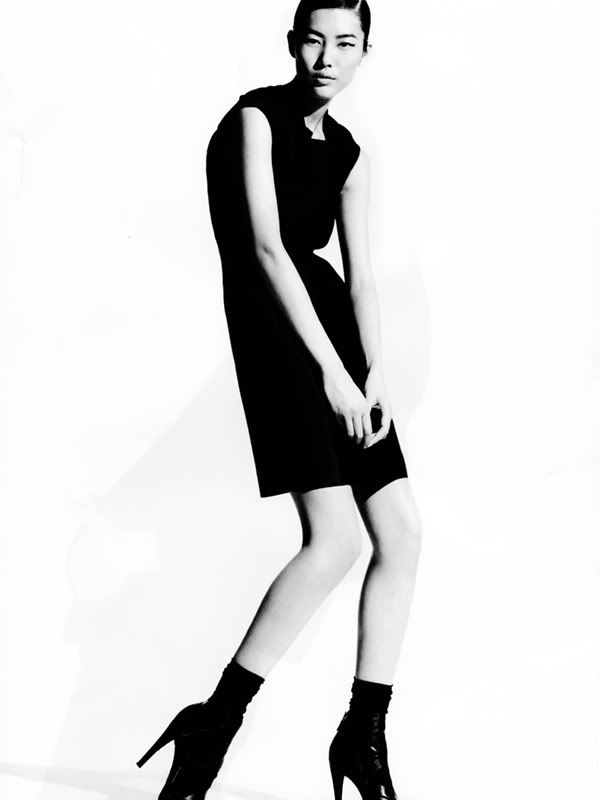
I haven't edited Anna for a while, but I just got a chance to do so. This is a shot for john's magasine PHOTON with Anna posing as a model, which isn't like her, but after a long talk I persuaded her to do this :D Anyway, I hope its good enough to be in the mag ))
New 8x8 tactical logistic Vehicle by the German Armed Forces during the Exercises 2 Quadriga 2024" in the South-West of Germany
Located on 1008 Dovertcourt Road, the Belarusian Greek Orthodox Church Of St Ephrasinia of Polatsk is one of the nuclei of Toronto's Belarusian-Canadian minority.
Belarus was not listed as a source country in Canadian immigration statistics and many Belarusans were identified as Polish, Russian, or Lithuanian; available data suggest that some 12,000 to 15,000 arrived immediately after World War II. Some sources suggest that as many as 100,000 emigrated from Poland, with one-third settling in Canada. The term “White Russian,” sometimes used to refer to Belarusans, in practice became a synonym for Russians, especially those opposed to the “Red” (Bolshevik) Russians. Fear of being repatriated under the terms agreed to at Yalta also made many Belarusans reluctant to claim their country of origin, particularly among the peasant class.
The 1991 census indicates 1,015 Belarusans by single response in Canada and 1,815 by multiple response; Soviet sources estimate as many as 100,000. The actual number is probably 50,000 to 70,000, with half residing in Ontario and a majority of those living in Toronto. Large numbers are found in Hamilton, London, Oshawa, St Catharines, Sudbury, and Thunder Bay. Others live in Calgary, Edmonton, Lethbridge, Montreal, Rouyn, and Winnipeg. Smaller numbers are found in British Columbia, New Brunswick, and Newfoundland.
[. . .]
In Canada, the Belarusan Orthodox were organized under two jurisdictions. The Belarusan Canadian Alliance initiated in 1954 the establishment of its St Cyril of Turov parish in Toronto as part of the Belarusan Autocephalic Orthodox church. The year before, and also in Toronto, the Belarusan National Association established the church of St Euphrosinia of Polatsk [pictured here] under the jurisdiction of the Ecumenical Patriarch of Constantinople. The parish complex, housed in a new building after 1957, included the church as well as the headquarters of the Belarusan Canadian Alliance, its Social Assistance branch, and Saturday Belarusan-language classes.
Michael's Bloor-Lansdowne blog writes about the St. Cyril of Turau parish further to the west.
A Duple Dominant bodied Leyland Leopard in the smart, if a little bland, first version of the National Bus Company's express coach livery. This example was one of Ribble's.
maps.google.com/maps?hl=es&source=hp&rlz=1W1GGLL_...
Fue hecho sobre piedra laja en medio del cañón del río Guáitara. La altura desde su base hasta la torre es de 100 metros y el puente que une al templo con el otro lado del cañón mide 50 metros de alto por 17 metros de ancho y 20 metros de largo. Se calcula que las obras en 1916 costaron 1'850.000 pesos, una fortuna para su tiempo.
Su estilo es gótico, tiene tres niveles; su interior es de estilo ojival con columnas que se unen en el techo. Tiene mosaicos en fibra de vidrio. En el día su iluminación la da la luz que se filtra por los vitrales hechos por el italiano Walter Wolf. Su objeto más preciado es la virgen de Nuestra Señora del Rosario de Las Lajas.
El Santuario esta ubicado a 7 Km. de la ciudad de Ipiales y a 11 Km. del Puente de Rumichaca, frontera entre Colombia y Ecuador
POBLACIONES CERCANAS:
Ipiales
TEMPERATURA:
14° C.
Black Moth Super Rainbow at KEXP - Seattle on 2013-06-01
Photos by Dave Lichterman
On Twitter: www.twitter.com/lavid
On Flickr: www.flickr.com/lavid
I upgraded my WordPress installation recently and now I’m having weird encoding issues. My é’s have turned into é’s and now I gotta figure out how to turn them back. Hopefully I’m not the only one experiencing this and there’s an article out there somewhere for me to follow and fix. Shiny Magnemite I spent […]
www.fbtb.net/video-games/nintendo-3ds/2021/11/08/pokemond...
kr.search.yahoo.com/search;_ylt=A3xsfcZL.t1Of3cB7Q3J3_p6?...
kr.search.yahoo.com/search;_ylt=A29D6v0G_N1OhGAAXBWo2MUA;...
kr.news.yahoo.com/service/news/shellview.htm?articleid=20...
zh.wikipedia.org/wiki/%E9%87%91%E6%B3%AB%E9%9B%85
zh.wikipedia.org/wiki/TROUBLE_MAKER
orientaldaily.on.cc/cnt/entertainment/20111206/00288_015....
www.youtube.com/watch?v=23hhwrG19V8
www.youtube.com/results?search_query=%ED%8A%B8%EB%9F%AC%E...
kr.search.yahoo.com/search;_ylt=A29D6ptn_N1OOAoA1kCo2MUA;...
kr.kpost.yahoo.com/search/searchForum?p=%ED%8A%B8%EB%9F%A...