Geotagged: Melbourne, Australia
View allAll Photos Tagged IMDB
Twain stands besotted, waiting
on his dream date .. which, of course, is merely a dream ..
Coming this Christmas
Hallmark Films
www.imdb.com/title/tt9033308/?ref_=nv_sr_srsg_0
Is proud to present :
Love Is A Dream !
An homage to our beloved
and gone too soon, Phil Hartman
and Jan Hooks ...
Please watch here ..
The video quality has grown
weak over the years .. so best
to watch in 'wide screen' ..
This clip is 3 minutes and 30 seconds .. for the romantic at heart .. I hope you enjoy.
www.facebook.com/vidclosetphx/videos/phil-hartman-jan-hoo...
Have a wonderful weekend One and All !! Thank you !!! 💖
“Love is a dream, yet it’s so real.
Hard to explain, just how you feel.
Deep in your heart, joy seems to dwell.
Like poets say, it’s perfectly swell.”
Janice: [ singing ]“In every step, of this old dance,
There is delight, love and romance.
If you are the one, give me the few,
And I am sure there’s no one like you.
You are all I dream.
You are a part of my heart and esteem.
And since I’ve met you,
Now I know that dreams do come true.”
Phillip: [ singing ]“Love is a dream, yet it’s so real.
Hard to explain, just how you feel.
Deep in your heart, joy seems to dwell.
Like poets say, it’s perfectly swell.”
''Joker''
"This is a movie that only those who have felt alone and isolated can truly relate to it. You understand the motive and you feel sourage each and every one of us to become a better person, treat orry for the character. A lot of people will see this movie and think that it encourages violence. But truly, this movie should enceveryone with respect and make each other feel like they belong in this world, instead of making them feel isolated.''
Fado is currently a world wide known symbol of Portugal, being represented for many years in foreign countries by Amália Rodrigues, and more recently by Dulce Pontes, Mariza and Katia Guerreiro, among others. Throughout the world, to the name of Portugal, there were two things immediately referred: the Fado and soccer. Although taking many forms, as it is sung differently in Porto, Coimbra and Lisbon, the Fado is, by self-earned right, the very expression of the Portuguese soul.
ich.unesco.org/en/RL/fado-urban-popular-song-of-portugal-...
Amália Rodrigues known as the 'Rainha do Fado' ("Queen of Fado") was instrumental in popularising fado worldwide and travelled internationally throughout her career. Amália remains the best-selling Portuguese artist in history.
www.imdb.com/name/nm0735052/bio
The Portuguese guitar or Portuguese guitarra (Portuguese: guitarra portuguesa) is a plucked string instrument with twelve steel strings, strung in six courses of two strings. It is one of the few musical instruments that still uses watch-key or Preston tuners. It is iconically associated with the musical genre known as Fado, and is now an icon for anything Portuguese.
The drinks in the back ground:
Beer lovers who come to Portugal are often disappointed by the range of Portuguese beers that are on offer. Essentially, there are just two: Super Bock and Sagres. Although they do taste different, enough that most people form a preference for one or the other, they’re both the same style of beer: a light-bodied pale lager.
Ginginha: If you are planning to visit Lisbon, Portugal, you will certainly run into a hole-in-the-wall shop selling shots of “ginginja, ” also known as ginginha or ginja, is a sour cherry liquor native to Portugal, particularly central Portugal around Lisbon and the town of Óbidos. Ginginja is 100% Portuguese and you will not find ginginja anywhere else!
Licor Beirão, is a Portuguese liqueur from the Beira region of Portugal. Originating in the 19th century, it’s a herbal liqueur flavoured with multiple botanicals, herbs and spices. It’s pretty popular in Portugal where it can be drank neat, in cocktails, in your coffee, and even in recipes for desserts and sweets. The exact recipe is still a family secret, but it’s known to include eucalyptus, cinnamon, rosemary, lavender, aniseed and mint.
~~~~~~~~~~~~~~
Leeloo in The Fifth Element: www.imdb.com/title/tt0119116/
and
www.imdb.com/title/tt0119116/mediaviewer/rm2380569345?ft0...
~~~~~~~~~~~~~~
Bento Mesh Head: LeLutka Aida (w/ my own adjustments)
Bento Mesh Body: Maitreya Lara
Face/Body Applier: Carol by Glam Affair
Face/Body Tatt: Dirty by Even~Tide
Hair: Willa by Exile
Ensemble: LeeLoo by Boudoir (also included but not in this photo is a delightful planets dress which you'll see LeeLoo wearing soon when she takes a little time off for some R&R) @ maps.secondlife.com/secondlife/Boudoir/124/184/21
POSE: Jump In (left) by Le Poppycock (tweaked leg positions)
SIM: Space Port Paradise City @ maps.secondlife.com/secondlife/Eden%20Valley/119/31/2075
Love Story
www.imdb.com/video/vi3798335513?ref_=tt_pv_vi_aiv_1
www.imdb.com/title/tt0066011/?ref_=vp_vi_tt
Thank you for your kind visit. Have a wonderful and beautiful day! ❤️❤️❤️
Homage to my favourite movie
Hasselblad 500C
Hasselblad Carl Zeiss Planar T* 80mm f/2.8 CF
Ilford FP4+ @250ISO
1/125sec@f/8-11
Diafine 3,5+3,5 min
En homenaje a FFG
No perderse esta "inestimable" y para mis hasta hoy inedita cancion del actor....
Y su frase más acertada:
Visit to Prague and performing Figaro was Mozart's break through.
Prague loved him and he loved Prague too, so much that he lived for a time over there.
Mozart had Prague orchestra just playing his work and Prague Estates Theatre had always open doors for his plays even now-days Mozart is most often performed by this theatre.
Part of his work is inspired or written in Prague. This house I heard was the base for Mozart's Opera Don Giovanni.
So no wonder that Czech film director (now living in USA) Milos Forman has made the movie Amadeus where he could present this genius and use authentic places in Prague for the movie as a set.
pls keep the comments clean.
no banners & awards pls!
© All rights reserved. Use without permission is illegal.If you do so you will be sued!!!
taken with a point and shoot from a moving bus
''Joker''
"This is a movie that only those who have felt alone and isolated can truly relate to it. You understand the motive and you feel sourage each and every one of us to become a better person, treat orry for the character. A lot of people will see this movie and think that it encourages violence. But truly, this movie should enceveryone with respect and make each other feel like they belong in this world, instead of making them feel isolated.''
Behind the scenes during the filming of Tom Savini's WET DREAMS segment from the award winning horror anthology THE THEATRE BIZZARE.
photo credit: Shelby Vogel
This shot is based on the movie idea of Something's Gotta Give~ I am not sure you guys know this movie or not... but it is one of my favorite movie! So romantic!!!
“things only exist if they are told/narrated”
(maybe of Alessandro Baricco);
“le cose esistono solo se vengono raccontate”
(probabile, di Alessandro Baricco).
www.imdb.com/it/title/tt0103594/mediaviewer/rm2696584449/
www.imdb.com/it/title/tt0103594/mediaviewer/rm1290287360/
www.imdb.com/it/title/tt0103594/mediaviewer/rm1458059520/
www.imdb.com/it/title/tt0103594/mediaviewer/rm597442048/
www.imdb.com/it/title/tt0103594/mediaviewer/rm739347968/
----------------------------------------------------------
click to activate the small icon of slideshow: the small triangle inscribed in the small rectangle, at the top right, in the photostream (it means the monitor);
or…. Press the “L” button to zoom in the image;
clicca sulla piccola icona per attivare lo slideshow: sulla facciata principale del photostream, in alto a destra c'è un piccolo rettangolo (rappresenta il monitor) con dentro un piccolo triangolo nero;
oppure…. premi il tasto “L” per ingrandire l'immagine;
Qi Bo's photos on Fluidr
Qi Bo's photos on Flickriver
www.worldphoto.org/sony-world-photography-awards/winners-...
www.fotografidigitali.it/gallery/2726/opere-italiane-segn...
......................................................
I'll start by saying that this photographic story of mine has only been partially realized. The Barcellona Pozzo di Gotto (Messina) Good Friday procession was cancelled this year due to bad weather. The heavy rain, this is the explanation, could have seriously damaged the papier-mâché statues of the floats of the two components of the procession, that of Barcellona and that of Pozzo di Gotto. Barcellona Pozzo di Gotto is currently a single town, in the past they were separate, the historical memory of the two original villages has never completely merged, continuing to be reflected, almost like an ancient reflection, in the solemnity and distinction of the two historic Good Friday processions. Despite the fact that the photographic narrative is only half-finished, I still felt great satisfaction in taking these photographs. I was welcomed with great kindness and cordiality by those who represent "the Jews of Pozzo di Gotto" (mostly members of the historic La Spada family of Pozzo di Gotto). I truly thank them from the bottom of my heart for giving me the opportunity to take "behind the scenes" photographs in a welcoming home, where they had gathered for their preparations, especially dressing up, with their characteristic clothes and helmet-like headdresses. A brief introduction: for a few years, my nurse friend Antonio, originally from Pozzo di Gotto, had been telling me about the "double procession of Barcellona and Pozzo di Gotto," with figures present in the procession of Pozzo di Gotto that seem to recall characters of pre-Columbian, Mayan, Inca, or Aztec inspiration. Furthermore, the town was only called Barcellona in 1639. Sicily was then part of the Kingdom of Spain. The most widely accepted theory among historians suggests that the name "Barcellona" was given to it to honor the power of Spanish Barcelona. Therefore, hypothesizing a direct link between these customs and the Spanish conquistadors was highly suggestive. Furthermore, I have worked many shifts at the Barcellona Pozzo di Gotto hospital, and I know the town at least in part. All this was more than enough to spark a deep interest in me! My "target" was aimed primarily at those commonly understood as "Jews," who are actually "Roman centurions," or guards of Christ's tomb, Roman soldiers who guard the Dead Christ; To understand the origins of these figures I'm about to describe, a concept must be introduced. Sicily has been dominated by the Greeks, Romans, Byzantines, Arabs, Normans, and Spanish. Those who succeeded previous rulers never completely erased what had existed before, so traditions were stratified and transformed. Instead of disappearing, each layer remains beneath the next. During Spanish rule, many Passion Plays were born. The "Roman-Jewish Soldiers" of Good Friday in Barcellona Pozzo di Gotto are among the most complex and layered performances in all of Sicily. There is no single explanation, but rather a blend of religion, theater, Spanish history, and popular symbolism. The Roman-Jewish soldiers (of Pozzo di Gotto, but not only) are a symbolic figure who embodies the persecutors of Christ, the power that mocks and condemns, they are a ritual mask inserted into the Passion, extremely characteristic their helmet-headdress with long peacock feathers at the top, and rooster and turkey feathers at the bottom, the peacock is a symbol of vanity, arrogance, pride, the long feathers represent an ostentatious wealth and power, such long feathers belong to Baroque theatricality; the red color of their armor and cloaks is the color of condemnation and brutality, this color recalls blood and violence, passion (in the most dramatic sense), aggression; the Roman soldiers show themselves carrying "halberds", here it is clear how these soldiers are a popular reconstruction influenced by the Spanish domination in Sicily, the halberd was born in the late Middle Ages in Europe between the 15th and 17th centuries, also used by the Spanish armies; On their little finger they wear a handkerchief tied with a red ribbon, with multiple layers of meaning, identifying those who are part of the group of Jewish soldiers, and having a ceremonial appeal. The capovara wears a white collar called a "gorget" around his neck, originating from ancient Spanish fashion. In his hilt, he holds a broadsword, reminiscent of the ancient Spanish conquistadors. In short, we are not witnessing first-century Jerusalem, but the "Passion" reinterpreted in Spanish Sicily and transformed into a popular sacred theater.
…………………………………………………
Inizio col dire che questo mio racconto fotografico è stato realizzato solo in parte, la processione di Barcellona Pozzo di Gotto (Messina) del Venerdì Santo quest’anno non è stata fatta a causa del cattivo tempo, la pioggia abbondante, questa la spiegazione, avrebbe potuto danneggiare gravemente le statue in cartapesta delle vare delle due componenti la processione, quella di Barcellona e quella di Pozzo di Gotto: Barcellona Pozzo di Gotto è attualmente un unico paese, in passato erano separate, la memoria storica dei due borghi originari non si è mai del tutto fusa, continuando a specchiarsi, quasi come un riflesso antico, nella solennità e nella distinzione delle due storiche processioni del Venerdì Santo. Nonostante un racconto fotografico “a metà” ho provato ugualmente una grande soddisfazione nel realizzare queste fotografie, sono stato accolto con grande gentilezza e cordialità da coloro che impersonano “i Giudei di Pozzo di Gotto” (in maggior parte appartenenti alla storica famiglia La Spada di Pozzo di Gotto), li ringrazio davvero di cuore per avermi concesso l’opportunità di realizzare fotografie del “dietro le quinte”, in una accogliente casa, dove si erano riuniti per i loro preparativi, segnatamente la vestizione, coi loro caratteristici abiti e copricapi-elmi. Una piccola premessa, da qualche anno il mio amico infermiere Antonio, originario di Pozzo di Gotto, mi parlava della “doppia processione di Barcellona e Pozzo di Gotto”, con figure presenti in quella di Pozzo di Gotto, che sembrano richiamare personaggi d'ispirazione precolombiana, Maya, Inca o Aztechi, inoltre il paese venne chiamato Barcellona solo nel 1639, la Sicilia all’epoca faceva parte del Regno di Spagna, l’ipotesi più accreditata dagli storici suggerisce che il nome “Barcellona” le fu dato per onorare la potenza della Barcellona spagnola, ipotizzare quindi un filo diretto di questi costumi coi conquistadores spagnoli era fortemente suggestivo, inoltre, ho fatto molti turni lavorativi nell’ospedale di Barcellona Pozzo di Gotto, il paese almeno in parte lo conosco, tutto questo era più che sufficiente per accendere in me un profondo interesse! Il mio “obiettivo” era rivolto principalmente a quelli comunemente intesi come “Giudei”, in realtà sono “centurioni romani” ovvero guardie del sepolcro di Cristo, soldati romani che custodiscono il Cristo Morto; per capire l’origine di queste figure che andrò a descrivere, bisogna introdurre un concetto, la Sicilia è stata dominata da Greci, Romani, Bizantini, Arabi, Normanni, Spagnoli, chi subentrava ai precedenti dominatori non cancellava mai completamente ciò che c’era prima, cosicchè le tradizioni si sono stratificate e si sono trasformate, invece di sparire, ogni strato resta sotto quello successivo. Durante la dominazione spagnola nascono molte rappresentazioni della Passione, i “Soldati Romani – Giudei” del Venerdì Santo di Barcellona Pozzo di Gotto sono tra le rappresentazioni più complesse e stratificate di tutta la Sicilia, non esiste una sola spiegazione, ma un intreccio di religione, teatro, storia spagnola, e simbolismo popolare. I soldati romani-Giudei (di Pozzo di Gotto, ma non solo) sono una figura simbolica che incarna i persecutori di Cristo, il potere che deride e condanna, sono una maschera rituale inserita nella Passione, estremamente caratteristico il loro copricapo-elmo con lunghe piume di pavone in alto, e piume di gallo e tacchino in basso, il pavone è simbolo di vanità, superbia, orgoglio, le lunghe piume rappresentano una ricchezza ed un potere ostentati, tali lunghe piume appartengono alla teatralità barocca; il colore rosso delle loro armature e mantelli è il colore della condanna e della brutalità, tale colore riconduce al sangue ed alla violenza, alla passione (nel senso più drammatico), alla aggressività; i soldati romani mostrano di avere le “alabarde”, qui si appalesa di come questi soldati siano una ricostruzione popolare influenzata dalla dominazione Spagnola in Sicilia, l’alabarda nasce nel tardo medioevo in Europa tra ‘400 e ‘600, usata anche dagli eserciti spagnoli; sul mignolo portano legato un fazzoletto con un nastro rosso, con più livelli di significato, identifica chi fa parte del gruppo dei soldati-Giudei, ha un richiamo cerimoniale; il capovara presenta attorno al collo un colletto bianco chiamato “gorgiera”, originario dell’antica moda spagnola, nell’elsa ha uno spadone, ricorda gli antichi conquistadores spagnoli; in breve, non stiamo assistendo alla Gerusalemme del I secolo, ma alla “Passione” reinterpretata nella Sicilia spagnola e trasformata in teatro sacro popolare.
……………………………………………
the Jews of San Fratello (Sicily), i Giudei di San Fratello (Sicilia): flic.kr/p/bMcJ2x - flic.kr/p/bMcyfD - flic.kr/p/byhQwd - flic.kr/p/byhR99 - flic.kr/p/bMcGSP;
..................................................
Varette 2026 Venerdì Santo Barcellona Pozzo di Gotto
I Giudei e il Cristo Morto di Pozzo di Gotto - Settimana Santa di Barcellona Pozzo di Gotto
24livevintage: l'intervista al capo giudeo di Pozzo dI Gotto del 2014 Giuseppe La Spada
#SPECIALE🎥 "Il Venerdì Santo 2024: 'viaggio' nelle due processioni di Barcellona Pozzo di Gotto"
La visilla di Barcellona Pozzo di Gotto - gruppo "Vexilla Regis" - 15 aprile 2022
...................................................................
1492 - Coloro che vincono le proprie paure guadagneranno la giusta ricompensa
1492: Conquest of Paradise (1992) - Arrival scene [1080]
1492 La conquista del paradiso passione
1492 la conquista del paradiso..."siete un sognatore"
Vangelis - 1492 Conquest of Paradise
1492 Conquest Of Paradise 1992 1080p BluRay x264 YTS AG
1492 La Conquista del Paradiso - Cristoforo Colombo,lo spreco di una Vita ?
1492 La Conquista Del Paradiso – Italiano
..............................................
……………………………….
Poster:
Locandina:
i5.walmartimages.com/seo/Empire-of-the-Sun-DVD_6caf534a-e...
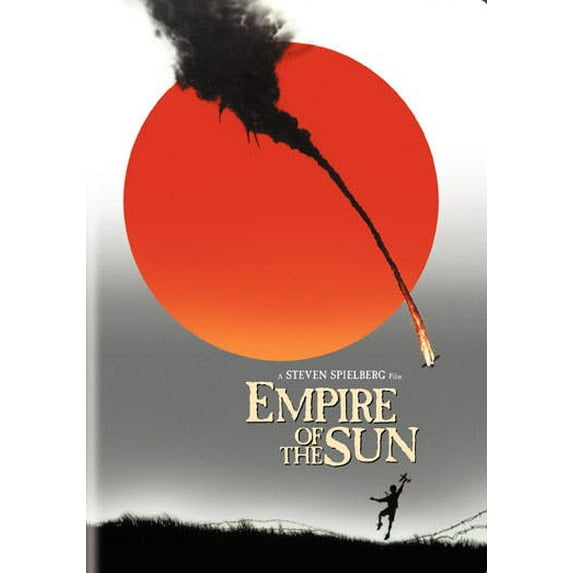
m.media-amazon.com/images/M/MV5BNjAzY2JhMzEtMjM0Mi00NzE4L...
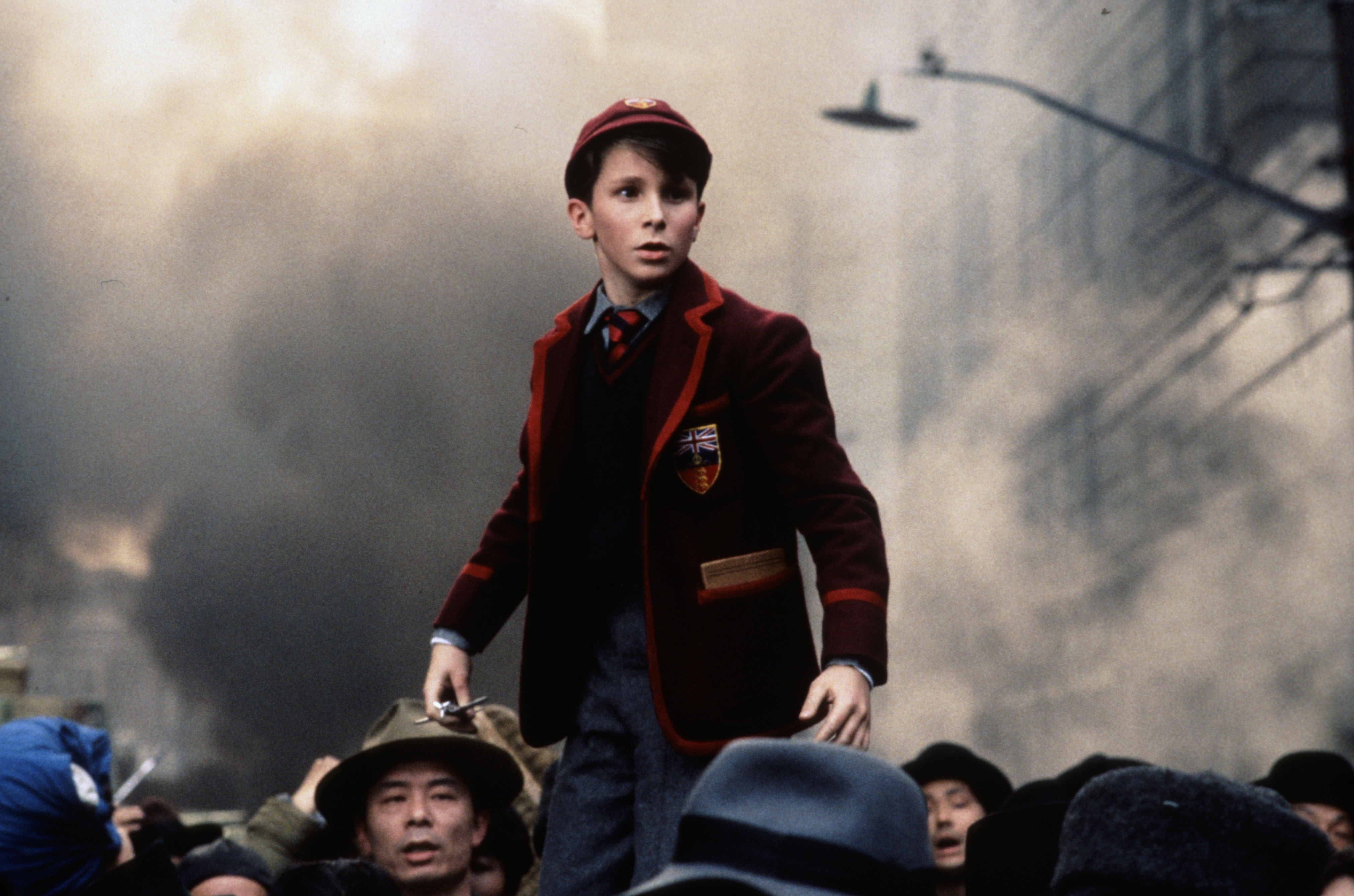
www.imdb.com/it/video/vi497352985/?playlistId=tt0092965&a...
.............................................................................
click to activate the small icon of slideshow: the small triangle inscribed in the small rectangle, at the top right, in the photostream (it means the monitor);
or…. Press the “L” button to zoom in the image;
clicca sulla piccola icona per attivare lo slideshow: sulla facciata principale del photostream, in alto a destra c'è un piccolo rettangolo (rappresenta il monitor) con dentro un piccolo triangolo nero;
oppure…. premi il tasto “L” per ingrandire l'immagine;
www.fotografidigitali.it/gallery/2726/opere-italiane-segn...
………………………………………………………………………
In this series of photographs, I returned to the beaches around Taormina, thus concluding a "photographic triad" dedicated to beach photography, encouraged by my life and residence near the sea since I was a boy; I post photographs that speak of serenity, joie de vivre, love in the broadest sense, featuring beachgoers of all ages, whose habits (often) are consolidated by living in sun-kissed latitudes. And yet, I ask myself, every day in the world we witness immense tragedies, caused not by natural disasters (often unpredictable), but by the sinister and nefarious will of man, and so I ask myself if it is right to post images that speak of a reality that almost seems to come "from another planet (sigh!)”, where coexistence, a sense of brotherhood, Love, coexist peacefully among people (in this case... often) in bathing suits :-) .... The next "photographic cycle" will be dedicated to several photographic series that "wait to see the light - again -", having as their theme the traditional religious popular festivals that characterize our island of Sicily.
In questa serie di fotografie, sono ritornato sulle spiagge nei dintorni di Taormina, concludo così una “triade fotografica” dedicata alla beach photography, favorito dal mio vivere ed abitare fin da ragazzino vicino al mare; metto fotografie che parlano di serenità, gioia di vivere, amore in senso lato, che hanno come protagonisti bagnanti di tutte le età, le cui abitudini (spesso) sono consolidate dal vivere a latitudini baciate dal sole. Eppure, mi domando, ogni giorno nel mondo assistiamo a tragedie immani, causate non da catastrofi naturali (spesso imprevedibili), ma provenienti dalla volontà bieca e nefasta dell’uomo, ed allora mi chiedo se sia giusto postare immagini che parlano di una realtà che sembra quasi provenire “da un altro pianeta (sigh!)”, dove la convivenza, il senso di fratellanza, l’Amore, coabitano serenamente tra le persone (in questo caso…spesso) in costume da bagno :-) …. Il prossimo “ciclo di fotografie” sarà dedicato a più serie fotografiche che “aspettano di vedere – nuovamente – la luce”, aventi come tema le feste popolari tradizionali religiose, che caratterizzano la nostra isola di Sicilia.
……………………………………………………
I wanted to recommend the film Perfect Days to everyone. Though it's another film directed by Wim Wenders, it is set in Tokyo and features an all Japanese cast, most notably Koji Yakusho as the lead. There is quite a bit of the visual concept of komorebi or “sunlight leaking through trees" as well as appreciating the sights and sounds and random bits of nature and people in each day. Each morning, Yakusho hears the street sweeper, sees the morning light (unless it's raining) and tends to his Japanese maple plants. The film eases you into his modest peaceful routine but there is some conflict along the way and you get to see the full range of human emotion.
Anyway, a coworker has been giving me an amaryllis bulb each year. I don't have to tend to it like my other plants (of which you can see in the shadows), but I do have to put it up high as it is toxic to cats. So, it sits on the highest bookshelf watching us lift our heads to admire how it grows. These bulbs needed to be cut today and I thought it would make not just a good photograph but a document of my life in terms of every day moments I experience.
I just want to mention again that I feel this film is an absolute masterpiece and, if I had been able to see it last year when it initially came out (It hit theaters here on Friday at The Music Box in Chicago), I would have definitely included it in my favorite films of 2023. Still, it's nice to have a post all just for this film.
Here's my full review on Letterboxd:
letterboxd.com/kirstiecat/film/perfect-days-2023/
Imbd link:
www.imdb.com/title/tt27503384/
**All photos are copyrighted**
"And so I write this for you, my Sarah. With the hope that one day, when you're old enough, this story that lives with me, will live with you as well. When a story is told, it is not forgotten. It becomes something else: a memory of who we were, the hope of what we can become."
… from the movie “Sarah's Key".
"A volte le storie che non riusciamo a raccontare sono proprio le nostre, ma se una storia non viene raccontata diventa qualcos'altro, una storia dimenticata. Quando una storia viene raccontata, non può essere dimenticata, diventa qualcos'altro. Il ricordo di chi eravamo, la speranza di ciò che possiamo diventare."
… dal film “La chiave di Sara”
-------------------------------
www.imdb.com/it/title/tt0102721/
www.imdb.com/it/title/tt0102721/mediaviewer/rm4025293568/
sbs-au-brightspot.s3.ap-southeast-2.amazonaws.com/drupal/...
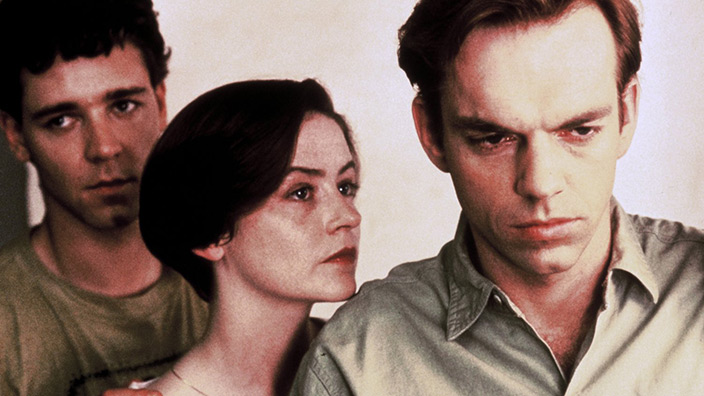
d32qys9a6wm9no.cloudfront.net/images/movies/backdrop/4c/8...

m.media-amazon.com/images/I/81T2mYZ41OL._AC_SL1500_.jpg

----------------------------------------------------------
click to activate the small icon of slideshow: the small triangle inscribed in the small rectangle, at the top right, in the photostream (it means the monitor);
or…. Press the “L” button to zoom in the image;
clicca sulla piccola icona per attivare lo slideshow: sulla facciata principale del photostream, in alto a destra c'è un piccolo rettangolo (rappresenta il monitor) con dentro un piccolo triangolo nero;
oppure…. premi il tasto “L” per ingrandire l'immagine;
Qi Bo's photos on Fluidr
Qi Bo's photos on Flickriver
www.worldphoto.org/sony-world-photography-awards/winners-...
www.fotografidigitali.it/gallery/2726/opere-italiane-segn...
......................................................
This is a photographic account of my recent week-long vacation on the island of Favignana, spent at the end of July this year (2026). Specifying the year is a must, as I often post reports from past years.
Favignana is the largest of the Egadi islands, followed by Levanzo (the smallest) and Marettimo, as well as several smaller islets. On this trip, I returned with my wife, years after our honeymoon: we only stayed for one day, and I had with me a compact film camera purchased especially for the occasion on Via Etnea in Catania.
Seen from above, some have poetically glimpsed Favignana as the shape of a butterfly with open wings. The landscape is characterized by gentle hills—with the highest point at Monte Santa Caterina—and several flat areas. The coastline is very rugged, full of inlets, sea caves, hidden coves, and others that are easily accessible; I've visited practically all of the latter. Among the many, I particularly remember Cala Rossa, Cala Azzurra, Bue Marino, Cala Grande, Lido Burrone, and Cala San Nicola. The local road system is dominated by bicycles (traditional and electric), motorcycles, and mopeds, while cars are rare, partly due to an ordinance prohibiting tourist landings except under special conditions.
The history of Favignana is inextricably linked to the Florio family and its imposing tuna fishery, a combination that radically transformed the island between the late 19th and 20th centuries, making it the beating heart of the Mediterranean economy and fishing. The Florios became the symbol of the Sicilian Belle Époque and the southern industrial bourgeoisie when, in 1874, Ignazio Florio Senior purchased the islands of Favignana and Formica. The family didn't limit itself to traditional fishing, but also industrialized the entire process: inaugurated in 1891, the enormous tuna canning plant became one of the largest and most advanced in Europe.
The Florios introduced a revolutionary idea for the time: cooking the tuna and storing it in oil in tins, rather than preserving it in salt, thus allowing the product to be marketed on an industrial scale. The family's influence on the island was widespread. The company employed hundreds of locals and, within the complex, built warehouses, boathouses, workshops, and even a nursery for the workers' children.
The business subsequently gradually declined until it finally closed in the 1970s. After decades of abandonment, the former plant is now an extraordinary museum. Visiting it—which I did with great interest—means stepping back in time among enormous cooking cauldrons, old slaughter boats, and an archaeological site that also houses the bronze rams from the Battle of the Egadi Islands (241 BC). This decisive naval battle, fought and won by the Romans in the waters of the archipelago, marked the end of the First Punic War, destroying the naval power of Carthage, forcing it to surrender and cede control of Sicily to Rome.
I created this photographic story in two parts: the first with color photographs, the second in black and white.
(second part - black and white)
…………………….
Questo è un racconto fotografico della mia recentissima settimana di vacanze nell’isola di Favignana, trascorsa a fine luglio di quest'anno (2026). Specificare l'anno è per me d'obbligo, poiché mi capita spesso di postare reportage realizzati negli anni passati.
Favignana è la maggiore delle isole Egadi, seguita da Levanzo (la più piccola) e da Marettimo, oltre a diversi isolotti minori. In questo viaggio sono tornato con mia moglie, a distanza di anni dal nostro viaggio di nozze: allora ci fermammo solo per una giornata, e io avevo con me una compatta a pellicola acquistata appositamente per l'occasione in via Etnea, a Catania.
Vista dall'alto, qualcuno ha poeticamente intravisto in Favignana la forma di una farfalla con le ali aperte. Il paesaggio è caratterizzato da dolci rilievi collinari — con il punto più alto nel Monte Santa Caterina — e da diverse aree pianeggianti. La costa è molto frastagliata, ricca di insenature, grotte marine, calette nascoste e altre facilmente accessibili; queste ultime le ho visitate praticamente tutte. Tra le tante, ricordo in particolare Cala Rossa, Cala Azzurra, Bue Marino, Cala Grande, Lido Burrone e Cala San Nicola. La viabilità locale è dominata dalla presenza di biciclette (tradizionali ed elettriche), moto e motorini, mentre le automobili circolano in numero ridotto, anche a causa di un'ordinanza che ne vieta lo sbarco turistico se non in particolari condizioni.
La storia di Favignana è indissolubilmente legata alla famiglia Florio e alla sua imponente tonnara, un binomio che ha trasformato radicalmente l'isola tra la fine dell'Ottocento e il Novecento, facendone il cuore pulsante dell'economia e della pesca nel Mediterraneo. I Florio divennero il simbolo della Belle Époque siciliana e della borghesia industriale del Sud quando, nel 1874, Ignazio Florio Senior acquistò le isole di Favignana e Formica. La famiglia non si limitò a gestire la pesca tradizionale, ma volle industrializzare l'intero processo: inaugurato nel 1891, l'enorme stabilimento per la conservazione del tonno divenne una delle tonnare più grandi e avanzate d'Europa.
I Florio introdussero un'intuizione rivoluzionaria per l'epoca: cuocere il tonno e metterlo sott’olio in scatole di latta, anziché conservarlo sotto sale, permettendo così di commercializzare il prodotto su scala industriale. L'influenza della famiglia sull'isola fu totale. L'azienda diede lavoro a centinaia di persone del posto e, all'interno del complesso creò magazzini, rimesse per le barche, officine e persino un asilo nido per i figli degli operai.
Successivamente l'attività andò progressivamente riducendosi fino alla definitiva chiusura negli anni '70. Dopo decenni di abbandono, oggi l'ex stabilimento è uno straordinario museo. Visitarlo — cosa che ho fatto con grandissimo interesse — significa fare un salto indietro nel tempo tra enormi calderoni di cottura, le vecchie barche della mattanza ed un'area archeologica che custodisce anche i rostri di bronzo della Battaglia delle Egadi (241 a.C.). Proprio questo scontro navale decisivo, combattuto e vinto dai Romani nelle acque dell'arcipelago, segnò la fine della Prima Guerra Punica, distruggendo la potenza navale di Cartagine, costringendola alla resa ed a cedere il controllo della Sicilia a Roma.
Ho realizzato questo racconto fotografico in due parti: una prima con fotografie a colori, una seconda in bianco e nero.
(seconda parte - bianco e nero).
…………………………………………………
Emil Ferris is one of those humans who you can just sense their utter brilliance. I literally think it's an amazing gift to share the same respiratory space with such an amazing human. I was thrilled to be able to speak to Emil after the Q and A following The Music Box Theater's documentary of Art Spiegelman entitled Disaster is My Muse (This should be available on PBS in the upcoming months according to the director)
I was telling Emil Ferris about this nonfiction book I was reading called Beyond Anxiety by Martha Beck, who speaks about how a creativity cycle can disrupt an anxiety cycle. I think many of us artists in this current political climate are feeling increasingly restless and hopeless. Channeling that into art is a good idea at this time.
In any case, this is a great film and Emil Ferris's My Favorite Thing is Monsters (Book 1 and 2) is absolutely phenomenal. Highly recommended!
In these current times, the monsters are humans who have been given absolute power to enforce their wills and desires on all. Every day is a new horror and destruction of human rights. Some will try to counter this by praying ceaselessly. Others, like myself, will continue to maximize their time on Earth by doing art every spare moment. It is perhaps the only way to cope with the madness of reality and maybe enough of us could create a new world out of the embers left.
More about Emil Ferris: en.wikipedia.org/wiki/Emil_Ferris
If you haven't read My Favorite Thing is Monsters, you haven't led a complete life. Here's a link for more info: www.fantagraphics.com/products/my-favorite-thing-is-monst...
More about Disaster is My Muse: www.imdb.com/title/tt32276169/
**All photos are copyrighted**
“things only exist if they are told/narrated”
(maybe of Alessandro Baricco);
“le cose esistono solo se vengono raccontate”
(probabile, di Alessandro Baricco).
www.imdb.com/it/title/tt4650414/mediaviewer/rm3101758464/
cineuropa.org/Galleries/313/863/poster1_fr_big.jpg?177586...
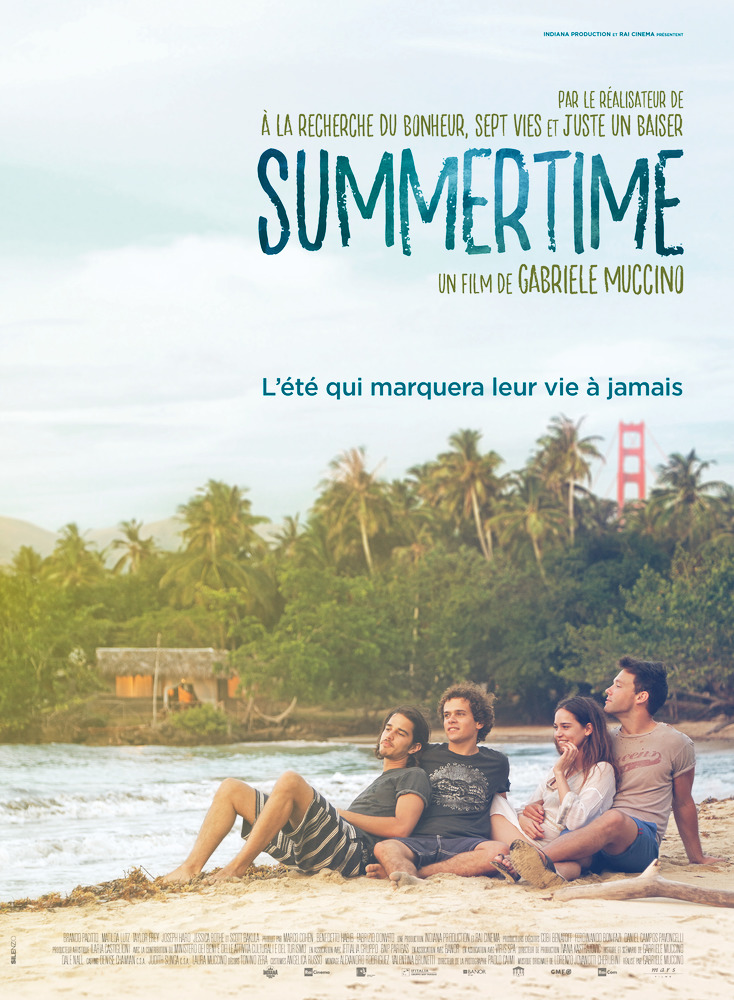
www.hollywoodreporter.com/wp-content/uploads/2016/08/lest...

focus.telerama.fr/664x442/60/2024/07/03/3264337b075948d0b...

www.cabiriamagazine.it/lestate-addosso/
----------------------------------------------------------
click to activate the small icon of slideshow: the small triangle inscribed in the small rectangle, at the top right, in the photostream (it means the monitor);
or…. Press the “L” button to zoom in the image;
clicca sulla piccola icona per attivare lo slideshow: sulla facciata principale del photostream, in alto a destra c'è un piccolo rettangolo (rappresenta il monitor) con dentro un piccolo triangolo nero;
oppure…. premi il tasto “L” per ingrandire l'immagine;
Qi Bo's photos on Fluidr
Qi Bo's photos on Flickriver
www.worldphoto.org/sony-world-photography-awards/winners-...
www.fotografidigitali.it/gallery/2726/opere-italiane-segn...
......................................................
This is a photographic account of my recent week-long vacation on the island of Favignana, spent at the end of July this year (2026). Specifying the year is a must, as I often post reports from past years.
Favignana is the largest of the Egadi islands, followed by Levanzo (the smallest) and Marettimo, as well as several smaller islets. On this trip, I returned with my wife, years after our honeymoon: we only stayed for one day, and I had with me a compact film camera purchased especially for the occasion on Via Etnea in Catania.
Seen from above, some have poetically glimpsed Favignana as the shape of a butterfly with open wings. The landscape is characterized by gentle hills—with the highest point at Monte Santa Caterina—and several flat areas. The coastline is very rugged, full of inlets, sea caves, hidden coves, and others that are easily accessible; I've visited practically all of the latter. Among the many, I particularly remember Cala Rossa, Cala Azzurra, Bue Marino, Cala Grande, Lido Burrone, and Cala San Nicola. The local road system is dominated by bicycles (traditional and electric), motorcycles, and mopeds, while cars are rare, partly due to an ordinance prohibiting tourist landings except under special conditions.
The history of Favignana is inextricably linked to the Florio family and its imposing tuna fishery, a combination that radically transformed the island between the late 19th and 20th centuries, making it the beating heart of the Mediterranean economy and fishing. The Florios became the symbol of the Sicilian Belle Époque and the southern industrial bourgeoisie when, in 1874, Ignazio Florio Senior purchased the islands of Favignana and Formica. The family didn't limit itself to traditional fishing, but also industrialized the entire process: inaugurated in 1891, the enormous tuna canning plant became one of the largest and most advanced in Europe.
The Florios introduced a revolutionary idea for the time: cooking the tuna and storing it in oil in tins, rather than preserving it in salt, thus allowing the product to be marketed on an industrial scale. The family's influence on the island was widespread. The company employed hundreds of locals and, within the complex, built warehouses, boathouses, workshops, and even a nursery for the workers' children.
The business subsequently gradually declined until it finally closed in the 1970s. After decades of abandonment, the former plant is now an extraordinary museum. Visiting it—which I did with great interest—means stepping back in time among enormous cooking cauldrons, old slaughter boats, and an archaeological site that also houses the bronze rams from the Battle of the Egadi Islands (241 BC). This decisive naval battle, fought and won by the Romans in the waters of the archipelago, marked the end of the First Punic War, destroying the naval power of Carthage, forcing it to surrender and cede control of Sicily to Rome.
I created this photographic story in two parts: the first with color photographs, the second in black and white.
…………………….
Questo è un racconto fotografico della mia recentissima settimana di vacanze nell’isola di Favignana, trascorsa a fine luglio di quest'anno (2026). Specificare l'anno è per me d'obbligo, poiché mi capita spesso di postare reportage realizzati negli anni passati.
Favignana è la maggiore delle isole Egadi, seguita da Levanzo (la più piccola) e da Marettimo, oltre a diversi isolotti minori. In questo viaggio sono tornato con mia moglie, a distanza di anni dal nostro viaggio di nozze: allora ci fermammo solo per una giornata, e io avevo con me una compatta a pellicola acquistata appositamente per l'occasione in via Etnea, a Catania.
Vista dall'alto, qualcuno ha poeticamente intravisto in Favignana la forma di una farfalla con le ali aperte. Il paesaggio è caratterizzato da dolci rilievi collinari — con il punto più alto nel Monte Santa Caterina — e da diverse aree pianeggianti. La costa è molto frastagliata, ricca di insenature, grotte marine, calette nascoste e altre facilmente accessibili; queste ultime le ho visitate praticamente tutte. Tra le tante, ricordo in particolare Cala Rossa, Cala Azzurra, Bue Marino, Cala Grande, Lido Burrone e Cala San Nicola. La viabilità locale è dominata dalla presenza di biciclette (tradizionali ed elettriche), moto e motorini, mentre le automobili circolano in numero ridotto, anche a causa di un'ordinanza che ne vieta lo sbarco turistico se non in particolari condizioni.
La storia di Favignana è indissolubilmente legata alla famiglia Florio e alla sua imponente tonnara, un binomio che ha trasformato radicalmente l'isola tra la fine dell'Ottocento e il Novecento, facendone il cuore pulsante dell'economia e della pesca nel Mediterraneo. I Florio divennero il simbolo della Belle Époque siciliana e della borghesia industriale del Sud quando, nel 1874, Ignazio Florio Senior acquistò le isole di Favignana e Formica. La famiglia non si limitò a gestire la pesca tradizionale, ma volle industrializzare l'intero processo: inaugurato nel 1891, l'enorme stabilimento per la conservazione del tonno divenne una delle tonnare più grandi e avanzate d'Europa.
I Florio introdussero un'intuizione rivoluzionaria per l'epoca: cuocere il tonno e metterlo sott’olio in scatole di latta, anziché conservarlo sotto sale, permettendo così di commercializzare il prodotto su scala industriale. L'influenza della famiglia sull'isola fu totale. L'azienda diede lavoro a centinaia di persone del posto e, all'interno del complesso creò magazzini, rimesse per le barche, officine e persino un asilo nido per i figli degli operai.
Successivamente l'attività andò progressivamente riducendosi fino alla definitiva chiusura negli anni '70. Dopo decenni di abbandono, oggi l'ex stabilimento è uno straordinario museo. Visitarlo — cosa che ho fatto con grandissimo interesse — significa fare un salto indietro nel tempo tra enormi calderoni di cottura, le vecchie barche della mattanza ed un'area archeologica che custodisce anche i rostri di bronzo della Battaglia delle Egadi (241 a.C.). Proprio questo scontro navale decisivo, combattuto e vinto dai Romani nelle acque dell'arcipelago, segnò la fine della Prima Guerra Punica, distruggendo la potenza navale di Cartagine, costringendola alla resa ed a cedere il controllo della Sicilia a Roma.
Ho realizzato questo racconto fotografico in due parti: una prima con fotografie a colori, una seconda in bianco e nero.
…………………………………………………
“things only exist if they are told/narrated”
(maybe of Alessandro Baricco);
“le cose esistono solo se vengono raccontate”
(probabile, di Alessandro Baricco).
www.imdb.com/it/title/tt4650414/mediaviewer/rm3101758464/
cineuropa.org/Galleries/313/863/poster1_fr_big.jpg?177586...
www.hollywoodreporter.com/wp-content/uploads/2016/08/lest...
focus.telerama.fr/664x442/60/2024/07/03/3264337b075948d0b...
www.cabiriamagazine.it/lestate-addosso/
----------------------------------------------------------
click to activate the small icon of slideshow: the small triangle inscribed in the small rectangle, at the top right, in the photostream (it means the monitor);
or…. Press the “L” button to zoom in the image;
clicca sulla piccola icona per attivare lo slideshow: sulla facciata principale del photostream, in alto a destra c'è un piccolo rettangolo (rappresenta il monitor) con dentro un piccolo triangolo nero;
oppure…. premi il tasto “L” per ingrandire l'immagine;
Qi Bo's photos on Fluidr
Qi Bo's photos on Flickriver
www.worldphoto.org/sony-world-photography-awards/winners-...
www.fotografidigitali.it/gallery/2726/opere-italiane-segn...
......................................................
This is a photographic account of my recent week-long vacation on the island of Favignana, spent at the end of July this year (2026). Specifying the year is a must, as I often post reports from past years.
Favignana is the largest of the Egadi islands, followed by Levanzo (the smallest) and Marettimo, as well as several smaller islets. On this trip, I returned with my wife, years after our honeymoon: we only stayed for one day, and I had with me a compact film camera purchased especially for the occasion on Via Etnea in Catania.
Seen from above, some have poetically glimpsed Favignana as the shape of a butterfly with open wings. The landscape is characterized by gentle hills—with the highest point at Monte Santa Caterina—and several flat areas. The coastline is very rugged, full of inlets, sea caves, hidden coves, and others that are easily accessible; I've visited practically all of the latter. Among the many, I particularly remember Cala Rossa, Cala Azzurra, Bue Marino, Cala Grande, Lido Burrone, and Cala San Nicola. The local road system is dominated by bicycles (traditional and electric), motorcycles, and mopeds, while cars are rare, partly due to an ordinance prohibiting tourist landings except under special conditions.
The history of Favignana is inextricably linked to the Florio family and its imposing tuna fishery, a combination that radically transformed the island between the late 19th and 20th centuries, making it the beating heart of the Mediterranean economy and fishing. The Florios became the symbol of the Sicilian Belle Époque and the southern industrial bourgeoisie when, in 1874, Ignazio Florio Senior purchased the islands of Favignana and Formica. The family didn't limit itself to traditional fishing, but also industrialized the entire process: inaugurated in 1891, the enormous tuna canning plant became one of the largest and most advanced in Europe.
The Florios introduced a revolutionary idea for the time: cooking the tuna and storing it in oil in tins, rather than preserving it in salt, thus allowing the product to be marketed on an industrial scale. The family's influence on the island was widespread. The company employed hundreds of locals and, within the complex, built warehouses, boathouses, workshops, and even a nursery for the workers' children.
The business subsequently gradually declined until it finally closed in the 1970s. After decades of abandonment, the former plant is now an extraordinary museum. Visiting it—which I did with great interest—means stepping back in time among enormous cooking cauldrons, old slaughter boats, and an archaeological site that also houses the bronze rams from the Battle of the Egadi Islands (241 BC). This decisive naval battle, fought and won by the Romans in the waters of the archipelago, marked the end of the First Punic War, destroying the naval power of Carthage, forcing it to surrender and cede control of Sicily to Rome.
I created this photographic story in two parts: the first with color photographs, the second in black and white.
…………………….
Questo è un racconto fotografico della mia recentissima settimana di vacanze nell’isola di Favignana, trascorsa a fine luglio di quest'anno (2026). Specificare l'anno è per me d'obbligo, poiché mi capita spesso di postare reportage realizzati negli anni passati.
Favignana è la maggiore delle isole Egadi, seguita da Levanzo (la più piccola) e da Marettimo, oltre a diversi isolotti minori. In questo viaggio sono tornato con mia moglie, a distanza di anni dal nostro viaggio di nozze: allora ci fermammo solo per una giornata, e io avevo con me una compatta a pellicola acquistata appositamente per l'occasione in via Etnea, a Catania.
Vista dall'alto, qualcuno ha poeticamente intravisto in Favignana la forma di una farfalla con le ali aperte. Il paesaggio è caratterizzato da dolci rilievi collinari — con il punto più alto nel Monte Santa Caterina — e da diverse aree pianeggianti. La costa è molto frastagliata, ricca di insenature, grotte marine, calette nascoste e altre facilmente accessibili; queste ultime le ho visitate praticamente tutte. Tra le tante, ricordo in particolare Cala Rossa, Cala Azzurra, Bue Marino, Cala Grande, Lido Burrone e Cala San Nicola. La viabilità locale è dominata dalla presenza di biciclette (tradizionali ed elettriche), moto e motorini, mentre le automobili circolano in numero ridotto, anche a causa di un'ordinanza che ne vieta lo sbarco turistico se non in particolari condizioni.
La storia di Favignana è indissolubilmente legata alla famiglia Florio e alla sua imponente tonnara, un binomio che ha trasformato radicalmente l'isola tra la fine dell'Ottocento e il Novecento, facendone il cuore pulsante dell'economia e della pesca nel Mediterraneo. I Florio divennero il simbolo della Belle Époque siciliana e della borghesia industriale del Sud quando, nel 1874, Ignazio Florio Senior acquistò le isole di Favignana e Formica. La famiglia non si limitò a gestire la pesca tradizionale, ma volle industrializzare l'intero processo: inaugurato nel 1891, l'enorme stabilimento per la conservazione del tonno divenne una delle tonnare più grandi e avanzate d'Europa.
I Florio introdussero un'intuizione rivoluzionaria per l'epoca: cuocere il tonno e metterlo sott’olio in scatole di latta, anziché conservarlo sotto sale, permettendo così di commercializzare il prodotto su scala industriale. L'influenza della famiglia sull'isola fu totale. L'azienda diede lavoro a centinaia di persone del posto e, all'interno del complesso creò magazzini, rimesse per le barche, officine e persino un asilo nido per i figli degli operai.
Successivamente l'attività andò progressivamente riducendosi fino alla definitiva chiusura negli anni '70. Dopo decenni di abbandono, oggi l'ex stabilimento è uno straordinario museo. Visitarlo — cosa che ho fatto con grandissimo interesse — significa fare un salto indietro nel tempo tra enormi calderoni di cottura, le vecchie barche della mattanza ed un'area archeologica che custodisce anche i rostri di bronzo della Battaglia delle Egadi (241 a.C.). Proprio questo scontro navale decisivo, combattuto e vinto dai Romani nelle acque dell'arcipelago, segnò la fine della Prima Guerra Punica, distruggendo la potenza navale di Cartagine, costringendola alla resa ed a cedere il controllo della Sicilia a Roma.
Ho realizzato questo racconto fotografico in due parti: una prima con fotografie a colori, una seconda in bianco e nero.
…………………………………………………
“things only exist if they are told/narrated”
(maybe of Alessandro Baricco);
“le cose esistono solo se vengono raccontate”
(probabile, di Alessandro Baricco).
www.imdb.com/it/title/tt4650414/mediaviewer/rm3101758464/
cineuropa.org/Galleries/313/863/poster1_fr_big.jpg?177586...
www.hollywoodreporter.com/wp-content/uploads/2016/08/lest...
focus.telerama.fr/664x442/60/2024/07/03/3264337b075948d0b...
www.cabiriamagazine.it/lestate-addosso/
----------------------------------------------------------
click to activate the small icon of slideshow: the small triangle inscribed in the small rectangle, at the top right, in the photostream (it means the monitor);
or…. Press the “L” button to zoom in the image;
clicca sulla piccola icona per attivare lo slideshow: sulla facciata principale del photostream, in alto a destra c'è un piccolo rettangolo (rappresenta il monitor) con dentro un piccolo triangolo nero;
oppure…. premi il tasto “L” per ingrandire l'immagine;
Qi Bo's photos on Fluidr
Qi Bo's photos on Flickriver
www.worldphoto.org/sony-world-photography-awards/winners-...
www.fotografidigitali.it/gallery/2726/opere-italiane-segn...
......................................................
This is a photographic account of my recent week-long vacation on the island of Favignana, spent at the end of July this year (2026). Specifying the year is a must, as I often post reports from past years.
Favignana is the largest of the Egadi islands, followed by Levanzo (the smallest) and Marettimo, as well as several smaller islets. On this trip, I returned with my wife, years after our honeymoon: we only stayed for one day, and I had with me a compact film camera purchased especially for the occasion on Via Etnea in Catania.
Seen from above, some have poetically glimpsed Favignana as the shape of a butterfly with open wings. The landscape is characterized by gentle hills—with the highest point at Monte Santa Caterina—and several flat areas. The coastline is very rugged, full of inlets, sea caves, hidden coves, and others that are easily accessible; I've visited practically all of the latter. Among the many, I particularly remember Cala Rossa, Cala Azzurra, Bue Marino, Cala Grande, Lido Burrone, and Cala San Nicola. The local road system is dominated by bicycles (traditional and electric), motorcycles, and mopeds, while cars are rare, partly due to an ordinance prohibiting tourist landings except under special conditions.
The history of Favignana is inextricably linked to the Florio family and its imposing tuna fishery, a combination that radically transformed the island between the late 19th and 20th centuries, making it the beating heart of the Mediterranean economy and fishing. The Florios became the symbol of the Sicilian Belle Époque and the southern industrial bourgeoisie when, in 1874, Ignazio Florio Senior purchased the islands of Favignana and Formica. The family didn't limit itself to traditional fishing, but also industrialized the entire process: inaugurated in 1891, the enormous tuna canning plant became one of the largest and most advanced in Europe.
The Florios introduced a revolutionary idea for the time: cooking the tuna and storing it in oil in tins, rather than preserving it in salt, thus allowing the product to be marketed on an industrial scale. The family's influence on the island was widespread. The company employed hundreds of locals and, within the complex, built warehouses, boathouses, workshops, and even a nursery for the workers' children.
The business subsequently gradually declined until it finally closed in the 1970s. After decades of abandonment, the former plant is now an extraordinary museum. Visiting it—which I did with great interest—means stepping back in time among enormous cooking cauldrons, old slaughter boats, and an archaeological site that also houses the bronze rams from the Battle of the Egadi Islands (241 BC). This decisive naval battle, fought and won by the Romans in the waters of the archipelago, marked the end of the First Punic War, destroying the naval power of Carthage, forcing it to surrender and cede control of Sicily to Rome.
I created this photographic story in two parts: the first with color photographs, the second in black and white.
…………………….
Questo è un racconto fotografico della mia recentissima settimana di vacanze nell’isola di Favignana, trascorsa a fine luglio di quest'anno (2026). Specificare l'anno è per me d'obbligo, poiché mi capita spesso di postare reportage realizzati negli anni passati.
Favignana è la maggiore delle isole Egadi, seguita da Levanzo (la più piccola) e da Marettimo, oltre a diversi isolotti minori. In questo viaggio sono tornato con mia moglie, a distanza di anni dal nostro viaggio di nozze: allora ci fermammo solo per una giornata, e io avevo con me una compatta a pellicola acquistata appositamente per l'occasione in via Etnea, a Catania.
Vista dall'alto, qualcuno ha poeticamente intravisto in Favignana la forma di una farfalla con le ali aperte. Il paesaggio è caratterizzato da dolci rilievi collinari — con il punto più alto nel Monte Santa Caterina — e da diverse aree pianeggianti. La costa è molto frastagliata, ricca di insenature, grotte marine, calette nascoste e altre facilmente accessibili; queste ultime le ho visitate praticamente tutte. Tra le tante, ricordo in particolare Cala Rossa, Cala Azzurra, Bue Marino, Cala Grande, Lido Burrone e Cala San Nicola. La viabilità locale è dominata dalla presenza di biciclette (tradizionali ed elettriche), moto e motorini, mentre le automobili circolano in numero ridotto, anche a causa di un'ordinanza che ne vieta lo sbarco turistico se non in particolari condizioni.
La storia di Favignana è indissolubilmente legata alla famiglia Florio e alla sua imponente tonnara, un binomio che ha trasformato radicalmente l'isola tra la fine dell'Ottocento e il Novecento, facendone il cuore pulsante dell'economia e della pesca nel Mediterraneo. I Florio divennero il simbolo della Belle Époque siciliana e della borghesia industriale del Sud quando, nel 1874, Ignazio Florio Senior acquistò le isole di Favignana e Formica. La famiglia non si limitò a gestire la pesca tradizionale, ma volle industrializzare l'intero processo: inaugurato nel 1891, l'enorme stabilimento per la conservazione del tonno divenne una delle tonnare più grandi e avanzate d'Europa.
I Florio introdussero un'intuizione rivoluzionaria per l'epoca: cuocere il tonno e metterlo sott’olio in scatole di latta, anziché conservarlo sotto sale, permettendo così di commercializzare il prodotto su scala industriale. L'influenza della famiglia sull'isola fu totale. L'azienda diede lavoro a centinaia di persone del posto e, all'interno del complesso creò magazzini, rimesse per le barche, officine e persino un asilo nido per i figli degli operai.
Successivamente l'attività andò progressivamente riducendosi fino alla definitiva chiusura negli anni '70. Dopo decenni di abbandono, oggi l'ex stabilimento è uno straordinario museo. Visitarlo — cosa che ho fatto con grandissimo interesse — significa fare un salto indietro nel tempo tra enormi calderoni di cottura, le vecchie barche della mattanza ed un'area archeologica che custodisce anche i rostri di bronzo della Battaglia delle Egadi (241 a.C.). Proprio questo scontro navale decisivo, combattuto e vinto dai Romani nelle acque dell'arcipelago, segnò la fine della Prima Guerra Punica, distruggendo la potenza navale di Cartagine, costringendola alla resa ed a cedere il controllo della Sicilia a Roma.
Ho realizzato questo racconto fotografico in due parti: una prima con fotografie a colori, una seconda in bianco e nero.
…………………………………………………
Award Tree challenge 134 - ' Movie Night! '
www.flickr.com/groups/awardtree/discuss/72157657485626399/
Link to more info on the movie is here:
*For those of you outside of the UK who don't know what 'rock' is, it's a type of stick-shaped boiled sugar confectionery! :-)
“things only exist if they are told/narrated”
(maybe of Alessandro Baricco);
“le cose esistono solo se vengono raccontate”
(probabile, di Alessandro Baricco).
www.imdb.com/it/title/tt4650414/mediaviewer/rm3101758464/
cineuropa.org/Galleries/313/863/poster1_fr_big.jpg?177586...
www.hollywoodreporter.com/wp-content/uploads/2016/08/lest...
focus.telerama.fr/664x442/60/2024/07/03/3264337b075948d0b...
www.cabiriamagazine.it/lestate-addosso/
----------------------------------------------------------
click to activate the small icon of slideshow: the small triangle inscribed in the small rectangle, at the top right, in the photostream (it means the monitor);
or…. Press the “L” button to zoom in the image;
clicca sulla piccola icona per attivare lo slideshow: sulla facciata principale del photostream, in alto a destra c'è un piccolo rettangolo (rappresenta il monitor) con dentro un piccolo triangolo nero;
oppure…. premi il tasto “L” per ingrandire l'immagine;
Qi Bo's photos on Fluidr
Qi Bo's photos on Flickriver
www.worldphoto.org/sony-world-photography-awards/winners-...
www.fotografidigitali.it/gallery/2726/opere-italiane-segn...
......................................................
This is a photographic account of my recent week-long vacation on the island of Favignana, spent at the end of July this year (2026). Specifying the year is a must, as I often post reports from past years.
Favignana is the largest of the Egadi islands, followed by Levanzo (the smallest) and Marettimo, as well as several smaller islets. On this trip, I returned with my wife, years after our honeymoon: we only stayed for one day, and I had with me a compact film camera purchased especially for the occasion on Via Etnea in Catania.
Seen from above, some have poetically glimpsed Favignana as the shape of a butterfly with open wings. The landscape is characterized by gentle hills—with the highest point at Monte Santa Caterina—and several flat areas. The coastline is very rugged, full of inlets, sea caves, hidden coves, and others that are easily accessible; I've visited practically all of the latter. Among the many, I particularly remember Cala Rossa, Cala Azzurra, Bue Marino, Cala Grande, Lido Burrone, and Cala San Nicola. The local road system is dominated by bicycles (traditional and electric), motorcycles, and mopeds, while cars are rare, partly due to an ordinance prohibiting tourist landings except under special conditions.
The history of Favignana is inextricably linked to the Florio family and its imposing tuna fishery, a combination that radically transformed the island between the late 19th and 20th centuries, making it the beating heart of the Mediterranean economy and fishing. The Florios became the symbol of the Sicilian Belle Époque and the southern industrial bourgeoisie when, in 1874, Ignazio Florio Senior purchased the islands of Favignana and Formica. The family didn't limit itself to traditional fishing, but also industrialized the entire process: inaugurated in 1891, the enormous tuna canning plant became one of the largest and most advanced in Europe.
The Florios introduced a revolutionary idea for the time: cooking the tuna and storing it in oil in tins, rather than preserving it in salt, thus allowing the product to be marketed on an industrial scale. The family's influence on the island was widespread. The company employed hundreds of locals and, within the complex, built warehouses, boathouses, workshops, and even a nursery for the workers' children.
The business subsequently gradually declined until it finally closed in the 1970s. After decades of abandonment, the former plant is now an extraordinary museum. Visiting it—which I did with great interest—means stepping back in time among enormous cooking cauldrons, old slaughter boats, and an archaeological site that also houses the bronze rams from the Battle of the Egadi Islands (241 BC). This decisive naval battle, fought and won by the Romans in the waters of the archipelago, marked the end of the First Punic War, destroying the naval power of Carthage, forcing it to surrender and cede control of Sicily to Rome.
I created this photographic story in two parts: the first with color photographs, the second in black and white.
…………………….
Questo è un racconto fotografico della mia recentissima settimana di vacanze nell’isola di Favignana, trascorsa a fine luglio di quest'anno (2026). Specificare l'anno è per me d'obbligo, poiché mi capita spesso di postare reportage realizzati negli anni passati.
Favignana è la maggiore delle isole Egadi, seguita da Levanzo (la più piccola) e da Marettimo, oltre a diversi isolotti minori. In questo viaggio sono tornato con mia moglie, a distanza di anni dal nostro viaggio di nozze: allora ci fermammo solo per una giornata, e io avevo con me una compatta a pellicola acquistata appositamente per l'occasione in via Etnea, a Catania.
Vista dall'alto, qualcuno ha poeticamente intravisto in Favignana la forma di una farfalla con le ali aperte. Il paesaggio è caratterizzato da dolci rilievi collinari — con il punto più alto nel Monte Santa Caterina — e da diverse aree pianeggianti. La costa è molto frastagliata, ricca di insenature, grotte marine, calette nascoste e altre facilmente accessibili; queste ultime le ho visitate praticamente tutte. Tra le tante, ricordo in particolare Cala Rossa, Cala Azzurra, Bue Marino, Cala Grande, Lido Burrone e Cala San Nicola. La viabilità locale è dominata dalla presenza di biciclette (tradizionali ed elettriche), moto e motorini, mentre le automobili circolano in numero ridotto, anche a causa di un'ordinanza che ne vieta lo sbarco turistico se non in particolari condizioni.
La storia di Favignana è indissolubilmente legata alla famiglia Florio e alla sua imponente tonnara, un binomio che ha trasformato radicalmente l'isola tra la fine dell'Ottocento e il Novecento, facendone il cuore pulsante dell'economia e della pesca nel Mediterraneo. I Florio divennero il simbolo della Belle Époque siciliana e della borghesia industriale del Sud quando, nel 1874, Ignazio Florio Senior acquistò le isole di Favignana e Formica. La famiglia non si limitò a gestire la pesca tradizionale, ma volle industrializzare l'intero processo: inaugurato nel 1891, l'enorme stabilimento per la conservazione del tonno divenne una delle tonnare più grandi e avanzate d'Europa.
I Florio introdussero un'intuizione rivoluzionaria per l'epoca: cuocere il tonno e metterlo sott’olio in scatole di latta, anziché conservarlo sotto sale, permettendo così di commercializzare il prodotto su scala industriale. L'influenza della famiglia sull'isola fu totale. L'azienda diede lavoro a centinaia di persone del posto e, all'interno del complesso creò magazzini, rimesse per le barche, officine e persino un asilo nido per i figli degli operai.
Successivamente l'attività andò progressivamente riducendosi fino alla definitiva chiusura negli anni '70. Dopo decenni di abbandono, oggi l'ex stabilimento è uno straordinario museo. Visitarlo — cosa che ho fatto con grandissimo interesse — significa fare un salto indietro nel tempo tra enormi calderoni di cottura, le vecchie barche della mattanza ed un'area archeologica che custodisce anche i rostri di bronzo della Battaglia delle Egadi (241 a.C.). Proprio questo scontro navale decisivo, combattuto e vinto dai Romani nelle acque dell'arcipelago, segnò la fine della Prima Guerra Punica, distruggendo la potenza navale di Cartagine, costringendola alla resa ed a cedere il controllo della Sicilia a Roma.
Ho realizzato questo racconto fotografico in due parti: una prima con fotografie a colori, una seconda in bianco e nero.
…………………………………………………
L'ESTATE ADDOSSO (2016) di Gabriele Muccino - Trailer ufficiale HD
Summertime - de Gabriele Muccino - Bande-Annonce
L’ESTATE ADDOSSO - Scena del film "Senza toccarci"
L’ESTATE ADDOSSO - Scena del film "I giorni iniziano a volare"
L’ESTATE ADDOSSO - Scena del film "Vulcano"
L'ESTATE ADDOSSO - Scena del film "Un'esperienza nuova"
SUMMERTIME Bande Annonce (2017)
L'estate addosso: Intervista esclusiva a Gabriele Muccino
...................................................
“things only exist if they are told/narrated”
(maybe of Alessandro Baricco);
“le cose esistono solo se vengono raccontate”
(probabile, di Alessandro Baricco).
www.imdb.com/it/title/tt4650414/mediaviewer/rm3101758464/
cineuropa.org/Galleries/313/863/poster1_fr_big.jpg?177586...
www.hollywoodreporter.com/wp-content/uploads/2016/08/lest...
focus.telerama.fr/664x442/60/2024/07/03/3264337b075948d0b...
www.cabiriamagazine.it/lestate-addosso/
----------------------------------------------------------
click to activate the small icon of slideshow: the small triangle inscribed in the small rectangle, at the top right, in the photostream (it means the monitor);
or…. Press the “L” button to zoom in the image;
clicca sulla piccola icona per attivare lo slideshow: sulla facciata principale del photostream, in alto a destra c'è un piccolo rettangolo (rappresenta il monitor) con dentro un piccolo triangolo nero;
oppure…. premi il tasto “L” per ingrandire l'immagine;
Qi Bo's photos on Fluidr
Qi Bo's photos on Flickriver
www.worldphoto.org/sony-world-photography-awards/winners-...
www.fotografidigitali.it/gallery/2726/opere-italiane-segn...
......................................................
This is a photographic account of my recent week-long vacation on the island of Favignana, spent at the end of July this year (2026). Specifying the year is a must, as I often post reports from past years.
Favignana is the largest of the Egadi islands, followed by Levanzo (the smallest) and Marettimo, as well as several smaller islets. On this trip, I returned with my wife, years after our honeymoon: we only stayed for one day, and I had with me a compact film camera purchased especially for the occasion on Via Etnea in Catania.
Seen from above, some have poetically glimpsed Favignana as the shape of a butterfly with open wings. The landscape is characterized by gentle hills—with the highest point at Monte Santa Caterina—and several flat areas. The coastline is very rugged, full of inlets, sea caves, hidden coves, and others that are easily accessible; I've visited practically all of the latter. Among the many, I particularly remember Cala Rossa, Cala Azzurra, Bue Marino, Cala Grande, Lido Burrone, and Cala San Nicola. The local road system is dominated by bicycles (traditional and electric), motorcycles, and mopeds, while cars are rare, partly due to an ordinance prohibiting tourist landings except under special conditions.
The history of Favignana is inextricably linked to the Florio family and its imposing tuna fishery, a combination that radically transformed the island between the late 19th and 20th centuries, making it the beating heart of the Mediterranean economy and fishing. The Florios became the symbol of the Sicilian Belle Époque and the southern industrial bourgeoisie when, in 1874, Ignazio Florio Senior purchased the islands of Favignana and Formica. The family didn't limit itself to traditional fishing, but also industrialized the entire process: inaugurated in 1891, the enormous tuna canning plant became one of the largest and most advanced in Europe.
The Florios introduced a revolutionary idea for the time: cooking the tuna and storing it in oil in tins, rather than preserving it in salt, thus allowing the product to be marketed on an industrial scale. The family's influence on the island was widespread. The company employed hundreds of locals and, within the complex, built warehouses, boathouses, workshops, and even a nursery for the workers' children.
The business subsequently gradually declined until it finally closed in the 1970s. After decades of abandonment, the former plant is now an extraordinary museum. Visiting it—which I did with great interest—means stepping back in time among enormous cooking cauldrons, old slaughter boats, and an archaeological site that also houses the bronze rams from the Battle of the Egadi Islands (241 BC). This decisive naval battle, fought and won by the Romans in the waters of the archipelago, marked the end of the First Punic War, destroying the naval power of Carthage, forcing it to surrender and cede control of Sicily to Rome.
I created this photographic story in two parts: the first with color photographs, the second in black and white.
…………………….
Questo è un racconto fotografico della mia recentissima settimana di vacanze nell’isola di Favignana, trascorsa a fine luglio di quest'anno (2026). Specificare l'anno è per me d'obbligo, poiché mi capita spesso di postare reportage realizzati negli anni passati.
Favignana è la maggiore delle isole Egadi, seguita da Levanzo (la più piccola) e da Marettimo, oltre a diversi isolotti minori. In questo viaggio sono tornato con mia moglie, a distanza di anni dal nostro viaggio di nozze: allora ci fermammo solo per una giornata, e io avevo con me una compatta a pellicola acquistata appositamente per l'occasione in via Etnea, a Catania.
Vista dall'alto, qualcuno ha poeticamente intravisto in Favignana la forma di una farfalla con le ali aperte. Il paesaggio è caratterizzato da dolci rilievi collinari — con il punto più alto nel Monte Santa Caterina — e da diverse aree pianeggianti. La costa è molto frastagliata, ricca di insenature, grotte marine, calette nascoste e altre facilmente accessibili; queste ultime le ho visitate praticamente tutte. Tra le tante, ricordo in particolare Cala Rossa, Cala Azzurra, Bue Marino, Cala Grande, Lido Burrone e Cala San Nicola. La viabilità locale è dominata dalla presenza di biciclette (tradizionali ed elettriche), moto e motorini, mentre le automobili circolano in numero ridotto, anche a causa di un'ordinanza che ne vieta lo sbarco turistico se non in particolari condizioni.
La storia di Favignana è indissolubilmente legata alla famiglia Florio e alla sua imponente tonnara, un binomio che ha trasformato radicalmente l'isola tra la fine dell'Ottocento e il Novecento, facendone il cuore pulsante dell'economia e della pesca nel Mediterraneo. I Florio divennero il simbolo della Belle Époque siciliana e della borghesia industriale del Sud quando, nel 1874, Ignazio Florio Senior acquistò le isole di Favignana e Formica. La famiglia non si limitò a gestire la pesca tradizionale, ma volle industrializzare l'intero processo: inaugurato nel 1891, l'enorme stabilimento per la conservazione del tonno divenne una delle tonnare più grandi e avanzate d'Europa.
I Florio introdussero un'intuizione rivoluzionaria per l'epoca: cuocere il tonno e metterlo sott’olio in scatole di latta, anziché conservarlo sotto sale, permettendo così di commercializzare il prodotto su scala industriale. L'influenza della famiglia sull'isola fu totale. L'azienda diede lavoro a centinaia di persone del posto e, all'interno del complesso creò magazzini, rimesse per le barche, officine e persino un asilo nido per i figli degli operai.
Successivamente l'attività andò progressivamente riducendosi fino alla definitiva chiusura negli anni '70. Dopo decenni di abbandono, oggi l'ex stabilimento è uno straordinario museo. Visitarlo — cosa che ho fatto con grandissimo interesse — significa fare un salto indietro nel tempo tra enormi calderoni di cottura, le vecchie barche della mattanza ed un'area archeologica che custodisce anche i rostri di bronzo della Battaglia delle Egadi (241 a.C.). Proprio questo scontro navale decisivo, combattuto e vinto dai Romani nelle acque dell'arcipelago, segnò la fine della Prima Guerra Punica, distruggendo la potenza navale di Cartagine, costringendola alla resa ed a cedere il controllo della Sicilia a Roma.
Ho realizzato questo racconto fotografico in due parti: una prima con fotografie a colori, una seconda in bianco e nero.
…………………………………………………
“things only exist if they are told/narrated”
(maybe of Alessandro Baricco);
“le cose esistono solo se vengono raccontate”
(probabile, di Alessandro Baricco).
www.imdb.com/it/title/tt0103594/mediaviewer/rm2696584449/
www.imdb.com/it/title/tt0103594/mediaviewer/rm1290287360/
www.imdb.com/it/title/tt0103594/mediaviewer/rm1458059520/
www.imdb.com/it/title/tt0103594/mediaviewer/rm597442048/
www.imdb.com/it/title/tt0103594/mediaviewer/rm739347968/
----------------------------------------------------------
click to activate the small icon of slideshow: the small triangle inscribed in the small rectangle, at the top right, in the photostream (it means the monitor);
or…. Press the “L” button to zoom in the image;
clicca sulla piccola icona per attivare lo slideshow: sulla facciata principale del photostream, in alto a destra c'è un piccolo rettangolo (rappresenta il monitor) con dentro un piccolo triangolo nero;
oppure…. premi il tasto “L” per ingrandire l'immagine;
Qi Bo's photos on Fluidr
Qi Bo's photos on Flickriver
www.worldphoto.org/sony-world-photography-awards/winners-...
www.fotografidigitali.it/gallery/2726/opere-italiane-segn...
I'll start by saying that this photographic story of mine has only been partially realized. The Barcellona Pozzo di Gotto (Messina) Good Friday procession was cancelled this year due to bad weather. The heavy rain, this is the explanation, could have seriously damaged the papier-mâché statues of the floats of the two components of the procession, that of Barcellona and that of Pozzo di Gotto. Barcellona Pozzo di Gotto is currently a single town, in the past they were separate, the historical memory of the two original villages has never completely merged, continuing to be reflected, almost like an ancient reflection, in the solemnity and distinction of the two historic Good Friday processions. Despite the fact that the photographic narrative is only half-finished, I still felt great satisfaction in taking these photographs. I was welcomed with great kindness and cordiality by those who represent "the Jews of Pozzo di Gotto" (mostly members of the historic La Spada family of Pozzo di Gotto). I truly thank them from the bottom of my heart for giving me the opportunity to take "behind the scenes" photographs in a welcoming home, where they had gathered for their preparations, especially dressing up, with their characteristic clothes and helmet-like headdresses. A brief introduction: for a few years, my nurse friend Antonio, originally from Pozzo di Gotto, had been telling me about the "double procession of Barcellona and Pozzo di Gotto," with figures present in the procession of Pozzo di Gotto that seem to recall characters of pre-Columbian, Mayan, Inca, or Aztec inspiration. Furthermore, the town was only called Barcellona in 1639. Sicily was then part of the Kingdom of Spain. The most widely accepted theory among historians suggests that the name "Barcellona" was given to it to honor the power of Spanish Barcelona. Therefore, hypothesizing a direct link between these customs and the Spanish conquistadors was highly suggestive. Furthermore, I have worked many shifts at the Barcellona Pozzo di Gotto hospital, and I know the town at least in part. All this was more than enough to spark a deep interest in me! My "target" was aimed primarily at those commonly understood as "Jews," who are actually "Roman centurions," or guards of Christ's tomb, Roman soldiers who guard the Dead Christ; To understand the origins of these figures I'm about to describe, a concept must be introduced. Sicily has been dominated by the Greeks, Romans, Byzantines, Arabs, Normans, and Spanish. Those who succeeded previous rulers never completely erased what had existed before, so traditions were stratified and transformed. Instead of disappearing, each layer remains beneath the next. During Spanish rule, many Passion Plays were born. The "Roman-Jewish Soldiers" of Good Friday in Barcellona Pozzo di Gotto are among the most complex and layered performances in all of Sicily. There is no single explanation, but rather a blend of religion, theater, Spanish history, and popular symbolism. The Roman-Jewish soldiers (of Pozzo di Gotto, but not only) are a symbolic figure who embodies the persecutors of Christ, the power that mocks and condemns, they are a ritual mask inserted into the Passion, extremely characteristic their helmet-headdress with long peacock feathers at the top, and rooster and turkey feathers at the bottom, the peacock is a symbol of vanity, arrogance, pride, the long feathers represent an ostentatious wealth and power, such long feathers belong to Baroque theatricality; the red color of their armor and cloaks is the color of condemnation and brutality, this color recalls blood and violence, passion (in the most dramatic sense), aggression; the Roman soldiers show themselves carrying "halberds", here it is clear how these soldiers are a popular reconstruction influenced by the Spanish domination in Sicily, the halberd was born in the late Middle Ages in Europe between the 15th and 17th centuries, also used by the Spanish armies; On their little finger they wear a handkerchief tied with a red ribbon, with multiple layers of meaning, identifying those who are part of the group of Jewish soldiers, and having a ceremonial appeal. The capovara wears a white collar called a "gorget" around his neck, originating from ancient Spanish fashion. In his hilt, he holds a broadsword, reminiscent of the ancient Spanish conquistadors. In short, we are not witnessing first-century Jerusalem, but the "Passion" reinterpreted in Spanish Sicily and transformed into a popular sacred theater.
…………………………………………………
Inizio col dire che questo mio racconto fotografico è stato realizzato solo in parte, la processione di Barcellona Pozzo di Gotto (Messina) del Venerdì Santo quest’anno non è stata fatta a causa del cattivo tempo, la pioggia abbondante, questa la spiegazione, avrebbe potuto danneggiare gravemente le statue in cartapesta delle vare delle due componenti la processione, quella di Barcellona e quella di Pozzo di Gotto: Barcellona Pozzo di Gotto è attualmente un unico paese, in passato erano separate, la memoria storica dei due borghi originari non si è mai del tutto fusa, continuando a specchiarsi, quasi come un riflesso antico, nella solennità e nella distinzione delle due storiche processioni del Venerdì Santo. Nonostante un racconto fotografico “a metà” ho provato ugualmente una grande soddisfazione nel realizzare queste fotografie, sono stato accolto con grande gentilezza e cordialità da coloro che impersonano “i Giudei di Pozzo di Gotto” (in maggior parte appartenenti alla storica famiglia La Spada di Pozzo di Gotto), li ringrazio davvero di cuore per avermi concesso l’opportunità di realizzare fotografie del “dietro le quinte”, in una accogliente casa, dove si erano riuniti per i loro preparativi, segnatamente la vestizione, coi loro caratteristici abiti e copricapi-elmi. Una piccola premessa, da qualche anno il mio amico infermiere Antonio, originario di Pozzo di Gotto, mi parlava della “doppia processione di Barcellona e Pozzo di Gotto”, con figure presenti in quella di Pozzo di Gotto, che sembrano richiamare personaggi d'ispirazione precolombiana, Maya, Inca o Aztechi, inoltre il paese venne chiamato Barcellona solo nel 1639, la Sicilia all’epoca faceva parte del Regno di Spagna, l’ipotesi più accreditata dagli storici suggerisce che il nome “Barcellona” le fu dato per onorare la potenza della Barcellona spagnola, ipotizzare quindi un filo diretto di questi costumi coi conquistadores spagnoli era fortemente suggestivo, inoltre, ho fatto molti turni lavorativi nell’ospedale di Barcellona Pozzo di Gotto, il paese almeno in parte lo conosco, tutto questo era più che sufficiente per accendere in me un profondo interesse! Il mio “obiettivo” era rivolto principalmente a quelli comunemente intesi come “Giudei”, in realtà sono “centurioni romani” ovvero guardie del sepolcro di Cristo, soldati romani che custodiscono il Cristo Morto; per capire l’origine di queste figure che andrò a descrivere, bisogna introdurre un concetto, la Sicilia è stata dominata da Greci, Romani, Bizantini, Arabi, Normanni, Spagnoli, chi subentrava ai precedenti dominatori non cancellava mai completamente ciò che c’era prima, cosicchè le tradizioni si sono stratificate e si sono trasformate, invece di sparire, ogni strato resta sotto quello successivo. Durante la dominazione spagnola nascono molte rappresentazioni della Passione, i “Soldati Romani – Giudei” del Venerdì Santo di Barcellona Pozzo di Gotto sono tra le rappresentazioni più complesse e stratificate di tutta la Sicilia, non esiste una sola spiegazione, ma un intreccio di religione, teatro, storia spagnola, e simbolismo popolare. I soldati romani-Giudei (di Pozzo di Gotto, ma non solo) sono una figura simbolica che incarna i persecutori di Cristo, il potere che deride e condanna, sono una maschera rituale inserita nella Passione, estremamente caratteristico il loro copricapo-elmo con lunghe piume di pavone in alto, e piume di gallo e tacchino in basso, il pavone è simbolo di vanità, superbia, orgoglio, le lunghe piume rappresentano una ricchezza ed un potere ostentati, tali lunghe piume appartengono alla teatralità barocca; il colore rosso delle loro armature e mantelli è il colore della condanna e della brutalità, tale colore riconduce al sangue ed alla violenza, alla passione (nel senso più drammatico), alla aggressività; i soldati romani mostrano di avere le “alabarde”, qui si appalesa di come questi soldati siano una ricostruzione popolare influenzata dalla dominazione Spagnola in Sicilia, l’alabarda nasce nel tardo medioevo in Europa tra ‘400 e ‘600, usata anche dagli eserciti spagnoli; sul mignolo portano legato un fazzoletto con un nastro rosso, con più livelli di significato, identifica chi fa parte del gruppo dei soldati-Giudei, ha un richiamo cerimoniale; il capovara presenta attorno al collo un colletto bianco chiamato “gorgiera”, originario dell’antica moda spagnola, nell’elsa ha uno spadone, ricorda gli antichi conquistadores spagnoli; in breve, non stiamo assistendo alla Gerusalemme del I secolo, ma alla “Passione” reinterpretata nella Sicilia spagnola e trasformata in teatro sacro popolare.
……………………………………………
……………………………….
Locandina:
bingeddata.s3.amazonaws.com/uploads/2021/01/romantic-guid...

www.imdb.com/it/title/tt12784484/mediaviewer/rm2907022337...
www.imdb.com/it/title/tt12784484/mediaviewer/rm2940576769...
www.primevideo.com/detail/Romantic-Guide-to-Lost-Places/0...
.............................................................................
click to activate the small icon of slideshow: the small triangle inscribed in the small rectangle, at the top right, in the photostream (it means the monitor);
or…. Press the “L” button to zoom in the image;
clicca sulla piccola icona per attivare lo slideshow: sulla facciata principale del photostream, in alto a destra c'è un piccolo rettangolo (rappresenta il monitor) con dentro un piccolo triangolo nero;
oppure…. premi il tasto “L” per ingrandire l'immagine;
www.worldphoto.org/sony-world-photography-awards/winners-...
www.fotografidigitali.it/gallery/2726/opere-italiane-segn...
………………………………………………………………………
I'm sharing here on Flickr a (long) series of photos, taken in early August this year, during a short vacation in Calabria, at a holiday village located near a beach I've been frequenting with my family for several years now, during our short summer vacations. The setting, however, is very different from the beaches I normally frequent near my home in Taormina, with very crowded beaches and a sea that is also very popular with yachtsmen of all kinds. In this part of Calabria, the beaches are rarely crowded (except on weekends, but not too much). In short, it's a sort of almost tropical paradise, with very little yachting. Adjacent to the holiday village is a kitesurfing club, very popular with enthusiasts of this wonderful sport, which thrives on the sea and the wind. I photographed an 84-year-old kitesurfer, whose mettle is steely, still giving athletes much younger than him a run for their money. A friendly and sweet horsewoman from the nearby stables arrived unexpectedly in the beach village, accompanied by her father, both astride two magnificent colts. This created a moment of joy and curiosity for both the parents and their little ones, who were likely seeing these magnificent and docile animals up close and personal for the first time. Unexpectedly, a very special party broke out on the beach. Seeing it made me feel like I was no longer in Calabria, but rather transported to the other side of the globe, to the Hindu festival called Holi, with its throwing of colored powders (in India, this festival marks the end of winter and the arrival of spring, as well as symbolizing the victory of good over evil). I know it thanks to the evocative photographs often published on various photography websites.
I'll end by briefly mentioning the photographic technique I've often used in my photographs. I've created "blur" photographs—blurry, slightly blurry, and unfocused—at the time of shooting, simply by lengthening the exposure time and then also using some panning. Finally, I'd like to thank the sweet and beautiful models who posed for me, allowing me to further enhance this (long-winded) photographic story.
………………………………………………………………………..
Propongo qui su Flickr, una (lunga) serie di foto, realizzate nei primi giorni di Agosto di quest’anno, durante una mia breve vacanza in Calabria, in un villaggio vacanze sito a ridosso di una spiaggia che oramai frequento insieme alla mia famiglia, durante le nostre brevi vacanze estive, da diversi anni, fotografie quindi aventi per tema la “beach photography”; purtuttavia l’ambientazione è molto diversa rispetto alle spiagge che frequento normalmente vicino casa mia a Taormina, con spiagge molto affollate, il mare anch’esso super frequentato da diportismo nautico di ogni tipo, in questa zona della Calabria le spiagge sono invece poco frequentate (tranne il fine settimana, ma neanche troppo), insomma, una specie di Paradiso quasi tropicale, con pochissime imbarcazioni. Adiacente al villaggio vacanze c’è un club di Kitesurf, molto frequentato da appassionati di questo meraviglioso sport, sport che si nutre di mare e di vento. Ho fotografato un kitesurfer di 84 anni, la cui tempra è di acciaio, che dà ancora molto filo da torcere ad atleti molto più giovani di lui. Nel villaggio a sorpresa è arrivata una simpatica e dolce cavallerizza proveniente dal vicino maneggio, con lei anche il suo papà, entrambi a cavallo di due magnifici puledri, creando un momento di allegria e curiosità, sia per i genitori, che per i loro piccoli, per i quali, molto probabilmente, era la prima volta che potevano vedere da vicino, e poterli anche toccare, questi magnifici e docili animali. A sorpresa, inaspettatamente, sulla spiaggia ha preso vita un party molto particolare, nel vederlo mi sembrava di non essere più in Calabria, ma di essere stato proiettato dall’altro lato del globo, in quella festa Indù chiamata Holi, con lancio di polveri colorate (in India questa festa segna la fine dell'inverno e l'arrivo della primavera, oltre a simboleggiare la vittoria del bene sul male), festa che conosco grazie a fotografie molto suggestive spesso pubblicate sui vari siti fotografici.
Termino accennando brevemente alla tecnica fotografica che ho spesso adottato nel realizzare le mie fotografie, ho realizzato al momento dello scatto fotografie del tipo “blur”, cioè mosse, un po’ confuse, non incise, ottenute allungando i tempi di esposizione. Infine ringrazio le dolcissime e belle modelle, che hanno voluto posare per me, consentendomi di rendere più grazioso questo mio (prolisso) racconto fotografico.
………………………………………………………………………………
“things only exist if they are told/narrated”
(maybe of Alessandro Baricco);
“le cose esistono solo se vengono raccontate”
(probabile, di Alessandro Baricco).
www.imdb.com/it/title/tt0120889/mediaviewer/rm1687654401/...
vfxvoice.com/wp-content/uploads/2018/09/PIX-1-WhatDreamsM...
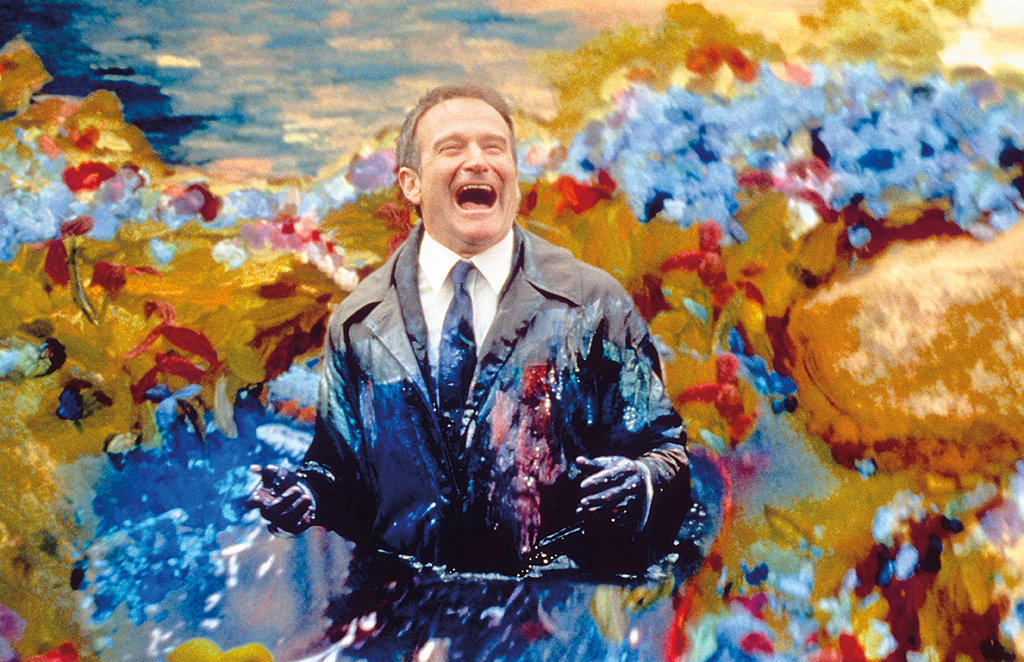
vfxvoice.com/wp-content/uploads/2018/09/PIX-7-WhatDreamsM...
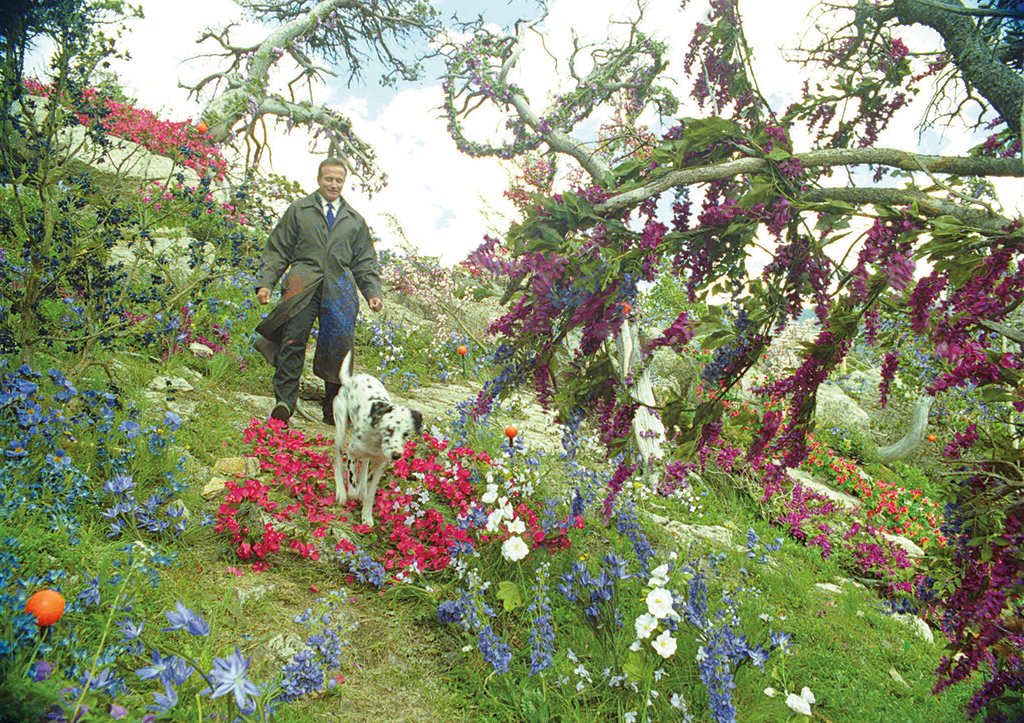
vfxvoice.com/wp-content/uploads/2018/09/PIX-5-WhatDreamsM...
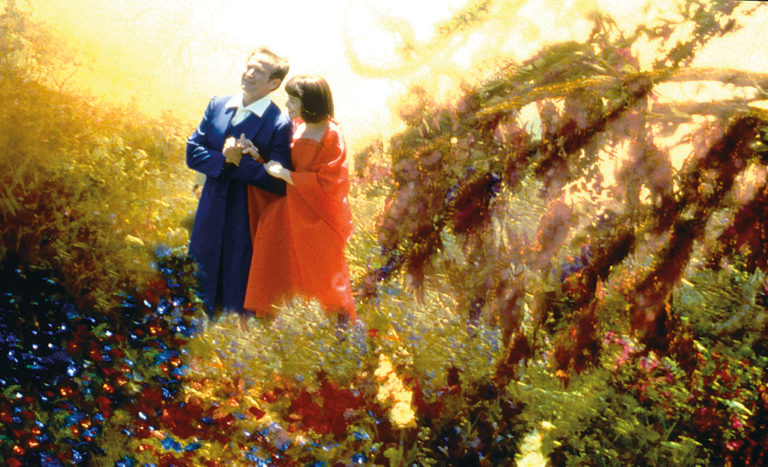
vfxvoice.com/wp-content/uploads/2018/09/PIX-4-WhatDreamsM...
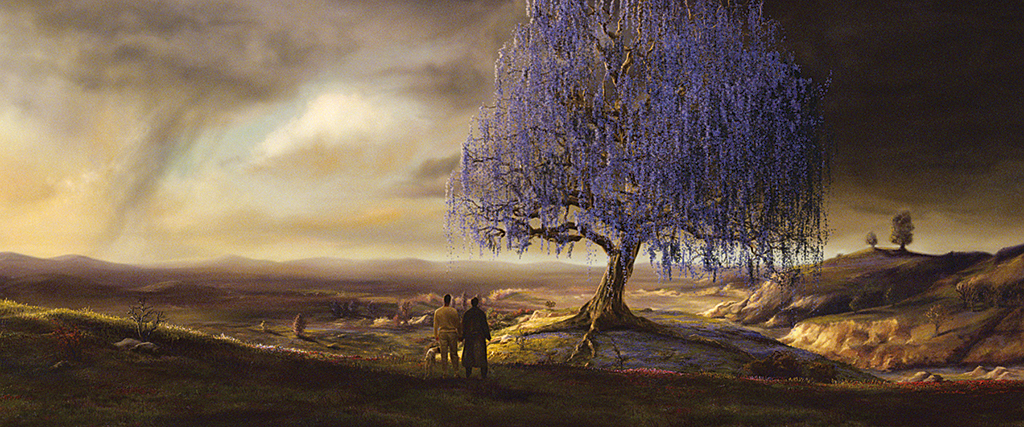
----------------------------------------------------------
click to activate the small icon of slideshow: the small triangle inscribed in the small rectangle, at the top right, in the photostream (it means the monitor);
or…. Press the “L” button to zoom in the image;
clicca sulla piccola icona per attivare lo slideshow: sulla facciata principale del photostream, in alto a destra c'è un piccolo rettangolo (rappresenta il monitor) con dentro un piccolo triangolo nero;
oppure…. premi il tasto “L” per ingrandire l'immagine;
Qi Bo's photos on Fluidr
Qi Bo's photos on Flickriver
www.worldphoto.org/sony-world-photography-awards/winners-...
www.fotografidigitali.it/gallery/2726/opere-italiane-segn...
This photographic series of mine, taken in the Gran Camposanto of Messina, could be considered a continuation of my two previous series on the same theme, taken in various monumental cemeteries in Sicily (for those who want to learn more: flic.kr/p/2rRmE35 - flic.kr/p/2qBy35g ). The monumental cemetery of Messina, one of the most important in Europe, is very large, spanning 22 hectares, and conceived as an urban park, with the idea of an open-air gallery of modern and contemporary art. My interest in this place has roots that go beyond the beauty that is widely found among its works, beautiful sculptures (in marble, in bronze), stories described on the tombstones, architectural structures (the Famedio, a kind of mausoleum; the Cenobio, in the highest part of the cemetery, known as the "conventino"), a section of it called the "English cemetery", but my interest arises above all from the presence of the victims of the terrible earthquake of 1908: at 5:21 am on December 28, 1908, seismographs recorded the occurrence of an earthquake of exceptional intensity and great magnitude, lasting 37 interminable seconds. Coinciding with the earthquake, a terrible tsunami also occurred. Studies report that it was not the earthquake that triggered it, but rather it was caused by a large underwater landslide that occurred off the coast of Giardini-Naxos; When I was sixteen, I was told by word of mouth that during that tsunami, a mother lost her child, who was torn from her by the enormous series of waves that overwhelmed them. They were at the window of a house overlooking the sea in Giardini Naxos, undoubtedly awakened and frightened by the earthquake that had occurred about ten minutes earlier. It is one of those tragedies that belong to our oral memory. The number of victims is estimated to have been between 80,000 and 100,000 people, more than half the population of Messina and a third of that of Reggio Calabria. The tragedy sparked a wave of international solidarity, led initially and immediately by sailors of the Russian fleet, and shortly thereafter by the British, as they were present near the Strait of Messina. Immediately after the disaster, the entire "coterie" of artists then present in Taormina (the town where I live and work) decided to move, combining humanitarian and relief intent with that of testimony, each with their own means of expression: the photographer Baron Wilhelm von Gloeden and his studio assistant, my great-grandfather Gaetano D'Agata, left, bringing with them heavy photographic equipment, to document the apocalypse of Messina with crude realism, I talked about the two photographers here: ( flic.kr/p/2mVA5Ui ), the painters Robert Kitson and Carlo Siligato also left (the latter being my great-grandmother's cousin), he was Robert Kitson's life partner, he was a talented painter who graduated from the Academy of Fine Arts in Venice, and, before meeting the English artist Kitson, he had been one of the most photographed models by Wilhelm von Gloeden himself; I have described their stories here (flic.kr/p/2mYnnzi), the two painters set out with their notebooks, Kitson created historic and touching watercolors, capturing scenes of rubble and survivors, Siligato was close to him both in art and in material relief efforts; the union of this group, which left Taormina and arrived in Messina, was sealed by an extraordinary human event: among those ruins, Kitson and Siligato found an orphaned child, and so decided to adopt him, little Francesco. Kitson, Siligato, von Gloeden, and my great-grandfather Gaetano D’Agata shared a profound vision of art and life, so in the face of the tragedy in Messina, they moved as one to document, photograph, paint, and help. Another cousin by marriage of my father, Prof. Giacomo Altavilla lost his parents in the tragic Messina earthquake. He himself was miraculously saved when a sharp object pierced his skull. He survived, but always wore a plaster on his head because the wound never healed. He was adopted by a Danish family and became honorary consul of Denmark in Taormina. That terrible tragedy created a wonderful human chain of help and solidarity from all over Europe, which has much to teach us about what is happening in our times, where the recurring words are nationalism, hatred and war. The earthquake struck many areas bordering Messina, in the countryside of Castelmola (in the "Francisi" district), in the hinterland of Taormina. The mausoleum dedicated to an intelligent, benefactor and enlightened woman of English origins, Lady Florence Trevelyan, who had died the year before, collapsed. I talk about her here (flic.kr/p/qjn32z).
Now, for some brief and concise observations on what I photographed, I didn't dwell on the beautiful and interesting architectural works present. While photographing with a telephoto lens "an incredible expanse" of little angels, representing the immense pain of those who suffered the loss of those little souls, I was completely unexpectedly overcome by a sense of profound prostration. A desire to cry took over, though I couldn't, a feeling of pain and suffering in seeing that scene. I thought of something similar and at the same time different from those who have experienced the so-called "Stendhal syndrome." It wasn't the beauty of those angels that caused me that discomfort, it was probably because they were "a reflected source of profound pain." When I stopped framing them with the telephoto lens, everything passed. Who hasn't been fascinated by the "Angel of Staglieno," also known as the "Angel of Monteverde" or the Angel of the Resurrection? In the Gran Cimitero, I found a sculptor who imitated him, with a smaller-scale copy (the one in Staglieno, including the base, is about three meters tall, while the one I photographed is much smaller); the terrible earthquake caused massive collapses of buildings in Messina and the surrounding area, and the cemetery also suffered damage. I photographed a testimony from that time, a statue (wearing a fez) whose pedestal had shifted, partially coming off its base; I photographed the bronze face of a Navy lieutenant who died in a tragic accident with his ship in the English Channel. I immediately felt close to that bronze portrait, it evoked my Flickr avatar, Corto Maltese, a character created by Hugo Pratt; Among the illustrious figures present, I have given space only to Giuseppe La Farina, an Italian patriot and politician born in Messina (and died in Turin), a central figure in promoting Italian unification and supporting Giuseppe Garibaldi's Expedition of the Thousand (I hope, sooner or later, to be able to publish the photos taken at the mausoleum of the massacre of Garibaldi's men in Fantina). A compassionate hand, on the graves of many small children, had (long ago) placed small toys, stuffed animals, Lego bricks, rather than candles or flowers. Finally, I have published some faces present in the ancient tombs. It must surely be some distortion of my "photography skills," but in looking at those faces, I perceived that there was a kind of vital light in them. It seemed to me that those faces were still alive and vibrant, not frozen by time, the "temporal gap" did not exist in their gazes…
...……………………………………………….
Questa mia serie fotografica, realizzata nel Gran Camposanto di Messina, potrebbe considerarsi la continuazione delle due mie precedenti sul tema, realizzate in vari cimiteri monumentali della Sicilia (per chi volesse approfondire: flic.kr/p/2rRmE35 - flic.kr/p/2qBy35g ). Il cimitero monumentale di Messina, è uno dei più importanti d’Europa, è molto vasto, si estende per ben 22 ettari, concepito come parco urbano, con l’idea di una galleria d’arte moderna e contemporanea all’aperto. Il mio interesse per questo luogo ha radici che vanno oltre la bellezza che si trova ampiamente tra le sue opere, bellissime sculture (in marmo, in bronzo), storie descritte sulle lapidi, strutture architettoniche (il Famedio, una specie di mausoleo; il Cenobio, nella parte più alta del cimitero, conosciuto come “conventino”), una sua sezione chiamata “cimitero degli Inglesi”, ma il mio interesse nasce soprattutto per la presenza delle vittime del terribile terremoto del 1908: alle ore 05:21 del 28 dicembre 1908 i sismografi registrarono il verificarsi di un terremoto dall’intensità di eccezionale e grande magnitudo, della durata di 37 interminabili secondi, in concomitanza col terremoto si verificò anche un terribile maremoto, studi riportano che non fu il terremoto ad innescarlo, ma piuttosto fu causato da una grande frana sottomarina realizzatasi al largo di Giardini-Naxos; quando avevo sedici anni mi fu tramandato a voce che durante tale maremoto, una madre perse il suo bambino, che le fu strappato dall’enorme serie di ondate che li aveva travolti, poichè si trovavano alla finestra di una casa prospiciente il mare di Giardini-Naxos, certamente svegliati ed impauriti dal terremoto verificatosi circa dieci minuti prima, è uno di quei drammi che appartengono alla nostra memoria orale. Si stima che il numero delle vittime fu tra le 80.000 ed le 100.000 persone, più della metà della popolazione di Messina ed un terzo di quella di Reggio Calabria. La tragedia mosse una catena di solidarietà internazionale, essa fu guidata inizialmente e da subito, dai marinai della flotta russa, e poco dopo da quella inglese, poiché presenti nelle vicinanze dello Stretto di Messina. Subito dopo il verificarsi del disastro l’intero “cenacolo” di artisti allora presenti a Taormina (cittadina dove vivo e lavoro) decise di muoversi, unendo l’intento umanitario e di soccorso a quello di testimonianza, ciascuno con il proprio mezzo espressivo: partirono il barone fotografo Wilhelm von Gloeden ed il suo assistente di studio, il mio bisnonno Gaetano D’Agata, portando con loro le pesanti attrezzature fotografiche, per documentare con crudo realismo l’apocalisse di Messina, ho parlato dei due fotografi qui: ( flic.kr/p/2mVA5Ui ), partirono anche i pittori Robert Kitson e Carlo Siligato (quest’ultimo cugino della mia bisnonna), egli era il compagno di vita di Robert Kitson, era un pittore di talento diplomatosi all’Accademia di Belle Arti di Venezia, e, prima di incontrare l’artista inglese Kitson, era stato uno dei modelli più fotografati dallo stesso Wilhelm von Gloeden; le loro vicende le ho descritta qui (flic.kr/p/2mYnnzi), i due pittori partirono coi loro taccuini, Kitson realizzò storici e toccanti acquerelli, catturando scene di macerie e dei sopravvissuti, Siligato gli era vicino sia nell’arte che nelle azioni di soccorso materiale; l’unione di questo gruppo partito da Taormina, giunti a Messina, è suggellato da un evento umano straordinario, tra quelle rovine Kitson e Siligato trovano un bimbo rimasto orfano, decidono così di adottarlo, era il piccolo Francesco: Kitson, Siligato, von Gloeden ed il mio bisnonno Gaetano D’Agata, condividevano una visione profonda dell’arte e della vita, cosicchè di fronte al dramma di Messina, si mossero come un unico corpo per documentare, fotografare, dipingere, ed aiutare. Un altro cugino acquisito di mio padre, il prof. Giacomo Altavilla, perse i genitori nel tragico terremoto di Messina, egli stesso fu salvo per miracolo dacchè un oggetto penetrante gli perforò la teca cranica, egli sopravvisse ma portò per sempre un cerotto sul capo perché quella ferita non rimarginò mai, fu adottato da una famiglia Danese, diventò console onorario a Taormina della Danimarca: si era creata per quella immane tragedia una meravigliosa catena umana di aiuti e solidarietà proveniente da ogni parte d’Europa, che ha molto da insegnare a quanto accade ai tempi nostri, dove la parola ricorrente è nazionalismi, odio e guerra. Il terremoto colpì molti territori limitrofi a Messina, nelle campagne di Castelmola (in contrada “Francisi”), nell’entroterra di Taormina, crollò il mausoleo dedicato ad una donna intelligente, benefattrice ed illuminata, di origini inglesi, morta l’anno prima, Lady Florence Trevelyan, ne parlo qui ( flic.kr/p/qjn32z ). Ora, delle brevi e sintetiche osservazioni su quanto ho fotografato, non mi sono soffermato sulle pur belle ed interessanti opere architettoniche presenti; nel fotografare col teleobiettivo “una incredibile distesa” di piccoli angeli, rappresentanti dell’immenso dolore di chi ha subito la perdita di quelle piccole anime, sono stato colto in maniera del tutto inaspettata da un senso di profonda prostrazione, era subentrato un desiderio di piangere senza purtuttavia riuscirvi, una sensazione di dolore e di sofferenza nel vedere quella scena, ho pensato a qualcosa di affine ed al contempo diversa da chi ha provato la cosiddetta “sindrome di Stendhal”, non era la bellezza di quegli angioli a procurarmi quel disturbo, era probabilmente perché “fonte riflessa di profondissimo dolore”, quando ho smesso di inquadrarli col teleobiettivo, tutto è passato; chi non è rimasto affascinato nel guardare “l’Angelo di Staglieno” detto anche “l’Angelo di Monteverde o l’Angelo della Resurrezione”, nel Gran Cimitero ho trovato uno scultore suo epigono, con una copia in scala ridotta (quello di Staglieno, compreso di base è alto circa tre metri, quello da me fotografato, di dimensioni molto più contenute); il terribile terremoto causò a Messina e dintorni enormi crolli di palazzi, anche il cimitero subì dei danni, ho fotografato una testimonianza di allora, una statua (col Fez sul capo) il cui piedistallo si è spostato uscendo in parte dal suo basamento; ho fotografato il volto in bronzo di un sottotenente di Marina, morto in un tragico incidente con la sua nave nelle acque della Manica, quel ritratto in bronzo l’ho subito sentito vicino a me, rievocava il mio avatar su Flickr, Corto Maltese, personaggio creato da Hugo Pratt; tra i personaggi illustri presenti, ho dato spazio solo a Giuseppe La Farina, patriota e politico italiano, nato a Messina (e morto a Torino), figura centrale nel promuovere l’Unità d’Italia e nel sostenere la spedizione dei Mille di Giuseppe Garibaldi (spero prima o poi, di riuscire a pubblicare le foto fatte al mausoleo dell’eccidio dei Garibaldini di Fantina); una mano pietosa, su molte tombe di piccoli bimbi, aveva posto (da tempo) dei piccoli giocattoli, pupazzetti di peluche, mattoncini del Lego, piuttosto che lumini o fiori; infine, ho pubblicato alcuni volti presenti nelle vecchie tombe, sarà sicuramente una mia qualche deformazione del “fare fotografie”, ma nel guardarli, quei volti, percepivo che c’era in loro una specie di luce vitale, mi sembrava che quei volti fossero li ancora vivi e palpitanti, non cristallizzati dal tempo, il “gap temporale” non esisteva nei loro sguardi…
……………………………………………..
“things only exist if they are told/narrated”
(maybe of Alessandro Baricco);
“le cose esistono solo se vengono raccontate”
(probabile, di Alessandro Baricco).
www.imdb.com/it/title/tt4650414/mediaviewer/rm3101758464/
cineuropa.org/Galleries/313/863/poster1_fr_big.jpg?177586...
www.hollywoodreporter.com/wp-content/uploads/2016/08/lest...
focus.telerama.fr/664x442/60/2024/07/03/3264337b075948d0b...
www.cabiriamagazine.it/lestate-addosso/
----------------------------------------------------------
click to activate the small icon of slideshow: the small triangle inscribed in the small rectangle, at the top right, in the photostream (it means the monitor);
or…. Press the “L” button to zoom in the image;
clicca sulla piccola icona per attivare lo slideshow: sulla facciata principale del photostream, in alto a destra c'è un piccolo rettangolo (rappresenta il monitor) con dentro un piccolo triangolo nero;
oppure…. premi il tasto “L” per ingrandire l'immagine;
Qi Bo's photos on Fluidr
Qi Bo's photos on Flickriver
www.worldphoto.org/sony-world-photography-awards/winners-...
www.fotografidigitali.it/gallery/2726/opere-italiane-segn...
......................................................
This is a photographic account of my recent week-long vacation on the island of Favignana, spent at the end of July this year (2026). Specifying the year is a must, as I often post reports from past years.
Favignana is the largest of the Egadi islands, followed by Levanzo (the smallest) and Marettimo, as well as several smaller islets. On this trip, I returned with my wife, years after our honeymoon: we only stayed for one day, and I had with me a compact film camera purchased especially for the occasion on Via Etnea in Catania.
Seen from above, some have poetically glimpsed Favignana as the shape of a butterfly with open wings. The landscape is characterized by gentle hills—with the highest point at Monte Santa Caterina—and several flat areas. The coastline is very rugged, full of inlets, sea caves, hidden coves, and others that are easily accessible; I've visited practically all of the latter. Among the many, I particularly remember Cala Rossa, Cala Azzurra, Bue Marino, Cala Grande, Lido Burrone, and Cala San Nicola. The local road system is dominated by bicycles (traditional and electric), motorcycles, and mopeds, while cars are rare, partly due to an ordinance prohibiting tourist landings except under special conditions.
The history of Favignana is inextricably linked to the Florio family and its imposing tuna fishery, a combination that radically transformed the island between the late 19th and 20th centuries, making it the beating heart of the Mediterranean economy and fishing. The Florios became the symbol of the Sicilian Belle Époque and the southern industrial bourgeoisie when, in 1874, Ignazio Florio Senior purchased the islands of Favignana and Formica. The family didn't limit itself to traditional fishing, but also industrialized the entire process: inaugurated in 1891, the enormous tuna canning plant became one of the largest and most advanced in Europe.
The Florios introduced a revolutionary idea for the time: cooking the tuna and storing it in oil in tins, rather than preserving it in salt, thus allowing the product to be marketed on an industrial scale. The family's influence on the island was widespread. The company employed hundreds of locals and, within the complex, built warehouses, boathouses, workshops, and even a nursery for the workers' children.
The business subsequently gradually declined until it finally closed in the 1970s. After decades of abandonment, the former plant is now an extraordinary museum. Visiting it—which I did with great interest—means stepping back in time among enormous cooking cauldrons, old slaughter boats, and an archaeological site that also houses the bronze rams from the Battle of the Egadi Islands (241 BC). This decisive naval battle, fought and won by the Romans in the waters of the archipelago, marked the end of the First Punic War, destroying the naval power of Carthage, forcing it to surrender and cede control of Sicily to Rome.
I created this photographic story in two parts: the first with color photographs, the second in black and white.
…………………….
Questo è un racconto fotografico della mia recentissima settimana di vacanze nell’isola di Favignana, trascorsa a fine luglio di quest'anno (2026). Specificare l'anno è per me d'obbligo, poiché mi capita spesso di postare reportage realizzati negli anni passati.
Favignana è la maggiore delle isole Egadi, seguita da Levanzo (la più piccola) e da Marettimo, oltre a diversi isolotti minori. In questo viaggio sono tornato con mia moglie, a distanza di anni dal nostro viaggio di nozze: allora ci fermammo solo per una giornata, e io avevo con me una compatta a pellicola acquistata appositamente per l'occasione in via Etnea, a Catania.
Vista dall'alto, qualcuno ha poeticamente intravisto in Favignana la forma di una farfalla con le ali aperte. Il paesaggio è caratterizzato da dolci rilievi collinari — con il punto più alto nel Monte Santa Caterina — e da diverse aree pianeggianti. La costa è molto frastagliata, ricca di insenature, grotte marine, calette nascoste e altre facilmente accessibili; queste ultime le ho visitate praticamente tutte. Tra le tante, ricordo in particolare Cala Rossa, Cala Azzurra, Bue Marino, Cala Grande, Lido Burrone e Cala San Nicola. La viabilità locale è dominata dalla presenza di biciclette (tradizionali ed elettriche), moto e motorini, mentre le automobili circolano in numero ridotto, anche a causa di un'ordinanza che ne vieta lo sbarco turistico se non in particolari condizioni.
La storia di Favignana è indissolubilmente legata alla famiglia Florio e alla sua imponente tonnara, un binomio che ha trasformato radicalmente l'isola tra la fine dell'Ottocento e il Novecento, facendone il cuore pulsante dell'economia e della pesca nel Mediterraneo. I Florio divennero il simbolo della Belle Époque siciliana e della borghesia industriale del Sud quando, nel 1874, Ignazio Florio Senior acquistò le isole di Favignana e Formica. La famiglia non si limitò a gestire la pesca tradizionale, ma volle industrializzare l'intero processo: inaugurato nel 1891, l'enorme stabilimento per la conservazione del tonno divenne una delle tonnare più grandi e avanzate d'Europa.
I Florio introdussero un'intuizione rivoluzionaria per l'epoca: cuocere il tonno e metterlo sott’olio in scatole di latta, anziché conservarlo sotto sale, permettendo così di commercializzare il prodotto su scala industriale. L'influenza della famiglia sull'isola fu totale. L'azienda diede lavoro a centinaia di persone del posto e, all'interno del complesso creò magazzini, rimesse per le barche, officine e persino un asilo nido per i figli degli operai.
Successivamente l'attività andò progressivamente riducendosi fino alla definitiva chiusura negli anni '70. Dopo decenni di abbandono, oggi l'ex stabilimento è uno straordinario museo. Visitarlo — cosa che ho fatto con grandissimo interesse — significa fare un salto indietro nel tempo tra enormi calderoni di cottura, le vecchie barche della mattanza ed un'area archeologica che custodisce anche i rostri di bronzo della Battaglia delle Egadi (241 a.C.). Proprio questo scontro navale decisivo, combattuto e vinto dai Romani nelle acque dell'arcipelago, segnò la fine della Prima Guerra Punica, distruggendo la potenza navale di Cartagine, costringendola alla resa ed a cedere il controllo della Sicilia a Roma.
Ho realizzato questo racconto fotografico in due parti: una prima con fotografie a colori, una seconda in bianco e nero.
…………………………………………………
“things only exist if they are told/narrated”
(maybe of Alessandro Baricco);
“le cose esistono solo se vengono raccontate”
(probabile, di Alessandro Baricco).
www.imdb.com/it/title/tt0120889/mediaviewer/rm1687654401/...
vfxvoice.com/wp-content/uploads/2018/09/PIX-1-WhatDreamsM...
vfxvoice.com/wp-content/uploads/2018/09/PIX-7-WhatDreamsM...
vfxvoice.com/wp-content/uploads/2018/09/PIX-5-WhatDreamsM...
vfxvoice.com/wp-content/uploads/2018/09/PIX-4-WhatDreamsM...
----------------------------------------------------------
click to activate the small icon of slideshow: the small triangle inscribed in the small rectangle, at the top right, in the photostream (it means the monitor);
or…. Press the “L” button to zoom in the image;
clicca sulla piccola icona per attivare lo slideshow: sulla facciata principale del photostream, in alto a destra c'è un piccolo rettangolo (rappresenta il monitor) con dentro un piccolo triangolo nero;
oppure…. premi il tasto “L” per ingrandire l'immagine;
Qi Bo's photos on Fluidr
Qi Bo's photos on Flickriver
www.worldphoto.org/sony-world-photography-awards/winners-...
www.fotografidigitali.it/gallery/2726/opere-italiane-segn...
This photographic series of mine, taken in the Gran Camposanto of Messina, could be considered a continuation of my two previous series on the same theme, taken in various monumental cemeteries in Sicily (for those who want to learn more: flic.kr/p/2rRmE35 - flic.kr/p/2qBy35g ). The monumental cemetery of Messina, one of the most important in Europe, is very large, spanning 22 hectares, and conceived as an urban park, with the idea of an open-air gallery of modern and contemporary art. My interest in this place has roots that go beyond the beauty that is widely found among its works, beautiful sculptures (in marble, in bronze), stories described on the tombstones, architectural structures (the Famedio, a kind of mausoleum; the Cenobio, in the highest part of the cemetery, known as the "conventino"), a section of it called the "English cemetery", but my interest arises above all from the presence of the victims of the terrible earthquake of 1908: at 5:21 am on December 28, 1908, seismographs recorded the occurrence of an earthquake of exceptional intensity and great magnitude, lasting 37 interminable seconds. Coinciding with the earthquake, a terrible tsunami also occurred. Studies report that it was not the earthquake that triggered it, but rather it was caused by a large underwater landslide that occurred off the coast of Giardini-Naxos; When I was sixteen, I was told by word of mouth that during that tsunami, a mother lost her child, who was torn from her by the enormous series of waves that overwhelmed them. They were at the window of a house overlooking the sea in Giardini Naxos, undoubtedly awakened and frightened by the earthquake that had occurred about ten minutes earlier. It is one of those tragedies that belong to our oral memory. The number of victims is estimated to have been between 80,000 and 100,000 people, more than half the population of Messina and a third of that of Reggio Calabria. The tragedy sparked a wave of international solidarity, led initially and immediately by sailors of the Russian fleet, and shortly thereafter by the British, as they were present near the Strait of Messina. Immediately after the disaster, the entire "coterie" of artists then present in Taormina (the town where I live and work) decided to move, combining humanitarian and relief intent with that of testimony, each with their own means of expression: the photographer Baron Wilhelm von Gloeden and his studio assistant, my great-grandfather Gaetano D'Agata, left, bringing with them heavy photographic equipment, to document the apocalypse of Messina with crude realism, I talked about the two photographers here: ( flic.kr/p/2mVA5Ui ), the painters Robert Kitson and Carlo Siligato also left (the latter being my great-grandmother's cousin), he was Robert Kitson's life partner, he was a talented painter who graduated from the Academy of Fine Arts in Venice, and, before meeting the English artist Kitson, he had been one of the most photographed models by Wilhelm von Gloeden himself; I have described their stories here (flic.kr/p/2mYnnzi), the two painters set out with their notebooks, Kitson created historic and touching watercolors, capturing scenes of rubble and survivors, Siligato was close to him both in art and in material relief efforts; the union of this group, which left Taormina and arrived in Messina, was sealed by an extraordinary human event: among those ruins, Kitson and Siligato found an orphaned child, and so decided to adopt him, little Francesco. Kitson, Siligato, von Gloeden, and my great-grandfather Gaetano D’Agata shared a profound vision of art and life, so in the face of the tragedy in Messina, they moved as one to document, photograph, paint, and help. Another cousin by marriage of my father, Prof. Giacomo Altavilla lost his parents in the tragic Messina earthquake. He himself was miraculously saved when a sharp object pierced his skull. He survived, but always wore a plaster on his head because the wound never healed. He was adopted by a Danish family and became honorary consul of Denmark in Taormina. That terrible tragedy created a wonderful human chain of help and solidarity from all over Europe, which has much to teach us about what is happening in our times, where the recurring words are nationalism, hatred and war. The earthquake struck many areas bordering Messina, in the countryside of Castelmola (in the "Francisi" district), in the hinterland of Taormina. The mausoleum dedicated to an intelligent, benefactor and enlightened woman of English origins, Lady Florence Trevelyan, who had died the year before, collapsed. I talk about her here (flic.kr/p/qjn32z).
Now, for some brief and concise observations on what I photographed, I didn't dwell on the beautiful and interesting architectural works present. While photographing with a telephoto lens "an incredible expanse" of little angels, representing the immense pain of those who suffered the loss of those little souls, I was completely unexpectedly overcome by a sense of profound prostration. A desire to cry took over, though I couldn't, a feeling of pain and suffering in seeing that scene. I thought of something similar and at the same time different from those who have experienced the so-called "Stendhal syndrome." It wasn't the beauty of those angels that caused me that discomfort, it was probably because they were "a reflected source of profound pain." When I stopped framing them with the telephoto lens, everything passed. Who hasn't been fascinated by the "Angel of Staglieno," also known as the "Angel of Monteverde" or the Angel of the Resurrection? In the Gran Cimitero, I found a sculptor who imitated him, with a smaller-scale copy (the one in Staglieno, including the base, is about three meters tall, while the one I photographed is much smaller); the terrible earthquake caused massive collapses of buildings in Messina and the surrounding area, and the cemetery also suffered damage. I photographed a testimony from that time, a statue (wearing a fez) whose pedestal had shifted, partially coming off its base; I photographed the bronze face of a Navy lieutenant who died in a tragic accident with his ship in the English Channel. I immediately felt close to that bronze portrait, it evoked my Flickr avatar, Corto Maltese, a character created by Hugo Pratt; Among the illustrious figures present, I have given space only to Giuseppe La Farina, an Italian patriot and politician born in Messina (and died in Turin), a central figure in promoting Italian unification and supporting Giuseppe Garibaldi's Expedition of the Thousand (I hope, sooner or later, to be able to publish the photos taken at the mausoleum of the massacre of Garibaldi's men in Fantina). A compassionate hand, on the graves of many small children, had (long ago) placed small toys, stuffed animals, Lego bricks, rather than candles or flowers. Finally, I have published some faces present in the ancient tombs. It must surely be some distortion of my "photography skills," but in looking at those faces, I perceived that there was a kind of vital light in them. It seemed to me that those faces were still alive and vibrant, not frozen by time, the "temporal gap" did not exist in their gazes…
...……………………………………………….
Questa mia serie fotografica, realizzata nel Gran Camposanto di Messina, potrebbe considerarsi la continuazione delle due mie precedenti sul tema, realizzate in vari cimiteri monumentali della Sicilia (per chi volesse approfondire: flic.kr/p/2rRmE35 - flic.kr/p/2qBy35g ). Il cimitero monumentale di Messina, è uno dei più importanti d’Europa, è molto vasto, si estende per ben 22 ettari, concepito come parco urbano, con l’idea di una galleria d’arte moderna e contemporanea all’aperto. Il mio interesse per questo luogo ha radici che vanno oltre la bellezza che si trova ampiamente tra le sue opere, bellissime sculture (in marmo, in bronzo), storie descritte sulle lapidi, strutture architettoniche (il Famedio, una specie di mausoleo; il Cenobio, nella parte più alta del cimitero, conosciuto come “conventino”), una sua sezione chiamata “cimitero degli Inglesi”, ma il mio interesse nasce soprattutto per la presenza delle vittime del terribile terremoto del 1908: alle ore 05:21 del 28 dicembre 1908 i sismografi registrarono il verificarsi di un terremoto dall’intensità di eccezionale e grande magnitudo, della durata di 37 interminabili secondi, in concomitanza col terremoto si verificò anche un terribile maremoto, studi riportano che non fu il terremoto ad innescarlo, ma piuttosto fu causato da una grande frana sottomarina realizzatasi al largo di Giardini-Naxos; quando avevo sedici anni mi fu tramandato a voce che durante tale maremoto, una madre perse il suo bambino, che le fu strappato dall’enorme serie di ondate che li aveva travolti, poichè si trovavano alla finestra di una casa prospiciente il mare di Giardini-Naxos, certamente svegliati ed impauriti dal terremoto verificatosi circa dieci minuti prima, è uno di quei drammi che appartengono alla nostra memoria orale. Si stima che il numero delle vittime fu tra le 80.000 ed le 100.000 persone, più della metà della popolazione di Messina ed un terzo di quella di Reggio Calabria. La tragedia mosse una catena di solidarietà internazionale, essa fu guidata inizialmente e da subito, dai marinai della flotta russa, e poco dopo da quella inglese, poiché presenti nelle vicinanze dello Stretto di Messina. Subito dopo il verificarsi del disastro l’intero “cenacolo” di artisti allora presenti a Taormina (cittadina dove vivo e lavoro) decise di muoversi, unendo l’intento umanitario e di soccorso a quello di testimonianza, ciascuno con il proprio mezzo espressivo: partirono il barone fotografo Wilhelm von Gloeden ed il suo assistente di studio, il mio bisnonno Gaetano D’Agata, portando con loro le pesanti attrezzature fotografiche, per documentare con crudo realismo l’apocalisse di Messina, ho parlato dei due fotografi qui: ( flic.kr/p/2mVA5Ui ), partirono anche i pittori Robert Kitson e Carlo Siligato (quest’ultimo cugino della mia bisnonna), egli era il compagno di vita di Robert Kitson, era un pittore di talento diplomatosi all’Accademia di Belle Arti di Venezia, e, prima di incontrare l’artista inglese Kitson, era stato uno dei modelli più fotografati dallo stesso Wilhelm von Gloeden; le loro vicende le ho descritta qui (flic.kr/p/2mYnnzi), i due pittori partirono coi loro taccuini, Kitson realizzò storici e toccanti acquerelli, catturando scene di macerie e dei sopravvissuti, Siligato gli era vicino sia nell’arte che nelle azioni di soccorso materiale; l’unione di questo gruppo partito da Taormina, giunti a Messina, è suggellato da un evento umano straordinario, tra quelle rovine Kitson e Siligato trovano un bimbo rimasto orfano, decidono così di adottarlo, era il piccolo Francesco: Kitson, Siligato, von Gloeden ed il mio bisnonno Gaetano D’Agata, condividevano una visione profonda dell’arte e della vita, cosicchè di fronte al dramma di Messina, si mossero come un unico corpo per documentare, fotografare, dipingere, ed aiutare. Un altro cugino acquisito di mio padre, il prof. Giacomo Altavilla, perse i genitori nel tragico terremoto di Messina, egli stesso fu salvo per miracolo dacchè un oggetto penetrante gli perforò la teca cranica, egli sopravvisse ma portò per sempre un cerotto sul capo perché quella ferita non rimarginò mai, fu adottato da una famiglia Danese, diventò console onorario a Taormina della Danimarca: si era creata per quella immane tragedia una meravigliosa catena umana di aiuti e solidarietà proveniente da ogni parte d’Europa, che ha molto da insegnare a quanto accade ai tempi nostri, dove la parola ricorrente è nazionalismi, odio e guerra. Il terremoto colpì molti territori limitrofi a Messina, nelle campagne di Castelmola (in contrada “Francisi”), nell’entroterra di Taormina, crollò il mausoleo dedicato ad una donna intelligente, benefattrice ed illuminata, di origini inglesi, morta l’anno prima, Lady Florence Trevelyan, ne parlo qui ( flic.kr/p/qjn32z ). Ora, delle brevi e sintetiche osservazioni su quanto ho fotografato, non mi sono soffermato sulle pur belle ed interessanti opere architettoniche presenti; nel fotografare col teleobiettivo “una incredibile distesa” di piccoli angeli, rappresentanti dell’immenso dolore di chi ha subito la perdita di quelle piccole anime, sono stato colto in maniera del tutto inaspettata da un senso di profonda prostrazione, era subentrato un desiderio di piangere senza purtuttavia riuscirvi, una sensazione di dolore e di sofferenza nel vedere quella scena, ho pensato a qualcosa di affine ed al contempo diversa da chi ha provato la cosiddetta “sindrome di Stendhal”, non era la bellezza di quegli angioli a procurarmi quel disturbo, era probabilmente perché “fonte riflessa di profondissimo dolore”, quando ho smesso di inquadrarli col teleobiettivo, tutto è passato; chi non è rimasto affascinato nel guardare “l’Angelo di Staglieno” detto anche “l’Angelo di Monteverde o l’Angelo della Resurrezione”, nel Gran Cimitero ho trovato uno scultore suo epigono, con una copia in scala ridotta (quello di Staglieno, compreso di base è alto circa tre metri, quello da me fotografato, di dimensioni molto più contenute); il terribile terremoto causò a Messina e dintorni enormi crolli di palazzi, anche il cimitero subì dei danni, ho fotografato una testimonianza di allora, una statua (col Fez sul capo) il cui piedistallo si è spostato uscendo in parte dal suo basamento; ho fotografato il volto in bronzo di un sottotenente di Marina, morto in un tragico incidente con la sua nave nelle acque della Manica, quel ritratto in bronzo l’ho subito sentito vicino a me, rievocava il mio avatar su Flickr, Corto Maltese, personaggio creato da Hugo Pratt; tra i personaggi illustri presenti, ho dato spazio solo a Giuseppe La Farina, patriota e politico italiano, nato a Messina (e morto a Torino), figura centrale nel promuovere l’Unità d’Italia e nel sostenere la spedizione dei Mille di Giuseppe Garibaldi (spero prima o poi, di riuscire a pubblicare le foto fatte al mausoleo dell’eccidio dei Garibaldini di Fantina); una mano pietosa, su molte tombe di piccoli bimbi, aveva posto (da tempo) dei piccoli giocattoli, pupazzetti di peluche, mattoncini del Lego, piuttosto che lumini o fiori; infine, ho pubblicato alcuni volti presenti nelle vecchie tombe, sarà sicuramente una mia qualche deformazione del “fare fotografie”, ma nel guardarli, quei volti, percepivo che c’era in loro una specie di luce vitale, mi sembrava che quei volti fossero li ancora vivi e palpitanti, non cristallizzati dal tempo, il “gap temporale” non esisteva nei loro sguardi…
……………………………………………..
Il Gran Camposanto di Messina con Franco Maggio.
GRAN CAMPOSANTO MESSINA
Messina. Gran Camposanto, la memoria del terremoto rivive in cinque tombe restaurate
Attacchi d'arte al Cimitero di Messina. Ma anche visite guidate e curiosità sulle tombe preterremoto
……………………………………………….
Al di là dei sogni (film 1998) TRAILER ITALIANO
What Dreams May Come Official Trailer #1 - Robin Williams Movie (1998) HD
Al di là dei sogni (1998) • L'Io, la consapevolezza, il pensiero, Dio
What Dreams May Come (1998) - The Floor of Faces in Hell Scene | Movieclips
Alternate Ending What Dreams May Come 1998 - Robin Williams, Cuba Gooding Jr., Annabella Sciorra
Chris riconosce sua figlia Marie - AL DI LÀ DEI SOGNI -
..................................
“things only exist if they are told/narrated”
(maybe of Alessandro Baricco);
“le cose esistono solo se vengono raccontate”
(probabile, di Alessandro Baricco).
www.imdb.com/it/title/tt4650414/mediaviewer/rm3101758464/
cineuropa.org/Galleries/313/863/poster1_fr_big.jpg?177586...
www.hollywoodreporter.com/wp-content/uploads/2016/08/lest...
focus.telerama.fr/664x442/60/2024/07/03/3264337b075948d0b...
www.cabiriamagazine.it/lestate-addosso/
----------------------------------------------------------
click to activate the small icon of slideshow: the small triangle inscribed in the small rectangle, at the top right, in the photostream (it means the monitor);
or…. Press the “L” button to zoom in the image;
clicca sulla piccola icona per attivare lo slideshow: sulla facciata principale del photostream, in alto a destra c'è un piccolo rettangolo (rappresenta il monitor) con dentro un piccolo triangolo nero;
oppure…. premi il tasto “L” per ingrandire l'immagine;
Qi Bo's photos on Fluidr
Qi Bo's photos on Flickriver
www.worldphoto.org/sony-world-photography-awards/winners-...
www.fotografidigitali.it/gallery/2726/opere-italiane-segn...
......................................................
This is a photographic account of my recent week-long vacation on the island of Favignana, spent at the end of July this year (2026). Specifying the year is a must, as I often post reports from past years.
Favignana is the largest of the Egadi islands, followed by Levanzo (the smallest) and Marettimo, as well as several smaller islets. On this trip, I returned with my wife, years after our honeymoon: we only stayed for one day, and I had with me a compact film camera purchased especially for the occasion on Via Etnea in Catania.
Seen from above, some have poetically glimpsed Favignana as the shape of a butterfly with open wings. The landscape is characterized by gentle hills—with the highest point at Monte Santa Caterina—and several flat areas. The coastline is very rugged, full of inlets, sea caves, hidden coves, and others that are easily accessible; I've visited practically all of the latter. Among the many, I particularly remember Cala Rossa, Cala Azzurra, Bue Marino, Cala Grande, Lido Burrone, and Cala San Nicola. The local road system is dominated by bicycles (traditional and electric), motorcycles, and mopeds, while cars are rare, partly due to an ordinance prohibiting tourist landings except under special conditions.
The history of Favignana is inextricably linked to the Florio family and its imposing tuna fishery, a combination that radically transformed the island between the late 19th and 20th centuries, making it the beating heart of the Mediterranean economy and fishing. The Florios became the symbol of the Sicilian Belle Époque and the southern industrial bourgeoisie when, in 1874, Ignazio Florio Senior purchased the islands of Favignana and Formica. The family didn't limit itself to traditional fishing, but also industrialized the entire process: inaugurated in 1891, the enormous tuna canning plant became one of the largest and most advanced in Europe.
The Florios introduced a revolutionary idea for the time: cooking the tuna and storing it in oil in tins, rather than preserving it in salt, thus allowing the product to be marketed on an industrial scale. The family's influence on the island was widespread. The company employed hundreds of locals and, within the complex, built warehouses, boathouses, workshops, and even a nursery for the workers' children.
The business subsequently gradually declined until it finally closed in the 1970s. After decades of abandonment, the former plant is now an extraordinary museum. Visiting it—which I did with great interest—means stepping back in time among enormous cooking cauldrons, old slaughter boats, and an archaeological site that also houses the bronze rams from the Battle of the Egadi Islands (241 BC). This decisive naval battle, fought and won by the Romans in the waters of the archipelago, marked the end of the First Punic War, destroying the naval power of Carthage, forcing it to surrender and cede control of Sicily to Rome.
I created this photographic story in two parts: the first with color photographs, the second in black and white.
…………………….
Questo è un racconto fotografico della mia recentissima settimana di vacanze nell’isola di Favignana, trascorsa a fine luglio di quest'anno (2026). Specificare l'anno è per me d'obbligo, poiché mi capita spesso di postare reportage realizzati negli anni passati.
Favignana è la maggiore delle isole Egadi, seguita da Levanzo (la più piccola) e da Marettimo, oltre a diversi isolotti minori. In questo viaggio sono tornato con mia moglie, a distanza di anni dal nostro viaggio di nozze: allora ci fermammo solo per una giornata, e io avevo con me una compatta a pellicola acquistata appositamente per l'occasione in via Etnea, a Catania.
Vista dall'alto, qualcuno ha poeticamente intravisto in Favignana la forma di una farfalla con le ali aperte. Il paesaggio è caratterizzato da dolci rilievi collinari — con il punto più alto nel Monte Santa Caterina — e da diverse aree pianeggianti. La costa è molto frastagliata, ricca di insenature, grotte marine, calette nascoste e altre facilmente accessibili; queste ultime le ho visitate praticamente tutte. Tra le tante, ricordo in particolare Cala Rossa, Cala Azzurra, Bue Marino, Cala Grande, Lido Burrone e Cala San Nicola. La viabilità locale è dominata dalla presenza di biciclette (tradizionali ed elettriche), moto e motorini, mentre le automobili circolano in numero ridotto, anche a causa di un'ordinanza che ne vieta lo sbarco turistico se non in particolari condizioni.
La storia di Favignana è indissolubilmente legata alla famiglia Florio e alla sua imponente tonnara, un binomio che ha trasformato radicalmente l'isola tra la fine dell'Ottocento e il Novecento, facendone il cuore pulsante dell'economia e della pesca nel Mediterraneo. I Florio divennero il simbolo della Belle Époque siciliana e della borghesia industriale del Sud quando, nel 1874, Ignazio Florio Senior acquistò le isole di Favignana e Formica. La famiglia non si limitò a gestire la pesca tradizionale, ma volle industrializzare l'intero processo: inaugurato nel 1891, l'enorme stabilimento per la conservazione del tonno divenne una delle tonnare più grandi e avanzate d'Europa.
I Florio introdussero un'intuizione rivoluzionaria per l'epoca: cuocere il tonno e metterlo sott’olio in scatole di latta, anziché conservarlo sotto sale, permettendo così di commercializzare il prodotto su scala industriale. L'influenza della famiglia sull'isola fu totale. L'azienda diede lavoro a centinaia di persone del posto e, all'interno del complesso creò magazzini, rimesse per le barche, officine e persino un asilo nido per i figli degli operai.
Successivamente l'attività andò progressivamente riducendosi fino alla definitiva chiusura negli anni '70. Dopo decenni di abbandono, oggi l'ex stabilimento è uno straordinario museo. Visitarlo — cosa che ho fatto con grandissimo interesse — significa fare un salto indietro nel tempo tra enormi calderoni di cottura, le vecchie barche della mattanza ed un'area archeologica che custodisce anche i rostri di bronzo della Battaglia delle Egadi (241 a.C.). Proprio questo scontro navale decisivo, combattuto e vinto dai Romani nelle acque dell'arcipelago, segnò la fine della Prima Guerra Punica, distruggendo la potenza navale di Cartagine, costringendola alla resa ed a cedere il controllo della Sicilia a Roma.
Ho realizzato questo racconto fotografico in due parti: una prima con fotografie a colori, una seconda in bianco e nero.
…………………………………………………
“things only exist if they are told/narrated”
(maybe of Alessandro Baricco);
“le cose esistono solo se vengono raccontate”
(probabile, di Alessandro Baricco).
www.imdb.com/it/title/tt4650414/mediaviewer/rm3101758464/
cineuropa.org/Galleries/313/863/poster1_fr_big.jpg?177586...
www.hollywoodreporter.com/wp-content/uploads/2016/08/lest...
focus.telerama.fr/664x442/60/2024/07/03/3264337b075948d0b...
www.cabiriamagazine.it/lestate-addosso/
----------------------------------------------------------
click to activate the small icon of slideshow: the small triangle inscribed in the small rectangle, at the top right, in the photostream (it means the monitor);
or…. Press the “L” button to zoom in the image;
clicca sulla piccola icona per attivare lo slideshow: sulla facciata principale del photostream, in alto a destra c'è un piccolo rettangolo (rappresenta il monitor) con dentro un piccolo triangolo nero;
oppure…. premi il tasto “L” per ingrandire l'immagine;
Qi Bo's photos on Fluidr
Qi Bo's photos on Flickriver
www.worldphoto.org/sony-world-photography-awards/winners-...
www.fotografidigitali.it/gallery/2726/opere-italiane-segn...
......................................................
This is a photographic account of my recent week-long vacation on the island of Favignana, spent at the end of July this year (2026). Specifying the year is a must, as I often post reports from past years.
Favignana is the largest of the Egadi islands, followed by Levanzo (the smallest) and Marettimo, as well as several smaller islets. On this trip, I returned with my wife, years after our honeymoon: we only stayed for one day, and I had with me a compact film camera purchased especially for the occasion on Via Etnea in Catania.
Seen from above, some have poetically glimpsed Favignana as the shape of a butterfly with open wings. The landscape is characterized by gentle hills—with the highest point at Monte Santa Caterina—and several flat areas. The coastline is very rugged, full of inlets, sea caves, hidden coves, and others that are easily accessible; I've visited practically all of the latter. Among the many, I particularly remember Cala Rossa, Cala Azzurra, Bue Marino, Cala Grande, Lido Burrone, and Cala San Nicola. The local road system is dominated by bicycles (traditional and electric), motorcycles, and mopeds, while cars are rare, partly due to an ordinance prohibiting tourist landings except under special conditions.
The history of Favignana is inextricably linked to the Florio family and its imposing tuna fishery, a combination that radically transformed the island between the late 19th and 20th centuries, making it the beating heart of the Mediterranean economy and fishing. The Florios became the symbol of the Sicilian Belle Époque and the southern industrial bourgeoisie when, in 1874, Ignazio Florio Senior purchased the islands of Favignana and Formica. The family didn't limit itself to traditional fishing, but also industrialized the entire process: inaugurated in 1891, the enormous tuna canning plant became one of the largest and most advanced in Europe.
The Florios introduced a revolutionary idea for the time: cooking the tuna and storing it in oil in tins, rather than preserving it in salt, thus allowing the product to be marketed on an industrial scale. The family's influence on the island was widespread. The company employed hundreds of locals and, within the complex, built warehouses, boathouses, workshops, and even a nursery for the workers' children.
The business subsequently gradually declined until it finally closed in the 1970s. After decades of abandonment, the former plant is now an extraordinary museum. Visiting it—which I did with great interest—means stepping back in time among enormous cooking cauldrons, old slaughter boats, and an archaeological site that also houses the bronze rams from the Battle of the Egadi Islands (241 BC). This decisive naval battle, fought and won by the Romans in the waters of the archipelago, marked the end of the First Punic War, destroying the naval power of Carthage, forcing it to surrender and cede control of Sicily to Rome.
I created this photographic story in two parts: the first with color photographs, the second in black and white.
…………………….
Questo è un racconto fotografico della mia recentissima settimana di vacanze nell’isola di Favignana, trascorsa a fine luglio di quest'anno (2026). Specificare l'anno è per me d'obbligo, poiché mi capita spesso di postare reportage realizzati negli anni passati.
Favignana è la maggiore delle isole Egadi, seguita da Levanzo (la più piccola) e da Marettimo, oltre a diversi isolotti minori. In questo viaggio sono tornato con mia moglie, a distanza di anni dal nostro viaggio di nozze: allora ci fermammo solo per una giornata, e io avevo con me una compatta a pellicola acquistata appositamente per l'occasione in via Etnea, a Catania.
Vista dall'alto, qualcuno ha poeticamente intravisto in Favignana la forma di una farfalla con le ali aperte. Il paesaggio è caratterizzato da dolci rilievi collinari — con il punto più alto nel Monte Santa Caterina — e da diverse aree pianeggianti. La costa è molto frastagliata, ricca di insenature, grotte marine, calette nascoste e altre facilmente accessibili; queste ultime le ho visitate praticamente tutte. Tra le tante, ricordo in particolare Cala Rossa, Cala Azzurra, Bue Marino, Cala Grande, Lido Burrone e Cala San Nicola. La viabilità locale è dominata dalla presenza di biciclette (tradizionali ed elettriche), moto e motorini, mentre le automobili circolano in numero ridotto, anche a causa di un'ordinanza che ne vieta lo sbarco turistico se non in particolari condizioni.
La storia di Favignana è indissolubilmente legata alla famiglia Florio e alla sua imponente tonnara, un binomio che ha trasformato radicalmente l'isola tra la fine dell'Ottocento e il Novecento, facendone il cuore pulsante dell'economia e della pesca nel Mediterraneo. I Florio divennero il simbolo della Belle Époque siciliana e della borghesia industriale del Sud quando, nel 1874, Ignazio Florio Senior acquistò le isole di Favignana e Formica. La famiglia non si limitò a gestire la pesca tradizionale, ma volle industrializzare l'intero processo: inaugurato nel 1891, l'enorme stabilimento per la conservazione del tonno divenne una delle tonnare più grandi e avanzate d'Europa.
I Florio introdussero un'intuizione rivoluzionaria per l'epoca: cuocere il tonno e metterlo sott’olio in scatole di latta, anziché conservarlo sotto sale, permettendo così di commercializzare il prodotto su scala industriale. L'influenza della famiglia sull'isola fu totale. L'azienda diede lavoro a centinaia di persone del posto e, all'interno del complesso creò magazzini, rimesse per le barche, officine e persino un asilo nido per i figli degli operai.
Successivamente l'attività andò progressivamente riducendosi fino alla definitiva chiusura negli anni '70. Dopo decenni di abbandono, oggi l'ex stabilimento è uno straordinario museo. Visitarlo — cosa che ho fatto con grandissimo interesse — significa fare un salto indietro nel tempo tra enormi calderoni di cottura, le vecchie barche della mattanza ed un'area archeologica che custodisce anche i rostri di bronzo della Battaglia delle Egadi (241 a.C.). Proprio questo scontro navale decisivo, combattuto e vinto dai Romani nelle acque dell'arcipelago, segnò la fine della Prima Guerra Punica, distruggendo la potenza navale di Cartagine, costringendola alla resa ed a cedere il controllo della Sicilia a Roma.
Ho realizzato questo racconto fotografico in due parti: una prima con fotografie a colori, una seconda in bianco e nero.
…………………………………………………
“things only exist if they are told/narrated”
(maybe of Alessandro Baricco);
“le cose esistono solo se vengono raccontate”
(probabile, di Alessandro Baricco).
www.imdb.com/it/title/tt0103594/mediaviewer/rm2696584449/
www.imdb.com/it/title/tt0103594/mediaviewer/rm1290287360/
www.imdb.com/it/title/tt0103594/mediaviewer/rm1458059520/
www.imdb.com/it/title/tt0103594/mediaviewer/rm597442048/
www.imdb.com/it/title/tt0103594/mediaviewer/rm739347968/
----------------------------------------------------------
click to activate the small icon of slideshow: the small triangle inscribed in the small rectangle, at the top right, in the photostream (it means the monitor);
or…. Press the “L” button to zoom in the image;
clicca sulla piccola icona per attivare lo slideshow: sulla facciata principale del photostream, in alto a destra c'è un piccolo rettangolo (rappresenta il monitor) con dentro un piccolo triangolo nero;
oppure…. premi il tasto “L” per ingrandire l'immagine;
Qi Bo's photos on Fluidr
Qi Bo's photos on Flickriver
www.worldphoto.org/sony-world-photography-awards/winners-...
www.fotografidigitali.it/gallery/2726/opere-italiane-segn...
I'll start by saying that this photographic story of mine has only been partially realized. The Barcellona Pozzo di Gotto (Messina) Good Friday procession was cancelled this year due to bad weather. The heavy rain, this is the explanation, could have seriously damaged the papier-mâché statues of the floats of the two components of the procession, that of Barcellona and that of Pozzo di Gotto. Barcellona Pozzo di Gotto is currently a single town, in the past they were separate, the historical memory of the two original villages has never completely merged, continuing to be reflected, almost like an ancient reflection, in the solemnity and distinction of the two historic Good Friday processions. Despite the fact that the photographic narrative is only half-finished, I still felt great satisfaction in taking these photographs. I was welcomed with great kindness and cordiality by those who represent "the Jews of Pozzo di Gotto" (mostly members of the historic La Spada family of Pozzo di Gotto). I truly thank them from the bottom of my heart for giving me the opportunity to take "behind the scenes" photographs in a welcoming home, where they had gathered for their preparations, especially dressing up, with their characteristic clothes and helmet-like headdresses. A brief introduction: for a few years, my nurse friend Antonio, originally from Pozzo di Gotto, had been telling me about the "double procession of Barcellona and Pozzo di Gotto," with figures present in the procession of Pozzo di Gotto that seem to recall characters of pre-Columbian, Mayan, Inca, or Aztec inspiration. Furthermore, the town was only called Barcellona in 1639. Sicily was then part of the Kingdom of Spain. The most widely accepted theory among historians suggests that the name "Barcellona" was given to it to honor the power of Spanish Barcelona. Therefore, hypothesizing a direct link between these customs and the Spanish conquistadors was highly suggestive. Furthermore, I have worked many shifts at the Barcellona Pozzo di Gotto hospital, and I know the town at least in part. All this was more than enough to spark a deep interest in me! My "target" was aimed primarily at those commonly understood as "Jews," who are actually "Roman centurions," or guards of Christ's tomb, Roman soldiers who guard the Dead Christ; To understand the origins of these figures I'm about to describe, a concept must be introduced. Sicily has been dominated by the Greeks, Romans, Byzantines, Arabs, Normans, and Spanish. Those who succeeded previous rulers never completely erased what had existed before, so traditions were stratified and transformed. Instead of disappearing, each layer remains beneath the next. During Spanish rule, many Passion Plays were born. The "Roman-Jewish Soldiers" of Good Friday in Barcellona Pozzo di Gotto are among the most complex and layered performances in all of Sicily. There is no single explanation, but rather a blend of religion, theater, Spanish history, and popular symbolism. The Roman-Jewish soldiers (of Pozzo di Gotto, but not only) are a symbolic figure who embodies the persecutors of Christ, the power that mocks and condemns, they are a ritual mask inserted into the Passion, extremely characteristic their helmet-headdress with long peacock feathers at the top, and rooster and turkey feathers at the bottom, the peacock is a symbol of vanity, arrogance, pride, the long feathers represent an ostentatious wealth and power, such long feathers belong to Baroque theatricality; the red color of their armor and cloaks is the color of condemnation and brutality, this color recalls blood and violence, passion (in the most dramatic sense), aggression; the Roman soldiers show themselves carrying "halberds", here it is clear how these soldiers are a popular reconstruction influenced by the Spanish domination in Sicily, the halberd was born in the late Middle Ages in Europe between the 15th and 17th centuries, also used by the Spanish armies; On their little finger they wear a handkerchief tied with a red ribbon, with multiple layers of meaning, identifying those who are part of the group of Jewish soldiers, and having a ceremonial appeal. The capovara wears a white collar called a "gorget" around his neck, originating from ancient Spanish fashion. In his hilt, he holds a broadsword, reminiscent of the ancient Spanish conquistadors. In short, we are not witnessing first-century Jerusalem, but the "Passion" reinterpreted in Spanish Sicily and transformed into a popular sacred theater.
…………………………………………………
Inizio col dire che questo mio racconto fotografico è stato realizzato solo in parte, la processione di Barcellona Pozzo di Gotto (Messina) del Venerdì Santo quest’anno non è stata fatta a causa del cattivo tempo, la pioggia abbondante, questa la spiegazione, avrebbe potuto danneggiare gravemente le statue in cartapesta delle vare delle due componenti la processione, quella di Barcellona e quella di Pozzo di Gotto: Barcellona Pozzo di Gotto è attualmente un unico paese, in passato erano separate, la memoria storica dei due borghi originari non si è mai del tutto fusa, continuando a specchiarsi, quasi come un riflesso antico, nella solennità e nella distinzione delle due storiche processioni del Venerdì Santo. Nonostante un racconto fotografico “a metà” ho provato ugualmente una grande soddisfazione nel realizzare queste fotografie, sono stato accolto con grande gentilezza e cordialità da coloro che impersonano “i Giudei di Pozzo di Gotto” (in maggior parte appartenenti alla storica famiglia La Spada di Pozzo di Gotto), li ringrazio davvero di cuore per avermi concesso l’opportunità di realizzare fotografie del “dietro le quinte”, in una accogliente casa, dove si erano riuniti per i loro preparativi, segnatamente la vestizione, coi loro caratteristici abiti e copricapi-elmi. Una piccola premessa, da qualche anno il mio amico infermiere Antonio, originario di Pozzo di Gotto, mi parlava della “doppia processione di Barcellona e Pozzo di Gotto”, con figure presenti in quella di Pozzo di Gotto, che sembrano richiamare personaggi d'ispirazione precolombiana, Maya, Inca o Aztechi, inoltre il paese venne chiamato Barcellona solo nel 1639, la Sicilia all’epoca faceva parte del Regno di Spagna, l’ipotesi più accreditata dagli storici suggerisce che il nome “Barcellona” le fu dato per onorare la potenza della Barcellona spagnola, ipotizzare quindi un filo diretto di questi costumi coi conquistadores spagnoli era fortemente suggestivo, inoltre, ho fatto molti turni lavorativi nell’ospedale di Barcellona Pozzo di Gotto, il paese almeno in parte lo conosco, tutto questo era più che sufficiente per accendere in me un profondo interesse! Il mio “obiettivo” era rivolto principalmente a quelli comunemente intesi come “Giudei”, in realtà sono “centurioni romani” ovvero guardie del sepolcro di Cristo, soldati romani che custodiscono il Cristo Morto; per capire l’origine di queste figure che andrò a descrivere, bisogna introdurre un concetto, la Sicilia è stata dominata da Greci, Romani, Bizantini, Arabi, Normanni, Spagnoli, chi subentrava ai precedenti dominatori non cancellava mai completamente ciò che c’era prima, cosicchè le tradizioni si sono stratificate e si sono trasformate, invece di sparire, ogni strato resta sotto quello successivo. Durante la dominazione spagnola nascono molte rappresentazioni della Passione, i “Soldati Romani – Giudei” del Venerdì Santo di Barcellona Pozzo di Gotto sono tra le rappresentazioni più complesse e stratificate di tutta la Sicilia, non esiste una sola spiegazione, ma un intreccio di religione, teatro, storia spagnola, e simbolismo popolare. I soldati romani-Giudei (di Pozzo di Gotto, ma non solo) sono una figura simbolica che incarna i persecutori di Cristo, il potere che deride e condanna, sono una maschera rituale inserita nella Passione, estremamente caratteristico il loro copricapo-elmo con lunghe piume di pavone in alto, e piume di gallo e tacchino in basso, il pavone è simbolo di vanità, superbia, orgoglio, le lunghe piume rappresentano una ricchezza ed un potere ostentati, tali lunghe piume appartengono alla teatralità barocca; il colore rosso delle loro armature e mantelli è il colore della condanna e della brutalità, tale colore riconduce al sangue ed alla violenza, alla passione (nel senso più drammatico), alla aggressività; i soldati romani mostrano di avere le “alabarde”, qui si appalesa di come questi soldati siano una ricostruzione popolare influenzata dalla dominazione Spagnola in Sicilia, l’alabarda nasce nel tardo medioevo in Europa tra ‘400 e ‘600, usata anche dagli eserciti spagnoli; sul mignolo portano legato un fazzoletto con un nastro rosso, con più livelli di significato, identifica chi fa parte del gruppo dei soldati-Giudei, ha un richiamo cerimoniale; il capovara presenta attorno al collo un colletto bianco chiamato “gorgiera”, originario dell’antica moda spagnola, nell’elsa ha uno spadone, ricorda gli antichi conquistadores spagnoli; in breve, non stiamo assistendo alla Gerusalemme del I secolo, ma alla “Passione” reinterpretata nella Sicilia spagnola e trasformata in teatro sacro popolare.
……………………………………………
“things only exist if they are told/narrated”
(maybe of Alessandro Baricco);
“le cose esistono solo se vengono raccontate”
(probabile, di Alessandro Baricco).
www.imdb.com/it/title/tt4650414/mediaviewer/rm3101758464/
cineuropa.org/Galleries/313/863/poster1_fr_big.jpg?177586...
www.hollywoodreporter.com/wp-content/uploads/2016/08/lest...
focus.telerama.fr/664x442/60/2024/07/03/3264337b075948d0b...
www.cabiriamagazine.it/lestate-addosso/
----------------------------------------------------------
click to activate the small icon of slideshow: the small triangle inscribed in the small rectangle, at the top right, in the photostream (it means the monitor);
or…. Press the “L” button to zoom in the image;
clicca sulla piccola icona per attivare lo slideshow: sulla facciata principale del photostream, in alto a destra c'è un piccolo rettangolo (rappresenta il monitor) con dentro un piccolo triangolo nero;
oppure…. premi il tasto “L” per ingrandire l'immagine;
Qi Bo's photos on Fluidr
Qi Bo's photos on Flickriver
www.worldphoto.org/sony-world-photography-awards/winners-...
www.fotografidigitali.it/gallery/2726/opere-italiane-segn...
......................................................
This is a photographic account of my recent week-long vacation on the island of Favignana, spent at the end of July this year (2026). Specifying the year is a must, as I often post reports from past years.
Favignana is the largest of the Egadi islands, followed by Levanzo (the smallest) and Marettimo, as well as several smaller islets. On this trip, I returned with my wife, years after our honeymoon: we only stayed for one day, and I had with me a compact film camera purchased especially for the occasion on Via Etnea in Catania.
Seen from above, some have poetically glimpsed Favignana as the shape of a butterfly with open wings. The landscape is characterized by gentle hills—with the highest point at Monte Santa Caterina—and several flat areas. The coastline is very rugged, full of inlets, sea caves, hidden coves, and others that are easily accessible; I've visited practically all of the latter. Among the many, I particularly remember Cala Rossa, Cala Azzurra, Bue Marino, Cala Grande, Lido Burrone, and Cala San Nicola. The local road system is dominated by bicycles (traditional and electric), motorcycles, and mopeds, while cars are rare, partly due to an ordinance prohibiting tourist landings except under special conditions.
The history of Favignana is inextricably linked to the Florio family and its imposing tuna fishery, a combination that radically transformed the island between the late 19th and 20th centuries, making it the beating heart of the Mediterranean economy and fishing. The Florios became the symbol of the Sicilian Belle Époque and the southern industrial bourgeoisie when, in 1874, Ignazio Florio Senior purchased the islands of Favignana and Formica. The family didn't limit itself to traditional fishing, but also industrialized the entire process: inaugurated in 1891, the enormous tuna canning plant became one of the largest and most advanced in Europe.
The Florios introduced a revolutionary idea for the time: cooking the tuna and storing it in oil in tins, rather than preserving it in salt, thus allowing the product to be marketed on an industrial scale. The family's influence on the island was widespread. The company employed hundreds of locals and, within the complex, built warehouses, boathouses, workshops, and even a nursery for the workers' children.
The business subsequently gradually declined until it finally closed in the 1970s. After decades of abandonment, the former plant is now an extraordinary museum. Visiting it—which I did with great interest—means stepping back in time among enormous cooking cauldrons, old slaughter boats, and an archaeological site that also houses the bronze rams from the Battle of the Egadi Islands (241 BC). This decisive naval battle, fought and won by the Romans in the waters of the archipelago, marked the end of the First Punic War, destroying the naval power of Carthage, forcing it to surrender and cede control of Sicily to Rome.
I created this photographic story in two parts: the first with color photographs, the second in black and white.
…………………….
Questo è un racconto fotografico della mia recentissima settimana di vacanze nell’isola di Favignana, trascorsa a fine luglio di quest'anno (2026). Specificare l'anno è per me d'obbligo, poiché mi capita spesso di postare reportage realizzati negli anni passati.
Favignana è la maggiore delle isole Egadi, seguita da Levanzo (la più piccola) e da Marettimo, oltre a diversi isolotti minori. In questo viaggio sono tornato con mia moglie, a distanza di anni dal nostro viaggio di nozze: allora ci fermammo solo per una giornata, e io avevo con me una compatta a pellicola acquistata appositamente per l'occasione in via Etnea, a Catania.
Vista dall'alto, qualcuno ha poeticamente intravisto in Favignana la forma di una farfalla con le ali aperte. Il paesaggio è caratterizzato da dolci rilievi collinari — con il punto più alto nel Monte Santa Caterina — e da diverse aree pianeggianti. La costa è molto frastagliata, ricca di insenature, grotte marine, calette nascoste e altre facilmente accessibili; queste ultime le ho visitate praticamente tutte. Tra le tante, ricordo in particolare Cala Rossa, Cala Azzurra, Bue Marino, Cala Grande, Lido Burrone e Cala San Nicola. La viabilità locale è dominata dalla presenza di biciclette (tradizionali ed elettriche), moto e motorini, mentre le automobili circolano in numero ridotto, anche a causa di un'ordinanza che ne vieta lo sbarco turistico se non in particolari condizioni.
La storia di Favignana è indissolubilmente legata alla famiglia Florio e alla sua imponente tonnara, un binomio che ha trasformato radicalmente l'isola tra la fine dell'Ottocento e il Novecento, facendone il cuore pulsante dell'economia e della pesca nel Mediterraneo. I Florio divennero il simbolo della Belle Époque siciliana e della borghesia industriale del Sud quando, nel 1874, Ignazio Florio Senior acquistò le isole di Favignana e Formica. La famiglia non si limitò a gestire la pesca tradizionale, ma volle industrializzare l'intero processo: inaugurato nel 1891, l'enorme stabilimento per la conservazione del tonno divenne una delle tonnare più grandi e avanzate d'Europa.
I Florio introdussero un'intuizione rivoluzionaria per l'epoca: cuocere il tonno e metterlo sott’olio in scatole di latta, anziché conservarlo sotto sale, permettendo così di commercializzare il prodotto su scala industriale. L'influenza della famiglia sull'isola fu totale. L'azienda diede lavoro a centinaia di persone del posto e, all'interno del complesso creò magazzini, rimesse per le barche, officine e persino un asilo nido per i figli degli operai.
Successivamente l'attività andò progressivamente riducendosi fino alla definitiva chiusura negli anni '70. Dopo decenni di abbandono, oggi l'ex stabilimento è uno straordinario museo. Visitarlo — cosa che ho fatto con grandissimo interesse — significa fare un salto indietro nel tempo tra enormi calderoni di cottura, le vecchie barche della mattanza ed un'area archeologica che custodisce anche i rostri di bronzo della Battaglia delle Egadi (241 a.C.). Proprio questo scontro navale decisivo, combattuto e vinto dai Romani nelle acque dell'arcipelago, segnò la fine della Prima Guerra Punica, distruggendo la potenza navale di Cartagine, costringendola alla resa ed a cedere il controllo della Sicilia a Roma.
Ho realizzato questo racconto fotografico in due parti: una prima con fotografie a colori, una seconda in bianco e nero.
…………………………………………………
“things only exist if they are told/narrated”
(maybe of Alessandro Baricco);
“le cose esistono solo se vengono raccontate”
(probabile, di Alessandro Baricco).
www.imdb.com/it/title/tt0103594/mediaviewer/rm2696584449/
www.imdb.com/it/title/tt0103594/mediaviewer/rm1290287360/
www.imdb.com/it/title/tt0103594/mediaviewer/rm1458059520/
www.imdb.com/it/title/tt0103594/mediaviewer/rm597442048/
www.imdb.com/it/title/tt0103594/mediaviewer/rm739347968/
----------------------------------------------------------
click to activate the small icon of slideshow: the small triangle inscribed in the small rectangle, at the top right, in the photostream (it means the monitor);
or…. Press the “L” button to zoom in the image;
clicca sulla piccola icona per attivare lo slideshow: sulla facciata principale del photostream, in alto a destra c'è un piccolo rettangolo (rappresenta il monitor) con dentro un piccolo triangolo nero;
oppure…. premi il tasto “L” per ingrandire l'immagine;
Qi Bo's photos on Fluidr
Qi Bo's photos on Flickriver
www.worldphoto.org/sony-world-photography-awards/winners-...
www.fotografidigitali.it/gallery/2726/opere-italiane-segn...
I'll start by saying that this photographic story of mine has only been partially realized. The Barcellona Pozzo di Gotto (Messina) Good Friday procession was cancelled this year due to bad weather. The heavy rain, this is the explanation, could have seriously damaged the papier-mâché statues of the floats of the two components of the procession, that of Barcellona and that of Pozzo di Gotto. Barcellona Pozzo di Gotto is currently a single town, in the past they were separate, the historical memory of the two original villages has never completely merged, continuing to be reflected, almost like an ancient reflection, in the solemnity and distinction of the two historic Good Friday processions. Despite the fact that the photographic narrative is only half-finished, I still felt great satisfaction in taking these photographs. I was welcomed with great kindness and cordiality by those who represent "the Jews of Pozzo di Gotto" (mostly members of the historic La Spada family of Pozzo di Gotto). I truly thank them from the bottom of my heart for giving me the opportunity to take "behind the scenes" photographs in a welcoming home, where they had gathered for their preparations, especially dressing up, with their characteristic clothes and helmet-like headdresses. A brief introduction: for a few years, my nurse friend Antonio, originally from Pozzo di Gotto, had been telling me about the "double procession of Barcellona and Pozzo di Gotto," with figures present in the procession of Pozzo di Gotto that seem to recall characters of pre-Columbian, Mayan, Inca, or Aztec inspiration. Furthermore, the town was only called Barcellona in 1639. Sicily was then part of the Kingdom of Spain. The most widely accepted theory among historians suggests that the name "Barcellona" was given to it to honor the power of Spanish Barcelona. Therefore, hypothesizing a direct link between these customs and the Spanish conquistadors was highly suggestive. Furthermore, I have worked many shifts at the Barcellona Pozzo di Gotto hospital, and I know the town at least in part. All this was more than enough to spark a deep interest in me! My "target" was aimed primarily at those commonly understood as "Jews," who are actually "Roman centurions," or guards of Christ's tomb, Roman soldiers who guard the Dead Christ; To understand the origins of these figures I'm about to describe, a concept must be introduced. Sicily has been dominated by the Greeks, Romans, Byzantines, Arabs, Normans, and Spanish. Those who succeeded previous rulers never completely erased what had existed before, so traditions were stratified and transformed. Instead of disappearing, each layer remains beneath the next. During Spanish rule, many Passion Plays were born. The "Roman-Jewish Soldiers" of Good Friday in Barcellona Pozzo di Gotto are among the most complex and layered performances in all of Sicily. There is no single explanation, but rather a blend of religion, theater, Spanish history, and popular symbolism. The Roman-Jewish soldiers (of Pozzo di Gotto, but not only) are a symbolic figure who embodies the persecutors of Christ, the power that mocks and condemns, they are a ritual mask inserted into the Passion, extremely characteristic their helmet-headdress with long peacock feathers at the top, and rooster and turkey feathers at the bottom, the peacock is a symbol of vanity, arrogance, pride, the long feathers represent an ostentatious wealth and power, such long feathers belong to Baroque theatricality; the red color of their armor and cloaks is the color of condemnation and brutality, this color recalls blood and violence, passion (in the most dramatic sense), aggression; the Roman soldiers show themselves carrying "halberds", here it is clear how these soldiers are a popular reconstruction influenced by the Spanish domination in Sicily, the halberd was born in the late Middle Ages in Europe between the 15th and 17th centuries, also used by the Spanish armies; On their little finger they wear a handkerchief tied with a red ribbon, with multiple layers of meaning, identifying those who are part of the group of Jewish soldiers, and having a ceremonial appeal. The capovara wears a white collar called a "gorget" around his neck, originating from ancient Spanish fashion. In his hilt, he holds a broadsword, reminiscent of the ancient Spanish conquistadors. In short, we are not witnessing first-century Jerusalem, but the "Passion" reinterpreted in Spanish Sicily and transformed into a popular sacred theater.
…………………………………………………
Inizio col dire che questo mio racconto fotografico è stato realizzato solo in parte, la processione di Barcellona Pozzo di Gotto (Messina) del Venerdì Santo quest’anno non è stata fatta a causa del cattivo tempo, la pioggia abbondante, questa la spiegazione, avrebbe potuto danneggiare gravemente le statue in cartapesta delle vare delle due componenti la processione, quella di Barcellona e quella di Pozzo di Gotto: Barcellona Pozzo di Gotto è attualmente un unico paese, in passato erano separate, la memoria storica dei due borghi originari non si è mai del tutto fusa, continuando a specchiarsi, quasi come un riflesso antico, nella solennità e nella distinzione delle due storiche processioni del Venerdì Santo. Nonostante un racconto fotografico “a metà” ho provato ugualmente una grande soddisfazione nel realizzare queste fotografie, sono stato accolto con grande gentilezza e cordialità da coloro che impersonano “i Giudei di Pozzo di Gotto” (in maggior parte appartenenti alla storica famiglia La Spada di Pozzo di Gotto), li ringrazio davvero di cuore per avermi concesso l’opportunità di realizzare fotografie del “dietro le quinte”, in una accogliente casa, dove si erano riuniti per i loro preparativi, segnatamente la vestizione, coi loro caratteristici abiti e copricapi-elmi. Una piccola premessa, da qualche anno il mio amico infermiere Antonio, originario di Pozzo di Gotto, mi parlava della “doppia processione di Barcellona e Pozzo di Gotto”, con figure presenti in quella di Pozzo di Gotto, che sembrano richiamare personaggi d'ispirazione precolombiana, Maya, Inca o Aztechi, inoltre il paese venne chiamato Barcellona solo nel 1639, la Sicilia all’epoca faceva parte del Regno di Spagna, l’ipotesi più accreditata dagli storici suggerisce che il nome “Barcellona” le fu dato per onorare la potenza della Barcellona spagnola, ipotizzare quindi un filo diretto di questi costumi coi conquistadores spagnoli era fortemente suggestivo, inoltre, ho fatto molti turni lavorativi nell’ospedale di Barcellona Pozzo di Gotto, il paese almeno in parte lo conosco, tutto questo era più che sufficiente per accendere in me un profondo interesse! Il mio “obiettivo” era rivolto principalmente a quelli comunemente intesi come “Giudei”, in realtà sono “centurioni romani” ovvero guardie del sepolcro di Cristo, soldati romani che custodiscono il Cristo Morto; per capire l’origine di queste figure che andrò a descrivere, bisogna introdurre un concetto, la Sicilia è stata dominata da Greci, Romani, Bizantini, Arabi, Normanni, Spagnoli, chi subentrava ai precedenti dominatori non cancellava mai completamente ciò che c’era prima, cosicchè le tradizioni si sono stratificate e si sono trasformate, invece di sparire, ogni strato resta sotto quello successivo. Durante la dominazione spagnola nascono molte rappresentazioni della Passione, i “Soldati Romani – Giudei” del Venerdì Santo di Barcellona Pozzo di Gotto sono tra le rappresentazioni più complesse e stratificate di tutta la Sicilia, non esiste una sola spiegazione, ma un intreccio di religione, teatro, storia spagnola, e simbolismo popolare. I soldati romani-Giudei (di Pozzo di Gotto, ma non solo) sono una figura simbolica che incarna i persecutori di Cristo, il potere che deride e condanna, sono una maschera rituale inserita nella Passione, estremamente caratteristico il loro copricapo-elmo con lunghe piume di pavone in alto, e piume di gallo e tacchino in basso, il pavone è simbolo di vanità, superbia, orgoglio, le lunghe piume rappresentano una ricchezza ed un potere ostentati, tali lunghe piume appartengono alla teatralità barocca; il colore rosso delle loro armature e mantelli è il colore della condanna e della brutalità, tale colore riconduce al sangue ed alla violenza, alla passione (nel senso più drammatico), alla aggressività; i soldati romani mostrano di avere le “alabarde”, qui si appalesa di come questi soldati siano una ricostruzione popolare influenzata dalla dominazione Spagnola in Sicilia, l’alabarda nasce nel tardo medioevo in Europa tra ‘400 e ‘600, usata anche dagli eserciti spagnoli; sul mignolo portano legato un fazzoletto con un nastro rosso, con più livelli di significato, identifica chi fa parte del gruppo dei soldati-Giudei, ha un richiamo cerimoniale; il capovara presenta attorno al collo un colletto bianco chiamato “gorgiera”, originario dell’antica moda spagnola, nell’elsa ha uno spadone, ricorda gli antichi conquistadores spagnoli; in breve, non stiamo assistendo alla Gerusalemme del I secolo, ma alla “Passione” reinterpretata nella Sicilia spagnola e trasformata in teatro sacro popolare.
……………………………………………
………………………………….
www.imdb.com/title/tt0012631/mediaviewer/rm2795115008/?re...
images.mubicdn.net/images/film/36043/cache-25849-14774382...
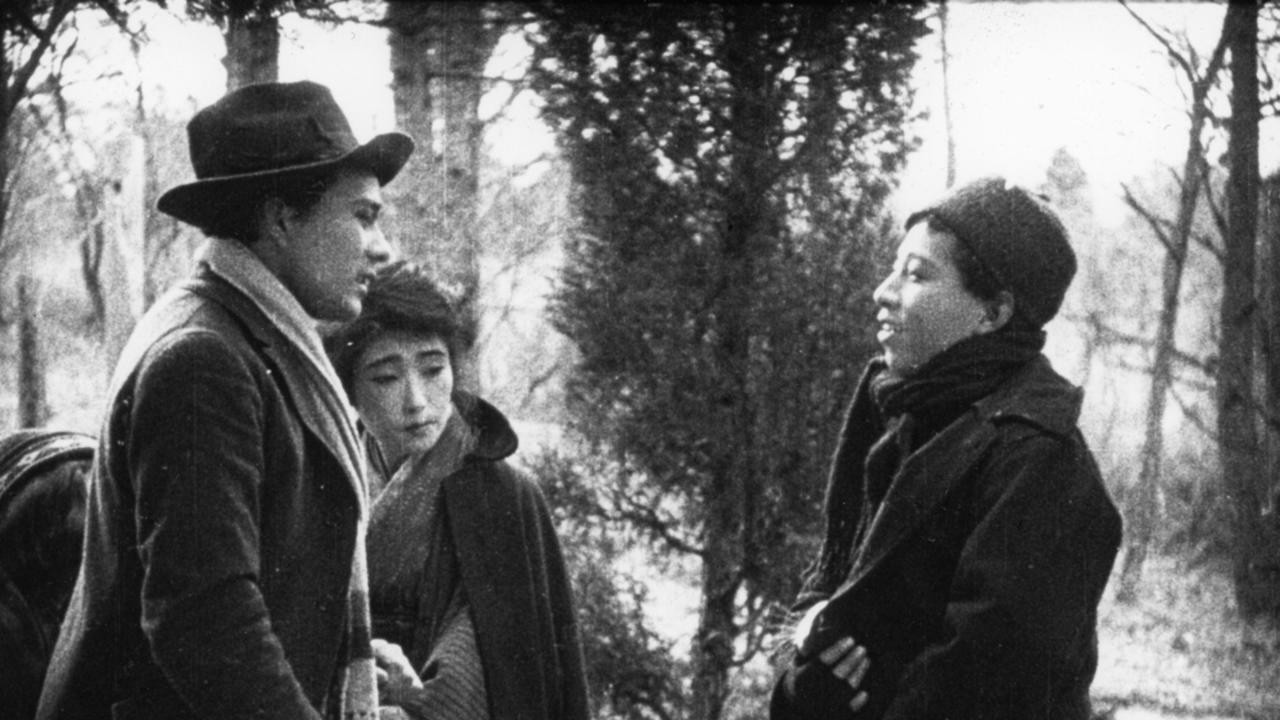
-----------------------------------------------------------------
click to activate the icon of slideshow: the small triangle inscribed in the small rectangle, at the top right, in the photostream;
or…. Press the “L” button to zoom in the image;
clicca sulla piccola icona per attivare lo slideshow: sulla facciata principale del photostream, in alto a destra c'è un piccolo rettangolo (rappresenta il monitor) con dentro un piccolo triangolo nero;
oppure…. premi il tasto “L” per ingrandire l'immagine;
www.worldphoto.org/sony-world-photography-awards/winners-...
www.fotografidigitali.it/gallery/2726/opere-italiane-segn...
…………………………………………………………………
A deep passion of mine about photography concerns, in addition to traditional Sicilian festivals, the black and white genre and street photography, which often but not always end up coinciding, so, although I am currently working on other photographic projects, I have given up (temporarily) everything and I immersed myself in the creation of this group of photos, they are heterogeneous, there is no common thread, yet I felt the need to reclaim these passions of mine. The photographs were taken in Taormina, Letojanni, Messina (at the Torre Faro pylon), on the hydrofoil that takes you from Milazzo to the Aeolian islands, on the islands of Lipari and Salina. A good number of these photos were taken with a 35mm Lensbaby on full frame (focus is manual). I photographed a lay friar, Giovanni L.P., he spoke to me about his troubled life, namely the rediscovery of a profound faith, now with the help of an old and worn Bible, he goes around the world preaching the Word of the Lord; I photographed a huge cargo ship, it was crossing the Strait of Messina, when I saw it I was speechless, I don't think I've ever seen such a gigantic ship up close, I had to wait for it to move away a little so I could take it again all of it, with the lenses I was wearing at the time, as it passed by me, all of it just didn't fit...; on the island of Salina, in the Pollara district, I photographed the external patio of "Neruda's house" where some scenes of the film "Il Postino" with Massimo Troisi, Philippe Noiret, Maria Grazia Cucinotta were filmed; also on the island of Salina I photographed the little black beach of Rinella; the man who "put the dead hand" on her partner was lovingly reprimanded by her, there was complicity between the two of them, she feared that someone might see them...
…………………………………………………….
Una mia profonda passione circa la fotografia riguarda, oltre le feste tradizionali siciliane, il genere bianco e nero e la street photography, esse spesso ma non sempre, finiscono per coincidere, così, pur lavorando attualmente ad altri progetti fotografici, ho mollato (temporaneamente) tutto e mi sono immerso nella realizzazione di questo gruppo di foto, sono eterogenee, non c’è un filo conduttore, eppure sentivo la necessità di riappropriarmi di queste mie passioni. Le fotografie sono state realizzate a Taormina, a Letojanni, a Messina (al Pilone di Torre Faro), sull’aliscafo che da Milazzo porta alle isole Eolie, sulle isole di Lipari e di Salina. Un buon numero di queste foto è stato realizzato con una Lensbaby da 35 mm (su full frame, il fuoco è manuale). Ho fotografato un frate laico, Giovanni L.P., mi ha parlato della sua tribolata vita, pèoi la riscoperta di una profonda fede, ora aiutandosi con una vecchia e logora Bibbia, va in giro per il mondo predicando la Parola del Signore; ho fotografato una enorme nave cargo, stava attraversando lo Stretto di Messina, quando l’ho vista sono rimasto a bocca aperta, non credo di aver mai visto da vicino una nave così gigantesca, ho dovuto aspettare che si allontanasse un po’ per poterla riprendere tutta, con le ottiche che montavo in quel momento, mentre mi passava vicino, tutta proprio non ci entrava…; sull’isola di Salina, in contrada Pollara, ho fotografato il patio esterno della “casa di Neruda” ove furono girate alcune scene del film “Il Postino” con Massimo Troisi, Philippe Noiret, Maria Grazia Cucinotta; sempre sull’isola di Salina ho fotografato la spiaggetta nera di Rinella; l’uomo che “faceva la mano morta” sulla sua compagna veniva amorevolmente ripreso da lei, c’era complicità tra loro due, lei temeva che qualcuno potesse vederli ….
……………………………………………..
“things only exist if they are told/narrated”
(maybe of Alessandro Baricco);
“le cose esistono solo se vengono raccontate”
(probabile, di Alessandro Baricco).
www.imdb.com/it/title/tt0103594/mediaviewer/rm2696584449/
www.imdb.com/it/title/tt0103594/mediaviewer/rm1290287360/
www.imdb.com/it/title/tt0103594/mediaviewer/rm1458059520/
www.imdb.com/it/title/tt0103594/mediaviewer/rm597442048/
www.imdb.com/it/title/tt0103594/mediaviewer/rm739347968/
----------------------------------------------------------
click to activate the small icon of slideshow: the small triangle inscribed in the small rectangle, at the top right, in the photostream (it means the monitor);
or…. Press the “L” button to zoom in the image;
clicca sulla piccola icona per attivare lo slideshow: sulla facciata principale del photostream, in alto a destra c'è un piccolo rettangolo (rappresenta il monitor) con dentro un piccolo triangolo nero;
oppure…. premi il tasto “L” per ingrandire l'immagine;
Qi Bo's photos on Fluidr
Qi Bo's photos on Flickriver
www.worldphoto.org/sony-world-photography-awards/winners-...
www.fotografidigitali.it/gallery/2726/opere-italiane-segn...
I'll start by saying that this photographic story of mine has only been partially realized. The Barcellona Pozzo di Gotto (Messina) Good Friday procession was cancelled this year due to bad weather. The heavy rain, this is the explanation, could have seriously damaged the papier-mâché statues of the floats of the two components of the procession, that of Barcellona and that of Pozzo di Gotto. Barcellona Pozzo di Gotto is currently a single town, in the past they were separate, the historical memory of the two original villages has never completely merged, continuing to be reflected, almost like an ancient reflection, in the solemnity and distinction of the two historic Good Friday processions. Despite the fact that the photographic narrative is only half-finished, I still felt great satisfaction in taking these photographs. I was welcomed with great kindness and cordiality by those who represent "the Jews of Pozzo di Gotto" (mostly members of the historic La Spada family of Pozzo di Gotto). I truly thank them from the bottom of my heart for giving me the opportunity to take "behind the scenes" photographs in a welcoming home, where they had gathered for their preparations, especially dressing up, with their characteristic clothes and helmet-like headdresses. A brief introduction: for a few years, my nurse friend Antonio, originally from Pozzo di Gotto, had been telling me about the "double procession of Barcellona and Pozzo di Gotto," with figures present in the procession of Pozzo di Gotto that seem to recall characters of pre-Columbian, Mayan, Inca, or Aztec inspiration. Furthermore, the town was only called Barcellona in 1639. Sicily was then part of the Kingdom of Spain. The most widely accepted theory among historians suggests that the name "Barcellona" was given to it to honor the power of Spanish Barcelona. Therefore, hypothesizing a direct link between these customs and the Spanish conquistadors was highly suggestive. Furthermore, I have worked many shifts at the Barcellona Pozzo di Gotto hospital, and I know the town at least in part. All this was more than enough to spark a deep interest in me! My "target" was aimed primarily at those commonly understood as "Jews," who are actually "Roman centurions," or guards of Christ's tomb, Roman soldiers who guard the Dead Christ; To understand the origins of these figures I'm about to describe, a concept must be introduced. Sicily has been dominated by the Greeks, Romans, Byzantines, Arabs, Normans, and Spanish. Those who succeeded previous rulers never completely erased what had existed before, so traditions were stratified and transformed. Instead of disappearing, each layer remains beneath the next. During Spanish rule, many Passion Plays were born. The "Roman-Jewish Soldiers" of Good Friday in Barcellona Pozzo di Gotto are among the most complex and layered performances in all of Sicily. There is no single explanation, but rather a blend of religion, theater, Spanish history, and popular symbolism. The Roman-Jewish soldiers (of Pozzo di Gotto, but not only) are a symbolic figure who embodies the persecutors of Christ, the power that mocks and condemns, they are a ritual mask inserted into the Passion, extremely characteristic their helmet-headdress with long peacock feathers at the top, and rooster and turkey feathers at the bottom, the peacock is a symbol of vanity, arrogance, pride, the long feathers represent an ostentatious wealth and power, such long feathers belong to Baroque theatricality; the red color of their armor and cloaks is the color of condemnation and brutality, this color recalls blood and violence, passion (in the most dramatic sense), aggression; the Roman soldiers show themselves carrying "halberds", here it is clear how these soldiers are a popular reconstruction influenced by the Spanish domination in Sicily, the halberd was born in the late Middle Ages in Europe between the 15th and 17th centuries, also used by the Spanish armies; On their little finger they wear a handkerchief tied with a red ribbon, with multiple layers of meaning, identifying those who are part of the group of Jewish soldiers, and having a ceremonial appeal. The capovara wears a white collar called a "gorget" around his neck, originating from ancient Spanish fashion. In his hilt, he holds a broadsword, reminiscent of the ancient Spanish conquistadors. In short, we are not witnessing first-century Jerusalem, but the "Passion" reinterpreted in Spanish Sicily and transformed into a popular sacred theater.
…………………………………………………
Inizio col dire che questo mio racconto fotografico è stato realizzato solo in parte, la processione di Barcellona Pozzo di Gotto (Messina) del Venerdì Santo quest’anno non è stata fatta a causa del cattivo tempo, la pioggia abbondante, questa la spiegazione, avrebbe potuto danneggiare gravemente le statue in cartapesta delle vare delle due componenti la processione, quella di Barcellona e quella di Pozzo di Gotto: Barcellona Pozzo di Gotto è attualmente un unico paese, in passato erano separate, la memoria storica dei due borghi originari non si è mai del tutto fusa, continuando a specchiarsi, quasi come un riflesso antico, nella solennità e nella distinzione delle due storiche processioni del Venerdì Santo. Nonostante un racconto fotografico “a metà” ho provato ugualmente una grande soddisfazione nel realizzare queste fotografie, sono stato accolto con grande gentilezza e cordialità da coloro che impersonano “i Giudei di Pozzo di Gotto” (in maggior parte appartenenti alla storica famiglia La Spada di Pozzo di Gotto), li ringrazio davvero di cuore per avermi concesso l’opportunità di realizzare fotografie del “dietro le quinte”, in una accogliente casa, dove si erano riuniti per i loro preparativi, segnatamente la vestizione, coi loro caratteristici abiti e copricapi-elmi. Una piccola premessa, da qualche anno il mio amico infermiere Antonio, originario di Pozzo di Gotto, mi parlava della “doppia processione di Barcellona e Pozzo di Gotto”, con figure presenti in quella di Pozzo di Gotto, che sembrano richiamare personaggi d'ispirazione precolombiana, Maya, Inca o Aztechi, inoltre il paese venne chiamato Barcellona solo nel 1639, la Sicilia all’epoca faceva parte del Regno di Spagna, l’ipotesi più accreditata dagli storici suggerisce che il nome “Barcellona” le fu dato per onorare la potenza della Barcellona spagnola, ipotizzare quindi un filo diretto di questi costumi coi conquistadores spagnoli era fortemente suggestivo, inoltre, ho fatto molti turni lavorativi nell’ospedale di Barcellona Pozzo di Gotto, il paese almeno in parte lo conosco, tutto questo era più che sufficiente per accendere in me un profondo interesse! Il mio “obiettivo” era rivolto principalmente a quelli comunemente intesi come “Giudei”, in realtà sono “centurioni romani” ovvero guardie del sepolcro di Cristo, soldati romani che custodiscono il Cristo Morto; per capire l’origine di queste figure che andrò a descrivere, bisogna introdurre un concetto, la Sicilia è stata dominata da Greci, Romani, Bizantini, Arabi, Normanni, Spagnoli, chi subentrava ai precedenti dominatori non cancellava mai completamente ciò che c’era prima, cosicchè le tradizioni si sono stratificate e si sono trasformate, invece di sparire, ogni strato resta sotto quello successivo. Durante la dominazione spagnola nascono molte rappresentazioni della Passione, i “Soldati Romani – Giudei” del Venerdì Santo di Barcellona Pozzo di Gotto sono tra le rappresentazioni più complesse e stratificate di tutta la Sicilia, non esiste una sola spiegazione, ma un intreccio di religione, teatro, storia spagnola, e simbolismo popolare. I soldati romani-Giudei (di Pozzo di Gotto, ma non solo) sono una figura simbolica che incarna i persecutori di Cristo, il potere che deride e condanna, sono una maschera rituale inserita nella Passione, estremamente caratteristico il loro copricapo-elmo con lunghe piume di pavone in alto, e piume di gallo e tacchino in basso, il pavone è simbolo di vanità, superbia, orgoglio, le lunghe piume rappresentano una ricchezza ed un potere ostentati, tali lunghe piume appartengono alla teatralità barocca; il colore rosso delle loro armature e mantelli è il colore della condanna e della brutalità, tale colore riconduce al sangue ed alla violenza, alla passione (nel senso più drammatico), alla aggressività; i soldati romani mostrano di avere le “alabarde”, qui si appalesa di come questi soldati siano una ricostruzione popolare influenzata dalla dominazione Spagnola in Sicilia, l’alabarda nasce nel tardo medioevo in Europa tra ‘400 e ‘600, usata anche dagli eserciti spagnoli; sul mignolo portano legato un fazzoletto con un nastro rosso, con più livelli di significato, identifica chi fa parte del gruppo dei soldati-Giudei, ha un richiamo cerimoniale; il capovara presenta attorno al collo un colletto bianco chiamato “gorgiera”, originario dell’antica moda spagnola, nell’elsa ha uno spadone, ricorda gli antichi conquistadores spagnoli; in breve, non stiamo assistendo alla Gerusalemme del I secolo, ma alla “Passione” reinterpretata nella Sicilia spagnola e trasformata in teatro sacro popolare.
……………………………………………
“things only exist if they are told/narrated”
(maybe of Alessandro Baricco);
“le cose esistono solo se vengono raccontate”
(probabile, di Alessandro Baricco).
www.imdb.com/it/title/tt0103594/mediaviewer/rm2696584449/
www.imdb.com/it/title/tt0103594/mediaviewer/rm1290287360/
www.imdb.com/it/title/tt0103594/mediaviewer/rm1458059520/
www.imdb.com/it/title/tt0103594/mediaviewer/rm597442048/
www.imdb.com/it/title/tt0103594/mediaviewer/rm739347968/
----------------------------------------------------------
click to activate the small icon of slideshow: the small triangle inscribed in the small rectangle, at the top right, in the photostream (it means the monitor);
or…. Press the “L” button to zoom in the image;
clicca sulla piccola icona per attivare lo slideshow: sulla facciata principale del photostream, in alto a destra c'è un piccolo rettangolo (rappresenta il monitor) con dentro un piccolo triangolo nero;
oppure…. premi il tasto “L” per ingrandire l'immagine;
Qi Bo's photos on Fluidr
Qi Bo's photos on Flickriver
www.worldphoto.org/sony-world-photography-awards/winners-...
www.fotografidigitali.it/gallery/2726/opere-italiane-segn...
I'll start by saying that this photographic story of mine has only been partially realized. The Barcellona Pozzo di Gotto (Messina) Good Friday procession was cancelled this year due to bad weather. The heavy rain, this is the explanation, could have seriously damaged the papier-mâché statues of the floats of the two components of the procession, that of Barcellona and that of Pozzo di Gotto. Barcellona Pozzo di Gotto is currently a single town, in the past they were separate, the historical memory of the two original villages has never completely merged, continuing to be reflected, almost like an ancient reflection, in the solemnity and distinction of the two historic Good Friday processions. Despite the fact that the photographic narrative is only half-finished, I still felt great satisfaction in taking these photographs. I was welcomed with great kindness and cordiality by those who represent "the Jews of Pozzo di Gotto" (mostly members of the historic La Spada family of Pozzo di Gotto). I truly thank them from the bottom of my heart for giving me the opportunity to take "behind the scenes" photographs in a welcoming home, where they had gathered for their preparations, especially dressing up, with their characteristic clothes and helmet-like headdresses. A brief introduction: for a few years, my nurse friend Antonio, originally from Pozzo di Gotto, had been telling me about the "double procession of Barcellona and Pozzo di Gotto," with figures present in the procession of Pozzo di Gotto that seem to recall characters of pre-Columbian, Mayan, Inca, or Aztec inspiration. Furthermore, the town was only called Barcellona in 1639. Sicily was then part of the Kingdom of Spain. The most widely accepted theory among historians suggests that the name "Barcellona" was given to it to honor the power of Spanish Barcelona. Therefore, hypothesizing a direct link between these customs and the Spanish conquistadors was highly suggestive. Furthermore, I have worked many shifts at the Barcellona Pozzo di Gotto hospital, and I know the town at least in part. All this was more than enough to spark a deep interest in me! My "target" was aimed primarily at those commonly understood as "Jews," who are actually "Roman centurions," or guards of Christ's tomb, Roman soldiers who guard the Dead Christ; To understand the origins of these figures I'm about to describe, a concept must be introduced. Sicily has been dominated by the Greeks, Romans, Byzantines, Arabs, Normans, and Spanish. Those who succeeded previous rulers never completely erased what had existed before, so traditions were stratified and transformed. Instead of disappearing, each layer remains beneath the next. During Spanish rule, many Passion Plays were born. The "Roman-Jewish Soldiers" of Good Friday in Barcellona Pozzo di Gotto are among the most complex and layered performances in all of Sicily. There is no single explanation, but rather a blend of religion, theater, Spanish history, and popular symbolism. The Roman-Jewish soldiers (of Pozzo di Gotto, but not only) are a symbolic figure who embodies the persecutors of Christ, the power that mocks and condemns, they are a ritual mask inserted into the Passion, extremely characteristic their helmet-headdress with long peacock feathers at the top, and rooster and turkey feathers at the bottom, the peacock is a symbol of vanity, arrogance, pride, the long feathers represent an ostentatious wealth and power, such long feathers belong to Baroque theatricality; the red color of their armor and cloaks is the color of condemnation and brutality, this color recalls blood and violence, passion (in the most dramatic sense), aggression; the Roman soldiers show themselves carrying "halberds", here it is clear how these soldiers are a popular reconstruction influenced by the Spanish domination in Sicily, the halberd was born in the late Middle Ages in Europe between the 15th and 17th centuries, also used by the Spanish armies; On their little finger they wear a handkerchief tied with a red ribbon, with multiple layers of meaning, identifying those who are part of the group of Jewish soldiers, and having a ceremonial appeal. The capovara wears a white collar called a "gorget" around his neck, originating from ancient Spanish fashion. In his hilt, he holds a broadsword, reminiscent of the ancient Spanish conquistadors. In short, we are not witnessing first-century Jerusalem, but the "Passion" reinterpreted in Spanish Sicily and transformed into a popular sacred theater.
…………………………………………………
Inizio col dire che questo mio racconto fotografico è stato realizzato solo in parte, la processione di Barcellona Pozzo di Gotto (Messina) del Venerdì Santo quest’anno non è stata fatta a causa del cattivo tempo, la pioggia abbondante, questa la spiegazione, avrebbe potuto danneggiare gravemente le statue in cartapesta delle vare delle due componenti la processione, quella di Barcellona e quella di Pozzo di Gotto: Barcellona Pozzo di Gotto è attualmente un unico paese, in passato erano separate, la memoria storica dei due borghi originari non si è mai del tutto fusa, continuando a specchiarsi, quasi come un riflesso antico, nella solennità e nella distinzione delle due storiche processioni del Venerdì Santo. Nonostante un racconto fotografico “a metà” ho provato ugualmente una grande soddisfazione nel realizzare queste fotografie, sono stato accolto con grande gentilezza e cordialità da coloro che impersonano “i Giudei di Pozzo di Gotto” (in maggior parte appartenenti alla storica famiglia La Spada di Pozzo di Gotto), li ringrazio davvero di cuore per avermi concesso l’opportunità di realizzare fotografie del “dietro le quinte”, in una accogliente casa, dove si erano riuniti per i loro preparativi, segnatamente la vestizione, coi loro caratteristici abiti e copricapi-elmi. Una piccola premessa, da qualche anno il mio amico infermiere Antonio, originario di Pozzo di Gotto, mi parlava della “doppia processione di Barcellona e Pozzo di Gotto”, con figure presenti in quella di Pozzo di Gotto, che sembrano richiamare personaggi d'ispirazione precolombiana, Maya, Inca o Aztechi, inoltre il paese venne chiamato Barcellona solo nel 1639, la Sicilia all’epoca faceva parte del Regno di Spagna, l’ipotesi più accreditata dagli storici suggerisce che il nome “Barcellona” le fu dato per onorare la potenza della Barcellona spagnola, ipotizzare quindi un filo diretto di questi costumi coi conquistadores spagnoli era fortemente suggestivo, inoltre, ho fatto molti turni lavorativi nell’ospedale di Barcellona Pozzo di Gotto, il paese almeno in parte lo conosco, tutto questo era più che sufficiente per accendere in me un profondo interesse! Il mio “obiettivo” era rivolto principalmente a quelli comunemente intesi come “Giudei”, in realtà sono “centurioni romani” ovvero guardie del sepolcro di Cristo, soldati romani che custodiscono il Cristo Morto; per capire l’origine di queste figure che andrò a descrivere, bisogna introdurre un concetto, la Sicilia è stata dominata da Greci, Romani, Bizantini, Arabi, Normanni, Spagnoli, chi subentrava ai precedenti dominatori non cancellava mai completamente ciò che c’era prima, cosicchè le tradizioni si sono stratificate e si sono trasformate, invece di sparire, ogni strato resta sotto quello successivo. Durante la dominazione spagnola nascono molte rappresentazioni della Passione, i “Soldati Romani – Giudei” del Venerdì Santo di Barcellona Pozzo di Gotto sono tra le rappresentazioni più complesse e stratificate di tutta la Sicilia, non esiste una sola spiegazione, ma un intreccio di religione, teatro, storia spagnola, e simbolismo popolare. I soldati romani-Giudei (di Pozzo di Gotto, ma non solo) sono una figura simbolica che incarna i persecutori di Cristo, il potere che deride e condanna, sono una maschera rituale inserita nella Passione, estremamente caratteristico il loro copricapo-elmo con lunghe piume di pavone in alto, e piume di gallo e tacchino in basso, il pavone è simbolo di vanità, superbia, orgoglio, le lunghe piume rappresentano una ricchezza ed un potere ostentati, tali lunghe piume appartengono alla teatralità barocca; il colore rosso delle loro armature e mantelli è il colore della condanna e della brutalità, tale colore riconduce al sangue ed alla violenza, alla passione (nel senso più drammatico), alla aggressività; i soldati romani mostrano di avere le “alabarde”, qui si appalesa di come questi soldati siano una ricostruzione popolare influenzata dalla dominazione Spagnola in Sicilia, l’alabarda nasce nel tardo medioevo in Europa tra ‘400 e ‘600, usata anche dagli eserciti spagnoli; sul mignolo portano legato un fazzoletto con un nastro rosso, con più livelli di significato, identifica chi fa parte del gruppo dei soldati-Giudei, ha un richiamo cerimoniale; il capovara presenta attorno al collo un colletto bianco chiamato “gorgiera”, originario dell’antica moda spagnola, nell’elsa ha uno spadone, ricorda gli antichi conquistadores spagnoli; in breve, non stiamo assistendo alla Gerusalemme del I secolo, ma alla “Passione” reinterpretata nella Sicilia spagnola e trasformata in teatro sacro popolare.
……………………………………………
“things only exist if they are told/narrated”
(maybe of Alessandro Baricco);
“le cose esistono solo se vengono raccontate”
(probabile, di Alessandro Baricco).
www.imdb.com/it/title/tt4650414/mediaviewer/rm3101758464/
cineuropa.org/Galleries/313/863/poster1_fr_big.jpg?177586...
www.hollywoodreporter.com/wp-content/uploads/2016/08/lest...
focus.telerama.fr/664x442/60/2024/07/03/3264337b075948d0b...
www.cabiriamagazine.it/lestate-addosso/
----------------------------------------------------------
click to activate the small icon of slideshow: the small triangle inscribed in the small rectangle, at the top right, in the photostream (it means the monitor);
or…. Press the “L” button to zoom in the image;
clicca sulla piccola icona per attivare lo slideshow: sulla facciata principale del photostream, in alto a destra c'è un piccolo rettangolo (rappresenta il monitor) con dentro un piccolo triangolo nero;
oppure…. premi il tasto “L” per ingrandire l'immagine;
Qi Bo's photos on Fluidr
Qi Bo's photos on Flickriver
www.worldphoto.org/sony-world-photography-awards/winners-...
www.fotografidigitali.it/gallery/2726/opere-italiane-segn...
......................................................
This is a photographic account of my recent week-long vacation on the island of Favignana, spent at the end of July this year (2026). Specifying the year is a must, as I often post reports from past years.
Favignana is the largest of the Egadi islands, followed by Levanzo (the smallest) and Marettimo, as well as several smaller islets. On this trip, I returned with my wife, years after our honeymoon: we only stayed for one day, and I had with me a compact film camera purchased especially for the occasion on Via Etnea in Catania.
Seen from above, some have poetically glimpsed Favignana as the shape of a butterfly with open wings. The landscape is characterized by gentle hills—with the highest point at Monte Santa Caterina—and several flat areas. The coastline is very rugged, full of inlets, sea caves, hidden coves, and others that are easily accessible; I've visited practically all of the latter. Among the many, I particularly remember Cala Rossa, Cala Azzurra, Bue Marino, Cala Grande, Lido Burrone, and Cala San Nicola. The local road system is dominated by bicycles (traditional and electric), motorcycles, and mopeds, while cars are rare, partly due to an ordinance prohibiting tourist landings except under special conditions.
The history of Favignana is inextricably linked to the Florio family and its imposing tuna fishery, a combination that radically transformed the island between the late 19th and 20th centuries, making it the beating heart of the Mediterranean economy and fishing. The Florios became the symbol of the Sicilian Belle Époque and the southern industrial bourgeoisie when, in 1874, Ignazio Florio Senior purchased the islands of Favignana and Formica. The family didn't limit itself to traditional fishing, but also industrialized the entire process: inaugurated in 1891, the enormous tuna canning plant became one of the largest and most advanced in Europe.
The Florios introduced a revolutionary idea for the time: cooking the tuna and storing it in oil in tins, rather than preserving it in salt, thus allowing the product to be marketed on an industrial scale. The family's influence on the island was widespread. The company employed hundreds of locals and, within the complex, built warehouses, boathouses, workshops, and even a nursery for the workers' children.
The business subsequently gradually declined until it finally closed in the 1970s. After decades of abandonment, the former plant is now an extraordinary museum. Visiting it—which I did with great interest—means stepping back in time among enormous cooking cauldrons, old slaughter boats, and an archaeological site that also houses the bronze rams from the Battle of the Egadi Islands (241 BC). This decisive naval battle, fought and won by the Romans in the waters of the archipelago, marked the end of the First Punic War, destroying the naval power of Carthage, forcing it to surrender and cede control of Sicily to Rome.
I created this photographic story in two parts: the first with color photographs, the second in black and white.
…………………….
Questo è un racconto fotografico della mia recentissima settimana di vacanze nell’isola di Favignana, trascorsa a fine luglio di quest'anno (2026). Specificare l'anno è per me d'obbligo, poiché mi capita spesso di postare reportage realizzati negli anni passati.
Favignana è la maggiore delle isole Egadi, seguita da Levanzo (la più piccola) e da Marettimo, oltre a diversi isolotti minori. In questo viaggio sono tornato con mia moglie, a distanza di anni dal nostro viaggio di nozze: allora ci fermammo solo per una giornata, e io avevo con me una compatta a pellicola acquistata appositamente per l'occasione in via Etnea, a Catania.
Vista dall'alto, qualcuno ha poeticamente intravisto in Favignana la forma di una farfalla con le ali aperte. Il paesaggio è caratterizzato da dolci rilievi collinari — con il punto più alto nel Monte Santa Caterina — e da diverse aree pianeggianti. La costa è molto frastagliata, ricca di insenature, grotte marine, calette nascoste e altre facilmente accessibili; queste ultime le ho visitate praticamente tutte. Tra le tante, ricordo in particolare Cala Rossa, Cala Azzurra, Bue Marino, Cala Grande, Lido Burrone e Cala San Nicola. La viabilità locale è dominata dalla presenza di biciclette (tradizionali ed elettriche), moto e motorini, mentre le automobili circolano in numero ridotto, anche a causa di un'ordinanza che ne vieta lo sbarco turistico se non in particolari condizioni.
La storia di Favignana è indissolubilmente legata alla famiglia Florio e alla sua imponente tonnara, un binomio che ha trasformato radicalmente l'isola tra la fine dell'Ottocento e il Novecento, facendone il cuore pulsante dell'economia e della pesca nel Mediterraneo. I Florio divennero il simbolo della Belle Époque siciliana e della borghesia industriale del Sud quando, nel 1874, Ignazio Florio Senior acquistò le isole di Favignana e Formica. La famiglia non si limitò a gestire la pesca tradizionale, ma volle industrializzare l'intero processo: inaugurato nel 1891, l'enorme stabilimento per la conservazione del tonno divenne una delle tonnare più grandi e avanzate d'Europa.
I Florio introdussero un'intuizione rivoluzionaria per l'epoca: cuocere il tonno e metterlo sott’olio in scatole di latta, anziché conservarlo sotto sale, permettendo così di commercializzare il prodotto su scala industriale. L'influenza della famiglia sull'isola fu totale. L'azienda diede lavoro a centinaia di persone del posto e, all'interno del complesso creò magazzini, rimesse per le barche, officine e persino un asilo nido per i figli degli operai.
Successivamente l'attività andò progressivamente riducendosi fino alla definitiva chiusura negli anni '70. Dopo decenni di abbandono, oggi l'ex stabilimento è uno straordinario museo. Visitarlo — cosa che ho fatto con grandissimo interesse — significa fare un salto indietro nel tempo tra enormi calderoni di cottura, le vecchie barche della mattanza ed un'area archeologica che custodisce anche i rostri di bronzo della Battaglia delle Egadi (241 a.C.). Proprio questo scontro navale decisivo, combattuto e vinto dai Romani nelle acque dell'arcipelago, segnò la fine della Prima Guerra Punica, distruggendo la potenza navale di Cartagine, costringendola alla resa ed a cedere il controllo della Sicilia a Roma.
Ho realizzato questo racconto fotografico in due parti: una prima con fotografie a colori, una seconda in bianco e nero.
…………………………………………………
www.imdb.com/it/title/tt0174268/
“……………………………………”
“…………………………………..”
-----------------------------------------------------------------
click to activate the icon of slideshow: the small triangle inscribed in the small rectangle, at the top right, in the photostream;
or…. Press the “L” button to zoom in the image;
clicca sulla piccola icona per attivare lo slideshow: sulla facciata principale del photostream, in alto a destra c'è un piccolo rettangolo (rappresenta il monitor) con dentro un piccolo triangolo nero;
oppure…. premi il tasto “L” per ingrandire l'immagine;
www.worldphoto.org/sony-world-photography-awards/winners-...
www.fotografidigitali.it/gallery/2726/opere-italiane-segn...
…………………………………………………………………
St. Paul the Apostle is a very revered saint in the Sicilian town of Palazzolo Acreide, the feast in his honor is celebrated on two occasions (very important periods if referring to peasant civilization), on 29 June (the day I took this photo story this year 2025) date of his martyrdom, and January 25, the date of his conversion to Christianity. The "summer party" of June 29, begins with a particular collection of donut-shaped bread (in Sicilian called "cuddura"), donated by the villagers and collected on a cart, this is the "round of bread", these loaves (called "di San Paolo") have decorations that recall snakes: the reference is always to San Paolo, considered the protector from the poisonous bites of vipers, this is the ancestral legacy of an ancient peasant civilization, the wheat harvest period that coincides with the feast, it makes working in sunburnt fields particularly dangerous; once there were characters to whom supernatural gifts were attributed, they were called "ciarauli", capable of protecting from the venomous bites of the viper (This year, a very nice man of Palazzolo Acreide, who was also present last year, was present at the feast to recall these ancient figures. Instead of little snakes, as was once the custom, he had with him a very calm python, also because it was full). The procession takes the name of "sciuta", with reference to the "exit" from the basilica of San Paolo of two floats, first the float comes out with the relic of the saint, carried on the shoulders by the devotees, immediately after, at 13.00 o'clock the exit of the float takes place with the ancient statue of Saint Paul holding a sword in his hand (the iconography represents him with the sword for two reasons, he was beheaded with a sword stroke, and because he, referring to the word of God, defined it more effective and sharper than a double-bladed sword), at this point they begin among the most spectacular and evocative pyrotechnic games that I have ever seen, we witness a phantasmagoric and kaleidoscopic explosion of colors made with enormous colored confetti and with colored ribbons about two meters long called 'nzareddi, which recall the shape and movement of snakes. During the procession we witness the rite of children who, often completely naked, are taken by their parents by the expert hands of two devotees present on the float, they are thus placed in front of St. Paul to ask for his intercession and protection, sometimes these children are adorned with paper money, in fact, the donation of money is part of the rites that accompany the procession. Among these rites is the vow of the "bare shoulder" made by devout bearers, and that of women who walk barefoot by vow. The procession with the two floats then arrives, as a sign of devotion, in the church of the Annunziata.
San Paolo Apostolo è un santo molto venerato nel paese siciliano di Palazzolo Acreide, la festa in suo onore viene celebrata in due occasioni (periodi molto importanti se riferiti alla civiltà contadina), il 29 giugno (giorno in cui ho realizzato quest’anno 2025 questo foto-racconto) data del suo martirio, ed il 25 gennaio, data della sua conversione al cristianesimo. La “festa estiva” del 29 giugno, inizia con una particolare raccolta di pane a forma di ciambella (in siciliano detta “cuddura”), donato dai paesani e raccolto su di un carretto, questo è il “giro del pane”, questi pani (detti “di San Paolo”) presentano delle decorazioni che richiamano i serpenti: il riferimento è sempre a San Paolo, ritenuto il protettore dai morsi velenosi delle vipere, questo è il retaggio ancestrale di un’antica civiltà contadina, il periodo della mietitura che coincide con la festa, rende particolarmente pericoloso il lavoro nei campi arsi dal sole; una volta esistevano dei personaggi a cui si attribuivano doti sovrannaturali, erano chiamati “ciarauli”, capaci di proteggere dai morsi velenosi della vipera (quest’anno era presente nella festa, a rievocare queste antiche figure, un simpaticissimo Palazzolese, presente anche l'anno scorso, che al posto delle bisce, come si usava una volta, aveva con se un docilissimo pitone, anche perchè satollo). La processione prende il nome di “sciuta”, con riferimento alla “uscita” dalla basilica di San Paolo di due vare, dapprima esce la vara con la reliquia del santo, portata in spalla dai devoti, subito dopo, alle 13,00 in punto avviene l’uscita della vara con l’antica statua di San Paolo che stringe una spada in pugno (l’iconografia lo rappresenta con la spada per due motivi, egli fu decapitato con un colpo di spada, e perché egli, riferendosi alla parola di Dio, la definiva più efficace e più tagliente di una spada a doppia lama), a questo punto iniziano tra i più spettacolari e suggestivi giochi pirotecnici che io che io abbia mai visto, si assiste ad una fantasmagorica e caleidoscopica esplosione di colori realizzati con enormi coriandoli colorati e con dei nastri colorati lunghi circa due metri chiamati ‘nzareddi, che richiamano la forma ed il movimento dei serpenti. Durante la processione si assiste al rito dei bambini che, molto spesso completamente nudi, vengono presi dai genitori dalle esperte mani di due devoti presenti sulla vara, vengono così messi al cospetto di San Paolo a chiederne la sua intercessione e protezione, a volte questi bimbi sono adornati con della carta moneta, infatti la donazione di denaro fa parte dei riti che accompagnano la processione. Tra questi riti c’è il voto della “spalla nuda” fatto dai devoti portatori, e quello delle donne che per voto camminano scalze. La processione con le due vare giunge poi, in segno di devozione, nella chiesa dell’Annunziata.
………………………………………………………
Inspired by-Kagen no Tsuki, a beautiful live action rendition of the manga. Starring Hyde.....*swoon*
Cape of Storms PV-
www.youtube.com/watch?v=vaveSrfDP1I
Cape of Storms Lyrics-
So where do I sail?
A ship losing control
My cries swallowed up, lost in the ranging sea
So where has love gone?
Will I ever reach it?
The Cape of Storms echoes the pain I feel inside
You'll never notice
The colour of sin
Just as the storm clouds close in
It's dark
Here in the shadows
I am pursued
Until the ends of the earth
Embraced
The ghost ship wanders far
For there is no guiding star
And this treasure has no meaning anymore
So where do I sail?
A ship losing control
My cries swallowed up, lost in the ranging sea
So where has love gone?
Will I ever reach it?
The Cape of Storms echoes the pain I feel inside
You know completely
The taste of sin
Melting sweet in your mouth
Like chocolate
A moment of pleasure
You are fulfilled
But every dream has its time
To die
The ghost ship wanders far
For there is no guiding star
And this treasure has no meaning anymore
Will this be my fate?
So where do I sail?
A ship losing control
My cries swallowed up, lost in the ranging sea
So where has love gone?
Will I ever reach it?
The Cape of Storms echoes the pain I feel inside
……………………………….
Locandina:
bingeddata.s3.amazonaws.com/uploads/2021/01/romantic-guid...
www.imdb.com/it/title/tt12784484/mediaviewer/rm2907022337...
www.imdb.com/it/title/tt12784484/mediaviewer/rm2940576769...
www.primevideo.com/detail/Romantic-Guide-to-Lost-Places/0...
.............................................................................
click to activate the small icon of slideshow: the small triangle inscribed in the small rectangle, at the top right, in the photostream (it means the monitor);
or…. Press the “L” button to zoom in the image;
clicca sulla piccola icona per attivare lo slideshow: sulla facciata principale del photostream, in alto a destra c'è un piccolo rettangolo (rappresenta il monitor) con dentro un piccolo triangolo nero;
oppure…. premi il tasto “L” per ingrandire l'immagine;
www.worldphoto.org/sony-world-photography-awards/winners-...
www.fotografidigitali.it/gallery/2726/opere-italiane-segn...
………………………………………………………………………
I'm sharing here on Flickr a (long) series of photos, taken in early August this year, during a short vacation in Calabria, at a holiday village located near a beach I've been frequenting with my family for several years now, during our short summer vacations. The setting, however, is very different from the beaches I normally frequent near my home in Taormina, with very crowded beaches and a sea that is also very popular with yachtsmen of all kinds. In this part of Calabria, the beaches are rarely crowded (except on weekends, but not too much). In short, it's a sort of almost tropical paradise, with very little yachting. Adjacent to the holiday village is a kitesurfing club, very popular with enthusiasts of this wonderful sport, which thrives on the sea and the wind. I photographed an 84-year-old kitesurfer, whose mettle is steely, still giving athletes much younger than him a run for their money. A friendly and sweet horsewoman from the nearby stables arrived unexpectedly in the beach village, accompanied by her father, both astride two magnificent colts. This created a moment of joy and curiosity for both the parents and their little ones, who were likely seeing these magnificent and docile animals up close and personal for the first time. Unexpectedly, a very special party broke out on the beach. Seeing it made me feel like I was no longer in Calabria, but rather transported to the other side of the globe, to the Hindu festival called Holi, with its throwing of colored powders (in India, this festival marks the end of winter and the arrival of spring, as well as symbolizing the victory of good over evil). I know it thanks to the evocative photographs often published on various photography websites.
I'll end by briefly mentioning the photographic technique I've often used in my photographs. I've created "blur" photographs—blurry, slightly blurry, and unfocused—at the time of shooting, simply by lengthening the exposure time and then also using some panning. Finally, I'd like to thank the sweet and beautiful models who posed for me, allowing me to further enhance this (long-winded) photographic story.
………………………………………………………………………..
Propongo qui su Flickr, una (lunga) serie di foto, realizzate nei primi giorni di Agosto di quest’anno, durante una mia breve vacanza in Calabria, in un villaggio vacanze sito a ridosso di una spiaggia che oramai frequento insieme alla mia famiglia, durante le nostre brevi vacanze estive, da diversi anni, fotografie quindi aventi per tema la “beach photography”; purtuttavia l’ambientazione è molto diversa rispetto alle spiagge che frequento normalmente vicino casa mia a Taormina, con spiagge molto affollate, il mare anch’esso super frequentato da diportismo nautico di ogni tipo, in questa zona della Calabria le spiagge sono invece poco frequentate (tranne il fine settimana, ma neanche troppo), insomma, una specie di Paradiso quasi tropicale, con pochissime imbarcazioni. Adiacente al villaggio vacanze c’è un club di Kitesurf, molto frequentato da appassionati di questo meraviglioso sport, sport che si nutre di mare e di vento. Ho fotografato un kitesurfer di 84 anni, la cui tempra è di acciaio, che dà ancora molto filo da torcere ad atleti molto più giovani di lui. Nel villaggio a sorpresa è arrivata una simpatica e dolce cavallerizza proveniente dal vicino maneggio, con lei anche il suo papà, entrambi a cavallo di due magnifici puledri, creando un momento di allegria e curiosità, sia per i genitori, che per i loro piccoli, per i quali, molto probabilmente, era la prima volta che potevano vedere da vicino, e poterli anche toccare, questi magnifici e docili animali. A sorpresa, inaspettatamente, sulla spiaggia ha preso vita un party molto particolare, nel vederlo mi sembrava di non essere più in Calabria, ma di essere stato proiettato dall’altro lato del globo, in quella festa Indù chiamata Holi, con lancio di polveri colorate (in India questa festa segna la fine dell'inverno e l'arrivo della primavera, oltre a simboleggiare la vittoria del bene sul male), festa che conosco grazie a fotografie molto suggestive spesso pubblicate sui vari siti fotografici.
Termino accennando brevemente alla tecnica fotografica che ho spesso adottato nel realizzare le mie fotografie, ho realizzato al momento dello scatto fotografie del tipo “blur”, cioè mosse, un po’ confuse, non incise, ottenute allungando i tempi di esposizione. Infine ringrazio le dolcissime e belle modelle, che hanno voluto posare per me, consentendomi di rendere più grazioso questo mio (prolisso) racconto fotografico.
………………………………………………………………………………
Guida Romantica a Posti Perduti con Clive Owen e Jasmine Trinca | Trailer Ufficiale HD
Guida Romantica a Posti Perduti con Clive Owen e Jasmine Trinca | Clip dal film
Guida Romantica a Posti Perduti con Clive Owen e Jasmine Trinca | Clip Ballo
GUIDA ROMANTICA A POSTI PERDUTI | Jasmine Trinca e Andrea Carpenzano | HOT CORN
Guida romantica a posti perduti - Director's Intro
Jasmine Trinca e Clive Owen in “Guida romantica per posti perduti“ diretti da Giorgia Farina
Giorgia Farina | Donne E Audiovisivo
Incontro con l'autore: Giorgia Farina - “Guida romantica e posti perduti”
............................................................................