View allAll Photos Tagged Coexistence
Digital Surreal Art
.
In this striking piece of digital surrealism, a melting candle stands as a powerful symbol of time’s ephemerality, surrounded by a dreamlike park dotted with benches and figures from different eras. These silent walkers, dressed in historic attire, suggest a coexistence of timelines and evoke the quiet procession of history. The candle, dissolving at the center, evokes memory, identity, and the fragility of progress. Benches offer contemplative pauses, turning the park into a symbolic stage for reflection. Blending classic surrealist vision with digital clarity, the work invites viewers to witness the fleeting flame of existence that links past, present, and future.
The Great Elephant Migration is the fundraising adventure of 100 life-size Indian elephants migrating across the US to amplify indigenous knowledge and inspire the human race to share space. As they travel, they tell the story of Asia’s wild elephants and the indigenous communities living alongside them, where people and elephants coexist in the densest populations in the world. A collaboration between indigenous artisans, contemporary artists and cultural institutions, it is raising millions of dollars to power human-wildlife coexistence projects through partnerships with over 20 conservation NGOs in the USA and around the world.
Visit thegreatelephantmigration.org to learn more about this initiative and see their previous stops.
We visited this extraordinary archaeological site which was once the most northern Roman fortress at the edge of the Roman Empire in Dacia, nowadays Romania. We walked on the Roman road which once connected Porolissum castrum with other Roman cities (Napoca, Apulum, Ulpia Traiana Sarmizegetusa), crossed the Danube at Drobeta and continued all the way to Rome.
See below some details about the site from Wikipedia.
"Porolissum was an ancient Roman city in Dacia. Established as a military camp in 106 during Trajan's Dacian Wars, the city quickly grew through trade with the native Dacians and became the capital of the province Dacia Porolissensis in 124. The site is one of the largest and best-preserved archaeological sites in modern-day Romania, 8 km away from Zalău, Sălaj County.
Even though the city was founded as a military center in the middle of a war, the garrison of Porolissum seems to have lived in peaceful coexistence with their Dacian neighbours - several Dacian villages that were apparently founded after the city of Porolissum have been uncovered by archaeologists on the surrounding hills. There are also some inscriptions mentioning city officials with Romano-Dacian names, indicating close cooperation on a political level.
The excavations by a number of teams are ongoing and have uncovered remnants of both the military installations and the civilian city, including public baths, a customs house, a temple to Liber Pater, an amphitheatre, insula consisting of four buildings and a number of houses. The main gate (Porta Praetoria) of the stone fortress has been rebuilt." (Wikipedia)
……………………………….
Poster:
Locandina:
movieplayer.net-cdn.it/t/images/2010/11/04/la-locandina-d...
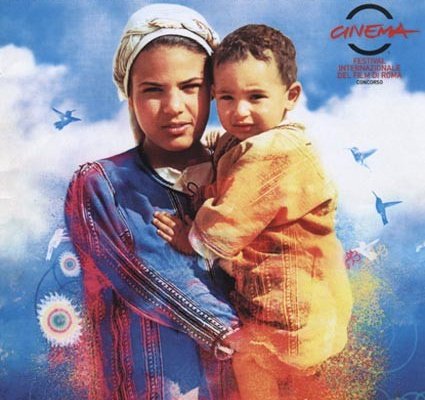
filmitalia.org/Files/2010/10/14/1287087882765.jpg?1287087...
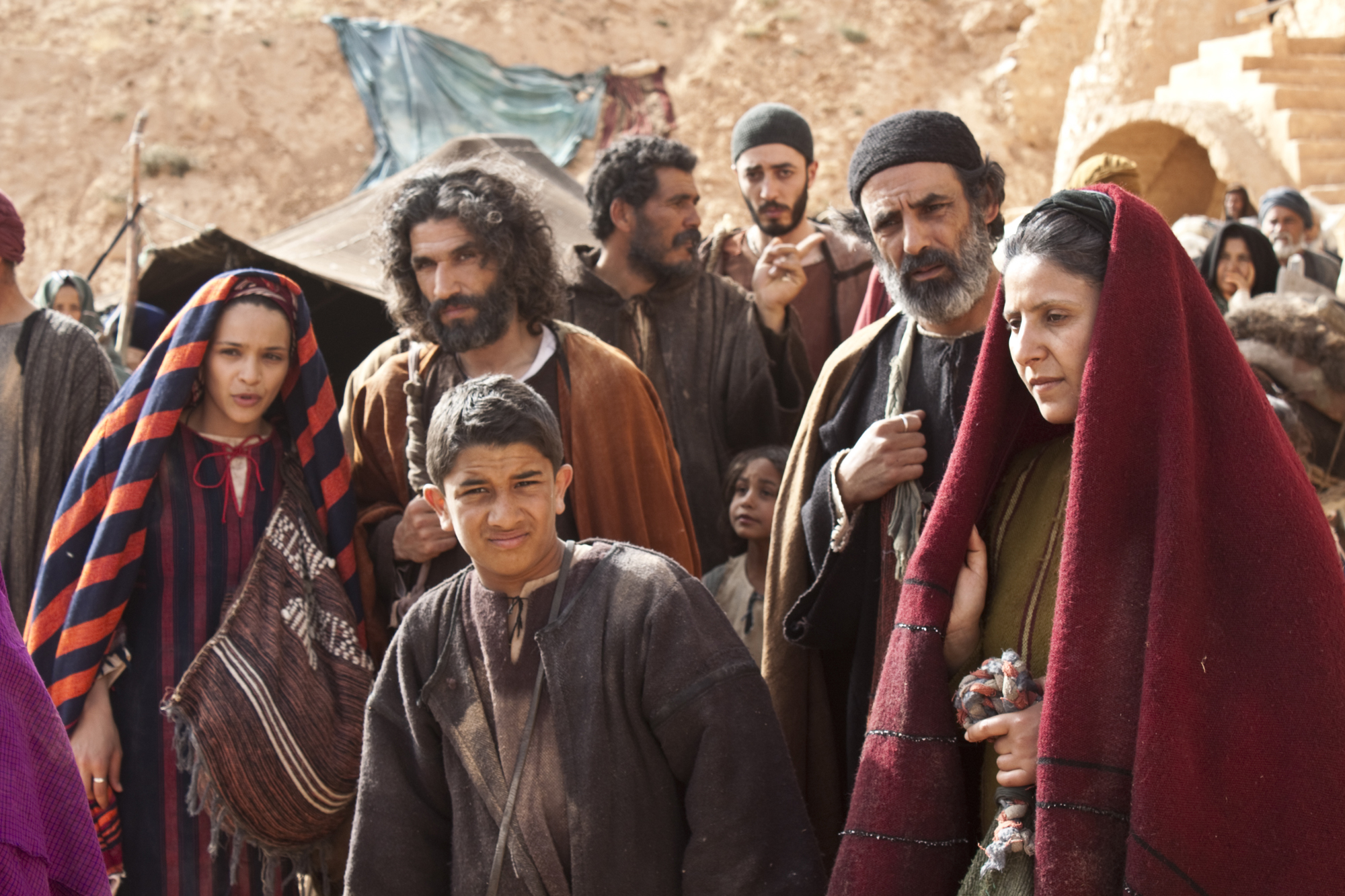
mr.comingsoon.it/rsz/foto/11612.jpg?preset=wide760
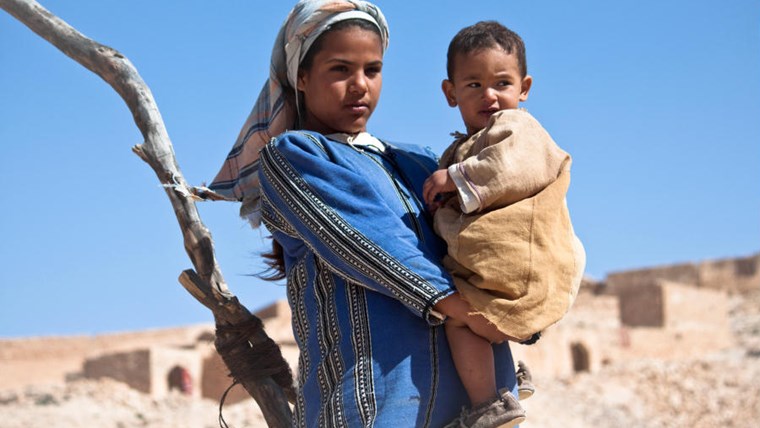
upload.wikimedia.org/wikipedia/it/a/a1/Io_sono_con_te_%28...
.JPG)
.............................................................................
click to activate the small icon of slideshow: the small triangle inscribed in the small rectangle, at the top right, in the photostream (it means the monitor);
or…. Press the “L” button to zoom in the image;
clicca sulla piccola icona per attivare lo slideshow: sulla facciata principale del photostream, in alto a destra c'è un piccolo rettangolo (rappresenta il monitor) con dentro un piccolo triangolo nero;
oppure…. premi il tasto “L” per ingrandire l'immagine;
www.fotografidigitali.it/gallery/2726/opere-italiane-segn...
………………………………………………………………………
This photographic story of mine, with descriptive text, was created in Novara di Sicilia (ME) on August 15th of this year, on the occasion of a suggestive traditional religious and popular celebration, that of the Apotheosis of the Assumption (in Heaven), which takes place every 5 years, however due to the bans issued during the Covid, it was not celebrated in 2020, so this celebration had not been held for 10 years. I would like to tell the origins of this ancient tradition, which began with the arrival of the Normans in Sicily around the year 1000. At that time, Southern Italy was a coexistence of peoples, religions, and languages, the most diverse. The majority were the Lombards. There were also the Greeks, with the Greek population of Calabria and Salento (i.e., the Byzantines), with the Greek Church based in Constantinople. It was not a foreign Byzantine domination, but rather the people of those lands for centuries. Then there were the Arabs who had conquered Sicily, and even under the Arabs in Sicily, Greeks, Latins, and Jews coexisted; the populations coexisted with each other, and the leaders waged war against each other. Then, in southern Italy, the Normans arrived, seeking adventure and fortune. They were French from Northern France, and the descendants of the Vikings from Scandinavia. the Norman Roger 1st of Sicily (known as the Great Count Roger) together with his brother, conquered Puglia, Calabria, subsequently they allied themselves with an Arab emir reigning in Sicily, who asked them for help because he was fighting against another Arab emir present in Sicily, Roger landed in Messina in February 1061 managing to occupy the eastern part of Sicily, thirty years after his landing in Sicily, in 1091 Roger could say he was master of all of Sicily; Ancient literature credits Great Count Roger with initiating the celebrations of the Assumption, whose banner featured the image of the Our Lady Ascending to Heaven. Under his patronage, the process of "re-Christianization" of the island began. Devotion to the Virgin was strengthened in the territory of Novara di Sicilia in the 12th century with the arrival of the French abbot Hugh (also proclaimed a saint), sent to Sicily by Bernard of Clairvaux, of the Cistercian Order, which has the figure of the Assumption as a cornerstone of its religious institution. This celebration-feast has seen mixed fortunes. Before the Second World War, the float with the Assumption was carried in procession along with approximately 15 floats of various saints. After that conflict, the bishop banned carrying statues of saints alongside the Assumption. With the Great Jubilee of 2000, the ancient tradition was revived with the Saints preceding the Assumption's exit. They arrive in the town's main square, forming a semicircle, awaiting the arrival of the Assumption, which in the meantime has been carried in procession through the town's streets. Upon her return to the square around midnight, the Assumption of Mary is reunited with all the Saints, giving life to the supreme expression of the Apotheosis of Mary Assumed into Heaven, amidst songs, litanies, and prayers. This, in short, is a great, heartfelt procession that begins in the afternoon and continues late into the night, with the many floats of saints preceding that of the Assumption of Mary, characterized by having their arms raised high, and the presence of more than 150 candles being lit. The official logo of the Solemn Apotheosis of the Assumption encloses the presence of the 15 saints as if they were 15 roses, arranged in a crown around the monogram "M - A" (Our Lady Ascending to Heaven): for Dante Alighieri in the Divine Comedy the "Mystical Rose" is "the Love of God", a symbol of divine perfection, peace, and the beauty of Paradise, linked to the figure of Mary, the Mystical Rose par excellence. Thus the Apotheosis is nothing other than the Embrace that God, through Mary and the Saints, addresses to all men.
…………………………………………………..
Questo mio racconto fotografico, con testo descrittivo, è stato realizzato a Novara di Sicilia (ME) il 15 di agosto di quest’anno, in occasione di una suggestiva celebrazione tradizionale religiosa e popolare, quella della Apoteosi dell’Assunta (in Cielo), che prende vita ogni 5 anni, purtuttavia causa i divieti emanati durante il covid, nel 2020 non venne celebrata, sicchè questa celebrazione era da 10 anni che non veniva svolta. Desidero raccontare le origini di questa antica tradizione, essa nasce con l’arrivo dei Normanni in Sicilia attorno all’Anno Mille, in quel periodo nell’Italia Meridionale c’era una convivenza di popoli, religioni, lingue, le più diverse, la maggioranza era data dai Longobardi, c’erano i Greci, con la popolazione greca della Calabria, del Salento (ovvero i Bizantini) con la Chiesa Greca che faceva capo a Costantinopoli, non era una dominazione bizantina straniera, ma erano i popoli di quelle terre da secoli, poi c'erano gli Arabi che avevano conquistato la Sicilia, ed anche sotto gli arabi in Sicilia, convivenao Greci, Latini, Ebrei, le popolazioni convivevano tra loro, erano i capi che si facevano la guerra tra di loro; poi nel meridione d’Italia arrivarono i Normanni, in cerca di avventura e di fortuna, essi erano francesi della Francia del Nord, essi erano i discendenti dei Vichinghi provenienti dalla Scandinavia; il Normanno Ruggero 1° di Sicilia (detto il Gran Conte Ruggero) insieme al fratello, conquista la Puglia, la Calabria, successivamente si allearono con un emiro arabo regnante in Sicilia, che chiedeva loro aiuto perché in lotta contro un altro emiro arabo presente in Sicilia, Ruggero sbarcò a Messina nel febbraio del 1061 riuscendo ad occupare la parte orientale della Sicilia, dopo trent'anni dal suo sbarco in Sicilia, nel 1091 Ruggero poté dirsi padrone di tutta la Sicilia; l’antica letteratura indica il Gran Conte Ruggero promotore dei festeggiamenti dell’Assunta, sul cui stendardo campeggiava l’immagine dell’Assunta, sotto la cui protezione ebbe inizio il processo di “ricristianizzazione” dell’isola, devozione verso la Vergine che si rafforza nel territorio di Novara di Sicilia nel XII secolo con l’arrivo dell’abate francese Ugo (anch’egli proclamato Santo), inviato in Sicilia da Bernardo di Chiaravalle, dell’Ordine Cistercense, che ha come pilastro portante la figura dell’Assunta nella sua istituzione religiosa. Questa celebrazione-festa ha visto alterne fortune, prima del secondo conflitto mondiale la vara con l’Assunta veniva portata in processione assieme a circa 15 vare di diversi santi, dopo tale conflitto ci fu il divieto vescovile di portare le statue dei santi insieme all’Assunta; col Grande Giubileo del 2000 l’antica tradizione riprese vita coi Santi che precedono l’uscita dell’Assunta, giungendo nella piazza principale del paese, disponendosi a semicerchio, aspettando l’arrivo dell’Assunta che nel frattempo è stata condotta in processione nelle vie del paese, al suo rientro in piazza verso mezzanotte Maria Assunta si ricongiunge con tutti i Santi, dando vita alla massima espressione dell’Apoteosi di Maria Assunta in Cielo, tra canti, litanie e preghiere. Questa, in sintesi, è una grande, sentita, processione che inizia nel pomeriggio, per proseguire a notte fonda, con le tante vare di santi che precedono quella di Maria Assunta, caratterizzata dall'avere le braccia rivolte in alto, e la presenza di più di 150 candele che vengono accese. Il logo ufficiale della Solenne Apoteosi dell’Assunta racchiude la presenza dei 15 santi come fossero 15 rose, disposte a corona attorno al monogramma “M – A” (Madonna Assunta): per Dante Alighieri nella Divina Commedia la “Rosa Mistica” è “l’Amore di Dio”, simbolo della perfezione divina, pace, bellezza del Paradiso, collegata alla figura di Maria, Rosa Mistica per eccellenza, ecco che l’Apoteosi altro non è che l’Abbraccio che Dio, tramite Maria ed i Santi, rivolge a tutti gli uomini.
……………………………………………………………..
L’église Saint-Michel, située dans le secteur sauvegardé de Dijon, est une église du XVIe siècle célèbre par sa façade Renaissance, considérée comme l'une des plus belles de France.
La façade principale est unique en son genre par le mélange entre le style gothique et celui de la Renaissance, ce qui est dû à la date de construction de l'église. La coexistence de ces deux styles architecturaux peut être expliquée par l'importance que prend l'art architectural en Bourgogne au XVIe siècle avec le retour des formes antiques et l'influence de l'art italien. L'abside, le chœur, la nef et le transept sont gothiques ; la nef est bâtie de 1511 à 1525. Les travaux de la façade s'arrêtèrent après 1570 et ne reprirent que vers 1650. La tour sud, ou de droite, fut achevée en 1659 ; la tour nord en 1667. Leurs ornements avec la superposition des trois ordres (dorique, ionique et corinthien) sont d'inspiration Renaissance.
The Saint-Michel church, located in the protected area of Dijon, is a 16th-century church famous for its Renaissance façade, considered one of the most beautiful in France. The main façade is unique in its kind due to the mixture of Gothic and Renaissance styles, which is due to the date of construction of the church. The coexistence of these two architectural styles can be explained by the importance of architectural art in Burgundy in the 16th century with the return of ancient forms and the influence of Italian art. The apse, the choir, the nave and the transept are Gothic; the nave was built from 1511 to 1525. Work on the façade stopped after 1570 and did not resume until around 1650. The south or right tower was completed in 1659; the north tower in 1667. Their ornaments with the superposition of the three orders (Doric, Ionic and Corinthian) are of Renaissance inspiration.
A serene moment captured at a train platform, showcasing the peaceful coexistence of nature and urban infrastructure. The lush greenery and overcast sky create a calming atmosphere.
La Gran Madre de Dios, María Santísima, Nuestra Señora
Solemnity of Mary, Mother of God,
01 January 2010
Hail, holy Mother! The Child to whom you gave birth is the King of heaven and earth for ever.
"At the beginning of this New Year, I wish to offer heartfelt greetings of peace to all Christian communities, international leaders, and people of good will throughout the world. For this XLIII World Day of Peace I have chosen the theme: If You Want to Cultivate Peace, Protect Creation. Respect for creation is of immense consequence, not least because “creation is the beginning and the foundation of all God’s works”, and its preservation has now become essential for the pacific coexistence of mankind. Man’s inhumanity to man has given rise to numerous threats to peace and to authentic and integral human development – wars, international and regional conflicts, acts of terrorism, and violations of human rights. Yet no less troubling are the threats arising from the neglect – if not downright misuse – of the earth and the natural goods that God has given us. For this reason, it is imperative that mankind renew and strengthen “that covenant between human beings and the environment, which should mirror the creative love of God, from whom we come and towards whom we are journeying”.
- Message of His Holiness
Pope Benedict XVI
World Day of Peace 2010
Excerpt from rbg.ca:
Directions by Mohammed Kazem
b. 1969, Dubai, UAE
Lives and works in Dubai, UAE
In Mohammed Kazem’s monumental work, viewers are invited to pass through a large-scale figure of the number zero on which numerous geographic coordinates, representing all countries of the world, are inscribed in numeric form. The work is based on the significance of the number zero – one of the first important innovations by a Muslim scientist. The course of history was changed when Persian scholar Muhammad Ibn Musa Al-Khwarizmi discovered the number zero and considered it a number within the field of algebra.
Originally conceived for the United Arab Emirates and the metropolitan city of Abu Dhabi, whose population is comprised of a diversity of nationalities, races, and religions, the work embodies the principle of coexistence and peace, inviting viewers to pass through it, as if starting anew from equal ground. As the day progresses, light, shadows, and reflections over the digital structure change, further enhancing the connection between the work and its natural surroundings.
Mohammed Kazem’s artistic practice spans video, photography, and performance, seeking new ways of apprehending his environment and experiences. The work is informed by his training as a musician. He was a member of the Emirates Fine Arts Society and is one of the Five, an informal group of Emirati artists at the vanguard of conceptual and interdisciplinary art practice.
Kazem has participated in numerous group shows, in Abu Dhabi, New York, Gwangju, Houston, etc. In 2013 he represented the UAE at the Venice Biennale with an immersive video installation entitled Walking on Water, curated by Reem Fadda, and in 2015 he showcased works from the Tongue series at 1980 – Today, curated by Hoor Al Qasimi.
……………………………….
Locandina:
i.ytimg.com/vi/GKX_u1Ovskw/maxresdefault.jpg

images.everyeye.it/img-articoli/un-perfetto-recensione-v5...

m.media-amazon.com/images/M/MV5BMzQ4MzM2NzQtMTZiMS00ZDAzL...

----------------------------------------------------------
click to activate the small icon of slideshow: the small triangle inscribed in the small rectangle, at the top right, in the photostream (it means the monitor);
or…. Press the “L” button to zoom in the image;
clicca sulla piccola icona per attivare lo slideshow: sulla facciata principale del photostream, in alto a destra c'è un piccolo rettangolo (rappresenta il monitor) con dentro un piccolo triangolo nero;
oppure…. premi il tasto “L” per ingrandire l'immagine;
www.worldphoto.org/sony-world-photography-awards/winners-...
www.fotografidigitali.it/gallery/2726/opere-italiane-segn...
………………………………………………………………………
I find out by chance about a procession “that is not marked on the web maps”, I can’t find anything about it even though I searched for a long time on the Internet, and yet the “report” seems true, a procession so little known is something I can’t let slip, I’ll go, then we’ll see; the procession, a mix of devotion and deep respect between the priest and the villagers, is there, it is celebrated in the village near Novara di Sicilia, called Badiavecchia, and “the Saint” is Saint Hugh the Abbott, patron saint of the village and of Novara di Sicilia itself. Personally, I am always fascinated by how events that happened centuries ago remain alive in popular devotion. In the film “Gladiator”, General Maximus Decimus Meridius (Russell Crowe) incites his legionaries against the barbarians in one scene and says, “What we do in life echoes in eternity!”, and this is exactly what happens with Sicilian religious processions and festivals. The celebrated Saints resemble an inexhaustible echo that reverberates in popular traditions. The story of Saint Hugh the Abbot (or Saint Hugh of Novara of Sicily) deserves an important historical preview, with Roger II, king of Sicily, (called the Norman), a unique figure especially if compared to his time, he was an enlightened and liberal king, who distinguished himself in the political panorama of those times, where massacring each other with the many wars seemed to be the only interest of the tyrants of the time; he was not interested in wars, Sicily under his guidance became a commercially and culturally flourishing island, also favored in this by its location in the center of the Mediterranean, a crossroads-hinge of three continents, between North and South, between East and West; the rest of the continent is at war against the infidels, Roger II instead welcomed all religions on the island, leaving freedom of worship to one's own god, thus a peaceful coexistence between Muslims and Christians is achieved, at the court of King Roger there are men of culture, intellectuals, even of Muslim origin, architects, masters of the arts and science, philosophy and politics; the three great cultures of the Mediterranean collaborated with each other, in Sicily the racial harmony and tolerance of King Roger, materialized in a unique reality present only in the his Sicily, which will last only 64 years, a happy period that will end with his death: Roger had demonstrated that an alternative was possible (this consideration is also valid for the terrible current events ...). This is to introduce Ugo (who was not yet a Saint in his lifetime), King Roger II wanted the construction of a monastery in Novara di Sicilia, begun in 1137, to be completed, and to do this he asked the abbot of Chiaravalle to send his monks (belonging to the Cistercian order) to the kingdom of Sicily. Ugo, a disciple of Saint Bernard of Chiaravalle, was among these monks, and he was entrusted with the management of the monastery; he died in Novara di Sicilia on November 17, but the year of his death is unknown; he was proclaimed patron saint of Novara di Sicilia in 1666, also becoming patron saint of the village of Badiavecchia. The procession I photographed was held in Badiavecchia, two things struck me, the relationship that existed between the priest Father Mario and his parishioners, a sincere relationship, of esteem, of brotherhood, comparable to that which can be experienced in a large extended family, the second thing, that unlike many processions-patron saint festivals, here there was no musical band, but a skilled violinist, followed by a collaborator who carried with her an amplified speaker, which served to spread and the poignant music made with the electronic violin, and the words of Don Mario amplified with a microphone, words that were said going to the various small neighborhoods (of Badiavecchia, and of Vallancazza, another village) stopping in front of the houses, with the parishioners listening at the door or in front of the windows, listening to the words of comfort said by Don Mario. I wanted to “tell with images” this very sweet procession, made above all with the heart, of a Sicily that has the appearance of a dizzying dive into the past, of a Sicily that still, evidently exists, but nevertheless difficult to find easily.
…………………………………………………
Vengo a sapere in maniera del tutto casuale di una processione “che non è segnata sulle mappe del web”, non trovo nulla a riguardo pur avendo cercato a lungo su Internet, eppure la “segnalazione” sembra veritiera, una processione così poco conosciuta è una cosa che non posso lasciarmi sfuggire, vado, poi si vedrà; la processione, un misto di devozione e di profonda stima tra il sacerdote ed i paesani, c’è, si celebra nel borgo di Novara di Sicilia, chiamato Badiavecchia, ed “il festeggiato” è Sant’Ugo Abate, santo protettore del borgo e della stessa Novara di Sicilia. Personalmente sono sempre affascinato per come, eventi accaduti secoli addietro, restano sempre vivi nella devozione popolare, nel film “il Gladiatore” il generale Massimo Decimo Meridio (Russell Crowe) in una scena del film, incita i suoi legionari contro I barbari e dice ”ciò che facciamo in vita, riecheggia nell'eternità!”, ed è proprio questo quello che accade con le processioni-feste religiose Siciliane, i Santi festeggiati assomigliano ad una inesauribile eco, che si riverbera nelle tradizioni popolari. La storia di Sant’Ugo abate (o Sant’Ugo di Novara di Sicilia) merita una importante premessa di carattere storico, riguardo Ruggero II, che fu re di Sicilia, (detto il Normanno per le sue origini), figura unica soprattutto se rapportata al suo tempo, egli fu un re illuminato e liberale, distintosi nel panorama politico di quei tempi, ove il massacrarsi a vicenda con le tante guerre in corso sembrava essere l’unico interesse dei monarchi dell’epoca), a lui le guerre non lo interessavano, la Sicilia sotto la sua guida diviene una isola fiorente commercialmente e culturalmente, favorita in ciò anche dal suo trovarsi al centro del Mediterraneo, crocevia-cerniera di tre continenti, tra Settentrione e Meridione, tra Oriente ed Occidente; il resto del continente è in guerra contro gli infedeli musulmani, Ruggero II invece accoglie sull’isola tutte le religioni, lascia la libertà di culto nel proprio dio, si realizza così una serena convivenza tra musulmani e cristiani; alla corte di re Ruggero vi sono uomini di cultura, intellettuali, anche di origine musulmana, architetti, maestri nelle arti e nella scienza, nella filosofia e nella politica; le tre grandi culture del Mediterraneo collaborano tra loro, in Sicilia l’armonia razziale e la tolleranza volute da re Ruggero, si concretizzano in una realtà presente unicamente nella sua Sicilia, che durerà solo 64 anni, periodo felice che terminerà con la sua morte: Ruggero aveva dimostrato che una alternativa era possibile (questa considerazione vale anche per i terribili fatti d’attualità con le tante vittime civili a causa di guerre assurde…). Questo per introdurre Ugo (in vita ancora non era Santo), re Ruggero II desidera che venga completata la costruzione di un monastero a Novara di Sicilia iniziato nel 1137, per far ciò egli chiede all'abate di Chiaravalle di inviare nel regno di Sicilia i suoi monaci (appartenenti all’ordine dei cistercensi), Ugo, di nazionalità francese, discepolo di san Bernardo di Chiaravalle, era tra questi monaci, ad gli venne affidata la conduzione del monastero; egli morì a Novara di Sicilia il 17 novembre, ma non se ne conosce l'anno della morte; egli fu proclamato patrono di Novara di Sicilia nel 1666, divenendo anche patrono del borgo di Novara detto Badiavecchia. La processione che ho fotografato si è tenuta proprio a Badiavecchia; due sono le cose che mi hanno colpito di questa processione (con giochi pirotecnici finali), il rapporto che c’era tra il sacerdote padre Mario ed i suoi parrocchiani, un rapporto sincero, di stima, di fratellanza, paragonabile a quello che si può vivere in una grande allargata famiglia, la seconda cosa, a differenza di molte processioni-feste patronali Siciliane, qui non c’era la banda musicale ad accompagnare la vara col santo, ma un abile, virtuoso violinista, al cui seguito una collaboratrice recava con se una cassa amplificata, la quale serviva a diffondere sia le struggenti musiche realizzate col violino elettronico, sia le parole di don Mario pronunciate con un microfono, parole che venivano dette ai fedeli in processione, recandosi tutti nei vari piccoli quartierini (di Badiavecchia, e di Vallancazza, altro borgo) soffermandosi di tanto in tanto davanti ad alcune abitazioni, con le parrocchiane/parrocchiani intenti ad ascoltare sull’uscio di casa o davanti alla finestra, ascoltando commossi le parole di conforto dette dal sacerdote don Mario. Ho desiderato “raccontare con immagini” questa dolcissima-serenissima processione, fatta soprattutto col cuore, di una Sicilia che ha l’aspetto di un vertiginoso tuffo nel passato, di una Sicilia che ancora esiste-e-resiste, ma purtuttavia non certo comune, da trovare non con estrema facilità.
Livestock guardian dog (breed unknown) wearing spiked collar to protect throat from wolf attack.
www.wildtransylvania.com/2021/01/spiked-collars-lgd.html
Explored July 10th, 2021
Walking with Shepherds 1/ Some livestock guardian dogs blend in perfectly with the sheep. A surprise in waiting for any predator thinking of entering the flock!
Excerpt from www.kmall24.com/magazine/282:
Unification 1&2
The artist, Um Tai-jung, born in 1938, is one of Korea’s first-generation abstract sculptors. Fascinated by the materiality of metals, especially iron, Um has dedicated much of his career to creating metal sculptures. Even now, he continues to develop his distinctive style, which has gained him international recognition. In 2024, his works were exhibited in London, and in 2019, he was the only Korean artist featured at Frieze Sculpture in London, where he showcased a large outdoor sculpture, further cementing his global presence.
Unification 1 & 2 represents harmony and coexistence, blending vertical and horizontal lines, planes, and spaces. Despite the tension created by intersecting planes and lines, the piece conveys a message of healing. Standing in front of this sculpture can evoke a sense of self-reflection, offering a moment to pause and consider one’s inner balance. Why not experience the calming and healing presence of this piece yourself and see what emotions it brings to light?
La primavera ha tornat.
Tan sols necessitem una passejada pel camp per adonar-se'n que ara sembla de debò que ha vingut la primavera. Tot un esclat de flors i colors.
Ermita de Sant Vicenç d'Esclet (Cassà de la Selva - el Gironès) CAT.
Bandera d'Ucraïna en el paisatge.
Em solidaritzo amb el poble d’Ucraïna, tot reclamant de nou que la via diplomàtica i del diàleg és la que ha de prevaldre en tot moment en les relacions internacionals i la convivència entre pobles.
----------------------------------------
UKRAINE and The Hermitage.
Spring is back.
We just need a walk in the countryside to realize that now it really looks like spring has come. A burst of flowers and colors.
Hermitage of Sant Vicenç d'Esclet (Cassà de la Selva - el Gironès) CAT.
Flag of Ukraine in the landscape.
I stand in solidarity with the people of Ukraine, reaffirming that the path of diplomacy and dialogue must prevail at all times in international relations and coexistence between peoples.
Thanks for the comments, faves and visits
This serene image captures the essence of a mid-September morning in an Atlanta suburb. The photograph is dominated by an expansive, brilliant blue sky that stretches across the frame, its vastness broken only by a few delicate wisps of cloud. These ethereal strands of white add depth and texture to the azure canvas above.
The lower portion of the image frames the suburban setting, with the roofline of a house visible in the right corner. Its tan siding and dark shingles provide a stark contrast to the vivid sky, grounding the scene in the familiar comfort of home. Lush, green trees flank both sides of the frame, their foliage still full and vibrant, hinting at the lingering warmth of summer even as autumn approaches.
A keen eye might spot a subtle hint of fall's impending arrival in the trees to the left of the house, where red and golden hues suggest the beginning of the seasonal change. The composition beautifully balances the natural world with human habitation, embodying the peaceful coexistence found in many suburban neighborhoods.
This snapshot encapsulates the tranquil beauty of early fall mornings in the South, where the sky's clarity and the landscape's lushness invite residents to pause and appreciate the simple joys of a new day in their suburban haven.
Happy Earth Day! This photo is very popular, for various reasons, but to me it's always portrayed the harmonic relationship humans can have with the natural world. I hope everyone takes some time today to recognize that this planet does not belong to us - we are merely a small part of a vast and interconnected network of ecosystems and organisms. The environment is in dire need of help - and I hope photos like this remind us that coexistence is not just possible, but necessary.
A serene park scene with a tall residential building in the background, showcasing the harmonious coexistence of urban life and nature.
Satoyama is a Japanese term that refers to traditional rural landscapes reflecting the harmonious coexistence of people and nature, typically characterized by mountainous areas surrounded by cultivated fields and forests.
Perhaps it was the state of the nation that made this scene on public transportation so poignant for me.
Berkley Square, London in June. Relaxing with the Elephant Family herd. CoExistence art installation.
Looking back through some archives this morning while readying some photos for an upcoming print exhibition. I remain fascinated by this dynamic duo that I had the privilege of watching over several days in the summer of 2018. Two apex predators managing not only to coexist but to benefit from each other’s strengths. In a parallel universe I think of all the political division that has developed and been fostered by foreign sources through social media and bent on creating civil war in democracies around the world. We must find a means of peaceful coexistence and a way to deter the derisions of social media. The development of communication, that should have brought the world together, has been used to tear it apart. #BrownBear #Wolf #SocialMedia #WeaponizationofSocialMedia
Two images kludged together to make one. These trucks were side by side and positioned parallel to each other, but not as seen here. Shooting each image from a different POV allowed me to piece these two images together as though their fronts were close together.
……………………………….
Poster:
Locandina:
movieplayer.net-cdn.it/t/images/2010/11/04/la-locandina-d...
filmitalia.org/Files/2010/10/14/1287087882765.jpg?1287087...
mr.comingsoon.it/rsz/foto/11612.jpg?preset=wide760
upload.wikimedia.org/wikipedia/it/a/a1/Io_sono_con_te_%28...
.............................................................................
click to activate the small icon of slideshow: the small triangle inscribed in the small rectangle, at the top right, in the photostream (it means the monitor);
or…. Press the “L” button to zoom in the image;
clicca sulla piccola icona per attivare lo slideshow: sulla facciata principale del photostream, in alto a destra c'è un piccolo rettangolo (rappresenta il monitor) con dentro un piccolo triangolo nero;
oppure…. premi il tasto “L” per ingrandire l'immagine;
www.fotografidigitali.it/gallery/2726/opere-italiane-segn...
………………………………………………………………………
This photographic story of mine, with descriptive text, was created in Novara di Sicilia (ME) on August 15th of this year, on the occasion of a suggestive traditional religious and popular celebration, that of the Apotheosis of the Assumption (in Heaven), which takes place every 5 years, however due to the bans issued during the Covid, it was not celebrated in 2020, so this celebration had not been held for 10 years. I would like to tell the origins of this ancient tradition, which began with the arrival of the Normans in Sicily around the year 1000. At that time, Southern Italy was a coexistence of peoples, religions, and languages, the most diverse. The majority were the Lombards. There were also the Greeks, with the Greek population of Calabria and Salento (i.e., the Byzantines), with the Greek Church based in Constantinople. It was not a foreign Byzantine domination, but rather the people of those lands for centuries. Then there were the Arabs who had conquered Sicily, and even under the Arabs in Sicily, Greeks, Latins, and Jews coexisted; the populations coexisted with each other, and the leaders waged war against each other. Then, in southern Italy, the Normans arrived, seeking adventure and fortune. They were French from Northern France, and the descendants of the Vikings from Scandinavia. the Norman Roger 1st of Sicily (known as the Great Count Roger) together with his brother, conquered Puglia, Calabria, subsequently they allied themselves with an Arab emir reigning in Sicily, who asked them for help because he was fighting against another Arab emir present in Sicily, Roger landed in Messina in February 1061 managing to occupy the eastern part of Sicily, thirty years after his landing in Sicily, in 1091 Roger could say he was master of all of Sicily; Ancient literature credits Great Count Roger with initiating the celebrations of the Assumption, whose banner featured the image of the Our Lady Ascending to Heaven. Under his patronage, the process of "re-Christianization" of the island began. Devotion to the Virgin was strengthened in the territory of Novara di Sicilia in the 12th century with the arrival of the French abbot Hugh (also proclaimed a saint), sent to Sicily by Bernard of Clairvaux, of the Cistercian Order, which has the figure of the Assumption as a cornerstone of its religious institution. This celebration-feast has seen mixed fortunes. Before the Second World War, the float with the Assumption was carried in procession along with approximately 15 floats of various saints. After that conflict, the bishop banned carrying statues of saints alongside the Assumption. With the Great Jubilee of 2000, the ancient tradition was revived with the Saints preceding the Assumption's exit. They arrive in the town's main square, forming a semicircle, awaiting the arrival of the Assumption, which in the meantime has been carried in procession through the town's streets. Upon her return to the square around midnight, the Assumption of Mary is reunited with all the Saints, giving life to the supreme expression of the Apotheosis of Mary Assumed into Heaven, amidst songs, litanies, and prayers. This, in short, is a great, heartfelt procession that begins in the afternoon and continues late into the night, with the many floats of saints preceding that of the Assumption of Mary, characterized by having their arms raised high, and the presence of more than 150 candles being lit. The official logo of the Solemn Apotheosis of the Assumption encloses the presence of the 15 saints as if they were 15 roses, arranged in a crown around the monogram "M - A" (Our Lady Ascending to Heaven): for Dante Alighieri in the Divine Comedy the "Mystical Rose" is "the Love of God", a symbol of divine perfection, peace, and the beauty of Paradise, linked to the figure of Mary, the Mystical Rose par excellence. Thus the Apotheosis is nothing other than the Embrace that God, through Mary and the Saints, addresses to all men.
…………………………………………………..
Questo mio racconto fotografico, con testo descrittivo, è stato realizzato a Novara di Sicilia (ME) il 15 di agosto di quest’anno, in occasione di una suggestiva celebrazione tradizionale religiosa e popolare, quella della Apoteosi dell’Assunta (in Cielo), che prende vita ogni 5 anni, purtuttavia causa i divieti emanati durante il covid, nel 2020 non venne celebrata, sicchè questa celebrazione era da 10 anni che non veniva svolta. Desidero raccontare le origini di questa antica tradizione, essa nasce con l’arrivo dei Normanni in Sicilia attorno all’Anno Mille, in quel periodo nell’Italia Meridionale c’era una convivenza di popoli, religioni, lingue, le più diverse, la maggioranza era data dai Longobardi, c’erano i Greci, con la popolazione greca della Calabria, del Salento (ovvero i Bizantini) con la Chiesa Greca che faceva capo a Costantinopoli, non era una dominazione bizantina straniera, ma erano i popoli di quelle terre da secoli, poi c'erano gli Arabi che avevano conquistato la Sicilia, ed anche sotto gli arabi in Sicilia, convivenao Greci, Latini, Ebrei, le popolazioni convivevano tra loro, erano i capi che si facevano la guerra tra di loro; poi nel meridione d’Italia arrivarono i Normanni, in cerca di avventura e di fortuna, essi erano francesi della Francia del Nord, essi erano i discendenti dei Vichinghi provenienti dalla Scandinavia; il Normanno Ruggero 1° di Sicilia (detto il Gran Conte Ruggero) insieme al fratello, conquista la Puglia, la Calabria, successivamente si allearono con un emiro arabo regnante in Sicilia, che chiedeva loro aiuto perché in lotta contro un altro emiro arabo presente in Sicilia, Ruggero sbarcò a Messina nel febbraio del 1061 riuscendo ad occupare la parte orientale della Sicilia, dopo trent'anni dal suo sbarco in Sicilia, nel 1091 Ruggero poté dirsi padrone di tutta la Sicilia; l’antica letteratura indica il Gran Conte Ruggero promotore dei festeggiamenti dell’Assunta, sul cui stendardo campeggiava l’immagine dell’Assunta, sotto la cui protezione ebbe inizio il processo di “ricristianizzazione” dell’isola, devozione verso la Vergine che si rafforza nel territorio di Novara di Sicilia nel XII secolo con l’arrivo dell’abate francese Ugo (anch’egli proclamato Santo), inviato in Sicilia da Bernardo di Chiaravalle, dell’Ordine Cistercense, che ha come pilastro portante la figura dell’Assunta nella sua istituzione religiosa. Questa celebrazione-festa ha visto alterne fortune, prima del secondo conflitto mondiale la vara con l’Assunta veniva portata in processione assieme a circa 15 vare di diversi santi, dopo tale conflitto ci fu il divieto vescovile di portare le statue dei santi insieme all’Assunta; col Grande Giubileo del 2000 l’antica tradizione riprese vita coi Santi che precedono l’uscita dell’Assunta, giungendo nella piazza principale del paese, disponendosi a semicerchio, aspettando l’arrivo dell’Assunta che nel frattempo è stata condotta in processione nelle vie del paese, al suo rientro in piazza verso mezzanotte Maria Assunta si ricongiunge con tutti i Santi, dando vita alla massima espressione dell’Apoteosi di Maria Assunta in Cielo, tra canti, litanie e preghiere. Questa, in sintesi, è una grande, sentita, processione che inizia nel pomeriggio, per proseguire a notte fonda, con le tante vare di santi che precedono quella di Maria Assunta, caratterizzata dall'avere le braccia rivolte in alto, e la presenza di più di 150 candele che vengono accese. Il logo ufficiale della Solenne Apoteosi dell’Assunta racchiude la presenza dei 15 santi come fossero 15 rose, disposte a corona attorno al monogramma “M – A” (Madonna Assunta): per Dante Alighieri nella Divina Commedia la “Rosa Mistica” è “l’Amore di Dio”, simbolo della perfezione divina, pace, bellezza del Paradiso, collegata alla figura di Maria, Rosa Mistica per eccellenza, ecco che l’Apoteosi altro non è che l’Abbraccio che Dio, tramite Maria ed i Santi, rivolge a tutti gli uomini.
……………………………………………………………..
This Eastern Fox Squirrel is only the second one we've ever had in our backyard in 22 years! It showed up today "out of nowhere!" A study was done at University of IL about gray squirrels and fox squirrels:
"The Coexistence of Fox (Sciurus niger) and Gray (S. caroliniensis) Squirrels
in the Chicago Metropolitan Area. From van der Merwe, M., J.S. Brown, and W.M. Jackson. 2005. Urban Ecosystems 8:335-347.
Fox squirrels were more likely to be observed in the western and especially southwestern suburbs. There were 27 zip codes where only gray squirrels were recorded, compared to only two zip codes where only fox squirrels were recorded (60104 in the village of Bellwood and 60402 in the village of Berwyn). There were 85 zip codes for which both fox and gray squirrels were recorded."