View allAll Photos Tagged Activation
...at my expense.
I'm working diligently on figuring out the new camera. For whatever reason, Nikon and Canon have chosen to put just about all controls, dials, buttons and menu options in different places. I'm battling 13 years of doing it the Nikon way, so am slow on the trigger with the 7D Mk II.
This hawk very accommodatingly flew out from beside me, and straight ahead. If I had been using the D4s I would have gotten a long series of well-positioned exposures.
But, I work using Back Button focus...it is far and away the better choice for separating AF from shutter release. I have the Canon set up now to do it, but the 'back button' is in a different location, and a different button is exactly where the back button is on the Nikons.
When this hawk flew out of the trees, I instinctively hit the wrong button, which then needed to be hit again to disable the feature it activated. I then had to look at the camera to position my hand for the right (which is the left of three) button, and then find the slightly differently-placed shutter release button.
By the time I was ready to shot, the Hawk was well by and on its way.
All of this is my way of saying that I haven't gotten it down yet. I will, and I'm loving the camera AND the prime lens. Just need to be able to move past operator error.
So I offer this shot as an example of one that got away during my learning phase. Drat! But, hey...the eye is cool.
PA_297 [10 points]
About 10 "ground" space invaders have been re-activated in June 2020. One of the re-activators must have mastered him- or herself the method how to put an invader in the asphalte. This one is located in the Rue Étienne Marcel. Never seen the original before of this white invader.
Onscreen FlashInvaders message: GOOD CATCH
All my photos of PA_297:
PA_297 (Close-up, Re-Activated, July 2020)
PA_297 (Wide shot, Re-Activated, July 2020)
PA_297 (WOFT Shot, Re-Activated, February 2024)
Date of invasion: 14/07/2000
DELETED ages ago
RE-ACTIVATED June 2020
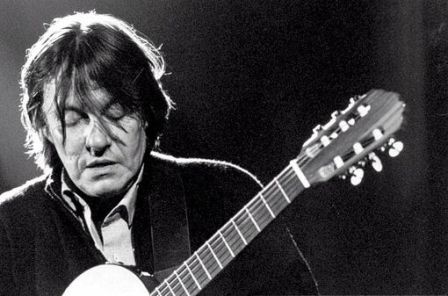
POSTER - LOCANDINA -
www.chiesasarda.it/wp-content/uploads/2020/11/de-andre_la...

www.900letterario.it/wp-content/uploads/2014/06/fabrizio-...
img.ubiklibri.it/images/9788896212042_0_900_0_0.jpg
www.musiculturaonline.it/p/wp-content/uploads/2021/02/b-M...

Phrases from “The Good News - Frasi da “La Buona Novella” –
In the pity that does not give in to rancor, mother, I learned love.
Nella pietà che non cede al rancore, madre, ho imparato l’amore.
(il testamento di Tito);
I don't want to think of you as the son of God, but as the son of man, my brother too.
Non voglio pensarti figlio di Dio, ma figlio dell’uomo, fratello anche mio.
(Laudate Hominem);
If you had not been the son of God, I would still have you as my son.
Non fossi stato figlio di Dio, t’avrei ancora per figlio mio.
(Tre Madri);
……………………..
Alda Merini:
“The Cross is not a Roman pole, but the wood on which God wrote his gospel”.
“La Croce non è un palo dei romani, ma il legno su cui Dio ha scritto il suo vangelo.
----------------------------------------------------------
click to activate the small icon of slideshow: the small triangle inscribed in the small rectangle, at the top right, in the photostream (it means the monitor);
or…. Press the “L” button to zoom in the image;
clicca sulla piccola icona per attivare lo slideshow: sulla facciata principale del photostream, in alto a destra c'è un piccolo rettangolo (rappresenta il monitor) con dentro un piccolo triangolo nero;
oppure…. premi il tasto “L” per ingrandire l'immagine;
www.worldphoto.org/sony-world-photography-awards/winners-...
www.fotografidigitali.it/gallery/2726/opere-italiane-segn...
………………………………………………………
Good Friday is an anniversary which in Sicily acquires a cathartic meaning for those who are searching, not only photographically, for popular traditions (we find them widespread throughout Sicily), which are nothing other than a social, cultural event, which merge into a single past and present; from the web "popular traditions are a historical memory linked to customs and rituals that have given shape to the values and beliefs of that culture". Easter in Sicily can be a source of research, it can appear not without contradictions, citing the thoughts of that great Sicilian thinker Leonardo Sciascia, for him Sicily cannot be called Christian referring to the Sicilian festivals, at most it is only in appearance, in those properly pagan explosions tolerated by the Church; Sciascia addresses the topic as an introductory essay in the book "Religious celebrations in Sicily", illustrated with photographs of a young and still unknown Ferdinando Scianna, a book that did not fail to raise some controversy due to the Sicilian thinker's introductory note, thus being in open controversy with the sacredness of that popular Sicilian devotion (the book was criticized by the Holy See newspaper, the Osservatore Romano), Sciascia writes: “what is a religious festival in Sicily? It would be easy to answer that it is anything but a religious holiday. It is, first of all, an existential explosion; the explosion of the collective id, where the collectivity exists only at the level of the id. Since it is only during the celebration that the Sicilian emerges from his condition of a single man, which is the condition of his vigilant and painful superego, to find himself part of a class, of a class, of a city". Another Sicilian thinker, writer and poet, Gesualdo Bufalino, provides interesting indications on the meaning that Sicilians give to these traditional popular events, he says "during Easter every Sicilian feels not only a spectator, but an actor, first sorrowful and then exultant , for a Mystery that is its very existence. The time of the event is that of Spring, the season of metamorphosis, just as the very nature of the rite is metamorphic in which, as in a story from the Puppet Opera, the battle of Good against Evil is fought. Deception, Pain and Triumph, Passion, Death and Resurrection of Christ are present."
In short, Easter in Sicily is a deeply felt anniversary throughout the island since ancient times, it has always had as its fulcrum the emotional participation of the people, with representations and processions which have become rites and traditions which unequivocally characterize numerous Sicilian centres, which they recall the most salient moments narrated in the Gospels and which recall the Passion, Death and Resurrection of Jesus Christ, with processions formed by the various brotherhoods (sometimes with theatrical re-enactments) which have within them contents and symbols often coming from the Spanish domination, which took place in Sicily between the 16th and 17th centuries
This year, for Good Friday, I was looking for traditions that were "outside the most well-known circuits", in the past I have alternated traditional religious processions known, with lesser-known ones; I considered various possibilities, then I decided to go to a town that is described as being located in a remote and isolated location in the province of Messina, the town is Capizzi. Good Friday in Capizzi takes place in two phases, there is the daytime procession in which three floats are carried on the shoulders, that of the Ecce Homo, that of the Sorrowful Virgin, and that of the Pietà (with the Virgin Mary holding her Dead Son in her arms), then there is the afternoon procession, which continues until late in the evening, in this evening procession the float carrying the Ecce Homo is missing, while two others are added, there is the one with the Urn carrying the Dead Christ (this figure, that of the Dead Christ, in Capizzi, is called "Father of Divine Providence"), and there is the float carrying the "Holy Cross", on it, during the route along the streets of the town, you can see the villagers placing long linen sheets, who often lean out directly from the balconies or windows of their houses to place them over it. The procession is made up of devotees and local personalities, the police and Capizzi's musical band, and two brotherhoods, that of the SS. Sacrament (the brothers are recognizable by a light yellow cloak), and that of the Good Death (whose followers wear a black cloak); the procession advances along the route in absolute silence, silence is Sacred, the bells stop ringing, the procession walks slowly, an exception to the silence comes from the sad, mournful music played by the band and the drumbeats played in mourning; the route includes steep descents, and equally steep (and tiring) climbs. The afternoon-evening procession reaches the locality of "Tre Croci", here the Archpriest, Don Antonio, delivered his panegyric, using profound words, full of Hope, Charity, Love, remembering that Christ always forgives everyone. In the afternoon, in the Mother Church, the celebration of the Passion of Christ takes place; we witness the rite of the Adoration of the Holy Cross, and the veneration of the "Father of Divine Providence", subsequently there is the rite in which the Archpriest sprinkles the body of the Dead Christ with rose petals, and anoints it with perfumed oils (to recall what is written in the Gospel of John (19:38-42), Joseph of Arimathea, a disciple of Jesus, secretly for fear of the Jews, asked Pilate for permission to take the body of Jesus, Pilate agreed, but Nicodemus also joined Joseph, carrying about thirty kilos of a mixture of myrrh and aloe, sprinkling it on the body: they took the body of Jesus, wrapped it in bandages together with the aromas, according to the funeral custom of the Jews). During the rite of the Adoration of the Cross, in the Mother Church (and also in the Tre Croci area), there is a song sung by the young people of the village, who in chorus sing the “song of the improperia”, which would be in sung form the reproaches that Jesus Christ addresses to his people, because they were responsible for His crucifixion: it is therefore a plaintive dialogue between the crucified Christ and his people; this song dates back to the sixth century, having arrived in the West from the Church of Jerusalem.
…………………………………………………
Il Venerdì Santo è una ricorrenza che in Sicilia acquista un significato catartico per chi è alla ricerca, non solo fotografica, delle tradizioni popolari (le troviamo diffuse in tutta la Sicilia), che altro non sono che un evento sociale, culturale, che fondono in un tutt’uno passato e presente; dal web “le tradizioni popolari sono una memoria storica legata ad usanze e ritualità che hanno dato forma ai valori e alle credenze di quella cultura”. La Pasqua in Sicilia può essere fonte di ricerca, essa può apparire non priva di contraddizioni, citando il pensiero di quel grande pensatore Siciliano che fu Leonardo Sciascia, per lui la Sicilia non può dirsi cristiana riferendosi alle feste Siciliane, al massimo lo è solo in apparenza, in quelle esplosioni propriamente pagane, tollerate dalla Chiesa; Sciascia affronta l’argomento come saggio introduttivo nel libro “Feste religiose in Sicilia”, illustrato con fotografie di un giovane ed ancora sconosciuto Ferdinando Scianna, libro che non mancò di sollevare qualche polemica per la nota introduttiva del pensatore Siciliano, essendo così in aperta polemica con la sacralità di quella devozione popolare Siciliana (il libro fu oggetto di una stroncatura da parte del quotidiano della Santa Sede, l’Osservatore Romano), Sciascia scrive: “che cos’ è una festa religiosa in Sicilia? Sarebbe facile rispondere che è tutto, tranne che una festa religiosa. E’, innanzi tutto, un’esplosione esistenziale; l’esplosione dell’es collettivo, dove la collettività esiste soltanto a livello dell’es. Poiché e soltanto nella festa che il siciliano esce dalla sua condizione di uomo solo, che è poi la condizione del suo vigile e doloroso super io, per ritrovarsi parte di un ceto, di una classe, di una città ”. Altro pensatore, scrittore e poeta Siciliano, Gesualdo Bufalino, fornisce indicazioni interessanti sul senso che i Siciliani danno a questi eventi popolari tradizionali, egli dice “durante la Pasqua ogni siciliano si sente non solo uno spettatore, ma un attore, prima dolente e poi esultante, per un Mistero che è la sua stessa esistenza. Il tempo dell’evento è quello della Primavera, la stagione della metamorfosi, così come metamorfica è la natura stessa del rito nel quale, come in un racconto dell’Opera dei Pupi, si combatte la lotta del Bene contro il Male. Sono presenti l’Inganno, il Dolore e il Trionfo, la Passione, la Morte e la Resurrezione di Cristo”.
In breve, la Pasqua in Sicilia è una ricorrenza profondamente sentita in tutta l’isola fin dall’antichità, essa ha sempre avuto come fulcro la commossa partecipazione del popolo, con rappresentazioni e processioni divenuti riti e tradizioni che caratterizzano inequivocabilmente numerosissimi centri Siciliani, che rievocano i momenti più salienti narrati nei Vangeli e che ricordano la Passione, la Morte e la Resurrezione di Gesù Cristo, con cortei formati dalle varie confraternite (a volte con rievocazioni teatrali) che hanno in se contenuti e simbologie spesso provenienti dalla dominazione Spagnola, avvenuta in Sicilia tra il XVI ed il XVII secolo.
Quest’anno, per il Venerdì Santo, ero alla ricerca di tradizioni che fossero “al di fuori dei circuiti più noti”, in passato ho alternato processioni tradizionali religiose note, a quelle meno note; ho preso in considerazione diverse possibilità, poi ho deciso di recarmi in un paese che viene descritto essere situato in una località remota ed isolata della provincia di Messina, il paese è Capizzi. Il Venerdì Santo a Capizzi, si svolge in due fasi, c’è la processione diurna nella quale vengono portate in spalla tre vare, quella dell’Ecce Homo, quella della Vergine Addolorata, e quella della Pietà (con la Vergine Maria che tiene in braccio suo Figlio Morto), poi c’è la processione del pomeriggio, che prosegue fino a sera inoltrata, in questa processione serale manca la vara che reca l’Ecce Homo, mentre se ne aggiungono altre due, c’è quella con l’Urna che reca il Cristo Morto ( questa figura, quella del Cristo Morto, a Capizzi, viene chiamata “Padre della Divina Provvidenza”), e c’è la vara che reca la “Santa Croce”, su di essa, durante il percorso lungo le vie del paese, si assiste al poggiare di lunghe lenzuola di lino da parte dei paesani, che spesso si sporgono direttamente dai balconi o dalle finestre delle loro case per deporle a scavalco su di essa. La processione è formate, oltre che dai devoti e dalle personalità del paese, dalle forze dell’ordine e dalla banda musicale di Capizzi, da due confraternite, quella del SS. Sacramento (i confratelli sono riconoscibili da un mantello giallo chiaro), e quella della Buona Morte (i cui adepti recano un mantello nero); la processione avanza lungo il percorso in assoluto silenzio, il silenzio è Sacro, le campane smettono di suonare, la processione cammina lenta, una eccezione al silenzio proviene dalla musica mesta, triste, suonata dalla banda e dai colpi di tamburo suonati a lutto; il percorso prevede ripide discese, ed altrettanto ripide (e faticose) salite. La processione pomeridiana-serale giunge fino alla località “Tre Croci”, qui l’Arciprete, Don Antonio, ha proferito il suo panegirico, usando parole profonde, colme di Speranza, Carità, Amore, ricordando che Cristo perdona sempre, tutti. Il pomeriggio, in Chiesa Madre, si assiste alla celebrazione della Passione di Cristo; si assiste al rito dell’Adorazione della Santa Croce, ed alla venerazione del “Padre della Divina Provvidenza”, successivamente c’è il rito nel quale l’Arciprete cosparge il corpo del Cristo Morto con petali di rosa, e lo unge con olii profumati (a rievocare quante scritto nel Vangelo di Giovanni (19:38-42), Giuseppe di Arimatea, discepolo di Gesù, in segreto per timore dei Giudei, chiese a Pilato il permesso di prendere il corpo di Gesù, Pilato acconsentì, ma anche Nicodemo, si unì a Giuseppe, portando circa trenta chili di una mistura di mirra e di aloe, cospargendone il corpo: essi presero il corpo di Gesù, lo avvolsero in bende insieme con gli aromi, secondo l'usanza funebre dei Giudei). Durante il rito dell’Adorazione della Croce, in Chiesa Madre (ed anche in località Tre Croci), c’è il canto intonato dai giovani del paese, che in coro cantano il “canto degli improperia”, che sarebbe in forma cantata i rimproveri che Gesù Cristo rivolge al suo popolo, poiché si è reso responsabile della Sua crocifissione: esso è quindi un dialogo lamentoso tra Cristo crocifisso e il suo popolo; questo canto risalirebbero al VI secolo, giunto in occidente proveniente dalla Chiesa di Gerusalemme.
………………………………………….
-----------------------------------------------------------------
---- .... .... ----
---- …. …. ----
-----------------------------------------------------------------
click to activate the icon of slideshow: the small triangle inscribed in the small rectangle, at the top right, in the photostream;
clicca sulla piccola icona per attivare lo slideshow: sulla facciata principale del photostream, in alto a destra c'è un piccolo rettangolo (rappresenta il monitor) con dentro un piccolo triangolo nero;
Qi Bo's photos on Flickr Hive Mind
www.worldphoto.org/sony-world-photography-awards/winners-...
www.fotografidigitali.it/gallery/2726/opere-italiane-segn...
-------------------------------------------------------------------
this is a story I made this year 2019, about the feast of San Biagio, which is celebrated in February, in the city of Motta Camastra (Sicily). San Biagio was a bishop and martyr, always close to the humble; it is said that in life he managed to save a child from certain death by suffocation because of a thorn that was stuck in his throat, and that is why the Saint is invoked as a protector of the throat.
Many years ago the vara del Santo was carried on the shoulders of the devotees, necessarily young and strong adults, because of its weight, afterwards, unfortunately, due to the emigration of the young people of this country, in the city remained mainly the elderly and children, so much that the heavy Saint, currently "travels on tires", ie the float is placed on a structure equipped with wheels with its steering wheel, so it is driven by the ropes pulled by boys and girls very young, while from behind it is pushed by adults. The float is carried in procession along the streets of the small town, but there are opportunities to run it downhill; the procession ends in the town square, where the Saint is made to run pushing from behind, but also backward pushing it from the front (they all push it: now the children, now the women, now the adults), in memory of the martyrdom of the Saint: it is said that when he was beheaded, his head began to rolling incessantly. In the evening, finally, the procession resumes, this time more quiet, through the streets of the village, and then finally return to church. In addition to the celebration of the Holy Mass in his honor, the feast includes the lively-calm procession, also several stops, during which they are offered characteristic sweets, cakes, drinks and liqueurs.
………………………………………………………………..
Questo è un racconto, che ho fatto quest'anno 2019, sulla festa di San Biagio che si celebra in febbraio, nella città di Motta Camastra (Sicilia). San Biagio era un vescovo e martire, sempre vicino agli umili; si narra che nella vita sia riuscito a salvare un bambino da morte certa per soffocamento a causa di una spina che gli si era conficcata in gola, ed è per questo che il Santo viene invocato come protettore della gola. Molti anni addietro la vara del Santo veniva portata in spalla dai devoti, necessariamente giovani adulti e forti, a causa del suo peso, successivamente, purtroppo, per via della pesante emigrazione dei giovani di questo paese, nella città sono rimasti prevalentemente gli anziani ed i giovanissimi, molti sono bambini, tanto che il pesante Santo, attualmente "viaggia su gomme", ovverossia la vara viene posta su di una struttura fornita di ruote col suo volante, la vara così viene trainata da corde tirate dai ragazzi e ragazze molto giovani, mentre da dietro viene spinta dagli adulti. La vara viene portata in processione lungo le vie del piccolo paese, ma non mancano le occasioni per farla correre in discesa, processione infine che si conclude nella piazza del paese, ove il Santo viene fatto correre spingendolo da dietro, ma anche a ritroso spingendolo dal davanti (tutti vogliono partecipare a questa corsa col Santo: ora i bambini, ora le donne, ora gli adulti), a ricordo del martirio del Santo: si narra che quando fu decapitato, la sua testa si mise a rotolare incessantemente. La sera, infine, riprende la processione, questa volta più tranquilla, per le vie del paese, per poi rientrare definitivamente in chiesa. La festa prevede oltre alla celebrazione della Santa messa in suo onore, la processione movimentata-tranquilla, anche diverse soste, durante le quali vengono offerti dolci caratteristici, torte, bevande e liquori.
A drug approved to treat a severe form of asthma dramatically improved the health of people with rare chronic immune disorders called hypereosinophilic syndromes (HES) in whom other treatments were ineffective or intolerable. This finding comes from a small clinical trial led by scientists at the National Institute of Allergy and Infectious Diseases (NIAID), part of the National Institutes of Health, and conducted through a partnership with the global biopharmaceutical company AstraZeneca. The results were published online on April 3, 2019 in the New England Journal of Medicine.
In this image: Activated eosinophils in the peripheral blood of a patient with idiopathic hypereosinophilic syndrome.
Read more: www.nih.gov/news-events/news-releases/fda-approved-drug-e...
Credit: National Institute of Allergy and Infectious Diseases/NIH
Re-activated in october 2015
Other views of Space Invader PA_1063 HERE
Part of the One Space Invader, One rom serie !
Activating two MAFFS-equipped C-130 aircraft from the @146AirliftWing
of the California Air National Guard. Aircraft available for wildfire support from McClellan Airbase in Sacramento beginning July 23. This is the 1st MAFFS activation since July of 2018. Photo by USFS.
EVOLVE MAXIMIZE. EXPAND. ACTIVATE
Create Your Vision of a Better You For a Beautiful Life Live a Richer, Happier and Golden Life Style. For more info visit: evolvedlifevisions.com
Become Certified
Achieve your own profitable business safeguarded by our professional, experienced network
Clear, Comprehensive Certification gives you a recognized Life Coaching Accreditation within 6 weeks!
Certification in Evolved Visualization Techniques TM
Evolved Life Visions is an A rated member of WAOLS - World Alliance of Life coaches and Stylists.
Evolved Life Visions supports accreditation programs including those of the ICF - International Coaching Federation
Evolved Guided Visualization Techniques TM - GVT - is an accredited training program
Media and Experts - Say What!?
The latest reports from leading Universities arousing great worldwide media interest shows that neurosciences research proves that Visualization Techniques TM trick your brain into transforming your thoughts and behavior!
This means that when you have a clear Vision of what your want to Maximize and Achieve in your life you will be able to attain it.
Or social Platform
business.facebook.com/Evolved-Life-Visions-386232031583114/
plus.google.com/u/0/103901643902261086078
www.linkedin.com/in/nicole-harcourt-9351a9ab
www.pinterest.com/evolvedlifevisi/
www.youtube.com/channel/UCIwm6uaEbL1-txikirmrNvw
evolvedlifevisionsltd.tumblr.com/
www.dailymotion.com/evolvedlifevisions
www.flickr.com/photos/138201185@N07/
……………………………….
Poster (Locandina):
www.warnerbros.it/scheda-film/genere-romantico/me-you/
m.media-amazon.com/images/S/pv-target-images/b3eb47bb2236...

i0.wp.com/www.cinematik.it/wordpress/wp-content/uploads/2...

i0.wp.com/www.cinematik.it/wordpress/wp-content/uploads/2...

----------------------------------------------------------
click to activate the small icon of slideshow: the small triangle inscribed in the small rectangle, at the top right, in the photostream (it means the monitor);
or…. Press the “L” button to zoom in the image;
clicca sulla piccola icona per attivare lo slideshow: sulla facciata principale del photostream, in alto a destra c'è un piccolo rettangolo (rappresenta il monitor) con dentro un piccolo triangolo nero;
oppure…. premi il tasto “L” per ingrandire l'immagine;
www.worldphoto.org/sony-world-photography-awards/winners-...
www.fotografidigitali.it/gallery/2726/opere-italiane-segn...
………………………………………………………………………
Religious devotion, at times, in Sicily seems to take on the face of women, like that of the two Sicilian saints Agata and Lucia along the Ionian coast of Sicily, or the face of Rosalia, on the opposite side, in Palermo. The lives of Agata and Lucia are closely linked, even though they never met. Agata was martyred in 251, Lucia was not yet born, she was born 32 years later. On February 5, 301, she went to Catania to pray at Agata's tomb to invoke her intercession, hoping to obtain the healing of her mother, who was seriously ill. Agata appeared to her in a dream, confirmed her mother's healing (her mother was healed), but also confided in her that she would be martyred because of her faith in Christ: Lucia was martyred on December 13, 304, during the persecutions of Diocletian. What has been said as an incipit of the photographic story that I present here, created on the occasion of the celebration that Catania dedicates to its Patron Saint Agatha, described as the most important religious celebration in Catania, also considered the third Catholic religious celebration in the world (first are the “Semana Santa” in Seville, and the “Corpus Domini” in Cuzco in Peru), a ranking that takes into account the huge number of people who participate every year. The celebration of Saint Agatha takes place on several dates, from 3 to 6 February, on 12 February and on 17 August: the February celebration is linked to her martyrdom, the August celebration commemorates the return to Catania of her mortal remains, initially taken to Constantinople as spoils of war by the Byzantine general Maniaces, and remained there for 86 years. The young Agata lived in the 3rd century, she belonged to a rich patrician family of Catania, since she was young she had embraced the cult of the Christian religion, the governor Quinziano (or Quintiliano) fell in love with her, Agata to escape him hid in his house in Palermo, Quinziano managed to find out where she was hiding, so he had her taken to Catania, here his attempts to bend Agata's will and make her give in to his flattery were in vain, after her umpteenth refusal he changed his intentions, accused her of being of the Christian religion, condemned her to death, not without first having led her to martyrdom, he amputated her by tearing off both her breasts, in this way in addition to the torment of physical pain, the psychological one was added, humiliating the girl in her femininity, then he gave her death by dragging her on burning coals, Agata was 20 years old. After her death, the cult of her began to spread, even the pagans began to venerate her figure, there is news about her origins starting from 252, the year after her death: the inhabitants of Catania were proud of this young woman who rebelled against the will of the dictator. The feast of Saint Agatha begins on February 3, there is the procession "for the offering of wax", the two eighteenth-century carriages of the senate pulled by horses come out along the streets of the city, "the candelore" make their appearance; on February 4th the celebration begins with the “Mass of Dawn” which is celebrated in the cathedral, after the reliquary bust of the Saint and the silver casket, they are placed on the “vara” (or “fercolo”), to be carried in procession in its “external tour”, the procession begins by crossing the “Porta Uzeda” and thus reaching the arches of the marina, the procession then circumscribes the historic center of the city, going to the places where Agatha’s martyrdom took place; : On February 5th the “Pontifical Mass” is celebrated, on this occasion by lining up in the cathedral, you can go and see the reliquary bust of the Saint, as evening comes, the bust and the casket are placed back on the heavy float for the last procession, which goes along the “internal tour” (or “noble tour”), which crosses the historic center of Catania, a procession preceded by the passage of lit candles carried on the shoulders of devotees (of various weights and sizes, some reach exceptional dimensions and weight, historically these candles illuminated, when electricity did not exist, the passage of the Saint), then the “candelore” pass, they are gigantic and heavy wooden “candelabra”, in baroque style, painted in gold, each one represents an ancient corporation (butchers, fishmongers, bakers, pork butchers, greengrocers, etc.), finally the float with Saint Agatha passes, the long-awaited moment, with the reliquary bust that it contains inside some parts of her body, the other parts of her body are inside the casket, so, with both on the float, Agata's entire body can travel the streets of the city of Catania. The float is pulled by hand, by the many devotees who wish to participate spontaneously in this very particular rite, using two large cords more than 200 meters long, to the end of which are connected four handles. The photographs were taken on February 4 and 5, 2024 and 2025, they are not organized in series taking into account either the year or the days; I obtained a "bilocation effect" by using different shooting points in the two years, visible especially when the float passes through the Porta Uzeda; I made portraits of the devotees, posed and not, in particular the portrait of a devotee who seemed almost enraptured in ecstasy at the passage of Sant'Agata (and perhaps she really was), it represented for me the absolute, profound and concrete synthesis of the attachment of the "citizens" (synonym of "devotees") of Catania towards this young martyr, who has become a symbol of those who oppose violence against women, and protector of women suffering from breast cancer. I photographed two beautiful and sweet models who embodied the "two ages of Agata", with the aim of raising awareness among women in the prevention of breast cancer (the ceramic decorations corresponding to the breasts are the work of "Nenè sculptures of art by Nancy Coco); I captured in some images, the custom of some devotees, to carry with them images of loved ones who passed away too soon (photos placed on candles or printed on the characteristic white habit, called "sacco", which is part of the characteristic way of dressing of the devotees); finally I thank the owner of the Beniamin Art Gallery, in via Umberto, an artist himself, for giving me the opportunity to photograph the Pop icon exhibited in his gallery entitled "Aga Pop".
…………………………………………………….
La devozione religiosa, a volte, in Sicilia sembra assumere il volto delle donne, come quello delle due sante siciliane Agata e Lucia lungo la fascia Ionica della costa sicula, od il volto di Rosalia, sul versante opposto, in quel di Palermo. Le vite di Agata e Lucia sono tra loro legate in maniera strettamente indissolubile, pur non essendosi mai conosciute, Agata morì martirizzata nel 251, Lucia non era ancora nata, nascerà 32 anni dopo, il 5 febbraio del 301 si recherà a Catania a pregare sul sepolcro di Agata per invocare la sua intercessione sperando così di ottenere la guarigione di sua madre, gravemente malata, Agata le appare in sogno, le conferma la guarigione di sua madre (sua madre ebbe la guarigione), ma anche, le confida, che per lei ci sarà il martirio a causa della sua fede in Cristo: Lucia fu martirizzata il 13 dicembre del 304, durante le persecuzioni di Diocleziano. Quanto detto come incipit del racconto fotografico che qui presento, realizzato in occasione della festa che Catania dedica alla sua Santa Patrona Agata, descritta come la più importante festa religiosa di Catania, considerata anche la terza festa religiosa cattolica al mondo (prime la “Semana Santa” di Siviglia, ed il “Corpus Domini” di Cuzco in Perù), graduatoria che tiene conto del grandissimo numero di persone ogni anno vi partecipano. La festa di Santa’Agata si svolge in più date, dal 3 al 6 febbraio, il 12 febbraio ed il 17 agosto: la ricorrenza di febbraio è legata al suo martirio, quella di Agosto rievoca il ritorno a Catania delle sue spoglie mortali, portate inizialmente a Costantinopoli come bottino di guerra dal generale bizantino Maniace, e li rimaste per 86 anni. La giovane Agata visse nel 3° secolo, apparteneva ad una ricca famiglia patrizia di Catania, sin dalla giovane età aveva abbracciato il culto per la religione cristiana, di lei si invaghì il governatore Quinziano (o Quintiliano), Agata per sfuggirgli si nascose in una sua casa a Palermo, Quinziano riuscì a sapere dove si nascondeva, quindi la fece condurre a Catania, qui i suoi tentativi di piegare la volontà di Agata e farla cedere alle sue lusinghe furono vani, all’ennesimo suo rifiuto egli mutò i suoi propositi, la accusò di essere di religione cristiana, la condannò a morte, non senza averla prima condotta al martirio, le amputò strappandole entrambi i seni, in tal modo oltre allo strazio del dolore fisico, si aggiungeva quello psicologico, umiliando la ragazza nella sua femminilità, poi le diede la morte trascinandola sui carboni ardenti, Agata aveva 20 anni. Dopo la sua morte si iniziò a diffondere il culto verso di lei, anche i pagani iniziarono a venerare la sua figura, si hanno notizie sulle sue origini già a partire dal 252, anno successivo alla sua morte: gli abitanti di Catania erano orgogliosi di questa giovane donna che si ribellò al volere del dittatore. La festa per Sant’Agata inizia il 3 febbraio, si ha la processione “per l’offerta della cera”, escono lungo le vie della città le due settecentesche carrozze del senato trainate da cavalli, fanno la loro comparsa “le candelore”; il 4 febbraio la festa inizia con la “Messa dell’Aurora” che si celebra nella cattedrale, dopo il busto reliquiario della Santa e lo scrigno d’argento, vengono messi sulla “vara” (o “fercolo”), per essere portati in processione nel suo “giro esterno”, la processione inizia attraversando la "Porta Uzeda" e giungendo così agli archi della marina, la processione quindi circoscrive il centro storico della città, recandosi nei luoghi ove avvenne il martirio di Agata; il 5 febbraio si celebra la “Messa Pontificale”, in questa occasione mettendosi in fila nella cattedrale, si può andare a vedere il busto reliquiario della Santa, col sopraggiungere della sera, busto e scrigno, vengono nuovamente messi sulla pesante vara per l’ultima processione, che percorre il “giro interno” (o “giro nobile”), che attraversa il centro storico di Catania, processione preceduta dal passaggio dei ceri accesi portati in spalla dai devoti (di vario peso e dimensioni, alcuni raggiungono dimensioni e peso eccezionali, storicamente questi ceri illuminavano, quando non esisteva l’energia elettrica, il passaggio della Santa), poi passano le “candelore”, sono dei giganteschi e pesanti "candelabri" in legno, in stile barocco, dipinti in oro, ognuna rappresenta una antica corporazione (macellai, pescivendoli, panettieri, pizzicagnoli, fruttivendoli, ecc.), infine passa la vara con Sant’Agata, il momento tanto atteso, col busto reliquiario che racchiude al suo interno alcune parti del suo corpo, le altre parti del corpo si trovano all’interno dello scrigno, in tal modo, con entrambi sulla vara, tutto il corpo di Agata può percorrere le strade della città di Catania. La vara è trainata a mano, dai tantissimi devoti che desiderano partecipare spontaneamente a questo rito così particolare, tramite due grossi cordoni lunghi più di 200 metri, al cui capo sono collegate quattro maniglie. Le fotografie sono state realizzate il 4 ed il 5 febbraio del 2024 e del 2025, esse non sono organizzate in serie tenendo conto né dell’anno, nè delle giornate; ho ottenuto un “effetto di bilocazione” sfruttando differenti punti di ripresa nei due anni, visibile soprattutto quando la vara passa attraverso la Porta Uzeda; ho realizzato ritratti dei devoti, posati e non, in particolare il ritratto di una devota che sembrava quasi rapita in estasi al passaggio di Sant’Agata (e forse lo era veramente), ha rappresentato per me la sintesi assoluta, profonda e concreta dell’attaccamento dei “cittadini” (sinonimo di “devoti”) catanesi nei confronti di questa giovane martire, diventata simbolo di chi si oppone alla violenza sulle donne, e protettrice delle donne ammalate di cancro al seno. Ho fotografato due belle e dolci modelle che impersonavano le “due età di Agata”, con lo scopo di sensibilizzare le donne nella prevenzione delle neoplasie alla mammella (i decori in ceramica in corrispondenza dei seni, sono opera di “Nenè sculture d’arte di Nancy Coco); ho colto in alcune immagini, l’usanza di alcuni devoti, di recare con se immagini di persone care scomparse troppo presto (foto messe sui ceri o stampate sul caratteristico saio bianco, chiamato “sacco”, che fa parte del modo caratteristico di vestire dei devoti); infine ringrazio il proprietario della Beniamin Art Gallery, in via Umberto, artista egli stesso, per avermi dato la possibilità di fotografare l’icona Pop esposta nella sua galleria dal titolo “Aga Pop”.
LIL_04 [10 points]
The city of Lille in the North of France has been invaded in the year 2002 with 6 space invaders. Until November 2016 only LIL_03 and the one with an exceptional number LIL_00 along the autoroute A1 to Paris was visible. In November the re-activation team has made a big effort to restore 4 space invaders in the old center (Vieux Lille) to make it possible to flash and see all invaders made in 2002 again.
This one is located in the center of Lille on the most busy square in the city.
Other view:
LIL_04 (Street view, December 2016)
Year of invasion: 2002
DELETED ? (2002 - ?)
RE-ACTIVATED November 2016
John Hattie suggests that teachers are not the guides on the side, nor the facilitators. Rather we are more purposeful, more active. We are the activators.
Next Stop :Amalfi Coast
[ꜱᴘᴏɴꜱᴏʀᴇᴅ ᴀᴅ]
.
↳ Ft. Thee Tiffany set Megapack c/o @brior.sl
📍maps.secondlife.com/secondlife/TSA/133/135/3501
.
↳ Ft. Thee Aqua Blossom Set c/o @shop1990.sl
📍maps.secondlife.com/secondlife/Redwood/150/106/24
.
#secondlifestyle #secondlifetravelblogging #secondlifefashion #secondlife #sl
Activating two MAFFS-equipped C-130 aircraft from the @146AirliftWing
of the California Air National Guard. Aircraft available for wildfire support from McClellan Airbase in Sacramento beginning July 23. This is the 1st MAFFS activation since July of 2018. Photo by USFS.
Caulder's grandson activating one of his pieces - setting it in motion- and I remembered his parents who were friends from another lifetime.
Visiting my son in NYC, we went to the Whitney Museum, and there happened to be an exhibit of the work of Alexander Calder, who happens to be a favorite of mine.
Calder in know for [among other things] mobiles, some of which are made up of everyday objects, or made of very delicate materials. Some of the art works are more like performance pieces, with randomly placed objects and a sort of pendulum that is then set into motion. The work of art is then the story of where the pendulum goes. The mind and imagination might wonder about such things a destiny, fate, predestination - what is "written"? Is there "free will." They are philosophical works.
So, at the exhibit, as we paid our entry fee, the person taking our money mentioned that there was someone activating a Calder artwork and would we like to watch? Free ticket. So - sure.
We filed into a dark studio, seating in chairs in a square around a spotlight and a man in black trousers and a white shirt came in to set the work in motion. His name was given, and I recognized the son of someone I knew long ago, when I was a member of a religious cult with the father.
As the son talked of his grandfather and how these objects and works had come to be, indeed, they were a kind of meditation of set points and points of movement. What set what other event or person in motion? What was the cause of the following event?
I thought of his father, my friend from long ago. My friend has passed away. Here I was, in a dark museum studio with my friend's son and my own son. What was set in motion by us so long ago? Is the pendulum still vibrating and touching other more distant objects?
*
"Calder’s mobiles are streamlined in a recognisably art deco way, and they speak the international language of speed and flight. Yet his works’ origami delicacy means they are often luddite, pastoral rather than industrial. They slow the viewer down, and insist on mild movement and meditation. They were used by Martha Graham in the intervals of her ballets, the dancers replaced by “plastic interludes”, configurations of circles and spirals. Calder also created a mobile set for Erik Satie’s symphonic drama Socrate (1936). In 1943, he explained how viewers should interact with his mobiles, emphasising peaceful coexistence: “A mobile in motion leaves an invisible wake behind it, or rather, each element leaves an individual wake behind its individual self … In setting them in motion by a touch of the hand, consideration should be had for the direction in which the object is designed to move, and for the inertia of the mass involved. A slow gentle impulse, as though one were moving a barge, is almost infallible. In any case, gentle is the word.” When Calder mentions a barge, he must have been thinking back to the stone barge folly in Biscayne Bay, Miami, decorated with mermaid sculptures by his father in 1916."
[Magnificent mobiles: the art of Alexander Calder]
*
After the event, we spoke briefly and I asked to be remembered to his father. His father has passed away, as has my mother. I reminded him that we had met and he had stayed at my house during a time that his father and mother shared with my husband and I one of the worst day of our lives. I didn't say that but it hung in the air. Everyone who was there that day will always remember that as one of the very worst day of our lives. Which is almost like saying "one of the best days of our lives." In retrospect, it was a fulcrum that dislodged everyone from one place to another. Good or bad, maybe it was actually a good day.
More things set in motion a generation ago still in play. I am awash in metaphors.
*
“The strange operation of memory is also associated with windows as mediating objects. They are surfaces that are removed from the original or genuine but that reflect their image, capture a still-life of the ‘real,’ and can go on reflecting it forever. The reflection, the mimetic image of what was, is itself the substance of the memory. [Amos] Oz writes, for example:
"Memory deludes me. I have just remembered something that I completely forgot after it happened. I remembered it again when I was about sixteen, and then I forgot it again. And this morning I remem- bered not the event itself but the previous recollection, which itself was more than forty years ago, as though an old moon was reflected in a windowpane from which it was reflected in a lake, from where memory draws, not the reflection itself, which no longer exists, but only its whitened bones."
Memory is a series of windows that look through windows that are reflected in windows. The impression, the reflection, the collection of light caught in the shield, becomes the thing itself.”
Natasha Wheatley, from “it is the hunter and you are the harpooned dolphin: Memory, Writing, and Medusa–Amos Oz and his Women,” The Jewish Quarterly Review (vol. 100, no. 4, Fall 2010)
*
"Robert Stetson Shaw, quoted in James Gleick, Chaos: Making a New Science, Viking, New York, 1987. p. 262:
"You don't see something until you have the right metaphor to let you perceive it"
[Robert Stetson] Shaw said, echoing Thomas S Kuhn."
*
Unbelief is good medicine, undoing belief
better:
all beings free to leave their being
and enter silence.
The nameless tree with its forest
of green,
the endless expanse called
sky, beaks and
feathered wings with their urgent
conversations;
all around, the light that sets the vital body
to humming,
and the dark of re-creation:
the world held for us in promise
until it is loosened from
our thinking.
~ Andrew Colliver
from the unpublished manuscript, A Day of Light
with thanks to poetry chaikhana
*
Más de 250 beneficiarios del servicio #Actívate en Esmeraldas se reúnen en el Complejo Polideportivo San Rafael para decirle sí a su salud y al deporte.
¡El deporte transforma vidas!
Activating two MAFFS-equipped C-130 aircraft from the @146AirliftWing
of the California Air National Guard. Aircraft available for wildfire support from McClellan Airbase in Sacramento beginning July 23. This is the 1st MAFFS activation since July of 2018. Photo by USFS.
Matching tanks. Matching tinted shades. Matching smiles that say they’ve had just enough sangria to make the world spin a little softer.
They didn’t plan to coordinate… but somehow, it happened. And let’s face it — they wear Pride Vibes like it’s an exclusive fragrance only available in Maspalomas: equal parts citrus, sweat, and suggestion.
There was definitely some chemistry here. Or was it just glitter in the air?
General shot setup for this image. Yes it is a different subject but the setup is the same - a Voice Activated Lightstand with a flash on a boom.
Are you probing for the best and affordable activated charcoal teeth whitening service provider in the UK? Then we will provide you the best and professional solutions. To learn more, visit our website.
.……………………………….
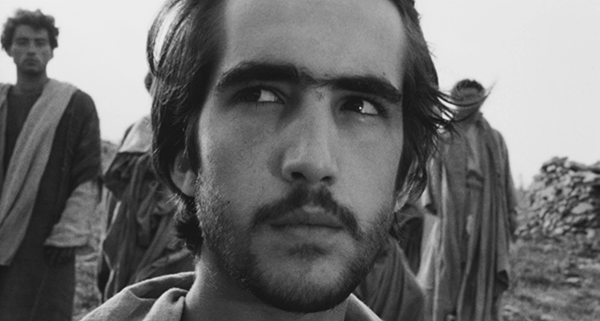
upload.wikimedia.org/wikipedia/en/2/2b/Pasolini_Gospel_Po...

The Gospel According to Pasolini
The Gospel According to Pasolini
THE GOSPEL ACCORDING TO ST MATTHEW(Il Vangelo Secondo Matteo)
-----------------------------------------------------------------
click to activate the icon of slideshow: the small triangle inscribed in the small rectangle, at the top right, in the photostream;
or…. Press the “L” button to zoom in the image;
clicca sulla piccola icona per attivare lo slideshow: sulla facciata principale del photostream, in alto a destra c'è un piccolo rettangolo (rappresenta il monitor) con dentro un piccolo triangolo nero;
oppure…. premi il tasto “L” per ingrandire l'immagine;
www.worldphoto.org/sony-world-photography-awards/winners-...
www.fotografidigitali.it/gallery/2726/opere-italiane-segn...
…………………………………………………………………
Before talking about the procession of the Holy Crucifix of Aracoeli which is held in the town of San Marco d'Alunzio (in the province of Messina), I make a brief introduction, this "photographic story" was created with photographs taken both during the procession of this year 2024, and during the procession of last year 2023, this meant, in some cases, that in some key moments of the procession the shots were taken simultaneously from two different angles, as if I had been in "bilocation", this because this year I chose a different perspective than last year. The procession begins on the morning of the last Friday of March each year, however there is an exception to this rule, when it coincides with Good Friday, which happened this year, then the procession is brought forward to the previous Friday. That of the SS. Crucifix of Aracoeli is an ancient penitential rite, on the day of the feast of the Crucifix in San Marco d'Alunzio the Holy Mass is celebrated in the Church of Aracoeli, therefore the SS. Crucifix (which is found in the church at the end of the right nave, at its feet the picture of the Virgin of Sorrows pierced by seven swords) is removed from the hook on which it is hanging, is taken outside the church, then raised and fixed on the float , and so (after the sermon of the priest who climbed onto the float next to the Crucifix) the Crucifix with the picture of his Sorrowful Mother underneath, then both placed on the float, are carried in procession by the Babbaluti, who proceed invoking the pity and mercy of the Lord with a faint lament that continually repeats “Signuri, Misericordia, Pietà!”. San Marco d'Alunzio is a pleasant town in the Messina area, located in the Nebrodi mountains, in Sicily; the procession takes place in honor of the Holy Crucifix of Araceli, this is a religious-penitential occasion also known as the "procession of the babbaluti", they are those who, by vote or by grace received, have decided to carry during the procession on their shoulders the float with the Crucifix and the painting; they head to the nearby Church of Santa Maria dei Poveri or to some private home nearby where, sheltered from the curiosity of the faithful, they wear a simple but characteristic indigo-coloured cloth habit, consisting of a tunic and a conical-shaped hood such to cover the entire body and leave only the eyes and hands free, it is not uncommon, however, that among the penitents, made anonymous by the habit they wear, there are also women, who, to avoid any possibility of recognition, wear a pair of gloves; the babbaluti are 33 in number to commemorate the 33 years of Christ, the number is odd, in fact the 33rd babbaluto does not wear the float, he (should be the "chief of float") proceeds backwards, turning his gaze to Christ and to His Mother, and at the same time checks that everything is in order among the babbaluti (this is a way of proceeding in carrying the float, which is present in various Sicilian religious processions). Then, the 32 (+1) "babbaluti" carry on their shoulders the launch bearing the Holy Crucifix of the Araceli church (the statue of Christ was created by Scipione Li Volsi, in the year 1652, he was a sculptor and plasterer of the Sicilian Baroque), at whose feet, on the float, the painting of Our Lady of Sorrows is tied, which appears pierced by seven swords (an 18th century painting). Before the start of the procession, the babbaluti advance barefoot wearing only heavy handmade raw wool socks. Before entering the church they must walk a purification path: when they arrive near the ancient church of Araceli , they bend down and kiss the ground, thus receiving permission to enter the church, but this happens from a side door, called "false door" (in Sicilian dialect “porta fausa”), once they enter the church laterally, they now emerge from the main entrance, thus being able to take their places, kneeling at the front and behind, of the float; the priest's long-awaited speech will follow, once finished, the procession can begin which takes place through the streets of the picturesque and welcoming town of San Marco d'Alunzio. Along the route the Babbaluti pace their pace accompanied by the sad and plaintive jugulation that invokes the Lord. There are devout men and women who proceed together with the mugglers, walking alongside the float, touching it, now caressing it... just to have physical (and consequently spiritual) contact with it. Finally, after having completed a specific route, the procession returns to the ancient church (of Norman origins) of Aracoeli. Whenever I am present at this touching occasion I am completely flooded with emotions (which however I cannot abandon myself to, I would lose concentration in taking the photos), the highlight is when the Crucified Christ is removed from the hook fixed on the wall by expert men, and then be carried (seems to float) above the heads of the devotees, supported with their hands, right outside the church, and be hoisted and fixed on the float; in these moments of intense emotion it is common to see in the eyes of the devotees, shining with tears, that profound emotion of their relationship with this Christ, which has always lasted: it is as if they found themselves in the presence of the true Christ, in flesh and blood, this it is the atmosphere you experience in those moments, this is the magic of the procession of the SS. Crucifix and his Mother, represented by the painting of Our Lady of Sorrows pierced by seven swords (iconography of Spanish origin).
+++++++++++++++++++++++++++++++++++++++++
+++++++++++++++++++++++++++++++++++++++++
Prima di parlare della processione del Santissimo Crocifisso di Aracoeli che si tiene nel paese di San Marco d’Alunzio (in provincia di Messina), faccio una breve premessa, questo “racconto fotografico” è stato realizzato con fotografie scattate sia durante la processione di quest’anno 2024, sia durante la processione dello scorso anno 2023, questo ha comportato, in alcuni casi, che in alcuni momenti salienti della processione gli scatti siano stati realizzati contemporaneamente da due angolazioni diverse, come se io fossi stato in “bilocazione”, questo perché quest’anno ho scelto una prospettiva differente da quella dello scorso anno. La processione inizia la mattina dell’ultimo venerdì del mese di marzo di ogni anno, c’è però una eccezione a questa regola, quando avviene la coincidenza col Venerdì Santo, cosa accaduta quest’anno, allora la processione viene anticipata al venerdì precedente. Quella del SS.Crocifisso di Aracoeli è un antico rito penitenziale, il giorno della festa del Crocifisso a San Marco d'Alunzio viene celebrata la S. Messa nella Chiesa dell'Aracoeli, quindi il SS. Crocifisso (che si trova nella chiesa in fondo alla navata di destra, ai suoi piedi il quadro della Vergine Addolorata. trafitta da sette spade) viene tolto dal gancio sul quale è appeso, viene portato all’esterno della chiesa, quindi innalzato e fissato sulla vara, e così (dopo il sermone del sacerdote salito sulla vara accanto al Crocifisso) il Crocifisso con sotto il quadro di sua Madre Addolorata, quindi messi entrambi sulla vara, vengono portati in processione dai Babbaluti, che procedono invocando la pietà e la misericordia del Signore con un flebile lamento che ripete continuamente “Signuri, Misericordia, Pietà!”. San Marco d’Alunzio è un ameno paese del territorio Messinese, sito sui monti Nebrodi, in Sicilia; la processione si svolge proprio in onore del Santissimo Crocifisso di Araceli, è questa una ricorrenza religioso-penitenziale conosciuta anche come "processione dei babbaluti", essi sono coloro che per voto o per grazia ricevuta, hanno deciso di portare in processione sulle loro spalle il fercolo con il Crocifisso ed il quadro; essi si dirigono nella vicina Chiesa di Santa Maria dei Poveri o in qualche abitazione privata lì vicino dove, al riparo dalla curiosità dei fedeli, indossano un semplice ma caratteristico saio di tela di colore indaco, costituito da una tunica e un cappuccio di forma conica tale da coprire l'intero corpo e lasciare liberi solo gli occhi e le mani, non è raro purtuttavia che tra i penitenti, resi anonimi dal saio che indossano, vi siano anche delle donne, le quali per evitare qualsiasi possibilità di riconoscimento, indossano un paio di guanti; i babbaluti sono in numero di 33 per rievocare i 33 anni di Cristo, il numero è dispari, infatti il 33° babbaluto non porta la vara, egli (dovrebbe essere il “capo vara”) procede all’indietro, rivolgendo lo sguardo al Cristo ed a sua Madre, e nel contempo controlla che tutto sia in ordine tra i babbaluti (questo è un modo di procedere nel portare la vara o fercolo, che è presente in diverse processioni religiose siciliane). Quindi, i 32 (+1) "babbaluti" portano sulle loro spalle la vara che reca il Santo Crocifisso della chiesa dell’Araceli (la statua del Cristo è stata creata da Scipione Li Volsi, nell'anno 1652, egli fu uno scultore e stuccatore del barocco SIciliano), ai cui piedi, sulla vara, viene legato il quadro della Madonna Addolorata, che appare trafitta da sette spade ( un dipinto del XVIII secolo). I babbaluti prima dell'inizio della processione avanzano a piedi scalzi indossando solo delle pesanti calze di lana grezza realizzate a mano, devono percorrere, prima di entrare in chiesa, un cammino di purificazione: quando essi giungono in prossimità dell'antica chiesa dell'Araceli, essi si chinano e baciano in terra, ricevendo in tal modo il permesso per poter accedere dentro la chiesa, questo però avviene da una porta laterale, chiamata "falsa porta" (In dialetto siciliano “porta fausa”), una volta entrati in chiesa lateralmente, ora fuoriescono dall'ingresso principale, potendo così prendere posto, inginocchiandosi sul davanti ed alle spalle, della vara; seguirà l'atteso discorso del sacerdote, terminato, potrà iniziare la processione che si svolge per le vie del pittoresco ed accogliente paese di San Marco d'Alunzio. Lungo il percorso i Babbaluti cadenzano la propria andatura accompagnandosi alla mesta e lamentosa giugulatoria che invoca il Signore . Ci sono uomini e donne devoti che procedono assieme ai babbaluti camminando a lato della vara, toccandola, ora accarezzandola...pur di avere un contatto fisico (e di rimando spirituale) con essa. Infine, dopo aver compiuto un preciso percorso, la processione fa rientro nell'antica chiesa (di origini Normanne) dell'Aracoeli. Ogniqualvolta sono presente a questa toccante ricorrenza sono completamente inondato da emozioni (alle quali però non posso abbandonarmi, perderei la concentrazione nel realizzare le foto), il momento clou è quando il Cristo Crocifisso viene tolto dal gancio fissato sul muro da uomini esperti, per poi essere portato (sembra galleggiare) sopra la testa dei devoti, sostenuto con le mani, fin fuori la chiesa, ed essere issato e fissato sulla vara; in questi momenti di intensa emozione è comune vedere negli occhi dei devoti, lucidi di lacrime, quella emozione profonda del loro rapporto con questo Cristo, che dura da sempre: è come se si trovassero al cospetto del Cristo vero, in carne ed ossa, questa è l’atmosfera che si vive in quei momenti, questa è la magia della processione del SS. Crocifisso e di Sua Madre, rappresentata dal quadro dell’Addolorata trafitta da sette spade (iconografia di origine spagnola).
++++++++++++++++++++++++++++++++++++++++
For internal use or external application. Excellent for food poisoning (1 tablespoon in water by mouth).
RMS Titanic was a British passenger liner that sank in the North Atlantic Ocean on 15 April 1912 after colliding with an iceberg during her maiden voyage from Southampton, England to New York City. The sinking of Titanic caused the deaths of 1,514 people in one of the deadliest peacetime maritime disasters in history. She was the largest ship afloat at the time of her maiden voyage. One of three Olympic class ocean liners operated by the White Star Line, she was built between 1909–11 by the Harland and Wolff shipyard in Belfast. She carried 2,224 people.
Her passengers included some of the wealthiest people in the world, as well as over a thousand emigrants from Britain, Ireland, Scandinavia and elsewhere seeking a new life in North America. The ship was designed to be the last word in comfort and luxury, with an on-board gymnasium, swimming pool, libraries, high-class restaurants and opulent cabins. She also had a powerful wireless telegraph provided for the convenience of passengers as well as for operational use. Though she had advanced safety features such as watertight compartments and remotely activated watertight doors, she lacked enough lifeboats to accommodate all of those aboard. Due to outdated maritime safety regulations, she carried only enough lifeboats for 1,178 people – a third of her total passenger and crew capacity.
After leaving Southampton on 10 April 1912, Titanic called at Cherbourg in France and Queenstown (now Cobh) in Ireland before heading westwards towards New York. On 14 April 1912, four days into the crossing and about 375 miles south of Newfoundland, she hit an iceberg at 11:40 pm (ship's time; UTC-3). The glancing collision caused Titanic's hull plates to buckle inwards in a number of locations on her starboard side and opened five of her sixteen watertight compartments to the sea. Over the next two and a half hours, the ship gradually filled with water and sank. Passengers and some crew members were evacuated in lifeboats, many of which were launched only partly filled. A disproportionate number of men – over 90% of those in Second Class – were left aboard due to a "women and children first" protocol followed by the officers loading the lifeboats. Just before 2:20 am Titanic broke up and sank bow-first with over a thousand people still on board. Those in the water died within minutes from hypothermia caused by immersion in the freezing ocean. The 710 survivors were taken aboard from the lifeboats by the RMS Carpathia a few hours later.
The disaster was greeted with worldwide shock and outrage at the huge loss of life and the regulatory and operational failures that had led to it. Public inquiries in Britain and the United States led to major improvements in maritime safety. One of their most important legacies was the establishment in 1914 of the International Convention for the Safety of Life at Sea (SOLAS), which still governs maritime safety today. Many of the survivors lost all of their money and possessions and were left destitute; many families, particularly those of crew members from Southampton, lost their primary bread-winners. They were helped by an outpouring of public sympathy and charitable donations. Some of the male survivors, notably the White Star Line's chairman, J. Bruce Ismay, were accused of cowardice for leaving the ship while people were still on board, and they faced social ostracism.
The wreck of the Titanic remains on the seabed, gradually disintegrating at a depth of 12,415 feet (3,784 m). Since its rediscovery in 1985, thousands of artefacts have been recovered from the sea bed and put on display at museums around the world. Titanic has become one of the most famous ships in history, her memory kept alive by numerous books, films, exhibits and memorials.
Belfast has opened the Iconic Titanic Signature Building which will house Titanic Belfast ® it is iconic in design and houses a world class visitor attraction. It is located at Titanic Quarter (East Belfast). The exhibition is based on the theme of the Titanic and the wider subject of Belfast’s shipbuilding and maritime heritage. Of such scale, the building is likely to become Northern Ireland’s largest and most successful built attraction.