View allAll Photos Tagged testo
"È vegetariana o vegana solo una percentuale bassa della popolazione italiana (circa l’8%), ma l’ultimo rapporto dell’IPCC (Intergovernamental Panel on Climate Change) è molto chiaro nel sollecitare la popolazione mondiale “a favore di diete che implicano un minor uso di risorse.” Secondo il rapporto, un deciso cambiamento delle nostre diete in senso vegetariano potrebbe liberare milioni di chilometri quadrati dallo sfruttamento intensivo, riducendo le emissioni di CO2 fino a sei miliardi di tonnellate l’anno rispetto ai livelli attuali.
Ma chi sceglie di diventare vegetariano o vegano non lo fa per un astratto amore verso l’ambiente o per il futuro dell’umanità, quanto piuttosto per la raggiunta consapevolezza della simile sensibilità delle altre specie con la nostra, e del pari diritto alla vita. E’ del 1975 il saggio del filosofo Peter Singer “Liberazione animale”, un testo fondamentale dell’animalismo e dell’anti-specismo.
Ho fotografato alcuni miei amici vegetariani o vegani."
"Only a low percentage of the Italian population is vegetarian or vegan (about 8%), but the latest report by the IPCC (Intergovernmental Panel on Climate Change) is very clear in urging the world population" in favor of diets that involve less use of resources. " According to the report, a decisive change in our diets in the vegetarian sense could free millions of square kilometers from intensive exploitation, reducing CO2 emissions by up to six billion tons per year compared to current levels.
But those who choose to become vegetarian or vegan do not do so for an abstract love for the environment or for the future of humanity, but rather for the awareness of the similar sensitivity of the other species to ours, and of the equal right to life. 1975 was the essay by the philosopher Peter Singer "Animal Liberation", a fundamental text of animalism and anti-speciesism.
I photographed some of my vegetarian or vegan friends. "
15 photos
……………………………….
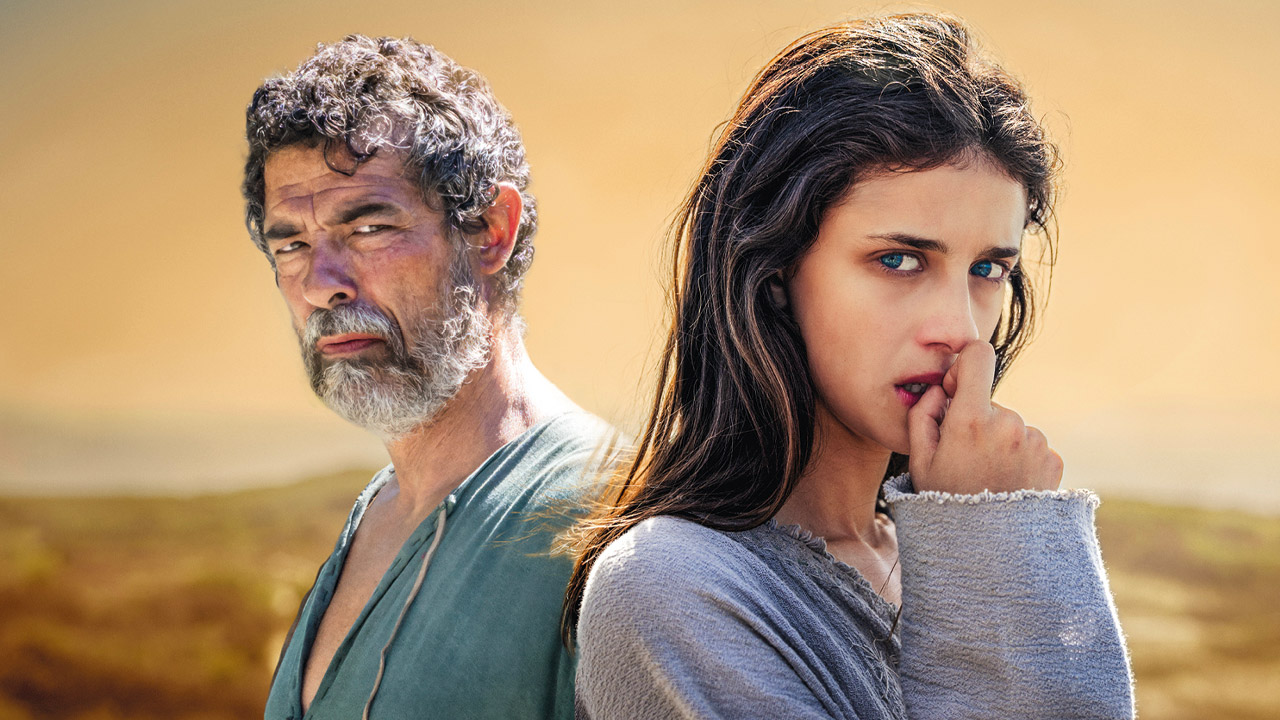
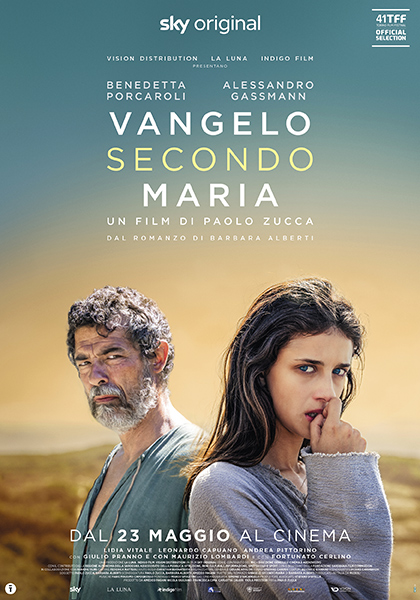
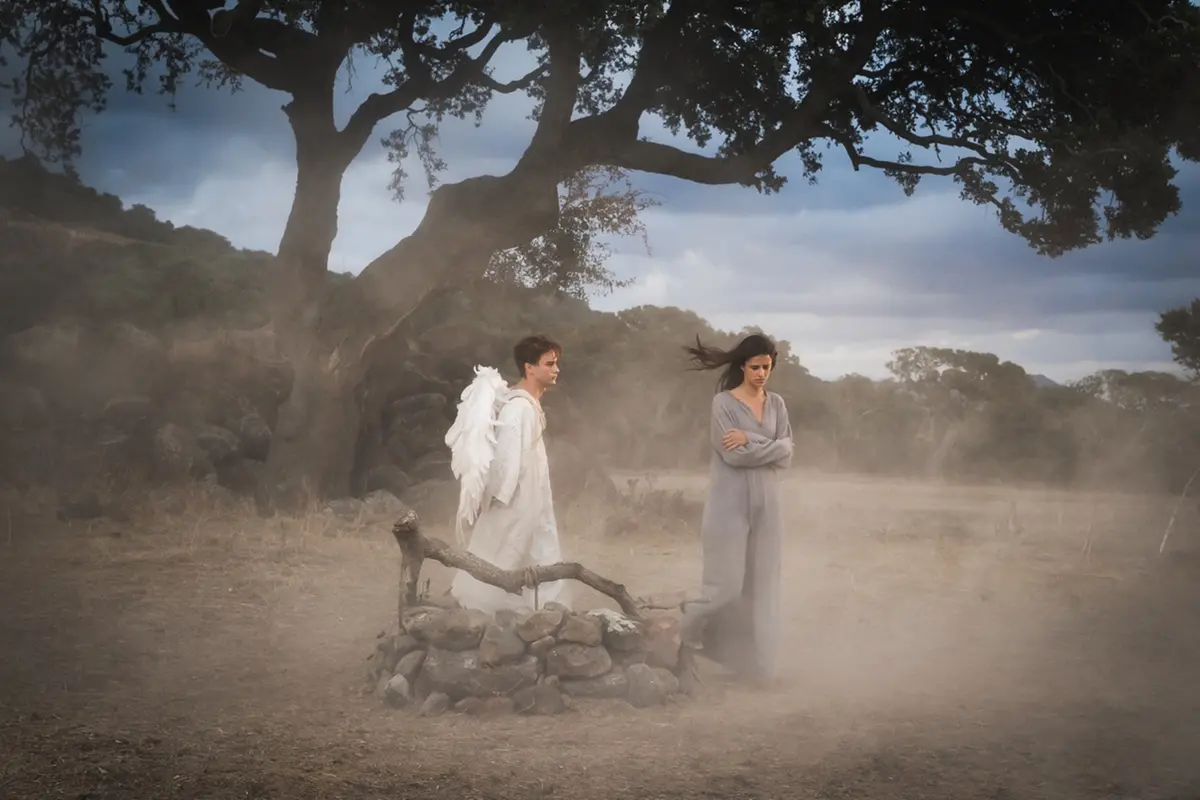
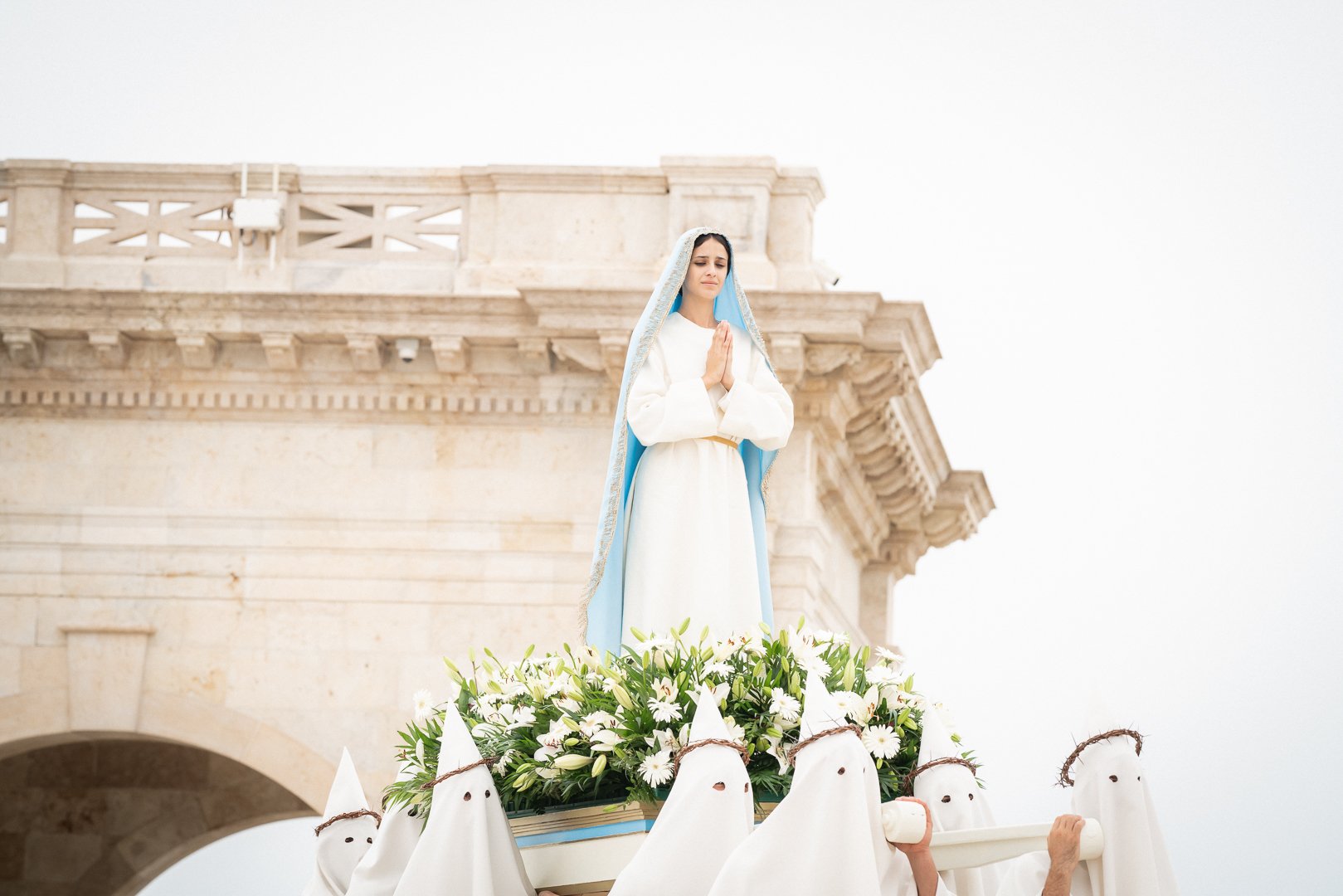
Poster:
Locandina:
pad.mymovies.it/filmclub/2022/09/120/coverlg_home.jpg
pad.mymovies.it/filmclub/2022/09/120/locandina.jpg
www.cinematografo.it/image-service/version/c:M2QyY2FiZTct...
www.artribune.com/wp-content/uploads/2024/06/vangelo-seco...
www.nuovodialogo.com/wp-content/uploads/2024/05/vangelo-s...
.............................................................................
click to activate the small icon of slideshow: the small triangle inscribed in the small rectangle, at the top right, in the photostream (it means the monitor);
or…. Press the “L” button to zoom in the image;
clicca sulla piccola icona per attivare lo slideshow: sulla facciata principale del photostream, in alto a destra c'è un piccolo rettangolo (rappresenta il monitor) con dentro un piccolo triangolo nero;
oppure…. premi il tasto “L” per ingrandire l'immagine;
www.fotografidigitali.it/gallery/2726/opere-italiane-segn...
………………………………………………………………………
I propose here, on Flickr, a photographic story, with descriptive text, of a traditional Sicilian popular festival that is always highly anticipated, it takes place in the town of Fiumedinisi (Messina), in the last 18 years what is called the "Great Feast" has been celebrated only 3 times, always on the second Sunday of August, it was celebrated in 2007, in 2016, this year 2025, in all three editions I took photographs, those that I now present are almost all of the "Great Feast" of this year 2025. The town of Fiumedinisi is inextricably linked to her patron saint, Our Lady of the Annunciation, every year a traditional procession is held on March 24th and 25th, on the 24th the procession is made by the faithful on their knees, they carry a large lit candle with which they help themselves to support themselves, it takes place along a straight path in what is called "street of float" (it joins two churches), the next day there is another traditional procession, the two "Sacred Float," that of the Our Lady of the Annunciation and that of the Archangel Gabriel, are carried on the shoulders, followed by the faithful, through the narrow streets of the town. Then comes the "Great Feast" in August, also linked to the Annunciation, which occurs every year after many years. It is on Christmas Eve that it is announced whether that year will be the year of the Great Feast. At Christmas, "the Son of Man" is born, incarnated in Mary's womb. It is the Archangel Gabriel who announces to Mary the conception of the Son of the Most High. The iconography of the Sacred Representations depicts him kneeling before her, offering her a lily, a symbol of Mary's purity. The "Great Feast" in August has ancient origins dating back to the 16th century, the period of Spanish rule in Sicily. It was initially celebrated on March 25th, the religious feast of the Annunciation of the Lord. Later, towards the end of the 19th century, it was moved to August to allow the many emigrants from all over the world to attend. In short, the "Great Feast" includes a "morning procession" led by three young men who will impersonate the three main characters on the "living float"—the Mary, the Archangel Gabriel, and the Eternal Father. Around 11:00 a.m., the "Great Living Float," a very heavy object carried on shoulders, will make its first journey along the "street of float" (the one traveled on one's knees in March, but also on the eve of the Great Feast) with the barefoot bearers in ordinary clothing. In the afternoon, many boys and girls dressed as angels take their places on special seats on the "Great Living Float", the "three characters" (the Mary, the Archangel Gabriel, and the "Eternal Father" at the top) take their places. Now the Great Float will make the same journey in reverse, carried on the shoulders of devotee-bearers dressed entirely in white, barefoot, thus arriving in the square in front of the church-sanctuary dedicated to Maria SS Annunziata. Once the journey has finished and the Float has been placed on the ground, the ceremony includes, and ends, with an ancient dialect song sung by the children, with microphones, who dress up as Mary and the Archangel Gabriel. A curiosity, this "Great Float", an enormous metal and wood structure, extremely heavy, requires perfect coordination between the bearers. It is essential to raise and lower it in perfect synchrony, with all its "inhabitants" atop it. It is therefore crucial to avoid any oscillations that would be transmitted to the children seated at various heights, and to the Eternal Father, seated very high up. The moments preceding the float's departure, and those following its arrival, are of great concentration, silence is absolute, the launch occurs at the third blow of the hammer, all the devotee-bearers rise in perfect synchrony and "the magic comes to life"...! The Great Machine travels the "street of float" upon its arrival, there is maximum silence, and at the third blow of the hammer the devotee-bearers lower themselves, placing the incredible Living Float on the ground, renewing before our eyes an event of beauty and absolute wonder, the unique magic of an ancient Sicilian feast tradition.
…………………………………
Propongo qui, su Flickr, un racconto fotografico, con testo descrittivo, di una festa tradizionale popolare siciliana sempre molto attesa, si svolge nel paese di Fiumedinisi (Messina), negli ultimi 18 anni quella che è chiamata la “Festa Grande” si è celebrata solo 3 volte, sempre la seconda domenica di agosto, è stata celebrata nel 2007, nel 2016, quest’anno 2025, in tutte e tre le edizioni ho realizzato fotografie, quelle che ora presento sono quasi tutte della “Festa Grande” di quest’anno 2025. Il paese di Fiumedinisi è indissolubilmente legato alla sua santa patrona, Maria SS. Annunziata, ogni anno si tiene una tradizionale processione il 24 e 25 marzo, il 24 la processione viene fatta dai fedeli in ginocchio, essi recano una grossa candela accesa con la quale si aiutano nel sostenersi, si svolge lungo un percorso rettilineo in quella che è chiamata “strada vara” (unisce due chiese), il giorno dopo si ha un’altra processione, classica, le due “Sacre Vare”, quella di Maria SS. Annunziata e quella dell’Arcangelo Gabriele, vengono portate in spalla, seguite dai fedeli, nelle stradine del paese; poi la “Festa Grande” di agosto, legata anch’essa all’Annunciazione, che avviene ogni volta dopo molti anni: è la notte di Natale che si annuncia se quello sarà l’anno della Festa Grande, a Natale nasce “il Figlio dell’Uomo” incarnatosi nel ventre materno di Maria, è l’Arcangelo Gabriele che annuncia a Maria il concepimento del Figlio dell’Altissimo, l’iconografia delle Sacre Rappresentazioni lo raffigura inginocchiarsi al cospetto di Lei porgendole un giglio, simbolo della purezza di Maria. La “Festa Grande” di agosto ha origini antiche che risalgono al XVI secolo, periodo della dominazione spagnola in Sicilia, essa inizialmente veniva celebrata il 25 marzo, con la ricorrenza religiosa dell’Annunciazione del Signore, successivamente verso la fine del XIX secolo venne spostata ad agosto, per consentire ai molti emigrati, provenienti da ogni dove, di potervi assistere. In maniera sintetica, la “Festa Grande” prevede una “processione mattutina” con in testa i tre ragazzi che impersoneranno sulla “vara vivente” i tre principali personaggi, la Maria, l’Arcangelo Gabriele ed il Padre Eterno; verso le ore 11:00 la “Grande Vara Vivente”, pesantissima, portata in spalla farà un primo viaggio lungo la “strada vara” (quella che viene percorsa in ginocchio a marzo, ma anche la vigilia della Festa Grande) con i portatori scalzi, in abiti comuni; il pomeriggio sulla “Grande Vara Vivente” prendono posto su appositi seggiolini tanti bimbi e bimbe, vestiti da angeli, prendono posto i “tre personaggi” (Maria, l’Arcangelo Gabriele, in alto prende posto il “Padre Eterno”), adesso la Grande Vara farà lo stesso percorso inverso, portata sulle spalle dei devoti-portatori vestiti completamente di bianco, scalzi, così giungendo nella piazza davanti la chiesa-santuario dedicata a Maria SS Annunziata, terminato il percorso e deposta a terra la vara, la cerimonia prevede, e termina, con un antico canto dialettale intonato dai ragazzi, microfonati, che vestono i panni di Maria e dell’Arcangelo Gabriele. Una “curiosità”, questa “Vara Ranni” (dialettalmente, Vara Grande), enorme struttura in metallo e legno, pesantissima, necessita di una perfetta coordinazione tra i portatori, è fondamentale alzarla ed abbassarla in perfetto sincronismo, con sopra tutti i suoi “abitanti”, importantissimo quindi evitare qualsiasi oscillazione che si trasmetterebbe sui bimbi seduti a varie altezze, ed al Padre Eterno, seduto molto in alto: gli attimi che precedono la partenza della vara, e quelli che fanno seguito all’arrivo sono di grande concentrazione, il silenzio è massimo, la partenza avviene al terzo colpo di martello, tutti i devoti-portatori si alzano in perfetta sincronia e “la magia prende vita”…! La Grande Macchina percorre la “strada vara”, al suo arrivo, silenzio massimo, al terzo colpo di martello i devoti-portatori si abbassano deponendo a terra quella incredibile Vara Vivente che rinnova davanti ai nostri occhi un evento fatto di bellezza ed assoluta meraviglia, magia unica di una antica tradizione popolare Siciliana.
.....................
Andrea Casciu è un artista che sta facendo parlare molto di sé in questi mesi. Ha voluto lasciare la sua "impronta" anche a San Gavino Monreale.
L’opera è parte del progetto Non solo Murales, evento che ha visto e sta vedendo al lavoro per le strade della cittadina nel sud della Sardegna alcuni dei nomi più importanti della nostra scena. L’intervento realizzato da Andrea Casciu raccoglie l’eredità della particolare ricerca dell’artista, declinata qui da temi e spunti di natura personale.
Come visto l’autore porta avanti un approccio pittorico legato alla rielaborazione del proprio stesso volto attraverso la quale sviluppare ed affrontare temi di varia natura. Influenzato spesso dall’ambiente di lavoro, l’artista modifica gli elementi ed i connotati del proprio volto con l’obiettivo di riflettere su tutte quelle sfaccettature ed emotività che caratterizzano l’essere umano.
Quest’ultima pittura proposta da Andrea Casciu nasce dalla volontà dell’autore di rendere omaggio alla memoria di un amico scomparso lo scorso anno. Il volto si apre celando al proprio interno un grande cuore meccanico dal quale vediamo emergere una serie fiori rossi.
In attesa di scoprire i prossimi spostamenti dell’artista, vi invitiamo a dare un occhiata alle immagini in calce al nostro testo con tutti i dettagli di quest’ultima pittura.
------------------------------------------------------------------
Andrea Casciu is an artist who's been talking a lot about herself over these months. He wanted to leave his "imprint" also in San Gavino Monreale.
The work is part of the project Not only Murales, an event that has seen and is looking at work on the streets of the town in southern Sardinia some of the most important names of our scene. The intervention by Andrea Casciu collects the inheritance of the artist's particular research, which is outlined here by personal themes and ideas.
As seen, the author advances a pictorial approach to the re-elaboration of his own face through which to develop and deal with various themes. Influenced often by the working environment, the artist modifies the elements and the features of his face with the aim of reflecting on all facets and emotions that characterize the human being.
This last painting by Andrea Casciu was born from the author's wish to pay tribute to the memory of a friend who passed away last year. The face opens by concealing a large mechanical heart inside which we see a series of red flowers emerging.
Looking forward to discovering the artist's next move, we invite you to take a look at the images at the foot of our text with all the details of this painting.
……………………………….
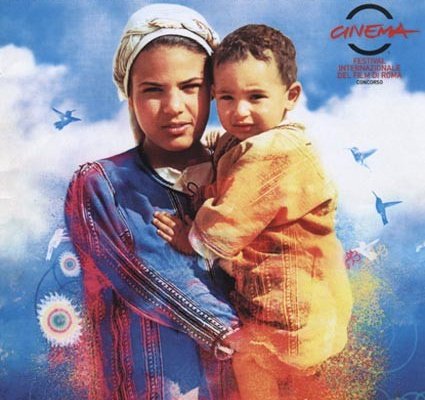
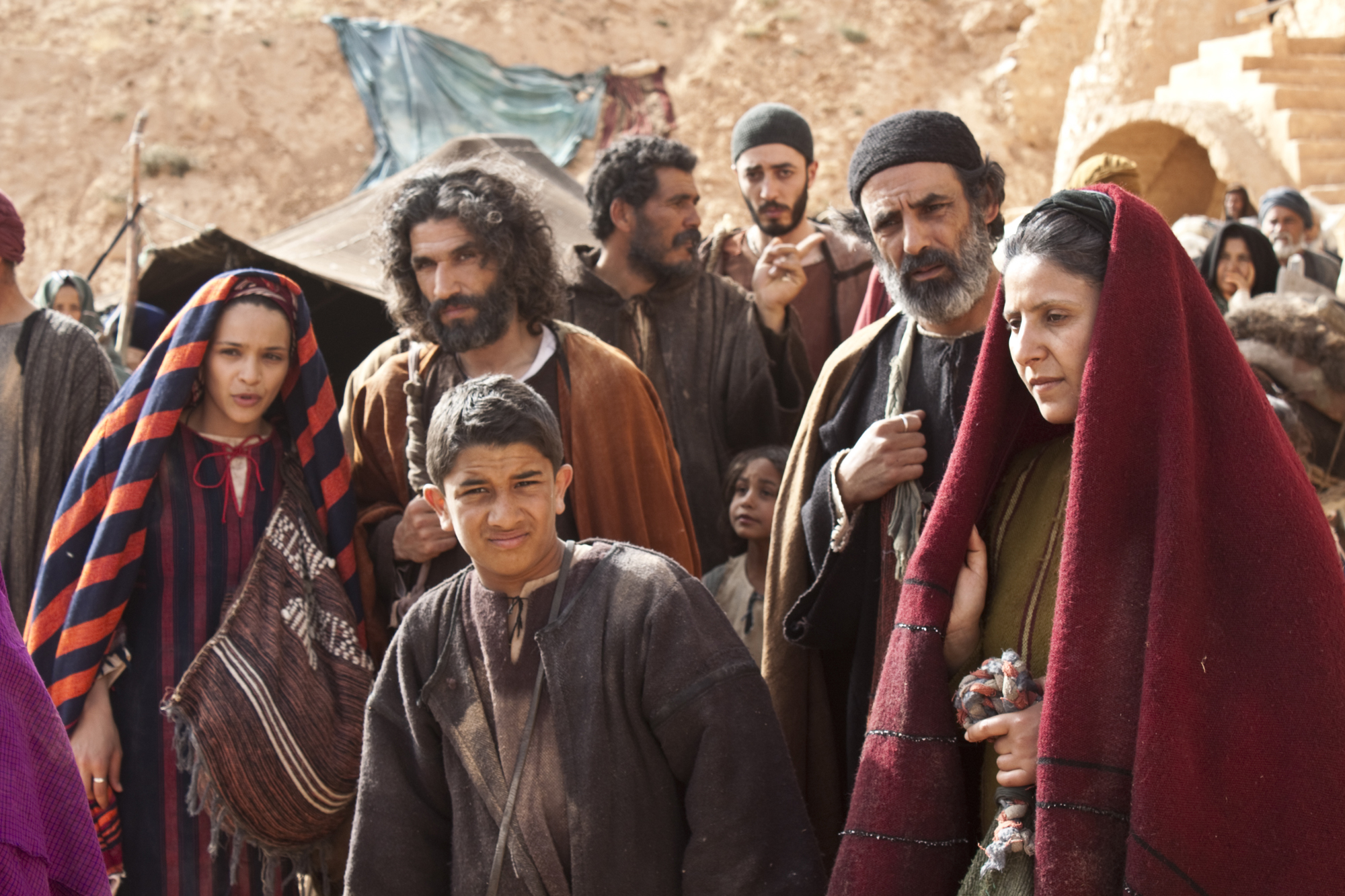
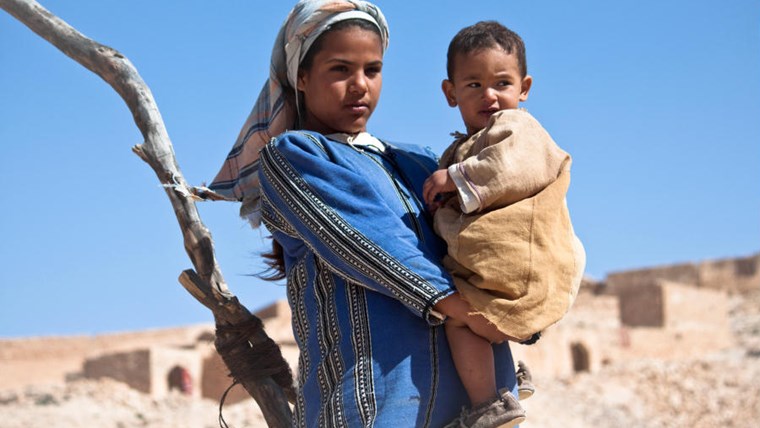
Poster:
Locandina:
movieplayer.net-cdn.it/t/images/2010/11/04/la-locandina-d...
filmitalia.org/Files/2010/10/14/1287087882765.jpg?1287087...
mr.comingsoon.it/rsz/foto/11612.jpg?preset=wide760
upload.wikimedia.org/wikipedia/it/a/a1/Io_sono_con_te_%28...
.JPG)
.............................................................................
click to activate the small icon of slideshow: the small triangle inscribed in the small rectangle, at the top right, in the photostream (it means the monitor);
or…. Press the “L” button to zoom in the image;
clicca sulla piccola icona per attivare lo slideshow: sulla facciata principale del photostream, in alto a destra c'è un piccolo rettangolo (rappresenta il monitor) con dentro un piccolo triangolo nero;
oppure…. premi il tasto “L” per ingrandire l'immagine;
www.fotografidigitali.it/gallery/2726/opere-italiane-segn...
………………………………………………………………………
This photographic story of mine, with descriptive text, was created in Novara di Sicilia (ME) on August 15th of this year, on the occasion of a suggestive traditional religious and popular celebration, that of the Apotheosis of the Assumption (in Heaven), which takes place every 5 years, however due to the bans issued during the Covid, it was not celebrated in 2020, so this celebration had not been held for 10 years. I would like to tell the origins of this ancient tradition, which began with the arrival of the Normans in Sicily around the year 1000. At that time, Southern Italy was a coexistence of peoples, religions, and languages, the most diverse. The majority were the Lombards. There were also the Greeks, with the Greek population of Calabria and Salento (i.e., the Byzantines), with the Greek Church based in Constantinople. It was not a foreign Byzantine domination, but rather the people of those lands for centuries. Then there were the Arabs who had conquered Sicily, and even under the Arabs in Sicily, Greeks, Latins, and Jews coexisted; the populations coexisted with each other, and the leaders waged war against each other. Then, in southern Italy, the Normans arrived, seeking adventure and fortune. They were French from Northern France, and the descendants of the Vikings from Scandinavia. the Norman Roger 1st of Sicily (known as the Great Count Roger) together with his brother, conquered Puglia, Calabria, subsequently they allied themselves with an Arab emir reigning in Sicily, who asked them for help because he was fighting against another Arab emir present in Sicily, Roger landed in Messina in February 1061 managing to occupy the eastern part of Sicily, thirty years after his landing in Sicily, in 1091 Roger could say he was master of all of Sicily; Ancient literature credits Great Count Roger with initiating the celebrations of the Assumption, whose banner featured the image of the Our Lady Ascending to Heaven. Under his patronage, the process of "re-Christianization" of the island began. Devotion to the Virgin was strengthened in the territory of Novara di Sicilia in the 12th century with the arrival of the French abbot Hugh (also proclaimed a saint), sent to Sicily by Bernard of Clairvaux, of the Cistercian Order, which has the figure of the Assumption as a cornerstone of its religious institution. This celebration-feast has seen mixed fortunes. Before the Second World War, the float with the Assumption was carried in procession along with approximately 15 floats of various saints. After that conflict, the bishop banned carrying statues of saints alongside the Assumption. With the Great Jubilee of 2000, the ancient tradition was revived with the Saints preceding the Assumption's exit. They arrive in the town's main square, forming a semicircle, awaiting the arrival of the Assumption, which in the meantime has been carried in procession through the town's streets. Upon her return to the square around midnight, the Assumption of Mary is reunited with all the Saints, giving life to the supreme expression of the Apotheosis of Mary Assumed into Heaven, amidst songs, litanies, and prayers. This, in short, is a great, heartfelt procession that begins in the afternoon and continues late into the night, with the many floats of saints preceding that of the Assumption of Mary, characterized by having their arms raised high, and the presence of more than 150 candles being lit. The official logo of the Solemn Apotheosis of the Assumption encloses the presence of the 15 saints as if they were 15 roses, arranged in a crown around the monogram "M - A" (Our Lady Ascending to Heaven): for Dante Alighieri in the Divine Comedy the "Mystical Rose" is "the Love of God", a symbol of divine perfection, peace, and the beauty of Paradise, linked to the figure of Mary, the Mystical Rose par excellence. Thus the Apotheosis is nothing other than the Embrace that God, through Mary and the Saints, addresses to all men.
…………………………………………………..
Questo mio racconto fotografico, con testo descrittivo, è stato realizzato a Novara di Sicilia (ME) il 15 di agosto di quest’anno, in occasione di una suggestiva celebrazione tradizionale religiosa e popolare, quella della Apoteosi dell’Assunta (in Cielo), che prende vita ogni 5 anni, purtuttavia causa i divieti emanati durante il covid, nel 2020 non venne celebrata, sicchè questa celebrazione era da 10 anni che non veniva svolta. Desidero raccontare le origini di questa antica tradizione, essa nasce con l’arrivo dei Normanni in Sicilia attorno all’Anno Mille, in quel periodo nell’Italia Meridionale c’era una convivenza di popoli, religioni, lingue, le più diverse, la maggioranza era data dai Longobardi, c’erano i Greci, con la popolazione greca della Calabria, del Salento (ovvero i Bizantini) con la Chiesa Greca che faceva capo a Costantinopoli, non era una dominazione bizantina straniera, ma erano i popoli di quelle terre da secoli, poi c'erano gli Arabi che avevano conquistato la Sicilia, ed anche sotto gli arabi in Sicilia, convivenao Greci, Latini, Ebrei, le popolazioni convivevano tra loro, erano i capi che si facevano la guerra tra di loro; poi nel meridione d’Italia arrivarono i Normanni, in cerca di avventura e di fortuna, essi erano francesi della Francia del Nord, essi erano i discendenti dei Vichinghi provenienti dalla Scandinavia; il Normanno Ruggero 1° di Sicilia (detto il Gran Conte Ruggero) insieme al fratello, conquista la Puglia, la Calabria, successivamente si allearono con un emiro arabo regnante in Sicilia, che chiedeva loro aiuto perché in lotta contro un altro emiro arabo presente in Sicilia, Ruggero sbarcò a Messina nel febbraio del 1061 riuscendo ad occupare la parte orientale della Sicilia, dopo trent'anni dal suo sbarco in Sicilia, nel 1091 Ruggero poté dirsi padrone di tutta la Sicilia; l’antica letteratura indica il Gran Conte Ruggero promotore dei festeggiamenti dell’Assunta, sul cui stendardo campeggiava l’immagine dell’Assunta, sotto la cui protezione ebbe inizio il processo di “ricristianizzazione” dell’isola, devozione verso la Vergine che si rafforza nel territorio di Novara di Sicilia nel XII secolo con l’arrivo dell’abate francese Ugo (anch’egli proclamato Santo), inviato in Sicilia da Bernardo di Chiaravalle, dell’Ordine Cistercense, che ha come pilastro portante la figura dell’Assunta nella sua istituzione religiosa. Questa celebrazione-festa ha visto alterne fortune, prima del secondo conflitto mondiale la vara con l’Assunta veniva portata in processione assieme a circa 15 vare di diversi santi, dopo tale conflitto ci fu il divieto vescovile di portare le statue dei santi insieme all’Assunta; col Grande Giubileo del 2000 l’antica tradizione riprese vita coi Santi che precedono l’uscita dell’Assunta, giungendo nella piazza principale del paese, disponendosi a semicerchio, aspettando l’arrivo dell’Assunta che nel frattempo è stata condotta in processione nelle vie del paese, al suo rientro in piazza verso mezzanotte Maria Assunta si ricongiunge con tutti i Santi, dando vita alla massima espressione dell’Apoteosi di Maria Assunta in Cielo, tra canti, litanie e preghiere. Questa, in sintesi, è una grande, sentita, processione che inizia nel pomeriggio, per proseguire a notte fonda, con le tante vare di santi che precedono quella di Maria Assunta, caratterizzata dall'avere le braccia rivolte in alto, e la presenza di più di 150 candele che vengono accese. Il logo ufficiale della Solenne Apoteosi dell’Assunta racchiude la presenza dei 15 santi come fossero 15 rose, disposte a corona attorno al monogramma “M – A” (Madonna Assunta): per Dante Alighieri nella Divina Commedia la “Rosa Mistica” è “l’Amore di Dio”, simbolo della perfezione divina, pace, bellezza del Paradiso, collegata alla figura di Maria, Rosa Mistica per eccellenza, ecco che l’Apoteosi altro non è che l’Abbraccio che Dio, tramite Maria ed i Santi, rivolge a tutti gli uomini.
……………………………………………………………..
I found a restaurant near the State Capital and I decided to eat lunch but these women had something else to do. Is this progress?
Ho trovato un ristorante vicino alla capitale dello Stato e ho deciso di mangiare a pranzo ma queste donne avevano altro da fare. E 'questo il progresso?
……………………………….
Poster:
Locandina:
pad.mymovies.it/filmclub/2022/09/120/coverlg_home.jpg
pad.mymovies.it/filmclub/2022/09/120/locandina.jpg
www.cinematografo.it/image-service/version/c:M2QyY2FiZTct...
www.artribune.com/wp-content/uploads/2024/06/vangelo-seco...
www.nuovodialogo.com/wp-content/uploads/2024/05/vangelo-s...
.............................................................................
click to activate the small icon of slideshow: the small triangle inscribed in the small rectangle, at the top right, in the photostream (it means the monitor);
or…. Press the “L” button to zoom in the image;
clicca sulla piccola icona per attivare lo slideshow: sulla facciata principale del photostream, in alto a destra c'è un piccolo rettangolo (rappresenta il monitor) con dentro un piccolo triangolo nero;
oppure…. premi il tasto “L” per ingrandire l'immagine;
www.fotografidigitali.it/gallery/2726/opere-italiane-segn...
………………………………………………………………………
I propose here, on Flickr, a photographic story, with descriptive text, of a traditional Sicilian popular festival that is always highly anticipated, it takes place in the town of Fiumedinisi (Messina), in the last 18 years what is called the "Great Feast" has been celebrated only 3 times, always on the second Sunday of August, it was celebrated in 2007, in 2016, this year 2025, in all three editions I took photographs, those that I now present are almost all of the "Great Feast" of this year 2025. The town of Fiumedinisi is inextricably linked to her patron saint, Our Lady of the Annunciation, every year a traditional procession is held on March 24th and 25th, on the 24th the procession is made by the faithful on their knees, they carry a large lit candle with which they help themselves to support themselves, it takes place along a straight path in what is called "street of float" (it joins two churches), the next day there is another traditional procession, the two "Sacred Float," that of the Our Lady of the Annunciation and that of the Archangel Gabriel, are carried on the shoulders, followed by the faithful, through the narrow streets of the town. Then comes the "Great Feast" in August, also linked to the Annunciation, which occurs every year after many years. It is on Christmas Eve that it is announced whether that year will be the year of the Great Feast. At Christmas, "the Son of Man" is born, incarnated in Mary's womb. It is the Archangel Gabriel who announces to Mary the conception of the Son of the Most High. The iconography of the Sacred Representations depicts him kneeling before her, offering her a lily, a symbol of Mary's purity. The "Great Feast" in August has ancient origins dating back to the 16th century, the period of Spanish rule in Sicily. It was initially celebrated on March 25th, the religious feast of the Annunciation of the Lord. Later, towards the end of the 19th century, it was moved to August to allow the many emigrants from all over the world to attend. In short, the "Great Feast" includes a "morning procession" led by three young men who will impersonate the three main characters on the "living float"—the Mary, the Archangel Gabriel, and the Eternal Father. Around 11:00 a.m., the "Great Living Float," a very heavy object carried on shoulders, will make its first journey along the "street of float" (the one traveled on one's knees in March, but also on the eve of the Great Feast) with the barefoot bearers in ordinary clothing. In the afternoon, many boys and girls dressed as angels take their places on special seats on the "Great Living Float", the "three characters" (the Mary, the Archangel Gabriel, and the "Eternal Father" at the top) take their places. Now the Great Float will make the same journey in reverse, carried on the shoulders of devotee-bearers dressed entirely in white, barefoot, thus arriving in the square in front of the church-sanctuary dedicated to Maria SS Annunziata. Once the journey has finished and the Float has been placed on the ground, the ceremony includes, and ends, with an ancient dialect song sung by the children, with microphones, who dress up as Mary and the Archangel Gabriel. A curiosity, this "Great Float", an enormous metal and wood structure, extremely heavy, requires perfect coordination between the bearers. It is essential to raise and lower it in perfect synchrony, with all its "inhabitants" atop it. It is therefore crucial to avoid any oscillations that would be transmitted to the children seated at various heights, and to the Eternal Father, seated very high up. The moments preceding the float's departure, and those following its arrival, are of great concentration, silence is absolute, the launch occurs at the third blow of the hammer, all the devotee-bearers rise in perfect synchrony and "the magic comes to life"...! The Great Machine travels the "street of float" upon its arrival, there is maximum silence, and at the third blow of the hammer the devotee-bearers lower themselves, placing the incredible Living Float on the ground, renewing before our eyes an event of beauty and absolute wonder, the unique magic of an ancient Sicilian feast tradition.
…………………………………
Propongo qui, su Flickr, un racconto fotografico, con testo descrittivo, di una festa tradizionale popolare siciliana sempre molto attesa, si svolge nel paese di Fiumedinisi (Messina), negli ultimi 18 anni quella che è chiamata la “Festa Grande” si è celebrata solo 3 volte, sempre la seconda domenica di agosto, è stata celebrata nel 2007, nel 2016, quest’anno 2025, in tutte e tre le edizioni ho realizzato fotografie, quelle che ora presento sono quasi tutte della “Festa Grande” di quest’anno 2025. Il paese di Fiumedinisi è indissolubilmente legato alla sua santa patrona, Maria SS. Annunziata, ogni anno si tiene una tradizionale processione il 24 e 25 marzo, il 24 la processione viene fatta dai fedeli in ginocchio, essi recano una grossa candela accesa con la quale si aiutano nel sostenersi, si svolge lungo un percorso rettilineo in quella che è chiamata “strada vara” (unisce due chiese), il giorno dopo si ha un’altra processione, classica, le due “Sacre Vare”, quella di Maria SS. Annunziata e quella dell’Arcangelo Gabriele, vengono portate in spalla, seguite dai fedeli, nelle stradine del paese; poi la “Festa Grande” di agosto, legata anch’essa all’Annunciazione, che avviene ogni volta dopo molti anni: è la notte di Natale che si annuncia se quello sarà l’anno della Festa Grande, a Natale nasce “il Figlio dell’Uomo” incarnatosi nel ventre materno di Maria, è l’Arcangelo Gabriele che annuncia a Maria il concepimento del Figlio dell’Altissimo, l’iconografia delle Sacre Rappresentazioni lo raffigura inginocchiarsi al cospetto di Lei porgendole un giglio, simbolo della purezza di Maria. La “Festa Grande” di agosto ha origini antiche che risalgono al XVI secolo, periodo della dominazione spagnola in Sicilia, essa inizialmente veniva celebrata il 25 marzo, con la ricorrenza religiosa dell’Annunciazione del Signore, successivamente verso la fine del XIX secolo venne spostata ad agosto, per consentire ai molti emigrati, provenienti da ogni dove, di potervi assistere. In maniera sintetica, la “Festa Grande” prevede una “processione mattutina” con in testa i tre ragazzi che impersoneranno sulla “vara vivente” i tre principali personaggi, la Maria, l’Arcangelo Gabriele ed il Padre Eterno; verso le ore 11:00 la “Grande Vara Vivente”, pesantissima, portata in spalla farà un primo viaggio lungo la “strada vara” (quella che viene percorsa in ginocchio a marzo, ma anche la vigilia della Festa Grande) con i portatori scalzi, in abiti comuni; il pomeriggio sulla “Grande Vara Vivente” prendono posto su appositi seggiolini tanti bimbi e bimbe, vestiti da angeli, prendono posto i “tre personaggi” (Maria, l’Arcangelo Gabriele, in alto prende posto il “Padre Eterno”), adesso la Grande Vara farà lo stesso percorso inverso, portata sulle spalle dei devoti-portatori vestiti completamente di bianco, scalzi, così giungendo nella piazza davanti la chiesa-santuario dedicata a Maria SS Annunziata, terminato il percorso e deposta a terra la vara, la cerimonia prevede, e termina, con un antico canto dialettale intonato dai ragazzi, microfonati, che vestono i panni di Maria e dell’Arcangelo Gabriele. Una “curiosità”, questa “Vara Ranni” (dialettalmente, Vara Grande), enorme struttura in metallo e legno, pesantissima, necessita di una perfetta coordinazione tra i portatori, è fondamentale alzarla ed abbassarla in perfetto sincronismo, con sopra tutti i suoi “abitanti”, importantissimo quindi evitare qualsiasi oscillazione che si trasmetterebbe sui bimbi seduti a varie altezze, ed al Padre Eterno, seduto molto in alto: gli attimi che precedono la partenza della vara, e quelli che fanno seguito all’arrivo sono di grande concentrazione, il silenzio è massimo, la partenza avviene al terzo colpo di martello, tutti i devoti-portatori si alzano in perfetta sincronia e “la magia prende vita”…! La Grande Macchina percorre la “strada vara”, al suo arrivo, silenzio massimo, al terzo colpo di martello i devoti-portatori si abbassano deponendo a terra quella incredibile Vara Vivente che rinnova davanti ai nostri occhi un evento fatto di bellezza ed assoluta meraviglia, magia unica di una antica tradizione popolare Siciliana.
..........................................
Dopo 9 anni torna l’emozionante Festa della Vara a Fiumedinisi
FIUMEDINISI (ME) - Festa della Vara edizione 2025
I momenti emozionanti della Vara di Fiumedinisi in processione con tanti angioletti
Fiumedinisi ( ME ) - Festa della Vara - I Viaggi - 09 /08 / 2025
Fiumedinisi ( ME ) - Festa della Vara - 10 / 08 /2025
……………………………………………
VANGELO SECONDO MARIA (2024) Trailer | Benedetta Porcaroli, Alessandro Gassmann
Benedetta Porcaroli e Alessandro Gassmann sul film | Vangelo Secondo Maria
Vangelo secondo Maria, incontro stampa con Alessandro Gassmann, Benedetta Porcaroli, Barbara Alberti
Vangelo secondo Maria, di Paolo Zucca - Clip 2
Vangelo secondo Maria - Prima Clip Ufficiale
Effetto Notte (TV2000) - “Il Vangelo secondo Maria”, Alessandro Gassmann e Benedetta Porcaroli
Vangelo secondo Maria, Barbara Alberti: più che scomodare la Madonna, l'ho fatta sorridere
................................................
The house on the edge of the evening...
Chiedo scusa a Francesco Guccini se questa casa mi ha fatto venire in mente il testo della sua canzone "Radici":
La casa sul confine della sera
Oscura e silenziosa se ne sta
Respiri un'aria limpida e leggera
E senti voci forse di altra età
E senti voci forse di altra età
La casa sul confine dei ricordi
La stessa sempre, come tu la sai
E tu ricerchi là le tue radici
Se vuoi capire l'anima che hai
Se vuoi capire l'anima che hai
I apologize to Francesco Guccini if this house reminded me of the lyrics of his song "Radici" ("Roots"):
The house on the edge of the evening
It stands dark and silent
You breathe a clear and light air
And you hear voices perhaps from another age
And you hear voices perhaps from another age
The house on the edge of memories
The same one always, as you know it
And you search for your roots there
If you want to understand the soul you have
If you want to understand the soul you have
.……………………………….
- “Do not touch me…”
Gospel of John, chapter 20, verse 17 (John 20, 17)
+++++++++++++++++++++
I was with you, Father,
at the moment of creation.
I could not fail to know the elements and master them.
What would it be to
lift the stone of a tomb
compared to your will as Creator?
You taught me how the world is composed
and made me your son,
but I was a participant
in creation.
The followers who followed me
believed in You and in me,
Your son.
They will be happy to see me rise again,
but I will weep
for those still chained
in hell,
and my hands
will silence their strident cries.
Poor souls,
who migrate toward nothingness.
The fear,
God,
of these blind depths,
of these people who have not had
the splendor of your reins.
Because you do not know,
Father,
what it means
to sit at Your right hand
as a king.
A gentle but not cowardly king
who mediates
between your divine wrath
and the lust and unbelief of man.
I,
who am just,
love man
and ask your forgiveness
through this slow agony
that has lasted for centuries
for the world.
Behold, Lord, I give you back my spirit
in the form of a white dove
that will fly toward heaven.
And no other way
have you built peace
than with the groins of a bird
that brings the olive branch to your lips.
Father,
I will rise again,
and I will sit at your right hand.
POEM OF THE CROSS - Alda Merini
+++++++++++++++++++++++++++++++++++++
- “Noli me tangere …”
Vangelo di Giovanni, capitolo 20, versetto 17 (Giovanni 20, 17)
++++++++++++++++++
- Ero con te, Padre,
al momento della creazione.
Non potevo non conoscere gli elementi e dominarli.
Cosa vuoi che sia
sollevare la pietra di un sepolcro
in confronto alla tua volontà di Creatore.
Tu mi hai insegnato come è composto il mondo
e mi hai reso figlio,
ma ero partecipe
della creazione.
I seguaci che mi hanno seguito
hanno creduto in Te e in me,
Tuo figlio.
Saranno felici di vedermi risorgere,
ma io piangerò
per quelli che sono ancora incatenati
nell'inferno
e le mie mani
faranno tacere i loro stridori.
Povere anime,
che migrano verso il nulla.
Lo spavento,
Dio,
di queste profondità cieche,
di questa gente che non ha avuto
lo splendore delle tue redini.
Perché tu non sai,
Padre,
cosa vuol dire
sedere alla Tua destra
in veste di re.
Un re mite ma non codardo
che fa da intermediario
tra la tua collera divina
e la lussuria e la miscredenza dell'uomo.
Io,
che sono giusto,
amo l'uomo
e ti chiedo perdono
attraverso questa lenta agonia
che dura da secoli
per il mondo.
Ecco, Signore, io ti rendo il mio spirito
in forma di bianca colomba
che volerà verso il cielo.
E non altrimenti
Tu hai costruito la pace
se non con gli inguini di un uccello
che porta l'ulivo alle tue labbra.
Padre,
io risorgerò,
e siederò alla Tua destra.
POEMA DELLA CROCE - Alda Merini
-----------------------------------------------------------------
click to activate the icon of slideshow: the small triangle inscribed in the small rectangle, at the top right, in the photostream;
or…. Press the “L” button to zoom in the image;
clicca sulla piccola icona per attivare lo slideshow: sulla facciata principale del photostream, in alto a destra c'è un piccolo rettangolo (rappresenta il monitor) con dentro un piccolo triangolo nero;
oppure…. premi il tasto “L” per ingrandire l'immagine;
www.worldphoto.org/sony-world-photography-awards/winners-...
www.fotografidigitali.it/gallery/2726/opere-italiane-segn...
…………………………………………………………………
This photographic story, with text, which I propose as my last work for Flickr in 2025 (2026 is now just a few minutes away), tells of the procession of the Holy Crucifix of Aracoeli, which took place in March of this year 2025 in the town of San Marco d'Alunzio (in the province of Messina). The procession normally begins on the morning of the last Friday of March each year, but there is an exception to this rule: when it coincides with Good Friday, then the procession is brought forward to the previous Friday. The procession of the Holy Crucifix of Aracoeli is an ancient penitential rite. On the feast day of the Crucifix, Holy Mass is celebrated in the Church of Aracoeli in San Marco d'Alunzio. On this occasion, the Holy Crucifix is celebrated. Crucifix (which is located in the church at the end of the right nave, at its feet is the painting of the Virgin of Sorrows pierced by seven swords), Christ on the Cross is removed by the devotees from the hook on which it is hanging, is carried outside the church, here it is raised and fixed on the float, the sermon of the priest who has climbed onto the float next to the Crucifix takes over, under the Cross is fixed the painting of His Sorrowful Mother, then they are carried in procession by the men (and women) in blue hoods called "babbaluti", they proceed invoking the pity and mercy of the Lord with a constant and rhythmic lament, saying "Signuri, Misericordia, Pietà!"; this is the norm, but this year the bad weather has brought some changes, the float on which they hoisted the SS. The crucifix with the kneeling babbaluti was not located in the churchyard, but inside the church. Christ was covered with a large sheet of cellophane to protect it from the rain, while the painting of the Madonna with swords in her heart was placed at her Son's feet only after the procession returned to the church. San Marco d'Alunzio is a charming town in the Messina area, located in the Nebrodi Mountains of Sicily. The procession takes place in honor of the Holy Crucifix of Araceli. This religious-penitential event is also known as the "procession of the babbaluti." These are those who, by vow or grace received, have chosen to carry the fercolo containing the crucifix and the painting on their shoulders in procession. they head to the nearby Church of Santa Maria dei Poveri or to some private home nearby where, sheltered from the curiosity of the faithful, they wear a simple but characteristic indigo-colored cloth habit, consisting of a tunic and a conical hood that covers the entire body and leaves only the eyes and hands free. It is not uncommon, however, for the penitents, rendered anonymous by the habit they wear, to also include women, who, to avoid any possibility of recognition, wear a pair of gloves; The babbaluti are 33 in number to commemorate the 33 years of Christ. The number is odd, in fact the 33rd babbaluto does not carry the vara. He (should be the “capo vara”) proceeds backwards, looking towards Christ and his Mother, and at the same time checks that everything is in order among the babbaluti, guiding the vara along the path, even if it is moving backwards (this is a way of proceeding in carrying the vara or fercolo, present in various Sicilian religious processions). So, the 32 (+1) "babbaluti" carry on their shoulders the float that bears the Holy Crucifix of the Araceli church (the statue of Christ was created by Scipione Li Volsi, in the year 1652, he was a sculptor and plasterer of the Sicilian Baroque), at whose feet, on the float, is tied the painting of Our Lady of Sorrows, whose chest appears pierced by seven swords (it is an 18th century painting), however, as already described, this year the painting, to protect it from the rain, was placed on the float only upon the return of the procession to the church. Before the procession begins, the babbaluti advance barefoot, wearing only heavy, hand-knitted stockings of raw wool. Before entering the church, they must walk a path of purification. When they approach the ancient church of Araceli, they bow and kiss the ground, thus receiving permission to enter the church. This, however, occurs through a side door, called the "false door" (in Sicilian dialect, "porta fausa"). Having entered the church from the side, they now exit through the main entrance, allowing them to take their places, kneeling in front and behind the float. To enter the "porta fausa," the babbaluti proceed in pairs, with the last babbaluti, the eldest, proceeding alone. After the priest's long-awaited speech, the procession can begin, winding through the streets of the picturesque and welcoming village of San Marco d'Alunzio. Along the way, the Babbaluti pace their steps, accompanying the mournful and plaintive jugular vein that invokes the Lord. Devout men and women walk alongside the Babbaluti, walking alongside the float, touching it, sometimes caressing it... just to have physical (and spiritual) contact with it. Finally, after completing a specific route, the procession returns to the ancient church (of Norman origins) of Aracoeli. Every time I attend this touching event, I am completely overwhelmed by emotion (which, however, I cannot abandon, lest I lose concentration while taking photos). The highlight is when the crucified Christ is removed from the hook fixed to the wall by expert men, and then carried (it seems to float) above the heads of the devotees, supported aloft with their hands, and hoisted and secured to the float. In these moments of intense emotion, it is common to see in the eyes of the devotees, shining with tears, that profound emotion of their relationship with this Christ, which has lasted forever: it is as if they were in the presence of the true Christ, in flesh and blood. This is the atmosphere experienced in those moments, this is the magic of the procession of the Most Holy Crucifix and His Mother, represented by the painting of Our Lady of Sorrows pierced by seven swords (an iconography of Spanish origin).
+++++++++++++++++++++++++++++++++++++++++
Il presente racconto fotografico, con testo, che propongo come ultimo mio lavoro per Flickr dell’anno 2025 (oramai mancano pochi minuti al 2026) parla della processione del Santissimo Crocifisso di Aracoeli che si è tenuto nel marzo di quest’anno 2025 nel paese di San Marco d’Alunzio (in provincia di Messina). La processione normalmente inizia la mattina dell’ultimo venerdì del mese di marzo di ogni anno, c’è però una eccezione a questa regola, quando si realizza la coincidenza col Venerdì Santo, allora la processione viene anticipata al venerdì precedente. Quella del SS.Crocifisso di Aracoeli è un antico rito penitenziale, il giorno della festa del Crocifisso, a San Marco d'Alunzio si celebra la S. Messa nella Chiesa dell'Aracoeli, in questa occasione il SS. Crocifisso (che si trova nella chiesa in fondo alla navata di destra, ai suoi piedi è posto il quadro della Vergine Addolorata trafitta da sette spade), il Cristo sulla Croce viene tolto dai devoti dal gancio sul quale è appeso, viene portato all’esterno della chiesa, qui viene innalzato e fissato sulla vara, subentra il sermone del sacerdote salito sulla vara accanto al Crocifisso, sotto alla Croce viene fissato il quadro di sua Madre Addolorata, quindi vengono portati in processione dagli uomini (e donne) incappucciati di colore blu detti “babbaluti”, essi procedono invocando la pietà e la misericordia del Signore con un costante e ritmato lamento, dicendo “Signuri, Misericordia, Pietà!”; questa è la norma, ma quest’anno il cattivo tempo ha portato qualche cambiamento, la vara sulla quale hanno issato il SS. Crocifisso con i babbaluti messi in ginocchio, non si trovava sul sagrato davanti la chiesa, ma era dentro la chiesa, il Cristo veniva ricoperto con un ampio foglio di cellophane per proteggerlo dalla pioggia, mentre il quadro della Madonna con le spade nel cuore, è stato messo ai piedi di Suo Figlio solo al rientro della processione nella chiesa. San Marco d’Alunzio è un ameno paese del territorio Messinese, sito sui monti Nebrodi, in Sicilia; la processione si svolge proprio in onore del Santissimo Crocifisso di Araceli, è questa una ricorrenza religioso-penitenziale conosciuta anche come "processione dei babbaluti", essi sono coloro che per voto o per grazia ricevuta, hanno deciso di portare in processione sulle loro spalle il fercolo con il Crocifisso ed il quadro; essi si dirigono nella vicina Chiesa di Santa Maria dei Poveri o in qualche abitazione privata lì vicino dove, al riparo dalla curiosità dei fedeli, indossano un semplice ma caratteristico saio di tela di colore indaco, costituito da una tunica e un cappuccio di forma conica tale da coprire l'intero corpo e lasciare liberi solo gli occhi e le mani, non è raro purtuttavia che tra i penitenti, resi anonimi dal saio che indossano, vi siano anche delle donne, le quali per evitare qualsiasi possibilità di riconoscimento, indossano un paio di guanti; i babbaluti sono in numero di 33 per rievocare i 33 anni di Cristo, il numero è dispari, infatti il 33° babbaluto non porta la vara, egli (dovrebbe essere il “capo vara”) procede all’indietro, rivolgendo lo sguardo al Cristo ed a sua Madre, e nel contempo controlla che tutto sia in ordine tra i babbaluti, guidando la vara lungo il percorso, anche se il suo andamento è a ritroso, (questo è un modo di procedere nel portare la vara o fercolo, presente in diverse processioni religiose siciliane). Quindi, i 32 (+1) "babbaluti" portano sulle loro spalle la vara che reca il Santo Crocifisso della chiesa dell’Araceli (la statua del Cristo è stata creata da Scipione Li Volsi, nell'anno 1652, egli fu uno scultore e stuccatore del barocco SIciliano), ai cui piedi, sulla vara, viene legato il quadro della Madonna Addolorata, il cui petto appare trafitto da sette spade ( è un dipinto del XVIII secolo), purtuttavia come già descritto, quest’anno il quadro, per proteggerlo dalla pioggia, è stato messo sulla vara solo al rientro della processione in chiesa. I babbaluti prima dell'inizio della processione avanzano a piedi scalzi indossando solo delle pesanti calze di lana grezza realizzate a mano, devono percorrere, prima di entrare in chiesa, un cammino di purificazione: quando essi giungono in prossimità dell'antica chiesa dell'Araceli, essi si chinano e baciano in terra, ricevendo in tal modo il permesso per poter accedere dentro la chiesa, questo però avviene da una porta laterale, chiamata "falsa porta" (In dialetto siciliano “porta fausa”), una volta entrati in chiesa lateralmente, ora fuoriescono dall'ingresso principale, potendo così prendere posto, inginocchiandosi sul davanti ed alle spalle, della vara; i babbaluti per accedere alla “porta fausa” procedono in coppia, l’ultimo babbaluto procede da solo, lui è il più anziano tra i babbaluti; seguirà l'atteso discorso del sacerdote, terminato, potrà iniziare la processione che si svolge per le vie del pittoresco ed accogliente paese di San Marco d'Alunzio. Lungo il percorso i Babbaluti cadenzano la propria andatura accompagnandosi alla mesta e lamentosa giugulatoria che invoca il Signore . Ci sono uomini e donne devoti che procedono assieme ai babbaluti camminando a lato della vara, toccandola, ora accarezzandola...pur di avere un contatto fisico (e di rimando spirituale) con essa. Infine, dopo aver compiuto un preciso percorso, la processione fa rientro nell'antica chiesa (di origini Normanne) dell'Aracoeli. Ogniqualvolta sono presente a questa toccante ricorrenza sono completamente inondato da emozioni (alle quali però non posso abbandonarmi, perderei la concentrazione nel realizzare le foto), il momento clou è quando il Cristo Crocifisso viene tolto dal gancio fissato sul muro da uomini esperti, per poi essere portato (sembra galleggiare) sopra la testa dei devoti, sostenuto in alto con le mani, ed essere issato e fissato sulla vara; in questi momenti di intensa emozione è comune vedere negli occhi dei devoti, lucidi di lacrime, quella emozione profonda del loro rapporto con questo Cristo, che dura da sempre: è come se si trovassero al cospetto del Cristo vero, in carne ed ossa, questa è l’atmosfera che si vive in quei momenti, questa è la magia della processione del SS. Crocifisso e di Sua Madre, rappresentata dal quadro dell’Addolorata trafitta da sette spade (iconografia di origine spagnola).
++++++++++++++++++++++++++++++++++++++++
San Marco d'Alunzio: tradizione e devozione nella Festa del Crocifisso
la storia dei babbaluti Festa del Crocifisso San Marco D'Alunzio (ME)
FESTA DEL CROCIFISSO 2023 - San Marco D'Alunzio (Me)
Festa del SS. CROCIFISSO di ARA COELI - San Marco d'Alunzio
………………………………………………….
OUT 1: Noli me tangere TRAILER Coming Soon
Michael Lonsdale dans "Out 1, noli me tangere" (1971) [Quatrième Épisode] de Jacques Rivette
Out 1 de Jacques Rivette : teaser Éric Rohmer
Out 1 de Jacques Rivette : teaser Michael Lonsdale
Michael Lonsdale dans "Out 1, noli me tangere" (1971) [Premier Épisode] de Jacques Rivette
..........................................................................
……………………………….
Poster:
Locandina:
pad.mymovies.it/filmclub/2022/09/120/coverlg_home.jpg
pad.mymovies.it/filmclub/2022/09/120/locandina.jpg
www.cinematografo.it/image-service/version/c:M2QyY2FiZTct...
www.artribune.com/wp-content/uploads/2024/06/vangelo-seco...
www.nuovodialogo.com/wp-content/uploads/2024/05/vangelo-s...
.............................................................................
click to activate the small icon of slideshow: the small triangle inscribed in the small rectangle, at the top right, in the photostream (it means the monitor);
or…. Press the “L” button to zoom in the image;
clicca sulla piccola icona per attivare lo slideshow: sulla facciata principale del photostream, in alto a destra c'è un piccolo rettangolo (rappresenta il monitor) con dentro un piccolo triangolo nero;
oppure…. premi il tasto “L” per ingrandire l'immagine;
www.fotografidigitali.it/gallery/2726/opere-italiane-segn...
………………………………………………………………………
I propose here, on Flickr, a photographic story, with descriptive text, of a traditional Sicilian popular festival that is always highly anticipated, it takes place in the town of Fiumedinisi (Messina), in the last 18 years what is called the "Great Feast" has been celebrated only 3 times, always on the second Sunday of August, it was celebrated in 2007, in 2016, this year 2025, in all three editions I took photographs, those that I now present are almost all of the "Great Feast" of this year 2025. The town of Fiumedinisi is inextricably linked to her patron saint, Our Lady of the Annunciation, every year a traditional procession is held on March 24th and 25th, on the 24th the procession is made by the faithful on their knees, they carry a large lit candle with which they help themselves to support themselves, it takes place along a straight path in what is called "street of float" (it joins two churches), the next day there is another traditional procession, the two "Sacred Float," that of the Our Lady of the Annunciation and that of the Archangel Gabriel, are carried on the shoulders, followed by the faithful, through the narrow streets of the town. Then comes the "Great Feast" in August, also linked to the Annunciation, which occurs every year after many years. It is on Christmas Eve that it is announced whether that year will be the year of the Great Feast. At Christmas, "the Son of Man" is born, incarnated in Mary's womb. It is the Archangel Gabriel who announces to Mary the conception of the Son of the Most High. The iconography of the Sacred Representations depicts him kneeling before her, offering her a lily, a symbol of Mary's purity. The "Great Feast" in August has ancient origins dating back to the 16th century, the period of Spanish rule in Sicily. It was initially celebrated on March 25th, the religious feast of the Annunciation of the Lord. Later, towards the end of the 19th century, it was moved to August to allow the many emigrants from all over the world to attend. In short, the "Great Feast" includes a "morning procession" led by three young men who will impersonate the three main characters on the "living float"—the Mary, the Archangel Gabriel, and the Eternal Father. Around 11:00 a.m., the "Great Living Float," a very heavy object carried on shoulders, will make its first journey along the "street of float" (the one traveled on one's knees in March, but also on the eve of the Great Feast) with the barefoot bearers in ordinary clothing. In the afternoon, many boys and girls dressed as angels take their places on special seats on the "Great Living Float", the "three characters" (the Mary, the Archangel Gabriel, and the "Eternal Father" at the top) take their places. Now the Great Float will make the same journey in reverse, carried on the shoulders of devotee-bearers dressed entirely in white, barefoot, thus arriving in the square in front of the church-sanctuary dedicated to Maria SS Annunziata. Once the journey has finished and the Float has been placed on the ground, the ceremony includes, and ends, with an ancient dialect song sung by the children, with microphones, who dress up as Mary and the Archangel Gabriel. A curiosity, this "Great Float", an enormous metal and wood structure, extremely heavy, requires perfect coordination between the bearers. It is essential to raise and lower it in perfect synchrony, with all its "inhabitants" atop it. It is therefore crucial to avoid any oscillations that would be transmitted to the children seated at various heights, and to the Eternal Father, seated very high up. The moments preceding the float's departure, and those following its arrival, are of great concentration, silence is absolute, the launch occurs at the third blow of the hammer, all the devotee-bearers rise in perfect synchrony and "the magic comes to life"...! The Great Machine travels the "street of float" upon its arrival, there is maximum silence, and at the third blow of the hammer the devotee-bearers lower themselves, placing the incredible Living Float on the ground, renewing before our eyes an event of beauty and absolute wonder, the unique magic of an ancient Sicilian feast tradition.
…………………………………
Propongo qui, su Flickr, un racconto fotografico, con testo descrittivo, di una festa tradizionale popolare siciliana sempre molto attesa, si svolge nel paese di Fiumedinisi (Messina), negli ultimi 18 anni quella che è chiamata la “Festa Grande” si è celebrata solo 3 volte, sempre la seconda domenica di agosto, è stata celebrata nel 2007, nel 2016, quest’anno 2025, in tutte e tre le edizioni ho realizzato fotografie, quelle che ora presento sono quasi tutte della “Festa Grande” di quest’anno 2025. Il paese di Fiumedinisi è indissolubilmente legato alla sua santa patrona, Maria SS. Annunziata, ogni anno si tiene una tradizionale processione il 24 e 25 marzo, il 24 la processione viene fatta dai fedeli in ginocchio, essi recano una grossa candela accesa con la quale si aiutano nel sostenersi, si svolge lungo un percorso rettilineo in quella che è chiamata “strada vara” (unisce due chiese), il giorno dopo si ha un’altra processione, classica, le due “Sacre Vare”, quella di Maria SS. Annunziata e quella dell’Arcangelo Gabriele, vengono portate in spalla, seguite dai fedeli, nelle stradine del paese; poi la “Festa Grande” di agosto, legata anch’essa all’Annunciazione, che avviene ogni volta dopo molti anni: è la notte di Natale che si annuncia se quello sarà l’anno della Festa Grande, a Natale nasce “il Figlio dell’Uomo” incarnatosi nel ventre materno di Maria, è l’Arcangelo Gabriele che annuncia a Maria il concepimento del Figlio dell’Altissimo, l’iconografia delle Sacre Rappresentazioni lo raffigura inginocchiarsi al cospetto di Lei porgendole un giglio, simbolo della purezza di Maria. La “Festa Grande” di agosto ha origini antiche che risalgono al XVI secolo, periodo della dominazione spagnola in Sicilia, essa inizialmente veniva celebrata il 25 marzo, con la ricorrenza religiosa dell’Annunciazione del Signore, successivamente verso la fine del XIX secolo venne spostata ad agosto, per consentire ai molti emigrati, provenienti da ogni dove, di potervi assistere. In maniera sintetica, la “Festa Grande” prevede una “processione mattutina” con in testa i tre ragazzi che impersoneranno sulla “vara vivente” i tre principali personaggi, la Maria, l’Arcangelo Gabriele ed il Padre Eterno; verso le ore 11:00 la “Grande Vara Vivente”, pesantissima, portata in spalla farà un primo viaggio lungo la “strada vara” (quella che viene percorsa in ginocchio a marzo, ma anche la vigilia della Festa Grande) con i portatori scalzi, in abiti comuni; il pomeriggio sulla “Grande Vara Vivente” prendono posto su appositi seggiolini tanti bimbi e bimbe, vestiti da angeli, prendono posto i “tre personaggi” (Maria, l’Arcangelo Gabriele, in alto prende posto il “Padre Eterno”), adesso la Grande Vara farà lo stesso percorso inverso, portata sulle spalle dei devoti-portatori vestiti completamente di bianco, scalzi, così giungendo nella piazza davanti la chiesa-santuario dedicata a Maria SS Annunziata, terminato il percorso e deposta a terra la vara, la cerimonia prevede, e termina, con un antico canto dialettale intonato dai ragazzi, microfonati, che vestono i panni di Maria e dell’Arcangelo Gabriele. Una “curiosità”, questa “Vara Ranni” (dialettalmente, Vara Grande), enorme struttura in metallo e legno, pesantissima, necessita di una perfetta coordinazione tra i portatori, è fondamentale alzarla ed abbassarla in perfetto sincronismo, con sopra tutti i suoi “abitanti”, importantissimo quindi evitare qualsiasi oscillazione che si trasmetterebbe sui bimbi seduti a varie altezze, ed al Padre Eterno, seduto molto in alto: gli attimi che precedono la partenza della vara, e quelli che fanno seguito all’arrivo sono di grande concentrazione, il silenzio è massimo, la partenza avviene al terzo colpo di martello, tutti i devoti-portatori si alzano in perfetta sincronia e “la magia prende vita”…! La Grande Macchina percorre la “strada vara”, al suo arrivo, silenzio massimo, al terzo colpo di martello i devoti-portatori si abbassano deponendo a terra quella incredibile Vara Vivente che rinnova davanti ai nostri occhi un evento fatto di bellezza ed assoluta meraviglia, magia unica di una antica tradizione popolare Siciliana.
.....................
Emma Marrone - AMAMI + testo
Adriano Celentano - L'emozione non ha voce
Anna Oxa - QUANDO NASCE UN AMORE + testo
Anna Oxa & Fausto Leali - Ti lascerò (testo)
Whitney Houston Live " I Will Always Love You" Grammy's 1994
……………………………….
Poster:
Locandina:
pad.mymovies.it/filmclub/2022/09/120/coverlg_home.jpg
pad.mymovies.it/filmclub/2022/09/120/locandina.jpg
www.cinematografo.it/image-service/version/c:M2QyY2FiZTct...
www.artribune.com/wp-content/uploads/2024/06/vangelo-seco...
www.nuovodialogo.com/wp-content/uploads/2024/05/vangelo-s...
.............................................................................
click to activate the small icon of slideshow: the small triangle inscribed in the small rectangle, at the top right, in the photostream (it means the monitor);
or…. Press the “L” button to zoom in the image;
clicca sulla piccola icona per attivare lo slideshow: sulla facciata principale del photostream, in alto a destra c'è un piccolo rettangolo (rappresenta il monitor) con dentro un piccolo triangolo nero;
oppure…. premi il tasto “L” per ingrandire l'immagine;
www.fotografidigitali.it/gallery/2726/opere-italiane-segn...
………………………………………………………………………
I propose here, on Flickr, a photographic story, with descriptive text, of a traditional Sicilian popular festival that is always highly anticipated, it takes place in the town of Fiumedinisi (Messina), in the last 18 years what is called the "Great Feast" has been celebrated only 3 times, always on the second Sunday of August, it was celebrated in 2007, in 2016, this year 2025, in all three editions I took photographs, those that I now present are almost all of the "Great Feast" of this year 2025. The town of Fiumedinisi is inextricably linked to her patron saint, Our Lady of the Annunciation, every year a traditional procession is held on March 24th and 25th, on the 24th the procession is made by the faithful on their knees, they carry a large lit candle with which they help themselves to support themselves, it takes place along a straight path in what is called "street of float" (it joins two churches), the next day there is another traditional procession, the two "Sacred Float," that of the Our Lady of the Annunciation and that of the Archangel Gabriel, are carried on the shoulders, followed by the faithful, through the narrow streets of the town. Then comes the "Great Feast" in August, also linked to the Annunciation, which occurs every year after many years. It is on Christmas Eve that it is announced whether that year will be the year of the Great Feast. At Christmas, "the Son of Man" is born, incarnated in Mary's womb. It is the Archangel Gabriel who announces to Mary the conception of the Son of the Most High. The iconography of the Sacred Representations depicts him kneeling before her, offering her a lily, a symbol of Mary's purity. The "Great Feast" in August has ancient origins dating back to the 16th century, the period of Spanish rule in Sicily. It was initially celebrated on March 25th, the religious feast of the Annunciation of the Lord. Later, towards the end of the 19th century, it was moved to August to allow the many emigrants from all over the world to attend. In short, the "Great Feast" includes a "morning procession" led by three young men who will impersonate the three main characters on the "living float"—the Mary, the Archangel Gabriel, and the Eternal Father. Around 11:00 a.m., the "Great Living Float," a very heavy object carried on shoulders, will make its first journey along the "street of float" (the one traveled on one's knees in March, but also on the eve of the Great Feast) with the barefoot bearers in ordinary clothing. In the afternoon, many boys and girls dressed as angels take their places on special seats on the "Great Living Float", the "three characters" (the Mary, the Archangel Gabriel, and the "Eternal Father" at the top) take their places. Now the Great Float will make the same journey in reverse, carried on the shoulders of devotee-bearers dressed entirely in white, barefoot, thus arriving in the square in front of the church-sanctuary dedicated to Maria SS Annunziata. Once the journey has finished and the Float has been placed on the ground, the ceremony includes, and ends, with an ancient dialect song sung by the children, with microphones, who dress up as Mary and the Archangel Gabriel. A curiosity, this "Great Float", an enormous metal and wood structure, extremely heavy, requires perfect coordination between the bearers. It is essential to raise and lower it in perfect synchrony, with all its "inhabitants" atop it. It is therefore crucial to avoid any oscillations that would be transmitted to the children seated at various heights, and to the Eternal Father, seated very high up. The moments preceding the float's departure, and those following its arrival, are of great concentration, silence is absolute, the launch occurs at the third blow of the hammer, all the devotee-bearers rise in perfect synchrony and "the magic comes to life"...! The Great Machine travels the "street of float" upon its arrival, there is maximum silence, and at the third blow of the hammer the devotee-bearers lower themselves, placing the incredible Living Float on the ground, renewing before our eyes an event of beauty and absolute wonder, the unique magic of an ancient Sicilian feast tradition.
…………………………………
Propongo qui, su Flickr, un racconto fotografico, con testo descrittivo, di una festa tradizionale popolare siciliana sempre molto attesa, si svolge nel paese di Fiumedinisi (Messina), negli ultimi 18 anni quella che è chiamata la “Festa Grande” si è celebrata solo 3 volte, sempre la seconda domenica di agosto, è stata celebrata nel 2007, nel 2016, quest’anno 2025, in tutte e tre le edizioni ho realizzato fotografie, quelle che ora presento sono quasi tutte della “Festa Grande” di quest’anno 2025. Il paese di Fiumedinisi è indissolubilmente legato alla sua santa patrona, Maria SS. Annunziata, ogni anno si tiene una tradizionale processione il 24 e 25 marzo, il 24 la processione viene fatta dai fedeli in ginocchio, essi recano una grossa candela accesa con la quale si aiutano nel sostenersi, si svolge lungo un percorso rettilineo in quella che è chiamata “strada vara” (unisce due chiese), il giorno dopo si ha un’altra processione, classica, le due “Sacre Vare”, quella di Maria SS. Annunziata e quella dell’Arcangelo Gabriele, vengono portate in spalla, seguite dai fedeli, nelle stradine del paese; poi la “Festa Grande” di agosto, legata anch’essa all’Annunciazione, che avviene ogni volta dopo molti anni: è la notte di Natale che si annuncia se quello sarà l’anno della Festa Grande, a Natale nasce “il Figlio dell’Uomo” incarnatosi nel ventre materno di Maria, è l’Arcangelo Gabriele che annuncia a Maria il concepimento del Figlio dell’Altissimo, l’iconografia delle Sacre Rappresentazioni lo raffigura inginocchiarsi al cospetto di Lei porgendole un giglio, simbolo della purezza di Maria. La “Festa Grande” di agosto ha origini antiche che risalgono al XVI secolo, periodo della dominazione spagnola in Sicilia, essa inizialmente veniva celebrata il 25 marzo, con la ricorrenza religiosa dell’Annunciazione del Signore, successivamente verso la fine del XIX secolo venne spostata ad agosto, per consentire ai molti emigrati, provenienti da ogni dove, di potervi assistere. In maniera sintetica, la “Festa Grande” prevede una “processione mattutina” con in testa i tre ragazzi che impersoneranno sulla “vara vivente” i tre principali personaggi, la Maria, l’Arcangelo Gabriele ed il Padre Eterno; verso le ore 11:00 la “Grande Vara Vivente”, pesantissima, portata in spalla farà un primo viaggio lungo la “strada vara” (quella che viene percorsa in ginocchio a marzo, ma anche la vigilia della Festa Grande) con i portatori scalzi, in abiti comuni; il pomeriggio sulla “Grande Vara Vivente” prendono posto su appositi seggiolini tanti bimbi e bimbe, vestiti da angeli, prendono posto i “tre personaggi” (Maria, l’Arcangelo Gabriele, in alto prende posto il “Padre Eterno”), adesso la Grande Vara farà lo stesso percorso inverso, portata sulle spalle dei devoti-portatori vestiti completamente di bianco, scalzi, così giungendo nella piazza davanti la chiesa-santuario dedicata a Maria SS Annunziata, terminato il percorso e deposta a terra la vara, la cerimonia prevede, e termina, con un antico canto dialettale intonato dai ragazzi, microfonati, che vestono i panni di Maria e dell’Arcangelo Gabriele. Una “curiosità”, questa “Vara Ranni” (dialettalmente, Vara Grande), enorme struttura in metallo e legno, pesantissima, necessita di una perfetta coordinazione tra i portatori, è fondamentale alzarla ed abbassarla in perfetto sincronismo, con sopra tutti i suoi “abitanti”, importantissimo quindi evitare qualsiasi oscillazione che si trasmetterebbe sui bimbi seduti a varie altezze, ed al Padre Eterno, seduto molto in alto: gli attimi che precedono la partenza della vara, e quelli che fanno seguito all’arrivo sono di grande concentrazione, il silenzio è massimo, la partenza avviene al terzo colpo di martello, tutti i devoti-portatori si alzano in perfetta sincronia e “la magia prende vita”…! La Grande Macchina percorre la “strada vara”, al suo arrivo, silenzio massimo, al terzo colpo di martello i devoti-portatori si abbassano deponendo a terra quella incredibile Vara Vivente che rinnova davanti ai nostri occhi un evento fatto di bellezza ed assoluta meraviglia, magia unica di una antica tradizione popolare Siciliana.
.....................
Viaggio fra le ombre per apprendere la saggezza dei morti. Il mio canto stride come stridono i piani di esistenza quando entrano in contatto e diffidano l'uno dell'altro. Fidarsi è superare le apparenze. Questa è la mia magia: ovunque ricordo chi sono.
I travel among the shadows to learn the wisdom of the dead. My song screeches as the planes of existence screech when they come into contact and distrust each other. Trusting means overcoming appearances. This is my magic: everywhere I remember who I am.
Testo tratto da "Oracolo degli animali sacri. Ispirazioni e messaggi dalla natura sacra e selvaggia." Vivida ed.
Francesca Matteoni (Autore) Rocco Lombardi (Illustratore)
Text taken from "Oracle of the sacred animals. Inspirations and messages from sacred and wild nature" Vivida ed.
Francesca Matteoni (Author) Rocco Lombardi (Illustrator)
roccolombardi.bigcartel.com/product/oracolo-degli-animali...
Bing Image Creator
……………………………….
Poster:
Locandina:
pad.mymovies.it/filmclub/2022/09/120/coverlg_home.jpg
pad.mymovies.it/filmclub/2022/09/120/locandina.jpg
www.cinematografo.it/image-service/version/c:M2QyY2FiZTct...
www.artribune.com/wp-content/uploads/2024/06/vangelo-seco...
www.nuovodialogo.com/wp-content/uploads/2024/05/vangelo-s...
.............................................................................
click to activate the small icon of slideshow: the small triangle inscribed in the small rectangle, at the top right, in the photostream (it means the monitor);
or…. Press the “L” button to zoom in the image;
clicca sulla piccola icona per attivare lo slideshow: sulla facciata principale del photostream, in alto a destra c'è un piccolo rettangolo (rappresenta il monitor) con dentro un piccolo triangolo nero;
oppure…. premi il tasto “L” per ingrandire l'immagine;
www.fotografidigitali.it/gallery/2726/opere-italiane-segn...
………………………………………………………………………
I propose here, on Flickr, a photographic story, with descriptive text, of a traditional Sicilian popular festival that is always highly anticipated, it takes place in the town of Fiumedinisi (Messina), in the last 18 years what is called the "Great Feast" has been celebrated only 3 times, always on the second Sunday of August, it was celebrated in 2007, in 2016, this year 2025, in all three editions I took photographs, those that I now present are almost all of the "Great Feast" of this year 2025. The town of Fiumedinisi is inextricably linked to her patron saint, Our Lady of the Annunciation, every year a traditional procession is held on March 24th and 25th, on the 24th the procession is made by the faithful on their knees, they carry a large lit candle with which they help themselves to support themselves, it takes place along a straight path in what is called "street of float" (it joins two churches), the next day there is another traditional procession, the two "Sacred Float," that of the Our Lady of the Annunciation and that of the Archangel Gabriel, are carried on the shoulders, followed by the faithful, through the narrow streets of the town. Then comes the "Great Feast" in August, also linked to the Annunciation, which occurs every year after many years. It is on Christmas Eve that it is announced whether that year will be the year of the Great Feast. At Christmas, "the Son of Man" is born, incarnated in Mary's womb. It is the Archangel Gabriel who announces to Mary the conception of the Son of the Most High. The iconography of the Sacred Representations depicts him kneeling before her, offering her a lily, a symbol of Mary's purity. The "Great Feast" in August has ancient origins dating back to the 16th century, the period of Spanish rule in Sicily. It was initially celebrated on March 25th, the religious feast of the Annunciation of the Lord. Later, towards the end of the 19th century, it was moved to August to allow the many emigrants from all over the world to attend. In short, the "Great Feast" includes a "morning procession" led by three young men who will impersonate the three main characters on the "living float"—the Mary, the Archangel Gabriel, and the Eternal Father. Around 11:00 a.m., the "Great Living Float," a very heavy object carried on shoulders, will make its first journey along the "street of float" (the one traveled on one's knees in March, but also on the eve of the Great Feast) with the barefoot bearers in ordinary clothing. In the afternoon, many boys and girls dressed as angels take their places on special seats on the "Great Living Float", the "three characters" (the Mary, the Archangel Gabriel, and the "Eternal Father" at the top) take their places. Now the Great Float will make the same journey in reverse, carried on the shoulders of devotee-bearers dressed entirely in white, barefoot, thus arriving in the square in front of the church-sanctuary dedicated to Maria SS Annunziata. Once the journey has finished and the Float has been placed on the ground, the ceremony includes, and ends, with an ancient dialect song sung by the children, with microphones, who dress up as Mary and the Archangel Gabriel. A curiosity, this "Great Float", an enormous metal and wood structure, extremely heavy, requires perfect coordination between the bearers. It is essential to raise and lower it in perfect synchrony, with all its "inhabitants" atop it. It is therefore crucial to avoid any oscillations that would be transmitted to the children seated at various heights, and to the Eternal Father, seated very high up. The moments preceding the float's departure, and those following its arrival, are of great concentration, silence is absolute, the launch occurs at the third blow of the hammer, all the devotee-bearers rise in perfect synchrony and "the magic comes to life"...! The Great Machine travels the "street of float" upon its arrival, there is maximum silence, and at the third blow of the hammer the devotee-bearers lower themselves, placing the incredible Living Float on the ground, renewing before our eyes an event of beauty and absolute wonder, the unique magic of an ancient Sicilian feast tradition.
…………………………………
Propongo qui, su Flickr, un racconto fotografico, con testo descrittivo, di una festa tradizionale popolare siciliana sempre molto attesa, si svolge nel paese di Fiumedinisi (Messina), negli ultimi 18 anni quella che è chiamata la “Festa Grande” si è celebrata solo 3 volte, sempre la seconda domenica di agosto, è stata celebrata nel 2007, nel 2016, quest’anno 2025, in tutte e tre le edizioni ho realizzato fotografie, quelle che ora presento sono quasi tutte della “Festa Grande” di quest’anno 2025. Il paese di Fiumedinisi è indissolubilmente legato alla sua santa patrona, Maria SS. Annunziata, ogni anno si tiene una tradizionale processione il 24 e 25 marzo, il 24 la processione viene fatta dai fedeli in ginocchio, essi recano una grossa candela accesa con la quale si aiutano nel sostenersi, si svolge lungo un percorso rettilineo in quella che è chiamata “strada vara” (unisce due chiese), il giorno dopo si ha un’altra processione, classica, le due “Sacre Vare”, quella di Maria SS. Annunziata e quella dell’Arcangelo Gabriele, vengono portate in spalla, seguite dai fedeli, nelle stradine del paese; poi la “Festa Grande” di agosto, legata anch’essa all’Annunciazione, che avviene ogni volta dopo molti anni: è la notte di Natale che si annuncia se quello sarà l’anno della Festa Grande, a Natale nasce “il Figlio dell’Uomo” incarnatosi nel ventre materno di Maria, è l’Arcangelo Gabriele che annuncia a Maria il concepimento del Figlio dell’Altissimo, l’iconografia delle Sacre Rappresentazioni lo raffigura inginocchiarsi al cospetto di Lei porgendole un giglio, simbolo della purezza di Maria. La “Festa Grande” di agosto ha origini antiche che risalgono al XVI secolo, periodo della dominazione spagnola in Sicilia, essa inizialmente veniva celebrata il 25 marzo, con la ricorrenza religiosa dell’Annunciazione del Signore, successivamente verso la fine del XIX secolo venne spostata ad agosto, per consentire ai molti emigrati, provenienti da ogni dove, di potervi assistere. In maniera sintetica, la “Festa Grande” prevede una “processione mattutina” con in testa i tre ragazzi che impersoneranno sulla “vara vivente” i tre principali personaggi, la Maria, l’Arcangelo Gabriele ed il Padre Eterno; verso le ore 11:00 la “Grande Vara Vivente”, pesantissima, portata in spalla farà un primo viaggio lungo la “strada vara” (quella che viene percorsa in ginocchio a marzo, ma anche la vigilia della Festa Grande) con i portatori scalzi, in abiti comuni; il pomeriggio sulla “Grande Vara Vivente” prendono posto su appositi seggiolini tanti bimbi e bimbe, vestiti da angeli, prendono posto i “tre personaggi” (Maria, l’Arcangelo Gabriele, in alto prende posto il “Padre Eterno”), adesso la Grande Vara farà lo stesso percorso inverso, portata sulle spalle dei devoti-portatori vestiti completamente di bianco, scalzi, così giungendo nella piazza davanti la chiesa-santuario dedicata a Maria SS Annunziata, terminato il percorso e deposta a terra la vara, la cerimonia prevede, e termina, con un antico canto dialettale intonato dai ragazzi, microfonati, che vestono i panni di Maria e dell’Arcangelo Gabriele. Una “curiosità”, questa “Vara Ranni” (dialettalmente, Vara Grande), enorme struttura in metallo e legno, pesantissima, necessita di una perfetta coordinazione tra i portatori, è fondamentale alzarla ed abbassarla in perfetto sincronismo, con sopra tutti i suoi “abitanti”, importantissimo quindi evitare qualsiasi oscillazione che si trasmetterebbe sui bimbi seduti a varie altezze, ed al Padre Eterno, seduto molto in alto: gli attimi che precedono la partenza della vara, e quelli che fanno seguito all’arrivo sono di grande concentrazione, il silenzio è massimo, la partenza avviene al terzo colpo di martello, tutti i devoti-portatori si alzano in perfetta sincronia e “la magia prende vita”…! La Grande Macchina percorre la “strada vara”, al suo arrivo, silenzio massimo, al terzo colpo di martello i devoti-portatori si abbassano deponendo a terra quella incredibile Vara Vivente che rinnova davanti ai nostri occhi un evento fatto di bellezza ed assoluta meraviglia, magia unica di una antica tradizione popolare Siciliana.
.....................
Wishes to all best time of this life !
www.youtube.com/watch?v=LM9L7QrQVZ0
i’ve been looking through my mirror
with somebody else’s eyes
you broke me down
you fixed my blood staind pride
i’ve running through my window
at somebody else’s world
you let me fall
right airdave.it through your open door
you came and saved me you saved me from myself
you came and saved me you saved me from myself
i’ve been running hard on empty
sinking deeper in the sand
you let me down
right on to solid ground
you came and saved me you saved me from myself
you came and saved me you saved me from myself
when everyone left me you loved me and no one else
you came and saved me you saved me from myself
i had hope in my heart
that you’d run for me
can saved it all
now i feel in my heart that you’ve come for me
you leave me love
you came and saved me you saved me from myself
you came and saved me you saved me from myself
when everyone left me you loved me and no one else
you came and saved me you saved me from myself
baby you saved me from myself
baby you saved me from myself
you came and saved me you saved me from myself
when everyone left me you loved me and no one else
you came and saved me you saved me from myself
Traduzione testo You Saved Me Skunk Anansie
Sono stato a guardare attraverso il mio specchio
Con gli occhi di qualcun altro
Mi hai fatto crollare
Mi hai fissato il mio orgoglio macchiato di sangue
Ho airdave.it corso attraverso la mia finestra
A qualcun altro mondo
Mi lasci cadere
Direttamente attraverso la tua porta aperta
Sei venuto e mi hai salvato mi hai salvato da me stesso
Sei venuto e mi hai salvato mi hai salvato da me stesso
Stavo correndo nel vuoto
Sprofondando nella sabbia
Mi hai fatto scendere
Direttamente su un terreno solido
Sei venuto e mi hai salvato mi hai salvato da me stesso
Sei venuto e mi hai salvato mi hai salvato da me stesso
Quando tutti mi avevano abbandonato tu mi hai amato
Sei venuto e mi hai salvato mi hai salvato da me stesso
Avevo la speranza nel cuore
Che tu correresti per me
Può salvare tutto
Mi lasci, Amore
Sei venuto e mi hai salvato mi hai salvato da me stesso
Sei venuto e mi hai salvato mi hai salvato da me stesso
Quando tutti mi avevano abbandonato tu mi hai amato
Sei venuto e mi hai salvato mi hai salvato da me stesso
Amore mi hai salvato da me stesso
Amore mi hai salvato da me stesso
Sei venuto e mi hai salvato mi hai salvato da me stesso
Quando tutti mi avevano abbandonato tu mi hai amato
Sei venuto e mi hai salvato mi hai salvato da me stesso
Leggi qui: www.airdave.it/traduzione-testo-you-saved-me-skunk-anansi...
@Rights reserved
Owl_Cailleach-oidhche
Detachment, Wisdom, Change
"Dusk has been described as the owl's light, and a quiet forest walk at sunset is an excellent way to develop sensitivity to the Otherworld and the innermost soul of Nature."
Gufo_Cailleach-oidhche
Distacco, Saggezza, Cambiamento
"Il crepuscolo è stato descritto come la luce del gufo e una tranquilla passeggiata nella foresta al tramonto è un eccellente modo di sviluppare sensibilità verso l'Altromondo e l'anima più interna della Natura."
Testo tratto da L'oracolo dei Druidi. Lavorare con gli Animali Sacri della Tradizione Celtica. Text taken from The Oracle of the Druids. Working with the Sacred Animals of the Celtic Tradition.
www.edizionilpuntodincontro.it/libri/l-oracolo-dei-druidi...
Bing Image Creator
.……………………………….
- “Do not touch me…”
Gospel of John, chapter 20, verse 17 (John 20, 17)
+++++++++++++++++++++
I was with you, Father,
at the moment of creation.
I could not fail to know the elements and master them.
What would it be to
lift the stone of a tomb
compared to your will as Creator?
You taught me how the world is composed
and made me your son,
but I was a participant
in creation.
The followers who followed me
believed in You and in me,
Your son.
They will be happy to see me rise again,
but I will weep
for those still chained
in hell,
and my hands
will silence their strident cries.
Poor souls,
who migrate toward nothingness.
The fear,
God,
of these blind depths,
of these people who have not had
the splendor of your reins.
Because you do not know,
Father,
what it means
to sit at Your right hand
as a king.
A gentle but not cowardly king
who mediates
between your divine wrath
and the lust and unbelief of man.
I,
who am just,
love man
and ask your forgiveness
through this slow agony
that has lasted for centuries
for the world.
Behold, Lord, I give you back my spirit
in the form of a white dove
that will fly toward heaven.
And no other way
have you built peace
than with the groins of a bird
that brings the olive branch to your lips.
Father,
I will rise again,
and I will sit at your right hand.
POEM OF THE CROSS - Alda Merini
+++++++++++++++++++++++++++++++++++++
- “Noli me tangere …”
Vangelo di Giovanni, capitolo 20, versetto 17 (Giovanni 20, 17)
++++++++++++++++++
- Ero con te, Padre,
al momento della creazione.
Non potevo non conoscere gli elementi e dominarli.
Cosa vuoi che sia
sollevare la pietra di un sepolcro
in confronto alla tua volontà di Creatore.
Tu mi hai insegnato come è composto il mondo
e mi hai reso figlio,
ma ero partecipe
della creazione.
I seguaci che mi hanno seguito
hanno creduto in Te e in me,
Tuo figlio.
Saranno felici di vedermi risorgere,
ma io piangerò
per quelli che sono ancora incatenati
nell'inferno
e le mie mani
faranno tacere i loro stridori.
Povere anime,
che migrano verso il nulla.
Lo spavento,
Dio,
di queste profondità cieche,
di questa gente che non ha avuto
lo splendore delle tue redini.
Perché tu non sai,
Padre,
cosa vuol dire
sedere alla Tua destra
in veste di re.
Un re mite ma non codardo
che fa da intermediario
tra la tua collera divina
e la lussuria e la miscredenza dell'uomo.
Io,
che sono giusto,
amo l'uomo
e ti chiedo perdono
attraverso questa lenta agonia
che dura da secoli
per il mondo.
Ecco, Signore, io ti rendo il mio spirito
in forma di bianca colomba
che volerà verso il cielo.
E non altrimenti
Tu hai costruito la pace
se non con gli inguini di un uccello
che porta l'ulivo alle tue labbra.
Padre,
io risorgerò,
e siederò alla Tua destra.
POEMA DELLA CROCE - Alda Merini
-----------------------------------------------------------------
click to activate the icon of slideshow: the small triangle inscribed in the small rectangle, at the top right, in the photostream;
or…. Press the “L” button to zoom in the image;
clicca sulla piccola icona per attivare lo slideshow: sulla facciata principale del photostream, in alto a destra c'è un piccolo rettangolo (rappresenta il monitor) con dentro un piccolo triangolo nero;
oppure…. premi il tasto “L” per ingrandire l'immagine;
www.worldphoto.org/sony-world-photography-awards/winners-...
www.fotografidigitali.it/gallery/2726/opere-italiane-segn...
…………………………………………………………………
This photographic story, with text, which I propose as my last work for Flickr in 2025 (2026 is now just a few minutes away), tells of the procession of the Holy Crucifix of Aracoeli, which took place in March of this year 2025 in the town of San Marco d'Alunzio (in the province of Messina). The procession normally begins on the morning of the last Friday of March each year, but there is an exception to this rule: when it coincides with Good Friday, then the procession is brought forward to the previous Friday. The procession of the Holy Crucifix of Aracoeli is an ancient penitential rite. On the feast day of the Crucifix, Holy Mass is celebrated in the Church of Aracoeli in San Marco d'Alunzio. On this occasion, the Holy Crucifix is celebrated. Crucifix (which is located in the church at the end of the right nave, at its feet is the painting of the Virgin of Sorrows pierced by seven swords), Christ on the Cross is removed by the devotees from the hook on which it is hanging, is carried outside the church, here it is raised and fixed on the float, the sermon of the priest who has climbed onto the float next to the Crucifix takes over, under the Cross is fixed the painting of His Sorrowful Mother, then they are carried in procession by the men (and women) in blue hoods called "babbaluti", they proceed invoking the pity and mercy of the Lord with a constant and rhythmic lament, saying "Signuri, Misericordia, Pietà!"; this is the norm, but this year the bad weather has brought some changes, the float on which they hoisted the SS. The crucifix with the kneeling babbaluti was not located in the churchyard, but inside the church. Christ was covered with a large sheet of cellophane to protect it from the rain, while the painting of the Madonna with swords in her heart was placed at her Son's feet only after the procession returned to the church. San Marco d'Alunzio is a charming town in the Messina area, located in the Nebrodi Mountains of Sicily. The procession takes place in honor of the Holy Crucifix of Araceli. This religious-penitential event is also known as the "procession of the babbaluti." These are those who, by vow or grace received, have chosen to carry the fercolo containing the crucifix and the painting on their shoulders in procession. they head to the nearby Church of Santa Maria dei Poveri or to some private home nearby where, sheltered from the curiosity of the faithful, they wear a simple but characteristic indigo-colored cloth habit, consisting of a tunic and a conical hood that covers the entire body and leaves only the eyes and hands free. It is not uncommon, however, for the penitents, rendered anonymous by the habit they wear, to also include women, who, to avoid any possibility of recognition, wear a pair of gloves; The babbaluti are 33 in number to commemorate the 33 years of Christ. The number is odd, in fact the 33rd babbaluto does not carry the vara. He (should be the “capo vara”) proceeds backwards, looking towards Christ and his Mother, and at the same time checks that everything is in order among the babbaluti, guiding the vara along the path, even if it is moving backwards (this is a way of proceeding in carrying the vara or fercolo, present in various Sicilian religious processions). So, the 32 (+1) "babbaluti" carry on their shoulders the float that bears the Holy Crucifix of the Araceli church (the statue of Christ was created by Scipione Li Volsi, in the year 1652, he was a sculptor and plasterer of the Sicilian Baroque), at whose feet, on the float, is tied the painting of Our Lady of Sorrows, whose chest appears pierced by seven swords (it is an 18th century painting), however, as already described, this year the painting, to protect it from the rain, was placed on the float only upon the return of the procession to the church. Before the procession begins, the babbaluti advance barefoot, wearing only heavy, hand-knitted stockings of raw wool. Before entering the church, they must walk a path of purification. When they approach the ancient church of Araceli, they bow and kiss the ground, thus receiving permission to enter the church. This, however, occurs through a side door, called the "false door" (in Sicilian dialect, "porta fausa"). Having entered the church from the side, they now exit through the main entrance, allowing them to take their places, kneeling in front and behind the float. To enter the "porta fausa," the babbaluti proceed in pairs, with the last babbaluti, the eldest, proceeding alone. After the priest's long-awaited speech, the procession can begin, winding through the streets of the picturesque and welcoming village of San Marco d'Alunzio. Along the way, the Babbaluti pace their steps, accompanying the mournful and plaintive jugular vein that invokes the Lord. Devout men and women walk alongside the Babbaluti, walking alongside the float, touching it, sometimes caressing it... just to have physical (and spiritual) contact with it. Finally, after completing a specific route, the procession returns to the ancient church (of Norman origins) of Aracoeli. Every time I attend this touching event, I am completely overwhelmed by emotion (which, however, I cannot abandon, lest I lose concentration while taking photos). The highlight is when the crucified Christ is removed from the hook fixed to the wall by expert men, and then carried (it seems to float) above the heads of the devotees, supported aloft with their hands, and hoisted and secured to the float. In these moments of intense emotion, it is common to see in the eyes of the devotees, shining with tears, that profound emotion of their relationship with this Christ, which has lasted forever: it is as if they were in the presence of the true Christ, in flesh and blood. This is the atmosphere experienced in those moments, this is the magic of the procession of the Most Holy Crucifix and His Mother, represented by the painting of Our Lady of Sorrows pierced by seven swords (an iconography of Spanish origin).
+++++++++++++++++++++++++++++++++++++++++
Il presente racconto fotografico, con testo, che propongo come ultimo mio lavoro per Flickr dell’anno 2025 (oramai mancano pochi minuti al 2026) parla della processione del Santissimo Crocifisso di Aracoeli che si è tenuto nel marzo di quest’anno 2025 nel paese di San Marco d’Alunzio (in provincia di Messina). La processione normalmente inizia la mattina dell’ultimo venerdì del mese di marzo di ogni anno, c’è però una eccezione a questa regola, quando si realizza la coincidenza col Venerdì Santo, allora la processione viene anticipata al venerdì precedente. Quella del SS.Crocifisso di Aracoeli è un antico rito penitenziale, il giorno della festa del Crocifisso, a San Marco d'Alunzio si celebra la S. Messa nella Chiesa dell'Aracoeli, in questa occasione il SS. Crocifisso (che si trova nella chiesa in fondo alla navata di destra, ai suoi piedi è posto il quadro della Vergine Addolorata trafitta da sette spade), il Cristo sulla Croce viene tolto dai devoti dal gancio sul quale è appeso, viene portato all’esterno della chiesa, qui viene innalzato e fissato sulla vara, subentra il sermone del sacerdote salito sulla vara accanto al Crocifisso, sotto alla Croce viene fissato il quadro di sua Madre Addolorata, quindi vengono portati in processione dagli uomini (e donne) incappucciati di colore blu detti “babbaluti”, essi procedono invocando la pietà e la misericordia del Signore con un costante e ritmato lamento, dicendo “Signuri, Misericordia, Pietà!”; questa è la norma, ma quest’anno il cattivo tempo ha portato qualche cambiamento, la vara sulla quale hanno issato il SS. Crocifisso con i babbaluti messi in ginocchio, non si trovava sul sagrato davanti la chiesa, ma era dentro la chiesa, il Cristo veniva ricoperto con un ampio foglio di cellophane per proteggerlo dalla pioggia, mentre il quadro della Madonna con le spade nel cuore, è stato messo ai piedi di Suo Figlio solo al rientro della processione nella chiesa. San Marco d’Alunzio è un ameno paese del territorio Messinese, sito sui monti Nebrodi, in Sicilia; la processione si svolge proprio in onore del Santissimo Crocifisso di Araceli, è questa una ricorrenza religioso-penitenziale conosciuta anche come "processione dei babbaluti", essi sono coloro che per voto o per grazia ricevuta, hanno deciso di portare in processione sulle loro spalle il fercolo con il Crocifisso ed il quadro; essi si dirigono nella vicina Chiesa di Santa Maria dei Poveri o in qualche abitazione privata lì vicino dove, al riparo dalla curiosità dei fedeli, indossano un semplice ma caratteristico saio di tela di colore indaco, costituito da una tunica e un cappuccio di forma conica tale da coprire l'intero corpo e lasciare liberi solo gli occhi e le mani, non è raro purtuttavia che tra i penitenti, resi anonimi dal saio che indossano, vi siano anche delle donne, le quali per evitare qualsiasi possibilità di riconoscimento, indossano un paio di guanti; i babbaluti sono in numero di 33 per rievocare i 33 anni di Cristo, il numero è dispari, infatti il 33° babbaluto non porta la vara, egli (dovrebbe essere il “capo vara”) procede all’indietro, rivolgendo lo sguardo al Cristo ed a sua Madre, e nel contempo controlla che tutto sia in ordine tra i babbaluti, guidando la vara lungo il percorso, anche se il suo andamento è a ritroso, (questo è un modo di procedere nel portare la vara o fercolo, presente in diverse processioni religiose siciliane). Quindi, i 32 (+1) "babbaluti" portano sulle loro spalle la vara che reca il Santo Crocifisso della chiesa dell’Araceli (la statua del Cristo è stata creata da Scipione Li Volsi, nell'anno 1652, egli fu uno scultore e stuccatore del barocco SIciliano), ai cui piedi, sulla vara, viene legato il quadro della Madonna Addolorata, il cui petto appare trafitto da sette spade ( è un dipinto del XVIII secolo), purtuttavia come già descritto, quest’anno il quadro, per proteggerlo dalla pioggia, è stato messo sulla vara solo al rientro della processione in chiesa. I babbaluti prima dell'inizio della processione avanzano a piedi scalzi indossando solo delle pesanti calze di lana grezza realizzate a mano, devono percorrere, prima di entrare in chiesa, un cammino di purificazione: quando essi giungono in prossimità dell'antica chiesa dell'Araceli, essi si chinano e baciano in terra, ricevendo in tal modo il permesso per poter accedere dentro la chiesa, questo però avviene da una porta laterale, chiamata "falsa porta" (In dialetto siciliano “porta fausa”), una volta entrati in chiesa lateralmente, ora fuoriescono dall'ingresso principale, potendo così prendere posto, inginocchiandosi sul davanti ed alle spalle, della vara; i babbaluti per accedere alla “porta fausa” procedono in coppia, l’ultimo babbaluto procede da solo, lui è il più anziano tra i babbaluti; seguirà l'atteso discorso del sacerdote, terminato, potrà iniziare la processione che si svolge per le vie del pittoresco ed accogliente paese di San Marco d'Alunzio. Lungo il percorso i Babbaluti cadenzano la propria andatura accompagnandosi alla mesta e lamentosa giugulatoria che invoca il Signore . Ci sono uomini e donne devoti che procedono assieme ai babbaluti camminando a lato della vara, toccandola, ora accarezzandola...pur di avere un contatto fisico (e di rimando spirituale) con essa. Infine, dopo aver compiuto un preciso percorso, la processione fa rientro nell'antica chiesa (di origini Normanne) dell'Aracoeli. Ogniqualvolta sono presente a questa toccante ricorrenza sono completamente inondato da emozioni (alle quali però non posso abbandonarmi, perderei la concentrazione nel realizzare le foto), il momento clou è quando il Cristo Crocifisso viene tolto dal gancio fissato sul muro da uomini esperti, per poi essere portato (sembra galleggiare) sopra la testa dei devoti, sostenuto in alto con le mani, ed essere issato e fissato sulla vara; in questi momenti di intensa emozione è comune vedere negli occhi dei devoti, lucidi di lacrime, quella emozione profonda del loro rapporto con questo Cristo, che dura da sempre: è come se si trovassero al cospetto del Cristo vero, in carne ed ossa, questa è l’atmosfera che si vive in quei momenti, questa è la magia della processione del SS. Crocifisso e di Sua Madre, rappresentata dal quadro dell’Addolorata trafitta da sette spade (iconografia di origine spagnola).
++++++++++++++++++++++++++++++++++++++++
Mi fido di te, la tua voce è il richiamo più bello al mio orecchio. Sono un compagno, un amico, un rifugio nei tempi dolorosi. So difendere e proteggere: non dimentico chi mi ha fatto del bene. Scelgo di essere onesto e leale ogni giorno.
I trust you, your voice is the most beautiful call to my ear. I am a companion, a friend, a refuge in painful times. I know how to defend and protect: I don't forget those who have done me good. I choose to be honest and loyal every day.
Testo tratti da "Oracolo degli animali sacri. Ispirazioni e messaggi dalla natura sacra e selvaggia." Vivida ed.
Francesca Matteoni (Autore) Rocco Lombardi (Illustratore)
Texts taken from "Oracle of the sacred animals. Inspirations and messages from sacred and wild nature" Vivida ed.
Francesca Matteoni (Author) Rocco Lombardi (Illustrator)
roccolombardi.bigcartel.com/product/oracolo-degli-animali...
Bing Image Creator
Rana_Losgann
Sensitivity, Medicine, Beauty and Hidden Power
“Losgann unites the elements of earth and water and by singing and dancing brings joy, pleasure and healing by guiding you to the sacred spring in which you can be refreshed and renewed.”
Rana_Losgann
Sensibilità, Medicina, Bellezza e Potere Nascosti
"Losgann unisce gli elementi di terra e di acqua e cantando e danzando porta gioia, piacere e guarigione guidando alla sacra sorgente nella quale si può essere rinfrescati e rinnovati."
Testo tratto da L'oracolo dei Druidi. Lavorare con gli Animali Sacri della Tradizione Celtica. Text taken from The Oracle of the Druids. Working with the Sacred Animals of the Celtic Tradition.
www.edizionilpuntodincontro.it/libri/l-oracolo-dei-druidi...
Bing Image Creator
……………………………….
Poster:
Locandina:
pad.mymovies.it/filmclub/2022/09/120/coverlg_home.jpg
pad.mymovies.it/filmclub/2022/09/120/locandina.jpg
www.cinematografo.it/image-service/version/c:M2QyY2FiZTct...
www.artribune.com/wp-content/uploads/2024/06/vangelo-seco...
www.nuovodialogo.com/wp-content/uploads/2024/05/vangelo-s...
.............................................................................
click to activate the small icon of slideshow: the small triangle inscribed in the small rectangle, at the top right, in the photostream (it means the monitor);
or…. Press the “L” button to zoom in the image;
clicca sulla piccola icona per attivare lo slideshow: sulla facciata principale del photostream, in alto a destra c'è un piccolo rettangolo (rappresenta il monitor) con dentro un piccolo triangolo nero;
oppure…. premi il tasto “L” per ingrandire l'immagine;
www.fotografidigitali.it/gallery/2726/opere-italiane-segn...
………………………………………………………………………
I propose here, on Flickr, a photographic story, with descriptive text, of a traditional Sicilian popular festival that is always highly anticipated, it takes place in the town of Fiumedinisi (Messina), in the last 18 years what is called the "Great Feast" has been celebrated only 3 times, always on the second Sunday of August, it was celebrated in 2007, in 2016, this year 2025, in all three editions I took photographs, those that I now present are almost all of the "Great Feast" of this year 2025. The town of Fiumedinisi is inextricably linked to her patron saint, Our Lady of the Annunciation, every year a traditional procession is held on March 24th and 25th, on the 24th the procession is made by the faithful on their knees, they carry a large lit candle with which they help themselves to support themselves, it takes place along a straight path in what is called "street of float" (it joins two churches), the next day there is another traditional procession, the two "Sacred Float," that of the Our Lady of the Annunciation and that of the Archangel Gabriel, are carried on the shoulders, followed by the faithful, through the narrow streets of the town. Then comes the "Great Feast" in August, also linked to the Annunciation, which occurs every year after many years. It is on Christmas Eve that it is announced whether that year will be the year of the Great Feast. At Christmas, "the Son of Man" is born, incarnated in Mary's womb. It is the Archangel Gabriel who announces to Mary the conception of the Son of the Most High. The iconography of the Sacred Representations depicts him kneeling before her, offering her a lily, a symbol of Mary's purity. The "Great Feast" in August has ancient origins dating back to the 16th century, the period of Spanish rule in Sicily. It was initially celebrated on March 25th, the religious feast of the Annunciation of the Lord. Later, towards the end of the 19th century, it was moved to August to allow the many emigrants from all over the world to attend. In short, the "Great Feast" includes a "morning procession" led by three young men who will impersonate the three main characters on the "living float"—the Mary, the Archangel Gabriel, and the Eternal Father. Around 11:00 a.m., the "Great Living Float," a very heavy object carried on shoulders, will make its first journey along the "street of float" (the one traveled on one's knees in March, but also on the eve of the Great Feast) with the barefoot bearers in ordinary clothing. In the afternoon, many boys and girls dressed as angels take their places on special seats on the "Great Living Float", the "three characters" (the Mary, the Archangel Gabriel, and the "Eternal Father" at the top) take their places. Now the Great Float will make the same journey in reverse, carried on the shoulders of devotee-bearers dressed entirely in white, barefoot, thus arriving in the square in front of the church-sanctuary dedicated to Maria SS Annunziata. Once the journey has finished and the Float has been placed on the ground, the ceremony includes, and ends, with an ancient dialect song sung by the children, with microphones, who dress up as Mary and the Archangel Gabriel. A curiosity, this "Great Float", an enormous metal and wood structure, extremely heavy, requires perfect coordination between the bearers. It is essential to raise and lower it in perfect synchrony, with all its "inhabitants" atop it. It is therefore crucial to avoid any oscillations that would be transmitted to the children seated at various heights, and to the Eternal Father, seated very high up. The moments preceding the float's departure, and those following its arrival, are of great concentration, silence is absolute, the launch occurs at the third blow of the hammer, all the devotee-bearers rise in perfect synchrony and "the magic comes to life"...! The Great Machine travels the "street of float" upon its arrival, there is maximum silence, and at the third blow of the hammer the devotee-bearers lower themselves, placing the incredible Living Float on the ground, renewing before our eyes an event of beauty and absolute wonder, the unique magic of an ancient Sicilian feast tradition.
…………………………………
Propongo qui, su Flickr, un racconto fotografico, con testo descrittivo, di una festa tradizionale popolare siciliana sempre molto attesa, si svolge nel paese di Fiumedinisi (Messina), negli ultimi 18 anni quella che è chiamata la “Festa Grande” si è celebrata solo 3 volte, sempre la seconda domenica di agosto, è stata celebrata nel 2007, nel 2016, quest’anno 2025, in tutte e tre le edizioni ho realizzato fotografie, quelle che ora presento sono quasi tutte della “Festa Grande” di quest’anno 2025. Il paese di Fiumedinisi è indissolubilmente legato alla sua santa patrona, Maria SS. Annunziata, ogni anno si tiene una tradizionale processione il 24 e 25 marzo, il 24 la processione viene fatta dai fedeli in ginocchio, essi recano una grossa candela accesa con la quale si aiutano nel sostenersi, si svolge lungo un percorso rettilineo in quella che è chiamata “strada vara” (unisce due chiese), il giorno dopo si ha un’altra processione, classica, le due “Sacre Vare”, quella di Maria SS. Annunziata e quella dell’Arcangelo Gabriele, vengono portate in spalla, seguite dai fedeli, nelle stradine del paese; poi la “Festa Grande” di agosto, legata anch’essa all’Annunciazione, che avviene ogni volta dopo molti anni: è la notte di Natale che si annuncia se quello sarà l’anno della Festa Grande, a Natale nasce “il Figlio dell’Uomo” incarnatosi nel ventre materno di Maria, è l’Arcangelo Gabriele che annuncia a Maria il concepimento del Figlio dell’Altissimo, l’iconografia delle Sacre Rappresentazioni lo raffigura inginocchiarsi al cospetto di Lei porgendole un giglio, simbolo della purezza di Maria. La “Festa Grande” di agosto ha origini antiche che risalgono al XVI secolo, periodo della dominazione spagnola in Sicilia, essa inizialmente veniva celebrata il 25 marzo, con la ricorrenza religiosa dell’Annunciazione del Signore, successivamente verso la fine del XIX secolo venne spostata ad agosto, per consentire ai molti emigrati, provenienti da ogni dove, di potervi assistere. In maniera sintetica, la “Festa Grande” prevede una “processione mattutina” con in testa i tre ragazzi che impersoneranno sulla “vara vivente” i tre principali personaggi, la Maria, l’Arcangelo Gabriele ed il Padre Eterno; verso le ore 11:00 la “Grande Vara Vivente”, pesantissima, portata in spalla farà un primo viaggio lungo la “strada vara” (quella che viene percorsa in ginocchio a marzo, ma anche la vigilia della Festa Grande) con i portatori scalzi, in abiti comuni; il pomeriggio sulla “Grande Vara Vivente” prendono posto su appositi seggiolini tanti bimbi e bimbe, vestiti da angeli, prendono posto i “tre personaggi” (Maria, l’Arcangelo Gabriele, in alto prende posto il “Padre Eterno”), adesso la Grande Vara farà lo stesso percorso inverso, portata sulle spalle dei devoti-portatori vestiti completamente di bianco, scalzi, così giungendo nella piazza davanti la chiesa-santuario dedicata a Maria SS Annunziata, terminato il percorso e deposta a terra la vara, la cerimonia prevede, e termina, con un antico canto dialettale intonato dai ragazzi, microfonati, che vestono i panni di Maria e dell’Arcangelo Gabriele. Una “curiosità”, questa “Vara Ranni” (dialettalmente, Vara Grande), enorme struttura in metallo e legno, pesantissima, necessita di una perfetta coordinazione tra i portatori, è fondamentale alzarla ed abbassarla in perfetto sincronismo, con sopra tutti i suoi “abitanti”, importantissimo quindi evitare qualsiasi oscillazione che si trasmetterebbe sui bimbi seduti a varie altezze, ed al Padre Eterno, seduto molto in alto: gli attimi che precedono la partenza della vara, e quelli che fanno seguito all’arrivo sono di grande concentrazione, il silenzio è massimo, la partenza avviene al terzo colpo di martello, tutti i devoti-portatori si alzano in perfetta sincronia e “la magia prende vita”…! La Grande Macchina percorre la “strada vara”, al suo arrivo, silenzio massimo, al terzo colpo di martello i devoti-portatori si abbassano deponendo a terra quella incredibile Vara Vivente che rinnova davanti ai nostri occhi un evento fatto di bellezza ed assoluta meraviglia, magia unica di una antica tradizione popolare Siciliana.
.....................
La terra è la mia casa. Ho tutto ciò che mi occorre: nel mio pelo tutto è protetto. Attendo nella più vecchia delle storie come in una tana. Sogno i mondi tra cui camminerò, i miei passi risuonano come un tamburo di guarigione. Mi avvicino al risveglio.
The earth is my home. I have everything I need: everything in my fur is protected. I wait in the oldest of stories as in a den. I dream of the worlds I will walk between, my footsteps sounding like a healing drum. I'm getting closer to waking up.
Testo tratti da "Oracolo degli animali sacri. Ispirazioni e messaggi dalla natura sacra e selvaggia." Vivida ed.
Francesca Matteoni (Autore) Rocco Lombardi (Illustratore)
Text taken from "Oracle of the sacred animals. Inspirations and messages from sacred and wild nature" Vivida ed.
Francesca Matteoni (Author) Rocco Lombardi (Illustrator)
roccolombardi.bigcartel.com/product/oracolo-degli-animali...
……………………………….
Poster:
Locandina:
movieplayer.net-cdn.it/t/images/2010/11/04/la-locandina-d...
filmitalia.org/Files/2010/10/14/1287087882765.jpg?1287087...
mr.comingsoon.it/rsz/foto/11612.jpg?preset=wide760
upload.wikimedia.org/wikipedia/it/a/a1/Io_sono_con_te_%28...
.............................................................................
click to activate the small icon of slideshow: the small triangle inscribed in the small rectangle, at the top right, in the photostream (it means the monitor);
or…. Press the “L” button to zoom in the image;
clicca sulla piccola icona per attivare lo slideshow: sulla facciata principale del photostream, in alto a destra c'è un piccolo rettangolo (rappresenta il monitor) con dentro un piccolo triangolo nero;
oppure…. premi il tasto “L” per ingrandire l'immagine;
www.fotografidigitali.it/gallery/2726/opere-italiane-segn...
………………………………………………………………………
This photographic story of mine, with descriptive text, was created in Novara di Sicilia (ME) on August 15th of this year, on the occasion of a suggestive traditional religious and popular celebration, that of the Apotheosis of the Assumption (in Heaven), which takes place every 5 years, however due to the bans issued during the Covid, it was not celebrated in 2020, so this celebration had not been held for 10 years. I would like to tell the origins of this ancient tradition, which began with the arrival of the Normans in Sicily around the year 1000. At that time, Southern Italy was a coexistence of peoples, religions, and languages, the most diverse. The majority were the Lombards. There were also the Greeks, with the Greek population of Calabria and Salento (i.e., the Byzantines), with the Greek Church based in Constantinople. It was not a foreign Byzantine domination, but rather the people of those lands for centuries. Then there were the Arabs who had conquered Sicily, and even under the Arabs in Sicily, Greeks, Latins, and Jews coexisted; the populations coexisted with each other, and the leaders waged war against each other. Then, in southern Italy, the Normans arrived, seeking adventure and fortune. They were French from Northern France, and the descendants of the Vikings from Scandinavia. the Norman Roger 1st of Sicily (known as the Great Count Roger) together with his brother, conquered Puglia, Calabria, subsequently they allied themselves with an Arab emir reigning in Sicily, who asked them for help because he was fighting against another Arab emir present in Sicily, Roger landed in Messina in February 1061 managing to occupy the eastern part of Sicily, thirty years after his landing in Sicily, in 1091 Roger could say he was master of all of Sicily; Ancient literature credits Great Count Roger with initiating the celebrations of the Assumption, whose banner featured the image of the Our Lady Ascending to Heaven. Under his patronage, the process of "re-Christianization" of the island began. Devotion to the Virgin was strengthened in the territory of Novara di Sicilia in the 12th century with the arrival of the French abbot Hugh (also proclaimed a saint), sent to Sicily by Bernard of Clairvaux, of the Cistercian Order, which has the figure of the Assumption as a cornerstone of its religious institution. This celebration-feast has seen mixed fortunes. Before the Second World War, the float with the Assumption was carried in procession along with approximately 15 floats of various saints. After that conflict, the bishop banned carrying statues of saints alongside the Assumption. With the Great Jubilee of 2000, the ancient tradition was revived with the Saints preceding the Assumption's exit. They arrive in the town's main square, forming a semicircle, awaiting the arrival of the Assumption, which in the meantime has been carried in procession through the town's streets. Upon her return to the square around midnight, the Assumption of Mary is reunited with all the Saints, giving life to the supreme expression of the Apotheosis of Mary Assumed into Heaven, amidst songs, litanies, and prayers. This, in short, is a great, heartfelt procession that begins in the afternoon and continues late into the night, with the many floats of saints preceding that of the Assumption of Mary, characterized by having their arms raised high, and the presence of more than 150 candles being lit. The official logo of the Solemn Apotheosis of the Assumption encloses the presence of the 15 saints as if they were 15 roses, arranged in a crown around the monogram "M - A" (Our Lady Ascending to Heaven): for Dante Alighieri in the Divine Comedy the "Mystical Rose" is "the Love of God", a symbol of divine perfection, peace, and the beauty of Paradise, linked to the figure of Mary, the Mystical Rose par excellence. Thus the Apotheosis is nothing other than the Embrace that God, through Mary and the Saints, addresses to all men.
…………………………………………………..
Questo mio racconto fotografico, con testo descrittivo, è stato realizzato a Novara di Sicilia (ME) il 15 di agosto di quest’anno, in occasione di una suggestiva celebrazione tradizionale religiosa e popolare, quella della Apoteosi dell’Assunta (in Cielo), che prende vita ogni 5 anni, purtuttavia causa i divieti emanati durante il covid, nel 2020 non venne celebrata, sicchè questa celebrazione era da 10 anni che non veniva svolta. Desidero raccontare le origini di questa antica tradizione, essa nasce con l’arrivo dei Normanni in Sicilia attorno all’Anno Mille, in quel periodo nell’Italia Meridionale c’era una convivenza di popoli, religioni, lingue, le più diverse, la maggioranza era data dai Longobardi, c’erano i Greci, con la popolazione greca della Calabria, del Salento (ovvero i Bizantini) con la Chiesa Greca che faceva capo a Costantinopoli, non era una dominazione bizantina straniera, ma erano i popoli di quelle terre da secoli, poi c'erano gli Arabi che avevano conquistato la Sicilia, ed anche sotto gli arabi in Sicilia, convivenao Greci, Latini, Ebrei, le popolazioni convivevano tra loro, erano i capi che si facevano la guerra tra di loro; poi nel meridione d’Italia arrivarono i Normanni, in cerca di avventura e di fortuna, essi erano francesi della Francia del Nord, essi erano i discendenti dei Vichinghi provenienti dalla Scandinavia; il Normanno Ruggero 1° di Sicilia (detto il Gran Conte Ruggero) insieme al fratello, conquista la Puglia, la Calabria, successivamente si allearono con un emiro arabo regnante in Sicilia, che chiedeva loro aiuto perché in lotta contro un altro emiro arabo presente in Sicilia, Ruggero sbarcò a Messina nel febbraio del 1061 riuscendo ad occupare la parte orientale della Sicilia, dopo trent'anni dal suo sbarco in Sicilia, nel 1091 Ruggero poté dirsi padrone di tutta la Sicilia; l’antica letteratura indica il Gran Conte Ruggero promotore dei festeggiamenti dell’Assunta, sul cui stendardo campeggiava l’immagine dell’Assunta, sotto la cui protezione ebbe inizio il processo di “ricristianizzazione” dell’isola, devozione verso la Vergine che si rafforza nel territorio di Novara di Sicilia nel XII secolo con l’arrivo dell’abate francese Ugo (anch’egli proclamato Santo), inviato in Sicilia da Bernardo di Chiaravalle, dell’Ordine Cistercense, che ha come pilastro portante la figura dell’Assunta nella sua istituzione religiosa. Questa celebrazione-festa ha visto alterne fortune, prima del secondo conflitto mondiale la vara con l’Assunta veniva portata in processione assieme a circa 15 vare di diversi santi, dopo tale conflitto ci fu il divieto vescovile di portare le statue dei santi insieme all’Assunta; col Grande Giubileo del 2000 l’antica tradizione riprese vita coi Santi che precedono l’uscita dell’Assunta, giungendo nella piazza principale del paese, disponendosi a semicerchio, aspettando l’arrivo dell’Assunta che nel frattempo è stata condotta in processione nelle vie del paese, al suo rientro in piazza verso mezzanotte Maria Assunta si ricongiunge con tutti i Santi, dando vita alla massima espressione dell’Apoteosi di Maria Assunta in Cielo, tra canti, litanie e preghiere. Questa, in sintesi, è una grande, sentita, processione che inizia nel pomeriggio, per proseguire a notte fonda, con le tante vare di santi che precedono quella di Maria Assunta, caratterizzata dall'avere le braccia rivolte in alto, e la presenza di più di 150 candele che vengono accese. Il logo ufficiale della Solenne Apoteosi dell’Assunta racchiude la presenza dei 15 santi come fossero 15 rose, disposte a corona attorno al monogramma “M – A” (Madonna Assunta): per Dante Alighieri nella Divina Commedia la “Rosa Mistica” è “l’Amore di Dio”, simbolo della perfezione divina, pace, bellezza del Paradiso, collegata alla figura di Maria, Rosa Mistica per eccellenza, ecco che l’Apoteosi altro non è che l’Abbraccio che Dio, tramite Maria ed i Santi, rivolge a tutti gli uomini.
……………………………………………………………..
Mi aggiro nella foresta e lungo il fiume, se voglio so essere invisibile alle mie prede. Porto in me i segreti delle liane che si arrampicano verso la terra degli spiriti, che aprono la mente e il cuore. Afferro il mio spirito.
I wander in the forest and along the river, if I want I can be invisible to my prey. I carry within me the secrets of the vines that climb towards the land of spirits, which open the mind and the heart. I grasp my spirit.
Testo tratti da "Oracolo degli animali sacri. Ispirazioni e messaggi dalla natura sacra e selvaggia." Vivida ed.
Francesca Matteoni (Autore) Rocco Lombardi (Illustratore)
Text taken from "Oracle of the sacred animals. Inspirations and messages from sacred and wild nature" Vivida ed.
Francesca Matteoni (Author) Rocco Lombardi (Illustrator)
roccolombardi.bigcartel.com/product/oracolo-degli-animali...
Bing Image Creator
From Bologna a tree and a message of hope. Merry Christmas to all my Flickr friends!
Siamo prudenti! E aspettiamo senza avere paura domani!
Let's stay safe! And let's wait without fear for tomorrow!
Quest'anno in via D'Azeglio, a Bologna, le luminarie di Natale hanno il testo della canzone “Futura” di Lucio Dalla (1943-2012), una delle più belle canzoni di tutti i tempi secondo me, che fu scritta 40 anni fa.
Anche oggi, come quando la canzone uscì, anche se per motivi diversi, c'è tanta paura, anche oggi “tutto il mondo sembra fatto di vetro e sta cadendo a pezzi come un vecchio presepio”. E anche oggi è possibile sperare, amare e fare figli. “Aspettiamo senza avere paura domani!”, pare cantare Lucio Dalla anche a noi che viviamo nel 2020.
This year in via D'Azeglio, in Bologna, the Christmas lights have the text of the song "Futura" by Lucio Dalla (1943-2012), one of the most beautiful songs of all time in my opinion, which was written 40 years ago.
Even today, as when the song came out, even if for different reasons, there is so much fear, even today “the whole world seems to be made of glass and is falling apart like an old crib”. And even today it is possible to hope, love and have children. “Let's wait without fear for tomorrow!”, Lucio Dalla seems to be singing also to us who live in 2020.
In explore il 17/03/2017
What could it be that makes the trees grow - is it happiness?.....
What could it be, this strange courage or fear that comes upon us, that makes us want to listen to night falling?...
"Cosa Sarà" Lucio Dalla
full text in English (I have no idea how it was translated) here:
www.musixmatch.com/it/testo/Lucio-Dalla/Cosa-sarà/traduz...
Cosa sarà Lucio Dalla & Francesco De Gregori
Images and textures are mine
Have a lovely day : )
Thanks for stopping by , always all much appreciated...
All rights reserved. Image can not be inserted in blogs, websites or any other form, without my written permission.
.……………………………….
- “Do not touch me…”
Gospel of John, chapter 20, verse 17 (John 20, 17)
+++++++++++++++++++++
I was with you, Father,
at the moment of creation.
I could not fail to know the elements and master them.
What would it be to
lift the stone of a tomb
compared to your will as Creator?
You taught me how the world is composed
and made me your son,
but I was a participant
in creation.
The followers who followed me
believed in You and in me,
Your son.
They will be happy to see me rise again,
but I will weep
for those still chained
in hell,
and my hands
will silence their strident cries.
Poor souls,
who migrate toward nothingness.
The fear,
God,
of these blind depths,
of these people who have not had
the splendor of your reins.
Because you do not know,
Father,
what it means
to sit at Your right hand
as a king.
A gentle but not cowardly king
who mediates
between your divine wrath
and the lust and unbelief of man.
I,
who am just,
love man
and ask your forgiveness
through this slow agony
that has lasted for centuries
for the world.
Behold, Lord, I give you back my spirit
in the form of a white dove
that will fly toward heaven.
And no other way
have you built peace
than with the groins of a bird
that brings the olive branch to your lips.
Father,
I will rise again,
and I will sit at your right hand.
POEM OF THE CROSS - Alda Merini
+++++++++++++++++++++++++++++++++++++
- “Noli me tangere …”
Vangelo di Giovanni, capitolo 20, versetto 17 (Giovanni 20, 17)
++++++++++++++++++
- Ero con te, Padre,
al momento della creazione.
Non potevo non conoscere gli elementi e dominarli.
Cosa vuoi che sia
sollevare la pietra di un sepolcro
in confronto alla tua volontà di Creatore.
Tu mi hai insegnato come è composto il mondo
e mi hai reso figlio,
ma ero partecipe
della creazione.
I seguaci che mi hanno seguito
hanno creduto in Te e in me,
Tuo figlio.
Saranno felici di vedermi risorgere,
ma io piangerò
per quelli che sono ancora incatenati
nell'inferno
e le mie mani
faranno tacere i loro stridori.
Povere anime,
che migrano verso il nulla.
Lo spavento,
Dio,
di queste profondità cieche,
di questa gente che non ha avuto
lo splendore delle tue redini.
Perché tu non sai,
Padre,
cosa vuol dire
sedere alla Tua destra
in veste di re.
Un re mite ma non codardo
che fa da intermediario
tra la tua collera divina
e la lussuria e la miscredenza dell'uomo.
Io,
che sono giusto,
amo l'uomo
e ti chiedo perdono
attraverso questa lenta agonia
che dura da secoli
per il mondo.
Ecco, Signore, io ti rendo il mio spirito
in forma di bianca colomba
che volerà verso il cielo.
E non altrimenti
Tu hai costruito la pace
se non con gli inguini di un uccello
che porta l'ulivo alle tue labbra.
Padre,
io risorgerò,
e siederò alla Tua destra.
POEMA DELLA CROCE - Alda Merini
-----------------------------------------------------------------
click to activate the icon of slideshow: the small triangle inscribed in the small rectangle, at the top right, in the photostream;
or…. Press the “L” button to zoom in the image;
clicca sulla piccola icona per attivare lo slideshow: sulla facciata principale del photostream, in alto a destra c'è un piccolo rettangolo (rappresenta il monitor) con dentro un piccolo triangolo nero;
oppure…. premi il tasto “L” per ingrandire l'immagine;
www.worldphoto.org/sony-world-photography-awards/winners-...
www.fotografidigitali.it/gallery/2726/opere-italiane-segn...
…………………………………………………………………
This photographic story, with text, which I propose as my last work for Flickr in 2025 (2026 is now just a few minutes away), tells of the procession of the Holy Crucifix of Aracoeli, which took place in March of this year 2025 in the town of San Marco d'Alunzio (in the province of Messina). The procession normally begins on the morning of the last Friday of March each year, but there is an exception to this rule: when it coincides with Good Friday, then the procession is brought forward to the previous Friday. The procession of the Holy Crucifix of Aracoeli is an ancient penitential rite. On the feast day of the Crucifix, Holy Mass is celebrated in the Church of Aracoeli in San Marco d'Alunzio. On this occasion, the Holy Crucifix is celebrated. Crucifix (which is located in the church at the end of the right nave, at its feet is the painting of the Virgin of Sorrows pierced by seven swords), Christ on the Cross is removed by the devotees from the hook on which it is hanging, is carried outside the church, here it is raised and fixed on the float, the sermon of the priest who has climbed onto the float next to the Crucifix takes over, under the Cross is fixed the painting of His Sorrowful Mother, then they are carried in procession by the men (and women) in blue hoods called "babbaluti", they proceed invoking the pity and mercy of the Lord with a constant and rhythmic lament, saying "Signuri, Misericordia, Pietà!"; this is the norm, but this year the bad weather has brought some changes, the float on which they hoisted the SS. The crucifix with the kneeling babbaluti was not located in the churchyard, but inside the church. Christ was covered with a large sheet of cellophane to protect it from the rain, while the painting of the Madonna with swords in her heart was placed at her Son's feet only after the procession returned to the church. San Marco d'Alunzio is a charming town in the Messina area, located in the Nebrodi Mountains of Sicily. The procession takes place in honor of the Holy Crucifix of Araceli. This religious-penitential event is also known as the "procession of the babbaluti." These are those who, by vow or grace received, have chosen to carry the fercolo containing the crucifix and the painting on their shoulders in procession. they head to the nearby Church of Santa Maria dei Poveri or to some private home nearby where, sheltered from the curiosity of the faithful, they wear a simple but characteristic indigo-colored cloth habit, consisting of a tunic and a conical hood that covers the entire body and leaves only the eyes and hands free. It is not uncommon, however, for the penitents, rendered anonymous by the habit they wear, to also include women, who, to avoid any possibility of recognition, wear a pair of gloves; The babbaluti are 33 in number to commemorate the 33 years of Christ. The number is odd, in fact the 33rd babbaluto does not carry the vara. He (should be the “capo vara”) proceeds backwards, looking towards Christ and his Mother, and at the same time checks that everything is in order among the babbaluti, guiding the vara along the path, even if it is moving backwards (this is a way of proceeding in carrying the vara or fercolo, present in various Sicilian religious processions). So, the 32 (+1) "babbaluti" carry on their shoulders the float that bears the Holy Crucifix of the Araceli church (the statue of Christ was created by Scipione Li Volsi, in the year 1652, he was a sculptor and plasterer of the Sicilian Baroque), at whose feet, on the float, is tied the painting of Our Lady of Sorrows, whose chest appears pierced by seven swords (it is an 18th century painting), however, as already described, this year the painting, to protect it from the rain, was placed on the float only upon the return of the procession to the church. Before the procession begins, the babbaluti advance barefoot, wearing only heavy, hand-knitted stockings of raw wool. Before entering the church, they must walk a path of purification. When they approach the ancient church of Araceli, they bow and kiss the ground, thus receiving permission to enter the church. This, however, occurs through a side door, called the "false door" (in Sicilian dialect, "porta fausa"). Having entered the church from the side, they now exit through the main entrance, allowing them to take their places, kneeling in front and behind the float. To enter the "porta fausa," the babbaluti proceed in pairs, with the last babbaluti, the eldest, proceeding alone. After the priest's long-awaited speech, the procession can begin, winding through the streets of the picturesque and welcoming village of San Marco d'Alunzio. Along the way, the Babbaluti pace their steps, accompanying the mournful and plaintive jugular vein that invokes the Lord. Devout men and women walk alongside the Babbaluti, walking alongside the float, touching it, sometimes caressing it... just to have physical (and spiritual) contact with it. Finally, after completing a specific route, the procession returns to the ancient church (of Norman origins) of Aracoeli. Every time I attend this touching event, I am completely overwhelmed by emotion (which, however, I cannot abandon, lest I lose concentration while taking photos). The highlight is when the crucified Christ is removed from the hook fixed to the wall by expert men, and then carried (it seems to float) above the heads of the devotees, supported aloft with their hands, and hoisted and secured to the float. In these moments of intense emotion, it is common to see in the eyes of the devotees, shining with tears, that profound emotion of their relationship with this Christ, which has lasted forever: it is as if they were in the presence of the true Christ, in flesh and blood. This is the atmosphere experienced in those moments, this is the magic of the procession of the Most Holy Crucifix and His Mother, represented by the painting of Our Lady of Sorrows pierced by seven swords (an iconography of Spanish origin).
+++++++++++++++++++++++++++++++++++++++++
Il presente racconto fotografico, con testo, che propongo come ultimo mio lavoro per Flickr dell’anno 2025 (oramai mancano pochi minuti al 2026) parla della processione del Santissimo Crocifisso di Aracoeli che si è tenuto nel marzo di quest’anno 2025 nel paese di San Marco d’Alunzio (in provincia di Messina). La processione normalmente inizia la mattina dell’ultimo venerdì del mese di marzo di ogni anno, c’è però una eccezione a questa regola, quando si realizza la coincidenza col Venerdì Santo, allora la processione viene anticipata al venerdì precedente. Quella del SS.Crocifisso di Aracoeli è un antico rito penitenziale, il giorno della festa del Crocifisso, a San Marco d'Alunzio si celebra la S. Messa nella Chiesa dell'Aracoeli, in questa occasione il SS. Crocifisso (che si trova nella chiesa in fondo alla navata di destra, ai suoi piedi è posto il quadro della Vergine Addolorata trafitta da sette spade), il Cristo sulla Croce viene tolto dai devoti dal gancio sul quale è appeso, viene portato all’esterno della chiesa, qui viene innalzato e fissato sulla vara, subentra il sermone del sacerdote salito sulla vara accanto al Crocifisso, sotto alla Croce viene fissato il quadro di sua Madre Addolorata, quindi vengono portati in processione dagli uomini (e donne) incappucciati di colore blu detti “babbaluti”, essi procedono invocando la pietà e la misericordia del Signore con un costante e ritmato lamento, dicendo “Signuri, Misericordia, Pietà!”; questa è la norma, ma quest’anno il cattivo tempo ha portato qualche cambiamento, la vara sulla quale hanno issato il SS. Crocifisso con i babbaluti messi in ginocchio, non si trovava sul sagrato davanti la chiesa, ma era dentro la chiesa, il Cristo veniva ricoperto con un ampio foglio di cellophane per proteggerlo dalla pioggia, mentre il quadro della Madonna con le spade nel cuore, è stato messo ai piedi di Suo Figlio solo al rientro della processione nella chiesa. San Marco d’Alunzio è un ameno paese del territorio Messinese, sito sui monti Nebrodi, in Sicilia; la processione si svolge proprio in onore del Santissimo Crocifisso di Araceli, è questa una ricorrenza religioso-penitenziale conosciuta anche come "processione dei babbaluti", essi sono coloro che per voto o per grazia ricevuta, hanno deciso di portare in processione sulle loro spalle il fercolo con il Crocifisso ed il quadro; essi si dirigono nella vicina Chiesa di Santa Maria dei Poveri o in qualche abitazione privata lì vicino dove, al riparo dalla curiosità dei fedeli, indossano un semplice ma caratteristico saio di tela di colore indaco, costituito da una tunica e un cappuccio di forma conica tale da coprire l'intero corpo e lasciare liberi solo gli occhi e le mani, non è raro purtuttavia che tra i penitenti, resi anonimi dal saio che indossano, vi siano anche delle donne, le quali per evitare qualsiasi possibilità di riconoscimento, indossano un paio di guanti; i babbaluti sono in numero di 33 per rievocare i 33 anni di Cristo, il numero è dispari, infatti il 33° babbaluto non porta la vara, egli (dovrebbe essere il “capo vara”) procede all’indietro, rivolgendo lo sguardo al Cristo ed a sua Madre, e nel contempo controlla che tutto sia in ordine tra i babbaluti, guidando la vara lungo il percorso, anche se il suo andamento è a ritroso, (questo è un modo di procedere nel portare la vara o fercolo, presente in diverse processioni religiose siciliane). Quindi, i 32 (+1) "babbaluti" portano sulle loro spalle la vara che reca il Santo Crocifisso della chiesa dell’Araceli (la statua del Cristo è stata creata da Scipione Li Volsi, nell'anno 1652, egli fu uno scultore e stuccatore del barocco SIciliano), ai cui piedi, sulla vara, viene legato il quadro della Madonna Addolorata, il cui petto appare trafitto da sette spade ( è un dipinto del XVIII secolo), purtuttavia come già descritto, quest’anno il quadro, per proteggerlo dalla pioggia, è stato messo sulla vara solo al rientro della processione in chiesa. I babbaluti prima dell'inizio della processione avanzano a piedi scalzi indossando solo delle pesanti calze di lana grezza realizzate a mano, devono percorrere, prima di entrare in chiesa, un cammino di purificazione: quando essi giungono in prossimità dell'antica chiesa dell'Araceli, essi si chinano e baciano in terra, ricevendo in tal modo il permesso per poter accedere dentro la chiesa, questo però avviene da una porta laterale, chiamata "falsa porta" (In dialetto siciliano “porta fausa”), una volta entrati in chiesa lateralmente, ora fuoriescono dall'ingresso principale, potendo così prendere posto, inginocchiandosi sul davanti ed alle spalle, della vara; i babbaluti per accedere alla “porta fausa” procedono in coppia, l’ultimo babbaluto procede da solo, lui è il più anziano tra i babbaluti; seguirà l'atteso discorso del sacerdote, terminato, potrà iniziare la processione che si svolge per le vie del pittoresco ed accogliente paese di San Marco d'Alunzio. Lungo il percorso i Babbaluti cadenzano la propria andatura accompagnandosi alla mesta e lamentosa giugulatoria che invoca il Signore . Ci sono uomini e donne devoti che procedono assieme ai babbaluti camminando a lato della vara, toccandola, ora accarezzandola...pur di avere un contatto fisico (e di rimando spirituale) con essa. Infine, dopo aver compiuto un preciso percorso, la processione fa rientro nell'antica chiesa (di origini Normanne) dell'Aracoeli. Ogniqualvolta sono presente a questa toccante ricorrenza sono completamente inondato da emozioni (alle quali però non posso abbandonarmi, perderei la concentrazione nel realizzare le foto), il momento clou è quando il Cristo Crocifisso viene tolto dal gancio fissato sul muro da uomini esperti, per poi essere portato (sembra galleggiare) sopra la testa dei devoti, sostenuto in alto con le mani, ed essere issato e fissato sulla vara; in questi momenti di intensa emozione è comune vedere negli occhi dei devoti, lucidi di lacrime, quella emozione profonda del loro rapporto con questo Cristo, che dura da sempre: è come se si trovassero al cospetto del Cristo vero, in carne ed ossa, questa è l’atmosfera che si vive in quei momenti, questa è la magia della processione del SS. Crocifisso e di Sua Madre, rappresentata dal quadro dell’Addolorata trafitta da sette spade (iconografia di origine spagnola).
++++++++++++++++++++++++++++++++++++++++
Volo sulla terra, visitando luoghi amati, rifugi, rive dei laghi. La mia forza è nello stormo, nel rimanere uniti durante le avversità. Ma non perdo la mia natura individuale: posso riconoscere i miei desideri osservando le storie degli altri.
I fly over the earth, visiting beloved places, refuges, lake shores. My strength is in the flock, in staying together during adversity. But I don't lose my individual nature: I can recognize my desires by observing the stories of others.
Testo tratto da "Oracolo degli animali sacri. Ispirazioni e messaggi dalla natura sacra e selvaggia." Vivida ed.
Francesca Matteoni (Autore) Rocco Lombardi (Illustratore)
Text taken from "Oracle of the sacred animals. Inspirations and messages from sacred and wild nature" Vivida ed.
Francesca Matteoni (Author) Rocco Lombardi (Illustrator)
roccolombardi.bigcartel.com/product/oracolo-degli-animali...
……………………………….
Poster:
Locandina:
pad.mymovies.it/filmclub/2022/09/120/coverlg_home.jpg
pad.mymovies.it/filmclub/2022/09/120/locandina.jpg
www.cinematografo.it/image-service/version/c:M2QyY2FiZTct...
www.artribune.com/wp-content/uploads/2024/06/vangelo-seco...
www.nuovodialogo.com/wp-content/uploads/2024/05/vangelo-s...
.............................................................................
click to activate the small icon of slideshow: the small triangle inscribed in the small rectangle, at the top right, in the photostream (it means the monitor);
or…. Press the “L” button to zoom in the image;
clicca sulla piccola icona per attivare lo slideshow: sulla facciata principale del photostream, in alto a destra c'è un piccolo rettangolo (rappresenta il monitor) con dentro un piccolo triangolo nero;
oppure…. premi il tasto “L” per ingrandire l'immagine;
www.fotografidigitali.it/gallery/2726/opere-italiane-segn...
………………………………………………………………………
I propose here, on Flickr, a photographic story, with descriptive text, of a traditional Sicilian popular festival that is always highly anticipated, it takes place in the town of Fiumedinisi (Messina), in the last 18 years what is called the "Great Feast" has been celebrated only 3 times, always on the second Sunday of August, it was celebrated in 2007, in 2016, this year 2025, in all three editions I took photographs, those that I now present are almost all of the "Great Feast" of this year 2025. The town of Fiumedinisi is inextricably linked to her patron saint, Our Lady of the Annunciation, every year a traditional procession is held on March 24th and 25th, on the 24th the procession is made by the faithful on their knees, they carry a large lit candle with which they help themselves to support themselves, it takes place along a straight path in what is called "street of float" (it joins two churches), the next day there is another traditional procession, the two "Sacred Float," that of the Our Lady of the Annunciation and that of the Archangel Gabriel, are carried on the shoulders, followed by the faithful, through the narrow streets of the town. Then comes the "Great Feast" in August, also linked to the Annunciation, which occurs every year after many years. It is on Christmas Eve that it is announced whether that year will be the year of the Great Feast. At Christmas, "the Son of Man" is born, incarnated in Mary's womb. It is the Archangel Gabriel who announces to Mary the conception of the Son of the Most High. The iconography of the Sacred Representations depicts him kneeling before her, offering her a lily, a symbol of Mary's purity. The "Great Feast" in August has ancient origins dating back to the 16th century, the period of Spanish rule in Sicily. It was initially celebrated on March 25th, the religious feast of the Annunciation of the Lord. Later, towards the end of the 19th century, it was moved to August to allow the many emigrants from all over the world to attend. In short, the "Great Feast" includes a "morning procession" led by three young men who will impersonate the three main characters on the "living float"—the Mary, the Archangel Gabriel, and the Eternal Father. Around 11:00 a.m., the "Great Living Float," a very heavy object carried on shoulders, will make its first journey along the "street of float" (the one traveled on one's knees in March, but also on the eve of the Great Feast) with the barefoot bearers in ordinary clothing. In the afternoon, many boys and girls dressed as angels take their places on special seats on the "Great Living Float", the "three characters" (the Mary, the Archangel Gabriel, and the "Eternal Father" at the top) take their places. Now the Great Float will make the same journey in reverse, carried on the shoulders of devotee-bearers dressed entirely in white, barefoot, thus arriving in the square in front of the church-sanctuary dedicated to Maria SS Annunziata. Once the journey has finished and the Float has been placed on the ground, the ceremony includes, and ends, with an ancient dialect song sung by the children, with microphones, who dress up as Mary and the Archangel Gabriel. A curiosity, this "Great Float", an enormous metal and wood structure, extremely heavy, requires perfect coordination between the bearers. It is essential to raise and lower it in perfect synchrony, with all its "inhabitants" atop it. It is therefore crucial to avoid any oscillations that would be transmitted to the children seated at various heights, and to the Eternal Father, seated very high up. The moments preceding the float's departure, and those following its arrival, are of great concentration, silence is absolute, the launch occurs at the third blow of the hammer, all the devotee-bearers rise in perfect synchrony and "the magic comes to life"...! The Great Machine travels the "street of float" upon its arrival, there is maximum silence, and at the third blow of the hammer the devotee-bearers lower themselves, placing the incredible Living Float on the ground, renewing before our eyes an event of beauty and absolute wonder, the unique magic of an ancient Sicilian feast tradition.
…………………………………
Propongo qui, su Flickr, un racconto fotografico, con testo descrittivo, di una festa tradizionale popolare siciliana sempre molto attesa, si svolge nel paese di Fiumedinisi (Messina), negli ultimi 18 anni quella che è chiamata la “Festa Grande” si è celebrata solo 3 volte, sempre la seconda domenica di agosto, è stata celebrata nel 2007, nel 2016, quest’anno 2025, in tutte e tre le edizioni ho realizzato fotografie, quelle che ora presento sono quasi tutte della “Festa Grande” di quest’anno 2025. Il paese di Fiumedinisi è indissolubilmente legato alla sua santa patrona, Maria SS. Annunziata, ogni anno si tiene una tradizionale processione il 24 e 25 marzo, il 24 la processione viene fatta dai fedeli in ginocchio, essi recano una grossa candela accesa con la quale si aiutano nel sostenersi, si svolge lungo un percorso rettilineo in quella che è chiamata “strada vara” (unisce due chiese), il giorno dopo si ha un’altra processione, classica, le due “Sacre Vare”, quella di Maria SS. Annunziata e quella dell’Arcangelo Gabriele, vengono portate in spalla, seguite dai fedeli, nelle stradine del paese; poi la “Festa Grande” di agosto, legata anch’essa all’Annunciazione, che avviene ogni volta dopo molti anni: è la notte di Natale che si annuncia se quello sarà l’anno della Festa Grande, a Natale nasce “il Figlio dell’Uomo” incarnatosi nel ventre materno di Maria, è l’Arcangelo Gabriele che annuncia a Maria il concepimento del Figlio dell’Altissimo, l’iconografia delle Sacre Rappresentazioni lo raffigura inginocchiarsi al cospetto di Lei porgendole un giglio, simbolo della purezza di Maria. La “Festa Grande” di agosto ha origini antiche che risalgono al XVI secolo, periodo della dominazione spagnola in Sicilia, essa inizialmente veniva celebrata il 25 marzo, con la ricorrenza religiosa dell’Annunciazione del Signore, successivamente verso la fine del XIX secolo venne spostata ad agosto, per consentire ai molti emigrati, provenienti da ogni dove, di potervi assistere. In maniera sintetica, la “Festa Grande” prevede una “processione mattutina” con in testa i tre ragazzi che impersoneranno sulla “vara vivente” i tre principali personaggi, la Maria, l’Arcangelo Gabriele ed il Padre Eterno; verso le ore 11:00 la “Grande Vara Vivente”, pesantissima, portata in spalla farà un primo viaggio lungo la “strada vara” (quella che viene percorsa in ginocchio a marzo, ma anche la vigilia della Festa Grande) con i portatori scalzi, in abiti comuni; il pomeriggio sulla “Grande Vara Vivente” prendono posto su appositi seggiolini tanti bimbi e bimbe, vestiti da angeli, prendono posto i “tre personaggi” (Maria, l’Arcangelo Gabriele, in alto prende posto il “Padre Eterno”), adesso la Grande Vara farà lo stesso percorso inverso, portata sulle spalle dei devoti-portatori vestiti completamente di bianco, scalzi, così giungendo nella piazza davanti la chiesa-santuario dedicata a Maria SS Annunziata, terminato il percorso e deposta a terra la vara, la cerimonia prevede, e termina, con un antico canto dialettale intonato dai ragazzi, microfonati, che vestono i panni di Maria e dell’Arcangelo Gabriele. Una “curiosità”, questa “Vara Ranni” (dialettalmente, Vara Grande), enorme struttura in metallo e legno, pesantissima, necessita di una perfetta coordinazione tra i portatori, è fondamentale alzarla ed abbassarla in perfetto sincronismo, con sopra tutti i suoi “abitanti”, importantissimo quindi evitare qualsiasi oscillazione che si trasmetterebbe sui bimbi seduti a varie altezze, ed al Padre Eterno, seduto molto in alto: gli attimi che precedono la partenza della vara, e quelli che fanno seguito all’arrivo sono di grande concentrazione, il silenzio è massimo, la partenza avviene al terzo colpo di martello, tutti i devoti-portatori si alzano in perfetta sincronia e “la magia prende vita”…! La Grande Macchina percorre la “strada vara”, al suo arrivo, silenzio massimo, al terzo colpo di martello i devoti-portatori si abbassano deponendo a terra quella incredibile Vara Vivente che rinnova davanti ai nostri occhi un evento fatto di bellezza ed assoluta meraviglia, magia unica di una antica tradizione popolare Siciliana.
.....................
C'era una volta una Donna che voleva essere una bambina. Amava le immagini apparentemente immobili delle fotografie. Amava le parole, quelle fatte di carne e di paura, di menta e di salsedine. Amava le persone fatte di quell'amore che brucia. Così un giorno la Fotografia la trasformò in quello che voleva davvero essere: se stessa. La Principessa, bambina e donna. Donna e Parola. Immagine di un qualcosa che è sempre più grande di noi. Ma senza paura. Semplicemente Me. (Testo di Virginio)
Once upon a time a woman that wanted to be a child. It apparently loved the immovable images some photos. It loved the words, those sorts of meat and fear, of mint and of saltiness. It loved the people made of that love that burns. This way one day the Photo turned her into what wanted indeed to be: herself. The Princess, child and woman. Woman and Word. Image of a something that is great more and more of us. But without fear. Simply Me. (Virginio)
Crow_Bran
Healing, Initiation, Protection
"Bran offers initiation, protection, and the gift of prophecy. ... It is the sign of the death of something giving way to the life of something else."
Corvo_Bran
Guarigione, Iniziazione, Protezione
"Bran offre iniziazione, protezione, e il dono della profezia. ... E' il segno della morte di qualcosa che lascia spazio alla vita di qualcos'altro."
Testo tratto da L'oracolo dei Druidi. Lavorare con gli Animali Sacri della Tradizione Celtica. Text taken from The Oracle of the Druids. Working with the Sacred Animals of the Celtic Tradition.
www.edizionilpuntodincontro.it/libri/l-oracolo-dei-druidi...
Bing Image Creator
Quando apro la coda in una ruota rivelo la bellezza del cosmo. Nel colore delle piume ruotano i mondi, il cielo, l'erba, l'energia risplendente degli astri sotto cui tutto muore e ritorna alla vita. La bellezza dello spirito è il suo canto all'unisono con il creato. Resto semplice nei miei doni.
When I open my tail in a wheel I reveal the beauty of the cosmos. In the color of the feathers the worlds rotate, the sky, the grass, the shining energy of the stars under which everything dies and returns to life. The beauty of the spirit is its singing in unison with creation. I remain simple in my gifts.
Testo tratto da "Oracolo degli animali sacri. Ispirazioni e messaggi dalla natura sacra e selvaggia." Vivida ed.
Francesca Matteoni (Autore) Rocco Lombardi (Illustratore)
Text taken from "Oracle of the sacred animals. Inspirations and messages from sacred and wild nature" Vivida ed.
Francesca Matteoni (Author) Rocco Lombardi (Illustrator)
roccolombardi.bigcartel.com/product/oracolo-degli-animali...
🇫🇷: Jean-Baptiste WICAR, Peintre et dessinateur français, né en 1762 à Lille et mort en 1834 à Rome, après avoir effectué de nombreux voyages et séjours en Italie. Élève de Jacques-Louis DAVId ,admirateur de l’Antiquité gréco-romaine — revenue à la mode sous la Révolution Française et pendant le 1er Empire.
Le tableau
C’est sans doute sous la pression de Mécène, que Virgile avait accédé à la demande d’Auguste d’écrire une épopée sur lui et sur Rome. Cependant Auguste attendait impatiemment son achèvement et, en 23 av. J.-C., il obtint que le poète lût les livres II, IV et VI devant la famille impériale. ( scène du tableau)
Au centre de la toile, se trouve Auguste, portant une couronne et revêtu d’une tunique jaune et d’une ample toge pourpre. Il fait un geste de la main vers Virgile.qui déclame son texte À côté de lui, on voit son épouse Livie en stola (robe) blanche palla (manteau) mauve ou violet, terrassée par ses émotions et affaissée sur elle-même,. Sa sœur Octavie est assise à leur côté.
🇮🇹 Jean-Baptiste WICAR, pittore e disegnatore francese, nato nel 1762 a Lille e morto nel 1834 a Roma, dopo aver compiuto numerosi viaggi e soggiorni in Italia. Allievo di Jacques-Louis DAVId , ammiratore dell'antichità greco-romana, tornata in voga durante la Rivoluzione francese e il Primo Impero.
Il dipinto
Fu senza dubbio sotto la pressione di Mecenate che Virgilio accettò la richiesta di Augusto di scrivere un poema epico su di lui e su Roma. Tuttavia, Augusto attendeva con impazienza il completamento dell'opera e, nel 23 a.C., ottenne che il poeta leggesse i libri II, IV e VI davanti alla famiglia imperiale. (scena del dipinto)
Al centro della tela si trova Augusto, con una corona in testa e vestito con una tunica gialla e un'ampia toga viola. Fa un gesto con la mano verso Virgilio, che recita il suo testo. Accanto a lui si vede sua moglie Livia con una stola (abito) bianca e una palla (mantello) malva o viola, sopraffatta dalle emozioni e curva su se stessa. Sua sorella Ottavia è seduta accanto a loro.
🇩🇪 Jean-Baptiste WICAR, französischer Maler und Zeichner, geboren 1762 in Lille und gestorben 1834 in Rom, nachdem er zahlreiche Reisen und Aufenthalte in Italien unternommen hatte. Schüler von Jacques-Louis DAVId , Bewunderer der griechisch-römischen Antike, die während der Französischen Revolution und während des 1. Kaiserreichs wieder in Mode gekommen war.
Das Gemälde
Zweifellos war es auf Druck von Maecenas hin, dass Vergil der Bitte Augustus' nachkam, ein Epos über ihn und Rom zu schreiben. Augustus wartete jedoch ungeduldig auf dessen Fertigstellung und erreichte 23 v. Chr., dass der Dichter die Bücher II, IV und VI vor der kaiserlichen Familie vorlas. (Szene des Gemäldes)
In der Mitte des Gemäldes steht Augustus mit einer Krone auf dem Kopf, bekleidet mit einer gelben Tunika und einer weiten purpurroten Toga. Er macht eine Handbewegung in Richtung Vergil, der seinen Text vorträgt. Neben ihm sieht man seine Frau Livia in einer weißen Stola (Kleid) und einer lila oder violetten Palla (Mantel), die von ihren Emotionen überwältigt ist und zusammengesunken dasitzt. Seine Schwester Octavia sitzt neben ihnen.
🇬🇧 Jean-Baptiste WICAR, French painter and draughtsman, born in 1762 in Lille and died in 1834 in Rome, after numerous trips and stays in Italy. A pupil of Jacques-Louis DAVId, he was an admirer of Greco-Roman antiquity, which came back into fashion during the French Revolution and the First Empire.
The painting
It was undoubtedly under pressure from Maecenas that Virgil agreed to Augustus' request to write an epic poem about him and Rome. However, Augustus waited impatiently for its completion and, in 23 BC, he persuaded the poet to read books II, IV and VI to the imperial family. (scene from the painting)
In the centre of the canvas is Augustus, wearing a crown and dressed in a yellow tunic and a loose purple toga. He gestures with his hand towards Virgil, who is reciting his text. Next to him is his wife Livia, wearing a white stola (dress) and a mauve or purple palla (cloak), overcome with emotion and slumped over. His sister Octavia is seated next to them.
🇪🇸 Jean-Baptiste WICAR, pintor y dibujante francés, nacido en 1762 en Lille y fallecido en 1834 en Roma, tras realizar numerosos viajes y estancias en Italia. Alumno de Jacques-Louis DAVId , admirador de la Antigüedad grecorromana, que volvió a estar de moda durante la Revolución Francesa y el Primer Imperio.
El cuadro
Sin duda, fue bajo la presión de Mecenas que Virgilio accedió a la petición de Augusto de escribir una epopeya sobre él y sobre Roma. Sin embargo, Augusto esperaba con impaciencia su finalización y, en el año 23 a. C., consiguió que el poeta leyera los libros II, IV y VI ante la familia imperial. (escena del cuadro)
En el centro del lienzo se encuentra Augusto, con una corona y vestido con una túnica amarilla y una amplia toga púrpura. Hace un gesto con la mano hacia Virgilio, que recita su texto. A su lado, vemos a su esposa Livia con una estola (vestido) blanca y una palla (capa) malva o violeta, abrumada por sus emociones y encogida sobre sí misma. Su hermana Octavia está sentada a su lado.
El blanc és un color, o absència dels colors, no sempre net i pur però sempre brillant i que en les flors fa molta patxoca i te`l fa mirar detingudament.
Me les miro, per sort porta d'objectiu el macro un dels meus preferits. M'apropo sense por, sé que me'n puc sortir, del fons no me'n preocupo gens, sé que flors de colors clars i blancs pràcticament desapareixerà.
Estan en un petit test de l'aparador de la Cooperativa.
Són relativament petites i alegres. Hi ha gent a fora, que em mira encuriosida no sé que es pensen que faig. Faig cua com ells per entrar, no tinc presa ,
Dissabte el matí amb bona llum estic una bona estona per fer 4 fotos a aquestes i altres floretes i de pas vaig a comprar aigua, iogurts, fruita i refresc de llimona, és el que tinc avui apuntant a la llista,
Arriba el moment que si no em diuen ja et toca quasi m'oblido de la compra, estava fent les fotos.
Compro i me'n vaig cap a casa molt satisfet per tenir en el carret allò que necessitava i unes poques fotos que em produeixen un molt bon rotllo, que més vull.
In antichità era la rocca di Savignano Lungoreno, antico maniero appartenuto alla Gran Contessa Matilde di Canossa e distrutto nel 1293. Molti secoli dopo, su quello spuntone di roccia che domina il comune di Grizzana Morandi, nel bolognese, il Conte Cesare Mattei decise di costruire quella che sarebbe diventata la futura Rocchetta Mattei, un luogo straordinario destinato a restare unico e inimitato.
La prima pietra fu posata il 5 novembre del 1850; solo nove anni più tardi il Conte, tra i fondatori della Cassa di Risparmio di Bologna nonché deputato al Parlamento di Roma, poté finalmente trovare dimora in quello che si mostrò subito in tutta la sua eccezionalità: un castello dalle forme fiabesche, costruito e arredato con una miscela eclettica e surreale di arte islamica, medievale e moderna, in cui facevano capolino cupole moresche, labirinti di scale escheriane, soffitti decorati a muqarnaṣ e un fiero ippogrifo di pietra a guardia della fortezza.
Da quel luogo delle meraviglie il Conte non si stacco più, trascorrendo l’intera vita a inventare e arredare nuove stanze. Ai suoi tempi d’oro nella Rocchetta trovarono ospitalità principi e sovrani, tra cui (si narra) Ludovico III di Baviera e lo Zar Alessandro II di Russia. Gli ambienti esoterici della Rocchetta furono anche lo scenario degli esperimenti del Conte, profondo studioso di quella che lui stesso battezzò elettromeopatia: una terapia medica di sua invenzione basata sull’abbinamento di “granuli medicati” e liquidi, detti anche “fluidi elettrici”. Queste tecniche segrete – su cui il Conte iniziò a esercitarsi dopo la morte della madre per tumore, adirato con la classe medica che non era riuscita a salvarla né ad alleviarne il dolore – ebbero enorme fortuna grazie anche a importanti citazioni (ne parla Dostoevskji ne I fratelli Karamàzov) e a testimoniati casi di guarigione.
Dopo la morte di Mattei nel 1896 per la Rocchetta iniziarono i tempi bui dell’abbandono. Durante la seconda guerra mondiale il castello venne saccheggiato dai tedeschi e gli eredi, non si sa bene il perché, tentarono di donarlo al Comune di Bologna, che rifiutò. Dopo un nuovo, lungo periodo di declino, nel 2006 il complesso venne acquistato e successivamente restaurato dalla Fondazione della Cassa di Risparmio di Bologna.
Dal 2015, data di riapertura al pubblico, la Rocchetta è diventata un’importante attrazione turistica del bolognese.
(testo liberamente tratto da un articolo de "Il Fatto quotidiano"
In ancient times it was the fortress of Savignano Lungoreno, an ancient manor that belonged to the Grand Countess Matilda of Canossa and destroyed in 1293. Many centuries later, on that spike of rock that dominates the municipality of Grizzana Morandi, in the Bolognese, Count Cesare Mattei decided to build what would become the future Rocchetta Mattei, an extraordinary place destined to remain unique and imitated.
The foundation stone was laid on November 5, 1850; only nine years later the Count, one of the founders of the Cassa di Risparmio di Bologna and member of the Parliament of Rome, was finally able to find a home in what was immediately shown in all its exceptionality: a castle with fairytale shapes, built and furnished with an eclectic and surreal blend of Islamic, medieval and modern art, in which Moorish domes peeped , mazes of Escherian stairs, ceilings decorated with muqarnaṣ and a proud stone hippogriff guarding the fortress.
From that place of wonders the Count no longer detaches, spending his whole life inventing and furnishing new rooms. In his golden days princes and kings found hospitality in the Rocchetta, including (it is said) Louis III of Bavaria and Tsar Alexander II of Russia. Rocchetta's esoteric environments were also the scene of the Conte's experiments, a deep scholar of what he himself called electromeopathy: a medical therapy of his invention based on the combination of "medicated granules" and liquids, also called "electric fluids". These secret techniques – on which the Count began to practice after the death of his mother from cancer, angry with the medical class that had failed to save her or relieve her pain – were enormously fortunate thanks also to important quotations (Dostoevskji talks about it in The Brothers Karamazov) and to witness cases of healing.
After Mattei's death in 1896, the dark days of abandonment began for the Rocchetta. During World War II the castle was sacked by the Germans and the heirs, it is not known why, tried to donate it to the Municipality of Bologna, which it refused. After a new, long period of decline, in 2006 the complex was purchased and later restored by the Foundation of the Cassa di Risparmio di Bologna.
Since 2015, the date of reopening to the public, the Rocchetta has become an important tourist attraction of the Bolognese.
……………………………….
Poster:
Locandina:
pad.mymovies.it/filmclub/2022/09/120/coverlg_home.jpg
pad.mymovies.it/filmclub/2022/09/120/locandina.jpg
www.cinematografo.it/image-service/version/c:M2QyY2FiZTct...
www.artribune.com/wp-content/uploads/2024/06/vangelo-seco...
www.nuovodialogo.com/wp-content/uploads/2024/05/vangelo-s...
.............................................................................
click to activate the small icon of slideshow: the small triangle inscribed in the small rectangle, at the top right, in the photostream (it means the monitor);
or…. Press the “L” button to zoom in the image;
clicca sulla piccola icona per attivare lo slideshow: sulla facciata principale del photostream, in alto a destra c'è un piccolo rettangolo (rappresenta il monitor) con dentro un piccolo triangolo nero;
oppure…. premi il tasto “L” per ingrandire l'immagine;
www.fotografidigitali.it/gallery/2726/opere-italiane-segn...
………………………………………………………………………
I propose here, on Flickr, a photographic story, with descriptive text, of a traditional Sicilian popular festival that is always highly anticipated, it takes place in the town of Fiumedinisi (Messina), in the last 18 years what is called the "Great Feast" has been celebrated only 3 times, always on the second Sunday of August, it was celebrated in 2007, in 2016, this year 2025, in all three editions I took photographs, those that I now present are almost all of the "Great Feast" of this year 2025. The town of Fiumedinisi is inextricably linked to her patron saint, Our Lady of the Annunciation, every year a traditional procession is held on March 24th and 25th, on the 24th the procession is made by the faithful on their knees, they carry a large lit candle with which they help themselves to support themselves, it takes place along a straight path in what is called "street of float" (it joins two churches), the next day there is another traditional procession, the two "Sacred Float," that of the Our Lady of the Annunciation and that of the Archangel Gabriel, are carried on the shoulders, followed by the faithful, through the narrow streets of the town. Then comes the "Great Feast" in August, also linked to the Annunciation, which occurs every year after many years. It is on Christmas Eve that it is announced whether that year will be the year of the Great Feast. At Christmas, "the Son of Man" is born, incarnated in Mary's womb. It is the Archangel Gabriel who announces to Mary the conception of the Son of the Most High. The iconography of the Sacred Representations depicts him kneeling before her, offering her a lily, a symbol of Mary's purity. The "Great Feast" in August has ancient origins dating back to the 16th century, the period of Spanish rule in Sicily. It was initially celebrated on March 25th, the religious feast of the Annunciation of the Lord. Later, towards the end of the 19th century, it was moved to August to allow the many emigrants from all over the world to attend. In short, the "Great Feast" includes a "morning procession" led by three young men who will impersonate the three main characters on the "living float"—the Mary, the Archangel Gabriel, and the Eternal Father. Around 11:00 a.m., the "Great Living Float," a very heavy object carried on shoulders, will make its first journey along the "street of float" (the one traveled on one's knees in March, but also on the eve of the Great Feast) with the barefoot bearers in ordinary clothing. In the afternoon, many boys and girls dressed as angels take their places on special seats on the "Great Living Float", the "three characters" (the Mary, the Archangel Gabriel, and the "Eternal Father" at the top) take their places. Now the Great Float will make the same journey in reverse, carried on the shoulders of devotee-bearers dressed entirely in white, barefoot, thus arriving in the square in front of the church-sanctuary dedicated to Maria SS Annunziata. Once the journey has finished and the Float has been placed on the ground, the ceremony includes, and ends, with an ancient dialect song sung by the children, with microphones, who dress up as Mary and the Archangel Gabriel. A curiosity, this "Great Float", an enormous metal and wood structure, extremely heavy, requires perfect coordination between the bearers. It is essential to raise and lower it in perfect synchrony, with all its "inhabitants" atop it. It is therefore crucial to avoid any oscillations that would be transmitted to the children seated at various heights, and to the Eternal Father, seated very high up. The moments preceding the float's departure, and those following its arrival, are of great concentration, silence is absolute, the launch occurs at the third blow of the hammer, all the devotee-bearers rise in perfect synchrony and "the magic comes to life"...! The Great Machine travels the "street of float" upon its arrival, there is maximum silence, and at the third blow of the hammer the devotee-bearers lower themselves, placing the incredible Living Float on the ground, renewing before our eyes an event of beauty and absolute wonder, the unique magic of an ancient Sicilian feast tradition.
…………………………………
Propongo qui, su Flickr, un racconto fotografico, con testo descrittivo, di una festa tradizionale popolare siciliana sempre molto attesa, si svolge nel paese di Fiumedinisi (Messina), negli ultimi 18 anni quella che è chiamata la “Festa Grande” si è celebrata solo 3 volte, sempre la seconda domenica di agosto, è stata celebrata nel 2007, nel 2016, quest’anno 2025, in tutte e tre le edizioni ho realizzato fotografie, quelle che ora presento sono quasi tutte della “Festa Grande” di quest’anno 2025. Il paese di Fiumedinisi è indissolubilmente legato alla sua santa patrona, Maria SS. Annunziata, ogni anno si tiene una tradizionale processione il 24 e 25 marzo, il 24 la processione viene fatta dai fedeli in ginocchio, essi recano una grossa candela accesa con la quale si aiutano nel sostenersi, si svolge lungo un percorso rettilineo in quella che è chiamata “strada vara” (unisce due chiese), il giorno dopo si ha un’altra processione, classica, le due “Sacre Vare”, quella di Maria SS. Annunziata e quella dell’Arcangelo Gabriele, vengono portate in spalla, seguite dai fedeli, nelle stradine del paese; poi la “Festa Grande” di agosto, legata anch’essa all’Annunciazione, che avviene ogni volta dopo molti anni: è la notte di Natale che si annuncia se quello sarà l’anno della Festa Grande, a Natale nasce “il Figlio dell’Uomo” incarnatosi nel ventre materno di Maria, è l’Arcangelo Gabriele che annuncia a Maria il concepimento del Figlio dell’Altissimo, l’iconografia delle Sacre Rappresentazioni lo raffigura inginocchiarsi al cospetto di Lei porgendole un giglio, simbolo della purezza di Maria. La “Festa Grande” di agosto ha origini antiche che risalgono al XVI secolo, periodo della dominazione spagnola in Sicilia, essa inizialmente veniva celebrata il 25 marzo, con la ricorrenza religiosa dell’Annunciazione del Signore, successivamente verso la fine del XIX secolo venne spostata ad agosto, per consentire ai molti emigrati, provenienti da ogni dove, di potervi assistere. In maniera sintetica, la “Festa Grande” prevede una “processione mattutina” con in testa i tre ragazzi che impersoneranno sulla “vara vivente” i tre principali personaggi, la Maria, l’Arcangelo Gabriele ed il Padre Eterno; verso le ore 11:00 la “Grande Vara Vivente”, pesantissima, portata in spalla farà un primo viaggio lungo la “strada vara” (quella che viene percorsa in ginocchio a marzo, ma anche la vigilia della Festa Grande) con i portatori scalzi, in abiti comuni; il pomeriggio sulla “Grande Vara Vivente” prendono posto su appositi seggiolini tanti bimbi e bimbe, vestiti da angeli, prendono posto i “tre personaggi” (Maria, l’Arcangelo Gabriele, in alto prende posto il “Padre Eterno”), adesso la Grande Vara farà lo stesso percorso inverso, portata sulle spalle dei devoti-portatori vestiti completamente di bianco, scalzi, così giungendo nella piazza davanti la chiesa-santuario dedicata a Maria SS Annunziata, terminato il percorso e deposta a terra la vara, la cerimonia prevede, e termina, con un antico canto dialettale intonato dai ragazzi, microfonati, che vestono i panni di Maria e dell’Arcangelo Gabriele. Una “curiosità”, questa “Vara Ranni” (dialettalmente, Vara Grande), enorme struttura in metallo e legno, pesantissima, necessita di una perfetta coordinazione tra i portatori, è fondamentale alzarla ed abbassarla in perfetto sincronismo, con sopra tutti i suoi “abitanti”, importantissimo quindi evitare qualsiasi oscillazione che si trasmetterebbe sui bimbi seduti a varie altezze, ed al Padre Eterno, seduto molto in alto: gli attimi che precedono la partenza della vara, e quelli che fanno seguito all’arrivo sono di grande concentrazione, il silenzio è massimo, la partenza avviene al terzo colpo di martello, tutti i devoti-portatori si alzano in perfetta sincronia e “la magia prende vita”…! La Grande Macchina percorre la “strada vara”, al suo arrivo, silenzio massimo, al terzo colpo di martello i devoti-portatori si abbassano deponendo a terra quella incredibile Vara Vivente che rinnova davanti ai nostri occhi un evento fatto di bellezza ed assoluta meraviglia, magia unica di una antica tradizione popolare Siciliana.
.....................
www.facebook.com/CleanRome/?fref=nf
Campagna di sensibilizzazione per la salvaguardia del patrimonio artistico di Roma
Awareness campaign for the preservation of the artistic heritage of Rome
Il Ponte Cestio collega l'Isola Tiberina alla sponda destra del Tevere, dove si estende il rione Trastevere, e, probabilmente, fu fatto edificare nel 46 a.C. da Lucio Cestio, uomo politico cesariano.
The Cestio bridge connects the Tiberina island to the right bank of the Tiber, where lies the Trastevere quarter, and probably it was built in 46 BC by Lucius Cestius, a Caesarian politician.
testo di Alessandro Loschiavo
"È vegetariana o vegana solo una percentuale bassa della popolazione italiana (circa l’8%), ma l’ultimo rapporto dell’IPCC (Intergovernamental Panel on Climate Change) è molto chiaro nel sollecitare la popolazione mondiale “a favore di diete che implicano un minor uso di risorse.” Secondo il rapporto, un deciso cambiamento delle nostre diete in senso vegetariano potrebbe liberare milioni di chilometri quadrati dallo sfruttamento intensivo, riducendo le emissioni di CO2 fino a sei miliardi di tonnellate l’anno rispetto ai livelli attuali.
Ma chi sceglie di diventare vegetariano o vegano non lo fa per un astratto amore verso l’ambiente o per il futuro dell’umanità, quanto piuttosto per la raggiunta consapevolezza della simile sensibilità delle altre specie con la nostra, e del pari diritto alla vita. E’ del 1975 il saggio del filosofo Peter Singer “Liberazione animale”, un testo fondamentale dell’animalismo e dell’anti-specismo.
Ho fotografato alcuni miei amici vegetariani o vegani."
"Only a low percentage of the Italian population is vegetarian or vegan (about 8%), but the latest report by the IPCC (Intergovernmental Panel on Climate Change) is very clear in urging the world population" in favor of diets that involve less use of resources. " According to the report, a decisive change in our diets in the vegetarian sense could free millions of square kilometers from intensive exploitation, reducing CO2 emissions by up to six billion tons per year compared to current levels.
But those who choose to become vegetarian or vegan do not do so for an abstract love for the environment or for the future of humanity, but rather for the awareness of the similar sensitivity of the other species to ours, and of the equal right to life. 1975 was the essay by the philosopher Peter Singer "Animal Liberation", a fundamental text of animalism and anti-speciesism.
I photographed some of my vegetarian or vegan friends. "
15 photos
Hawk_Seabhac
Nobility, Memory, Cleanliness
"Seabhac brings the ability to see life in perspective, freeing oneself from unnecessary 'baggage' and connecting with one's ancestral roots."
Falco_Seabhac
Nobiltà, Memoria, Pulizia
"Seabhac porta l'abilità di vedere la vita in prospettiva, liberandosi dai 'bagagli' inutili e collegandosi con le proprie radici ancestrali."
Testo tratto da L'oracolo dei Druidi. Lavorare con gli Animali Sacri della Tradizione Celtica. Text taken from The Oracle of the Druids. Working with the Sacred Animals of the Celtic Tradition.
www.edizionilpuntodincontro.it/libri/l-oracolo-dei-druidi...
Bing Image Creator
NAPOLI
ITALIA
La casa dei Vettii è una domus di epoca romana, sepolta durante l'eruzione del Vesuvio del 79 e ritrovata a seguito degli scavi archeologici dell'antica Pompei tra il 1894 e 1896. E' così chiamata dal nome dei proprietari. Nel 2023, dopo 20 anni di lavori di restauro è riaperta al pubblico. La sala di Issione è un triclinio che si apre sul giardino. Sul fondo, è rappresentato il re Issione di fronte ad Era seduta in trono, che guarda la scena indicatale da Iside: Efesto è impegnato ad attivare la ruota a cui, per mano di Ermes e volere di Zeus, sarà legato Issione mediante dei serpenti. Il re tessalo, colpevole di avere tentato di oltraggiare Era, fu condannato a girare in eterno nella volta celeste. (Testo tratto da www.pompeionline.net)
The Casa dei Vettii is a domus from the Roman era, buried during the eruption of Vesuvius in 79 and rediscovered following the archaeological excavations of ancient Pompeii between 1894 and 1896. It is so called from the name of the owners. In 2023, after 20 years of restoration work, it was reopened to the public. The room of Ixion is a triclinium that opens onto the garden. On the background, King Ixion is represented in front of Hera seated on the throne, who looks at the scene indicated to her by Isis: Hephaestus is engaged in activating the wheel to which, by the hand of Hermes and the will of Zeus, Ixion will be bound by means of snakes. The Thessalian king, guilty of having tried to outrage Hera, was condemned to wander forever in the celestial vault. (Text taken from www.pompeionline.net)
.
Hochdorf (D) 22-06-1989
DB 120 153-2 + NS …. + 120 151-6
E 17896 München Hbf - Augsburg Hbf
In 1989 testete die DB Doppelstockwagen der Niederländischen Eisenbahnen (NS) im Planbetrieb. Zunächst im S-Bahn-Verkehr zwischen München und Geltendorf und im letzten Wochenende ihres Auftritts fuhren sie einige Eilzüge zwischen München und Augsburg.
In 1989 werden door de DB dubbeldeksrijtuigen van de NS beproefd in de normale dienst. Eerst in de S-Bahn dienst tussen München en Geltendorf en in het laatste weekeinde van hun optreden in Duitsland reden ze enkele Eilzüge tussen München en Augsburg.
In 1989, the DB tested Dutch Railways (NS) double-decker cars in planned operation. First in the S-Bahn service between Munich and Geltendorf and in the last weekend of their appearance they drove a few express trains between Munich and Augsburg.
En 1989, la DB a testé des voitures à deux étages des chemins de fer néerlandais (NS) en exploitation commerciale. Initialement dans le service S-Bahn entre Munich et Geltendorf et le week-end dernier, ils ont été utilisés dans le service de train express entre Munich et Augsbourg.
En 1989, DB probó los coches de dos pisos de los Ferrocarriles neerlandeses (NS) en funcionamiento comercial. Inicialmente en el servicio S-Bahn entre Múnich y Geltendorf y el fin de semana pasado se utilizaron en el servicio de tren expreso entre Múnich y Augsburgo.
Nel 1989 la DB testò le carozze a due piani delle Ferrovie Olandesi (NS) nell'esercizio commerciale. Inizialmente nel servizio della S-Bahn tra Monaco e Geltendorf e lo scorso fine settimana sono stati utilizzati nel servizio dei treni rapidi tra Monaco e Augsburg
Em 1989, a DB testou caruagenss de dois andares dos caminhos de ferro neerlandeses (NS) em operação comercial. Inicialmente no serviço S-Bahn entre Munique e Geltendorf e no fim de semana passado foram utilizados no serviço de comboio expresso entre Munique e Augsburg.
-24523-
© All rights reserved
You may not use this image in any form without my prior permission.
This INCLUDES also usage on SOCIAL MEDIA and on websites
except when usage is embedded or made by linking,
but NOT by copying and pasting.
This image is protected by Dutch and international copyright laws.
……………………………….
Poster:
Locandina:
pad.mymovies.it/filmclub/2022/09/120/coverlg_home.jpg
pad.mymovies.it/filmclub/2022/09/120/locandina.jpg
www.cinematografo.it/image-service/version/c:M2QyY2FiZTct...
www.artribune.com/wp-content/uploads/2024/06/vangelo-seco...
www.nuovodialogo.com/wp-content/uploads/2024/05/vangelo-s...
.............................................................................
click to activate the small icon of slideshow: the small triangle inscribed in the small rectangle, at the top right, in the photostream (it means the monitor);
or…. Press the “L” button to zoom in the image;
clicca sulla piccola icona per attivare lo slideshow: sulla facciata principale del photostream, in alto a destra c'è un piccolo rettangolo (rappresenta il monitor) con dentro un piccolo triangolo nero;
oppure…. premi il tasto “L” per ingrandire l'immagine;
www.fotografidigitali.it/gallery/2726/opere-italiane-segn...
………………………………………………………………………
I propose here, on Flickr, a photographic story, with descriptive text, of a traditional Sicilian popular festival that is always highly anticipated, it takes place in the town of Fiumedinisi (Messina), in the last 18 years what is called the "Great Feast" has been celebrated only 3 times, always on the second Sunday of August, it was celebrated in 2007, in 2016, this year 2025, in all three editions I took photographs, those that I now present are almost all of the "Great Feast" of this year 2025. The town of Fiumedinisi is inextricably linked to her patron saint, Our Lady of the Annunciation, every year a traditional procession is held on March 24th and 25th, on the 24th the procession is made by the faithful on their knees, they carry a large lit candle with which they help themselves to support themselves, it takes place along a straight path in what is called "street of float" (it joins two churches), the next day there is another traditional procession, the two "Sacred Float," that of the Our Lady of the Annunciation and that of the Archangel Gabriel, are carried on the shoulders, followed by the faithful, through the narrow streets of the town. Then comes the "Great Feast" in August, also linked to the Annunciation, which occurs every year after many years. It is on Christmas Eve that it is announced whether that year will be the year of the Great Feast. At Christmas, "the Son of Man" is born, incarnated in Mary's womb. It is the Archangel Gabriel who announces to Mary the conception of the Son of the Most High. The iconography of the Sacred Representations depicts him kneeling before her, offering her a lily, a symbol of Mary's purity. The "Great Feast" in August has ancient origins dating back to the 16th century, the period of Spanish rule in Sicily. It was initially celebrated on March 25th, the religious feast of the Annunciation of the Lord. Later, towards the end of the 19th century, it was moved to August to allow the many emigrants from all over the world to attend. In short, the "Great Feast" includes a "morning procession" led by three young men who will impersonate the three main characters on the "living float"—the Mary, the Archangel Gabriel, and the Eternal Father. Around 11:00 a.m., the "Great Living Float," a very heavy object carried on shoulders, will make its first journey along the "street of float" (the one traveled on one's knees in March, but also on the eve of the Great Feast) with the barefoot bearers in ordinary clothing. In the afternoon, many boys and girls dressed as angels take their places on special seats on the "Great Living Float", the "three characters" (the Mary, the Archangel Gabriel, and the "Eternal Father" at the top) take their places. Now the Great Float will make the same journey in reverse, carried on the shoulders of devotee-bearers dressed entirely in white, barefoot, thus arriving in the square in front of the church-sanctuary dedicated to Maria SS Annunziata. Once the journey has finished and the Float has been placed on the ground, the ceremony includes, and ends, with an ancient dialect song sung by the children, with microphones, who dress up as Mary and the Archangel Gabriel. A curiosity, this "Great Float", an enormous metal and wood structure, extremely heavy, requires perfect coordination between the bearers. It is essential to raise and lower it in perfect synchrony, with all its "inhabitants" atop it. It is therefore crucial to avoid any oscillations that would be transmitted to the children seated at various heights, and to the Eternal Father, seated very high up. The moments preceding the float's departure, and those following its arrival, are of great concentration, silence is absolute, the launch occurs at the third blow of the hammer, all the devotee-bearers rise in perfect synchrony and "the magic comes to life"...! The Great Machine travels the "street of float" upon its arrival, there is maximum silence, and at the third blow of the hammer the devotee-bearers lower themselves, placing the incredible Living Float on the ground, renewing before our eyes an event of beauty and absolute wonder, the unique magic of an ancient Sicilian feast tradition.
…………………………………
Propongo qui, su Flickr, un racconto fotografico, con testo descrittivo, di una festa tradizionale popolare siciliana sempre molto attesa, si svolge nel paese di Fiumedinisi (Messina), negli ultimi 18 anni quella che è chiamata la “Festa Grande” si è celebrata solo 3 volte, sempre la seconda domenica di agosto, è stata celebrata nel 2007, nel 2016, quest’anno 2025, in tutte e tre le edizioni ho realizzato fotografie, quelle che ora presento sono quasi tutte della “Festa Grande” di quest’anno 2025. Il paese di Fiumedinisi è indissolubilmente legato alla sua santa patrona, Maria SS. Annunziata, ogni anno si tiene una tradizionale processione il 24 e 25 marzo, il 24 la processione viene fatta dai fedeli in ginocchio, essi recano una grossa candela accesa con la quale si aiutano nel sostenersi, si svolge lungo un percorso rettilineo in quella che è chiamata “strada vara” (unisce due chiese), il giorno dopo si ha un’altra processione, classica, le due “Sacre Vare”, quella di Maria SS. Annunziata e quella dell’Arcangelo Gabriele, vengono portate in spalla, seguite dai fedeli, nelle stradine del paese; poi la “Festa Grande” di agosto, legata anch’essa all’Annunciazione, che avviene ogni volta dopo molti anni: è la notte di Natale che si annuncia se quello sarà l’anno della Festa Grande, a Natale nasce “il Figlio dell’Uomo” incarnatosi nel ventre materno di Maria, è l’Arcangelo Gabriele che annuncia a Maria il concepimento del Figlio dell’Altissimo, l’iconografia delle Sacre Rappresentazioni lo raffigura inginocchiarsi al cospetto di Lei porgendole un giglio, simbolo della purezza di Maria. La “Festa Grande” di agosto ha origini antiche che risalgono al XVI secolo, periodo della dominazione spagnola in Sicilia, essa inizialmente veniva celebrata il 25 marzo, con la ricorrenza religiosa dell’Annunciazione del Signore, successivamente verso la fine del XIX secolo venne spostata ad agosto, per consentire ai molti emigrati, provenienti da ogni dove, di potervi assistere. In maniera sintetica, la “Festa Grande” prevede una “processione mattutina” con in testa i tre ragazzi che impersoneranno sulla “vara vivente” i tre principali personaggi, la Maria, l’Arcangelo Gabriele ed il Padre Eterno; verso le ore 11:00 la “Grande Vara Vivente”, pesantissima, portata in spalla farà un primo viaggio lungo la “strada vara” (quella che viene percorsa in ginocchio a marzo, ma anche la vigilia della Festa Grande) con i portatori scalzi, in abiti comuni; il pomeriggio sulla “Grande Vara Vivente” prendono posto su appositi seggiolini tanti bimbi e bimbe, vestiti da angeli, prendono posto i “tre personaggi” (Maria, l’Arcangelo Gabriele, in alto prende posto il “Padre Eterno”), adesso la Grande Vara farà lo stesso percorso inverso, portata sulle spalle dei devoti-portatori vestiti completamente di bianco, scalzi, così giungendo nella piazza davanti la chiesa-santuario dedicata a Maria SS Annunziata, terminato il percorso e deposta a terra la vara, la cerimonia prevede, e termina, con un antico canto dialettale intonato dai ragazzi, microfonati, che vestono i panni di Maria e dell’Arcangelo Gabriele. Una “curiosità”, questa “Vara Ranni” (dialettalmente, Vara Grande), enorme struttura in metallo e legno, pesantissima, necessita di una perfetta coordinazione tra i portatori, è fondamentale alzarla ed abbassarla in perfetto sincronismo, con sopra tutti i suoi “abitanti”, importantissimo quindi evitare qualsiasi oscillazione che si trasmetterebbe sui bimbi seduti a varie altezze, ed al Padre Eterno, seduto molto in alto: gli attimi che precedono la partenza della vara, e quelli che fanno seguito all’arrivo sono di grande concentrazione, il silenzio è massimo, la partenza avviene al terzo colpo di martello, tutti i devoti-portatori si alzano in perfetta sincronia e “la magia prende vita”…! La Grande Macchina percorre la “strada vara”, al suo arrivo, silenzio massimo, al terzo colpo di martello i devoti-portatori si abbassano deponendo a terra quella incredibile Vara Vivente che rinnova davanti ai nostri occhi un evento fatto di bellezza ed assoluta meraviglia, magia unica di una antica tradizione popolare Siciliana.
.....................
Il sentiero attraversa il territorio sacro. Secondo alcuni conduco lontano dalla retta via, ma in realtà vado verso il luogo selvaggio dell'istinto, della sopravvivenza, della lealtà alle presenze della terra. Nella mia anima si spalanca la selva.
The trail passes through sacred territory. According to some, I lead away from the right path, but in reality I go towards the wild place of instinct, of survival, of loyalty to the presences of the earth. The forest opens up in my soul.
Testo tratto da "Oracolo degli animali sacri. Ispirazioni e messaggi dalla natura sacra e selvaggia." Vivida ed.
Francesca Matteoni (Autore) Rocco Lombardi (Illustratore)
Text taken from "Oracle of the sacred animals. Inspirations and messages from sacred and wild nature" Vivida ed.
Francesca Matteoni (Author) Rocco Lombardi (Illustrator)
roccolombardi.bigcartel.com/product/oracolo-degli-animali...
Bing Image Creator
……………………………….
Poster:
Locandina:
pad.mymovies.it/filmclub/2022/09/120/coverlg_home.jpg
pad.mymovies.it/filmclub/2022/09/120/locandina.jpg
www.cinematografo.it/image-service/version/c:M2QyY2FiZTct...
www.artribune.com/wp-content/uploads/2024/06/vangelo-seco...
www.nuovodialogo.com/wp-content/uploads/2024/05/vangelo-s...
.............................................................................
click to activate the small icon of slideshow: the small triangle inscribed in the small rectangle, at the top right, in the photostream (it means the monitor);
or…. Press the “L” button to zoom in the image;
clicca sulla piccola icona per attivare lo slideshow: sulla facciata principale del photostream, in alto a destra c'è un piccolo rettangolo (rappresenta il monitor) con dentro un piccolo triangolo nero;
oppure…. premi il tasto “L” per ingrandire l'immagine;
www.fotografidigitali.it/gallery/2726/opere-italiane-segn...
………………………………………………………………………
I propose here, on Flickr, a photographic story, with descriptive text, of a traditional Sicilian popular festival that is always highly anticipated, it takes place in the town of Fiumedinisi (Messina), in the last 18 years what is called the "Great Feast" has been celebrated only 3 times, always on the second Sunday of August, it was celebrated in 2007, in 2016, this year 2025, in all three editions I took photographs, those that I now present are almost all of the "Great Feast" of this year 2025. The town of Fiumedinisi is inextricably linked to her patron saint, Our Lady of the Annunciation, every year a traditional procession is held on March 24th and 25th, on the 24th the procession is made by the faithful on their knees, they carry a large lit candle with which they help themselves to support themselves, it takes place along a straight path in what is called "street of float" (it joins two churches), the next day there is another traditional procession, the two "Sacred Float," that of the Our Lady of the Annunciation and that of the Archangel Gabriel, are carried on the shoulders, followed by the faithful, through the narrow streets of the town. Then comes the "Great Feast" in August, also linked to the Annunciation, which occurs every year after many years. It is on Christmas Eve that it is announced whether that year will be the year of the Great Feast. At Christmas, "the Son of Man" is born, incarnated in Mary's womb. It is the Archangel Gabriel who announces to Mary the conception of the Son of the Most High. The iconography of the Sacred Representations depicts him kneeling before her, offering her a lily, a symbol of Mary's purity. The "Great Feast" in August has ancient origins dating back to the 16th century, the period of Spanish rule in Sicily. It was initially celebrated on March 25th, the religious feast of the Annunciation of the Lord. Later, towards the end of the 19th century, it was moved to August to allow the many emigrants from all over the world to attend. In short, the "Great Feast" includes a "morning procession" led by three young men who will impersonate the three main characters on the "living float"—the Mary, the Archangel Gabriel, and the Eternal Father. Around 11:00 a.m., the "Great Living Float," a very heavy object carried on shoulders, will make its first journey along the "street of float" (the one traveled on one's knees in March, but also on the eve of the Great Feast) with the barefoot bearers in ordinary clothing. In the afternoon, many boys and girls dressed as angels take their places on special seats on the "Great Living Float", the "three characters" (the Mary, the Archangel Gabriel, and the "Eternal Father" at the top) take their places. Now the Great Float will make the same journey in reverse, carried on the shoulders of devotee-bearers dressed entirely in white, barefoot, thus arriving in the square in front of the church-sanctuary dedicated to Maria SS Annunziata. Once the journey has finished and the Float has been placed on the ground, the ceremony includes, and ends, with an ancient dialect song sung by the children, with microphones, who dress up as Mary and the Archangel Gabriel. A curiosity, this "Great Float", an enormous metal and wood structure, extremely heavy, requires perfect coordination between the bearers. It is essential to raise and lower it in perfect synchrony, with all its "inhabitants" atop it. It is therefore crucial to avoid any oscillations that would be transmitted to the children seated at various heights, and to the Eternal Father, seated very high up. The moments preceding the float's departure, and those following its arrival, are of great concentration, silence is absolute, the launch occurs at the third blow of the hammer, all the devotee-bearers rise in perfect synchrony and "the magic comes to life"...! The Great Machine travels the "street of float" upon its arrival, there is maximum silence, and at the third blow of the hammer the devotee-bearers lower themselves, placing the incredible Living Float on the ground, renewing before our eyes an event of beauty and absolute wonder, the unique magic of an ancient Sicilian feast tradition.
…………………………………
Propongo qui, su Flickr, un racconto fotografico, con testo descrittivo, di una festa tradizionale popolare siciliana sempre molto attesa, si svolge nel paese di Fiumedinisi (Messina), negli ultimi 18 anni quella che è chiamata la “Festa Grande” si è celebrata solo 3 volte, sempre la seconda domenica di agosto, è stata celebrata nel 2007, nel 2016, quest’anno 2025, in tutte e tre le edizioni ho realizzato fotografie, quelle che ora presento sono quasi tutte della “Festa Grande” di quest’anno 2025. Il paese di Fiumedinisi è indissolubilmente legato alla sua santa patrona, Maria SS. Annunziata, ogni anno si tiene una tradizionale processione il 24 e 25 marzo, il 24 la processione viene fatta dai fedeli in ginocchio, essi recano una grossa candela accesa con la quale si aiutano nel sostenersi, si svolge lungo un percorso rettilineo in quella che è chiamata “strada vara” (unisce due chiese), il giorno dopo si ha un’altra processione, classica, le due “Sacre Vare”, quella di Maria SS. Annunziata e quella dell’Arcangelo Gabriele, vengono portate in spalla, seguite dai fedeli, nelle stradine del paese; poi la “Festa Grande” di agosto, legata anch’essa all’Annunciazione, che avviene ogni volta dopo molti anni: è la notte di Natale che si annuncia se quello sarà l’anno della Festa Grande, a Natale nasce “il Figlio dell’Uomo” incarnatosi nel ventre materno di Maria, è l’Arcangelo Gabriele che annuncia a Maria il concepimento del Figlio dell’Altissimo, l’iconografia delle Sacre Rappresentazioni lo raffigura inginocchiarsi al cospetto di Lei porgendole un giglio, simbolo della purezza di Maria. La “Festa Grande” di agosto ha origini antiche che risalgono al XVI secolo, periodo della dominazione spagnola in Sicilia, essa inizialmente veniva celebrata il 25 marzo, con la ricorrenza religiosa dell’Annunciazione del Signore, successivamente verso la fine del XIX secolo venne spostata ad agosto, per consentire ai molti emigrati, provenienti da ogni dove, di potervi assistere. In maniera sintetica, la “Festa Grande” prevede una “processione mattutina” con in testa i tre ragazzi che impersoneranno sulla “vara vivente” i tre principali personaggi, la Maria, l’Arcangelo Gabriele ed il Padre Eterno; verso le ore 11:00 la “Grande Vara Vivente”, pesantissima, portata in spalla farà un primo viaggio lungo la “strada vara” (quella che viene percorsa in ginocchio a marzo, ma anche la vigilia della Festa Grande) con i portatori scalzi, in abiti comuni; il pomeriggio sulla “Grande Vara Vivente” prendono posto su appositi seggiolini tanti bimbi e bimbe, vestiti da angeli, prendono posto i “tre personaggi” (Maria, l’Arcangelo Gabriele, in alto prende posto il “Padre Eterno”), adesso la Grande Vara farà lo stesso percorso inverso, portata sulle spalle dei devoti-portatori vestiti completamente di bianco, scalzi, così giungendo nella piazza davanti la chiesa-santuario dedicata a Maria SS Annunziata, terminato il percorso e deposta a terra la vara, la cerimonia prevede, e termina, con un antico canto dialettale intonato dai ragazzi, microfonati, che vestono i panni di Maria e dell’Arcangelo Gabriele. Una “curiosità”, questa “Vara Ranni” (dialettalmente, Vara Grande), enorme struttura in metallo e legno, pesantissima, necessita di una perfetta coordinazione tra i portatori, è fondamentale alzarla ed abbassarla in perfetto sincronismo, con sopra tutti i suoi “abitanti”, importantissimo quindi evitare qualsiasi oscillazione che si trasmetterebbe sui bimbi seduti a varie altezze, ed al Padre Eterno, seduto molto in alto: gli attimi che precedono la partenza della vara, e quelli che fanno seguito all’arrivo sono di grande concentrazione, il silenzio è massimo, la partenza avviene al terzo colpo di martello, tutti i devoti-portatori si alzano in perfetta sincronia e “la magia prende vita”…! La Grande Macchina percorre la “strada vara”, al suo arrivo, silenzio massimo, al terzo colpo di martello i devoti-portatori si abbassano deponendo a terra quella incredibile Vara Vivente che rinnova davanti ai nostri occhi un evento fatto di bellezza ed assoluta meraviglia, magia unica di una antica tradizione popolare Siciliana.
.....................
I tuoi figli non sono figli tuoi,
sono i figli e le figlie della vita stessa.
Tu li metti al mondo,
ma non li crei.
Sono vicino a te,
ma non sono cosa tua.
Puoi dar loro tutto il tuo amore,
ma non le tue idee.
Tu puoi dare dimora al loro corpo,
ma non alla loro anima,
perché la loro anima abita
nella casa dell’avvenire
dove a te non è dato entrare
neppure con il sogno.
Puoi cercare di somigliare a loro,
ma non volere che essi assomiglino a te,
perché la loro vita non ritorna
indietro e non si ferma a ieri.
Tu sei l’arco che lancia i figli verso il domani.
(K. Gibran)
Luce dell'est ( Mogol/Battisti ) da - Il Mio Canto Libero - 1972
La nebbia che respiro ormai
si dirada perché davanti a me
un sole quasi bianco sale ad est
La luce si diffonde ed io
questo odore di funghi faccio mio......
Il testo del brano parla di uomo che, mentre fa una passeggiata in un bosco, ripensa ad una donna slava conosciuta durante un viaggio nell'Europa dell'Est......... ( Wikipedia.org )
Nature's Golden Carousel ~ Admin Invite Only Post 1 Award 2
Fine Gold
Nature's Carousel
THE LOOK level 1 RED
THE LOOK level 3 ORANGE
THE LOOK level 2 YELLOW
THE LOOK level 4 PURPLE
THE LOOK level 5 GREEN
THE LOOK level 6 BLUE
THE LOOK level 7 WHITE
THE LOOK level 8 GOLD
ARMONIA e STILE
Best Images Ever
Chariots of Artists (Level 1) : Post 1 / Award 4
Chariots of Artists (Level 2) : Post 1 / Award 4
Chariots of Artists (Level 3) : Post 1 / Award 4
Chariots of Artists (Level 4) : Post 1 / Award 4
Chariots of Artists (Level 5) : Post 1 / Award 4
Chariots of Artists (Level 6) : Post 1 / Award 4
Chariots of Artists (Level 7) : Post 1 / Award 4
"Chris of the World Gallery" ~ (P1/A4) Admin Invite Only ~
*Music To My Eyes* ~~ 7 Levels ~~ Active Sweeper ! ~~ P1 A5 ~~~
*Artist of the Year* Level 2 ~ P1/-A5 ~ Invite Only
*Artist of the Year* Level 3~Platinum Hall of Fame-Invite Only
dreams I'll dream.. Admin invite only ~ P1/C3
THE GALAXY (Post 1--Award 5) Now 2,500+ Members!
0 "Elite Club" (Starting here!)
1 "Elite Club", premier Cercle
2 "Elite Club", deuxième Cercle