View allAll Photos Tagged parallel
Here I am standing on the 45th parallel, halfway between the Equator and the North Pole.
I bet you're surprised that we took a long weekend to celebrate our 21st wedding anniversary, and (here's the surprising part), we decided to head north! I mean it's not like we ever find an excuse to do this as often as possible or anything like that ;)
For some reason that I have never been able to explain, I have always wanted my picture taken here. What usually happens, or has at least the first 41 years of my life, is we forget it's coming up until we're already past it. Then I make some kind of comment like, 'bummer, we forgot about the sign again...maybe we'll remember on the way home this time'. Unfortunately we have a tendency to push our play time to the last possible minute and any stops outside a life threatening physical emergency on the way home are a pipe dream at best.
This time should have been no different. I followed the same script as always and was engrossed in something (cleaning my camera lens) and forgot it was coming up. All of a sudden the car slowed and pulled off, and immediately I thought oh shit... are we breaking down or being pulled over... Why else would you stop on the shoulder of an interstate highway? Hmmm maybe because your husband remembered and was thrilled that you didn't, just so he could surprise you? :)
We had a great trip taking in Lake superior, Grand Marias, and a small piece of the Pictured Rocks National Lake shore. It was an awesome day, looong and draining, but awesome.
"9540 -- The Heavenly Twins." copyright 1899 by B.L.Singly Keystone View Company.
The ANAGLYPH 3D version of this image that views in 3D when wearing RED/CYAN 3D glasses is here: www.flickr.com/photos/depthandtime/4867885534/
This was a bit of an experiment. Wanted to make parallel paper mache babies at the same time. Let me know what you think.
The water buffalo or domestic Asian water buffalo (Bubalus bubalis) is a large bovid originating in South Asia, Southeast Asia, and China. Today, it is also found in Europe, Australia, and some American countries. The wild water buffalo (Bubalus arnee) native to Southeast Asia is considered a different species, but most likely represents the ancestor of the domestic water buffalo.
Two extant types of water buffalo are recognized based on morphological and behavioural criteria – the river buffalo of South Asia and further west to the Balkans, Egypt, and Italy, and the swamp buffalo, found from Assam in the west through Southeast Asia to the Yangtze valley of China in the east. The origins of the domestic water buffalo types are debated, although results of a phylogenetic study indicate that the swamp type may have originated in China and was domesticated about 4,000 years ago, while the river type may have originated from India and was domesticated about 5,000 years ago. Water buffalo were traded from the Indus Valley Civilisation to Mesopotamia, in modern Iraq, 2500 BC by the Meluhhas. The seal of a scribe employed by an Akkadian king shows the sacrifice of water buffalo.
At least 130 million domestic water buffalo exist, and more human beings depend on them than on any other domestic animal. They are especially suitable for tilling rice fields, and their milk is richer in fat and protein than that of dairy cattle. The large feral population of northern Australia became established in the late 19th century, and smaller feral herds are in New Guinea, Tunisia, and northeastern Argentina. Feral herds are also present in New Britain, New Ireland, Irian Jaya, Papua New Guinea, Colombia, Guyana, Suriname, Brazil, and Uruguay.
CHARACTERISTICS
The skin of river buffalo is black, but some specimens may have dark, slate-coloured skin. Swamp buffalo have a grey skin at birth, but become slate blue later. Albinoids are present in some populations. River buffalo have comparatively longer faces, smaller girths, and bigger limbs than swamp buffalo. Their dorsal ridges extend further back and taper off more gradually. Their horns grow downward and backward, then curve upward in a spiral. Swamp buffalo are heavy-bodied and stockily built; the body is short and the belly large. The forehead is flat, the eyes prominent, the face short, and the muzzle wide. The neck is comparatively long, and the withers and croup are prominent. A dorsal ridge extends backward and ends abruptly just before the end of the chest. Their horns grow outward, and curve in a semicircle, but always remain more or less on the plane of the forehead. The tail is short, reaching only to the hocks. Height at withers is 129–133 cm for males, and 120–127 cm for females. They range in weight from 300–550 kg, but weights of over 1,000 kg have also been observed.
Tedong bonga is a black pied buffalo featuring a unique black and white colouration that is favoured by the Toraja of Sulawesi.
The swamp buffalo has 48 chromosomes; the river buffalo has 50 chromosomes. The two types do not readily interbreed, but fertile offspring can occur. Buffalo-cattle hybrids have not been observed to occur, and the embryos of such hybrids do not reach maturity in laboratory experiments.
The rumen of the water buffalo has important differences from that of other ruminants. It contains a larger population of bacteria, particularly the cellulolytic bacteria, lower protozoa, and higher fungi zoospores. In addition, higher rumen ammonia nitrogen (NH4-N) and higher pH have been found as compared to those in cattle
ECOLOGY AND BEHAVIOR
River buffalo prefer deep water. Swamp buffalo prefer to wallow in mudholes which they make with their horns. During wallowing, they acquire a thick coating of mud. Both are well adapted to a hot and humid climate with temperatures ranging from 0 °C in the winter to 30 °C and greater in the summer. Water availability is important in hot climates, since they need wallows, rivers, or splashing water to assist in thermoregulation. Some breeds are adapted to saline seaside shores and saline sandy terrain.
DIET
Water buffalo thrive on many aquatic plants and during floods, will graze submerged, raising their heads above the water and carrying quantities of edible plants. They eat reeds (quassab), a giant reed (birdi), a kind of bulrush (kaulan), water hyacinth, and marsh grasses. Some of these plants are of great value to local peoples. Others, such as water hyacinth, are a major problem in some tropical valleys, and water buffalo may help to keep waterways clear.
Green fodders are used widely for intensive milk production and for fattening. Many fodder crops are conserved as hay, chaffed, or pulped. Fodders include alfalfa, berseem and bancheri, the leaves, stems or trimmings of banana, cassava, fodder beet, halfa, ipil-ipil and kenaf, maize, oats, pandarus, peanut, sorghum, soybean, sugarcane, bagasse, and turnips. Citrus pulp and pineapple wastes have been fed safely to buffalo. In Egypt, whole sun-dried dates are fed to milk-buffalo up to 25% of the standard feed mixture.
REPRODUCTION
Swamp buffalo generally become reproductive at an older age than river breeds. Young males in Egypt, India, and Pakistan are first mated at about 3.0–3.5 years of age, but in Italy
they may be used as early as 2 years of age. Successful mating behaviour may continue until the animal is 12 years or even older. A good river male can impregnate 100 females in a year. A strong seasonal influence on mating occurs. Heat stress reduces libido
Although buffalo are polyoestrous, their reproductive efficiency shows wide variation throughout the year. Buffalo cows exhibit a distinct seasonal change in displaying oestrus, conception rate, and calving rate. The age at first oestrus of heifers varies between breeds from 13–33 months, but mating at the first oestrus is often infertile and usually deferred until they are 3 years old. Gestation lasts from 281–334 days, but most reports give a range between 300 and 320 days. Swamp buffalo carry their calves for one or two weeks longer than river buffalo. It is not rare to find buffalo that continue to work well at the age of 30, and instances of a working life of 40 years are recorded.
TAXONOMIC HISTORY
Carl Linnaeus first described the genus Bos and the water buffalo under the binomial Bubalis bubalus in 1758; the latter was known to occur in Asia and as a domestic form in Italy. Ellerman and Morrison-Scott treated the wild and domestic forms of the water buffalo as conspecifics whereas others treated them as different species. The nomenclatorial treatment of wild and domestic forms has been inconsistent and varies between authors and even within the works of single authors.
In March 2003, the International Commission on Zoological Nomenclature achieved consistency in the naming of wild and domestic water buffalo by ruling that the scientific name Bubalus arnee is valid for the wild form. B. bubalis continues to be valid for the domestic form and applies also to feral populations.
DOMESTICATION AND BREEDING
Water buffalo were domesticated in India about 5000 years ago, and in China about 4000 years ago. Two types are recognized, based on morphological and behavioural criteria – the river buffalo of the Indian subcontinent and further west to the Balkans and Italy, and the swamp buffalo, found from Assam in the west through Southeast Asia to the Yangtze valley of China in the east. The present-day river buffalo is the result of complex domestication processes involving more than one maternal lineage and a significant maternal gene flow from wild populations after the initial domestication events. Twenty-two breeds of the river type water buffalo are known, including Murrah, Nili-Ravi, Surti, Jafarabadi, Anatolian, Mediterranean, and Egyptian buffalo. China has a huge variety of buffalo genetic resources, comprising 16 local swamp buffalo breeds in various regions.
Results of mitochondrial DNA analyses indicate that the two types were domesticated independently. Sequencing of cytochrome b genes of Bubalus species implies that the domestic buffalo originated from at least two populations, and that the river and the swamp types have differentiated at the full species level. The genetic distance between the two types is so large that a divergence time of about 1.7 million years has been suggested. The swamp type was noticed to have the closest relationship with the tamaraw.
DISTRIBUTION OF POPULATIONS
The water buffalo population in the world is about 172 million.
IN ASIA
More than 95.8% of the world population of water buffalo are found in Asia including both river and swamp types. The water buffalo population in India numbered over 97.9 million head in 2003, representing 56.5% of the world population. They are primarily of the river type, with 10 well-defined breeds comprising Badhawari, Murrah, Nili-Ravi, Jafarabadi, Marathwada, Mehsana, Nagpuri, Pandharpuri, Toda, and Surti. Swamp buffalo occur only in small areas in the north-eastern part of the country and are not distinguished into breeds.
In 2003, the second-largest population lived in China, with 22.759 million head, all of the swamp type with breeds kept only in the lowlands, and other breeds kept only in the mountains; as of 2003, 3.2 million swamp-type carabao buffalo were in the Philippines, nearly three million swamp buffalo were in Vietnam, and 772,764 buffalo were in Bangladesh. About 750,000 head were estimated in Sri Lanka in 1997.
The water buffalo is the main dairy animal in Pakistan, with 23.47 million head in 2010. Of these, 76% are kept in the Punjab. The rest of them are mostly in the province of Sindh. Breeds used are Nili-Ravi, Kundi, and Azi Kheli. Karachi has the largest population of water buffalos for an area where fodder is not grown, consisting of 350,000 head kept mainly for milking.
In Thailand, the number of water buffalo dropped from more than 3 million head in 1996 to less than 1.24 million head in 2011. Slightly over 75% of them are kept in the country's northeastern region. The statistics also indicate that by the beginning of 2012, less than one million were in the country, partly as a result of illegal shipments to neighboring countries where sales prices are higher than in Thailand.
Water buffalo are also present in the southern region of Iraq, in the marshes. These marshes were drained by Saddam Hussein in 1991 in an attempt to punish the south for the uprisings of 1991. Following 2003, and the fall of the Saddam regime, these lands were reflooded and a 2007 report in the provinces of Maysan and Thi Qar shows a steady increase in the number of water buffalo. The report puts the number at 40,008 head in those two provinces.
IN EUROPE AND THE MEDITERRANEAN
Water buffalo likely were introduced to Europe from India or other Oriental countries. To Italy they were introduced about the year 600 in the reign of the Longobard King Agilulf. As they appear in the company of wild horses, they probably were a present from the Khan of the Avars, a Turkic nomadic tribe that dwelt near the Danube River at the time. Sir H. Johnston knew of a herd of water buffalo presented by a King of Naples to the Bey of Tunis in the mid-19th century that had resumed the feral state in northern Tunis.
European buffalo are all of the river type and considered to be of the same breed named Mediterranean buffalo. In Italy, the Mediterranean type was particularly selected and is called Mediterranean Italian breed to distinguish it from other European breeds, which differ genetically. Mediterranean buffalo are also found in Romania, Bulgaria, Greece, Albania, Kosovo, and the Republic of Macedonia, with a few hundred in the United Kingdom, Germany, the Netherlands, Switzerland, and Hungary. Little exchange of breeding buffalo has occurred among countries, so each population has its own phenotypic features and performances. In Bulgaria, they were crossbred with the Indian Murrah breed, and in Romania, some were crossbred with Bulgarian Murrah. Populations in Turkey are of the Anatolian buffalo breed.
IN AUSTRALIA
Between 1824 and 1849, water buffalo were introduced into the Northern Territory from Timor, Kisar, and probably other islands in the Indonesian archipelago. In 1886, a few milking types were brought from India to Darwin. They have been the main grazing animals on the subcoastal plains and river basins between Darwin and Arnhem Land since the 1880s. In the early 1960s, an estimated population of 150,000 to 200,000 buffalo were living in the plains and nearby areas.
They became feral and are causing significant environmental damage. Buffalo are also found in the Top End. As a result, they were hunted in the Top End from 1885 until 1980. The commencement of the brucellosis and tuberculosis campaign (BTEC) resulted in a huge culling program to reduce buffalo herds to a fraction of the numbers that were reached in the 1980s. The BTEC was finished when the Northern Territory was declared free of the disease in 1997. Numbers dropped dramatically as a result of the campaign, but have since recovered to an estimated 150,000 animals across northern Australia in 2008.
During the 1950s, buffalo were hunted for their skins and meat, which was exported and used in the local trade. In the late 1970s, live exports were made to Cuba and continued later into other countries. Buffalo are now crossed with riverine buffalo in artificial insemination programs, and may be found in many areas of Australia. Some of these crossbreds are used for milk production. Melville Island is a popular hunting location, where a steady population up to 4,000 individuals exists. Safari outfits are run from Darwin to Melville Island and other locations in the Top End, often with the use of bush pilots. The horns, which can measure up to a record of 3.1 m tip-to-tip, are prized hunting trophies.
The buffalo have developed a different appearance from the Indonesian buffalo from which they descend. They live mainly in freshwater marshes and billabongs, and their territory range can be quite expansive during the wet season. Their only natural predators in Australia are adult saltwater crocodiles, with whom they share the billabongs, and dingoes, which have been known to prey on buffalo calves and occasionally adult buffalo when the dingoes are in large packs.
Buffalo were exported live to Indonesia until 2011, at a rate of about 3000 per year. After the live export ban that year, the exports dropped to zero, and had not resumed as of June 2013.
IN SOUTH AMERICA
Water buffalo were introduced into the Amazon River basin in 1895. They are now extensively used there for meat and dairy production. In 2005, the buffalo herd in the Brazilian Amazon stood at roughly 1.6 million head, of which 460,000 were located in the lower Amazon floodplain. Breeds used include Mediterranean from Italy, Murrah and Jafarabadi from India, and Carabao from the Philippines.
During the 1970s, small herds were imported to Costa Rica, Ecuador, Cayenne, Panama, Surinam, Guyana, and Venezuela.
In Argentina, many game ranches raise water buffalo for commercial hunting
IN NORTH AMERICA
In 1974, four water buffalo were imported to the United States from Guam to be studied at the University of Florida. In February 1978, the first herd arrived for commercial farming. Until 2002, only one commercial breeder was in the United States. Water buffalo meat is imported from Australia. Until 2011, water buffalo were raised in Gainesville, Florida, from young obtained from zoo overflow. They were used primarily for meat production, frequently sold as hamburger.[38] Other US ranchers use them for production of high-quality mozzarella cheese.
HUSBANDRY
The husbandry system of water buffalo depends on the purpose for which they are bred and maintained. Most of them are kept by people who work on small farms in family units. Their buffalo live in very close association with them, and are often their greatest capital asset. The women and girls in India generally look after the milking buffalo while the men and boys are concerned with the working animals. Throughout Asia, they are commonly tended by children who are often seen leading or riding their charges to wallowing places. Water buffalo are the ideal animals for work in the deep mud of paddy fields because of their large hooves and flexible foot joints. They are often referred to as "the living tractor of the East". It probably is possible to plough deeper with buffalo than with either oxen or horses. They are the most efficient and economical means of cultivation of small fields. In most rice-producing countries, they are used for threshing and for transporting the sheaves during the rice harvest. They provide power for oilseed mills, sugarcane presses, and devices for raising water. They are widely used as pack animals, and in India and Pakistan also for heavy haulage. In their invasions of Europe, the Turks used buffalo for hauling heavy battering rams. Their dung is used as a fertilizer, and as a fuel when dried.
Buffalo contribute 72 million tones of milk and three million tones of meat annually to world food, much of it in areas that are prone to nutritional imbalances. In India, river-type buffalo are kept mainly for milk production and for transport, whereas swamp-type buffalo are kept mainly for work and a small amount of milk.
DAIRY PRODUCTS
Water buffalo milk presents physicochemical features different from that of other ruminant species, such as a higher content of fatty acids and proteins. The physical and chemical parameters of swamp and river type water buffalo milk differ. Water buffalo milk contains higher levels of total solids, crude protein, fat, calcium, and phosphorus, and slightly higher content of lactose compared with those of cow milk. The high level of total solids makes water buffalo milk ideal for processing into value-added dairy products such as cheese. The conjugated linoleic acid (CLA) content in milk ranged from 4.4 mg/g fat in September to 7.6 mg/g fat in June. Seasons and genetics may play a role in variation of CLA level and changes in gross composition of the water buffalo milk.
Water buffalo milk is processed into a large variety of dairy products:
- Cream churns much faster at higher fat levels and gives higher overrun than cow cream.
- Butter from water buffalo cream displays more stability than that from cow cream.
- Ghee from water buffalo milk has a different texture with a bigger grain size than ghee from cow milk.
- Heat-concentrated milk products in the Indian subcontinent include paneer, khoa, rabri, kheer and basundi.
- Fermented milk products include dahi, yogurt, and chakka.
- Whey is used for making ricotta and mascarpone in Italy, and alkarish in Syria and Egypt.
- Soft cheeses made include mozzarella in Italy, karish, mish, and domiati in Egypt, madhfor in Iraq, alghab in Syria, kesong puti in the Philippines, and vladeasa in Romania.
- The semihard cheese beyaz peynir is made in Turkey.
- Hard cheeses include braila in Romania, rahss in Egypt, white brine in Bulgaria, and akkawi in Syria.
- Watered-down buffalo milk is used as a cheaper alternative to regular milk.
MEAT AND SKIN PRODUCTS
Water buffalo meat, sometimes called "carabeef", is often passed off as beef in certain regions, and is also a major source of export revenue for India. In many Asian regions, buffalo meat is less preferred due to its toughness; however, recipes have evolved (rendang, for example) where the slow cooking process and spices not only make the meat palatable, but also preserve it, an important factor in hot climates where refrigeration is not always available.Their hides provide tough and useful leather, often used for shoes.
BONE AND HORN PRODUCTS
The bones and horns are often made into jewellery, especially earrings. Horns are used for the embouchure of musical instruments, such as ney and kaval.
ENVIRONMENTAL EFFECTS
Wildlife conservation scientists have started to recommend and use introduced populations of feral domestic water buffalo in far-away lands to manage uncontrolled vegetation growth in and around natural wetlands. Introduced water buffalo at home in such environs provide cheap service by regularly grazing the uncontrolled vegetation and opening up clogged water bodies for waterfowl, wetland birds, and other wildlife. Grazing water buffalo are sometimes used in Great Britain for conservation grazing, such as in Chippenham Fen National Nature Reserve. The buffalo can better adapt to wet conditions and poor-quality vegetation than cattle.
Currently, research is being conducted at the Lyle Center for Regenerative Studies to determine the levels of nutrients removed and returned to wetlands when water buffalo are used for wetland vegetation management.
However, in uncontrolled circumstances, water buffalo can cause environmental damage, such as trampling vegetation, disturbing bird and reptile nesting sites, and spreading exotic weeds.
RESEARCH
The world's first cloned buffalo was developed by Indian scientists from National Dairy Research Institute, Karnal. The buffalo calf was named Samrupa. The calf did not survive more than a week, and died due to some genetic disorders. So, the scientists created another cloned buffalo a few months later, and named it Garima.
On 15 September 2007, the Philippines announced its development of Southeast Asia's first cloned buffalo. The Philippine Council for Agriculture, Forestry and Natural Resources Research and Development (PCARRD), under the Department of Science and Technology in Los Baños, Laguna, approved this project. The Department of Agriculture's Philippine Carabao Center (PCC) will implement cloning through somatic cell nuclear transfer as a tool for genetic improvement in water buffalo. "Super buffalo calves" will be produced. There will be no modification or alteration of the genetic materials, as in genetically modified organisms.
On 1 January 2008, the Philippine Carabao Center in Nueva Ecija, per Filipino scientists, initiated a study to breed a super water buffalo that could produce 4 to 18 litres of milk per day using gene-based technology. Also, the first in vitro river buffalo was born there in 2004 from an in vitro-produced, vitrified embryo, named "Glory" after President Gloria Macapagal-Arroyo. Joseph Estrada's most successful project as an opposition senator, the PCC was created through Republic Act 3707, the Carabao Act of 1992.
IN CULTURE
Some ethnic groups, such as Batak and Toraja in Indonesia and the Derung in China, use water buffalo or kerbau (called horbo in Batak or tedong in Toraja) as sacrificial animals at several festivals.
- Legend has it that the Chinese philosophical sage Laozi left China through the Han Gu Pass riding a water buffalo.
- According to Hindu lore, the god of death Yama, rides on a male water buffalo.
- The carabao subspecies is considered a national symbol in the Philippines.
- In Vietnam, water buffalo are often the most valuable possession of poor farmers: "Con trâu là đầu cơ nghiệp". They are treated as a member of the family: "Chồng cày, vợ cấy, con trâu đi bừa" ("The husband ploughs, the wife sows, water buffalo draws the rake") and are friends of the children. Children talk to their water buffalo, "Bao giờ cây lúa còn bông. Thì còn ngọn cỏ ngoài đồng trâu ăn." (Vietnamese children are responsible for grazing water buffalo. They feed them grass if they work laboriously for men.) In the old days, West Lake, Hà Nội, was named Kim Ngưu - Golden Water Buffalo.
- The Yoruban Orisha Oya (goddess of change) takes the form of a water buffalo.
FIGHTING FESTIVALS
- Pasungay Festival is held annually in the town of San Joaquin, Iloilo in the Philippines.
- Moh juj Water Buffalo fighting, is held every year in Bhogali Bihu in Assam. Ahotguri in Nagaon is famous for it.
- Do Son Water Buffalo Fighting Festival of Vietnam, held each year on the ninth day of the eighth month of the lunar calendar at Do Son Township, Haiphong City in Vietnam, is one of the most popular Vietnam festivals and events in Haiphong City. The preparations for this buffalo fighting festival begin from the two to three months earlier. The competing buffalo are selected and methodically trained months in advance. It is a traditional festival of Vietnam attached to a Water God worshipping ceremony and the Hien Sinh custom to show martial spirit of the local people of Do Son, Haiphong.
- "Hai Luu" Water Buffalo Fighting Festival of Vietnam, According to ancient records, the buffalo fighting in Hai Luu Commune has existed from the 2nd century B.C. General Lu Gia at that time, had the buffalo slaughtered to give a feast to the local people and the warriors, and organized buffalo fighting for amusement. Eventually, all the fighting buffalo will be slaughtered as tributes to the deities.
- "Ko Samui" Water Buffalo Fighting Festival of Thailand, is a very popular event held on special occasions such as New Year's Day in January, and Songkran in mid-April, this festival features head-wrestling bouts in which two male Asian water buffalo are pitted against one another. Unlike in Spanish Bullfighting, wherein bulls get killed while fighting sword-wielding men, Buffalo Fighting Festival held at Ko Samui, Thailand is fairly harmless contest. The fighting season varies according to ancient customs & ceremonies. The first Buffalo to turn and run away is considered the loser, the winning buffalo becomes worth several million baht. Ko Samui is an island in the Gulf of Thailand in the South China Sea, it is 700 km from Bangkok and is connected to it by regular flights.
- "Ma'Pasilaga Tedong" Water Buffalo Fighting Festival, in Tana Toraja Regency of Sulawesi Island, Indonesia, is a very popular event where the Rambu Solo' or a Burial Festival took place in Tana Toraja.
RACING FESTIVALS
Carabao Carroza Festival is being held annually every May in the town of Pavia, Iloilo, Philippines.
Kambala races of Karnataka, India, take place between December and March. The races are conducted by having the water buffalo (he buffalo) run in long parallel slushy ditches, where they are driven by men standing on wooden planks drawn by the buffalo. The objectives of the race are to finish first and to raise the water to the greatest height and also a rural sport. Kambala races are arranged with competition, as well as without competition and as a part of thanks giving (to god) in about 50 villages of coastal Karnataka.
In the Chonburi Province of Thailand, and in Pakistan, there are annual water buffalo races.
Chon Buri Water buffalo racing festival, Thailand In downtown Chonburi, 70 km south of Bangkok, at the annual water buffalo festival held in mid-October. About 300 buffalo race in groups of five or six, spurred on by bareback jockeys wielding wooden sticks, as hundreds of spectators cheer. The water buffalo has always played an important role in agriculture in Thailand. For farmers of Chon Buri Province, near Bangkok, it is an important annual festival, beginning in mid-October. It is also a celebration among rice farmers before the rice harvest. At dawn, farmers walk their buffalo through surrounding rice fields, splashing them with water to keep them cool before leading them to the race field. This amazing festival started over a hundred years ago when two men arguing about whose buffalo was the fastest ended up having a race between them. That’s how it became a tradition and gradually a social event for farmers who gathered from around the country in Chonburi to trade their goods. The festival also helps a great deal in preserving the number of buffalo, which have been dwindling at quite an alarming rate in other regions. Modern machinery is rapidly replacing buffalo in Thai agriculture. With most of the farm work mechanized, the buffalo-racing tradition has continued. Racing buffalo are now raised just to race; they do not work at all. The few farm buffalo which still do work are much bigger than the racers because of the strenuous work they perform. Farm buffalo are in the "Buffalo Beauty Pageant", a Miss Farmer beauty contest and a comic buffalo costume contest etc.. This festival perfectly exemplifies a favored Thai attitude to life — "sanuk," meaning fun.
Babulang Water buffalo racing festival, Sarawak, Malaysia, is the largest or grandest of the many rituals, ceremonies and festivals of the traditional Bisaya (Borneo) community of Limbang, Sarawak. Highlights are the Ratu Babulang competition and the Water buffalo races which can only be found in this town in Sarawak, Malaysia.
Vihear Suor village Water buffalo racing festival, in Cambodia, each year, people visit Buddhist temples across the country to honor their deceased loved ones during a 15-day period commonly known as the Festival of the Dead but in Vihear Suor village, about 35 km northeast of Cambodia, citizens each year wrap up the festival with a water buffalo race to entertain visitors and honour a pledge made hundreds of years ago. There was a time when many village cattle which provide rural Cambodians with muscle power to plough their fields and transport agricultural products died from an unknown disease. The villagers prayed to a spirit to help save their animals from the disease and promised to show their gratitude by holding a buffalo race each year on the last day of "P'chum Ben" festival as it is known in Cambodian. The race draws hundreds of spectators who come to see riders and their animals charge down the racing field, the racers bouncing up and down on the backs of their buffalo, whose horns were draped with colorful cloth.
Pothu puttu matsaram, Kerala, South India, is similar to Kambala races.
WIKIPEDIA
Manhattanhenge happens in the burrough of Manhattan twice a year. The Sun sets parallel to all of the streets above 14th in Manhattan. Neil deGrasse Tyson explains the phenomenon in this video: www.sciencefriday.com/videos/watch/10222 .
Speculative view of how our three spatial dimensions, which appear to us as being at right angles to each other, are in fact one dimensional and parallel. Each spatial dimension interacts with time (shown in red), forcing it to spread out. In our flat universe these appear as being at right angles to each other, but these angles can change due to speed and gravity so that space can curve. Given enough distortion each spatial dimensions could appear to be at 120 degrees to each other and at right angles to time. I have also included other dimensions suggested by String Theory which are very small and only affect particles at a sub-atomic level.
J-P Metsavainio has kindly given permission to use his photo of the California Nebula www.flickr.com/photos/astroanarchy/5280150588.
This image is in parallel view but you can view in cross-eye and Anaglyph by posting the image source file name into 3dthis.com/buildana.htm
Wireframe for dimensions based on applet from Pete Gray’s page in HouseOf3D which has other fun stuff and is worth visiting houseof3d.com/pete/applets/wireframe/fractal/index.html
I have provided a translation of some of the tags I use on Flickr which you may find interesting www.flickr.com/photos/flights_of_fancy/6973610225/
(from Art in America .. more info on sources below)
Chinati Foundation, Marfa
The Marfa plans had a long gestation. The initial contract for the work to fulfill Judd's conception of a museum of permanently installed work by him, Flavin and John Chamberlain was issued by the Dia Art Foundation in 1979. Flavin traveled to Marfa in the early 1980s, and models of the buildings and meeting notes suggest that he conceived his plans around that time. Nonetheless, he did not disclose his ideas completely until March 1996.[3]
The six buildings are U-shaped structures that have been renovated in the local vernacular architectural style with adobe walls and metal roofs. To accommodate Flavin's installation, all the windows except two at the end of each long wall have been closed over; entrances are on the inside of the U toward the ends of the long sides. Inside, two parallel corridors have been constructed at the bottom of the U, with walls--86 feet on the outside and 44 feet on the shorter courtyard side--that lean left, making a 76-degree angle with the floor.
Passage through the leaning corridors is blocked by eight back-to-back pairs of 8-foot-long fluorescent fixtures that extend from floor to ceiling, parallel to the walls. Gaps the width of the lamps are left between each pair of fixtures, allowing one to see through the color cast by the lamps on the fronts to the different color at the backs.
In three of the buildings, these light barriers are placed at the centers of the corridors' lengths, so that color is largely contained within the leaning walls. In the other three (they alternate from one building to the next), the lights are placed on both ends of the corridors, which allows color to flood into the long arms of the building as well as the inaccessible interiors of the corridors. The first two buildings contain pink and green lamps; in the second two, yellow and blue lamps are similarly placed; and the last two have both a pink/green and a yellow/blue corridor.
The repetition of arrangement and color in the Marfa corridors is characteristic of much of Flavin's art. As in the work of other Minimalists, such as Judd, Carl Andre or Sol LeWitt, an inherent systematic order distinguishes his art from the expressionism of the previous generation and takes on relevance with regard to many issues of the early '60s: handmaking versus industrial production, the nature of individuality, the importance of part to whole, and so on. For Flavin, the projection of a system was particularly important because it provided a kind of framework to work with and against. The repetition and regularity of his elements and his arrangements provided a structure within which he employed a strategy of systematic change.[4]
Although Marfa's tilting corridors were a striking new development for Flavin, the use of diagonals and other aspects of the piece derive from earlier works. Flavin's first solely fluorescent piece to be exhibited employed a diagonal element: the diagonal of May 25, 1963 (to Robert Rosenblum) was a single 8-foot fixture with a cool-white lamp placed on the wall at a 45-degree angle. The spacing of the parallel lamps at Marfa relates to untitled (to Dorothy and Roy Lichtenstein on not seeing anyone in the room), 1968, a work in which a rank of single cool-white lamps is set vertically into a doorway.[5] In that work, the lamps face away from the viewer, illuminating an empty room while blocking passage into it, like the Marfa works that are barricaded at each end. In both cases, the architecture and lights operate in tension with each other. The walls invite passage but the lamps prevent it; the lights shine forth brilliantly only to be contained and framed by the walls. The Marfa works, however, are neither as blunt nor as austere as the 1968 work, with its cool, colorless light. Also in contrast, the exposed backs of the fixtures in the earlier piece suggest prison bars and give a vaguely political character to the work. At Marfa, the double-sided arrangement and the intensity of the paired, contrasting colors fill and complicate both the existing and constructed space. The physical experience of the work becomes dynamic and visually disorienting.
The Marfa installations in which lamps are midway down the passage recall an earlier corridor, untitled (to Barry, Mike, Chuck and Leonard), 1972-75, a hall 8 feet tall and wide, of a length dependent on the available space,[6] with back-to-back pink and yellow lamps placed floor to ceiling midway down its length. As in Marfa, to see the work completely, the observer is forced to walk around the construction (in Marfa, this means going outside and crossing the courtyard to reenter the building). This experience introduces some surprises, as the color and intensity of the lights change from side to side. The construction of the earlier work set up a square frame that tends to play with notions of perspective; one's gaze travels down the visually converging lines of the walls, much as in Renaissance perspectival painting, to meet a plane of light fixtures.[7] In the Marfa works, the angled walls and fixtures disrupt the expected order of right angles, subverting the sense of architectural proportion and balance. In this regard, they recall a corridor conceived and built around the time Flavin was first thinking about the Marfa works, untitled (to my dear bitch, Airily), 1981, in which diagonally placed blue lamps ran along the walls and ceiling of an 8-foot-high and -wide corridor.[8] The familiar structure encouraged one to pass through; while the lights did not block the passage, their placement warped one's sense of rectilinear order.
Advertisement
The dynamic quality of the installation in Marfa is amplified by color. Though he utilized a limited range of commercially available hues, Flavin combined colored lights to very different effects, both expressive and spatial. In Marfa, he paired bright, contrasting colors: pink/green and blue/yellow. Green is the most luminous and intense of the fluorescent colors; when pink and green are mixed they seem to radiate yellow. As one looks into the corridor toward the green lamps, the color turns white as the eye compensates for the intensity of the green light. This physiological effect strengthens the pink light as seen from the green side. When one walks around to look at this light barrier from the other side, the yellow reflection on the barrack walls is seen to be the result of emanations of soft pink highlighted by green. These subtle transformations play against the predictability of the repeated structures.
... from
Dan Flavin, Posthumously
Art in America, Oct, 2000 by Tiffany Bell
----
Dan Flavin was born on April 1, 1933 in New York City. In the mid 1950s he served in the US Air Force as an air weather meteorological technician in Korea, after which he returned to New York and attended art history classes at the New School for Social Research and Columbia University. While he had an interest in art and drawing throughout his life, he never received formal art instruction.
In 1961 Flavin had his first solo exhibition at the Judson Gallery, New York City. Later that year he began experimenting with electric light in a series of works called 'icons,' which led him to his inaugural work in pure fluorescent light, the diagonal of May 25, 1963. Flavin married Sonja Severdija in 1961, and their son, Stephen Conor, was born in 1964. In 1965 Flavin moved from Manhattan to the shores of the Hudson River where he continued his drawings of water and landscape and developed his interest in nineteenth-century Hudson River landscape painters.
With a recommendation from Marcel Duchamp, Flavin received an award from the William & Norma Copley Foundation, Chicago, in 1964, the same year that he exhibited his 'icons' at the Kaymar Gallery and had his first exhibition in fluorescent light at the Green Gallery, both in New York City. He also began his nearly life-long series of monuments dedicated to the Russian Constructivist Vladimir Tatlin. Flavin became known as an originator of 'Minimal' art through inclusion in key group exhibitions such as "Black, White, and Gray" at the Wadsworth Atheneum, Hartford, Connecticut in 1964 and "Primary Structures" at the Jewish Museum in New York City in 1966.
Flavin's recognition began to spread to Europe in 1966 following his first solo exhibition at the Galerie Rudolf Zwirner, Cologne, and his first 'barrier' installation greens crossing greens (to Piet Mondrian who lacked green), created for the exhibition "Kunst Licht Kunst" at the Stedelijk van Abbemuseum, Eindhoven. He was featured in the "Minimal Art" exhibition at the Gemeentemuseum, The Hague, in 1968.
Flavin's first single large-scale installation, alternating pink and 'gold', was made for the Museum of Contemporary Art, Chicago, in 1967. In 1969 his retrospective exhibition "fluorescent light, etc. from Dan Flavin," opened at the National Gallery of Canada, Ottawa, before traveling to the Vancouver Art Gallery, British Columbia, and to the Jewish Museum in New York City.
Circular fluorescent lights entered Flavin's artistic vocabulary in 1972 in an installation at the Albright-Knox Gallery, Buffalo, New York, and were a key element of an important exhibition at the St. Louis Art Museum, Missouri in 1973.
From its inception in 1974, the Dia Art Foundation acquired numerous works by Flavin, and supported larger projects including: an outdoor work for the four corners of the courtyard of the Kunstmuseum Basel, in 1975; lighting several train platforms at New York's Grand Central Station in 1977; and a permanent installation of nine works in a former firehouse and Baptist Church in Bridgehampton, New York (The Dan Flavin Art Institute) in 1983.
Among Flavin's most important late large-scale installation was his project to light the entire rotunda of the Frank Lloyd Wright designed Solomon R. Guggenheim Museum in New York City to commemorate its restoration and reopening in 1992 (based on a smaller installation he had made there for the 1971 "Sixth Guggenheim International"). Flavin married Tracy Harris, at the Guggenheim, in 1992. He completed a major installation for the Kunstbau Lenbachaus, Munich, in 1974.
Flavin died in Riverhead, New York, on November 29, 1996, near his Long Island, New York home.
Three of Flavin's most ambitious permanent installations were completed after his death: the lighting of Santa Maria Annunciata in Chiesa Rossa, a 1920s designed Catholic Church in Milan, in 1997; a project for Richmond Hall at the Menil Collection in Houston, Texas in 1998; and the completion of an installation in six former army barracks at Donald Judd's Chinati Foundation in Marfa, Texas in 2000.
The so-called Can of Ham building at 70 St Mary Axe in the City of London is (unofficially) named after its curious shape: an elliptical prism, truncated at the bottom. It was designed by architects Foggo Associates.
s/n 0585GT
240 bhp, 2,953 cc single overhead camshaft V-12 engine with three Weber carburetors, four-speed all-synchromesh manual gearbox, independent front suspension with unequal-length A-arms and coil springs, live rear axle with semi-elliptic leaf springs and parallel trailing arms, and four-wheel drum brakes. Wheelbase: 2,600 mm
• Very first of the second series 14-louver design
• One of nine examples built
• Featured in the Hollywood Classic, The Love Bug
• Matching numbers, extensively documented, and complete with full Ferrari Classiche certification
• Received a class award at the 2011 Quail Motorsports Gathering
• Single ownership for 14 years and offered for the first time ever at auction
• Pristine example of Ferrari’s most revered berlinetta
The tragic accident at the 1955 24 Hours of Le Mans that claimed the lives of one driver and 79 spectators had a profound effect on the shape of racing, one that ultimately led to the creation of one of Ferrari’s most celebrated models. Racing enthusiasts and competitors alike agreed that the crash was ultimately the result of the increasingly potent powertrains of the Le Mans sports cars, and in order to prevent further disaster, new regulations would be required to veer from the path of these thinly veiled race cars, which were essentially grand prix cars packaged with two-seater bodies.
The following year, the FIA responded by creating new gran turismo classes that not only prioritized safety, but also re-established the concept of competitively racing a road-based production car. Ferrari, of course, was well prepared for the challenge, having just debuted its new series-production 250 GT at the Geneva Motor Show of 1956. While the coupe on display featured an elegant body that would go on to be produced in quantity by Boano, thus providing necessary homologation, the underlying chassis proved to be the basis for the competition car, or berlinetta, that Ferrari sought to enter into the FIA’s new racing classifications. Pininfarina designed a new lightweight body that was built by Scaglietti, using thin-gauge aluminum and Perspex windows and a minimally upholstered cabin. The finished car, then known officially as the 250 GT Berlinetta, was ultimately made in a sparing quantity of 77 examples that are further sub-divided by subtle differences in coachwork over the model’s four-year production run.
Ferrari’s hopes for competitive success were quickly realized when Olivier Gendebien and Jacques Washer co-drove the very first car, chassis number 0503 GT, to a First in Class and Fourth Overall at the Giro di Sicilia in April 1956, with a Fifth Overall (First in Class) at the Mille Miglia later that month. But the model’s defining success didn’t occur until September, during the 1956 Tour de France Automobile, a grueling 3,600 mile, week-long contest that combined six circuit races, two hill climbs, and a drag race. The Marquis Alfonso de Portago, a Spanish aristocrat and privateer racer, drove chassis number 0557 GT to a dominating victory that sealed the dynamic model’s reputation. Enzo Ferrari was so pleased with the outcome that the 250 GT Berlinetta was subsequently and internally, though never officially, referred to as the Tour de France. The moniker proved to be quite fitting, as Gendebien took First Overall at the 1957, 1958, and 1959 installments of the French race, as well as a Third Overall at the 1957 Mille Miglia, a triumph that witnessed the defeat of many more purpose-built sports racers.
With the introduction of a short-wheelbase 250 GT in late-1959, the outgoing platform became retrospectively labeled as the long-wheelbase version, though the original car’s designation of 250 GT LWB Berlinetta is now largely simplified with the name ‘Tour de France.’ Through its brief production run, the TdF underwent several external body modifications, ultimately resulting in four different series-produced body styles (not including a handful of Zagato-bodied cars). The alterations in appearance are most easily recognizable in the so-called sail panels, the rear ¾-panels of the c-pillar that adjoin the roof. Initially produced with no louvers at all, these panels featured 14 louvers in the second-series cars, followed by a series with just three louvers, and ending with a series that featured just one sail-panel louver. Of all of these series, the 14-louver cars are the rarest, with only nine examples produced, and are judged by many enthusiasts to be the handsomest of the group.
This fabulous, early Ferrari 250 GT Tour de France is the very first example constructed of the second series design that featured 14-louver sail-panels. On November 15, 1956, the stunning TdF was purchased by Tony Parravano, the Italian national and Southern California building construction magnate who is better known among 1950s racing enthusiasts for the numerous Italian sports cars that he campaigned in the area’s SCCA circuit. 0585 GT was entered for the Palm Springs road races in early April of 1957, before being disqualified because the sanctioning body did not recognize it as a production car. Changing hands among a couple of Los Angeles-based owners during the early-1960s, 0585 GT eventually came into the possession of Walt Disney Studios for use in the 1966 film The Love Bug, the celebrated Disney classic about “Herbie,” the racing VW Beetle with a soul.
Following its memorable Hollywood turn, this important 250 GT fell on hard times, passing through the Schaub family, of Los Angeles, before reportedly being abandoned on the side of the Hollywood freeway. Records indicate two more owners during the 1970s and 1980s. In September 1994, the car surfaced and was offered for sale in an unrestored state by David Cottingham’s DK Engineering in Watford, England. Unable to sell 0585 GT for its true value, DK, in late-1996, elected to totally restore the historically significant Tour de France, a freshening that debuted to overwhelming acclaim at Coy’s International Historic Festival at Silverstone in July 1997. The festival proved to be a perfect stage for the immaculate car, as it was sold the following October to its current owner, a well-respected Southern California-based collector who has a 40-year history of collecting and caring for some of the most recognizable and important Ferrari cars ever built.
Registered under license plate “MY 56 TDF,” 0585 GT was soon campaigned in a number of vintage rallies, including the Tour Auto of April 1998, as well as the Mille Miglia of the following May. The car also participated in the Tour Auto in 1999 and 2000, and placed 39th Overall at the 2000 Shell Ferrari/Maserati Historic Challenge at Le Mans. 0585 GT returned to the Tour Auto in 2001, 2002, 2004, and 2006 and was displayed at Car Classic: Freedom of Motion, the 2010 exhibition held at the Art Center College of Design in Pasadena, California. The following August, 0585 GT’s extreme quality and rarity were confirmed with the ultimate in exhibitive recognition, a class award at the 2011 Quail Motorsports Gathering in Carmel, California, where the car won “The Great Ferraris” class, honoring some of the marque’s earliest and important sports and racing cars.
In addition to all of these awards and racing achievements, 0585 GT has also gone under the scrutiny of the Ferrari factory’s certification program and easily received the full “Red Book” certification through Newport Beach Ferrari specialist, John Amette. For the certification process, the original gearbox was put in the car; however, the current owner has since removed it and put a more user-friendly synchromesh gearbox in the car for much better drivability purposes. It must be noted that the original unit will be supplied with the sale of this car. A full set of original tools and a jack will also be included, as well as a booklet of documentation and various trophies and awards that the car has received over the years. In preparation for the sale, 0585 GT has also just been completely detailed and sorted at well-respected Junior’s House of Color in Long Beach, California, so it will look stunning in presentation.
On a recent track drive in preparation for RM’s video and photography efforts, the car performed flawlessly, handling directly and powering through all of the gears with ease. As the RM specialist describes, “The four-wheel drum brakes and skinny tyres can sometimes provide a different driving experience for those familiar with later cars fitted with disk brakes and wider stances; however, it allows the pilot to become much more intimate with the driving experience and to engage the engine in a much different way, creating a completely different awareness of timing and speed…The most beautiful thing about these early TDs is what most Ferraristi will attest to, and that is the sound of the exhaust note when the car breaches 3500 rpm. As you power out of the corners, there is that point when the car just feels and sounds right! All the noises, the vibrations, and the elements of speed come together to create a symphonic harmony that is unlike anything else. Moreover, the sound is not too overpowering and is pleasurable for extended periods of time, which cannot be said for many other race-bred cars. It is the ultimate dual-purpose Ferrari!”
Impeccably cared for and stunningly restored, 0585 GT is a beautiful and rare example of the second series 14-louver Tour de France, one of Ferrari’s greatest sports cars of all time. This car’s next owner can look forward to continued warm receptions at the world’s finest automotive events, including rallies such as the Tour Auto and Mille Miglia, and premium exhibitive venues, such as Pebble Beach, Amelia Island, and the Palm Beach Cavallino Classic. It is a truly unique representative of one of Ferrari’s most revered models, and in many ways, it is the ultimate symbol of Ferrari’s long pursuit of dual-purpose sports cars that can be seriously campaigned as easily as they can be road driven. Given their extremely low production numbers and desirability, these cars rarely come to the market. The availability of 0585 GT after 14-years of single ownership offers an unbeatable chance to acquire one of the most storied machines to emerge from Maranello’s legendary motoring lore.
[Text from RM Auctions]
www.rmauctions.com/lots/lot.cfm?lot_id=1052658
This Lego miniland-scale Ferrari 250 GT LWB Berlinetta 'Tour de France' (1956 - Scaglietti), has been created for Flickr LUGNuts' 89th Build Challenge, - "Over a Million, Under a Thousand", - a challenge to build vehicles valued over one million (US) dollars, or under one thousand (US) dollars.
This particular vehicle was auctioned by the RM Auction house on Saturday, August 18, 2012, where it sold for $6,710,000.
Some background:
The Mitsubishi J2M Raiden (雷電, "Thunderbolt") was a single-engined land-based fighter aircraft used by the Imperial Japanese Navy Air Service in World War II. The Allied reporting name was "Jack".
The J2M was designed by Jiro Horikoshi, creator of the A6M Zero, to meet the 14-Shi (14th year of the Showa reign, or 1939) official specification. It was to be a strictly local-defense interceptor, intended to counter the threat of high-altitude bomber raids, and thus relied on speed, climb performance, and armament at the expense of manoeuvrability. The J2M was a sleek, but stubby craft with its oversized Mitsubishi Kasei engine buried behind a long cowling, cooled by an intake fan and connected to the propeller with an extension shaft.
Teething development problems stemming from the Kasei engine cooling system, and the main undercarriage members led to a slowdown in production. The first few produced J2M2s were delivered to the development units in December 1942 but severe problems were encountered with the engines. Trials and improvements took almost a year and the first batch of the serial built J2M2 Model 11 was delivered to 381st Kōkūtai in December 1943. Parallel with the J2M2, production of the J2M3 Raiden Model 21 started. The first J2M3s appeared in October 1943 but deliveries to combat units started at the beginning of February 1944.
Primarily designed to defend against the Boeing B-29 Superfortress, the type was handicapped at high altitude by the lack of a turbocharger. However, its four-cannon armament supplied effective firepower and the use of dive and zoom tactics allowed it to score occasionally. The Raiden made its combat debut in June 1944 during the Battle of the Philippine Sea. Several J2Ms operated from Guam and Saipan and a small number of aircraft were deployed to the Philippines. Later, some J2Ms were based in Chosen airfields, Genzan (Wonsan), Ranan (Nanam), Funei (Nuren), Rashin (Najin) and Konan under Genzan Ku, for defence of these areas and fighting against Soviet Naval Aviation units. Insufficient numbers and the American switch to night bombing in March 1945 limited its effectiveness.
A continual set of modifications resulted in new variants being introduced with the ultimate high-altitude variant, the J2M4 Model 34 flying for the first time in August 1944. It had a 1,420 hp Kasei 23c engine equipped with a turbo supercharger (mounted in the side of the fuselage just behind the engine) that allowed the rated power to be maintained up to 9,100 m (29,900 ft). Two upward-aimed, oblique-firing (aimed at seventy degrees) 20 mm cannons, mounted in the German Schräge Musik style, were fitted behind the cockpit with the four wing cannons retained. Unresolved difficulties with the turbo supercharger caused the project to be terminated after only two experimental J2M4s were built.
A few J2Ms survived the war. Two Raiden of the 381 Kōkūtai were captured in flightworthy condition at Johore in British Malaya and tested by the Allied Technical Air Intelligence Unit - Southeast Asia (ATAIU-SEA for short), a joint RAF-USAAF intelligence unit in charge of investigating Japanese aircraft capabilities. Tests were conducted in Singapore at RAF Seletar air base in late 1945, right after the end of hostilities in the Pacific theatre. The machines were evaluated by Japanese naval aviators under close supervision of RAF officers, and for the trials they received RAF roundels and new tactical codes, “BI-01” and “BI-02”, respectively.
Two other captured J2Ms were examined by the U.S. Technical Air Intelligence Command (TAIC), using 92 octane fuel plus methanol. One machine, an early J2M2 (“Jack11”) achieved a speed of 655 km/h (407 mph) at 5,520 m (17,400 ft), and the other one, a J2M3 (“Jack21”) even reached a top speed of 671 km/h (417 mph) at 4,980 m (16,600 ft).
General characteristics:
Crew: one, pilot
Length: 9.70 m (32 ft 8 in)
Wingspan: 10.80 m (35 ft 5 in)
Height: 3.81 m (13 ft 0 in)
Wing area: 20 m² (216 ft²)
Empty weight: 2,839 kg (6,259 lb)
Loaded weight: 3,211 kg (7,080 lb)
Powerplant:
1× Mitsubishi MK4R-A Kasei 23a 14-cylinder two-row radial engine, 1,379 kW (1,850 hp)
Performance:
Maximum speed: 596km/h (370 mph, 322kt)at 5.450m
Range: 1467 km (912 nmi, 795 mi)
Service ceiling: 11,430 m (37,500 ft)
Rate of climb: 1402 m/min (4,600 ft/min)
Wing loading: 174 kg/m² (35 lb/ft²)
Power/mass: 0.42 kW/kg (0.26 hp/lb)
Armament:
2x Type 99-2 inboard wing-mounted 20x101mmRB cannon with 190 rpg
2x Type 99-1 outboard wing-mounted 20x72mmRB cannon with 210 rpg
2× 60 kg (132 lb) bombs or 2 × 200 L (53 US gal) drop tanks under the outer wings,
or a single, larger drop tank under the fuselage
The kit and its assembly:
This is a real-world build, depicting one of the two J2Ms tested by the RAF in late 1945 at Seletar air base, and an entry to the “Opposites attract” contest of the Arawasi Wild Eagles blog in early 2018, covering warbirds from Japanese and Allied side carrying opposing markings.
The kit is the early Hasegawa kit of the J2M3 from 1977, with some cosmetic updates, based on the more detailed Hasegawa 1:48 kit of the J2M3 and taken from that kit's English language instructions for additional information, primarily concerning painting details (see below).
The old, 1:72 Hasegawa Raiden is primitive: the cockpit has only little detail (e. g. blank side walls, moulded side consoles without any surface detail, a single-piece canopy) and the landing gear is pretty basic, too (the wells are bleak, some struts are completely missing an part numbers were moulded into the inside of the covers!). But all these are just minor weaknesses, which were mended with improvisations through white glue, styrene bits and some thin wire - after all, much of this additional work cannot be seen inside of the finished kit.
Nevertheless, the overall fit of this old kit is surprisingly good and it features fine, recessed panel lines. Only little PSR work was necessary, it’s IMHO a very good model basis and basically a pleasant build.
Painting and markings:
The plan to build an ATAIU-SEA Raiden was settled from the start. The original plan was to re-create “BI-01”, but in the course of the build I eventually settled upon the less known “BI-02”, because the more information concerning its sister ships’ outer details I dug up from different sources, the more contradictive things became. Too much input is certainly not helpful!
“BI-01” is better known because it’s the machine you see in the foreground of the aircrafts’ most popular picture, showing both in flight in echelon formation (in B/W). Material for this machine in 1:72 scale is available to modelers through aftermarket decal sheets (PrintScale, MaxModels), and there’s even an OOB option in the form of a Hasegawa “Prisoners of War” kit (even though 1:48 scale), which lets you build “BI-01” or “BI-02” and also comes with the alternative decals for one of the American J2Ms in bare metal livery with “stars & bars”.
My build was based on the relatively new PrintScale decal sheet for the J2M which only allows to create “BI-01” – and a pair of wing roundels is completely missing! But, on the other side, the sheet is not pricey, and model kit building is much about DIY and creative solutions.
From this starting point, things went pretty straightforward, Since the captured aircraft retained its former IJN livery, things were relatively simple. But I wanted to create a worn and makeshift look, inspired by pictures of the ATAIU-SEA aircraft – they looked pretty shaggy!
The cockpit interior was painted in a guesstimate of Mitsubishi’s cockpit green, a mix of Humbrol 159 and 94. The landing gear wells became light grey – I did not use the ModelMaster IJN Grey used on the undersides (see below), but rather a very similar tone in order to create a subtle contrast.
The model’s painting process started with a primer coat of aluminum on the wings’ leading edges and on the fuselage. Next the uniform dark green was applied on the uppers surfaces. In order to come close to the IJN Green used by Mitsubishi, I used Modelmaster’s 2116 (IJN Green from the company’s Authentic line, a relatively dark tone), mixed a little FS 34092 (~3:1 ratio), for a brighter and less bluish hue. A
All paint was applied with a brush, and - on purpose - not 100% evenly, so that some of the aluminum below would still shine through. This effect was further enhanced and fine-tuned with thinner and careful “scrubbing” with a hard, flat brush in the fresh paint, trying to simulate chipped and worn areas. The anti glare panel was painted with a mix of Humbrol 33 and 77, for a dark blue-grey. On the lower surfaces, pure Modelmaster 2115 (IJN GREY) was used, but with less tuning effects.
Once the basic painting was done, I added overpainted hinomaru and other markings, done with RAF Dark Green on the upper and Sky on the lower surfaces – I am not certain whether the real aircraft were painted this way (again, information is corny), but I consider this practice to be plausible, since the ATAIU-SEA machines appear to have otherwise remained in their original colors?
At this stage the yellow ID bands on the wings’ leading edges were added – in a mix of paint (Revell 310, RAL 1028 a.k.a. Lufthansa Yellow, which comes IMHO close to the reddish original tone) and decal sheet.
In the next step, the surfaces received a thin black ink wash and a post-shading treatment through dry-brushing with lighter and uneven variations of the basic tones.
After some corrections and more fine-tuning the decals followed. Most of them came from the PrintScale sheet (beware, they have a VERY thin and have a wobbly carrier film that makes any handling hazardous!), and the missing RAF roundels under the wings came from the scrap box (they actually belong to a post-war Spitfire).
The tactical code was changed into “02 yellow” with more decal parts from the scrap box. This change of color is a courageous interpretation of the real aircrafts’ BW pics, which suggest that the individual aircraft numbers were painted in a slightly darker tone than the white “BI-“ in front of them. The PrintScale sheet suggests the same – and offers modelers the option to alternative use white or yellow numbers.
Once the decals were dry, some more dry-brushing with light grey and aluminum was done, and some panel lines across the markings added with a soft pencil.
Some details of the aircraft are speculative, though. This includes, for instance, the color of the spinner and the front of the propeller blades. The funny thing is that, after I finished the kit, I found photo footage of “BI-02” at Seletar, and it confirms my assumptions and guesses, e .g. the bare metal propeller blade front sides. The green spinner remains uncertain, though. ;-)
Towards the finish line some soot stains around the gun ports and the exhaust stubs were created with grinded graphite, and finally the kit was sealed with acrylic varnish (Italeri). I used a mix of matt and semi-gloss varnish in a roundabout 3:1 ratio, for a sheen finish. Some worn areas were treated with 100% matt varnish, though, adding to the worn look of the aircraft.
This POW J2M3 looks simple, but the painting process was a complex feat. But I am quite happy with the result and the impression the model leaves.
Parc Garneau, Quartier Ville-Émard, Montréal
''Un vent de fraîcheur souffle sur le parc Garneau, au cœur de Saint-Paul–Émard. Jusqu'au 8 septembre, ce petit parc sympathique en bordure du boulevard Monk accueillera l'exposition citoyenne d'art public Tricotons la rue, dont le vernissage a eu lieu ce soir en prélude au concert du chanteur-accordéoniste Steve Normandin.
Projet dirigé par la maison de la culture Marie-Uguay et la Corporation de développement culturel du Sud-Ouest Voies parallèles, Tricotons la rue combine art relationnel, revalorisation des travaux d'aiguille, récupération et design urbain. Ainsi tout l'été, des séances de tricotage ont eu lieu au parc Garneau, au marché Atwater et chez les organismes communautaires partenaires. Dans un joyeux brouhaha ou sur fond de musique jazzée, plus de 300 citoyens de tout âge de Saint-Paul–Émard, Saint-Henri, Pointe-Saint-Charles et Petite-Bourgogne se sont réunis en petits groupes pour tricoter sous l'œil attentif des artistes Camille et Suzie Larivée du duo Angora. Résultat: une cinquantaine de pièces ont été créées avec des lanières de 300 draps recyclés pour ensuite habiller les bancs du parc Garneau et ceux qui bordent cet espace vert.
« C'est la première fois qu'une telle expérience artistique impliquant autant de citoyens et une douzaine d'organismes communautaires se déploie sur notre territoire, souligne Benoit Dorais, maire de l'arrondissement du Sud-Ouest et vice-président du comité exécutif de la Ville de Montréal. Grâce à ce projet, les participants ont eu l'occasion de contribuer collectivement à l'embellissement de leur quartier et l'arrondissement a pu offrir un lieu où la culture et les arts sont valorisés, encouragés et partie prenante d'un développement inclusif et solidaire. »
« La participation d'autant de gens a donné lieu à des rencontres intergénérationnelles nouvelles et enrichissantes entre les citoyens, les organismes communautaires et la maison de la culture Marie-Uguay, explique de son côté Simon Boulerice, du conseil d'administration de Voies parallèles. Par la tenue de ce projet, nous souhaitions aussi amener plus de monde vers les arts visuels et renforcer leur engagement dans leur environnement. »
Un grand projet de développement culturel à échelle locale
Le réalisateur Benoit Desjardins, un résident natif de Saint-Paul–Émard, a filmé les différentes étapes du processus créatif, allant à la rencontre des participants et des artistes afin de capter l'essence de cette intervention en arts visuels ainsi que ses enjeux sociaux et culturels. Son documentaire sera diffusé à la maison de la culture Marie-Uguay à l'automne 2013.
« Tricotons la rue a permis de réunir, entre autres, des travailleurs, des jeunes, des adolescents, des aînés, des personnes souffrant d'un handicap physique majeur autour d'une œuvre collective qui sera vue et appréciée par leurs voisins, leurs collègues et leur famille. C'est un geste gratifiant tant pour les participants que pour toute la communauté du Sud-Ouest, qui a vu au cours des derniers mois des projets culturels inédits se réaliser en dehors des murs de ses institutions culturelles », indique Huguette Roy, conseillère de Saint-Paul–Émard. Mme Roy cite en exemple Biblio mobile, un service de bibliothèque ambulant qui visite les résidences pour aînés, et les distributrices publiques Machin-Ô-livres qui offrent à faible coût des livres en format de poche.''
ville.montreal.qc.ca/portal/page?_pageid=7757,85167701&am...
An unidentified Iberia Airbus A321 is on final approach to Madrid Barajas Airport as Avianca Airbus A330-200 N969AV deploys its thrust reversers having touched down on the parallel runway moments earlier
Surprise ! I know, noone saw this coming but lo and behold here I am again. You will find me on instagram at julieimages.
Exposure: 0.008 sec (1/125)
Aperture: f/11.0
Focal Length: 35 mm
Model - Alexandria Mayhem #1339551
Me - Mayhem #874014 www.modelmayhem.com/AmericanPsychoUk
SB800 Camera Left at 1/32 power - 3 feet away
SB800 Camera Front at 1/16 power - 5 feet away
SB600 on ground in front of model
The Sun Camera Right at 100%! - 150 million kilometres
Worth being eaten alive by mosquitoes? I think so.
I recently bought this 35mm Nikon lens. I'm loving the sharpness and clarity and texture it's giving. I'm now up to 2 x SB800's and 4 SB600's and 1 x SB400 for SAG's.
And 5 Pocket Wizards which were firing here from insane distances.
Only at night time-I see you
in darkness-I feel you
A bride by my side-I'm inside many brides Sometimes I wonder
What goes on in your mind, always silent and kind unlike the others
James DePreist - Laureate Music Director for the Oregon Symphony.
NOTE: Look "wall-eyed" at the top pair or "cross-eyed" at the bottom pair to get a 3D image from the fused pictures. Another illustration.
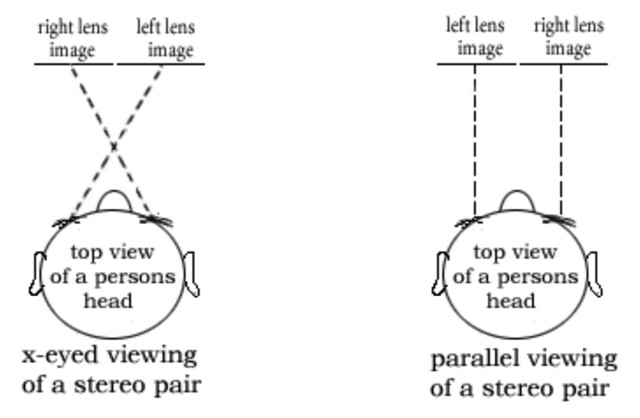
Here's a helpful tip for viewing stereo pairs.
If you'd like to browse a bit, please enjoy a somewhat random sampling of my photos.
Chemistry exam tomorrow!
"If you spend your whole life waiting for the storm, you'll never enjoy the sunshine."
-Morris West
Something similar in Ottawa: www.flickr.com/photos/21728045@N08/3645513503/in/photostr...
This was for sale on eBay today.
Background:
www.nysm.nysed.gov/publications/record/vol_01/pdfs/CH04El...
IROQUOIS BEADWORK:
A Haudenosaunee Tradition and Art
Dolores Elliott
The Iroquois tradition of raised beadwork began in west- ern New York in the late eighteenth century. It is slightly older than the other great North American Indian bead- working tradition that the Lakota, Cheyenne, and other people of the Plains developed. Raised beadwork is unique to the Haudenosaunee; it is made nowhere else in the world. The Senecas, who decorated clothes, sashes, and small pincushions with small glass beads in the eigh- teenth century, probably invented the style of Iroquois beadwork that still exists today. They were making bead- ed pincushions by 1799 and purses by 1807. In the mid- nineteenth century, ethnohistorian Lewis H. Morgan noted in his League of the Ho-de’-no-sau-see, or Iroquois the “delicacy, even brilliancy of their bead-work embroidery” on women’s clothing (1851, Book 3:384), and he included illustrations of beadwork on a needle case, woman’s skirt, cradleboard, heart-shaped pincushion, and work bag, the forerunner of a modern purse. He reported that in 1849 he had purchased five varieties of work bags as well as three varieties of pin cushions and five varieties of needle books (Morgan 1850, 57).
(Figure 4.1). While they sold their goods at nearby Montreal, the Mohawks also traveled extensively throughout North America to sell at fairs, exhibitions, wild west shows, and Indian medicine shows. Some even sold their beadwork when they traveled to England to perform Indian dances at Earls Court, an exhibition ground in London. Photographs taken in 1905 show these performers attired in clothing decorated with Mohawk beadwork.
The Iroquois tradition of beadwork continued to evolve in the nineteenth century, and by 1860 Mohawks near Montreal and Tuscaroras near Niagara Falls were creating elaborate pincushions, purses, and wall hangings adorned with raised beadwork. Despite the similarity of items created, the two geographic areas developed different styles of beadwork (Table 4.1). Throughout the late nineteenth century and early twentieth century, at the height of beadwork production, the Tuscaroras sold their beadwork mostly at Niagara Falls, on their reservation, and at the New York State Fair. They preferred to use small clear and white beads. During this same period, the Mohawks used larger clear beads and also employed red, blue, green, and yellow beads on most of their early pieces
Figure 4.1. Two needle cases that illustrate differences in nineteenth- century Mohawk (left) and Niagara (right) beadwork.
My personal family experience illustrates typical Iroquois beadwork transactions in the twentieth century. My story starts in 1903 when my grandmother went to the Afton Fair, a small agricultural fair in central New York. She took my nine-year-old father, but his sister, then eleven, was sick and could not go. My grandmother brought her home a present from the fair. It was a beauti- ful pink satin-covered bird-shaped pincushion that sparkled with light green beads (Figure 4.2). My aunt treasured this bird throughout her long life and displayed it proudly in her china cabinet, where I saw it when I was a child. At her death this cherished heirloom was passed on to her daughter who later donated it to the Afton Historical Society in Chenango County, where it is presently on view.
My research indicates that this bird was made by a skilled Mohawk beadworker from a Mohawk community located near Montreal and several hundred miles from the Afton Fair. This pincushion probably got to the fair with a group of Mohawks who traveled by train or wagon to perform at fairs, medicine shows, and exhibi- tions. While at these venues, they also sold their hand- made baskets and beadwork.
In 1958 I bought a small red heart-shaped pincushion at a booth in the Indian Village at the New York State Fair, which is held near Syracuse (Figure 4.3). It was a present for my mother, who displayed it prominently on her bed- room dresser for the next twenty-five years until I inher- ited it. Mary Lou Printup, a leading Tuscarora sewer, later identified this pincushion as one she had made. She, like most Tuscarora beadworkers prefer to be called “sewers,” a term not popular with some other Iroquois beadwork- ers. In my research and writing, I use the word “bead- worker” to refer to all except those individuals who specifically prefer to be called “sewers.”
When I purchased the red heart I had no idea that this pincushion had anything in common with the bird that my grandmother acquired fifty-five years earlier. I knew that I wanted to get something special for my mother, and this pincushion was special because it was beautiful and made by a native artist. In buying it I shared something with my grandmother, who died before I was born, that is, the purchase of a piece of Iroquois beadwork. Most likely the purchase of the bird was my German-born grandmother’s only interaction with a Haudenosaunee woman, and my purchase at the State Fair was my first interaction with a Tuscarora sewer, the first of many.
In a similar manner Iroquois beadworkers and their non- Indian customers, often tourists or attendees at a public entertainment venue, have been brought together by bead-work for over two centuries. These transactions undoubtedly number in the tens of thousands.1 During honeymoon trips to Niagara Falls and visits to agricultural fairs, exhibitions, and other attractions, people purchased Iroquois beadwork as mementos to remember these places and experiences. The beads often form designs featuring birds and flowers, natural themes that appealed to the Victorian women who drove the market of souvenir sales in the nine- teenth century. Studies by Beverly Gordon (1984; 1986) and Ruth B. Phillips (1998) describe the souvenir trade and point out the importance of these items to the people on both sides of the transactions.
Souvenir beadwork was so treasured that the pieces were frequently kept in cedar chests or keepsake boxes. Therefore, when unwrapped one hundred or more years later, they are often in pristine condition. Ironically, few contemporary beadworkers have samples of their ancestors’ work because it was usually made for sale to strangers, although some beadwork was created as gifts for family and friends.
Because most pieces were made for sale to tourists, many people have dismissed Iroquois beadwork as “souvenir trinkets” not important enough to collect, study, or exhibit. In fact, they are often called whimsies, a term that I believe trivializes them and diminishes their artistic and cultural value. But within the last two decades Iroquois beadwork has become the subject of serious study and museum exhibitions. At least four traveling exhibits of Iroquois beadwork have been installed in over a dozen museums and seen by thousands of museum visitors in the United States and Canada since 1999.2 This scholarly recognition has resulted in an increased appreciation of these beadwork creations and the artists who made them. What were considered curious tourist souvenirs when they were made are now generating increased respect from both the general public and the Haudenosaunee.
ry pieces, the back is a colorful calico. Some pieces, mainly in the Niagara Tradition, have a silk or cotton binding around their perimeters to cover the cut edges and attach the front and back fabrics. Tight beadwork on the edging often binds Mohawk pieces together so a cloth binding is not necessary. Flat purses as well as fist and box purses are constructed in the same manner, with cardboard as the base.
Contemporary beadworkers see their work as a signif- icant part of Haudenosaunee culture and an important link to the past. In Haudenosaunee communities bead- workers are admired as continuing a revered tradition. Although there are a few male beadworkers, the majority are women, and in a matrilineal-society with powerful clan matrons, the economic benefit of beadwork sales increases the influence of the women even more.
Pincushions were usually stuffed with sawdust, but sweet grass, cotton, cattail fluff, newspapers, and poly- ester have also been used. Contemporary craftsmen remember that their mothers preferred pine sawdust because of the nice aroma.4 Small strawberry-shaped pin- cushions are traditionally filled with emery, used to sharpen and polish needles. Velvet and twill-covered pic- ture frames and other wall hangings on cardboard bases have polished cotton backs on earlier pieces and calico on more recent ones. European glass beads were often aug- mented with metal sequins on nineteenth-century pieces and with plastic sequins and other plastic novelty beads since the late twentieth century. Bone and shell beads and leather, which are often used in other American Indian beadwork, rarely occur in Iroquois beadwork.
Iroquois beadwork is still sold at Niagara Falls, the New York State Fair, and several pow wows and festivals in the northeast; the methods of beadwork distribution have changed little over two hundred years. The bead-work itself, however, has changed tremendously. Over the last two centuries the styles of beadwork have evolved from simple small pincushions and purses to highly elaborate shapes, becoming works of art in the tra- ditional sense. The beads selected have progressed from the very small seed beads used around 1800 to the larger seed beads of 1900 and finally, by 2000, to a wider variety of bead sizes and colors.
The most common form of Iroquois beadwork, and the form most easily recognizable by people who are not familiar with Iroquois beadwork, is the flat black purse or bag featuring identical colorful, beaded floral designs on both sides. Most flat bags have flaps on both sides, but the opening is across the top where the two sides meet. The face fabric is usually black or very dark brown velvet, and the interior is often a light-colored linen or polished cot- ton. A binding, usually red, is attached around the closed sides of the purses. A beaded fringe is sometimes added. The fringe is merely sewn to the binding and does not hold the two sides of the bag together; it is purely deco- rative. The flaps usually are edged with white beads that are larger than the beads that outline the flaps and body (Figure 4.4). The flaps and body are sometimes outlined with short parallel lines like a stockade. The faces of the flap and body are covered by stylized flowers in shades of blue, red, yellow, and white connected with green stems, which are sometimes striped in two shades of green. Some bags feature a small slit pocket under one of the flaps. It may have been meant to hold a comb or mirror.
Iroquois beadwork remains a unique art form distin- guished by several characteristics found only in work created by Haudenosaunee beadworkers. Iroquois beadwork features a design in glass beads that have been sewn on a fabric that is stretched over a backing of cardboard or cloth lining. The materials used in the beadwork are predominately small seed beads, cloth, cardboard, paper, and in pincushions, a stuffing. The beads are sewn onto the fabric in geometric or natural designs using waxed, doubled white thread.3 The beads are usually sewn over a paper pattern that remains in place under the beaded elements. Although not practiced at all times in the histo- ry of Iroquois beadwork, the most distinctive trait is that the beads are raised above the surface of the cloth face. Some pieces have raised beaded elements that are over an inch high. The beads are raised by putting more beads on the thread than is needed to span the pattern so that the beads form an arch above the pattern. The amount of extra beads determines how high the arches are, that is, how much the beadwork is raised. Various velvets were and still are the favored fabrics, but other fabrics such as wool, twills, silk, and satin are also used. Pincushions often have beaded velvet fronts and polished cotton backs. Polished cotton is a shiny stiff material that is also referred to as chintz or oilcloth. On the majority of late twentieth-century and contemporary twenty-first-century...
Preserving Tradition and Understanding the Past: Papers from the Conference on Iroquois Research, 2001–2005, Edited by Christine Sternberg Patrick, New York State Museum Record 1 © 2010, by The University of the State of New York, The State Education Department, Albany, New York 12230. All rights reserved. Click on top link for more.
Shorebirds of Ireland, Freshwater Birds of Ireland and The Birds of Ireland: A Field Guide with Jim Wilson.
www.markcarmodyphotography.com
Parallel Worlds in Dublin 2.
Taken with a Leica M4-P and a Carl Zeiss Planar T* lens on Kodak Gold 200 colour film. Developed and scanned by the excellent John Gunn Camera Shop on Wexford Street.