members of this group smell
View allAll Photos Tagged embryonic
Betty Noyes - Baby Mine / Walt Disney's Dumbo (Original Soundtrack Recording 1957)
Arcade Fire - Baby Mine / Dumbo (2019)
....................
David Lynch directed in 1980, the film "The Elephant Man" based on the true story of Joseph Merrick, known as "The Elephant Man". Merrick was born in 1862 in Leicester. A year and a half after his birth, he began to suffer from malformations throughout his body, a process that accelerated and worsened at the age of five. Joseph Merrick suffered from Proteus syndrome, a hereditary genetic syndrome that manifests itself in the embryonic phase, due to a mutation in the human genome. This syndrome causes excessive skin growth, abnormal bone development and the formation of tumours in the upper half of the body. Joseph Merrick wandered for years at fairs and freak shows, where he was displayed for cruel mocking. Despite his illness and ill-treatment, Joseph Merrick was sweet-natured and polite, demonstrating in the last years of his life, where he achieved some peace and quiet, that he was a person of above average intelligence. Courage and bravery in overcoming his illness were his life's goals, always with gentleness, delicacy, politeness and in the face of society's rejection. Merrick died in 1890, at the age of 27. You can find this information in more detail at en.wikipedia.org/wiki/Joseph_Merrick. David Lynch's film is highly recommended. A sad and very hard film to watch, which shows us the goodness that can be kept in the soul, even being a strange and different person and showing us the other side of the coin, the cruelty and wickedness of those who consider themselves... "normal people".
The Elephant Man Trailer. Director's film, David Lynch 1980
....................
Other songs / films
¡Hatari! Director's film, Howard Hawks 1962 - Baby Elephant Walk, Henry Mancini OST
J. Pat O'Malley, Disney Studio Chorus - Colonel Hathi Elephant March / The Jungle Book (OST, 1967)
Tame Impala - Elephant / Elephant (EP 2012)
....................
Bernard Herrmann – Theme From Taxi Driver / Taxi Driver, Original Soundtrack Recording (1976)
Carole King - You've Got a Friend / Tapestry (1971)
Cuando estés deprimido y con problemas y necesites un poco de cuidado amoroso y nada, nada vaya bien, cierra los ojos y piensa en mí. Y pronto estaré allí para iluminar incluso tu noche más oscura. Sólo tienes que gritar mi nombre y sabes, que dondequiera que esté, vendré corriendo para verte de nuevo... invierno, primavera, verano u otoño... Tienes un amigo...
Image dedicated to Dumbo and Joseph Merrick, "The Elephant Man" and all Dumbo's and Merrick's in this world.
Proof positive of the old English expression. I don't recall ever seeing this rather remarkable sight before, actually discovering a number of these sprouting on a patch of bare ground. Another example of the ever amazing cycle of life. Very embryonic, no?
The pupil is the sphere that is located in the center of the iris of the eye and that controls the amount of light that enters the eye. It appears black because most of the light entering the pupil is absorbed by the tissues inside the eye. In optical terms, the anatomical pupil is the eye's aperture and the iris is the aperture stop. The image of the pupil as seen from outside the eye is the entrance pupil, which does not exactly correspond to the location and size of the physical pupil because it is magnified by the cornea. On the inner edge lies a prominent structure, the collarette, marking the junction of the embryonic pupillary membrane covering the embryonic pupil.
Camera: Canon EOS 50D
Exposure: 0.017 sec (1/60)
Aperture: f/9.0
Focal Length: 70 mm
ISO Speed: 800
ALL by me
model: AL MAHA
Edit type: HDR ( High Dynamic Range )
© All rights reserved - Don't use my images on websites, blogs or other media without my explicit permission
Your comments and faves are greatly appreciated.
(Macropus giganteus)
The Eastern Grey Kangaroo's fur is woolly and grey-brown in colour, and they have a small head with big ears. Their tail can grow up to 4 feet long which is very helpful for balancing and standing up straight. An Eastern Grey Kangaroo can live anywhere from 15-20 years of age in the wild. A big male can measure up to 2.8 meters from his nose to the tip of his tail, and can weigh up to 66kg. Females are much smaller only reaching approximately 32kg.
Habitat:Eastern Grey Kangaroos can be found living on the open grassland, open woodland and forested coastal areas of eastern Australia and Tasmania.
Diet: Eastern Grey Kangaroos are herbivores and predominately a grazing animal eating mainly shrubs and grass. They feed mostly at night and early in the morning. During the day, Eastern Grey Kangaroos lie under shaded trees or in scrapes they have dug. This is also where they sleep.
Breeding: Breeding occurs throughout the year but more births occur in the warmer summer months. A baby kangaroo is called a joey. A joey is born 33-38 days after his/her parents mate. The tiny embryonic kangaroo emerges from its mother's body and slowly climbs up her abdomen and into her pouch. When the joey is first born it weighs under a gram and is as tiny as 15 millimetres. Once born the joey will stay in its Mum's pouch for up to 8 months. (Source: www.australiazoo.com.au )
© Chris Burns 2021
__________________________________________
All rights reserved.
This image may not be copied, reproduced, distributed, republished, downloaded, displayed, posted or transmitted in any form or by any means, including electronic, mechanical, photocopying and recording without my written consent.
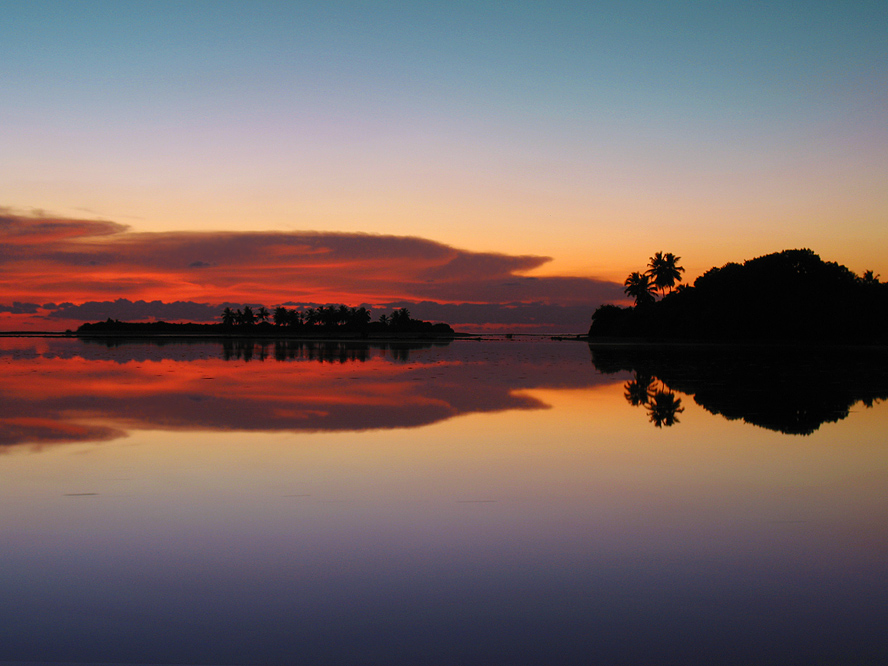
You know one of those misty cold evenings? Evenings when you could stay inside and enjoy a cup of hot beverage? Evenings when you instead should go out and embrace the play of lights and darkness.
A tiny embryonic larva (approx. 0.2 mm) swimming in its own private pool on the spiny surface of a nettle leaf (Nottingham, UK) (7826) (magnification 3 x life size using a ring flash).
Melaleuca granitica ssp. granitica is a clawflower endemic to the Cape Naturaliste area of the southwest of Western Australia. It was first formally described in 1984. The species always grows in soil derived from granite. I was intrigued by the delicate, embryonic-looking stage of the flowers as they are just beginning to unfold.
Iguana and sea lion are still playing tag.
***
Breeding takes place from May through January. Because of this prolonged breeding season and the extensive care required by the pups from their mother, there are dependent pups in the colonies year round. Each cow in the harem has a single pup born a year after conception. After about a week of continuous attention from birth, the female returns to the ocean and begins to forage, and just a week after that, the pup will follow her and begin to develop its swimming skills. When the pup is two to three weeks old, the cow will mate again. The mothers will take the young pups with them into the water while nursing until around the 11th month, when the pups are weaned from their mother's milk and become dependent on their own hunting skill.
The lasting interaction of mother–offspring pairs is a central social unit in most mammalian groups, including these sea lions. The cow will nurture a pup for up to three years. In that time, the cow and the pup will recognize each other's bark from the rest of the colony. Within the colony, sea lion pups live together in a rookery. Pups can be seen together napping, playing, and feeding. It is not uncommon to see one cow 'baby-sitting' a group of pups while the other cows go off to feed.
Many mammals synchronize their pregnancies to ensure a greater infant survival rate, but not Z. wollebaeki. Plausible reasons for this low synchrony could be the absence of strong photoperiodic change throughout the year, which is thought to regulate embryonic diapause, and/or adaptation to an environment with variable productivity and prey availability.
Bryce 3D program only - no post manipulation
View my recent images on Flickriver www.flickriver.com/photos/33235233@N05/
" The bees have done their work and most of the orchard blossom is gone... replace by embryonic cider apples :-)) "
I was having a hard time thinking of a title, but then I saw it: the embryonic bloom! I'm curious if you see it too.
European praying mantises reproduce only once in their lifetime, and all adults die before winter, while the offspring overwinter in the embryonic stage in the egg.[
The European praying mantis practices sexual cannibalism, meaning that in the wild (in up to 30 percent of cases) the male is eaten by the female during or after mating.
************************************************
" Gottesanbeterin - Blickkontakt "
Europäische Gottesanbeterinnen pflanzen sich nur einmal im Leben fort, und alle erwachsenen Tiere sterben vor dem Winter, während der Nachwuchs im Embryonalstadium im Ei überwintert.[
Die europäische Gottesanbeterin praktiziert sexuellen Kannibalismus, d. h. das Männchen wird in freier Wildbahn (in bis zu 30 Prozent der Fälle) während oder nach der Paarung vom Weibchen aufgefressen.
(Mantis religiosa)
These Donkeys snuck upon me while I was taking pictures on the Navajo Nation. I thought they were wild at first until I noticed the halter on one and they were so friendly. So I spent some time with them and gave them a little treat. Donkeys are very interesting and entertaining animals. They are also intelligent and lovable. Ranchers use them to protect their cattle and sheep herds against predators such as coyotes and they do a very good job of it. I really enjoyed my time I spent with them and they made my day so I decided to share them with you :)
The donkey or ass is a domesticated equine. It derives from the African wild ass, Equus africanus, and may be classified either as a subspecies thereof, Equus africanus asinus, or as a separate species, Equus asinus.[1]: 1 It was domesticated in Africa some 5000–7000 years ago,[1]: 2 [2]: 3715 [3] and has been used mainly as a working animal since that time.
There are more than 40 million donkeys in the world, mostly in underdeveloped countries, where they are used principally as draught or pack animals. While working donkeys are often associated with those living at or below subsistence, small numbers of donkeys or asses are kept for breeding, as pets, and for livestock protection in developed countries.
An adult male donkey is a jack or jackass, an adult female is a jenny or jennet,[4][5][6] and an immature donkey of either sex is a foal.[6] Jacks are often mated with female horses (mares) to produce mules; the less common hybrid of a male horse (stallion) and jenny is a hinny.
The first donkeys came to the Americas on ships of the Second Voyage of Christopher Columbus, and were landed at Hispaniola in 1495.[26] The first to reach North America may have been two animals taken to Mexico by Juan de Zumárraga, the first bishop of Mexico, who arrived there on 6 December 1528, while the first donkeys to reach what is now the United States may have crossed the Rio Grande with Juan de Oñate in April 1598.[27] From that time on they spread northward, finding use in missions and mines. Donkeys were documented as present in what today is Arizona in 1679. By the Gold Rush years of the 19th century, the burro was the beast of burden of choice of early prospectors in the western United States. By the end of the placer mining boom, many of them escaped or were abandoned, and a feral population established itself.
A male donkey (jack) crossed with a female horse produces a mule, while a male horse crossed with a jenny produces a hinny. Horse–donkey hybrids are almost always sterile because of a failure of their developing gametes to complete meiosis.[81] The lower progesterone production of the jenny may also lead to early embryonic loss. In addition, there are reasons not directly related to reproductive biology. Due to different mating behavior, jacks are often more willing to cover mares than stallions are to breed jennies. Further, mares are usually larger than jennies and thus have more room for the ensuing foal to grow in the womb, resulting in a larger animal at birth. It is commonly believed that mules are more easily handled and also physically stronger than hinnies, making them more desirable for breeders to produce.
Donkeys have a notorious reputation for stubbornness, but this has been attributed to a much stronger sense of self-preservation than exhibited by horses.[50] Likely based on a stronger prey instinct and a weaker connection with humans, it is considerably more difficult to force or frighten a donkey into doing something it perceives to be dangerous for whatever reason. Once a person has earned their confidence they can be willing and companionable partners and very dependable in work.
Although formal studies of their behaviour and cognition are rather limited, donkeys appear to be quite intelligent, cautious, friendly, playful, and eager to learn.
I decided to entertain you with some music by Navajo bands :)
www.youtube.com/watch?v=dNWczTuyW90&list=PLHMHD1QPLtK...
Navajo Sundowners - Little Black Egg
www.youtube.com/watch?v=QxvqBTfUZ9g
Dine Boyz
www.youtube.com/watch?v=7DhIdlcaZHk
Reservation Cowboy - Buddy Red Bow
www.youtube.com/watch?v=PYXgiD_c8bc
Northern Navajo Fair Parade - Native Journey
www.youtube.com/watch?v=UZ1xTThf6pU
Indian Love Song - Buddy Red Bow
I was out this morning and spotted this Roe Buck walking alongside a tumbledown wall. I noticed that he kept sticking his tongue out and tasting the air trying to catch the scent of a doe. The peak rutting season for Roe Deer is mid July to the end of August. Pregnancy lasts for 300 days, but the first half of this is embryonic diapause when development is put on hold. They normally give birth during May and the first half of June, usually twins. This male was starting to climb over the broken wall but paused and looked back when he heard my camera, so I got the eye contact I was after. I think this is a young male as his antlers are pretty small, even for a Roe. And that hind leg looks extraordinarily long to me, almost as if it is on stilts.
i pass a lot of weathered barns in the course of my day, but none have this beautiful gradation of red. that's some very defiant paint up there. it astonishes me every time because it seems to be the result of light, but it's not. (and i think the blur is another manifestation of my insecurities...it comforts me, like a visual embryonic fluid.)
Many thanks for your visits, faves and comments. Cheers.
Eastern Grey Kangaroo
(Macropus giganteus)
The Eastern Grey Kangaroo's fur is woolly and grey-brown in colour, and they have a small head with big ears. Their tail can grow up to 4 feet long which is very helpful for balancing and standing up straight. An Eastern Grey Kangaroo can live anywhere from 15-20 years of age in the wild. A big male can measure up to 2.8 meters from his nose to the tip of his tail, and can weigh up to 66kg. Females are much smaller only reaching approximately 32kg.
Habitat:Eastern Grey Kangaroos can be found living on the open grassland, open woodland and forested coastal areas of eastern Australia and Tasmania.
Diet: Eastern Grey Kangaroos are herbivores and predominately a grazing animal eating mainly shrubs and grass. They feed mostly at night and early in the morning. During the day, Eastern Grey Kangaroos lie under shaded trees or in scrapes they have dug. This is also where they sleep.
Breeding: Breeding occurs throughout the year but more births occur in the warmer summer months. A baby kangaroo is called a joey. A joey is born 33-38 days after his/her parents mate. The tiny embryonic kangaroo emerges from its mother's body and slowly climbs up her abdomen and into her pouch. When the joey is first born it weighs under a gram and is as tiny as 15 millimetres. Once born the joey will stay in its Mum's pouch for up to 8 months. (Source: www.australiazoo.com.au )
© Chris Burns 2025
__________________________________________
All rights reserved.
This image may not be copied, reproduced, distributed, republished, downloaded, displayed, posted or transmitted in any form or by any means, including electronic, mechanical, photocopying and recording without my written consent.
Burgos es un municipio y una ciudad española situada en la parte norte de la península ibérica. La ciudad es la capital de la provincia homónima integrada en la comunidad autónoma de Castilla y León. En 2020 contaba con una población empadronada de 176 418 habitantes repartidos en una superficie de 107,06 km², lo que lo convierte en el 36.º municipio más poblado del país y el segundo de la comunidad autónoma. Su área metropolitana, formada por un alto número de municipios de reducida extensión, cuenta con unos 20 000 habitantes, que junto con el municipio central forman un área urbana de unos 200 000 habitantes.
Cuenta con un anillo verde periférico extenso, dos parques lineales en torno a los dos principales ríos que lo atraviesan y un amplio conjunto monumental, entre los cuales destacan la catedral de Santa María, exponente de la arquitectura gótica declarada Patrimonio de la Humanidad por la Unesco, extendido al centro histórico en 2014, el monasterio de Santa María la Real de Las Huelgas y la cartuja de Miraflores. Además, la ciudad es atravesada por el Camino de Santiago, otro Patrimonio de la Humanidad y se encuentra a menos de 15 km del yacimiento de Atapuerca, también bajo la protección de la UNESCO desde el año 2000. El 13 de julio de 2010, abrió sus puertas en la ciudad el Museo de la Evolución Humana, que expone los fósiles más importantes hallados en el yacimiento. Actualmente se encuentra entre los diez museos más visitados del país.
Su privilegiada situación, aproximadamente en el centro del norte peninsular, la sitúa como ciudad de paso obligado de la meseta hacia País Vasco y Francia, además de suponer el punto de partida de dos de los principales accesos a Cantabria.
Se sitúa a 91 kilómetros de Palencia, 114 kilómetros de Logroño, a 115 kilómetros de Vitoria, a 127 kilómetros de Valladolid, a 142 kilómetros de Soria, a 162 kilómetros de Santander, a 197 kilómetros de Segovia y a 244 kilómetros de Madrid.
Burgos is a city of Spain located in the autonomous community of Castile and León. It is the capital and most populated municipality of the province of Burgos.
It is situated in the north of the Iberian Peninsula, on the confluence of the Arlanzón river tributaries, at the edge of the central plateau. The municipality has a population of about 180,000 inhabitants. It forms part of the Camino de Santiago.
Founded in 884 by Diego Rodríguez Porcelos, Burgos soon became the leading city of the embryonic County of Castile. 11th century chieftain Rodrigo Díaz de Vivar (El Cid) is connected to the city, as he was born near Burgos and was raised and educated there.
The Museum of Human Evolution opened here in 2010. The museum features remains of the first hominins in Europe, which lived in this area 750,000-800,000 years ago. The Cathedral of Burgos is a World Heritage Site. Burgos was selected as the "Spanish Gastronomy Capital" of 2013. In 2015 it was named "City of Gastronomy" by UNESCO and has been part of the Creative Cities Network since then.
Steve Carney, Pemberton -2019
Steve Carney, Pemberton -2019
Nairn Falls is a beautiful waterfall north of Pemberton, BC, Canada. This place is of special importance to the local First Nations Squamish and Lil'wat Nations.
The surrounding forest of Douglas Fir, Western Hemlock, Cedar and Lodgepole Pine lives in amicroclimate produced by the mist from the falls. The photo was taken with the low Autumn sun passing through the trees.
The Green River passes over highly altered Plutonic (intrusive) (Grano Diorite) igneaous rocks and the massive water discharge passes through a narrow slot with increadible energy, it then turns 90 degrees along a weakness in the rocks before cascading down another lower falls back into the wide reletively calm Green River.
The increadible erosive power of the river has created a number of awesome potholes, where(sometimes large) bolders are swished around like a clothers in a washer. This action of attrition (the impact of the bolders smashing into the side of the pothole in a circular motion along with the effercts of other ersoive forces , like abrasion and hydraulic action create these wonderful potholes. Sometinmes these potholes erode into each other leaving narrow bridges between potholes or coalesce forming figure of 8 shapes.
This photo is taken above the falls which is only flooded during massive discharge, on this plateau numerous embryonic cavities can be seen and some completed potholes.
Burgos es un municipio y una ciudad española situada en la parte norte de la península ibérica. La ciudad es la capital de la provincia homónima integrada en la comunidad autónoma de Castilla y León. En 2020 contaba con una población empadronada de 176 418 habitantes repartidos en una superficie de 107,06 km², lo que lo convierte en el 36.º municipio más poblado del país y el segundo de la comunidad autónoma. Su área metropolitana, formada por un alto número de municipios de reducida extensión, cuenta con unos 20 000 habitantes, que junto con el municipio central forman un área urbana de unos 200 000 habitantes.
Cuenta con un anillo verde periférico extenso, dos parques lineales en torno a los dos principales ríos que lo atraviesan y un amplio conjunto monumental, entre los cuales destacan la catedral de Santa María, exponente de la arquitectura gótica declarada Patrimonio de la Humanidad por la Unesco, extendido al centro histórico en 2014, el monasterio de Santa María la Real de Las Huelgas y la cartuja de Miraflores. Además, la ciudad es atravesada por el Camino de Santiago, otro Patrimonio de la Humanidad y se encuentra a menos de 15 km del yacimiento de Atapuerca, también bajo la protección de la UNESCO desde el año 2000. El 13 de julio de 2010, abrió sus puertas en la ciudad el Museo de la Evolución Humana, que expone los fósiles más importantes hallados en el yacimiento. Actualmente se encuentra entre los diez museos más visitados del país.
Su privilegiada situación, aproximadamente en el centro del norte peninsular, la sitúa como ciudad de paso obligado de la meseta hacia País Vasco y Francia, además de suponer el punto de partida de dos de los principales accesos a Cantabria.
Se sitúa a 91 kilómetros de Palencia, 114 kilómetros de Logroño, a 115 kilómetros de Vitoria, a 127 kilómetros de Valladolid, a 142 kilómetros de Soria, a 162 kilómetros de Santander, a 197 kilómetros de Segovia y a 244 kilómetros de Madrid.
Burgos is a city of Spain located in the autonomous community of Castile and León. It is the capital and most populated municipality of the province of Burgos.
It is situated in the north of the Iberian Peninsula, on the confluence of the Arlanzón river tributaries, at the edge of the central plateau. The municipality has a population of about 180,000 inhabitants. It forms part of the Camino de Santiago.
Founded in 884 by Diego Rodríguez Porcelos, Burgos soon became the leading city of the embryonic County of Castile. 11th century chieftain Rodrigo Díaz de Vivar (El Cid) is connected to the city, as he was born near Burgos and was raised and educated there.
The Museum of Human Evolution opened here in 2010. The museum features remains of the first hominins in Europe, which lived in this area 750,000-800,000 years ago. The Cathedral of Burgos is a World Heritage Site. Burgos was selected as the "Spanish Gastronomy Capital" of 2013. In 2015 it was named "City of Gastronomy" by UNESCO and has been part of the Creative Cities Network since then.
Burgos es un municipio y una ciudad española situada en la parte norte de la península ibérica. La ciudad es la capital de la provincia homónima integrada en la comunidad autónoma de Castilla y León. En 2020 contaba con una población empadronada de 176 418 habitantes repartidos en una superficie de 107,06 km², lo que lo convierte en el 36.º municipio más poblado del país y el segundo de la comunidad autónoma. Su área metropolitana, formada por un alto número de municipios de reducida extensión, cuenta con unos 20 000 habitantes, que junto con el municipio central forman un área urbana de unos 200 000 habitantes.
Cuenta con un anillo verde periférico extenso, dos parques lineales en torno a los dos principales ríos que lo atraviesan y un amplio conjunto monumental, entre los cuales destacan la catedral de Santa María, exponente de la arquitectura gótica declarada Patrimonio de la Humanidad por la Unesco, extendido al centro histórico en 2014, el monasterio de Santa María la Real de Las Huelgas y la cartuja de Miraflores. Además, la ciudad es atravesada por el Camino de Santiago, otro Patrimonio de la Humanidad y se encuentra a menos de 15 km del yacimiento de Atapuerca, también bajo la protección de la UNESCO desde el año 2000. El 13 de julio de 2010, abrió sus puertas en la ciudad el Museo de la Evolución Humana, que expone los fósiles más importantes hallados en el yacimiento. Actualmente se encuentra entre los diez museos más visitados del país.
Su privilegiada situación, aproximadamente en el centro del norte peninsular, la sitúa como ciudad de paso obligado de la meseta hacia País Vasco y Francia, además de suponer el punto de partida de dos de los principales accesos a Cantabria.
Se sitúa a 91 kilómetros de Palencia, 114 kilómetros de Logroño, a 115 kilómetros de Vitoria, a 127 kilómetros de Valladolid, a 142 kilómetros de Soria, a 162 kilómetros de Santander, a 197 kilómetros de Segovia y a 244 kilómetros de Madrid.
Burgos is a city of Spain located in the autonomous community of Castile and León. It is the capital and most populated municipality of the province of Burgos.
It is situated in the north of the Iberian Peninsula, on the confluence of the Arlanzón river tributaries, at the edge of the central plateau. The municipality has a population of about 180,000 inhabitants. It forms part of the Camino de Santiago.
Founded in 884 by Diego Rodríguez Porcelos, Burgos soon became the leading city of the embryonic County of Castile. 11th century chieftain Rodrigo Díaz de Vivar (El Cid) is connected to the city, as he was born near Burgos and was raised and educated there.
The Museum of Human Evolution opened here in 2010. The museum features remains of the first hominins in Europe, which lived in this area 750,000-800,000 years ago. The Cathedral of Burgos is a World Heritage Site. Burgos was selected as the "Spanish Gastronomy Capital" of 2013. In 2015 it was named "City of Gastronomy" by UNESCO and has been part of the Creative Cities Network since then.
Chez la loutre naine d’Asie, mâles et femelles forment des couples monogames pouvant se reproduire tous les ans. Après fécondation, l’embryon peut stopper momentanément son développement ! Ce phénomène, appelé diapause embryonnaire, permet aux jeunes de naître à la belle saison, quand les ressources alimentaires sont abondantes. Une fois la diapause terminée, la gestation dure environ 60 jours puis la maman met au monde une portée comportant de 1 à 6 adorables bébés loutres.
Il y a aussi des loutres géantes dans Le Dôme Équatorial de Beauval
........................................................................................................................
In the Asian dwarf otter, males and females form monogamous pairs that can reproduce every year. After fertilisation, the embryo can momentarily halt its development! This phenomenon, called embryonic diapause, allows the young to be born in the summer months when food resources are abundant. Once the diapause is over, gestation lasts about 60 days and then the mother gives birth to a litter of 1 to 6 adorable baby otters.
There are also giant otters in the Beauval Equatorial Dome
........................................................................................................................
En la nutria enana asiática, los machos y las hembras forman parejas monógamas que pueden reproducirse cada año. Tras la fecundación, el embrión puede detener momentáneamente su desarrollo. Este fenómeno, denominado diapausa embrionaria, permite que las crías nazcan en los meses de verano, cuando los recursos alimenticios son abundantes. Una vez terminada la diapausa, la gestación dura unos 60 días y luego la madre da a luz a una camada de 1 a 6 adorables crías de nutria.
También hay nutrias gigantes en la Cúpula Ecuatorial de Beauval
Burgos es un municipio y una ciudad española situada en la parte norte de la península ibérica. La ciudad es la capital de la provincia homónima integrada en la comunidad autónoma de Castilla y León. En 2020 contaba con una población empadronada de 176 418 habitantes repartidos en una superficie de 107,06 km², lo que lo convierte en el 36.º municipio más poblado del país y el segundo de la comunidad autónoma. Su área metropolitana, formada por un alto número de municipios de reducida extensión, cuenta con unos 20 000 habitantes, que junto con el municipio central forman un área urbana de unos 200 000 habitantes.
Cuenta con un anillo verde periférico extenso, dos parques lineales en torno a los dos principales ríos que lo atraviesan y un amplio conjunto monumental, entre los cuales destacan la catedral de Santa María, exponente de la arquitectura gótica declarada Patrimonio de la Humanidad por la Unesco, extendido al centro histórico en 2014, el monasterio de Santa María la Real de Las Huelgas y la cartuja de Miraflores. Además, la ciudad es atravesada por el Camino de Santiago, otro Patrimonio de la Humanidad y se encuentra a menos de 15 km del yacimiento de Atapuerca, también bajo la protección de la UNESCO desde el año 2000. El 13 de julio de 2010, abrió sus puertas en la ciudad el Museo de la Evolución Humana, que expone los fósiles más importantes hallados en el yacimiento. Actualmente se encuentra entre los diez museos más visitados del país.
Su privilegiada situación, aproximadamente en el centro del norte peninsular, la sitúa como ciudad de paso obligado de la meseta hacia País Vasco y Francia, además de suponer el punto de partida de dos de los principales accesos a Cantabria.
Se sitúa a 91 kilómetros de Palencia, 114 kilómetros de Logroño, a 115 kilómetros de Vitoria, a 127 kilómetros de Valladolid, a 142 kilómetros de Soria, a 162 kilómetros de Santander, a 197 kilómetros de Segovia y a 244 kilómetros de Madrid.
Burgos is a city of Spain located in the autonomous community of Castile and León. It is the capital and most populated municipality of the province of Burgos.
It is situated in the north of the Iberian Peninsula, on the confluence of the Arlanzón river tributaries, at the edge of the central plateau. The municipality has a population of about 180,000 inhabitants. It forms part of the Camino de Santiago.
Founded in 884 by Diego Rodríguez Porcelos, Burgos soon became the leading city of the embryonic County of Castile. 11th century chieftain Rodrigo Díaz de Vivar (El Cid) is connected to the city, as he was born near Burgos and was raised and educated there.
The Museum of Human Evolution opened here in 2010. The museum features remains of the first hominins in Europe, which lived in this area 750,000-800,000 years ago. The Cathedral of Burgos is a World Heritage Site. Burgos was selected as the "Spanish Gastronomy Capital" of 2013. In 2015 it was named "City of Gastronomy" by UNESCO and has been part of the Creative Cities Network since then.
Many thanks for the visits, faves and comments. Cheers
Eastern grey kangaroos at Lagoon Creek, Barcaldine, Queensland, Australia. There are so many roos in western Queensland at the moment, you could say they are at pest proportions, and (unfortunately) dangerous to cars on the highways.
(Macropus giganteus)
The Eastern Grey Kangaroo's fur is woolly and grey-brown in colour, and they have a small head with big ears. Their tail can grow up to 4 feet long which is very helpful for balancing and standing up straight. An Eastern Grey Kangaroo can live anywhere from 15-20 years of age in the wild. A big male can measure up to 2.8 meters from his nose to the tip of his tail, and can weigh up to 66kg. Females are much smaller only reaching approximately 32kg.
Habitat:Eastern Grey Kangaroos can be found living on the open grassland, open woodland and forested coastal areas of eastern Australia and Tasmania.
Diet: Eastern Grey Kangaroos are herbivores and predominately a grazing animal eating mainly shrubs and grass. They feed mostly at night and early in the morning. During the day, Eastern Grey Kangaroos lie under shaded trees or in scrapes they have dug. This is also where they sleep.
Breeding: Breeding occurs throughout the year but more births occur in the warmer summer months. A baby kangaroo is called a joey. A joey is born 33-38 days after his/her parents mate. The tiny embryonic kangaroo emerges from its mother's body and slowly climbs up her abdomen and into her pouch. When the joey is first born it weighs under a gram and is as tiny as 15 millimetres. Once born the joey will stay in its Mum's pouch for up to 8 months. (Source: www.australiazoo.com.au )
© Chris Burns 2014
__________________________________________
All rights reserved.
This image may not be copied, reproduced, distributed, republished, downloaded, displayed, posted or transmitted in any form or by any means, including electronic, mechanical, photocopying and recording without my written consent.
Burgos es un municipio y una ciudad española situada en la parte norte de la península ibérica. La ciudad es la capital de la provincia homónima integrada en la comunidad autónoma de Castilla y León. En 2020 contaba con una población empadronada de 176 418 habitantes repartidos en una superficie de 107,06 km², lo que lo convierte en el 36.º municipio más poblado del país y el segundo de la comunidad autónoma. Su área metropolitana, formada por un alto número de municipios de reducida extensión, cuenta con unos 20 000 habitantes, que junto con el municipio central forman un área urbana de unos 200 000 habitantes.
Cuenta con un anillo verde periférico extenso, dos parques lineales en torno a los dos principales ríos que lo atraviesan y un amplio conjunto monumental, entre los cuales destacan la catedral de Santa María, exponente de la arquitectura gótica declarada Patrimonio de la Humanidad por la Unesco, extendido al centro histórico en 2014, el monasterio de Santa María la Real de Las Huelgas y la cartuja de Miraflores. Además, la ciudad es atravesada por el Camino de Santiago, otro Patrimonio de la Humanidad y se encuentra a menos de 15 km del yacimiento de Atapuerca, también bajo la protección de la UNESCO desde el año 2000. El 13 de julio de 2010, abrió sus puertas en la ciudad el Museo de la Evolución Humana, que expone los fósiles más importantes hallados en el yacimiento. Actualmente se encuentra entre los diez museos más visitados del país.
Su privilegiada situación, aproximadamente en el centro del norte peninsular, la sitúa como ciudad de paso obligado de la meseta hacia País Vasco y Francia, además de suponer el punto de partida de dos de los principales accesos a Cantabria.
Se sitúa a 91 kilómetros de Palencia, 114 kilómetros de Logroño, a 115 kilómetros de Vitoria, a 127 kilómetros de Valladolid, a 142 kilómetros de Soria, a 162 kilómetros de Santander, a 197 kilómetros de Segovia y a 244 kilómetros de Madrid.
Burgos is a city of Spain located in the autonomous community of Castile and León. It is the capital and most populated municipality of the province of Burgos.
It is situated in the north of the Iberian Peninsula, on the confluence of the Arlanzón river tributaries, at the edge of the central plateau. The municipality has a population of about 180,000 inhabitants. It forms part of the Camino de Santiago.
Founded in 884 by Diego Rodríguez Porcelos, Burgos soon became the leading city of the embryonic County of Castile. 11th century chieftain Rodrigo Díaz de Vivar (El Cid) is connected to the city, as he was born near Burgos and was raised and educated there.
The Museum of Human Evolution opened here in 2010. The museum features remains of the first hominins in Europe, which lived in this area 750,000-800,000 years ago. The Cathedral of Burgos is a World Heritage Site. Burgos was selected as the "Spanish Gastronomy Capital" of 2013. In 2015 it was named "City of Gastronomy" by UNESCO and has been part of the Creative Cities Network since then.
Burgos es un municipio y una ciudad española situada en la parte norte de la península ibérica. La ciudad es la capital de la provincia homónima integrada en la comunidad autónoma de Castilla y León. En 2020 contaba con una población empadronada de 176 418 habitantes repartidos en una superficie de 107,06 km², lo que lo convierte en el 36.º municipio más poblado del país y el segundo de la comunidad autónoma. Su área metropolitana, formada por un alto número de municipios de reducida extensión, cuenta con unos 20 000 habitantes, que junto con el municipio central forman un área urbana de unos 200 000 habitantes.
Cuenta con un anillo verde periférico extenso, dos parques lineales en torno a los dos principales ríos que lo atraviesan y un amplio conjunto monumental, entre los cuales destacan la catedral de Santa María, exponente de la arquitectura gótica declarada Patrimonio de la Humanidad por la Unesco, extendido al centro histórico en 2014, el monasterio de Santa María la Real de Las Huelgas y la cartuja de Miraflores. Además, la ciudad es atravesada por el Camino de Santiago, otro Patrimonio de la Humanidad y se encuentra a menos de 15 km del yacimiento de Atapuerca, también bajo la protección de la UNESCO desde el año 2000. El 13 de julio de 2010, abrió sus puertas en la ciudad el Museo de la Evolución Humana, que expone los fósiles más importantes hallados en el yacimiento. Actualmente se encuentra entre los diez museos más visitados del país.
Su privilegiada situación, aproximadamente en el centro del norte peninsular, la sitúa como ciudad de paso obligado de la meseta hacia País Vasco y Francia, además de suponer el punto de partida de dos de los principales accesos a Cantabria.
Se sitúa a 91 kilómetros de Palencia, 114 kilómetros de Logroño, a 115 kilómetros de Vitoria, a 127 kilómetros de Valladolid, a 142 kilómetros de Soria, a 162 kilómetros de Santander, a 197 kilómetros de Segovia y a 244 kilómetros de Madrid.
Burgos is a city of Spain located in the autonomous community of Castile and León. It is the capital and most populated municipality of the province of Burgos.
It is situated in the north of the Iberian Peninsula, on the confluence of the Arlanzón river tributaries, at the edge of the central plateau. The municipality has a population of about 180,000 inhabitants. It forms part of the Camino de Santiago.
Founded in 884 by Diego Rodríguez Porcelos, Burgos soon became the leading city of the embryonic County of Castile. 11th century chieftain Rodrigo Díaz de Vivar (El Cid) is connected to the city, as he was born near Burgos and was raised and educated there.
The Museum of Human Evolution opened here in 2010. The museum features remains of the first hominins in Europe, which lived in this area 750,000-800,000 years ago. The Cathedral of Burgos is a World Heritage Site. Burgos was selected as the "Spanish Gastronomy Capital" of 2013. In 2015 it was named "City of Gastronomy" by UNESCO and has been part of the Creative Cities Network since then.
So exciting news! I get to make luffly images for the Zibska brand OFFICIALLY! (Yay me!)
Of course I was all chair dancing and HAD to make an image straight away!
I love serendipity in second life and this is a theme that has been a thread in my art even in my first one! My favourite medium to work with has always been the found object - and boy what an object did I find!
Utrillo by Zibska
marketplace.secondlife.com/stores/9483
From Curio Obscura :
Steampunk Mermaid Overlapping Tail Brassy
Steampunk Mermaid Ribbed Tail Fin Brassy
Discord Designs - Codie (Chromium)
*Dollcoco* Body(snow) (This is one of the fabulous free things you can get at Doll Coco) maps.secondlife.com/secondlife/COCO%20DESIGNS/127/135/4014
Worn with Dollcoco Lily Head (Closed Eyes)
Bloggery : opofish.blogspot.co.uk/2013/08/the-fashionfish-loves-zibs...
Lexicon (Lazy paste from Wiki-dness):
Found object originates from the French objet trouvé, describing art created from undisguised, but often modified, objects or products that are not normally considered art, often because they already have a non-art function
The famous Georgian financier, public figure and philanthropist Akaki Khoshtaria built this palace in the village of Sujuna in honor of his mother with the help of European architects in 1915. As we know, the construction of the house with its original and sophisticated architecture coincides with the period when he bought the house of the famous Georgian industrialist David Sarajishvili at auction and invited Italian architects to reconstruct it.
Currently, the Khoshtaria Palace is owned by the Patriarchate of Georgia and the servants of the Sujuna Monastery live there. The palace is in poor condition and requires reconstruction.
***************************
Akaki Khoshtaria was born into the petty Georgian nobility, aznauri, near Abasha, then part of the Russian Empire. Educated as an agronomist in St. Petersburg, Khoshtaria made his fortune as a businessman and financier in the south Caucasus. He owned several assets in Tbilisi, sponsored cultural establishments in Georgia and provided bursaries for Georgian students abroad. He was particularly interested in oil fields in Azerbaijan and Northern Iran. During the Russian Revolution of 1917, he was close to pro-independence revolutionaries in Georgia and helped the government of the Democratic Republic of Georgia purchase a vessel for its embryonic navy. After the fall of the republic to a Bolshevik invasion in 1921, Khoshtaria emigrated to Paris, where he died in 1932 and was interred at the Père Lachaise Cemetery.
Khoshtaria's wife Minadora née Turkia (1881–1924) is buried at the Doulab Russian Orthodox Cemetery in Tehran. A mausoleum for her commissioned by Khoshtaria is influenced by the medieval Georgian church architecture and is the only Georgian Christian monument in Iran. Their daughter, Minadora (1918–1985), married, in Paris, in 1942, Mikhail Bagration-Mukhransky, a Georgian émigré and scion of the last princes of Mukhrani, who is the paternal uncle of Khétévane Bagration de Moukhrani, Georgia's ambassador to the Holy See from 2005 to 2014.
" The subconscious mind became much more active and important. And this in the form of dreams, feelings. A growing awareness of the character of a particular place, whether it was a good place to be with a calming influence, or whether it gave me the creeps.
And this all linked up with Aboriginal reality, their vision of the world as something they could never be separate from, which showed in their language. In Pitjantjara and, I suspect, all other Aboriginal languages, there is no word for 'exist'. Everything in the universe is in constant interaction with everything else. You cannot say, this is a rock. You can only say, there sits, leans, stands, falls over, lies down, a rock.
The self did not seem to be an entity living somewhere inside the skull, but a reaction between mind and stimulus. And when the stimulus was not social, the self had a hard time defining its essence and realizing its dimensions. The self in a desert becomes more and more like the desert. It has to, to survive. It becomes limitless, with its roots more and more in the subconscious than the conscious - it gets stripped of non-meaningful habits and becomes more concerned with realities related to survival. But as is its nature, it desperately wants to assimilate and make sense of the information it receives, which in a desert is almost always going to be translated into the language of mysticism.
What I'm trying to say is, when you walk on, sleep on, stand on, defecate on, wallow in, get covered in and eat the dirt around you, and when there is no-one to remind you what society's rules are, and nothing to keep you linked to that society, you had better be prepared for some startling changes. And just as Aborigines seem to be in perfect rapport with themselves and their country, so the embryonic beginnings of that rapport were happening to me. I loved it.....Although I talked constantly to myself, or Diggity or the country around me, I was not lonely - on the contrary, had I stumbled suddenly across another human being, I would have either hidden or treated it as if it were just another bush or rock or lizard." ~ from Tracks
Burgos es un municipio y una ciudad española situada en la parte norte de la península ibérica. La ciudad es la capital de la provincia homónima integrada en la comunidad autónoma de Castilla y León. En 2020 contaba con una población empadronada de 176 418 habitantes repartidos en una superficie de 107,06 km², lo que lo convierte en el 36.º municipio más poblado del país y el segundo de la comunidad autónoma. Su área metropolitana, formada por un alto número de municipios de reducida extensión, cuenta con unos 20 000 habitantes, que junto con el municipio central forman un área urbana de unos 200 000 habitantes.
Cuenta con un anillo verde periférico extenso, dos parques lineales en torno a los dos principales ríos que lo atraviesan y un amplio conjunto monumental, entre los cuales destacan la catedral de Santa María, exponente de la arquitectura gótica declarada Patrimonio de la Humanidad por la Unesco, extendido al centro histórico en 2014, el monasterio de Santa María la Real de Las Huelgas y la cartuja de Miraflores. Además, la ciudad es atravesada por el Camino de Santiago, otro Patrimonio de la Humanidad y se encuentra a menos de 15 km del yacimiento de Atapuerca, también bajo la protección de la UNESCO desde el año 2000. El 13 de julio de 2010, abrió sus puertas en la ciudad el Museo de la Evolución Humana, que expone los fósiles más importantes hallados en el yacimiento. Actualmente se encuentra entre los diez museos más visitados del país.
Su privilegiada situación, aproximadamente en el centro del norte peninsular, la sitúa como ciudad de paso obligado de la meseta hacia País Vasco y Francia, además de suponer el punto de partida de dos de los principales accesos a Cantabria.
Se sitúa a 91 kilómetros de Palencia, 114 kilómetros de Logroño, a 115 kilómetros de Vitoria, a 127 kilómetros de Valladolid, a 142 kilómetros de Soria, a 162 kilómetros de Santander, a 197 kilómetros de Segovia y a 244 kilómetros de Madrid.
Burgos is a city of Spain located in the autonomous community of Castile and León. It is the capital and most populated municipality of the province of Burgos.
It is situated in the north of the Iberian Peninsula, on the confluence of the Arlanzón river tributaries, at the edge of the central plateau. The municipality has a population of about 180,000 inhabitants. It forms part of the Camino de Santiago.
Founded in 884 by Diego Rodríguez Porcelos, Burgos soon became the leading city of the embryonic County of Castile. 11th century chieftain Rodrigo Díaz de Vivar (El Cid) is connected to the city, as he was born near Burgos and was raised and educated there.
The Museum of Human Evolution opened here in 2010. The museum features remains of the first hominins in Europe, which lived in this area 750,000-800,000 years ago. The Cathedral of Burgos is a World Heritage Site. Burgos was selected as the "Spanish Gastronomy Capital" of 2013. In 2015 it was named "City of Gastronomy" by UNESCO and has been part of the Creative Cities Network since then.
Burgos es un municipio y una ciudad española situada en la parte norte de la península ibérica. La ciudad es la capital de la provincia homónima integrada en la comunidad autónoma de Castilla y León. En 2020 contaba con una población empadronada de 176 418 habitantes repartidos en una superficie de 107,06 km², lo que lo convierte en el 36.º municipio más poblado del país y el segundo de la comunidad autónoma. Su área metropolitana, formada por un alto número de municipios de reducida extensión, cuenta con unos 20 000 habitantes, que junto con el municipio central forman un área urbana de unos 200 000 habitantes.
Cuenta con un anillo verde periférico extenso, dos parques lineales en torno a los dos principales ríos que lo atraviesan y un amplio conjunto monumental, entre los cuales destacan la catedral de Santa María, exponente de la arquitectura gótica declarada Patrimonio de la Humanidad por la Unesco, extendido al centro histórico en 2014, el monasterio de Santa María la Real de Las Huelgas y la cartuja de Miraflores. Además, la ciudad es atravesada por el Camino de Santiago, otro Patrimonio de la Humanidad y se encuentra a menos de 15 km del yacimiento de Atapuerca, también bajo la protección de la UNESCO desde el año 2000. El 13 de julio de 2010, abrió sus puertas en la ciudad el Museo de la Evolución Humana, que expone los fósiles más importantes hallados en el yacimiento. Actualmente se encuentra entre los diez museos más visitados del país.
Su privilegiada situación, aproximadamente en el centro del norte peninsular, la sitúa como ciudad de paso obligado de la meseta hacia País Vasco y Francia, además de suponer el punto de partida de dos de los principales accesos a Cantabria.
Se sitúa a 91 kilómetros de Palencia, 114 kilómetros de Logroño, a 115 kilómetros de Vitoria, a 127 kilómetros de Valladolid, a 142 kilómetros de Soria, a 162 kilómetros de Santander, a 197 kilómetros de Segovia y a 244 kilómetros de Madrid.
Burgos is a city of Spain located in the autonomous community of Castile and León. It is the capital and most populated municipality of the province of Burgos.
It is situated in the north of the Iberian Peninsula, on the confluence of the Arlanzón river tributaries, at the edge of the central plateau. The municipality has a population of about 180,000 inhabitants. It forms part of the Camino de Santiago.
Founded in 884 by Diego Rodríguez Porcelos, Burgos soon became the leading city of the embryonic County of Castile. 11th century chieftain Rodrigo Díaz de Vivar (El Cid) is connected to the city, as he was born near Burgos and was raised and educated there.
The Museum of Human Evolution opened here in 2010. The museum features remains of the first hominins in Europe, which lived in this area 750,000-800,000 years ago. The Cathedral of Burgos is a World Heritage Site. Burgos was selected as the "Spanish Gastronomy Capital" of 2013. In 2015 it was named "City of Gastronomy" by UNESCO and has been part of the Creative Cities Network since then.
Burgos es un municipio y una ciudad española situada en la parte norte de la península ibérica. La ciudad es la capital de la provincia homónima integrada en la comunidad autónoma de Castilla y León. En 2020 contaba con una población empadronada de 176 418 habitantes repartidos en una superficie de 107,06 km², lo que lo convierte en el 36.º municipio más poblado del país y el segundo de la comunidad autónoma. Su área metropolitana, formada por un alto número de municipios de reducida extensión, cuenta con unos 20 000 habitantes, que junto con el municipio central forman un área urbana de unos 200 000 habitantes.
Cuenta con un anillo verde periférico extenso, dos parques lineales en torno a los dos principales ríos que lo atraviesan y un amplio conjunto monumental, entre los cuales destacan la catedral de Santa María, exponente de la arquitectura gótica declarada Patrimonio de la Humanidad por la Unesco, extendido al centro histórico en 2014, el monasterio de Santa María la Real de Las Huelgas y la cartuja de Miraflores. Además, la ciudad es atravesada por el Camino de Santiago, otro Patrimonio de la Humanidad y se encuentra a menos de 15 km del yacimiento de Atapuerca, también bajo la protección de la UNESCO desde el año 2000. El 13 de julio de 2010, abrió sus puertas en la ciudad el Museo de la Evolución Humana, que expone los fósiles más importantes hallados en el yacimiento. Actualmente se encuentra entre los diez museos más visitados del país.
Su privilegiada situación, aproximadamente en el centro del norte peninsular, la sitúa como ciudad de paso obligado de la meseta hacia País Vasco y Francia, además de suponer el punto de partida de dos de los principales accesos a Cantabria.
Se sitúa a 91 kilómetros de Palencia, 114 kilómetros de Logroño, a 115 kilómetros de Vitoria, a 127 kilómetros de Valladolid, a 142 kilómetros de Soria, a 162 kilómetros de Santander, a 197 kilómetros de Segovia y a 244 kilómetros de Madrid.
Burgos is a city of Spain located in the autonomous community of Castile and León. It is the capital and most populated municipality of the province of Burgos.
It is situated in the north of the Iberian Peninsula, on the confluence of the Arlanzón river tributaries, at the edge of the central plateau. The municipality has a population of about 180,000 inhabitants. It forms part of the Camino de Santiago.
Founded in 884 by Diego Rodríguez Porcelos, Burgos soon became the leading city of the embryonic County of Castile. 11th century chieftain Rodrigo Díaz de Vivar (El Cid) is connected to the city, as he was born near Burgos and was raised and educated there.
The Museum of Human Evolution opened here in 2010. The museum features remains of the first hominins in Europe, which lived in this area 750,000-800,000 years ago. The Cathedral of Burgos is a World Heritage Site. Burgos was selected as the "Spanish Gastronomy Capital" of 2013. In 2015 it was named "City of Gastronomy" by UNESCO and has been part of the Creative Cities Network since then.
Burgos es un municipio y una ciudad española situada en la parte norte de la península ibérica. La ciudad es la capital de la provincia homónima integrada en la comunidad autónoma de Castilla y León. En 2020 contaba con una población empadronada de 176 418 habitantes repartidos en una superficie de 107,06 km², lo que lo convierte en el 36.º municipio más poblado del país y el segundo de la comunidad autónoma. Su área metropolitana, formada por un alto número de municipios de reducida extensión, cuenta con unos 20 000 habitantes, que junto con el municipio central forman un área urbana de unos 200 000 habitantes.
Cuenta con un anillo verde periférico extenso, dos parques lineales en torno a los dos principales ríos que lo atraviesan y un amplio conjunto monumental, entre los cuales destacan la catedral de Santa María, exponente de la arquitectura gótica declarada Patrimonio de la Humanidad por la Unesco, extendido al centro histórico en 2014, el monasterio de Santa María la Real de Las Huelgas y la cartuja de Miraflores. Además, la ciudad es atravesada por el Camino de Santiago, otro Patrimonio de la Humanidad y se encuentra a menos de 15 km del yacimiento de Atapuerca, también bajo la protección de la UNESCO desde el año 2000. El 13 de julio de 2010, abrió sus puertas en la ciudad el Museo de la Evolución Humana, que expone los fósiles más importantes hallados en el yacimiento. Actualmente se encuentra entre los diez museos más visitados del país.
Su privilegiada situación, aproximadamente en el centro del norte peninsular, la sitúa como ciudad de paso obligado de la meseta hacia País Vasco y Francia, además de suponer el punto de partida de dos de los principales accesos a Cantabria.
Se sitúa a 91 kilómetros de Palencia, 114 kilómetros de Logroño, a 115 kilómetros de Vitoria, a 127 kilómetros de Valladolid, a 142 kilómetros de Soria, a 162 kilómetros de Santander, a 197 kilómetros de Segovia y a 244 kilómetros de Madrid.
Burgos is a city of Spain located in the autonomous community of Castile and León. It is the capital and most populated municipality of the province of Burgos.
It is situated in the north of the Iberian Peninsula, on the confluence of the Arlanzón river tributaries, at the edge of the central plateau. The municipality has a population of about 180,000 inhabitants. It forms part of the Camino de Santiago.
Founded in 884 by Diego Rodríguez Porcelos, Burgos soon became the leading city of the embryonic County of Castile. 11th century chieftain Rodrigo Díaz de Vivar (El Cid) is connected to the city, as he was born near Burgos and was raised and educated there.
The Museum of Human Evolution opened here in 2010. The museum features remains of the first hominins in Europe, which lived in this area 750,000-800,000 years ago. The Cathedral of Burgos is a World Heritage Site. Burgos was selected as the "Spanish Gastronomy Capital" of 2013. In 2015 it was named "City of Gastronomy" by UNESCO and has been part of the Creative Cities Network since then.
Burgos es un municipio y una ciudad española situada en la parte norte de la península ibérica. La ciudad es la capital de la provincia homónima integrada en la comunidad autónoma de Castilla y León. En 2020 contaba con una población empadronada de 176 418 habitantes repartidos en una superficie de 107,06 km², lo que lo convierte en el 36.º municipio más poblado del país y el segundo de la comunidad autónoma. Su área metropolitana, formada por un alto número de municipios de reducida extensión, cuenta con unos 20 000 habitantes, que junto con el municipio central forman un área urbana de unos 200 000 habitantes.
Cuenta con un anillo verde periférico extenso, dos parques lineales en torno a los dos principales ríos que lo atraviesan y un amplio conjunto monumental, entre los cuales destacan la catedral de Santa María, exponente de la arquitectura gótica declarada Patrimonio de la Humanidad por la Unesco, extendido al centro histórico en 2014, el monasterio de Santa María la Real de Las Huelgas y la cartuja de Miraflores. Además, la ciudad es atravesada por el Camino de Santiago, otro Patrimonio de la Humanidad y se encuentra a menos de 15 km del yacimiento de Atapuerca, también bajo la protección de la UNESCO desde el año 2000. El 13 de julio de 2010, abrió sus puertas en la ciudad el Museo de la Evolución Humana, que expone los fósiles más importantes hallados en el yacimiento. Actualmente se encuentra entre los diez museos más visitados del país.
Su privilegiada situación, aproximadamente en el centro del norte peninsular, la sitúa como ciudad de paso obligado de la meseta hacia País Vasco y Francia, además de suponer el punto de partida de dos de los principales accesos a Cantabria.
Se sitúa a 91 kilómetros de Palencia, 114 kilómetros de Logroño, a 115 kilómetros de Vitoria, a 127 kilómetros de Valladolid, a 142 kilómetros de Soria, a 162 kilómetros de Santander, a 197 kilómetros de Segovia y a 244 kilómetros de Madrid.
Burgos is a city of Spain located in the autonomous community of Castile and León. It is the capital and most populated municipality of the province of Burgos.
It is situated in the north of the Iberian Peninsula, on the confluence of the Arlanzón river tributaries, at the edge of the central plateau. The municipality has a population of about 180,000 inhabitants. It forms part of the Camino de Santiago.
Founded in 884 by Diego Rodríguez Porcelos, Burgos soon became the leading city of the embryonic County of Castile. 11th century chieftain Rodrigo Díaz de Vivar (El Cid) is connected to the city, as he was born near Burgos and was raised and educated there.
The Museum of Human Evolution opened here in 2010. The museum features remains of the first hominins in Europe, which lived in this area 750,000-800,000 years ago. The Cathedral of Burgos is a World Heritage Site. Burgos was selected as the "Spanish Gastronomy Capital" of 2013. In 2015 it was named "City of Gastronomy" by UNESCO and has been part of the Creative Cities Network since then.
No one will ever be like him, no matter what foolish things he's done..Do You Realize.....oh oh oh.
That everyone you know someday will die....
**All photos are copyrighted. Please don't use without permission**
Burgos es un municipio y una ciudad española situada en la parte norte de la península ibérica. La ciudad es la capital de la provincia homónima integrada en la comunidad autónoma de Castilla y León. En 2020 contaba con una población empadronada de 176 418 habitantes repartidos en una superficie de 107,06 km², lo que lo convierte en el 36.º municipio más poblado del país y el segundo de la comunidad autónoma. Su área metropolitana, formada por un alto número de municipios de reducida extensión, cuenta con unos 20 000 habitantes, que junto con el municipio central forman un área urbana de unos 200 000 habitantes.
Cuenta con un anillo verde periférico extenso, dos parques lineales en torno a los dos principales ríos que lo atraviesan y un amplio conjunto monumental, entre los cuales destacan la catedral de Santa María, exponente de la arquitectura gótica declarada Patrimonio de la Humanidad por la Unesco, extendido al centro histórico en 2014, el monasterio de Santa María la Real de Las Huelgas y la cartuja de Miraflores. Además, la ciudad es atravesada por el Camino de Santiago, otro Patrimonio de la Humanidad y se encuentra a menos de 15 km del yacimiento de Atapuerca, también bajo la protección de la UNESCO desde el año 2000. El 13 de julio de 2010, abrió sus puertas en la ciudad el Museo de la Evolución Humana, que expone los fósiles más importantes hallados en el yacimiento. Actualmente se encuentra entre los diez museos más visitados del país.
Su privilegiada situación, aproximadamente en el centro del norte peninsular, la sitúa como ciudad de paso obligado de la meseta hacia País Vasco y Francia, además de suponer el punto de partida de dos de los principales accesos a Cantabria.
Se sitúa a 91 kilómetros de Palencia, 114 kilómetros de Logroño, a 115 kilómetros de Vitoria, a 127 kilómetros de Valladolid, a 142 kilómetros de Soria, a 162 kilómetros de Santander, a 197 kilómetros de Segovia y a 244 kilómetros de Madrid.
Burgos is a city of Spain located in the autonomous community of Castile and León. It is the capital and most populated municipality of the province of Burgos.
It is situated in the north of the Iberian Peninsula, on the confluence of the Arlanzón river tributaries, at the edge of the central plateau. The municipality has a population of about 180,000 inhabitants. It forms part of the Camino de Santiago.
Founded in 884 by Diego Rodríguez Porcelos, Burgos soon became the leading city of the embryonic County of Castile. 11th century chieftain Rodrigo Díaz de Vivar (El Cid) is connected to the city, as he was born near Burgos and was raised and educated there.
The Museum of Human Evolution opened here in 2010. The museum features remains of the first hominins in Europe, which lived in this area 750,000-800,000 years ago. The Cathedral of Burgos is a World Heritage Site. Burgos was selected as the "Spanish Gastronomy Capital" of 2013. In 2015 it was named "City of Gastronomy" by UNESCO and has been part of the Creative Cities Network since then.