View allAll Photos Tagged UK_shooters
Mercado - compras - dia a dia |
Market - purchases - day by day | São Paulo - Brasil | instagram @luciano_cres
Taken in the early hours of this morning (approx. 3.00am) no wonder I feel tired!
Alarm was set for 1.30 - cloud obscured the skies, but then started to clear. I had already set the equipment up in the garage and then just had to open the door and avoid knocking it all over in the dark.
Not the ideal location as there is quite a lot of light pollution locally, but couldn't face driving to the coast after having been on the road all day. Also wanted to have a decent point of reference in the shots.
This is a composite of about 10 shots and there are at least 5 shooting star trails emanating from the North East Perseids atmosphere entry point. If you zoom in you can see a hint of the green / red colouring (green from Magnesium traces in the debris, red from it burning Nitrogen and Oxygen in the atmosphere).
There was also a very spectacular 'fireball' - of course not where the camera was pointing but low to the east it was very bright, reminded me of that Russian dash cam video.
Great to see - and did seem to be more frequent that previous occasions. Counted about 70 over a 2 and a half hour period.
If you want to try it, the settings over are a good starting point. To work out your exposure use the 600 rule - divide 600 by the true focal length of your lens (so 35mm on full frame 17 seconds, on crop sensor 10 seconds). This will avoid you introducing star trails on individual shots.
Sturdy tripod and shutter release locked down - or interval timer if you camera has one (my 7D Mk II does but would have also introduced more noise and captured less light with the shorter exposure).
Bangladesh is bestowed with an ample amount of places to explore. From beautiful natural sites to historical places, the country has much to offer for a pleasing and learning experience.
Among the eye-catching places, the most remote and least populated Bandarban is a popular destination for its adventurous, distinctive and scenic landscape. The beauty of its forests, numerous waterfalls, tallest peaks and lifestyles of 15 different ethnic groups attract tourists from both home and abroad. One must visit Bandarban at least once!
© Md.Imran Hossain Khan (Imu)
☎ +880 1670387192
📧 imu.imran50@gmail.com
☑ Follow Facebook ||
www.facebook.com/imu.bokachele
☑ Follow Instagram ||
© Md.Imran Hossain Khan (Imu)
☎ +880 1670387192
📧 imu.imran50@gmail.com
☑ Follow Facebook ||
www.facebook.com/imu.bokachele
☑ Follow Instagram ||
Spectacular South Downs ❤
.
📷 Nikon D7200
🔎 Sigma 17‑50mm F2.8 EX DC OS HSM
.
#seisbest #sussex #sussexlife #ig_sussex #landscape #buryhill
#westsussex #experiencewestsussex #southdowns #genuinebritain #1ukshot #gloriousbritain #explore_britain_ #yourbritain #excellent_britain #raw_uk #bestukpics #ukscenery #uk_shooters #ukscenery #jessopsmoment #ukshots #loves_united_kingdom #bns_earth #big_shotz #ukshots #uk_shots #uk_greatshots #landscape_lover #thisprettyengland
Always a fan of Rembrandt lighting, this one shot with window light only, more challenging to control but the results are more rewarding!
Midday light over Dunstanburgh Castle on the Northumberland coast.
#Northumberland #throughthestorm #dunstanburghcastle #northumberlandcoast #lovegreatbritain #Wildernessculture #getoutstayout #adventuretilwedie #roamtheplanet #visualscollective #letsgosomewhere #earthoutdoors #nikon_photos #goexplore #beautifuldestinations #travelgram #epicuknature #ukpotd #uk_shooters #tourtheplanet #severeweather #2020nd #loveukweather @visitengland @northumberland_uk
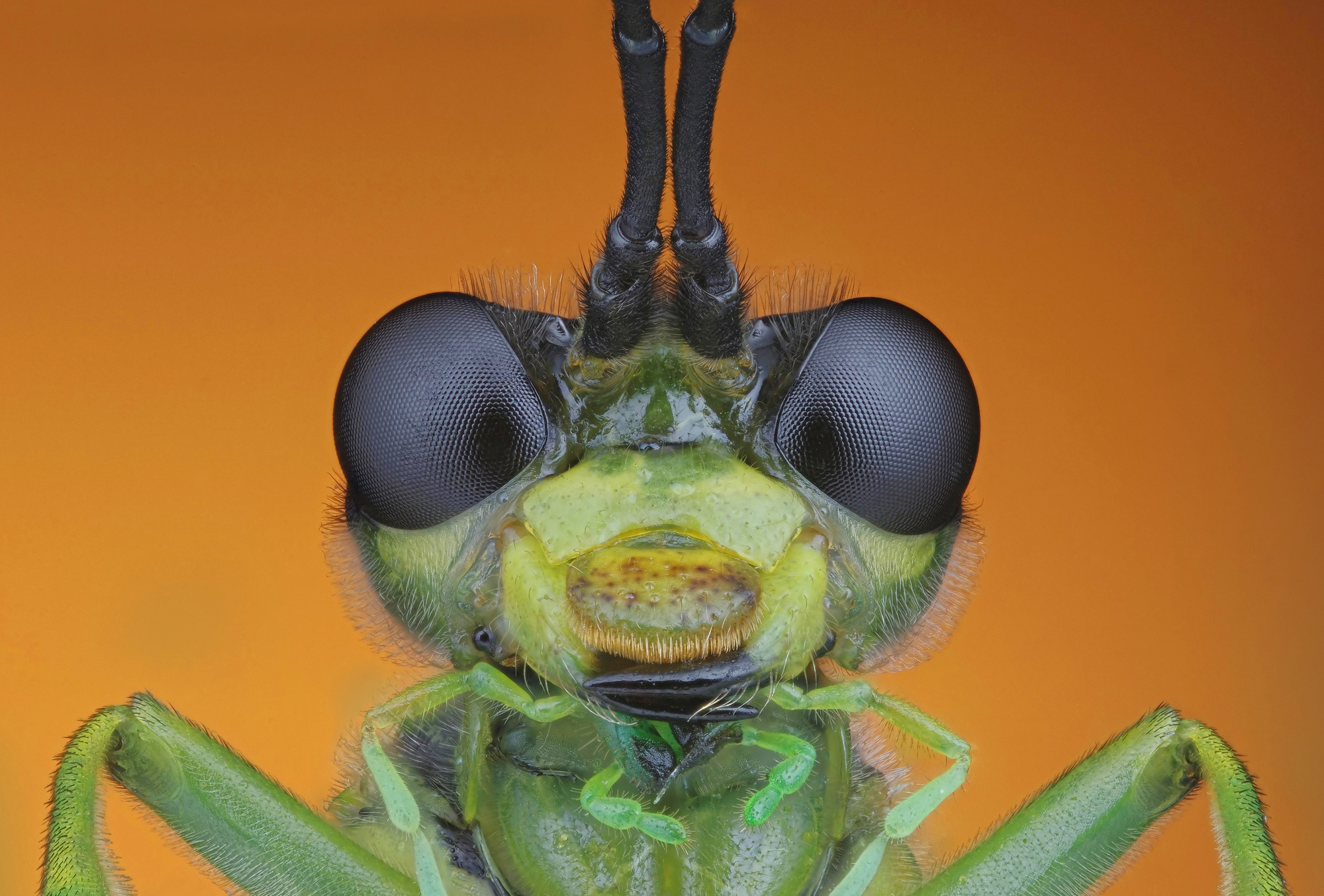
If you have ever seen leaves on bushes and trees that become skeletonised or transparent with just their veins remaining, this tends to be the work of Sawfly larvae, which eat through the tissue of the leaf until it has almost completely disappeared. At least 400 different species of sawfly have been recorded on plants in Britain. Two or three adult generations may develop during the growing season with the third generation overwintering as pupae that emerge in the spring. This is a "Green Sawfly", Rhogogaster viridis, a common species found on woodland rides, hedgerows and scrub, often on flowers, during the summer months throughout the UK. I found this little guy on the nettles surrounding the allotments in Holmbury St.Mary, England - of all the places I visit and potter this has 3x as many insect types as the rest put together!
Sawflies are related to wasps and bees. These primitive wasps are not flies (Diptera), because they have two pairs of wings; flies have one. Their name is derived from the saw-like ovipositor the adult female uses to lay eggs. Adult sawflies are inconspicuous wasp-like insects that cannot sting and cannot eat! In fact they are one of the few insects in the wasp family that feed on plants; The adult resembles a fly or a wasp but without the constricted waist. The larval or immature stage of sawflies are plant feeders and look like hairless caterpillars and can often be seen around the edges of the leaves and most curl up into an S-shape when disturbed. Larvae will also bore into developing fruits causing them to become scarred and exude sticky liquid.
Technical: this only took 8 hrs or so so I must be getting faster, yay! BG output onto SmallHD via HDMI matrix used as background; rear curtain sync .8s exposures; 213 photos into 27 sub stacks, retouched from Dmap composite, finished off with CS4, NoiseNinja & Topaz Detail. Step size of 30μm, polystyrene chip cone diffuser. Resized to reduce noise. Componon 35 f/4 reversed on flat bellows so about 1:1; 3 flashes @1/32 perpendicular @2,6 &10 o clock.
Large version: farm8.staticflickr.com/7218/7381349864_377a60a798_o.jpg
UPDATE 2013 - An extreme macro photography learning site to explain the techniques and equipment used for all my macro photos here in Flickr is now ready. To point to a few of the links that people who want to learn this stuff might like to have a browse of:
Focus Stacking, Focus Stack Preparation, Shooting A Stack, Stack Processing, Stack Post Processing, Schneider Kreuznach Componon 28 mm f/4, Schneider Kreuznach Componon 35 mm f/4, Schneider Kreuznach Componon 80 mm f/4, Nikon El-Nikkor 50 mm f/2.8N, Reject Enlarger Lenses, JML Optical 21 mm f/3.5, 20 mm Microfilm f/2.8, Anybrand MP-E 65 Macro Lens, Manual, TTL, Rear Curtain Sync, Extreme Macro Backgrounds, Single Colour Background, The Gradient Background, Adjustable Flash Shoe Mounts, Extension Tubes, Eyepiece, Field Monitor, Flash Bracket, Focusing Helicoid, Holding Tools, Lens Adapters, M42 Iris, Macro Tripod, Making A Macro Beanbag.
A sea of green
.
📷 Nikon D7200
🔎 Sigma 17‑50mm F2.8 EX DC OS HSM
.
#seisbest #sussex #sussexlife #ig_sussex #landscape #buryhill
#westsussex #experiencewestsussex #southdowns #genuinebritain #1ukshot #gloriousbritain #explore_britain_ #yourbritain #excellent_britain #raw_uk #bestukpics #ukscenery #uk_shooters #ukscenery #jessopsmoment #ukshots #loves_united_kingdom #bns_earth #big_shotz #ukshots #uk_shots #uk_greatshots #landscape_lover #thisprettyengland
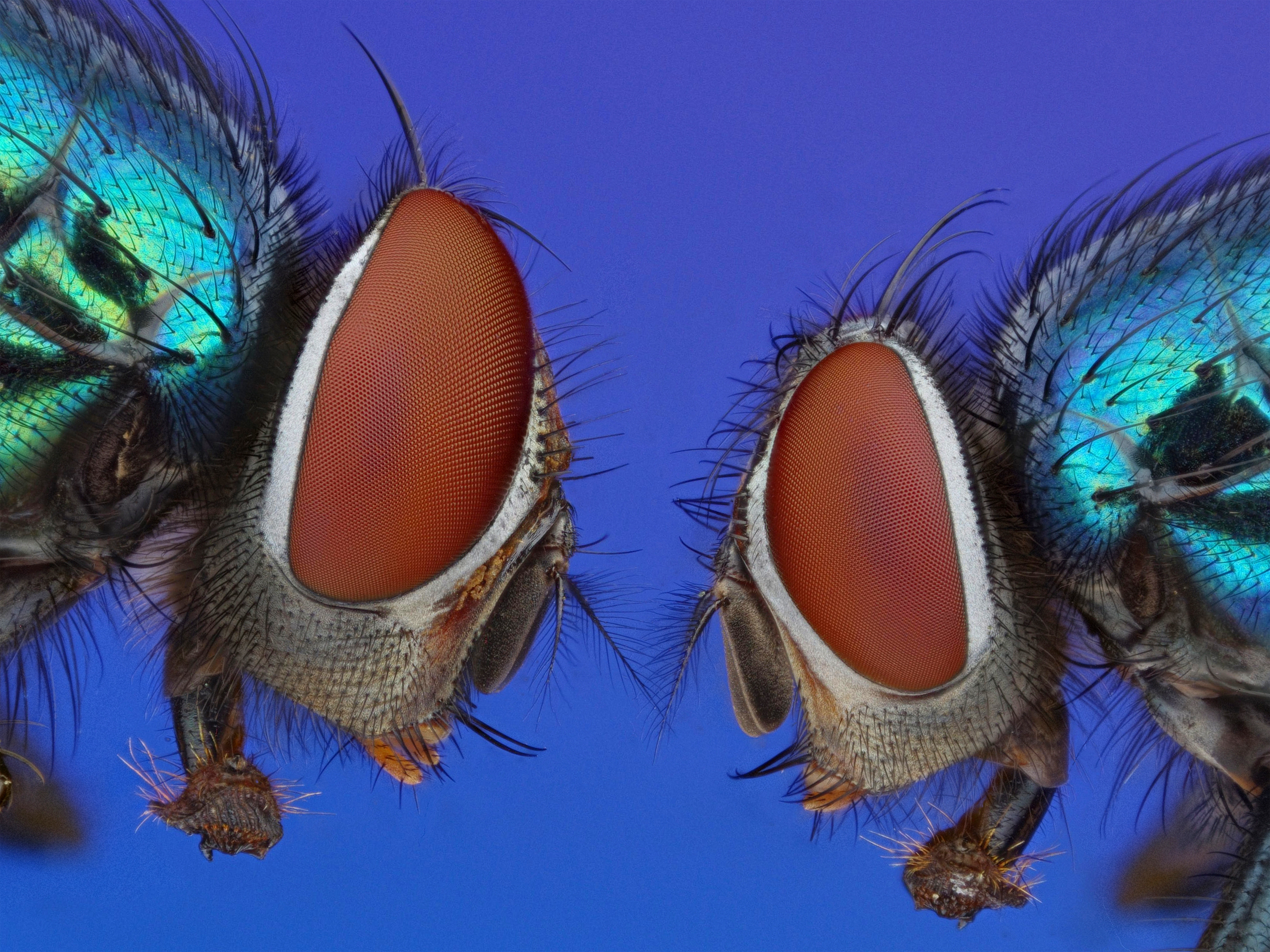
Someone kindly suggested on my last shot that another fly looking across might be interesting... so I gave it a shot. It certainly works for me =). Thank you Gary! And, credit where credit is due: I really liked this shot by Jemenu so wanted to have a play too! So this is, I think, a pair of greenbottles (not bluebottles, I promise you they look green compared to the bluebottle I compared them to at the time!), they're rather mundane creatures but not without a certain aesthetic appeal when you look at them like this. A blue background: a different blue to last time which is gradiented towards purple. I wanted a bit more vibrancy and I think this gave it to me!
Posing this wasn't easy. I used the Watkins & Doncaster Insect Examination Stage with some cork cut out in a 2 cm by 1/2 cm by 1/2 cm strip mounted at the tip. Then I cut a groove into the cork for each mounted insect according to the angle which I needed for the shot. Each of these insects were mounted on a thick black ent pin. Then I fiddled, swore and cursed for 30 mins to get them parallel and in the positions I wanted, cutting off the end of the pins that went beyond the cork so that it could all fit into the chip cone diffuser. These chip cones are handy because they're shaped so that they diverge so allow relatively big things inside the diffuser (mine just sits on the end of the lens with a custom reverse lenscap made from a black party popper) but they're also the right shape so that there's stilll enough omnidirectional light of a similar intensity (because of similar distances, not quite a perfect hemisphere but better than other things I tried). With close flashes I get away with 1/32 and 1/64.
Technical: Gradient in CS4 piped into SmallHD using HDMI matrix used as ambient lighting for the background; strobing has rear curtain sync. 1s exposures; 121 photos into 34 sub stacks, retouched from Dmap composite, finished off with CS4 & Topaz Detail. Step size of 30µm, polystyrene chip cone diffuser. Cropped then resized 10% to lessen noise. Componon 35 f/4 reversed on flat bellows so about 1:1 ish; 2 Pentax 540& 1 Pentax 360 off camera flashes triggered wirelessly by Metz 58 II cam-connected controller; all manual trailing synch to eliminate flash ghosting, strobes manual at @1/32; perpendicular to flys at @2,6.30 &10 o'clock.
Looks nice on black! www.flickr.com/photos/jingleslenobel/7191333770/lightbox/
Link to full size image: farm9.staticflickr.com/8158/7191333770_da753c467e_o.jpg
UPDATE 2014 - I have put together an extreme macro photography learning site to explain the techniques and equipment used for all my macro photos here in Flickr which is now ready. To point to a few of the links that people who want to learn this stuff might like to have a browse of:
Focus Stacking, Focus Stack Preparation, Shooting A Stack, Stack Processing, Stack Post Processing, Schneider Kreuznach Componon 28 mm f/4, Schneider Kreuznach Componon 35 mm f/4, Schneider Kreuznach Componon 80 mm f/4, Nikon El-Nikkor 50 mm f/2.8N, Reject Enlarger Lenses, JML Optical 21 mm f/3.5, 20 mm Microfilm f/2.8, Anybrand MP-E 65 Macro Lens, Manual, TTL, Rear Curtain Sync, Extreme Macro Backgrounds, Single Colour Background, The Gradient Background, Adjustable Flash Shoe Mounts, Extension Tubes, Eyepiece, Field Monitor, Flash Bracket, Focusing Helicoid, Holding Tools, Lens Adapters, M42 Iris, Macro Tripod, Making A Macro Beanbag.
The enigmatic @lonelywinterx
www.instagram.com/lonelywinterx/
Taken at the uk.shooters Halloween meet in London 20/10/2018.
Received 20/20 in the "Black & White" set subject competition at Southwick Camera Club, judge Jerry Webb.
"I never weary of great churches. It is my favorite kind of mountain scenery. Mankind was never so happily inspired as when it made a cathedral." - Robert Louis Stevenson
Salisbury Cathedral is an Anglican cathedral in Salisbury, considered one of the leading examples of Early English architecture.
The main body was completed in only 38 years, from 1220 to 1258. The cathedral has the tallest church spire in the United Kingdom (123 m or 404 ft).
The cathedral has the largest cloisters of any British Cathedral.
The cloisters were started as a purely decorative feature only five years after the cathedral building was completed, with shapes, patterns, and materials that copy those of the cathedral interior.
The enigmatic @lonelywinterx
www.instagram.com/lonelywinterx/
Taken at the uk.shooters Halloween meet in London 20/10/2018.
CNDT Photography
**Operation 1,000 subscribers 2019**
CASHINO's YOUTUBE Channel - www.youtube.com/cashino
Plz, subscribe.
PHOTOGRAPHY SLIDESHOWS, EVENTS AROUND TOWN,
VIDEOS & TRACKS FROM CASHINO-NDT (HIP-HOP)
@cashinondt (I.G, TWITTER, FACEBOOK)
#CashinoNDT #Youtube #Photography #HipHopMusic
Taken on a sunny day in August at Helingham Hall near Stowmarket Suffolk, UK. Shooting midday on a sunny day is always challenging but thier was a wealth of compositions around me and i knew i would at least get one keeper. And this is it. The texture on the bark of this very old pear tree was amazing! its branches perfectly framed the Hall in the background and the small waterway made an excellent leading line. My only problem was depth of field, i couldn't get it all sharp in one image. So i had to resort to focus stacking this image, one set of bracketed shots for the tree bark and one for the Hall in the distance. These then had to be blended by hand in Photoshop to achieve this tack sharp image front to back. I think it was worth all the effort and i am very pleased with the resulting image.
CNDT Photography
**Operation 1,000 subscribers 2019**
CASHINO's YOUTUBE Channel - www.youtube.com/cashino
Plz, subscribe.
PHOTOGRAPHY SLIDESHOWS, EVENTS AROUND TOWN,
VIDEOS & TRACKS FROM CASHINO-NDT (HIP-HOP)
@cashinondt (I.G, TWITTER, FACEBOOK)
#CashinoNDT #Youtube #Photography #HipHopMusic
The seductive @imjuuliet
MUA: @amyllsfx
Taken at the uk.shooters Halloween meet in London 25/10/2019.
CNDT Photography
**Operation 1,000 subscribers 2019**
CASHINO's YOUTUBE Channel - www.youtube.com/cashino
Plz, subscribe.
PHOTOGRAPHY SLIDESHOWS, EVENTS AROUND TOWN,
VIDEOS & TRACKS FROM CASHINO-NDT (HIP-HOP)
@cashinondt (I.G, TWITTER, FACEBOOK)
#CashinoNDT #Youtube #Photography #HipHopMusic
The scales of a sunset moth (Chrysiridia rhipheus) that I bought in for this purpose. The first pic I've taken for months and months whilst my PC has been to the computer doctor and back, and whilst I've been preoccupied with other projects. This is a day-flying moth and the iridescent parts of the wings which make it so beautiful apparently do not actually contain any pigment; rather, the colors originate from optical interference. I actually even slightly desaturated this image believe it or not!
Scales are usually pigmented, but some types of scales are metallic, or iridescent, without pigments; because the thickness of the platelets is on the same order as the wavelength of visible light the plates lead to structural coloration and iridescence through the physical phenomenon described as thin-film optics, the same optical process responsible for the pretty colours floating on soap bubbles. The other interesting thing to note is that these scales are curved to an unusual degree so they probably reflect and pick up on light from a wide variety of angles, more so than most. See for example the difference in curvature compared to these scales from a different type moth last year.
I used a single flash at 1/16 for this at 1/180, diffused with a polystyrene cup over a Nikon CFI Plan 10x/0.25NA, with a Raynox DCR-150 as infinite tube lens at c.210mm. The Raynox, as expected, performs wonderfully as a tube, and once I'm back into the swing of things after finishing my website I hope to use it a lot more and have decent writeups on the equipment setups. And a bit better, it's amazing how rusty you get after a little while =). The lighting was rather flat from a bottom right direction and although little reached the other side (for shadow fill) some may have bounced off the polystyrene to fill in the shadows. This was 78 images stacked, step size 10μm, lazy pmax method stack with zerene stacker, no slabbing.
The magnification here is a shade over 10:1, I'm not especially experienced at this ratio but not bad for a first attempt after a long time. It's pretty hard to control an image like this because the bright iridescence actually really overwhelms everything and you get all sorts of posterisation if you're not careful and specks of dust are obviously volcano sized at this scale! I actually found the hardest part to be getting the wing parallel to the lens, so there are lots of lessons to be learned, especially before braving the JML 20x. Pretty though =).
View larger: farm9.staticflickr.com/8230/8505186866_8d1b9084b4_o.jpg

ED: updated 26/2 with EXIF'd retouched version
Explore #90 25/2/2013 - Thank you!
UPDATE 2014 - I have put together an extreme macro photography learning site to explain the techniques and equipment used for all my macro photos here in Flickr which is now ready. To point to a few of the links that people who want to learn this stuff might like to have a browse of:
Focus Stacking, Focus Stack Preparation, Shooting A Stack, Stack Processing, Stack Post Processing, Schneider Kreuznach Componon 28 mm f/4, Schneider Kreuznach Componon 35 mm f/4, Schneider Kreuznach Componon 80 mm f/4, Nikon El-Nikkor 50 mm f/2.8N, Reject Enlarger Lenses, JML Optical 21 mm f/3.5, 20 mm Microfilm f/2.8, Anybrand MP-E 65 Macro Lens, Manual, TTL, Rear Curtain Sync, Extreme Macro Backgrounds, Single Colour Background, The Gradient Background, Adjustable Flash Shoe Mounts, Extension Tubes, Eyepiece, Field Monitor, Flash Bracket, Focusing Helicoid, Holding Tools, Lens Adapters, M42 Iris, Macro Tripod, Making A Macro Beanbag, Insect Photography
This photo is made for a boy called Harrison, the son of a friend of Nini, my lovely (and incredibly tolerant of my photo habit) wife. Harrison had a tough operation last week but he's been a very brave boy and has come through with flying colours! As a treat, and I'm totally bowled over by this, Harrison's parents asked to give him a little montage of some of my insect stuff, because he loves nature and bugs. I hope Harrison grows up to appreciate all the beautiful things that are out there in the wild, especially the not so very big things!
So for Harrison... this is a Rose Chafer (Cetonia aurata), a 2cm long beetle, one of the British 'flying jewels', which believe it or not is actually relatively common! These rose chafers can be seen sitting in flowerheads between May and July on warm sunny days amidst nectar and pollen, and in particular on roses, from where they get their name. Chafers are one of the closest relatives to the scarab beetles deified in Egyptian history (chafers are the 'other' branch of the Scarabaeidae family) and this one is part of a subfamily that can fly with closed forewings. This is apparently possible due to a tiny slit at the sides and an especially unusual form of forewing articulation. In terms of its spread, rose chafer beetles are somewhat localised in the southern half of the UK, but widespread over southern and central Europe. The adults are variable in colour from dark green to a more golden-green sheen. There is even a nearly black variant down in Cornwall. Rose chafer larvae are the insect equivalent of earth worms and help make very good compost where they are often found in great numbers. They move on their backs, which is a very quick way to identify them. They are considered very beneficial compost makers, unlike many other chafers which have large and unwelcome grubs that feed on the roots of crops.
In terms of appearance rose chafers are commonly confused with noble chafers, but these lack the prominent V in the centre of the body. Another key diagnostic is the white wrinkles on the back - clearly visible in this photo (no it's not dust!). Nobles do not have such prominent wrinkles. Please, if you find a noble chafer in Britain, take a decent closeup photo for ID, record the grid reference and mail People’s Trust for Endangered Species, 15 Cloisters House, 8 Battersea Park Road, London SW8 4BG, as these are critically endangered here!. See www.ptes.org/index.php?page=174 . Now, just to make things even more complicated there is another almost identical beetle in the UK but it is very localised: Protaetia metallica. Protaetia metallica is localised in Scotland, and the elytra (wing coverings) narrow towards the rear on that, whereas on the rose chafer the elytra are parallel sided. Small but important difference. Yet another possible source of confusion is the name - our transatlantic cousins in the US use "rose chafer" as the name for a different insect, (Macrodactylus subspinosus), which believe it or not is also a beetle of the family Scarabaeidae but a different one. Yes it's all a bit confusing. Americans call this the "European Rose chafer".
The colouring on rose chafer beetles is, well, nothing short of phenomenal. As you can see the upper surfaces are an shiny metallic emerald green and bronze, and the underneath surface is actually metallic orange (maybe a photo for a winter day). Web sources are slightly unclear about why and how - whether this is irridescence (also known as 'goniochromism' - a property of certain surfaces that appear to change color as the angle of view or the angle of illumination changes) or whether this is the "reflection of mostly circularly polarised light, typically left circularly polarized light...". Maybe it is both? It does seem from googling that very things in nature are known to produce circularly polarized light but that this rose chafer is one of them. But, interesting, from my own experience the colour definitely does change as the angle of light changes. Perhaps someone who is more experienced with colouration in nature might be able to comment...?
Technical: my first try at this beetle was with a reversed 80mm Componon enlarger lens because it gives me a 4cm width in focus and this is quite a big object by my standards. That went ok when I used bellows to add length and reduced the width of focus to 2cm, but in fact I decided to redo it to improve the lighting and show the shell a bit better. So this photo uses el-nikkor 50 f/2.8 enlarger lens reversed on minimal bellows extension which gets about 1.5cm width in focus; I only just managed to fit it in (for goodness sake Pentax do a full frame DSLR) and I eventually had to extend the background to the left a bit in post (the left whisker was only about 20px from the edge). I didn't feel a need to supplement the background with a colour because it seems to me the beetle is colourful enough and any more might well end up being 'kitsch'. Of interest - the background is in fact more of a dark grey than the black you would expect but that's because in the second version I extended the diffuser to way behind the beetle in order to be able to reflect light off the top. Maybe there is some light spillage and the homemade baffles inside my bellows arn't as effective as I'd like! In all a focus stack of 191 photos stacked > 57 sub stacks > then retouched from zerene stacker dmap substack composite of the substacks, all finished off with Adobe CS4, NoiseNinja & Topaz Detail. Smaller than neccessary step size of 40オm just because I felt like it, double length polystyrene chip cone wraparound diffuser over lens, image resized to reduce noise. Lighting is 3 flashes on rear synced with manual: @1/64 perpendicular @ 10 & 6 o'clock and 1/32 @ 2 o'clock. Workflow, start, about 4 hrs combined prep (washing, degreasing, relaxing, mounting, cleaning - this stage is the hardest bit for me by miles), 2 hrs shooting 191 images, 10 hrs combined comp processing combining substacks etc, 3 hrs final pp.
In terms of the angle and final photo aesthetics - I am absolutely convinced that there is a much better extreme macro dramatic "portrait" to be done for this creature. But I wanted to show some of the ID characteristics and the colouring on its back. This is a common conflict of interests (for me). I think maybe though a statue type photo standing straight up could work well either on front or back, both are interesting, perhaps another time. One thing that I think failed badly on is that some of those hairs on its jaw do seem to be clumping together in bunches which happened when I washed it, and although I did afterwards degrease it, perhaps I didn't do this well. I did then spend some time trying to brush them out with dissection needles but they were determined to stick together and I don't have a brush thing that's small enough. Your suggestions how to handle this effectively in the future would of course be very much appreciated, thank you!
100% img: farm9.staticflickr.com/8142/7160700597_8e2ac43de0_o.jpg

UPDATE 2014 - I have put together an extreme macro photography learning site to explain the techniques and equipment used for all my macro photos here in Flickr which is now ready. To point to a few of the links that people who want to learn this stuff might like to have a browse of:
Focus Stacking, Focus Stack Preparation, Shooting A Stack, Stack Processing, Stack Post Processing, Schneider Kreuznach Componon 28 mm f/4, Schneider Kreuznach Componon 35 mm f/4, Schneider Kreuznach Componon 80 mm f/4, Nikon El-Nikkor 50 mm f/2.8N, Reject Enlarger Lenses, JML Optical 21 mm f/3.5, 20 mm Microfilm f/2.8, Anybrand MP-E 65 Macro Lens, Manual, TTL, Rear Curtain Sync, Extreme Macro Backgrounds, Single Colour Background, The Gradient Background, Adjustable Flash Shoe Mounts, Extension Tubes, Eyepiece, Field Monitor, Flash Bracket, Focusing Helicoid, Holding Tools, Lens Adapters, M42 Iris, Macro Tripod, Making A Macro Beanbag, Insect Photography
The amazing @eljay.ballet
www.instagram.com/eljay.ballet
Taken at the uk.shooters Halloween meet in London 20/10/2018.
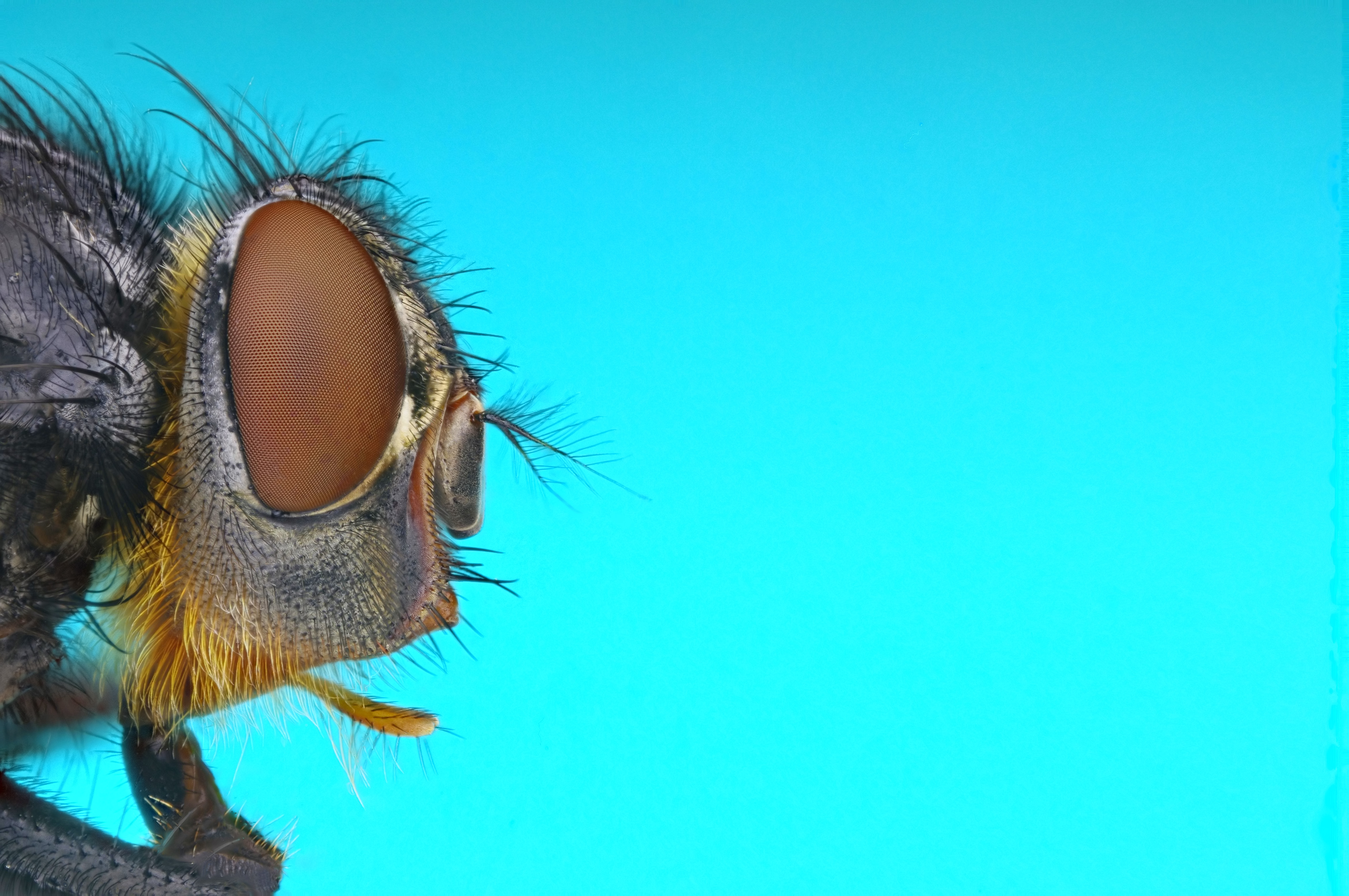
I had a goodie arrive in the post courtesy of eBay this week and I was desperate to try it out - a Componon 35mm f/4 enlarger lens. This covers the gap I had between a 28 Componon and an el Nikkor 50 beautifully and well I' very happy with it. I like doing moths and this lens should be the right mm for that. If you ever get into using reversed enlarging lenses, the lenses to look for are 6 element lenses, they can be had relatively cheaply nowadays with the declining use of enlargers and the results can be really nice.
I did a blue background for 2 reasons one of which was that a very nice fellow goin_bald kindly suggested it as an alternative on my last shot., I'm glad I listened. Also, I wanted something to show off the orange beard and blue and orange can sometimes be quite striking together. Another option I'd like to try on another similar fly would be gray - which bizarrely comes from looking at the kindle for iPad colour scheme. The orange certainly stands out - grey might be too flat though. Decisions decisions. hm.
I would have liked to have done a different insect but unfortunately I'm much better at photography than I am at entomology. Learning what's where, when and what's pretty is something that's going to take me a little longer - feel more than welcome to comment with links to decent books or websites. Help appreciated =).
Technical: SmallHD background; rear curtain sync 1s exposures; 146 photos into 48 sub stacks, retouched from Dmap composite, finished off with CS3, noiseninja & Topaz Detail. Step size of 35µm, polystyrene chip cone diffuser. Resized 10% to lose noise. Componon 35 f/4 reversed on flat bellows so about 1:1; 3 flashes @1/32 perpendicular @2,6 &10 o clock.
Link to 100% jpg: farm6.staticflickr.com/5451/7178341348_268475b834_o.jpg
UPDATE 2014 - I have put together an extreme macro photography learning site to explain the techniques and equipment used for all my macro photos here in Flickr which is now ready. To point to a few of the links that people who want to learn this stuff might like to have a browse of:
Focus Stacking, Focus Stack Preparation, Shooting A Stack, Stack Processing, Stack Post Processing, Schneider Kreuznach Componon 28 mm f/4, Schneider Kreuznach Componon 35 mm f/4, Schneider Kreuznach Componon 80 mm f/4, Nikon El-Nikkor 50 mm f/2.8N, Reject Enlarger Lenses, JML Optical 21 mm f/3.5, 20 mm Microfilm f/2.8, Anybrand MP-E 65 Macro Lens, Manual, TTL, Rear Curtain Sync, Extreme Macro Backgrounds, Single Colour Background, The Gradient Background, Adjustable Flash Shoe Mounts, Extension Tubes, Eyepiece, Field Monitor, Flash Bracket, Focusing Helicoid, Holding Tools, Lens Adapters, M42 Iris, Macro Tripod, Making A Macro Beanbag, Insect Photography
Broccoli seems like a great subject for a macro because the vegetable's components are so much more interesting when viewed enlarged.
Some facts about broccoli
1) The word broccoli comes from the Latin word brachium and the Italian word braccio, which means "arm".
2) Broccoli is a part of the cabbage family.
3) Eating broccoli reduces the risk of coronary heart disease and death in postmenopausal women.
4) In Treehouse of Horror XI, Homer Simpson is killed by eating broccoli.
5) A compound found in broccoli appears to have more effect than modern antibiotics against the creation of peptic ulcer causing bacteria.
6) Broccoli is a cool-weather crop and grows poorly in the summer.
7) Broccoli comes in a variety of colors, ranging from deep sage all the way to dark green and purplish-green.
8) Tom "Broccoli" Landers holds the current world record for eating 1 pound of broccoli in 92 seconds.
9) Broccoli is high in Vitamin C and also soluble fibre.
10) Humans have been growing broccoli for more than 2,000 years. It was first grown in Ancient Rome in the Italian province of Calabria, where they called it Calabrese.
11) Broccoli consumption has increased over 940 percent over the last 25 years!
12) It is a good source of Vitamin A, Vitamin C, potassium, iron, beta carotene, and fibre.
13) Broccoli has as much calcium ounce-per-ounce as milk.
14) Broccoli is a member of the cabbage family and is closely related to cauliflower,
15) Broccoli was introduced to England around 1720 but did not become an important crop in the United States until after World War II.
16) Since then, the United States has become the world's largest producer of broccoli. The leading broccoli-producing states are California, Arizona, Texas, and Oregon. Broccoli is also grown in Italy, northern Europe, and Asia.
Technical: this is my first attempt at a macro using a reversed 28 on a 100. The lighting was from the right, at quite a severe angle, using a flash.
UPDATE 2014 - I have put together an extreme macro photography learning site to explain the techniques and equipment used for all my macro photos here in Flickr which is now ready. To point to a few of the links that people who want to learn this stuff might like to have a browse of:
Focus Stacking, Focus Stack Preparation, Shooting A Stack, Stack Processing, Stack Post Processing, Schneider Kreuznach Componon 28 mm f/4, Schneider Kreuznach Componon 35 mm f/4, Schneider Kreuznach Componon 80 mm f/4, Nikon El-Nikkor 50 mm f/2.8N, Reject Enlarger Lenses, JML Optical 21 mm f/3.5, 20 mm Microfilm f/2.8, Anybrand MP-E 65 Macro Lens, Manual, TTL, Rear Curtain Sync, Extreme Macro Backgrounds, Single Colour Background, The Gradient Background, Adjustable Flash Shoe Mounts, Extension Tubes, Eyepiece, Field Monitor, Flash Bracket, Focusing Helicoid, Holding Tools, Lens Adapters, M42 Iris, Macro Tripod, Making A Macro Beanbag.
CNDT Photography
**Operation 1,000 subscribers 2019**
CASHINO's YOUTUBE Channel - www.youtube.com/cashino
Plz, subscribe.
PHOTOGRAPHY SLIDESHOWS, EVENTS AROUND TOWN,
VIDEOS & TRACKS FROM CASHINO-NDT (HIP-HOP)
@cashinondt (I.G, TWITTER, FACEBOOK)
#CashinoNDT #Youtube #Photography #HipHopMusic
A robber fly with a beautiful pair of green eyes that I shot last night. They're not the cuddliest of creatures of the insect world as they typically sit around on leaves waiting for other insects to fly by, then pounce on them and literally suck the life out of them.
But, what's of interest in this photo, is that it doesn't use your normal type of lens at all, nor does it use anything fancy and known, but instead uses a cheap 20mm microfilm reader lens obtained from ebay, suggested as an alternative to the most excellent JML 21mm lens. So I thought I'd try it out and give it a whirl as nobody else had.
Microfilm lenses are interesting for extreme macro because they have a quite amazing resolution, literally 100s of lpm. Compare this to your average consumer zoom or prime which might have 50-100, and it becomes immediately obvious why they're a good thing to use in extreme macro. Do beware though, not all microfilm lenses are the same - I wouldn't personally want to go much below 20mm nor would I want an f stop much above 2 or 3 (because of diffraction).
Technical: preserved specimen, background uses smallHD with cs4 gradient 2s exposure, rear curtain sync; 136 photos into 31 sub stacks using zerene stacker, retouched from Dmap composite, finished off with CS4, NoiseNinja & Topaz Detail. Step size of 15µm, polystyrene chip cone diffuser. Resized to reduce noise. 20mm microfilm lens on slightly more than flat bellows so somewhere between 1:1 and 2:1 ish, 3 flashes @1/32 perpendicular @3,6 &9 o clock.
Sadly this maybe my last stack for a while - I need to get some equipment fixed as it's misbehaving, and we're also hoping to move house and the chairwomen of the domestic board almost certainly has other priorities in mind!
Further notes - this is a bit of experiment, as I have an awful tendency to underexpose the background which makes it noisy and icky. So I thought I'd try using the histogram for once and make it a bit lighter. Not sure if green was the best choice but there you go, works ok. It was also an experiment insofar that I wanted to achieve a clear distinction between foreground and background, and simplicity. I think I got that ok although I was sooooo tempted to cheat and fix the background assymetry in post!
UPDATE 2014 - I have put together an extreme macro photography learning site to explain the techniques and equipment used for all my macro photos here in Flickr which is now ready. To point to a few of the links that people who want to learn this stuff might like to have a browse of:
Focus Stacking, Focus Stack Preparation, Shooting A Stack, Stack Processing, Stack Post Processing, Schneider Kreuznach Componon 28 mm f/4, Schneider Kreuznach Componon 35 mm f/4, Schneider Kreuznach Componon 80 mm f/4, Nikon El-Nikkor 50 mm f/2.8N, Reject Enlarger Lenses, JML Optical 21 mm f/3.5, 20 mm Microfilm f/2.8, Anybrand MP-E 65 Macro Lens, Manual, TTL, Rear Curtain Sync, Extreme Macro Backgrounds, Single Colour Background, The Gradient Background, Adjustable Flash Shoe Mounts, Extension Tubes, Eyepiece, Field Monitor, Flash Bracket, Focusing Helicoid, Holding Tools, Lens Adapters, M42 Iris, Macro Tripod, Making A Macro Beanbag, Insect Photography
King of the World 👑
.
📷 Nikon D7200
🔎 Nikon 50mm 1.8G (reversed with Fotodiox Nikon adapter) with 48mm of Neewer extension tubes
.
#nikon #nikond7200 #nikonartists #uk_shooters #macro #macrophotography #magicmacroworld #macro_spotlight #bestukpics #jessopsmoment #naturephotography #nature #macro_vision #macro_highlight #macro_perfection #igbest_macros #macro #macrogrammers #macro_captures #macro_love #kings_macro #macro_delight #macro_brilliance #macro_freaks #top_macro #macroinsect #insects_macro #insect #neewer #macro_world #macronature
I used my friend's Sigma 50mm 1.4 DG Art for a number of shots and am impressed by the optics it offers for the price.
Maybe I will look to add 50mm to my lens range soon :D
Dunraven Bay, UK.
Shooting just before sunset, the clouds started to arrive off the sea. Only moments after getting this shot the rain came in and that shooting that evening was over!
I wasn't sure what this plant was until I looked it up...I believe it's called an Oenanthe Crocata aka Hemlock Water-dropwort. Anyone else think that's quite an ugly name?! That's my one new thing I've learnt today 👍
📷 Nikon D7200
🔎 Sigma 150-600mm f/5-6.3 Contemporary
#nikon #uk_shooters #macro #macrophotography #photography #instapic #bestukpics #jessopsmoment #ukshots #naturephotography #floweraddict #beautifulflowers #nature #naturelover #nature_photo #nature_of_our_world #flowersofinstagram #macrogrammers #macro_captures #macro_love #kings_macro #macro_delight #sigma #photooftheday #dropwort #dropwortflower
I got a number of wider views of Lizzie in her dress, but had to get a closer shot as the whole look was just fantastic!
CNDT Photography
**Operation 1,000 subscribers 2019**
CASHINO's YOUTUBE Channel - www.youtube.com/cashino
Plz, subscribe.
PHOTOGRAPHY SLIDESHOWS, EVENTS AROUND TOWN,
VIDEOS & TRACKS FROM CASHINO-NDT (HIP-HOP)
@cashinondt (I.G, TWITTER, FACEBOOK)
#CashinoNDT #Youtube #Photography #HipHopMusic
I'll be the crocus to your castle
.
📷 Nikon D7200
🔎 Tamron 18-400mm f/3.5-6.3 Di II VC
.
#nikon #nikond7100 #tamron #nikonartists #uk_shooters #ukpotd #gloriousbritain #photooftheday #photography #instapic #bestukpics #jessopsmoment #ukshots #naturephotography #floweraddict #beautifulflowers #nature #naturelover #nature_photo #nature_of_our_world #flowersofinstagram #crocus #crocusflower #castle #hevercastle
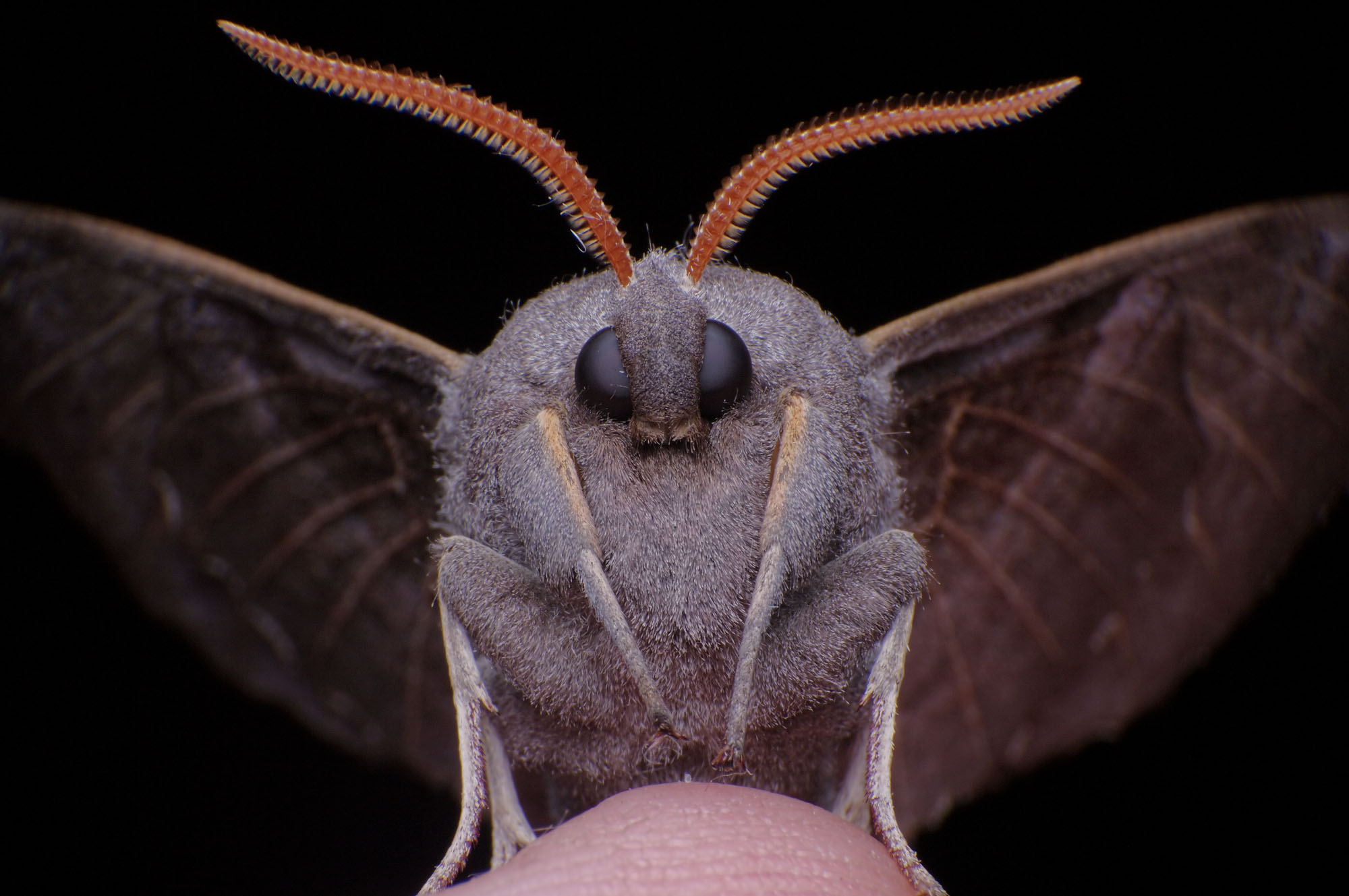
Just a quickie from this evening, a lovely Poplar Hawkmoth (Laothoe populi) sitting on the tip of my thumb. This is one of Britain's largest moths, and whenever I have an MV moth trap running my kids always love these because they're relatively untwitchy and have very 'grippy' legs - usually when we empty the trap they put these on their tshirts and they usually happily sit there for 10 minutes or so warming up their wings before flying off! (Being large, I think it takes them a bit longer to vibrate their wings to warm them up enough to allow them to fly away into the night).
Actually the reason for posting isn't so much this photo but more to give an update on what I'm doing. I've just finished shooting the cover for part I of a new comprehensive guide to British Beetles that's being written by Andrew Duff. But my other project has been to build myself a substitute MP-E 65, Canon's legendary 1:1-5:1 extreme macro lens, which I'm calling the MP-E 64.
The good news is that I've succeeded, and I'm about 90% of the way with a lens that is 90% of the MP-E 65: it goes from 1:2 to 3:1 (great range for insects), V1 was acceptable (just), this photo is with V2 (not too bad at all) with a successful build of a decent diffuser for it, and all the bits for V3 are coming in the post next week. Once I'm done and I've field tested it a bit I'll put out a post about how to make it.
The handy thing is that my MP-E 64 lens can actually be made for any brand, gives you enough light to use 1/16 power at 100 ISO (ie machinegunning possible, no waiting for flash to recharge) and most importantly, you can control the aperture through the camera (ie no need to have lens set at dark f/8 like reversing). It also costs about 100US at most!
If you're an extreme macro nut like me, it's exciting =)
Technical: 1/90s, rear curtain Metz-58II flash wide @24deg @1/32 on top with long oiled 120gm premium paper diffuser. MP-E 64 lens @1:2 @f/13. Oiling (ie wd40) a piece of premium paper makes it much more like tracing paper, ie cuts reflection and increases transmission. Makes for fantastic (and cheap) diffusion material, I kid you not. The highest quality paper is bleached so a little bit on the blue side too, double win. By long I mean the diffuser is about 25cm long and 25 wide at the front, a triangle. Good for general diffused light cutting out the central hotspot without killing the other light too much, as you can (hopefully!) see. Ie I think the diffusion on the eyes isn't crazily specular and really looks quite consistent over its area. Larger size: farm9.staticflickr.com/8151/7624663580_e4fd088df0_o.jpg
UPDATE 2014 - I have put together an extreme macro photography learning site to explain the techniques and equipment used for all my macro photos here in Flickr which is now ready. To point to a few of the links that people who want to learn this stuff might like to have a browse of:
Focus Stacking, Focus Stack Preparation, Shooting A Stack, Stack Processing, Stack Post Processing, Schneider Kreuznach Componon 28 mm f/4, Schneider Kreuznach Componon 35 mm f/4, Schneider Kreuznach Componon 80 mm f/4, Nikon El-Nikkor 50 mm f/2.8N, Reject Enlarger Lenses, JML Optical 21 mm f/3.5, 20 mm Microfilm f/2.8, Anybrand MP-E 65 Macro Lens, Manual, TTL, Rear Curtain Sync, Extreme Macro Backgrounds, Single Colour Background, The Gradient Background, Adjustable Flash Shoe Mounts, Extension Tubes, Eyepiece, Field Monitor, Flash Bracket, Focusing Helicoid, Holding Tools, Lens Adapters, M42 Iris, Macro Tripod, Making A Macro Beanbag, Insect Photography
An old style of shot that I've only just got round to trying. A more picturesque location next time for sure, but for now, hand held 35mm at night :)
There are times when the Snn is in just the right part of the sky, and the wedding breakfast room has a window in just the right place with tables arranged just right and someone to be sat just the right way in that moment for shots like this to be naturally possible 🙌👌☀️
Crouching Tiger, Hidden Dragonfly
.
📷 Nikon D7200
🔎 Tamron 18-400mm f/3.5-6.3 Di II VC
.
#rspb #pulboroughbrooks #sussex #westsussex #dragonfly #insect #motion #macro #photography #macrophotography #nikon #sussexlife #experiencewestsussex #wildlife #ig_sussex #ig_sussexwildlife #uk_shooters #ukpotd #gloriousbritain #photooftheday #instapic #bestukpics #jessopsmoment #ukshots #nikonartists #loves_united_kingdom #bns_earth #big_shotz #ukshots