View allAll Photos Tagged Tuberculose
Refectory of a abandoned tuberculosis sanatorium - built 1.898 - abandoned since 1.994 - somewhere in Germany
Réfectoire d'un sanatorium à tuberculose abandonné - construit 1.898 - abandonné depuis 1.994 - quelque part en Allemagne
Refectorio de un sanatorio de tuberculosis abandonado - construido 1.898 - abandonado desde 1.994 - en algún lugar de Alemania
Speisesaal einer verlassenen Lungenheilanstalt für Tuberkulose-Kranke - erbaut 1.898 - verlassen seit 1994 - irgendwo in Deutschland
A lucky shot again. The light was perfect at this moment and someone used artificial smoke about one hour before. So I found perfect conditions for showing these wonderful soft light beams.
Sony A7R III - Voigtänder Hyper Wide Heliar - 10 mm - f 9 - HDR with 9 captures - ISO 100
Eines der bezaubernden Badeorte entlang der "Côte d'Opale".
Die Côte d’Opale („Opalküste“) ist der französische Küstenstreifen des Ärmelkanals von Dunkerque im Norden bis zur Mündung der Somme im Süden. Der Name wird von der blau-grünen Wasserfärbung abgeleitet.
Entlang der Promenade gibt es wunderschöne Fachwerkhäuser zu bewundern, und natürlich bei einer Pause eines der leckeren beliebten Eissorten dort zu genießen.
Die "Cabanes" (Strandhütten) kann man mieten.
Es ist erfrischend, während Ebbe den langen Strand entlang zu wandern und sich vom ständig wehenden Wind durchpusten zu lassen.
____
Berck-sur-Mer
(where the wind blows) is one of the charming seaside-resorts along the Opal Coast.
The' Côte d'Opale' is a French coastal region bordering Belgium, situated opposite the cliffs of the south-east of England, facing the English Channel and the North Sea. There are beautiful half-timbered houses along the sea front.
And it is great to walk along the long beach (12 km ) during low tide and enjoying the constantly blowing wind.
The Côte d'Opale contains varied landscapes like beaches, dunes, swamps, estuaries or cliffs.
__________
Station balnéaire de la Côte d'Opale, Berck prend place dans les Hauts-de-France, dans le département du Pas-de-Calais. La commune se situe dans l'arrondissement de Montreuil, à une quinzaine de kilomètres de la célèbre station du Touquet-Paris-Plage.
Également appelée Berck-sur-Mer, la ville marquait auparavant la limite entre la Picardie et le Nord-Pas-de-Calais, deux régions formant aujourd'hui les Hauts-de-France. Port de pêche au Moyen Âge, elle devient une importante station balnéaire, mais également thérapeutique, au XIXe siècle. Elle est connue, à cette époque, pour soigner la tuberculose osseuse, dans un établissement considéré comme le précurseur de la thalassothérapie.
_________
Allen FlickrFreunden einen schönen Sonntagnachmittag.
Alle Schwimmbäder überfüllt, Morgenschwimm absoslviert.
Und jetzt ein leckeres Eis :-))
___
I wish you a happy Sunday afternoon, dearest friends.:-)
.•*¨*•♫♪¸¸.•*¨*•♫♪¸¸.•*¨*¨*•.•*¨*•♫♪¸¸.•*¨*•♫♪¸¸.•*¨*¨*•
Eine ehemalige Lungenheilstätte an einem See im Landkreis Oberhavel in Brandenburg. "Sie war die erste Heilstätte für Lungentuberkulose in der norddeutschen Tiefebene und wurde 1896 vom Deutschen Roten Kreuz als Versuchseinrichtung gegründet, um zu erproben, ob Heilstättenkuren im märkischen Kiefernwald ebenso erfolgreich seien wie in den Gebirgen und an der See. Nach dem Zweiten Weltkrieg diente sie von 1945 bis zum Abzug der Sowjetarmee aus Deutschland – 1992 – als Militär-Lazarett. Danach war die Anlage einige Zeit eine beliebte Kulisse für Filme und Fotografien, aber auch für Vandalen." Wikipedia
Danke für Euren Besuch, ich wünsche Euch ein entspanntes friedliches Wochenende und einen gutzen Start in die neue Woche.
© Alle Rechte vorbehalten.
A former pulmonary sanatorium on a lake in the district of Oberhavel in Brandenburg. "It was the first sanatorium for pulmonary tuberculosis in the north German lowlands and was founded in 1896 by the German Red Cross as an experimental facility to test whether sanatorium cures in the Brandenburg pine forest were just as successful as in the mountains and by the sea. After the Second World War, it served as a military hospital from 1945 until the withdrawal of the Soviet army from Germany in 1992. After that, the site was a popular backdrop for films and photographs for some time, but also for vandals." Wikipedia
Thank you for your visit, I wish you a relaxing, peaceful weekend and a good start to the new week.
© All rights reserved.
Abandonné et oublié !
Il s'agit d'un ancien sanatorium pulmonaire situé au bord d'un lac dans le district d'Oberhavel, dans le Brandebourg. "Premier sanatorium pour la tuberculose pulmonaire dans la plaine du nord de l'Allemagne, il a été fondé en 1896 par la Croix-Rouge allemande en tant qu'établissement expérimental afin de tester si les cures thermales dans la pinède de la Marche étaient aussi efficaces qu'en montagne et au bord de la mer. Après la Seconde Guerre mondiale, il a servi d'hôpital militaire de 1945 jusqu'au départ de l'armée soviétique d'Allemagne - en 1992. Ensuite, le site a été pendant un certain temps un décor apprécié pour les films et les photographies, mais aussi pour les vandales". Wikipedia
Merci de votre visite, je vous souhaite un week-end de détente et de paix et un bon début de semaine.
© Tous droits réservés.
Traduit avec www.DeepL.com/Translator (version gratuite)
The Lovie Castle
In 1856, Lovie Castle was built as a summer residence by Julius Karolus Cornelius Van Merris and his mother. Julius was an alderman of Poperinge and a liberal member of parliament. During World War I, the castle was inhabited by the count's family de Brouchoven de Bergeyck and was also the headquarters of French and English army corps.
In 1929, the province of West Flanders became the owner of the castle, and it was converted into a sanatorium for the treatment of tuberculosis.
Since 1960, it has served as a centre for the mentally handicapped.
---------------------------------
In 1856 werd kasteel De Lovie, als zomerresidentie, gebouwd door Julius Karolus Cornelius Van Merris en zijn moeder. Julius was schepen van de stad Poperinge en liberaal volksvertegenwoordiger. Tijdens WO 1 werd het kasteel bewoond door de grafelijke familie de Brouchoven de Bergeyck en was het kasteel ook hoofdkwartier van Franse en Engelse legerkorpsen.
In 1929 werd de provincie West-Vlaanderen eigenaar van het kasteel, en werd het omgebouwd tot sanatorium voor de behandeling van tuberculose.
Sinds 1960 doet het dienst als centrum voor personen met een verstandelijke handicap.
1887. Alors âgé de 27 ans, un homme contracte la tuberculose...
1887. Then aged 27, a man contracts tuberculosis...
1887. Alors âgé de 27 ans, un homme contracte la tuberculose...
1887. Then aged 27, a man contracts tuberculosis...
Ancien Sanatorium de Saint Hilaire du Touvet.
En mai 2009 l’activité est délocalisée à Grenoble et le bâtiment doit être détruit.
********************
© 2010 - Tous droits réservés - www.yoanbernabeu.net
www.facebook.com/pages/Bernabeu-Yoan-Photographie-Urbaine...
A corridor of an abandoned sanatorium in Germany. It was built in the beginning of the 20th century and was first used to treat children suffering from tuberculoses.
In the 1930's it was mainly used to treat injured SS soldiers. In the final days of WWII, Reichsführer-SS Heinrich Himmler left Berlin for for this sanatorium. After visiting Hitler to congratulate him on his birthday, he made a last attempt to persuade Hitler to leave Berlin, but Hitler refused. Himmler left Berlin the same day and took refuge in this sanatorium.
After the war, the Red Army took over the buildings which were used as barracks and as military hospital.
Château Wolfenstein
En: This beautiful property is part of a former hospital complex. The castle built in the 1930s was bought and converted to recovering tuberculosis patients from Switzerland after the Second World War. A few years later, also some ex-political prisoners lived in the house.
NL: Dit prachtige pand is onderdeel van een voormalige ziekenhuis complex. Het in de jaren ’30 gebouwde kasteel werd na de tweede Wereldoorlog gekocht en omgebouwd om herstellende tuberculose patiënten uit Zwitserland te voorzien van nazorg. Enkele jaren later huisvestte ze ook ex-politieke gevangenen.
Follow me on Social Media:
Facebook: Facebook
Pinterest: Pinterest
Instagram: Instagram
A corridor of an abandoned sanatorium in Germany. It was built in the beginning of the 20th century and was first used to treat children suffering from tuberculoses.
In the 1930's it was mainly used to treat injured SS soldiers. In the final days of WWII, Reichsführer-SS Heinrich Himmler left Berlin for for this sanatorium. After visiting Hitler to congratulate him on his birthday, he made a last attempt to persuade Hitler to leave Berlin, but Hitler refused. Himmler left Berlin the same day and took refuge in this sanatorium.
After the war, the Red Army took over the buildings which were used as barracks and as military hospital.
Sonnevanck dateert uit 1908 en was vroeger één van de tbc-sanatoria van Nederland. Vanaf de jaren 50 van de vorige eeuw werden er steeds minder gevallen van tuberculose gediag nosticeerd. Hierdoor waren er steeds minder sanatoriumplaatsen nodig. Vandaar dat Sonnevanck in 1958 een algemeen ziekenhuis werd. Het térrein herbergt nog een begraafplaats uit 1922. Verspreid over het terrein, te midden van het groen, stonden vroeger open houten lighallen voor tbc-patiënten. Die hallen stonden op wielen waardoor de hele constructie met de zon mee kon draaien. Sonnevanck is tegenwoordig een zorglocatie van Stichting Zorggroep Noordwest Veluwe
Klompenpad Sonnevanckpad, Harderwijk (7 of 9 km)
Sonnevanck dates from 1908 and used to be one of the tuberculosis sanatoriums in the Netherlands. From the 1950s onwards, fewer and fewer cases of tuberculosis were diagnosed. As a result, fewer and fewer sanatorium places were needed. That is why Sonnevanck became a general hospital in 1958. The site still houses a cemetery from 1922. Spread across the site, amidst the greenery, there used to be open wooden wards for tuberculosis patients. These halls were on wheels so that the entire construction could turn with the sun.
The Hudson is a busy river, and it runs between the West Side (of Manhattan) and Jersey City.
If you zoom in, you can read the message "I want to thank you" on a mural of Pier 40, and you can learn about it right here.
O Hudson é um rio com muito tráfego, e corre entre o West Side (de Manhattan) e Jersey City.
Fazendo zoom na foto, é possível ler a mensagem "I want to thank you" num mural do Pier 40, que faz parte de uma campanha que visa incentivar os líderes mundiais a contribuírem para um fundo para o combate a doenças como a SIDA, a tuberculose e a malária.
Tributo A Jorge Sampaio (1939 - 2021) by Daniel Arrhakis (2021)
O meu tributo ao Homem que defendia as cores da liberdade e da humanidade.
Jorge Sampaio, 81 anos, foi Presidente da República durante dois mandatos, entre 1996 e 2006. De seu nome completo Jorge Fernando Branco de Sampaio, este desempenhou, ao longo da sua vida, os mais altos cargos políticos no país.
Iniciou o seu percurso, ainda estudante, como um dos protagonistas, na Universidade de Lisboa, da crise académica do princípio dos anos 60, que gerou um longo e generalizado movimento de contestação estudantil ao Estado Novo, até ao 25 de Abril de 1974.
Em 1989 foi eleito líder do Partido Socialista e na mesma altura foi eleito presidente da Câmara de Lisboa, tendo sido reeleito em 1993.
Jorge Sampaio foi Presidente da República durante dois mandatos, entre 1996 e 2006.
Na cena política internacional, foi um importante contribuidor para a tomada de consciência da causa pela Independência de Timor-Leste.
Após a passagem pela Presidência da República, foi nomeado em 2006 pelo secretário-geral da Organização das Nações Unidas enviado especial para a Luta contra a Tuberculose e entre 2007 e 2013 foi alto representante da ONU para a Aliança das Civilizações.
Fundou em 2013 a Plataforma Global para os Estudantes Sírios, que atualmente ainda presidia, com o objetivo de ajudar os jovens Sírios na sua formação académica interrompida pelo conflito na Síria.
_________________________________________________
Tribute To Jorge Sampaio (1939 - 2021) by Daniel Arrhakis (2021)
My tribute to the Man who defended the colors of freedom and humanity.
Jorge Sampaio, 81 years old, was President of the Portuguese Republic for two terms, between 1996 and 2006. Under his full name Jorge Fernando Branco de Sampaio, he held, throughout his life, the highest political positions in the country.
He began his journey, still a student, as one of the protagonists, at the University of Lisbon, of the academic crisis of the early 1960s, which generated a long and widespread movement of student protest against the fascist Estado Novo, until the 25th of April 1974.
In 1989 he was elected leader of the Socialist Party and at the same time he was elected mayor of Lisbon, having been re-elected in 1993.
Jorge Sampaio was President of the Republic for two terms, between 1996 and 2006.
On the international political scene, he was an important contributor to awareness of the cause for the Independence of Timor-Leste.
After serving as President of the Republic, he was appointed in 2006 by the Secretary General of the United Nations Special Envoy for the Fight against Tuberculosis and between 2007 and 2013 he was the UN High Representative for the Alliance of Civilizations.
In 2013, he founded the Global Platform for Syrian Students, which he currently presided over, with the aim of helping young Syrians in their academic training interrupted by the conflict in Syria.
_________________________________________________
Trabalho baseado na Fotografia oficial do Presidente Jorge Sampaio. 2001 Autor: Jorge Brilhante // © Museu da Presidência da República; modificado para este trabalho.
www.museu.presidencia.pt/media/1732/24.jpg
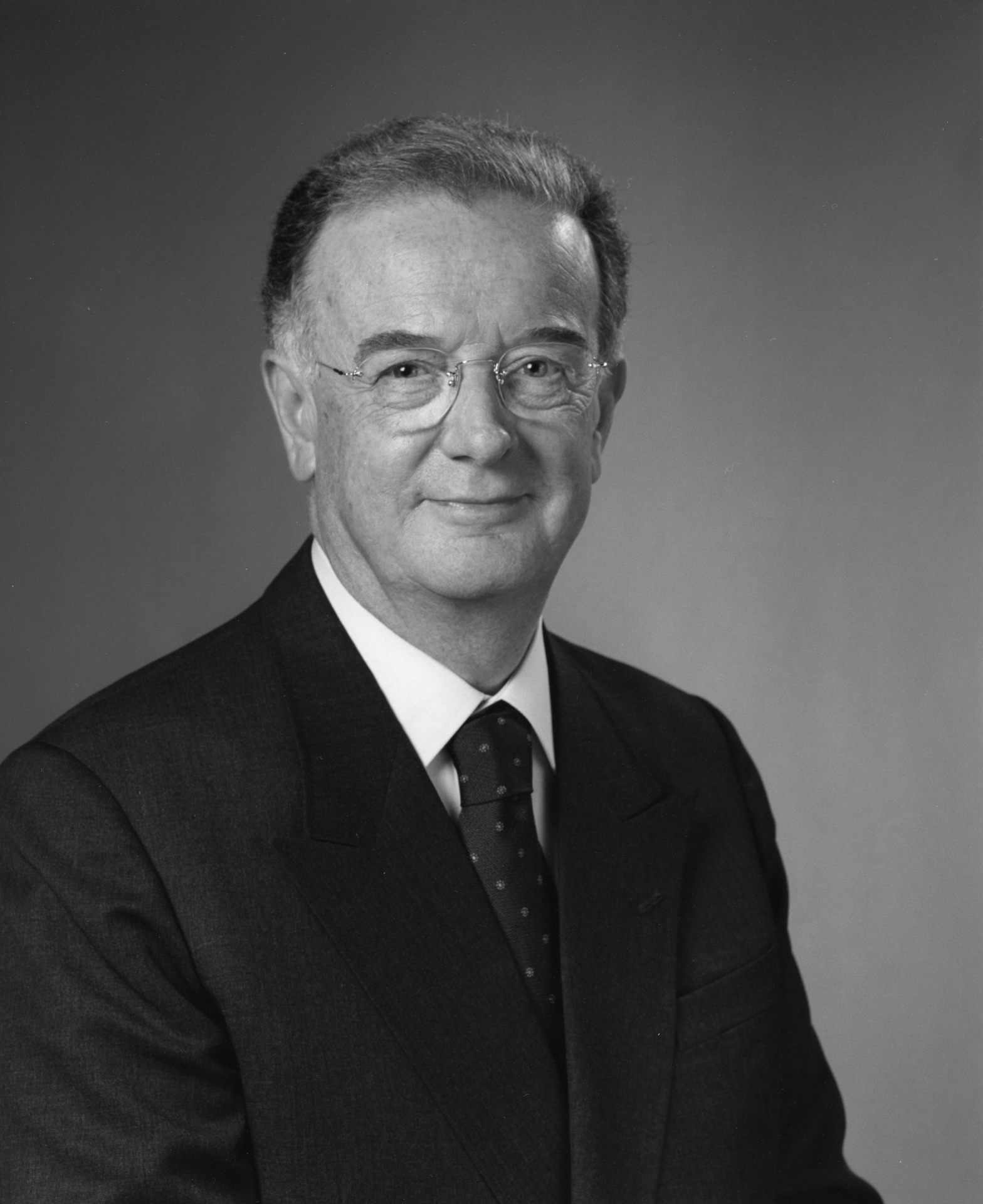
Photo With Syrian Students and Jorge Sampaio of The Global Platform for Syrian Students:
images.squarespace-cdn.com/content/v1/5b2d24e39d5abbe187e...

"O pulso ainda pulsa
O pulso ainda pulsa...
Peste bubônica
Câncer, pneumonia
Raiva, rubéola
Tuberculose e anemia
Rancor, cisticircose
Caxumba, difteria
Encefalite, faringite
Gripe e leucemia...
E o pulso ainda pulsa
E o pulso ainda pulsa
Hepatite, escarlatina
Estupidez, paralisia
Toxoplasmose, sarampo
Esquizofrenia
Úlcera, trombose
Coqueluche, hipocondria
Sífilis, ciúmes
Asma, cleptomania...
E o corpo ainda é pouco
E o corpo ainda é pouco
Assim...
Reumatismo, raquitismo
Cistite, disritmia
Hérnia, pediculose
Tétano, hipocrisia
Brucelose, febre tifóide
Arteriosclerose, miopia
Catapora, culpa, cárie
Cãimba, lepra, afasia...
O pulso ainda pulsa
E o corpo ainda é pouco
Ainda pulsa
Ainda é pouco
Pulso
Assim..."
Preventorium Dolhain
The sanatorium was built in the early 1950's for patients with tuberculoses, mainly children. In the 1980's the place was closed down.
Château Wolfenstein
En: This beautiful property is part of a former hospital complex. The castle built in the 1930s was bought and converted to recovering tuberculosis patients from Switzerland after the Second World War. A few years later, also some ex-political prisoners lived in the house.
NL: Dit prachtige pand is onderdeel van een voormalige ziekenhuis complex. Het in de jaren ’30 gebouwde kasteel werd na de tweede Wereldoorlog gekocht en omgebouwd om herstellende tuberculose patiënten uit Zwitserland te voorzien van nazorg. Enkele jaren later huisvestte ze ook ex-politieke gevangenen.
Follow me on Social Media:
Facebook: Facebook
Pinterest: Pinterest
Instagram: Instagram
Google translates ‘etable indeme de tuberculose’ as ‘tuberculosis-free stable.’ I cannot recall the context of this image but I assume at some point in time there was a stable here on the outskirts of the hamlet of Finiels and it was tuberculosis free.
Day 8 of 12 – Le Bleymard to Le Pont de Montvert: Walking the Chemin de Stevenson (GR 70 Robert Louis Stevenson Trail) in the south of France.
Preventorium Dolhain
The sanatorium was built in the early 1950's for patients with tuberculoses, mainly children. In the 1980's the place was closed down.
This establishment with particular architecture was built in 1953. While the sanatoriums guaranteed isolation and medical treatment to victims of tuberculosis, the preventorium took care of infected patients that did not present the active form of this disease yet.
This preventorium has gathered approximately 150 pre-tubercular children until 1980, date of the abandonment of the building. Today, nothing remains except empty rooms and corridors. Only a former fire truck in front of the entrance seems to stand guard.
In 36 years of abandonment, several renovation projects were presented but without result. Considered as luxury apartments then lofts, it is today considered as a center for disabled people. Case to follow…
---------
Cet établissement à l'architecture unique fut construit en 1953. Si les sanatoriums étaient des institutions permettant d'isoler et d'assurer le traitement médical des victimes de la tuberculose, le préventorium s'occupait quant à lui des patients infectés mais ne présentant pas encore la forme active de cette maladie.
Ce préventorium-ci a accueilli environ 150 enfants pré-tuberculeux jusqu'en 1980, date de la fermeture et de l'abandon du bâtiment. Aujourd'hui, il n'en reste absolument rien à part des couloirs et pièces vides. Seul un ancien camion de pompier semble dresser la garde devant l'entrée.
En 36 ans d'abandon, plusieurs projets de rénovation se sont succédés mais sans aboutir. Envisagé comme appartements de luxe puis lofts, on parle aujourd'hui d'en faire un centre pour personnes handicapées. Affaire à suivre…
= = = = = = = = = = = = = = = = = = = = = = = = = = = =
Francisco Aragão © 2016. All Rights Reserved.
Use without permission is illegal.
Attention please !
If you are interested in my photos, they are available for sale. Please contact me by email: aragaofrancisco@gmail.com. Do not use without permission.
Many images are available for license on Getty Images
= = = = = = = = = = = = = = = = = = = = = = = = = = = =
Portuguese
A Praça de D. Pedro IV, mais conhecida por Rossio (na grafia antiga Rocio), é uma praça da Baixa de Lisboa, tem constituído um dos centros nevrálgicos da cidade.
No período romano aqui existiu um hipódromo.
Esta zona baixa da cidade, antes do século XII, era navegável. Era chamada Valverde, devido a um afluente do rio Tejo. O imundo caneiro do Rossio foi coberto ainda na Lisboa de quatrocentos. Era uma praça irregularmente esguelhada mas foi sempre um espaço amplo onde se realizavam feiras e mercados.
English
Rossio Square is the popular name of the Pedro IV Square (Portuguese: Praça de D. Pedro IV) in the city of Lisbon, in Portugal. It is located in the Pombaline Downtown of Lisbon and has been one of its main squares since the Middle Ages. It has been the setting of popular revolts and celebrations, bullfights and executions, and is now a preferred meeting place of Lisbon natives and tourists alike.
The current name of the Rossio pays homage to Pedro IV, King of Portugal as well as first Emperor of Brasil (as Pedro I). The Column of Pedro IV is in the middle of the square.
= = = = = = = = = = = = = = = = = = = = = =
Portuguese
Other information about Dom Pedro IV
Dom Pedro I (do Brasil) ou Dom Pedro IV (de Portugal) (Queluz, 12 de outubro de 1798 — Queluz, 24 de setembro de 1834), alcunhado o Libertador, foi o fundador e primeiro soberano do Império do Brasil. Como rei D. Pedro IV, reinou em Portugal, onde também ficou conhecido como o Libertador, o Liberal e o Rei Soldado. Nascido em Lisboa, D. Pedro foi a quarta criança do rei Dom João VI de Portugal e da rainha Carlota Joaquina, e assim membro da Casa de Bragança. Quando seu país foi invadido por tropas francesas em 1807, foi com sua família para o Brasil.
A deflagração da Revolução Liberal de 1820 no Porto, com a rápida adesão de Lisboa e do resto do país, obrigou o pai de D. Pedro a retornar a Portugal em abril de 1821, deixando-o para governar o Brasil como regente. Teve de lidar com as ameaças de revolucionários e com a insubordinação de tropas portuguesas, as quais foram, no entanto, todas subjugadas. A tentativa do governo português de retirar a autonomia política que o Brasil gozava desde 1808 e tornar o país que havia sido elevado à condição de reino unido a Portugal novamente em uma colônia ultramarina foi recebida com descontentamento geral. Pedro I escolheu o lado brasileiro e declarou a Independência do Brasil de Portugal em 7 de setembro de 1822. Em 12 de outubro foi aclamado imperador brasileiro e, em março de 1824, já havia derrotado todos os exércitos leais a Portugal. Poucos meses depois, Pedro I esmagou a Confederação do Equador, principal reação contra a tendência absolutista e a política centralizadora de seu governo.
Uma rebelião separatista na província sulista da Cisplatina no início de 1826, e a tentativa subsequente de sua anexação pela Províncias Unidas do Rio da Prata (futura Argentina) levaram o império à Guerra da Cisplatina. Em março de 1826, Pedro I se tornou brevemente rei de Portugal com o título de Pedro IV antes de abdicar em favor de sua filha mais velha, Maria II. A situação piorou em 1828 quando a guerra do sul resultou na perda da Cisplatina. Nesse mesmo ano, em Lisboa, o trono de Maria II foi usurpado pelo príncipe Dom Miguel I, irmão mais novo de Pedro I. O relacionamento sexual escandaloso e concorrente com uma cortesã maculou a reputação do imperador. Outras dificuldades surgiram no parlamento brasileiro, onde o conflito sobre se o governo e suas políticas seriam escolhidos pelo monarca ou pela legislatura dominaram os debates políticos de 1826 a 1831. Incapaz de lidar com os problemas do Brasil e de Portugal ao mesmo tempo, em 7 de abril de 1831, Pedro I abdicou em favor de seu filho Dom Pedro II e partiu para a Europa.
Dom Pedro invadiu Portugal à frente de um exército em julho de 1834. Frente ao que parecia inicialmente uma guerra civil nacional, logo se envolveu num conflito em escala muito maior que abrangeu toda a península Ibérica numa luta entre os defensores do liberalismo e aqueles que procuravam o retorno ao absolutismo. Dom Pedro morreu de tuberculose em 24 de setembro de 1834, apenas poucos meses após ele e os liberais terem emergido vitoriosos.
English
Other information about Dom Pedro IV
Dom Pedro I (English: Peter I; 12 October 1798 – 24 September 1834), nicknamed "the Liberator", was the founder and first ruler of the Empire of Brazil. As King Dom Pedro IV, he reigned briefly over Portugal, where he also became known as "the Liberator" as well as "the Soldier King". Born in Lisbon, Pedro I was the fourth child of King Dom João VI of Portugal and Queen Carlota Joaquina, and thus a member of the House of Braganza. When their country was invaded by French troops in 1807, he and his family fled to Portugal's largest and wealthiest colony, Brazil.
The outbreak of the Liberal Revolution of 1820 in Lisbon compelled Pedro I's father to return to Portugal in April 1821, leaving him to rule Brazil as regent. He had to deal with threats from revolutionaries and insubordination by Portuguese troops, all of which he subdued. The Portuguese government's threat to revoke the political autonomy that Brazil had enjoyed since 1808 was met with widespread discontent in Brazil. Pedro I chose the Brazilian side and declared Brazil's independence from Portugal on 7 September 1822. On 12 October, he was acclaimed Brazilian emperor and by March 1824 had defeated all armies loyal to Portugal. A few months later, Pedro I crushed the short-lived Confederation of the Equator, a failed secession attempt by provincial rebels in Brazil's northeast.
A secessionist rebellion in the southern province of Cisplatina in early 1825, and the subsequent attempt by the United Provinces of the Río de la Plata to annex it, led the Empire into the Cisplatine War. In March 1826, Pedro I briefly became king of Portugal before abdicating in favor of his eldest daughter, Dona Maria II. The situation worsened in 1828 when the war in the south resulted in Brazil's loss of Cisplatina. During the same year in Lisbon, Maria II's throne was usurped by Prince Dom Miguel, Pedro I's younger brother. The Emperor's concurrent and scandalous sexual affair with a female courtier tarnished his reputation. Other difficulties arose in the Brazilian parliament, where a struggle over whether the government would be chosen by the monarch or by the legislature dominated political debates from 1826 to 1831. Unable to deal with problems in both Brazil and Portugal simultaneously, on 7 April 1831 Pedro I abdicated in favor of his son Dom Pedro II, and sailed for Europe.
Pedro I invaded Portugal at the head of an army in July 1832. Faced at first with what seemed a national civil war, he soon became involved in a wider conflict that enveloped the Iberian Peninsula in a struggle between proponents of Liberalism and those seeking a return to Absolutism. Pedro I died of tuberculosis on 24 September 1834, just a few months after he and the liberals had emerged victorious. He was hailed by contemporaries and by posterity as a key figure who helped spread the liberal ideals that allowed Brazil and Portugal to move from Absolutist regimes to representative forms of government.
Wikipedia
Here you can order my pictures online.
marcus_klepper-shop.fineartprint.de/
HDR Panorama / 2 Row´s / 2 x 11 Pictures -2/0/+2
Canon 50d
Canon EFs 10-22mm /@10mm ISO 100
Panomax Nodalpointadapter
Finally after three years we meet again! I visited Beelitz back in 2011 when I just started exploring abandonements (view my set here www.preciousdecay.com/index.php/portfolio/beelitz-heilsta...)
At that time I was less experienced and the location made that much of an impression to me, that I knew I had to go back there once. And finally this moment has come. This place is in my opinion one of the ancestors of urban exploration. Pure decay, barely touched by vandals, in buildings which breathe history.
This complex was built in the end of the 19th century and was used as a sanatorium for patients with lung tuberculoses. The buildings are surrounded by forest and the architecture was very modern for these times. Equiped with balcony's where patients could enjoy suntherapy and other revolutionary therapies took place here. It was mainly the poor people who suffered from tuberculoses, but if you were either poor or rich: Everybody received the same treatment. Patients were given lots of fresh air, sunshine and excellent food. The women were seperated from the men to avoid mass infection. The buildings were even built in a way that the washing area is situated in the women's building and the coal house was near the men's building.
In the 1st and 2nd world war, the sanatorium was used as military hospital for the German forces. Even Adolf Hitler has been a patient here when he was treated for a wounded leg. During the 2nd world war, the place was heavily bombed by the allied forces.
When the war was over, Beelitz was occupied by the Russian forces for a long time. It has been in use as a military hospital until the Russians left in the early 1990's. Since then it has been left abandoned. When you walk here, you can almost feel what has happened between these walls.
Please follow me on Facebook on www.facebook.com/preciousdecay and check my website for more pictures www.preciousdecay.com
If you like my work and you would like a piece of me on your wall, please contact me for materials of choice and prices.
Cinerama
Book :
Préventorium
2015
L' Abbaye Cistercienne de Valoires a été fondée en 1158.
Mademoiselle Papillon, ancienne infirmière major de la Croix - Rouge française rachète l'ensemble de l'abbaye et des jardins le 2 Février 1922. Le 23 Mai, le Préventorium accueille le premier enfant. L' abbaye hébergera jusqu'à 350 enfants.
Durant la Seconde Guerre Mondiale, le Maréchal Rommel veut transformer l'abbaye en Kommandantur. Le projet est abandonné. Ce qui n'empêche pas son occupation. Malgré cela, Mademoiselle Papillon a eu le courage de cacher des enfants Juifs pendant toute cette période.
Un Préventorium était une institution pour des patients infectés par la tuberculose mais qui n'avaient pas encore la forme active de la maladie. Ils étaient nombreux au début du xxe siècle. Ils étaient conçus pour isoler ces patients aussi bien des individus non-infectés que des patients présentant des symptômes visibles.
CD :
Sonic Youth
Geffen Records
2004
Nurse Paintings by Richard Prince
iTunes :
Palace Brothers
I Tried To Stay Healthy For You
Drag City
DC34
GMAbacterium Tuberculosis ...