View allAll Photos Tagged Synchrony
GAMBIA FEB 2019
================
UMBRELLA EGRET, it is also called by many. Have seen a least ten of these birds working together in the shallows, especially where prey becomes trapped in the subsiding pools. Sophisticated and characteristic foraging involves the bird spreading its wings forward to create a canopy or umbrella, and sometimes in synchrony. Found at the coast near Kotu, and am always drawn towards this, despite seeing it so many times before.
=======================
THANK YOU for being a friend, love reading your kind comments, Trust your weekend is going well, stay safe, and may Gods blessings be upon you, in what ever you do............
................................................Tomx
...and You Won’t Be Disappointed.
The Western Grebe
Setting off crisp black-and-white plumage with a yellow bill and red eye, the slender Western Grebe is an elegant presence on lakes and ocean coasts of western North America. Along with its close relative, the Clark’s Grebe, it’s renowned for a ballet-like courtship display in which male and female “run” across the water in synchrony, their long necks curved in an S-shape. These water birds rarely come ashore, instead taking long dives to catch fish and other aquatic animals.
(Nikon, 500 mm, 1/1000 @ f/5.6, ISO 160)
This pair of geese both "got the itch" at exactly the same time : ))
Seen at the frozen marsh in Lake St. Clair Metropark, Michigan.
It’s such a thrill to view the antics of young Western Grebe chicks as they frolic in the water, then scurry safely back under their mother’s wings to ride in comfort, waiting for their next meal. In this photo, one of the two chicks currently riding on Mom’s back eyes something that may be delicious.
Setting off crisp black-and-white plumage with a yellow bill and red eye, the slender Western Grebe is an elegant presence on lakes and ocean coasts of western North America. Along with its close relative, the Clark’s Grebe, it’s renowned for a ballet-like courtship display in which male and female “run” across the water in synchrony, their long necks curved in an S-shape. These water birds rarely come ashore, instead taking long dives to catch fish and other aquatic animals.
Western and Clark’s Grebes were considered the same species until 1985, after scientists learned that the two species rarely interbreed (despite sometimes living on the same lakes), make different calls, and have substantial DNA differences.
Male Western Grebes generally have longer and thicker bills than females. The difference may permit males and females to feed on different-sized prey, reducing food competition between the sexes.
Western Grebe plumage is very dense and waterproof. In the nineteenth century the birds were hunted and their hides used to make coats, capes, and hats that cost as much as luxury items made from mammal pelts. In some areas, grebe populations crashed or even disappeared altogether. In time, the garments went out of fashion, sparing this species (and Clark’s Grebe) further losses.
Western Grebes, along with other grebe species, often swallow their own feathers as they preen. These feathers wind up lining the stomach, where they may help protect against punctures by sharp fish bones. They periodically regurgitate pellets containing the feathers along with bones and other indigestible material.
The oldest recorded Western Grebe was a female and at least 11 years old when she was found in Minnesota, where she had been banded.
(Nikon, 500/f4.0 + TC 1.4, 1/2000 @ f/6.3, ISO 720)
…is a few minutes of their time each day
_________________________
This morning, I went out to check on the Western Grebe family at a local wildlife preserve. I was surprised to see the mother feeding a feather to one of her young! This behavior is actually quite common among grebes. They often eat their own feathers while preening, which then line their stomachs. This feathery lining can help protect their digestive systems from sharp fish bones. Eventually, they regurgitate the feathers in a pellet along with the bones and other indigestible bits.
Western Grebes are almost always in the water, where they dive for prey or rest on the surface. They can disappear for long periods during dives.
Setting off crisp black-and-white plumage with a yellow bill and red eye, the slender Western Grebe is an elegant presence on lakes and ocean coasts of western North America. Along with its close relative, the Clark’s Grebe, it’s renowned for a ballet-like courtship display in which male and female “run” across the water in synchrony, their long necks curved in an S-shape. These water birds rarely come ashore, instead taking long dives to catch fish and other aquatic animals.
The oldest recorded Western Grebe was a female and at least 11 years old when she was found in Minnesota, where she had been banded.
(Nikon Z8, Nikor 600/6.3, 1/1250 @ f/8.0, ISO 450, edited to taste)
Having displayed synchronised head dipping and lifting, pressing together of necks and breasts associated with courtship behaviour, this pair of immature Mute Swans glided off into the reeds with an elegantly synchronised serenity of movement. Interestingly, it is the swan with the more pinkish grey bill base, suggesting it is the elder, which leads the way.
Thank you all for your kind responses.
Setting off crisp black-and-white plumage with a yellow bill and red eye, the slender Western Grebe is an elegant presence on lakes and ocean coasts of western North America. Along with its close relative, the Clark’s Grebe, it’s renowned for a ballet-like courtship display in which male and female “run” across the water in synchrony, their long necks curved in an S-shape. These water birds rarely come ashore, instead taking long dives to catch fish and other aquatic animals.
Western and Clark’s Grebes were considered the same species until 1985, after scientists learned that the two species rarely interbreed (despite sometimes living on the same lakes), make different calls, and have substantial DNA differences.
Male Western Grebes generally have longer and thicker bills than females. The difference may permit males and females to feed on different-sized prey, reducing food competition between the sexes.
Western Grebe plumage is very dense and waterproof. In the nineteenth century the birds were hunted and their hides used to make coats, capes, and hats that cost as much as luxury items made from mammal pelts. In some areas, grebe populations crashed or even disappeared altogether. In time, the garments went out of fashion, sparing this species (and Clark’s Grebe) further losses.
Western Grebes, along with other grebe species, often swallow their own feathers as they preen. These feathers wind up lining the stomach, where they may help protect against punctures by sharp fish bones. They periodically regurgitate pellets containing the feathers along with bones and other indigestible material.
The oldest recorded Western Grebe was a female and at least 11 years old when she was found in Minnesota, where she had been banded.
(Nikon, 500 mm + TC 1.4, 1/800 @ f/5.6, ISO 100)
Wikipedia: Xylocopa latipes, the tropical carpenter bee, is a species of carpenter bee widely dispersed throughout Southeast Asia. As its name suggests, this bee inhabits forests in warm tropical climates and constructs nests by burrowing into wood. It often makes long deep tunnels in wooden rafters, fallen trees, telephone poles and the like, but is not found in living trees.
Carpenter bees are used commercially in the Philippines to pollinate passion-fruit flowers. They naturally perform the same function in Indonesia and Malaysia and the rest of Southeast Asia. In addition, passion-fruit flowers (Passiflora edulis flavicarpa) have been found to bloom in synchrony with tropical carpenter bee foraging rhythms, indicating an evolving relationship between the two species.
The edges of the leaves of this maple seemed to be in synchrony. Isn't autumn wonderful?
Isn't God a great artist? Thanks for looking.
Peafowl is a common name for three species of birds in pheasants and their allies. Male peafowl are referred to as peacocks, and female peafowl as peahens. Male peafowl are known for their piercing calls and their extravagant plumage, which is especially prominent in the Asiatic species, which have an eye-spotted 'tail' or 'train' of covert feathers, which they display as part of a courtship ritual.
Despite the length and size of the covert feathers, the peacock is still capable of flight. The peafowl lives mainly on the ground in open forests or on cultivable lands where it forages for berries and grains, and also preys on snakes, lizards and small rodents. It makes loud calls, which makes it easier to detect, and are often used to indicate the presence of a predator in the forest areas. It forages on the ground in small groups and usually escapes on foot through undergrowth and avoids flying, though it flies into tall trees to roost. 12484
Bellissimo l'incontro con lei, simpatica Knabstrupper di 7 anni e Michela, la sua proprietaria, in questo bellissimo luogo. Stavo tornando in città per evitare di rimanere bloccato per le disposizioni dettate dal nuovo Lockdown, quando ho deciso all'improvviso di concedermi ancora una passeggiata in questo luogo speciale.
Sono così arrivato qui, con perfetta sincronia con Cheope e Michela, il destino ci aveva fissato un appuntamento ma non eravamo stati avvisati. Ne è venuta fuori una bellissima e divertente sessione fotografica, per me e per loro. Molto più bella e coinvolgente, rispetto alle foto fatte in ippodromo; Cheope è dolce e tranquilla, si è lasciata accarezzare guardandomi incuriosita. Non era mai stata fotografata prima.
Mi piacciono i cavalli, ma con questa è stata simpatia al primo sguardo. Spero di rivedere entrambe.
www.knabstrupper.it/index.php/knabstrupper/storia-dei-kna...
Nice the meeting with her, a nice 7-year-old Knabstrupper and Michela, her owner, in this place that has definitely conquered me. I was on my way back to town to avoid getting stuck for decisions about the new Lockdown, when I suddenly decided to take a stroll around this special place again.
So I arrived here, in perfect synchrony with Cheops and Michela, fate had set us an appointment but we had not been warned. It turned out a beautiful and fun photo session, for me and for them. Much more beautiful and engaging than the photos taken in the racecourse; Cheops is sweet and calm, she let herself be caressed looking at me curiously. She had never been photographed before.
I like horses, but with this it was sympathy at first glance. I hope to see both again.
en.wikipedia.org/wiki/Knabstrupper
All rights reserved © Nick Outdoor Photography
A Pair of Western Grebe Caring for their chick.
A large, elegant, black-and-white grebe, the Western Grebe breeds in lakes and ponds across the American West and winters primarily off the Pacific Coast.
Western Grebes breed on freshwater lakes and marshes with extensive open water bordered by emergent vegetation.
During winter they move to saltwater or brackish bays, estuaries, or sheltered sea coasts and are less frequently found on freshwater lakes or rivers.
Western Grebes eat mainly fish, catching them by diving in open water. They either spear prey or capture it with a forceps-like motion of the bill, taking larger prey items to the surface before swallowing. They also occasionally consume bottom-dwelling crustaceans and worms.
Nests are most often built on floating vegetation hidden among emergent plants; Western Grebes occasionally nest in the open and rarely on land. Both sexes build the nest using material brought from underwater, found floating on the surface, or growing near the nest. Western Grebes often nest in colonies, with hundreds or even thousands on one lake.
The Western Grebe, like other grebes, spends almost all its time in water and is very awkward when on land. The legs are so far back on the body that walking is very difficult. Western Grebes are adept swimmers and divers. Courtship happens entirely in the water, including a well-known display known as “rushing,” where two birds turn to one side, lunge forward in synchrony, their bodies completely out of the water, and race across the water side by side with their necks curved gracefully forward.
(Nikon, 300/4 + TC 1.4, f8 @ 1/800, ISO 220)
When all is aligned and you get the feeling that you're moving in perfect synchrony with the rest of the world. Size the day everyone!!
Not many chances to go shooting around or travel lately, so
here's another from my archives: Paris, on a freezing morning, as beautiful as ever...
Me sorprendieron por su desparpajo y sincronía de pose y mirada
Merops apiaster (Abejaruco europeo o común)
I was surprised by their self-confidence and synchrony of pose and look
J'ai été surpris par leur confiance en soi et la synchronie de la pose et du regard
Marching in synchrony must be difficult at the best of times. Doing this with a heavy drum that obscures your vision must add to the challenge. Kudos to this musician, she was great. I don’t think I’ll ever complain about carrying a heavy camera / lens combo again!
ANZAC Day March
Elizabeth Street, Sydney
April, 2021
Iguana and sea lion are still playing tag.
***
Breeding takes place from May through January. Because of this prolonged breeding season and the extensive care required by the pups from their mother, there are dependent pups in the colonies year round. Each cow in the harem has a single pup born a year after conception. After about a week of continuous attention from birth, the female returns to the ocean and begins to forage, and just a week after that, the pup will follow her and begin to develop its swimming skills. When the pup is two to three weeks old, the cow will mate again. The mothers will take the young pups with them into the water while nursing until around the 11th month, when the pups are weaned from their mother's milk and become dependent on their own hunting skill.
The lasting interaction of mother–offspring pairs is a central social unit in most mammalian groups, including these sea lions. The cow will nurture a pup for up to three years. In that time, the cow and the pup will recognize each other's bark from the rest of the colony. Within the colony, sea lion pups live together in a rookery. Pups can be seen together napping, playing, and feeding. It is not uncommon to see one cow 'baby-sitting' a group of pups while the other cows go off to feed.
Many mammals synchronize their pregnancies to ensure a greater infant survival rate, but not Z. wollebaeki. Plausible reasons for this low synchrony could be the absence of strong photoperiodic change throughout the year, which is thought to regulate embryonic diapause, and/or adaptation to an environment with variable productivity and prey availability.
Funny how this occurred during the sunrise. I didn't even notice the mirror universes until a friend pointed it out. This is a 7 shot stitch at sunrise in a salt flat just outside White Sands National Monument. The rains had filled all the basins, it was beautiful and teeming with brine shrimp and birds.
Two Greenshanks are captured in a moment of perfect synchrony through the Dollard’s shallow waters in the Dutch Wadden Sea.
This is a subarctic bird, breeding from northern Scotland eastwards across northern Europe and east across the Palearctic. It is a migratory species, wintering in Africa, the Indian subcontinent, and Australasia, usually on fresh water. It breeds on dry ground near marshy areas, laying about four eggs in a ground scrape..
Windy spring... an ethereal dance of unseen forces, where the invisible hand of nature orchestrates a symphony of movement and change. The gusts of wind, like restless spirits, sweep through the landscape, stirring the air with a palpable energy. In this turbulent season, the trees sway and bow, their branches reaching out as if yearning to touch the elusive breeze. Leaves rustle and whisper secrets to one another, their delicate forms fluttering in the whimsical currents. The grasses undulate like waves on a vast sea, bending and swaying in synchrony with the invisible rhythm.
West Michigan Kiteboarding - Pere Marquette Park, Muskegon, MI
See my album for more photos of the kiteboarders. I'll be adding to it as I process the many photos that I took at this event.
Dalmatian pelican
Divjakë-Karavasta National Park
The Dalmatian pelican (Pelecanus crispus) is the largest member of the pelican family, and perhaps the world's largest freshwater bird, although rivaled in weight and length by the largest swans. They are elegant soaring birds, with wingspans rivaling those of the great albatrosses, and their flocks fly in graceful synchrony. With a range spanning across much of Central Eurasia, from the Mediterranean in the West to the Taiwan Strait in the East, and from the Persian Gulf in the South to Siberia in the North, it is a short-to-medium-distance migrant between breeding and overwintering areas.
Great bird-brains work alike as a black-necked stilt and a cinnamon teal hen coordinate for feeding time at the Merced National Wildlife Refuge.
Synchrony - Coyote puppies give me a curious gaze before continuing their romp in a meadow. It was a treat to observe these guys at play.
Coyotes are common, but often skittish around Northern California and seeing pups is a rare occurrence.
Coyotes may be highly controversial, but they are undoubtedly one of the most abundant and significant mesopredators in North America. Much remains to be understood about their ecological impact and importance to our ecosystems.
Species: Coyote (Canis latrans)
Equipment: Nikon D810 + 200-500mm f/5.6 ED VR Handheld
Settings: 1/500s, ISO 640, f/6.3, + 0.7 EV
This pair of Wigeon moved in perfect synchrony as they dabbled and swam on one of the lakes at Slimbridge. Happy Valentine's Day.
Two puddling males posing in synchrony for this shot with their long tails that get longer and more showy with each successive brood.
Zebra Swallowtail is usually the first Papilionidae species to be spotted in Spring. My first sighting this year was on March 30th with surprising large numbers that would be considered "abundant". It seems that this butterfly is having a good flight in 2025.
Taken along the direction of the various underwater lines and a row of led lights of a fountain basin.
La estructura de fondo es una fotografía realizada a la cúpula de la emblemática arquitectura neoyorquina conocida como "OCULUS" (Santiago Calatrava) y que viéndola me sugirio esta imagen.
Cámara Nikon D850 con lente 24-120 F4/G-VR editada con Camera Raw y Photoshop CC 2019
Recomiendo hacer click sobre la imagen y ver en grande / I recommend see in larger, clicking on the imagen.
Muchas gracias a todos por vuestra visita y apoyo.
Thanks so much everyone for your visit and support
just the two of us
forever friends in high places
sharing inner light
(...the following is more than just a little off-topic - but, really, i had no idea: 'Asian Squat')
A street scene built around an elegant shop window, as a woman and her two children pass in perfect harmony.
The coordination of shapes and movement creates an image that feels both spontaneous and carefully composed.
Thanks to this lovely family for their trust and participation.
Also called the Grey-headed Starling and Grey-headed Myna, the bird is a resident or partially migratory species found in wooded habitats in India and Southeast Asia. Like most Starlings, the bird is fairly omnivorous, eating fruit, nectar and insects and is known to fly in tight flocks and often rapidly change direction with great synchrony.
Yesterday at the beach, running through the dunes. I love this photo, happy dogs. Margo is nearly as big as Olive now.
I'm posting a few more images of rushing Clark's Grebes. This first image was early in the dance before the female caught up to the male. After she catches up, they move in synchrony as if one (later images linked in comment 1 and posted below).
Next time I do this, I'll work at f11 or maybe even f16 for more DOF to maintain sharpness in both bird's eyes. In some images (not posted), I lost sharpness in the eyes of one bird if the birds moved too far apart.
Klamath Falls, Oregon. May 2017
……………………………….
Poster:
Locandina:
pad.mymovies.it/filmclub/2022/09/120/coverlg_home.jpg
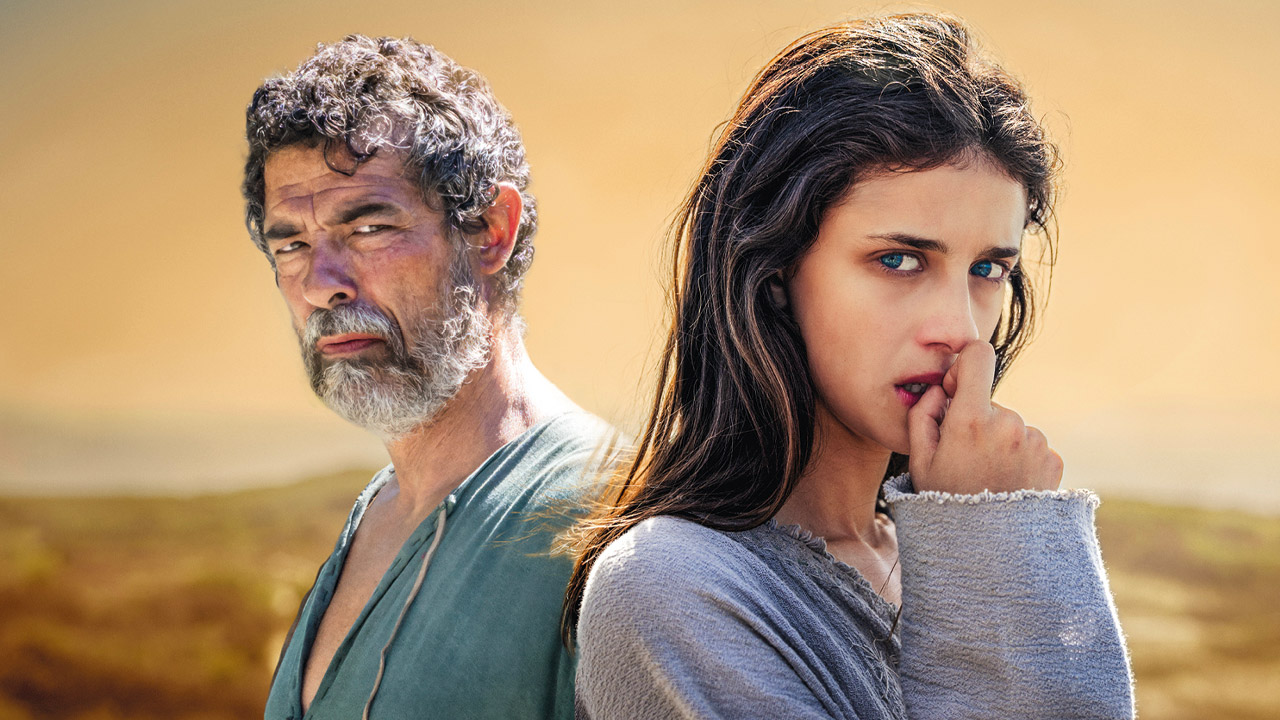
pad.mymovies.it/filmclub/2022/09/120/locandina.jpg

www.cinematografo.it/image-service/version/c:M2QyY2FiZTct...
www.artribune.com/wp-content/uploads/2024/06/vangelo-seco...
www.nuovodialogo.com/wp-content/uploads/2024/05/vangelo-s...
.............................................................................
click to activate the small icon of slideshow: the small triangle inscribed in the small rectangle, at the top right, in the photostream (it means the monitor);
or…. Press the “L” button to zoom in the image;
clicca sulla piccola icona per attivare lo slideshow: sulla facciata principale del photostream, in alto a destra c'è un piccolo rettangolo (rappresenta il monitor) con dentro un piccolo triangolo nero;
oppure…. premi il tasto “L” per ingrandire l'immagine;
www.fotografidigitali.it/gallery/2726/opere-italiane-segn...
………………………………………………………………………
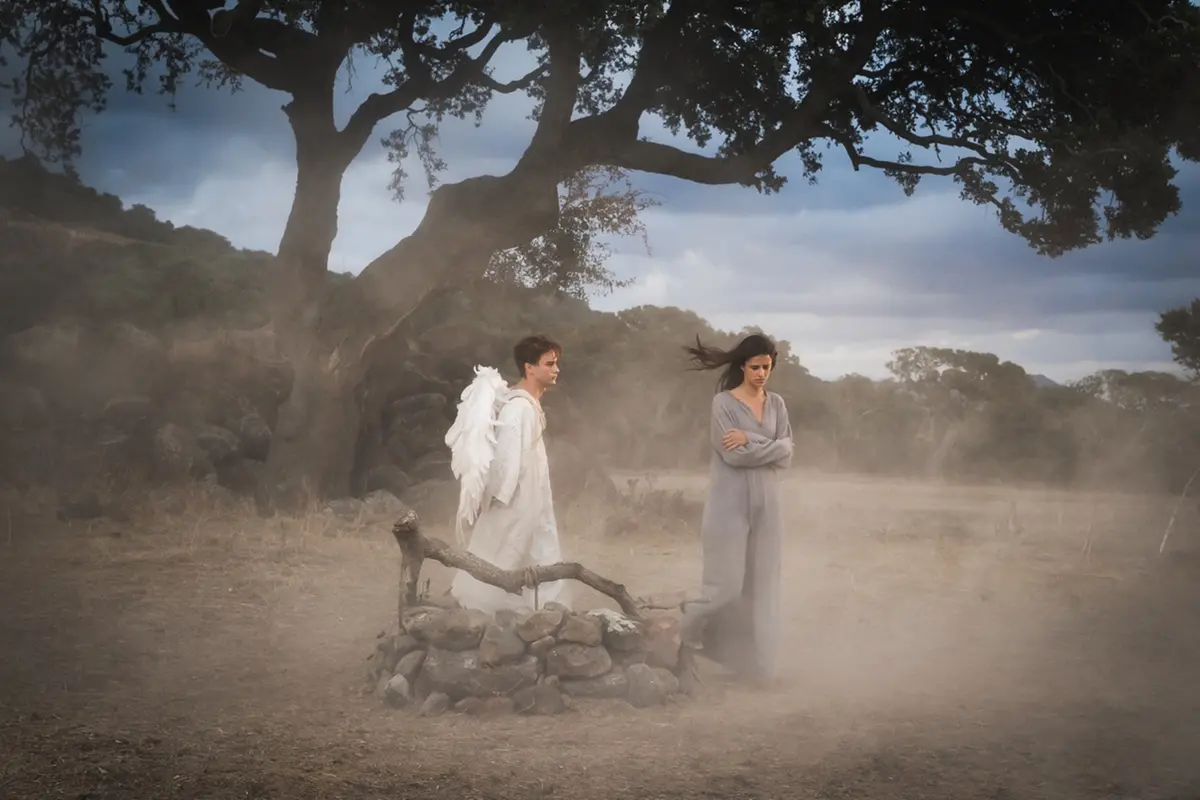
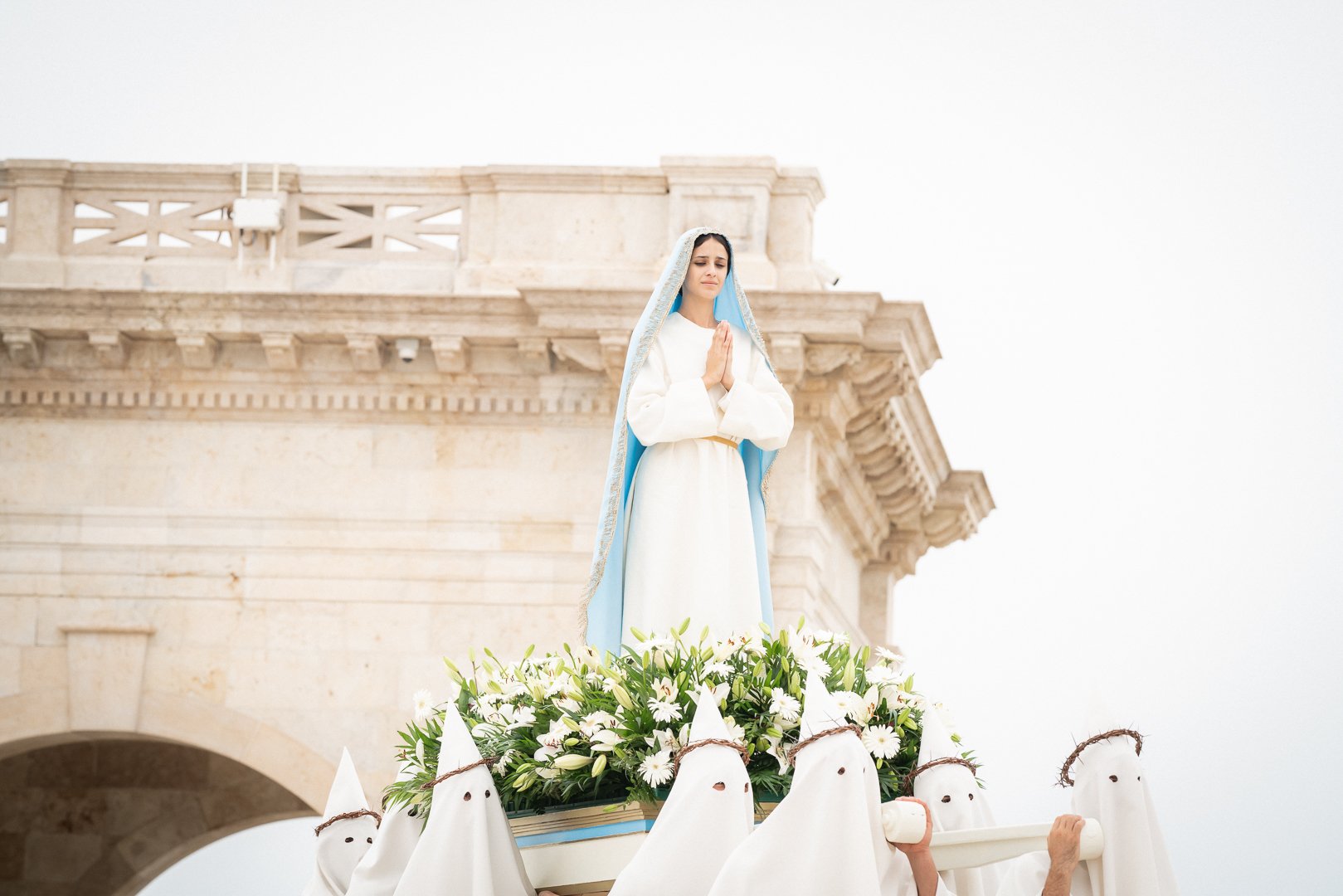
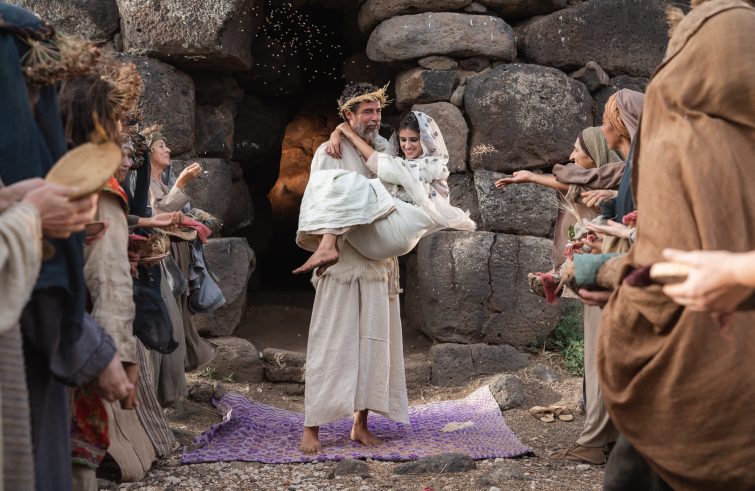
I propose here, on Flickr, a photographic story, with descriptive text, of a traditional Sicilian popular festival that is always highly anticipated, it takes place in the town of Fiumedinisi (Messina), in the last 18 years what is called the "Great Feast" has been celebrated only 3 times, always on the second Sunday of August, it was celebrated in 2007, in 2016, this year 2025, in all three editions I took photographs, those that I now present are almost all of the "Great Feast" of this year 2025. The town of Fiumedinisi is inextricably linked to her patron saint, Our Lady of the Annunciation, every year a traditional procession is held on March 24th and 25th, on the 24th the procession is made by the faithful on their knees, they carry a large lit candle with which they help themselves to support themselves, it takes place along a straight path in what is called "street of float" (it joins two churches), the next day there is another traditional procession, the two "Sacred Float," that of the Our Lady of the Annunciation and that of the Archangel Gabriel, are carried on the shoulders, followed by the faithful, through the narrow streets of the town. Then comes the "Great Feast" in August, also linked to the Annunciation, which occurs every year after many years. It is on Christmas Eve that it is announced whether that year will be the year of the Great Feast. At Christmas, "the Son of Man" is born, incarnated in Mary's womb. It is the Archangel Gabriel who announces to Mary the conception of the Son of the Most High. The iconography of the Sacred Representations depicts him kneeling before her, offering her a lily, a symbol of Mary's purity. The "Great Feast" in August has ancient origins dating back to the 16th century, the period of Spanish rule in Sicily. It was initially celebrated on March 25th, the religious feast of the Annunciation of the Lord. Later, towards the end of the 19th century, it was moved to August to allow the many emigrants from all over the world to attend. In short, the "Great Feast" includes a "morning procession" led by three young men who will impersonate the three main characters on the "living float"—the Mary, the Archangel Gabriel, and the Eternal Father. Around 11:00 a.m., the "Great Living Float," a very heavy object carried on shoulders, will make its first journey along the "street of float" (the one traveled on one's knees in March, but also on the eve of the Great Feast) with the barefoot bearers in ordinary clothing. In the afternoon, many boys and girls dressed as angels take their places on special seats on the "Great Living Float", the "three characters" (the Mary, the Archangel Gabriel, and the "Eternal Father" at the top) take their places. Now the Great Float will make the same journey in reverse, carried on the shoulders of devotee-bearers dressed entirely in white, barefoot, thus arriving in the square in front of the church-sanctuary dedicated to Maria SS Annunziata. Once the journey has finished and the Float has been placed on the ground, the ceremony includes, and ends, with an ancient dialect song sung by the children, with microphones, who dress up as Mary and the Archangel Gabriel. A curiosity, this "Great Float", an enormous metal and wood structure, extremely heavy, requires perfect coordination between the bearers. It is essential to raise and lower it in perfect synchrony, with all its "inhabitants" atop it. It is therefore crucial to avoid any oscillations that would be transmitted to the children seated at various heights, and to the Eternal Father, seated very high up. The moments preceding the float's departure, and those following its arrival, are of great concentration, silence is absolute, the launch occurs at the third blow of the hammer, all the devotee-bearers rise in perfect synchrony and "the magic comes to life"...! The Great Machine travels the "street of float" upon its arrival, there is maximum silence, and at the third blow of the hammer the devotee-bearers lower themselves, placing the incredible Living Float on the ground, renewing before our eyes an event of beauty and absolute wonder, the unique magic of an ancient Sicilian feast tradition.
…………………………………
Propongo qui, su Flickr, un racconto fotografico, con testo descrittivo, di una festa tradizionale popolare siciliana sempre molto attesa, si svolge nel paese di Fiumedinisi (Messina), negli ultimi 18 anni quella che è chiamata la “Festa Grande” si è celebrata solo 3 volte, sempre la seconda domenica di agosto, è stata celebrata nel 2007, nel 2016, quest’anno 2025, in tutte e tre le edizioni ho realizzato fotografie, quelle che ora presento sono quasi tutte della “Festa Grande” di quest’anno 2025. Il paese di Fiumedinisi è indissolubilmente legato alla sua santa patrona, Maria SS. Annunziata, ogni anno si tiene una tradizionale processione il 24 e 25 marzo, il 24 la processione viene fatta dai fedeli in ginocchio, essi recano una grossa candela accesa con la quale si aiutano nel sostenersi, si svolge lungo un percorso rettilineo in quella che è chiamata “strada vara” (unisce due chiese), il giorno dopo si ha un’altra processione, classica, le due “Sacre Vare”, quella di Maria SS. Annunziata e quella dell’Arcangelo Gabriele, vengono portate in spalla, seguite dai fedeli, nelle stradine del paese; poi la “Festa Grande” di agosto, legata anch’essa all’Annunciazione, che avviene ogni volta dopo molti anni: è la notte di Natale che si annuncia se quello sarà l’anno della Festa Grande, a Natale nasce “il Figlio dell’Uomo” incarnatosi nel ventre materno di Maria, è l’Arcangelo Gabriele che annuncia a Maria il concepimento del Figlio dell’Altissimo, l’iconografia delle Sacre Rappresentazioni lo raffigura inginocchiarsi al cospetto di Lei porgendole un giglio, simbolo della purezza di Maria. La “Festa Grande” di agosto ha origini antiche che risalgono al XVI secolo, periodo della dominazione spagnola in Sicilia, essa inizialmente veniva celebrata il 25 marzo, con la ricorrenza religiosa dell’Annunciazione del Signore, successivamente verso la fine del XIX secolo venne spostata ad agosto, per consentire ai molti emigrati, provenienti da ogni dove, di potervi assistere. In maniera sintetica, la “Festa Grande” prevede una “processione mattutina” con in testa i tre ragazzi che impersoneranno sulla “vara vivente” i tre principali personaggi, la Maria, l’Arcangelo Gabriele ed il Padre Eterno; verso le ore 11:00 la “Grande Vara Vivente”, pesantissima, portata in spalla farà un primo viaggio lungo la “strada vara” (quella che viene percorsa in ginocchio a marzo, ma anche la vigilia della Festa Grande) con i portatori scalzi, in abiti comuni; il pomeriggio sulla “Grande Vara Vivente” prendono posto su appositi seggiolini tanti bimbi e bimbe, vestiti da angeli, prendono posto i “tre personaggi” (Maria, l’Arcangelo Gabriele, in alto prende posto il “Padre Eterno”), adesso la Grande Vara farà lo stesso percorso inverso, portata sulle spalle dei devoti-portatori vestiti completamente di bianco, scalzi, così giungendo nella piazza davanti la chiesa-santuario dedicata a Maria SS Annunziata, terminato il percorso e deposta a terra la vara, la cerimonia prevede, e termina, con un antico canto dialettale intonato dai ragazzi, microfonati, che vestono i panni di Maria e dell’Arcangelo Gabriele. Una “curiosità”, questa “Vara Ranni” (dialettalmente, Vara Grande), enorme struttura in metallo e legno, pesantissima, necessita di una perfetta coordinazione tra i portatori, è fondamentale alzarla ed abbassarla in perfetto sincronismo, con sopra tutti i suoi “abitanti”, importantissimo quindi evitare qualsiasi oscillazione che si trasmetterebbe sui bimbi seduti a varie altezze, ed al Padre Eterno, seduto molto in alto: gli attimi che precedono la partenza della vara, e quelli che fanno seguito all’arrivo sono di grande concentrazione, il silenzio è massimo, la partenza avviene al terzo colpo di martello, tutti i devoti-portatori si alzano in perfetta sincronia e “la magia prende vita”…! La Grande Macchina percorre la “strada vara”, al suo arrivo, silenzio massimo, al terzo colpo di martello i devoti-portatori si abbassano deponendo a terra quella incredibile Vara Vivente che rinnova davanti ai nostri occhi un evento fatto di bellezza ed assoluta meraviglia, magia unica di una antica tradizione popolare Siciliana.
.....................