View allAll Photos Tagged Specific
In specific, Holy Week is the week just before Easter that extends from Palm Sunday until Holy Saturday and marks the last week of Lent. It has earned the name 'Holy', according to the Orthodox Church, due to the significant events that take place for Christianity in regard to the sufferings of Jesus Christ.
Saturday evening is filled with the anticipation of celebrating Easter Sunday. In some areas, people begin to gather in the churches and squares in cities, towns and villages by 11pm for the Easter liturgies. A few minutes before midnight, all the lights are turned off and the priest exits the altar holding candles lit by the Holy Light, which is distributed to everyone inside and outside the church. At midnight, the priest exits the church and announces the resurrection of Jesus. Many people carry large white candles called lambada, and the church bells toll as the priests announce “Christ is Risen!” at midnight. Each person in the crowd replies with a similarly joyous response.
The capital of the Republic of Cyprus is also its cultural heartbeat.
Nicosia is the capital and largest city on the island of Cyprus, as well as its main business centre.
There is one thing the photograph must contain, the humanity of the moment.
We are making photographs to understand what our lives mean to us.
The best thing about a picture is that it never changes, even when the people in it do.
The camera is an instrument that teaches people how to see without a camera.
I really believe there are things nobody would see if I didn’t photograph them.
I'm in love with this aircraft. Not just the H-21, but this specific airframe. It's in a far corner of the restoration yard at the Pima Air and Space Museum, and it's the aircraft I find myself wanting to photograph more than any other bird they have on display there. Unfortunately, since it's in the restoration yard, it's off-limits to the public, and ESPECIALLY off-limits during the night photoshoots we're lucky enough to occasionally have out there.
I used to hate photographing derelict or stored aircraft. "Dead airplanes bum me out" was my rationale.
When you look at an in-service aircraft, you see a living, breathing machine. You see vitality and capability. You see fresh paint and even fresher oil stains underneath it. You smell all the smells of an aircraft in the prime of its life - oil, metal, rubber, and holy crap the jet fuel. At least for me, I'm too busy be awestruck by everything that a modern aircraft is right at this moment to think about what it has done or who has flown it.
With a 'dead' aircraft, there's nothing but memory. They're still impressive, especially considering some of the limitations designers and manufacturers faced in terms of contemporary design standards and material sciences and powerplant technology. Yes, they're impressive, but it's not immediate.
I don't know what it is about this H-21, but I look at it and I get contemplative. I think about whether any of the silver-haired Air Force veterans who flew or crewed this aircraft are still alive, and if they are, if they ever think about it. Like, when was the last time anyone asked them what they flew? Do they still have start-up and shut-down procedures committed to memory? Where did their careers go after the H-21 was retired? Did they stay in the Air Force? Did they fly professionally as civilians? Did they ever fly at all ever again? Whenever they hear a helicopter, do they close their eyes and imagine their days cruising over a beach or through a mountain pass in an H-21, wishing they could experience that feeling all over again?
I look at this old, broken, rusted hulk of a helicopter, and I want to know how it lived and about the men who gave it life.
And damn do I ever want to take its picture.
All Rights Reserved ©
Previously Rhacophorus norhayatii, now Rhacophorus norhayatiae.
The specific epithet norhayatiae honours Professor Dr Norhayati Ahmad of the National University of Malaysia (Chan & Grismer, 2010).
Location: Peninsular Malaysia.
Distribution: Across Peninsular Malaysia, it also occurs in the extreme south and a small area of west-central Thailand, near the border with Myanmar (Dring, 1979; Chan-ard, 2003).
Habitat: Lowland pristine rainforest and hill forests up to 550 m elevation (Chan & Grismer, 2010). Basically an arboreal species, living on forest canopy, only descend onto forest floor during breeding season.
SN/NC: Luffa aegyptiaca, Syn. Luffa cyllindrica, Cucurbitaceae Family
Bucha (Luffa aegyptiaca; Luffa cyllindrica) is a tall vine of the cucurbit family, and as belonging to the Luffa genus it is sometimes called simply by Lufa or sponge gourde. It has palm-lobed leaves, yellow flowers, bursts of green, and obovated, oblong berries, up to 45 centimeters similar to cucumber. Some varieties can reach more than 1.2 meters. The loofah is native to the tropical regions of the so-called "Old World".
Despite having a specific restriction "aegyptiaca", which may lead you to think that it is native to Egypt, it is believed to be native to India and Pakistan. When the species was described, it was known in Europe as "Egyptian cucumber".
It is a sub-spontaneous plant, also cultivated in other tropical regions for its medicinal uses, sprouts and edible green fruits (not to be confused with buchinha-do-norte (Luffa operculata), which is toxic). The loofah is cultivated especially by the fibers of the dried fruit, which are used mainly as a bath mop, and can also be used as insole and loofah for shooting, among other functions.
Bucha (Luffa aegyptiaca; Luffa cyllindrica) é uma trepadeira alta da família das cucurbitáceas, e como pertencente ao gênero Luffa é por vezes chamada simplesmente por Lufa. Possui folhas palmatilobadas, flores amarelas, rajadas de verde, e bagas obovadas, oblongas, de até 45 centímetros semelhante ao pepino. Algumas variedades podem atingir mais de 1,2 metro. A bucha é nativa das regiões tropicais do chamado \"Velho Mundo\".
Apesar de ter como restritivo especifico \"aegyptiaca\", que pode levar a pensar que é nativa do Egipto, acredita-se que seja nativa da Índiae do Paquistão. Quando a espécie foi descrita, era conhecida na Europa como \"pepino do Egipto\".
É uma planta subespontânea, também cultivada em outras regiões tropicais por seus usos medicinais, brotos e frutos verdes comestíveis (não confundir com a buchinha-do-norte (Luffa operculata), que é tóxica). A bucha é cultivada especialmente pelas fibras do fruto seco, que são usadas principalmente como esfregão de banho, podendo também ser usadas como palmilha e bucha de carga para tiro, entre outras funções.
A bucha também é conhecida como bucha-dos-paulistas, bucha-dos-pescadores, bucha-de-cerca, bucha-de-parreira, esfregão, fruta-cocta, fruta-dos-paulistas, gombô-grande, mamalongo e quingombô-grande. Em outros idiomas, conhecida como: spongo (Esperanto), pashte (Guatemala), susemi (Coréia), loufa (França), musú (República Dominicana) e paste (El Salvador).
Bucha (Luffa aegyptiaca; Luffa cyllindrica) is een hoge wijnstok van de komkommer familie, en als behorend tot het Luffa-geslacht wordt het soms eenvoudigweg door Lufa genoemd. Het heeft palmlobbige bladeren, gele bloemen, uitbarstingen van groen en omgekeerd langwerpige bessen, tot 45 centimeter vergelijkbaar met komkommer. Sommige soorten kunnen meer dan 1,2 meter bereiken. De luffa komt oorspronkelijk uit de tropische streken van de zogenaamde "Oude Wereld".Ondanks dat er een specifieke beperking "aegyptiaca " is, die u kan doen denken dat het inheems is in Egypte, wordt aangenomen dat het inheems is in India en Pakistan. Toen de soort werd beschreven, stond hij in Europa bekend als "Egyptische komkommer". Het is een subspontane plant, ook gekweekt in andere tropische regio's vanwege zijn medicinale toepassingen, spruiten en eetbare groene vruchten (niet te verwarren met buchinha-do-norte (Luffa operculata), die giftig is). De luffa wordt vooral gekweekt door de vezels van het gedroogde fruit, die voornamelijk als badmop worden gebruikt, en kan ook worden gebruikt als inlegzool en luffa voor onder andere schieten.
La bucha (Luffa aegyptiaca; Luffa cyllindrica) es una enredadera alta de la familia de las cucurbitáceas y, como pertenece al género Luffa, a veces se la llama simplemente Lufa. Tiene hojas con lóbulos de palmera, flores amarillas, ráfagas de verde y bayas obovadas y oblongas, de hasta 45 centímetros similares al pepino. Algunas variedades pueden alcanzar más de 1,2 metros. La esponja vegetal es originaria de las regiones tropicales del llamado "Viejo Mundo".A pesar de tener una restricción específica "aegyptiaca", que puede llevarlo a pensar que es originaria de Egipto, se cree que es originaria de India y Pakistán. Cuando se describió la especie, en Europa se la conocía como "pepino egipcio".Es una planta sub-espontánea, también cultivada en otras regiones tropicales por sus usos medicinales, brotes y frutos verdes comestibles (no confundir con buchinha-do-norte (Luffa operculata), que es tóxica). La esponja vegetal se cultiva especialmente por las fibras de los frutos secos, que se utilizan principalmente como fregona de baño, y también se puede utilizar como plantilla y esponja vegetal re-lleno de cartuchos para tiro en caza, entre otras funciones.
Bucha (Luffa aegyptiaca ; Luffa cyllindrica) est une grande vigne de la famille des cucurbitacées, et comme appartenant au genre Luffa, elle est parfois appelée simplement par Lufa ou gourde éponge. Il a des feuilles palmées, des fleurs jaunes, des éclats de vert et des baies obovales et oblongues, atteignant 45 centimètres semblables à celles du concombre. Certaines variétés peuvent atteindre plus de 1,2 mètre. Le luffa est originaire des régions tropicales de ce qu'on appelle le « Vieux Monde ».
Malgré une restriction spécifique "aegyptiaca", qui peut laisser penser qu'elle est originaire d'Égypte, on pense qu'elle est originaire d'Inde et du Pakistan. Lorsque l'espèce a été décrite, elle était connue en Europe sous le nom de « concombre égyptien ».
C'est une plante sub-spontanée, également cultivée dans d'autres régions tropicales pour ses usages médicinaux, ses pousses et ses fruits verts comestibles (à ne pas confondre avec la buchinha-do-norte (Luffa operculata), qui est toxique). Le luffa est cultivé notamment à partir des fibres des fruits secs, qui sont principalement utilisées comme vadrouille de bain, et peuvent également être utilisées comme semelle intérieure et luffa pour le tir, entre autres fonctions.
Bucha (Luffa aegyptiaca; Luffa cyllindrica) ist eine hohe Rebe aus der Familie der Kürbisgewächse und wird manchmal einfach Lufa oder Schwammkürbis genannt, da sie zur Gattung Luffa gehört. Sie hat palmengelappte Blätter, gelbe, grüne Blüten und verkehrt eiförmige, längliche Beeren, die bis zu 45 Zentimeter lang und gurkenähnlich sind. Einige Sorten können mehr als 1,2 Meter erreichen. Der Luffa ist in den tropischen Regionen der sogenannten „Alten Welt“ beheimatet.
Obwohl es eine spezifische Einschränkung „Aegyptiaca“ gibt, die den Eindruck erwecken könnte, dass es in Ägypten beheimatet ist, wird angenommen, dass es in Indien und Pakistan beheimatet ist. Als die Art beschrieben wurde, war sie in Europa als „Ägyptische Gurke“ bekannt.
Es handelt sich um eine subspontane Pflanze, die auch in anderen tropischen Regionen wegen ihrer medizinischen Verwendung, Sprossen und essbaren grünen Früchten angebaut wird (nicht zu verwechseln mit Buchinha-do-norte (Luffa operculata), das giftig ist). Der Luffa wird vor allem durch die Fasern der Trockenfrüchte kultiviert, die vor allem als Badewischer verwendet werden, unter anderem aber auch als Einlegesohle und Luffa beim Schießen verwendet werden können.
La Bucha (Luffa a Egyptiaca; Luffa cyllindrica) è un'alta pianta rampicante della famiglia delle cucurbitacee, e in quanto appartenente al genere Luffa è talvolta chiamata semplicemente Lufa o spugna gourde. Ha foglie palmate lobate, fiori gialli, sprazzi verdi, e bacche obovate, oblunghe, fino a 45 centimetri, simili al cetriolo. Alcune varietà possono raggiungere più di 1,2 metri. La luffa è originaria delle regioni tropicali del cosiddetto “Vecchio Mondo”.
Nonostante abbia una restrizione specifica "a Egyptiaca", che potrebbe portare a pensare che sia originaria dell'Egitto, si ritiene che sia originaria dell'India e del Pakistan. Quando la specie fu descritta, era conosciuta in Europa come "cetriolo egiziano".
È una pianta subspontanea, coltivata anche in altre regioni tropicali per usi medicinali, germogli e frutti verdi commestibili (da non confondere con la buchinha-do-norte (Luffa operculata), che è tossica). La luffa viene coltivata soprattutto dalle fibre della frutta secca, che vengono utilizzate principalmente come spazzolone da bagno, e possono essere utilizzate anche come soletta e luffa per la pulizia, tra le altre funzioni.
ブチャ(Luffa aegyptiaca; Luffa cyllindrica)はウリ科の高性つる植物で、ヘチマ属に属するため、単にヘチマまたはヘチマと呼ばれることもあります。 ヤシの葉状の葉、黄色い花、緑のはじけた果実、そしてキュウリに似た最大45センチメートルの倒卵形の長方形の果実を持っています。 品種によっては1.2メートルを超えるものもあります。 ヘチマは、いわゆる「旧世界」の熱帯地域が原産です。
「aegyptiaca」という特定の制限があるため、エジプト原産であると思われるかもしれませんが、インドとパキスタン原産であると考えられています。 この種が記載されたとき、ヨーロッパでは「エジプトキュウリ」として知られていました。
これは亜自生植物であり、他の熱帯地域でも薬用、新芽、食用の緑色の果実として栽培されています(有毒なブチンハ・ド・ノルテ(ヘチマ)と混同しないでください)。 ヘチマは特に乾燥した果実の繊維を利用して栽培されており、主にバスモップとして使用されますが、その他にも中敷きや射撃用のヘチマなどにも使用されます。
a؛ Luffa cylindrica) هي كرمة طويلة من عائلة القرعيات، وباعتبارها تنتمي إلى جنس Luffa، يطلق عليها أحيانًا ببساطة اسم Lufa أو الجوردة الإسفنجية. لها أوراق مفصصة من النخيل، وأزهار صفراء، ورشقات نارية من اللون الأخضر، وتوت مستطيل الشكل، يصل طوله إلى 45 سم يشبه الخيار. يمكن أن تصل بعض الأصناف إلى أكثر من 1.2 متر. اللوف موطنه الأصلي المناطق الاستوائية لما يسمى "العالم القديم".
على الرغم من وجود قيد محدد "aegyptiaca"، مما قد يدفعك إلى الاعتقاد بأن موطنها الأصلي هو مصر، إلا أنه يعتقد أن موطنها الأصلي هو الهند وباكستان. وعندما تم وصف هذا النوع كان يعرف في أوروبا باسم "الخيار المصري".
إنه نبات شبه عفوي، يُزرع أيضًا في مناطق استوائية أخرى لاستخداماته الطبية، وبراعمه وفواكهه الخضراء الصالحة للأكل (يجب عدم الخلط بينه وبين بوشينها دو نورتي (Luffa operculata)، وهو سام). تتم زراعة الليفة بشكل خاص بواسطة ألياف الفاكهة المجففة، والتي تستخدم بشكل أساسي كممسحة حمام، ويمكن استخدامها أيضًا كنعل داخلي وليفة للتصوير، من بين وظائف أخرى.
It takes 2 days driving in an all wheel drive from Nairobi to arrive in Loiyangalani on the Turkana lake shores… you have never heard about this place? And yet it’s here that they filmed « The Constant Gardener » with Ralph Fiennes.
The Lake Turkana region presents a lunar landscape, somewhat desert, covered in black volcanic rocks. It’s an extremely inhospitable environment for humans and their livestock. There is no potable water and limited pastures. The rainfall averages is less than 6 inches a year. During the day the high temperatures (up to 45°C) are come with strong winds (up to 11 meters per second), pushing dust. But it’s just a magical place on earth !
No human should be able to live in these conditions and yet 250,000 Turkana people are living here. Their territory extends to northern Kenya around Lake Turkana, and on the boundaries with south Sudan and Ethiopia. In 1975, the lake (400 km long, 60 large) was named after them.
Herders Above All Else : The importance of livestock
They are a traditionally pastoralist tribe, moving their livestock (goats, sheep, camels, cattle, and donkeys) and their homes to search water for their animals. Turkana have not been affected by western civilization yet and live in a very traditional way. The number of animals and the diversity of the herd are closely linked to a family’s status in the community. The herds are their bank account.
They depend on the rain to provide grazing for their animals, and on their animals for milk and meat. Because water is so hard to find in the area, they often fight with other tribes like Dassanech. Their main concerns are land and how to win it or to keep it!
The Turkana place such a high value on cattle that they often raid other tribes to steal animals. These razzias have become more dangerous as they now use guns. As the Turkana are one of the most courageous groups of warriors in Africa, fights are serious!
After a raid, the robbers ask some friends from neighboring villages to keep some cows. Their herd is scattered between several places to reduce the risk of being stolen the whole.
The Turkana choose their good friends as neightbors more so than people they share kinship ties with. The clans (ekitela), 28 in number, no longer have a social function. Each clan owns water wells dug in the dried river beds. Unless an explicit request is made, the community can deny water to those passing by.
Even today, the Turkana never kill their livestock to sell their meat. They only kill for celebrations. The Turkana need their animals since they use them as currency in marriage or various social transactions. If a man loses his livestock to drought, he is not only impoverished but shamed. In these cases, NGOs often help get him back on his feet but he can’t reclaim his pride until he has reestablished his herd.
The animals are given very poetic names which the owners often take on as well. It’s common to call a good friend the name of his favorite bull. The Turkana even write songs for their favorite animals. Once a young man has selected his favorite bull, he shapes its horns into bizarre forms to make it stand out. Many tribes use to do this in the area.
The Fish is Taboo for the Herdsmen
Turkana people traditionally do not fish and do not eat fish. But during the droughts, Turkana people are encouraged to fish to get some food. Fishing has been regarded as something of a taboo, a practice reserved for the very poorest in Turkana society.
Social Structure
The Turkana are organized into generational classes. All males go through three life stages (child, warrior, and elder).
To become a man, the turkana teen must go through a ceremony where he will have to kill an animal with a spear, but he must kill it in one throw! Once done, the old men will open the stomach of the animal and put the content on the body of the new adult. It is the way they bless him.
For women, the process is different. They become adult when they reach puberty. Unlike many other tribes in Kenya, the Turkana do not practice FGM and circumcision.
The Turkana live in small households. Inside live of a man, his wives !as he can marry more than one), their children and sometimes some dependent old people. The house is called « awi ». It is built with wood, animal skin, and doum palm leaves. Only the women build the houses!
Herding is a family affair. The father assigns various tasks to his children depending on their age. It’s common to see kids walking long distances with the cattle. Later they will take care of sheep and goats. The girls carry water and collect wood.
Newborns receive their names in a unique way. They take the name of a parent who has huge prestige and add the name of the most beautiful animal in the herd.
Parents learn very early to the kids the taboos: you must not lie, be coward, steal, neglect elders…
Turkana have their own justice and the revenge system is working well: if a crime is committed, the family of the victim will try to kill the murderer or someone from its close family. They also can steal to the suspect a large amount of cattle. Usually, the elders try to make a reconciliation ceremony. It is an never ending story as the family will also want to make a vandetta of the vendetta !
If the homicide was an accident, it can be solved by giving a daughter in marriage.
Marriage
When a man wants to marry a girl, he must ask his own parents if they agree. His mother will have to check if the girl he wants is a good worker! The blood relationship between the families is forbidden, so the elders will check the family links before any agreement.
The man must pay the bride parents (30 cattle, 30 camels and 100 small stock minimum, sometimes a gun is added). It means that a man cannot marry until he has inherited livestock from his dead father. It also means that he collects livestock from relatives and friends. This strengthens social ties.
Daily life
Cattle dungs are used as fuel to cook the food, the urine is used as soap for washing when chemical soap is not available. I saw people using the urine to wash the milk containers, so I always refused to drink milk!
Camels are used for transportation of goods and are well adapted to the very arid climate of Turkana and the lack of water. They are also used in transactions for weddings, or economics deals.
Donkeys have a special status in Turkana tribe: the people do not drink its milk. They use them to carry their houses when they move or weak people with a special wood saddle. But even if donkeys are very useful, they are mocked by the turkana people. Donkey meat is eaten only in the Turkana, where it is savored as a delicacy while others tribe hate it!
They like chewing tobacco and often walk around with a chewed up ball of it on their ear. They also like snorting powdered tobacco.
Danses and songs are important in the social life. Dances allow the people to meet and to flirt. Circle dances are are performed by group of young unmarried girls. The men and young girls join hands and the circles move around. The men may then jump into the centre of the circle raising their arms to imitate the cow horns.
Spirituality, Superstitions, Beliefs
In 1960, a famine started in Turkana area, and so the « Africa Inland Mission » established a food-distribution centre in Lokori, bringing also christianity. But conversion did not meet a huge success (5 % may be converted) as Turkana are nomadics and still have strong believes in their own god. Some Turkana elders even told me :
« I wear a christian cross around my neck and go to the church to get an access to the help provided by the the missionaries for food and clothes! »
The majority of the Turkana still follow their traditional religion. There's one supreme God called Akuj, who is associated with the sky. If God is happy, he will give rain. But if he is angry with the people, he will punish them. In the old believings, giraffes were supposed to tickle the clouds with their high heads, and make the rain come !
Four million years ago, the Lake Turkana bassin may have been the cradle of mankind. You can spot some very nice engraving sites showing a mixture of giraffes and geometrics patterns made around 2000 years ago close to the lake.
Deviners, called the « emuron » are able to interpret or predict Akuj's plans through their dreams, or through sacrificed animal's intestines, tobacco, and through the tossing of …sandals ! Sandals are very important for the oracle. He blesses the sandals by spitting on them. He throws them up into the air and gives a meaning to the patterns they create when they fall on the ground.
When someone dies, the Turkana only hold funerals and burry the body. In the old times, people were were not given a burial, but were abandoned to hyenas.
As I was taking pictures of an old Turkana lady, after 3 pictures, she asked me to stop, and started to shout : « You’re sucking my blood, you make me feel weak » and she left. I was explained by a young boy that the old people believe that pictures are taking their blood away.
Medecine
Scarifications on the belly are made by traditional doctors to cure ill people: it is a way to put out the illness from the body. Scarification is practiced for aesthetic reasons too. Scars are a sign of beauty or to show how many people he has killed, if he is a man.
The skin is cut with an acacia or a sharp razor blade that may be shared by the people and bring diseases.
Turkana believe that a person who experienced illness and recovered from it can treat someone else who’s suffering from the same illness. This means that everybody can be a doctor ! If this does not work, they say that the animal slaughtered was the wrong one.
A good Turkana tip : if you suffer from a severe headache, you just have to take out the brain from a living animal, like a goat, and put it on your head !
Or, another solution : to lift a sheep over the patient, to cut the throat so that the blood strickles on the patient’s head.
The Turkana have the highest instance in the world of echinoccocus (7%) due to their proximity with dogs, who live and defecate everywhere. The dogs lick up blood and vomit and the women use the dog’s excrement as a lubricant for the necklaces that touch their neck.
This parasite has three hosts : sheep, dogs, and humans. In Turkana, these three species live very close, surrounded by little else in the vast desert, ideal conditions for the proliferation of the parasite. The diease causes huge cysts that can be removed by surgery. The locals believe that this "disease of the large belly" is due to a spell cast by the neighboring enemy tribe: the Toposa.
Beauty
Turkana girls and women love to adorn themselves with a lot of necklaces. Beads can be made of glass, seeds, cowry shells, or iron. They never remove them! This can only happen when they are ill or during a mourning time. It means they sleep with those huge necklaces… A married Turkana woman will also wear a plain metal ring around the neck. This is a kind of wedding ring (alagama). A Turkana man will do all he can to make sure that his women folk are dressed in beads of class. Even if some are not able to take their girls to school, they will still ensure that they have beads. By the quantity and style of jewelry a woman wears, you can guess her social status.
Beads colors have specific meaning. Yellow and red beads are given to girl by a man when they are fiancé. If a woman wears only white beads, it means she is a widow. Little girls wear few beads, usually given to them by their mothers, but the older ladies and women wear many, which are in sets rows.
A woman who cannot move her neck is envied! The big necklaces are heavy, like 5 kilos.
A woman without beads is bad, men will ignore her. « You look like an animal without beads! »
Young children only wear a simple strand of pearls. Adolescents wear small articles of clothing to cover their sex. These articles are often decorated with mulitcolored pearls or ostrich egg shells. They wear more and longer clothing as they approach puberty.
NakaparaparaI are the famous ear ornaments. They are made by the men of the tribe in aluminium most of the time and look like a leaf.
Men love to make an elaborate mudpack coiffures called emedot. It is a kind of chignon: the hairstyle takes the shape of a large bun of hair at the back of the head. They decorate it with ostrich feathers to show they are elders or warriors. 2 ostrich feathers costs 1 goat.
Men use a wood pillow (ekicolong) to sleep on it and protect the bun. It can last 2 months and must be rebuild after.
Tattooing is also common and usually has special meaning. Men are tattooed on the shoulders and upper arm each time they kill an enemy — the right shoulder for killing a man, the left for a women.
Lower incisors are removed in childhood, with a tool called « corogat », a finger hook. The origin of this practice was against tetanus, as people are lock-jawed, so they can feed them with milk through the hole. It is also a way to force the teeth at the top to stand out and not interfere with the labret many put on the lower lip. The is useful to spit through the gap of the teeth, without even opening the mouth. The Turkana enjoyed to have labrets, but nowadays, only the elders can be seen with on. They used to put an ivory lip plug, then a wood one, and for some years, they use a lip plug made of copper or even with plaited electric wires.The hole between the lower lip and chin is pierced using a thorn.
The finger hook is also used as a weapon, for gouging out an ennemy’s eye !
Hygiene
Since water is so rare, it’s used only for drinking, never for washing. The Turkana clean themselves by rubbing fat all over their skin.
Turkana women put grease paint on their bodies which is made from mixing animal fat with red ochre and the leaves of a tree to have nice perfume. They say it is good for the skin and it protects from the insects.
Women also put animal fat all around their neck and also on their huge necklaces to prevent from skin irritation.
They also use dog shit as a medicine and lubrificant for their neck.
Both men and women use the branch of a tree called esekon to clean their teeth. You can see them using it all day long…The Turkana people have the cleanest bill of dental health in the country.
For long, Turkana people did not use latrines because it is a taboo for men and women to share same facilities like a latrine. Campaigns have now been initiated to sensitize people on the importance of using latrines for hygiene.
Animal fat is considered to have medicinal qualities, and the fat-tailed sheep is often referred to as "the pharmacy for the Turkana. »... when they do not grill it to eat it!
Futur
Recently, oil has been found on their territory… many fear Turkanas people may loose their traditions, but the Turkana succeeded in maintaining their way of life for centuries. Against all odds they manage to raise livestock in the confines of the desert. Their knowledge allows them to live where most humans could not.
The recent discovery of massive groundwater reserves in the ground (3 billion cubic meters, nearly three times the water use in New York City) could allow them to keep their traditions for a long time.
© Eric Lafforgue
I visited an old talc mine in northern Nevada for the specific purpose of attempting to photograph one of the bats that sleep there during the day. It is quite challenging to get a photo of them as they rest face down along the walls in a passage that I can barely stand in, about chest-high off the floor. Plus, while some light does get in the relatively shallow dig, it is pretty dark for getting a camera to focus and I certainly wouldn’t want to disturb the little critters while they rest up for a night of hunting insects. I took a couple light stands and some little LED panel lights I generally use for nightscape shooting. These lights can be dimmed WAY down so as not to disturb the bats. I also borrowed my wife’s 100mm f2.8 macro lens to for the task. This lens is absolutely tack sharp and purpose built for close-up work and that big aperture lets in lots of light. The downside is that depth of field is almost nil at that focal length and aperture when you’re shooting something from a foot away. Therefore, a single frame may only have the face of a mouse-sized creature in focus and nothing else. By placing the camera on a tripod very low and pretty much leaning the camera to the wall of the passage, I was able to shoot some longish exposures to gather enough light to expose this bat. I also used my mirrorless (Canon R7)camera’s automatic focus stacking feature to shoot 32 separate frames to ensure I’d have sharp sections of the bat from front to back to later merge in Photoshop (the camera also composites them automatically but only in JPEG and I wasn’t super happy with that one). Avid macro shooters actually use a "slider" that physically moves the camera a tiny bit with each shot which produces better results as it eliminates the "breathing" that can occur by changing the focus point each time as it is done here. My result isn’t perfect but, given the challenges and not wanting to spend too much time and disturb the animals, I’m fairly pleased.
As to the animals themselves, I believe they are myotis lucifugus or the not-so-imaginatively named Little Brown Bat, a species of “mouse eared” bats that is, interestingly enough, not related to eptesicus fuscus, the BIG brown bat. They are fascinating little animals that I enjoy watching flit around and chase bugs above my patio on summer evenings. They can eat more than half their body weight in insects in a single night (lactating females can actually consume MORE than their body weight in a night at peak lactation). As I read up on them a bit I also found it quite interesting that females only birth one baby per year. That’s definitely not what I’d expect from such a tiny and delicate creature. They can form colonies number in the tens of thousands but this little spot probably only had a dozen or so roosting in it that I saw.
• 13/52 •
• fear [of flying] •
I won't go into a metaphysical dissertation on deep-seeded fears.
I have a very specific fear, a fear that sometimes takes over my brain and my life and activates my anxiety in ways that make me miserable — and that fear is flying.
It's been with me for most of my life, since my first flight as a six-year-old, but there have been times when I was better about it. I have been able to fly somewhat calmly, in the past. And that's why I hope I can turn this phobia around again, and be able to see all the places I want to see. Because there's oh, so much world out there to visit.
--
[ somos seis, amigas e fotógrafas, a fazer um '52 semanas' em conjunto. publicaremos semanalmente nas nossas redes sociais, e podem seguir-nos através da hashtag #52sisterhood. caso se queiram juntar a nós, podem usar a hashtag #52sisterhoodchallenge! contamos convosco desse lado, nesta aventura! vamos lá!
-
there’s six of us, friends and photographers, doing a '52 weeks’ project together. we’ll publish every week, and you can keep up with us through the hashtag #52sisterhood. If you’d like to join us, you can use the #52sisterhoodchallenge! we’re counting on you to join us on this journey! come along! ]
I am not exactly a huge fan of having one day of the year to decide to be a better human. You should strive to do this every day of the year. What is lacking in humans is that we long for specific time demarcations to make major life decisions. Everyone intelligent already knows we're just stuck in 40AD anyway.
I digress, the truth is I make these resolutions every day lately and try to uphold them.
Kindness and All Lives Matter:
How terrible that a bunch of stupid white people had to ruin the Black Lives Matter movement with "All Lives Matter" when it was really just about their own stupid white guilt and all that.
But, to me, the actual concept behind All Lives Matter does make sense. Let me break it down.
The lives of animals who feel pain and emotions, who love their young, who live and breathe our same air and, just like us, don't like to graze on plants filled with chemicals or be pumped with growth hormones matter.
The lives of Native Americans who have had their land taken time and time again and their culture reduced to meaningless symbols by white people matter.
The lives of all women who have to drive several states just to have appropriate medical care or terminate a pregnancy, even if it was a result of an act of rape and/or incest or if their very lives are in jeopardy matter. The lives of women who have not healed after sexual attacks or other attacks of a violent nature matter.
The lives of all people with disabilities who struggle to be accepted and loved, be independent, and find gainful employment matter.
The lives of Jewish people living amongst anti-semites, especially in places like Montana, matter.
The lives of hard working Latinos who provide essential work and are taken for granted, not paid fair wages, and discriminated against matter.
The lives of Asians who are still stereotyped and not treated as true experts, artists, and companions matter.
The lives of people who are transgender or transexual that cannot use the bathroom of their choice in certain states in America and in the world and are not accepted for their true identity matter. The lives of any two people in love, being it two men or two women, who do not feel safe getting married or even holding hands in public matter.
The lives of immigrants living in a country which, at one time, welcomed immigrants as a part of its national identity and has now become hateful and spiteful matter.
The lives of Muslims who are stereotyped every day, who are taunted and whose burkas are literally pulled off by white supremacists and Trump supporters matter.
And yes, of course, the lives of African Americans who have had their lives taken away by police officers who laugh at the idea of justice and who get off without any kind of consequence matter. The government has actively and systematically defunded public schools for poor minorities and profited off of their imprisonment and it is an outrage.
We are at a very crucial time in America's history and, indeed, the world's history. Not enough people realize that "May you live in interesting times" might in fact be the biggest curse. We must work actively to fight even the insidious nonchalant racism. Confront any racism or homophobia within yourself, be a mobile safe space and work to create a safe space in your community. Polite people are boring. Have some integrity and stand up for the oppressed. Even if it kills you and me, your life will have more meaning.
Susan B. Anthony was a racist. She wanted only white women to vote. But, Susan B. Anthony died over 100 years ago. We are better now but let's prove it.
Happy New Year's. You don't need one specific day to have a resolution. You don't need one particular day to start a revolution.
Left over Dark Green? Build something else!
Not trying to be based off any specific type of lorry, but thought it be nice to build!
The Canada Goose (Branta canadensis) is a goose belonging to the genus Branta, which is native to North America. It is quite often called the Canadian Goose, but that name is not strictly correct, according to the American Ornithologists' Union.[2]
According to the Oxford English Dictionary, the first citation for the 'Canada Goose' dates back to 1772.
The Canada Goose was one of the many species described by Linnaeus in his 18th-century work Systema Naturae.[3] It belongs to the Branta genus of geese, which contains species with largely black plumage, distinguishing them from the grey species of the Anser genus. The specific epithet canadensis is a New Latin word meaning "of Canada".
A recent proposed revision by Harold Hanson suggests splitting Canada Goose into six species and 200 subspecies. This radical nature of this proposal has provoked surprise in some quarters, such as Rochard Banks of the AOU, who urges caution before any of Hanson's proposals are accepted.[4]
The black head and neck with white "chinstrap" distinguish the Canada Goose from all, except the Barnacle Goose, but the latter has a black breast, and grey, rather than brownish, body plumage.[5] There are seven subspecies of this bird, of varying sizes and plumage details, but all are recognizable as Canada Geese. Some of the smaller races can be hard to distinguish from the newly-separated Cackling Goose.
This species is 76-110 cm (30-43 in) long with a 127-180 cm (50-71 in) wingspan.[6] The male usually weighs 3.2–6.5 kg, (7–14 pounds), and can be very aggressive in defending territory. The female looks virtually identical but is slightly lighter at 2.5–5.5 kg (5.5–12 pounds), generally 10% smaller than its male counterpart, and has a different honk. An exceptionally large male of the race B. c. maxima, the "giant Canada goose" (which rarely exceed 8 kg/18 lb), weighed 10.9 kg (24 pounds) and had a wingspan of 2.24 m (88 inches). This specimen is the largest wild goose ever recorded of any species. The life span in the wild is 10–24 years.[6]
This species is native to North America. It breeds in Canada and the northern United States in a variety of habitats. Its nest is usually located in an elevated area near water such as streams, lakes, ponds and sometimes on a beaver lodge. Its eggs are laid in a shallow depression lined with plant material and down. The Great Lakes region maintains a very large population of Canada Geese.
By the early 20th century, over-hunting and loss of habitat in the late 1800s and early 1900s had resulted in a serious decline in the numbers of this bird in its native range. The Giant Canada Goose subspecies was believed to be extinct in the 1950s until, in 1962, a small flock was discovered wintering in Rochester, Minnesota by Harold Hanson of the Illinois Natural History Survey. With improved game laws and habitat recreation and preservation programs, their populations have recovered in most of their range, although some local populations, especially of the subspecies occidentalis, may still be declining.
In recent years, Canada Geese populations in some areas have grown substantially, so much so that many consider them pests (for their droppings, the bacteria in their droppings, noise and confrontational behavior). This problem is partially due to the removal of natural predators and an abundance of safe, man-made bodies of water (such as on golf courses, public parks and beaches, and in planned communities).
Contrary to its normal migration routine, large flocks of Canada Geese have established permanent residence in the Chesapeake Bay and in Virginia's James River regions. The parks and golf courses of Scottsdale, Arizona have an unusually high concentration of permanent Canada geese.
Canada Geese have reached northern Europe naturally, as has been proved by ringing recoveries. The birds are of at least the subspecies parvipes, and possibly others. Canada Geese are also found naturally on the Kamchatka Peninsula in eastern Siberia, eastern China, and throughout Japan.
Greater Canada Geese have also been introduced in Europe, and have established populations in Great Britain, the Netherlands, Belgium, and Scandinavia. Semi-tame feral birds are common in parks, and have become a pest in some areas. The geese were first introduced in Britain in the late 17th century as an addition to King James II's waterfowl collection in St. James's Park.
Canada Geese were introduced as a game bird into New Zealand and have also become a problem in some areas.
Like most geese, the Canada Goose is naturally migratory with the wintering range being most of the United States. The calls overhead from large groups of Canada Geese flying in V-shaped formation signal the transitions into spring and autumn. In some areas, migration routes have changed due to changes in habitat and food sources. In mild climates, such as the Pacific Northwest, due to a lack of former predators, some of the population has become non-migratory.
Canada Geese are herbivores although they sometimes eat small insects and fish. Their diet includes green vegetation and grains. The Canada Goose eats a variety of grasses when on land. It feeds by grasping a blade of grass with the bill, then tearing it with a jerk of the head. The Canada Goose also eats grains such as wheat, beans, rice, and corn when they are available. In the water, it feeds from silt at the bottom of the body of water. It also feeds on aquatic plants, such as seaweeds.[6]
During the second year of their lives, Canada Geese find a mate. They are monogamous, and most couples stay together all of their lives.[6] If one is killed, the other may find a new mate. The female lays 3–8 eggs and both parents protect the nest while the eggs incubate, but the female spends more time at the nest than the male. Known egg predators include Arctic Foxes, Northern Raccoons, Red Foxes, large gulls, Common Raven, American Crows and bears. During this incubation period, the adults lose their flight feathers, so they cannot fly until their eggs hatch after 25–28 days.
A crèche
Adult geese are often seen leading their goslings in a line, usually with one parent at the front, and the other at the back. While protecting their goslings, parents often violently chase away nearby creatures, from small blackbirds to humans that approach, after warning them by giving off a hissing sound. Most of the species that prey on eggs will also take a gosling. Although parents are hostile to unfamiliar geese, they may form groups of a number of goslings and a few adults, called crèches. The offspring enter the fledging stage any time from 6 to 9 weeks of age. They do not leave their parents until after the spring migration, when they return to their birthplace. Once they reach adulthood, Canada Geese are rarely preyed on, but (beyond humans) can be taken by Coyotes, Red Foxes, Gray Wolves, Snowy Owls, Great Horned Owls, Golden Eagles and, most often, Bald Eagles. Canada Goose populations inhabiting areas also inhabited by domesticated geese can and will interbreed with them, producing offspring that often resemble Canada Geese in shape, but with a white or gray body, dark grey head and neck, and off-white chin, with pink feet.[citation needed]
The young are learning to find the food, the water, the shalter by watching their parents. They also learn about the predators, and are thought to fly and to swim.[7]
The Cackling Goose was originally considered to be the same species or a subspecies of the Canada Goose, but in July 2004 the American Ornithologists' Union's Committee on Classification and Nomenclature split the two into two species, making Cackling Goose into a full species with the scientific name Branta hutchinsii. The British Ornithologists' Union followed suit in June 2005.[8]
The AOU has divided the many subspecies between the two animals. To the present species were assigned:
* Atlantic Canada Goose, Branta canadensis canadensis
* Interior Canada Goose, Branta canadensis interior
* Giant Canada Goose, Branta canadensis maxima
* Moffitt's Canada Goose, Branta canadensis moffitti
* Vancouver Canada Goose, Branta canadensis fulva
* Dusky Canada Goose, Branta canadensis occidentalis
* part of "Lesser complex", Branta canadensis parvipes
The distinctions between the two geese have led to confusion and debate among ornithologists. This has been aggravated by the overlap between the small types of Canada Goose and larger types of Cackling Goose. The old "Lesser Canada Goose" was believed to be a partly hybrid population, with the birds named taverneri considered a mixture of minima, occidentalis and parvipes. In addition, it has been determined that the Barnacle Goose is a derivative of the Cackling Goose lineage, whereas the Hawaiian Goose is an insular representative of the Canada Goose.
In North America, non-migratory Canada Goose populations have been on the rise. The species is frequently found on golf courses, parking lots and urban parks, which would have previously hosted only migratory geese on rare occasions. Owing to its adaptability to human-altered areas, it has become the most common waterfowl species in North America. In many areas, non-migratory Canada Geese are now regarded as pests. They are suspected of being a cause of an increase in high fecal coliforms at beaches.[9] An extended hunting season and the use of noise makers have been used in an attempt to disrupt suspect flocks.
Since 1999, The United States Department of Agriculture Wildlife Services agency has been engaged in lethal culls of Canada Geese primarily in urban or densely populated areas. The agency responds to municipalities or private land owners, such as golf courses, who find the geese obtrusive or object to their waste.[10] The more humane method of addling eggs and destroying nests also are promoted as population control methods.
In 1995, a US Air Force E-3 Sentry aircraft at Elmendorf AFB, Alaska struck a flock of Canada Geese on takeoff and crashed, killing all 24 crew. The accident sparked efforts to avoid such events, including habitat modification, aversion tactics, herding and relocation, and culling of flocks.[11] A collision with a flock of Canada geese[12] was at fault for US Airways Flight 1549 suffering a total power loss after takeoff from New York LaGuardia Airport on 15 January 2009. The plane landed in the Hudson River causing no fatal injuries to the 155 passengers and crew.[13]
Geese have a tendency to attack humans when they feel themselves or their goslings to be threatened. First the geese will stand erect, spread their wings and produce a "hissing" sound. Next, the geese will charge. They may then bite or attack with their wings. [14]
Canada geese are known for their seasonal migrations. Most Canada geese have staging or resting areas where they join up with others. Their fall migration can be seen from September through the beginning of November. The early migrants have a tendency to spend less time at rest stops and go through the migration a lot faster. The later birds usually spend more time at rest stops. These geese are also renowned for their V-shaped flight formation. The front position is rotated since flying in front consumes the most energy. Canada Geese leave the winter grounds more quickly than the summer grounds.
I am silly photo buff who loves a few specific subjects particularly.
I love taking pictures of blurry people, bicycles, water drops and escalators just to name a few.
This shot of escalators does not have anything special except that I find some interesting patterns are captured in the first two steps. It is now not so visible when I see the picture on Flickr?
I am not sure if this is due to the light and reflection in the scene?
I am still on level 2 of photography that is looking for the appeal of patterns and textures. For more discussion about level 1, 2 and 3 in photographic learning, please refer to the text in the stone picture I put in the comment below (just click on it to see the text description).
Happy Tuesday!
This is the shot taken with my Fuji compact in the rainy weekend inside a local shopping mall.
All my images are protected by copyright, Please do not use for any purpose without my specific written permission.
More experimentation with Silver Efex Pro - I'm loving it!!!
Site-specific by Giuseppe Stampone | The Invisible Dog Art Center a Brooklyn, New York
Ordinary Love is the title of the new single of U2 composed for the soundtrack to the biography Mandela: Long Walk To Freedom, a film directed by Justin Chadwick.
The music video for Ordinary Love, directed by Mac Premo and Oliver Jeffers, has as its location the installation "Caronte" by Giuseppe Stampone which is located in the spaces of The Invisible Dog Art Center in Brooklyn, New York.
Ordinary Love è il titolo del nuovo singolo degli U2 composto per la colonna sonora del film biografico Mandela: Long Walk To Freedom, pellicola diretta da Justin Chadwick.
Il video musicale di Ordinary Love, diretto da Mac Premo e Oliver Jeffers, ha come location l'installazione site specific "Caronte" di Giuseppe Stampone che si trova negli spazi di The Invisible Dog Art Center a Brooklyn, New York.
This species was once widely grown in Europe for its leaves, which were used like spinach, and its parsnip-like root, which was used like a radish.[3] The Brothers Grimm's tale Rapunzel took its name from this plant.
Entomology
The genus Latin name (“campanula”), meaning small bell, refers to the bell-shape of the flower, while the specific name (“rapunculus”) is a diminutive of the Latin “rapa” (turnip) and means 'little turnip', which refers to the shape of the root.
From WikipediaThank you for your friendship and comments etc. Due to chronic poor health I'm unable to take on new contacts but do my best to reply to comments. More of my shots can be seen on
Mom's note on this album page says, "Kathy Freeland's 4th Birthday Party - summer 1948. Kathy, Ed, unidentified boy & Donna Bowman."
With no specific date, I've arbitrarily chosen June 1st of that year.
**********************************
All of the photos in this album are “originals” from the 3-month period that my family spent in Denver from 1947-50 — i.e., the period before I lived in Omaha, Riverside, Roswell, Ft. Worth and a separate stay in Denver in 1951-53 (which you may have seen already in my Flickr archives).
Before I get into the details, let me make a strong request — if you’re looking at these photos, and if you are getting any enjoyment at all of this brief look at some mundane Americana from 65+ years ago: find a similar episode in your own life, and write it down. Gather the pictures, clean them up, and upload them somewhere on the Internet where they can be found. Trust me: there will come a day when the only person on the planet who actually experienced those events is you. Your own memories may be fuzzy and incomplete; but they will be invaluable to your friends and family members, and to many generations of your descendants. (Actually, I should listen to my own advice: unlike my subsequent visits to Roswell, Riverside, and Omaha I did not even track this early home down, let alone take any photos.)
So, what do I remember about the 3 early-childhood years that I spent in Denver? Since I was only 3 years old when we first moved there, the simple answer is: hardly anything. Here are the few random memories that I can dredge up:
1. I don’t think my Dad had even seen the ocean as a boy, but that didn’t stop him from enlisting in the Navy a while after he graduated from high school (there weren’t many other jobs on the Utah-Colorado border in those Depression-era days). He got sent out to the Pacific on some kind of naval vessel … and as it turned out, his ship was behind schedule getting back to home port in Hawaii on the evening of December 6, 1941. The submarine nets into Oahu harbor had been drawn closed, and his ship had to anchor outside … which helps explain why his ship didn’t end up at the bottom of the harbor the next morning.
2. Fifty years later, on December 7, 1991, I happened to be in a big park in downtown Tokyo, surrounded by thousands of young Japanese citizens, cheering as they waved their red-and-white national flags back and forth — waiting for a glimpse of the new Japanese empress, who was being presented to the public for the first time after her wedding. I heard someone near me speaking in English, so I asked him if he thought there was anything special about the 50th anniversary of Pearl Harbor Day. He was polite, but he was also puzzled and confused: he had never heard the phrase before.
3. But I digress … Dad eventually got back to the U.S. and left the Navy in 1947 while stationed in Washington, DC. Like so many of his generation, he decided to go to college, with most expenses paid for by the G.I. Bill. He managed to get into Denver University, and he went on ahead of my mother and me. I vaguely remember that we took the train all the way out there. (I probably don’t remember it at all; but my mother repeatedly told me about some strange man grabbing me out of her arms, and dashing off to the restroom on the train … all I know is that we arrived in Denver safely.)
4. We lived in an old form of military housing, known as Quonset Huts, at the edge of the D.U. campus, and I had a tiny bedroom to myself. I have only a few memories of the place: during the brutally-cold winters, Dad would use a garden hose to fill the tiny patch of grass outside the front door with a sheet of water … which froze, and provided the neighborhood kids with a place to ice-skate.
5. Though it wasn’t a hardship, I do remember that we had relatively little money for food. My grandparents still lived out near the Utah-Colorado border (just south of the small town of Vernal), and once a week they would send a dozen fresh eggs to us, packed in a carefully padded wooden box. We also made our own ice cream, and I’ll never forget the time Dad used some food-coloring to make blue ice-cream. I had no idea that ice cream could be any color other than brown (chocolate) or white (vanilla).
6. During our last year in Denver, I attended kindergarten. I was allowed to walk to school, which felt like it was miles away, across several interstate highways. But there were no Interstates at the time, and it was probably just a two-lane street a few blocks away…
7. At Christmas and a few other times of the year, we drove from Denver to spend the holidays with my grandparents. Not only were there no Interstate highways in those days, but there were also no ski resorts: no Vail, no Aspen. I think we drove on the old highway U.S. 40, and we went through a mountain pass (Rabbit Ear pass?) that was always snow-filled, bitter-cold, and dangerous in the winter. Invariably, Dad had to stop to put tire-chains on the car, a process that entailed much cursing and yelling. But we always got there.
8. Dad went to school 12 months of each year, and got a B.S. in Electrical Engineering after just 3 years, in June of 1950. I was allowed to wear his graduation cape and gown for a few minutes, and I snuck a paper airplane into the huge gymnasium where friends and families gathered to watch the graduation ceremony. We were way in the back, way up high; and I was convinced that my airplane would sail all the way across the gym, if only I could throw it. If only, if only … but I didn’t.
9. Dad must have gotten a job (back in Glen Oaks, NY) right away, and their lease/rental of the Quonset Hut must have ended at about the same time. I mention that only because he drove back East alone, leaving me and my very pregnant mother behind. We lived in a tiny apartment at an old Air Force base at the edge of Denver (Buckley Field?) until July, when it was time for my mother to head to the hospital and deliver my sister, Patrice. Meanwhile, I was picked up by Dad’s older brother, and driven all the way out to Utah to spend a week with my grandparents … before everyone reconnected in Denver, and we took an airplane flight back East.
10. There is probably more … but that’s all I can remember at this point...
base: the Sweeney Todd barber chair.... plus the usual paint, scrapbooking supplies, and swearing.
if you're curious about specific parts, please ask 😀
This is my custom Clone Commando. He is not a specific commando, just what a plain Clone Commando would look like.
Tell me what you guys think in the description!
Available at JPOCustoms soon!
C&C Appreciated
others mod on the pic:
Specific perfection ENB www.nexusmods.com/skyrim/mods/62978/?
Verdant www.nexusmods.com/skyrim/mods/60220/?
This specific KCS local, or as they call them dodgers, starts their day off in Heavener, OK in the early morning. The job makes it to Fort Smith around 07:00 and switches about 2 1/2 - 3 hours then calls to return from Fort Smith. On average timing, from what locals and our findings, they make it back to the main KCS line at about 12:30-13:00. They ask for promotion to open the switch to the main line and proceed. They make it back to Heavener about an hour later.
First of all sorry about the lighting, it was hard to get a good angle. Second I'm really proud of this post so if you're not sure what certain parts I used just let me know. No specific reason I just thought making this post would be cool. I was inspired by Roman & Be Creative when he said he was going to make one, anyways let's get to it
From L-R:
Row 1: Medusa, The Vision (Dead: WandaVision), Cosmic Ghost Rider (Earth-TRN666), & The Winter Soldier (The Falcon and the Winter Soldier)
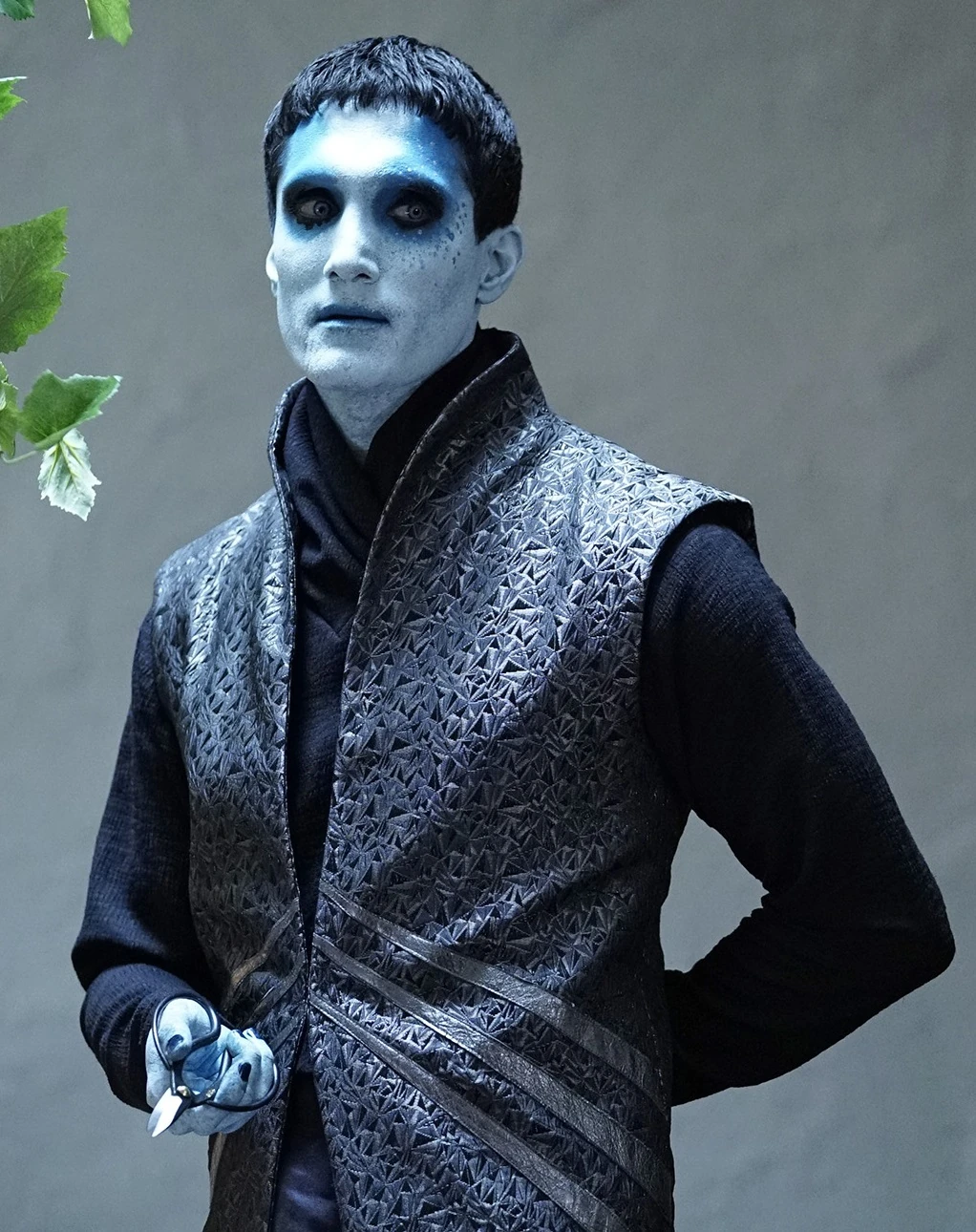
Row 2: Garokk, Dylan Brock, Kasius (Marvel's Agents of S.H.I.E.L.D.), & Charles Xavier (X-Men: First Class)
Row 3: God Emperor Doom (Earth-TRN823), Battlestar, The Hulk (Amadeus Cho), & Bi-Beast
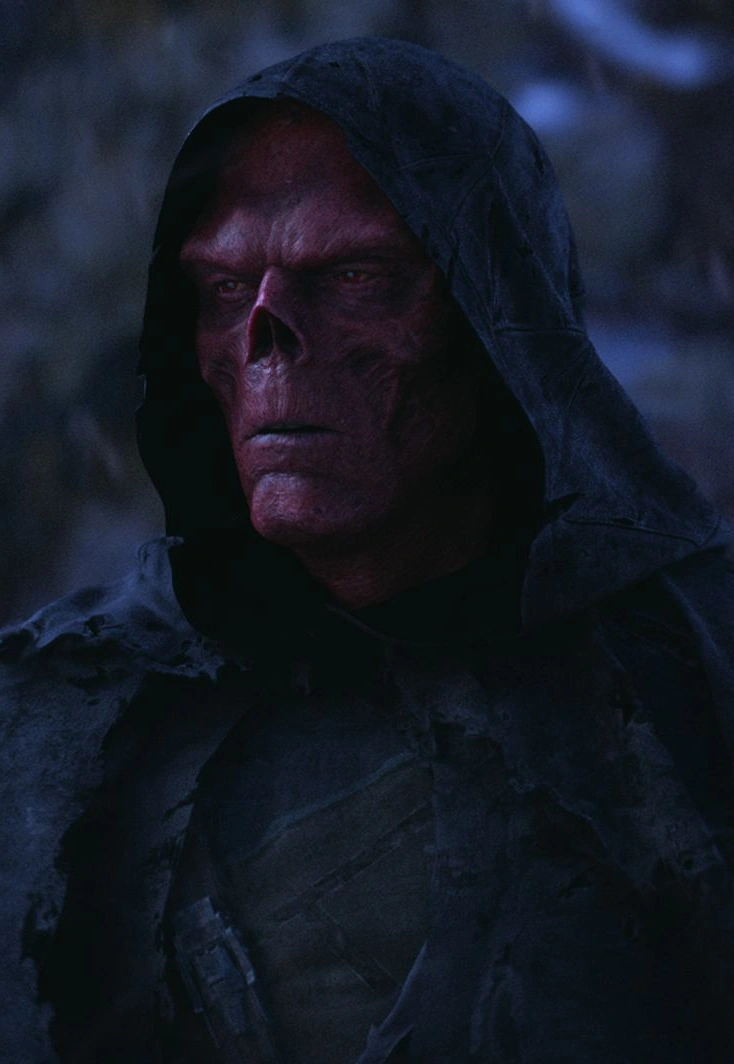
Row 4: Iceman (Uncanny X-Men), The Avenging Angel, Stonekeeper (Avengers: Infinity War), Wolverine (Patch)
Design Inspirations Below:
Medusa - (static.wikia.nocookie.net/marveldatabase/images/1/18/IVX_...)

The Vision (Dead: WandaVision) - (www.thesun.co.uk/wp-content/uploads/2021/01/wanda-5.png)

Cosmic Ghost Rider (Earth-TRN666) - (images-na.ssl-images-amazon.com/images/S/cmx-images-prod/...)

The Winter Soldier (The Falcon and the Winter Soldier) - (static.wikia.nocookie.net/marvelcinematicuniverse/images/...)

Garokk - (static.wikia.nocookie.net/marveldatabase/images/4/45/Garo...)
_from_Avengers_Vol_5_12.jpg/revision/latest?cb=20130527010717)
Dylan Brock - (static.wikia.nocookie.net/marveldatabase/images/0/01/Dyla...)
_from_Venom_Vol_4_17_001.jpg/revision/latest?cb=20200817004623)
Kasius (Marvel's Agents of S.H.I.E.L.D.) - (static.wikia.nocookie.net/marvelcinematicuniverse/images/...)
Charles Xavier (X-Men: First Class) - (static.comicvine.com/uploads/original/11112/111120335/497...)

God Emperor Doom (Earth-TRN823) - (i.imgur.com/UDaLpEY.jpg)

Battlestar - (static.wikia.nocookie.net/marveldatabase/images/e/e4/Lema...)
_from_Captain_America_Sam_Wilson_Vol_1_15_001.jpg/revision/latest?cb=20161227092238)
The Hulk (Amadeus Cho) - (static.wikia.nocookie.net/marveldatabase/images/b/b0/Tota...)

Bi-Beast - (static.wikia.nocookie.net/marveldatabase/images/b/b0/Bi-B...)
.jpg/revision/latest/top-crop/width/360/height/450?cb=20100108162055)
Iceman (Uncanny X-Men) - (sanluisobispounitarianuniversalists.org/img/e27da5c1fa322...)

The Avenging Angel - (static.wikia.nocookie.net/marveldatabase/images/d/d2/Warr...)
_as_the_Avenging_Angel_from_X-Men_Vol_1_55.jpg/revision/latest/scale-to-width-down/340?cb=20200214033642)
Stonekeeper (Avengers: Infinity War) - (static.wikia.nocookie.net/marvel-cinematic-universe-fanon...)
Wolverine (Patch) - (media.comicbook.com/2021/01/wolverine-8-patch-logan-12512...)

Comment & Fave to let me know what you think
Site-specific перформанс Ірини Плотнікової "IceDora" на фестивалі сучасного мистецтва Гогольфест 2016, Київ, Україна © repor.to/
Specific designs requested by my client. Tons of work but I am happy with how they came out!
Nike Foamposite Pro Neon Blue / Turquoise
Nike Air Jordan XI (11) Retro Concord
Nike Air Jordan III (3) Retro Coutdown Split Black Cement
Nike Air Jordan I (1) Retro Low Sneakers
Because the theme for this year’s Convention was Supermodel, I did have a few expectations and one specific wish that I have was to see Adele with the 2.0 sculpt. It was such a relief to find out that Glamazon Adele is (almost) everything that I hoped for. There are other characters that could channel Naomi Campbell but it’s really a no-brainer Adele is that one doll who should, but for some reason I can’t see her represent Naomi with the 3.0 sculpt. Sure that sculpt is very close to Naomi’s facial features but l’m gonna call it like it is. 2.0 is a much better sculpt… for many reasons. One of those reasons is that 2.0 has a much relaxed expression. There’s a certain ease and effortlessness to the sculpt which is a contrast to 3.0’s stern expression. I also find 2.0’s face balanced and much more symmetrical. Of course 2.0 have those sultry lips that I can’t get enough of. She is just mesmerizing in every angle I can’t even stop from staring. She is modeling 360 degrees! As fabulous as the OOAK Obsession Adele was with the 3.0 sculpt which may have been considered for Adele, I’m so glad that we got 2.0 mass produced.
One of the things I was worried about was for the Convention dolls to have the same face designs as the main collection and true enough they do. But the designers proved me wrong. It didn’t matter. For almost three years now I find the face designs for Fashion Royalty to be lackluster. It was the “almost there but not quite” faces that didn’t impress me. In 2013 the "Classic" look seemed out-dated. In 2014 we had great eye designs but the eyebrows were not on point. In 2015 the vintage style which was a departure from the usual designs turned out to be unimpressive. This year Fashion Royalty put their best face forward. Something we haven’t seen in ages. We have the sass, the haughty expressions, and the arched eyebrows back. Each of the dolls’ faces, particularly for the Convention, were designed flawlessly. I love that the entire FR collection is consistent and cohesive with the face design as that does not happen all the time like in some of the past collections. Half of the dolls look great and half are so-so.
While Glamazon is flawless in my eyes, she was that one doll I wanted side glancing. It’s like everyone else was side glancing except for her. Integrity why are you doing this to me?! LOL. Why am I obsessed with side glancing eyes and why does it matter you ask? For Adele in particular, the last time she had the best side glance was The Muse, Paparazzi Bait, Something Sexy and Bodacious. It’s the squint and the side eye that I want perfected with Adele. To me side glancing eyes gives the dolls’ personality as opposed to the stoic look that they give when they’re looking straight forward. Although I’m not holding my breath, I’m hoping to see Adele with the 2.0 sculpt as the W Club Exclusive and hopefully they give her a variant of the face design that has side glancing eyes like what they did to Love, Life and Lace and Sister Moguls Agnes this year. Vanessa 1.0 showed up as the Exclusive last year, so it’s not impossible to see Adele 2.0 as the Exclusive this time.
For Glamazon to have the lowest edition size of 350 in the collection is somehow frustrating. Integrity lowered her edition size as last year’s table centerpiece Time and Again Adele is still in stock up to this day and they don’t want that to happen again. In my opinion, dolls of color do not sell not because of their skin tone but for me the design is a huge factor on that. I mean, looking at those two versions of the same character and I think it’s safe to say they are miles apart. Time and Again is matronly while Glamazon is sexy. Obviously with Glamazon selling out at the Convention only means they’ve done something right with the character and we want our sexy and sultry Adele back and hopefully this won’t be the last.
Excerpt from brainproject.ca:
hard-wire (härd′wīr′)
Many aspects of the brain are considered to be hardwired and cannot operate outside of a specific set of functions. But the brain, as with electricity, has an innate ability to reroute and redirect its signals to keep a connection alive. The artist’s grandmother had severe Alzheimer's, but as her memory gradually faded, she was still able to remember people, places and things she and her husband had experienced decades earlier. Darrach knew that her grandmother’s brain was still working to reconnect those once hardwired functions. This piece was made in her memory.
Right and Left Hemisphere
Daniel St-Amant’s sculpture is a representation of the two sides of our brain. The right side is used for recognizing faces, visual imagery, colour and music. People sometimes call it the right hemisphere or The Creative Brain. St-Amant presents it as a lush meadow with trees and grass.
The left hemisphere is known as The Logical Brain. It is responsible for logic, numbers, words, lists and analysis, and represented by construction, civilization and development. St-Amant hopes to remind people that we must keep a healthy balance between the two in life and in spirit.
Loss
Artist Keight MacLean’s brain sculpture explores the idea of memory and memory loss through the portrait of a loved one. On one side of the brain is a portrait of a young woman, her face slightly obscured by drips of paint. On the reverse side, the portrait begins to slightly warp as more of the woman is obscured by paint and dirt.
Black hole memory
Artist Stéphane Langlois has created a brain in aluminum with some holes through the brain. Some parts are polished and some parts have a patina like rust. Over the years, the patina will continue to generate over all the areas and become – comparable to Alzheimer’s and dementia – a progressive degenerative disease of the brain, in which thinking and memory become seriously impaired.
Raining Cows, “BLUE SUN”
The artist’s life came to a screeching halt after the tragic and violent death of his brother and best friend. Everything positive and creative was replaced by darkness. His world was upside down. He was extremely depressed. He thought there was no hope. One day he took an old canvas from his closet and started painting these "Raining Cows." After he started, he could not stop. He created this imaginary world to cope with reality. He painted these floating creatures to help him with the traumatic experiences he has had. It is therapy for him. It is his outlet. The "Raining Cows" encourage and motivate him to keep going regardless of what happened in his past. The Sun is still Blue but soon it will rise and the fire in him will blaze red once again.
The Pith and Nectar
Constructed from glazed ceramic and porcelain, The Pith and Nectar serves as a bittersweet meditation on the fleeting nature of time and memory. Like the human brain, clay is malleable with surprising plasticity. Soft, workable clay is capable of infinite amalgams and formations. After going through an alchemical transformation in the high temperatures of firing, ceramic remains fragile but endures —retaining every delicate impression.
Short Circuit
Artist Ron Eady had a good concept for the Brain Project but before he could write it down he forgot what it was. Then he realized that was it!
It seems as he gets older, he will occasionally experience these short circuits. He’ll go to do something, then the thought will evaporate or he will temporarily forget something that he would normally know. Everyone experiences these faulty electrical impulses to some extent. To a greater extent, mental illness could be considered short circuiting, a malfunction of the neurons and chemical impulses in the brain.
Beyond the Skull
A skull physically protects the brain. But there are many other factors that impact brain health such as eating right, exercise, managing stress, proper sleep and social interactions. These mini skulls that collectively create a single layer of protection symbolize all these other factors and serve as a reminder for the need to manage each of these factors to protect the brain beyond the skull.
In a hot day of Sunday, the tourists enjoyes for the fantastic landscape from the hill of San Martino (Naples - Italy).
This bus is specific for visitors.
E X P L O R E !
Most lionesses reproduce by the time they are four years of age. Lions do not mate at a specific time of year and the females are polyestrous. Like those of other cats, the male lion's penis has spines that point backward. During withdrawal of the penis, the spines rake the walls of the female's vagina, which may cause ovulation. A lioness may mate with more than one male when she is in heat. Generation length of the lion is about seven years. The average gestation period is around 110 days; the female gives birth to a litter of between one and four cubs in a secluded den, which may be a thicket, a reed-bed, a cave, or some other sheltered area, usually away from the pride. She will often hunt alone while the cubs are still helpless, staying relatively close to the den. Lion cubs are born blind; their eyes open around seven days after birth. They weigh 1.2–2.1 kg (2.6–4.6 lb) at birth and are almost helpless, beginning to crawl a day or two after birth and walking around three weeks of age. To avoid a buildup of scent attracting the attention of predators, the lioness moves her cubs to a new den site several times a month, carrying them one-by-one by the nape of the neck.
Usually, the mother does not integrate herself and her cubs back into the pride until the cubs are six to eight weeks old. Sometimes the introduction to pride life occurs earlier, particularly if other lionesses have given birth at about the same time. When first introduced to the rest of the pride, lion cubs lack confidence when confronted with adults other than their mother. They soon begin to immerse themselves in the pride life, however, playing among themselves or attempting to initiate play with the adults. Lionesses with cubs of their own are more likely to be tolerant of another lioness's cubs than lionesses without cubs. Male tolerance of the cubs varies—one male could patiently let the cubs play with his tail or his mane, while another may snarl and bat the cubs away.
File:Lion Cubs Phinda 2011.ogv
Video of a lioness and her cubs in Phinda Reserve
Pride lionesses often synchronise their reproductive cycles and communal rearing and suckling of the young, which suckle indiscriminately from any or all of the nursing females in the pride. The synchronisation of births is advantageous because the cubs grow to being roughly the same size and have an equal chance of survival, and sucklings are not dominated by older cubs.Weaning occurs after six or seven months. Male lions reach maturity at about three years of age and at four to five years are capable of challenging and displacing adult males associated with another pride. They begin to age and weaken at between 10 and 15 years of age at the latest.
When one or more new males oust the previous males associated with a pride, the victors often kill any existing young cubs, perhaps because females do not become fertile and receptive until their cubs mature or die. Females often fiercely defend their cubs from a usurping male but are rarely successful unless a group of three or four mothers within a pride join forces against the male. Cubs also die from starvation and abandonment, and predation by leopards, hyenas and wild dogs.Up to 80% of lion cubs will die before the age of two. Both male and female lions may be ousted from prides to become nomads, although most females usually remain with their birth pride. When a pride becomes too large, however, the youngest generation of female cubs may be forced to leave to find their own territory. When a new male lion takes over a pride, adolescents both male and female may be evicted. Lions of both sexes may be involved in group homosexual and courtship activities; males will also head-rub and roll around with each other before simulating sex together.
Location : Cruising the Dalyan river , to the mud baths ,Turkey.
~~~~~~<<~~~~~<<@
I strongly believe what is happening in Syria right now is the unfolding
of Isaiah 17 prophecy before our very eyes !
To be specific , Isaiah 17 speaks of Damascus become a ruinous heap !
It's underway. Then there is simultaneous turmoil in Egypt. In which
had been written
in Isaiah 19, Egyptians will fight against
Egyptians, which would mean no other than a mega civil unrest,
not only that , the Nile would dry up. It hasn't happened yet, but possibly sooner, if
Ethiopia will seriously pursue what's already being planned
to build a dam which in effect would divert large
amount of the Nile away from it's river path to Egypt.
Amazing Bible prophesy materializing before our eyes in these latter
days before the coming of the Lord !
Yet many would still ridicule the Bible out of their unbelief.
Please pray for the people of Syria and Egypt .
Signs of the Times
*Mid-East Prophecy Update - September 1st, 2013
Feast of Trumpets by Mark Biltz
It's time now to keep watching for the Lord's coming, don't sleep
and continue to do wicked ways and get caught like that of the
thief in the night . Jesus is coming soon my friends which most likely
your mainstream churches aren't talking about and keep you all asleep.
*BREAKING: Prophecy Alert "Syrian "High Brass" Fleeing Damascus
*August 2013 President Obama speech on Syria seeks congress approval - What do you think?
*OBAMA AUTHORIZES SYRIA ATTACK, CONGRESS BACK POCKET
*WW3: Russia and China Warn of "Catastrophic Consequences" in Syria
*Middle East Update: Crisis in Syria
*Chuck Smith on Jeremiah 27 False Prophets -
Last Days news prophecy update
*NASA EMP Attack Event- "Pattie Brassard" Planet X
*Tribulation-Now Radio, 21st Aug 2013 - The Joel 2 & Isaiah 13 Alien Invasion
*Judgment Is Coming Because They Divided the Land!
*God will split the USA with a Quake 24 hrs after it divides Israel.
*WE ARE THE LAST GENERATION! Kerry's Peace Plan; Land Divided; Anti-Christ; Great Tribulation; N.W.O
*FEMA Drivers Expose mass Shipments Bullets Cofffins - extermination NOW ?
Is this an insight what is to happen in what ever form , as preparation.
If the US is pushing for the division of the land ( Israel), if through the US
diplomatic actions this will happen, then pretty sure there is judgement
from God. This is just an eye-opening and as warning of darker events
ahead. Just prepare yourselves friends those who are living in the US.
I have warned my family out there and hope they listened.
Some of you have seen this Nativity set before. This year, I was going for a specific picture (this isn't it). But, realizing that it would require some photoshopping, I put it on the back burner. Plus, Kate noted that my dumbass idea would most likely be blasphemous and offensive to Christians among you. So I held off. You may see it, someday. The idea is pretty stupid and weird. Which are my favorite kind.
BTW, when Kate set this up (she's in charge of Christmasing the house), I chided her because she put the infant in the manger. I told her that Jesus isn't supposed to be there until Christmas day. So, TODAY it's appropriate.
Merry Christmas!
The World Renowned Frazier Studio
Elgin, Illinois, USA - Near 42.0109, -88.3477
December 23, 2024
COPYRIGHT 2024 by JimFrazier All Rights Reserved. This may NOT be used for ANY reason without written consent from Jim Frazier.
20241223mz7-3536-2500
I have no specific information about Atkinson Borders with Andrew Wishart & Sons but the type was widely used by Scottish hauliers. Introduced in 1958, the Borderer sold well until its demise in the early 1970s, by which time its fibreglass cab with cramped interior and tiny doors inconveniently positioned over the rear wheels did not endear itself to drivers (21-Apr-23).
All rights reserved. Not to be posted on Facebook or anywhere else without my prior written permission. Please follow the link below for additional information about my Flickr images:
www.flickr.com/photos/northernblue109/6046035749/in/set-7...
DB Cargo Class 152, number 152 136-8 heads north through Mainz Kastel bahnhof with a long rake of Eaos-x and Eanos-x loaded scrap wagons. The loco is branded in Transfracht AlbatrosExpress livery, a partnership between DB and TFG. If this train was headed up the Rhein, then it could be EZ 51848 Mannheim Rbf - Gremberg Bs running 30 minutes late or GM 60437 Karlsruhe Hafen - Köln Kalk Nord Kw running 60 early. The consist was just box wagons so I suspect it was a company train for a specific customer, so may well have been a "GM" or "GB" train.
As for the location of the girls and the level crossing - all I can say is that here in the UK this simply would not be allowed on a 4 track railway. I've actually got a photo of a cyclist still on his bike holding the handrail waiting for the barriers to go up with his back to the line and clearly sticking out onto the track. If a train had been coming from behind him, he wouldn't be alive to tell the tale. Both times I've been here, there have been various times when I've been worried for the safety of people waiting for the barriers on the left to go up, so they can cross the line - of course you are not allowed to do this, but there is not much to stop you doing it!
Queercircle #Collective [Single], #Site-specific #performative #environmental #installation #artwork #queer, #woke, #antifa and #inclusive [Sketchbook], 2024, London
Altro titolo - Another title: ContemporaryArt needs Tags, 2024
[Fototeca Fondazione Omeri]
Aspens in Transition. © Copyright 2018 G Dan Mitchell - all rights reserved.
A large Eastern Sierra Nevada aspen grove partway though the fall color transition
This photograph comes from one of the few specific locations for Eastern Sierra aspen color that I'll typically name and locate without reservations. It is impossible to miss, as it is right next to US 395 between the towns of Bridgeport and Lee Vining, at the high point of this section of the roadway where it crosses Conway Summit. You can pull over to the side of the road — and if you pass by on the best days you won't be able to resist — and take in a panoramic view up toward the Sierra crest that includes many beautiful aspen groves. (I'm reticent about sending too many people to less-known, fragile, and quiet locations... especially since there are so many great places where you can find aspen color on your own.)
On this afternoon I passed by this spot as I traveled between a couple of other places where I looked for and photographed autumn color. I, too, was unable to resist (another) stop here. You may notice the soft light in this scene. It was overcast and there was light rain falling closer to the crest. On the scene such light can seem drab and dull, but the softer light also fills in the shadows and can provide you with an exposure that allows you to reveal a lot of detail and color in the post-processing phase. Notice also that the color is far from uniform in this large grove, ranging from peak color (and beyond, in a few cases) to very green trees in the distance. It is rare to find an entire large grove producing uniform brilliant color, since the aspens here tend to change color in phases. I've come to like and even prefer this less uniform color change pattern, and sometimes I think that the presence of green trees enhances to intensity of the more colorful trees.
See top of this page for Articles, Sales and Licensing, my Sierra Nevada Fall Color book, Contact Information and more.
G Dan Mitchell is a California photographer and visual opportunist. His book, "California's Fall Color: A Photographer's Guide to Autumn in the Sierra" is available from Heyday Books and Amazon.
Blog | About | Flickr | Twitter | Facebook |
All media © Copyright G Dan Mitchell and others as indicated. Any use requires advance permission from G Dan Mitchell.
The gull-billed tern (Gelochelidon nilotica), formerly Sterna nilotica, is a tern in the family Laridae. The genus name is from Ancient Greek gelao, "to laugh", and khelidon, "swallow". The specific niloticus is from Latin and means of the Nile. The Australian gull-billed tern was previously considered a subspecies.
This is a fairly large and powerful tern, similar in size and general appearance to a Sandwich tern, but the short thick gull-like bill, broad wings, long legs and robust body are distinctive. The summer adult has grey upperparts, white underparts, a black cap, strong black bill and black legs. The call is a characteristic ker-wik. It is 33–42 cm (13–17 in) in length and 76–91 cm (30–36 in) in wingspan. Body mass ranges from 150–292 g (5.3–10.3 oz).
In winter, the cap is lost, and there is a dark patch through the eye like a Forster's tern or a Mediterranean gull. Juvenile gull-billed terns have a fainter mask, but otherwise look much like winter adults.
Juvenile Sandwich terns have a short bill, and are frequently mistaken for gull-billed tern where the latter species is uncommon, such as North Sea coasts.
It breeds in warmer parts of the world in southern Europe, temperate and eastern Asia, both coasts of North America, eastern South America. This bird has a number of geographical races, differing mainly in size and minor plumage details.
All forms show a post-breeding dispersal, but the northern breeders are most migratory, wintering south to Africa, the Caribbean and northern South America, southern Asia and New Zealand.
The gull-billed tern is one of the species to which the Agreement on the Conservation of African-Eurasian Migratory Waterbirds (AEWA) applies.
This species breeds in colonies on lakes, marshes and coasts. It nests in a ground scrape and lays two to five eggs. While widely distributed in freshwater areas in Eurasia, it is associated almost solely with saltwater, coastal areas in North America.
This is a somewhat atypical tern, in appearance like a Sterna tern, but with feeding habits more like the Chlidonias marsh terns, black tern and white-winged tern. It used to be grouped in the genus Sterna but is now placed on its own in the genus Gelochelidon.
The gull-billed tern does not normally plunge dive for fish like the other white terns, and has a broader diet than most other terns. It largely feeds on insects taken in flight, and also often hunts over wet fields and even in brushy areas, to take amphibians and small mammals. It is also an opportunistic feeder, and has been observed to pick up and feed on dead dragonflies from the road.
For more information, please visit en.wikipedia.org/wiki/Gull-billed_tern
Site-specific pieces made of building materials by Amir Harrari after visiting the Wave Hill site and researching its history and architecture.
www.wavehill.org/arts/artists/amir-hariri/
Sunroom Space at Glyndor Gallery, Wave Hill, Riverdale, the Bronx, NYC -- July 13, 2019
Did not try to replicate a specific Panzer, instead I focus on play-ability and making it as small as possible ( about the size of a Panzer 2), while being able to fit a mini figure. Features opening hatch, turret turning 360, canon tilting up, and tracks rolling.
"the artists of the "Casa del Musical" group (House of Musical)".
“gli artisti del gruppo "Casa del Musical".
-----------------------------------------------------------------
click to activate the icon of slideshow: the small triangle inscribed in the small rectangle, at the top right, in the photostream;
or…. Press the “L” button to zoom in the image;
clicca sulla piccola icona per attivare lo slideshow: sulla facciata principale del photostream, in alto a destra c'è un piccolo rettangolo (rappresenta il monitor) con dentro un piccolo triangolo nero;
oppure…. premi il tasto “L” per ingrandire l'immagine;
www.worldphoto.org/sony-world-photography-awards/winners-...
www.fotografidigitali.it/gallery/2726/opere-italiane-segn...
……………………………………………………………………….
A history of Taormina: chronicles of a forbidden love and its great secret (not only Paolo and Francesca) with an unexpected "scoop".
This story is an integral part of the story previously told, the historical period is the same, the place is the same, the various characters often meet each other because they know each other; Taormina, between the end of the 1800s and the beginning of the 1900s, in an ever increasing growth, became the place of residence of elite tourism, thanks to the international interest aroused by writers and artists, such as Johann Wolfgang von Goethe , or great personalities like Lady Florence Trevelyan: Taormina becomes so famous, thanks to the paintings of the painter Otto Geleng and the photographs of the young Sicilian models by Wilhelm von Gloeden; in the air of Taormina there is a sense of libertine, its famous and histrionic visitors never fail to create scandal, even surpassing the famous Capri, in which, to cite just one example, the German gunsmith Krupp, trying to recreate the he environment of Arcadia that one breathed in Taormina (thanks to the photos of von Gloeden) was overwhelmed by the scandal for homosexuality, and took his own life. Taormina thus becomes a heavenly-like place, far from industrial civilizations, where you can freely live your life and sexuality; this is the socio-cultural environment in which the two protagonists of this story move, the British painter Robert Hawthorn Kitson (1873 - 1947) and the painter Carlo Siligato (born in Taormina in 1875, and died there in 1959). Robert H. Kitson, born in Leeds in England, belonged to a more than wealthy family, as a young engineer he had begun to replace his father in the family locomotive construction company (Kitson & Co.), on the death of his father in 1899 sells everything and decides to move very rich in Sicily to Taormina (he had been there the previous year with a trip made with his parents, here he had met, in addition to Baron von Gloeden, also the writer and poet Oscar Wilde who came to Italy, immediately after having served two years in prison in forced labor, on charges of sodomy); Kitson settled there because he was suffering from a severe form of rheumatic fever (like von Gloeden was advised to treat himself in the Mediterranean climate milder), and because as a homosexual, he leaves England because the Labouchere amendment considered homosexuality a crime. The other protagonist of this story is Carlo Siligato, he was from Taormina, he had attended the Academy of Fine Arts in Venice, a very gifted painter, he was very good at oil painting (he exhibited his paintings in an art workshop, even now existing, in via Teatro Greco in Taormina), the meeting with the painter Robert Kitson, led him to adopt the watercolor technique: almost to relive Dante's verses on Paolo and Francesca "Galeotto was the book and who wrote it" the common passion for painting led the two artists to live an intense love story. Kitson built his home in the "Cuseni" district of Taormina, called for this "Casa Cuseni", the house was built between 1900 and 1905, its decorations were entrusted to the artists Alfred East (realist landscape painter, president of the Royal Society ), and Frank Brangwyn (painter, decorator, designer), he was a pupil of William Morris, leader of the English movement "Arts and Crafts" which spread to England in the second half of the nineteenth century (the Arts and Crafts was a response to the industrialization of Europe, of mass production operated by factories, all this at the expense of traditional craftsmanship, from this movement originated the Art Nouveau, in Italy also known as Liberty Style or Floral Style, which distinguished itself for having been a artistic and philosophical movement, which developed between the end of the 19th century and the first decade of the 20th century, whose style spread in such a way as to be present everywhere). Casa Cuseni has kept a secret for 100 years that goes far beyond the forbidden love lived by Robert and Carlo, a secret hidden inside the "secret room", that dinning room that was reopened in 2012; entering the dining room, you can witness a series of murals painted on the four walls by Frank Brangwyn, in Art Nouveau style, which portray the life and love story between the painter Robert Kitson, and his life partner, the Carlo Siligato from Taormina, but the thing that makes these murals even more special, full of tenderness and sweetness, is that "their secret" (!) is represented in them, it is described visually, as in an "episodic" story that really happened in their lives: Messina (and Reggio Calabria) are destroyed by the terrible earthquake with a tsunami on December 28, 1908, Carlo Siligato, Robert Kitson, Wilhelm von Gloeden and Anatole France leave for Messina, to see and document in person the tragedy, the city was a pile of rubble, many dead, Robert and Carlo see a baby, Francesco, he is alone in the world, without parents who died in the earthquake, abandoned to a certain and sad destiny, a deep desire for protection is born in the two of them, a maternal and paternal desire is born, they decide to takes that little child with them even knowing that they are risking a lot ... (!), what they want to do is something absolutely unthinkable in that historical period, they are a homosexual couple, what they are about to do is absolutely forbidden ..(!) but now there is Francesco in their life, thus becoming, in fact, the first homogenitorial family (with a more generic term, rainbow family) in world history: hence the need to keep the whole story absolutely hidden, both from an artistic point of view , represented by the murals (for more than 100 years, the "dinning room" will be kept hidden), both of what happens in real life, with little Francesco cared for lovingly, but with great risk or. I have allegorically inserted, in the photographic story, some photographs of the artists of the company "Casa del Musical", who came to Taormina to perform during the Christmas period: today as yesterday, Taormina has always been (starting from the last 20 years of the 19th century) center of a crossroads of artists and great personalities, Casa Cuseni also in this has an enormous palmares of illustrious guests, too long to state. The young boys painted on the murals of Casa Cuseni, wear white, this is a sign of purity, they wanted to represent their ideal homosexual world, fighting against the figure dressed in black, short in stature, disturbing, which acquires a negative value, an allegorical figure of the English society of the time, indicating the Victorian morality that did not hesitate to condemn Oscar Wilde, depriving him of all his assets and rights, even preventing him from giving the surname to his children. The boys are inspired by the young Sicilian models photographed by Wilhelm von Gloeden, dressed in white tunics, with their heads surrounded by local flowers. The only female figure present has given rise to various interpretations, one could be Kitson's detachment from his motherland, or his detachment from his mother. On the third wall we witness the birth of the homogenitorial family, both (allegorically Carlo and Kitson with the child in their arms) are in profile, they are walking, the younger man has a long, Greek-style robe, placed on the front, next to him behind him, the sturdier companion holds and gently protects the little child in his arms, as if to spare the companion the effort of a long and uncertain journey, there is in the representation of the family the idea of a long journey, in fact the man holding the child wears heavy shoes, their faces are full of apprehension and concern: in front of them an empty wall, so deliberately left by Frank Brangwin, since their future is unknown, in front of them they have a destiny full of unknowns (at the same time, their path points east, they go towards the rising sun: opening the large window the sun floods everything in the room). In the "secret room" there is the picture painted in 1912 by Alfred E. East, an oil on canvas, representing Lake Bourget. Carlo Siligato later married Costanza, she was my father's grandmother's sister, they had a son, Nino, who for many years lived and worked as a merchant in his father's art workshop. I sincerely thank my colleague Dr. Francesco Spadaro, doctor and esteemed surgeon, owner and director of the "Casa Cuseni" House-Garden-Museum, who, affectionately acting as a guide, gave me the precious opportunity to create "this photographic tour" inside the house- museum and in the "metaphysical garden" of Casa Cuseni. … And the scoop that I announced in the title ..? After photographing the tomb of Carlo Siligato, in the Catholic cemetery of Taormina, I started looking for that of Robert Kitson, in the non-Catholic cemetery of Taormina: when I finally found it (with him lies his niece Daphne Phelps, buried later in 2005) ... I felt a very strong emotion, first of all I was expecting a mausoleum, instead I found a small, very modest tomb on this is not a photo of him, not an epitaph, not a Cross, not a praying Angel to point it out, but ... unexpectedly for a funerary tombstone ... a small bas-relief carved on marble (or stone) depicting ... the Birth ... (!), obviously , having chosen her could have a very specific meaning: a desire to transmit a message, something very profound about him, his tomb thus testified that in his soul, what was really important in life was having a family, with Carlo and baby Francesco, certainly beloved, saved from a certain and sad fate, in the terrible Messina earthquake-tsunami of 28 December 1908 ... almost recalling in an absolute synthesis, at the end of his life, what had already been told in the "secret murals" of Casa Cuseni.
…………………………………………………………………..
Una storia di Taormina: cronache di un amore proibito e del suo grande segreto (non solo Paolo e Francesca) con inaspettato “scoop”.
Questa storia fa parte integrante della storia precedentemente raccontata, il periodo storico è lo stesso, il luogo è lo stesso, i vari personaggi spesso si frequentano tra loro poiché si conoscono; Taormina, tra la fine dell’800 e l’inizio del’900, in un sempre maggiore crescendo, diventa luogo di residenza del turismo d’élite, grazie all’interesse internazionale suscitato ad opera di scrittori ed artisti, come Johann Wolfgang von Goethe, o grandi personalità come Lady Florence Trevelyan: Taormina diventa così famosa, complici i quadri del pittore Otto Geleng e le fotografie dei giovani modelli siciliani di Wilhelm von Gloeden; nell’aria di Taormina si respira un che di libertino, i suoi famosi ed istrionici frequentatori non mancano mai di creare scandalo, superando persino la famosa Capri, nella quale, per citare solo un esempio, l’armiere tedesco Krupp, cercando di ricreare l’ambiente dell’Arcadia che si respirava a Taormina (grazie alle foto di von Gloeden) viene travolto dallo scandalo per omosessualità, e si toglie la vita. Taormina diviene quindi un luogo simil-paradisiaco, lontana dalle civiltà industriali, nella quale poter vivere liberamente la propria vita e la propria sessualità; questo è l’ambiente socio-culturale nel quale si muovono i due protagonisti di questa vicenda, il pittore britannico Robert Hawthorn Kitson (1873 – 1947) ed il pittore Carlo Siligato (nato a Taormina nel 1875, ed ivi morto nel 1959). Robert H. Kitson, nacque a Leeds in Inghilterra, apparteneva ad una famiglia più che benestante, da giovane ingegnere aveva cominciato a sostituire il padre nell’impresa familiare di costruzioni di locomotive (la Kitson & Co.), alla morte del padre nel 1899 vende tutto e decide di trasferirsi ricchissimo in Sicilia a Taormina (vi era stato l’anno precedente con un viaggio fatto coi suoi genitori, qui aveva conosciuto, oltre al barone von Gloeden, anche lo scrittore e poeta Oscar Wilde venuto in Italia, subito dopo aver scontato due anni di prigione ai lavori forzati, con l’accusa di sodomia); Kitson vi si stabilisce perché affetto da una grave forma di febbre reumatica (come von Gloeden gli fu consigliato di curarsi nel clima mediterraneo più mite), sia perché in quanto omosessuale, lascia l’Inghilterra perché l’emendamento Labouchere considerava l’omosessualità un crimine. L’altro protagonista di questa storia è Carlo Siligato, egli era taorminese, aveva frequentato l’Accademia di Belle Arti di Venezia, pittore molto dotato, era bravissimo nel dipingere ad olio (esponeva i suoi quadri in una bottega d’arte, ancora adesso esistente, in via Teatro Greco a Taormina), l’incontro col pittore Robert Kitson, lo portò ad adottare la tecnica dell’acquarello: quasi a rivivere i versi di Dante su Paolo e Francesca “Galeotto fu ‘l libro e chi lo scrisse” la comune passione per la pittura condusse i due artisti a vivere una intensa storia d’amore. Kitson costruì nel quartiere “Cuseni” di Taormina la sua abitazione, detta per questo “Casa Cuseni”, la casa fu costruita tra il 1900 ed il 1905, le sue decorazioni furono affidate agli artisti Alfred East (pittore verista paesaggista, presidente della Royal Society), e Frank Brangwyn (pittore, decoratore, designer, progettista), egli era allievo di William Morris, leader del movimento inglese “Arts and Crafts” (Arti e Mestieri) che si diffuse in Inghilterra nella seconda metà del XIX secolo (l’Arts and Crafts era una risposta alla industrializzazione dell’Europa, della produzione in massa operata dalle fabbriche, tutto ciò a scapito dell’artigianato tradizionale, da questo movimento ebbe origine l’Art Nouveau, in Italia conosciuta anche come Stile Liberty o Stile Floreale, che si distinse per essere stata un movimento artistico e filosofico, che si sviluppò tra la fine dell’800 ed il primo decennio del ‘900, il cui stile si diffuse in tal modo da essere presente dappertutto). Casa Cuseni ha custodito per 100 anni un segreto che va ben oltre quell’amore proibito vissuto da Robert e Carlo, segreto celato all’interno della “stanza segreta”, quella dinning room che è stata riaperta nel 2012; entrando nella sala da pranzo, si assiste ad una serie di murales realizzati sulle quattro pareti da Frank Brangwyn, in stile Art Nouveau, che ritraggono la vita e la storia d’amore tra il pittore Robert Kitson, ed il suo compagno di vita, il pittore taorminese Carlo Siligato, ma la cosa che rende questi murales ancora più particolari, carichi di tenerezza e dolcezza, è che in essi viene rappresentato “il loro segreto” (!), viene descritto visivamente, come in un racconto “ad episodi” quello che è realmente avvenuto nella loro vita: Messina (e Reggio Calabria) vengono distrutte dal terribile sisma con maremoto il 28 dicembre del 1908, partono per Messina, Carlo Siligato, Robert Kitson, Wilhelm von Gloeden ed Anatole France, per vedere e documentare di persona la tragedia, la città era un cumulo di macerie, moltissimi i morti, Robert e Carlo vedono un piccolo bimbo, Francesco, egli è solo al mondo, privo dei genitori periti nel terremoto, abbandonato ad un certo e triste destino, nasce in loro due un profondo desiderio di protezione, nasce un desiderio materno e paterno, decidono di prende quel piccolo bimbo con loro pur sapendo che stanno rischiando moltissimo…(!) , quello che vogliono fare è una cosa assolutamente impensabile in quel periodo storico, loro sono una coppia omosessuale, quello che stanno per fare è assolutamente proibito..(!) ma oramai c’è Francesco nella loro vita, divenendo così, di fatto, la prima famiglia omogenitoriale (con termine più generico, famiglia arcobaleno) nella storia mondiale: da qui la necessità di tenere assolutamente nascosta tutta la vicenda, sia dal punto di vista artistico, rappresentata dai murales (per più di 100 anni, la “dinning room” verrà tenuta nascosta), sia di quanto accade nella vita reale, col piccolo Francesco accudito amorevolmente, ma con grandissimo rischio. Ho inserito allegoricamente, nel racconto fotografico, alcune fotografie degli artisti della compagnia “Casa del Musical”, giunti a Taormina per esibirsi durante il periodo natalizio: oggi come ieri, Taormina è sempre stata (a partire dagli ultimi 20 anni dell’800) al centro di un crocevia di artisti e grandi personalità, Casa Cuseni anche in questo ha un enorme palmares di ospiti illustri, troppo lungo da enunciare. I giovani ragazzi dipinti sui murales di Casa Cuseni, vestono di bianco, questo è segno di purezza, si è voluto in tal modo rappresentare il loro mondo ideale omosessuale, in lotta contro la figura vestita di nero, bassa di statura, inquietante, che acquista un valore negativo, figura allegorica della società inglese dell’epoca, indicante la morale Vittoriana che non ha esitato a condannare Oscar Wilde, privandolo di tutti i suoi beni e diritti, impedendogli persino di dare il cognome ai suoi figli. I ragazzi sono ispirati ai giovani modelli siciliani fotografati da Wilhelm von Gloeden, vestiti con tuniche bianche, col capo cinto dei fiori locali. L’unica figura femminile presente, ha dato spunto a varie interpretazioni, una potrebbe essere il distacco da parte di Kitson dalla sua madre patria, oppure il distacco da sua madre. Sulla terza parete si assiste alla nascita della famiglia omogenitoriale, entrambi (allegoricamente Carlo e Kitson col bimbo in braccio) sono di profilo, sono in cammino, l’uomo più giovane ha una veste lunga, alla greca, posto sul davanti, accanto a lui, alle sue spalle, il compagno più robusto sostiene in braccio e protegge con dolcezza il piccolo bimbo, quasi a voler risparmiare al compagno la fatica di un lungo ed incerto percorso, vi è nella rappresentazione della famiglia l’idea di un lungo percorso, infatti l’uomo che regge il bimbo indossa delle calzature pesanti, i loro volti sono carichi di apprensione e preoccupazione: davanti a loro una parete vuota, così volutamente lasciata da Frank Brangwin, poiché il loro futuro è ignoto, davanti hanno un destino pieno di incognite (al tempo stesso, il loro cammino indica l’est, vanno verso il sole nascente: aprendo la grande finestra il sole inonda ogni cosa nella stanza).
Nella “stanza segreta” c’è il quadro dipinto nel 1912 da Alfred E. East, un olio su tela, rappresentante il lago Bourget.
Carlo Siligato, successivamente si sposò con Costanza, una sorella della nonna di mio padre, da lei ebbe un figlio, Nino, il quale per tantissimi anni ha vissuto e lavorato come commerciante nella bottega d’arte del padre. Ringrazio di cuore il mio collega dott. Francesco Spadaro, medico e stimato chirurgo, proprietario e direttore della Casa-Giardino-Museo “Casa Cuseni”, il quale, facendomi affettuosamente da cicerone, mi ha dato la preziosa opportunità di realizzare “questo tour fotografico” all’interno dell’abitazione-museo e nel “giardino-metafisico” di Casa Cuseni.
…E lo scoop che ho annunciato nel titolo..? Dopo aver fotografato la tomba di Carlo Siligato, nel cimitero cattolico di Taormina, mi sono messo alla ricerca di quella di Robert Kitson, nel cimitero acattolico di Taormina: quando finalmente l’ho trovata (insieme a lui giace sua nipote Daphne Phelps, seppellita successivamente nel 2005)…ho provato una fortissima commozione, innanzitutto mi aspettavo un mausoleo, invece ho trovato una tomba piccola, molto modesta, su questa non una sua foto, non un epitaffio, non una Croce, non un Angelo pregante ad indicarla, ma … inaspettatamente per una lapide funeraria…un piccolo bassorilievo scolpito su marmo (o su pietra) raffigurante…la Natalità…(!), evidentemente, l’averla scelta potrebbe avere un significato ben preciso: un desiderio di trasmettere un messaggio, qualcosa di molto profondo di lui, la sua tomba testimoniava così che nel suo animo, ciò che in vita fu davvero importante fu l’aver avuto una famiglia, con Carlo e col piccolo Francesco, certamente amatissimo, salvato da un molto probabile triste destino, nel terribile terremoto-maremoto di Messina del 28 dicembre del 1908…quasi rievocando in una sintesi assoluta, al termine della sua vita, ciò che era già stato raccontato nei “murales segreti” di Casa Cuseni.
………………………………………………………………………………….
Red 1983 Mark 1 Ford Fiesta Popular 1.0 - A781 FGV - seen on display at Glasgow's Riverside Museum, May 2016, marking the Fiesta's 40th birthday.
Any additional information clarifying the vehicle's make, model, modifications made and its specific history will be welcomed.
Press "L" to view large.
PLEASE BE CONSIDERATE AND COMMENT IF YOU FAVORITE
(2PJL) Coast City -
My name is Kyle Rayner...and I'm afraid that I might kill a man tonight. Dr. Arthur Light, to be specific. Just hours ago, he kidnapped my girlfriend Alex, and is now using her as bait to lure me to him. He claims that he will kill her if I don't give him the 'light' which I still am not sure what he means by that.
My ring located Dr. Light in an abandoned warehouse near the docks, which is only 50 meters away. Before landing, I scan the warehouse for both Dr. Light and Alex. My ring detects them both in the middle of the building. I'm actually a bit surprised that Alex is indeed here, like he promised.
I make myself an opening in the building's wall via a rocket launcher from my ring. As I enter the warehouse, I outstretch the hand that my ring is placed on and use it as if it were a flash light. I wander aimlessly through the dark building until I finally see Alex.
Once noticing me, she beings to struggle in her restraints as a way to single me to cut her loose. I nearly begin to assure her that it's alright, and even almost say her name, but then I remember that she doesn't know that it is me. To her, I'm just the man that they call Green Lantern on T.V.
Suddenly, out of the shadows, comes Dr. Light. I brace myself as his hands and eyes begin to glow, almost as if he is planning to attack.
"Kyle Rayner?" asks Dr. Light.
I realize now that my identity will be revealed to Alex if I assure him that I am indeed who he believes. I take a moment to ponder my options, yet decide that my only choice is to reveal my secret.
"Yes...I am Kyle Rayner." I respond.
Alex muffles something through the tape over her mouth and begins to struggle even more.
"Good...good! Now...give me the light! Give it to me!" orders Dr. Light.
"I don't know what you're talking about, what is the 'light'?" I reply.
"Don't play games with me boy...give me it...give me the power!"
"Hey, you've gotta understand, I don't know what you're talking about! Please, just let her go, leave her out of this. I'm here now, you don't need her anymore."
"No...no...no, no that won't work at all! You won't give me the light! Give it to me...give me the light...or she dies...I'll kill her!"
Alex begins to sob. I begin to understand that Dr. Light won't take no for an answer. The only way to get Alex out now is a with a fight. I'm sure that I can buy her enough time to escape, I just don't know if I can make it out as well.
"I'm not going to let that happen...you are not going to touch Alex." I demand.
I send a blast from my ring in his direction yet he deflects it by constructing a shield made of pure light. Next I fashion a large baseball bat, while he assembles a sword like light structure. As I engage in a duel with Dr. Light, I construct a pair of scissors and have them begin cutting through the tape around Alex.
I get about halfway done, before my focus is stopped due to a blow to my stomach from Dr. Light. Luckily, it was enough to free Alex's arms, which allows her to continue removing the tape. Knowing this, I focus my attention on defeating Dr. Light.
I assumed a giant mech-suit and charge at Dr. Light. I grab him using my suit's claw and begin to fly up towards the ceiling. I slam my other claw through the roof and continue to rise higher up and out of the warhouse. I planned on taking the fight away from the city, to avoid any unnecessary losses, yet I was rendered unable to do so as Dr. Light caused some sort of light explosion, causing me to loose my grip around him.
He flies back into the city, I assume to use it's large buildings as cover. I dismantle the mech-suit as a means to increase my speed, although Dr. Light is too fast. I hit him with a blast from my ring, causing him to drop down into the middle of Coast City Park. The civilians there quickly run as they see us enter the park grounds. Good, less things to worry about.
Dr. Light gets up and tries to regain flight, though I manage to construct a pair of strong ankle cuffs around him before he can do so. He blasts the cuffs off of his legs and stands up. I assemble a shield and slam into him sending him through the large, metal statue of the other Green Lantern located in the middle of the park.
I rush towards him though I'm knocked onto the floor as he fires a blast at my feet. He continues to fire more projectiles at me, though luckily I manage to assemble a brick wall between us to counter the attacks. Eventually, he stops shooting, noticing that he cannot break through the construct, and takes flight. He moves over the wall and then drops right above me, hoping to crush me when he lands.
Still on the ground, I roll backwards, just as he slams into the ground creating a large crater. I leap at Dr. Light and tackle him. We struggle to our feet, each grabbing the others knuckles, trying gain the advantage.
"The light! Give me the light!" Dr. Light pleads.
"I can't do that, I don't even know how to do that! And I won't let you hurt Alex!" I reply.
"I just need the light! Give me the light, Kyle Rayner! Give it to me!"
"You have to understand! I don't know what you mean!"
"Lies! AHHHH!"
Dr. Light fires a blast from his hands straight into mine. I drop down into the grass, my hands burning and covered in flames. Dr. Light stands over me with his arms outstretched in front of him, ready to deliver the final blow.
"Give it to me...please!" Dr. Light begs.
Surprisingly, he falls to his knees and his eyes fill with tears. It was at this moment that I notice that Dr. Light wasn't the bad man that I thought he was. Something else was going on here, and I'm going to find out...
Next - Love
Really sorry for the long read, I just didn't want to rush through this issue, as it is a quite important point in the volume. I hope that you all enjoyed it anyway. Thanks for reading! -Michael
Made a specific visit here to photograph the colorful foliage reflecting into the pond.
Miki H. (An Inspiration Station) and I photographed the foliage here last year; think I'm going to make it a yearly tradition.
Along Main Road
Sweet Valley, Pennsylvania
Sunday, October 11th, 2015
Like / Follow / Fund / Subscribe:
What you see here; is a couple, blocking the bread I normally purchase. This was on 7-25-28, at 2:25 pm, at the Grand Junction, Colorado, Walmart. They were set up; before Koda and I, made the turn into the mile long bread section. They can be seen looking at us, as we turn, then stalling for several minutes. Directly in front of the bread I purchase. Blocking it completely. Maybe the guy thought I would be intimidated, by his size? Behind them, at the end of the aisle, was a Walmart employee, watching the whole skit. This is all captured on the Walmart, Grand Junction, Colorado, surveillance cameras. Can’t they, FBI Director Christopher Wray? This could be pretty much any Walmart, in the United States of America. Like the one in Laramie, Wyoming; depicted in my photostream.
They, along with many others; will set up in place. In front of items I purchase regularly. Like another woman on the same day. She had a small baby in her cart. She was attractive and nicely dressed. As Koda and I, approached the department I purchase a specific item in. She pushes her cart in front of that item, then walks away. Her cart had a small baby in it, wrapped in a baby carrier. She stepped away, then looks directly at us. This, again, was a conspired act. In hopes that I act out, and be persecuted for it. What are the chances that her child, will grow to be a bully in school, at work, or involved in Gang Stalking? We had another woman, using her teenage daughter, to get into Koda’s face, in hope he may act out. They followed us throughout the store.
Prior, to the above events; we were in the automotive section. A very well dressed, older woman; stood with her empty cart, in the oil section. She watched every move I made, and my oil selection. She was gathering information, for my next intentional blocking. She followed us throughout the store, then walked in front of our car, as we were leaving. Again, this is all captured on Walmart surveillance cameras. These cameras, many times, reviewed by our many Law Enforcement Agencies. So, why FBI Director Christopher Wray; don’t your Agents, do anything about Gang Stalking? They are fully aware of it, in the United States of America. They have been for decades!
We did come across a mother with two young children. One was in her cart, the other standing close to her, eating cheese squares. She said Mom, look at the dog. She was amazed at Koda, walking so calmly. We stopped, I very seldom do. I told the little girl “If you were to give him a piece of cheese, he will do tricks for you”. She smiled, but was afraid to approach Koda too closely. Koda sat patiently waiting a tasty cheese morsel. Her mother asked if it was OK. I said yes, but the little girl too shy, let her mother give it to him. Koda, was so gently taking it. He did several tricks for them, and the smiles were endless. We continued shopping, to be mobbed and harassed by others.
I’ve seen this over and over again, not the mother and two kids I just mentioned. Parents, willing to put their, and other children, possibly, in harms way, to harass my dog. This happened repeatably two years ago, in Grand Junction, CO. I called law enforcement, told the officer what was happening, showed him a couple of pictures. He said “next time this happens, take videos, and call me”. I did just that. After repeated phone calls and messages; he did not return any of my calls. These were people using young children, to harass Koda, right after I adopted him. American’s willing to put their children, in harms way, to harass a newly adopted, strange, dog.
Before we went to Walmart, we were at St Mary’s Hospital, in Grand Junction, Colorado. This like all hospitals; are supposed to be a place of help and healing. What we received was harassment and mobbing. Before we even entered the hospital, we were chased down by a guy with a weed-wacker. We walked towards the front side, of a patch of grass, so Koda could pee. As Koda, sniffs out a place to pee; the guy with a weed-wacker, comes rushing right at him. Koda, looked at him like the piece of shit that he is, and didn’t flinch or bark. I told Koda, as I do many times, “Koda, your working”. Me, on the other hand; walked up to the guy and asked “Is this how you harass a service dog, in Colorado”. He walked away quickly.
We walked into the main entrance of St Mary’s hospital, had a guy rush to crowd us, in the revolving door. Once we were in; there was a man playing a piano, in the main lobby. It was so loud, I couldn’t hear the woman, I asked for directions. She said something about the purple line. She had to repeat it several times. This tactic, is done to Targets, on a regular basis, They overwhelm you with noise, and talk over you; when you ask someone for help, or try to place a food order somewhere. In hopes, you are overwhelmed by the noise campaign, frustration, and won’t return. It didn’t faze me, Koda the Magnificent, and I, were on our way. We went to check into the clinic, but I was way early, and decided to go back to the main lobby. While I was driving, they called to schedule the appointment. It was at 1pm, but I scribbled down two number ones, making it look like 11. I get a lot of calls, while driving, or preoccupied by something.
The maniac, wasn’t smashing keys on the piano, anymore. I sat down, and Koda lay at my feet. There was a Security Guard standing in front of us. He and another guy, starts hugging each other. Perps, do this all the time; excessive, over-exaggerated, Public Displays of Affection. I mentioned before; these Perps have their tales, and they will throw it in your face. After the fake PDA, the other guy starts talking, almost yelling, pointing outstretched arm and finger, directly at Koda. He’s looking directly at Koda, while doing so. I said, “Sir, he’s a service dog”. The guy continues to point, talking extremely loud. He says to me, “I’ve raised more dogs than you’ll ever know”. He then starts doing a chicken dance. Flapping his arms. I looked to the Security Guard and asked, “are you going to allow this”. “This is a service dog”. He made excuses for the guy, and dismissed it. I asked if he knew the guy, he said he new his first name as Rod, didn’t know his last. They had pulled their skit, so the security guard walked away. They other guy was walking away too, but came back, pointing again. Again, It did faze Koda a bit. I nurse walked by, and I asked her; “is this the way you treat your patients”. She caught the tale end of it, as the Security Guard, just walked away from us. She said she would get a patient’s advocate, She did, the advocate spoke with me. I explained the situation, what had happens, as Koda lay at my feet. She said, she would gather more information, and call me back. She did, and told me the security guard, did tell her, he new the guy that was harassing Koda. The guard told me he didn’t really know him, just his first name.
Koda and I had enough of their bullshit. We had time to grab lunch, before our appointment. We walked about two blocks, to a Deli. As we waited for street lights across from the Deli. A woman came out from a child day care place. She stood in the small parking lot. She had something in her hand beside a phone. Then a car alarm went off, several feet from her. It continued, as the woman looked at us, in a stern manner. Once the light turn green, and we were able to cross, the car alarm stopped, and the woman went back inside. We get the car alarm treatment a lot. It’s another noise campaign, intended to onset anxiety in a Target. It didn’t faze Koda, we crossed, when the crosswalk audio began beeping.
We ordered our lunch, sat down and waited. There was no one ahead of us, but the stall began. The woman that took our order, clapping her hands for no apparent reason. She would walk behind the counter, throw her arms into the air, slap her palms to geather, and make a loud clap. It’s another Perp tale. They want you to know they are involved in Gang Stalking. She then brought out two big bags of ice, started slamming them on a counter, by the soda machine. She then, poured them into the top of the machine, as slow as possible. After that, she went back to clapping. A couple of people came in. A man that was eating when we came in, stood up, walked out of his way, to dispose of his trash. So he could stare Koda down, as he walked by.
We had our lunch and left. We just crossed the street, some guy was chasing us down with an electric cart thing. I’m supersized he didn’t have American flags, sticking out from the thing. I then heard a woman yelling, so I turned around. The woman that took our order at the deli, was yelling, asking if I left my credit card there. I knew I didn’t, I used a debit card. She asked if I was sure, I said yes. She wanted to stall me, as two young boys come racing at us on bicycles. The guy setting on the electric cart watching our response. These Perps, will do whatever it takes, to stall someone, until others show up to harass a Target. These same sequence of events, have been recorded and documented over and over. These conspired acts, have been repeated, from one state to another. It may change up a bit, but it’s always delaying a Target, so others can show up and get their licks in.
We made it back to the St Mary’s Hospital. We went to our clinic to check in. There was a woman in the clinic lobby, without a face mask. We get this often, in a required mask area. They want the Target to say something, to start a confrontation. I don’t bite, and the woman looked disappointed. The woman checking us in, wanted me to give her my social security and phone number out-loud. This was a small lobby, anyone in there could hear me giving personal information. Information, that can be used to steal your identity. The woman, even wanted me to repeat my social security number. Which was total bullshit. I told her, I shouldn’t be giving this information out-loud. They should have a form. She said they don’t, this is how they check people in. A lot of these acts, are designed to get a Target riled up, just before a blood pressure test. I just went with the flow, and got the ultrasound on my carotid arteries. The technician that did it, was decent, and enjoyed Koda. I told him, the only time Koda acted out, was when a doctor, had his finger up my ass, checking my prostate. I was kidding with him. This Hospital, has a 2 Star rating. I wonder why?
After our long morning of being baited, and hated; we headed back to camp. I spent the rest of the day, and night, trying to access, my medical records and MRI test. We vets, use MyHealthVet, to access this information online. I haven’t been able to access my MRI, and it was done on 5-27-22.
Here we are, and it’s Tuesday. I finally contact, tech support, with MyHealthVet. A woman named Monica, help me. I can’t give this woman enough praise. She spent over an hour with me. It wasn’t by catch, or browser. Someone had locked me out, my password was no longer valid, and I couldn’t reset it. She told me this happens often. I had the same thing happen, to my Flickr account. Monica, was finally able to remove my old password. This woman was extremely patient, kind and understanding.
I set a password and was able to download, and view my MRI results, and the images. They were worse, than I had anticipated. I could go into detail, but I’ll spare you. If you read my last post; you would have read the bullshit the Neurologist, with Barrows Neurological Institute, in Phoenix, puts me through.
I had my fist visit with him on 4-14-22. He said he reviewed my records, and if I was having vision problem in only one eye; it could not be a neurological problem. He, along with my VA primary care doctor, wanted to dismiss my physical problems, as migraine headaches. Even though, I told them I don’t have migraine headaches, I very seldom have mild headache. I asked for an MRI, on my brain.
He said there’s nothing in my records, warranting an MRI. I had to insist. They didn’t return my many calls to see if they received my MRI, for a video call on 7-18-22. On that call, he talks down to me again, telling me, it’s my responsibility, to insure they had it. When his staff, and Phoenix VA, Community Care person, didn’t return my calls for weeks. He still set up the video call, knowing they didn’t have it. Then on the call he tells me “anyone can read your MRI, to you”. But, they are holding off, releasing me to another physician, and Neurologist. Because, he wants to have another video call, go over my MRI (that he didn’t want done in the first place), so they can bill the VA, again. He is postponing, my care. Even though I told my physician, and the Community Team in Phoenix, the bullshit, they have pulled. I want to repeat this; my care is being delayed, so a man that didn’t want me to have an MRI, who’s staff doesn’t return my calls, so they can continue to bill the VA. This mans actions, and lack of, show; he could care less about my outcome, or receiving the Neurological care that I need. The nurse that has been corresponding with me, on my primary care team; has been a real dick too. They don’t want to release me to Grand Junction, either. When a patient is transferred to another VA facility, they lose their funding for that patient. Meanwhile, I’m denied the urgent care, I desperatly need.
Now, I’m setting up for a video call, with my Rheumatologist, in Phoenix. She’s one of the good ones. She puts all the bullshit aside, and looks out for her patients. I’m going on line, a black Cadillac, yes a Cadillac, parks about 100 meters behind us. Then, I hear a small drone flying around. I take a couple of pictures, from a window. They gather their things and slowly leave. I get cued to click onto the link. As soon as I do, gunshots, just to the left side of our motorhome.
I’m on the call now, my Rheumatologist able to access my MRI. She said, Rick, you need to see a Neurologist ASAP. I told her, I know. She was angered at the shit I’m going through, told me to keep a close eye on my blood pressure. Just as she did, a Jet dives, right over the top of our motorhome. It was probably, a National Guard Jet. They have a small base, in Grand Junction. Planes and jets, flight paths, are often diverted over a Targets whereabouts. It’s another conspired act, of overwhelming harassment. It also helps validitfy, the amoral actions of all the other minions. I will set up at a new boondocking site, in the middle of nowhere. Within a couple of days, there’s planes and jets, buzzing our motorhome. Colorado, Wyoming, Arizona; it doesn’t matter where I’m at. It’s not that I camp within flight patterns. The flight patters are changed, so aircraft can harass, surveil, and intimidate a Target.
Then, within minutes, the Village Idiots, start showing up. I have documented and recorded this, for many years.
We head back to St Mary’s Hospital, that afternoon. I had an appointment with a Vascular Surgeon. As we get close to the clinic within the hospital. One of the clinic staff is walking towards us, with her mask pulled down. As we get closer, she pulls it up. She left the clinic for her break, like the staff did in at the license branch, in a previous post. We walk into the clinic, no one at the window, so we set down in the unoccupied lobby. One of the women calls us back, said the other woman is gone, she will check check us in. She called us back to a crowded small hallway, so Koda and I could be mobbed. This creepy older couple walk right up to us, as we stood there at the counter. Then, there were a couple nurses, that had to get in on the action. The woman behind the counter, says she will get my information. As the older guy starts fake coughing, right in our face. He, and the woman, give Koda the stare down. She disappears, the guy steps to our other side. He continues to cough, as others work their way closer to us. This, all, in a very small hallway. The woman behind the counter said, “Oh, we already have your information. So, we just stood there. I finally had enough, and said, “if your done with this show, we will be in the lobby”. She quickly says, the nurse will take you back now.
The first thing the nurse did, was take my blood pressure. You can imagine, how high it is by now. We get this treatment all the time, at the VA. They do everything they can it elevate your blood pressure, so they can document it in your chart. But, when you try to address your valid medical problems, they dismiss them. Saying, if we don’t see it, we can’t put it in your records. The nurse took my vitals, and said the doctor will be in shortly.
The doctor knocked on the door, then entered, with two young women. He introduces them; one as a nurse in training, the other as his Physicians Assistant. Koda, laying at my left side. One of the women positioned to stare directly at him; as the doctor told me, one of my carotid arteries my be completely blocked. He said, we have had patients describe the gray curtain, in their eyes, like you have. He then says, there is no chance of a stroke. Which was bullshit. He may have had the two Honey Pots in there, in case, he has to collaborate a story. I have see this a lot, in questionable doctors. Like my Primary Care Doctor, in Phoenix. She and the Neurologist with Barrows, wanted to dismiss the extensive blood flow restrictions, as migraine headaches. Now, I’m seeing physical proof, that they are not. I’m falling on my face; because my brain is not getting the blood flow it needs, to produce the neurons, that signal for my left leg to lift, when I need it to. The doctor says he will, discuses the gray spot with the Ophthalmologist, and get back to me in 2-4 weeks. I have one artery completely blocked, blockage in another one, and he will get back to me in 2-4 weeks. I have addressed this with VA doctor, after doctor, for over two years. I’m told I’ll have to wait another 2-4 weeks, for a game plan. As brain tissue dies off, because of blood flow restrictions.
This is what happens to Americans, not gust veterans, that dare question, their medical care, or lack of. People go to a hospital for help and healing, and are harassed and dismissed. If you dare question these doctors, or medical facilities; your life will be a living hell. Like they did to my mother, in another Catholic Hospital. She truly feared the nurse treating her, after she took a bad fall in her 80s. My sister was there to witness, the rude and dismissive treatment. My mother pleaded with my sister, not to say anything. There are many great people in the medical field. Their dedication and sacrifices, are often overshadowed by the Bullies, that work along side them. Gaslighting and Workplace Mobbing, is off the charts in the medical field. Administrators, and what is labeled as leadership, allow it. Like many, many in the corporate world. Like our FBI Director.
The rest of the week, is filled with the same conspired acts of gaslighting, harassment and mobbing. We have the Village Idiots, walking around the back and sides of our motorhome, as we lay in bed at night. When I get up to pee in the middle of the night, they zoom pass the back of our motorhome. Like the Bully pictured in the white Tacoma, in the previous post. They will then stop and shine their lights, into our bedroom windows. I even had one shining their lights in to the bathroom, while I took a dump. I don’t know what kind of fetish, these sick fucks have with poop. Koda can’t take one outside; with out a plane and these idiots, showing up to watch, and harass him, as he scrunches up to drop one. It happened again this morning.
I spent the rest of the week making phone calls and emails to patient advocates and my primary care provider in Phoenix. They won’t transfer my care to Grand Junction. I was told by a dick in my primary care team; they will not release my care because the Neurologist that didn’t want me to have an MRI, scheduled a video call to read it. They won’t release my care to another Neurologist. I’m told, I need to coordinate with him, for a meeting on 8-18-22. I don’t know how I’m suppose to do this, when his staff won’t return my phone calls. Meanwhile, they bill the VA, for video calls. When, on the last one, he told me “anyone can read your MRI”.
Now were into Friday. I started writing this the day before. We’ve had the Village Idiots keeping us sleep deprived for three nights now. Zooming pass the back of the motorhome, walking around it, hitting the motorhome with something, as we lay in bed. They don’t want to be captured on camera, so they pick up the harassment and mobbing at night.
I took Koda for a short walk. A plane the keeps showing up as we step out, is overhead. It has a black underbelly, with white wings. I ignore it, and try to get Koda a little exercise. After, we went back in. I began my phone calls again. I called the Phoenix VA, to continue, trying to get my care transferred. I told everyone; I didn’t want to see the Neurologist from Hell again, or have anything to do with him. I told the young woman about the young patient advocate, that laughed at me, as I tried to explained what was going on. The supervisor that was trying to cover for the person in Community Care, that didn’t return my calls. They don’t seem to fucking get it. Veterans die every day; waiting for a phone call, or authorization for care. My close cousin did. He died in his mothers living room recliner. She was making him breakfast, called him into the kitchen. He didn’t come, she went into the living room, and found him dead, in her recliner. He was a Vietnam War Veteran, waiting for authorization, to receive VA care. Thiis is what happens, when Bullies, and Administrators, can pick and chose who receives care.
The woman I spoke with said she will forward this to the head supervisor, but she may not respond because its Friday. It was the 1st thing Friday. While I was on the phone with her; one of the Village Idiots is stopped behind our motorhome, harassing Koda, as he looked out the window. I stepped out with my camera, he spins off, throwing gravel and dust into the air. Here comes a plane again, buzzing directly overhead. I take a couple picks, go back inside.
I decided to call the White House VA Hotline. This was recommend to me by a Community Care Nurse, here in Grand Junction, trying to get me transferred. I spent an hour and 24 minutes speaking to a woman. I told her about the Neurologist dicking me around for months, and still wants too. I told her about being laughed at, by someone who was supposed to be my advocate. I told her about the Village Idiots shooting their high powered rifles over and in front of our motorhome. From Colorado, to Wyoming, to Arizona. I told her about the Village Idiots, keeping us up at night, and sleep deprived. I told her about me, being locked out of my medical and testing records. I told her, this is not a Biden Story, or a Trump Lie; these are facts. She didn’t seem at all surprised. She said she would start a case, it would take 2-4 weeks, for them to possibly get a resolution. Now, I have to wait another 2-4 weeks. How many veterans will die, waiting 2-4 weeks for a response? How may, Mr Denis Richard McDonough, VA Secretary? Meanwhile, Republicans block a bill, that would help fund the care of veterans dying from exposure to burn pits.
It’s not just the Republicans. Look at all the legislators that jumped on board, for the 880 billion dollar spending bill for defense. Or the 280 billion, to subsidies their buddies in the tech field, that will make billions from chip manufacturing. We have a former president that lied, pushed his lie, to start a 20 year war. Now, our legislators, won’t take care of the men and women that served in that war. How many of these legislators, have spouses, family, and corporate friends, making millions from these contracts. AS, they turn their backs on veterans once again. Right Joe! Have another televised meeting with your corporate friends, like you recently did. Like you did last year too. So, they can tell the American people, how great you are. Meanwhile, veterans are dying, awaiting care. Other veterans, and other United States Citizens, are being used as test subjects, for Direct Energy Weapons. Right, Mr. CIA, and FBI, directors.
It had been another taxing morning. It was mid afternoon, I was drained. I went to the bedroom, laid down to take a nap. Koda, lays at my feet. Withing 5 minutes, there was a jet, that dove right at, and over the top of, our motorhome. Not shortly, after my call, to the White House VA Hotline. Seriously people, this shit happens! The rest of the day was filled with noise campaigns, Village Idiots zooming pass, on a state highway. Every time we stepped out of the motorhome.
This is what happens to United States Citizens, that dare to speak out, about the vast corruption within our government, the defense and medical industry, and corporate America. This is what happens to Targeted Individuals, in the United States of America. It’s not a Biden, Bullshit Story, or a Trump Lie; these are facts. I don’t want your sympathy, your money. I want everyone to know the truth.
All photos, and content of my photostream, are free to download, copy, print and share. All I ask, is that they maintain my logos and copyright info. Help me share the truth! Knowledge, Truth and Exposure, are powerful tools. Please bare with me; when I try to post these truths, my internet speeds slows, or drops completely. Many times, unable to award those very deserving, in the many Flickr groups. I was even unable to edit my last post, from spelling and grammar.
Thanks for visiting our photstream. I have to go. Koda, is trying to protect me from the chipmunk, at our door. The poor guys has been a bit, stressed. He had to take a double poo, this morning; while planes and the Village Idiots, bombarded him with noise. Oh shit, here comes another National Guard Jet. I’m going to get some serious hate, from this post. My connection, just timed out.
SN/NC: Caryota Urens, Arecaceae Family
Caryota speciesare the only palms with bipinnate leaves (meaning they are divided into leaflets that divide a second time). The ultimate leaflets have a characteristic shape, somewhat like the tail of a fish, leading to the popular English name of fishtail palm. The specific epithet urens is Latin for'stinging’ or ‘burning', alluding to the oxalic acid crystals in the fruits, which are skin and membrane irritants. Solitary fishtail palm is used in several ways: the sap is fermented into an alcoholic drink or boiled down to make syrup or sugar, the inner tissue is used as sago (food starch), and the leaves produce strong fibres that are made into ropes, brushes and baskets. This specimen was found in the Oxygen Resort in Paramaribo, Suriname.
Caryota-soorten zijn de enige palmen met geveerde bladeren (wat betekent dat ze zijn verdeeld in folders die een tweede keer delen). De ultieme blaadjes hebben een karakteristieke vorm, een beetje zoals de staart van een vis, wat leidt tot de populaire Engelse naam fishtail palm. De specifieke benaming urens is Latijn voor 'prikken' of 'branden', verwijzend naar de oxaalzuurkristallen in de vruchten, die huid- en membraanirriterende stoffen zijn. Solitaire vissenstaartpalm wordt op verschillende manieren gebruikt: het sap wordt gefermenteerd tot een alcoholische drank of ingekookt om siroop of suiker te maken, het binnenste weefsel wordt gebruikt als sago (voedselzetmeel) en de bladeren produceren sterke vezels die worden verwerkt tot touwen, borstels en manden.
Caryota urens é uma palmeira ornamental, da família das arecaceaes, nativa da Índia, Malásia, Sri Lanca e arredores, conhecida pelo nome popular de palmeira-rabo-de-peixe. Ela constitui papel importante na dieta do povo do arquipélago leste da Índia é a única palmeira cujas folhas são bipinadas, característica que a torna inconfundível. A etimologia de "urens" é do latim e significa picante, ardente, que queima, em alusão à irritação nas mucosas e na pele causada pelos cristais de ácidos de oxalato presentes nas suas frutas. A espécie foi descrita pela primeira vez pelo botânico sueco Carl Nilsson Linnæus no ano de 1753. A árvore é comumente utilizada como planta ornamental. As fibras de suas folhas são utilizadas na confecção de cordas, cestos, pinceis e outros artefatos. Na alimentação ela é quase base alimentar do povo no arquipélago leste e é a principal fonte de matéria prima para a produção de sagu da Índia. Esse sagu é feito a partir do seu tecido interno. O ápice do caule (seu palmito) pode ser comido quando cozido. A semente pode ser mastigada como as nozes de areca (Areca catechu). Ela é utilizada no preparo de uma bebida alcoólica, fermentada, típica da Índia. Essa bebida é feita a partir da seiva extraída de sua inflorescência. Também dessa seiva se faz xarope e açúcar.
Caryota urens llamada vulgarmente cola de pescado por la forma de sus hojas es una palmera con tronco rectilíneo con anillos muy marcados de 15 a 20 m de altura y en torno a 40 cm de diámetro. Hojas de color verde brillante bipinnadas, con folíolos en forma de cuña,rasgados en su borde, lo que les da el aspecto de colas de pescado. Inflorescencias largas, pendientes y muy ramificadas. Frutos globulares primero verdes y luego amarillos, rojos y negros. Caryota urens fue descrito por Carlos Linneo y publicado en Species Plantarum 2: 1189. 1753.2 3. Etimología -- Caryota: nombre genérico que deriva de la palabra griega: karyon que significa nuez. Urens: epíteto latino que significa "urticante" por causar irritación en contacto con la piel.
Les espèces de Caryota sont les seuls palmiers à feuilles bipennées (ce qui signifie qu'ils sont divisés en folioles qui se divisent une seconde fois). Les feuillets ultimes ont une forme caractéristique, un peu comme la queue d'un poisson, conduisant au nom anglais populaire de palmier à queue de poisson. L'épithète spécifique urens est le latin pour «piquer» ou «brûler», faisant allusion aux cristaux d'acide oxalique dans les fruits, qui sont des irritants pour la peau et les membranes. Le palmier à queue de poisson solitaire est utilisé de plusieurs façons: la sève est fermentée en une boisson alcoolisée ou bouillie pour faire du sirop ou du sucre, le tissu interne est utilisé comme sagou (amidon alimentaire) et les feuilles produisent des fibres solides qui sont transformées en cordes, brosses et paniers.
Le specie Caryota sono le uniche palme con foglie bipennate (nel senso che sono divise in foglioline che si dividono una seconda volta). Gli ultimi volantini hanno una forma caratteristica, un po 'come la coda di un pesce, che porta al popolare nome inglese di palma a coda di pesce. L'epiteto specifico urens è latino per "pungente" o "bruciore", alludendo ai cristalli di acido ossalico nei frutti, che sono irritanti per la pelle e le membrane. La palma solitaria a coda di pesce viene utilizzata in diversi modi: la linfa viene fermentata in una bevanda alcolica o bollita per produrre sciroppo o zucchero, il tessuto interno viene utilizzato come sago (amido alimentare) e le foglie producono fibre forti che vengono trasformate in corde, spazzole e cestini.
Caryota-Arten sind die einzigen Palmen mit doppelt gefiederten Blättern (dh sie sind in Blättchen unterteilt, die sich ein zweites Mal teilen). Die ultimativen Blättchen haben eine charakteristische Form, ähnlich dem Schwanz eines Fisches, was zum beliebten englischen Namen Fischschwanzpalme führt. Das spezifische Epitheton urens ist lateinisch für "Stechen" oder "Brennen" und spielt auf die Oxalsäurekristalle in den Früchten an, die Haut- und Membranreizstoffe sind. Einzelne Fischschwanzpalmen werden auf verschiedene Arten verwendet: Der Saft wird zu einem alkoholischen Getränk fermentiert oder zu Sirup oder Zucker eingekocht, das innere Gewebe wird als Sago (Lebensmittelstärke) verwendet und die Blätter produzieren starke Fasern, die zu Seilen verarbeitet werden. Bürsten und Körbe.
Caryota 属のヤシは、二回羽状の葉(つまり、二度目に分裂する小葉に分かれている)を持つ唯一のヤシです。最後の小葉は特徴的な形をしており、魚の尾に少し似ていることから、英語ではフィッシュテール パームと呼ばれています。種小名の urens はラテン語で「刺すような」または「燃えるような」という意味で、果実に含まれるシュウ酸結晶が皮膚や粘膜を刺激することをほのめかしています。単独のフィッシュテール パームは、いくつかの方法で使用されます。樹液は発酵させてアルコール飲料にしたり、煮詰めてシロップや砂糖を作ったりします。内部組織はサゴ(食品用デンプン)として使用され、葉からはロープ、ブラシ、バスケットに加工される強力な繊維が作られます。
أنواع Caryota هي أشجار النخيل الوحيدة ذات الأوراق ثنائية الطور (بمعنى أنها مقسمة إلى منشورات تقسم مرة ثانية). المنشورات النهائية لها شكل مميز ، يشبه إلى حد ما ذيل السمكة ، مما يؤدي إلى الاسم الإنجليزي الشهير لنخيل ذيل السمكة. والسمات النوعية للبول هي كلمة لاتينية تعني "اللدغة" أو "الحرق" ، في إشارة إلى بلورات حمض الأكساليك في الثمار ، وهي مهيجات للجلد والأغشية. يتم استخدام نخيل ذيل السمكة المنفرد بعدة طرق: يتم تخمير العصارة في مشروب كحولي أو غليها لصنع شراب أو سكر ، ويتم استخدام النسيج الداخلي كساغو (نشا غذائي) ، وتنتج الأوراق أليافًا قوية يتم تصنيعها في الحبال ، فرش وسلال.
Took me some great time, but at last I finished it! I'm proud to present to you:
The Daniel Defense RIS II is an innovative upgrade for the M4A1, M16A4, and MK18 CQB/R. The Daniel Defense Rail Interface System II (DD RIS II) was designed at the request of the United States Special Operations Command (SOCOM) for the SOPMOD II weapons system. SOCOM had a specific requirement for a rail system which would accommodate a M203 40mm grenade launcher and still free float the barrel. Daniel Defense responded with a product, the DD RIS II, that met this requirement without the use of additional parts or special tools. This was accomplished by integrating all of the needed parts to mount the M203 into the rail itself. After years of rigorous testing by Special Forces Operators, Daniel Defense was selected as the Sole Source Provider of the RIS II to SOCOM. Daniel Defense has and is still delivering thousands of units and they are continuing to be fielded by SOCOM.
Font: danieldefense.com/
From top to bottom:
DD M4A1 RIS II www.mediafire.com/?86gmtmv3l4galb2
DD M4A1 FSP RIS II www.mediafire.com/?8u6d8m74mhykduq
DD MK.18 RIS II www.mediafire.com/?5z54tr704ce21sp
DD MK.18 FSP RIS II www.flickr.com/photos/gogoluckystrike/7057857481/in/photo...
DD 7.5" FSP RIS II (it doesn't exist in reality) www.mediafire.com/?35j6f745e6n5rp0
Pay attention: the code are very big!
I think I can make codelight RIS, tell me which one of these do you want, thanks.
Credit to Lucky for the DD MK.18 FSP RIS II that I used as base for all the other RIS, and Miko for alphabet; you can see Yeehaw's DD logo on background.
Enjoy ;D
p.s tagged few people who I think are interested to see (and maybe use) them.