View allAll Photos Tagged RIPete.
RED BUTTERFLIES
...
Every year, in this period, thousands of poppies color the country paths, the uncultivated fields, the banks of the streams. It's a show that repeats itself, but it's always a great show!
...
Ogni anno, in questo periodo, i papaveri tinteggiano a migliaia i sentieri di campagna, i campi incolti, le sponde dei torrenti. E' uno spettacolo che si ripete, ma è sempre un grande spettacolo!
Non abbiate paura, non temete, ecco l'annuncio di speranza
E per noi, oggi, sono le parole che Dio ci ripete nella notte che stiamo attraversando...
Papa Francesco
Hope
Don't be afraid....
These are the words that God tells us in the night that we are living..
PS :le speranze, in questa situazione, sono poi concrete : stanno sperimentando la fase 2 di un vaccino che sembra efficace.
Grandi i medici e ricercatori
Il miracolo che si ripete milioni di volte al giorno. Evviva.
The true miracle, permitting to all of us to be here and share !
:-)
Piemonte, Italia: tutto nella storia si ripete con una cadenza sistematica.
Piedmont, Italy: everything in history repeats itself with a systematic cadence.
Farfalla di media grandezza (la femmina può toccare i 30 mm di apertura alare), che si distingue facilmente dagli altri satiridi nostrani per la livrea nera e bianca. Superiormente, evidenzia un disegno a scacchiera che si ripete sulle parti inferiori con tonalità giallastre.
Melanargia is a genus of butterflies of the subfamily Satyrinae tribe Satyrini subtribe Melanargiina belonging to the family Nymphalidae.
The adults of this genus of satyrines are easily distinguished by their white wings with black veins and markings (hence the common name ‘Marbled Whites’)
THANKS COACH48
Endless Sunset è un'opera di Patrick Tuttofuoco. Con questo intervento la passerella che collega il centro storico del borgo medioevale alla parte nuova del paese diventa un'opera d'arte di eccezionale rilevanza. La forma del cerchio ricorda la ciclicità, il passare del tempo così come il titolo “Endless Sunset” che rappresenta il concetto di un ciclo che si ripete senza fine, che permette di spostarsi nello spazio e nel tempo. Il cromatico indica i 45 minuti nei quali il cielo tramonta
__________________________
Endless Sunset is a work by Patrick Tuttofuoco. With this intervention, the walkway that connects the historic center of the medieval village to the new part of the town becomes a work of art of exceptional importance. The shape of the circle recalls cyclicality, the passage of time as well as the title "Endless Sunset" which represents the concept of a cycle that repeats itself without end, which allows you to move in space and time. Chromatic indicates the 45 minutes in which the sky sets
🇮🇹
Nizza, Museo Masséna.
L’arco incornicia la facciata come un dipinto: marmo, luce e simmetria dialogano in silenzio.
Il blu delle tende ripete il cielo, trasformando l’architettura in respiro mediterraneo.
🇫🇷
Nice, Musée Masséna.
L’arche encadre la façade comme un tableau : marbre, lumière et symétrie dialoguent en silence.
Le bleu des stores répète le ciel, transformant l’architecture en souffle méditerranéen.
🇬🇧
Nice, Masséna Museum.
The arch frames the façade like a painting: marble, light, and symmetry converse in silence.
The blue awnings echo the sky, turning architecture into a Mediterranean breath.
(Španělská synagoga) A Praga
Fu edificata in stile moresco tra il 1867 ed il 1868, all’angolo delle vie Dušní e Vězeňská (progetto di Ignác Ullmann e Josef Niklas), dove in precedenza si trovava una sinagoga più antica chiamata Scuola Vecchia o Templ, che secondo le notizie dell’epoca esisteva già nel XII secolo appartenenti alla comunità ebraica. Alla fine del XV secolo, Isabella di Castiglia cacciò gli Ebrei dalla Spagna e, un gruppo di questa comunità trovò rifugio a Praga, proprio nella Scuola Vecchia, che da quell’epoca viene chiamata anche Sinagoga Spagnola.
I lavori di costruzione si svolsero sotto la guida di Quido Bělský. Al centro di questo edificio neorinascimentale dalla pianta quadrata si erge una cupola possente. La notevole decorazione dell’interno, che imita gli interni di Alhambra, in Spagna, è stata progettata dagli architetti Antonín Baum e Bedřich Münzberger. Lo spirito delle tradizioni religiose si può notare solo negli ornamenti della decorazione interna; le superfici sono ricoperte da basse decorazioni arabesche a stucco con motivi geometrici e vegetali, ispirati all’architettura islamica, caratterizzata da ricche dorature e policromie, e questo si ripete anche negli accessori di fattura artigianale.
La Sinagoga Spagnola è stata aperta al pubblico il 26/11/1998
(Španělská synagoga) in Prague
It was built in the Moorish style between 1867 and 1868, at the corner of Dušní and Vězeňská (project of Ignác Ullmann and Josef Niklas), where previously there was an older synagogue called Old School or Templ, which according to the news of 'times there was already in the twelfth century belonging to the Jewish community. At the end of the fifteenth century, Isabella of Castile expelled the Jews from Spain, a group of this community found refuge in Prague, right in the Old School, which by that time is also called the Spanish Synagogue.
The construction work took place under the guidance of Quido Bělský. At the center of this neo-Renaissance building with a square plan stands a mighty dome. The remarkable interior decoration, imitating the interiors of the Alhambra, in Spain, was designed by architects Antonín Baum and Bedřich Münzberger. The spirit of religious traditions is noticeable only in the ornaments of the interior decoration; the surfaces are covered with low arabesque stucco decorations with geometric and vegetal motifs, inspired by Islamic architecture, characterized by rich gilding and polychrome, and this is repeated in the hand-crafted accessories.
The Spanish Synagogue was opened to the public on 26/11/1998.
(Synagoga Španělská) en Praga
Fue construido en estilo árabe entre 1867 y 1868, en la esquina de Dušní y Vězeňská (proyecto de Ignác Ullmann y Josef Niklas), donde antes había una sinagoga más vieja llamada Old School o Templ, que de acuerdo con la noticia de 'tiempos ya existía en el siglo XII perteneciente a la comunidad judía. A finales del siglo XV, Isabel de Castilla expulsó a los Judios de España, un grupo de esta comunidad encontró refugio en Praga, justo en el Old School, que en ese momento también se llama la Sinagoga Española.
Los trabajos de construcción se llevó a cabo bajo la dirección de Quido Bělský. En el centro de este edificio de estilo renacentista de planta cuadrada se alza una imponente cúpula. La notable decoración interior, imitando los interiores de la Alhambra, en España, fue diseñado por los arquitectos Antonín Baum y Bedřich Münzberger. El espíritu de las tradiciones religiosas es perceptible sólo en los ornamentos de la decoración de interiores; las superficies están cubiertas con bajas decoraciones de estuco con motivos arabescos geométricos y vegetales, inspirados en la arquitectura islámica, que se caracteriza por una rica policromía y el dorado, y esto se repite en los accesorios hechos a mano.
La Sinagoga Española fue abierta al público el 26/11/1998
Già il giorno prima avevo potuto osservare questa splendida BR 155 recarsi a Bad Schandau e recuperare, ritornando troppo in fretta per venir fotografata, un carico di tramogge. Il giorno successivo si ripete lo stesso scenario, questa volta però mi trovo fortunatamente in posa al momento giusto per il suo transito a Stadt Wehlen. /// Bereits am Vortag hatte ich diese wunderschöne BR 155 beobachten können, wie sie nach Bad Schandau fuhr und dort eine Ladung Silos abholte, allerdings zu schnell zurück war, um sie fotografieren zu können. Am nächsten Tag wiederholte sich das gleiche Szenario, doch diesmal befand ich mich glücklicherweise zur richtigen Zeit am richtigen Ort, um sie bei ihrer Durchfahrt in Stadt Wehlen zu fotografieren.
🇬🇧
London, August 1997. Trafalgar Square—though not in the usual way.
Instead of stepping forward, I stepped back. Or rather, I let the scene reveal itself through the stone balustrade, turning a familiar postcard view into something a bit more layered. The fountain, the crowd, the summer light—they’re all there, but filtered, framed, almost as if London was putting on a show behind a curtain.
I’ve always liked this kind of composition: a city seen indirectly, broken into segments, where the eye has to wander and reconstruct the whole. The rhythm of the stone repeats, while life moves freely in the gaps—children, tourists, a stroller quietly passing by.
It’s still the heart of London, full of movement and noise.
But from here, it feels almost… composed.
🇮🇹
Londra, agosto 1997. Trafalgar Square—ma non nel modo più consueto.
Invece di avvicinarmi, mi sono messo un passo indietro. O meglio, ho lasciato che la scena si mostrasse attraverso la balaustra in pietra, trasformando una vista da cartolina in qualcosa di più stratificato. La fontana, la folla, la luce estiva—ci sono tutti, ma filtrati, incorniciati, come se Londra stesse andando in scena dietro un sipario.
Mi è sempre piaciuto questo tipo di composizione: una città vista indirettamente, frammentata, in cui l’occhio deve muoversi e ricostruire l’insieme. Il ritmo della pietra si ripete, mentre la vita scorre libera negli spazi—bambini, turisti, un passeggino che passa quasi inosservato.
È sempre il cuore di Londra, pieno di movimento e rumore.
Ma da qui sembra quasi… ordinato.
Created with GIMP
A Fukuoka, ogni notte è una scena che si ripete, ma mai identica. Questo yatai raccoglie studenti, lavoratori, famiglie, passanti con il passeggino o la borsa da ufficio ancora in spalla. C’è un’aria familiare e rituale, come se ogni cliente fosse atteso. E in questa penombra, è bello sapere che chiunque può fermarsi qui.
福岡では、毎晩が馴染み深くも決して同じではない風景。
この屋台には学生、会社員、家族、ベビーカーを押す母親が集まる。
まるで誰もが待たれていたような、静かな儀式のような空気が流れている。
この薄暗い一角に、誰でも立ち止まっていいのだ。
n Fukuoka, every night feels familiar yet never the same. This yatai welcomes students, workers, families, a stroller, a shoulder bag still warm from the day. There’s a quiet ritual to it, as if each customer was expected. And in this dim corner, anyone is allowed to pause and belong.
🇮🇹
Davanti al museo, la fontana ripete il suo ritmo mentre un gabbiano osserva dall’alto, immobile come un segno di punteggiatura nella scena. Mentone si dispone in una simmetria naturale: acqua, pietra, cielo. Una città che non cerca di stupire, ma di mostrarsi per ciò che è — un equilibrio mediterraneo tra ordine e respiro.
🇫🇷
Devant le musée, la fontaine répète son rythme tandis qu’un goéland regarde d’en haut, immobile comme un signe de ponctuation dans la scène. Menton se déploie dans une symétrie naturelle : eau, pierre, ciel. Une ville qui ne cherche pas à impressionner, mais à se montrer telle qu’elle est — un équilibre méditerranéen entre ordre et souffle.
🇬🇧
In front of the museum, the fountain repeats its rhythm while a seagull watches from above, still like a punctuation mark in the scene. Menton unfolds in a natural symmetry: water, stone, sky. A town that doesn’t try to impress, but simply reveals itself — a Mediterranean balance between order and breath.
La stanza del labirinto si trova all'interno del Palazzo Ducale di Mantova ed è così chiamata per via del labirinto presente sul soffitto ligneo.
Nei meandri del labirinto si ripete il motto "forse che sì, forse che no", tratto da un componimento popolare messo in musica da Marchetto Cara nel 1504.
La fascia perimetrale, dal fondo azzurro più chiaro rispetto al
resto, venne aggiunta all'inizio del Seicento.
----------
The labyrinth room is located inside the Ducal Palace of Mantua (Italy) and is so called because of the labyrinth on the wooden ceiling.
In the meanders of the labyrinth the motto "forse che sì. forse che no" ("perhaps that yes, perhaps that no") is repeated, taken from a popular composition set to music by Marchetto Cara in 1504.
The perimeter band, with a lighter blue background than the rest, was added at the beginning of the seventeenth century.
La corteccia di un pino caduto, ormai scolpita dal tempo, racconta una storia che si ripete: un male invisibile li fa seccare, poi il vento o la pioggia li abbattono, e restano lì, dimenticati. In questa trama incisa nel legno si legge la fragilità di un bosco che nessuno ascolta.
The bark of a fallen pine, now sculpted by time, tells a story that repeats itself: an invisible blight dries them out, then wind or rain brings them down, and they remain there, forgotten. In this pattern carved into the wood lies the fragility of a forest no one listens to.
On Explore, April 1, 2007, #27
Sunrise on Giverny!
Wild river reflection!
El agua habla sin cesar y nunca se repite!
OCTAVIO PAZ
Water talks unceasingly but never repeats itself!
L'eau parle sans cesse mais jamais ne se répète!
L'acqua parla senza sosta ma non si ripete mai!
Das Wasser spricht in einem fort, doch ohne sich zu wiederholen!
вода говорит беспрестанно, однако никогда не повторяется
水会不停地说话,但永远不会重复说过的话
A água fala incessantemente, mas nunca se repete!
Voda mluví bez přestání, přesto se nikdy neopakuje!
Vand taler uophørligt, men gentager aldrig sig selv!
Het water spreekt onophoudelijk en herhaalt zichzelf nooit!
Vesi räägib lakkamata ja ei korda ennast iial.
Vesi puhuu lakkaamatta, mutta ei koskaan toista itseään!
το νερό μιλάει ακατάπαυστα αλλά δεν επαναλαμβάνει
A víz szüntelenül beszél, de soha nem ismétli magát!
水はそのささやきを止めずも繰り返すことはない
물은 끊임없이 말한다, 그러나 결코 반복하지는 않는다.
Woda mówi bezustannie, ale nigdy się nie powtarza!
A água fala sem cessar e nunca se repete!
Apa vorbeste fără încetare şi niciodată nu se repetă!
Vattnet talar oavbrutet men upprepar aldrig sig!
น้ำพูดไม่หยุด แต่ไม่เคยพูดซ้ำเลย
Su durmadan konuşur ama hiç kendisini tekrar etmez!
Proprio per compensare il maggior numero di veicoli necessari per le deviazioni sulla vecchia linea rispetto al tunnel di base del Gottardo, per tutta la durata della chiusura due ETR 610 hanno effettuato una rotazione quotidiana tra Zurigo e Milano. Lo stesso si ripete anche ora nel 2026, dal momento che i Giruno prendono sempre più piede verso sud e nord in Italia e Germania e le frequenti chiusure del Sempione non impegnano molti treni. Ad agosto 2024 due ETR 610 di Trenitalia hanno quasi terminato il passaggio dalla vecchia tratta. /// Gerade um die höhere Anzahl an Fahrzeugen auszugleichen, die für die Umleitungen über die alte Strecke im Vergleich zum Gotthard-Basistunnel benötigt wurden, verkehrten während der gesamten Dauer der Sperrung zwei ETR 610 täglich zwischen Zürich und Mailand. Das Gleiche wiederholt sich nun auch im Jahr 2026, da die Giruno-Züge in Richtung Süden und Norden in Italien und Deutschland immer mehr Fuß fassen und die häufigen Sperrungen am Simplon nicht viele Züge beanspruchen. Im August 2024 haben zwei ETR 610 von Trenitalia die Fahrt über die alte Strecke fast hinter sich.
Tra le braccia morbide dell’anemone, il pesce pagliaccio sembra un piccolo guardiano di luce. Scivola tra i tentacoli come se conoscesse ogni loro respiro, ogni vibrazione del rifugio che lo protegge. Il suo arancio vivo pulsa contro il bagliore dorato dell’anemone, un dialogo antico fatto di fiducia, scambi invisibili e silenzi marini. In questo angolo di mondo sommerso, tutto sembra sospeso: un equilibrio fragile e perfetto, una storia che si ripete da millenni.
-----------------------------
Held in the soft arms of the anemone, the clownfish moves like a tiny keeper of light. It slips between the tentacles as if it knows each breath, each vibration of the shelter that protects it. Its bright orange glows against the anemone’s golden shimmer, an ancient dialogue of trust, invisible exchanges, and quiet rhythms of the sea. In this small corner of the underwater world, everything feels suspended: a fragile, perfect balance, a story repeating for millennia.
-----------------
0975
La fontana è stata realizzata dallo scultore Leonardo Sormani (notizie tra il 1530 e il 1589) su un disegno del 1575 dell’architetto Giacomo della Porta (1533-1602).
La fontana era costituita da una vasca quadrangolare in marmo bigio africano con i lati interrotti da quattro archi di cerchio, sormontata da un balaustro sorreggente un catino.
Autore: Giacomo della Porta; Leonardo Sormani; Filippo Barigioni; Luigi Amici.
Datazione: 1575; 1662; 1711; 1880; 1928.
Materiali: marmo bigio antico, travertino, marmo di Carrara, marmo proconnesio, granito rosso, bronzo
Alimentazione originaria: acquedotto Vergine
Nelle anse dei semicerchi erano inserite quattro maschere, sul cui retro erano raffigurati altrettanti draghi, simboli araldici di papa Gregorio XIII Boncompagni (1572-1585). Una balaustra esterna e tre gradini circondavano la vasca.
Del complesso originario oggi rimane solamente la vasca. Nel 1662 il piano della piazza fu ribassato, la balaustra ed i gradini dellaportiani furono rimossi e venne realizzato l’attuale ampio basamento che ripete il motivo mistilineo della vasca.
Nel 1711 per volontà del pontefice Clemente XI Albani (1700-1721), in luogo del catino superiore venne aggiunto l’obelisco centrale sorretto da un complesso basamento scultoreo, opera di Filippo Barigioni (1690 ca.-1753). L’obelisco di Ramses II si innalza su una finta scogliera in travertino, sulla quale si innesta un plinto decorato sugli angoli da delfini, mentre su due facce dello stesso plinto sono scolpiti due monumentali stemmi Albani. Sulle altre facce è ripetuta un'epigrafe che celebra gli interventi di Clemente XI. Alla base del plinto corrono iscrizioni relative ai restauri.
Nel corso del restauro del 1880, i mascheroni originali (in deposito presso il Museo di Roma) vennero sostituiti da copie ottocentesche di Luigi Amici (1817–1897).
La fontana è stata sottoposta a restauro nel 1974 e nel 1991-1992.
The fountain was built by the sculptor Leonardo Sormani (news between 1530 and 1589) on a drawing of 1575 by the architect Giacomo della Porta (1533-1602).
The fountain consisted of a quadrangular basin in African gray marble with the sides interrupted by four circular arches, surmounted by a baluster supporting a basin.
Author: Giacomo della Porta; Leonardo Sormani; Filippo Barigioni; Luigi Amici.
Dating: 1575; 1662; 1711; 1880; 1928.
Materials: antique gray marble, travertine, Carrara marble, Proconnesian marble, red granite, bronze
Original supply: Vergine aqueduct
Four masks were inserted in the handles of the semicircles, on the back of which were depicted as many dragons, heraldic symbols of Pope Gregory XIII Boncompagni (1572-1585). An external balustrade and three steps surrounded the pool.
Today only the basin remains of the original complex. In 1662 the floor of the square was lowered, the balustrade and the steps of the portiani were removed and the current large base was built that repeats the mixtilinear motif of the tub.
In 1711, by the will of Pope Clement XI Albani (1700-1721), the central obelisk supported by a complex sculptural base, the work of Filippo Barigioni (c. 1690-1753), was added in place of the upper basin. The obelisk of Ramses II stands on a false travertine cliff, on which a plinth decorated on the corners by dolphins is grafted, while two monumental Alban coats of arms are sculpted on two sides of the same plinth. On the other sides an epigraph celebrating the interventions of Clement XI is repeated. At the base of the plinth there are inscriptions relating to the restorations.
During the restoration in 1880, the original masks (in deposit at the Museum of Rome) were replaced by nineteenth-century copies by Luigi Amici (1817–1897).
The fountain underwent restoration in 1974 and 1991-1992.
📌 Cannero Riviera (Lago Maggiore)
C3210225EN3
2025:03:21 17:42:00
✏️ La fotografia evoca l’atmosfera intima e sospesa delle opere di Vilhelm Hammershøi, con la sua luce soffusa e la compostezza silenziosa degli interni. Una finestra incornicia un mondo ovattato, dove le lampade accese diffondono un bagliore dorato che si riflette e si ripete, amplificato da una sequenza di aperture prospettiche. Ogni finestra conduce a un’altra, in un gioco di specchi che suggerisce l’idea di un infinito domestico, un tempo dilatato che si dissolve nell’introspezione. L’assenza umana è solo apparente: la luce diventa presenza, mentre lo spazio si frammenta e si moltiplica in un’eco senza fine.
✏️ The photograph evokes the intimate and suspended atmosphere of Vilhelm Hammershøi's works, with its soft light and the silent composure of the interiors. A window frames a muffled world, where the lit lamps spread a golden glow that reflects and repeats itself, amplified by a sequence of perspective openings. Each window leads to another, in a game of mirrors that suggests the idea of a domestic infinity, a dilated time that dissolves in introspection. Human absence is only apparent: light becomes presence, while space fragments and multiplies in an endless echo.
© Marco Laudiano Photoart 2025 - All rights reserved
Visit my site: www.marcolaudiano.com
Passi tra le luci della stazione
Le luci fredde illuminano il soffitto metallico, riflettendosi sul pavimento consumato dai passi di migliaia di persone. Un fiume umano si muove compatto, senza scontrarsi, senza fermarsi.
Borse nere oscillano tra le spalle, un ombrello giallo spunta tra la folla, un telefono stretto nella mano. Ognuno segue il proprio cammino, perso nei pensieri di un viaggio quotidiano che si ripete senza fine.
駅の灯りの下を歩く (Eki no Akari no Shita o Aruku)
冷たい灯りが金属の天井を照らし、何千もの足音に磨かれた床に反射する。人の流れは一つとなり、ぶつかることもなく、止まることもない。
黒いバッグが肩で揺れ、黄色い傘が群衆の中に浮かぶ。手に握られたスマートフォン。それぞれが自分の道を進み、終わりのない日常の旅に溶け込んでいく。
Steps under the station lights
Cold lights shine on the metal ceiling, reflecting on the floor worn by the footsteps of thousands. A human stream moves as one—no collisions, no hesitations.
Black bags swing from shoulders, a yellow umbrella stands out in the crowd, a phone clutched in hand. Each person follows their path, lost in thoughts of a journey that repeats endlessly.
Si tratta di uno dei monumenti più noti e rappresentati di Villa Adriana ed è divenuto uno dei simboli dell’unicità e della concezione innovativa dell’impianto architettonico dell’intero complesso residenziale. L’isola era accessibile attraverso due strutture girevoli in legno e la sensazione, ancora oggi, è quella di trovarsi in un luogo nel quale potersi ritirare per svolgere in tranquillità le proprie attività. L’Edificio prende il nome da un raffinato fregio figurato in marmo con soggetto marino che ne decorava la trabeazione.
Costituito da un corpo circolare preceduto da un pronao che immette in un portico di forma circolare sorretto da colonne ioniche e coperto da volta a botte. Il colonnato si riflette sull’acqua di un ampio canale che delimita un’isola artificiale, sulla quale si imposta un edificio che può essere identificato come una vera e propria domus, una sorta di residenza minore all’interno della residenza imperiale.
Lo spazio interno, seppure ridotto e condizionato dalla pianta circolare, è stato sfruttato in maniera ottimale per realizzare tutti gli ambienti idonei alle esigenze dell’ imperatore: e, in effetti, la costruzione ripete nei suoi elementi costitutivi, lo schema tipico della domus, con atrio, cortile, portico per passeggiare, tablino, cubicula, impianto termale e, perfino, latrine, ubicate negli spazi di risulta. La caratteristica più attuale di questa villa in miniatura è forse proprio la finalità funzionale che sta alla base della progettazione, unita alla capacità di costringere e adattare lo spazio in senso estetico.
Villa Adriana: The Maritime Theater
It is one of the most famous monuments of Villa Adriana and has become one of the symbols of the uniqueness and innovative design of the architectural system of the entire residential complex. The island was accessible through two revolving wooden structures and the feeling, still today, is to be in a place where you can retire to carry out your activities in peace. The building is named after a sophisticated marble frieze with a marine theme decorating the trabeation.
It is constituted by a circular body preceded by a pronaos that enters a circular arcade supported by Ionic columns and covered by barrel vault. The colonnade is reflected on the water of a large canal that delimits an artificial island, on which a building is set, which can be identified as a real domus, a sort of minor residence within the imperial residence.
The interior space, albeit reduced and conditioned by the circular plant, has been optimally exploited to create all the environments suitable for the emperor's needs: and, indeed, the construction is repeated in its constituent elements, the typical domus scheme, with lobby, courtyard, porch for stroll, tablecloth, cubicula, spa and, even, latrines, located in the spaces of the result. The most current feature of this miniature villa is perhaps the functional purpose behind the design, coupled with the ability to force and adapt space in aesthetic sense.
C'est l'un des monuments les plus connus et les plus représentés de la Villa Adriana et est devenu l'un des symboles de l'unicité et du concept innovant de la disposition architecturale de l'ensemble du complexe résidentiel. L'île était accessible à travers deux structures tournantes en bois et le sentiment, encore aujourd'hui, est celui d'être dans un endroit où l'on peut se retirer pour exercer ses activités en toute quiétude. Le bâtiment tire son nom d'une frise de marbre figurée raffinée avec un sujet marin qui décorait son entablement.
Composé d'un corps circulaire précédé d'un pronaos qui mène à un portique circulaire soutenu par des colonnes ioniques et couvert par une voûte en berceau. La colonnade se reflète dans l'eau d'un grand canal qui délimite une île artificielle, sur laquelle est érigé un bâtiment qui peut être identifié comme une véritable domus, une sorte de résidence mineure au sein de la résidence impériale.
L'espace intérieur, bien que réduit et conditionné par le plan circulaire, a été exploité de manière optimale pour créer toutes les pièces adaptées aux besoins de l'empereur: et, en fait, la construction reprend dans ses éléments constitutifs, le schéma typique de la domus, avec atrium, cour, porche pour se promener, tablinum, cubicula, spa et même des latrines, situés dans les espaces résultants. La caractéristique la plus actuelle de cette villa miniature est peut-être l'objectif fonctionnel derrière la conception, combiné à la capacité de restreindre et d'adapter l'espace dans un sens esthétique.
IL PORTICCIOLO VISTO DAL MOLO.
Caorle è un borgo marinaro che conserva e porta avanti le sue antiche tradizioni tramandate di generazione in generazione, tanto che la pesca è ancora oggi, insieme al turismo, l’attività principale a cui si dedicano tanti caorlotti
Il Porto Peschereccio merita assolutamente una visita, soprattutto nel pomeriggio per assistere ad un rituale che dura da secoli: i pescatori, ormeggiate le barche, lavano e riparano le reti con lo stesso rituale che si ripete da generazioni!
Informazioni tratte dal sito:
www.caorle.eu/it/scopri/le-10-attrazioni-top-di-caorle
----------------------------------------------------
THE MARINA SEEN FROM THE PIER.
Caorle is a seaside village that preserves and carries on its ancient traditions handed down from generation to generation, so much so that fishing is still today, together with tourism, the main activity to which many Caorlotti are dedicated
The fishing port is absolutely worth a visit, especially in the afternoon to witness a ritual that has lasted for centuries: the fishermen, moored their boats, wash and repair their nets with the same ritual that has been repeated for generations!
CANON EOS 600D con ob. SIGMA 10-20 f./4-5,6 EX DC HSM
Shangalaki island - In questa paradisiaca isola del borneo indonesiano il miracolo della vita si ripete quasi ogni notte... moltissime tartarughe vengono a deporre le loro uova proprio su questo lembo di terra ... e per molte il lungo viaggio inizia proprio da qui.
Shangalaki island - In this amazing Indonesian island miracle of life repeats almost every night ... many turtles come to lay their eggs on this piece of land ... and for many of them the long journey starts just here.
La vita è una tale fatica, bambino. E' una guerra che si ripete ogni giorno.
Oriana Fallaci
DO NOT use my pictures without my written permission, these images are under copyright. Contact me if you want to buy or use them. CarloAlessio77© All rights reserved
"C’est l’histoire d’un homme qui tombe d’un immeuble de cinquante étages. Le mec, au fur et à mesure de sa chute il se répète sans cesse pour se rassurer : jusqu’ici tout va bien, jusqu’ici tout va bien, jusqu’ici tout va bien.
Mais l'important n’est pas la chute, c’est l’atterrissage."
-ITA-
"Questa è la storia di un uomo che cade da un palazzo di 50 piani. Mano a mano che cadendo passa da un piano all'altro, il tizio per farsi coraggio si ripete: "Fino a qui, tutto bene. Fino a qui, tutto bene. Fino a qui, tutto bene." Il problema non è la caduta, ma l'atterraggio."
-ENG-
"This is the story of a man falling from a fifty-storey building, the guy, as he falls, is constantly repeating to reassure himself: until now everything is fine, here everything is fine, so far so good.
But the important thing is not the fall, it's the landing. "
La Haine (1995), Mathieu Kassovitz
Bologna, february 2016
Pentacon Praktica B200
Pentacon Prakticar 50 mm 1:1.8
Ilford HP5+
From negative film
IL GIOCO DELL'OCA. THE OCA GAME.
Oggi,cogliendo al volo il tema proposto dal gruppo "Macro Mondays" riferito al numero 9, racconto un simpatico disagio accadutomi in quel di Spilimbergo.
Preciso subito che il ticket fotografato non corrisponde a quello della storia.
Arrivo in centro città, parcheggio sulle linee blu e mi avvio alla colonnina dei ticket per pagare il dovuto.
Con mia sorpresa noto che il distributore è fuori servizio e che su un lato c'è affissa una nota che mi prega di rivolgermi ad una colonnina ad un centinaio di metri da lì.
Nessun problema,la giornata è bella ed una camminata non fa male a nessuno....arrivato al distributore indicato la storia si ripete....fuori servizio anch'esso con affisso l'ennesimo biglietto di scuse. Mi viene indicato un distributore di ticket a due vie di distanza....praticamente attraverso la cittadina alla ricerca di un posto dove pagare la tassa di parcheggio.
Finalmente la terza colonnina è funzionante e mi eroga il sospirato bigliettino.
Le risate che mi son fatto con mia moglie che mi aspettava all'auto non ve le sto a descrivere....era convinta mi fossi perso per Spilimbergo !!!!
--------------------
Today, seizing on the theme proposed by the "Macro Mondays" group referring to the number 9, I tell a nice discomfort occurred in that of Spilimbergo.
I specify immediately that the photographed ticket does not correspond to that of history.
Arrival in the city center, parking on the blue lines and I start the ticket column to pay the amount due.
To my surprise I notice that the distributor is out of service and that on one side there is a note posted that asks me to turn to a small column a hundred yards away.
No problem, the day is beautiful and a walk does not hurt anyone .... when it comes to the distributor indicated the story repeats itself .... out of service also with affixed the umpteenth apology ticket. I was given a two-way ticket dispenser away .... practically through the town looking for a place to pay the parking fee.
Finally the third column is working and I receive the long-awaited note.
The laughter that I did with my wife waiting for me at the car I can't describe to you ... she was convinced I was lost for Spilimbergo !!!!
Immagine realizzata con lo smartphone HUAWEI MATE 20 PRO
1. Nautilus, 2. flickr.com/photos/29861286@N00/108698757/, 3. nautilus macromphalus from New Caledonia, 4. Nautilus in Black and White, 5. Nautilus on Black 2, 6. Nautlius Ammonoid 70495, 7. Nautilus Polished, 8. Nautilus Inside & Out, 9. Nautilus, 10. ammo orig, 11. 2-24-2008 Chambered Nautilus Shell, 12. Nautilus shell jewelry, 13. paper nautilus shell, 14. NAUTILUS, 15. Nautilus on Black, 16. Nautilus 69, 17. Spiral Slice, 18. Shell or Fractal?, 19. Nautilus: one SB-24 and PW, 20. Paper Nautilus, 21. This is Zen, 22. The Exterior of Devine Proportion, 23. Sailor, 24. F(n), 25. nautilus, 26. NAUTILUS, 27. Nautilus again, 28. All the Nautilus, 29. Nautilus shell, 30. Nautilus en la sagrada familia, 31. He would give me SeaShells..., 32. curl up, 33. Double Nautilus v2, 34. Nautilus, 35. Perfect Geometry, 36. Vortex
Created with fd's Flickr Toys.
"Sembra che il mistero dell’universo, il suo inizio e la sua fine, sia leggibile nelle spire della conchiglia nautilus. Ogni giro una nuova storia che si ripete, sempre necessariamente uguale, eppure diversa”. Sembra anche che il mistero della forma possa trovare soluzione nella perfetta costruzione geometrica che il nautilus incarna.
The castle of Chambord is the largest of the castles of the Loire. It was built between 1519 and 1547 near a bend in the Cosson river, a tributary stream of Beuvron which then flows into the Loire. It is located in the Loir-et-Cher department, 14 km north-east of Blois and about 6 km from the left bank of the Loire. In 1981 it was included in the list of World Heritage sites by UNESCO, which still falls along with the entire Loire Valley.
Chambord has hosted numerous personalities: besides Francesco I and Luigi XIV, they often went to hunt Francesco II and Carlo IX in the forest. Louis XIII also lived in the castle. In the times of Louis XIV, Molière stayed here, writing a comedy in a few days: Signor di Pourceaugnac. Moreover, the artist made you represent the show called Il bghese gentiluomo.
The castle of Chambord undoubtedly has a very particular silhouette and is a great architectural expression of the Renaissance style. Its facade is 128 meters long, has 440 rooms, more than 80 stairs, 365 fireplaces and 800 carved capitals.
In the realization we note the influence of Leonardo da Vinci, who worked as an architect at the court of Francesco I, and that of Domenico da Cortona (a pupil of Giuliano da Sangallo).
The entrance to the castle is on the south-east side, where the royale doors enter the court of honor. The plan of the castle is developed around a dungeon, although Chambord has never had a defensive vocation, in turn centered around the main double-helix staircase.
From the staircase there are four large vestibules arranged in a cross that allow access to eight apartments: one in each of the four towers and another four to occupy the spaces between the towers themselves and the vestibules. The same arrangement is repeated on three floors.
In a second time, King Francis I extended the castle by incorporating the male into a newly built quadrilateral and installing its (larger) apartments in the eastern wing. A chapel was built in the western wing and finished by Jules Hardouin-Mansart under the reign of Louis XIV. At the same time, we proceed to the realization of the famous baroque spiers that still characterize the silhouette of the castle. On the roof of the castle, Francesco I set some slate fragments in such a way as to make the castle look like marble.
The double-helix staircase in the center of the main building reveals Leonardo's style. It is composed of two spiral staircases rotating in the same direction that they never cross.
Il castello di Chambord è il più vasto dei castelli della Loira. È stato costruito tra il 1519 ed il 1547 nei pressi di una curva del fiume Cosson, corso d'acqua affluente del Beuvron che si getta poi a sua volta nella Loira. Sorge nel dipartimento Loir-et-Cher, 14 km a nord-est di Blois ed a circa 6 km dalla riva sinistra della Loira. Nel 1981 fu iscritto nella lista dei siti Patrimonio dell'umanità da parte dell'UNESCO, in cui rientra tuttora assieme a tutta la Valle della Loira.
Chambord ha ospitato numerosi personaggi: oltre a Francesco I e a Luigi XIV, si recavano spesso a cacciare nella foresta Francesco IIe Carlo IX. Nel castello visse anche Luigi XIII. Ai tempi di Luigi XIV vi soggiornò Molière, che scrisse, in pochi giorni, una commedia: Il signor di Pourceaugnac. L'artista, inoltre, vi fece rappresentare lo spettacolo intitolato Il borghese gentiluomo.
Il castello di Chambord possiede senza dubbio una silhouette molto particolare e costituisce una grande espressione architettonica dello stile rinascimentale. La sua facciata è lunga ben 128 metri, ha 440 locali, più di 80 scale, 365 camini ed 800 capitelli scolpiti.
Nella realizzazione si nota l'influenza di Leonardo da Vinci, che ha lavorato come architettoalla corte di Francesco I, e quella di Domenico da Cortona (allievo di Giuliano da Sangallo).
L'ingresso al castello è sul lato sud-est, dove la porte royale immette nella corte d'onore. La pianta del castello si sviluppa attorno a un dongione, anche se Chambord non ha mai avuto vocazione difensiva, a sua volta centrata attorno allo scalone principale a doppia elica.
Dallo scalone si dipartono quattro grandi vestiboli disposti a croce che permettono l'accesso ad otto appartamenti: uno in ognuna delle quattro torri ed altri quattro ad occupare gli spazi tra le torri stesse ed i vestiboli. La stessa disposizione si ripete su tre piani.
In un secondo tempo il re Francesco I estese il castello inglobando il maschio in un quadrilatero di nuova costruzione ed installando i suoi appartamenti (più vasti) nell'ala orientale. Una cappella è stata costruita nell'ala occidentale e terminata da Jules Hardouin-Mansart sotto il regno di Luigi XIV. Nello stesso tempo, si procede alla realizzazione delle celebri guglie barocche che tuttora caratterizzano la silhouette del castello. Sul tetto del castello Francesco I fece incastonare dei frammenti di ardesia in modo da far sembrare il castello costruito in marmo.
Lo scalone a doppia elica al centro dell'edificio principale rivela lo stile di Leonardo. Esso è composto da due scale a chiocciola rotanti nello stesso senso che non si incrociano mai.
The castle of Chambord is the largest of the castles of the Loire. It was built between 1519 and 1547 near a bend in the Cosson river, a tributary stream of Beuvron which then flows into the Loire. It is located in the Loir-et-Cher department, 14 km north-east of Blois and about 6 km from the left bank of the Loire. In 1981 it was included in the list of World Heritage sites by UNESCO, which still falls along with the entire Loire Valley.
Chambord has hosted numerous personalities: besides Francesco I and Luigi XIV, they often went to hunt Francesco II and Carlo IX in the forest. Louis XIII also lived in the castle. In the times of Louis XIV, Molière stayed here, writing a comedy in a few days: Signor di Pourceaugnac. Moreover, the artist made you represent the show called Il bghese gentiluomo.
The castle of Chambord undoubtedly has a very particular silhouette and is a great architectural expression of the Renaissance style. Its facade is 128 meters long, has 440 rooms, more than 80 stairs, 365 fireplaces and 800 carved capitals.
In the realization we note the influence of Leonardo da Vinci, who worked as an architect at the court of Francesco I, and that of Domenico da Cortona (a pupil of Giuliano da Sangallo).
The entrance to the castle is on the south-east side, where the royale doors enter the court of honor. The plan of the castle is developed around a dungeon, although Chambord has never had a defensive vocation, in turn centered around the main double-helix staircase.
From the staircase there are four large vestibules arranged in a cross that allow access to eight apartments: one in each of the four towers and another four to occupy the spaces between the towers themselves and the vestibules. The same arrangement is repeated on three floors.
In a second time, King Francis I extended the castle by incorporating the male into a newly built quadrilateral and installing its (larger) apartments in the eastern wing. A chapel was built in the western wing and finished by Jules Hardouin-Mansart under the reign of Louis XIV. At the same time, we proceed to the realization of the famous baroque spiers that still characterize the silhouette of the castle. On the roof of the castle, Francesco I set some slate fragments in such a way as to make the castle look like marble.
The double-helix staircase in the center of the main building reveals Leonardo's style. It is composed of two spiral staircases rotating in the same direction that they never cross.
Il castello di Chambord è il più vasto dei castelli della Loira. È stato costruito tra il 1519 ed il 1547 nei pressi di una curva del fiume Cosson, corso d'acqua affluente del Beuvron che si getta poi a sua volta nella Loira. Sorge nel dipartimento Loir-et-Cher, 14 km a nord-est di Blois ed a circa 6 km dalla riva sinistra della Loira. Nel 1981 fu iscritto nella lista dei siti Patrimonio dell'umanità da parte dell'UNESCO, in cui rientra tuttora assieme a tutta la Valle della Loira.
Chambord ha ospitato numerosi personaggi: oltre a Francesco I e a Luigi XIV, si recavano spesso a cacciare nella foresta Francesco IIe Carlo IX. Nel castello visse anche Luigi XIII. Ai tempi di Luigi XIV vi soggiornò Molière, che scrisse, in pochi giorni, una commedia: Il signor di Pourceaugnac. L'artista, inoltre, vi fece rappresentare lo spettacolo intitolato Il borghese gentiluomo.
Il castello di Chambord possiede senza dubbio una silhouette molto particolare e costituisce una grande espressione architettonica dello stile rinascimentale. La sua facciata è lunga ben 128 metri, ha 440 locali, più di 80 scale, 365 camini ed 800 capitelli scolpiti.
Nella realizzazione si nota l'influenza di Leonardo da Vinci, che ha lavorato come architettoalla corte di Francesco I, e quella di Domenico da Cortona (allievo di Giuliano da Sangallo).
L'ingresso al castello è sul lato sud-est, dove la porte royale immette nella corte d'onore. La pianta del castello si sviluppa attorno a un dongione, anche se Chambord non ha mai avuto vocazione difensiva, a sua volta centrata attorno allo scalone principale a doppia elica.
Dallo scalone si dipartono quattro grandi vestiboli disposti a croce che permettono l'accesso ad otto appartamenti: uno in ognuna delle quattro torri ed altri quattro ad occupare gli spazi tra le torri stesse ed i vestiboli. La stessa disposizione si ripete su tre piani.
In un secondo tempo il re Francesco I estese il castello inglobando il maschio in un quadrilatero di nuova costruzione ed installando i suoi appartamenti (più vasti) nell'ala orientale. Una cappella è stata costruita nell'ala occidentale e terminata da Jules Hardouin-Mansart sotto il regno di Luigi XIV. Nello stesso tempo, si procede alla realizzazione delle celebri guglie barocche che tuttora caratterizzano la silhouette del castello. Sul tetto del castello Francesco I fece incastonare dei frammenti di ardesia in modo da far sembrare il castello costruito in marmo.
Lo scalone a doppia elica al centro dell'edificio principale rivela lo stile di Leonardo. Esso è composto da due scale a chiocciola rotanti nello stesso senso che non si incrociano mai.
The fountain of Piazza della Rotonda is located at the center of the namesake square in Rome, in front of the Pantheon.
In 1575 Pope Gregory XIII Boncompagni, promoter of the construction of many beautiful fountains of Rome, decided that one of these, designed by his favorite architect, Jacopo della Porta, was erected in Piazza della Rotonda
Sculpted by Leonardo Sormani in 1575 on a design by architect Giacomo della Porta (1533-1602), the fountain consisted of a rectangular tank in gray African marble with sides interrupted by four circular arcs, surmounted by a baluster sorreggente a basin.
The fountain, which rises with its obelisk just opposite the Pantheon, is perhaps the most curious and heterogeneous fountain in Rome, the 'only which, can not be definitely attributed an author. Looking good, on the whole, you can make out something classic, grotesque pushed dell " 'Art of the Fountain", the Baroque and Rococo, while looking away precisely the official style of the author, Giacomo della Porta.
The original complex remains today only the tub. In 1662 the plan of the square was lowered, the balustrade and dellaportiani steps were removed and was made the current broad base that repeats the motif mixtilinear the tank.
In 1711 by the will of Pope Clement XI Albani (1700-1721), in place of the upper basin was added to the Egyptian obelisk dedicated to the great pharaoh Ramses II.e you would put in place the candlestick central marble, sorreggente a basin, from which gushing water, which then fell into the tub-the obelisk is supported by a sculptural base complex, built by Filippo Barigioni.
The fountain has undergone renovation in 1974 and in 1991-1992
--------------------------------------------
La fontana di piazza della Rotonda si trova al centro dell'omonima piazza di Roma, di fronte al Pantheon.
Nel 1575 papa Gregorio XIII Boncompagni, promotore della edificazione di tante belle fontane di Roma, decise che una di queste, progettate dal suo architetto di fiducia, Jacopo Della Porta, fosse eretta in piazza della Rotonda
Realizzata dallo scultore Leonardo Sormani su un disegno del 1575 dell’architetto Giacomo della Porta (1533-1602), la fontana era costituita da una vasca quadrangolare in marmo bigio africano con i lati interrotti da quattro archi di cerchio, sormontata da un balaustro sorreggente un catino.
La Fontana, che si innalza col suo obelisco proprio di fronte al Pantheon , è forse la più curiosa ed eterogenea fontana di Roma, l' unica alla quale, non si possa attribuire decisamente un autore. Guardandola bene, nell'insieme, vi si scorge qualcosa di classico, di grottesco spinto dell"'Arte della Fontana", di Barocco e di Rococò, mentre sembra assente proprio lo stile dell'autore ufficiale, Giacomo della Porta.
Del complesso originario oggi rimane solamente la vasca. Nel 1662 il piano della piazza fu ribassato, la balaustra ed i gradini dellaportiani furono rimossi e venne realizzato l’attuale ampio basamento che ripete il motivo mistilineo della vasca.
Nel 1711 per volontà del pontefice Clemente XI Albani (1700-1721), in luogo del catino superiore venne aggiunto l’obelisco egizio dedicato al grande faraone Ramesse II. al posto del candelabro marmoreo centrale, sorreggente un catino, da cui zampillava l’acqua, che poi ricadeva nella vasca-
L’obelisco è sorretto da un complesso basamento scultoreo, opera di Filippo Barigioni.
La fontana è stata sottoposta a restauro nel 1974 e nel 1991-1992
#Wireless Phone
The "Telefono senza fili" is a board game infant known in much of the world.
They should stand in line. One player starts the game by whispering a word or phrase in the ear of his neighbor. These must repeat the same phrase to the next player, and so on until the last of the row, which repeats the phrase aloud. The fun comes from the fact that the sentence on the last player is often very different from the starting, due to the combined additions of errors and subsequent interpretation.
From a pedagogical point of view, is appreciated as a tool to develop the ability to listen to children, but also as a tool to raise children's awareness of the consequences of the error in the cumulative distribution of information.
Il telefono senza fili (talvolta detto anche telegrafo senza fili) è un gioco di società infantile noto in gran parte del mondo.
I partecipanti devono disporsi in fila. Uno dei giocatori inizia il gioco bisbigliando una parola o una frase all'orecchio del suo vicino. Questi deve ripetere la stessa frase al prossimo giocatore, e così via fino all'ultimo della fila, che ripete la frase ad alta voce. Il divertimento deriva dal fatto che la frase riportata dall'ultimo giocatore è spesso molto diversa da quella di partenza, a causa del combinarsi e sommarsi di errori successivi di interpretazione.
Da un punto di vista pedagogico, viene apprezzato come strumento per sviluppare le capacità di ascolto dei bambini, ma anche come strumento per sensibilizzare i bambini sulle conseguenze dell'errore cumulativo nella diffusione delle informazioni.
"Qui nell'isola
il mare
e quanto mare
esce da sé stesso
in ogni momento,
dice di sì, di no,
di no, di no, di no,
dice di sì nell'azzurro,
nella spuma, nel galoppo,
dice di no, di no.
Non può stare tranquillo,
mi chiamo mare, ripete...."
"Aquí en la isla
el mar
y cuánto mar
se sale de sí mismo
a cada rato,
dice que sí, que no,
que no, que no, que no,
dice que sí, en azul,
en espuma, en galope,
dice que no, que no.
No puede estarse quieto,
me llamo mar, repite....."
(P. Neruda)
The Rainbow Stone
Così parliamo delle distanze
e del cielo e di dove andrà a dormire la luna
quando esce il sole
chissà com'era la terra prima che ci fosse l'amore
sotto quale stella tra mille anni
se ci sarà una stella
ci si potrà abbracciare … (Chissà se lo sai – L. Dalla/Ron)
Petra (da πέτρα, roccia in greco) è un sito archeologico della Giordania, posto a circa 250 km a sud della capitale Amman, in un bacino tra le montagne ad Est del Wadi Araba, la grande valle che si estende dal Mar Morto fino al Golfo di Aqaba del mar Rosso. Il suo nome semitico era Reqemo Raqmu («la Variopinta»), attestato anche nei manoscritti di Qumran.
Fu nell'antichità una città edomita e poi divenne capitale dei Nabatei. Verso l'VIII secolo fu abbandonata in seguito alla decadenza dei commerci e a catastrofi naturali e, benché le antiche cavità abbiano ospitato famiglie beduine fino ad anni recenti, fu in un certo senso dimenticata fino all'epoca moderna. Il complesso archeologico fu rivelato al mondo occidentale dall'esploratore svizzero Johann Ludwig Burckhardt nel 1812.
Le numerose facciate intagliate nella roccia, riferibili per la massima parte a sepolcri, ne fanno un monumento unico, che è stato dichiarato Patrimonio dell'umanità dall'UNESCO il 6 dicembre 1985. Anche la zona circostante è dal1993 parco nazionale archeologico. Nel 2007, inoltre, Petra è stata dichiarata una delle cosiddette
Petra è situata a mezza strada tra il Golfo di Aqaba e il Mar Morto, a un'altezza tra 800 e 1396 metri s.l.m., (l'area urbana si situa intorno ai 900 m) nella regione montagnosa di Edom a est del Wadi Araba, a circa 3 ore di strada da Amman.
La posizione e la disponibilità di acqua ne fecero un luogo propizio allo sviluppo e alla prosperità di una città. Il luogo è accessibile solo da nord-ovest, per uno stretto sentiero di montagna, e da est attraverso un canyon lungo circa 1,5 km e profondo fino a 200 metri, il Sîq, che ospitava la principale strada di accesso.
Le tombe di Petra sono scavate nei canaloni e sui fronti rocciosi delle montagne, mentre l'area urbana, a causa della mancanza di vegetazione, è caratterizzata da un vasto affioramento di pietrame derivante dal crollo degli alzati degli edifici, sicché roccia e pietre sono visibili in ogni punto.
Le costruzioni funerarie sono in gran parte ricavate nell'arenaria policroma di età paleozoica (deposito deltizio Cambriano/Ordoviciano - Form. di Umm Ishrin Sandstone), una roccia sedimentaria prodotta dalla sedimentazione e dall'accumulo di piccoli granelli di sabbia. Il risultato di questo processo è una roccia coerente e resistente, ma al contempo facile da scavare, organizzata in strati o bancate. Una caratteristica particolare di queste arenarie è la variazione del colore, con sfumature dal giallo ocra al rosso fuoco al bianco, dovute alla diversa concentrazione degli ossidi durante il lungo processo di consolidamento. Queste spettacolari variazioni cromatiche sono particolarmente visibili sui soffitti di molti ipogei di Petra.
Petra fu rivelata al mondo moderno nel 1812 da Johann Ludwig Burckhardt, un viaggiatore svizzero che, in abiti arabi, si faceva chiamare Cheikh Ibrahim e seguiva la strada che collegava Damasco all'Egitto passando per la Giordania. Egli aveva sentito dire che nei pressi del villaggio di Wadi Musa si trovavano, in una sorta di fortezza naturale, delle vestigia straordinarie. La regione apparteneva allora all'Impero ottomano e gli stranieri curiosi di antichità - che erano ritenute "opera degli Infedeli" - erano considerati con grande diffidenza, anche per le tensioni politiche e religiose dell'epoca.
Burckhardt si presentò allora come un pellegrino che desiderava sacrificare una capra al profeta Aronne, la cui tomba, costruita nel XIII secolo, si riteneva collocata al di là delle rovine, in cima al gebel Haroun. Accompagnato dalla sua guida, l'esploratore attraversò la città antica senza potersi fermare un attimo a prendere una nota o a fare uno schizzo, e tuttavia consapevole dell'importanza di quelle vestigia, e che le rovine presso Wadi Musa fossero quelle di Petra. Entusiasta, diffuse la notizia tra gli occidentali residenti in Medio Oriente e in Egitto, e la ripeté nel suo libro Travels in Syria and the Holy Land, che fu pubblicato soltanto cinque anni dopo la sua morte, nel 1823.
Furono condotti anche altri tentativi di esplorazione, alla ricerca di Petra, nonostante la diffidenza delle popolazioni locali. Nel maggio 1818 un gruppo di una decina di persone provenienti da Gerusalemme, tra cui l'esploratore ed egittologo,William John Bankes, accompagnato dal dragomanno ferrarese Giovanni Finati e da due ufficiali di marina, riuscì a rimanere sul posto per due soli giorni, giacché rivalità tra capitribù locali li costrinsero a partire prima del previsto.
Le prime vere missioni archeologiche cominciarono dal 1828, e dopo il 1830 Petra divenne un luogo di visita, tappa di pellegrinaggi religiosi, e fonte di guadagni per i capi delle tribù dei dintorni. Tra i tanti poeti ed artisti che si recarono a Petra vi fu, nel 1839, anche il celebre pittore britannico David Roberts.
La prima missione archeologica inglese arrivò nel 1929, e tuttora sono in corso importanti scavi. Ancora nel 1992 (i mosaici della chiesa di Petra) e nel 2003 (il complesso funerario nascosto sotto il tesoro) sono state fatte importanti scoperte.
Ancora oggi si raggiunge Petra a piedi. L'ingresso più caratteristico è quello orientale, attraverso la lunga e profonda fessura delle rocce, chiamata Siq. Alla fine del primo tratto di questo lungo corridoio dapprima si intravede e poi si apprezza in pieno per la presenza di un ampio spiazzo, uno dei più bei monumenti di Petra, il Khasneh al Faroun o il Tesoro del Faraone (il nome, di pura fantasia è stato inventato dai beduini), la cui facciata è profondamente incisa nella roccia.
In un sondaggio fatto nel 2007, via internet o telefono, su 100 milioni di persone, Petra è risultata essere tra le Sette meraviglie del mondo moderno. Anche se l'UNESCO non ha appoggiato l'iniziativa, il fatto di essere stata classificata come seconda meraviglia ha portato un notevole incremento al turismo di Petra.
Petra (Arabic: البترا, Al-Batrā; Ancient Greek: Πέτρα), originally known as Raqmu to the Nabataeans, is a historical and archaeological city in the southern Jordanian governorate of Ma'an that is famous for its rock-cut architecture and water conduit system. Another name for Petra is the Rose City due to the color of the stone out of which it is carved.
Established possibly as early as 312 BC as the capital city of the ArabNabataeans, it is a symbol of Jordan, as well as Jordan's most-visited tourist attraction. It lies on the slope of Jebel al-Madhbah (identified by some as the biblical Mount Hor) in a basin among the mountains which form the eastern flank of Arabah (Wadi Araba), the large valley running from the Dead Sea to theGulf of Aqaba. Petra has been a UNESCO World Heritage Site since 1985.
The site remained unknown to the western world until 1812, when it was introduced by Swiss explorer Johann Ludwig Burckhardt. It was described as "a rose-red city half as old as time" in a Newdigate Prize-winning poem by John William Burgon. UNESCO has described it as "one of the most precious cultural properties of man's cultural heritage".Petra was named amongst theNew7Wonders of the World in 2007 and was also chosen by the Smithsonian Magazine as one of the "28 Places to See Before You Die".
Pliny the Elder and other writers identify Petra as the capital of the Nabataeans and the center of their caravan trade. Enclosed by towering rocks and watered by a perennial stream, Petra not only possessed the advantages of a fortress, but controlled the main commercial routes which passed through it to Gaza in the west, to Bosra and Damascus in the north, to Aqaba and Leuce Come on the Red Sea, and across the desert to the Persian Gulf.
Excavations have demonstrated that it was the ability of the Nabataeans to control the water supply that led to the rise of the desert city, creating an artificial oasis. The area is visited by flash floods and archaeological evidence demonstrates the Nabataeans controlled these floods by the use of dams, cisternsand water conduits. These innovations stored water for prolonged periods ofdrought and enabled the city to prosper from its sale.
In ancient times, Petra might have been approached from the south on a track leading across the plain of Petra, around Jabal Haroun ("Aaron's Mountain"), where the Tomb of Aaron, said to be the burial-place of Aaron, brother of Moses, is located. Another approach was possibly from the high plateau to the north. Today, most modern visitors approach the site from the east. The impressive eastern entrance leads steeply down through a dark, narrow gorge (in places only 3–4 m (9.8–13.1 ft) wide) called the Siq ("the shaft"), a natural geological feature formed from a deep split in the sandstone rocks and serving as a waterway flowing intoWadi Musa. At the end of the narrow gorge stands Petra's most elaborate ruin, Al Khazneh (popularly known as and meaning "the Treasury"), hewn into the sandstone cliff. While remaining in remarkably preserved condition, the face of the structure is marked by hundreds of bullet holes made by the local Bedouin tribes that hoped to dislodge riches that were once rumored to be hidden within it.
A little farther from the Treasury, at the foot of the mountain called en-Nejr, is a massive theatre, positioned so as to bring the greatest number of tombs within view. At the point where the valley opens out into the plain, the site of the city is revealed with striking effect. The amphitheatre has been cut into the hillside and into several of the tombs during its construction. Rectangular gaps in the seating are still visible. Almost enclosing it on three sides are rose-colored mountain walls, divided into groups by deep fissures and lined with knobs cut from the rock in the form of towers.
The first European to describe them was Swiss traveller Johann Ludwig Burckhardt in 1812.
Because the structures weakened with age, many of the tombs became vulnerable to thieves, and many treasures were stolen. In 1929, a four-person team, consisting of British archaeologists Agnes Conway and George Horsfield, Palestinian physician and folklore expert Dr Tawfiq Canaan and Dr Ditlef Nielsen, a Danish scholar, excavated and surveyed Petra.
On December 6, 1985, Petra was designated a World Heritage Site.
Sospese tra due mondi, le foglie giacciono immerse in un riflesso d’acqua che le accoglie come una tela imperfetta. L’autunno le ha lasciate cadere con grazia, e ora il tempo le scioglie piano, stemperandone i contorni come un pennello intriso d’acqua su carta.
C’è una bellezza silenziosa nella loro resa, nel modo in cui il colore si sfuma nel liquido, come se la natura stessa stesse dipingendo il suo ultimo quadro prima di una nuova forma. Il rosso bruciato, il giallo smorzato, il marrone che si mescola al nero dei rami sommersi raccontano una storia di transizione, non di fine. Non c’è tristezza, solo il fluire di un ciclo che si ripete, l’eco di ciò che è stato e di ciò che verrà.
L’acqua custodisce il segreto della trasformazione, specchiando il cielo tra le venature di foglie stanche, quasi a ricordarci che nulla scompare davvero, ma tutto si trasforma, in un eterno, silenzioso acquerello della trasformazione.
Suspended between two worlds, the leaves lie immersed in a watery reflection that embraces them like an imperfect canvas. Autumn has let them fall with grace, and now time gently dissolves them, softening their edges like a brush dipped in water on paper.
There is a quiet beauty in their surrender, in the way color fades into liquid, as if nature itself were painting its final masterpiece before taking on a new form. The burnt red, the muted yellow, the brown blending into the black of the submerged branches tell a story of transition, not of an end. There is no sadness, only the flow of a cycle repeating itself, the echo of what has been and what is yet to come.
Water holds the secret of transformation, mirroring the sky through the veins of weary leaves, almost as if to remind us that nothing ever truly disappears—everything transforms, in an eternal, silent watercolor of transformation.
San Marco in Lamis Gargano Puglia Italia © 2015 All rights reserved
FotoSketcher lively
Nikon coolpix p 7100
San Marco in Lamis è un comune italiano di 13.928 abitanti della provincia di Foggia, in Puglia.
San Marco in Lamis è nota soprattutto per la tradizionale Processione delle "fracchie", una manifestazione religiosa popolare molto suggestiva e assai singolare, che si ripete puntualmente da circa tre secoli ogni venerdì Santo per la rievocazione della Passione di Cristo, e che, ogni anno, richiama un grande afflusso di forestieri. Le fracchie sono delle enormi fiaccole, realizzate con grossi tronchi di albero di quercia o castagno aperti longitudinalmente a forma di cono e riempiti di legna, per essere incendiate all'imbrunire e divenire quindi dei falò ambulanti che illuminano il cammino della Madonna Addolorata lungo le strade del paese alla ricerca del figlio Gesù morto.Sembra che le origini di questo rito risalgano ai primi anni del XVIII secolo, epoca di edificazione della chiesa dell'Addolorata e le sue ragioni, oltre che di ordine religioso e devozionale, vadano collegate anche ad una motivazione di ordine pratico riconducibile alle precise condizioni fisiche dell'abitato. Infatti, quando venne costruita (1717), la chiesa dell'Addolorata si trovava fuori del centro abitato e lì sarebbe rimasta fino all'ultimo ventennio del XIX secolo. Una collocazione questa che sollecitò la fantasia degli abitanti, i quali pensarono di illuminare con le "fracchie" la strada che la Madonna percorreva dalla sua chiesa fino alla Collegiata, dove era custodito il corpo del Cristo. Le “fracchie più grandi possono essere lunghe anche 13-14 metri e pesare anche 60-70 quintali di legno di quercia , castagno o abete .
da wikipedia
San Marco in Lamis is a town of 13,928 citizens in the Italian province of Foggia, Puglia, Italy.
San Marco in Lamis is a town of 13.928 citizens and comune in the province of Foggia in the Apulia region of southeast Italy. It is located in the Gargano massif area.Apart from some tourism conted to pilgrimages at the local Catholic sanctuary of St. Matthew, the economy is mostly based on agriculture.San Marco in Lamis is known for the traditional procession of "fracchie", a very popular religious manifestation suggestive and very singular, that is repeated regularly from about three centuries each friday Saint for the reenactment of the passion of Christ, and that each year draws a large influx of foreigners. The fracchie are huge torches, made with large trees oak opened longitudinally cone-shaped and filled with wood, to be burned at dusk and become so a itinerant bonfires that illuminate the journey of our Lady of Sorrows along the roads of the country in search of the son Jesus died.It seems that the origins of this rite dates back to the early 18th century, a time of edification of the Church of our Lady of sorrows and his reasons as well as religious and devotional order, should be connected to a practical motivation due to precise physical conditions of the town. In fact, when it was built (1717), the Church of our Lady of Sorrows was out of town and would remain there until the last two decades of the 19th century. A bin that solicited the imagination of the inhabitants, whom they thought to illuminate with the "fracchie" the way that she ran from her church until the collegiate, where he guarded the body of Christ. The"Fracchia" can also get the length of 13-14 meters and weigh 60-70 quintals of wood of oak. From wikipedia
Farfalla di media grandezza (la femmina può toccare i 30 mm di apertura alare), che si distingue facilmente dagli altri satiridi nostrani per la livrea nera e bianca. Superiormente, evidenzia un disegno a scacchiera che si ripete sulle parti inferiori con tonalità giallastre. I disegni appaiono meno appariscenti sulle ali posteriori, sulle quali si osserva, inoltre, una serie interrotta di ocelli submarginali.
Butterfly Medium Size (the female can touch the 30 mm wingspan), which is easily distinguished from others for our own satiridi black and white livery. Top, shows a checkerboard pattern that is repeated on the bottoms with yellow undertones. The drawings are less conspicuous on the hind wings,on which it is observed, moreover, a series of interrupted submarginal ocelli.
Pamplona-Iruna (Navarra - Spagna): come tutti gli anno si ripete.
Pamplona-Iruna (Navarra - Spain): it repeats, as every year...
Non si ripete due volte questo giorno… scheggia di tempo grande gemma.
Mai più tornerà questo giorno. Ogni istante vale una gemma inestimabile.
Nyogen Senzaki
www.youtube.com/watch?v=3--1Kw2UHDQ................... ♪♫♫
Nelly Furtado - Try
GIRONA. INTERIOR DEL MUSEU D’HISTÒRIA
El 1285, les tropes franceses assetjaven Girona i van aconseguir entrar en la ciutat. A Sant Fèlix, van profanar el sepulcre de Sant Narcís, trencant-lo: de dintre van començar a sortir mosques que van picar els francesos, deixant de banda els gironins. Els soldats francesos, espantats, van marxar: les mosques havien mort 4.000 cavalls i 20.000 soldats, encomanant-los algun mal en picar-los. Aquest fet, deia la llegenda, es va repetir en altres setges de la ciutat, sempre protagonitzats per francesos: el 1653 i en 1808.
--
En 1285, las tropas francesas asediaban Girona y consiguieron entrar en la ciudad. En San Félix, profanaron el sepulcro de San Narciso, rompiéndolo: de dentro comenzaron a salir moscas que picaron los franceses, dejando de lado los gerundenses. Los soldados franceses, asustados, se fueron: las moscas habían muerto 4.000 caballos y 20.000 soldados, encomendándoles algún daño en picarlos. Este hecho, decía la leyenda, se repitió en otros sitios de la ciudad, siempre protagonizados por franceses: en 1653 y 1808.
--
Nel 1285, le truppe francesi assediarono Girona e riuscirono ad entrare in città. A Sant Fèlix, profanarono la tomba di Sant Narcís, rompendola: le mosche cominciarono a uscire dall'interno e furono morse dai francesi, lasciando da parte i gironesi. I soldati francesi spaventati marciarono: le mosche avevano ucciso 4.000 cavalli e 20.000 soldati, infliggendo loro qualche danno mordendoli. Questo fatto, secondo la leggenda, si ripeté in altri assedi della città, sempre guidati dai francesi: nel 1653 e nel 1808.
Tesoro di Atreo (Tomba di Agamennone),
è una tomba a tholos situata nei pressi della Rocca di Micenea e fu scavata dall'archeologo Heinrich Schliemann nel 1879.
Citata da Pausania, era ancora visibile nel 1879 quando l'archeologo tedesco Heinrich Schliemann scoprì le altre tombe reali sotto l'agorà nella Rocca.
Fu edificata intorno alla metà del XV secolo a.C. (circa due secoli prima dell'epoca presunta della Guerra di Troia) ed ospitò i resti forse del sovrano che portò a termine la ricostruzione della rocca o di un suo vicino regnante.
La tomba ripete la forma di altre tholoi del Mediterraneo orientale, presenti anche nei dintorni di Micene (circa dodici), ma in forme monumentali e grandiose, arrivando ad essere uno dei più impressionanti monumenti pervenutoci dall'epoca della Grecia arcaica.
(Wikipedia)
Treasury of Atreus (Tomb of Agamemnon),
it is a tholos tomb located near the Mycenaean Rock and was excavated by the German archaeologist Heinrich Schliemann in 1879.
Mentioned by Pausanias, it was still visible in 1879 when Schliemann discovered the other royal tombs under the agora in the Rock.
It was built around the mid-15th century BC. (about two centuries before the presumed time of the Trojan War) and hosted the remains perhaps of the sovereign who completed the reconstruction of the fortress or of one of his ruling neighbors.
The tomb repeats the shape of other tholoi of the eastern Mediterranean, also present in the surroundings of Mycenae (about twelve), but in monumental and grandiose forms, becoming one of the most impressive monuments to have come down to us from the era of archaic Greece.
_MG_3547m
Micene, Peloponneso, Mycenae, Peloponnese, "Tesoro di Atreo", "Tomba di Agamennone", "Treasure of Atreus", "Tomb of Agamemnon"
.……………………………….
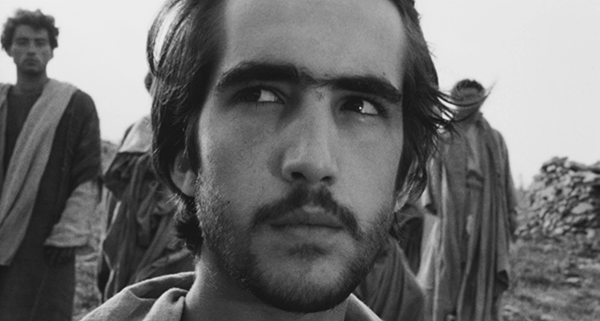
upload.wikimedia.org/wikipedia/en/2/2b/Pasolini_Gospel_Po...

The Gospel According to Pasolini
The Gospel According to Pasolini
THE GOSPEL ACCORDING TO ST MATTHEW(Il Vangelo Secondo Matteo)
-----------------------------------------------------------------
click to activate the icon of slideshow: the small triangle inscribed in the small rectangle, at the top right, in the photostream;
or…. Press the “L” button to zoom in the image;
clicca sulla piccola icona per attivare lo slideshow: sulla facciata principale del photostream, in alto a destra c'è un piccolo rettangolo (rappresenta il monitor) con dentro un piccolo triangolo nero;
oppure…. premi il tasto “L” per ingrandire l'immagine;
www.worldphoto.org/sony-world-photography-awards/winners-...
www.fotografidigitali.it/gallery/2726/opere-italiane-segn...
…………………………………………………………………
Before talking about the procession of the Holy Crucifix of Aracoeli which is held in the town of San Marco d'Alunzio (in the province of Messina), I make a brief introduction, this "photographic story" was created with photographs taken both during the procession of this year 2024, and during the procession of last year 2023, this meant, in some cases, that in some key moments of the procession the shots were taken simultaneously from two different angles, as if I had been in "bilocation", this because this year I chose a different perspective than last year. The procession begins on the morning of the last Friday of March each year, however there is an exception to this rule, when it coincides with Good Friday, which happened this year, then the procession is brought forward to the previous Friday. That of the SS. Crucifix of Aracoeli is an ancient penitential rite, on the day of the feast of the Crucifix in San Marco d'Alunzio the Holy Mass is celebrated in the Church of Aracoeli, therefore the SS. Crucifix (which is found in the church at the end of the right nave, at its feet the picture of the Virgin of Sorrows pierced by seven swords) is removed from the hook on which it is hanging, is taken outside the church, then raised and fixed on the float , and so (after the sermon of the priest who climbed onto the float next to the Crucifix) the Crucifix with the picture of his Sorrowful Mother underneath, then both placed on the float, are carried in procession by the Babbaluti, who proceed invoking the pity and mercy of the Lord with a faint lament that continually repeats “Signuri, Misericordia, Pietà!”. San Marco d'Alunzio is a pleasant town in the Messina area, located in the Nebrodi mountains, in Sicily; the procession takes place in honor of the Holy Crucifix of Araceli, this is a religious-penitential occasion also known as the "procession of the babbaluti", they are those who, by vote or by grace received, have decided to carry during the procession on their shoulders the float with the Crucifix and the painting; they head to the nearby Church of Santa Maria dei Poveri or to some private home nearby where, sheltered from the curiosity of the faithful, they wear a simple but characteristic indigo-coloured cloth habit, consisting of a tunic and a conical-shaped hood such to cover the entire body and leave only the eyes and hands free, it is not uncommon, however, that among the penitents, made anonymous by the habit they wear, there are also women, who, to avoid any possibility of recognition, wear a pair of gloves; the babbaluti are 33 in number to commemorate the 33 years of Christ, the number is odd, in fact the 33rd babbaluto does not wear the float, he (should be the "chief of float") proceeds backwards, turning his gaze to Christ and to His Mother, and at the same time checks that everything is in order among the babbaluti (this is a way of proceeding in carrying the float, which is present in various Sicilian religious processions). Then, the 32 (+1) "babbaluti" carry on their shoulders the launch bearing the Holy Crucifix of the Araceli church (the statue of Christ was created by Scipione Li Volsi, in the year 1652, he was a sculptor and plasterer of the Sicilian Baroque), at whose feet, on the float, the painting of Our Lady of Sorrows is tied, which appears pierced by seven swords (an 18th century painting). Before the start of the procession, the babbaluti advance barefoot wearing only heavy handmade raw wool socks. Before entering the church they must walk a purification path: when they arrive near the ancient church of Araceli , they bend down and kiss the ground, thus receiving permission to enter the church, but this happens from a side door, called "false door" (in Sicilian dialect “porta fausa”), once they enter the church laterally, they now emerge from the main entrance, thus being able to take their places, kneeling at the front and behind, of the float; the priest's long-awaited speech will follow, once finished, the procession can begin which takes place through the streets of the picturesque and welcoming town of San Marco d'Alunzio. Along the route the Babbaluti pace their pace accompanied by the sad and plaintive jugulation that invokes the Lord. There are devout men and women who proceed together with the mugglers, walking alongside the float, touching it, now caressing it... just to have physical (and consequently spiritual) contact with it. Finally, after having completed a specific route, the procession returns to the ancient church (of Norman origins) of Aracoeli. Whenever I am present at this touching occasion I am completely flooded with emotions (which however I cannot abandon myself to, I would lose concentration in taking the photos), the highlight is when the Crucified Christ is removed from the hook fixed on the wall by expert men, and then be carried (seems to float) above the heads of the devotees, supported with their hands, right outside the church, and be hoisted and fixed on the float; in these moments of intense emotion it is common to see in the eyes of the devotees, shining with tears, that profound emotion of their relationship with this Christ, which has always lasted: it is as if they found themselves in the presence of the true Christ, in flesh and blood, this it is the atmosphere you experience in those moments, this is the magic of the procession of the SS. Crucifix and his Mother, represented by the painting of Our Lady of Sorrows pierced by seven swords (iconography of Spanish origin).
+++++++++++++++++++++++++++++++++++++++++
+++++++++++++++++++++++++++++++++++++++++
Prima di parlare della processione del Santissimo Crocifisso di Aracoeli che si tiene nel paese di San Marco d’Alunzio (in provincia di Messina), faccio una breve premessa, questo “racconto fotografico” è stato realizzato con fotografie scattate sia durante la processione di quest’anno 2024, sia durante la processione dello scorso anno 2023, questo ha comportato, in alcuni casi, che in alcuni momenti salienti della processione gli scatti siano stati realizzati contemporaneamente da due angolazioni diverse, come se io fossi stato in “bilocazione”, questo perché quest’anno ho scelto una prospettiva differente da quella dello scorso anno. La processione inizia la mattina dell’ultimo venerdì del mese di marzo di ogni anno, c’è però una eccezione a questa regola, quando avviene la coincidenza col Venerdì Santo, cosa accaduta quest’anno, allora la processione viene anticipata al venerdì precedente. Quella del SS.Crocifisso di Aracoeli è un antico rito penitenziale, il giorno della festa del Crocifisso a San Marco d'Alunzio viene celebrata la S. Messa nella Chiesa dell'Aracoeli, quindi il SS. Crocifisso (che si trova nella chiesa in fondo alla navata di destra, ai suoi piedi il quadro della Vergine Addolorata. trafitta da sette spade) viene tolto dal gancio sul quale è appeso, viene portato all’esterno della chiesa, quindi innalzato e fissato sulla vara, e così (dopo il sermone del sacerdote salito sulla vara accanto al Crocifisso) il Crocifisso con sotto il quadro di sua Madre Addolorata, quindi messi entrambi sulla vara, vengono portati in processione dai Babbaluti, che procedono invocando la pietà e la misericordia del Signore con un flebile lamento che ripete continuamente “Signuri, Misericordia, Pietà!”. San Marco d’Alunzio è un ameno paese del territorio Messinese, sito sui monti Nebrodi, in Sicilia; la processione si svolge proprio in onore del Santissimo Crocifisso di Araceli, è questa una ricorrenza religioso-penitenziale conosciuta anche come "processione dei babbaluti", essi sono coloro che per voto o per grazia ricevuta, hanno deciso di portare in processione sulle loro spalle il fercolo con il Crocifisso ed il quadro; essi si dirigono nella vicina Chiesa di Santa Maria dei Poveri o in qualche abitazione privata lì vicino dove, al riparo dalla curiosità dei fedeli, indossano un semplice ma caratteristico saio di tela di colore indaco, costituito da una tunica e un cappuccio di forma conica tale da coprire l'intero corpo e lasciare liberi solo gli occhi e le mani, non è raro purtuttavia che tra i penitenti, resi anonimi dal saio che indossano, vi siano anche delle donne, le quali per evitare qualsiasi possibilità di riconoscimento, indossano un paio di guanti; i babbaluti sono in numero di 33 per rievocare i 33 anni di Cristo, il numero è dispari, infatti il 33° babbaluto non porta la vara, egli (dovrebbe essere il “capo vara”) procede all’indietro, rivolgendo lo sguardo al Cristo ed a sua Madre, e nel contempo controlla che tutto sia in ordine tra i babbaluti (questo è un modo di procedere nel portare la vara o fercolo, che è presente in diverse processioni religiose siciliane). Quindi, i 32 (+1) "babbaluti" portano sulle loro spalle la vara che reca il Santo Crocifisso della chiesa dell’Araceli (la statua del Cristo è stata creata da Scipione Li Volsi, nell'anno 1652, egli fu uno scultore e stuccatore del barocco SIciliano), ai cui piedi, sulla vara, viene legato il quadro della Madonna Addolorata, che appare trafitta da sette spade ( un dipinto del XVIII secolo). I babbaluti prima dell'inizio della processione avanzano a piedi scalzi indossando solo delle pesanti calze di lana grezza realizzate a mano, devono percorrere, prima di entrare in chiesa, un cammino di purificazione: quando essi giungono in prossimità dell'antica chiesa dell'Araceli, essi si chinano e baciano in terra, ricevendo in tal modo il permesso per poter accedere dentro la chiesa, questo però avviene da una porta laterale, chiamata "falsa porta" (In dialetto siciliano “porta fausa”), una volta entrati in chiesa lateralmente, ora fuoriescono dall'ingresso principale, potendo così prendere posto, inginocchiandosi sul davanti ed alle spalle, della vara; seguirà l'atteso discorso del sacerdote, terminato, potrà iniziare la processione che si svolge per le vie del pittoresco ed accogliente paese di San Marco d'Alunzio. Lungo il percorso i Babbaluti cadenzano la propria andatura accompagnandosi alla mesta e lamentosa giugulatoria che invoca il Signore . Ci sono uomini e donne devoti che procedono assieme ai babbaluti camminando a lato della vara, toccandola, ora accarezzandola...pur di avere un contatto fisico (e di rimando spirituale) con essa. Infine, dopo aver compiuto un preciso percorso, la processione fa rientro nell'antica chiesa (di origini Normanne) dell'Aracoeli. Ogniqualvolta sono presente a questa toccante ricorrenza sono completamente inondato da emozioni (alle quali però non posso abbandonarmi, perderei la concentrazione nel realizzare le foto), il momento clou è quando il Cristo Crocifisso viene tolto dal gancio fissato sul muro da uomini esperti, per poi essere portato (sembra galleggiare) sopra la testa dei devoti, sostenuto con le mani, fin fuori la chiesa, ed essere issato e fissato sulla vara; in questi momenti di intensa emozione è comune vedere negli occhi dei devoti, lucidi di lacrime, quella emozione profonda del loro rapporto con questo Cristo, che dura da sempre: è come se si trovassero al cospetto del Cristo vero, in carne ed ossa, questa è l’atmosfera che si vive in quei momenti, questa è la magia della processione del SS. Crocifisso e di Sua Madre, rappresentata dal quadro dell’Addolorata trafitta da sette spade (iconografia di origine spagnola).
++++++++++++++++++++++++++++++++++++++++
... Qui ho visto la gente che sa vivere semplicemente,
sempre con un sorriso e una frase gentile ...
qui ho visto il sole sparire nel mare ...
qui ho ascoltato il silenzio di questo deserto e sono rimasta incantata dal suo miraggio che si ripete sempre ogni giorno, sempre uguale nella sua meraviglia ...
qui ho ritrovato la pace e me stessa ...
...
Grazie cari amici per le visite , i commenti e i preferiti ...
mi prendo una pausa ...
ci rivediamo fra qualche settimana ....
... Here I saw people who know how to live simply,
always with a smile and a kind phrase ...
Here I saw the sun disappear into the sea ...
Here I listened to the silence of the desert, and I was enchanted by its mirage that always repeats itself every day, always the same in its wonder ...
Here I have found peace and myself ...
...
Thanks dear friends for your visits, comments and favorites...
I take a break ...
I'll see you in a few weeks ...
Arcipelago of Cape Verde - Sal Island - the desert of Terra Boa, the mirage and I ....
Tutte le città svizzere dotate di una rete tranviaria si trovano attualmente nella stessa situazione: una gran parte della flotta è già composta da veicoli di ultima generazione, ma tutte le compagnie dispongono ancora di alcuni tram più vecchi destinati a sparire nei prossimi mesi o anni. La storia si ripete a Ginevra, Berna, Zurigo e anche Basilea: qui i prossimi ad andarsene saranno i Be 4/4 BVB e i Be 4/6 / Be 4/8 BLT. I primi citati sono attualmente ancora in servizio sulla linea 6, più raramente anche 2, 15, 16 e 21. In un pomeriggio estivo ne fotografo una tipica composizione ad Allschwil.
Alle Schweizer Städte, die über ein Tramnetz verfügen, befinden sich derzeit in der gleichen Situation: Ein grosser Teil der Flotte besteht bereits aus Fahrzeugen der neuesten Generation, aber alle Unternehmen verfügen noch über einige ältere Trams, die in den kommenden Monaten oder Jahren verschwinden werden. Die Geschichte wiederholt sich in Genf, Bern, Zürich und auch in Basel: Hier werden als nächstes die Be 4/4 BVB und die Be 4/6 / Be 4/8 BLT ausgemustert. Die erstgenannten sind derzeit noch auf der Linie 6 im Einsatz, seltener auch auf den Linien 2, 15, 16 und 21. An einem Sommernachmittag fotografiere ich eine typische Komposition davon in Allschwil.
San Marco in Lamis, Gargano, Puglia, Italia © 2015 All rights reserved
FotoSketcher water color and lively
Nikon coolpix p 7100
San Marco in Lamis è un comune italiano di 13.928 abitanti della provincia di Foggia, in Puglia.
San Marco in Lamis è nota soprattutto per la tradizionale Processione delle "fracchie", una manifestazione religiosa popolare molto suggestiva e assai singolare, che si ripete puntualmente da circa tre secoli ogni venerdì Santo per la rievocazione della Passione di Cristo, e che, ogni anno, richiama un grande afflusso di forestieri. Le fracchie sono delle enormi fiaccole, realizzate con grossi tronchi di albero di quercia o castagno aperti longitudinalmente a forma di cono e riempiti di legna, per essere incendiate all'imbrunire e divenire quindi dei falò ambulanti che illuminano il cammino della Madonna Addolorata lungo le strade del paese alla ricerca del figlio Gesù morto.Sembra che le origini di questo rito risalgano ai primi anni del XVIII secolo, epoca di edificazione della chiesa dell'Addolorata e le sue ragioni, oltre che di ordine religioso e devozionale, vadano collegate anche ad una motivazione di ordine pratico riconducibile alle precise condizioni fisiche dell'abitato. Infatti, quando venne costruita (1717), la chiesa dell'Addolorata si trovava fuori del centro abitato e lì sarebbe rimasta fino all'ultimo ventennio del XIX secolo. Una collocazione questa che sollecitò la fantasia degli abitanti, i quali pensarono di illuminare con le "fracchie" la strada che la Madonna percorreva dalla sua chiesa fino alla Collegiata, dove era custodito il corpo del Cristo. Le “fracchie più grandi possono essere lunghe anche 13-14 metri e pesare anche 60-70 quintali di legno di quercia , castagno o abete .
da wikipedia
San Marco in Lamis is a town of 13,928 citizens in the Italian province of Foggia, Puglia, Italy.
San Marco in Lamis is a town of 13.928 citizens and comune in the province of Foggia in the Apulia region of southeast Italy. It is located in the Gargano massif area.Apart from some tourism conted to pilgrimages at the local Catholic sanctuary of St. Matthew, the economy is mostly based on agriculture.San Marco in Lamis is known for the traditional procession of "fracchie", a very popular religious manifestation suggestive and very singular, that is repeated regularly from about three centuries each friday Saint for the reenactment of the passion of Christ, and that each year draws a large influx of foreigners. The fracchie are huge torches, made with large trees oak opened longitudinally cone-shaped and filled with wood, to be burned at dusk and become so a itinerant bonfires that illuminate the journey of our Lady of Sorrows along the roads of the country in search of the son Jesus died.It seems that the origins of this rite dates back to the early 18th century, a time of edification of the Church of our Lady of sorrows and his reasons as well as religious and devotional order, should be connected to a practical motivation due to precise physical conditions of the town. In fact, when it was built (1717), the Church of our Lady of Sorrows was out of town and would remain there until the last two decades of the 19th century. A bin that solicited the imagination of the inhabitants, whom they thought to illuminate with the "fracchie" the way that she ran from her church until the collegiate, where he guarded the body of Christ. The"Fracchia" can also get the length of 13-14 meters and weigh 60-70 quintals of wood of oak. From wikipedia
San Marco in Lamis Gargano Puglia Italia© 2015 All rights reserved
FotoSketcher oil painting and lively
Nikon coolpix p 7100
San Marco in Lamis è un comune italiano di 13.928 abitanti della provincia di Foggia, in Puglia.
San Marco in Lamis è nota soprattutto per la tradizionale Processione delle "fracchie", una manifestazione religiosa popolare molto suggestiva e assai singolare, che si ripete puntualmente da circa tre secoli ogni venerdì Santo per la rievocazione della Passione di Cristo, e che, ogni anno, richiama un grande afflusso di forestieri. Le fracchie sono delle enormi fiaccole, realizzate con grossi tronchi di albero di quercia o castagno aperti longitudinalmente a forma di cono e riempiti di legna, per essere incendiate all'imbrunire e divenire quindi dei falò ambulanti che illuminano il cammino della Madonna Addolorata lungo le strade del paese alla ricerca del figlio Gesù morto.Sembra che le origini di questo rito risalgano ai primi anni del XVIII secolo, epoca di edificazione della chiesa dell'Addolorata e le sue ragioni, oltre che di ordine religioso e devozionale, vadano collegate anche ad una motivazione di ordine pratico riconducibile alle precise condizioni fisiche dell'abitato. Infatti, quando venne costruita (1717), la chiesa dell'Addolorata si trovava fuori del centro abitato e lì sarebbe rimasta fino all'ultimo ventennio del XIX secolo. Una collocazione questa che sollecitò la fantasia degli abitanti, i quali pensarono di illuminare con le "fracchie" la strada che la Madonna percorreva dalla sua chiesa fino alla Collegiata, dove era custodito il corpo del Cristo. Le “fracchie più grandi possono essere lunghe anche 13-14 metri e pesare anche 60-70 quintali di legno di quercia , castagno o abete .
da wikipedia
San Marco in Lamis is a town of 13,928 citizens in the Italian province of Foggia, Puglia, Italy.
San Marco in Lamis is a town of 13.928 citizens and comune in the province of Foggia in the Apulia region of southeast Italy. It is located in the Gargano massif area.Apart from some tourism conted to pilgrimages at the local Catholic sanctuary of St. Matthew, the economy is mostly based on agriculture.San Marco in Lamis is known for the traditional procession of "fracchie", a very popular religious manifestation suggestive and very singular, that is repeated regularly from about three centuries each friday Saint for the reenactment of the passion of Christ, and that each year draws a large influx of foreigners. The fracchie are huge torches, made with large trees oak opened longitudinally cone-shaped and filled with wood, to be burned at dusk and become so a itinerant bonfires that illuminate the journey of our Lady of Sorrows along the roads of the country in search of the son Jesus died.It seems that the origins of this rite dates back to the early 18th century, a time of edification of the Church of our Lady of sorrows and his reasons as well as religious and devotional order, should be connected to a practical motivation due to precise physical conditions of the town. In fact, when it was built (1717), the Church of our Lady of Sorrows was out of town and would remain there until the last two decades of the 19th century. A bin that solicited the imagination of the inhabitants, whom they thought to illuminate with the "fracchie" the way that she ran from her church until the collegiate, where he guarded the body of Christ. The"Fracchia" can also get the length of 13-14 meters and weigh 60-70 quintals of wood of oak. From wikipedia
The hippopotamus (Hippopotamus amphibius), or hippo, from the ancient Greek for "river horse" (ἱπποπόταμος), is a large, mostly herbivorous mammal in sub-Saharan Africa, and one of only two extant species in the family Hippopotamidae (the other is the Pygmy Hippopotamus.) The hippopotamus is the third largest land animal (after the elephant and the white rhinoceros) and the heaviest extant artiodactyl, despite being considerably shorter than the giraffe.The hippopotamus is semi-aquatic, inhabiting rivers and lakes where territorial bulls preside over a stretch of river and groups of 5 to 30 females and young. During the day they remain cool by staying in the water or mud; reproduction and childbirth both occur in water. They emerge at dusk to graze on grass. While hippopotamuses rest near each other in the water, grazing is a solitary activity and hippos are not territorial on land.Despite their physical resemblance to pigs and other terrestrial even-toed ungulates, their closest living relatives are cetaceans (whales, porpoises, etc.) from which they diverged about 55 million years ago.[3] The common ancestor of whales and hippos split from other even-toed ungulates around 60 million years ago.[4] The earliest known hippopotamus fossils, belonging to the genus Kenyapotamus in Africa, date to around 16 million years ago.
The hippopotamus is recognizable by its barrel-shaped torso, enormous mouth and teeth, nearly hairless body, stubby legs and tremendous size. It is the third-largest land mammal by weight (between 1½ and 3 tonnes), behind the white rhinoceros (1½ to 3½ tonnes) and the three species of elephant (3 to 9 tonnes). Despite its stocky shape and short legs, it can easily outrun a human. Hippos have been clocked at 30 km/h (19 mph) over short distances. The hippopotamus is one of the most aggressive creatures in the world and is often regarded as one of the most dangerous animals in Africa. There are an estimated 125,000 to 150,000 hippos throughout Sub-Saharan Africa; Zambia (40,000) and Tanzania (20,000–30,000) possess the largest populations.[1] They are still threatened by habitat loss and poaching for their meat and ivory canine teeth.
L'ippopotamo (Hippopotamus amphibius), dal greco ἱπποπόταμος ("cavallo di fiume") è un grosso mammifero erbivoro africano. È una specie che appartiene alla famiglia Hippopotamidae.L'ippopotamo ha una lunghezza testa-corpo da 3,30 a 3,75 m ed è alto al garrese 1,50 m; il peso va da 1,4 a 3 t (i maschi sono nettamente più grossi delle femmine).
L'ippopotamo ha un aspetto tozzo: le zampe sono corte, la testa è grande e prominente, proporzionata al grosso corpo glabro e di forma cilindrica. Nonostante la mole e la curiosa struttura corporea, questo animale è però piuttosto agile. In caso di necessità può caricare - o scappare - a 30 chilometri orari circa. Quando esce dall'acqua, sa inerpicarsi facilmente anche su sponde ripide con l'aiuto delle pur corte zampe. La sua goffa andatura è la conseguenza di un adattamento improntato alla vita acquatica. La conformazione della testa è perfetta per consentire all'ippopotamo di restare immerso a lungo: i grandi occhi, le narici e le orecchie, piccole e mobili, sono situati nella parte superiore del muso e si trovano sullo stesso piano (spesso restano le sole parti visibili). Quando si immerge, le narici e le orecchie si chiudono.La pelle dell'ippopotamo è quasi glabra: i soli peli che possiede sono le vibrisse (peli tattili), che ricoprono il largo muso, e i peli rigidi sulla punta della coda. Sotto la pelle, uno strato di grasso spesso 5 centimetri protegge gli organi vitali.Gli ippopotami possono anche cominciare a cercare il cibo spostandosi per parecchi chilometri lungo il corso d'acqua: per raggiungere la terraferma, notte dopo notte, ripercorrono sempre gli stessi passaggi, che finiscono per essere scavati tanto profondamente da sfondare gli argini.L'alimentazione è costituita da diverse specie di graminacee dei generi Panicum, Urocholora o Cynodon. Il piccolo ippopotamo comincia a masticare erba accompagnando la madre nelle zone di pascolo durante le spedizioni notturne: allora cammina vicino alla testa della femmina e, se altri giovani nati in parti precedenti sono presenti, questi seguiranno tutti la madre, il più giovane subito dietro, il più vecchio chiudendo la fila.Gli ippopotami maschi non si riproducono prima dei 6-13 anni, le femmine non sono ricettive prima dei 7-15 anni.I piccoli nascono sempre durante la stagione delle piogge, perciò i parti avvengono una volta all'anno nelle regioni in cui vi è una sola stagione delle piogge, per esempio nell'Africa meridionale; al contrario, dove questa si ripete, come nell'Africa orientale, le nascite si verificano due volte all'anno.La femmina mette al mondo il suo piccolo in acque poco profonde e poi lo difende ferocemente dai grandi predatori e dai maschi adulti della sua stessa specie.Dopo il parto, la femmina resta isolata per una decina di giorni prima di raggiungere il resto del gruppo. La crescita è rapida: alla nascita il peso è di circa 30-50 chilogrammi, a un anno è di ben 250 chilogrammi.A dodici anni viene raggiunta la maturità sessuale, e allora l'ippopotamo diviene un possibile rivale per l'adulto. La longevità va da trenta ai quarant'anni; la lunghezza media della vita si abbassa se si considera l'elevata mortalità giovanile.
Font : Wikipedia