View allAll Photos Tagged Potentiality
"-----------------------"
Danilo Dolci: Verso un mondo nuovo
“----------------------”
-----------------------------------------------------------------
click to activate the icon of slideshow: the small triangle inscribed in the small rectangle, at the top right, in the photostream;
or…. Press the “L” button to zoom in the image;
clicca sulla piccola icona per attivare lo slideshow: sulla facciata principale del photostream, in alto a destra c'è un piccolo rettangolo (rappresenta il monitor) con dentro un piccolo triangolo nero;
oppure…. premi il tasto “L” per ingrandire l'immagine;
www.worldphoto.org/sony-world-photography-awards/winners-...
www.fotografidigitali.it/gallery/2726/opere-italiane-segn...
……………………………………………………………………….
A story of Sicily: the Sicilian Gandhi (but he was not Sicilian ...).
This photographic story is connected, at least in part, with the previous one, whose link is represented by the nephew of the painter Robert Kitson, Miss Daphne Phelps: in life she was a psychiatric social worker (she collaborated with Anna Freud, daughter by Sigmund Freud), on the death of his uncle in 1948 he moved to Sicily to take care of Casa Cuseni, having inherited it: initially he wanted to sell it and then return to England, instead he ended up falling in love with Taormina and Sicily, deciding to stay there for the rest of his life. Daphne ran Casa Cuseni welcoming paying guests, there are many illustrious names of artists, writers, well-known personalities who have stayed there: Danilo Dolci was one of these guests, and it is precisely about him that I wish to speak. He was born in 1924 in Sesana (Trieste), after a somewhat eventful life, in 1952 he moved to Trappeto (between Palermo and Trapani), a country among the poorest and most disadvantaged in Italy: that same year the first of numerous fasts, going to bed and fasting in the bed of a child who died of malnutrition, a protest that will end only when the authorities undertake to build a sewer. Danilo Dolci continues with numerous initiatives, from the publication of a book ("Banditi a Partinico", which makes public opinion aware of the poor living conditions of western Sicily, to this book and many others will follow), to the "strike at reverses ”, when the workers went on strike, hundreds of unemployed began to work to reactivate an abandoned municipal road, an initiative that was then stopped by the police; Dolci also initiates an activity of denunciation of the mafia phenomenon and its relations with politics. There are numerous certificates of esteem and solidarity that he receives from important personalities from Italy and abroad, but despite this, for others Danilo Dolci is a dangerous subversive, to be hindered, denigrated, locked up in prison. Yet Dolci does not pose as a guru, boss, or teacher, his working method is based on the conviction that change is based on the involvement and direct participation of those concerned, his idea of progress enhances local culture and skills; he tries, working closely with the people and the most disadvantaged and oppressed groups of western Sicily, to free the dormant creativity in every person, calling this research "maieutic", a term coming from philosophy, precisely from Socratic maieutics: it is "the 'art of the midwife ", every educational act is to bring to light all the inner potentialities of the one who wants to learn, like a mother who wants to give birth to her own child from her womb, so no to notions imparted a priori, yes to help the student to bring their knowledge to light, using dialogue as a tool; however, Socratic maieutics is unidirectional, while in Danilo Dolci's "reciprocal maieutics", knowledge comes out of experience and its sharing, therefore it presupposes the reciprocity of communication. During meetings with farmers and fishermen, the idea was born to build the dam on the Jato River, which is important for the economic development of the area, but also to remove a powerful weapon in the hands of the mafia, an instrument of power which controlled the few available water resources; however the request for "water for all" will be heavily hindered, popular mobilizations and long fasts will be necessary to finally see the project realized: now the dam exists, and others have been built, thus modifying the lives of thousands of people, with the development of numerous companies and cooperatives. Among the many activities of Dolci, thanks to the contribution of international experts, the experience of the Mirto Educational Center, attended by hundreds of children, should be mentioned. Returning to Daphne Phelps and Casa Cuseni, here is a lithograph by Tono Zancanaro, dedicated to the birth of one of Danilo Dolci's daughters, but, among the most important, there is a correspondence between the pacifist philosopher Bertrand Russel and Daphne Phelps, in which the English thinker invited Robert Kitson's niece to participate in the gatherings of progressive intellectuals and literary and scientific personalities of the time, among them, besides Albert Camus, Jean-Paul Sartre and Carlo Levi, there was Danilo Dolci, sociologist, educator, still recognized today as one of the most important figures of nonviolence worldwide.
post Scriptum:
- the images with Danilo Dolci come from the Casa Cuseni archive: they are cuttings from original periodicals, often full pages, from English newspapers, carefully preserved by Miss Daphne Phelp; these images were also taken by photographing some pages of James McNeish's book, "Fire under the ashes - The life of Danilo Dolci";
- the photographs taken in various countries of Sicily, are prior to the covid-19 pandemic;
- thanks to the surgeon colleague dr. Franco Spadaro and his kind wife, Mrs. Mimma Cundari, owners of Casa Cuseni (declared in 1998, Italian National Monument), for their hospitality and availability, having made the Danilo Dolci archive available to me.
Una storia di Sicilia: il Gandhi siciliano (ma siciliano non era…).
Questo racconto fotografico, è connesso, almeno in parte, con quello precedente, il cui anello di congiunzione è rappresentato dalla nipote del pittore Robert Kitson, la signorina Daphne Phelps: lei nella vita era una assistente sociale psichiatrica (lei collaborava con Anna Freud, figlia di Sigmund Freud), alla morte dello zio nel 1948 si trasferì in Sicilia per occuparsi di Casa Cuseni, avendola ereditata: inizialmente la voleva vendere per poi ritornarsene in Inghilterra, invece finì con l’innamorarsi di Taormina e della Sicilia, decidendo di restarvi per il resto della sua vita. Daphne gestiva Casa Cuseni accogliendo ospiti paganti, numerosi sono i nomi illustri di artisti, scrittori, note personalità che vi hanno alloggiato: Danilo Dolci è stato uno di questi ospiti, ed è proprio di lui che desidero parlare. Egli nasce nel 1924 a Sesana (Trieste), dopo una vita un po’ movimentata, nel 1952 si trasferisce a Trappeto (tra Palermo e Trapani), un paese tra i più poveri e disagiati d’Italia: quello stesso anno inizia il primo di numerosi digiuni, coricandosi e digiunando nel letto di un bimbo morto per denutrizione, protesta che terminerà solo quando le autorità si impegneranno a costruire una fogna. Danilo Dolci prosegue con numerose iniziative, dalla pubblicazione di un libro (“Banditi a Partinico”, che mette a conoscenza dell’opinione pubblica delle misere condizioni di vita della Sicilia occidentale, a questo libro poi ne seguiranno molti altri), allo “sciopero alla rovescia”, quando i lavoratori fecero sciopero, centinaia di disoccupati si misero a lavorare per riattivare una strada comunale abbandonata, iniziativa però poi fermata dalla polizia; Dolci avvia anche una attività di denuncia del fenomeno mafioso e dei suoi rapporti con la politica. Numerosi sono gli attestati di stima e solidarietà che egli riceve da importanti personalità provenienti dall’Italia e dall’estero, ma nonostante ciò per altri Danilo Dolci è un pericoloso sovversivo, da ostacolare, denigrare, chiudere in prigione. Eppure Dolci non si atteggia né a santone, capo, od un maestro, il suo metodo di lavoro è basato sulla convinzione che il cambiamento è basato sul coinvolgimento e diretta partecipazione degli interessati, la sua idea di progresso valorizza la cultura e le competenze locali; egli cerca, lavorando a stretto contatto con la gente e le fasce più disagiate ed oppresse della Sicilia occidentale, di liberare la creatività sopita in ogni persona, chiamando tale ricerca “maieutica”, termine proveniente dalla filosofia, precisamente dalla maieutica socratica: è “l’arte della levatrice”, ogni atto educativo è far venire alla luce tutte le potenzialità interiori di colui che vuole imparare, al pari di una madre che vuol far nascere la propria creatura dal suo grembo, quindi no a nozioni impartite a priori, si ad aiutare lo studente a portare alla luce la propria conoscenza, usando il dialogo come strumento; però, la maieutica socratica è unidirezionale, mentre nella “maieutica reciproca” di Danilo Dolci, la conoscenza viene fuori dall’esperienza e dalla sua condivisione, quindi presuppone la reciprocità della comunicazione. Nel corso di riunioni con contadini e pescatori, nasce l’idea di costruire la diga sul fiume Jato, importante per lo sviluppo economico della zona, ma anche togliere un’arma potente in mano alla mafia, che faceva del controllo delle poche risorse idriche disponibili uno strumento di potere, però la richiesta di “acqua per tutti” verrà pesantemente ostacolata, saranno necessarie le mobilitazioni popolari, lunghi digiuni, per vedere infine realizzato il progetto: ora la diga esiste, ed altre sono state poi realizzate, modificando in tal modo la vita di migliaia di persone, con lo svilupparsi di numerose aziende e cooperative. Da menzionare, tra le tante attività di Dolci, grazie al contributo di esperti internazionali, l’esperienza del Centro Educativo di Mirto, frequentato da centinaia di bambini. Ritornando a Daphne Phelps e Casa Cuseni, qui è presente una litografia di Tono Zancanaro, dedicata alla nascita di una delle figlie di Danilo Dolci, ma, cosa tra le più importanti, esiste un carteggio tra il filosofo pacifista Bertrand Russel e Daphne Phelps, nel quale il pensatore inglese invitava la nipote di Robert Kitson a partecipare ai raduni di intellettuali progressisti e personalità letterarie e scientifiche dell’epoca, tra di loro, oltre Albert Camus, Jean-Paul Sartre e Carlo Levi, c’era Danilo Dolci, sociologo, educatore, ancora oggi riconosciuto tra le figure di massimo rilievo della nonviolenza a livello mondiale.
post scriptum:
- le immagini con Danilo Dolci provengono dall'archivio di Casa Cuseni: sono ritagli di giornali originali dell'epoca, spesso pagine intere, provenienti da quotidiani inglesi, accuratamente conservati dalla signorina Daphne Phelp; tali immagini sono state realizzate fotografando anche alcune pagine del libro di James McNeish, "Fire under the ashes - The life of Danilo Dolci";
- le fotografie realizzate in diversi paesi della Sicilia, sono antecedenti alla pandemia da covid-19;
- si ringrazia il collega chirurgo dott. Franco Spadaro e la sua gentile consorte, signora Mimma Cundari, proprietari di Casa Cuseni (dichiarata nel 1998, Monumento Nazionale Italiano), per la loro ospitalità e disponibilità, avendo messo a mia disposizione l'archivio relativo a Danilo Dolci.
the caption, at the bottom right of the left photo, reads:
"Partinico, September. Ignazio Buttitta recites "Portella delle ginestre" and "Turiddu Carnevale" at Castellaccio, the promontory overlooking Partinico. Among those who listen to him there is also Danilo Dolci, with his son Cielo. Bertrand Russel, La Pira, Abbot Pierre, and Guttuso sent Danilo Dolci messages of solidarity";
in the photo on the right, Danilo Dolci.
(Two original newspaper sheets of the time, preserved by Daphne Phelps, who hosted Danilo Dolci in Taormina; Cuseni House archive).
Danilo Dolci: Verso un mondo nuovo
la didascalia, in basso a destra della foto di sinistra recita:
“Partinico, settembre. Ignazio Buttitta recita "Portella delle ginestre" e "Turiddu Carnevale" al Castellaccio, il promontorio che sovrasta Partinico. Tra coloro che l'ascoltano c'è anche Danilo Dolci, con suo figlio Cielo. Bertrand Russel, La Pira, l'abate Pierre, e Guttuso hanno inviato a Danilo Dolci messaggi di solidarietà”;
nella foto di destra, Danilo Dolci.
(Due fogli di giornale originali dell'epoca, conservati da Daphne Phelps, che ospitò a Taormina Danilo Dolci; archivio Casa Cuseni).
-----------------------------------------------------------------
click to activate the icon of slideshow: the small triangle inscribed in the small rectangle, at the top right, in the photostream;
or…. Press the “L” button to zoom in the image;
clicca sulla piccola icona per attivare lo slideshow: sulla facciata principale del photostream, in alto a destra c'è un piccolo rettangolo (rappresenta il monitor) con dentro un piccolo triangolo nero;
oppure…. premi il tasto “L” per ingrandire l'immagine;
www.worldphoto.org/sony-world-photography-awards/winners-...
www.fotografidigitali.it/gallery/2726/opere-italiane-segn...
……………………………………………………………………….
A story of Sicily: the Sicilian Gandhi (but he was not Sicilian ...).
This photographic story is connected, at least in part, with the previous one, whose link is represented by the nephew of the painter Robert Kitson, Miss Daphne Phelps: in life she was a psychiatric social worker (she collaborated with Anna Freud, daughter by Sigmund Freud), on the death of his uncle in 1948 he moved to Sicily to take care of Casa Cuseni, having inherited it: initially he wanted to sell it and then return to England, instead he ended up falling in love with Taormina and Sicily, deciding to stay there for the rest of his life. Daphne ran Casa Cuseni welcoming paying guests, there are many illustrious names of artists, writers, well-known personalities who have stayed there: Danilo Dolci was one of these guests, and it is precisely about him that I wish to speak. He was born in 1924 in Sesana (Trieste), after a somewhat eventful life, in 1952 he moved to Trappeto (between Palermo and Trapani), a country among the poorest and most disadvantaged in Italy: that same year the first of numerous fasts, going to bed and fasting in the bed of a child who died of malnutrition, a protest that will end only when the authorities undertake to build a sewer. Danilo Dolci continues with numerous initiatives, from the publication of a book ("Banditi a Partinico", which makes public opinion aware of the poor living conditions of western Sicily, to this book and many others will follow), to the "strike at reverses ”, when the workers went on strike, hundreds of unemployed began to work to reactivate an abandoned municipal road, an initiative that was then stopped by the police; Dolci also initiates an activity of denunciation of the mafia phenomenon and its relations with politics. There are numerous certificates of esteem and solidarity that he receives from important personalities from Italy and abroad, but despite this, for others Danilo Dolci is a dangerous subversive, to be hindered, denigrated, locked up in prison. Yet Dolci does not pose as a guru, boss, or teacher, his working method is based on the conviction that change is based on the involvement and direct participation of those concerned, his idea of progress enhances local culture and skills; he tries, working closely with the people and the most disadvantaged and oppressed groups of western Sicily, to free the dormant creativity in every person, calling this research "maieutic", a term coming from philosophy, precisely from Socratic maieutics: it is "the 'art of the midwife ", every educational act is to bring to light all the inner potentialities of the one who wants to learn, like a mother who wants to give birth to her own child from her womb, so no to notions imparted a priori, yes to help the student to bring their knowledge to light, using dialogue as a tool; however, Socratic maieutics is unidirectional, while in Danilo Dolci's "reciprocal maieutics", knowledge comes out of experience and its sharing, therefore it presupposes the reciprocity of communication. During meetings with farmers and fishermen, the idea was born to build the dam on the Jato River, which is important for the economic development of the area, but also to remove a powerful weapon in the hands of the mafia, an instrument of power which controlled the few available water resources; however the request for "water for all" will be heavily hindered, popular mobilizations and long fasts will be necessary to finally see the project realized: now the dam exists, and others have been built, thus modifying the lives of thousands of people, with the development of numerous companies and cooperatives. Among the many activities of Dolci, thanks to the contribution of international experts, the experience of the Mirto Educational Center, attended by hundreds of children, should be mentioned. Returning to Daphne Phelps and Casa Cuseni, here is a lithograph by Tono Zancanaro, dedicated to the birth of one of Danilo Dolci's daughters, but, among the most important, there is a correspondence between the pacifist philosopher Bertrand Russel and Daphne Phelps, in which the English thinker invited Robert Kitson's niece to participate in the gatherings of progressive intellectuals and literary and scientific personalities of the time, among them, besides Albert Camus, Jean-Paul Sartre and Carlo Levi, there was Danilo Dolci, sociologist, educator, still recognized today as one of the most important figures of nonviolence worldwide.
post Scriptum:
- the images with Danilo Dolci come from the Casa Cuseni archive: they are cuttings from original periodicals, often full pages, from English newspapers, carefully preserved by Miss Daphne Phelp; these images were also taken by photographing some pages of James McNeish's book, "Fire under the ashes - The life of Danilo Dolci";
- the photographs taken in various countries of Sicily, are prior to the covid-19 pandemic;
- thanks to the surgeon colleague dr. Franco Spadaro and his kind wife, Mrs. Mimma Cundari, owners of Casa Cuseni (declared in 1998, Italian National Monument), for their hospitality and availability, having made the Danilo Dolci archive available to me.
Una storia di Sicilia: il Gandhi siciliano (ma siciliano non era…).
Questo racconto fotografico, è connesso, almeno in parte, con quello precedente, il cui anello di congiunzione è rappresentato dalla nipote del pittore Robert Kitson, la signorina Daphne Phelps: lei nella vita era una assistente sociale psichiatrica (lei collaborava con Anna Freud, figlia di Sigmund Freud), alla morte dello zio nel 1948 si trasferì in Sicilia per occuparsi di Casa Cuseni, avendola ereditata: inizialmente la voleva vendere per poi ritornarsene in Inghilterra, invece finì con l’innamorarsi di Taormina e della Sicilia, decidendo di restarvi per il resto della sua vita. Daphne gestiva Casa Cuseni accogliendo ospiti paganti, numerosi sono i nomi illustri di artisti, scrittori, note personalità che vi hanno alloggiato: Danilo Dolci è stato uno di questi ospiti, ed è proprio di lui che desidero parlare. Egli nasce nel 1924 a Sesana (Trieste), dopo una vita un po’ movimentata, nel 1952 si trasferisce a Trappeto (tra Palermo e Trapani), un paese tra i più poveri e disagiati d’Italia: quello stesso anno inizia il primo di numerosi digiuni, coricandosi e digiunando nel letto di un bimbo morto per denutrizione, protesta che terminerà solo quando le autorità si impegneranno a costruire una fogna. Danilo Dolci prosegue con numerose iniziative, dalla pubblicazione di un libro (“Banditi a Partinico”, che mette a conoscenza dell’opinione pubblica delle misere condizioni di vita della Sicilia occidentale, a questo libro poi ne seguiranno molti altri), allo “sciopero alla rovescia”, quando i lavoratori fecero sciopero, centinaia di disoccupati si misero a lavorare per riattivare una strada comunale abbandonata, iniziativa però poi fermata dalla polizia; Dolci avvia anche una attività di denuncia del fenomeno mafioso e dei suoi rapporti con la politica. Numerosi sono gli attestati di stima e solidarietà che egli riceve da importanti personalità provenienti dall’Italia e dall’estero, ma nonostante ciò per altri Danilo Dolci è un pericoloso sovversivo, da ostacolare, denigrare, chiudere in prigione. Eppure Dolci non si atteggia né a santone, capo, od un maestro, il suo metodo di lavoro è basato sulla convinzione che il cambiamento è basato sul coinvolgimento e diretta partecipazione degli interessati, la sua idea di progresso valorizza la cultura e le competenze locali; egli cerca, lavorando a stretto contatto con la gente e le fasce più disagiate ed oppresse della Sicilia occidentale, di liberare la creatività sopita in ogni persona, chiamando tale ricerca “maieutica”, termine proveniente dalla filosofia, precisamente dalla maieutica socratica: è “l’arte della levatrice”, ogni atto educativo è far venire alla luce tutte le potenzialità interiori di colui che vuole imparare, al pari di una madre che vuol far nascere la propria creatura dal suo grembo, quindi no a nozioni impartite a priori, si ad aiutare lo studente a portare alla luce la propria conoscenza, usando il dialogo come strumento; però, la maieutica socratica è unidirezionale, mentre nella “maieutica reciproca” di Danilo Dolci, la conoscenza viene fuori dall’esperienza e dalla sua condivisione, quindi presuppone la reciprocità della comunicazione. Nel corso di riunioni con contadini e pescatori, nasce l’idea di costruire la diga sul fiume Jato, importante per lo sviluppo economico della zona, ma anche togliere un’arma potente in mano alla mafia, che faceva del controllo delle poche risorse idriche disponibili uno strumento di potere, però la richiesta di “acqua per tutti” verrà pesantemente ostacolata, saranno necessarie le mobilitazioni popolari, lunghi digiuni, per vedere infine realizzato il progetto: ora la diga esiste, ed altre sono state poi realizzate, modificando in tal modo la vita di migliaia di persone, con lo svilupparsi di numerose aziende e cooperative. Da menzionare, tra le tante attività di Dolci, grazie al contributo di esperti internazionali, l’esperienza del Centro Educativo di Mirto, frequentato da centinaia di bambini. Ritornando a Daphne Phelps e Casa Cuseni, qui è presente una litografia di Tono Zancanaro, dedicata alla nascita di una delle figlie di Danilo Dolci, ma, cosa tra le più importanti, esiste un carteggio tra il filosofo pacifista Bertrand Russel e Daphne Phelps, nel quale il pensatore inglese invitava la nipote di Robert Kitson a partecipare ai raduni di intellettuali progressisti e personalità letterarie e scientifiche dell’epoca, tra di loro, oltre Albert Camus, Jean-Paul Sartre e Carlo Levi, c’era Danilo Dolci, sociologo, educatore, ancora oggi riconosciuto tra le figure di massimo rilievo della nonviolenza a livello mondiale.
post scriptum:
- le immagini con Danilo Dolci provengono dall'archivio di Casa Cuseni: sono ritagli di giornali originali dell'epoca, spesso pagine intere, provenienti da quotidiani inglesi, accuratamente conservati dalla signorina Daphne Phelp; tali immagini sono state realizzate fotografando anche alcune pagine del libro di James McNeish, "Fire under the ashes - The life of Danilo Dolci";
- le fotografie realizzate in diversi paesi della Sicilia, sono antecedenti alla pandemia da covid-19;
- si ringrazia il collega chirurgo dott. Franco Spadaro e la sua gentile consorte, signora Mimma Cundari, proprietari di Casa Cuseni (dichiarata nel 1998, Monumento Nazionale Italiano), per la loro ospitalità e disponibilità, avendo messo a mia disposizione l'archivio relativo a Danilo Dolci.
"The musical scale is a convention which circumscribes the area of potentiality and permits construction within those limits in its own particular symmetry."
Iannis Xenakis
[ CLASSIFIED MEMORANDUM APPENDIX MATERIALS RE AN UNAUTHORIZED COMPANY PORTAL SIMULATION EXERCISE OVERNIGHT IN THE SKIES OVER SOUTH CENTRAL TEXAS ]
# SUMMARY: ADVANCED BLACK PROJECT FUBAR AND THE ESTABLISHMENT OF AREA 23Ω
.
.
# PLEASE OBSERVE THE EO-RELATED PROCEDURAL REQUIREMENTS WITH REGARD TO THIS BRIEFING. COMPLIANCE IS MANDATORY AND ENFORCED WITH EXTREME PREJUDICE. VERY LITTLE RELATED CONTENT WILL SURVIVE THE REDACTION PROCESS, BUT I OFFER THIS ADVANCEDIMINTGBOINITIATIVE IMAGERY DATA TO INDICATE THE POINT IN THE PROCESS, TO THE NANOSECOND, WHERE THE INCIDENT OCCURRED. FUTURE CARTOGRAPHIC REFERENCE TO {REDACTED}, PREVIOUSLY A TOWNSHIP IN THE STATE OF TEXAS, WILL OMIT REFERENCE, CDC COVER BOUGHT, POPULACE MANAGED, AND THIS SITE WILL FOREVER MORE BE KNOWN AS AREA 23Ω, ALTHOUGH CONCERNS AND IDEAS OF INTERNALS ARE UNDER ADVISEMENT. THANK YOU.
.
# ADVANCED R&D PAN-DIMENSIONAL TECHNOLOGY PARTIALLY PREDICATED UPON A LO-FI SCIENCE ASPECT, RADICALLY REIMAGINED, OF THE WORKS OF AN EARLY ANAGLYPHIC SCIENCE ENGINEER/APPLIED PHYSICS PROFESSOR WHO ADVOCATED EXPLORATION OF THE TECHNOLOGY'S POTENTIALITY
.
# DEPT.: COMPANY PAN-DIMENSIONAL RECONNAISSANCE IMAGING AND PEREGRINATION SCIENCES
# EXCLUSION OF THE FORT IS TO BE MAINTAINED WITH REGARD TO ALL ANALYSIS AND FIELD LEVELS OF THE PROJECT
.
# "(g) Carry out or contract for research, development and procurement of technical systems and devices relating to authorized functions." EXECUTIVE ORDER 12333
Whoever, she writes, “dares the wilderness of Love / Shall understand Love: / Her coming, her going.” This Love quickly shatters any idols of popular romance or pious sentimentality. It, or she, can seem elusive, withdrawn, even cruel at times, making us “stray in a wild desert.” And so Hadewijch counsels courage: “O soul, creature, And noble image, Risk the adventure!”...
...It is not just that loving always has an element of risk, but that the courage to take a risk takes heart: it presumes a love, a passion. Only in Love, Hadewijch implies, do we actualize our potentiality as humans: only in the wilds of Love do we truly come to be. Does it “let be” in the active sense of the creative process we have been examining in our reconstructions of creation and of divine power? Does it suggest a third way for love itself: neither the eros rendered dissolute by loveless sexual conquests, nor the moralistic “love” that knows no holy eros?
-On the Mystery,DISCERNING DIVINITY IN PROCESS, Catherine Keller
/********
-Lisa Gerrard, Sacrifice
"Rumors Of War" statue by artist Kehinde Wiley depicts an African American man dressed in streetwear in the pose of a Confederate War Statue. In a statement by Wiley " “The inspiration for Rumors of War is war—is an engagement with violence. Art and violence have for an eternity held a strong narrative grip with each other. Rumors of War attempts to use the language of equestrian portraiture to both embrace and subsume the fetishization of state violence. New York and Times Square in particular sit at the crossroads of human movement on a global scale. To have the Rumors of War sculpture presented in such a context lays bare the scope and scale of the project in its conceit to expose the beautiful and terrible potentiality of art to sculpt the language of domination.”
The statue temporarily installed in New York's Times Square until December will be permanently installed outside the Virginia Museum of Fine Arts less than a mile from the Confederate Statue that was its inspiration.
Palácio da Pena, or "Castelo da Pena" as it is more commonly known, is the most complete and notable example of Portuguese architecture in the Romantic period. It stands on one of the rocky peaks of the Serra de Sintra, and blends in a surprisingly fortunate manner with its natural background of greenery and crags, testifying to the aesthetic potentialities of the project.
The Palace dates back to 1839, when the King Consort Dom Fernando II of Saxe Coburg-Gotha (1816-1885) bought the ruins of the Hieronymite Monastery of Nossa Senhora da Pena and started to adapt it for use as a residence, according to his Romantic taste.
As his director of the works, Baron von Eschwege put into effect the King's revivalist ideas and round the restored ruins of the monastery raised a majestic pastiche inspired by the palaces and castles of Bavaria. Fanciful to an extreme, the architectural fabric of Pena finds much of its inspiration in the Moorish, Gothic and Manueline motifs of Portuguese art, as well as in the Wagnerian spirit of the Schinkel Castles of Central Europe. It is to be noted that of the former 16th Century monastery there were preserved the Manueline cloister and the chapel, the latter with a celebrated Renaissance reredos by the sculptor Nicolau Chanterene.
671. No method of approach declares the insignificance of quality; but there are many of them that emphatically state that quantity is which really counts and which is determinant.
672. The quantitative approach will emerge and gain importance as soon as the capability for considering the essence of things declines and ceases in man.
673. Quantitative aspects have no value at all, because value is, essentially, attached to quality.
674. The potentia passiva pura is neither quantity, nor quality - but actuality that transfers to the pure passive potentiality by the abandonment of its actuality in quality.
676. Quantity is by the side of chaos.
677. In the cosmos - right because it is cosmos - quantity cannot gain full control.
678. (René Guénon) If there were absolutely no qualitative difference between two beings, there would be no quantitative difference between them either, i.e. the two beings would be one.
-----
Metaphysical aphorisms by András László
Excerpt from rbg.ca:
Morphecore Prototype by Daito Manabe
b. 1976, Japan
Lives and works in Tokyo, Japan
Daito Manabe’s work presents an endlessly dancing digital figure, continuously morphing into new shapes, moving beyond any logic of physics or laws of the universe. Extracted from MRI scans of the artist’s brain, raw brainwave data is translated into digital movement that manipulates and choreographs Manabe’s 3D-scanned human body, alongside visual noises and glitches generated by distracting thoughts in the brain. The work thus presents a new potential relation between the brain and the body, emphasizing the ability of the mind to move into the infinite, while the body is still bound to physical limitations of motion, gravity, volume, shape, and form.
Daito Manabe is an artist, programmer, and DJ. His works branch into a variety of fields and take a new approach to everyday materials and phenomena. His practice is informed by careful observation and a quest to discover and elucidate the essential potentialities inherent to the human body, data, programming, computers, and other phenomena, thus probing the interrelations and boundaries delineating the analog and the digital, the real and the virtual.
"
Danilo Dolci: Verso un mondo nuovo"
“----------------------”
-----------------------------------------------------------------
click to activate the icon of slideshow: the small triangle inscribed in the small rectangle, at the top right, in the photostream;
or…. Press the “L” button to zoom in the image;
clicca sulla piccola icona per attivare lo slideshow: sulla facciata principale del photostream, in alto a destra c'è un piccolo rettangolo (rappresenta il monitor) con dentro un piccolo triangolo nero;
oppure…. premi il tasto “L” per ingrandire l'immagine;
www.worldphoto.org/sony-world-photography-awards/winners-...
www.fotografidigitali.it/gallery/2726/opere-italiane-segn...
……………………………………………………………………….
A story of Sicily: the Sicilian Gandhi (but he was not Sicilian ...).
This photographic story is connected, at least in part, with the previous one, whose link is represented by the nephew of the painter Robert Kitson, Miss Daphne Phelps: in life she was a psychiatric social worker (she collaborated with Anna Freud, daughter by Sigmund Freud), on the death of his uncle in 1948 he moved to Sicily to take care of Casa Cuseni, having inherited it: initially he wanted to sell it and then return to England, instead he ended up falling in love with Taormina and Sicily, deciding to stay there for the rest of his life. Daphne ran Casa Cuseni welcoming paying guests, there are many illustrious names of artists, writers, well-known personalities who have stayed there: Danilo Dolci was one of these guests, and it is precisely about him that I wish to speak. He was born in 1924 in Sesana (Trieste), after a somewhat eventful life, in 1952 he moved to Trappeto (between Palermo and Trapani), a country among the poorest and most disadvantaged in Italy: that same year the first of numerous fasts, going to bed and fasting in the bed of a child who died of malnutrition, a protest that will end only when the authorities undertake to build a sewer. Danilo Dolci continues with numerous initiatives, from the publication of a book ("Banditi a Partinico", which makes public opinion aware of the poor living conditions of western Sicily, to this book and many others will follow), to the "strike at reverses ”, when the workers went on strike, hundreds of unemployed began to work to reactivate an abandoned municipal road, an initiative that was then stopped by the police; Dolci also initiates an activity of denunciation of the mafia phenomenon and its relations with politics. There are numerous certificates of esteem and solidarity that he receives from important personalities from Italy and abroad, but despite this, for others Danilo Dolci is a dangerous subversive, to be hindered, denigrated, locked up in prison. Yet Dolci does not pose as a guru, boss, or teacher, his working method is based on the conviction that change is based on the involvement and direct participation of those concerned, his idea of progress enhances local culture and skills; he tries, working closely with the people and the most disadvantaged and oppressed groups of western Sicily, to free the dormant creativity in every person, calling this research "maieutic", a term coming from philosophy, precisely from Socratic maieutics: it is "the 'art of the midwife ", every educational act is to bring to light all the inner potentialities of the one who wants to learn, like a mother who wants to give birth to her own child from her womb, so no to notions imparted a priori, yes to help the student to bring their knowledge to light, using dialogue as a tool; however, Socratic maieutics is unidirectional, while in Danilo Dolci's "reciprocal maieutics", knowledge comes out of experience and its sharing, therefore it presupposes the reciprocity of communication. During meetings with farmers and fishermen, the idea was born to build the dam on the Jato River, which is important for the economic development of the area, but also to remove a powerful weapon in the hands of the mafia, an instrument of power which controlled the few available water resources; however the request for "water for all" will be heavily hindered, popular mobilizations and long fasts will be necessary to finally see the project realized: now the dam exists, and others have been built, thus modifying the lives of thousands of people, with the development of numerous companies and cooperatives. Among the many activities of Dolci, thanks to the contribution of international experts, the experience of the Mirto Educational Center, attended by hundreds of children, should be mentioned. Returning to Daphne Phelps and Casa Cuseni, here is a lithograph by Tono Zancanaro, dedicated to the birth of one of Danilo Dolci's daughters, but, among the most important, there is a correspondence between the pacifist philosopher Bertrand Russel and Daphne Phelps, in which the English thinker invited Robert Kitson's niece to participate in the gatherings of progressive intellectuals and literary and scientific personalities of the time, among them, besides Albert Camus, Jean-Paul Sartre and Carlo Levi, there was Danilo Dolci, sociologist, educator, still recognized today as one of the most important figures of nonviolence worldwide.
post Scriptum:
- the images with Danilo Dolci come from the Casa Cuseni archive: they are cuttings from original periodicals, often full pages, from English newspapers, carefully preserved by Miss Daphne Phelp; these images were also taken by photographing some pages of James McNeish's book, "Fire under the ashes - The life of Danilo Dolci";
- the photographs taken in various countries of Sicily, are prior to the covid-19 pandemic;
- thanks to the surgeon colleague dr. Franco Spadaro and his kind wife, Mrs. Mimma Cundari, owners of Casa Cuseni (declared in 1998, Italian National Monument), for their hospitality and availability, having made the Danilo Dolci archive available to me.
Una storia di Sicilia: il Gandhi siciliano (ma siciliano non era…).
Questo racconto fotografico, è connesso, almeno in parte, con quello precedente, il cui anello di congiunzione è rappresentato dalla nipote del pittore Robert Kitson, la signorina Daphne Phelps: lei nella vita era una assistente sociale psichiatrica (lei collaborava con Anna Freud, figlia di Sigmund Freud), alla morte dello zio nel 1948 si trasferì in Sicilia per occuparsi di Casa Cuseni, avendola ereditata: inizialmente la voleva vendere per poi ritornarsene in Inghilterra, invece finì con l’innamorarsi di Taormina e della Sicilia, decidendo di restarvi per il resto della sua vita. Daphne gestiva Casa Cuseni accogliendo ospiti paganti, numerosi sono i nomi illustri di artisti, scrittori, note personalità che vi hanno alloggiato: Danilo Dolci è stato uno di questi ospiti, ed è proprio di lui che desidero parlare. Egli nasce nel 1924 a Sesana (Trieste), dopo una vita un po’ movimentata, nel 1952 si trasferisce a Trappeto (tra Palermo e Trapani), un paese tra i più poveri e disagiati d’Italia: quello stesso anno inizia il primo di numerosi digiuni, coricandosi e digiunando nel letto di un bimbo morto per denutrizione, protesta che terminerà solo quando le autorità si impegneranno a costruire una fogna. Danilo Dolci prosegue con numerose iniziative, dalla pubblicazione di un libro (“Banditi a Partinico”, che mette a conoscenza dell’opinione pubblica delle misere condizioni di vita della Sicilia occidentale, a questo libro poi ne seguiranno molti altri), allo “sciopero alla rovescia”, quando i lavoratori fecero sciopero, centinaia di disoccupati si misero a lavorare per riattivare una strada comunale abbandonata, iniziativa però poi fermata dalla polizia; Dolci avvia anche una attività di denuncia del fenomeno mafioso e dei suoi rapporti con la politica. Numerosi sono gli attestati di stima e solidarietà che egli riceve da importanti personalità provenienti dall’Italia e dall’estero, ma nonostante ciò per altri Danilo Dolci è un pericoloso sovversivo, da ostacolare, denigrare, chiudere in prigione. Eppure Dolci non si atteggia né a santone, capo, od un maestro, il suo metodo di lavoro è basato sulla convinzione che il cambiamento è basato sul coinvolgimento e diretta partecipazione degli interessati, la sua idea di progresso valorizza la cultura e le competenze locali; egli cerca, lavorando a stretto contatto con la gente e le fasce più disagiate ed oppresse della Sicilia occidentale, di liberare la creatività sopita in ogni persona, chiamando tale ricerca “maieutica”, termine proveniente dalla filosofia, precisamente dalla maieutica socratica: è “l’arte della levatrice”, ogni atto educativo è far venire alla luce tutte le potenzialità interiori di colui che vuole imparare, al pari di una madre che vuol far nascere la propria creatura dal suo grembo, quindi no a nozioni impartite a priori, si ad aiutare lo studente a portare alla luce la propria conoscenza, usando il dialogo come strumento; però, la maieutica socratica è unidirezionale, mentre nella “maieutica reciproca” di Danilo Dolci, la conoscenza viene fuori dall’esperienza e dalla sua condivisione, quindi presuppone la reciprocità della comunicazione. Nel corso di riunioni con contadini e pescatori, nasce l’idea di costruire la diga sul fiume Jato, importante per lo sviluppo economico della zona, ma anche togliere un’arma potente in mano alla mafia, che faceva del controllo delle poche risorse idriche disponibili uno strumento di potere, però la richiesta di “acqua per tutti” verrà pesantemente ostacolata, saranno necessarie le mobilitazioni popolari, lunghi digiuni, per vedere infine realizzato il progetto: ora la diga esiste, ed altre sono state poi realizzate, modificando in tal modo la vita di migliaia di persone, con lo svilupparsi di numerose aziende e cooperative. Da menzionare, tra le tante attività di Dolci, grazie al contributo di esperti internazionali, l’esperienza del Centro Educativo di Mirto, frequentato da centinaia di bambini. Ritornando a Daphne Phelps e Casa Cuseni, qui è presente una litografia di Tono Zancanaro, dedicata alla nascita di una delle figlie di Danilo Dolci, ma, cosa tra le più importanti, esiste un carteggio tra il filosofo pacifista Bertrand Russel e Daphne Phelps, nel quale il pensatore inglese invitava la nipote di Robert Kitson a partecipare ai raduni di intellettuali progressisti e personalità letterarie e scientifiche dell’epoca, tra di loro, oltre Albert Camus, Jean-Paul Sartre e Carlo Levi, c’era Danilo Dolci, sociologo, educatore, ancora oggi riconosciuto tra le figure di massimo rilievo della nonviolenza a livello mondiale.
post scriptum:
- le immagini con Danilo Dolci provengono dall'archivio di Casa Cuseni: sono ritagli di giornali originali dell'epoca, spesso pagine intere, provenienti da quotidiani inglesi, accuratamente conservati dalla signorina Daphne Phelp; tali immagini sono state realizzate fotografando anche alcune pagine del libro di James McNeish, "Fire under the ashes - The life of Danilo Dolci";
- le fotografie realizzate in diversi paesi della Sicilia, sono antecedenti alla pandemia da covid-19;
- si ringrazia il collega chirurgo dott. Franco Spadaro e la sua gentile consorte, signora Mimma Cundari, proprietari di Casa Cuseni (dichiarata nel 1998, Monumento Nazionale Italiano), per la loro ospitalità e disponibilità, avendo messo a mia disposizione l'archivio relativo a Danilo Dolci.
"-----------------------"
Danilo Dolci: Verso un mondo nuovo
“----------------------”
-----------------------------------------------------------------
click to activate the icon of slideshow: the small triangle inscribed in the small rectangle, at the top right, in the photostream;
or…. Press the “L” button to zoom in the image;
clicca sulla piccola icona per attivare lo slideshow: sulla facciata principale del photostream, in alto a destra c'è un piccolo rettangolo (rappresenta il monitor) con dentro un piccolo triangolo nero;
oppure…. premi il tasto “L” per ingrandire l'immagine;
www.worldphoto.org/sony-world-photography-awards/winners-...
www.fotografidigitali.it/gallery/2726/opere-italiane-segn...
……………………………………………………………………….
A story of Sicily: the Sicilian Gandhi (but he was not Sicilian ...).
This photographic story is connected, at least in part, with the previous one, whose link is represented by the nephew of the painter Robert Kitson, Miss Daphne Phelps: in life she was a psychiatric social worker (she collaborated with Anna Freud, daughter by Sigmund Freud), on the death of his uncle in 1948 he moved to Sicily to take care of Casa Cuseni, having inherited it: initially he wanted to sell it and then return to England, instead he ended up falling in love with Taormina and Sicily, deciding to stay there for the rest of his life. Daphne ran Casa Cuseni welcoming paying guests, there are many illustrious names of artists, writers, well-known personalities who have stayed there: Danilo Dolci was one of these guests, and it is precisely about him that I wish to speak. He was born in 1924 in Sesana (Trieste), after a somewhat eventful life, in 1952 he moved to Trappeto (between Palermo and Trapani), a country among the poorest and most disadvantaged in Italy: that same year the first of numerous fasts, going to bed and fasting in the bed of a child who died of malnutrition, a protest that will end only when the authorities undertake to build a sewer. Danilo Dolci continues with numerous initiatives, from the publication of a book ("Banditi a Partinico", which makes public opinion aware of the poor living conditions of western Sicily, to this book and many others will follow), to the "strike at reverses ”, when the workers went on strike, hundreds of unemployed began to work to reactivate an abandoned municipal road, an initiative that was then stopped by the police; Dolci also initiates an activity of denunciation of the mafia phenomenon and its relations with politics. There are numerous certificates of esteem and solidarity that he receives from important personalities from Italy and abroad, but despite this, for others Danilo Dolci is a dangerous subversive, to be hindered, denigrated, locked up in prison. Yet Dolci does not pose as a guru, boss, or teacher, his working method is based on the conviction that change is based on the involvement and direct participation of those concerned, his idea of progress enhances local culture and skills; he tries, working closely with the people and the most disadvantaged and oppressed groups of western Sicily, to free the dormant creativity in every person, calling this research "maieutic", a term coming from philosophy, precisely from Socratic maieutics: it is "the 'art of the midwife ", every educational act is to bring to light all the inner potentialities of the one who wants to learn, like a mother who wants to give birth to her own child from her womb, so no to notions imparted a priori, yes to help the student to bring their knowledge to light, using dialogue as a tool; however, Socratic maieutics is unidirectional, while in Danilo Dolci's "reciprocal maieutics", knowledge comes out of experience and its sharing, therefore it presupposes the reciprocity of communication. During meetings with farmers and fishermen, the idea was born to build the dam on the Jato River, which is important for the economic development of the area, but also to remove a powerful weapon in the hands of the mafia, an instrument of power which controlled the few available water resources; however the request for "water for all" will be heavily hindered, popular mobilizations and long fasts will be necessary to finally see the project realized: now the dam exists, and others have been built, thus modifying the lives of thousands of people, with the development of numerous companies and cooperatives. Among the many activities of Dolci, thanks to the contribution of international experts, the experience of the Mirto Educational Center, attended by hundreds of children, should be mentioned. Returning to Daphne Phelps and Casa Cuseni, here is a lithograph by Tono Zancanaro, dedicated to the birth of one of Danilo Dolci's daughters, but, among the most important, there is a correspondence between the pacifist philosopher Bertrand Russel and Daphne Phelps, in which the English thinker invited Robert Kitson's niece to participate in the gatherings of progressive intellectuals and literary and scientific personalities of the time, among them, besides Albert Camus, Jean-Paul Sartre and Carlo Levi, there was Danilo Dolci, sociologist, educator, still recognized today as one of the most important figures of nonviolence worldwide.
post Scriptum:
- the images with Danilo Dolci come from the Casa Cuseni archive: they are cuttings from original periodicals, often full pages, from English newspapers, carefully preserved by Miss Daphne Phelps; these images were also taken by photographing some pages of James McNeish's book, "Fire under the ashes - The life of Danilo Dolci";
- the photographs taken in various countries of Sicily, are prior to the covid-19 pandemic;
- thanks to the surgeon colleague dr. Franco Spadaro and his kind wife, Mrs. Mimma Cundari, owners of Casa Cuseni (declared in 1998, Italian National Monument), for their hospitality and availability, having made the Danilo Dolci archive available to me.
Una storia di Sicilia: il Gandhi siciliano (ma siciliano non era…).
Questo racconto fotografico, è connesso, almeno in parte, con quello precedente, il cui anello di congiunzione è rappresentato dalla nipote del pittore Robert Kitson, la signorina Daphne Phelps: lei nella vita era una assistente sociale psichiatrica (lei collaborava con Anna Freud, figlia di Sigmund Freud), alla morte dello zio nel 1948 si trasferì in Sicilia per occuparsi di Casa Cuseni, avendola ereditata: inizialmente la voleva vendere per poi ritornarsene in Inghilterra, invece finì con l’innamorarsi di Taormina e della Sicilia, decidendo di restarvi per il resto della sua vita. Daphne gestiva Casa Cuseni accogliendo ospiti paganti, numerosi sono i nomi illustri di artisti, scrittori, note personalità che vi hanno alloggiato: Danilo Dolci è stato uno di questi ospiti, ed è proprio di lui che desidero parlare. Egli nasce nel 1924 a Sesana (Trieste), dopo una vita un po’ movimentata, nel 1952 si trasferisce a Trappeto (tra Palermo e Trapani), un paese tra i più poveri e disagiati d’Italia: quello stesso anno inizia il primo di numerosi digiuni, coricandosi e digiunando nel letto di un bimbo morto per denutrizione, protesta che terminerà solo quando le autorità si impegneranno a costruire una fogna. Danilo Dolci prosegue con numerose iniziative, dalla pubblicazione di un libro (“Banditi a Partinico”, che mette a conoscenza dell’opinione pubblica delle misere condizioni di vita della Sicilia occidentale, a questo libro poi ne seguiranno molti altri), allo “sciopero alla rovescia”, quando i lavoratori fecero sciopero, centinaia di disoccupati si misero a lavorare per riattivare una strada comunale abbandonata, iniziativa però poi fermata dalla polizia; Dolci avvia anche una attività di denuncia del fenomeno mafioso e dei suoi rapporti con la politica. Numerosi sono gli attestati di stima e solidarietà che egli riceve da importanti personalità provenienti dall’Italia e dall’estero, ma nonostante ciò per altri Danilo Dolci è un pericoloso sovversivo, da ostacolare, denigrare, chiudere in prigione. Eppure Dolci non si atteggia né a santone, capo, od un maestro, il suo metodo di lavoro è basato sulla convinzione che il cambiamento è basato sul coinvolgimento e diretta partecipazione degli interessati, la sua idea di progresso valorizza la cultura e le competenze locali; egli cerca, lavorando a stretto contatto con la gente e le fasce più disagiate ed oppresse della Sicilia occidentale, di liberare la creatività sopita in ogni persona, chiamando tale ricerca “maieutica”, termine proveniente dalla filosofia, precisamente dalla maieutica socratica: è “l’arte della levatrice”, ogni atto educativo è far venire alla luce tutte le potenzialità interiori di colui che vuole imparare, al pari di una madre che vuol far nascere la propria creatura dal suo grembo, quindi no a nozioni impartite a priori, si ad aiutare lo studente a portare alla luce la propria conoscenza, usando il dialogo come strumento; però, la maieutica socratica è unidirezionale, mentre nella “maieutica reciproca” di Danilo Dolci, la conoscenza viene fuori dall’esperienza e dalla sua condivisione, quindi presuppone la reciprocità della comunicazione. Nel corso di riunioni con contadini e pescatori, nasce l’idea di costruire la diga sul fiume Jato, importante per lo sviluppo economico della zona, ma anche togliere un’arma potente in mano alla mafia, che faceva del controllo delle poche risorse idriche disponibili uno strumento di potere, però la richiesta di “acqua per tutti” verrà pesantemente ostacolata, saranno necessarie le mobilitazioni popolari, lunghi digiuni, per vedere infine realizzato il progetto: ora la diga esiste, ed altre sono state poi realizzate, modificando in tal modo la vita di migliaia di persone, con lo svilupparsi di numerose aziende e cooperative. Da menzionare, tra le tante attività di Dolci, grazie al contributo di esperti internazionali, l’esperienza del Centro Educativo di Mirto, frequentato da centinaia di bambini. Ritornando a Daphne Phelps e Casa Cuseni, qui è presente una litografia di Tono Zancanaro, dedicata alla nascita di una delle figlie di Danilo Dolci, ma, cosa tra le più importanti, esiste un carteggio tra il filosofo pacifista Bertrand Russel e Daphne Phelps, nel quale il pensatore inglese invitava la nipote di Robert Kitson a partecipare ai raduni di intellettuali progressisti e personalità letterarie e scientifiche dell’epoca, tra di loro, oltre Albert Camus, Jean-Paul Sartre e Carlo Levi, c’era Danilo Dolci, sociologo, educatore, ancora oggi riconosciuto tra le figure di massimo rilievo della nonviolenza a livello mondiale.
post scriptum:
- le immagini con Danilo Dolci provengono dall'archivio di Casa Cuseni: sono ritagli di giornali originali dell'epoca, spesso pagine intere, provenienti da quotidiani inglesi, accuratamente conservati dalla signorina Daphne Phelps; tali immagini sono state realizzate fotografando anche alcune pagine del libro di James McNeish, "Fire under the ashes - The life of Danilo Dolci";
- le fotografie realizzate in diversi paesi della Sicilia, sono antecedenti alla pandemia da covid-19;
- si ringrazia il collega chirurgo dott. Franco Spadaro e la sua gentile consorte, signora Mimma Cundari, proprietari di Casa Cuseni (dichiarata nel 1998, Monumento Nazionale Italiano), per la loro ospitalità e disponibilità, avendo messo a mia disposizione l'archivio relativo a Danilo Dolci.
-------------------------------------------------------------
God of ticks a story about Danilo Dolci in Sicily
La Sicilia povera e Danilo Dolci che digiuna
Passato e Presente Danilo Dolci, il Gandhi di Sicilia
Danilo Dolci Rai Educational 3
Danilo Dolci: Verso un mondo nuovo
#UnFuturoMaiVisto, Danilo Dolci "La Sicilia sognata" 11 giugno 2016 Trappeto (PA)
DANILO DOLCI, L'EDUCATORE CHE INVENTO' LO "SCIOPERO ALLA ROVESCIA"
Danilo Dolci - L'sos di Radio Libera (25 marzo 1970)
DANILO DOLCI IN ITALIANO mpeg2video xvid 1 00
Hai mai ascoltato PIERO CALAMANDREI in una delle sue appassionate difese? Ora puoi!
TONO ZANCANARO E IL GUSTO DELLE STELLE
----------------------------------------------------------------
La Straordinaria Storia di Casa Cuseni
----------------------------------------------------------------
A goodly selection of Riley's work here. Cool stuff!!
Riley was born at Norwood, London, the daughter of a businessman. Her childhood was spent in Cornwall and Lincolnshire. She studied at Goldsmiths' College from 1949 to 1952, and at the Royal College of Art from 1952 to 1955. She began painting figure subjects in a semi-impressionist manner, then changed to pointillism around 1958, mainly producing landscapes. In 1960 she evolved a style in which she explored the dynamic potentialities of optical phenomena. These so-called 'Op-art' pieces, such as Fall, 1963 (Tate Gallery T00616), produce a disorienting physical effect on the eye.
5 conceptual/abstract
The big revolution happened when I met alpha.tribe avatars, which inspired me to totally rethink the way I embody my avatar. It was at this point that my avatar was dehumanized, without completely abandoning the metaphor of the human. My virtual body expanded in the new expressive potentialities opened by the creations of Alpha Auer.
(from my Artist Book: AVATAR, Myself Other)
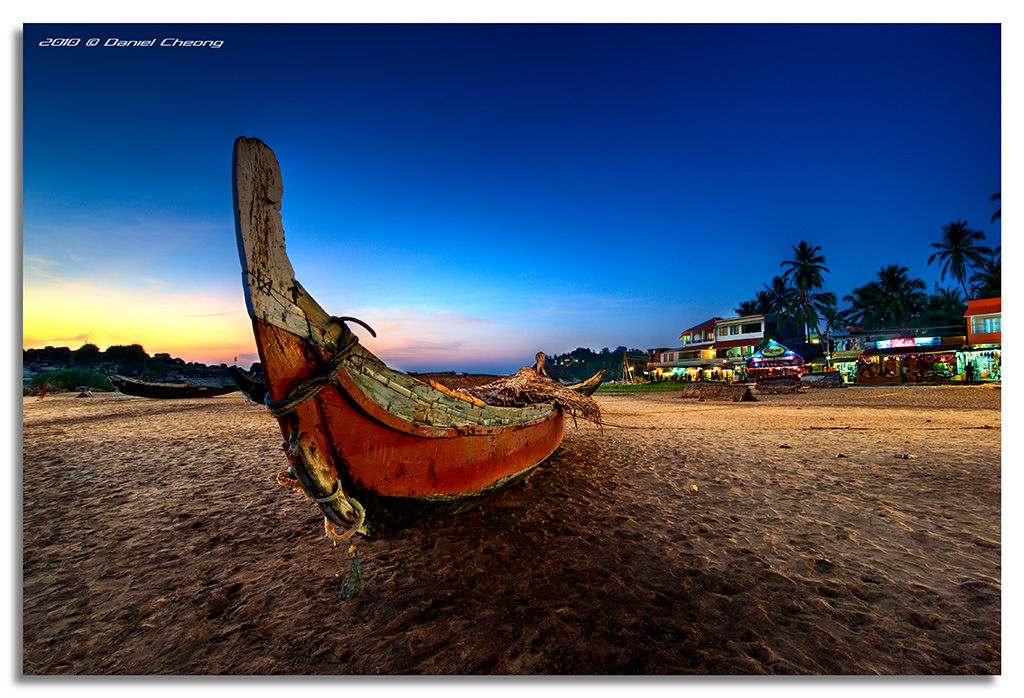
Blue Hour at Kovalam Beach, Trivandrum, Kerala, India.
Kovalam was brought to the public eye by the Maharaja of Travancore. The European guests of the then Travancore kingdom discovered the potentiality of Kovalam beach as a tourist destination in the 1930s. However, Kovalam shot into limelight in the early seventies with arrivals of the masses of hippies. That started the transformation of a casual fishing village of Kerala into one of the most important tourist destinations in all India- the Kovalam beach. (Source: Wikipedia)
6 exposures Digital Blending, I did change the white balance for the sand only as it was looking totally blue.
Facebook ♦ Twitter ♦ Pinterest ♦ Instagram ♦ 500px ♦ Website
DISRUPTIVE ENGAGEMENT
As a young child growing up in a village in the French Alps, I remember getting home when night had already fallen. The lights from the village would gradually appear, an invitation to rejoin the warmth of my home.
This seemingly trivial memory captures for me the essence of winter : the feeling of approching the warmth of home when out on a cold night. The sight of light pillars brought back this feeling that I wish to crystallize in the installation Warmth Pillars.
The light pillars are the manifestation of the disruptive power of the household : a beacon in the distance as a promise of warmth and shelter. By combining the monumentality of this phenomenon and the intimacy of the household, Warmth Pillars seeks to capture the experience of coming home.
WINTER PHENOMENON
Light pillars are an atmospheric optical phenomenon which appears during extremely cold nights : an interaction of light with ice crystals, in which vertical bands of light appear to stream off light objects. I want to show how the natural elements such as extreme temperatures, in contact with artificial light, can provide beautiful sceneries.
THE WARMTH OF THE HOME
What better place to escape the coldness of the outside world than in the warmth of one’s own house? The winter night envelops the entire landscape and the only bright light is the one which come from the shelter, through the window. The exhibit shows how the home can reveal the beauty of winter nights, acting as a disruptive element.
Lucie Bulot:
My work has always been motivated by a deep-seated desire to open up new perspectives, always in line with my convictions as an architect, aware of the evolution in architectural practice and wishing to re-examine its potentialities. I don’t regard architecture as an object, but rather as an ongoing story, made up of human beings, knowledge, places and materials.To my mind, such an approach enables men’s and women’s active appropriation of reinvented programs, worn-out models rethought, materials transformed, knowledge exchanged, a recomposed constructive grammar, and projects that are laboratories.
I have a special interest in the conceptual aspects of the projects I work on, and my artistic approach has often orientated me towards their emergence, whatever scale they happen to be on. The idea behind each project is to give the site meaning by highlighting what is already omnipresent, in particular through its living components. This approach sharpens our eye and whets our appetite for sites to come in the wake of social change. The site’s poetic aspects seem to me to be indissociable from the way we interpret landscape ; they run through us and the memories we retain have a direct effect on our senses and the way we see things.
Over my five years’ experience working at international agencies (including Dominique Perrault, Shigeru Ban, AREP and Wilmotte et Associés) – years that made me the architect I am today – I wanted to develop my relationship with architectural production while exploring such new fields of action as artistic installations and landscaping. After the completion of two projects in France – one for the International Garden Festival of Chaumont sur Loire and an installation for the Cité Internationale Universitaire de Paris – my participation in the Winter Light Exhibition is very much a part of this dynamic
"-----------------------"
Danilo Dolci: Verso un mondo nuovo
“----------------------”
-----------------------------------------------------------------
click to activate the icon of slideshow: the small triangle inscribed in the small rectangle, at the top right, in the photostream;
or…. Press the “L” button to zoom in the image;
clicca sulla piccola icona per attivare lo slideshow: sulla facciata principale del photostream, in alto a destra c'è un piccolo rettangolo (rappresenta il monitor) con dentro un piccolo triangolo nero;
oppure…. premi il tasto “L” per ingrandire l'immagine;
www.worldphoto.org/sony-world-photography-awards/winners-...
www.fotografidigitali.it/gallery/2726/opere-italiane-segn...
……………………………………………………………………….
A story of Sicily: the Sicilian Gandhi (but he was not Sicilian ...).
This photographic story is connected, at least in part, with the previous one, whose link is represented by the nephew of the painter Robert Kitson, Miss Daphne Phelps: in life she was a psychiatric social worker (she collaborated with Anna Freud, daughter by Sigmund Freud), on the death of his uncle in 1948 he moved to Sicily to take care of Casa Cuseni, having inherited it: initially he wanted to sell it and then return to England, instead he ended up falling in love with Taormina and Sicily, deciding to stay there for the rest of his life. Daphne ran Casa Cuseni welcoming paying guests, there are many illustrious names of artists, writers, well-known personalities who have stayed there: Danilo Dolci was one of these guests, and it is precisely about him that I wish to speak. He was born in 1924 in Sesana (Trieste), after a somewhat eventful life, in 1952 he moved to Trappeto (between Palermo and Trapani), a country among the poorest and most disadvantaged in Italy: that same year the first of numerous fasts, going to bed and fasting in the bed of a child who died of malnutrition, a protest that will end only when the authorities undertake to build a sewer. Danilo Dolci continues with numerous initiatives, from the publication of a book ("Banditi a Partinico", which makes public opinion aware of the poor living conditions of western Sicily, to this book and many others will follow), to the "strike at reverses ”, when the workers went on strike, hundreds of unemployed began to work to reactivate an abandoned municipal road, an initiative that was then stopped by the police; Dolci also initiates an activity of denunciation of the mafia phenomenon and its relations with politics. There are numerous certificates of esteem and solidarity that he receives from important personalities from Italy and abroad, but despite this, for others Danilo Dolci is a dangerous subversive, to be hindered, denigrated, locked up in prison. Yet Dolci does not pose as a guru, boss, or teacher, his working method is based on the conviction that change is based on the involvement and direct participation of those concerned, his idea of progress enhances local culture and skills; he tries, working closely with the people and the most disadvantaged and oppressed groups of western Sicily, to free the dormant creativity in every person, calling this research "maieutic", a term coming from philosophy, precisely from Socratic maieutics: it is "the 'art of the midwife ", every educational act is to bring to light all the inner potentialities of the one who wants to learn, like a mother who wants to give birth to her own child from her womb, so no to notions imparted a priori, yes to help the student to bring their knowledge to light, using dialogue as a tool; however, Socratic maieutics is unidirectional, while in Danilo Dolci's "reciprocal maieutics", knowledge comes out of experience and its sharing, therefore it presupposes the reciprocity of communication. During meetings with farmers and fishermen, the idea was born to build the dam on the Jato River, which is important for the economic development of the area, but also to remove a powerful weapon in the hands of the mafia, an instrument of power which controlled the few available water resources; however the request for "water for all" will be heavily hindered, popular mobilizations and long fasts will be necessary to finally see the project realized: now the dam exists, and others have been built, thus modifying the lives of thousands of people, with the development of numerous companies and cooperatives. Among the many activities of Dolci, thanks to the contribution of international experts, the experience of the Mirto Educational Center, attended by hundreds of children, should be mentioned. Returning to Daphne Phelps and Casa Cuseni, here is a lithograph by Tono Zancanaro, dedicated to the birth of one of Danilo Dolci's daughters, but, among the most important, there is a correspondence between the pacifist philosopher Bertrand Russel and Daphne Phelps, in which the English thinker invited Robert Kitson's niece to participate in the gatherings of progressive intellectuals and literary and scientific personalities of the time, among them, besides Albert Camus, Jean-Paul Sartre and Carlo Levi, there was Danilo Dolci, sociologist, educator, still recognized today as one of the most important figures of nonviolence worldwide.
post Scriptum:
- the images with Danilo Dolci come from the Casa Cuseni archive: they are cuttings from original periodicals, often full pages, from English newspapers, carefully preserved by Miss Daphne Phelp; these images were also taken by photographing some pages of James McNeish's book, "Fire under the ashes - The life of Danilo Dolci";
- the photographs taken in various countries of Sicily, are prior to the covid-19 pandemic;
- thanks to the surgeon colleague dr. Franco Spadaro and his kind wife, Mrs. Mimma Cundari, owners of Casa Cuseni (declared in 1998, Italian National Monument), for their hospitality and availability, having made the Danilo Dolci archive available to me.
Una storia di Sicilia: il Gandhi siciliano (ma siciliano non era…).
Questo racconto fotografico, è connesso, almeno in parte, con quello precedente, il cui anello di congiunzione è rappresentato dalla nipote del pittore Robert Kitson, la signorina Daphne Phelps: lei nella vita era una assistente sociale psichiatrica (lei collaborava con Anna Freud, figlia di Sigmund Freud), alla morte dello zio nel 1948 si trasferì in Sicilia per occuparsi di Casa Cuseni, avendola ereditata: inizialmente la voleva vendere per poi ritornarsene in Inghilterra, invece finì con l’innamorarsi di Taormina e della Sicilia, decidendo di restarvi per il resto della sua vita. Daphne gestiva Casa Cuseni accogliendo ospiti paganti, numerosi sono i nomi illustri di artisti, scrittori, note personalità che vi hanno alloggiato: Danilo Dolci è stato uno di questi ospiti, ed è proprio di lui che desidero parlare. Egli nasce nel 1924 a Sesana (Trieste), dopo una vita un po’ movimentata, nel 1952 si trasferisce a Trappeto (tra Palermo e Trapani), un paese tra i più poveri e disagiati d’Italia: quello stesso anno inizia il primo di numerosi digiuni, coricandosi e digiunando nel letto di un bimbo morto per denutrizione, protesta che terminerà solo quando le autorità si impegneranno a costruire una fogna. Danilo Dolci prosegue con numerose iniziative, dalla pubblicazione di un libro (“Banditi a Partinico”, che mette a conoscenza dell’opinione pubblica delle misere condizioni di vita della Sicilia occidentale, a questo libro poi ne seguiranno molti altri), allo “sciopero alla rovescia”, quando i lavoratori fecero sciopero, centinaia di disoccupati si misero a lavorare per riattivare una strada comunale abbandonata, iniziativa però poi fermata dalla polizia; Dolci avvia anche una attività di denuncia del fenomeno mafioso e dei suoi rapporti con la politica. Numerosi sono gli attestati di stima e solidarietà che egli riceve da importanti personalità provenienti dall’Italia e dall’estero, ma nonostante ciò per altri Danilo Dolci è un pericoloso sovversivo, da ostacolare, denigrare, chiudere in prigione. Eppure Dolci non si atteggia né a santone, capo, od un maestro, il suo metodo di lavoro è basato sulla convinzione che il cambiamento è basato sul coinvolgimento e diretta partecipazione degli interessati, la sua idea di progresso valorizza la cultura e le competenze locali; egli cerca, lavorando a stretto contatto con la gente e le fasce più disagiate ed oppresse della Sicilia occidentale, di liberare la creatività sopita in ogni persona, chiamando tale ricerca “maieutica”, termine proveniente dalla filosofia, precisamente dalla maieutica socratica: è “l’arte della levatrice”, ogni atto educativo è far venire alla luce tutte le potenzialità interiori di colui che vuole imparare, al pari di una madre che vuol far nascere la propria creatura dal suo grembo, quindi no a nozioni impartite a priori, si ad aiutare lo studente a portare alla luce la propria conoscenza, usando il dialogo come strumento; però, la maieutica socratica è unidirezionale, mentre nella “maieutica reciproca” di Danilo Dolci, la conoscenza viene fuori dall’esperienza e dalla sua condivisione, quindi presuppone la reciprocità della comunicazione. Nel corso di riunioni con contadini e pescatori, nasce l’idea di costruire la diga sul fiume Jato, importante per lo sviluppo economico della zona, ma anche togliere un’arma potente in mano alla mafia, che faceva del controllo delle poche risorse idriche disponibili uno strumento di potere, però la richiesta di “acqua per tutti” verrà pesantemente ostacolata, saranno necessarie le mobilitazioni popolari, lunghi digiuni, per vedere infine realizzato il progetto: ora la diga esiste, ed altre sono state poi realizzate, modificando in tal modo la vita di migliaia di persone, con lo svilupparsi di numerose aziende e cooperative. Da menzionare, tra le tante attività di Dolci, grazie al contributo di esperti internazionali, l’esperienza del Centro Educativo di Mirto, frequentato da centinaia di bambini. Ritornando a Daphne Phelps e Casa Cuseni, qui è presente una litografia di Tono Zancanaro, dedicata alla nascita di una delle figlie di Danilo Dolci, ma, cosa tra le più importanti, esiste un carteggio tra il filosofo pacifista Bertrand Russel e Daphne Phelps, nel quale il pensatore inglese invitava la nipote di Robert Kitson a partecipare ai raduni di intellettuali progressisti e personalità letterarie e scientifiche dell’epoca, tra di loro, oltre Albert Camus, Jean-Paul Sartre e Carlo Levi, c’era Danilo Dolci, sociologo, educatore, ancora oggi riconosciuto tra le figure di massimo rilievo della nonviolenza a livello mondiale.
post scriptum:
- le immagini con Danilo Dolci provengono dall'archivio di Casa Cuseni: sono ritagli di giornali originali dell'epoca, spesso pagine intere, provenienti da quotidiani inglesi, accuratamente conservati dalla signorina Daphne Phelp; tali immagini sono state realizzate fotografando anche alcune pagine del libro di James McNeish, "Fire under the ashes - The life of Danilo Dolci";
- le fotografie realizzate in diversi paesi della Sicilia, sono antecedenti alla pandemia da covid-19;
- si ringrazia il collega chirurgo dott. Franco Spadaro e la sua gentile consorte, signora Mimma Cundari, proprietari di Casa Cuseni (dichiarata nel 1998, Monumento Nazionale Italiano), per la loro ospitalità e disponibilità, avendo messo a mia disposizione l'archivio relativo a Danilo Dolci.
Marcel sometimes, during part of a talk, might allow partial extremity infrathinning to occur, to illustrate some of the possibilities of state-change whilst in deep, or shallow, Infrathin.
His 'banana fingers' always encouraged a shocked laugh before he might lead his audience through a group Infrathin transmogrification. Gender, age or epoch, and species, matter or anti-matter, it was all the same, and as easy as his 'banana fingers', he assured them, as easy as 'Dust Breeding', even.
In his later years he could shift in and out of Infrathin in a millisecond, casually even. It was never just a party trick, but more evidence of a widening of possibilities, or even infinite potentialities.
See below for Marcel singing the 'Big Banana Feet' song.
"-----------------------"
“----------------------”
-----------------------------------------------------------------
click to activate the icon of slideshow: the small triangle inscribed in the small rectangle, at the top right, in the photostream;
or…. Press the “L” button to zoom in the image;
clicca sulla piccola icona per attivare lo slideshow: sulla facciata principale del photostream, in alto a destra c'è un piccolo rettangolo (rappresenta il monitor) con dentro un piccolo triangolo nero;
oppure…. premi il tasto “L” per ingrandire l'immagine;
www.worldphoto.org/sony-world-photography-awards/winners-...
www.fotografidigitali.it/gallery/2726/opere-italiane-segn...
……………………………………………………………………….
A story of Sicily: the Sicilian Gandhi (but he was not Sicilian ...).
This photographic story is connected, at least in part, with the previous one, whose link is represented by the nephew of the painter Robert Kitson, Miss Daphne Phelps: in life she was a psychiatric social worker (she collaborated with Anna Freud, daughter by Sigmund Freud), on the death of his uncle in 1948 he moved to Sicily to take care of Casa Cuseni, having inherited it: initially he wanted to sell it and then return to England, instead he ended up falling in love with Taormina and Sicily, deciding to stay there for the rest of his life. Daphne ran Casa Cuseni welcoming paying guests, there are many illustrious names of artists, writers, well-known personalities who have stayed there: Danilo Dolci was one of these guests, and it is precisely about him that I wish to speak. He was born in 1924 in Sesana (Trieste), after a somewhat eventful life, in 1952 he moved to Trappeto (between Palermo and Trapani), a country among the poorest and most disadvantaged in Italy: that same year the first of numerous fasts, going to bed and fasting in the bed of a child who died of malnutrition, a protest that will end only when the authorities undertake to build a sewer. Danilo Dolci continues with numerous initiatives, from the publication of a book ("Banditi a Partinico", which makes public opinion aware of the poor living conditions of western Sicily, to this book and many others will follow), to the "strike at reverses ”, when the workers went on strike, hundreds of unemployed began to work to reactivate an abandoned municipal road, an initiative that was then stopped by the police; Dolci also initiates an activity of denunciation of the mafia phenomenon and its relations with politics. There are numerous certificates of esteem and solidarity that he receives from important personalities from Italy and abroad, but despite this, for others Danilo Dolci is a dangerous subversive, to be hindered, denigrated, locked up in prison. Yet Dolci does not pose as a guru, boss, or teacher, his working method is based on the conviction that change is based on the involvement and direct participation of those concerned, his idea of progress enhances local culture and skills; he tries, working closely with the people and the most disadvantaged and oppressed groups of western Sicily, to free the dormant creativity in every person, calling this research "maieutic", a term coming from philosophy, precisely from Socratic maieutics: it is "the 'art of the midwife ", every educational act is to bring to light all the inner potentialities of the one who wants to learn, like a mother who wants to give birth to her own child from her womb, so no to notions imparted a priori, yes to help the student to bring their knowledge to light, using dialogue as a tool; however, Socratic maieutics is unidirectional, while in Danilo Dolci's "reciprocal maieutics", knowledge comes out of experience and its sharing, therefore it presupposes the reciprocity of communication. During meetings with farmers and fishermen, the idea was born to build the dam on the Jato River, which is important for the economic development of the area, but also to remove a powerful weapon in the hands of the mafia, an instrument of power which controlled the few available water resources; however the request for "water for all" will be heavily hindered, popular mobilizations and long fasts will be necessary to finally see the project realized: now the dam exists, and others have been built, thus modifying the lives of thousands of people, with the development of numerous companies and cooperatives. Among the many activities of Dolci, thanks to the contribution of international experts, the experience of the Mirto Educational Center, attended by hundreds of children, should be mentioned. Returning to Daphne Phelps and Casa Cuseni, here is a lithograph by Tono Zancanaro, dedicated to the birth of one of Danilo Dolci's daughters, but, among the most important, there is a correspondence between the pacifist philosopher Bertrand Russel and Daphne Phelps, in which the English thinker invited Robert Kitson's niece to participate in the gatherings of progressive intellectuals and literary and scientific personalities of the time, among them, besides Albert Camus, Jean-Paul Sartre and Carlo Levi, there was Danilo Dolci, sociologist, educator, still recognized today as one of the most important figures of nonviolence worldwide.
post Scriptum:
- the images with Danilo Dolci come from the Casa Cuseni archive: they are cuttings from original periodicals, often full pages, from English newspapers, carefully preserved by Miss Daphne Phelp; these images were also taken by photographing some pages of James McNeish's book, "Fire under the ashes - The life of Danilo Dolci";
- the photographs taken in various countries of Sicily, are prior to the covid-19 pandemic;
- thanks to the surgeon colleague dr. Franco Spadaro and his kind wife, Mrs. Mimma Cundari, owners of Casa Cuseni (declared in 1998, Italian National Monument), for their hospitality and availability, having made the Danilo Dolci archive available to me.
Una storia di Sicilia: il Gandhi siciliano (ma siciliano non era…).
Questo racconto fotografico, è connesso, almeno in parte, con quello precedente, il cui anello di congiunzione è rappresentato dalla nipote del pittore Robert Kitson, la signorina Daphne Phelps: lei nella vita era una assistente sociale psichiatrica (lei collaborava con Anna Freud, figlia di Sigmund Freud), alla morte dello zio nel 1948 si trasferì in Sicilia per occuparsi di Casa Cuseni, avendola ereditata: inizialmente la voleva vendere per poi ritornarsene in Inghilterra, invece finì con l’innamorarsi di Taormina e della Sicilia, decidendo di restarvi per il resto della sua vita. Daphne gestiva Casa Cuseni accogliendo ospiti paganti, numerosi sono i nomi illustri di artisti, scrittori, note personalità che vi hanno alloggiato: Danilo Dolci è stato uno di questi ospiti, ed è proprio di lui che desidero parlare. Egli nasce nel 1924 a Sesana (Trieste), dopo una vita un po’ movimentata, nel 1952 si trasferisce a Trappeto (tra Palermo e Trapani), un paese tra i più poveri e disagiati d’Italia: quello stesso anno inizia il primo di numerosi digiuni, coricandosi e digiunando nel letto di un bimbo morto per denutrizione, protesta che terminerà solo quando le autorità si impegneranno a costruire una fogna. Danilo Dolci prosegue con numerose iniziative, dalla pubblicazione di un libro (“Banditi a Partinico”, che mette a conoscenza dell’opinione pubblica delle misere condizioni di vita della Sicilia occidentale, a questo libro poi ne seguiranno molti altri), allo “sciopero alla rovescia”, quando i lavoratori fecero sciopero, centinaia di disoccupati si misero a lavorare per riattivare una strada comunale abbandonata, iniziativa però poi fermata dalla polizia; Dolci avvia anche una attività di denuncia del fenomeno mafioso e dei suoi rapporti con la politica. Numerosi sono gli attestati di stima e solidarietà che egli riceve da importanti personalità provenienti dall’Italia e dall’estero, ma nonostante ciò per altri Danilo Dolci è un pericoloso sovversivo, da ostacolare, denigrare, chiudere in prigione. Eppure Dolci non si atteggia né a santone, capo, od un maestro, il suo metodo di lavoro è basato sulla convinzione che il cambiamento è basato sul coinvolgimento e diretta partecipazione degli interessati, la sua idea di progresso valorizza la cultura e le competenze locali; egli cerca, lavorando a stretto contatto con la gente e le fasce più disagiate ed oppresse della Sicilia occidentale, di liberare la creatività sopita in ogni persona, chiamando tale ricerca “maieutica”, termine proveniente dalla filosofia, precisamente dalla maieutica socratica: è “l’arte della levatrice”, ogni atto educativo è far venire alla luce tutte le potenzialità interiori di colui che vuole imparare, al pari di una madre che vuol far nascere la propria creatura dal suo grembo, quindi no a nozioni impartite a priori, si ad aiutare lo studente a portare alla luce la propria conoscenza, usando il dialogo come strumento; però, la maieutica socratica è unidirezionale, mentre nella “maieutica reciproca” di Danilo Dolci, la conoscenza viene fuori dall’esperienza e dalla sua condivisione, quindi presuppone la reciprocità della comunicazione. Nel corso di riunioni con contadini e pescatori, nasce l’idea di costruire la diga sul fiume Jato, importante per lo sviluppo economico della zona, ma anche togliere un’arma potente in mano alla mafia, che faceva del controllo delle poche risorse idriche disponibili uno strumento di potere, però la richiesta di “acqua per tutti” verrà pesantemente ostacolata, saranno necessarie le mobilitazioni popolari, lunghi digiuni, per vedere infine realizzato il progetto: ora la diga esiste, ed altre sono state poi realizzate, modificando in tal modo la vita di migliaia di persone, con lo svilupparsi di numerose aziende e cooperative. Da menzionare, tra le tante attività di Dolci, grazie al contributo di esperti internazionali, l’esperienza del Centro Educativo di Mirto, frequentato da centinaia di bambini. Ritornando a Daphne Phelps e Casa Cuseni, qui è presente una litografia di Tono Zancanaro, dedicata alla nascita di una delle figlie di Danilo Dolci, ma, cosa tra le più importanti, esiste un carteggio tra il filosofo pacifista Bertrand Russel e Daphne Phelps, nel quale il pensatore inglese invitava la nipote di Robert Kitson a partecipare ai raduni di intellettuali progressisti e personalità letterarie e scientifiche dell’epoca, tra di loro, oltre Albert Camus, Jean-Paul Sartre e Carlo Levi, c’era Danilo Dolci, sociologo, educatore, ancora oggi riconosciuto tra le figure di massimo rilievo della nonviolenza a livello mondiale.
post scriptum:
- le immagini con Danilo Dolci provengono dall'archivio di Casa Cuseni: sono ritagli di giornali originali dell'epoca, spesso pagine intere, provenienti da quotidiani inglesi, accuratamente conservati dalla signorina Daphne Phelp; tali immagini sono state realizzate fotografando anche alcune pagine del libro di James McNeish, "Fire under the ashes - The life of Danilo Dolci";
- le fotografie realizzate in diversi paesi della Sicilia, sono antecedenti alla pandemia da covid-19;
- si ringrazia il collega chirurgo dott. Franco Spadaro e la sua gentile consorte, signora Mimma Cundari, proprietari di Casa Cuseni (dichiarata nel 1998, Monumento Nazionale Italiano), per la loro ospitalità e disponibilità, avendo messo a mia disposizione l'archivio relativo a Danilo Dolci.
08.
how can you be sure, the feeling of the other person is pure genuine?
how can you be sure that in disguise of loving you, s/he is loving someone else in mind?
how can you rely on their emotions only with the words spoken?
people are so messed up, how can they love someone when they can't love themselves properly?
but they say you know when it happens!
it's more than just physical touch.
it's more than just eye contact.
it's like understanding words without saying it.
but for now, lets just concentrate on the intimacy with your own-self. you're a land of potentialities and possibilities...explore yourself!
and eventually things will fall into places anyway!
"The truth is that our finest moments are most likely to occur when we are feeling deeply uncomfortable, unhappy, or unfulfilled. For it is only in such moments, propelled by our discomfort, that we are likely to step out of our ruts and start searching for different ways, truer answers, or more beautiful, promising potentialities."
- M. Scott Peck
Your comfort zone is a place where you keep yourself in a self-illusion
and nothing can grow there but your potentiality
can grow only when you can think and grow out of that zone.
__________________________
__________________________
Hair:
[monso] My Hair - Laureline (Sanarae Event)
Top:
//Ascend// Magissa Jacket
Pants:
//Ascend// Magissa Trouser
Pose:
[DB]Poses - never lose the spark that makes you...you
these are just looking at potentialities, the potential to re-enliven even, to find those instances before and after.
It still nascent, still at a beginning, tests only, stuff you can do at home.
I am mostly excited by the 'stills' that might emerge.
[Capparis Tournefort ex Linnæus 1753: 144 (IT: 4) spp]
Conspecific sympatric concurrent specimens, lateral habitus.


Different flavonoids were identified in Capparis spinosa Linnæus 1753: rutin (quercetin 3-rutinoside), quercetin 7-rutinoside, quercetin 3-glucoside-7-rhamnoside, kaempferol 3-rutinoside, astragalin and kæmpferol 3-rhamnorutinoside. C. spinosa contains more quercetin per weight than any other plant. Se is present in C. spinosa @ high concentrations in comparison with other vegetable products.
REFERENCES
A. Pignatti & al. 2019: Flora IT, v.2, p. 884; v.4, p. 639.
H. Zhang & Z.F. Ma 2018: Capparis spinosa phytochemistry.
A. Tamboli & al. 2017: Capparis molecular phylogeny.
S. Chedraoui & al. 2017: Capparis spinosa systematic review.
S. Fici 2014: Capparis spinosa species group revision.
"-----------------------"
“----------------------”
-----------------------------------------------------------------
click to activate the icon of slideshow: the small triangle inscribed in the small rectangle, at the top right, in the photostream;
or…. Press the “L” button to zoom in the image;
clicca sulla piccola icona per attivare lo slideshow: sulla facciata principale del photostream, in alto a destra c'è un piccolo rettangolo (rappresenta il monitor) con dentro un piccolo triangolo nero;
oppure…. premi il tasto “L” per ingrandire l'immagine;
www.worldphoto.org/sony-world-photography-awards/winners-...
www.fotografidigitali.it/gallery/2726/opere-italiane-segn...
……………………………………………………………………….
A story of Sicily: the Sicilian Gandhi (but he was not Sicilian ...).
This photographic story is connected, at least in part, with the previous one, whose link is represented by the nephew of the painter Robert Kitson, Miss Daphne Phelps: in life she was a psychiatric social worker (she collaborated with Anna Freud, daughter by Sigmund Freud), on the death of his uncle in 1948 he moved to Sicily to take care of Casa Cuseni, having inherited it: initially he wanted to sell it and then return to England, instead he ended up falling in love with Taormina and Sicily, deciding to stay there for the rest of his life. Daphne ran Casa Cuseni welcoming paying guests, there are many illustrious names of artists, writers, well-known personalities who have stayed there: Danilo Dolci was one of these guests, and it is precisely about him that I wish to speak. He was born in 1924 in Sesana (Trieste), after a somewhat eventful life, in 1952 he moved to Trappeto (between Palermo and Trapani), a country among the poorest and most disadvantaged in Italy: that same year the first of numerous fasts, going to bed and fasting in the bed of a child who died of malnutrition, a protest that will end only when the authorities undertake to build a sewer. Danilo Dolci continues with numerous initiatives, from the publication of a book ("Banditi a Partinico", which makes public opinion aware of the poor living conditions of western Sicily, to this book and many others will follow), to the "strike at reverses ”, when the workers went on strike, hundreds of unemployed began to work to reactivate an abandoned municipal road, an initiative that was then stopped by the police; Dolci also initiates an activity of denunciation of the mafia phenomenon and its relations with politics. There are numerous certificates of esteem and solidarity that he receives from important personalities from Italy and abroad, but despite this, for others Danilo Dolci is a dangerous subversive, to be hindered, denigrated, locked up in prison. Yet Dolci does not pose as a guru, boss, or teacher, his working method is based on the conviction that change is based on the involvement and direct participation of those concerned, his idea of progress enhances local culture and skills; he tries, working closely with the people and the most disadvantaged and oppressed groups of western Sicily, to free the dormant creativity in every person, calling this research "maieutic", a term coming from philosophy, precisely from Socratic maieutics: it is "the 'art of the midwife ", every educational act is to bring to light all the inner potentialities of the one who wants to learn, like a mother who wants to give birth to her own child from her womb, so no to notions imparted a priori, yes to help the student to bring their knowledge to light, using dialogue as a tool; however, Socratic maieutics is unidirectional, while in Danilo Dolci's "reciprocal maieutics", knowledge comes out of experience and its sharing, therefore it presupposes the reciprocity of communication. During meetings with farmers and fishermen, the idea was born to build the dam on the Jato River, which is important for the economic development of the area, but also to remove a powerful weapon in the hands of the mafia, an instrument of power which controlled the few available water resources; however the request for "water for all" will be heavily hindered, popular mobilizations and long fasts will be necessary to finally see the project realized: now the dam exists, and others have been built, thus modifying the lives of thousands of people, with the development of numerous companies and cooperatives. Among the many activities of Dolci, thanks to the contribution of international experts, the experience of the Mirto Educational Center, attended by hundreds of children, should be mentioned. Returning to Daphne Phelps and Casa Cuseni, here is a lithograph by Tono Zancanaro, dedicated to the birth of one of Danilo Dolci's daughters, but, among the most important, there is a correspondence between the pacifist philosopher Bertrand Russel and Daphne Phelps, in which the English thinker invited Robert Kitson's niece to participate in the gatherings of progressive intellectuals and literary and scientific personalities of the time, among them, besides Albert Camus, Jean-Paul Sartre and Carlo Levi, there was Danilo Dolci, sociologist, educator, still recognized today as one of the most important figures of nonviolence worldwide.
post Scriptum:
- the images with Danilo Dolci come from the Casa Cuseni archive: they are cuttings from original periodicals, often full pages, from English newspapers, carefully preserved by Miss Daphne Phelp; these images were also taken by photographing some pages of James McNeish's book, "Fire under the ashes - The life of Danilo Dolci";
- the photographs taken in various countries of Sicily, are prior to the covid-19 pandemic;
- thanks to the surgeon colleague dr. Franco Spadaro and his kind wife, Mrs. Mimma Cundari, owners of Casa Cuseni (declared in 1998, Italian National Monument), for their hospitality and availability, having made the Danilo Dolci archive available to me.
Una storia di Sicilia: il Gandhi siciliano (ma siciliano non era…).
Questo racconto fotografico, è connesso, almeno in parte, con quello precedente, il cui anello di congiunzione è rappresentato dalla nipote del pittore Robert Kitson, la signorina Daphne Phelps: lei nella vita era una assistente sociale psichiatrica (lei collaborava con Anna Freud, figlia di Sigmund Freud), alla morte dello zio nel 1948 si trasferì in Sicilia per occuparsi di Casa Cuseni, avendola ereditata: inizialmente la voleva vendere per poi ritornarsene in Inghilterra, invece finì con l’innamorarsi di Taormina e della Sicilia, decidendo di restarvi per il resto della sua vita. Daphne gestiva Casa Cuseni accogliendo ospiti paganti, numerosi sono i nomi illustri di artisti, scrittori, note personalità che vi hanno alloggiato: Danilo Dolci è stato uno di questi ospiti, ed è proprio di lui che desidero parlare. Egli nasce nel 1924 a Sesana (Trieste), dopo una vita un po’ movimentata, nel 1952 si trasferisce a Trappeto (tra Palermo e Trapani), un paese tra i più poveri e disagiati d’Italia: quello stesso anno inizia il primo di numerosi digiuni, coricandosi e digiunando nel letto di un bimbo morto per denutrizione, protesta che terminerà solo quando le autorità si impegneranno a costruire una fogna. Danilo Dolci prosegue con numerose iniziative, dalla pubblicazione di un libro (“Banditi a Partinico”, che mette a conoscenza dell’opinione pubblica delle misere condizioni di vita della Sicilia occidentale, a questo libro poi ne seguiranno molti altri), allo “sciopero alla rovescia”, quando i lavoratori fecero sciopero, centinaia di disoccupati si misero a lavorare per riattivare una strada comunale abbandonata, iniziativa però poi fermata dalla polizia; Dolci avvia anche una attività di denuncia del fenomeno mafioso e dei suoi rapporti con la politica. Numerosi sono gli attestati di stima e solidarietà che egli riceve da importanti personalità provenienti dall’Italia e dall’estero, ma nonostante ciò per altri Danilo Dolci è un pericoloso sovversivo, da ostacolare, denigrare, chiudere in prigione. Eppure Dolci non si atteggia né a santone, capo, od un maestro, il suo metodo di lavoro è basato sulla convinzione che il cambiamento è basato sul coinvolgimento e diretta partecipazione degli interessati, la sua idea di progresso valorizza la cultura e le competenze locali; egli cerca, lavorando a stretto contatto con la gente e le fasce più disagiate ed oppresse della Sicilia occidentale, di liberare la creatività sopita in ogni persona, chiamando tale ricerca “maieutica”, termine proveniente dalla filosofia, precisamente dalla maieutica socratica: è “l’arte della levatrice”, ogni atto educativo è far venire alla luce tutte le potenzialità interiori di colui che vuole imparare, al pari di una madre che vuol far nascere la propria creatura dal suo grembo, quindi no a nozioni impartite a priori, si ad aiutare lo studente a portare alla luce la propria conoscenza, usando il dialogo come strumento; però, la maieutica socratica è unidirezionale, mentre nella “maieutica reciproca” di Danilo Dolci, la conoscenza viene fuori dall’esperienza e dalla sua condivisione, quindi presuppone la reciprocità della comunicazione. Nel corso di riunioni con contadini e pescatori, nasce l’idea di costruire la diga sul fiume Jato, importante per lo sviluppo economico della zona, ma anche togliere un’arma potente in mano alla mafia, che faceva del controllo delle poche risorse idriche disponibili uno strumento di potere, però la richiesta di “acqua per tutti” verrà pesantemente ostacolata, saranno necessarie le mobilitazioni popolari, lunghi digiuni, per vedere infine realizzato il progetto: ora la diga esiste, ed altre sono state poi realizzate, modificando in tal modo la vita di migliaia di persone, con lo svilupparsi di numerose aziende e cooperative. Da menzionare, tra le tante attività di Dolci, grazie al contributo di esperti internazionali, l’esperienza del Centro Educativo di Mirto, frequentato da centinaia di bambini. Ritornando a Daphne Phelps e Casa Cuseni, qui è presente una litografia di Tono Zancanaro, dedicata alla nascita di una delle figlie di Danilo Dolci, ma, cosa tra le più importanti, esiste un carteggio tra il filosofo pacifista Bertrand Russel e Daphne Phelps, nel quale il pensatore inglese invitava la nipote di Robert Kitson a partecipare ai raduni di intellettuali progressisti e personalità letterarie e scientifiche dell’epoca, tra di loro, oltre Albert Camus, Jean-Paul Sartre e Carlo Levi, c’era Danilo Dolci, sociologo, educatore, ancora oggi riconosciuto tra le figure di massimo rilievo della nonviolenza a livello mondiale.
post scriptum:
- le immagini con Danilo Dolci provengono dall'archivio di Casa Cuseni: sono ritagli di giornali originali dell'epoca, spesso pagine intere, provenienti da quotidiani inglesi, accuratamente conservati dalla signorina Daphne Phelp; tali immagini sono state realizzate fotografando anche alcune pagine del libro di James McNeish, "Fire under the ashes - The life of Danilo Dolci";
- le fotografie realizzate in diversi paesi della Sicilia, sono antecedenti alla pandemia da covid-19;
- si ringrazia il collega chirurgo dott. Franco Spadaro e la sua gentile consorte, signora Mimma Cundari, proprietari di Casa Cuseni (dichiarata nel 1998, Monumento Nazionale Italiano), per la loro ospitalità e disponibilità, avendo messo a mia disposizione l'archivio relativo a Danilo Dolci.
Some time ago I already posted another capture of this subject with a slightly different point of view and in colour (as far as one could speak of colours in a colour reduced wintery scene of fog). At the present time I’ve a feel for mono so I’m checking out the potentialities …
"-----------------------"
Danilo Dolci: Verso un mondo nuovo
“----------------------”
-----------------------------------------------------------------
click to activate the icon of slideshow: the small triangle inscribed in the small rectangle, at the top right, in the photostream;
or…. Press the “L” button to zoom in the image;
clicca sulla piccola icona per attivare lo slideshow: sulla facciata principale del photostream, in alto a destra c'è un piccolo rettangolo (rappresenta il monitor) con dentro un piccolo triangolo nero;
oppure…. premi il tasto “L” per ingrandire l'immagine;
www.worldphoto.org/sony-world-photography-awards/winners-...
www.fotografidigitali.it/gallery/2726/opere-italiane-segn...
……………………………………………………………………….
A story of Sicily: the Sicilian Gandhi (but he was not Sicilian ...).
This photographic story is connected, at least in part, with the previous one, whose link is represented by the nephew of the painter Robert Kitson, Miss Daphne Phelps: in life she was a psychiatric social worker (she collaborated with Anna Freud, daughter by Sigmund Freud), on the death of his uncle in 1948 he moved to Sicily to take care of Casa Cuseni, having inherited it: initially he wanted to sell it and then return to England, instead he ended up falling in love with Taormina and Sicily, deciding to stay there for the rest of his life. Daphne ran Casa Cuseni welcoming paying guests, there are many illustrious names of artists, writers, well-known personalities who have stayed there: Danilo Dolci was one of these guests, and it is precisely about him that I wish to speak. He was born in 1924 in Sesana (Trieste), after a somewhat eventful life, in 1952 he moved to Trappeto (between Palermo and Trapani), a country among the poorest and most disadvantaged in Italy: that same year the first of numerous fasts, going to bed and fasting in the bed of a child who died of malnutrition, a protest that will end only when the authorities undertake to build a sewer. Danilo Dolci continues with numerous initiatives, from the publication of a book ("Banditi a Partinico", which makes public opinion aware of the poor living conditions of western Sicily, to this book and many others will follow), to the "strike at reverses ”, when the workers went on strike, hundreds of unemployed began to work to reactivate an abandoned municipal road, an initiative that was then stopped by the police; Dolci also initiates an activity of denunciation of the mafia phenomenon and its relations with politics. There are numerous certificates of esteem and solidarity that he receives from important personalities from Italy and abroad, but despite this, for others Danilo Dolci is a dangerous subversive, to be hindered, denigrated, locked up in prison. Yet Dolci does not pose as a guru, boss, or teacher, his working method is based on the conviction that change is based on the involvement and direct participation of those concerned, his idea of progress enhances local culture and skills; he tries, working closely with the people and the most disadvantaged and oppressed groups of western Sicily, to free the dormant creativity in every person, calling this research "maieutic", a term coming from philosophy, precisely from Socratic maieutics: it is "the 'art of the midwife ", every educational act is to bring to light all the inner potentialities of the one who wants to learn, like a mother who wants to give birth to her own child from her womb, so no to notions imparted a priori, yes to help the student to bring their knowledge to light, using dialogue as a tool; however, Socratic maieutics is unidirectional, while in Danilo Dolci's "reciprocal maieutics", knowledge comes out of experience and its sharing, therefore it presupposes the reciprocity of communication. During meetings with farmers and fishermen, the idea was born to build the dam on the Jato River, which is important for the economic development of the area, but also to remove a powerful weapon in the hands of the mafia, an instrument of power which controlled the few available water resources; however the request for "water for all" will be heavily hindered, popular mobilizations and long fasts will be necessary to finally see the project realized: now the dam exists, and others have been built, thus modifying the lives of thousands of people, with the development of numerous companies and cooperatives. Among the many activities of Dolci, thanks to the contribution of international experts, the experience of the Mirto Educational Center, attended by hundreds of children, should be mentioned. Returning to Daphne Phelps and Casa Cuseni, here is a lithograph by Tono Zancanaro, dedicated to the birth of one of Danilo Dolci's daughters, but, among the most important, there is a correspondence between the pacifist philosopher Bertrand Russel and Daphne Phelps, in which the English thinker invited Robert Kitson's niece to participate in the gatherings of progressive intellectuals and literary and scientific personalities of the time, among them, besides Albert Camus, Jean-Paul Sartre and Carlo Levi, there was Danilo Dolci, sociologist, educator, still recognized today as one of the most important figures of nonviolence worldwide.
post Scriptum:
- the images with Danilo Dolci come from the Casa Cuseni archive: they are cuttings from original periodicals, often full pages, from English newspapers, carefully preserved by Miss Daphne Phelp; these images were also taken by photographing some pages of James McNeish's book, "Fire under the ashes - The life of Danilo Dolci";
- the photographs taken in various countries of Sicily, are prior to the covid-19 pandemic;
- thanks to the surgeon colleague dr. Franco Spadaro and his kind wife, Mrs. Mimma Cundari, owners of Casa Cuseni (declared in 1998, Italian National Monument), for their hospitality and availability, having made the Danilo Dolci archive available to me.
Una storia di Sicilia: il Gandhi siciliano (ma siciliano non era…).
Questo racconto fotografico, è connesso, almeno in parte, con quello precedente, il cui anello di congiunzione è rappresentato dalla nipote del pittore Robert Kitson, la signorina Daphne Phelps: lei nella vita era una assistente sociale psichiatrica (lei collaborava con Anna Freud, figlia di Sigmund Freud), alla morte dello zio nel 1948 si trasferì in Sicilia per occuparsi di Casa Cuseni, avendola ereditata: inizialmente la voleva vendere per poi ritornarsene in Inghilterra, invece finì con l’innamorarsi di Taormina e della Sicilia, decidendo di restarvi per il resto della sua vita. Daphne gestiva Casa Cuseni accogliendo ospiti paganti, numerosi sono i nomi illustri di artisti, scrittori, note personalità che vi hanno alloggiato: Danilo Dolci è stato uno di questi ospiti, ed è proprio di lui che desidero parlare. Egli nasce nel 1924 a Sesana (Trieste), dopo una vita un po’ movimentata, nel 1952 si trasferisce a Trappeto (tra Palermo e Trapani), un paese tra i più poveri e disagiati d’Italia: quello stesso anno inizia il primo di numerosi digiuni, coricandosi e digiunando nel letto di un bimbo morto per denutrizione, protesta che terminerà solo quando le autorità si impegneranno a costruire una fogna. Danilo Dolci prosegue con numerose iniziative, dalla pubblicazione di un libro (“Banditi a Partinico”, che mette a conoscenza dell’opinione pubblica delle misere condizioni di vita della Sicilia occidentale, a questo libro poi ne seguiranno molti altri), allo “sciopero alla rovescia”, quando i lavoratori fecero sciopero, centinaia di disoccupati si misero a lavorare per riattivare una strada comunale abbandonata, iniziativa però poi fermata dalla polizia; Dolci avvia anche una attività di denuncia del fenomeno mafioso e dei suoi rapporti con la politica. Numerosi sono gli attestati di stima e solidarietà che egli riceve da importanti personalità provenienti dall’Italia e dall’estero, ma nonostante ciò per altri Danilo Dolci è un pericoloso sovversivo, da ostacolare, denigrare, chiudere in prigione. Eppure Dolci non si atteggia né a santone, capo, od un maestro, il suo metodo di lavoro è basato sulla convinzione che il cambiamento è basato sul coinvolgimento e diretta partecipazione degli interessati, la sua idea di progresso valorizza la cultura e le competenze locali; egli cerca, lavorando a stretto contatto con la gente e le fasce più disagiate ed oppresse della Sicilia occidentale, di liberare la creatività sopita in ogni persona, chiamando tale ricerca “maieutica”, termine proveniente dalla filosofia, precisamente dalla maieutica socratica: è “l’arte della levatrice”, ogni atto educativo è far venire alla luce tutte le potenzialità interiori di colui che vuole imparare, al pari di una madre che vuol far nascere la propria creatura dal suo grembo, quindi no a nozioni impartite a priori, si ad aiutare lo studente a portare alla luce la propria conoscenza, usando il dialogo come strumento; però, la maieutica socratica è unidirezionale, mentre nella “maieutica reciproca” di Danilo Dolci, la conoscenza viene fuori dall’esperienza e dalla sua condivisione, quindi presuppone la reciprocità della comunicazione. Nel corso di riunioni con contadini e pescatori, nasce l’idea di costruire la diga sul fiume Jato, importante per lo sviluppo economico della zona, ma anche togliere un’arma potente in mano alla mafia, che faceva del controllo delle poche risorse idriche disponibili uno strumento di potere, però la richiesta di “acqua per tutti” verrà pesantemente ostacolata, saranno necessarie le mobilitazioni popolari, lunghi digiuni, per vedere infine realizzato il progetto: ora la diga esiste, ed altre sono state poi realizzate, modificando in tal modo la vita di migliaia di persone, con lo svilupparsi di numerose aziende e cooperative. Da menzionare, tra le tante attività di Dolci, grazie al contributo di esperti internazionali, l’esperienza del Centro Educativo di Mirto, frequentato da centinaia di bambini. Ritornando a Daphne Phelps e Casa Cuseni, qui è presente una litografia di Tono Zancanaro, dedicata alla nascita di una delle figlie di Danilo Dolci, ma, cosa tra le più importanti, esiste un carteggio tra il filosofo pacifista Bertrand Russel e Daphne Phelps, nel quale il pensatore inglese invitava la nipote di Robert Kitson a partecipare ai raduni di intellettuali progressisti e personalità letterarie e scientifiche dell’epoca, tra di loro, oltre Albert Camus, Jean-Paul Sartre e Carlo Levi, c’era Danilo Dolci, sociologo, educatore, ancora oggi riconosciuto tra le figure di massimo rilievo della nonviolenza a livello mondiale.
post scriptum:
- le immagini con Danilo Dolci provengono dall'archivio di Casa Cuseni: sono ritagli di giornali originali dell'epoca, spesso pagine intere, provenienti da quotidiani inglesi, accuratamente conservati dalla signorina Daphne Phelp; tali immagini sono state realizzate fotografando anche alcune pagine del libro di James McNeish, "Fire under the ashes - The life of Danilo Dolci";
- le fotografie realizzate in diversi paesi della Sicilia, sono antecedenti alla pandemia da covid-19;
- si ringrazia il collega chirurgo dott. Franco Spadaro e la sua gentile consorte, signora Mimma Cundari, proprietari di Casa Cuseni (dichiarata nel 1998, Monumento Nazionale Italiano), per la loro ospitalità e disponibilità, avendo messo a mia disposizione l'archivio relativo a Danilo Dolci.
If we are to achieve a richer culture, rich in contrasting values, we must recognize the whole gamut of human potentialities, and so weave a less arbitrary social fabric, one in which each diverse human gift will find a fitting place. Margaret Mead
macro mondays = "diversity"
paint the moon 9/52 = "round"
“There will one day spring from the brain of science a machine or force so fearful in its potentialities, so absolutely terrifying, that even man, the fighter, who will dare torture and death in order to inflict torture and death, will be appalled, and so abandon war forever.” ~ Thomas A. Edison
"-----------------------"
“----------------------”
-----------------------------------------------------------------
click to activate the icon of slideshow: the small triangle inscribed in the small rectangle, at the top right, in the photostream;
or…. Press the “L” button to zoom in the image;
clicca sulla piccola icona per attivare lo slideshow: sulla facciata principale del photostream, in alto a destra c'è un piccolo rettangolo (rappresenta il monitor) con dentro un piccolo triangolo nero;
oppure…. premi il tasto “L” per ingrandire l'immagine;
www.worldphoto.org/sony-world-photography-awards/winners-...
www.fotografidigitali.it/gallery/2726/opere-italiane-segn...
……………………………………………………………………….
A story of Sicily: the Sicilian Gandhi (but he was not Sicilian ...).
This photographic story is connected, at least in part, with the previous one, whose link is represented by the nephew of the painter Robert Kitson, Miss Daphne Phelps: in life she was a psychiatric social worker (she collaborated with Anna Freud, daughter by Sigmund Freud), on the death of his uncle in 1948 he moved to Sicily to take care of Casa Cuseni, having inherited it: initially he wanted to sell it and then return to England, instead he ended up falling in love with Taormina and Sicily, deciding to stay there for the rest of his life. Daphne ran Casa Cuseni welcoming paying guests, there are many illustrious names of artists, writers, well-known personalities who have stayed there: Danilo Dolci was one of these guests, and it is precisely about him that I wish to speak. He was born in 1924 in Sesana (Trieste), after a somewhat eventful life, in 1952 he moved to Trappeto (between Palermo and Trapani), a country among the poorest and most disadvantaged in Italy: that same year the first of numerous fasts, going to bed and fasting in the bed of a child who died of malnutrition, a protest that will end only when the authorities undertake to build a sewer. Danilo Dolci continues with numerous initiatives, from the publication of a book ("Banditi a Partinico", which makes public opinion aware of the poor living conditions of western Sicily, to this book and many others will follow), to the "strike at reverses ”, when the workers went on strike, hundreds of unemployed began to work to reactivate an abandoned municipal road, an initiative that was then stopped by the police; Dolci also initiates an activity of denunciation of the mafia phenomenon and its relations with politics. There are numerous certificates of esteem and solidarity that he receives from important personalities from Italy and abroad, but despite this, for others Danilo Dolci is a dangerous subversive, to be hindered, denigrated, locked up in prison. Yet Dolci does not pose as a guru, boss, or teacher, his working method is based on the conviction that change is based on the involvement and direct participation of those concerned, his idea of progress enhances local culture and skills; he tries, working closely with the people and the most disadvantaged and oppressed groups of western Sicily, to free the dormant creativity in every person, calling this research "maieutic", a term coming from philosophy, precisely from Socratic maieutics: it is "the 'art of the midwife ", every educational act is to bring to light all the inner potentialities of the one who wants to learn, like a mother who wants to give birth to her own child from her womb, so no to notions imparted a priori, yes to help the student to bring their knowledge to light, using dialogue as a tool; however, Socratic maieutics is unidirectional, while in Danilo Dolci's "reciprocal maieutics", knowledge comes out of experience and its sharing, therefore it presupposes the reciprocity of communication. During meetings with farmers and fishermen, the idea was born to build the dam on the Jato River, which is important for the economic development of the area, but also to remove a powerful weapon in the hands of the mafia, an instrument of power which controlled the few available water resources; however the request for "water for all" will be heavily hindered, popular mobilizations and long fasts will be necessary to finally see the project realized: now the dam exists, and others have been built, thus modifying the lives of thousands of people, with the development of numerous companies and cooperatives. Among the many activities of Dolci, thanks to the contribution of international experts, the experience of the Mirto Educational Center, attended by hundreds of children, should be mentioned. Returning to Daphne Phelps and Casa Cuseni, here is a lithograph by Tono Zancanaro, dedicated to the birth of one of Danilo Dolci's daughters, but, among the most important, there is a correspondence between the pacifist philosopher Bertrand Russel and Daphne Phelps, in which the English thinker invited Robert Kitson's niece to participate in the gatherings of progressive intellectuals and literary and scientific personalities of the time, among them, besides Albert Camus, Jean-Paul Sartre and Carlo Levi, there was Danilo Dolci, sociologist, educator, still recognized today as one of the most important figures of nonviolence worldwide.
post Scriptum:
- the images with Danilo Dolci come from the Casa Cuseni archive: they are cuttings from original periodicals, often full pages, from English newspapers, carefully preserved by Miss Daphne Phelp; these images were also taken by photographing some pages of James McNeish's book, "Fire under the ashes - The life of Danilo Dolci";
- the photographs taken in various countries of Sicily, are prior to the covid-19 pandemic;
- thanks to the surgeon colleague dr. Franco Spadaro and his kind wife, Mrs. Mimma Cundari, owners of Casa Cuseni (declared in 1998, Italian National Monument), for their hospitality and availability, having made the Danilo Dolci archive available to me.
Una storia di Sicilia: il Gandhi siciliano (ma siciliano non era…).
Questo racconto fotografico, è connesso, almeno in parte, con quello precedente, il cui anello di congiunzione è rappresentato dalla nipote del pittore Robert Kitson, la signorina Daphne Phelps: lei nella vita era una assistente sociale psichiatrica (lei collaborava con Anna Freud, figlia di Sigmund Freud), alla morte dello zio nel 1948 si trasferì in Sicilia per occuparsi di Casa Cuseni, avendola ereditata: inizialmente la voleva vendere per poi ritornarsene in Inghilterra, invece finì con l’innamorarsi di Taormina e della Sicilia, decidendo di restarvi per il resto della sua vita. Daphne gestiva Casa Cuseni accogliendo ospiti paganti, numerosi sono i nomi illustri di artisti, scrittori, note personalità che vi hanno alloggiato: Danilo Dolci è stato uno di questi ospiti, ed è proprio di lui che desidero parlare. Egli nasce nel 1924 a Sesana (Trieste), dopo una vita un po’ movimentata, nel 1952 si trasferisce a Trappeto (tra Palermo e Trapani), un paese tra i più poveri e disagiati d’Italia: quello stesso anno inizia il primo di numerosi digiuni, coricandosi e digiunando nel letto di un bimbo morto per denutrizione, protesta che terminerà solo quando le autorità si impegneranno a costruire una fogna. Danilo Dolci prosegue con numerose iniziative, dalla pubblicazione di un libro (“Banditi a Partinico”, che mette a conoscenza dell’opinione pubblica delle misere condizioni di vita della Sicilia occidentale, a questo libro poi ne seguiranno molti altri), allo “sciopero alla rovescia”, quando i lavoratori fecero sciopero, centinaia di disoccupati si misero a lavorare per riattivare una strada comunale abbandonata, iniziativa però poi fermata dalla polizia; Dolci avvia anche una attività di denuncia del fenomeno mafioso e dei suoi rapporti con la politica. Numerosi sono gli attestati di stima e solidarietà che egli riceve da importanti personalità provenienti dall’Italia e dall’estero, ma nonostante ciò per altri Danilo Dolci è un pericoloso sovversivo, da ostacolare, denigrare, chiudere in prigione. Eppure Dolci non si atteggia né a santone, capo, od un maestro, il suo metodo di lavoro è basato sulla convinzione che il cambiamento è basato sul coinvolgimento e diretta partecipazione degli interessati, la sua idea di progresso valorizza la cultura e le competenze locali; egli cerca, lavorando a stretto contatto con la gente e le fasce più disagiate ed oppresse della Sicilia occidentale, di liberare la creatività sopita in ogni persona, chiamando tale ricerca “maieutica”, termine proveniente dalla filosofia, precisamente dalla maieutica socratica: è “l’arte della levatrice”, ogni atto educativo è far venire alla luce tutte le potenzialità interiori di colui che vuole imparare, al pari di una madre che vuol far nascere la propria creatura dal suo grembo, quindi no a nozioni impartite a priori, si ad aiutare lo studente a portare alla luce la propria conoscenza, usando il dialogo come strumento; però, la maieutica socratica è unidirezionale, mentre nella “maieutica reciproca” di Danilo Dolci, la conoscenza viene fuori dall’esperienza e dalla sua condivisione, quindi presuppone la reciprocità della comunicazione. Nel corso di riunioni con contadini e pescatori, nasce l’idea di costruire la diga sul fiume Jato, importante per lo sviluppo economico della zona, ma anche togliere un’arma potente in mano alla mafia, che faceva del controllo delle poche risorse idriche disponibili uno strumento di potere, però la richiesta di “acqua per tutti” verrà pesantemente ostacolata, saranno necessarie le mobilitazioni popolari, lunghi digiuni, per vedere infine realizzato il progetto: ora la diga esiste, ed altre sono state poi realizzate, modificando in tal modo la vita di migliaia di persone, con lo svilupparsi di numerose aziende e cooperative. Da menzionare, tra le tante attività di Dolci, grazie al contributo di esperti internazionali, l’esperienza del Centro Educativo di Mirto, frequentato da centinaia di bambini. Ritornando a Daphne Phelps e Casa Cuseni, qui è presente una litografia di Tono Zancanaro, dedicata alla nascita di una delle figlie di Danilo Dolci, ma, cosa tra le più importanti, esiste un carteggio tra il filosofo pacifista Bertrand Russel e Daphne Phelps, nel quale il pensatore inglese invitava la nipote di Robert Kitson a partecipare ai raduni di intellettuali progressisti e personalità letterarie e scientifiche dell’epoca, tra di loro, oltre Albert Camus, Jean-Paul Sartre e Carlo Levi, c’era Danilo Dolci, sociologo, educatore, ancora oggi riconosciuto tra le figure di massimo rilievo della nonviolenza a livello mondiale.
post scriptum:
- le immagini con Danilo Dolci provengono dall'archivio di Casa Cuseni: sono ritagli di giornali originali dell'epoca, spesso pagine intere, provenienti da quotidiani inglesi, accuratamente conservati dalla signorina Daphne Phelp; tali immagini sono state realizzate fotografando anche alcune pagine del libro di James McNeish, "Fire under the ashes - The life of Danilo Dolci";
- le fotografie realizzate in diversi paesi della Sicilia, sono antecedenti alla pandemia da covid-19;
- si ringrazia il collega chirurgo dott. Franco Spadaro e la sua gentile consorte, signora Mimma Cundari, proprietari di Casa Cuseni (dichiarata nel 1998, Monumento Nazionale Italiano), per la loro ospitalità e disponibilità, avendo messo a mia disposizione l'archivio relativo a Danilo Dolci.
“Remembrance restores possibility to the past, making what happened incomplete and completing what never was.
Remembrance is neither what happened nor what did not happen but, rather, their potentialization, their becoming possible once again.”
(From "Potentialities: Collected Essays in Philosophy" by Giorgio Agamben)
As I was roaming in the streets of Armitsar a building was drawn to my attention.
I thought it was abandoned, some workers having a break at the door told me that I could come inside and this is how I visited a traditional Punjabi house which managed to retain its original beauty.
Join the photographer at
www.facebook.com/laurent.goldstein.photography
© All photographs are copyrighted and all rights reserved.
Please do not use any photographs without permission (even for private use).
The use of any work without consent of the artist is PROHIBITED and will lead automatically to consequences.
Intellect enjoys a worshipful intimacy with God and a perfection born of this intimacy. From this worship, emerges Universal Soul, perfect in potentiality but not in actuality, because it is separated from God by Intellect.
"-----------------------"
“----------------------”
-----------------------------------------------------------------
click to activate the icon of slideshow: the small triangle inscribed in the small rectangle, at the top right, in the photostream;
or…. Press the “L” button to zoom in the image;
clicca sulla piccola icona per attivare lo slideshow: sulla facciata principale del photostream, in alto a destra c'è un piccolo rettangolo (rappresenta il monitor) con dentro un piccolo triangolo nero;
oppure…. premi il tasto “L” per ingrandire l'immagine;
www.worldphoto.org/sony-world-photography-awards/winners-...
www.fotografidigitali.it/gallery/2726/opere-italiane-segn...
……………………………………………………………………….
A story of Sicily: the Sicilian Gandhi (but he was not Sicilian ...).
This photographic story is connected, at least in part, with the previous one, whose link is represented by the nephew of the painter Robert Kitson, Miss Daphne Phelps: in life she was a psychiatric social worker (she collaborated with Anna Freud, daughter by Sigmund Freud), on the death of his uncle in 1948 he moved to Sicily to take care of Casa Cuseni, having inherited it: initially he wanted to sell it and then return to England, instead he ended up falling in love with Taormina and Sicily, deciding to stay there for the rest of his life. Daphne ran Casa Cuseni welcoming paying guests, there are many illustrious names of artists, writers, well-known personalities who have stayed there: Danilo Dolci was one of these guests, and it is precisely about him that I wish to speak. He was born in 1924 in Sesana (Trieste), after a somewhat eventful life, in 1952 he moved to Trappeto (between Palermo and Trapani), a country among the poorest and most disadvantaged in Italy: that same year the first of numerous fasts, going to bed and fasting in the bed of a child who died of malnutrition, a protest that will end only when the authorities undertake to build a sewer. Danilo Dolci continues with numerous initiatives, from the publication of a book ("Banditi a Partinico", which makes public opinion aware of the poor living conditions of western Sicily, to this book and many others will follow), to the "strike at reverses ”, when the workers went on strike, hundreds of unemployed began to work to reactivate an abandoned municipal road, an initiative that was then stopped by the police; Dolci also initiates an activity of denunciation of the mafia phenomenon and its relations with politics. There are numerous certificates of esteem and solidarity that he receives from important personalities from Italy and abroad, but despite this, for others Danilo Dolci is a dangerous subversive, to be hindered, denigrated, locked up in prison. Yet Dolci does not pose as a guru, boss, or teacher, his working method is based on the conviction that change is based on the involvement and direct participation of those concerned, his idea of progress enhances local culture and skills; he tries, working closely with the people and the most disadvantaged and oppressed groups of western Sicily, to free the dormant creativity in every person, calling this research "maieutic", a term coming from philosophy, precisely from Socratic maieutics: it is "the 'art of the midwife ", every educational act is to bring to light all the inner potentialities of the one who wants to learn, like a mother who wants to give birth to her own child from her womb, so no to notions imparted a priori, yes to help the student to bring their knowledge to light, using dialogue as a tool; however, Socratic maieutics is unidirectional, while in Danilo Dolci's "reciprocal maieutics", knowledge comes out of experience and its sharing, therefore it presupposes the reciprocity of communication. During meetings with farmers and fishermen, the idea was born to build the dam on the Jato River, which is important for the economic development of the area, but also to remove a powerful weapon in the hands of the mafia, an instrument of power which controlled the few available water resources; however the request for "water for all" will be heavily hindered, popular mobilizations and long fasts will be necessary to finally see the project realized: now the dam exists, and others have been built, thus modifying the lives of thousands of people, with the development of numerous companies and cooperatives. Among the many activities of Dolci, thanks to the contribution of international experts, the experience of the Mirto Educational Center, attended by hundreds of children, should be mentioned. Returning to Daphne Phelps and Casa Cuseni, here is a lithograph by Tono Zancanaro, dedicated to the birth of one of Danilo Dolci's daughters, but, among the most important, there is a correspondence between the pacifist philosopher Bertrand Russel and Daphne Phelps, in which the English thinker invited Robert Kitson's niece to participate in the gatherings of progressive intellectuals and literary and scientific personalities of the time, among them, besides Albert Camus, Jean-Paul Sartre and Carlo Levi, there was Danilo Dolci, sociologist, educator, still recognized today as one of the most important figures of nonviolence worldwide.
post Scriptum:
- the images with Danilo Dolci come from the Casa Cuseni archive: they are cuttings from original periodicals, often full pages, from English newspapers, carefully preserved by Miss Daphne Phelp; these images were also taken by photographing some pages of James McNeish's book, "Fire under the ashes - The life of Danilo Dolci";
- the photographs taken in various countries of Sicily, are prior to the covid-19 pandemic;
- thanks to the surgeon colleague dr. Franco Spadaro and his kind wife, Mrs. Mimma Cundari, owners of Casa Cuseni (declared in 1998, Italian National Monument), for their hospitality and availability, having made the Danilo Dolci archive available to me.
Una storia di Sicilia: il Gandhi siciliano (ma siciliano non era…).
Questo racconto fotografico, è connesso, almeno in parte, con quello precedente, il cui anello di congiunzione è rappresentato dalla nipote del pittore Robert Kitson, la signorina Daphne Phelps: lei nella vita era una assistente sociale psichiatrica (lei collaborava con Anna Freud, figlia di Sigmund Freud), alla morte dello zio nel 1948 si trasferì in Sicilia per occuparsi di Casa Cuseni, avendola ereditata: inizialmente la voleva vendere per poi ritornarsene in Inghilterra, invece finì con l’innamorarsi di Taormina e della Sicilia, decidendo di restarvi per il resto della sua vita. Daphne gestiva Casa Cuseni accogliendo ospiti paganti, numerosi sono i nomi illustri di artisti, scrittori, note personalità che vi hanno alloggiato: Danilo Dolci è stato uno di questi ospiti, ed è proprio di lui che desidero parlare. Egli nasce nel 1924 a Sesana (Trieste), dopo una vita un po’ movimentata, nel 1952 si trasferisce a Trappeto (tra Palermo e Trapani), un paese tra i più poveri e disagiati d’Italia: quello stesso anno inizia il primo di numerosi digiuni, coricandosi e digiunando nel letto di un bimbo morto per denutrizione, protesta che terminerà solo quando le autorità si impegneranno a costruire una fogna. Danilo Dolci prosegue con numerose iniziative, dalla pubblicazione di un libro (“Banditi a Partinico”, che mette a conoscenza dell’opinione pubblica delle misere condizioni di vita della Sicilia occidentale, a questo libro poi ne seguiranno molti altri), allo “sciopero alla rovescia”, quando i lavoratori fecero sciopero, centinaia di disoccupati si misero a lavorare per riattivare una strada comunale abbandonata, iniziativa però poi fermata dalla polizia; Dolci avvia anche una attività di denuncia del fenomeno mafioso e dei suoi rapporti con la politica. Numerosi sono gli attestati di stima e solidarietà che egli riceve da importanti personalità provenienti dall’Italia e dall’estero, ma nonostante ciò per altri Danilo Dolci è un pericoloso sovversivo, da ostacolare, denigrare, chiudere in prigione. Eppure Dolci non si atteggia né a santone, capo, od un maestro, il suo metodo di lavoro è basato sulla convinzione che il cambiamento è basato sul coinvolgimento e diretta partecipazione degli interessati, la sua idea di progresso valorizza la cultura e le competenze locali; egli cerca, lavorando a stretto contatto con la gente e le fasce più disagiate ed oppresse della Sicilia occidentale, di liberare la creatività sopita in ogni persona, chiamando tale ricerca “maieutica”, termine proveniente dalla filosofia, precisamente dalla maieutica socratica: è “l’arte della levatrice”, ogni atto educativo è far venire alla luce tutte le potenzialità interiori di colui che vuole imparare, al pari di una madre che vuol far nascere la propria creatura dal suo grembo, quindi no a nozioni impartite a priori, si ad aiutare lo studente a portare alla luce la propria conoscenza, usando il dialogo come strumento; però, la maieutica socratica è unidirezionale, mentre nella “maieutica reciproca” di Danilo Dolci, la conoscenza viene fuori dall’esperienza e dalla sua condivisione, quindi presuppone la reciprocità della comunicazione. Nel corso di riunioni con contadini e pescatori, nasce l’idea di costruire la diga sul fiume Jato, importante per lo sviluppo economico della zona, ma anche togliere un’arma potente in mano alla mafia, che faceva del controllo delle poche risorse idriche disponibili uno strumento di potere, però la richiesta di “acqua per tutti” verrà pesantemente ostacolata, saranno necessarie le mobilitazioni popolari, lunghi digiuni, per vedere infine realizzato il progetto: ora la diga esiste, ed altre sono state poi realizzate, modificando in tal modo la vita di migliaia di persone, con lo svilupparsi di numerose aziende e cooperative. Da menzionare, tra le tante attività di Dolci, grazie al contributo di esperti internazionali, l’esperienza del Centro Educativo di Mirto, frequentato da centinaia di bambini. Ritornando a Daphne Phelps e Casa Cuseni, qui è presente una litografia di Tono Zancanaro, dedicata alla nascita di una delle figlie di Danilo Dolci, ma, cosa tra le più importanti, esiste un carteggio tra il filosofo pacifista Bertrand Russel e Daphne Phelps, nel quale il pensatore inglese invitava la nipote di Robert Kitson a partecipare ai raduni di intellettuali progressisti e personalità letterarie e scientifiche dell’epoca, tra di loro, oltre Albert Camus, Jean-Paul Sartre e Carlo Levi, c’era Danilo Dolci, sociologo, educatore, ancora oggi riconosciuto tra le figure di massimo rilievo della nonviolenza a livello mondiale.
post scriptum:
- le immagini con Danilo Dolci provengono dall'archivio di Casa Cuseni: sono ritagli di giornali originali dell'epoca, spesso pagine intere, provenienti da quotidiani inglesi, accuratamente conservati dalla signorina Daphne Phelp; tali immagini sono state realizzate fotografando anche alcune pagine del libro di James McNeish, "Fire under the ashes - The life of Danilo Dolci";
- le fotografie realizzate in diversi paesi della Sicilia, sono antecedenti alla pandemia da covid-19;
- si ringrazia il collega chirurgo dott. Franco Spadaro e la sua gentile consorte, signora Mimma Cundari, proprietari di Casa Cuseni (dichiarata nel 1998, Monumento Nazionale Italiano), per la loro ospitalità e disponibilità, avendo messo a mia disposizione l'archivio relativo a Danilo Dolci.
Excerpt from rbg.ca:
Morphecore Prototype by Daito Manabe
b. 1976, Japan
Lives and works in Tokyo, Japan
Daito Manabe’s work presents an endlessly dancing digital figure, continuously morphing into new shapes, moving beyond any logic of physics or laws of the universe. Extracted from MRI scans of the artist’s brain, raw brainwave data is translated into digital movement that manipulates and choreographs Manabe’s 3D-scanned human body, alongside visual noises and glitches generated by distracting thoughts in the brain. The work thus presents a new potential relation between the brain and the body, emphasizing the ability of the mind to move into the infinite, while the body is still bound to physical limitations of motion, gravity, volume, shape, and form.
Daito Manabe is an artist, programmer, and DJ. His works branch into a variety of fields and take a new approach to everyday materials and phenomena. His practice is informed by careful observation and a quest to discover and elucidate the essential potentialities inherent to the human body, data, programming, computers, and other phenomena, thus probing the interrelations and boundaries delineating the analog and the digital, the real and the virtual.
“Remembrance restores possibility to the past, making what happened incomplete and completing what never was.
Remembrance is neither what happened nor what did not happen but, rather, their potentialization, their becoming possible once again.”
(From “Potentialities: Collected Essays in Philosophy” by Giorgio Agamben)
This man was selling vegetables in the street on the way to Shitla Ghat in Varanasi (Benaras).
It was lunch time and he was eating something before going back to his village.
Join the photographer at www.facebook.com/laurent.goldstein.photography
© All photographs are copyrighted and all rights reserved.
Please do not use any photographs without permission (even for private use).
The use of any work without consent of the artist is PROHIBITED and will lead automatically to consequences.
MO YI
ME IN MY LANDSCAPE
LA MÉCANIQUE GÉNÉRALE
Mo Yi: Me in My Landscape represents the first major comprehensive museum study of early works from Chinese artist, Mo Yi (莫毅). An outsider, and auto-didact photographer, Mo Yi’s images from the streets are iconic for their ability to capture the energy and melancholy of China’s evolving social fabric during the second half of the 20th century.
Throughout his prolific career, Mo Yi has challenged ideas of the photographic gaze by taking images often without looking through the viewfinder and instead placing the camera behind his neck, or fixed to a stick, allowing him to photograph at ground level while walking.
These roaming street experiments defied documentary tradition, rigid technical precision and ideas of composition- authorship, privileging instead alternative potentialities for the image-maker and his medium. As a long-overdue study of Mo Yi’s praxis, the exhibition will present black and white and color photographs from iconic series such as 1m – The Scenery Behind Me (1988), Tossing Bus (1989), Landscape Outside the Bus (1995), I am a Street Dog (1995), Dancing Streets (1998) and numerous self-portraits (1987-2003), affirming their prescient, formal and conceptual nature within the national and global history of photography and Chinese experimental art.
Select archival materials such as handmade photo-books, collage, and original contact sheets, exhibited for the first time, will complement the photographic installations and contribute to a more profound understanding of his artistic process.
Holly Roussell
"-----------------------"
“----------------------”
-----------------------------------------------------------------
click to activate the icon of slideshow: the small triangle inscribed in the small rectangle, at the top right, in the photostream;
or…. Press the “L” button to zoom in the image;
clicca sulla piccola icona per attivare lo slideshow: sulla facciata principale del photostream, in alto a destra c'è un piccolo rettangolo (rappresenta il monitor) con dentro un piccolo triangolo nero;
oppure…. premi il tasto “L” per ingrandire l'immagine;
www.worldphoto.org/sony-world-photography-awards/winners-...
www.fotografidigitali.it/gallery/2726/opere-italiane-segn...
……………………………………………………………………….
A story of Sicily: the Sicilian Gandhi (but he was not Sicilian ...).
This photographic story is connected, at least in part, with the previous one, whose link is represented by the nephew of the painter Robert Kitson, Miss Daphne Phelps: in life she was a psychiatric social worker (she collaborated with Anna Freud, daughter by Sigmund Freud), on the death of his uncle in 1948 he moved to Sicily to take care of Casa Cuseni, having inherited it: initially he wanted to sell it and then return to England, instead he ended up falling in love with Taormina and Sicily, deciding to stay there for the rest of his life. Daphne ran Casa Cuseni welcoming paying guests, there are many illustrious names of artists, writers, well-known personalities who have stayed there: Danilo Dolci was one of these guests, and it is precisely about him that I wish to speak. He was born in 1924 in Sesana (Trieste), after a somewhat eventful life, in 1952 he moved to Trappeto (between Palermo and Trapani), a country among the poorest and most disadvantaged in Italy: that same year the first of numerous fasts, going to bed and fasting in the bed of a child who died of malnutrition, a protest that will end only when the authorities undertake to build a sewer. Danilo Dolci continues with numerous initiatives, from the publication of a book ("Banditi a Partinico", which makes public opinion aware of the poor living conditions of western Sicily, to this book and many others will follow), to the "strike at reverses ”, when the workers went on strike, hundreds of unemployed began to work to reactivate an abandoned municipal road, an initiative that was then stopped by the police; Dolci also initiates an activity of denunciation of the mafia phenomenon and its relations with politics. There are numerous certificates of esteem and solidarity that he receives from important personalities from Italy and abroad, but despite this, for others Danilo Dolci is a dangerous subversive, to be hindered, denigrated, locked up in prison. Yet Dolci does not pose as a guru, boss, or teacher, his working method is based on the conviction that change is based on the involvement and direct participation of those concerned, his idea of progress enhances local culture and skills; he tries, working closely with the people and the most disadvantaged and oppressed groups of western Sicily, to free the dormant creativity in every person, calling this research "maieutic", a term coming from philosophy, precisely from Socratic maieutics: it is "the 'art of the midwife ", every educational act is to bring to light all the inner potentialities of the one who wants to learn, like a mother who wants to give birth to her own child from her womb, so no to notions imparted a priori, yes to help the student to bring their knowledge to light, using dialogue as a tool; however, Socratic maieutics is unidirectional, while in Danilo Dolci's "reciprocal maieutics", knowledge comes out of experience and its sharing, therefore it presupposes the reciprocity of communication. During meetings with farmers and fishermen, the idea was born to build the dam on the Jato River, which is important for the economic development of the area, but also to remove a powerful weapon in the hands of the mafia, an instrument of power which controlled the few available water resources; however the request for "water for all" will be heavily hindered, popular mobilizations and long fasts will be necessary to finally see the project realized: now the dam exists, and others have been built, thus modifying the lives of thousands of people, with the development of numerous companies and cooperatives. Among the many activities of Dolci, thanks to the contribution of international experts, the experience of the Mirto Educational Center, attended by hundreds of children, should be mentioned. Returning to Daphne Phelps and Casa Cuseni, here is a lithograph by Tono Zancanaro, dedicated to the birth of one of Danilo Dolci's daughters, but, among the most important, there is a correspondence between the pacifist philosopher Bertrand Russel and Daphne Phelps, in which the English thinker invited Robert Kitson's niece to participate in the gatherings of progressive intellectuals and literary and scientific personalities of the time, among them, besides Albert Camus, Jean-Paul Sartre and Carlo Levi, there was Danilo Dolci, sociologist, educator, still recognized today as one of the most important figures of nonviolence worldwide.
post Scriptum:
- the images with Danilo Dolci come from the Casa Cuseni archive: they are cuttings from original periodicals, often full pages, from English newspapers, carefully preserved by Miss Daphne Phelp; these images were also taken by photographing some pages of James McNeish's book, "Fire under the ashes - The life of Danilo Dolci";
- the photographs taken in various countries of Sicily, are prior to the covid-19 pandemic;
- thanks to the surgeon colleague dr. Franco Spadaro and his kind wife, Mrs. Mimma Cundari, owners of Casa Cuseni (declared in 1998, Italian National Monument), for their hospitality and availability, having made the Danilo Dolci archive available to me.
Una storia di Sicilia: il Gandhi siciliano (ma siciliano non era…).
Questo racconto fotografico, è connesso, almeno in parte, con quello precedente, il cui anello di congiunzione è rappresentato dalla nipote del pittore Robert Kitson, la signorina Daphne Phelps: lei nella vita era una assistente sociale psichiatrica (lei collaborava con Anna Freud, figlia di Sigmund Freud), alla morte dello zio nel 1948 si trasferì in Sicilia per occuparsi di Casa Cuseni, avendola ereditata: inizialmente la voleva vendere per poi ritornarsene in Inghilterra, invece finì con l’innamorarsi di Taormina e della Sicilia, decidendo di restarvi per il resto della sua vita. Daphne gestiva Casa Cuseni accogliendo ospiti paganti, numerosi sono i nomi illustri di artisti, scrittori, note personalità che vi hanno alloggiato: Danilo Dolci è stato uno di questi ospiti, ed è proprio di lui che desidero parlare. Egli nasce nel 1924 a Sesana (Trieste), dopo una vita un po’ movimentata, nel 1952 si trasferisce a Trappeto (tra Palermo e Trapani), un paese tra i più poveri e disagiati d’Italia: quello stesso anno inizia il primo di numerosi digiuni, coricandosi e digiunando nel letto di un bimbo morto per denutrizione, protesta che terminerà solo quando le autorità si impegneranno a costruire una fogna. Danilo Dolci prosegue con numerose iniziative, dalla pubblicazione di un libro (“Banditi a Partinico”, che mette a conoscenza dell’opinione pubblica delle misere condizioni di vita della Sicilia occidentale, a questo libro poi ne seguiranno molti altri), allo “sciopero alla rovescia”, quando i lavoratori fecero sciopero, centinaia di disoccupati si misero a lavorare per riattivare una strada comunale abbandonata, iniziativa però poi fermata dalla polizia; Dolci avvia anche una attività di denuncia del fenomeno mafioso e dei suoi rapporti con la politica. Numerosi sono gli attestati di stima e solidarietà che egli riceve da importanti personalità provenienti dall’Italia e dall’estero, ma nonostante ciò per altri Danilo Dolci è un pericoloso sovversivo, da ostacolare, denigrare, chiudere in prigione. Eppure Dolci non si atteggia né a santone, capo, od un maestro, il suo metodo di lavoro è basato sulla convinzione che il cambiamento è basato sul coinvolgimento e diretta partecipazione degli interessati, la sua idea di progresso valorizza la cultura e le competenze locali; egli cerca, lavorando a stretto contatto con la gente e le fasce più disagiate ed oppresse della Sicilia occidentale, di liberare la creatività sopita in ogni persona, chiamando tale ricerca “maieutica”, termine proveniente dalla filosofia, precisamente dalla maieutica socratica: è “l’arte della levatrice”, ogni atto educativo è far venire alla luce tutte le potenzialità interiori di colui che vuole imparare, al pari di una madre che vuol far nascere la propria creatura dal suo grembo, quindi no a nozioni impartite a priori, si ad aiutare lo studente a portare alla luce la propria conoscenza, usando il dialogo come strumento; però, la maieutica socratica è unidirezionale, mentre nella “maieutica reciproca” di Danilo Dolci, la conoscenza viene fuori dall’esperienza e dalla sua condivisione, quindi presuppone la reciprocità della comunicazione. Nel corso di riunioni con contadini e pescatori, nasce l’idea di costruire la diga sul fiume Jato, importante per lo sviluppo economico della zona, ma anche togliere un’arma potente in mano alla mafia, che faceva del controllo delle poche risorse idriche disponibili uno strumento di potere, però la richiesta di “acqua per tutti” verrà pesantemente ostacolata, saranno necessarie le mobilitazioni popolari, lunghi digiuni, per vedere infine realizzato il progetto: ora la diga esiste, ed altre sono state poi realizzate, modificando in tal modo la vita di migliaia di persone, con lo svilupparsi di numerose aziende e cooperative. Da menzionare, tra le tante attività di Dolci, grazie al contributo di esperti internazionali, l’esperienza del Centro Educativo di Mirto, frequentato da centinaia di bambini. Ritornando a Daphne Phelps e Casa Cuseni, qui è presente una litografia di Tono Zancanaro, dedicata alla nascita di una delle figlie di Danilo Dolci, ma, cosa tra le più importanti, esiste un carteggio tra il filosofo pacifista Bertrand Russel e Daphne Phelps, nel quale il pensatore inglese invitava la nipote di Robert Kitson a partecipare ai raduni di intellettuali progressisti e personalità letterarie e scientifiche dell’epoca, tra di loro, oltre Albert Camus, Jean-Paul Sartre e Carlo Levi, c’era Danilo Dolci, sociologo, educatore, ancora oggi riconosciuto tra le figure di massimo rilievo della nonviolenza a livello mondiale.
post scriptum:
- le immagini con Danilo Dolci provengono dall'archivio di Casa Cuseni: sono ritagli di giornali originali dell'epoca, spesso pagine intere, provenienti da quotidiani inglesi, accuratamente conservati dalla signorina Daphne Phelp; tali immagini sono state realizzate fotografando anche alcune pagine del libro di James McNeish, "Fire under the ashes - The life of Danilo Dolci";
- le fotografie realizzate in diversi paesi della Sicilia, sono antecedenti alla pandemia da covid-19;
- si ringrazia il collega chirurgo dott. Franco Spadaro e la sua gentile consorte, signora Mimma Cundari, proprietari di Casa Cuseni (dichiarata nel 1998, Monumento Nazionale Italiano), per la loro ospitalità e disponibilità, avendo messo a mia disposizione l'archivio relativo a Danilo Dolci.
"-----------------------"
“----------------------”
-----------------------------------------------------------------
click to activate the icon of slideshow: the small triangle inscribed in the small rectangle, at the top right, in the photostream;
or…. Press the “L” button to zoom in the image;
clicca sulla piccola icona per attivare lo slideshow: sulla facciata principale del photostream, in alto a destra c'è un piccolo rettangolo (rappresenta il monitor) con dentro un piccolo triangolo nero;
oppure…. premi il tasto “L” per ingrandire l'immagine;
www.worldphoto.org/sony-world-photography-awards/winners-...
www.fotografidigitali.it/gallery/2726/opere-italiane-segn...
……………………………………………………………………….
A story of Sicily: the Sicilian Gandhi (but he was not Sicilian ...).
This photographic story is connected, at least in part, with the previous one, whose link is represented by the nephew of the painter Robert Kitson, Miss Daphne Phelps: in life she was a psychiatric social worker (she collaborated with Anna Freud, daughter by Sigmund Freud), on the death of his uncle in 1948 he moved to Sicily to take care of Casa Cuseni, having inherited it: initially he wanted to sell it and then return to England, instead he ended up falling in love with Taormina and Sicily, deciding to stay there for the rest of his life. Daphne ran Casa Cuseni welcoming paying guests, there are many illustrious names of artists, writers, well-known personalities who have stayed there: Danilo Dolci was one of these guests, and it is precisely about him that I wish to speak. He was born in 1924 in Sesana (Trieste), after a somewhat eventful life, in 1952 he moved to Trappeto (between Palermo and Trapani), a country among the poorest and most disadvantaged in Italy: that same year the first of numerous fasts, going to bed and fasting in the bed of a child who died of malnutrition, a protest that will end only when the authorities undertake to build a sewer. Danilo Dolci continues with numerous initiatives, from the publication of a book ("Banditi a Partinico", which makes public opinion aware of the poor living conditions of western Sicily, to this book and many others will follow), to the "strike at reverses ”, when the workers went on strike, hundreds of unemployed began to work to reactivate an abandoned municipal road, an initiative that was then stopped by the police; Dolci also initiates an activity of denunciation of the mafia phenomenon and its relations with politics. There are numerous certificates of esteem and solidarity that he receives from important personalities from Italy and abroad, but despite this, for others Danilo Dolci is a dangerous subversive, to be hindered, denigrated, locked up in prison. Yet Dolci does not pose as a guru, boss, or teacher, his working method is based on the conviction that change is based on the involvement and direct participation of those concerned, his idea of progress enhances local culture and skills; he tries, working closely with the people and the most disadvantaged and oppressed groups of western Sicily, to free the dormant creativity in every person, calling this research "maieutic", a term coming from philosophy, precisely from Socratic maieutics: it is "the 'art of the midwife ", every educational act is to bring to light all the inner potentialities of the one who wants to learn, like a mother who wants to give birth to her own child from her womb, so no to notions imparted a priori, yes to help the student to bring their knowledge to light, using dialogue as a tool; however, Socratic maieutics is unidirectional, while in Danilo Dolci's "reciprocal maieutics", knowledge comes out of experience and its sharing, therefore it presupposes the reciprocity of communication. During meetings with farmers and fishermen, the idea was born to build the dam on the Jato River, which is important for the economic development of the area, but also to remove a powerful weapon in the hands of the mafia, an instrument of power which controlled the few available water resources; however the request for "water for all" will be heavily hindered, popular mobilizations and long fasts will be necessary to finally see the project realized: now the dam exists, and others have been built, thus modifying the lives of thousands of people, with the development of numerous companies and cooperatives. Among the many activities of Dolci, thanks to the contribution of international experts, the experience of the Mirto Educational Center, attended by hundreds of children, should be mentioned. Returning to Daphne Phelps and Casa Cuseni, here is a lithograph by Tono Zancanaro, dedicated to the birth of one of Danilo Dolci's daughters, but, among the most important, there is a correspondence between the pacifist philosopher Bertrand Russel and Daphne Phelps, in which the English thinker invited Robert Kitson's niece to participate in the gatherings of progressive intellectuals and literary and scientific personalities of the time, among them, besides Albert Camus, Jean-Paul Sartre and Carlo Levi, there was Danilo Dolci, sociologist, educator, still recognized today as one of the most important figures of nonviolence worldwide.
post Scriptum:
- the images with Danilo Dolci come from the Casa Cuseni archive: they are cuttings from original periodicals, often full pages, from English newspapers, carefully preserved by Miss Daphne Phelp; these images were also taken by photographing some pages of James McNeish's book, "Fire under the ashes - The life of Danilo Dolci";
- the photographs taken in various countries of Sicily, are prior to the covid-19 pandemic;
- thanks to the surgeon colleague dr. Franco Spadaro and his kind wife, Mrs. Mimma Cundari, owners of Casa Cuseni (declared in 1998, Italian National Monument), for their hospitality and availability, having made the Danilo Dolci archive available to me.
Una storia di Sicilia: il Gandhi siciliano (ma siciliano non era…).
Questo racconto fotografico, è connesso, almeno in parte, con quello precedente, il cui anello di congiunzione è rappresentato dalla nipote del pittore Robert Kitson, la signorina Daphne Phelps: lei nella vita era una assistente sociale psichiatrica (lei collaborava con Anna Freud, figlia di Sigmund Freud), alla morte dello zio nel 1948 si trasferì in Sicilia per occuparsi di Casa Cuseni, avendola ereditata: inizialmente la voleva vendere per poi ritornarsene in Inghilterra, invece finì con l’innamorarsi di Taormina e della Sicilia, decidendo di restarvi per il resto della sua vita. Daphne gestiva Casa Cuseni accogliendo ospiti paganti, numerosi sono i nomi illustri di artisti, scrittori, note personalità che vi hanno alloggiato: Danilo Dolci è stato uno di questi ospiti, ed è proprio di lui che desidero parlare. Egli nasce nel 1924 a Sesana (Trieste), dopo una vita un po’ movimentata, nel 1952 si trasferisce a Trappeto (tra Palermo e Trapani), un paese tra i più poveri e disagiati d’Italia: quello stesso anno inizia il primo di numerosi digiuni, coricandosi e digiunando nel letto di un bimbo morto per denutrizione, protesta che terminerà solo quando le autorità si impegneranno a costruire una fogna. Danilo Dolci prosegue con numerose iniziative, dalla pubblicazione di un libro (“Banditi a Partinico”, che mette a conoscenza dell’opinione pubblica delle misere condizioni di vita della Sicilia occidentale, a questo libro poi ne seguiranno molti altri), allo “sciopero alla rovescia”, quando i lavoratori fecero sciopero, centinaia di disoccupati si misero a lavorare per riattivare una strada comunale abbandonata, iniziativa però poi fermata dalla polizia; Dolci avvia anche una attività di denuncia del fenomeno mafioso e dei suoi rapporti con la politica. Numerosi sono gli attestati di stima e solidarietà che egli riceve da importanti personalità provenienti dall’Italia e dall’estero, ma nonostante ciò per altri Danilo Dolci è un pericoloso sovversivo, da ostacolare, denigrare, chiudere in prigione. Eppure Dolci non si atteggia né a santone, capo, od un maestro, il suo metodo di lavoro è basato sulla convinzione che il cambiamento è basato sul coinvolgimento e diretta partecipazione degli interessati, la sua idea di progresso valorizza la cultura e le competenze locali; egli cerca, lavorando a stretto contatto con la gente e le fasce più disagiate ed oppresse della Sicilia occidentale, di liberare la creatività sopita in ogni persona, chiamando tale ricerca “maieutica”, termine proveniente dalla filosofia, precisamente dalla maieutica socratica: è “l’arte della levatrice”, ogni atto educativo è far venire alla luce tutte le potenzialità interiori di colui che vuole imparare, al pari di una madre che vuol far nascere la propria creatura dal suo grembo, quindi no a nozioni impartite a priori, si ad aiutare lo studente a portare alla luce la propria conoscenza, usando il dialogo come strumento; però, la maieutica socratica è unidirezionale, mentre nella “maieutica reciproca” di Danilo Dolci, la conoscenza viene fuori dall’esperienza e dalla sua condivisione, quindi presuppone la reciprocità della comunicazione. Nel corso di riunioni con contadini e pescatori, nasce l’idea di costruire la diga sul fiume Jato, importante per lo sviluppo economico della zona, ma anche togliere un’arma potente in mano alla mafia, che faceva del controllo delle poche risorse idriche disponibili uno strumento di potere, però la richiesta di “acqua per tutti” verrà pesantemente ostacolata, saranno necessarie le mobilitazioni popolari, lunghi digiuni, per vedere infine realizzato il progetto: ora la diga esiste, ed altre sono state poi realizzate, modificando in tal modo la vita di migliaia di persone, con lo svilupparsi di numerose aziende e cooperative. Da menzionare, tra le tante attività di Dolci, grazie al contributo di esperti internazionali, l’esperienza del Centro Educativo di Mirto, frequentato da centinaia di bambini. Ritornando a Daphne Phelps e Casa Cuseni, qui è presente una litografia di Tono Zancanaro, dedicata alla nascita di una delle figlie di Danilo Dolci, ma, cosa tra le più importanti, esiste un carteggio tra il filosofo pacifista Bertrand Russel e Daphne Phelps, nel quale il pensatore inglese invitava la nipote di Robert Kitson a partecipare ai raduni di intellettuali progressisti e personalità letterarie e scientifiche dell’epoca, tra di loro, oltre Albert Camus, Jean-Paul Sartre e Carlo Levi, c’era Danilo Dolci, sociologo, educatore, ancora oggi riconosciuto tra le figure di massimo rilievo della nonviolenza a livello mondiale.
post scriptum:
- le immagini con Danilo Dolci provengono dall'archivio di Casa Cuseni: sono ritagli di giornali originali dell'epoca, spesso pagine intere, provenienti da quotidiani inglesi, accuratamente conservati dalla signorina Daphne Phelp; tali immagini sono state realizzate fotografando anche alcune pagine del libro di James McNeish, "Fire under the ashes - The life of Danilo Dolci";
- le fotografie realizzate in diversi paesi della Sicilia, sono antecedenti alla pandemia da covid-19;
- si ringrazia il collega chirurgo dott. Franco Spadaro e la sua gentile consorte, signora Mimma Cundari, proprietari di Casa Cuseni (dichiarata nel 1998, Monumento Nazionale Italiano), per la loro ospitalità e disponibilità, avendo messo a mia disposizione l'archivio relativo a Danilo Dolci.
"-----------------------"
“----------------------”
-----------------------------------------------------------------
click to activate the icon of slideshow: the small triangle inscribed in the small rectangle, at the top right, in the photostream;
or…. Press the “L” button to zoom in the image;
clicca sulla piccola icona per attivare lo slideshow: sulla facciata principale del photostream, in alto a destra c'è un piccolo rettangolo (rappresenta il monitor) con dentro un piccolo triangolo nero;
oppure…. premi il tasto “L” per ingrandire l'immagine;
www.worldphoto.org/sony-world-photography-awards/winners-...
www.fotografidigitali.it/gallery/2726/opere-italiane-segn...
……………………………………………………………………….
A story of Sicily: the Sicilian Gandhi (but he was not Sicilian ...).
This photographic story is connected, at least in part, with the previous one, whose link is represented by the nephew of the painter Robert Kitson, Miss Daphne Phelps: in life she was a psychiatric social worker (she collaborated with Anna Freud, daughter by Sigmund Freud), on the death of his uncle in 1948 he moved to Sicily to take care of Casa Cuseni, having inherited it: initially he wanted to sell it and then return to England, instead he ended up falling in love with Taormina and Sicily, deciding to stay there for the rest of his life. Daphne ran Casa Cuseni welcoming paying guests, there are many illustrious names of artists, writers, well-known personalities who have stayed there: Danilo Dolci was one of these guests, and it is precisely about him that I wish to speak. He was born in 1924 in Sesana (Trieste), after a somewhat eventful life, in 1952 he moved to Trappeto (between Palermo and Trapani), a country among the poorest and most disadvantaged in Italy: that same year the first of numerous fasts, going to bed and fasting in the bed of a child who died of malnutrition, a protest that will end only when the authorities undertake to build a sewer. Danilo Dolci continues with numerous initiatives, from the publication of a book ("Banditi a Partinico", which makes public opinion aware of the poor living conditions of western Sicily, to this book and many others will follow), to the "strike at reverses ”, when the workers went on strike, hundreds of unemployed began to work to reactivate an abandoned municipal road, an initiative that was then stopped by the police; Dolci also initiates an activity of denunciation of the mafia phenomenon and its relations with politics. There are numerous certificates of esteem and solidarity that he receives from important personalities from Italy and abroad, but despite this, for others Danilo Dolci is a dangerous subversive, to be hindered, denigrated, locked up in prison. Yet Dolci does not pose as a guru, boss, or teacher, his working method is based on the conviction that change is based on the involvement and direct participation of those concerned, his idea of progress enhances local culture and skills; he tries, working closely with the people and the most disadvantaged and oppressed groups of western Sicily, to free the dormant creativity in every person, calling this research "maieutic", a term coming from philosophy, precisely from Socratic maieutics: it is "the 'art of the midwife ", every educational act is to bring to light all the inner potentialities of the one who wants to learn, like a mother who wants to give birth to her own child from her womb, so no to notions imparted a priori, yes to help the student to bring their knowledge to light, using dialogue as a tool; however, Socratic maieutics is unidirectional, while in Danilo Dolci's "reciprocal maieutics", knowledge comes out of experience and its sharing, therefore it presupposes the reciprocity of communication. During meetings with farmers and fishermen, the idea was born to build the dam on the Jato River, which is important for the economic development of the area, but also to remove a powerful weapon in the hands of the mafia, an instrument of power which controlled the few available water resources; however the request for "water for all" will be heavily hindered, popular mobilizations and long fasts will be necessary to finally see the project realized: now the dam exists, and others have been built, thus modifying the lives of thousands of people, with the development of numerous companies and cooperatives. Among the many activities of Dolci, thanks to the contribution of international experts, the experience of the Mirto Educational Center, attended by hundreds of children, should be mentioned. Returning to Daphne Phelps and Casa Cuseni, here is a lithograph by Tono Zancanaro, dedicated to the birth of one of Danilo Dolci's daughters, but, among the most important, there is a correspondence between the pacifist philosopher Bertrand Russel and Daphne Phelps, in which the English thinker invited Robert Kitson's niece to participate in the gatherings of progressive intellectuals and literary and scientific personalities of the time, among them, besides Albert Camus, Jean-Paul Sartre and Carlo Levi, there was Danilo Dolci, sociologist, educator, still recognized today as one of the most important figures of nonviolence worldwide.
post Scriptum:
- the images with Danilo Dolci come from the Casa Cuseni archive: they are cuttings from original periodicals, often full pages, from English newspapers, carefully preserved by Miss Daphne Phelp; these images were also taken by photographing some pages of James McNeish's book, "Fire under the ashes - The life of Danilo Dolci";
- the photographs taken in various countries of Sicily, are prior to the covid-19 pandemic;
- thanks to the surgeon colleague dr. Franco Spadaro and his kind wife, Mrs. Mimma Cundari, owners of Casa Cuseni (declared in 1998, Italian National Monument), for their hospitality and availability, having made the Danilo Dolci archive available to me.
Una storia di Sicilia: il Gandhi siciliano (ma siciliano non era…).
Questo racconto fotografico, è connesso, almeno in parte, con quello precedente, il cui anello di congiunzione è rappresentato dalla nipote del pittore Robert Kitson, la signorina Daphne Phelps: lei nella vita era una assistente sociale psichiatrica (lei collaborava con Anna Freud, figlia di Sigmund Freud), alla morte dello zio nel 1948 si trasferì in Sicilia per occuparsi di Casa Cuseni, avendola ereditata: inizialmente la voleva vendere per poi ritornarsene in Inghilterra, invece finì con l’innamorarsi di Taormina e della Sicilia, decidendo di restarvi per il resto della sua vita. Daphne gestiva Casa Cuseni accogliendo ospiti paganti, numerosi sono i nomi illustri di artisti, scrittori, note personalità che vi hanno alloggiato: Danilo Dolci è stato uno di questi ospiti, ed è proprio di lui che desidero parlare. Egli nasce nel 1924 a Sesana (Trieste), dopo una vita un po’ movimentata, nel 1952 si trasferisce a Trappeto (tra Palermo e Trapani), un paese tra i più poveri e disagiati d’Italia: quello stesso anno inizia il primo di numerosi digiuni, coricandosi e digiunando nel letto di un bimbo morto per denutrizione, protesta che terminerà solo quando le autorità si impegneranno a costruire una fogna. Danilo Dolci prosegue con numerose iniziative, dalla pubblicazione di un libro (“Banditi a Partinico”, che mette a conoscenza dell’opinione pubblica delle misere condizioni di vita della Sicilia occidentale, a questo libro poi ne seguiranno molti altri), allo “sciopero alla rovescia”, quando i lavoratori fecero sciopero, centinaia di disoccupati si misero a lavorare per riattivare una strada comunale abbandonata, iniziativa però poi fermata dalla polizia; Dolci avvia anche una attività di denuncia del fenomeno mafioso e dei suoi rapporti con la politica. Numerosi sono gli attestati di stima e solidarietà che egli riceve da importanti personalità provenienti dall’Italia e dall’estero, ma nonostante ciò per altri Danilo Dolci è un pericoloso sovversivo, da ostacolare, denigrare, chiudere in prigione. Eppure Dolci non si atteggia né a santone, capo, od un maestro, il suo metodo di lavoro è basato sulla convinzione che il cambiamento è basato sul coinvolgimento e diretta partecipazione degli interessati, la sua idea di progresso valorizza la cultura e le competenze locali; egli cerca, lavorando a stretto contatto con la gente e le fasce più disagiate ed oppresse della Sicilia occidentale, di liberare la creatività sopita in ogni persona, chiamando tale ricerca “maieutica”, termine proveniente dalla filosofia, precisamente dalla maieutica socratica: è “l’arte della levatrice”, ogni atto educativo è far venire alla luce tutte le potenzialità interiori di colui che vuole imparare, al pari di una madre che vuol far nascere la propria creatura dal suo grembo, quindi no a nozioni impartite a priori, si ad aiutare lo studente a portare alla luce la propria conoscenza, usando il dialogo come strumento; però, la maieutica socratica è unidirezionale, mentre nella “maieutica reciproca” di Danilo Dolci, la conoscenza viene fuori dall’esperienza e dalla sua condivisione, quindi presuppone la reciprocità della comunicazione. Nel corso di riunioni con contadini e pescatori, nasce l’idea di costruire la diga sul fiume Jato, importante per lo sviluppo economico della zona, ma anche togliere un’arma potente in mano alla mafia, che faceva del controllo delle poche risorse idriche disponibili uno strumento di potere, però la richiesta di “acqua per tutti” verrà pesantemente ostacolata, saranno necessarie le mobilitazioni popolari, lunghi digiuni, per vedere infine realizzato il progetto: ora la diga esiste, ed altre sono state poi realizzate, modificando in tal modo la vita di migliaia di persone, con lo svilupparsi di numerose aziende e cooperative. Da menzionare, tra le tante attività di Dolci, grazie al contributo di esperti internazionali, l’esperienza del Centro Educativo di Mirto, frequentato da centinaia di bambini. Ritornando a Daphne Phelps e Casa Cuseni, qui è presente una litografia di Tono Zancanaro, dedicata alla nascita di una delle figlie di Danilo Dolci, ma, cosa tra le più importanti, esiste un carteggio tra il filosofo pacifista Bertrand Russel e Daphne Phelps, nel quale il pensatore inglese invitava la nipote di Robert Kitson a partecipare ai raduni di intellettuali progressisti e personalità letterarie e scientifiche dell’epoca, tra di loro, oltre Albert Camus, Jean-Paul Sartre e Carlo Levi, c’era Danilo Dolci, sociologo, educatore, ancora oggi riconosciuto tra le figure di massimo rilievo della nonviolenza a livello mondiale.
post scriptum:
- le immagini con Danilo Dolci provengono dall'archivio di Casa Cuseni: sono ritagli di giornali originali dell'epoca, spesso pagine intere, provenienti da quotidiani inglesi, accuratamente conservati dalla signorina Daphne Phelp; tali immagini sono state realizzate fotografando anche alcune pagine del libro di James McNeish, "Fire under the ashes - The life of Danilo Dolci";
- le fotografie realizzate in diversi paesi della Sicilia, sono antecedenti alla pandemia da covid-19;
- si ringrazia il collega chirurgo dott. Franco Spadaro e la sua gentile consorte, signora Mimma Cundari, proprietari di Casa Cuseni (dichiarata nel 1998, Monumento Nazionale Italiano), per la loro ospitalità e disponibilità, avendo messo a mia disposizione l'archivio relativo a Danilo Dolci.
"-----------------------"
“----------------------”
-----------------------------------------------------------------
click to activate the icon of slideshow: the small triangle inscribed in the small rectangle, at the top right, in the photostream;
or…. Press the “L” button to zoom in the image;
clicca sulla piccola icona per attivare lo slideshow: sulla facciata principale del photostream, in alto a destra c'è un piccolo rettangolo (rappresenta il monitor) con dentro un piccolo triangolo nero;
oppure…. premi il tasto “L” per ingrandire l'immagine;
www.worldphoto.org/sony-world-photography-awards/winners-...
www.fotografidigitali.it/gallery/2726/opere-italiane-segn...
……………………………………………………………………….
A story of Sicily: the Sicilian Gandhi (but he was not Sicilian ...).
This photographic story is connected, at least in part, with the previous one, whose link is represented by the nephew of the painter Robert Kitson, Miss Daphne Phelps: in life she was a psychiatric social worker (she collaborated with Anna Freud, daughter by Sigmund Freud), on the death of his uncle in 1948 he moved to Sicily to take care of Casa Cuseni, having inherited it: initially he wanted to sell it and then return to England, instead he ended up falling in love with Taormina and Sicily, deciding to stay there for the rest of his life. Daphne ran Casa Cuseni welcoming paying guests, there are many illustrious names of artists, writers, well-known personalities who have stayed there: Danilo Dolci was one of these guests, and it is precisely about him that I wish to speak. He was born in 1924 in Sesana (Trieste), after a somewhat eventful life, in 1952 he moved to Trappeto (between Palermo and Trapani), a country among the poorest and most disadvantaged in Italy: that same year the first of numerous fasts, going to bed and fasting in the bed of a child who died of malnutrition, a protest that will end only when the authorities undertake to build a sewer. Danilo Dolci continues with numerous initiatives, from the publication of a book ("Banditi a Partinico", which makes public opinion aware of the poor living conditions of western Sicily, to this book and many others will follow), to the "strike at reverses ”, when the workers went on strike, hundreds of unemployed began to work to reactivate an abandoned municipal road, an initiative that was then stopped by the police; Dolci also initiates an activity of denunciation of the mafia phenomenon and its relations with politics. There are numerous certificates of esteem and solidarity that he receives from important personalities from Italy and abroad, but despite this, for others Danilo Dolci is a dangerous subversive, to be hindered, denigrated, locked up in prison. Yet Dolci does not pose as a guru, boss, or teacher, his working method is based on the conviction that change is based on the involvement and direct participation of those concerned, his idea of progress enhances local culture and skills; he tries, working closely with the people and the most disadvantaged and oppressed groups of western Sicily, to free the dormant creativity in every person, calling this research "maieutic", a term coming from philosophy, precisely from Socratic maieutics: it is "the 'art of the midwife ", every educational act is to bring to light all the inner potentialities of the one who wants to learn, like a mother who wants to give birth to her own child from her womb, so no to notions imparted a priori, yes to help the student to bring their knowledge to light, using dialogue as a tool; however, Socratic maieutics is unidirectional, while in Danilo Dolci's "reciprocal maieutics", knowledge comes out of experience and its sharing, therefore it presupposes the reciprocity of communication. During meetings with farmers and fishermen, the idea was born to build the dam on the Jato River, which is important for the economic development of the area, but also to remove a powerful weapon in the hands of the mafia, an instrument of power which controlled the few available water resources; however the request for "water for all" will be heavily hindered, popular mobilizations and long fasts will be necessary to finally see the project realized: now the dam exists, and others have been built, thus modifying the lives of thousands of people, with the development of numerous companies and cooperatives. Among the many activities of Dolci, thanks to the contribution of international experts, the experience of the Mirto Educational Center, attended by hundreds of children, should be mentioned. Returning to Daphne Phelps and Casa Cuseni, here is a lithograph by Tono Zancanaro, dedicated to the birth of one of Danilo Dolci's daughters, but, among the most important, there is a correspondence between the pacifist philosopher Bertrand Russel and Daphne Phelps, in which the English thinker invited Robert Kitson's niece to participate in the gatherings of progressive intellectuals and literary and scientific personalities of the time, among them, besides Albert Camus, Jean-Paul Sartre and Carlo Levi, there was Danilo Dolci, sociologist, educator, still recognized today as one of the most important figures of nonviolence worldwide.
post Scriptum:
- the images with Danilo Dolci come from the Casa Cuseni archive: they are cuttings from original periodicals, often full pages, from English newspapers, carefully preserved by Miss Daphne Phelp; these images were also taken by photographing some pages of James McNeish's book, "Fire under the ashes - The life of Danilo Dolci";
- the photographs taken in various countries of Sicily, are prior to the covid-19 pandemic;
- thanks to the surgeon colleague dr. Franco Spadaro and his kind wife, Mrs. Mimma Cundari, owners of Casa Cuseni (declared in 1998, Italian National Monument), for their hospitality and availability, having made the Danilo Dolci archive available to me.
Una storia di Sicilia: il Gandhi siciliano (ma siciliano non era…).
Questo racconto fotografico, è connesso, almeno in parte, con quello precedente, il cui anello di congiunzione è rappresentato dalla nipote del pittore Robert Kitson, la signorina Daphne Phelps: lei nella vita era una assistente sociale psichiatrica (lei collaborava con Anna Freud, figlia di Sigmund Freud), alla morte dello zio nel 1948 si trasferì in Sicilia per occuparsi di Casa Cuseni, avendola ereditata: inizialmente la voleva vendere per poi ritornarsene in Inghilterra, invece finì con l’innamorarsi di Taormina e della Sicilia, decidendo di restarvi per il resto della sua vita. Daphne gestiva Casa Cuseni accogliendo ospiti paganti, numerosi sono i nomi illustri di artisti, scrittori, note personalità che vi hanno alloggiato: Danilo Dolci è stato uno di questi ospiti, ed è proprio di lui che desidero parlare. Egli nasce nel 1924 a Sesana (Trieste), dopo una vita un po’ movimentata, nel 1952 si trasferisce a Trappeto (tra Palermo e Trapani), un paese tra i più poveri e disagiati d’Italia: quello stesso anno inizia il primo di numerosi digiuni, coricandosi e digiunando nel letto di un bimbo morto per denutrizione, protesta che terminerà solo quando le autorità si impegneranno a costruire una fogna. Danilo Dolci prosegue con numerose iniziative, dalla pubblicazione di un libro (“Banditi a Partinico”, che mette a conoscenza dell’opinione pubblica delle misere condizioni di vita della Sicilia occidentale, a questo libro poi ne seguiranno molti altri), allo “sciopero alla rovescia”, quando i lavoratori fecero sciopero, centinaia di disoccupati si misero a lavorare per riattivare una strada comunale abbandonata, iniziativa però poi fermata dalla polizia; Dolci avvia anche una attività di denuncia del fenomeno mafioso e dei suoi rapporti con la politica. Numerosi sono gli attestati di stima e solidarietà che egli riceve da importanti personalità provenienti dall’Italia e dall’estero, ma nonostante ciò per altri Danilo Dolci è un pericoloso sovversivo, da ostacolare, denigrare, chiudere in prigione. Eppure Dolci non si atteggia né a santone, capo, od un maestro, il suo metodo di lavoro è basato sulla convinzione che il cambiamento è basato sul coinvolgimento e diretta partecipazione degli interessati, la sua idea di progresso valorizza la cultura e le competenze locali; egli cerca, lavorando a stretto contatto con la gente e le fasce più disagiate ed oppresse della Sicilia occidentale, di liberare la creatività sopita in ogni persona, chiamando tale ricerca “maieutica”, termine proveniente dalla filosofia, precisamente dalla maieutica socratica: è “l’arte della levatrice”, ogni atto educativo è far venire alla luce tutte le potenzialità interiori di colui che vuole imparare, al pari di una madre che vuol far nascere la propria creatura dal suo grembo, quindi no a nozioni impartite a priori, si ad aiutare lo studente a portare alla luce la propria conoscenza, usando il dialogo come strumento; però, la maieutica socratica è unidirezionale, mentre nella “maieutica reciproca” di Danilo Dolci, la conoscenza viene fuori dall’esperienza e dalla sua condivisione, quindi presuppone la reciprocità della comunicazione. Nel corso di riunioni con contadini e pescatori, nasce l’idea di costruire la diga sul fiume Jato, importante per lo sviluppo economico della zona, ma anche togliere un’arma potente in mano alla mafia, che faceva del controllo delle poche risorse idriche disponibili uno strumento di potere, però la richiesta di “acqua per tutti” verrà pesantemente ostacolata, saranno necessarie le mobilitazioni popolari, lunghi digiuni, per vedere infine realizzato il progetto: ora la diga esiste, ed altre sono state poi realizzate, modificando in tal modo la vita di migliaia di persone, con lo svilupparsi di numerose aziende e cooperative. Da menzionare, tra le tante attività di Dolci, grazie al contributo di esperti internazionali, l’esperienza del Centro Educativo di Mirto, frequentato da centinaia di bambini. Ritornando a Daphne Phelps e Casa Cuseni, qui è presente una litografia di Tono Zancanaro, dedicata alla nascita di una delle figlie di Danilo Dolci, ma, cosa tra le più importanti, esiste un carteggio tra il filosofo pacifista Bertrand Russel e Daphne Phelps, nel quale il pensatore inglese invitava la nipote di Robert Kitson a partecipare ai raduni di intellettuali progressisti e personalità letterarie e scientifiche dell’epoca, tra di loro, oltre Albert Camus, Jean-Paul Sartre e Carlo Levi, c’era Danilo Dolci, sociologo, educatore, ancora oggi riconosciuto tra le figure di massimo rilievo della nonviolenza a livello mondiale.
post scriptum:
- le immagini con Danilo Dolci provengono dall'archivio di Casa Cuseni: sono ritagli di giornali originali dell'epoca, spesso pagine intere, provenienti da quotidiani inglesi, accuratamente conservati dalla signorina Daphne Phelp; tali immagini sono state realizzate fotografando anche alcune pagine del libro di James McNeish, "Fire under the ashes - The life of Danilo Dolci";
- le fotografie realizzate in diversi paesi della Sicilia, sono antecedenti alla pandemia da covid-19;
- si ringrazia il collega chirurgo dott. Franco Spadaro e la sua gentile consorte, signora Mimma Cundari, proprietari di Casa Cuseni (dichiarata nel 1998, Monumento Nazionale Italiano), per la loro ospitalità e disponibilità, avendo messo a mia disposizione l'archivio relativo a Danilo Dolci.
Part of the Desert Spirits Series
Composite of photograph's I've taken since moving to New Mexico. This is a derivative work from www.facebook.com/share/p/1DvsmXs3jd/My. Behind any one image published here, there are several in its wake, explorations of potentiality, lost in the shuffle. Inspired by the vivid enchantment by way of its potentiality and quiet surprises that arise constantly. It's a wonder.
"-----------------------"
“----------------------”
-----------------------------------------------------------------
click to activate the icon of slideshow: the small triangle inscribed in the small rectangle, at the top right, in the photostream;
or…. Press the “L” button to zoom in the image;
clicca sulla piccola icona per attivare lo slideshow: sulla facciata principale del photostream, in alto a destra c'è un piccolo rettangolo (rappresenta il monitor) con dentro un piccolo triangolo nero;
oppure…. premi il tasto “L” per ingrandire l'immagine;
www.worldphoto.org/sony-world-photography-awards/winners-...
www.fotografidigitali.it/gallery/2726/opere-italiane-segn...
……………………………………………………………………….
A story of Sicily: the Sicilian Gandhi (but he was not Sicilian ...).
This photographic story is connected, at least in part, with the previous one, whose link is represented by the nephew of the painter Robert Kitson, Miss Daphne Phelps: in life she was a psychiatric social worker (she collaborated with Anna Freud, daughter by Sigmund Freud), on the death of his uncle in 1948 he moved to Sicily to take care of Casa Cuseni, having inherited it: initially he wanted to sell it and then return to England, instead he ended up falling in love with Taormina and Sicily, deciding to stay there for the rest of his life. Daphne ran Casa Cuseni welcoming paying guests, there are many illustrious names of artists, writers, well-known personalities who have stayed there: Danilo Dolci was one of these guests, and it is precisely about him that I wish to speak. He was born in 1924 in Sesana (Trieste), after a somewhat eventful life, in 1952 he moved to Trappeto (between Palermo and Trapani), a country among the poorest and most disadvantaged in Italy: that same year the first of numerous fasts, going to bed and fasting in the bed of a child who died of malnutrition, a protest that will end only when the authorities undertake to build a sewer. Danilo Dolci continues with numerous initiatives, from the publication of a book ("Banditi a Partinico", which makes public opinion aware of the poor living conditions of western Sicily, to this book and many others will follow), to the "strike at reverses ”, when the workers went on strike, hundreds of unemployed began to work to reactivate an abandoned municipal road, an initiative that was then stopped by the police; Dolci also initiates an activity of denunciation of the mafia phenomenon and its relations with politics. There are numerous certificates of esteem and solidarity that he receives from important personalities from Italy and abroad, but despite this, for others Danilo Dolci is a dangerous subversive, to be hindered, denigrated, locked up in prison. Yet Dolci does not pose as a guru, boss, or teacher, his working method is based on the conviction that change is based on the involvement and direct participation of those concerned, his idea of progress enhances local culture and skills; he tries, working closely with the people and the most disadvantaged and oppressed groups of western Sicily, to free the dormant creativity in every person, calling this research "maieutic", a term coming from philosophy, precisely from Socratic maieutics: it is "the 'art of the midwife ", every educational act is to bring to light all the inner potentialities of the one who wants to learn, like a mother who wants to give birth to her own child from her womb, so no to notions imparted a priori, yes to help the student to bring their knowledge to light, using dialogue as a tool; however, Socratic maieutics is unidirectional, while in Danilo Dolci's "reciprocal maieutics", knowledge comes out of experience and its sharing, therefore it presupposes the reciprocity of communication. During meetings with farmers and fishermen, the idea was born to build the dam on the Jato River, which is important for the economic development of the area, but also to remove a powerful weapon in the hands of the mafia, an instrument of power which controlled the few available water resources; however the request for "water for all" will be heavily hindered, popular mobilizations and long fasts will be necessary to finally see the project realized: now the dam exists, and others have been built, thus modifying the lives of thousands of people, with the development of numerous companies and cooperatives. Among the many activities of Dolci, thanks to the contribution of international experts, the experience of the Mirto Educational Center, attended by hundreds of children, should be mentioned. Returning to Daphne Phelps and Casa Cuseni, here is a lithograph by Tono Zancanaro, dedicated to the birth of one of Danilo Dolci's daughters, but, among the most important, there is a correspondence between the pacifist philosopher Bertrand Russel and Daphne Phelps, in which the English thinker invited Robert Kitson's niece to participate in the gatherings of progressive intellectuals and literary and scientific personalities of the time, among them, besides Albert Camus, Jean-Paul Sartre and Carlo Levi, there was Danilo Dolci, sociologist, educator, still recognized today as one of the most important figures of nonviolence worldwide.
post Scriptum:
- the images with Danilo Dolci come from the Casa Cuseni archive: they are cuttings from original periodicals, often full pages, from English newspapers, carefully preserved by Miss Daphne Phelp; these images were also taken by photographing some pages of James McNeish's book, "Fire under the ashes - The life of Danilo Dolci";
- the photographs taken in various countries of Sicily, are prior to the covid-19 pandemic;
- thanks to the surgeon colleague dr. Franco Spadaro and his kind wife, Mrs. Mimma Cundari, owners of Casa Cuseni (declared in 1998, Italian National Monument), for their hospitality and availability, having made the Danilo Dolci archive available to me.
Una storia di Sicilia: il Gandhi siciliano (ma siciliano non era…).
Questo racconto fotografico, è connesso, almeno in parte, con quello precedente, il cui anello di congiunzione è rappresentato dalla nipote del pittore Robert Kitson, la signorina Daphne Phelps: lei nella vita era una assistente sociale psichiatrica (lei collaborava con Anna Freud, figlia di Sigmund Freud), alla morte dello zio nel 1948 si trasferì in Sicilia per occuparsi di Casa Cuseni, avendola ereditata: inizialmente la voleva vendere per poi ritornarsene in Inghilterra, invece finì con l’innamorarsi di Taormina e della Sicilia, decidendo di restarvi per il resto della sua vita. Daphne gestiva Casa Cuseni accogliendo ospiti paganti, numerosi sono i nomi illustri di artisti, scrittori, note personalità che vi hanno alloggiato: Danilo Dolci è stato uno di questi ospiti, ed è proprio di lui che desidero parlare. Egli nasce nel 1924 a Sesana (Trieste), dopo una vita un po’ movimentata, nel 1952 si trasferisce a Trappeto (tra Palermo e Trapani), un paese tra i più poveri e disagiati d’Italia: quello stesso anno inizia il primo di numerosi digiuni, coricandosi e digiunando nel letto di un bimbo morto per denutrizione, protesta che terminerà solo quando le autorità si impegneranno a costruire una fogna. Danilo Dolci prosegue con numerose iniziative, dalla pubblicazione di un libro (“Banditi a Partinico”, che mette a conoscenza dell’opinione pubblica delle misere condizioni di vita della Sicilia occidentale, a questo libro poi ne seguiranno molti altri), allo “sciopero alla rovescia”, quando i lavoratori fecero sciopero, centinaia di disoccupati si misero a lavorare per riattivare una strada comunale abbandonata, iniziativa però poi fermata dalla polizia; Dolci avvia anche una attività di denuncia del fenomeno mafioso e dei suoi rapporti con la politica. Numerosi sono gli attestati di stima e solidarietà che egli riceve da importanti personalità provenienti dall’Italia e dall’estero, ma nonostante ciò per altri Danilo Dolci è un pericoloso sovversivo, da ostacolare, denigrare, chiudere in prigione. Eppure Dolci non si atteggia né a santone, capo, od un maestro, il suo metodo di lavoro è basato sulla convinzione che il cambiamento è basato sul coinvolgimento e diretta partecipazione degli interessati, la sua idea di progresso valorizza la cultura e le competenze locali; egli cerca, lavorando a stretto contatto con la gente e le fasce più disagiate ed oppresse della Sicilia occidentale, di liberare la creatività sopita in ogni persona, chiamando tale ricerca “maieutica”, termine proveniente dalla filosofia, precisamente dalla maieutica socratica: è “l’arte della levatrice”, ogni atto educativo è far venire alla luce tutte le potenzialità interiori di colui che vuole imparare, al pari di una madre che vuol far nascere la propria creatura dal suo grembo, quindi no a nozioni impartite a priori, si ad aiutare lo studente a portare alla luce la propria conoscenza, usando il dialogo come strumento; però, la maieutica socratica è unidirezionale, mentre nella “maieutica reciproca” di Danilo Dolci, la conoscenza viene fuori dall’esperienza e dalla sua condivisione, quindi presuppone la reciprocità della comunicazione. Nel corso di riunioni con contadini e pescatori, nasce l’idea di costruire la diga sul fiume Jato, importante per lo sviluppo economico della zona, ma anche togliere un’arma potente in mano alla mafia, che faceva del controllo delle poche risorse idriche disponibili uno strumento di potere, però la richiesta di “acqua per tutti” verrà pesantemente ostacolata, saranno necessarie le mobilitazioni popolari, lunghi digiuni, per vedere infine realizzato il progetto: ora la diga esiste, ed altre sono state poi realizzate, modificando in tal modo la vita di migliaia di persone, con lo svilupparsi di numerose aziende e cooperative. Da menzionare, tra le tante attività di Dolci, grazie al contributo di esperti internazionali, l’esperienza del Centro Educativo di Mirto, frequentato da centinaia di bambini. Ritornando a Daphne Phelps e Casa Cuseni, qui è presente una litografia di Tono Zancanaro, dedicata alla nascita di una delle figlie di Danilo Dolci, ma, cosa tra le più importanti, esiste un carteggio tra il filosofo pacifista Bertrand Russel e Daphne Phelps, nel quale il pensatore inglese invitava la nipote di Robert Kitson a partecipare ai raduni di intellettuali progressisti e personalità letterarie e scientifiche dell’epoca, tra di loro, oltre Albert Camus, Jean-Paul Sartre e Carlo Levi, c’era Danilo Dolci, sociologo, educatore, ancora oggi riconosciuto tra le figure di massimo rilievo della nonviolenza a livello mondiale.
post scriptum:
- le immagini con Danilo Dolci provengono dall'archivio di Casa Cuseni: sono ritagli di giornali originali dell'epoca, spesso pagine intere, provenienti da quotidiani inglesi, accuratamente conservati dalla signorina Daphne Phelp; tali immagini sono state realizzate fotografando anche alcune pagine del libro di James McNeish, "Fire under the ashes - The life of Danilo Dolci";
- le fotografie realizzate in diversi paesi della Sicilia, sono antecedenti alla pandemia da covid-19;
- si ringrazia il collega chirurgo dott. Franco Spadaro e la sua gentile consorte, signora Mimma Cundari, proprietari di Casa Cuseni (dichiarata nel 1998, Monumento Nazionale Italiano), per la loro ospitalità e disponibilità, avendo messo a mia disposizione l'archivio relativo a Danilo Dolci.
Khairabera Lake is situated in Purulia District, West Bengal, India. Road Distance or driving distance from Purulia to Khairabera Dam is 67 kms. This is an Irrigation Dam amidst hills and forest at Baghmundi. It is a beautiful and pleasant place with high potentiality to be developed as an attractive tourist spot.
Beautiful Bengal
"-----------------------"
“----------------------”
-----------------------------------------------------------------
click to activate the icon of slideshow: the small triangle inscribed in the small rectangle, at the top right, in the photostream;
or…. Press the “L” button to zoom in the image;
clicca sulla piccola icona per attivare lo slideshow: sulla facciata principale del photostream, in alto a destra c'è un piccolo rettangolo (rappresenta il monitor) con dentro un piccolo triangolo nero;
oppure…. premi il tasto “L” per ingrandire l'immagine;
www.worldphoto.org/sony-world-photography-awards/winners-...
www.fotografidigitali.it/gallery/2726/opere-italiane-segn...
……………………………………………………………………….
A story of Sicily: the Sicilian Gandhi (but he was not Sicilian ...).
This photographic story is connected, at least in part, with the previous one, whose link is represented by the nephew of the painter Robert Kitson, Miss Daphne Phelps: in life she was a psychiatric social worker (she collaborated with Anna Freud, daughter by Sigmund Freud), on the death of his uncle in 1948 he moved to Sicily to take care of Casa Cuseni, having inherited it: initially he wanted to sell it and then return to England, instead he ended up falling in love with Taormina and Sicily, deciding to stay there for the rest of his life. Daphne ran Casa Cuseni welcoming paying guests, there are many illustrious names of artists, writers, well-known personalities who have stayed there: Danilo Dolci was one of these guests, and it is precisely about him that I wish to speak. He was born in 1924 in Sesana (Trieste), after a somewhat eventful life, in 1952 he moved to Trappeto (between Palermo and Trapani), a country among the poorest and most disadvantaged in Italy: that same year the first of numerous fasts, going to bed and fasting in the bed of a child who died of malnutrition, a protest that will end only when the authorities undertake to build a sewer. Danilo Dolci continues with numerous initiatives, from the publication of a book ("Banditi a Partinico", which makes public opinion aware of the poor living conditions of western Sicily, to this book and many others will follow), to the "strike at reverses ”, when the workers went on strike, hundreds of unemployed began to work to reactivate an abandoned municipal road, an initiative that was then stopped by the police; Dolci also initiates an activity of denunciation of the mafia phenomenon and its relations with politics. There are numerous certificates of esteem and solidarity that he receives from important personalities from Italy and abroad, but despite this, for others Danilo Dolci is a dangerous subversive, to be hindered, denigrated, locked up in prison. Yet Dolci does not pose as a guru, boss, or teacher, his working method is based on the conviction that change is based on the involvement and direct participation of those concerned, his idea of progress enhances local culture and skills; he tries, working closely with the people and the most disadvantaged and oppressed groups of western Sicily, to free the dormant creativity in every person, calling this research "maieutic", a term coming from philosophy, precisely from Socratic maieutics: it is "the 'art of the midwife ", every educational act is to bring to light all the inner potentialities of the one who wants to learn, like a mother who wants to give birth to her own child from her womb, so no to notions imparted a priori, yes to help the student to bring their knowledge to light, using dialogue as a tool; however, Socratic maieutics is unidirectional, while in Danilo Dolci's "reciprocal maieutics", knowledge comes out of experience and its sharing, therefore it presupposes the reciprocity of communication. During meetings with farmers and fishermen, the idea was born to build the dam on the Jato River, which is important for the economic development of the area, but also to remove a powerful weapon in the hands of the mafia, an instrument of power which controlled the few available water resources; however the request for "water for all" will be heavily hindered, popular mobilizations and long fasts will be necessary to finally see the project realized: now the dam exists, and others have been built, thus modifying the lives of thousands of people, with the development of numerous companies and cooperatives. Among the many activities of Dolci, thanks to the contribution of international experts, the experience of the Mirto Educational Center, attended by hundreds of children, should be mentioned. Returning to Daphne Phelps and Casa Cuseni, here is a lithograph by Tono Zancanaro, dedicated to the birth of one of Danilo Dolci's daughters, but, among the most important, there is a correspondence between the pacifist philosopher Bertrand Russel and Daphne Phelps, in which the English thinker invited Robert Kitson's niece to participate in the gatherings of progressive intellectuals and literary and scientific personalities of the time, among them, besides Albert Camus, Jean-Paul Sartre and Carlo Levi, there was Danilo Dolci, sociologist, educator, still recognized today as one of the most important figures of nonviolence worldwide.
post Scriptum:
- the images with Danilo Dolci come from the Casa Cuseni archive: they are cuttings from original periodicals, often full pages, from English newspapers, carefully preserved by Miss Daphne Phelp; these images were also taken by photographing some pages of James McNeish's book, "Fire under the ashes - The life of Danilo Dolci";
- the photographs taken in various countries of Sicily, are prior to the covid-19 pandemic;
- thanks to the surgeon colleague dr. Franco Spadaro and his kind wife, Mrs. Mimma Cundari, owners of Casa Cuseni (declared in 1998, Italian National Monument), for their hospitality and availability, having made the Danilo Dolci archive available to me.
Una storia di Sicilia: il Gandhi siciliano (ma siciliano non era…).
Questo racconto fotografico, è connesso, almeno in parte, con quello precedente, il cui anello di congiunzione è rappresentato dalla nipote del pittore Robert Kitson, la signorina Daphne Phelps: lei nella vita era una assistente sociale psichiatrica (lei collaborava con Anna Freud, figlia di Sigmund Freud), alla morte dello zio nel 1948 si trasferì in Sicilia per occuparsi di Casa Cuseni, avendola ereditata: inizialmente la voleva vendere per poi ritornarsene in Inghilterra, invece finì con l’innamorarsi di Taormina e della Sicilia, decidendo di restarvi per il resto della sua vita. Daphne gestiva Casa Cuseni accogliendo ospiti paganti, numerosi sono i nomi illustri di artisti, scrittori, note personalità che vi hanno alloggiato: Danilo Dolci è stato uno di questi ospiti, ed è proprio di lui che desidero parlare. Egli nasce nel 1924 a Sesana (Trieste), dopo una vita un po’ movimentata, nel 1952 si trasferisce a Trappeto (tra Palermo e Trapani), un paese tra i più poveri e disagiati d’Italia: quello stesso anno inizia il primo di numerosi digiuni, coricandosi e digiunando nel letto di un bimbo morto per denutrizione, protesta che terminerà solo quando le autorità si impegneranno a costruire una fogna. Danilo Dolci prosegue con numerose iniziative, dalla pubblicazione di un libro (“Banditi a Partinico”, che mette a conoscenza dell’opinione pubblica delle misere condizioni di vita della Sicilia occidentale, a questo libro poi ne seguiranno molti altri), allo “sciopero alla rovescia”, quando i lavoratori fecero sciopero, centinaia di disoccupati si misero a lavorare per riattivare una strada comunale abbandonata, iniziativa però poi fermata dalla polizia; Dolci avvia anche una attività di denuncia del fenomeno mafioso e dei suoi rapporti con la politica. Numerosi sono gli attestati di stima e solidarietà che egli riceve da importanti personalità provenienti dall’Italia e dall’estero, ma nonostante ciò per altri Danilo Dolci è un pericoloso sovversivo, da ostacolare, denigrare, chiudere in prigione. Eppure Dolci non si atteggia né a santone, capo, od un maestro, il suo metodo di lavoro è basato sulla convinzione che il cambiamento è basato sul coinvolgimento e diretta partecipazione degli interessati, la sua idea di progresso valorizza la cultura e le competenze locali; egli cerca, lavorando a stretto contatto con la gente e le fasce più disagiate ed oppresse della Sicilia occidentale, di liberare la creatività sopita in ogni persona, chiamando tale ricerca “maieutica”, termine proveniente dalla filosofia, precisamente dalla maieutica socratica: è “l’arte della levatrice”, ogni atto educativo è far venire alla luce tutte le potenzialità interiori di colui che vuole imparare, al pari di una madre che vuol far nascere la propria creatura dal suo grembo, quindi no a nozioni impartite a priori, si ad aiutare lo studente a portare alla luce la propria conoscenza, usando il dialogo come strumento; però, la maieutica socratica è unidirezionale, mentre nella “maieutica reciproca” di Danilo Dolci, la conoscenza viene fuori dall’esperienza e dalla sua condivisione, quindi presuppone la reciprocità della comunicazione. Nel corso di riunioni con contadini e pescatori, nasce l’idea di costruire la diga sul fiume Jato, importante per lo sviluppo economico della zona, ma anche togliere un’arma potente in mano alla mafia, che faceva del controllo delle poche risorse idriche disponibili uno strumento di potere, però la richiesta di “acqua per tutti” verrà pesantemente ostacolata, saranno necessarie le mobilitazioni popolari, lunghi digiuni, per vedere infine realizzato il progetto: ora la diga esiste, ed altre sono state poi realizzate, modificando in tal modo la vita di migliaia di persone, con lo svilupparsi di numerose aziende e cooperative. Da menzionare, tra le tante attività di Dolci, grazie al contributo di esperti internazionali, l’esperienza del Centro Educativo di Mirto, frequentato da centinaia di bambini. Ritornando a Daphne Phelps e Casa Cuseni, qui è presente una litografia di Tono Zancanaro, dedicata alla nascita di una delle figlie di Danilo Dolci, ma, cosa tra le più importanti, esiste un carteggio tra il filosofo pacifista Bertrand Russel e Daphne Phelps, nel quale il pensatore inglese invitava la nipote di Robert Kitson a partecipare ai raduni di intellettuali progressisti e personalità letterarie e scientifiche dell’epoca, tra di loro, oltre Albert Camus, Jean-Paul Sartre e Carlo Levi, c’era Danilo Dolci, sociologo, educatore, ancora oggi riconosciuto tra le figure di massimo rilievo della nonviolenza a livello mondiale.
post scriptum:
- le immagini con Danilo Dolci provengono dall'archivio di Casa Cuseni: sono ritagli di giornali originali dell'epoca, spesso pagine intere, provenienti da quotidiani inglesi, accuratamente conservati dalla signorina Daphne Phelp; tali immagini sono state realizzate fotografando anche alcune pagine del libro di James McNeish, "Fire under the ashes - The life of Danilo Dolci";
- le fotografie realizzate in diversi paesi della Sicilia, sono antecedenti alla pandemia da covid-19;
- si ringrazia il collega chirurgo dott. Franco Spadaro e la sua gentile consorte, signora Mimma Cundari, proprietari di Casa Cuseni (dichiarata nel 1998, Monumento Nazionale Italiano), per la loro ospitalità e disponibilità, avendo messo a mia disposizione l'archivio relativo a Danilo Dolci.
"A cat, however, is never without the potentialities of contentment. Like a superior man, he knows how to be alone and happy. Once he looks about and finds no one to amuse him, he settles down to the task of amusing himself; and no one really knows cats without having occasionally peeked stealthily at some lively and well-balanced kitten which believes itself to be alone." ― H.P. Lovecraft, “Cats and Dogs”
NATURE PARKS
Location: The Abant Lake Natural Park takes place within the borders of Bolu Province Central District in Karadeniz (Blacksea) Region.
Transportation: It can be reached to the Abant Lake Natural Park by following the Ankara - Istanbul E - 5 State Highway, and than taking the 22 km road at the turn of Ömerler Madensuyu which is at the 203rd km of the E- 5 Highway. The park is 33 km far away from Bolu, 225 km far away from Ankara, and 225 km far away from Istanbul.
Highlights: The Abant Lake, which is a tectonic structure, shelters a variety of plants in itself and have a great open air recreation potentiality. As a result of these characteristics of the lake, 1150 hectares of it had been taken under the status of Natural Park in the year 1988.
The main plant species in the park are; Scotch Pine, beech tree, larch tree, oak tree, poplar tree, ash tree, horn - beam tree, willow tree, juniper tree, forest rose, tamarisk, hazelnut tree, medlar tree, priest hat, azarole, holly, dog - rose, bracken, blackberry, strawberry, mint, raspberry, ivy, nettle, mare's tail, and a variety of pasture grasses and trees. The main animal species in the park are; pig, deer, roe deer, bear, fox, jackal, rabbit, some birds of prey and singing birds. The endemic species Abantalası in the lake forms the fauna.
Facililities: The period between May and September is the best times for visiting the park. Some hotels are present in the park for billeting. The daily visitors can take walks around the lake or make picnics.
The human being cannot choose to born, even the parents don't have options. S/he comes to the earth with and from God's love. It's miracles, true love. Everybody is having unique love, life and character with enormous potentiality.
কাটলো নিশি আঁধার,
শুরু হলো শুদ্ধযাত্রা তাঁর,
এ বিশ্বালয়ে, মহাকর্মে!
- শাহজাহান সিরাজ/ হাইকো, যাত্রা
( Bengali Haiku & Photography by Shahjahan Siraj )
--------
#journey #life #blessing #tao #zen #taozenphotography #photooftheday #artphotography #poeticphotography #blackandwhite #truelove #blackandwhitephotography #photographyislife #fineartphotography #haiku #bengalipoem #poem #finearephotographer #God #conceptualphotography #love #incarnation #artisticphotography #emotive #artofvisuals #sado #niigata #japan #tokyocameraclub #eternity #family