View allAll Photos Tagged PatternsInNature
This isn’t my usual persimmon tree (the one I have photographed over & over again). A different one nearby.
The low winter sun forms a striking sunstar above a frozen Sandebukta, seen from Selvik toward Holmestrand. The snow-covered shoreline curves gently into the fjord while faint footprints trace a quiet human presence in an otherwise still landscape. In winter along the inner Oslofjord, calm and cold conditions can freeze sheltered bays like this, creating natural patterns in snow and ice that photographers love to capture.
Fun fact 1: The dramatic sunstar effect appears when shooting with a small aperture (like f/11–f/16 or smaller), where the blades in the objective create the distinct rays of light.
Fun fact 2: Complete freezing of inner parts of the Oslofjord is uncommon and usually requires extended periods of stable cold weather, low wind, and limited tidal movement—conditions that only align a few times each decade.
A venerable oak unfurls its sweeping limbs across the Rock Garden lawn at Muckross Gardens, Killarney National Park. Soft overcast light brings out the bark’s texture, moss and lichen while the stone backdrop and clipped greens keep the focus on the tree’s powerful root flare and branching architecture—a quiet portrait of living sculpture in County Kerry.
CC Bonus Challenge - The Four Elements - Earth, Wind, Fire, and Water
The nest is approx. 10-12" high!
Looking forward to the transition from winter to spring. Sadly, I’m pretty sure COVID has a few more surprises in store for us as we head into springtime. But at least we’ll have the spring beauty to focus on.
Macro Mondays theme : "Patterns in Nature"
Flowers exhibit some of the nicest patterns found in nature. The Zinnia featured in my photo is one good example. The petals follow a specific pattern for this variety of flowers. And the palette of colors is simply gorgeous. Of course, the flower I chose falls within the 3” guideline.
Thank you everyone for your visits, faves, and kind comments
© Irwin Reynolds, all rights reserved. If you are interested in using one of my images or would like a high-quality fine art print, please send an email to irwinreynolds@me.com.
Nature... a great comfort for us... with a weakness for patterns... to the autistic side :-) without becoming to scientist-like... the cells have the recipes to make complicated patterns... ah, it is pine cones if you were in doubt :-)
This is a B&W version of the previously posted photo of mesmerizing reflection patterns on the river. The B&W presentation emphasizes the shape forms in the patterning.
Follow my Vision and Imagination using your iPhone
Free Photo Guides QLD Location guides from photographers for photographers
It has been a while since I posted my last ones....catching up now my friends.
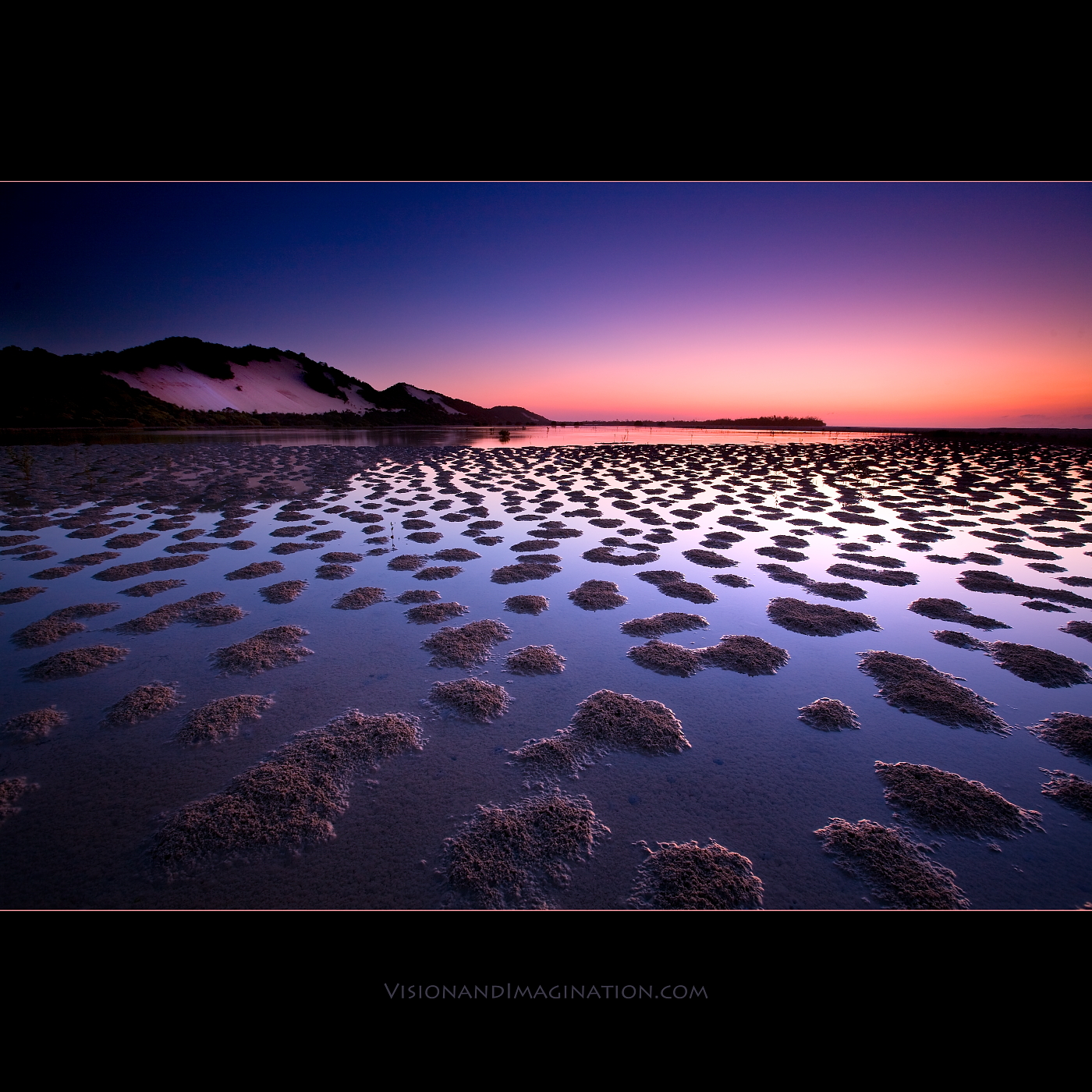
This is one from my recent trip with Glen to Moreton Island where we were witnessing a great natural spectacle. Do I really need to say anything here.....just look at this landscape and soak it in. It is a large tidal pool where we enjoyed the silence and absence of civilisation.
For those of you with an iphone, I have 100 of my "best" in an application called "ifolio". It is a free application
Buttes of Glen Canyon reflected in the wake a houseboat on Lake Powell.
to commemorate the upcoming "final" dead concerts, with Trey Anastascio standing in for Jerry
Early in the morning I set out to try frozen bubbles, but the bubbles had other plans. When it wasn’t working, I improvised with the only cookie cutter I had on hand, a shark. Instead of bubbles, the glass slowly revealed delicate, fern-like frost patterns. Moments like this remind me that even when an idea doesn’t come together, nature still finds a way to create something unexpectedly beautiful.
Macro Mondays...Patterns in Nature...HMM
Black Swallowtail [Papilio polyxenes] caterpillar
Peace Valley Park
Doylestown, PA
2776*
PAPILIO MACHAON (Iphyclides podalirius) SU FIORE DI LAVANDA.
È una farfalla di grandi dimensioni (mm 64-85). È diffusa in tutta l'Europa con l'eccezione delle zone settentrionali. La farfalla è di colore bianco o giallastro con tipiche linee zebrate (5 o 6), bruno scuro o nere, che partono dall'area costale, più larghe, per raggiungere restringendosi l'area anale; la zona prospiciente il corpo è tendenzialmente scura. Le ali posteriori, anch'esse bianche o giallastre hanno la regione sub marginale di colore nero o bruno scuro con delle lunule di colore azzurro intenso.
----------------------------------------------------------------------------------
PAPILIO MACHAON (Iphyclides podalirius) ON LAVENDER FLOWER.
It is a large butterfly (64-85 mm). It is widespread throughout Europe with the exception of the northern areas. The butterfly is white or yellowish in color with typical zebra lines (5 or 6), dark brown or black, which start from the costal area, wider, to reach the anal area, narrowing; the area in front of the body is generally dark. The hind wings, also white or yellowish, have the sub-marginal region of black or dark brown color with deep blue lunules.
CANON EOS 6D Mark II con ob. CANON EF 100 mm f./2,8 L Macro IS USM