View allAll Photos Tagged MARS_90
Machina Mundus Creatus Est by Daniel Arrhakis (2020)
" Machina Mundus Creatus Est " (Machine Creation)
With the music : QUANTUM LEAP - Epic Futuristic Music Mix | Cinematic Instrumental Music
A creative Mystic Futuristic composition made with stock images and images of mine.
*Model by Budgeron Bach in Pexels (C0) :
images.pexels.com/photos/5150450/pexels-photo-5150450.jpe...

*Mechanic elements wheels - Mars Rover Space "Opportunity" by NASA/JPL/Cornell University, Maas Digital LLC in Wikipedia (Public Domain)
upload.wikimedia.org/wikipedia/commons/d/d8/NASA_Mars_Rov...

Solar Gas Turbine Generator :
www.phxequip.com/Multimedia/images/equipment/optimized/so...
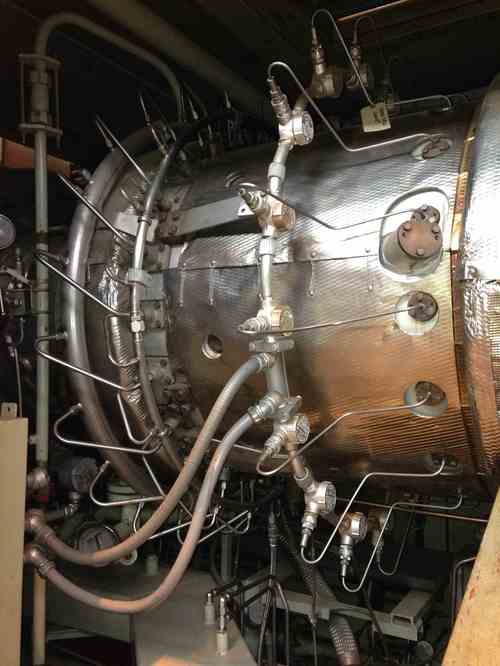
* Texture modified from Takeshi Arai on Pexels (C0) :
images.pexels.com/photos/4107337/pexels-photo-4107337.jpe...

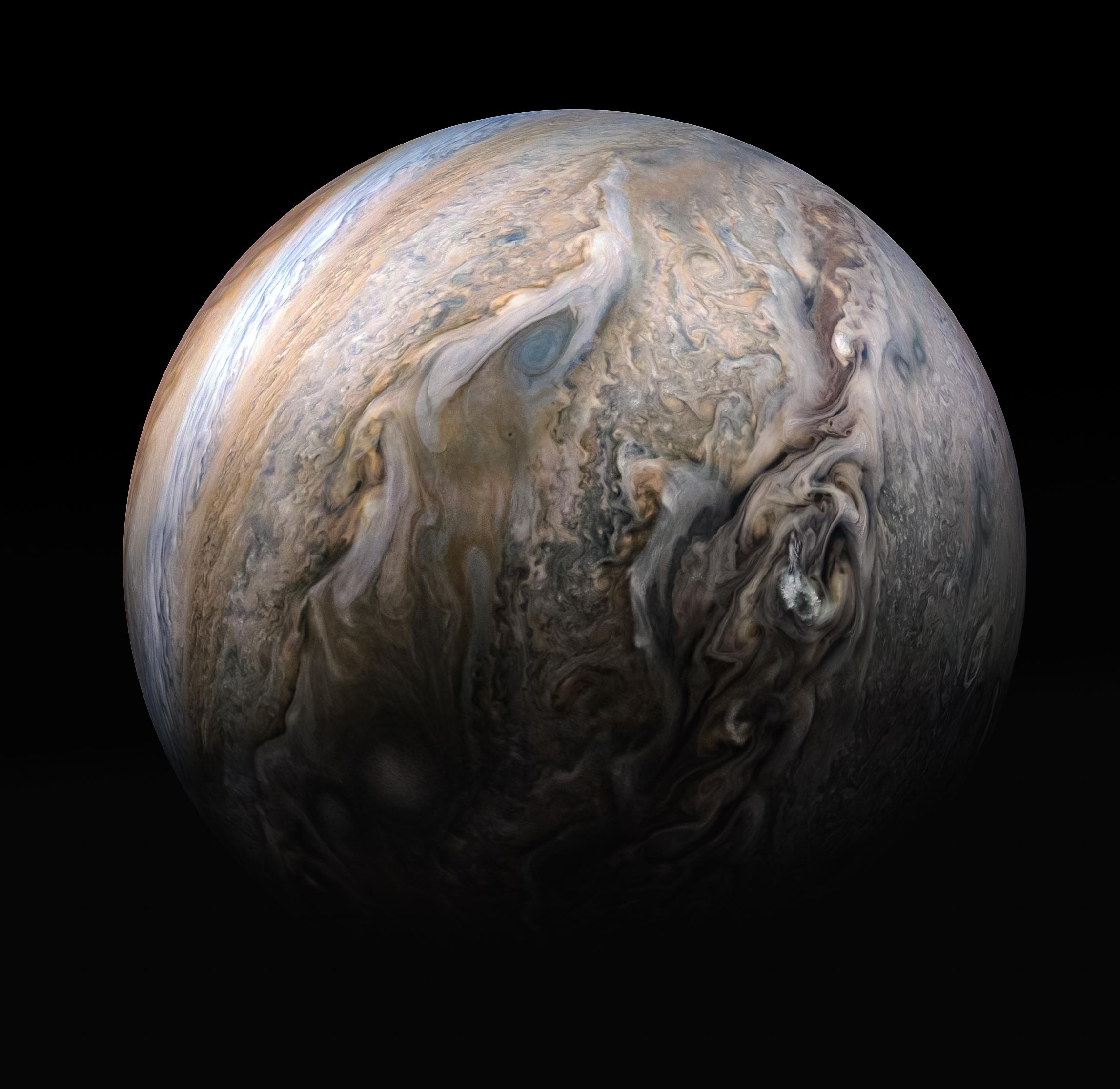
* Planet Jupiter seen by spacecraft Juno / Image credit: NASA/JPL-Caltech/SwRI/MSSS/Kevin M. Gill :
www.jpl.nasa.gov/spaceimages/images/largesize/PIA22949_hi...
________________________________________________
Cité radieuse de Marseille 25/07/2021 13h57
A remarkable building which I have visited for a special reason. On the rooftop I was looking for space invaders MARS_91, 92, 93, 94 and 95. But I only found MARS_97 and had a nice view including MARS_90.
Cité Radieuse de Marseille
L'unité d'habitation de Marseille - also known as the Cité radieuse de Marseille, Cité radieuse, Le Corbusier or more colloquially La Maison du fada - is a residence built between 1947 and 1952 by the architect Charles-Édouard Jeanneret, better known under the pseudonym of Le Corbusier (1887-1965).
La Cité Radieuse is located at 280 boulevard Michelet in Marseille in the Sainte-Anne district, in the 8th arrondissement. Built in the form of a bar on stilts (in the form of flared legs with a brutalist aspect), it attempts to materialize a new form of city, a “vertical village” called « Unité d'habitation ».
The residence has 337 apartments of 23 different types separated by "interior streets" (the "standard" apartment is a duplex) and a hotel with 21 rooms. A shopping arcade exists on the third street with various shops accessible all year round to the public.
In June 2013, the rooftop gymnasium was converted into an exhibition space by the French designer Ora-ïto, who set up an artistic foundation, the MaMo (Marseille Modulor).
After World War II, France needs to rebuild itself. At that time, the lack of social housing was a problem that needed to be resolved quickly. It was in this context that the French state placed an order in 1946 from Le Corbusier: the construction of a housing unit in Marseille. He then asks him to "show a new art of building that transforms the way of living". Thus, Eugène Claudius-Petit, Minister of Reconstruction, affirms that Le Corbusier "brings a new solution to this housing problem and transforms housing into a real public service" in Marseille. The first stone was laid on October 14, 1947. The Cité radieuse was finally inaugurated on October 14, 1952, after five years of work.
[ More: Wikipedia - Cité Radieuse de Marseille ]
Cité radieuse de Marseille 25/07/2021 14h07
A remarkable building which I have visited for a special reason. On the rooftop I was looking for space invaders MARS_91, 92, 93, 94 and 95. But I only found MARS_97 and had a nice view including MARS_90.
Cité Radieuse de Marseille
L'unité d'habitation de Marseille - also known as the Cité radieuse de Marseille, Cité radieuse, Le Corbusier or more colloquially La Maison du fada - is a residence built between 1947 and 1952 by the architect Charles-Édouard Jeanneret, better known under the pseudonym of Le Corbusier (1887-1965).
La Cité Radieuse is located at 280 boulevard Michelet in Marseille in the Sainte-Anne district, in the 8th arrondissement. Built in the form of a bar on stilts (in the form of flared legs with a brutalist aspect), it attempts to materialize a new form of city, a “vertical village” called « Unité d'habitation ».
The residence has 337 apartments of 23 different types separated by "interior streets" (the "standard" apartment is a duplex) and a hotel with 21 rooms. A shopping arcade exists on the third street with various shops accessible all year round to the public.
In June 2013, the rooftop gymnasium was converted into an exhibition space by the French designer Ora-ïto, who set up an artistic foundation, the MaMo (Marseille Modulor).
After World War II, France needs to rebuild itself. At that time, the lack of social housing was a problem that needed to be resolved quickly. It was in this context that the French state placed an order in 1946 from Le Corbusier: the construction of a housing unit in Marseille. He then asks him to "show a new art of building that transforms the way of living". Thus, Eugène Claudius-Petit, Minister of Reconstruction, affirms that Le Corbusier "brings a new solution to this housing problem and transforms housing into a real public service" in Marseille. The first stone was laid on October 14, 1947. The Cité radieuse was finally inaugurated on October 14, 1952, after five years of work.
[ More: Wikipedia - Cité Radieuse de Marseille ]
Cité radieuse de Marseille 25/07/2021 13h42
A remarkable building which I have visited for a special reason. On the rooftop I was looking for space invaders MARS_91, 92, 93, 94 and 95. But I only found MARS_97 and had a nice view including MARS_90.
Cité Radieuse de Marseille
L'unité d'habitation de Marseille - also known as the Cité radieuse de Marseille, Cité radieuse, Le Corbusier or more colloquially La Maison du fada - is a residence built between 1947 and 1952 by the architect Charles-Édouard Jeanneret, better known under the pseudonym of Le Corbusier (1887-1965).
La Cité Radieuse is located at 280 boulevard Michelet in Marseille in the Sainte-Anne district, in the 8th arrondissement. Built in the form of a bar on stilts (in the form of flared legs with a brutalist aspect), it attempts to materialize a new form of city, a “vertical village” called « Unité d'habitation ».
The residence has 337 apartments of 23 different types separated by "interior streets" (the "standard" apartment is a duplex) and a hotel with 21 rooms. A shopping arcade exists on the third street with various shops accessible all year round to the public.
In June 2013, the rooftop gymnasium was converted into an exhibition space by the French designer Ora-ïto, who set up an artistic foundation, the MaMo (Marseille Modulor).
After World War II, France needs to rebuild itself. At that time, the lack of social housing was a problem that needed to be resolved quickly. It was in this context that the French state placed an order in 1946 from Le Corbusier: the construction of a housing unit in Marseille. He then asks him to "show a new art of building that transforms the way of living". Thus, Eugène Claudius-Petit, Minister of Reconstruction, affirms that Le Corbusier "brings a new solution to this housing problem and transforms housing into a real public service" in Marseille. The first stone was laid on October 14, 1947. The Cité radieuse was finally inaugurated on October 14, 1952, after five years of work.
[ More: Wikipedia - Cité Radieuse de Marseille ]
Cité radieuse de Marseille 25/07/2021 14h19
A remarkable building which I have visited for a special reason. On the rooftop I was looking for space invaders MARS_91, 92, 93, 94 and 95. But I only found MARS_97 and had a nice view including MARS_90.
Cité Radieuse de Marseille
L'unité d'habitation de Marseille - also known as the Cité radieuse de Marseille, Cité radieuse, Le Corbusier or more colloquially La Maison du fada - is a residence built between 1947 and 1952 by the architect Charles-Édouard Jeanneret, better known under the pseudonym of Le Corbusier (1887-1965).
La Cité Radieuse is located at 280 boulevard Michelet in Marseille in the Sainte-Anne district, in the 8th arrondissement. Built in the form of a bar on stilts (in the form of flared legs with a brutalist aspect), it attempts to materialize a new form of city, a “vertical village” called « Unité d'habitation ».
The residence has 337 apartments of 23 different types separated by "interior streets" (the "standard" apartment is a duplex) and a hotel with 21 rooms. A shopping arcade exists on the third street with various shops accessible all year round to the public.
In June 2013, the rooftop gymnasium was converted into an exhibition space by the French designer Ora-ïto, who set up an artistic foundation, the MaMo (Marseille Modulor).
After World War II, France needs to rebuild itself. At that time, the lack of social housing was a problem that needed to be resolved quickly. It was in this context that the French state placed an order in 1946 from Le Corbusier: the construction of a housing unit in Marseille. He then asks him to "show a new art of building that transforms the way of living". Thus, Eugène Claudius-Petit, Minister of Reconstruction, affirms that Le Corbusier "brings a new solution to this housing problem and transforms housing into a real public service" in Marseille. The first stone was laid on October 14, 1947. The Cité radieuse was finally inaugurated on October 14, 1952, after five years of work.
[ More: Wikipedia - Cité Radieuse de Marseille ]
Cité radieuse de Marseille 25/07/2021 13h58
A remarkable building which I have visited for a special reason. On the rooftop I was looking for space invaders MARS_91, 92, 93, 94 and 95. But I only found MARS_97 and had a nice view including MARS_90.
Cité Radieuse de Marseille
L'unité d'habitation de Marseille - also known as the Cité radieuse de Marseille, Cité radieuse, Le Corbusier or more colloquially La Maison du fada - is a residence built between 1947 and 1952 by the architect Charles-Édouard Jeanneret, better known under the pseudonym of Le Corbusier (1887-1965).
La Cité Radieuse is located at 280 boulevard Michelet in Marseille in the Sainte-Anne district, in the 8th arrondissement. Built in the form of a bar on stilts (in the form of flared legs with a brutalist aspect), it attempts to materialize a new form of city, a “vertical village” called « Unité d'habitation ».
The residence has 337 apartments of 23 different types separated by "interior streets" (the "standard" apartment is a duplex) and a hotel with 21 rooms. A shopping arcade exists on the third street with various shops accessible all year round to the public.
In June 2013, the rooftop gymnasium was converted into an exhibition space by the French designer Ora-ïto, who set up an artistic foundation, the MaMo (Marseille Modulor).
After World War II, France needs to rebuild itself. At that time, the lack of social housing was a problem that needed to be resolved quickly. It was in this context that the French state placed an order in 1946 from Le Corbusier: the construction of a housing unit in Marseille. He then asks him to "show a new art of building that transforms the way of living". Thus, Eugène Claudius-Petit, Minister of Reconstruction, affirms that Le Corbusier "brings a new solution to this housing problem and transforms housing into a real public service" in Marseille. The first stone was laid on October 14, 1947. The Cité radieuse was finally inaugurated on October 14, 1952, after five years of work.
[ More: Wikipedia - Cité Radieuse de Marseille ]
Cité radieuse de Marseille 25/07/2021 13h53
A remarkable building which I have visited for a special reason. On the rooftop I was looking for space invaders MARS_91, 92, 93, 94 and 95. But I only found MARS_97 and had a nice view including MARS_90.
Cité Radieuse de Marseille
L'unité d'habitation de Marseille - also known as the Cité radieuse de Marseille, Cité radieuse, Le Corbusier or more colloquially La Maison du fada - is a residence built between 1947 and 1952 by the architect Charles-Édouard Jeanneret, better known under the pseudonym of Le Corbusier (1887-1965).
La Cité Radieuse is located at 280 boulevard Michelet in Marseille in the Sainte-Anne district, in the 8th arrondissement. Built in the form of a bar on stilts (in the form of flared legs with a brutalist aspect), it attempts to materialize a new form of city, a “vertical village” called « Unité d'habitation ».
The residence has 337 apartments of 23 different types separated by "interior streets" (the "standard" apartment is a duplex) and a hotel with 21 rooms. A shopping arcade exists on the third street with various shops accessible all year round to the public.
In June 2013, the rooftop gymnasium was converted into an exhibition space by the French designer Ora-ïto, who set up an artistic foundation, the MaMo (Marseille Modulor).
After World War II, France needs to rebuild itself. At that time, the lack of social housing was a problem that needed to be resolved quickly. It was in this context that the French state placed an order in 1946 from Le Corbusier: the construction of a housing unit in Marseille. He then asks him to "show a new art of building that transforms the way of living". Thus, Eugène Claudius-Petit, Minister of Reconstruction, affirms that Le Corbusier "brings a new solution to this housing problem and transforms housing into a real public service" in Marseille. The first stone was laid on October 14, 1947. The Cité radieuse was finally inaugurated on October 14, 1952, after five years of work.
[ More: Wikipedia - Cité Radieuse de Marseille ]
Cité radieuse de Marseille 25/07/2021 14h11
A remarkable building which I have visited for a special reason. On the rooftop I was looking for space invaders MARS_91, 92, 93, 94 and 95. But I only found MARS_97 and had a nice view including MARS_90.
The view to the East over the neighbourhood Sainte-Marguerite. On the forground Jardin de la Magalone with the Cité de la Musique.
Cité Radieuse de Marseille
L'unité d'habitation de Marseille - also known as the Cité radieuse de Marseille, Cité radieuse, Le Corbusier or more colloquially La Maison du fada - is a residence built between 1947 and 1952 by the architect Charles-Édouard Jeanneret, better known under the pseudonym of Le Corbusier (1887-1965).
La Cité Radieuse is located at 280 boulevard Michelet in Marseille in the Sainte-Anne district, in the 8th arrondissement. Built in the form of a bar on stilts (in the form of flared legs with a brutalist aspect), it attempts to materialize a new form of city, a “vertical village” called « Unité d'habitation ».
The residence has 337 apartments of 23 different types separated by "interior streets" (the "standard" apartment is a duplex) and a hotel with 21 rooms. A shopping arcade exists on the third street with various shops accessible all year round to the public.
In June 2013, the rooftop gymnasium was converted into an exhibition space by the French designer Ora-ïto, who set up an artistic foundation, the MaMo (Marseille Modulor).
After World War II, France needs to rebuild itself. At that time, the lack of social housing was a problem that needed to be resolved quickly. It was in this context that the French state placed an order in 1946 from Le Corbusier: the construction of a housing unit in Marseille. He then asks him to "show a new art of building that transforms the way of living". Thus, Eugène Claudius-Petit, Minister of Reconstruction, affirms that Le Corbusier "brings a new solution to this housing problem and transforms housing into a real public service" in Marseille. The first stone was laid on October 14, 1947. The Cité radieuse was finally inaugurated on October 14, 1952, after five years of work.
[ More: Wikipedia - Cité Radieuse de Marseille ]
MARS_90 [50 points]
One of the two space invaders outside Cité Radieuse in the quartier Sainte-Anne. Best seen from the roof of Hotel Le Corbusier where the exposition Invasion Planete Marseille took place. Invader was invited to do a site specific installation at MaMo, the arts center created by Ora-ïto atop of La Cité Radieuse in Marseille. For the occasion, I have turned the exhibition space into an strategic base and pushed back the symbolic and physical limits of the place by carrying out an exhibition-invasion at the scale of the entire city of Marseille.\
View from the rooftop of Hôtel Le Corbusier.
Till August 2020 I found and flashed all 13 space invaders of wave 1 (MARS_01 - MARS_11 - 2004 and wave 2 (MARS_12 and MARS_13). But during wave 3 in August 2020 the number of space invaders went up to 97. In total 84 space invaders on my list again.
Onscreen FlashInvaders message: INVADER WAS HERE
All my photos of MARS_90:
MARS_90 (Close-up -streetlevel-, July 2021)
MARS_90 (Less close-up, -from rooftop-, July 2021)
MARS_90 (Wide shot, -from rooftop-, July 2021)
Date of invasion: 20/08/2021
Cité radieuse de Marseille 25/07/2021 13h42
A remarkable building which I have visited for a special reason. On the rooftop I was looking for space invaders MARS_91, 92, 93, 94 and 95. But I only found MARS_97 and had a nice view including MARS_90.
Cité Radieuse de Marseille
L'unité d'habitation de Marseille - also known as the Cité radieuse de Marseille, Cité radieuse, Le Corbusier or more colloquially La Maison du fada - is a residence built between 1947 and 1952 by the architect Charles-Édouard Jeanneret, better known under the pseudonym of Le Corbusier (1887-1965).
La Cité Radieuse is located at 280 boulevard Michelet in Marseille in the Sainte-Anne district, in the 8th arrondissement. Built in the form of a bar on stilts (in the form of flared legs with a brutalist aspect), it attempts to materialize a new form of city, a “vertical village” called « Unité d'habitation ».
The residence has 337 apartments of 23 different types separated by "interior streets" (the "standard" apartment is a duplex) and a hotel with 21 rooms. A shopping arcade exists on the third street with various shops accessible all year round to the public.
In June 2013, the rooftop gymnasium was converted into an exhibition space by the French designer Ora-ïto, who set up an artistic foundation, the MaMo (Marseille Modulor).
After World War II, France needs to rebuild itself. At that time, the lack of social housing was a problem that needed to be resolved quickly. It was in this context that the French state placed an order in 1946 from Le Corbusier: the construction of a housing unit in Marseille. He then asks him to "show a new art of building that transforms the way of living". Thus, Eugène Claudius-Petit, Minister of Reconstruction, affirms that Le Corbusier "brings a new solution to this housing problem and transforms housing into a real public service" in Marseille. The first stone was laid on October 14, 1947. The Cité radieuse was finally inaugurated on October 14, 1952, after five years of work.
[ More: Wikipedia - Cité Radieuse de Marseille ]
Cité radieuse de Marseille 25/07/2021 13h34
A remarkable building which I have visited for a special reason. On the rooftop I was looking for space invaders MARS_91, 92, 93, 94 and 95. But I only found MARS_97 and had a nice view including MARS_90.
Cité Radieuse de Marseille
L'unité d'habitation de Marseille - also known as the Cité radieuse de Marseille, Cité radieuse, Le Corbusier or more colloquially La Maison du fada - is a residence built between 1947 and 1952 by the architect Charles-Édouard Jeanneret, better known under the pseudonym of Le Corbusier (1887-1965).
La Cité Radieuse is located at 280 boulevard Michelet in Marseille in the Sainte-Anne district, in the 8th arrondissement. Built in the form of a bar on stilts (in the form of flared legs with a brutalist aspect), it attempts to materialize a new form of city, a “vertical village” called « Unité d'habitation ».
The residence has 337 apartments of 23 different types separated by "interior streets" (the "standard" apartment is a duplex) and a hotel with 21 rooms. A shopping arcade exists on the third street with various shops accessible all year round to the public.
In June 2013, the rooftop gymnasium was converted into an exhibition space by the French designer Ora-ïto, who set up an artistic foundation, the MaMo (Marseille Modulor).
After World War II, France needs to rebuild itself. At that time, the lack of social housing was a problem that needed to be resolved quickly. It was in this context that the French state placed an order in 1946 from Le Corbusier: the construction of a housing unit in Marseille. He then asks him to "show a new art of building that transforms the way of living". Thus, Eugène Claudius-Petit, Minister of Reconstruction, affirms that Le Corbusier "brings a new solution to this housing problem and transforms housing into a real public service" in Marseille. The first stone was laid on October 14, 1947. The Cité radieuse was finally inaugurated on October 14, 1952, after five years of work.
[ More: Wikipedia - Cité Radieuse de Marseille ]
Cité radieuse de Marseille 25/07/2021 13h48
A remarkable building which I have visited for a special reason. On the rooftop I was looking for space invaders MARS_91, 92, 93, 94 and 95. But I only found MARS_97 and had a nice view including MARS_90.
Cité Radieuse de Marseille
L'unité d'habitation de Marseille - also known as the Cité radieuse de Marseille, Cité radieuse, Le Corbusier or more colloquially La Maison du fada - is a residence built between 1947 and 1952 by the architect Charles-Édouard Jeanneret, better known under the pseudonym of Le Corbusier (1887-1965).
La Cité Radieuse is located at 280 boulevard Michelet in Marseille in the Sainte-Anne district, in the 8th arrondissement. Built in the form of a bar on stilts (in the form of flared legs with a brutalist aspect), it attempts to materialize a new form of city, a “vertical village” called « Unité d'habitation ».
The residence has 337 apartments of 23 different types separated by "interior streets" (the "standard" apartment is a duplex) and a hotel with 21 rooms. A shopping arcade exists on the third street with various shops accessible all year round to the public.
In June 2013, the rooftop gymnasium was converted into an exhibition space by the French designer Ora-ïto, who set up an artistic foundation, the MaMo (Marseille Modulor).
After World War II, France needs to rebuild itself. At that time, the lack of social housing was a problem that needed to be resolved quickly. It was in this context that the French state placed an order in 1946 from Le Corbusier: the construction of a housing unit in Marseille. He then asks him to "show a new art of building that transforms the way of living". Thus, Eugène Claudius-Petit, Minister of Reconstruction, affirms that Le Corbusier "brings a new solution to this housing problem and transforms housing into a real public service" in Marseille. The first stone was laid on October 14, 1947. The Cité radieuse was finally inaugurated on October 14, 1952, after five years of work.
[ More: Wikipedia - Cité Radieuse de Marseille ]
MARS_90 [50 points]
One of the two space invaders outside Cité Radieuse in the quartier Sainte-Anne. Best seen from the roof of Hotel Le Corbusier where the exposition Invasion Planete Marseille took place. Invader was invited to do a site specific installation at MaMo, the arts center created by Ora-ïto atop of La Cité Radieuse in Marseille. For the occasion, I have turned the exhibition space into an strategic base and pushed back the symbolic and physical limits of the place by carrying out an exhibition-invasion at the scale of the entire city of Marseille.
Till August 2020 I found and flashed all 13 space invaders of wave 1 (MARS_01 - MARS_11 - 2004 and wave 2 (MARS_12 and MARS_13). But during wave 3 in August 2020 the number of space invaders went up to 97. In total 84 space invaders on my list again.
Onscreen FlashInvaders message: INVADER WAS HERE
All my photos of MARS_90:
MARS_90 (Close-up -streetlevel-, July 2021)
MARS_90 (Less close-up, -from rooftop-, July 2021)
MARS_90 (Wide shot, -from rooftop-, July 2021)
Date of invasion: 20/08/2021
MARS_90 [50 points]
One of the two space invaders outside Cité Radieuse in the quartier Sainte-Anne. Best seen from the roof of Hotel Le Corbusier where the exposition Invasion Planete Marseille took place. Invader was invited to do a site specific installation at MaMo, the arts center created by Ora-ïto atop of La Cité Radieuse in Marseille. For the occasion, I have turned the exhibition space into an strategic base and pushed back the symbolic and physical limits of the place by carrying out an exhibition-invasion at the scale of the entire city of Marseille.
Till August 2020 I found and flashed all 13 space invaders of wave 1 (MARS_01 - MARS_11 - 2004 and wave 2 (MARS_12 and MARS_13). But during wave 3 in August 2020 the number of space invaders went up to 97. In total 84 space invaders on my list again.
Onscreen FlashInvaders message: INVADER WAS HERE
All my photos of MARS_90:
MARS_90 (Close-up -streetlevel-, July 2021)
MARS_90 (Less close-up, -from rooftop-, July 2021)
MARS_90 (Wide shot, -from rooftop-, July 2021)
Date of invasion: 20/08/2021
To see all my pictures, visit my blog
If you want to use one of my pictures please link to my blog (not my flickr account)