View allAll Photos Tagged Litany
Located at the top of the Troodos mountain range and at an altitude of 1,300 meters, the Throne of the Virgin Mary is dedicated to the Virgin Mary,
The area was the place where, during periods of drought, the monks of the monastery used to have a litany of the icon of the Virgin Mary, and through a path, they climbed up to the top of the mountain to place it on a wooden throne and ask for an end to the drought. The Virgin Mary of Kykkos monastery was known from the years of the Venetian occupation as “Our Lady of Rain”, as it was connected with her rain-giving power and supposedly providing the island with the necessary precipitation.
Dranske/Ruegen (1980s) - 5.Block, 7.Aufgang, 4.Stock
* * * * * * *
it`s alright
if words fail you
those empty shells,
shattered in endless storms,
have become meaningless
wait for the silence to embrace you
and if you listen
she will give you peace
and new language
* * * * * * *
i often listen to music, and there is often also a kind of synaesthetic link between the music i hear and the pictures i am working on.
however, there is not so very much music that reaches the depths that i wish to explore.
this piece - a prayer - sounds almost exactly how i remember parts of my early childhood. if you listen, you can hear the walls' sad grey litany, the sound of motors, high-voltage lines and the sirens.
--> Arvo Pärt
- Seven Magnificat Antiphons: II. O Adonai
Ô toi, le plus savant et le plus beau des Anges,
Dieu trahi par le sort et privé de louanges,
Ô Satan, prends pitié de ma longue misère !
Ô Prince de l’exil, à qui l’on a fait tort,
Et qui, vaincu, toujours te redresses plus fort,
Ô Satan, prends pitié de ma longue misère !
Toi qui sais tout, grand roi des choses souterraines,
Guérisseur familier des angoisses humaines,
Ô Satan, prends pitié de ma longue misère !
Toi qui, même aux lépreux, aux parias maudits,
Enseignes par l’amour le goût du Paradis,
Ô Satan, prends pitié de ma longue misère !
Ô toi qui de la Mort, ta vieille et forte amante,
Engendras l’Espérance, - une folle charmante !
Ô Satan, prends pitié de ma longue misère !
Toi qui fais au proscrit ce regard calme et haut
Qui damne tout un peuple autour d’un échafaud,
Ô Satan, prends pitié de ma longue misère !
Toi qui sais en quels coins des terres envieuses
Le Dieu jaloux cacha les pierres précieuses,
Ô Satan, prends pitié de ma longue misère !
Toi dont l’œil clair connaît les profonds arsenaux
Où dort enseveli le peuple des métaux,
Ô Satan, prends pitié de ma longue misère !
Toi dont la large main cache les précipices
Au somnambule errant au bord des édifices,
Ô Satan, prends pitié de ma longue misère !
Toi qui, magiquement, assouplis les vieux os
De l’ivrogne attardé foulé par les chevaux,
Ô Satan, prends pitié de ma longue misère !
Toi qui, pour consoler l’homme frêle qui souffre,
Nous appris à mêler le salpêtre et le soufre,
Ô Satan, prends pitié de ma longue misère !
Toi qui poses ta marque, ô complice subtil,
Sur le front du Crésus impitoyable et vil,
Ô Satan, prends pitié de ma longue misère !
Toi qui mets dans les yeux et dans le cœur des filles
Le culte de la plaie et l’amour des guenilles,
Ô Satan, prends pitié de ma longue misère !
Bâton des exilés, lampe des inventeurs,
Confesseur des pendus et des conspirateurs,
Ô Satan, prends pitié de ma longue misère !
Père adoptif de ceux qu’en sa noire colère
Du paradis terrestre a chassés Dieu le Père,
Ô Satan, prends pitié de ma longue misère !
Prière
Gloire et louange à toi, Satan, dans les hauteurs
Du Ciel, où tu régnas, et dans les profondeurs
De l’Enfer, où, vaincu, tu rêves en silence !
Fais que mon âme un jour, sous l’Arbre de Science,
Près de toi se repose, à l’heure où sur ton front
Comme un Temple nouveau ses rameaux s’épandront !
Charles Baudelaire
Les Fleurs du Mal
See, I was dead when I woke up this morning
I'll be dead before the day is done
Holy water cannot help you now
A thousand armies couldn't keep me out
I don't want your money
I don't want your crown
See, I've come to burn your kingdom down
Holy water cannot help you now
See, I've come to burn your kingdom down
And no rivers and no lakes can put the fire out
I'm going to raise the stakes
I'm going to smoke you out
Seven devils all around you
Seven devils in my house
See, they were there when I woke up this morning
I'll be dead before the day is done
Seven devils all around you
Seven devils in your house
See, I was dead when I woke up this morning
And I'll be dead before the day is done
Before the day is done
And now all your love will be exorcised
And we will find new saints to be canonised
And it's an evensong, it's a litany
It's a battle cry, it's a symphony
Seven devils all around you
Seven devils in my house
See, they were there when I woke up this morning
I'll be dead before the day is done
Seven devils all around you
Seven devils in your house
See, I was dead when I woke up this morning
And I'll be dead before the day is done
Before the day is done
Before the day is done
Before the day is done
You can keep me out
'Til I tear the walls
To devastate your heart
And to take your soul
For what has been done
Cannot be undone
In the eagle's eye
In the evensong
Seven devils all around you
Seven devils in your house
See, I was dead when I woke up this morning
I'll be dead before the day is done
Before the day is done
Dating from 1805, the cloister of the novices brings together under its Romanesque brick vaults a beautiful collection of paintings by the Cusco School of the 18th, which represent the 55 litanies of the Virgin.
Ο νέος και πολύ δραστήριος ιερέας του χωριού μας ανέσυρε προσφάτως σωρεία ιερών εικόνων χρονολογουμένων από τον 16ο έως τον 18ο αιώνα και πήρε την τολμηρή απόφαση, άν βεβαίως το επιτρέψει ο Θεός,να τις αποκαταστήσουμε σιγά-σιγά όλες.
Πρώτη,όπως ήταν φυσικό,επελέγη η ιερά εικόνα της προστάτιδος του χωριού μας, Αγίας Οσιοπαρθενομάρτυρος Παρασκευής της Αθληφόρου
Το σύντομο χρονικό διάστημα μέσα στο οποίο ευρέθησαν τα χρήματα αλλά και η ταχύτατη ταυτοχρόνως δε επιτυχέστατη αποκατάστασίς της οφείλονται αδιαμφισβήτητα στην παρρησία των πρεσβειών τής εικονογραφουμένης εις αυτήν προς τον Σωτήρα Χριστό.
Η φωτογραφία είναι από την ιερά λιτάνευσή της στον πανηγυρικό εσπερινό προς τιμήν της Αγίας την 25η Ιουλίου 2020 καθόσον πρόλαβε να είναι παρούσα με όλη την καινή λαμπρότητα στον εφετινό εορτασμό κατά την διάρκεια του οποίου το ιερό αυτό αποθησαύρισμα κατέστη πλέον και η εφέστιος εικών του Ι.Ναού του χωριού μας (Νομή Τρικάλων).
The young and very active priest of our village recently brought up piles of sacred icons dating from the 16th to the 18th century and made the bold decision, if God permits, to slowly restore them all.
First, as was natural, the holy icon of the patron saint of our village, Saint holy virgin martyr Paraskevi, was chosen.
The short period of time in which the money was found and its rapid and at the same time very successful restoration are undoubtedly due to the parsimony of the embassies illustrated in it to the Savior Christ.
The photo is from her holy litany at the panegyrical vespers in honor of the Saint on July 25, 2020 as she managed to be present with all the new splendor in this year's celebration during which this sacred hoarding became the central icon of Η. Church of our village (Νomi of Trikala).
My Board "Trikala city and countryside" on gettyimages
My Board “Animals,birds,flocks,troops” on gettyimages
My photos for sale on getty images
Album
on my blog Λογεικών Logikon
Crown/Horns: Tyrant Crown Horns by Vae Victis, available now at Enchantment, and afterwards at the Vae Victis Mainstore.
Eyes: Divine & Damned - Apex by IKON, available at the IKON mainstore.
Pose: Set 221 by SAPA Poses, available now at Anthem, afterwards at the SAPA Poses Mainstore.
Skin: Rick x Eros in Vamp by Velour Homme, available now at Velour Mainstore.
Tattoo + 3D Material Shine: Litany by THIS IS WRONG, available at the THIS IS WRONG Mainstore.
Leave a broken heart in the streets for hours, call for crowd support but never an ambulance, create the spectacle that says “You’re the trouble i’m in”. Both: I want to stay & I want to leave. Have a hobby that includes bursts of anger over nonsense on Christmas. Remember the killer eyes, the gorgeous earthquake, the fuckttraction, the sense of destiny and the forest fire like the most wonderful things you’ve ever seen. Then turn around in another room and a litany of fucks falling from your mouth because this is the way trust looks like. Withered down by another war. Nothing has ever felt so filthy like skin and emotions for one another. Claws, growls and all that murderous intent is all that pins my hand to your chest. Call someone to love you, because i won’t tolerate you drifting into indifference. I’d rather lose you to a greater circumstance like… disaster. Or death.
Lhasa de Sela - My name
Even though I know it's only chemical
These peaks and valleys are beginning to take their toll
Try to convince myself that all it takes is time
But the most derisive voice I hear is mine
It opens all the scars on me
It leaves me shaken in my belief
It takes my hand just to drag me down
It makes me a stranger in the crowd
Give me isolation just for now
I feel a hard rain coming down
I promise that I will be back soon
But for now I'll return to my cocoon
There is thunder in the distance and the sky grows gray
There is lighting in the clouds in search of prey
It's not a matter of if as much as when
The clouds will break and the rainfall will begin
It opens all the scars on me
It leaves me shaken in my belief
It takes my hand just to drag me down
It makes me a stranger in the crowd
Cracks in the chrysalis spread out like tiny snakes
That hiss a litany of rumors and mistakes
But I'm afraid their cause is fraught with futility
There is nothing more that they can take from me
Liston/Old town Corfu.
______________________________
A stroll around the Old Town on Corfu will either start or end at the famous Liston next to the main Esplanade. Closely linked to the history of the island, it is a landmark and the most photographed place in the town as well as a meeting point throughout the day. So what is famous about Liston? It is an impressive residential estate which was constructed during the Second French Occupation of the island (1807-1814). It was intended as a landmark for the aristocracy of Old Corfu and according to legend, only the gentry of the time were allowed to walk on the street (today known as Eleftherias Avenue). It was designed by the French engineer, Mathieu de Lesseps, father of the builder of the Suez Canal and it was built to the standards of the famous rue de Rivoli in Paris. The Greek engineer, Ioannis Parmezan collaborated in the construction. The Arches were expanded and floors were gradually added under the English Commissioner (1815-1864), and are now home to residences and offices. The building was first used as a French barracks and then operated as a hotel and even hosted great figures. Today Liston is the most secular point on Corfu. You can enjoy coffee, food or a drink in nearby establishments. At Easter it is the reference point for the town's Philharmonic parade and the town's Litany of Agios Spyridonas. The hanging lanterns and vaulted arches which are lit at night are like an image from another era.
______________________________
Thank for faves and comments!!😃
"I will not fear.
Fear is the mind-killer.
I will face my fear.
I will let it pass through me.
When the fear has gone,
there shall be nothing.
Only I will remain."
Litany against fear in Dune (F. Herbert)
“Then it happened, that while walking down a path along which ran a very clear stream”
“I suddenly felt a great desire to write a poem and I began to think how I would go about it.”
Ladies who have intelligence of love
I wish to speak to you about my lady,
not thinking to complete her litany,
but to talk in order to relieve my heart...
...Love and the gracious heart are a single thing,
as Guinizelli tells us in his poem:
one can no more be without the other
than can the reasoning mind without its reason.
Nature, when in a loving mood, creates them.
-Dante, Vita Nuova
20 minutes before sunrise at the southern end of Embleton Bay, Northumbria and the sky literally caught fire. It had been a 4.30 am start from the rental house in Seahouses and a dash down the roads to park in the dark and start the walk across the golf course to the beach with the head torch guiding the way. You never know what you will get in the way of sunrise. The early portents were not good. Then comes the really exhilaratingly dangerous bit! Trying to make your way in the dark over these greasy, oily bowling balls of dolerite on a receding tide! They are not called the "death rocks" for nothing, they are positively lethal and must see many an injured photographer and a litany of insurance claims for damaged and broken photography equipment, such is their hazard!
Anyway, unscathed but still like Bambi on ice, I managed to set myself and tripod in a semi secure position and awaited developments. I was lucky I was completely alone at this location and around 5.30 the sky started to get really interesting. The light over Dunstanburgh Castle was phenomenal and the backdrop to the Lilburn Tower looked like it had been painted by a surrealist artist! It was one of the most memorable mornings I have ever had at the coast with my camera and will live long in the memory. There is something about the light and colour at dawn in Northumbria that you don't get elsewhere and I can't wait to return at some point soon, when the lockdown ends. Just wished I had framed the shot a bit better and got a sharper foreground! Hey but we all learn!!
Sponsored:
Skin: Jiyeong by Heaux, available at The Warehouse Sale and afterwards at the Heaux Mainstore.
Circlet: Crescent Circlet by Nefekalum, available at The Warehouse Sale and afterwards at the Nefekalum Mainstore.
Hand Jewelry:Velka by Voluptas Virtualis, available at The Warehouse Sale, and afterwards at the Voluptas Virtualis Mainstore.
Face Chains x Choker: Morvan's Shroud by Floro, available at the upcoming round of SLS Salvage Station (Updated LM To follow - Salvate Station opens on Nov 1!) and afterwards at the Floro Mainstore.
Makeup: Leku Eyes x Lip by Eyecing, available at the upcoming round of SLS Salvage Station (Updated LM To follow) and afterwards at the Eyecing Mainstore.
_____________________________________________
……………………………….
Poster:
Locandina:
movieplayer.net-cdn.it/t/images/2010/11/04/la-locandina-d...
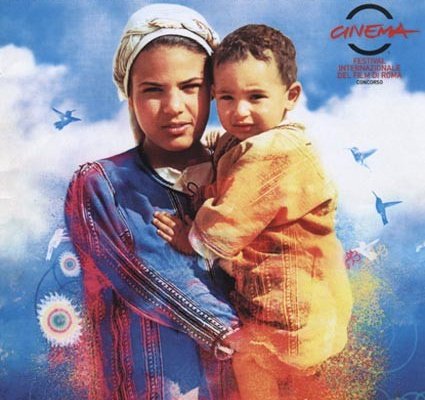
filmitalia.org/Files/2010/10/14/1287087882765.jpg?1287087...
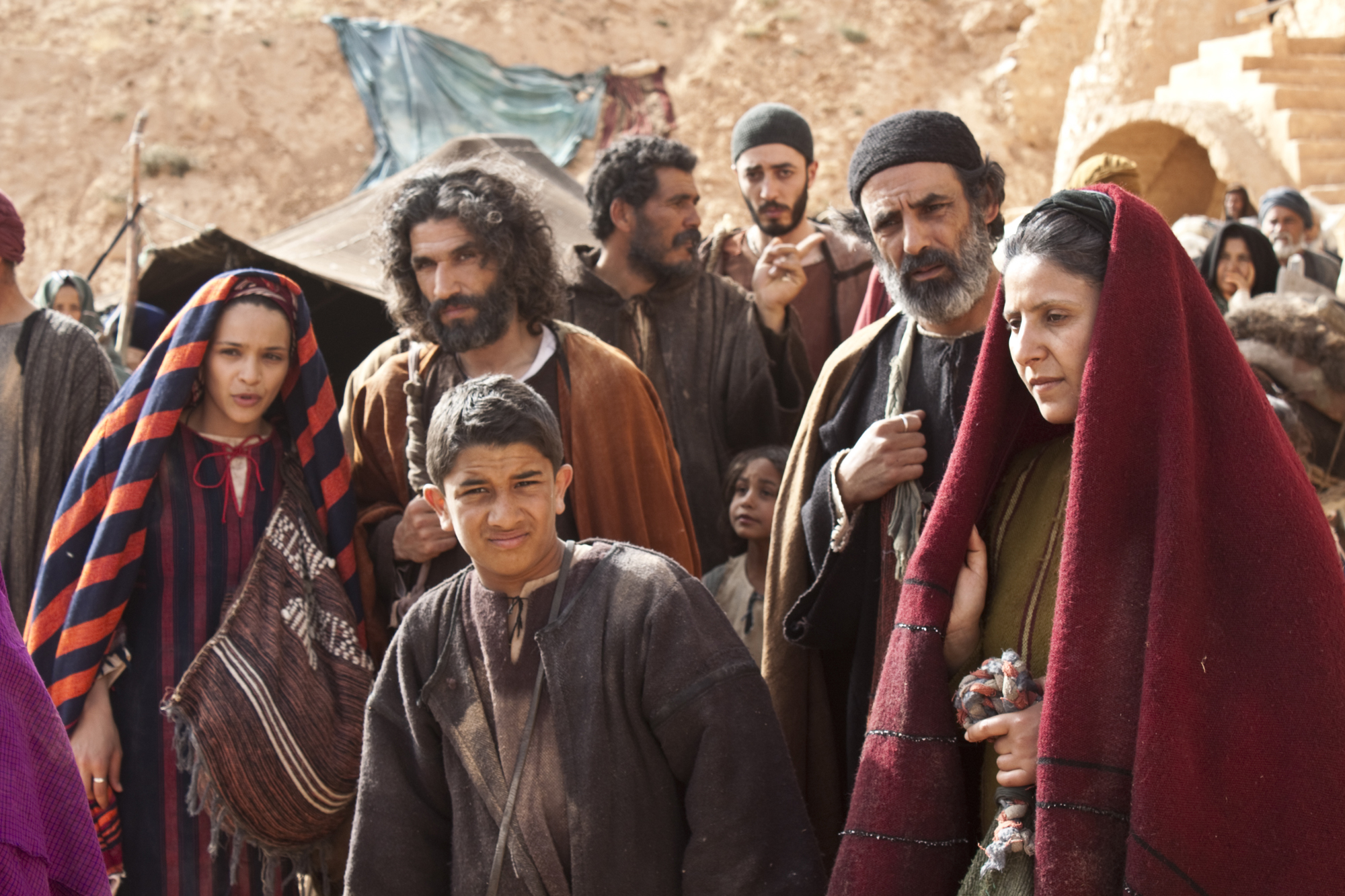
mr.comingsoon.it/rsz/foto/11612.jpg?preset=wide760
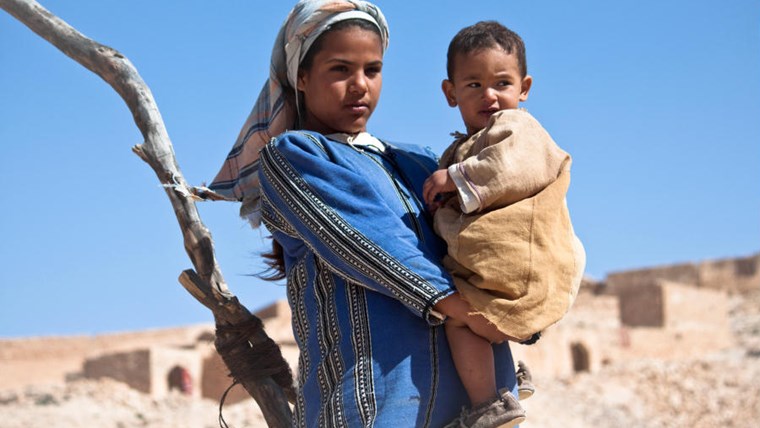
upload.wikimedia.org/wikipedia/it/a/a1/Io_sono_con_te_%28...
.JPG)
.............................................................................
click to activate the small icon of slideshow: the small triangle inscribed in the small rectangle, at the top right, in the photostream (it means the monitor);
or…. Press the “L” button to zoom in the image;
clicca sulla piccola icona per attivare lo slideshow: sulla facciata principale del photostream, in alto a destra c'è un piccolo rettangolo (rappresenta il monitor) con dentro un piccolo triangolo nero;
oppure…. premi il tasto “L” per ingrandire l'immagine;
www.fotografidigitali.it/gallery/2726/opere-italiane-segn...
………………………………………………………………………
This photographic story of mine, with descriptive text, was created in Novara di Sicilia (ME) on August 15th of this year, on the occasion of a suggestive traditional religious and popular celebration, that of the Apotheosis of the Assumption (in Heaven), which takes place every 5 years, however due to the bans issued during the Covid, it was not celebrated in 2020, so this celebration had not been held for 10 years. I would like to tell the origins of this ancient tradition, which began with the arrival of the Normans in Sicily around the year 1000. At that time, Southern Italy was a coexistence of peoples, religions, and languages, the most diverse. The majority were the Lombards. There were also the Greeks, with the Greek population of Calabria and Salento (i.e., the Byzantines), with the Greek Church based in Constantinople. It was not a foreign Byzantine domination, but rather the people of those lands for centuries. Then there were the Arabs who had conquered Sicily, and even under the Arabs in Sicily, Greeks, Latins, and Jews coexisted; the populations coexisted with each other, and the leaders waged war against each other. Then, in southern Italy, the Normans arrived, seeking adventure and fortune. They were French from Northern France, and the descendants of the Vikings from Scandinavia. the Norman Roger 1st of Sicily (known as the Great Count Roger) together with his brother, conquered Puglia, Calabria, subsequently they allied themselves with an Arab emir reigning in Sicily, who asked them for help because he was fighting against another Arab emir present in Sicily, Roger landed in Messina in February 1061 managing to occupy the eastern part of Sicily, thirty years after his landing in Sicily, in 1091 Roger could say he was master of all of Sicily; Ancient literature credits Great Count Roger with initiating the celebrations of the Assumption, whose banner featured the image of the Our Lady Ascending to Heaven. Under his patronage, the process of "re-Christianization" of the island began. Devotion to the Virgin was strengthened in the territory of Novara di Sicilia in the 12th century with the arrival of the French abbot Hugh (also proclaimed a saint), sent to Sicily by Bernard of Clairvaux, of the Cistercian Order, which has the figure of the Assumption as a cornerstone of its religious institution. This celebration-feast has seen mixed fortunes. Before the Second World War, the float with the Assumption was carried in procession along with approximately 15 floats of various saints. After that conflict, the bishop banned carrying statues of saints alongside the Assumption. With the Great Jubilee of 2000, the ancient tradition was revived with the Saints preceding the Assumption's exit. They arrive in the town's main square, forming a semicircle, awaiting the arrival of the Assumption, which in the meantime has been carried in procession through the town's streets. Upon her return to the square around midnight, the Assumption of Mary is reunited with all the Saints, giving life to the supreme expression of the Apotheosis of Mary Assumed into Heaven, amidst songs, litanies, and prayers. This, in short, is a great, heartfelt procession that begins in the afternoon and continues late into the night, with the many floats of saints preceding that of the Assumption of Mary, characterized by having their arms raised high, and the presence of more than 150 candles being lit. The official logo of the Solemn Apotheosis of the Assumption encloses the presence of the 15 saints as if they were 15 roses, arranged in a crown around the monogram "M - A" (Our Lady Ascending to Heaven): for Dante Alighieri in the Divine Comedy the "Mystical Rose" is "the Love of God", a symbol of divine perfection, peace, and the beauty of Paradise, linked to the figure of Mary, the Mystical Rose par excellence. Thus the Apotheosis is nothing other than the Embrace that God, through Mary and the Saints, addresses to all men.
…………………………………………………..
Questo mio racconto fotografico, con testo descrittivo, è stato realizzato a Novara di Sicilia (ME) il 15 di agosto di quest’anno, in occasione di una suggestiva celebrazione tradizionale religiosa e popolare, quella della Apoteosi dell’Assunta (in Cielo), che prende vita ogni 5 anni, purtuttavia causa i divieti emanati durante il covid, nel 2020 non venne celebrata, sicchè questa celebrazione era da 10 anni che non veniva svolta. Desidero raccontare le origini di questa antica tradizione, essa nasce con l’arrivo dei Normanni in Sicilia attorno all’Anno Mille, in quel periodo nell’Italia Meridionale c’era una convivenza di popoli, religioni, lingue, le più diverse, la maggioranza era data dai Longobardi, c’erano i Greci, con la popolazione greca della Calabria, del Salento (ovvero i Bizantini) con la Chiesa Greca che faceva capo a Costantinopoli, non era una dominazione bizantina straniera, ma erano i popoli di quelle terre da secoli, poi c'erano gli Arabi che avevano conquistato la Sicilia, ed anche sotto gli arabi in Sicilia, convivenao Greci, Latini, Ebrei, le popolazioni convivevano tra loro, erano i capi che si facevano la guerra tra di loro; poi nel meridione d’Italia arrivarono i Normanni, in cerca di avventura e di fortuna, essi erano francesi della Francia del Nord, essi erano i discendenti dei Vichinghi provenienti dalla Scandinavia; il Normanno Ruggero 1° di Sicilia (detto il Gran Conte Ruggero) insieme al fratello, conquista la Puglia, la Calabria, successivamente si allearono con un emiro arabo regnante in Sicilia, che chiedeva loro aiuto perché in lotta contro un altro emiro arabo presente in Sicilia, Ruggero sbarcò a Messina nel febbraio del 1061 riuscendo ad occupare la parte orientale della Sicilia, dopo trent'anni dal suo sbarco in Sicilia, nel 1091 Ruggero poté dirsi padrone di tutta la Sicilia; l’antica letteratura indica il Gran Conte Ruggero promotore dei festeggiamenti dell’Assunta, sul cui stendardo campeggiava l’immagine dell’Assunta, sotto la cui protezione ebbe inizio il processo di “ricristianizzazione” dell’isola, devozione verso la Vergine che si rafforza nel territorio di Novara di Sicilia nel XII secolo con l’arrivo dell’abate francese Ugo (anch’egli proclamato Santo), inviato in Sicilia da Bernardo di Chiaravalle, dell’Ordine Cistercense, che ha come pilastro portante la figura dell’Assunta nella sua istituzione religiosa. Questa celebrazione-festa ha visto alterne fortune, prima del secondo conflitto mondiale la vara con l’Assunta veniva portata in processione assieme a circa 15 vare di diversi santi, dopo tale conflitto ci fu il divieto vescovile di portare le statue dei santi insieme all’Assunta; col Grande Giubileo del 2000 l’antica tradizione riprese vita coi Santi che precedono l’uscita dell’Assunta, giungendo nella piazza principale del paese, disponendosi a semicerchio, aspettando l’arrivo dell’Assunta che nel frattempo è stata condotta in processione nelle vie del paese, al suo rientro in piazza verso mezzanotte Maria Assunta si ricongiunge con tutti i Santi, dando vita alla massima espressione dell’Apoteosi di Maria Assunta in Cielo, tra canti, litanie e preghiere. Questa, in sintesi, è una grande, sentita, processione che inizia nel pomeriggio, per proseguire a notte fonda, con le tante vare di santi che precedono quella di Maria Assunta, caratterizzata dall'avere le braccia rivolte in alto, e la presenza di più di 150 candele che vengono accese. Il logo ufficiale della Solenne Apoteosi dell’Assunta racchiude la presenza dei 15 santi come fossero 15 rose, disposte a corona attorno al monogramma “M – A” (Madonna Assunta): per Dante Alighieri nella Divina Commedia la “Rosa Mistica” è “l’Amore di Dio”, simbolo della perfezione divina, pace, bellezza del Paradiso, collegata alla figura di Maria, Rosa Mistica per eccellenza, ecco che l’Apoteosi altro non è che l’Abbraccio che Dio, tramite Maria ed i Santi, rivolge a tutti gli uomini.
……………………………………………………………..
NOVARA DI SICILIA FESTA DELLA ASSUNTA
Un giorno di grande festa - Novara di Sicilia #sicilia #novaradisicilia #ferragosto
La Solenne Apoteosi dell'Assunta - A.D. 2025
Apoteosi dell'Assunta 2015, Novara di Sicilia - Anteprima
La Solenne Apoteosi dell'Assunta Novara di Sicilia 15 Agosto 2025 Rientro in Chiesa della Madonna
……………………………………………
I AM WITH YOU ( 2010) "Mary's delivery", from the movie by Guido Chiesa www.guidochiesa.net
Io Sono Con Te | Trailer Ufficiale del Film | Guido Chiesa
IO SONO CON TE (2010) - Le domande di un bambino di nome Gesù.Info: www.guidochiesa.net
IO SONO CON TE (2010) - Il parto di Maria. Info: www.guidochiesa.net
IO SONO CON TE (2010) - Per un po' di farina - Info: www.guidochiesa.net
La svolta, storie di conversione al Cristianesimo - Guido Chiesa
..........................................................
⧼ .THE CRYPTID Event | Mar 10th ↔ Mar 28th. ⧽
📌 Available at The Cryptid Event Landmark.
• ACRIMONY - LITANY EARRINGS PBR
• SADGE - Aly Collar
✦
⧼ .Others Sponsors. ⧽
• !13ACT - Julia garters
• R.BENTO - Puppy - Bento static poses
• BIPOLAR - Asa Dress {fatpack}
• INFESTATION - Infestation - Scumbag {face tattoos}
• RANCID - Forgiven Tatts {tattoos}
⧼ .Extras. ⧽
• YOMI - Gryphon Hair
✦
*. My Others Plataforms: linktr.ee/theducrot
Beyond the physical realm ☀️
Bringing light and life back into the world, the cyclical nature of the sun was a constant reminder of the interconnectedness between the physical and metaphysical worlds.
A solar disk containing scarab and ram-headed man represents an opening of 'The Litany of Re'
A text found in New Kingdom royal tombs showing forms of the sun god, Ra, and his union with the king.
From KV8 the Valley of Kings Luxor.
……………………………….
Poster:
Locandina:
movieplayer.net-cdn.it/t/images/2010/11/04/la-locandina-d...
filmitalia.org/Files/2010/10/14/1287087882765.jpg?1287087...
mr.comingsoon.it/rsz/foto/11612.jpg?preset=wide760
upload.wikimedia.org/wikipedia/it/a/a1/Io_sono_con_te_%28...
.............................................................................
click to activate the small icon of slideshow: the small triangle inscribed in the small rectangle, at the top right, in the photostream (it means the monitor);
or…. Press the “L” button to zoom in the image;
clicca sulla piccola icona per attivare lo slideshow: sulla facciata principale del photostream, in alto a destra c'è un piccolo rettangolo (rappresenta il monitor) con dentro un piccolo triangolo nero;
oppure…. premi il tasto “L” per ingrandire l'immagine;
www.fotografidigitali.it/gallery/2726/opere-italiane-segn...
………………………………………………………………………
This photographic story of mine, with descriptive text, was created in Novara di Sicilia (ME) on August 15th of this year, on the occasion of a suggestive traditional religious and popular celebration, that of the Apotheosis of the Assumption (in Heaven), which takes place every 5 years, however due to the bans issued during the Covid, it was not celebrated in 2020, so this celebration had not been held for 10 years. I would like to tell the origins of this ancient tradition, which began with the arrival of the Normans in Sicily around the year 1000. At that time, Southern Italy was a coexistence of peoples, religions, and languages, the most diverse. The majority were the Lombards. There were also the Greeks, with the Greek population of Calabria and Salento (i.e., the Byzantines), with the Greek Church based in Constantinople. It was not a foreign Byzantine domination, but rather the people of those lands for centuries. Then there were the Arabs who had conquered Sicily, and even under the Arabs in Sicily, Greeks, Latins, and Jews coexisted; the populations coexisted with each other, and the leaders waged war against each other. Then, in southern Italy, the Normans arrived, seeking adventure and fortune. They were French from Northern France, and the descendants of the Vikings from Scandinavia. the Norman Roger 1st of Sicily (known as the Great Count Roger) together with his brother, conquered Puglia, Calabria, subsequently they allied themselves with an Arab emir reigning in Sicily, who asked them for help because he was fighting against another Arab emir present in Sicily, Roger landed in Messina in February 1061 managing to occupy the eastern part of Sicily, thirty years after his landing in Sicily, in 1091 Roger could say he was master of all of Sicily; Ancient literature credits Great Count Roger with initiating the celebrations of the Assumption, whose banner featured the image of the Our Lady Ascending to Heaven. Under his patronage, the process of "re-Christianization" of the island began. Devotion to the Virgin was strengthened in the territory of Novara di Sicilia in the 12th century with the arrival of the French abbot Hugh (also proclaimed a saint), sent to Sicily by Bernard of Clairvaux, of the Cistercian Order, which has the figure of the Assumption as a cornerstone of its religious institution. This celebration-feast has seen mixed fortunes. Before the Second World War, the float with the Assumption was carried in procession along with approximately 15 floats of various saints. After that conflict, the bishop banned carrying statues of saints alongside the Assumption. With the Great Jubilee of 2000, the ancient tradition was revived with the Saints preceding the Assumption's exit. They arrive in the town's main square, forming a semicircle, awaiting the arrival of the Assumption, which in the meantime has been carried in procession through the town's streets. Upon her return to the square around midnight, the Assumption of Mary is reunited with all the Saints, giving life to the supreme expression of the Apotheosis of Mary Assumed into Heaven, amidst songs, litanies, and prayers. This, in short, is a great, heartfelt procession that begins in the afternoon and continues late into the night, with the many floats of saints preceding that of the Assumption of Mary, characterized by having their arms raised high, and the presence of more than 150 candles being lit. The official logo of the Solemn Apotheosis of the Assumption encloses the presence of the 15 saints as if they were 15 roses, arranged in a crown around the monogram "M - A" (Our Lady Ascending to Heaven): for Dante Alighieri in the Divine Comedy the "Mystical Rose" is "the Love of God", a symbol of divine perfection, peace, and the beauty of Paradise, linked to the figure of Mary, the Mystical Rose par excellence. Thus the Apotheosis is nothing other than the Embrace that God, through Mary and the Saints, addresses to all men.
…………………………………………………..
Questo mio racconto fotografico, con testo descrittivo, è stato realizzato a Novara di Sicilia (ME) il 15 di agosto di quest’anno, in occasione di una suggestiva celebrazione tradizionale religiosa e popolare, quella della Apoteosi dell’Assunta (in Cielo), che prende vita ogni 5 anni, purtuttavia causa i divieti emanati durante il covid, nel 2020 non venne celebrata, sicchè questa celebrazione era da 10 anni che non veniva svolta. Desidero raccontare le origini di questa antica tradizione, essa nasce con l’arrivo dei Normanni in Sicilia attorno all’Anno Mille, in quel periodo nell’Italia Meridionale c’era una convivenza di popoli, religioni, lingue, le più diverse, la maggioranza era data dai Longobardi, c’erano i Greci, con la popolazione greca della Calabria, del Salento (ovvero i Bizantini) con la Chiesa Greca che faceva capo a Costantinopoli, non era una dominazione bizantina straniera, ma erano i popoli di quelle terre da secoli, poi c'erano gli Arabi che avevano conquistato la Sicilia, ed anche sotto gli arabi in Sicilia, convivenao Greci, Latini, Ebrei, le popolazioni convivevano tra loro, erano i capi che si facevano la guerra tra di loro; poi nel meridione d’Italia arrivarono i Normanni, in cerca di avventura e di fortuna, essi erano francesi della Francia del Nord, essi erano i discendenti dei Vichinghi provenienti dalla Scandinavia; il Normanno Ruggero 1° di Sicilia (detto il Gran Conte Ruggero) insieme al fratello, conquista la Puglia, la Calabria, successivamente si allearono con un emiro arabo regnante in Sicilia, che chiedeva loro aiuto perché in lotta contro un altro emiro arabo presente in Sicilia, Ruggero sbarcò a Messina nel febbraio del 1061 riuscendo ad occupare la parte orientale della Sicilia, dopo trent'anni dal suo sbarco in Sicilia, nel 1091 Ruggero poté dirsi padrone di tutta la Sicilia; l’antica letteratura indica il Gran Conte Ruggero promotore dei festeggiamenti dell’Assunta, sul cui stendardo campeggiava l’immagine dell’Assunta, sotto la cui protezione ebbe inizio il processo di “ricristianizzazione” dell’isola, devozione verso la Vergine che si rafforza nel territorio di Novara di Sicilia nel XII secolo con l’arrivo dell’abate francese Ugo (anch’egli proclamato Santo), inviato in Sicilia da Bernardo di Chiaravalle, dell’Ordine Cistercense, che ha come pilastro portante la figura dell’Assunta nella sua istituzione religiosa. Questa celebrazione-festa ha visto alterne fortune, prima del secondo conflitto mondiale la vara con l’Assunta veniva portata in processione assieme a circa 15 vare di diversi santi, dopo tale conflitto ci fu il divieto vescovile di portare le statue dei santi insieme all’Assunta; col Grande Giubileo del 2000 l’antica tradizione riprese vita coi Santi che precedono l’uscita dell’Assunta, giungendo nella piazza principale del paese, disponendosi a semicerchio, aspettando l’arrivo dell’Assunta che nel frattempo è stata condotta in processione nelle vie del paese, al suo rientro in piazza verso mezzanotte Maria Assunta si ricongiunge con tutti i Santi, dando vita alla massima espressione dell’Apoteosi di Maria Assunta in Cielo, tra canti, litanie e preghiere. Questa, in sintesi, è una grande, sentita, processione che inizia nel pomeriggio, per proseguire a notte fonda, con le tante vare di santi che precedono quella di Maria Assunta, caratterizzata dall'avere le braccia rivolte in alto, e la presenza di più di 150 candele che vengono accese. Il logo ufficiale della Solenne Apoteosi dell’Assunta racchiude la presenza dei 15 santi come fossero 15 rose, disposte a corona attorno al monogramma “M – A” (Madonna Assunta): per Dante Alighieri nella Divina Commedia la “Rosa Mistica” è “l’Amore di Dio”, simbolo della perfezione divina, pace, bellezza del Paradiso, collegata alla figura di Maria, Rosa Mistica per eccellenza, ecco che l’Apoteosi altro non è che l’Abbraccio che Dio, tramite Maria ed i Santi, rivolge a tutti gli uomini.
……………………………………………………………..
Can we speak of our lives with intimacy
Let the stories and the pain unfold
A retelling of cries amid the lies
Or is it like trying to keep the memories inside
Like building the levee up further
To stop the incoming tide
We walk around with our heartbreaks
So many apparent on our sleeves
Often we just grin and bear it
We never learnt to say please
The silence becomes another person
We become adept at introductions
Passing the conversation over
Hoping they will take the lead
The hurt is carried like an old suitcase
One you keep under the bed
You only take it out on rare occasions
Like that leech left over in the jar
One you use when you need to be bled
To speak of your life with intimacy
Is to leave nothing unsaid
To unburden your litany of regrets
Is to flay the skin from your bones
Feel again those metaphoric thrown stones
And wish you were completely alone
Literally better off dead
You may be the only one left standing
But at least you can recognise who you are
The mirrors have shattered
And even your ghost cannot hide
It has been waiting forever
Until your shade showed another side
*****
This image was taken in St.Mary’s churchyard, Eastbourne, East Sussex, in the UK. When I looked at it later, this poem came out, written in a continuous stream, as a response to it.
The only thing I can do is to leave it here and perhaps that is all there is to say, all that is needed to be said, while we find our courage to live well.
I have paired this work with the song “Ghosts That I Knew” by Mumford and Sons, as it is a song about coming to terms with loss and haunting regrets, which is what I felt when I took the image that accompanies this poem.
www.youtube.com/watch?v=b1eZLCxvpDI
And if you would like to see more of my work, have a look at my website at:
Saint Michael the Archangel is one of four archangels and the main conqueror of the devil. Fragment of an icon in the iconostasis of the St. George Cathedral of the Vydubitsky Monastery.
Фрагмент иконы Архистратига Божия Михаила в иконостасе Георгиевского собора Выдубицкого монастыря в Киеве.
Михаил – один из семи архангелов (согласно зороастрийской мифологии) и главный победитель дьявола и иже с ним взбунтовавшихся ангелов, которые «не устояли, и не нашлось уже для них места на небе», так говорится в Откровении Иоанна Богослова.
На иконах Архангел Михаил изображается попирающий ногами дьявола. В левой руке он держит зеленую финиковую ветвь, а в правой копье с белой хоругвью ( иногда пламенный меч), на котором начертан червленый крест.
Michael was the supposedly the first and oldest of the four Archangels created by God, making him the very first angel ever created, as well as one of the oldest and most powerful beings in the whole universe. During the War In Heaven in the distant past, Michael banished Lucifer from Heaven on God's command, albeit assisted by God, later restricting him to a Cage bound by 66 Seals. He was the Viceroy of Heaven in God's absence and commanded the Heavenly Host before he fell into the Cage with Lucifer. As the highest-ranking Archangel, he issued the commands, which went to the higher-ranking angels to disperse the orders down across the celestial chain.
Roman Catholic and Orthodox Christians often refer to the angel Michael as "Saint Michael", an honorific title that does not indicate canonization. He is generally referred to in Christian litanies as "Saint Michael the Archangel." Orthodoxy accords him the title "Archistrategos", or "Supreme Commander of the Heavenly Hosts."
Архангел Михаил — главный архангел, являющийся одним из самых почитаемых Архангелов в авраамических религиях. В православии его называют Архистратигом, что означает глава святого воинства Ангелов и Архангелов.
I watched your life blood
Fall into the cup
It didn’t spill over
And it didn’t stop
A constant level of red dismay
A grieving litany I hear in my soul
Right up until this very day
Where the cup wants to take every drop
Bleeding you dry like a husk
Of everything you have got
Is this so that I live with the stain
Of retrospective treachery
But it is not something I have ever forgot
This remembrance is passed down through the ages
Of Grail Keepers, beggared and lost
Forgotten, unknown, paying the cost
Hidden in plain sight sometimes
Until it is our time to move along
We guard an eternal love
That outstrips existence itself
Though it would grant you healing if you asked
The treasure it holds is beyond compare
Containing the teachings of the soul
The movement of your blood
And the story of the universe untold
It never forgets or regrets
And remembers all the reasons
As to why you are loved
*****
What can I say? To me, this image transcends everything. Personally, it is one of my most meaningful and favourite images I have ever taken. If you were to ask me what I believed in, what I thought was precious in this world, I would say that this image represented my world completely, and who I am.
There is a dialogue happening here, with this Cup. There is a presence here, other than me, and the Cup has called it down.
When this happens and I am fortunate enough to witness it, feel it, experience it, I need nothing else.
A Grail Keeper protects and keeps this love safe. A Grail Keeper keeps the Light alive. My Love and Blessings to all.
Taken at Wilmington Church, East Sussex, UK. And yes, this is a photograph, not AI.
Why do I need a fake Grail when reality is like this?
And this is the point, don’t you think. Just believe for once, let joy into your life.
I have paired this with Era’s “The Mass” as this is what this image is, transubstantiation.
www.youtube.com/watch?v=wV2yzuNTHnQ
And if you would like to see more of my work, visit my website at:
Bespoke and Silly Llama Productions present Hallow Manor 2022! The even runs from October 14 - November 1. Come check out the spooky Hunt! Fun Exclusives and fantastic Hunt Items!
Event Sponsors
AERTH
JANGKA
TAOX TATTOO
Simply Shelby
ArisAris B&W
718
Cerridwens Cauldron
Doe
Short Leash
Boutique 187
EPOCH APPAREL
DRD
DIRTY RAT
Tardfish
Featured in this Post:
IDK - "The Cemetery" backdrop with fun green fog and also a clean version without.
Never Totally Dead - "The Rat Catcher" wagon is fun new decor item with great texturing. This new exclusive is just waiting be "caught" as a hunt prize.
Six Feet Under - "Awakening Coffin" comes in both black and brown with a fun clickable surprise decor item.
Mad - "Poison" tattoo is a new EVOX BoM and body applier. Comes with individual facial options or just go full out and wear it all. Easy step by step applier directions too.
BEARCAT EGG - "Lucy Dress Bloody" available for you Legacy girls and hell I might say others since I made it work ;-) Also comes with a B&W color hud.
Rosier - "Strangle Spirit V2" is a fun bony attachment with a 3 color hud. Easily resizable to litany avi.
I really liked this model of Jazz. Unfortunately like most cars the Jazz has ballooned in size and now is a very bland creation. Being a Honda, I expect they're still good to drive and work well.
I thought this would have been JDM but it's UK original. 58,000 miles at the last MOT with a litany of rust fails in recent years. It looks good from here though.
Some days are better than others on the railroad. More often than not the plans of well intended managers to save money or a crew start often cost the railroad more money in delays than the intended savings ever would have realised in profits. Case in point is “The Hill” in Vicksburg, Mississippi, along the CPKC railroads Vicksburg subdivision. Vicksburg hill is an aberration in the landscape along the railroad’s Meridian Speedway. The speedway is known for its high capacity, easy access for west-east coast intermodal and auto products, and high speed, mostly flat, running. The climb out of Vicksburg is the fly in the ointment for trains headed eastbound towards the In this image CPKC Railroad’s “JV” (Jackson-Vicksburg) local turn is seen crawling up the aforementioned hill at their maximum tonnage rating behind four Electro Motive Diesel GP series motors.
“The Hill” is left over from the former Alabama and Vicksburg railroad’s ramp track that ferried cars from the Mississippi River landing in Vicksburg up towards the mainline to Jackson, Ms, and beyond. The original alignment of the ramp had grades in excess of 4% as the railroad assaulted the nearly impenetrable cliffs along the eastern bank of the Mississippi River. Only slightly improved, the current alignment officially lists at 1.85% on more modern track charts, but unofficially is around 2.9% directly starting up from the river.
Eastbound trains attacking this steep grade have their work cut out for them. After a 60mph sprint across miles and miles of flat Mississippi Delta lands through eastern Louisiana, you are faced with a ten mile per hour permanent slow order, for the length of your train, over the nearly two mile long Mississippi River crossing. A slight downgrade off of the bridge only further exacerbates this issue causing most trains to brake to keep their oftentimes 10,000 foot long trains at the ten mph maximum speed limit. By the time eastbound trains reach CP West Vicksburg they are often just barely beginning to accelerate out of the permanent speed restriction over the river bridge. When trains reach the toughest section of uphill running it is a slow notch out until you are in full run 8 to make it up and out of Vicksburg. Multiple reverse curves and a tunnel keep track speed to a maximum of 20mph on the steepest portion of the grade, which is rarely realized by uphill trains. The nasty grade levels out somewhat as trains pass through the Vicksburg National Battlefield and approach the long siding at Newmans. Eventually the grade completely levels out by the time trains reach Edwards siding east of the Black River crossing in Bovina.
For the new managers of CPKC this hill has caused the railroad more trouble than not. Most trains are run severely underpowered, or with poorly performing trip optimizer, on this section of the Meridian Speedway. Trip optimizer is a computer system that is supposed to optimize fuel efficiency and power usage on road trains across the network (LOL). This spotless December morning this section of track would prove smarter than its managers once again, and cause a cataclysmic backup of trains that would trigger 4 recrewed hotshots and 3 delayed departures for trains in the area. The JV turn, moving west, would scurry into town and begin switching the water level CPKC yard next to the main. Shortly after an eastbound train of grain loads would get signals to head east to Jackson with 90 grain loads behind a 1x1 consist. A 1x1 consist indicates the train has one head end motor and another distributed in the middle of the train. The underpowered train made it about halfway upgrade before they stalled out with no chance of restarting. Shortly after calling the PTC “help” desk they were asked if weather conditions on a perfectly sunny day were affecting their ability to make it uphill. After the litany of following questions about train handling they were instructed to stay put for a following movement to shove them out of town. A little over an hour and a half later inbound Sanchez, NL, Mexico, to Jackson, MS, high priority manifest train M275 arrived, cut their lead engines off, and nosed up to the rear of the grain load. At this point the engineer of the stalled grain load notified the dispatcher that he was only an hour out from dying on hours of service. With only 40 minutes to spare the grain train got the shove they needed to make it out to Newmans siding east of town before the crew expired. For the next hour trains began to stack up on the Louisiana side of the river. First out was eastbound Los Angeles to Atlanta blue streak intermodal I968 with 13,500 feet of double stack containers for the east coast. Behind 968 was an eastbound Dallas to Atlanta hotshot I168, and finally, the subject of this photograph, the running from the law JV turn. Westbound, and holding at Edwards, was manifest M267 with a short consist for Shreveport, LA.
Around an hour later the light motors of M275 returned to grab their 8900 feet of train at the bottom of the hill in town. Another half hour passed and the crew of the local alerted the dispatcher they were ready to leave town with only an hour and a half of time on their timecards for the day. As M275 was crawling uphill at 15mph on the main, the JV job shoved out with their maximum tonnage train, and waited for a light. Fifteen minutes passed and the light they needed finally came. Eleven hours after going on duty in Jackson the outbound JV turn crawled uphill out of town ahead of all other traffic. A yard crew would meet the train at Monument siding, on the west end of Jackson, to relieve them with mere minutes to spare. Later on in the afternoon as we left to follow the KCS 1 west towards Monroe we would again hear another inbound train, this time the high-priority intermodal/manifest I166 stall on the hill again with another 1x1 consist. Nothing else was around to assist this 166, and we never heard what happened to them as they attempted to make their way east to the Norfolk Southern interchange, across the state, in Meridian.
This is one example of many teething problems the CPKC was having along the Meridian Speedway as the new managers use real time trial and error in an attempt to squeeze maximum operating efficiencies out of their busiest east-west corridor system wide.
……………………………….
Poster:
Locandina:
movieplayer.net-cdn.it/t/images/2010/11/04/la-locandina-d...
filmitalia.org/Files/2010/10/14/1287087882765.jpg?1287087...
mr.comingsoon.it/rsz/foto/11612.jpg?preset=wide760
upload.wikimedia.org/wikipedia/it/a/a1/Io_sono_con_te_%28...
.............................................................................
click to activate the small icon of slideshow: the small triangle inscribed in the small rectangle, at the top right, in the photostream (it means the monitor);
or…. Press the “L” button to zoom in the image;
clicca sulla piccola icona per attivare lo slideshow: sulla facciata principale del photostream, in alto a destra c'è un piccolo rettangolo (rappresenta il monitor) con dentro un piccolo triangolo nero;
oppure…. premi il tasto “L” per ingrandire l'immagine;
www.fotografidigitali.it/gallery/2726/opere-italiane-segn...
………………………………………………………………………
This photographic story of mine, with descriptive text, was created in Novara di Sicilia (ME) on August 15th of this year, on the occasion of a suggestive traditional religious and popular celebration, that of the Apotheosis of the Assumption (in Heaven), which takes place every 5 years, however due to the bans issued during the Covid, it was not celebrated in 2020, so this celebration had not been held for 10 years. I would like to tell the origins of this ancient tradition, which began with the arrival of the Normans in Sicily around the year 1000. At that time, Southern Italy was a coexistence of peoples, religions, and languages, the most diverse. The majority were the Lombards. There were also the Greeks, with the Greek population of Calabria and Salento (i.e., the Byzantines), with the Greek Church based in Constantinople. It was not a foreign Byzantine domination, but rather the people of those lands for centuries. Then there were the Arabs who had conquered Sicily, and even under the Arabs in Sicily, Greeks, Latins, and Jews coexisted; the populations coexisted with each other, and the leaders waged war against each other. Then, in southern Italy, the Normans arrived, seeking adventure and fortune. They were French from Northern France, and the descendants of the Vikings from Scandinavia. the Norman Roger 1st of Sicily (known as the Great Count Roger) together with his brother, conquered Puglia, Calabria, subsequently they allied themselves with an Arab emir reigning in Sicily, who asked them for help because he was fighting against another Arab emir present in Sicily, Roger landed in Messina in February 1061 managing to occupy the eastern part of Sicily, thirty years after his landing in Sicily, in 1091 Roger could say he was master of all of Sicily; Ancient literature credits Great Count Roger with initiating the celebrations of the Assumption, whose banner featured the image of the Our Lady Ascending to Heaven. Under his patronage, the process of "re-Christianization" of the island began. Devotion to the Virgin was strengthened in the territory of Novara di Sicilia in the 12th century with the arrival of the French abbot Hugh (also proclaimed a saint), sent to Sicily by Bernard of Clairvaux, of the Cistercian Order, which has the figure of the Assumption as a cornerstone of its religious institution. This celebration-feast has seen mixed fortunes. Before the Second World War, the float with the Assumption was carried in procession along with approximately 15 floats of various saints. After that conflict, the bishop banned carrying statues of saints alongside the Assumption. With the Great Jubilee of 2000, the ancient tradition was revived with the Saints preceding the Assumption's exit. They arrive in the town's main square, forming a semicircle, awaiting the arrival of the Assumption, which in the meantime has been carried in procession through the town's streets. Upon her return to the square around midnight, the Assumption of Mary is reunited with all the Saints, giving life to the supreme expression of the Apotheosis of Mary Assumed into Heaven, amidst songs, litanies, and prayers. This, in short, is a great, heartfelt procession that begins in the afternoon and continues late into the night, with the many floats of saints preceding that of the Assumption of Mary, characterized by having their arms raised high, and the presence of more than 150 candles being lit. The official logo of the Solemn Apotheosis of the Assumption encloses the presence of the 15 saints as if they were 15 roses, arranged in a crown around the monogram "M - A" (Our Lady Ascending to Heaven): for Dante Alighieri in the Divine Comedy the "Mystical Rose" is "the Love of God", a symbol of divine perfection, peace, and the beauty of Paradise, linked to the figure of Mary, the Mystical Rose par excellence. Thus the Apotheosis is nothing other than the Embrace that God, through Mary and the Saints, addresses to all men.
…………………………………………………..
Questo mio racconto fotografico, con testo descrittivo, è stato realizzato a Novara di Sicilia (ME) il 15 di agosto di quest’anno, in occasione di una suggestiva celebrazione tradizionale religiosa e popolare, quella della Apoteosi dell’Assunta (in Cielo), che prende vita ogni 5 anni, purtuttavia causa i divieti emanati durante il covid, nel 2020 non venne celebrata, sicchè questa celebrazione era da 10 anni che non veniva svolta. Desidero raccontare le origini di questa antica tradizione, essa nasce con l’arrivo dei Normanni in Sicilia attorno all’Anno Mille, in quel periodo nell’Italia Meridionale c’era una convivenza di popoli, religioni, lingue, le più diverse, la maggioranza era data dai Longobardi, c’erano i Greci, con la popolazione greca della Calabria, del Salento (ovvero i Bizantini) con la Chiesa Greca che faceva capo a Costantinopoli, non era una dominazione bizantina straniera, ma erano i popoli di quelle terre da secoli, poi c'erano gli Arabi che avevano conquistato la Sicilia, ed anche sotto gli arabi in Sicilia, convivenao Greci, Latini, Ebrei, le popolazioni convivevano tra loro, erano i capi che si facevano la guerra tra di loro; poi nel meridione d’Italia arrivarono i Normanni, in cerca di avventura e di fortuna, essi erano francesi della Francia del Nord, essi erano i discendenti dei Vichinghi provenienti dalla Scandinavia; il Normanno Ruggero 1° di Sicilia (detto il Gran Conte Ruggero) insieme al fratello, conquista la Puglia, la Calabria, successivamente si allearono con un emiro arabo regnante in Sicilia, che chiedeva loro aiuto perché in lotta contro un altro emiro arabo presente in Sicilia, Ruggero sbarcò a Messina nel febbraio del 1061 riuscendo ad occupare la parte orientale della Sicilia, dopo trent'anni dal suo sbarco in Sicilia, nel 1091 Ruggero poté dirsi padrone di tutta la Sicilia; l’antica letteratura indica il Gran Conte Ruggero promotore dei festeggiamenti dell’Assunta, sul cui stendardo campeggiava l’immagine dell’Assunta, sotto la cui protezione ebbe inizio il processo di “ricristianizzazione” dell’isola, devozione verso la Vergine che si rafforza nel territorio di Novara di Sicilia nel XII secolo con l’arrivo dell’abate francese Ugo (anch’egli proclamato Santo), inviato in Sicilia da Bernardo di Chiaravalle, dell’Ordine Cistercense, che ha come pilastro portante la figura dell’Assunta nella sua istituzione religiosa. Questa celebrazione-festa ha visto alterne fortune, prima del secondo conflitto mondiale la vara con l’Assunta veniva portata in processione assieme a circa 15 vare di diversi santi, dopo tale conflitto ci fu il divieto vescovile di portare le statue dei santi insieme all’Assunta; col Grande Giubileo del 2000 l’antica tradizione riprese vita coi Santi che precedono l’uscita dell’Assunta, giungendo nella piazza principale del paese, disponendosi a semicerchio, aspettando l’arrivo dell’Assunta che nel frattempo è stata condotta in processione nelle vie del paese, al suo rientro in piazza verso mezzanotte Maria Assunta si ricongiunge con tutti i Santi, dando vita alla massima espressione dell’Apoteosi di Maria Assunta in Cielo, tra canti, litanie e preghiere. Questa, in sintesi, è una grande, sentita, processione che inizia nel pomeriggio, per proseguire a notte fonda, con le tante vare di santi che precedono quella di Maria Assunta, caratterizzata dall'avere le braccia rivolte in alto, e la presenza di più di 150 candele che vengono accese. Il logo ufficiale della Solenne Apoteosi dell’Assunta racchiude la presenza dei 15 santi come fossero 15 rose, disposte a corona attorno al monogramma “M – A” (Madonna Assunta): per Dante Alighieri nella Divina Commedia la “Rosa Mistica” è “l’Amore di Dio”, simbolo della perfezione divina, pace, bellezza del Paradiso, collegata alla figura di Maria, Rosa Mistica per eccellenza, ecco che l’Apoteosi altro non è che l’Abbraccio che Dio, tramite Maria ed i Santi, rivolge a tutti gli uomini.
……………………………………………………………..
2 ème journée de mon work shop avec Bertrant Meunier.
Le sujet sera le même que la veille : Les frontières de la ville.
La veille, traitée en noir blanc, ma série évoquait le coté sordide mais si attachant des ces abords des voies ferrées pénétrant nos villes. Avec ses frontières limites border line , et peuplés d'objets de nos rebuts, de nos pertes et de nos profits.
Ce jour, il sera question des abords dictatoriaux de nos cités :
Métal plat et lisse, bitume et lignes peintes en tous sens,
carrefours pompeux et navrants , fléchages rudimentaires et autoritaires, façades d'ambitions anonymes et froides comme un ciel d'hiver... bleu.
Une litanie.
...
2nd day of my work shop with Bertrant Meunier.
The subject will be the same as the day before: The boundaries of the city.
The day before, treated in black and white, my series evoked the sordid but endearing of these along the railway tracks penetrating our towns nearby. With its limitations borderline, and populated objects of our waste, our losses and our profits borders.
Date, will be discussed dictatorial outskirts of our cities:
Flat, smooth metal, asphalt and painted lines in every direction,
intersections pompous and heartbreaking, arrowings rudimentary and authoritarian, facades of anonymous and ambitions as a cold blue winter sky. ...
A litany.
♰The Cryptid Event
March 11TH - 28TH♰
♰♰♰♰♰♰♰♰♰♰♰♰♰♰♰♰♰♰♰♰♰♰♰
//ACRIMONY// LITANY EARRINGS PBR (Earrings)
♰♰♰♰♰♰♰♰♰♰♰♰♰♰♰♰♰♰♰♰♰♰♰
x Gosick x Korselett ( facial corset)
♰♰♰♰♰♰♰♰♰♰♰♰♰♰♰♰♰♰♰♰♰♰♰
✧ Astrophe ✧
March 5th- 25th
maps.secondlife.com/secondlife/Astrophe/128/33/21
✧ Le Moon | Ellen Onsie | Singles- Metal HUD, Fatpack- Full HUD 10 colors | Lara X, Maitreya, Legacy + Perky, Reborn + Waifu
✧ Cryptid ✧
March 11th-28th
maps.secondlife.com/secondlife/Banished%20Souls/129/183/1611
✧ Martyr | Lethargy Eyebags | 13 BOM layers + 1 waterline tintable | 8 Tintable warm tones + 4 grey | Can be stacked
✧ Acrimony | Litany Earrings | Unrigged | PBR | HUD with 10 Metals + 5 Gem options
✧ Blogs ✧
✧ Black Lotus | Virsea Tattoo | 2K | Unisex, BOM | 3 tones (Light, Medium, Dark)
Mainstore- maps.secondlife.com/secondlife/BlackOrchid/133/160/28
✧ Oxysins | Star Girl Aura | White star particle effect, soft pulse
Mainstore- maps.secondlife.com/secondlife/Crystal%20Colony/8/240/2001
Marketplace- marketplace.secondlife.com/en-US/stores/218556
✧ Afflictsins | Azreal Eyes | 4 Packs available (Regular, Distorted Pupils, Colored Pupils, Colored Sclera) + 8 Colors in each | Clean + Bloodshot Sclera versions for each color | BOM, Lelutka, Mesh | Unisex
Mainstore- maps.secondlife.com/secondlife/Graveyard/99/33/666
The choices we make.
"Contemporary artists are experimenting with photography in diverse ways other than through focus. This book considers a whole litany of what might be called 'photographic errors'. When Taryn Simon made a portrait, she chose to underexpose, and therefore erase her subject. In direct contrast, Paul Graham's landscapes are so intentionally overexposed that a number of readers returned his book to the publishers convinced that there had been a printing problem. Ed Ruscha's series, taken from a moving car, features skewed horizons and cropped subjects, whereas Daido Moriyama, whose aesthetic has been labelled 'blurry, grainy and out of focus", barely stops walking to capture a frame. Portraits are equally mishandled: Lee Friedlander obscures his face with a light bulb, Anne Collier fractures hers in a mirrored disco ball, John Baldessan is portrayed with a palm tree sprouting from his head and Philip-Lorca diCorcia catches his subjects unaware, showing slack, adrift expressions...
...Photography is not simply an art form but is one of such shape-shifting variety that it is possibly the most important art form of our time."
- Jackie Higgins, Why It Does Not Have To Be In Focus: Modern Photography Explained (Thames & Hudson, 2014).
La statue de Thomas Cranmer sur le clocher de la St Mary the Virgin Church, sur High St., Oxford, comté de l'Oxfordshire, centre-sud de l'Angleterre.
Thomas Cranmer (1489 - 1556) fut l'un des principaux artisans de la Réforme anglaise et archevêque de Canterbury durant les règnes d'Henri VIII, d'Édouard VI et de Marie Ire. Il prononça le divorce d'Henri VIII et de Catherine d'Aragon qui entraîna la séparation de l'Église d'Angleterre et du Saint-Siège. En tant qu'archevêque de Canterbury, il fut responsable de l'établissement des premières structures doctrinales et liturgiques de l'Église d'Angleterre.
Sous le règne d'Henri VIII, Thomas Cranmer ne mena pas de changements radicaux dans l'Église du fait des luttes de pouvoirs entre les religieux conservateurs et réformistes. Il parvint cependant à publier la première liturgie en langue anglaise officiellement autorisée, l'Exhortation and Litany. Après le couronnement de la catholique Marie Ire, Thomas Cranmer jugé, dans la St Mary the Virgin Church, pour trahison et hérésie fut l’un des trois martyrs d’Oxford brûlés pour leur défense de l’église protestante.
Oxford, centre administratif du comté de l'Oxfordshire, s'articule autour de sa prestigieuse université fondée au 12e siècle. L'architecture de ses 38 universités dans le centre médiéval de la ville a conduit le poète Matthew Arnold à la surnommer « the city of dreaming spires » (la ville aux clochers rêveurs). Les bâtiments d'Oxford sont un exemple de toutes les périodes de l'architecture de l'Angleterre, depuis l'arrivée des Anglo-Saxons jusqu'à l'époque actuelle.
……………………………….
Poster:
Locandina:
movieplayer.net-cdn.it/t/images/2010/11/04/la-locandina-d...
filmitalia.org/Files/2010/10/14/1287087882765.jpg?1287087...
mr.comingsoon.it/rsz/foto/11612.jpg?preset=wide760
upload.wikimedia.org/wikipedia/it/a/a1/Io_sono_con_te_%28...
.............................................................................
click to activate the small icon of slideshow: the small triangle inscribed in the small rectangle, at the top right, in the photostream (it means the monitor);
or…. Press the “L” button to zoom in the image;
clicca sulla piccola icona per attivare lo slideshow: sulla facciata principale del photostream, in alto a destra c'è un piccolo rettangolo (rappresenta il monitor) con dentro un piccolo triangolo nero;
oppure…. premi il tasto “L” per ingrandire l'immagine;
www.fotografidigitali.it/gallery/2726/opere-italiane-segn...
………………………………………………………………………
This photographic story of mine, with descriptive text, was created in Novara di Sicilia (ME) on August 15th of this year, on the occasion of a suggestive traditional religious and popular celebration, that of the Apotheosis of the Assumption (in Heaven), which takes place every 5 years, however due to the bans issued during the Covid, it was not celebrated in 2020, so this celebration had not been held for 10 years. I would like to tell the origins of this ancient tradition, which began with the arrival of the Normans in Sicily around the year 1000. At that time, Southern Italy was a coexistence of peoples, religions, and languages, the most diverse. The majority were the Lombards. There were also the Greeks, with the Greek population of Calabria and Salento (i.e., the Byzantines), with the Greek Church based in Constantinople. It was not a foreign Byzantine domination, but rather the people of those lands for centuries. Then there were the Arabs who had conquered Sicily, and even under the Arabs in Sicily, Greeks, Latins, and Jews coexisted; the populations coexisted with each other, and the leaders waged war against each other. Then, in southern Italy, the Normans arrived, seeking adventure and fortune. They were French from Northern France, and the descendants of the Vikings from Scandinavia. the Norman Roger 1st of Sicily (known as the Great Count Roger) together with his brother, conquered Puglia, Calabria, subsequently they allied themselves with an Arab emir reigning in Sicily, who asked them for help because he was fighting against another Arab emir present in Sicily, Roger landed in Messina in February 1061 managing to occupy the eastern part of Sicily, thirty years after his landing in Sicily, in 1091 Roger could say he was master of all of Sicily; Ancient literature credits Great Count Roger with initiating the celebrations of the Assumption, whose banner featured the image of the Our Lady Ascending to Heaven. Under his patronage, the process of "re-Christianization" of the island began. Devotion to the Virgin was strengthened in the territory of Novara di Sicilia in the 12th century with the arrival of the French abbot Hugh (also proclaimed a saint), sent to Sicily by Bernard of Clairvaux, of the Cistercian Order, which has the figure of the Assumption as a cornerstone of its religious institution. This celebration-feast has seen mixed fortunes. Before the Second World War, the float with the Assumption was carried in procession along with approximately 15 floats of various saints. After that conflict, the bishop banned carrying statues of saints alongside the Assumption. With the Great Jubilee of 2000, the ancient tradition was revived with the Saints preceding the Assumption's exit. They arrive in the town's main square, forming a semicircle, awaiting the arrival of the Assumption, which in the meantime has been carried in procession through the town's streets. Upon her return to the square around midnight, the Assumption of Mary is reunited with all the Saints, giving life to the supreme expression of the Apotheosis of Mary Assumed into Heaven, amidst songs, litanies, and prayers. This, in short, is a great, heartfelt procession that begins in the afternoon and continues late into the night, with the many floats of saints preceding that of the Assumption of Mary, characterized by having their arms raised high, and the presence of more than 150 candles being lit. The official logo of the Solemn Apotheosis of the Assumption encloses the presence of the 15 saints as if they were 15 roses, arranged in a crown around the monogram "M - A" (Our Lady Ascending to Heaven): for Dante Alighieri in the Divine Comedy the "Mystical Rose" is "the Love of God", a symbol of divine perfection, peace, and the beauty of Paradise, linked to the figure of Mary, the Mystical Rose par excellence. Thus the Apotheosis is nothing other than the Embrace that God, through Mary and the Saints, addresses to all men.
…………………………………………………..
Questo mio racconto fotografico, con testo descrittivo, è stato realizzato a Novara di Sicilia (ME) il 15 di agosto di quest’anno, in occasione di una suggestiva celebrazione tradizionale religiosa e popolare, quella della Apoteosi dell’Assunta (in Cielo), che prende vita ogni 5 anni, purtuttavia causa i divieti emanati durante il covid, nel 2020 non venne celebrata, sicchè questa celebrazione era da 10 anni che non veniva svolta. Desidero raccontare le origini di questa antica tradizione, essa nasce con l’arrivo dei Normanni in Sicilia attorno all’Anno Mille, in quel periodo nell’Italia Meridionale c’era una convivenza di popoli, religioni, lingue, le più diverse, la maggioranza era data dai Longobardi, c’erano i Greci, con la popolazione greca della Calabria, del Salento (ovvero i Bizantini) con la Chiesa Greca che faceva capo a Costantinopoli, non era una dominazione bizantina straniera, ma erano i popoli di quelle terre da secoli, poi c'erano gli Arabi che avevano conquistato la Sicilia, ed anche sotto gli arabi in Sicilia, convivenao Greci, Latini, Ebrei, le popolazioni convivevano tra loro, erano i capi che si facevano la guerra tra di loro; poi nel meridione d’Italia arrivarono i Normanni, in cerca di avventura e di fortuna, essi erano francesi della Francia del Nord, essi erano i discendenti dei Vichinghi provenienti dalla Scandinavia; il Normanno Ruggero 1° di Sicilia (detto il Gran Conte Ruggero) insieme al fratello, conquista la Puglia, la Calabria, successivamente si allearono con un emiro arabo regnante in Sicilia, che chiedeva loro aiuto perché in lotta contro un altro emiro arabo presente in Sicilia, Ruggero sbarcò a Messina nel febbraio del 1061 riuscendo ad occupare la parte orientale della Sicilia, dopo trent'anni dal suo sbarco in Sicilia, nel 1091 Ruggero poté dirsi padrone di tutta la Sicilia; l’antica letteratura indica il Gran Conte Ruggero promotore dei festeggiamenti dell’Assunta, sul cui stendardo campeggiava l’immagine dell’Assunta, sotto la cui protezione ebbe inizio il processo di “ricristianizzazione” dell’isola, devozione verso la Vergine che si rafforza nel territorio di Novara di Sicilia nel XII secolo con l’arrivo dell’abate francese Ugo (anch’egli proclamato Santo), inviato in Sicilia da Bernardo di Chiaravalle, dell’Ordine Cistercense, che ha come pilastro portante la figura dell’Assunta nella sua istituzione religiosa. Questa celebrazione-festa ha visto alterne fortune, prima del secondo conflitto mondiale la vara con l’Assunta veniva portata in processione assieme a circa 15 vare di diversi santi, dopo tale conflitto ci fu il divieto vescovile di portare le statue dei santi insieme all’Assunta; col Grande Giubileo del 2000 l’antica tradizione riprese vita coi Santi che precedono l’uscita dell’Assunta, giungendo nella piazza principale del paese, disponendosi a semicerchio, aspettando l’arrivo dell’Assunta che nel frattempo è stata condotta in processione nelle vie del paese, al suo rientro in piazza verso mezzanotte Maria Assunta si ricongiunge con tutti i Santi, dando vita alla massima espressione dell’Apoteosi di Maria Assunta in Cielo, tra canti, litanie e preghiere. Questa, in sintesi, è una grande, sentita, processione che inizia nel pomeriggio, per proseguire a notte fonda, con le tante vare di santi che precedono quella di Maria Assunta, caratterizzata dall'avere le braccia rivolte in alto, e la presenza di più di 150 candele che vengono accese. Il logo ufficiale della Solenne Apoteosi dell’Assunta racchiude la presenza dei 15 santi come fossero 15 rose, disposte a corona attorno al monogramma “M – A” (Madonna Assunta): per Dante Alighieri nella Divina Commedia la “Rosa Mistica” è “l’Amore di Dio”, simbolo della perfezione divina, pace, bellezza del Paradiso, collegata alla figura di Maria, Rosa Mistica per eccellenza, ecco che l’Apoteosi altro non è che l’Abbraccio che Dio, tramite Maria ed i Santi, rivolge a tutti gli uomini.
……………………………………………………………..
……………………………….
Poster:
Locandina:
movieplayer.net-cdn.it/t/images/2010/11/04/la-locandina-d...
filmitalia.org/Files/2010/10/14/1287087882765.jpg?1287087...
mr.comingsoon.it/rsz/foto/11612.jpg?preset=wide760
upload.wikimedia.org/wikipedia/it/a/a1/Io_sono_con_te_%28...
.............................................................................
click to activate the small icon of slideshow: the small triangle inscribed in the small rectangle, at the top right, in the photostream (it means the monitor);
or…. Press the “L” button to zoom in the image;
clicca sulla piccola icona per attivare lo slideshow: sulla facciata principale del photostream, in alto a destra c'è un piccolo rettangolo (rappresenta il monitor) con dentro un piccolo triangolo nero;
oppure…. premi il tasto “L” per ingrandire l'immagine;
www.fotografidigitali.it/gallery/2726/opere-italiane-segn...
………………………………………………………………………
This photographic story of mine, with descriptive text, was created in Novara di Sicilia (ME) on August 15th of this year, on the occasion of a suggestive traditional religious and popular celebration, that of the Apotheosis of the Assumption (in Heaven), which takes place every 5 years, however due to the bans issued during the Covid, it was not celebrated in 2020, so this celebration had not been held for 10 years. I would like to tell the origins of this ancient tradition, which began with the arrival of the Normans in Sicily around the year 1000. At that time, Southern Italy was a coexistence of peoples, religions, and languages, the most diverse. The majority were the Lombards. There were also the Greeks, with the Greek population of Calabria and Salento (i.e., the Byzantines), with the Greek Church based in Constantinople. It was not a foreign Byzantine domination, but rather the people of those lands for centuries. Then there were the Arabs who had conquered Sicily, and even under the Arabs in Sicily, Greeks, Latins, and Jews coexisted; the populations coexisted with each other, and the leaders waged war against each other. Then, in southern Italy, the Normans arrived, seeking adventure and fortune. They were French from Northern France, and the descendants of the Vikings from Scandinavia. the Norman Roger 1st of Sicily (known as the Great Count Roger) together with his brother, conquered Puglia, Calabria, subsequently they allied themselves with an Arab emir reigning in Sicily, who asked them for help because he was fighting against another Arab emir present in Sicily, Roger landed in Messina in February 1061 managing to occupy the eastern part of Sicily, thirty years after his landing in Sicily, in 1091 Roger could say he was master of all of Sicily; Ancient literature credits Great Count Roger with initiating the celebrations of the Assumption, whose banner featured the image of the Our Lady Ascending to Heaven. Under his patronage, the process of "re-Christianization" of the island began. Devotion to the Virgin was strengthened in the territory of Novara di Sicilia in the 12th century with the arrival of the French abbot Hugh (also proclaimed a saint), sent to Sicily by Bernard of Clairvaux, of the Cistercian Order, which has the figure of the Assumption as a cornerstone of its religious institution. This celebration-feast has seen mixed fortunes. Before the Second World War, the float with the Assumption was carried in procession along with approximately 15 floats of various saints. After that conflict, the bishop banned carrying statues of saints alongside the Assumption. With the Great Jubilee of 2000, the ancient tradition was revived with the Saints preceding the Assumption's exit. They arrive in the town's main square, forming a semicircle, awaiting the arrival of the Assumption, which in the meantime has been carried in procession through the town's streets. Upon her return to the square around midnight, the Assumption of Mary is reunited with all the Saints, giving life to the supreme expression of the Apotheosis of Mary Assumed into Heaven, amidst songs, litanies, and prayers. This, in short, is a great, heartfelt procession that begins in the afternoon and continues late into the night, with the many floats of saints preceding that of the Assumption of Mary, characterized by having their arms raised high, and the presence of more than 150 candles being lit. The official logo of the Solemn Apotheosis of the Assumption encloses the presence of the 15 saints as if they were 15 roses, arranged in a crown around the monogram "M - A" (Our Lady Ascending to Heaven): for Dante Alighieri in the Divine Comedy the "Mystical Rose" is "the Love of God", a symbol of divine perfection, peace, and the beauty of Paradise, linked to the figure of Mary, the Mystical Rose par excellence. Thus the Apotheosis is nothing other than the Embrace that God, through Mary and the Saints, addresses to all men.
…………………………………………………..
Questo mio racconto fotografico, con testo descrittivo, è stato realizzato a Novara di Sicilia (ME) il 15 di agosto di quest’anno, in occasione di una suggestiva celebrazione tradizionale religiosa e popolare, quella della Apoteosi dell’Assunta (in Cielo), che prende vita ogni 5 anni, purtuttavia causa i divieti emanati durante il covid, nel 2020 non venne celebrata, sicchè questa celebrazione era da 10 anni che non veniva svolta. Desidero raccontare le origini di questa antica tradizione, essa nasce con l’arrivo dei Normanni in Sicilia attorno all’Anno Mille, in quel periodo nell’Italia Meridionale c’era una convivenza di popoli, religioni, lingue, le più diverse, la maggioranza era data dai Longobardi, c’erano i Greci, con la popolazione greca della Calabria, del Salento (ovvero i Bizantini) con la Chiesa Greca che faceva capo a Costantinopoli, non era una dominazione bizantina straniera, ma erano i popoli di quelle terre da secoli, poi c'erano gli Arabi che avevano conquistato la Sicilia, ed anche sotto gli arabi in Sicilia, convivenao Greci, Latini, Ebrei, le popolazioni convivevano tra loro, erano i capi che si facevano la guerra tra di loro; poi nel meridione d’Italia arrivarono i Normanni, in cerca di avventura e di fortuna, essi erano francesi della Francia del Nord, essi erano i discendenti dei Vichinghi provenienti dalla Scandinavia; il Normanno Ruggero 1° di Sicilia (detto il Gran Conte Ruggero) insieme al fratello, conquista la Puglia, la Calabria, successivamente si allearono con un emiro arabo regnante in Sicilia, che chiedeva loro aiuto perché in lotta contro un altro emiro arabo presente in Sicilia, Ruggero sbarcò a Messina nel febbraio del 1061 riuscendo ad occupare la parte orientale della Sicilia, dopo trent'anni dal suo sbarco in Sicilia, nel 1091 Ruggero poté dirsi padrone di tutta la Sicilia; l’antica letteratura indica il Gran Conte Ruggero promotore dei festeggiamenti dell’Assunta, sul cui stendardo campeggiava l’immagine dell’Assunta, sotto la cui protezione ebbe inizio il processo di “ricristianizzazione” dell’isola, devozione verso la Vergine che si rafforza nel territorio di Novara di Sicilia nel XII secolo con l’arrivo dell’abate francese Ugo (anch’egli proclamato Santo), inviato in Sicilia da Bernardo di Chiaravalle, dell’Ordine Cistercense, che ha come pilastro portante la figura dell’Assunta nella sua istituzione religiosa. Questa celebrazione-festa ha visto alterne fortune, prima del secondo conflitto mondiale la vara con l’Assunta veniva portata in processione assieme a circa 15 vare di diversi santi, dopo tale conflitto ci fu il divieto vescovile di portare le statue dei santi insieme all’Assunta; col Grande Giubileo del 2000 l’antica tradizione riprese vita coi Santi che precedono l’uscita dell’Assunta, giungendo nella piazza principale del paese, disponendosi a semicerchio, aspettando l’arrivo dell’Assunta che nel frattempo è stata condotta in processione nelle vie del paese, al suo rientro in piazza verso mezzanotte Maria Assunta si ricongiunge con tutti i Santi, dando vita alla massima espressione dell’Apoteosi di Maria Assunta in Cielo, tra canti, litanie e preghiere. Questa, in sintesi, è una grande, sentita, processione che inizia nel pomeriggio, per proseguire a notte fonda, con le tante vare di santi che precedono quella di Maria Assunta, caratterizzata dall'avere le braccia rivolte in alto, e la presenza di più di 150 candele che vengono accese. Il logo ufficiale della Solenne Apoteosi dell’Assunta racchiude la presenza dei 15 santi come fossero 15 rose, disposte a corona attorno al monogramma “M – A” (Madonna Assunta): per Dante Alighieri nella Divina Commedia la “Rosa Mistica” è “l’Amore di Dio”, simbolo della perfezione divina, pace, bellezza del Paradiso, collegata alla figura di Maria, Rosa Mistica per eccellenza, ecco che l’Apoteosi altro non è che l’Abbraccio che Dio, tramite Maria ed i Santi, rivolge a tutti gli uomini.
……………………………………………………………..
2 ème journée de mon work shop avec Bertrant Meunier.
Le sujet sera le même que la veille : Les frontières de la ville.
La veille, traitée en noir blanc, ma série évoquait le coté sordide mais si attachant des ces abords des voies ferrées pénétrant nos villes. Avec ses frontières limites border line , et peuplés d'objets de nos rebuts, de nos pertes et de nos profits.
Ce jour, il sera question des abords dictatoriaux de nos cités :
Métal plat et lisse, bitume et lignes peintes en tous sens,
carrefours pompeux et navrants , fléchages rudimentaires et autoritaires, façades d'ambitions anonymes et froides comme un ciel d'hiver... bleu.
Une litanie.
...
2nd day of my work shop with Bertrant Meunier.
The subject will be the same as the day before: The boundaries of the city.
The day before, treated in black and white, my series evoked the sordid but endearing of these along the railway tracks penetrating our towns nearby. With its limitations borderline, and populated objects of our waste, our losses and our profits borders.
Date, will be discussed dictatorial outskirts of our cities:
Flat, smooth metal, asphalt and painted lines in every direction,
intersections pompous and heartbreaking, arrowings rudimentary and authoritarian, facades of anonymous and ambitions as a cold blue winter sky. ...
A litany.
……………………………….
Poster:
Locandina:
movieplayer.net-cdn.it/t/images/2010/11/04/la-locandina-d...
filmitalia.org/Files/2010/10/14/1287087882765.jpg?1287087...
mr.comingsoon.it/rsz/foto/11612.jpg?preset=wide760
upload.wikimedia.org/wikipedia/it/a/a1/Io_sono_con_te_%28...
.............................................................................
click to activate the small icon of slideshow: the small triangle inscribed in the small rectangle, at the top right, in the photostream (it means the monitor);
or…. Press the “L” button to zoom in the image;
clicca sulla piccola icona per attivare lo slideshow: sulla facciata principale del photostream, in alto a destra c'è un piccolo rettangolo (rappresenta il monitor) con dentro un piccolo triangolo nero;
oppure…. premi il tasto “L” per ingrandire l'immagine;
www.fotografidigitali.it/gallery/2726/opere-italiane-segn...
………………………………………………………………………
This photographic story of mine, with descriptive text, was created in Novara di Sicilia (ME) on August 15th of this year, on the occasion of a suggestive traditional religious and popular celebration, that of the Apotheosis of the Assumption (in Heaven), which takes place every 5 years, however due to the bans issued during the Covid, it was not celebrated in 2020, so this celebration had not been held for 10 years. I would like to tell the origins of this ancient tradition, which began with the arrival of the Normans in Sicily around the year 1000. At that time, Southern Italy was a coexistence of peoples, religions, and languages, the most diverse. The majority were the Lombards. There were also the Greeks, with the Greek population of Calabria and Salento (i.e., the Byzantines), with the Greek Church based in Constantinople. It was not a foreign Byzantine domination, but rather the people of those lands for centuries. Then there were the Arabs who had conquered Sicily, and even under the Arabs in Sicily, Greeks, Latins, and Jews coexisted; the populations coexisted with each other, and the leaders waged war against each other. Then, in southern Italy, the Normans arrived, seeking adventure and fortune. They were French from Northern France, and the descendants of the Vikings from Scandinavia. the Norman Roger 1st of Sicily (known as the Great Count Roger) together with his brother, conquered Puglia, Calabria, subsequently they allied themselves with an Arab emir reigning in Sicily, who asked them for help because he was fighting against another Arab emir present in Sicily, Roger landed in Messina in February 1061 managing to occupy the eastern part of Sicily, thirty years after his landing in Sicily, in 1091 Roger could say he was master of all of Sicily; Ancient literature credits Great Count Roger with initiating the celebrations of the Assumption, whose banner featured the image of the Our Lady Ascending to Heaven. Under his patronage, the process of "re-Christianization" of the island began. Devotion to the Virgin was strengthened in the territory of Novara di Sicilia in the 12th century with the arrival of the French abbot Hugh (also proclaimed a saint), sent to Sicily by Bernard of Clairvaux, of the Cistercian Order, which has the figure of the Assumption as a cornerstone of its religious institution. This celebration-feast has seen mixed fortunes. Before the Second World War, the float with the Assumption was carried in procession along with approximately 15 floats of various saints. After that conflict, the bishop banned carrying statues of saints alongside the Assumption. With the Great Jubilee of 2000, the ancient tradition was revived with the Saints preceding the Assumption's exit. They arrive in the town's main square, forming a semicircle, awaiting the arrival of the Assumption, which in the meantime has been carried in procession through the town's streets. Upon her return to the square around midnight, the Assumption of Mary is reunited with all the Saints, giving life to the supreme expression of the Apotheosis of Mary Assumed into Heaven, amidst songs, litanies, and prayers. This, in short, is a great, heartfelt procession that begins in the afternoon and continues late into the night, with the many floats of saints preceding that of the Assumption of Mary, characterized by having their arms raised high, and the presence of more than 150 candles being lit. The official logo of the Solemn Apotheosis of the Assumption encloses the presence of the 15 saints as if they were 15 roses, arranged in a crown around the monogram "M - A" (Our Lady Ascending to Heaven): for Dante Alighieri in the Divine Comedy the "Mystical Rose" is "the Love of God", a symbol of divine perfection, peace, and the beauty of Paradise, linked to the figure of Mary, the Mystical Rose par excellence. Thus the Apotheosis is nothing other than the Embrace that God, through Mary and the Saints, addresses to all men.
…………………………………………………..
Questo mio racconto fotografico, con testo descrittivo, è stato realizzato a Novara di Sicilia (ME) il 15 di agosto di quest’anno, in occasione di una suggestiva celebrazione tradizionale religiosa e popolare, quella della Apoteosi dell’Assunta (in Cielo), che prende vita ogni 5 anni, purtuttavia causa i divieti emanati durante il covid, nel 2020 non venne celebrata, sicchè questa celebrazione era da 10 anni che non veniva svolta. Desidero raccontare le origini di questa antica tradizione, essa nasce con l’arrivo dei Normanni in Sicilia attorno all’Anno Mille, in quel periodo nell’Italia Meridionale c’era una convivenza di popoli, religioni, lingue, le più diverse, la maggioranza era data dai Longobardi, c’erano i Greci, con la popolazione greca della Calabria, del Salento (ovvero i Bizantini) con la Chiesa Greca che faceva capo a Costantinopoli, non era una dominazione bizantina straniera, ma erano i popoli di quelle terre da secoli, poi c'erano gli Arabi che avevano conquistato la Sicilia, ed anche sotto gli arabi in Sicilia, convivenao Greci, Latini, Ebrei, le popolazioni convivevano tra loro, erano i capi che si facevano la guerra tra di loro; poi nel meridione d’Italia arrivarono i Normanni, in cerca di avventura e di fortuna, essi erano francesi della Francia del Nord, essi erano i discendenti dei Vichinghi provenienti dalla Scandinavia; il Normanno Ruggero 1° di Sicilia (detto il Gran Conte Ruggero) insieme al fratello, conquista la Puglia, la Calabria, successivamente si allearono con un emiro arabo regnante in Sicilia, che chiedeva loro aiuto perché in lotta contro un altro emiro arabo presente in Sicilia, Ruggero sbarcò a Messina nel febbraio del 1061 riuscendo ad occupare la parte orientale della Sicilia, dopo trent'anni dal suo sbarco in Sicilia, nel 1091 Ruggero poté dirsi padrone di tutta la Sicilia; l’antica letteratura indica il Gran Conte Ruggero promotore dei festeggiamenti dell’Assunta, sul cui stendardo campeggiava l’immagine dell’Assunta, sotto la cui protezione ebbe inizio il processo di “ricristianizzazione” dell’isola, devozione verso la Vergine che si rafforza nel territorio di Novara di Sicilia nel XII secolo con l’arrivo dell’abate francese Ugo (anch’egli proclamato Santo), inviato in Sicilia da Bernardo di Chiaravalle, dell’Ordine Cistercense, che ha come pilastro portante la figura dell’Assunta nella sua istituzione religiosa. Questa celebrazione-festa ha visto alterne fortune, prima del secondo conflitto mondiale la vara con l’Assunta veniva portata in processione assieme a circa 15 vare di diversi santi, dopo tale conflitto ci fu il divieto vescovile di portare le statue dei santi insieme all’Assunta; col Grande Giubileo del 2000 l’antica tradizione riprese vita coi Santi che precedono l’uscita dell’Assunta, giungendo nella piazza principale del paese, disponendosi a semicerchio, aspettando l’arrivo dell’Assunta che nel frattempo è stata condotta in processione nelle vie del paese, al suo rientro in piazza verso mezzanotte Maria Assunta si ricongiunge con tutti i Santi, dando vita alla massima espressione dell’Apoteosi di Maria Assunta in Cielo, tra canti, litanie e preghiere. Questa, in sintesi, è una grande, sentita, processione che inizia nel pomeriggio, per proseguire a notte fonda, con le tante vare di santi che precedono quella di Maria Assunta, caratterizzata dall'avere le braccia rivolte in alto, e la presenza di più di 150 candele che vengono accese. Il logo ufficiale della Solenne Apoteosi dell’Assunta racchiude la presenza dei 15 santi come fossero 15 rose, disposte a corona attorno al monogramma “M – A” (Madonna Assunta): per Dante Alighieri nella Divina Commedia la “Rosa Mistica” è “l’Amore di Dio”, simbolo della perfezione divina, pace, bellezza del Paradiso, collegata alla figura di Maria, Rosa Mistica per eccellenza, ecco che l’Apoteosi altro non è che l’Abbraccio che Dio, tramite Maria ed i Santi, rivolge a tutti gli uomini.
……………………………………………………………..
……………………………….
Poster:
Locandina:
movieplayer.net-cdn.it/t/images/2010/11/04/la-locandina-d...
filmitalia.org/Files/2010/10/14/1287087882765.jpg?1287087...
mr.comingsoon.it/rsz/foto/11612.jpg?preset=wide760
upload.wikimedia.org/wikipedia/it/a/a1/Io_sono_con_te_%28...
.............................................................................
click to activate the small icon of slideshow: the small triangle inscribed in the small rectangle, at the top right, in the photostream (it means the monitor);
or…. Press the “L” button to zoom in the image;
clicca sulla piccola icona per attivare lo slideshow: sulla facciata principale del photostream, in alto a destra c'è un piccolo rettangolo (rappresenta il monitor) con dentro un piccolo triangolo nero;
oppure…. premi il tasto “L” per ingrandire l'immagine;
www.fotografidigitali.it/gallery/2726/opere-italiane-segn...
………………………………………………………………………
This photographic story of mine, with descriptive text, was created in Novara di Sicilia (ME) on August 15th of this year, on the occasion of a suggestive traditional religious and popular celebration, that of the Apotheosis of the Assumption (in Heaven), which takes place every 5 years, however due to the bans issued during the Covid, it was not celebrated in 2020, so this celebration had not been held for 10 years. I would like to tell the origins of this ancient tradition, which began with the arrival of the Normans in Sicily around the year 1000. At that time, Southern Italy was a coexistence of peoples, religions, and languages, the most diverse. The majority were the Lombards. There were also the Greeks, with the Greek population of Calabria and Salento (i.e., the Byzantines), with the Greek Church based in Constantinople. It was not a foreign Byzantine domination, but rather the people of those lands for centuries. Then there were the Arabs who had conquered Sicily, and even under the Arabs in Sicily, Greeks, Latins, and Jews coexisted; the populations coexisted with each other, and the leaders waged war against each other. Then, in southern Italy, the Normans arrived, seeking adventure and fortune. They were French from Northern France, and the descendants of the Vikings from Scandinavia. the Norman Roger 1st of Sicily (known as the Great Count Roger) together with his brother, conquered Puglia, Calabria, subsequently they allied themselves with an Arab emir reigning in Sicily, who asked them for help because he was fighting against another Arab emir present in Sicily, Roger landed in Messina in February 1061 managing to occupy the eastern part of Sicily, thirty years after his landing in Sicily, in 1091 Roger could say he was master of all of Sicily; Ancient literature credits Great Count Roger with initiating the celebrations of the Assumption, whose banner featured the image of the Our Lady Ascending to Heaven. Under his patronage, the process of "re-Christianization" of the island began. Devotion to the Virgin was strengthened in the territory of Novara di Sicilia in the 12th century with the arrival of the French abbot Hugh (also proclaimed a saint), sent to Sicily by Bernard of Clairvaux, of the Cistercian Order, which has the figure of the Assumption as a cornerstone of its religious institution. This celebration-feast has seen mixed fortunes. Before the Second World War, the float with the Assumption was carried in procession along with approximately 15 floats of various saints. After that conflict, the bishop banned carrying statues of saints alongside the Assumption. With the Great Jubilee of 2000, the ancient tradition was revived with the Saints preceding the Assumption's exit. They arrive in the town's main square, forming a semicircle, awaiting the arrival of the Assumption, which in the meantime has been carried in procession through the town's streets. Upon her return to the square around midnight, the Assumption of Mary is reunited with all the Saints, giving life to the supreme expression of the Apotheosis of Mary Assumed into Heaven, amidst songs, litanies, and prayers. This, in short, is a great, heartfelt procession that begins in the afternoon and continues late into the night, with the many floats of saints preceding that of the Assumption of Mary, characterized by having their arms raised high, and the presence of more than 150 candles being lit. The official logo of the Solemn Apotheosis of the Assumption encloses the presence of the 15 saints as if they were 15 roses, arranged in a crown around the monogram "M - A" (Our Lady Ascending to Heaven): for Dante Alighieri in the Divine Comedy the "Mystical Rose" is "the Love of God", a symbol of divine perfection, peace, and the beauty of Paradise, linked to the figure of Mary, the Mystical Rose par excellence. Thus the Apotheosis is nothing other than the Embrace that God, through Mary and the Saints, addresses to all men.
…………………………………………………..
Questo mio racconto fotografico, con testo descrittivo, è stato realizzato a Novara di Sicilia (ME) il 15 di agosto di quest’anno, in occasione di una suggestiva celebrazione tradizionale religiosa e popolare, quella della Apoteosi dell’Assunta (in Cielo), che prende vita ogni 5 anni, purtuttavia causa i divieti emanati durante il covid, nel 2020 non venne celebrata, sicchè questa celebrazione era da 10 anni che non veniva svolta. Desidero raccontare le origini di questa antica tradizione, essa nasce con l’arrivo dei Normanni in Sicilia attorno all’Anno Mille, in quel periodo nell’Italia Meridionale c’era una convivenza di popoli, religioni, lingue, le più diverse, la maggioranza era data dai Longobardi, c’erano i Greci, con la popolazione greca della Calabria, del Salento (ovvero i Bizantini) con la Chiesa Greca che faceva capo a Costantinopoli, non era una dominazione bizantina straniera, ma erano i popoli di quelle terre da secoli, poi c'erano gli Arabi che avevano conquistato la Sicilia, ed anche sotto gli arabi in Sicilia, convivenao Greci, Latini, Ebrei, le popolazioni convivevano tra loro, erano i capi che si facevano la guerra tra di loro; poi nel meridione d’Italia arrivarono i Normanni, in cerca di avventura e di fortuna, essi erano francesi della Francia del Nord, essi erano i discendenti dei Vichinghi provenienti dalla Scandinavia; il Normanno Ruggero 1° di Sicilia (detto il Gran Conte Ruggero) insieme al fratello, conquista la Puglia, la Calabria, successivamente si allearono con un emiro arabo regnante in Sicilia, che chiedeva loro aiuto perché in lotta contro un altro emiro arabo presente in Sicilia, Ruggero sbarcò a Messina nel febbraio del 1061 riuscendo ad occupare la parte orientale della Sicilia, dopo trent'anni dal suo sbarco in Sicilia, nel 1091 Ruggero poté dirsi padrone di tutta la Sicilia; l’antica letteratura indica il Gran Conte Ruggero promotore dei festeggiamenti dell’Assunta, sul cui stendardo campeggiava l’immagine dell’Assunta, sotto la cui protezione ebbe inizio il processo di “ricristianizzazione” dell’isola, devozione verso la Vergine che si rafforza nel territorio di Novara di Sicilia nel XII secolo con l’arrivo dell’abate francese Ugo (anch’egli proclamato Santo), inviato in Sicilia da Bernardo di Chiaravalle, dell’Ordine Cistercense, che ha come pilastro portante la figura dell’Assunta nella sua istituzione religiosa. Questa celebrazione-festa ha visto alterne fortune, prima del secondo conflitto mondiale la vara con l’Assunta veniva portata in processione assieme a circa 15 vare di diversi santi, dopo tale conflitto ci fu il divieto vescovile di portare le statue dei santi insieme all’Assunta; col Grande Giubileo del 2000 l’antica tradizione riprese vita coi Santi che precedono l’uscita dell’Assunta, giungendo nella piazza principale del paese, disponendosi a semicerchio, aspettando l’arrivo dell’Assunta che nel frattempo è stata condotta in processione nelle vie del paese, al suo rientro in piazza verso mezzanotte Maria Assunta si ricongiunge con tutti i Santi, dando vita alla massima espressione dell’Apoteosi di Maria Assunta in Cielo, tra canti, litanie e preghiere. Questa, in sintesi, è una grande, sentita, processione che inizia nel pomeriggio, per proseguire a notte fonda, con le tante vare di santi che precedono quella di Maria Assunta, caratterizzata dall'avere le braccia rivolte in alto, e la presenza di più di 150 candele che vengono accese. Il logo ufficiale della Solenne Apoteosi dell’Assunta racchiude la presenza dei 15 santi come fossero 15 rose, disposte a corona attorno al monogramma “M – A” (Madonna Assunta): per Dante Alighieri nella Divina Commedia la “Rosa Mistica” è “l’Amore di Dio”, simbolo della perfezione divina, pace, bellezza del Paradiso, collegata alla figura di Maria, Rosa Mistica per eccellenza, ecco che l’Apoteosi altro non è che l’Abbraccio che Dio, tramite Maria ed i Santi, rivolge a tutti gli uomini.
……………………………………………………………..
……………………………….
Poster:
Locandina:
movieplayer.net-cdn.it/t/images/2010/11/04/la-locandina-d...
filmitalia.org/Files/2010/10/14/1287087882765.jpg?1287087...
mr.comingsoon.it/rsz/foto/11612.jpg?preset=wide760
upload.wikimedia.org/wikipedia/it/a/a1/Io_sono_con_te_%28...
.............................................................................
click to activate the small icon of slideshow: the small triangle inscribed in the small rectangle, at the top right, in the photostream (it means the monitor);
or…. Press the “L” button to zoom in the image;
clicca sulla piccola icona per attivare lo slideshow: sulla facciata principale del photostream, in alto a destra c'è un piccolo rettangolo (rappresenta il monitor) con dentro un piccolo triangolo nero;
oppure…. premi il tasto “L” per ingrandire l'immagine;
www.fotografidigitali.it/gallery/2726/opere-italiane-segn...
………………………………………………………………………
This photographic story of mine, with descriptive text, was created in Novara di Sicilia (ME) on August 15th of this year, on the occasion of a suggestive traditional religious and popular celebration, that of the Apotheosis of the Assumption (in Heaven), which takes place every 5 years, however due to the bans issued during the Covid, it was not celebrated in 2020, so this celebration had not been held for 10 years. I would like to tell the origins of this ancient tradition, which began with the arrival of the Normans in Sicily around the year 1000. At that time, Southern Italy was a coexistence of peoples, religions, and languages, the most diverse. The majority were the Lombards. There were also the Greeks, with the Greek population of Calabria and Salento (i.e., the Byzantines), with the Greek Church based in Constantinople. It was not a foreign Byzantine domination, but rather the people of those lands for centuries. Then there were the Arabs who had conquered Sicily, and even under the Arabs in Sicily, Greeks, Latins, and Jews coexisted; the populations coexisted with each other, and the leaders waged war against each other. Then, in southern Italy, the Normans arrived, seeking adventure and fortune. They were French from Northern France, and the descendants of the Vikings from Scandinavia. the Norman Roger 1st of Sicily (known as the Great Count Roger) together with his brother, conquered Puglia, Calabria, subsequently they allied themselves with an Arab emir reigning in Sicily, who asked them for help because he was fighting against another Arab emir present in Sicily, Roger landed in Messina in February 1061 managing to occupy the eastern part of Sicily, thirty years after his landing in Sicily, in 1091 Roger could say he was master of all of Sicily; Ancient literature credits Great Count Roger with initiating the celebrations of the Assumption, whose banner featured the image of the Our Lady Ascending to Heaven. Under his patronage, the process of "re-Christianization" of the island began. Devotion to the Virgin was strengthened in the territory of Novara di Sicilia in the 12th century with the arrival of the French abbot Hugh (also proclaimed a saint), sent to Sicily by Bernard of Clairvaux, of the Cistercian Order, which has the figure of the Assumption as a cornerstone of its religious institution. This celebration-feast has seen mixed fortunes. Before the Second World War, the float with the Assumption was carried in procession along with approximately 15 floats of various saints. After that conflict, the bishop banned carrying statues of saints alongside the Assumption. With the Great Jubilee of 2000, the ancient tradition was revived with the Saints preceding the Assumption's exit. They arrive in the town's main square, forming a semicircle, awaiting the arrival of the Assumption, which in the meantime has been carried in procession through the town's streets. Upon her return to the square around midnight, the Assumption of Mary is reunited with all the Saints, giving life to the supreme expression of the Apotheosis of Mary Assumed into Heaven, amidst songs, litanies, and prayers. This, in short, is a great, heartfelt procession that begins in the afternoon and continues late into the night, with the many floats of saints preceding that of the Assumption of Mary, characterized by having their arms raised high, and the presence of more than 150 candles being lit. The official logo of the Solemn Apotheosis of the Assumption encloses the presence of the 15 saints as if they were 15 roses, arranged in a crown around the monogram "M - A" (Our Lady Ascending to Heaven): for Dante Alighieri in the Divine Comedy the "Mystical Rose" is "the Love of God", a symbol of divine perfection, peace, and the beauty of Paradise, linked to the figure of Mary, the Mystical Rose par excellence. Thus the Apotheosis is nothing other than the Embrace that God, through Mary and the Saints, addresses to all men.
…………………………………………………..
Questo mio racconto fotografico, con testo descrittivo, è stato realizzato a Novara di Sicilia (ME) il 15 di agosto di quest’anno, in occasione di una suggestiva celebrazione tradizionale religiosa e popolare, quella della Apoteosi dell’Assunta (in Cielo), che prende vita ogni 5 anni, purtuttavia causa i divieti emanati durante il covid, nel 2020 non venne celebrata, sicchè questa celebrazione era da 10 anni che non veniva svolta. Desidero raccontare le origini di questa antica tradizione, essa nasce con l’arrivo dei Normanni in Sicilia attorno all’Anno Mille, in quel periodo nell’Italia Meridionale c’era una convivenza di popoli, religioni, lingue, le più diverse, la maggioranza era data dai Longobardi, c’erano i Greci, con la popolazione greca della Calabria, del Salento (ovvero i Bizantini) con la Chiesa Greca che faceva capo a Costantinopoli, non era una dominazione bizantina straniera, ma erano i popoli di quelle terre da secoli, poi c'erano gli Arabi che avevano conquistato la Sicilia, ed anche sotto gli arabi in Sicilia, convivenao Greci, Latini, Ebrei, le popolazioni convivevano tra loro, erano i capi che si facevano la guerra tra di loro; poi nel meridione d’Italia arrivarono i Normanni, in cerca di avventura e di fortuna, essi erano francesi della Francia del Nord, essi erano i discendenti dei Vichinghi provenienti dalla Scandinavia; il Normanno Ruggero 1° di Sicilia (detto il Gran Conte Ruggero) insieme al fratello, conquista la Puglia, la Calabria, successivamente si allearono con un emiro arabo regnante in Sicilia, che chiedeva loro aiuto perché in lotta contro un altro emiro arabo presente in Sicilia, Ruggero sbarcò a Messina nel febbraio del 1061 riuscendo ad occupare la parte orientale della Sicilia, dopo trent'anni dal suo sbarco in Sicilia, nel 1091 Ruggero poté dirsi padrone di tutta la Sicilia; l’antica letteratura indica il Gran Conte Ruggero promotore dei festeggiamenti dell’Assunta, sul cui stendardo campeggiava l’immagine dell’Assunta, sotto la cui protezione ebbe inizio il processo di “ricristianizzazione” dell’isola, devozione verso la Vergine che si rafforza nel territorio di Novara di Sicilia nel XII secolo con l’arrivo dell’abate francese Ugo (anch’egli proclamato Santo), inviato in Sicilia da Bernardo di Chiaravalle, dell’Ordine Cistercense, che ha come pilastro portante la figura dell’Assunta nella sua istituzione religiosa. Questa celebrazione-festa ha visto alterne fortune, prima del secondo conflitto mondiale la vara con l’Assunta veniva portata in processione assieme a circa 15 vare di diversi santi, dopo tale conflitto ci fu il divieto vescovile di portare le statue dei santi insieme all’Assunta; col Grande Giubileo del 2000 l’antica tradizione riprese vita coi Santi che precedono l’uscita dell’Assunta, giungendo nella piazza principale del paese, disponendosi a semicerchio, aspettando l’arrivo dell’Assunta che nel frattempo è stata condotta in processione nelle vie del paese, al suo rientro in piazza verso mezzanotte Maria Assunta si ricongiunge con tutti i Santi, dando vita alla massima espressione dell’Apoteosi di Maria Assunta in Cielo, tra canti, litanie e preghiere. Questa, in sintesi, è una grande, sentita, processione che inizia nel pomeriggio, per proseguire a notte fonda, con le tante vare di santi che precedono quella di Maria Assunta, caratterizzata dall'avere le braccia rivolte in alto, e la presenza di più di 150 candele che vengono accese. Il logo ufficiale della Solenne Apoteosi dell’Assunta racchiude la presenza dei 15 santi come fossero 15 rose, disposte a corona attorno al monogramma “M – A” (Madonna Assunta): per Dante Alighieri nella Divina Commedia la “Rosa Mistica” è “l’Amore di Dio”, simbolo della perfezione divina, pace, bellezza del Paradiso, collegata alla figura di Maria, Rosa Mistica per eccellenza, ecco che l’Apoteosi altro non è che l’Abbraccio che Dio, tramite Maria ed i Santi, rivolge a tutti gli uomini.
……………………………………………………………..
Well, I had no intention of chasing this one out onto the KP, but Topeka's litany of closed roads forced me to go wessssst to get ahead of this Ft. Riley-bound military train.
Here, we're looking east from Davis Rd. where the Union Pacific 9068 and 5911 are leading the SCCFR 12 past MP 81.5 on UP's Salina Sub.
I must not fear. Fear is the mind-killer. Fear is the little-death that brings total obliteration. I will face my fear. I will permit it to pass over me and through me. And when it has gone past I will turn the inner eye to see its path. Where the fear has gone there will be nothing. Only I will remain. (Bene Gesserit Litany Against Fear. (Dune/Frank Herbert))
I’m a little Child lost in the middle of Desert.
I know where I’m, I know where I’m from, I don’t know where I’m going.
Sometimes I stop in my way, I look around and I see how much I’m lost
I look at the past, it makes me regret
I look at the present, it makes me suffer
I look at the future, it makes me fear
But I will not fear that Future again
Because I know for sure
That someone will be on this path
To travel with me hand in hand
Whispering secrets
Breathing feelings
Living emotions
Sharing love
Walking together
……………………………….
Poster:
Locandina:
movieplayer.net-cdn.it/t/images/2010/11/04/la-locandina-d...
filmitalia.org/Files/2010/10/14/1287087882765.jpg?1287087...
mr.comingsoon.it/rsz/foto/11612.jpg?preset=wide760
upload.wikimedia.org/wikipedia/it/a/a1/Io_sono_con_te_%28...
.............................................................................
click to activate the small icon of slideshow: the small triangle inscribed in the small rectangle, at the top right, in the photostream (it means the monitor);
or…. Press the “L” button to zoom in the image;
clicca sulla piccola icona per attivare lo slideshow: sulla facciata principale del photostream, in alto a destra c'è un piccolo rettangolo (rappresenta il monitor) con dentro un piccolo triangolo nero;
oppure…. premi il tasto “L” per ingrandire l'immagine;
www.fotografidigitali.it/gallery/2726/opere-italiane-segn...
………………………………………………………………………
This photographic story of mine, with descriptive text, was created in Novara di Sicilia (ME) on August 15th of this year, on the occasion of a suggestive traditional religious and popular celebration, that of the Apotheosis of the Assumption (in Heaven), which takes place every 5 years, however due to the bans issued during the Covid, it was not celebrated in 2020, so this celebration had not been held for 10 years. I would like to tell the origins of this ancient tradition, which began with the arrival of the Normans in Sicily around the year 1000. At that time, Southern Italy was a coexistence of peoples, religions, and languages, the most diverse. The majority were the Lombards. There were also the Greeks, with the Greek population of Calabria and Salento (i.e., the Byzantines), with the Greek Church based in Constantinople. It was not a foreign Byzantine domination, but rather the people of those lands for centuries. Then there were the Arabs who had conquered Sicily, and even under the Arabs in Sicily, Greeks, Latins, and Jews coexisted; the populations coexisted with each other, and the leaders waged war against each other. Then, in southern Italy, the Normans arrived, seeking adventure and fortune. They were French from Northern France, and the descendants of the Vikings from Scandinavia. the Norman Roger 1st of Sicily (known as the Great Count Roger) together with his brother, conquered Puglia, Calabria, subsequently they allied themselves with an Arab emir reigning in Sicily, who asked them for help because he was fighting against another Arab emir present in Sicily, Roger landed in Messina in February 1061 managing to occupy the eastern part of Sicily, thirty years after his landing in Sicily, in 1091 Roger could say he was master of all of Sicily; Ancient literature credits Great Count Roger with initiating the celebrations of the Assumption, whose banner featured the image of the Our Lady Ascending to Heaven. Under his patronage, the process of "re-Christianization" of the island began. Devotion to the Virgin was strengthened in the territory of Novara di Sicilia in the 12th century with the arrival of the French abbot Hugh (also proclaimed a saint), sent to Sicily by Bernard of Clairvaux, of the Cistercian Order, which has the figure of the Assumption as a cornerstone of its religious institution. This celebration-feast has seen mixed fortunes. Before the Second World War, the float with the Assumption was carried in procession along with approximately 15 floats of various saints. After that conflict, the bishop banned carrying statues of saints alongside the Assumption. With the Great Jubilee of 2000, the ancient tradition was revived with the Saints preceding the Assumption's exit. They arrive in the town's main square, forming a semicircle, awaiting the arrival of the Assumption, which in the meantime has been carried in procession through the town's streets. Upon her return to the square around midnight, the Assumption of Mary is reunited with all the Saints, giving life to the supreme expression of the Apotheosis of Mary Assumed into Heaven, amidst songs, litanies, and prayers. This, in short, is a great, heartfelt procession that begins in the afternoon and continues late into the night, with the many floats of saints preceding that of the Assumption of Mary, characterized by having their arms raised high, and the presence of more than 150 candles being lit. The official logo of the Solemn Apotheosis of the Assumption encloses the presence of the 15 saints as if they were 15 roses, arranged in a crown around the monogram "M - A" (Our Lady Ascending to Heaven): for Dante Alighieri in the Divine Comedy the "Mystical Rose" is "the Love of God", a symbol of divine perfection, peace, and the beauty of Paradise, linked to the figure of Mary, the Mystical Rose par excellence. Thus the Apotheosis is nothing other than the Embrace that God, through Mary and the Saints, addresses to all men.
…………………………………………………..
Questo mio racconto fotografico, con testo descrittivo, è stato realizzato a Novara di Sicilia (ME) il 15 di agosto di quest’anno, in occasione di una suggestiva celebrazione tradizionale religiosa e popolare, quella della Apoteosi dell’Assunta (in Cielo), che prende vita ogni 5 anni, purtuttavia causa i divieti emanati durante il covid, nel 2020 non venne celebrata, sicchè questa celebrazione era da 10 anni che non veniva svolta. Desidero raccontare le origini di questa antica tradizione, essa nasce con l’arrivo dei Normanni in Sicilia attorno all’Anno Mille, in quel periodo nell’Italia Meridionale c’era una convivenza di popoli, religioni, lingue, le più diverse, la maggioranza era data dai Longobardi, c’erano i Greci, con la popolazione greca della Calabria, del Salento (ovvero i Bizantini) con la Chiesa Greca che faceva capo a Costantinopoli, non era una dominazione bizantina straniera, ma erano i popoli di quelle terre da secoli, poi c'erano gli Arabi che avevano conquistato la Sicilia, ed anche sotto gli arabi in Sicilia, convivenao Greci, Latini, Ebrei, le popolazioni convivevano tra loro, erano i capi che si facevano la guerra tra di loro; poi nel meridione d’Italia arrivarono i Normanni, in cerca di avventura e di fortuna, essi erano francesi della Francia del Nord, essi erano i discendenti dei Vichinghi provenienti dalla Scandinavia; il Normanno Ruggero 1° di Sicilia (detto il Gran Conte Ruggero) insieme al fratello, conquista la Puglia, la Calabria, successivamente si allearono con un emiro arabo regnante in Sicilia, che chiedeva loro aiuto perché in lotta contro un altro emiro arabo presente in Sicilia, Ruggero sbarcò a Messina nel febbraio del 1061 riuscendo ad occupare la parte orientale della Sicilia, dopo trent'anni dal suo sbarco in Sicilia, nel 1091 Ruggero poté dirsi padrone di tutta la Sicilia; l’antica letteratura indica il Gran Conte Ruggero promotore dei festeggiamenti dell’Assunta, sul cui stendardo campeggiava l’immagine dell’Assunta, sotto la cui protezione ebbe inizio il processo di “ricristianizzazione” dell’isola, devozione verso la Vergine che si rafforza nel territorio di Novara di Sicilia nel XII secolo con l’arrivo dell’abate francese Ugo (anch’egli proclamato Santo), inviato in Sicilia da Bernardo di Chiaravalle, dell’Ordine Cistercense, che ha come pilastro portante la figura dell’Assunta nella sua istituzione religiosa. Questa celebrazione-festa ha visto alterne fortune, prima del secondo conflitto mondiale la vara con l’Assunta veniva portata in processione assieme a circa 15 vare di diversi santi, dopo tale conflitto ci fu il divieto vescovile di portare le statue dei santi insieme all’Assunta; col Grande Giubileo del 2000 l’antica tradizione riprese vita coi Santi che precedono l’uscita dell’Assunta, giungendo nella piazza principale del paese, disponendosi a semicerchio, aspettando l’arrivo dell’Assunta che nel frattempo è stata condotta in processione nelle vie del paese, al suo rientro in piazza verso mezzanotte Maria Assunta si ricongiunge con tutti i Santi, dando vita alla massima espressione dell’Apoteosi di Maria Assunta in Cielo, tra canti, litanie e preghiere. Questa, in sintesi, è una grande, sentita, processione che inizia nel pomeriggio, per proseguire a notte fonda, con le tante vare di santi che precedono quella di Maria Assunta, caratterizzata dall'avere le braccia rivolte in alto, e la presenza di più di 150 candele che vengono accese. Il logo ufficiale della Solenne Apoteosi dell’Assunta racchiude la presenza dei 15 santi come fossero 15 rose, disposte a corona attorno al monogramma “M – A” (Madonna Assunta): per Dante Alighieri nella Divina Commedia la “Rosa Mistica” è “l’Amore di Dio”, simbolo della perfezione divina, pace, bellezza del Paradiso, collegata alla figura di Maria, Rosa Mistica per eccellenza, ecco che l’Apoteosi altro non è che l’Abbraccio che Dio, tramite Maria ed i Santi, rivolge a tutti gli uomini.
……………………………………………………………..