View allAll Photos Tagged Invoking
Sagrada Família, Barcelona, España.
El Templo Expiatorio de la Sagrada Familia, conocido simplemente como la Sagrada Familia, es una basílica católica de Barcelona (España), diseñada por el arquitecto Antoni Gaudí. Iniciada en 1882, todavía está en construcción (noviembre de 2016). Es la obra maestra de Gaudí, y el máximo exponente de la arquitectura modernista catalana.
La Sagrada Familia es un reflejo de la plenitud artística de Gaudí: trabajó en ella durante la mayor parte de su carrera profesional, pero especialmente en los últimos años de su carrera, donde llegó a la culminación de su estilo naturalista, haciendo una síntesis de todas las soluciones y estilos probados hasta aquel entonces. Gaudí logró una perfecta armonía en la interrelación entre los elementos estructurales y los ornamentales, entre plástica y estética, entre función y forma, entre contenido y continente, logrando la integración de todas las artes en un todo estructurado y lógico.
La Sagrada Familia tiene planta de cruz latina, de cinco naves centrales y transepto de tres naves, y ábside con siete capillas. Ostenta tres fachadas dedicadas al Nacimiento, Pasión y Gloria de Jesús y, cuando esté concluida, tendrá 18 torres: cuatro en cada portal haciendo un total de doce por los apóstoles, cuatro sobre el crucero invocando a los evangelistas, una sobre el ábside dedicada a la Virgen y la torre-cimborio central en honor a Jesús, que alcanzará los 172,5 metros de altura. El templo dispondrá de dos sacristías junto al ábside, y de tres grandes capillas: la de la Asunción en el ábside y las del Bautismo y la Penitencia junto a la fachada principal; asimismo, estará rodeado de un claustro pensado para las procesiones y para aislar el templo del exterior. Gaudí aplicó a la Sagrada Familia un alto contenido simbólico, tanto en arquitectura como en escultura, dedicando a cada parte del templo un significado religioso.
The Expiatory Church of the Sagrada Familia, known simply as the Sagrada Familia, is a Roman Catholic basilica in Barcelona, Spain, designed by architect Antoni Gaudí. Begun in 1882, it is still under construction (November 2016). It is Gaudí's masterpiece and the greatest exponent of Catalan modernist architecture.
The Sagrada Familia is a reflection of Gaudí's artistic plenitude: he worked on it for most of his professional career, but especially in his later years, where he reached the culmination of his naturalistic style, synthesizing all the solutions and styles he had tried up to that point. Gaudí achieved perfect harmony in the interrelationship between structural and ornamental elements, between plasticity and aesthetics, between function and form, between content and container, achieving the integration of all the arts into a structured and logical whole. The Sagrada Familia has a Latin cross plan, five central naves, a three-aisled transept, and an apse with seven chapels. It boasts three façades dedicated to the Birth, Passion, and Glory of Jesus. When completed, it will have 18 towers: four at each portal, making a total of twelve for the apostles, four over the transept invoking the evangelists, one over the apse dedicated to the Virgin, and the central dome tower in honor of Jesus, which will reach 172.5 meters in height. The temple will have two sacristies next to the apse and three large chapels: the Assumption Chapel in the apse and the Baptism and Penance Chapels next to the main façade. It will also be surrounded by a cloister designed for processions and to isolate the temple from the exterior. Gaudí applied a highly symbolic content to the Sagrada Familia, both in architecture and sculpture, dedicating each part of the temple to a religious significance.
#AbFav_BLUE_
These little vessels never cease to invoke a happy feeling and a smile on my face.
I also love lying in the water like that, LOL.
More gathered from all over.
The light was just fabulous as you can see, M, (*_*)
For more: www.indigo2photography.com
Please do not use any of my images on websites, blogs or any other media without my explicit permission. © All rights reserved
dinghy, boat, covered, sea, seaweed, ropes, covered, reflection, moored, sunlight, light, colour, horizontal, Nikon, Magda indigo
Like some mythical beast rising from the waters this fallen tree invoked a sense of fear in me when I first discovered it.
It also provided a play on words opportunity for me that I couldn't ignore! So whether you want it to look like the mythical Kraken, could imagine the sound of cracking wood as it fell or, less likely, think this picture is a cracking photo, it is posted here anyway!
She had grown tired of loneliness, tired of the endless dates which ended in nothing but disappointment. Deigning to use her Wiccan ancestry to gain access to a sacred crypt and attempted to use a chunk of his sarcophagus to summon a a succubus.
What could possibly go wrong.. using the wrong tools.. chants.. even stealing his slab??
Regardless of her numerous mistakes, this blasphemy of a blasphemy enraged him and made him invoke an avatar in this terrestrial plane to correct this woman's behavior.. or take her for himself.
Heavy is the weight of power, as is the Weight of Sorrow placed upon Hades himself, should you wish to take up these beautiful, yet bewildering horns. You can find them at Access until November 8th!
/Vae Victis.
Flickr | Main Store | Marketplace | Discord | Facebook
If you wish to see more of this snack, check out My lovely Stephanie here!
Il Forte di San Rocco a Marina di Grosseto (Grosseto, Toscana)
Nel 1720 scoppiò la peste a Marsiglia così che il governo mediceo diede ordine di rafforzare le misure di sicurezza lungo la costa tirrenica in prossimità della Maremma Grossetana. Vennero pertanto costruiti quattro nuovi posti di guardia, ovvero: San Cosimo alle Marze, San Rocco a sei miglia da Castiglione della Pescaia, San Giovanni alla foce del fiume Ombrone e San Paolo nella spiaggia del Tombolello. In verità si trattava di capanne in legno, paglia e tela che ospitavano pochi soldati.
Il nome "San Rocco" venne scelto in onore del Santo che si era dedicato alla cura dei malati di peste e veniva invocato quale protettore in caso di epidemie.
Nel 1787 il Granduca di Toscana Pietro Leopoldo d'Asburgo Lorena decise di rinforzare le fortificazioni marittime comprese tra l'Uccellina e Castiglione della Pescaia non solo a scopo militare, ma per gestire meglio il territorio.
Nel 1788 venne così commissionata all'architetto Pietro Conti la costruzione di un forte al posto della capanna di San Rocco, non adatta ad ospitare i militari; la struttura, terminata nel 1793 e distante all'epoca 5 m. dal mare, venne dotata di una fondazione di pali infissi nel terreno su cui poggiava, a pelo d'acqua, un piano di tavole di pino locale.
Nel 1795 il Forte venne collegato alla strada che da Castiglione della Pescaia andava a Grosseto.
A causa dell'allungamento della spiaggia nel tempo, oggi il forte dista oltre 400 m. dalla linea di riva.
E' stato restaurato recentemente a cura della Amministrazione Comunale di Grosseto e il terreno circostante, precedentemente area di sterpaglie è attualmente un giardino e luogo di aggregazione per gli abitanti di Marina di Grosseto.
The Fort of San Rocco in Marina di Grosseto (Grosseto, Tuscany)
In 1720 the plague broke out in Marseille so that the Medici government gave orders to strengthen security measures along the Tyrrhenian coast near the Maremma Grossetana. Four new guard posts were therefore built, namely: San Cosimo alle Marze, San Rocco six miles from Castiglione della Pescaia, San Giovanni at the mouth of the Ombrone river and San Paolo on the Tombolello beach. In truth they were wooden, straw and canvas huts that housed a few soldiers.
The name "San Rocco" was chosen in honor of the saint who had dedicated himself to the care of plague patients and was invoked as a protector in case of epidemics.
In 1787 the Grand Duke of Tuscany Pietro Leopoldo d'Asburgo Lorena decided to reinforce the maritime fortifications between the Uccellina and Castiglione della Pescaia not only for military purposes, but to better manage the territory.
In 1788 the architect Pietro Conti was thus commissioned to build a fort in the place of the San Rocco hut, not suitable for hosting the military; the structure, completed in 1793 and at the time 5 m. from the sea, it was equipped with a foundation of poles driven into the ground on which a plane of local pine boards rested on the surface of the water.
In 1795 the Fort was connected to the road that went from Castiglione della Pescaia to Grosseto.
Due to the length of the beach over time, today the fort is over 400m away. from the shore line.
It was recently restored by the Municipal Administration of Grosseto and the surrounding land, formerly an area of scrub, is currently a garden and meeting place for the inhabitants of Marina di Grosseto
© Riccardo Senis, All Rights Reserved
This image may not be copied, reproduced, republished, edited, downloaded, displayed, modified, transmitted, licensed, transferred, sold, distributed or uploaded in any way without my prior written permission.
This is my favorite stop along Tioga Road in Yosemite. I always find it refreshing to look at these boulders from various angles. They invoke Zen-like sensation to me.
patron saint of lost causes, comic actors, jesters, buffons, clowns, tomfoolery, those whose business it is to amuse the public, fools, idiots, lunatics, sufferers of mental illness, plumbers, and sailors (of the Bretons and those halling from Brittany), tinmen (in Paris), the province of Gatinois (France), and of plumbers; invoked against mental illness, particular obsessions, madness, insanity, and infertility; and invoked for the healing of mental illness, epilepsy, demon possession, and people who are afflicted by fright and panic.
Exhibition by controversial artist Maurizio Cattelan at Blenheim Palace.
Cattelan questions the meanings we attribute to flags and nationality, their power to inspire both love and hatred, to invoke feelings of belonging and difference.
Imagine
John Lennon
Imagine there's no countries
It isn't hard to do
Nothing to kill or die for
And no religion, too
Imagine all the people
Living life in peace
You, you may say I'm a dreamer
But I'm not the only one
I hope someday you will join us
And the world will be as one
Imagine no possessions
I wonder if you can
No need for greed or hunger
A brotherhood of man
OM 28mm f3.5 vintage lens.
Sponsored by FashionNatic; Blogpost for TMD and 777 Motors
Wearing:
Suit:
FashionNatic - Lucas Set - Megapack @TMD
for Legacy, Belleza and Gianni; it has 150+ custom image stamps, the text label is customize, you can change so much details on each item and texture it for your own. The pack includes jacket, pants and shoes and texture-change-hud for each item. I changed everything to fit the theme on Max Verstappen and the RedBull Team.
Cap:
E.K - ETHAN - Baseball Cap
Car:
[777] INVOKER - Evening Blue
customize your License Plate with your own texture!
More infos and links in my blog
Can he hear me call his name as it reverberates through the midnight sky Invoking the same wind that envelopes me to flow back ................ tonight I wear a new outfit by Virtual Diva Couture called Mimy... It is made for Legacy, Maitreya, Reborn, Juicy Reborn, and Kupra You can find it at the Mainstore after the event @ Exclusive at Tokio Zero.https://sitawriter.blogspot.com/
aarti light
Aarti festivals on the Ganges in Varanasi are daily spiritual ceremonies at sunrise and sunset. Priests perform rituals on the riverbanks, using large oil lamps, chanting hymns, ringing bells, and moving the lamps in a choreographed manner. Thousands gather to witness and set afloat oil lamps with flowers as offerings. These festivals symbolize offering light to dispel darkness, invoking divine presence, and are a profound expression of faith, drawing global visitors to this holy city.
Statue of Sobek with Amenhotep III at the Luxor Museum.
The refinement of modeling and the perfect balance between god and king makes this a great work of art.
1403-1365 b.C.
Dahamsha
***
Sobek (also called Sebek, Sochet, Sobk, and Sobki), in Greek, Suchos (Σοῦχος) and from Latin Suchus, was an ancient Egyptian deity with a complex and fluid nature. He is associated with the Nile crocodile or the West African crocodile and is represented either in its form or as a human with a crocodile head. Sobek was also associated with pharaonic power, fertility, and military prowess, but served additionally as a protective deity with apotropaic qualities, invoked particularly for protection against the dangers presented by the Nile.
maps.secondlife.com/secondlife/MadPea/101/78/2305
Yes, I stole that title from an old Culture Club song, but love the imagery that it invokes.
……………………………….
Poster:
Locandina:
m.media-amazon.com/images/I/81jc866255L._AC_SX679_.jpg

pad.mymovies.it/filmclub/2006/06/239/coverlg.jpg
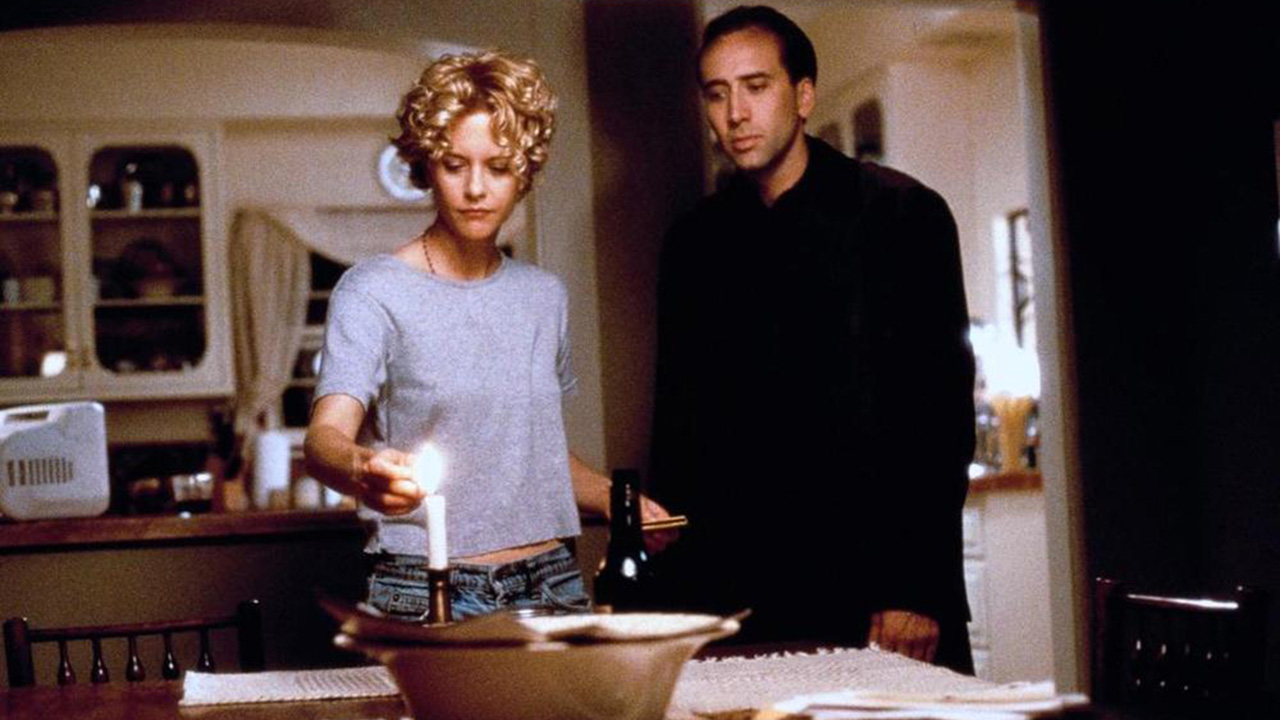
m.media-amazon.com/images/I/61X-PuyzEqL._AC_UF894,1000_QL...

minimaleffort.home.blog/wp-content/uploads/2020/09/city-o...

.............................................................................
click to activate the small icon of slideshow: the small triangle inscribed in the small rectangle, at the top right, in the photostream (it means the monitor);
or…. Press the “L” button to zoom in the image;
clicca sulla piccola icona per attivare lo slideshow: sulla facciata principale del photostream, in alto a destra c'è un piccolo rettangolo (rappresenta il monitor) con dentro un piccolo triangolo nero;
oppure…. premi il tasto “L” per ingrandire l'immagine;
www.fotografidigitali.it/gallery/2726/opere-italiane-segn...
………………………………………………………………………
What I present here on Flickr is a photographic account of the festival held every year in Palazzolo Acreide (Syracuse) in honor of Saint Michael the Archangel. This year the festival was celebrated on October 5th. The cult of Saint Michael the Archangel in Palazzolo Acreide seems to date back to the Arab-Norman period of Sicily (in Sicily, that period from the Arab conquest, 827 AD, which took it from the Byzantines, until the complete domination of the Normans, around 1194 AD). This is an era in which Sicily became a "container" of the most diverse cultures, Byzantine, Arab, Latin, Norman, thus creating a cultural, artistic and scientific synthesis: in this period, Christians invoked the "fighting" Archangel so that He could help them drive the Saracens from ancient Palazzolo (Palatiolum). On the eve of the liturgical feast (28 September), the “sciuta ra cammina” takes place, or what in other Sicilian feasts is called “la svelata” (the unveiled). The curtain covering the statue of the Archangel, placed in a “small room” above the main altar, is opened. Remaining behind the curtain, it is blocked from view for almost the entire year. The statue, now exposed for the adoration of the faithful, is moved forward a little (“sciuta ra cammina”, or “la svelata – the exit that walks” referring to the statue, which is carried forward). On the day of the big celebration, at 11:00 a.m., there will be a "hot air balloon launch." The organizers explained to me that the hot air balloons are made entirely of paper. The writing is also made with paper letters that are then glued together. The hot air produced beneath the balloons will make them fly. This year, the writing was in tune with the echo of the "People of Peace" movement, which hopes for an end to the war in Ukraine, waged by Russia, and for an end to Israeli oppression of the Palestinian people. At 1:00 pm the “sciuta” takes place, or the “exit” of the float with the statue of the Saint on it, carried on the shoulders of the devout bearers, to begin the procession. At that eagerly awaited moment, the fireworks are set off simultaneously, as are the “nzareddi” (long ribbons of colored paper, along with large confetti (the same ones seen during the exit of San Paolo, for his feast day, always in Palazzolo A.), the faithful explode in displays of jubilation, with their arms stretched high and invoking San Michele in a loud voice (this seems contagious to me, I too felt the need to raise my arms to the sky invoking San Michele, despite the photographic equipment….:o))…), the festive music of the marching band. Thus begins the procession toward the neighboring neighborhoods. The float is carried bare-shouldered by devout bearers. Long banners proceed at the front of the procession. Many devout women walk barefoot. Many children, both boys and girls, are lifted up and shown to the Archangel to ask for his spiritual intercession to protect them from evil. In thanksgiving, donations of banknotes or gold jewelry are made. Some typical curiosities of this celebration include: the statue of Saint Michael wears a breastplate made from gold from votive offerings donated over the centuries. It was later decided to melt them down and create his "gold-colored" breastplate. The statue of the Archangel, unlike what is seen in other Sicilian celebrations (usually from the "camera" located on the main altar, the saint, or saints, is made to descend by sliding on two tracks to reach the float, placed in front of the altar), here in Palazzolo A., instead, the simulacrum of the Archangel descends with a special ancient "elevator", placed under the small room, then behind the main altar, then lovingly carried in arms up to the float; on the shield of the Archangel, in the church that bears his name, on the T-shirts of the devotees, and on those of the boys and girls exposed to the Archangel, one reads "Quis ut Deus", it is the Latin translation of the name Michael (in Hebrew Mîkhā’ēl), which means “Who is like God?”, this expression is traditionally attributed to Saint Michael the Archangel, leader of the celestial armies, because, according to Christian tradition, it was the cry he uttered when he rebelled against Satan and his angels during the battle in heaven, affirming both the supremacy and uniqueness of God, and his devotion and loyalty towards the divine.
.………………………………………………
Questo che presento qui su Flickr, è un racconto fotografico della festa che si tiene ogni anno a Palazzolo Acreide (Siracusa) in onore di San Michele Arcangelo, quest’anno la festa è stata celebrata il 5 ottobre. Il culto per San Michele Arcangelo a Palazzolo Acreide, sembra risalga al periodo arabo-normanno della Sicilia (in Sicilia quel periodo che va dalla conquista araba, 827 d.C, che la sottrae ai Bizantini, fino al completo dominio dei Normanni, circa 1194 d.C.), questa è un’epoca nella quale la Sicilia diviene un “contenitore” di culture le più diverse, bizantina, araba, latina, normanna, realizzandosi in tal modo una sintesi culturale, artistica e scientifica: in questo periodo i Cristiani invocano l’Arcangelo “che combatte” affinchè Egli li possa aiutare a scacciare i Saraceni dall’antica Palazzolo (Palatiolum). Il giorno della vigilia della festa liturgica (28 settembre), si ha la “sciuta ra cammina”, ovvero quella che in altre feste siciliana si chiama “la svelata”, si apre la tenda che copre la statua dell’Arcangelo, posta in una “cameretta” posta sopra l’altare maggiore, restando dietro la tenda viene preclusa alla vista per quasi tutto l’anno, la statua esposta ora all’adorazione dei fedeli, viene fatta avanzare di poco (“sciuta ra cammina”, ovvero “la svelata-l’uscita che cammina” riferita alla statua, che viene portata in avanti). Il giorno della grande festa alle ore 11:00 c’è la manifestazione del “lancio delle mongolfiere”, gli organizzatori mi hanno spiegato che le mongolfiere sono realizzate completamente con la carta, le scritte sono fatte anch’esse con lettere di carta poi incollate, l’aria calda prodotta sotto tali mongolfiere le farà volare: quest’anno le scritte erano in sintonia con quella eco del “Popolo della Pace” che spera nella fine della guerra in Ucraina ad opera della Russia, e nella fine della oppressione Israeliana verso il popolo Palestinese. Alle ore 13:00 avviene la “sciuta”, ovvero “l’uscita” della vara con sopra il simulacro del Santo, portato in spalla dai devoti portatori, per iniziare la processione, in quel momento, attesissimo, avviene in contemporanea lo sparo dei fuochi d’artificio, lo sparo degli “nzareddi” (sono lunghi nastri di carta colorata, insieme a grossi coriandoli (gli stessi si assistono durante l’uscita di San Paolo, per la sua festa, sempre a Palazzolo A.), i fedeli esplodono in manifestazioni di esultanza, con le braccia protese in alto ed invocando San Michele a gran voce (cosa questa che a me sembra contagiosa, anch’io ho sentito il bisogno di alzare le braccia al cielo invocando San Michele, nonostante l’attrezzatura fotografica….:o))…), la musica festosa della banda musicale. Inizia così la processione verso i quartieri vicini, la vara viene portata con la “spalla nuda” dai devoti portatori, lunghi stendardi procedono davanti nella processione, molte donne devote camminano a piedi scalzi, molti bimbi o bimbe, vengono alzati e mostrati all’Arcangelo, per chiedere la sua intercessione spirituale per essere protetti dal male, in ringraziamento ci sono donazioni di bancanote o monili d’oro. Alcune curiosità tipiche di questa festa sono: la statua di San Michele ha una corazza realizzata con l’oro proveniente dagli Ex Voto donati nei trascorsi secoli, poi si decise di fonderli e realizzare la sua corazza “color oro”; la statua dell’Arcangelo a differenza di ciò che si vede in altre feste siciliane (in genere dalla “cameretta” che si trova sull’altare maggiore, il santo, o più santi, viene fatto scendere scorrendo su due binari per giungere sulla vara, posta davanti l’altare), qui a Palazzolo A., invece il simulacro dell’Arcangelo scende con un particolare antico “ascensore”, posto sotto la cameretta, quindi dietro l’altare maggiore, poi portato amorevolmente in braccio fin sopra la vara; sullo scudo dell’Arcangelo, nella chiesa che porta il suo nome, sulle magliette dei devoti, su quelle dei bimbi e bimbe esposte all’Arcangelo, si legge “Quis ut Deus”, è la traduzione in latino del nome Michele (in ebraico Mîkhā’ēl), che appunto significa “Chi è come Dio?”, questa espressione è tradizionalmente attribuita a San Michele Arcangelo, capo delle milizie celesti, perché, secondo la tradizione cristiana, fu il grido che egli pronunciò quando si ribellò a Satana e ai suoi angeli durante la battaglia in cielo, affermando e la supremazia e unicità di Dio, e la sua devozione e lealtà verso il divino. .
...........................................
I had the pleasure of 6 days in the Lakes over Easter and, on the whole, was very lucky with the weather.
On two of the mornings we had what can only be described as classic 'pea souper' conditions..which seem to invoke two modes of operation for those wanting to make photographs.
The first is to get to a highpoint in the hope that you break through the fog and are able to see it as a blanket lying across the landscape.. whilst the second is to seek out those everyday items that you might ordinarily walk past which take on a completely different 'look and feel' when shrouded in fog or mist.
This is one example of the latter mode...a place frequented by lots of walkers on virtually every day of the year..and possibly hundreds at the height of the season, but which, on this morning felt completely isolated and far from the madding crowd...
I attended a delightful Cirque du Soleil show last night as a guest of my daughter and her 3 children. One of three candid photos taken outside the big top!
"Recognized over the world, Cirque du Soleil has constantly sought to invoke imagination, provoke senses and evoke emotions. Discover the highly creative and artistic shows from Cirque du Soleil in your city: Toronto."
An award winning Cirque du Soleil, "Circus of the Sun”, a Canadian entertainment company and the largest contemporary circus producer in the world. It was founded in Baie-Saint-Paul, Quebec on 16 June 1984 by former street performers Guy Laliberté and Gilles Ste-Croix. No lions or elephants here, just colourful, fanciful costumes, dramatic lighting, intense sounds, fabulous background music, and incredible human talent from the best circus acts around the world!"
Thanks for visiting, much appreciated. Enjoy each day.
Sagrada Família, Barcelona, España.
El Templo Expiatorio de la Sagrada Familia, conocido simplemente como la Sagrada Familia, es una basílica católica de Barcelona (España), diseñada por el arquitecto Antoni Gaudí. Iniciada en 1882, todavía está en construcción (noviembre de 2016). Es la obra maestra de Gaudí, y el máximo exponente de la arquitectura modernista catalana.
La Sagrada Familia es un reflejo de la plenitud artística de Gaudí: trabajó en ella durante la mayor parte de su carrera profesional, pero especialmente en los últimos años de su carrera, donde llegó a la culminación de su estilo naturalista, haciendo una síntesis de todas las soluciones y estilos probados hasta aquel entonces. Gaudí logró una perfecta armonía en la interrelación entre los elementos estructurales y los ornamentales, entre plástica y estética, entre función y forma, entre contenido y continente, logrando la integración de todas las artes en un todo estructurado y lógico.
La Sagrada Familia tiene planta de cruz latina, de cinco naves centrales y transepto de tres naves, y ábside con siete capillas. Ostenta tres fachadas dedicadas al Nacimiento, Pasión y Gloria de Jesús y, cuando esté concluida, tendrá 18 torres: cuatro en cada portal haciendo un total de doce por los apóstoles, cuatro sobre el crucero invocando a los evangelistas, una sobre el ábside dedicada a la Virgen y la torre-cimborio central en honor a Jesús, que alcanzará los 172,5 metros de altura. El templo dispondrá de dos sacristías junto al ábside, y de tres grandes capillas: la de la Asunción en el ábside y las del Bautismo y la Penitencia junto a la fachada principal; asimismo, estará rodeado de un claustro pensado para las procesiones y para aislar el templo del exterior. Gaudí aplicó a la Sagrada Familia un alto contenido simbólico, tanto en arquitectura como en escultura, dedicando a cada parte del templo un significado religioso.
The Expiatory Church of the Sagrada Familia, known simply as the Sagrada Familia, is a Roman Catholic basilica in Barcelona, Spain, designed by architect Antoni Gaudí. Begun in 1882, it is still under construction (November 2016). It is Gaudí's masterpiece and the greatest exponent of Catalan modernist architecture.
The Sagrada Familia is a reflection of Gaudí's artistic plenitude: he worked on it for most of his professional career, but especially in his later years, where he reached the culmination of his naturalistic style, synthesizing all the solutions and styles he had tried up to that point. Gaudí achieved perfect harmony in the interrelationship between structural and ornamental elements, between plasticity and aesthetics, between function and form, between content and container, achieving the integration of all the arts into a structured and logical whole. The Sagrada Familia has a Latin cross plan, five central naves, a three-aisled transept, and an apse with seven chapels. It boasts three façades dedicated to the Birth, Passion, and Glory of Jesus. When completed, it will have 18 towers: four at each portal, making a total of twelve for the apostles, four over the transept invoking the evangelists, one over the apse dedicated to the Virgin, and the central dome tower in honor of Jesus, which will reach 172.5 meters in height. The temple will have two sacristies next to the apse and three large chapels: the Assumption Chapel in the apse and the Baptism and Penance Chapels next to the main façade. It will also be surrounded by a cloister designed for processions and to isolate the temple from the exterior. Gaudí applied a highly symbolic content to the Sagrada Familia, both in architecture and sculpture, dedicating each part of the temple to a religious significance.
Ganesh is one of the best-known and most worshipped deities in the Hindu pantheon.
Although he is known by many attributes, Ganesha's elephant head makes him easy to identify. He is widely revered as the remover of obstacles, the patron of arts and sciences and the deva of intellect and wisdom. As the god of beginnings, he is honoured at the start of rituals and ceremonies. Ganesha is also invoked as patron of letters and learning during writing sessions.
This photo was taken in Millbrae California.
INCA + YELOW + TASER + RESH
Welcome to YELOW to EDS, ur brand new family!!!!!
His vid of the full wall on here: vimeo.com/64392873
.
All the wall on here: edsick.tumblr.com/
.
Gracias a todos!!!!!
Thanx all!!!!
.
Betta view with black BG: www.flickr.com/photos/25413653@N02/8698608116/in/photostr...
Freyja rules over her heavenly field, Fólkvangr, where she receives half of those who die in battle. The other half go to the god Odin's hall, Valhalla. Within Fólkvangr lies her hall, Sessrúmnir. Freyja assists other deities by allowing them to use her feathered cloak, is invoked in matters of fertility and love, and is frequently sought after by powerful jötnar who wish to make her their wife. Freyja's husband, the god Óðr, is frequently absent. She cries tears of red gold for him, and searches for him under assumed names. Freyja has numerous names, including Gefn, Hörn, Mardöll, Sýr, Vanadís, and Valfreyja.
……………………………….
Poster:
Locandina:
m.media-amazon.com/images/I/81jc866255L._AC_SX679_.jpg
pad.mymovies.it/filmclub/2006/06/239/coverlg.jpg
m.media-amazon.com/images/I/61X-PuyzEqL._AC_UF894,1000_QL...
minimaleffort.home.blog/wp-content/uploads/2020/09/city-o...
.............................................................................
click to activate the small icon of slideshow: the small triangle inscribed in the small rectangle, at the top right, in the photostream (it means the monitor);
or…. Press the “L” button to zoom in the image;
clicca sulla piccola icona per attivare lo slideshow: sulla facciata principale del photostream, in alto a destra c'è un piccolo rettangolo (rappresenta il monitor) con dentro un piccolo triangolo nero;
oppure…. premi il tasto “L” per ingrandire l'immagine;
www.fotografidigitali.it/gallery/2726/opere-italiane-segn...
………………………………………………………………………
What I present here on Flickr is a photographic account of the festival held every year in Palazzolo Acreide (Syracuse) in honor of Saint Michael the Archangel. This year the festival was celebrated on October 5th. The cult of Saint Michael the Archangel in Palazzolo Acreide seems to date back to the Arab-Norman period of Sicily (in Sicily, that period from the Arab conquest, 827 AD, which took it from the Byzantines, until the complete domination of the Normans, around 1194 AD). This is an era in which Sicily became a "container" of the most diverse cultures, Byzantine, Arab, Latin, Norman, thus creating a cultural, artistic and scientific synthesis: in this period, Christians invoked the "fighting" Archangel so that He could help them drive the Saracens from ancient Palazzolo (Palatiolum). On the eve of the liturgical feast (28 September), the “sciuta ra cammina” takes place, or what in other Sicilian feasts is called “la svelata” (the unveiled). The curtain covering the statue of the Archangel, placed in a “small room” above the main altar, is opened. Remaining behind the curtain, it is blocked from view for almost the entire year. The statue, now exposed for the adoration of the faithful, is moved forward a little (“sciuta ra cammina”, or “la svelata – the exit that walks” referring to the statue, which is carried forward). On the day of the big celebration, at 11:00 a.m., there will be a "hot air balloon launch." The organizers explained to me that the hot air balloons are made entirely of paper. The writing is also made with paper letters that are then glued together. The hot air produced beneath the balloons will make them fly. This year, the writing was in tune with the echo of the "People of Peace" movement, which hopes for an end to the war in Ukraine, waged by Russia, and for an end to Israeli oppression of the Palestinian people. At 1:00 pm the “sciuta” takes place, or the “exit” of the float with the statue of the Saint on it, carried on the shoulders of the devout bearers, to begin the procession. At that eagerly awaited moment, the fireworks are set off simultaneously, as are the “nzareddi” (long ribbons of colored paper, along with large confetti (the same ones seen during the exit of San Paolo, for his feast day, always in Palazzolo A.), the faithful explode in displays of jubilation, with their arms stretched high and invoking San Michele in a loud voice (this seems contagious to me, I too felt the need to raise my arms to the sky invoking San Michele, despite the photographic equipment….:o))…), the festive music of the marching band. Thus begins the procession toward the neighboring neighborhoods. The float is carried bare-shouldered by devout bearers. Long banners proceed at the front of the procession. Many devout women walk barefoot. Many children, both boys and girls, are lifted up and shown to the Archangel to ask for his spiritual intercession to protect them from evil. In thanksgiving, donations of banknotes or gold jewelry are made. Some typical curiosities of this celebration include: the statue of Saint Michael wears a breastplate made from gold from votive offerings donated over the centuries. It was later decided to melt them down and create his "gold-colored" breastplate. The statue of the Archangel, unlike what is seen in other Sicilian celebrations (usually from the "camera" located on the main altar, the saint, or saints, is made to descend by sliding on two tracks to reach the float, placed in front of the altar), here in Palazzolo A., instead, the simulacrum of the Archangel descends with a special ancient "elevator", placed under the small room, then behind the main altar, then lovingly carried in arms up to the float; on the shield of the Archangel, in the church that bears his name, on the T-shirts of the devotees, and on those of the boys and girls exposed to the Archangel, one reads "Quis ut Deus", it is the Latin translation of the name Michael (in Hebrew Mîkhā’ēl), which means “Who is like God?”, this expression is traditionally attributed to Saint Michael the Archangel, leader of the celestial armies, because, according to Christian tradition, it was the cry he uttered when he rebelled against Satan and his angels during the battle in heaven, affirming both the supremacy and uniqueness of God, and his devotion and loyalty towards the divine.
.………………………………………………
Questo che presento qui su Flickr, è un racconto fotografico della festa che si tiene ogni anno a Palazzolo Acreide (Siracusa) in onore di San Michele Arcangelo, quest’anno la festa è stata celebrata il 5 ottobre. Il culto per San Michele Arcangelo a Palazzolo Acreide, sembra risalga al periodo arabo-normanno della Sicilia (in Sicilia quel periodo che va dalla conquista araba, 827 d.C, che la sottrae ai Bizantini, fino al completo dominio dei Normanni, circa 1194 d.C.), questa è un’epoca nella quale la Sicilia diviene un “contenitore” di culture le più diverse, bizantina, araba, latina, normanna, realizzandosi in tal modo una sintesi culturale, artistica e scientifica: in questo periodo i Cristiani invocano l’Arcangelo “che combatte” affinchè Egli li possa aiutare a scacciare i Saraceni dall’antica Palazzolo (Palatiolum). Il giorno della vigilia della festa liturgica (28 settembre), si ha la “sciuta ra cammina”, ovvero quella che in altre feste siciliana si chiama “la svelata”, si apre la tenda che copre la statua dell’Arcangelo, posta in una “cameretta” posta sopra l’altare maggiore, restando dietro la tenda viene preclusa alla vista per quasi tutto l’anno, la statua esposta ora all’adorazione dei fedeli, viene fatta avanzare di poco (“sciuta ra cammina”, ovvero “la svelata-l’uscita che cammina” riferita alla statua, che viene portata in avanti). Il giorno della grande festa alle ore 11:00 c’è la manifestazione del “lancio delle mongolfiere”, gli organizzatori mi hanno spiegato che le mongolfiere sono realizzate completamente con la carta, le scritte sono fatte anch’esse con lettere di carta poi incollate, l’aria calda prodotta sotto tali mongolfiere le farà volare: quest’anno le scritte erano in sintonia con quella eco del “Popolo della Pace” che spera nella fine della guerra in Ucraina ad opera della Russia, e nella fine della oppressione Israeliana verso il popolo Palestinese. Alle ore 13:00 avviene la “sciuta”, ovvero “l’uscita” della vara con sopra il simulacro del Santo, portato in spalla dai devoti portatori, per iniziare la processione, in quel momento, attesissimo, avviene in contemporanea lo sparo dei fuochi d’artificio, lo sparo degli “nzareddi” (sono lunghi nastri di carta colorata, insieme a grossi coriandoli (gli stessi si assistono durante l’uscita di San Paolo, per la sua festa, sempre a Palazzolo A.), i fedeli esplodono in manifestazioni di esultanza, con le braccia protese in alto ed invocando San Michele a gran voce (cosa questa che a me sembra contagiosa, anch’io ho sentito il bisogno di alzare le braccia al cielo invocando San Michele, nonostante l’attrezzatura fotografica….:o))…), la musica festosa della banda musicale. Inizia così la processione verso i quartieri vicini, la vara viene portata con la “spalla nuda” dai devoti portatori, lunghi stendardi procedono davanti nella processione, molte donne devote camminano a piedi scalzi, molti bimbi o bimbe, vengono alzati e mostrati all’Arcangelo, per chiedere la sua intercessione spirituale per essere protetti dal male, in ringraziamento ci sono donazioni di bancanote o monili d’oro. Alcune curiosità tipiche di questa festa sono: la statua di San Michele ha una corazza realizzata con l’oro proveniente dagli Ex Voto donati nei trascorsi secoli, poi si decise di fonderli e realizzare la sua corazza “color oro”; la statua dell’Arcangelo a differenza di ciò che si vede in altre feste siciliane (in genere dalla “cameretta” che si trova sull’altare maggiore, il santo, o più santi, viene fatto scendere scorrendo su due binari per giungere sulla vara, posta davanti l’altare), qui a Palazzolo A., invece il simulacro dell’Arcangelo scende con un particolare antico “ascensore”, posto sotto la cameretta, quindi dietro l’altare maggiore, poi portato amorevolmente in braccio fin sopra la vara; sullo scudo dell’Arcangelo, nella chiesa che porta il suo nome, sulle magliette dei devoti, su quelle dei bimbi e bimbe esposte all’Arcangelo, si legge “Quis ut Deus”, è la traduzione in latino del nome Michele (in ebraico Mîkhā’ēl), che appunto significa “Chi è come Dio?”, questa espressione è tradizionalmente attribuita a San Michele Arcangelo, capo delle milizie celesti, perché, secondo la tradizione cristiana, fu il grido che egli pronunciò quando si ribellò a Satana e ai suoi angeli durante la battaglia in cielo, affermando e la supremazia e unicità di Dio, e la sua devozione e lealtà verso il divino. .
...........................................
Sagrada Família (work in progress), Barcelona, España.
El Templo Expiatorio de la Sagrada Familia, conocido simplemente como la Sagrada Familia, es una basílica católica de Barcelona (España), diseñada por el arquitecto Antoni Gaudí. Iniciada en 1882, todavía está en construcción (noviembre de 2016). Es la obra maestra de Gaudí, y el máximo exponente de la arquitectura modernista catalana.
La Sagrada Familia es un reflejo de la plenitud artística de Gaudí: trabajó en ella durante la mayor parte de su carrera profesional, pero especialmente en los últimos años de su carrera, donde llegó a la culminación de su estilo naturalista, haciendo una síntesis de todas las soluciones y estilos probados hasta aquel entonces. Gaudí logró una perfecta armonía en la interrelación entre los elementos estructurales y los ornamentales, entre plástica y estética, entre función y forma, entre contenido y continente, logrando la integración de todas las artes en un todo estructurado y lógico.
La Sagrada Familia tiene planta de cruz latina, de cinco naves centrales y transepto de tres naves, y ábside con siete capillas. Ostenta tres fachadas dedicadas al Nacimiento, Pasión y Gloria de Jesús y, cuando esté concluida, tendrá 18 torres: cuatro en cada portal haciendo un total de doce por los apóstoles, cuatro sobre el crucero invocando a los evangelistas, una sobre el ábside dedicada a la Virgen y la torre-cimborio central en honor a Jesús, que alcanzará los 172,5 metros de altura. El templo dispondrá de dos sacristías junto al ábside, y de tres grandes capillas: la de la Asunción en el ábside y las del Bautismo y la Penitencia junto a la fachada principal; asimismo, estará rodeado de un claustro pensado para las procesiones y para aislar el templo del exterior. Gaudí aplicó a la Sagrada Familia un alto contenido simbólico, tanto en arquitectura como en escultura, dedicando a cada parte del templo un significado religioso.
The Expiatory Church of the Sagrada Familia, known simply as the Sagrada Familia, is a Roman Catholic basilica in Barcelona, Spain, designed by architect Antoni Gaudí. Begun in 1882, it is still under construction (November 2016). It is Gaudí's masterpiece and the greatest exponent of Catalan modernist architecture.
The Sagrada Familia is a reflection of Gaudí's artistic plenitude: he worked on it for most of his professional career, but especially in his later years, where he reached the culmination of his naturalistic style, synthesizing all the solutions and styles he had tried up to that point. Gaudí achieved perfect harmony in the interrelationship between structural and ornamental elements, between plasticity and aesthetics, between function and form, between content and container, achieving the integration of all the arts into a structured and logical whole. The Sagrada Familia has a Latin cross plan, five central naves, a three-aisled transept, and an apse with seven chapels. It boasts three façades dedicated to the Birth, Passion, and Glory of Jesus. When completed, it will have 18 towers: four at each portal, making a total of twelve for the apostles, four over the transept invoking the evangelists, one over the apse dedicated to the Virgin, and the central dome tower in honor of Jesus, which will reach 172.5 meters in height. The temple will have two sacristies next to the apse and three large chapels: the Assumption Chapel in the apse and the Baptism and Penance Chapels next to the main façade. It will also be surrounded by a cloister designed for processions and to isolate the temple from the exterior. Gaudí applied a highly symbolic content to the Sagrada Familia, both in architecture and sculpture, dedicating each part of the temple to a religious significance.
Earrings --L'Emporio&PL::*Invoked*::for Swallow XL Gauged @ Men Only
Top - POLO PAUL - BILLY @ MENSELECTED Event
(Belleza, Kario & Legacy)
Hand Band - Garmonbozia - Caution hand band @ The Warehouse Sale
(Belleza, Legacy & Signature Gianni)
Pose Prop - [..::CuCa::..] Maddox Pose Set @ Men Only
Backdrop - Entrance Spooky Backdrop - The Bearded Guy
L'Emporio&PL Store - maps.secondlife.com/secondlife/Surreale/27/49/34
POLO PAUL Store - maps.secondlife.com/secondlife/Nautilus%20-%20Adon/15/84/...
Garmonbozia Store - maps.secondlife.com/secondlife/Humanity/96/150/1101
CuCa Store - maps.secondlife.com/secondlife/Seraphina/82/147/22
The Bearded Guy Store - maps.secondlife.com/secondlife/Moonwall/169/121/32
Men Only - maps.secondlife.com/secondlife/Sunset%20Ambiance%20Island...
MENSELECTED - maps.secondlife.com/secondlife/MoonLand/31/128/23
The Warehouse Sale - maps.secondlife.com/secondlife/Rotten/127/109/23
For a videogame (Final Fantasy 14) that does relatively little with depth of field, this shot took extensive work to get right.
It's still one of my favorite shots from that time and invokes feelings of nostalgia in me.
___
Made in Final Fantasy 14 using Gshade with a focus on Depth of Field and added Photoshop adjustments.
Excerpt from issuu.com/dtkownit/docs/field_guide_for_web:
YOU GO FIRST
Artist: Michelle Purchase (@michelle_purchase_studio)
Location: 48 Ontario Street
Medium: Etching with chine-collé
Working primarily in printmaking, drawing and installation, Michelle Purchase’s work investigates the relationships between homes and the natural world. She explores concepts of comfort and shelter, and how we purposefully try to feel either connected or disconnected to our surrounding environment. Her work plays with the balance between exposure and seclusion, in both a physical and a psychological sense. Based on real places, using natural and handmade materials, she transforms the familiar into a magical space. Much of her artwork invokes a sense of childhood nostalgia or sparks getaway dreams.
This mural was created from a print. It is a copper plate etching and dry-point, printed on Japanese mitsumata and gampi tissue, with coloured elements collaged from various bits of washi using chine-collé techniques.
Sagrada Família, Barcelona, España.
El Templo Expiatorio de la Sagrada Familia, conocido simplemente como la Sagrada Familia, es una basílica católica de Barcelona (España), diseñada por el arquitecto Antoni Gaudí. Iniciada en 1882, todavía está en construcción (noviembre de 2016). Es la obra maestra de Gaudí, y el máximo exponente de la arquitectura modernista catalana.
La Sagrada Familia es un reflejo de la plenitud artística de Gaudí: trabajó en ella durante la mayor parte de su carrera profesional, pero especialmente en los últimos años de su carrera, donde llegó a la culminación de su estilo naturalista, haciendo una síntesis de todas las soluciones y estilos probados hasta aquel entonces. Gaudí logró una perfecta armonía en la interrelación entre los elementos estructurales y los ornamentales, entre plástica y estética, entre función y forma, entre contenido y continente, logrando la integración de todas las artes en un todo estructurado y lógico.
La Sagrada Familia tiene planta de cruz latina, de cinco naves centrales y transepto de tres naves, y ábside con siete capillas. Ostenta tres fachadas dedicadas al Nacimiento, Pasión y Gloria de Jesús y, cuando esté concluida, tendrá 18 torres: cuatro en cada portal haciendo un total de doce por los apóstoles, cuatro sobre el crucero invocando a los evangelistas, una sobre el ábside dedicada a la Virgen y la torre-cimborio central en honor a Jesús, que alcanzará los 172,5 metros de altura. El templo dispondrá de dos sacristías junto al ábside, y de tres grandes capillas: la de la Asunción en el ábside y las del Bautismo y la Penitencia junto a la fachada principal; asimismo, estará rodeado de un claustro pensado para las procesiones y para aislar el templo del exterior. Gaudí aplicó a la Sagrada Familia un alto contenido simbólico, tanto en arquitectura como en escultura, dedicando a cada parte del templo un significado religioso.
The Expiatory Church of the Sagrada Familia, known simply as the Sagrada Familia, is a Roman Catholic basilica in Barcelona, Spain, designed by architect Antoni Gaudí. Begun in 1882, it is still under construction (November 2016). It is Gaudí's masterpiece and the greatest exponent of Catalan modernist architecture.
The Sagrada Familia is a reflection of Gaudí's artistic plenitude: he worked on it for most of his professional career, but especially in his later years, where he reached the culmination of his naturalistic style, synthesizing all the solutions and styles he had tried up to that point. Gaudí achieved perfect harmony in the interrelationship between structural and ornamental elements, between plasticity and aesthetics, between function and form, between content and container, achieving the integration of all the arts into a structured and logical whole. The Sagrada Familia has a Latin cross plan, five central naves, a three-aisled transept, and an apse with seven chapels. It boasts three façades dedicated to the Birth, Passion, and Glory of Jesus. When completed, it will have 18 towers: four at each portal, making a total of twelve for the apostles, four over the transept invoking the evangelists, one over the apse dedicated to the Virgin, and the central dome tower in honor of Jesus, which will reach 172.5 meters in height. The temple will have two sacristies next to the apse and three large chapels: the Assumption Chapel in the apse and the Baptism and Penance Chapels next to the main façade. It will also be surrounded by a cloister designed for processions and to isolate the temple from the exterior. Gaudí applied a highly symbolic content to the Sagrada Familia, both in architecture and sculpture, dedicating each part of the temple to a religious significance.
It's a 'Walks like a Duck' ID really, but I'm not one for whipping a spider's bits out and slapping them under a microscope, just to prove a point. Besides that, they are more than capable of biting through human skin, not considered venomous as such, but would invoke a girly scream...
Sporting a fine set of gnashers.
Female on phragmites guarding her eggs...
Catcott heath
Braga, Portugal
Igreja do Pópulo is a neoclassical church located in Braga. The church started to be built by the end of the 16th century, under the order of Archbishop D. Frei Agostinho de Jesus, to invoke the Virgin Mary that is glorified in Santa Maria del Popolo church in Rome.
Its front suffered some changes in the 18th century to neoclassical style designed by Carlos Amarante, a Portuguese architect. Its interior is decorated with tiles showing a great pictorial value as well as its baroque altar. Close to the church, and belonging to the same architectural block there is an ancient monastery, which is now part of the Town Hall Services.
Hundreds of freight trains stranded. Thousands of passengers left with nowhere to go. This was the scene as a series of unprecedented rail blockades saw the wheels of Canada's economy screeching to a halt. But in the middle of it all, the Ontario Northland Railway stepped up to keep it all on track.
On the ninth day of the Wet'suwet'en First Nation rail blockade in Ontario - a day after CN announced it would "shut down its Eastern Canada network" - a handful of trains took the scenic route over the Ontario Northland Railway to reach their respective destinations of Toronto (southbound) and Northern Quebec (northbound). Here, on the morning of February 14th, 2020, detoured CN stack train no. 149 is seen curving through the town of Cobalt, Ontario.
Two years to the day after this photo was taken, Prime Minister Justin Trudeau has invoked the Emergencies Act in an unprecedented effort to "quell the ongoing Freedom Convoy demonstrations and blockades" across Canada. The photographer, nor anyone else, could have imagined the global strife that would soon unravel following that fateful morning in Northern Ontario.
I visited Great Sand Dunes National Park for the first time, and what really impressed me about the park was the scenic variety in a relatively small area. As the sun rose and painted the landscape, the scenic features really began to stand out.
I'm not sure any of the photographers who were with me on the workshop took any shot like this. The instructor himself was slightly puzzled about what I was going for. As I gazed upon the scene in front of me, I was struck by the layers of landforms that comprised the park. The strips of sky, alpine peaks, forested mountains, and the sand dunes, which seem so foreign in this environment. While not a photograph that would invoke the admiration of a judge in a photo contest, it nailed what I was going for. The one improvement I wish I'd made was to wait a couple minutes for the swath of sunlight to make a wider layer of lit dunes. I was busy taking a panorama during that moment. I'll reshoot on a future visit, whenever I can work out the timing.
The Angolan Pavilion for the 56th Biennale di Venezia is titled “On Ways of Travelling,” yet the exhibition more accurately invokes some of the barriers to the freedom of movement that are experienced by many in Angola, and elsewhere in Africa – visas, economic hardship, borders and road traffic. Yet “travel,” in this context, is not only meant to signify physical movement; it also refers to the meeting of disparate worldviews, lifestyles and temporalities, as well as to states of dreaming, desire and longing for change. The subject is nowhere more relevant than the present context in La Biennale di Venezia, an essential destination for international art tourism and an early precedent for the phenomenon of the ‘global exhibition’ of contemporary art.
The mountain peaks to the east of us which had been shrouded by mist/cloud almost as we arrived at Loch a' Chroisg started to reappear shortly after sun-up. We had left the lochside and had commenced our transit to the next planned location when I spotted this scene. This is the 'full colour', nearly SOOC image (minor contrast tweaks but no colour correction/B+W conversion). This conical peak, which I believe to be Meallan nan Uan, with the silhouetted trees invoked a Japanese scene in my wife's mind, hence the title. The 2 Scots Pine are a bit of a give-away though!
Du col de Roccapina, sur la route nationale 196 qui longe le littoral entre Bonifacio et Sartène (Corse du Sud), se détache la saisissante silhouette d’un lion couché et couronné, qui semble surveiller la Méditerranée. La légende raconte qu’il s’agissait d’un puissant seigneur si craint de ses ennemis sarrasins qu’ils le surnommèrent le "lion", et qui, repoussé par une bergère dont il était épris, invoqua la Mort, qui le pétrifia… sous l'apparence d'un lion. D'où la citation : "Ton coeur est de pierre, lion de pierre tu seras !"
Roccapina est également un lieu chargé d’histoire. La côte majestueuse symbolisant l’extrême sud de la Corse est également le lieu de fréquentes tempêtes où les bateaux se retrouvent souvent en difficulté. Dans la nuit du 16 au 17 avril 1887, sous l'œil du lion, le Tasmania (paquebot à vapeur anglais) ayant quitté Bombay deux semaines plus tôt pour se rendre à Londres, alla s’éventrer sur le Rocher des Moines. Le navire avait en sa possession de nombreux présents d'une valeur inestimable dont de l'or, de l'ivoire, et de la joaillerie, trésors du maharajah de Jodhpur, cadeaux destinés à la reine britannique Victoria, devant célébrer son jubilé. Une tout autre légende raconterait qu'une partie de ce trésor aurait ensuite été retrouvée par un bandit, puis caché dans une grotte, dans le vaste maquis de Roccapina. Mais la plus grande partie du butin serait encore dispersée dans l'immensité de la mer Méditerranée…
The lion of Roccapina: halfway between Sartène and Bonifacio, between Legend and History
From the Col de Roccapina, on the national road 196 that runs along the coast between Bonifacio and Sartène (South Corsica), stands out the striking silhouette of a reclining and crowned lion, which seems to be watching the Mediterranean. Legend has it that he was a powerful lord so afraid of his Saracen enemies that they nicknamed him the "lion," and who, repulsed by a shepherdess he was in love with, invoked Death, which petrified him. in the guise of a lion. Hence the quote: "Your heart is of stone, you will be a stone lion!"
Roccapina is also a place steeped in history. The majestic coastline symbolizing the extreme south of Corsica is also the site of frequent storms where boats often find themselves in trouble. On the night of April 16-17, 1887, under the lion’s eye, the Tasmania (English steamer) having left Bombay two weeks earlier to go to London, went to tear itself apart on the Rock of the Monks. The ship had in its possession many gifts of inestimable value, including gold, ivory, and jewelry, treasures of the Maharajah of Jodhpur, gifts to the British Queen Victoria, to celebrate her jubilee. A very different legend would say that part of this treasure was later found by a bandit and then hidden in a cave in the vast maquis of Roccapina. But most of the loot would still be scattered in the vastness of the Mediterranean Sea…
Isolde speaking to Tristans spirit through art. The peacock feathers in her dark bouquet predict she will die of sorrow soon.
Spiritists around the 'fin the siècle' would use photography to try to capture the spirits they invoked during seances. Not always succesfully and manipulated pictures with fake ghosts were often used to prove that talking to spirits was real.
(lupus ad mea)
L738 of December 14th 2025 featured a blast from the past in form of three YN2 Dash 8s leading the way, all facing north elephant style. These are three of four YN2 Dash 8 locomotives currently cycling through the power pool of locals between Brownsand and Waycross, running daily anywhere between those yards as L737, L738, L740, and perhaps other symbols as applicable.
Shooting here reminded me of the last time I'd shot here, nine years ago when we'd followed a grain train off the CSX Brunswick branch. That train had a YN2 SD70MAC leading, at the time the best thing you could catch on CSX it seemed: flic.kr/p/PvrXxD. That November, a pair of YN2 Dash 8s wouldn't have been so special, a trio certainly cool, but comparatively a such lashup in 2025 is unheard of. This sure invokes some though if maybe we should be paying more mind to matched tri-sets of YN3 GEVOs, most cool things were once so common.
Compositionally Challenged Week 15 Film Noir for Photography
So here's a second attempt at some kind of Film Noir style. I've tried to invoke the feeling of looking through a door peephole, but what you're actually seeing is the inside of a lens... that tiny Xenon lens focuses so close, that the point of focus is inside the lens... hence it has to be stopped down A LOT in order to get anything in focus. That's the reason for the aweful image quality, which I liked for this challenge.
Shot with a Schneider Kreuznach "Xenon 16 mm F2" on a Canon EOS R5.
East to West Hardknott Pass runs from Eskdale to the Duddon Valley in the Lake District National Park, Cumbria, England. A view into an early morning of a slow Winter dawning.
© PHH Sykes 2024
phhsykes@gmail.com
Hardknott Roman Fort English Heritage
www.english-heritage.org.uk/visit/places/hardknott-roman-...
Hardknott Roman Fort
en.wikipedia.org/wiki/Hardknott_Roman_Fort
The Fort at River's Bend
en.wikipedia.org/wiki/The_Fort_at_River%27s_Bend
Roman Lake District Audio Guides
English Heritage Audio Guides
soundcloud.com/ehaudio/sets/roman-lake-district-audio-guides
Hardknott mentioned in this Sonnet.
William Wordsworth
From, The River Duddon, A Series Of Sonnets, 1820. Numbered XVII 17
A dark plume fetch me from yon blasted yew,
Perched on whose top the Danish Raven croaks;
Aloft, the imperial Bird of Rome invokes
Departed ages, shedding where he flew
Loose fragments of wild wailing, that bestrew
The clouds and thrill the chambers of the rocks;
And into silence hush the timorous flocks,
That, calmly couching while the nightly dew
Moistened each fleece, beneath the twinkling stars
Slept amid that lone Camp on Hardknot’s height,
Whose Guardians bent the knee to Jove and Mars:
Or, near that mystic Round of Druid frame
Tardily sinking by its proper weight
Deep into patient Earth, from whose smooth breast it came!
With the weather like it is... the best way to beat the heat I've found is with a steady supply of popsicles and some good music. So what if my headphones have devil horns? That's not me invoking hell on earth! Nope!
The Credits:
• hair - olive - the bethany hair (out now at the Saturday Sale 10th Anniversary!)
• outfit - sukker - christina pants and top
• headset - kore - aoba headset - devil
Get the full credits on my blog here!
-----------------------------------------------------------------------------------------
HEY MY PEEPS!
I posted my 1st SL image to my Flickr on 12/9/18, and what a fun journey it has been! It has become my most enjoyable & creative aspect my SL. I wanted to thank my now 5k followers for hitching a ride with me as I do this thing we all enjoy so very much!
I have had lots of help along the way, so many people who have passed on tips to me, to help me with my path. I try to help others as I have been helped.
I want to give a special shout out to the sim developers. Without their creativeness and accommodations, none of us would have these playgrounds to explore and create images on.
There are so many amazing artists among us here, you invoke aww and inspiration. I love what all guys do, and I try to keep up with my follower’s feeds, you inspire me as you do your own things in your own ways!
The support you generously give humbles Moi!
Thank you!
Much Love 💖
Alsatian Kidd
------------------------------------------------------------------------------------------
🎼[Thank You ( Robert Plant & The Sensational Space Shifters)] 🎼
If the sun refused to shine
I would still be loving you
When mountains crumble to the sea
There will still be you and me
Kind a woman, I give you my all
Kind a woman, nothing more
Little drops of rain, whisper of the pain
Tears of love's lost in the days gone by
My love is strong, with you there is no wrong
Together we shall go until we die, my, my, my
Inspiration's what you are to me
Inspiration, look 'n' see
And so, today my world it smiles
Your hand in mine, we walk the miles
Thanks to you, it will be done
For you to me are the only one
Alright, yeah
Happiness, no more be sad
Happiness, I'm glad
If the sun refused to shine
I would still be loving you
Mountains crumble to the sea
There will still be you and me
- Robert Plant / Jimmy Page
------------------------------------------------------------------------------------------
🐕 💝 🐈
💝10/2/20 -10/2/22 💝
💗 Hope 💗
-------------------------------------------------------------------------------------------
Protect Your Right To Vote!
BLM 8 Minutes 46 Seconds
Democracy Dies in Darkness
Get Your Booster!, I Got Mine! 💉
I Am Not Ukrainian But I Support You! 🌻💙💛🌻
Women's Rights Are Human Rights 1973-2022 RIP
A firearm should not have more rights than a human
-------------------------------------------------------------------------------------------
iMac
Viewer: Firestorm version 6.6.8 (68380)
Ratio 23:9
LUMIIPro: Yes
ShadowLights Pro: No
AnyPose: No
LeLutka Axis HUD : Yes
FATE Hand Poser PRO v3.0 : No
Firestrom Photo Tools
SE: Phototools: 9PM
SEW : -
Scene Gamma: 100
FOV: -
FL: -
Haze Horizon: 0.00
Haze Density: 4.00
Cloud Coverage: 0.27
Cloud Scale: 0.42
Shd Res: 4.00
Shd Clarity: 5.75
Shd Bais : 0.0000
Photopea Tools
Grain (soft)
Flickr Tools
Filter: None
Blur: Yes
Brightness: 0
Saturation: +15
Contrast: +5
Gamma: +10
Clarity: +5
Exposure: +10
Shadows: -5
Highlight: 0
Temperature: 0
Whites: 0
Blacks: 0
Sharpness: 0