View allAll Photos Tagged Invokes
Ganesha or Ganesh, also known as Ganapati and Vinayaka, is one of the best-known and most worshipped deities in the Hindu pantheon. His image is found throughout India, Nepal, Sri Lanka, Thailand, Bali (Indonesia) and Bangladesh and in countries with large ethnic Indian populations including Fiji, Mauritius and Trinidad and Tobago. Hindu denominations worship him regardless of affiliations.Devotion to Ganesha is widely diffused and extends to Jains and Buddhists.
Although he is known by many attributes, Ganesha's elephant head makes him easy to identify.Ganesha is widely revered as the remover of obstacles, the patron of arts and sciences and the deva of intellect and wisdom. As the god of beginnings, he is honoured at the start of rites and ceremonies. Ganesha is also invoked as patron of letters and learning during writing sessions. Several texts relate mythological anecdotes associated with his birth and exploits.
Ganesha likely emerged as a deity as early as the 1st century CE,but most certainly by the 4th and 5th centuries CE, during the Gupta period, although he inherited traits from Vedic and pre-Vedic precursors. Hindu mythology identifies him as the restored son of Parvati and Shiva of the Shaivism tradition, but he is a pan-Hindu god found in its various traditions. In the Ganapatya tradition of Hinduism, Ganesha is the supreme deity. The principal texts on Ganesha include the Ganesha Purana, the Mudgala Purana, and the Ganapati Atharvashirsa. Brahma Purana and Brahmanda Purana are other two Puranic genre encyclopaedic texts that deal with Ganesha.
वक्रतुण्ड महाकाय सूर्यकोटि समप्रभ।
निर्विघ्नं कुरु मे देव सर्वकार्येषु सर्वदा॥
Norfolk Southern 3666 traveling light power westbound along the Kankakee Branch north of McNabb, IL. I happened to catch up to it on the way home, as the speed limit along this line is fairly low (10-25mph). This silhouette on the horizon invokes memories of the work of David Plowden, one of the great railroad photographers who is well known for his on-the-horizon shots. To learn more about him and see his work, go here:
Sagrada Família, Barcelona, España.
El Templo Expiatorio de la Sagrada Familia, conocido simplemente como la Sagrada Familia, es una basílica católica de Barcelona (España), diseñada por el arquitecto Antoni Gaudí. Iniciada en 1882, todavía está en construcción (noviembre de 2016). Es la obra maestra de Gaudí, y el máximo exponente de la arquitectura modernista catalana.
La Sagrada Familia es un reflejo de la plenitud artística de Gaudí: trabajó en ella durante la mayor parte de su carrera profesional, pero especialmente en los últimos años de su carrera, donde llegó a la culminación de su estilo naturalista, haciendo una síntesis de todas las soluciones y estilos probados hasta aquel entonces. Gaudí logró una perfecta armonía en la interrelación entre los elementos estructurales y los ornamentales, entre plástica y estética, entre función y forma, entre contenido y continente, logrando la integración de todas las artes en un todo estructurado y lógico.
La Sagrada Familia tiene planta de cruz latina, de cinco naves centrales y transepto de tres naves, y ábside con siete capillas. Ostenta tres fachadas dedicadas al Nacimiento, Pasión y Gloria de Jesús y, cuando esté concluida, tendrá 18 torres: cuatro en cada portal haciendo un total de doce por los apóstoles, cuatro sobre el crucero invocando a los evangelistas, una sobre el ábside dedicada a la Virgen y la torre-cimborio central en honor a Jesús, que alcanzará los 172,5 metros de altura. El templo dispondrá de dos sacristías junto al ábside, y de tres grandes capillas: la de la Asunción en el ábside y las del Bautismo y la Penitencia junto a la fachada principal; asimismo, estará rodeado de un claustro pensado para las procesiones y para aislar el templo del exterior. Gaudí aplicó a la Sagrada Familia un alto contenido simbólico, tanto en arquitectura como en escultura, dedicando a cada parte del templo un significado religioso.
The Expiatory Church of the Sagrada Familia, known simply as the Sagrada Familia, is a Roman Catholic basilica in Barcelona, Spain, designed by architect Antoni Gaudí. Begun in 1882, it is still under construction (November 2016). It is Gaudí's masterpiece and the greatest exponent of Catalan modernist architecture.
The Sagrada Familia is a reflection of Gaudí's artistic plenitude: he worked on it for most of his professional career, but especially in his later years, where he reached the culmination of his naturalistic style, synthesizing all the solutions and styles he had tried up to that point. Gaudí achieved perfect harmony in the interrelationship between structural and ornamental elements, between plasticity and aesthetics, between function and form, between content and container, achieving the integration of all the arts into a structured and logical whole. The Sagrada Familia has a Latin cross plan, five central naves, a three-aisled transept, and an apse with seven chapels. It boasts three façades dedicated to the Birth, Passion, and Glory of Jesus. When completed, it will have 18 towers: four at each portal, making a total of twelve for the apostles, four over the transept invoking the evangelists, one over the apse dedicated to the Virgin, and the central dome tower in honor of Jesus, which will reach 172.5 meters in height. The temple will have two sacristies next to the apse and three large chapels: the Assumption Chapel in the apse and the Baptism and Penance Chapels next to the main façade. It will also be surrounded by a cloister designed for processions and to isolate the temple from the exterior. Gaudí applied a highly symbolic content to the Sagrada Familia, both in architecture and sculpture, dedicating each part of the temple to a religious significance.
Sagrada Família, Barcelona, España.
El Templo Expiatorio de la Sagrada Familia, conocido simplemente como la Sagrada Familia, es una basílica católica de Barcelona (España), diseñada por el arquitecto Antoni Gaudí. Iniciada en 1882, todavía está en construcción (noviembre de 2016). Es la obra maestra de Gaudí, y el máximo exponente de la arquitectura modernista catalana.
La Sagrada Familia es un reflejo de la plenitud artística de Gaudí: trabajó en ella durante la mayor parte de su carrera profesional, pero especialmente en los últimos años de su carrera, donde llegó a la culminación de su estilo naturalista, haciendo una síntesis de todas las soluciones y estilos probados hasta aquel entonces. Gaudí logró una perfecta armonía en la interrelación entre los elementos estructurales y los ornamentales, entre plástica y estética, entre función y forma, entre contenido y continente, logrando la integración de todas las artes en un todo estructurado y lógico.
La Sagrada Familia tiene planta de cruz latina, de cinco naves centrales y transepto de tres naves, y ábside con siete capillas. Ostenta tres fachadas dedicadas al Nacimiento, Pasión y Gloria de Jesús y, cuando esté concluida, tendrá 18 torres: cuatro en cada portal haciendo un total de doce por los apóstoles, cuatro sobre el crucero invocando a los evangelistas, una sobre el ábside dedicada a la Virgen y la torre-cimborio central en honor a Jesús, que alcanzará los 172,5 metros de altura. El templo dispondrá de dos sacristías junto al ábside, y de tres grandes capillas: la de la Asunción en el ábside y las del Bautismo y la Penitencia junto a la fachada principal; asimismo, estará rodeado de un claustro pensado para las procesiones y para aislar el templo del exterior. Gaudí aplicó a la Sagrada Familia un alto contenido simbólico, tanto en arquitectura como en escultura, dedicando a cada parte del templo un significado religioso.
The Expiatory Church of the Sagrada Familia, known simply as the Sagrada Familia, is a Roman Catholic basilica in Barcelona, Spain, designed by architect Antoni Gaudí. Begun in 1882, it is still under construction (November 2016). It is Gaudí's masterpiece and the greatest exponent of Catalan modernist architecture.
The Sagrada Familia is a reflection of Gaudí's artistic plenitude: he worked on it for most of his professional career, but especially in his later years, where he reached the culmination of his naturalistic style, synthesizing all the solutions and styles he had tried up to that point. Gaudí achieved perfect harmony in the interrelationship between structural and ornamental elements, between plasticity and aesthetics, between function and form, between content and container, achieving the integration of all the arts into a structured and logical whole. The Sagrada Familia has a Latin cross plan, five central naves, a three-aisled transept, and an apse with seven chapels. It boasts three façades dedicated to the Birth, Passion, and Glory of Jesus. When completed, it will have 18 towers: four at each portal, making a total of twelve for the apostles, four over the transept invoking the evangelists, one over the apse dedicated to the Virgin, and the central dome tower in honor of Jesus, which will reach 172.5 meters in height. The temple will have two sacristies next to the apse and three large chapels: the Assumption Chapel in the apse and the Baptism and Penance Chapels next to the main façade. It will also be surrounded by a cloister designed for processions and to isolate the temple from the exterior. Gaudí applied a highly symbolic content to the Sagrada Familia, both in architecture and sculpture, dedicating each part of the temple to a religious significance.
The Scarlet Bell or as it is properly known - Bell Rock.
Ah, the color Red and the different emotions it invokes. Red is passion, desire and love. Red is fire, blood and danger. Red enhances human metabolism, increases respiration rate, and raises blood pressure.
Red Rock park, Sedona, Arizona.
Working in Paris this week has been extremely challenging. Strikes have invoked chaos and the only reliable transportation is by foot. Good thing I have waterproof clothing…
children, jobs, health, treaties, fidelity to oaths, Albano, Italy, San Pancrazio Salentino, Italy, 27 cities in Germany and Italy, and is invoked against false witness, perjury, headaches and cramps
LARGE view www.flickr.com/photos/jaciii/52653973893/sizes/l/
Sagrada Família, Barcelona, España.
El Templo Expiatorio de la Sagrada Familia, conocido simplemente como la Sagrada Familia, es una basílica católica de Barcelona (España), diseñada por el arquitecto Antoni Gaudí. Iniciada en 1882, todavía está en construcción (noviembre de 2016). Es la obra maestra de Gaudí, y el máximo exponente de la arquitectura modernista catalana.
La Sagrada Familia es un reflejo de la plenitud artística de Gaudí: trabajó en ella durante la mayor parte de su carrera profesional, pero especialmente en los últimos años de su carrera, donde llegó a la culminación de su estilo naturalista, haciendo una síntesis de todas las soluciones y estilos probados hasta aquel entonces. Gaudí logró una perfecta armonía en la interrelación entre los elementos estructurales y los ornamentales, entre plástica y estética, entre función y forma, entre contenido y continente, logrando la integración de todas las artes en un todo estructurado y lógico.
La Sagrada Familia tiene planta de cruz latina, de cinco naves centrales y transepto de tres naves, y ábside con siete capillas. Ostenta tres fachadas dedicadas al Nacimiento, Pasión y Gloria de Jesús y, cuando esté concluida, tendrá 18 torres: cuatro en cada portal haciendo un total de doce por los apóstoles, cuatro sobre el crucero invocando a los evangelistas, una sobre el ábside dedicada a la Virgen y la torre-cimborio central en honor a Jesús, que alcanzará los 172,5 metros de altura. El templo dispondrá de dos sacristías junto al ábside, y de tres grandes capillas: la de la Asunción en el ábside y las del Bautismo y la Penitencia junto a la fachada principal; asimismo, estará rodeado de un claustro pensado para las procesiones y para aislar el templo del exterior. Gaudí aplicó a la Sagrada Familia un alto contenido simbólico, tanto en arquitectura como en escultura, dedicando a cada parte del templo un significado religioso.
The Expiatory Church of the Sagrada Familia, known simply as the Sagrada Familia, is a Roman Catholic basilica in Barcelona, Spain, designed by architect Antoni Gaudí. Begun in 1882, it is still under construction (November 2016). It is Gaudí's masterpiece and the greatest exponent of Catalan modernist architecture.
The Sagrada Familia is a reflection of Gaudí's artistic plenitude: he worked on it for most of his professional career, but especially in his later years, where he reached the culmination of his naturalistic style, synthesizing all the solutions and styles he had tried up to that point. Gaudí achieved perfect harmony in the interrelationship between structural and ornamental elements, between plasticity and aesthetics, between function and form, between content and container, achieving the integration of all the arts into a structured and logical whole. The Sagrada Familia has a Latin cross plan, five central naves, a three-aisled transept, and an apse with seven chapels. It boasts three façades dedicated to the Birth, Passion, and Glory of Jesus. When completed, it will have 18 towers: four at each portal, making a total of twelve for the apostles, four over the transept invoking the evangelists, one over the apse dedicated to the Virgin, and the central dome tower in honor of Jesus, which will reach 172.5 meters in height. The temple will have two sacristies next to the apse and three large chapels: the Assumption Chapel in the apse and the Baptism and Penance Chapels next to the main façade. It will also be surrounded by a cloister designed for processions and to isolate the temple from the exterior. Gaudí applied a highly symbolic content to the Sagrada Familia, both in architecture and sculpture, dedicating each part of the temple to a religious significance.
Wild South Africa
Kruger National Park
African elephant family posing for a photo. The male is not present though, was probably occupied somewhere else.
In the background you can see a huge boulder and part of Shikumbu Mountain, an Iron-Age archaeological site occupied during the 19th century by the Majola, a sub-group of the Sotho-speaking baPhalaborwa people. The Majola were iron smelters and forgers and probably traded metal, food and ivory products with other communities across the Lowveld and as far as the Mozambican coast. Shikumbu Mountain is still regarded by many as a sacred hill associated with powerful muthi. Traditionalists in the area say that to point a finger at the granite mountain is to invoke bad luck.
Judging by the nice comments received on the last two photos, it seems that blue it's the color around here...
So, I decided to re-publish one of my photos with most likes with slightly re-edition in the blue tones
The title invokes the under world or the world of deaths of Greek Mythology.. A world often depicted as a dark and cool place, full of loneliness.
In a realm bathed in the soft glow of pink bokeh lights, a delicate visage emerges, adorned with golden locks cascading like sunlit strands. My eyes, transfixed by this ethereal sight, witness an aurora of captivating allure.
The rosy hues dance upon flawless skin, casting an enchanting spell upon the observer's heart. With each gentle flicker and twinkle, the ambiance resonates with a mystic energy, drawing me closer into a world of beauty and grace.
The light caresses the features, tracing a silhouette of elegance and fragility. Its tender embrace amplifies the enchantment, creating an aura of irresistible charm. The subtle glow illuminates the depths of the soul, revealing a kaleidoscope of emotions that captivate the senses.
Like a celestial phenomenon, this aurora possesses a mesmerizing power, invoking a sense of wonder and fascination. Its radiance is an invitation to explore the secrets hidden within, to discover the untold stories that lie beneath the surface.
In the presence of this captivating spectacle, time stands still. The pink bokeh lights, like celestial fireflies, dance harmoniously, crafting a symphony of beauty. It is a moment suspended in the vast tapestry of existence, where dreams merge with reality and enchantment intertwines with desire.
The delicate skin, the blond hair, and the captivating aurora intertwine, forming a tapestry of allure that lingers in the depths of memory. A glimpse of this ethereal vision sparks the imagination and ignites the heart, forever imprinted in the annals of fascination and wonder
***
***
Thoughts & Ideas,
Joseph Kravis
Lantern Festival - Poconos Racetrack,,PA,USA on September 26 2015. Photo: Eduard Moldoveanu Photography
“One man sees with indifference a leaf fall; another with the vision of Thoreau invokes the whole of that nostalgic world which we call autumn."
Loren Eiseley, Walden: Thoreau's Unfinished Business from The Star Thrower 1938, p. 241
Textures, as always, by the morning mist.
❀• F A S H I O N • C R E D I T S •❀
From Ostara’s Altar Event all exclusives
Edie skin (in Peony tone) for Lelutka Evo X by M&M Moth & Moon // Moth Evergarden designer
Primavera eyes by .lovelysweet. // Tess Falworth designer: 14 styles via HUD for Lelutka Evo X and OMEGA + classical
The foresight earrings by JDS // jediiza designer: 13 animated eyes colors and all parts of earring are customikzable (5 metals and 9 gems)
Mariposa Neck Tattoo by VENGE // Vixn Dagger designer: BOM tattoo layers for Lelutka Evo X Head. Includes 6 different tattoo styles 3 opacities each, included tintable version.
Flora dress by [QE] Designs // Emms Sygall designer: fit Maitreya, Petite, Perky, Legacy, Hourglass and Freya. 8 colors for top, 8 textures for skirt and sleeves, 8 metals.
Invoke animated particle by Magnetic // Evil Stacy designer
other stuff:
Hair: bonbon – Nyra hair (unrig)
Nails: [LERONSO] – Mesh stiletto nails “Eclipse”
Head: Lelutka – AVALON 3.1 EvoX
Body: Maitreya – Mesh Body Lara V5.3
Info and LM: fashiondreamsl.wordpress.com/2023/04/04/summoning-the-blu...
Melbourne's central city grid was designed without a central public square, long seen as a missing element. Following a competition n 1996 for the design of a city square, Federation Square was to have opened in 2001 to celebrate the centenary of the Australian Federation. Budget blowouts, a change of state government and changes to the original design meant that Federation Square opened in October, 2002.
The design includes an art gallery, a cinemedia centre, public spaces, a glazed wintergarden, along with ancillary cafe and retail spaces.
The complex of buildings forms a rough U-shape around the main open-air square, oriented to the west. The eastern end of the square is formed by the glazed walls of The Atrium. Bluestone is used for the majority of the paving in the Atrium and St Paul's Court, matching footpaths elsewhere in central Melbourne.
The main square is paved in 470,000 ochre-coloured sandstone blocks from Western Australia and invokes images of the outback. The paving is designed as a huge urban artwork, called Nearamnew, by Paul Carter and gently rises above street level, containing a number of textual pieces inlaid in its undulating surface.
While I consider Federation to be an ugly public space, it is also one of the most exciting, impressive and futuristic structures I have ever visited. Federation Square is a triumph of design and utility.
converts, martyrs, penitent women, medicinal herbs, Germany, Augsburg, Bavaria and invoked against returning to being a prostitute
An idle thought, wandered into forbidden realms of consciousness; invoking specters of memories, entombed deep in the heart... tranquilized arduously by the shadows of ... Life!! The storms.. that shall be summoned by rise of the past.. will never seize again!!! -Soulful- Tanu Vermani
Plastik @ Fantasy Fair 2020
Benedictine Oblates, widows, women, lay people, those who lose a child to death, people ridiculed for their piety, lay people, Roman housewives, Rome, Italy, and motor vehicle drivers, Aviators, Automobilists, Cab drivers, Motorcyclists, Motorists, Pilots and Taxi drivers. Invoked for protection while driving. (About the latter – while St. Frances never even saw a car, legend says that when she walked the streets of Rome at night, her guardian angel went before her, lighting the roads and keeping her safe.) Invoked against plague and death of children and after death of children.
Other Names: Franziske av Rome • Francesca Bussa de' Leoni • Francesca Romana
Gus wants to know if, "You will be my Valentine"?
"One of the greatest gifts we receive from Dogs is the Tenderness they invoke in us" ...Dean Koontez
There was a board on the wall behind the Newcastle Cathedral and there was written:
The Vampire Rabbit
Look up to the left of this board and you will see the vampire rabbit.
No one is quite sure why the blood-sucking lepus was created with the rest of the building in 1901. Locals tell a tale of grave robbers who were exhuming skeletons from the graves all around the cathedral until one dark night the fanged beastie rose above the graveyard as if to scare them off.
Less superstitiously, it has also been theorized that the vampire rabbit is in fact a hare whose ears were mistakenly put on backwards. If this were the case the bloody little creature could have been installed to reference Sir George Hare Phipson, a local doctor, Freemason, and friend of the cathedral's architect. Most basically the rabbit could simply be meant to represent the coming of spring, invoking the same symbolic association that created the Easter Bunny. While the vampire rabbit of Newcastle was originally the same sandy color of the surrounding stonework, in modern times it has been painted a menacing black with droplets of blood staining its teeth and claws.
Researched and created by by Liam Matthews and Logan Rollie
Il santuario di Maria Ausiliatrice è una basilica cattolica della città di Torino. Inaugurato il 9 giugno 1868, il santuario fu voluto da san Giovanni Bosco. Fu progettato dall'ingegnere Antonio Spezia. La chiesa venne dedicata a Maria, invocata da don Bosco come Ausiliatrice. Wikipedia
_____
Turin, sanctuary of Mary Help of Christians seen from inside the courtyard
The sanctuary of Maria Ausiliatrice is a Catholic basilica in the city of Turin. Inaugurated on June 9, 1868, the sanctuary was commissioned by San Giovanni Bosco. It was designed by the engineer Antonio Spezia. The church was dedicated to Mary, invoked by Don Bosco as Help of Christians. Wikipedia
Sometimes some colors of flowers can invoke the imagination.... this one just seemed to me like a soft fiery flame...
I was talking with tatu the other day about how I love that you hear a new song and like it. Then, many years later, you hear the same song again and not only does it invoke memories, but you maybe even see the lyrics and the melodies in a new light. This song falls under that category. When it came out, I was 19. Full of energy and the whole world was at my feet, ready to be discovered. And as all young people do, I rushed into that world and soaked up everything I saw and experienced without really have an appreciation for it. Now, a quarter century later, the song is still beautiful and amazing, but I have a new appreciation for it from all the life experience I gathered on the way. Not saying that I did it wrong back then, it is just how life goes. And I would have hated to admit that back then, but there is a certain wisdom that comes with age 😊
I'll stand by you - The Pretenders.
Oh, why you look so sad, the tears are in your eyes,
Come on and come to me now, and don't be ashamed to cry,
Let me see you through, 'cause I've seen the dark side too.
When the night falls on you, you don't know what to do,
Nothing you confess could make me love you less,
I'll stand by you,
I'll stand by you, won't let nobody hurt you,
I'll stand by you
So if you're mad, get mad, don't hold it all inside,
Come on and talk to me now.
Hey there, what you got to hide?
I get angry too, well, I'm alive like you.
When you're standing at the cross roads,
And don't know which path to choose,
Let me come along, 'cause even if you're wrong
I'll stand by you,
I'll stand by you, won't let nobody hurt you,
I'll stand by you.
Baby, even to your darkest hour, and I'll never desert you,
I'll stand by you.
And when, when the night falls on you baby,
You're feeling all a lone, you're wandering on your own,
I'll stand by you.
I'll stand by you, won't let nobody hurt you,
I'll stand by you, baby even to your darkest hour,
And I'll never desert you,
I'll stand by you,
I'll stand by you.
I'll stand by you, won't let nobody hurt you,
I'll stand by you, baby even to your darkest hour,
And I'll never desert you
I'll stand by you
Taken at 6:27 AM from my living room window in Toronto.
Look between the condos you can see tents of CIRQUE DU SOLEIL SHOWS IN Toronto Recognized over the world, Cirque du Soleil has constantly sought to invoke imagination, provoke senses and evoke emotions.
Best viewed large by clicking on the photo. Thanks for visiting, I appreciate your feedback. Enjoy your weekend!
Theologians often invoke metaphors of building to describe their work: the scholar as a grand architect, a wise foreman, an honest bricklayer. But for Williams, theology is less like a construction site than like a friendship. Not a monument to be built but something collectively ventured, explored, revised, negotiated, threatened by subtle conflicts and enlarged by subtle graces. It is a sort of intellectual ‘zigzag,’ to borrow an image from Sergius Bulgakov; a ‘shaky, fluctuating path’ towards truthful speech. 7 Theology then is not a solitary endeavour; personal relationships of loving opposition are the necessary environment for the zigzag of Christian imagination.
-Christ the Stranger: The Theology of Rowan Williams, by Benjamin Myers
orators, preachers, public speakers, lecturers, eloquence, education, educators, students, Constantinople and invoked against epilepsy
The name Plain Chachalaca doesn’t invoke images of a very interesting bird, well at least the plain part doesn’t. Chachalaca, on the other hand has to be one of the most fun bird names I know. Admittedly the plumage of these birds is pretty plain and drab but what this species lacks in flashy feathers it makes up for in attitude and raucous vocalizations. We watched a big flock of these “little turkeys” as they impatiently waited for the volunteers to show up with the suet at Bentsen State Park earlier this week. This one almost seemed like a lookout, or at least it did a great job staring me down as I tried to find the ideal spot to wait for a good Green Jay photo. While all the other chachalacas scurried around on the ground this character sat focused on me barely moving for quite some time.
_MG_9347-web
Ortalis vetula
Pose: B(u)Y Me - Lonely road set @ Men only Monthly
Hairbase: EGX - Riley hairbase @ ManCave
Mesh head: LeLutka - Quinn 3.1
Skin: Fuoey - Hugh skin @ ManCave
Eyes: REPULSE - Inferno Eyes @ NightShade Event
Facial hair: MRCOIN - Adolf Facial Hair @ Men only Monthly
Jacket: Ascend - Tiger Track Suit Hoodie @ TMD
Tattoo: Tattoo: [GHB] TATTOO - AMON tattoo - BOM EVOX (group gift @ [GHB] Mainstore @ [GHB] Market place
Accessories:RAWR Mainstore - Flex necklace Includes RLV @ Alpha
L'Emporio&PL - Invoked eariings piercing for Swallow XL Gauged @ Men only Monthly
♫♥♫The Killers - Your Side of Town♫♥♫
The Temple of Kom Ombo is an unusual double temple in the town of Kom Ombo in Aswan Governorate, Upper Egypt. It was constructed during the Ptolemaic dynasty, 180–47 BC. Some additions to it were later made during the Roman period. The building is unique because its 'double' design meant that there were courts, halls, sanctuaries and rooms duplicated for two sets of gods. The southern half of the temple was dedicated to the crocodile god Sobek, god of fertility and creator of the world with Hathor and Khonsu. Meanwhile, the northern part of the temple was dedicated to the falcon god Haroeris ("Horus the Elder"), along "with Tasenetnofret (the Good Sister, a special form of Hathor or Tefnet/Tefnut) and Panebtawy (Lord of the Two Lands)." The temple is atypical because everything is perfectly symmetrical along the main axis.
The texts and reliefs in the temple refer to cultic liturgies which were similar to those from that time period. The temple itself had a specific theology. The characters invoked the gods of Kom Ombo and their legend. Two themes were present in this temple: the universalist theme and the local theme. The two combine to form the theology of this temple. A temple was already built in the New Kingdom to honor these gods, however, this site gained in importance during the Ptolemaic Kingdom. Little remains of the New Kingdom temple. The existing temple was begun by Ptolemy VI Philometor (180–145 BC) at the beginning of his reign and added to by other Ptolemies, most notably Ptolemy XIII Theos Philopator (51–47 BC), who built the inner and outer hypostyles. The scene on the inner face of the rear wall of the temple is of particular interest, and "probably represents a set of surgical instruments."
Much of the temple has been destroyed by the Nile, earthquakes, and later builders who used its stones for other projects. Some of the reliefs inside were defaced by Copts who once used the temple as a church. All the temples buildings in the southern part of the plateau were cleared of debris and restored by Jacques de Morgan in 1893.
A few of the three hundred crocodile mummies discovered in the vicinity are displayed in The Crocodile Museum.
In September 2018, the Egyptian antiquities ministry announced that a sandstone sphinx statue had been discovered at the temple. The statue, measuring approximately 28 cm in width and 38cm in height, likely dates to the Ptolemaic Dynasty.
Catherine of Alexandria (also spelled Katherine) is, according to tradition, a Christian saint and virgin, who was martyred in the early fourth century at the hands of the emperor Maxentius. According to her hagiography, she was both a princess and a noted scholar who became a Christian around the age of 14, converted hundreds of people to Christianity and was martyred around the age of eighteen. More than 1,100 years after Catherine's martyrdom, Joan of Arc identified her as one of the saints who appeared to and counselled her.
The Eastern Orthodox Church venerates her as a Great Martyr and celebrates her feast day on 24 or 25 November, depending on the regional tradition. In Catholicism, Catherine is traditionally revered as one of the Fourteen Holy Helpers and she is commemorated in the Roman Martyrology on 25 November. Her feast was removed from the General Roman Calendar in 1969, but restored in 2002 as an optional memorial.
Catherine was one of the most important saints in the religious culture of the late Middle Ages and arguably considered the most important of the virgin martyrs, a group including Agnes of Rome, Margaret of Antioch, Barbara, Lucia of Syracuse, Valerie of Limoges and many others. Her power as an intercessor was renowned and firmly established in most versions of her hagiography, in which she specifically entreats Christ at the moment of her death to answer the prayers of those who remember her martyrdom and invoke her name.
7 грудня день пам’яті святої Катерини Олександрійської – однієї з самих шанованих великомучениць в християнському світі. За традиційною житійною версією свята Катерина прийняла мученицьку смерть на початку IV ст. при імператорі Максиміані Галерії в Олександрії. Її мощі, за переданням, були відкриті близько 800 р. поблизу Синайського монастиря на вершині гори, яка в результаті стала називатися горою святоі Катерини (за іншою версією, в підніжжя гори Хорив). Після цього мощі були перенесені до Синайської обителі, яка впродовж багатьох століть виступала головним центром поширення культу святої.
Однією зі святих, яка часто допомагала святій Жанні, була Катерина Александрійська. У ті часи вона була дуже популярною святою у Франції — у деяких місцях її спомин був обов’язковим церковним святом. Її статуї стояли майже у кожному храмі, і вона вважалася однією з головних чотирнадцяти святих помічників. Згідно з протоколами судового процесу над Жанною д’Арк, свята Катерина часто об’являлася їй разом зі святою Маргаритою, і вони допомагали їй на полі бою. Наприклад, саме їм Жанна завдячувала натхненням для стяга, який вона брала з собою у битви.
Зі свідчень Жанни д'Арк на суді відомо, що перше видіння вона пережила 12-річною, близько 1424 року. Будучи наодинці в полі, вона побачила три постаті, в яких упізнала архангела Михаїла, святу Катерину та святу Маргариту, що звеліли їй вигнати англійців з французької землі і привести дофіна у Реймс на коронацію. Д'Арк говорила, що заплакала, коли постаті пішли — настільки вони були прекрасними.
recitation of the Rosary; devotion to the Immaculate Heart of Mary; Fatima, Portugal; East Timor; Lafayette, Louisiana; Roman Catholic Dioceses of Leiria-Fatima; and invoked for health and wealth.
LARGE view www.flickr.com/photos/jaciii/53057991700/sizes/h/
Sagrada Família, Barcelona, España.
El Templo Expiatorio de la Sagrada Familia, conocido simplemente como la Sagrada Familia, es una basílica católica de Barcelona (España), diseñada por el arquitecto Antoni Gaudí. Iniciada en 1882, todavía está en construcción (noviembre de 2016). Es la obra maestra de Gaudí, y el máximo exponente de la arquitectura modernista catalana.
La Sagrada Familia es un reflejo de la plenitud artística de Gaudí: trabajó en ella durante la mayor parte de su carrera profesional, pero especialmente en los últimos años de su carrera, donde llegó a la culminación de su estilo naturalista, haciendo una síntesis de todas las soluciones y estilos probados hasta aquel entonces. Gaudí logró una perfecta armonía en la interrelación entre los elementos estructurales y los ornamentales, entre plástica y estética, entre función y forma, entre contenido y continente, logrando la integración de todas las artes en un todo estructurado y lógico.
La Sagrada Familia tiene planta de cruz latina, de cinco naves centrales y transepto de tres naves, y ábside con siete capillas. Ostenta tres fachadas dedicadas al Nacimiento, Pasión y Gloria de Jesús y, cuando esté concluida, tendrá 18 torres: cuatro en cada portal haciendo un total de doce por los apóstoles, cuatro sobre el crucero invocando a los evangelistas, una sobre el ábside dedicada a la Virgen y la torre-cimborio central en honor a Jesús, que alcanzará los 172,5 metros de altura. El templo dispondrá de dos sacristías junto al ábside, y de tres grandes capillas: la de la Asunción en el ábside y las del Bautismo y la Penitencia junto a la fachada principal; asimismo, estará rodeado de un claustro pensado para las procesiones y para aislar el templo del exterior. Gaudí aplicó a la Sagrada Familia un alto contenido simbólico, tanto en arquitectura como en escultura, dedicando a cada parte del templo un significado religioso.
The Expiatory Church of the Sagrada Familia, known simply as the Sagrada Familia, is a Roman Catholic basilica in Barcelona, Spain, designed by architect Antoni Gaudí. Begun in 1882, it is still under construction (November 2016). It is Gaudí's masterpiece and the greatest exponent of Catalan modernist architecture.
The Sagrada Familia is a reflection of Gaudí's artistic plenitude: he worked on it for most of his professional career, but especially in his later years, where he reached the culmination of his naturalistic style, synthesizing all the solutions and styles he had tried up to that point. Gaudí achieved perfect harmony in the interrelationship between structural and ornamental elements, between plasticity and aesthetics, between function and form, between content and container, achieving the integration of all the arts into a structured and logical whole. The Sagrada Familia has a Latin cross plan, five central naves, a three-aisled transept, and an apse with seven chapels. It boasts three façades dedicated to the Birth, Passion, and Glory of Jesus. When completed, it will have 18 towers: four at each portal, making a total of twelve for the apostles, four over the transept invoking the evangelists, one over the apse dedicated to the Virgin, and the central dome tower in honor of Jesus, which will reach 172.5 meters in height. The temple will have two sacristies next to the apse and three large chapels: the Assumption Chapel in the apse and the Baptism and Penance Chapels next to the main façade. It will also be surrounded by a cloister designed for processions and to isolate the temple from the exterior. Gaudí applied a highly symbolic content to the Sagrada Familia, both in architecture and sculpture, dedicating each part of the temple to a religious significance.
🌸 S P O N S O R S 🌸
ART&KO
☆- Elara Set -
Sizes:
LaraX | PetiteX
Legacy | Perky
eBody Reborn
Gen.X Classic | Curvy
Deep within the forest, she raised her hands and called upon the Ancient Spirit. The lights answered her summons, and the mystical creature emerged from the shadows. She was not invoking a weapon… but an ally. Together, they would carry the hope of a brighter, fairer world. 🌿✨
BRABOS - Gian Hairbase - MAN CAVE
L'Emporio&PL - Invoked-For Gauged XL - MEN ONLY MONTHLY
[777] - Meridian [multi color] - Available @ MAN CAVE Event OCTOBER Round
This photograph was taken in Kanazawa Castle Park Gyokusen’inmaru garden during our visit to Japan in September 2023.
The camera on tripod was placed adjacent to the Gyokusen’an Rest House, looking towards the garden and stone walls during the light-up sequence. The lighting sequence, with music, invoked the garden at sunset, evening or moon gazing. The colours of the lights and projections on stone walls changed during the sequence, resulting in enchanting scenes.
The still water in the small ponds provided mirror-like reflections to the trees and other structures.
Best wishes for a relaxing Sunday!
“Invoked or not invoked, God is still present.”
-G. G. Jung, Letters: 1951–1961, vol. 2, ed. G. Adler (Princeton, NJ: Princeton University Press, 1975), 611.
from poet william stafford:
"be a person here. stand by the river, invoke the owls. invoke winter, then spring. let any season that wants to come here make its own call. after that sound goes away, wait. how you stand here is important. how you listen for the next things to happen. how you breathe."
---
facebook: born joy: mindfulness
……………………………….
Poster:
Locandina:
m.media-amazon.com/images/I/81jc866255L._AC_SX679_.jpg

pad.mymovies.it/filmclub/2006/06/239/coverlg.jpg
m.media-amazon.com/images/I/61X-PuyzEqL._AC_UF894,1000_QL...

minimaleffort.home.blog/wp-content/uploads/2020/09/city-o...

.............................................................................
click to activate the small icon of slideshow: the small triangle inscribed in the small rectangle, at the top right, in the photostream (it means the monitor);
or…. Press the “L” button to zoom in the image;
clicca sulla piccola icona per attivare lo slideshow: sulla facciata principale del photostream, in alto a destra c'è un piccolo rettangolo (rappresenta il monitor) con dentro un piccolo triangolo nero;
oppure…. premi il tasto “L” per ingrandire l'immagine;
www.fotografidigitali.it/gallery/2726/opere-italiane-segn...
………………………………………………………………………
What I present here on Flickr is a photographic account of the festival held every year in Palazzolo Acreide (Syracuse) in honor of Saint Michael the Archangel. This year the festival was celebrated on October 5th. The cult of Saint Michael the Archangel in Palazzolo Acreide seems to date back to the Arab-Norman period of Sicily (in Sicily, that period from the Arab conquest, 827 AD, which took it from the Byzantines, until the complete domination of the Normans, around 1194 AD). This is an era in which Sicily became a "container" of the most diverse cultures, Byzantine, Arab, Latin, Norman, thus creating a cultural, artistic and scientific synthesis: in this period, Christians invoked the "fighting" Archangel so that He could help them drive the Saracens from ancient Palazzolo (Palatiolum). On the eve of the liturgical feast (28 September), the “sciuta ra cammina” takes place, or what in other Sicilian feasts is called “la svelata” (the unveiled). The curtain covering the statue of the Archangel, placed in a “small room” above the main altar, is opened. Remaining behind the curtain, it is blocked from view for almost the entire year. The statue, now exposed for the adoration of the faithful, is moved forward a little (“sciuta ra cammina”, or “la svelata – the exit that walks” referring to the statue, which is carried forward). On the day of the big celebration, at 11:00 a.m., there will be a "hot air balloon launch." The organizers explained to me that the hot air balloons are made entirely of paper. The writing is also made with paper letters that are then glued together. The hot air produced beneath the balloons will make them fly. This year, the writing was in tune with the echo of the "People of Peace" movement, which hopes for an end to the war in Ukraine, waged by Russia, and for an end to Israeli oppression of the Palestinian people. At 1:00 pm the “sciuta” takes place, or the “exit” of the float with the statue of the Saint on it, carried on the shoulders of the devout bearers, to begin the procession. At that eagerly awaited moment, the fireworks are set off simultaneously, as are the “nzareddi” (long ribbons of colored paper, along with large confetti (the same ones seen during the exit of San Paolo, for his feast day, always in Palazzolo A.), the faithful explode in displays of jubilation, with their arms stretched high and invoking San Michele in a loud voice (this seems contagious to me, I too felt the need to raise my arms to the sky invoking San Michele, despite the photographic equipment….:o))…), the festive music of the marching band. Thus begins the procession toward the neighboring neighborhoods. The float is carried bare-shouldered by devout bearers. Long banners proceed at the front of the procession. Many devout women walk barefoot. Many children, both boys and girls, are lifted up and shown to the Archangel to ask for his spiritual intercession to protect them from evil. In thanksgiving, donations of banknotes or gold jewelry are made. Some typical curiosities of this celebration include: the statue of Saint Michael wears a breastplate made from gold from votive offerings donated over the centuries. It was later decided to melt them down and create his "gold-colored" breastplate. The statue of the Archangel, unlike what is seen in other Sicilian celebrations (usually from the "camera" located on the main altar, the saint, or saints, is made to descend by sliding on two tracks to reach the float, placed in front of the altar), here in Palazzolo A., instead, the simulacrum of the Archangel descends with a special ancient "elevator", placed under the small room, then behind the main altar, then lovingly carried in arms up to the float; on the shield of the Archangel, in the church that bears his name, on the T-shirts of the devotees, and on those of the boys and girls exposed to the Archangel, one reads "Quis ut Deus", it is the Latin translation of the name Michael (in Hebrew Mîkhā’ēl), which means “Who is like God?”, this expression is traditionally attributed to Saint Michael the Archangel, leader of the celestial armies, because, according to Christian tradition, it was the cry he uttered when he rebelled against Satan and his angels during the battle in heaven, affirming both the supremacy and uniqueness of God, and his devotion and loyalty towards the divine.
.………………………………………………
Questo che presento qui su Flickr, è un racconto fotografico della festa che si tiene ogni anno a Palazzolo Acreide (Siracusa) in onore di San Michele Arcangelo, quest’anno la festa è stata celebrata il 5 ottobre. Il culto per San Michele Arcangelo a Palazzolo Acreide, sembra risalga al periodo arabo-normanno della Sicilia (in Sicilia quel periodo che va dalla conquista araba, 827 d.C, che la sottrae ai Bizantini, fino al completo dominio dei Normanni, circa 1194 d.C.), questa è un’epoca nella quale la Sicilia diviene un “contenitore” di culture le più diverse, bizantina, araba, latina, normanna, realizzandosi in tal modo una sintesi culturale, artistica e scientifica: in questo periodo i Cristiani invocano l’Arcangelo “che combatte” affinchè Egli li possa aiutare a scacciare i Saraceni dall’antica Palazzolo (Palatiolum). Il giorno della vigilia della festa liturgica (28 settembre), si ha la “sciuta ra cammina”, ovvero quella che in altre feste siciliana si chiama “la svelata”, si apre la tenda che copre la statua dell’Arcangelo, posta in una “cameretta” posta sopra l’altare maggiore, restando dietro la tenda viene preclusa alla vista per quasi tutto l’anno, la statua esposta ora all’adorazione dei fedeli, viene fatta avanzare di poco (“sciuta ra cammina”, ovvero “la svelata-l’uscita che cammina” riferita alla statua, che viene portata in avanti). Il giorno della grande festa alle ore 11:00 c’è la manifestazione del “lancio delle mongolfiere”, gli organizzatori mi hanno spiegato che le mongolfiere sono realizzate completamente con la carta, le scritte sono fatte anch’esse con lettere di carta poi incollate, l’aria calda prodotta sotto tali mongolfiere le farà volare: quest’anno le scritte erano in sintonia con quella eco del “Popolo della Pace” che spera nella fine della guerra in Ucraina ad opera della Russia, e nella fine della oppressione Israeliana verso il popolo Palestinese. Alle ore 13:00 avviene la “sciuta”, ovvero “l’uscita” della vara con sopra il simulacro del Santo, portato in spalla dai devoti portatori, per iniziare la processione, in quel momento, attesissimo, avviene in contemporanea lo sparo dei fuochi d’artificio, lo sparo degli “nzareddi” (sono lunghi nastri di carta colorata, insieme a grossi coriandoli (gli stessi si assistono durante l’uscita di San Paolo, per la sua festa, sempre a Palazzolo A.), i fedeli esplodono in manifestazioni di esultanza, con le braccia protese in alto ed invocando San Michele a gran voce (cosa questa che a me sembra contagiosa, anch’io ho sentito il bisogno di alzare le braccia al cielo invocando San Michele, nonostante l’attrezzatura fotografica….:o))…), la musica festosa della banda musicale. Inizia così la processione verso i quartieri vicini, la vara viene portata con la “spalla nuda” dai devoti portatori, lunghi stendardi procedono davanti nella processione, molte donne devote camminano a piedi scalzi, molti bimbi o bimbe, vengono alzati e mostrati all’Arcangelo, per chiedere la sua intercessione spirituale per essere protetti dal male, in ringraziamento ci sono donazioni di bancanote o monili d’oro. Alcune curiosità tipiche di questa festa sono: la statua di San Michele ha una corazza realizzata con l’oro proveniente dagli Ex Voto donati nei trascorsi secoli, poi si decise di fonderli e realizzare la sua corazza “color oro”; la statua dell’Arcangelo a differenza di ciò che si vede in altre feste siciliane (in genere dalla “cameretta” che si trova sull’altare maggiore, il santo, o più santi, viene fatto scendere scorrendo su due binari per giungere sulla vara, posta davanti l’altare), qui a Palazzolo A., invece il simulacro dell’Arcangelo scende con un particolare antico “ascensore”, posto sotto la cameretta, quindi dietro l’altare maggiore, poi portato amorevolmente in braccio fin sopra la vara; sullo scudo dell’Arcangelo, nella chiesa che porta il suo nome, sulle magliette dei devoti, su quelle dei bimbi e bimbe esposte all’Arcangelo, si legge “Quis ut Deus”, è la traduzione in latino del nome Michele (in ebraico Mîkhā’ēl), che appunto significa “Chi è come Dio?”, questa espressione è tradizionalmente attribuita a San Michele Arcangelo, capo delle milizie celesti, perché, secondo la tradizione cristiana, fu il grido che egli pronunciò quando si ribellò a Satana e ai suoi angeli durante la battaglia in cielo, affermando e la supremazia e unicità di Dio, e la sua devozione e lealtà verso il divino. .
..........................................
Spettacolare Sciuta di San Michele Arcangelo,Palazzolo Acreide 05 ottobre 2025
Sciuta - San Michele Arcangelo - Palazzolo Acreide - Fa.Si.Ma. - 05/10/2025
Palazzolo Acreide, Festa San Michele Arcangelo 5.10.2025: sciuta e processione diurna.
Sciuta e Processione di San Michele a Palazzolo Acreide,05 ottobre 2025
Sciuta di San Michele Arcangelo,Palazzolo 29 settembre 2024
....................................................
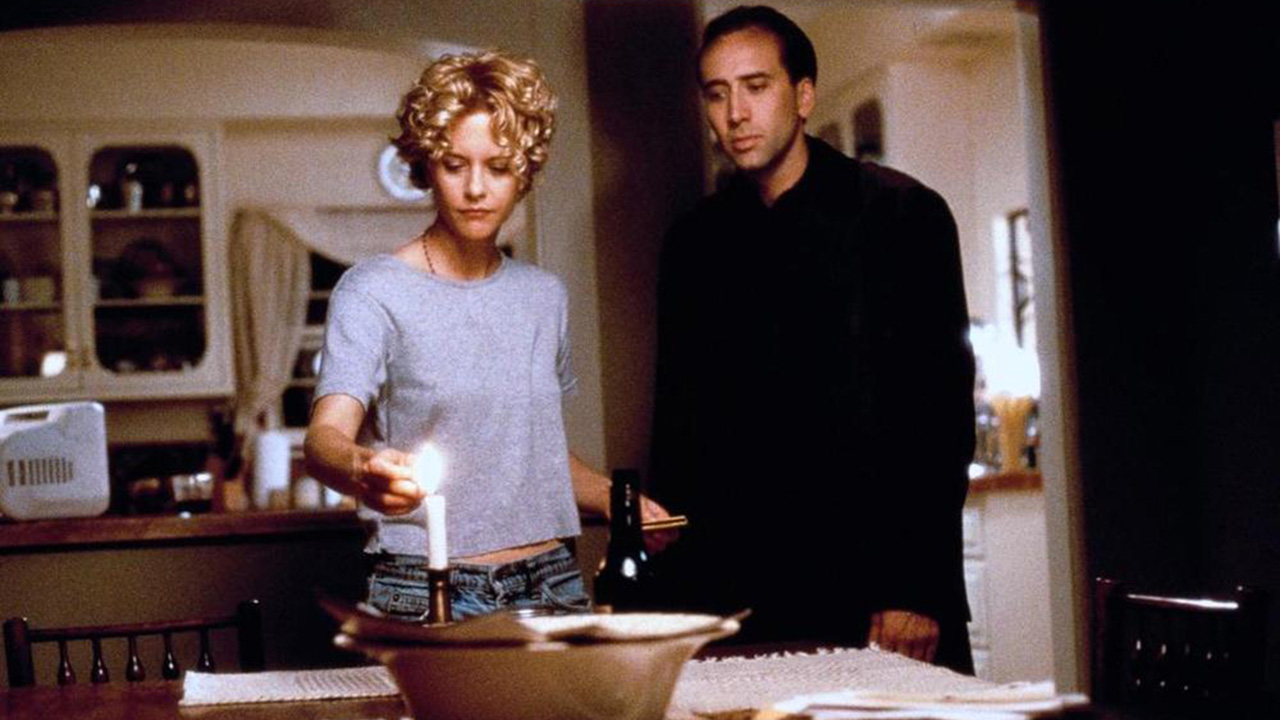
City of Angels (1998) Official Trailer - Nicholas Cage, Meg Ryan Movie HD
fantasy romance starring Nicolas Cage and Meg Ryan in City Of Angels
CITY OF ANGELS - LA CITTÀ DEGLI ANGELI | Trailer italiano
CITY OF ANGELS (film 1998) TRAILER ITALIANO
La città degli angeli (City of Angels).wmv
City of Angels- If God Will Send His Angels- U2
I Grieve- City of Angels by Peter Gabriel
Maggie's visitor - City of Angels
City of Angels - "Goo Goo Dolls - Iris"
City of Angels - Lifehouse (Everything) - Nicholas Cage, Meg Ryan
............................................................................
Invoking the mystery of the Count at Whitby Abbey.
******************************************
© RgPhotographic 2019
All rights reserved. No part of this image may be reproduced or transmitted in any form or by any means (on websites, blogs) without prior permission.
In his narrative of time, Vico posited three ages: the Age of the Gods (theocratic), the Age of the Heroes (aristocratic), and the Age of Humans (democratic). All societies passed through these repeating stages of cultural development. In the first age, powerful gods are revered among tribal peoples, who experience nature as living and who invoke nature with imaginative, ceremonial language. Aristocratic families dominate the second age of heroes with symbolic and heraldic languages. In the third age, reason predominates with languages that are discursive, analytical, and legal. Each age ends with a “barbarism of reflection,” in which the distinct religion, language, politics, and jurisprudence of the age becomes an over-refinement that corrupts societies and eventually causes their collapse. 2 Thomas saw contemporary parallels to this periodic decline in the modern overemphasis on reason and the diminishment of poetic intuition.
...Vico observed that both non-Christian and later Christian communities transmitted the poetic wisdom of their founding achievements. Thus, the “ages” for Vico were not simply linear progressions that left earlier ages behind; each stage contained vestiges of prior periods, even as it was dominated by its own character in the course of history. This idea of cumulative cultural accretion provided Thomas with the insight that earlier intimacies with the natural world could be recovered by later ages.
-THOMAS BERRY, A Biography, MARY EVELYN TUCKER, JOHN GRIM, AND ANDREW ANGYAL
note:Western philosopher of history Giambattista Vico (1668–1744)
Another wobbly woods pic taken a week or so ago like most of the others this year.
I love the way ICMs can invoke a sense of emotion and movement. You also don't need to worry too much about focus :)
Thank you for taking the time to look. I hope you enjoy the image. Happy 100x :)
[Handheld on a bright sunny afternoon…
Developed in Capture One trying to bring out the right level of texture.
Over-sharpened in Affinity with the usual culprits - High Pass/ Linear Blend, and Unsharp Mask. A bit of colour play using the A and B channels in a LAB mode Curves adjustment. The texture in the final image was enhanced with a Lighting filter pointing a yellow spotlight up along the diagonal from the bottom right.]
To invoke the imagination, provoke the senses and evoke the emotions of people around the world... [Cirque du Soleil's mission]... www.cirquedusoleil.com/en/home/shows.aspx
Re-worked
Cirque du Soleil, Toronto, Ontario:
a collaboration by Henry Peirson, artistic director, and Ellyn, window dressing
ALEGRIA HAS RETURNED to the bigtop in Ontario Place! And we're all going again (hope I can make It!) on Nov. 3.
Everything is re-worked in celebration! www.youtu.be/hSwgpfMT0dE
777 MOTORS
NEW: [777] INVOKER - (Avaiable Fatpack)
ALPHA Event NOVEMBER 2024:
maps.secondlife.com/secondlife/ACCESS%203/215/180/999
Store:
maps.secondlife.com/secondlife/Highway%20Star/144/134/23
www.flickr.com/photos/777motors/
www.flickr.com/groups/4573428@N21
marketplace.secondlife.com/stores/200353
PBR
This photograph was taken in Kanazawa Castle Park Gyokusen’inmaru garden during our recent visit.
The camera on tripod was placed in Gyokusen’an Rest House, looking towards the garden and stone walls during the light-up sequence. The lighting sequence, with music, invoked the garden at sunset, evening or moon gazing. The colours of the lights and projections on stone walls changed during the sequence, resulting in captivating scenes.