View allAll Photos Tagged Invoked
This photograph was taken in Kanazawa Castle Park Gyokusen’inmaru garden during our visit to Japan in September 2023.
The camera on tripod was placed adjacent to the Gyokusen’an Rest House, looking towards the garden and stone walls during the light-up sequence. The lighting sequence, with music, invoked the garden at sunset, evening or moon gazing. The colours of the lights and projections on stone walls changed during the sequence, resulting in enchanting scenes.
The still water in the small ponds provided mirror-like reflections to the trees and other structures.
Best wishes for a relaxing Sunday!
from poet william stafford:
"be a person here. stand by the river, invoke the owls. invoke winter, then spring. let any season that wants to come here make its own call. after that sound goes away, wait. how you stand here is important. how you listen for the next things to happen. how you breathe."
---
facebook: born joy: mindfulness
In his narrative of time, Vico posited three ages: the Age of the Gods (theocratic), the Age of the Heroes (aristocratic), and the Age of Humans (democratic). All societies passed through these repeating stages of cultural development. In the first age, powerful gods are revered among tribal peoples, who experience nature as living and who invoke nature with imaginative, ceremonial language. Aristocratic families dominate the second age of heroes with symbolic and heraldic languages. In the third age, reason predominates with languages that are discursive, analytical, and legal. Each age ends with a “barbarism of reflection,” in which the distinct religion, language, politics, and jurisprudence of the age becomes an over-refinement that corrupts societies and eventually causes their collapse. 2 Thomas saw contemporary parallels to this periodic decline in the modern overemphasis on reason and the diminishment of poetic intuition.
...Vico observed that both non-Christian and later Christian communities transmitted the poetic wisdom of their founding achievements. Thus, the “ages” for Vico were not simply linear progressions that left earlier ages behind; each stage contained vestiges of prior periods, even as it was dominated by its own character in the course of history. This idea of cumulative cultural accretion provided Thomas with the insight that earlier intimacies with the natural world could be recovered by later ages.
-THOMAS BERRY, A Biography, MARY EVELYN TUCKER, JOHN GRIM, AND ANDREW ANGYAL
note:Western philosopher of history Giambattista Vico (1668–1744)
Kalback - Hype Joggers
NEW RELEASE - TMD JAN 2024
Voguel - Cody Skin
Unorthodox Scalpz- Tali Hairbase (Gift)
L'Emporio&PL - *Invoked*::for Swallow XL Gauged
[VERSOV] VOXOV_SNEAKERS
Another wobbly woods pic taken a week or so ago like most of the others this year.
I love the way ICMs can invoke a sense of emotion and movement. You also don't need to worry too much about focus :)
Thank you for taking the time to look. I hope you enjoy the image. Happy 100x :)
[Handheld on a bright sunny afternoon…
Developed in Capture One trying to bring out the right level of texture.
Over-sharpened in Affinity with the usual culprits - High Pass/ Linear Blend, and Unsharp Mask. A bit of colour play using the A and B channels in a LAB mode Curves adjustment. The texture in the final image was enhanced with a Lighting filter pointing a yellow spotlight up along the diagonal from the bottom right.]
To invoke the imagination, provoke the senses and evoke the emotions of people around the world... [Cirque du Soleil's mission]... www.cirquedusoleil.com/en/home/shows.aspx
Re-worked
Cirque du Soleil, Toronto, Ontario:
a collaboration by Henry Peirson, artistic director, and Ellyn, window dressing
ALEGRIA HAS RETURNED to the bigtop in Ontario Place! And we're all going again (hope I can make It!) on Nov. 3.
Everything is re-worked in celebration! www.youtu.be/hSwgpfMT0dE
777 MOTORS
NEW: [777] INVOKER - (Avaiable Fatpack)
ALPHA Event NOVEMBER 2024:
maps.secondlife.com/secondlife/ACCESS%203/215/180/999
Store:
maps.secondlife.com/secondlife/Highway%20Star/144/134/23
www.flickr.com/photos/777motors/
www.flickr.com/groups/4573428@N21
marketplace.secondlife.com/stores/200353
PBR
……………………………….
Poster:
Locandina:
m.media-amazon.com/images/I/81jc866255L._AC_SX679_.jpg

pad.mymovies.it/filmclub/2006/06/239/coverlg.jpg
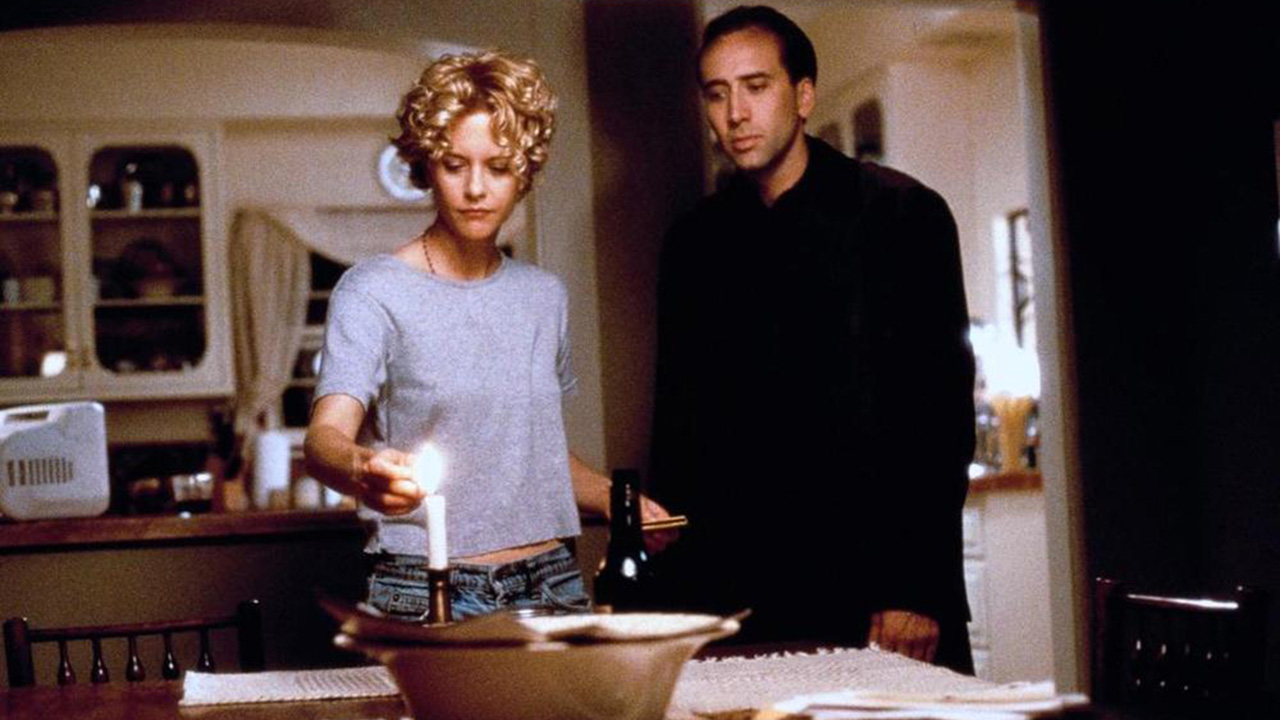
m.media-amazon.com/images/I/61X-PuyzEqL._AC_UF894,1000_QL...

minimaleffort.home.blog/wp-content/uploads/2020/09/city-o...

.............................................................................
click to activate the small icon of slideshow: the small triangle inscribed in the small rectangle, at the top right, in the photostream (it means the monitor);
or…. Press the “L” button to zoom in the image;
clicca sulla piccola icona per attivare lo slideshow: sulla facciata principale del photostream, in alto a destra c'è un piccolo rettangolo (rappresenta il monitor) con dentro un piccolo triangolo nero;
oppure…. premi il tasto “L” per ingrandire l'immagine;
www.fotografidigitali.it/gallery/2726/opere-italiane-segn...
………………………………………………………………………
What I present here on Flickr is a photographic account of the festival held every year in Palazzolo Acreide (Syracuse) in honor of Saint Michael the Archangel. This year the festival was celebrated on October 5th. The cult of Saint Michael the Archangel in Palazzolo Acreide seems to date back to the Arab-Norman period of Sicily (in Sicily, that period from the Arab conquest, 827 AD, which took it from the Byzantines, until the complete domination of the Normans, around 1194 AD). This is an era in which Sicily became a "container" of the most diverse cultures, Byzantine, Arab, Latin, Norman, thus creating a cultural, artistic and scientific synthesis: in this period, Christians invoked the "fighting" Archangel so that He could help them drive the Saracens from ancient Palazzolo (Palatiolum). On the eve of the liturgical feast (28 September), the “sciuta ra cammina” takes place, or what in other Sicilian feasts is called “la svelata” (the unveiled). The curtain covering the statue of the Archangel, placed in a “small room” above the main altar, is opened. Remaining behind the curtain, it is blocked from view for almost the entire year. The statue, now exposed for the adoration of the faithful, is moved forward a little (“sciuta ra cammina”, or “la svelata – the exit that walks” referring to the statue, which is carried forward). On the day of the big celebration, at 11:00 a.m., there will be a "hot air balloon launch." The organizers explained to me that the hot air balloons are made entirely of paper. The writing is also made with paper letters that are then glued together. The hot air produced beneath the balloons will make them fly. This year, the writing was in tune with the echo of the "People of Peace" movement, which hopes for an end to the war in Ukraine, waged by Russia, and for an end to Israeli oppression of the Palestinian people. At 1:00 pm the “sciuta” takes place, or the “exit” of the float with the statue of the Saint on it, carried on the shoulders of the devout bearers, to begin the procession. At that eagerly awaited moment, the fireworks are set off simultaneously, as are the “nzareddi” (long ribbons of colored paper, along with large confetti (the same ones seen during the exit of San Paolo, for his feast day, always in Palazzolo A.), the faithful explode in displays of jubilation, with their arms stretched high and invoking San Michele in a loud voice (this seems contagious to me, I too felt the need to raise my arms to the sky invoking San Michele, despite the photographic equipment….:o))…), the festive music of the marching band. Thus begins the procession toward the neighboring neighborhoods. The float is carried bare-shouldered by devout bearers. Long banners proceed at the front of the procession. Many devout women walk barefoot. Many children, both boys and girls, are lifted up and shown to the Archangel to ask for his spiritual intercession to protect them from evil. In thanksgiving, donations of banknotes or gold jewelry are made. Some typical curiosities of this celebration include: the statue of Saint Michael wears a breastplate made from gold from votive offerings donated over the centuries. It was later decided to melt them down and create his "gold-colored" breastplate. The statue of the Archangel, unlike what is seen in other Sicilian celebrations (usually from the "camera" located on the main altar, the saint, or saints, is made to descend by sliding on two tracks to reach the float, placed in front of the altar), here in Palazzolo A., instead, the simulacrum of the Archangel descends with a special ancient "elevator", placed under the small room, then behind the main altar, then lovingly carried in arms up to the float; on the shield of the Archangel, in the church that bears his name, on the T-shirts of the devotees, and on those of the boys and girls exposed to the Archangel, one reads "Quis ut Deus", it is the Latin translation of the name Michael (in Hebrew Mîkhā’ēl), which means “Who is like God?”, this expression is traditionally attributed to Saint Michael the Archangel, leader of the celestial armies, because, according to Christian tradition, it was the cry he uttered when he rebelled against Satan and his angels during the battle in heaven, affirming both the supremacy and uniqueness of God, and his devotion and loyalty towards the divine.
.………………………………………………
Questo che presento qui su Flickr, è un racconto fotografico della festa che si tiene ogni anno a Palazzolo Acreide (Siracusa) in onore di San Michele Arcangelo, quest’anno la festa è stata celebrata il 5 ottobre. Il culto per San Michele Arcangelo a Palazzolo Acreide, sembra risalga al periodo arabo-normanno della Sicilia (in Sicilia quel periodo che va dalla conquista araba, 827 d.C, che la sottrae ai Bizantini, fino al completo dominio dei Normanni, circa 1194 d.C.), questa è un’epoca nella quale la Sicilia diviene un “contenitore” di culture le più diverse, bizantina, araba, latina, normanna, realizzandosi in tal modo una sintesi culturale, artistica e scientifica: in questo periodo i Cristiani invocano l’Arcangelo “che combatte” affinchè Egli li possa aiutare a scacciare i Saraceni dall’antica Palazzolo (Palatiolum). Il giorno della vigilia della festa liturgica (28 settembre), si ha la “sciuta ra cammina”, ovvero quella che in altre feste siciliana si chiama “la svelata”, si apre la tenda che copre la statua dell’Arcangelo, posta in una “cameretta” posta sopra l’altare maggiore, restando dietro la tenda viene preclusa alla vista per quasi tutto l’anno, la statua esposta ora all’adorazione dei fedeli, viene fatta avanzare di poco (“sciuta ra cammina”, ovvero “la svelata-l’uscita che cammina” riferita alla statua, che viene portata in avanti). Il giorno della grande festa alle ore 11:00 c’è la manifestazione del “lancio delle mongolfiere”, gli organizzatori mi hanno spiegato che le mongolfiere sono realizzate completamente con la carta, le scritte sono fatte anch’esse con lettere di carta poi incollate, l’aria calda prodotta sotto tali mongolfiere le farà volare: quest’anno le scritte erano in sintonia con quella eco del “Popolo della Pace” che spera nella fine della guerra in Ucraina ad opera della Russia, e nella fine della oppressione Israeliana verso il popolo Palestinese. Alle ore 13:00 avviene la “sciuta”, ovvero “l’uscita” della vara con sopra il simulacro del Santo, portato in spalla dai devoti portatori, per iniziare la processione, in quel momento, attesissimo, avviene in contemporanea lo sparo dei fuochi d’artificio, lo sparo degli “nzareddi” (sono lunghi nastri di carta colorata, insieme a grossi coriandoli (gli stessi si assistono durante l’uscita di San Paolo, per la sua festa, sempre a Palazzolo A.), i fedeli esplodono in manifestazioni di esultanza, con le braccia protese in alto ed invocando San Michele a gran voce (cosa questa che a me sembra contagiosa, anch’io ho sentito il bisogno di alzare le braccia al cielo invocando San Michele, nonostante l’attrezzatura fotografica….:o))…), la musica festosa della banda musicale. Inizia così la processione verso i quartieri vicini, la vara viene portata con la “spalla nuda” dai devoti portatori, lunghi stendardi procedono davanti nella processione, molte donne devote camminano a piedi scalzi, molti bimbi o bimbe, vengono alzati e mostrati all’Arcangelo, per chiedere la sua intercessione spirituale per essere protetti dal male, in ringraziamento ci sono donazioni di bancanote o monili d’oro. Alcune curiosità tipiche di questa festa sono: la statua di San Michele ha una corazza realizzata con l’oro proveniente dagli Ex Voto donati nei trascorsi secoli, poi si decise di fonderli e realizzare la sua corazza “color oro”; la statua dell’Arcangelo a differenza di ciò che si vede in altre feste siciliane (in genere dalla “cameretta” che si trova sull’altare maggiore, il santo, o più santi, viene fatto scendere scorrendo su due binari per giungere sulla vara, posta davanti l’altare), qui a Palazzolo A., invece il simulacro dell’Arcangelo scende con un particolare antico “ascensore”, posto sotto la cameretta, quindi dietro l’altare maggiore, poi portato amorevolmente in braccio fin sopra la vara; sullo scudo dell’Arcangelo, nella chiesa che porta il suo nome, sulle magliette dei devoti, su quelle dei bimbi e bimbe esposte all’Arcangelo, si legge “Quis ut Deus”, è la traduzione in latino del nome Michele (in ebraico Mîkhā’ēl), che appunto significa “Chi è come Dio?”, questa espressione è tradizionalmente attribuita a San Michele Arcangelo, capo delle milizie celesti, perché, secondo la tradizione cristiana, fu il grido che egli pronunciò quando si ribellò a Satana e ai suoi angeli durante la battaglia in cielo, affermando e la supremazia e unicità di Dio, e la sua devozione e lealtà verso il divino. .
..........................................
Spettacolare Sciuta di San Michele Arcangelo,Palazzolo Acreide 05 ottobre 2025
Sciuta - San Michele Arcangelo - Palazzolo Acreide - Fa.Si.Ma. - 05/10/2025
Palazzolo Acreide, Festa San Michele Arcangelo 5.10.2025: sciuta e processione diurna.
Sciuta e Processione di San Michele a Palazzolo Acreide,05 ottobre 2025
Sciuta di San Michele Arcangelo,Palazzolo 29 settembre 2024
....................................................
City of Angels (1998) Official Trailer - Nicholas Cage, Meg Ryan Movie HD
fantasy romance starring Nicolas Cage and Meg Ryan in City Of Angels
CITY OF ANGELS - LA CITTÀ DEGLI ANGELI | Trailer italiano
CITY OF ANGELS (film 1998) TRAILER ITALIANO
La città degli angeli (City of Angels).wmv
City of Angels- If God Will Send His Angels- U2
I Grieve- City of Angels by Peter Gabriel
Maggie's visitor - City of Angels
City of Angels - "Goo Goo Dolls - Iris"
City of Angels - Lifehouse (Everything) - Nicholas Cage, Meg Ryan
............................................................................
This photograph was taken in Kanazawa Castle Park Gyokusen’inmaru garden during our recent visit.
The camera on tripod was placed in Gyokusen’an Rest House, looking towards the garden and stone walls during the light-up sequence. The lighting sequence, with music, invoked the garden at sunset, evening or moon gazing. The colours of the lights and projections on stone walls changed during the sequence, resulting in captivating scenes.
Vehicle : 777 Moters - Invoker
Outfit : Kindex - Dion Set / Jacket & Pants
For Bodies: Legacy M&A | Kario | Jake | Anatomy | CZ Slim
New release at Alpha Event starts on Nov 22nd!
Test Drive at 777 Motors | Mainstore
More Outfit at | Kindex Mainstore
Although taken on the wrong side of the Pacific Ocean, this shot from Juneau, Alaska with the airstrip, boats, and islands kept reminding me of World War 2 in the Pacific for some reason. So I decided to go a bit more stylized with black and white this time around to try to invoke the feeling and emotion of a photograph from that era. I hope you enjoy it :)
.……………………………….
- “Do not touch me…”
Gospel of John, chapter 20, verse 17 (John 20, 17)
+++++++++++++++++++++
I was with you, Father,
at the moment of creation.
I could not fail to know the elements and master them.
What would it be to
lift the stone of a tomb
compared to your will as Creator?
You taught me how the world is composed
and made me your son,
but I was a participant
in creation.
The followers who followed me
believed in You and in me,
Your son.
They will be happy to see me rise again,
but I will weep
for those still chained
in hell,
and my hands
will silence their strident cries.
Poor souls,
who migrate toward nothingness.
The fear,
God,
of these blind depths,
of these people who have not had
the splendor of your reins.
Because you do not know,
Father,
what it means
to sit at Your right hand
as a king.
A gentle but not cowardly king
who mediates
between your divine wrath
and the lust and unbelief of man.
I,
who am just,
love man
and ask your forgiveness
through this slow agony
that has lasted for centuries
for the world.
Behold, Lord, I give you back my spirit
in the form of a white dove
that will fly toward heaven.
And no other way
have you built peace
than with the groins of a bird
that brings the olive branch to your lips.
Father,
I will rise again,
and I will sit at your right hand.
POEM OF THE CROSS - Alda Merini
+++++++++++++++++++++++++++++++++++++
- “Noli me tangere …”
Vangelo di Giovanni, capitolo 20, versetto 17 (Giovanni 20, 17)
++++++++++++++++++
- Ero con te, Padre,
al momento della creazione.
Non potevo non conoscere gli elementi e dominarli.
Cosa vuoi che sia
sollevare la pietra di un sepolcro
in confronto alla tua volontà di Creatore.
Tu mi hai insegnato come è composto il mondo
e mi hai reso figlio,
ma ero partecipe
della creazione.
I seguaci che mi hanno seguito
hanno creduto in Te e in me,
Tuo figlio.
Saranno felici di vedermi risorgere,
ma io piangerò
per quelli che sono ancora incatenati
nell'inferno
e le mie mani
faranno tacere i loro stridori.
Povere anime,
che migrano verso il nulla.
Lo spavento,
Dio,
di queste profondità cieche,
di questa gente che non ha avuto
lo splendore delle tue redini.
Perché tu non sai,
Padre,
cosa vuol dire
sedere alla Tua destra
in veste di re.
Un re mite ma non codardo
che fa da intermediario
tra la tua collera divina
e la lussuria e la miscredenza dell'uomo.
Io,
che sono giusto,
amo l'uomo
e ti chiedo perdono
attraverso questa lenta agonia
che dura da secoli
per il mondo.
Ecco, Signore, io ti rendo il mio spirito
in forma di bianca colomba
che volerà verso il cielo.
E non altrimenti
Tu hai costruito la pace
se non con gli inguini di un uccello
che porta l'ulivo alle tue labbra.
Padre,
io risorgerò,
e siederò alla Tua destra.
POEMA DELLA CROCE - Alda Merini
-----------------------------------------------------------------
click to activate the icon of slideshow: the small triangle inscribed in the small rectangle, at the top right, in the photostream;
or…. Press the “L” button to zoom in the image;
clicca sulla piccola icona per attivare lo slideshow: sulla facciata principale del photostream, in alto a destra c'è un piccolo rettangolo (rappresenta il monitor) con dentro un piccolo triangolo nero;
oppure…. premi il tasto “L” per ingrandire l'immagine;
www.worldphoto.org/sony-world-photography-awards/winners-...
www.fotografidigitali.it/gallery/2726/opere-italiane-segn...
…………………………………………………………………
This photographic story, with text, which I propose as my last work for Flickr in 2025 (2026 is now just a few minutes away), tells of the procession of the Holy Crucifix of Aracoeli, which took place in March of this year 2025 in the town of San Marco d'Alunzio (in the province of Messina). The procession normally begins on the morning of the last Friday of March each year, but there is an exception to this rule: when it coincides with Good Friday, then the procession is brought forward to the previous Friday. The procession of the Holy Crucifix of Aracoeli is an ancient penitential rite. On the feast day of the Crucifix, Holy Mass is celebrated in the Church of Aracoeli in San Marco d'Alunzio. On this occasion, the Holy Crucifix is celebrated. Crucifix (which is located in the church at the end of the right nave, at its feet is the painting of the Virgin of Sorrows pierced by seven swords), Christ on the Cross is removed by the devotees from the hook on which it is hanging, is carried outside the church, here it is raised and fixed on the float, the sermon of the priest who has climbed onto the float next to the Crucifix takes over, under the Cross is fixed the painting of His Sorrowful Mother, then they are carried in procession by the men (and women) in blue hoods called "babbaluti", they proceed invoking the pity and mercy of the Lord with a constant and rhythmic lament, saying "Signuri, Misericordia, Pietà!"; this is the norm, but this year the bad weather has brought some changes, the float on which they hoisted the SS. The crucifix with the kneeling babbaluti was not located in the churchyard, but inside the church. Christ was covered with a large sheet of cellophane to protect it from the rain, while the painting of the Madonna with swords in her heart was placed at her Son's feet only after the procession returned to the church. San Marco d'Alunzio is a charming town in the Messina area, located in the Nebrodi Mountains of Sicily. The procession takes place in honor of the Holy Crucifix of Araceli. This religious-penitential event is also known as the "procession of the babbaluti." These are those who, by vow or grace received, have chosen to carry the fercolo containing the crucifix and the painting on their shoulders in procession. they head to the nearby Church of Santa Maria dei Poveri or to some private home nearby where, sheltered from the curiosity of the faithful, they wear a simple but characteristic indigo-colored cloth habit, consisting of a tunic and a conical hood that covers the entire body and leaves only the eyes and hands free. It is not uncommon, however, for the penitents, rendered anonymous by the habit they wear, to also include women, who, to avoid any possibility of recognition, wear a pair of gloves; The babbaluti are 33 in number to commemorate the 33 years of Christ. The number is odd, in fact the 33rd babbaluto does not carry the vara. He (should be the “capo vara”) proceeds backwards, looking towards Christ and his Mother, and at the same time checks that everything is in order among the babbaluti, guiding the vara along the path, even if it is moving backwards (this is a way of proceeding in carrying the vara or fercolo, present in various Sicilian religious processions). So, the 32 (+1) "babbaluti" carry on their shoulders the float that bears the Holy Crucifix of the Araceli church (the statue of Christ was created by Scipione Li Volsi, in the year 1652, he was a sculptor and plasterer of the Sicilian Baroque), at whose feet, on the float, is tied the painting of Our Lady of Sorrows, whose chest appears pierced by seven swords (it is an 18th century painting), however, as already described, this year the painting, to protect it from the rain, was placed on the float only upon the return of the procession to the church. Before the procession begins, the babbaluti advance barefoot, wearing only heavy, hand-knitted stockings of raw wool. Before entering the church, they must walk a path of purification. When they approach the ancient church of Araceli, they bow and kiss the ground, thus receiving permission to enter the church. This, however, occurs through a side door, called the "false door" (in Sicilian dialect, "porta fausa"). Having entered the church from the side, they now exit through the main entrance, allowing them to take their places, kneeling in front and behind the float. To enter the "porta fausa," the babbaluti proceed in pairs, with the last babbaluti, the eldest, proceeding alone. After the priest's long-awaited speech, the procession can begin, winding through the streets of the picturesque and welcoming village of San Marco d'Alunzio. Along the way, the Babbaluti pace their steps, accompanying the mournful and plaintive jugular vein that invokes the Lord. Devout men and women walk alongside the Babbaluti, walking alongside the float, touching it, sometimes caressing it... just to have physical (and spiritual) contact with it. Finally, after completing a specific route, the procession returns to the ancient church (of Norman origins) of Aracoeli. Every time I attend this touching event, I am completely overwhelmed by emotion (which, however, I cannot abandon, lest I lose concentration while taking photos). The highlight is when the crucified Christ is removed from the hook fixed to the wall by expert men, and then carried (it seems to float) above the heads of the devotees, supported aloft with their hands, and hoisted and secured to the float. In these moments of intense emotion, it is common to see in the eyes of the devotees, shining with tears, that profound emotion of their relationship with this Christ, which has lasted forever: it is as if they were in the presence of the true Christ, in flesh and blood. This is the atmosphere experienced in those moments, this is the magic of the procession of the Most Holy Crucifix and His Mother, represented by the painting of Our Lady of Sorrows pierced by seven swords (an iconography of Spanish origin).
+++++++++++++++++++++++++++++++++++++++++
Il presente racconto fotografico, con testo, che propongo come ultimo mio lavoro per Flickr dell’anno 2025 (oramai mancano pochi minuti al 2026) parla della processione del Santissimo Crocifisso di Aracoeli che si è tenuto nel marzo di quest’anno 2025 nel paese di San Marco d’Alunzio (in provincia di Messina). La processione normalmente inizia la mattina dell’ultimo venerdì del mese di marzo di ogni anno, c’è però una eccezione a questa regola, quando si realizza la coincidenza col Venerdì Santo, allora la processione viene anticipata al venerdì precedente. Quella del SS.Crocifisso di Aracoeli è un antico rito penitenziale, il giorno della festa del Crocifisso, a San Marco d'Alunzio si celebra la S. Messa nella Chiesa dell'Aracoeli, in questa occasione il SS. Crocifisso (che si trova nella chiesa in fondo alla navata di destra, ai suoi piedi è posto il quadro della Vergine Addolorata trafitta da sette spade), il Cristo sulla Croce viene tolto dai devoti dal gancio sul quale è appeso, viene portato all’esterno della chiesa, qui viene innalzato e fissato sulla vara, subentra il sermone del sacerdote salito sulla vara accanto al Crocifisso, sotto alla Croce viene fissato il quadro di sua Madre Addolorata, quindi vengono portati in processione dagli uomini (e donne) incappucciati di colore blu detti “babbaluti”, essi procedono invocando la pietà e la misericordia del Signore con un costante e ritmato lamento, dicendo “Signuri, Misericordia, Pietà!”; questa è la norma, ma quest’anno il cattivo tempo ha portato qualche cambiamento, la vara sulla quale hanno issato il SS. Crocifisso con i babbaluti messi in ginocchio, non si trovava sul sagrato davanti la chiesa, ma era dentro la chiesa, il Cristo veniva ricoperto con un ampio foglio di cellophane per proteggerlo dalla pioggia, mentre il quadro della Madonna con le spade nel cuore, è stato messo ai piedi di Suo Figlio solo al rientro della processione nella chiesa. San Marco d’Alunzio è un ameno paese del territorio Messinese, sito sui monti Nebrodi, in Sicilia; la processione si svolge proprio in onore del Santissimo Crocifisso di Araceli, è questa una ricorrenza religioso-penitenziale conosciuta anche come "processione dei babbaluti", essi sono coloro che per voto o per grazia ricevuta, hanno deciso di portare in processione sulle loro spalle il fercolo con il Crocifisso ed il quadro; essi si dirigono nella vicina Chiesa di Santa Maria dei Poveri o in qualche abitazione privata lì vicino dove, al riparo dalla curiosità dei fedeli, indossano un semplice ma caratteristico saio di tela di colore indaco, costituito da una tunica e un cappuccio di forma conica tale da coprire l'intero corpo e lasciare liberi solo gli occhi e le mani, non è raro purtuttavia che tra i penitenti, resi anonimi dal saio che indossano, vi siano anche delle donne, le quali per evitare qualsiasi possibilità di riconoscimento, indossano un paio di guanti; i babbaluti sono in numero di 33 per rievocare i 33 anni di Cristo, il numero è dispari, infatti il 33° babbaluto non porta la vara, egli (dovrebbe essere il “capo vara”) procede all’indietro, rivolgendo lo sguardo al Cristo ed a sua Madre, e nel contempo controlla che tutto sia in ordine tra i babbaluti, guidando la vara lungo il percorso, anche se il suo andamento è a ritroso, (questo è un modo di procedere nel portare la vara o fercolo, presente in diverse processioni religiose siciliane). Quindi, i 32 (+1) "babbaluti" portano sulle loro spalle la vara che reca il Santo Crocifisso della chiesa dell’Araceli (la statua del Cristo è stata creata da Scipione Li Volsi, nell'anno 1652, egli fu uno scultore e stuccatore del barocco SIciliano), ai cui piedi, sulla vara, viene legato il quadro della Madonna Addolorata, il cui petto appare trafitto da sette spade ( è un dipinto del XVIII secolo), purtuttavia come già descritto, quest’anno il quadro, per proteggerlo dalla pioggia, è stato messo sulla vara solo al rientro della processione in chiesa. I babbaluti prima dell'inizio della processione avanzano a piedi scalzi indossando solo delle pesanti calze di lana grezza realizzate a mano, devono percorrere, prima di entrare in chiesa, un cammino di purificazione: quando essi giungono in prossimità dell'antica chiesa dell'Araceli, essi si chinano e baciano in terra, ricevendo in tal modo il permesso per poter accedere dentro la chiesa, questo però avviene da una porta laterale, chiamata "falsa porta" (In dialetto siciliano “porta fausa”), una volta entrati in chiesa lateralmente, ora fuoriescono dall'ingresso principale, potendo così prendere posto, inginocchiandosi sul davanti ed alle spalle, della vara; i babbaluti per accedere alla “porta fausa” procedono in coppia, l’ultimo babbaluto procede da solo, lui è il più anziano tra i babbaluti; seguirà l'atteso discorso del sacerdote, terminato, potrà iniziare la processione che si svolge per le vie del pittoresco ed accogliente paese di San Marco d'Alunzio. Lungo il percorso i Babbaluti cadenzano la propria andatura accompagnandosi alla mesta e lamentosa giugulatoria che invoca il Signore . Ci sono uomini e donne devoti che procedono assieme ai babbaluti camminando a lato della vara, toccandola, ora accarezzandola...pur di avere un contatto fisico (e di rimando spirituale) con essa. Infine, dopo aver compiuto un preciso percorso, la processione fa rientro nell'antica chiesa (di origini Normanne) dell'Aracoeli. Ogniqualvolta sono presente a questa toccante ricorrenza sono completamente inondato da emozioni (alle quali però non posso abbandonarmi, perderei la concentrazione nel realizzare le foto), il momento clou è quando il Cristo Crocifisso viene tolto dal gancio fissato sul muro da uomini esperti, per poi essere portato (sembra galleggiare) sopra la testa dei devoti, sostenuto in alto con le mani, ed essere issato e fissato sulla vara; in questi momenti di intensa emozione è comune vedere negli occhi dei devoti, lucidi di lacrime, quella emozione profonda del loro rapporto con questo Cristo, che dura da sempre: è come se si trovassero al cospetto del Cristo vero, in carne ed ossa, questa è l’atmosfera che si vive in quei momenti, questa è la magia della processione del SS. Crocifisso e di Sua Madre, rappresentata dal quadro dell’Addolorata trafitta da sette spade (iconografia di origine spagnola).
++++++++++++++++++++++++++++++++++++++++
San Marco d'Alunzio: tradizione e devozione nella Festa del Crocifisso
la storia dei babbaluti Festa del Crocifisso San Marco D'Alunzio (ME)
FESTA DEL CROCIFISSO 2023 - San Marco D'Alunzio (Me)
Festa del SS. CROCIFISSO di ARA COELI - San Marco d'Alunzio
………………………………………………….
OUT 1: Noli me tangere TRAILER Coming Soon
Michael Lonsdale dans "Out 1, noli me tangere" (1971) [Quatrième Épisode] de Jacques Rivette
Out 1 de Jacques Rivette : teaser Éric Rohmer
Out 1 de Jacques Rivette : teaser Michael Lonsdale
Michael Lonsdale dans "Out 1, noli me tangere" (1971) [Premier Épisode] de Jacques Rivette
..........................................................................
Hard to nail this kind of shot. Processed to invoke the feel of a retouched pic one might have seen in old documents. Been indoors for about a year (Feb '21) and staying sane.
Meh, yet another Great Egret, Ardea alba, in flight against an overcast sky, no better than several I have already posted. However, it’s very encouraging as a proof of concept, because I got it with my brand new Fujifilm X-T5 on my first outing.
Manual exposure; one frame from a 7fps burst; following the subject at 300mm; continuous back button autofocus set for bird tracking; saved as RAW and HEIF on UHS-II cards; uploaded to the Cloud with my old SD card adapter, processed from HEIF in Photos on iPad; cropped from 40MP to 3, for a 6000mm full-frame equivalent reach.
Several questions remain to be answered, haven’t got a slick workflow. Had to sit on a park bench for a while and search the manual on my phone to figure out how to invoke burst mode. 😜
12-21-22; 20:00 CDT; Provia+
"I, too, know what hiraeth means. To me, it is a longing for a feeling that may not truly exist, a misty blend of nostalgia and dream, and for a place that invokes this elusive feeling. " Steve, Ohio, USA, Aug 2008.
With apologies again for not being around as much lately. I hope to visit you all tomorrow. In the meantime - have a happy and relaxed weekend my friends x
Hibiscus holds a special place in spiritual practices. In many cultures, hibiscus flowers symbolize feminine energy, love, and passion. They are often used in ceremonies and rituals to invoke these qualities.
There are many photos of this sacred memorial, both taken on film & digital and from every angle but none have the intimate awe as what is invoked to you through your own captures.
能 - 百万
Noh - Hyakuman
---小川-Portfolio---
*5px 小川 **Béhance**Art Limited**Tumblr**Fotoblur**5px B&W*
© Ogawasan 小川/Bach.sacha.Photography. All Rights Reserved.
I never went anywhere to begin with
Engine Room is opening soon so here is a preview of the horns and tails form LVL9's Mephisto set for those that love to be more on the darker side. I'm wearing Swallow ears on a LOGO head, made possible with a handy little kit by SOUL - (advanced editing experience required) which I've had for years but never tried out before. The Aura skin by Apika includes a huge amount of extras so you can layer the face with eyebrows, makeup and even freckles. All is EvoX mapped.
⦿ LOGO - Lux Head v1.0 (EvoX mapped)
At the Skin Fair Event March 2024
Creator's Flickr
⦿ [Apika] - Aura Skin - Frost I - EvoX (includes makeup and effects layers)
At the Skin Fair Event March 2024
Creator's Flickr
⦿ LVL9 - Mephisto horns and tail set
At the Engine Room Event March/April 2024
Creator's Flickr
More information for Engine Room here
More information for Skin Fair here
⦿ {Valentine} Lucretia Dress ~ Reborn ~
⦿ L'Emporio&PL ::*Invoked*:: for Swallow XL Gauged F
⦿ +Nuuna+ - "Extra Eyes" tattoo (White)
⦿ KNIFU. x APOTHIC - The 90's Called Beauty Kit (makeup set)
⦿ Lilithe' // Scylla Tattoos
⦿ .:Soul:. Plugs! (Modding experience required; will cover up holes on other heads to enable Swallow ears to be worn on non-Lelutka heads)
⦿ Badwolf - Garnet Rings
⦿ {Aii} + Demonic Touch set - (Ebody Reborn) +
⦿ [ContraptioN] Animesh: Wisp Willer's Spirits *???*
Head: LOGO Lux (EvoX Mapped)
Body: REBORN by eBODY
Shape: by me
Pose my own mixed with the Wisp Willer's included poses.
Who art thou
Friend or foe ?
Hide and seek
Is your play
When you lay
In the recess of my weak
Vacillating mind
Bundles of desires
To build castles in the air
All enwrapt
In feathers of gold
You revolve your wheel
And generate
In the flimsy leaves
And petals of my lotus heart
The fuss of strength
And vitality.
Yes, you intoxicate
It's stainless blades
With your hottest
Sinful stimulants
Of shady shapes,
And bewitching hues.
You plunge that plant
So sensitive
In the ocean of objects
Too glittering
And lure and enchant
As to keep it
In your clutches
Ha ! vile and deceptive
Pest that thou art.
In your seeming bed of roses
While this poor dove roosts
You pour on it
Your doses of venom
Of fright and doubt
And let it falter,
Faint and fall
To dangerous depths
And get all shattered
It's cherished dreams.
Ha ! Intellect
Why you sleep
And let this ape
Leap from branch to bough
Of the tree of my life
And make it taste
The fruits, bitter,
Sweet or sour
Born of this devil mind.
Reigns of decision
Don't you wield
To check the onslaughts
Of this mischievous Mind.
If you fail, Intellect !
I'll invoke my Lord, the Self
Within, the witness
And judge in one.
Sure, would he come
And rescue soon
This soul so poor
And helpless sheer
Victim indeed
Fallen unawares
Into the hands of minister Mind
- Anuj Nair
------------------------------------------------------
© 2008 Anuj Nair. All rights reserved.
-------------------------------------------------------
________________________________________________
© 2008 Anuj Nair. All rights reserved.
All images and poems are the property of Anuj Nair.
Using these images and poems without permission is in violation of international copyright laws (633/41 DPR19/78-Disg 154/97-L.248/2000). All materials may not be copied, reproduced, distributed, republished, downloaded, displayed, posted or transmitted in any forms or by any means,including electronic, mechanical, photocopying, recording without written permission of Anuj Nair. Every violation will be pursued penally.
Corridor of the Ancestors &
Whispers on the Walls
The feeling of walking through a passage to the Past.
A narrow, stone-walled corridor adorned with carved hieroglyphs. The ceiling shows signs of age and some darker patches, while the walls have a warm, earthy hue.
The composition utilizes strong leading lines from the converging walls and ceiling, drawing the viewer's eye towards the brightly lit opening at the far end. This creates a sense of depth and perspective, with the light acting as a vanishing point. The symmetry of the corridor is also a key compositional element.
The image is dominated by strong backlighting from the exit, which creates a high contrast scene. The interior is dimly lit, highlighting the textures of the stone and carvings.
The color palette is warm, with various shades of brown, beige, and tan dominating the stone surfaces. The rough, carved texture of the walls contrasts with the slightly smoother, though weathered, surface of the ceiling.
The photograph was captured using a relatively wide focal length suitable for capturing the confined space of the corridor. The aperture setting provides a shallow depth of field, helping to keep the immediate surroundings in focus while leading the eye forward.
On the right side, a valuable historical document 'The Abydos Table', also known as the 'Abydos King List' and 'Abydos Canon' lists 76 Egyptian pharaohs in three rows of 38 cartouches (oval borders enclosing a king's name). The third row repeats the name of the pharaoh who built the list, Seti I.
The list was created for ritualistic purposes to invoke and honor the spirits of past kings. Some scholars suggest the list, as set down by Seti I, was to represent the royal ancestors in a ritual, performed on their behalf. Seti I himself may have constructed a grand temple worthy of the gods and filled it with the names of ancestors.
High in the mountains of Nox Aeterna, where the eternal night wraps even around one’s thoughts, stands a silent guardian. Cloaked in a blend of ancient faith and embraced darkness, he does not pray—he invokes. He does not forgive—he watches. His cross is no symbol of redemption, but of burden. In his gaze, the storm of a past that still pulses. In his stillness, the calm before judgment. Is he a penitent, a prophet... or the punishment that arrives in the name of the Father?
“Not all light saves, not all darkness damns — and he bears the cross of both.” (Richard de Grataine and Sira)
Photo taken at Nox Aeterna ~ Sponsored by Quills & Curiosities
The style card and credits here
With the collaboration of:
PETRICHOR / :[P]:- Rutana Scrolls - Wooden @ FF 2025
:[P]:- Zahrah Horns - set @ FF 2025
:[P]:- Vaera Nails - Male set v.0.5
VENDETTA / [ VENDETTA ] JORIN FACE SKIN @ in main store
SOSE / [SOSE] KAISER OUTFFIT - FATPACK @ FF 2025
HEXED / Hexed - Lonely Soul Blood Mouth BOM EVOX Unisex @ FF 2025
KOKOS/ KOKOS-EARRING-DOKY (LEL. RIG) @ MENSELECTED EVENT
KOKOS-ANGRY BATS - RINGS- LEGACY @ New Release in main store
KOKOS HAIRBASE VLADIMIR-EVOX V1
SIMPLY SHELBY / Elemental Unseelie Staff set @ FF 2025
EXILE / Exile:: Aspen @ in main store
AELITHE / Pose [Aelithe] Ours - Momma @ FF 2025
……………………………….
Poster:
Locandina:
m.media-amazon.com/images/I/81jc866255L._AC_SX679_.jpg
pad.mymovies.it/filmclub/2006/06/239/coverlg.jpg
m.media-amazon.com/images/I/61X-PuyzEqL._AC_UF894,1000_QL...
minimaleffort.home.blog/wp-content/uploads/2020/09/city-o...
.............................................................................
click to activate the small icon of slideshow: the small triangle inscribed in the small rectangle, at the top right, in the photostream (it means the monitor);
or…. Press the “L” button to zoom in the image;
clicca sulla piccola icona per attivare lo slideshow: sulla facciata principale del photostream, in alto a destra c'è un piccolo rettangolo (rappresenta il monitor) con dentro un piccolo triangolo nero;
oppure…. premi il tasto “L” per ingrandire l'immagine;
www.fotografidigitali.it/gallery/2726/opere-italiane-segn...
………………………………………………………………………
What I present here on Flickr is a photographic account of the festival held every year in Palazzolo Acreide (Syracuse) in honor of Saint Michael the Archangel. This year the festival was celebrated on October 5th. The cult of Saint Michael the Archangel in Palazzolo Acreide seems to date back to the Arab-Norman period of Sicily (in Sicily, that period from the Arab conquest, 827 AD, which took it from the Byzantines, until the complete domination of the Normans, around 1194 AD). This is an era in which Sicily became a "container" of the most diverse cultures, Byzantine, Arab, Latin, Norman, thus creating a cultural, artistic and scientific synthesis: in this period, Christians invoked the "fighting" Archangel so that He could help them drive the Saracens from ancient Palazzolo (Palatiolum). On the eve of the liturgical feast (28 September), the “sciuta ra cammina” takes place, or what in other Sicilian feasts is called “la svelata” (the unveiled). The curtain covering the statue of the Archangel, placed in a “small room” above the main altar, is opened. Remaining behind the curtain, it is blocked from view for almost the entire year. The statue, now exposed for the adoration of the faithful, is moved forward a little (“sciuta ra cammina”, or “la svelata – the exit that walks” referring to the statue, which is carried forward). On the day of the big celebration, at 11:00 a.m., there will be a "hot air balloon launch." The organizers explained to me that the hot air balloons are made entirely of paper. The writing is also made with paper letters that are then glued together. The hot air produced beneath the balloons will make them fly. This year, the writing was in tune with the echo of the "People of Peace" movement, which hopes for an end to the war in Ukraine, waged by Russia, and for an end to Israeli oppression of the Palestinian people. At 1:00 pm the “sciuta” takes place, or the “exit” of the float with the statue of the Saint on it, carried on the shoulders of the devout bearers, to begin the procession. At that eagerly awaited moment, the fireworks are set off simultaneously, as are the “nzareddi” (long ribbons of colored paper, along with large confetti (the same ones seen during the exit of San Paolo, for his feast day, always in Palazzolo A.), the faithful explode in displays of jubilation, with their arms stretched high and invoking San Michele in a loud voice (this seems contagious to me, I too felt the need to raise my arms to the sky invoking San Michele, despite the photographic equipment….:o))…), the festive music of the marching band. Thus begins the procession toward the neighboring neighborhoods. The float is carried bare-shouldered by devout bearers. Long banners proceed at the front of the procession. Many devout women walk barefoot. Many children, both boys and girls, are lifted up and shown to the Archangel to ask for his spiritual intercession to protect them from evil. In thanksgiving, donations of banknotes or gold jewelry are made. Some typical curiosities of this celebration include: the statue of Saint Michael wears a breastplate made from gold from votive offerings donated over the centuries. It was later decided to melt them down and create his "gold-colored" breastplate. The statue of the Archangel, unlike what is seen in other Sicilian celebrations (usually from the "camera" located on the main altar, the saint, or saints, is made to descend by sliding on two tracks to reach the float, placed in front of the altar), here in Palazzolo A., instead, the simulacrum of the Archangel descends with a special ancient "elevator", placed under the small room, then behind the main altar, then lovingly carried in arms up to the float; on the shield of the Archangel, in the church that bears his name, on the T-shirts of the devotees, and on those of the boys and girls exposed to the Archangel, one reads "Quis ut Deus", it is the Latin translation of the name Michael (in Hebrew Mîkhā’ēl), which means “Who is like God?”, this expression is traditionally attributed to Saint Michael the Archangel, leader of the celestial armies, because, according to Christian tradition, it was the cry he uttered when he rebelled against Satan and his angels during the battle in heaven, affirming both the supremacy and uniqueness of God, and his devotion and loyalty towards the divine.
.………………………………………………
Questo che presento qui su Flickr, è un racconto fotografico della festa che si tiene ogni anno a Palazzolo Acreide (Siracusa) in onore di San Michele Arcangelo, quest’anno la festa è stata celebrata il 5 ottobre. Il culto per San Michele Arcangelo a Palazzolo Acreide, sembra risalga al periodo arabo-normanno della Sicilia (in Sicilia quel periodo che va dalla conquista araba, 827 d.C, che la sottrae ai Bizantini, fino al completo dominio dei Normanni, circa 1194 d.C.), questa è un’epoca nella quale la Sicilia diviene un “contenitore” di culture le più diverse, bizantina, araba, latina, normanna, realizzandosi in tal modo una sintesi culturale, artistica e scientifica: in questo periodo i Cristiani invocano l’Arcangelo “che combatte” affinchè Egli li possa aiutare a scacciare i Saraceni dall’antica Palazzolo (Palatiolum). Il giorno della vigilia della festa liturgica (28 settembre), si ha la “sciuta ra cammina”, ovvero quella che in altre feste siciliana si chiama “la svelata”, si apre la tenda che copre la statua dell’Arcangelo, posta in una “cameretta” posta sopra l’altare maggiore, restando dietro la tenda viene preclusa alla vista per quasi tutto l’anno, la statua esposta ora all’adorazione dei fedeli, viene fatta avanzare di poco (“sciuta ra cammina”, ovvero “la svelata-l’uscita che cammina” riferita alla statua, che viene portata in avanti). Il giorno della grande festa alle ore 11:00 c’è la manifestazione del “lancio delle mongolfiere”, gli organizzatori mi hanno spiegato che le mongolfiere sono realizzate completamente con la carta, le scritte sono fatte anch’esse con lettere di carta poi incollate, l’aria calda prodotta sotto tali mongolfiere le farà volare: quest’anno le scritte erano in sintonia con quella eco del “Popolo della Pace” che spera nella fine della guerra in Ucraina ad opera della Russia, e nella fine della oppressione Israeliana verso il popolo Palestinese. Alle ore 13:00 avviene la “sciuta”, ovvero “l’uscita” della vara con sopra il simulacro del Santo, portato in spalla dai devoti portatori, per iniziare la processione, in quel momento, attesissimo, avviene in contemporanea lo sparo dei fuochi d’artificio, lo sparo degli “nzareddi” (sono lunghi nastri di carta colorata, insieme a grossi coriandoli (gli stessi si assistono durante l’uscita di San Paolo, per la sua festa, sempre a Palazzolo A.), i fedeli esplodono in manifestazioni di esultanza, con le braccia protese in alto ed invocando San Michele a gran voce (cosa questa che a me sembra contagiosa, anch’io ho sentito il bisogno di alzare le braccia al cielo invocando San Michele, nonostante l’attrezzatura fotografica….:o))…), la musica festosa della banda musicale. Inizia così la processione verso i quartieri vicini, la vara viene portata con la “spalla nuda” dai devoti portatori, lunghi stendardi procedono davanti nella processione, molte donne devote camminano a piedi scalzi, molti bimbi o bimbe, vengono alzati e mostrati all’Arcangelo, per chiedere la sua intercessione spirituale per essere protetti dal male, in ringraziamento ci sono donazioni di bancanote o monili d’oro. Alcune curiosità tipiche di questa festa sono: la statua di San Michele ha una corazza realizzata con l’oro proveniente dagli Ex Voto donati nei trascorsi secoli, poi si decise di fonderli e realizzare la sua corazza “color oro”; la statua dell’Arcangelo a differenza di ciò che si vede in altre feste siciliane (in genere dalla “cameretta” che si trova sull’altare maggiore, il santo, o più santi, viene fatto scendere scorrendo su due binari per giungere sulla vara, posta davanti l’altare), qui a Palazzolo A., invece il simulacro dell’Arcangelo scende con un particolare antico “ascensore”, posto sotto la cameretta, quindi dietro l’altare maggiore, poi portato amorevolmente in braccio fin sopra la vara; sullo scudo dell’Arcangelo, nella chiesa che porta il suo nome, sulle magliette dei devoti, su quelle dei bimbi e bimbe esposte all’Arcangelo, si legge “Quis ut Deus”, è la traduzione in latino del nome Michele (in ebraico Mîkhā’ēl), che appunto significa “Chi è come Dio?”, questa espressione è tradizionalmente attribuita a San Michele Arcangelo, capo delle milizie celesti, perché, secondo la tradizione cristiana, fu il grido che egli pronunciò quando si ribellò a Satana e ai suoi angeli durante la battaglia in cielo, affermando e la supremazia e unicità di Dio, e la sua devozione e lealtà verso il divino. .
...........................................
.……………………………….
- “Do not touch me…”
Gospel of John, chapter 20, verse 17 (John 20, 17)
+++++++++++++++++++++
I was with you, Father,
at the moment of creation.
I could not fail to know the elements and master them.
What would it be to
lift the stone of a tomb
compared to your will as Creator?
You taught me how the world is composed
and made me your son,
but I was a participant
in creation.
The followers who followed me
believed in You and in me,
Your son.
They will be happy to see me rise again,
but I will weep
for those still chained
in hell,
and my hands
will silence their strident cries.
Poor souls,
who migrate toward nothingness.
The fear,
God,
of these blind depths,
of these people who have not had
the splendor of your reins.
Because you do not know,
Father,
what it means
to sit at Your right hand
as a king.
A gentle but not cowardly king
who mediates
between your divine wrath
and the lust and unbelief of man.
I,
who am just,
love man
and ask your forgiveness
through this slow agony
that has lasted for centuries
for the world.
Behold, Lord, I give you back my spirit
in the form of a white dove
that will fly toward heaven.
And no other way
have you built peace
than with the groins of a bird
that brings the olive branch to your lips.
Father,
I will rise again,
and I will sit at your right hand.
POEM OF THE CROSS - Alda Merini
+++++++++++++++++++++++++++++++++++++
- “Noli me tangere …”
Vangelo di Giovanni, capitolo 20, versetto 17 (Giovanni 20, 17)
++++++++++++++++++
- Ero con te, Padre,
al momento della creazione.
Non potevo non conoscere gli elementi e dominarli.
Cosa vuoi che sia
sollevare la pietra di un sepolcro
in confronto alla tua volontà di Creatore.
Tu mi hai insegnato come è composto il mondo
e mi hai reso figlio,
ma ero partecipe
della creazione.
I seguaci che mi hanno seguito
hanno creduto in Te e in me,
Tuo figlio.
Saranno felici di vedermi risorgere,
ma io piangerò
per quelli che sono ancora incatenati
nell'inferno
e le mie mani
faranno tacere i loro stridori.
Povere anime,
che migrano verso il nulla.
Lo spavento,
Dio,
di queste profondità cieche,
di questa gente che non ha avuto
lo splendore delle tue redini.
Perché tu non sai,
Padre,
cosa vuol dire
sedere alla Tua destra
in veste di re.
Un re mite ma non codardo
che fa da intermediario
tra la tua collera divina
e la lussuria e la miscredenza dell'uomo.
Io,
che sono giusto,
amo l'uomo
e ti chiedo perdono
attraverso questa lenta agonia
che dura da secoli
per il mondo.
Ecco, Signore, io ti rendo il mio spirito
in forma di bianca colomba
che volerà verso il cielo.
E non altrimenti
Tu hai costruito la pace
se non con gli inguini di un uccello
che porta l'ulivo alle tue labbra.
Padre,
io risorgerò,
e siederò alla Tua destra.
POEMA DELLA CROCE - Alda Merini
-----------------------------------------------------------------
click to activate the icon of slideshow: the small triangle inscribed in the small rectangle, at the top right, in the photostream;
or…. Press the “L” button to zoom in the image;
clicca sulla piccola icona per attivare lo slideshow: sulla facciata principale del photostream, in alto a destra c'è un piccolo rettangolo (rappresenta il monitor) con dentro un piccolo triangolo nero;
oppure…. premi il tasto “L” per ingrandire l'immagine;
www.worldphoto.org/sony-world-photography-awards/winners-...
www.fotografidigitali.it/gallery/2726/opere-italiane-segn...
…………………………………………………………………
This photographic story, with text, which I propose as my last work for Flickr in 2025 (2026 is now just a few minutes away), tells of the procession of the Holy Crucifix of Aracoeli, which took place in March of this year 2025 in the town of San Marco d'Alunzio (in the province of Messina). The procession normally begins on the morning of the last Friday of March each year, but there is an exception to this rule: when it coincides with Good Friday, then the procession is brought forward to the previous Friday. The procession of the Holy Crucifix of Aracoeli is an ancient penitential rite. On the feast day of the Crucifix, Holy Mass is celebrated in the Church of Aracoeli in San Marco d'Alunzio. On this occasion, the Holy Crucifix is celebrated. Crucifix (which is located in the church at the end of the right nave, at its feet is the painting of the Virgin of Sorrows pierced by seven swords), Christ on the Cross is removed by the devotees from the hook on which it is hanging, is carried outside the church, here it is raised and fixed on the float, the sermon of the priest who has climbed onto the float next to the Crucifix takes over, under the Cross is fixed the painting of His Sorrowful Mother, then they are carried in procession by the men (and women) in blue hoods called "babbaluti", they proceed invoking the pity and mercy of the Lord with a constant and rhythmic lament, saying "Signuri, Misericordia, Pietà!"; this is the norm, but this year the bad weather has brought some changes, the float on which they hoisted the SS. The crucifix with the kneeling babbaluti was not located in the churchyard, but inside the church. Christ was covered with a large sheet of cellophane to protect it from the rain, while the painting of the Madonna with swords in her heart was placed at her Son's feet only after the procession returned to the church. San Marco d'Alunzio is a charming town in the Messina area, located in the Nebrodi Mountains of Sicily. The procession takes place in honor of the Holy Crucifix of Araceli. This religious-penitential event is also known as the "procession of the babbaluti." These are those who, by vow or grace received, have chosen to carry the fercolo containing the crucifix and the painting on their shoulders in procession. they head to the nearby Church of Santa Maria dei Poveri or to some private home nearby where, sheltered from the curiosity of the faithful, they wear a simple but characteristic indigo-colored cloth habit, consisting of a tunic and a conical hood that covers the entire body and leaves only the eyes and hands free. It is not uncommon, however, for the penitents, rendered anonymous by the habit they wear, to also include women, who, to avoid any possibility of recognition, wear a pair of gloves; The babbaluti are 33 in number to commemorate the 33 years of Christ. The number is odd, in fact the 33rd babbaluto does not carry the vara. He (should be the “capo vara”) proceeds backwards, looking towards Christ and his Mother, and at the same time checks that everything is in order among the babbaluti, guiding the vara along the path, even if it is moving backwards (this is a way of proceeding in carrying the vara or fercolo, present in various Sicilian religious processions). So, the 32 (+1) "babbaluti" carry on their shoulders the float that bears the Holy Crucifix of the Araceli church (the statue of Christ was created by Scipione Li Volsi, in the year 1652, he was a sculptor and plasterer of the Sicilian Baroque), at whose feet, on the float, is tied the painting of Our Lady of Sorrows, whose chest appears pierced by seven swords (it is an 18th century painting), however, as already described, this year the painting, to protect it from the rain, was placed on the float only upon the return of the procession to the church. Before the procession begins, the babbaluti advance barefoot, wearing only heavy, hand-knitted stockings of raw wool. Before entering the church, they must walk a path of purification. When they approach the ancient church of Araceli, they bow and kiss the ground, thus receiving permission to enter the church. This, however, occurs through a side door, called the "false door" (in Sicilian dialect, "porta fausa"). Having entered the church from the side, they now exit through the main entrance, allowing them to take their places, kneeling in front and behind the float. To enter the "porta fausa," the babbaluti proceed in pairs, with the last babbaluti, the eldest, proceeding alone. After the priest's long-awaited speech, the procession can begin, winding through the streets of the picturesque and welcoming village of San Marco d'Alunzio. Along the way, the Babbaluti pace their steps, accompanying the mournful and plaintive jugular vein that invokes the Lord. Devout men and women walk alongside the Babbaluti, walking alongside the float, touching it, sometimes caressing it... just to have physical (and spiritual) contact with it. Finally, after completing a specific route, the procession returns to the ancient church (of Norman origins) of Aracoeli. Every time I attend this touching event, I am completely overwhelmed by emotion (which, however, I cannot abandon, lest I lose concentration while taking photos). The highlight is when the crucified Christ is removed from the hook fixed to the wall by expert men, and then carried (it seems to float) above the heads of the devotees, supported aloft with their hands, and hoisted and secured to the float. In these moments of intense emotion, it is common to see in the eyes of the devotees, shining with tears, that profound emotion of their relationship with this Christ, which has lasted forever: it is as if they were in the presence of the true Christ, in flesh and blood. This is the atmosphere experienced in those moments, this is the magic of the procession of the Most Holy Crucifix and His Mother, represented by the painting of Our Lady of Sorrows pierced by seven swords (an iconography of Spanish origin).
+++++++++++++++++++++++++++++++++++++++++
Il presente racconto fotografico, con testo, che propongo come ultimo mio lavoro per Flickr dell’anno 2025 (oramai mancano pochi minuti al 2026) parla della processione del Santissimo Crocifisso di Aracoeli che si è tenuto nel marzo di quest’anno 2025 nel paese di San Marco d’Alunzio (in provincia di Messina). La processione normalmente inizia la mattina dell’ultimo venerdì del mese di marzo di ogni anno, c’è però una eccezione a questa regola, quando si realizza la coincidenza col Venerdì Santo, allora la processione viene anticipata al venerdì precedente. Quella del SS.Crocifisso di Aracoeli è un antico rito penitenziale, il giorno della festa del Crocifisso, a San Marco d'Alunzio si celebra la S. Messa nella Chiesa dell'Aracoeli, in questa occasione il SS. Crocifisso (che si trova nella chiesa in fondo alla navata di destra, ai suoi piedi è posto il quadro della Vergine Addolorata trafitta da sette spade), il Cristo sulla Croce viene tolto dai devoti dal gancio sul quale è appeso, viene portato all’esterno della chiesa, qui viene innalzato e fissato sulla vara, subentra il sermone del sacerdote salito sulla vara accanto al Crocifisso, sotto alla Croce viene fissato il quadro di sua Madre Addolorata, quindi vengono portati in processione dagli uomini (e donne) incappucciati di colore blu detti “babbaluti”, essi procedono invocando la pietà e la misericordia del Signore con un costante e ritmato lamento, dicendo “Signuri, Misericordia, Pietà!”; questa è la norma, ma quest’anno il cattivo tempo ha portato qualche cambiamento, la vara sulla quale hanno issato il SS. Crocifisso con i babbaluti messi in ginocchio, non si trovava sul sagrato davanti la chiesa, ma era dentro la chiesa, il Cristo veniva ricoperto con un ampio foglio di cellophane per proteggerlo dalla pioggia, mentre il quadro della Madonna con le spade nel cuore, è stato messo ai piedi di Suo Figlio solo al rientro della processione nella chiesa. San Marco d’Alunzio è un ameno paese del territorio Messinese, sito sui monti Nebrodi, in Sicilia; la processione si svolge proprio in onore del Santissimo Crocifisso di Araceli, è questa una ricorrenza religioso-penitenziale conosciuta anche come "processione dei babbaluti", essi sono coloro che per voto o per grazia ricevuta, hanno deciso di portare in processione sulle loro spalle il fercolo con il Crocifisso ed il quadro; essi si dirigono nella vicina Chiesa di Santa Maria dei Poveri o in qualche abitazione privata lì vicino dove, al riparo dalla curiosità dei fedeli, indossano un semplice ma caratteristico saio di tela di colore indaco, costituito da una tunica e un cappuccio di forma conica tale da coprire l'intero corpo e lasciare liberi solo gli occhi e le mani, non è raro purtuttavia che tra i penitenti, resi anonimi dal saio che indossano, vi siano anche delle donne, le quali per evitare qualsiasi possibilità di riconoscimento, indossano un paio di guanti; i babbaluti sono in numero di 33 per rievocare i 33 anni di Cristo, il numero è dispari, infatti il 33° babbaluto non porta la vara, egli (dovrebbe essere il “capo vara”) procede all’indietro, rivolgendo lo sguardo al Cristo ed a sua Madre, e nel contempo controlla che tutto sia in ordine tra i babbaluti, guidando la vara lungo il percorso, anche se il suo andamento è a ritroso, (questo è un modo di procedere nel portare la vara o fercolo, presente in diverse processioni religiose siciliane). Quindi, i 32 (+1) "babbaluti" portano sulle loro spalle la vara che reca il Santo Crocifisso della chiesa dell’Araceli (la statua del Cristo è stata creata da Scipione Li Volsi, nell'anno 1652, egli fu uno scultore e stuccatore del barocco SIciliano), ai cui piedi, sulla vara, viene legato il quadro della Madonna Addolorata, il cui petto appare trafitto da sette spade ( è un dipinto del XVIII secolo), purtuttavia come già descritto, quest’anno il quadro, per proteggerlo dalla pioggia, è stato messo sulla vara solo al rientro della processione in chiesa. I babbaluti prima dell'inizio della processione avanzano a piedi scalzi indossando solo delle pesanti calze di lana grezza realizzate a mano, devono percorrere, prima di entrare in chiesa, un cammino di purificazione: quando essi giungono in prossimità dell'antica chiesa dell'Araceli, essi si chinano e baciano in terra, ricevendo in tal modo il permesso per poter accedere dentro la chiesa, questo però avviene da una porta laterale, chiamata "falsa porta" (In dialetto siciliano “porta fausa”), una volta entrati in chiesa lateralmente, ora fuoriescono dall'ingresso principale, potendo così prendere posto, inginocchiandosi sul davanti ed alle spalle, della vara; i babbaluti per accedere alla “porta fausa” procedono in coppia, l’ultimo babbaluto procede da solo, lui è il più anziano tra i babbaluti; seguirà l'atteso discorso del sacerdote, terminato, potrà iniziare la processione che si svolge per le vie del pittoresco ed accogliente paese di San Marco d'Alunzio. Lungo il percorso i Babbaluti cadenzano la propria andatura accompagnandosi alla mesta e lamentosa giugulatoria che invoca il Signore . Ci sono uomini e donne devoti che procedono assieme ai babbaluti camminando a lato della vara, toccandola, ora accarezzandola...pur di avere un contatto fisico (e di rimando spirituale) con essa. Infine, dopo aver compiuto un preciso percorso, la processione fa rientro nell'antica chiesa (di origini Normanne) dell'Aracoeli. Ogniqualvolta sono presente a questa toccante ricorrenza sono completamente inondato da emozioni (alle quali però non posso abbandonarmi, perderei la concentrazione nel realizzare le foto), il momento clou è quando il Cristo Crocifisso viene tolto dal gancio fissato sul muro da uomini esperti, per poi essere portato (sembra galleggiare) sopra la testa dei devoti, sostenuto in alto con le mani, ed essere issato e fissato sulla vara; in questi momenti di intensa emozione è comune vedere negli occhi dei devoti, lucidi di lacrime, quella emozione profonda del loro rapporto con questo Cristo, che dura da sempre: è come se si trovassero al cospetto del Cristo vero, in carne ed ossa, questa è l’atmosfera che si vive in quei momenti, questa è la magia della processione del SS. Crocifisso e di Sua Madre, rappresentata dal quadro dell’Addolorata trafitta da sette spade (iconografia di origine spagnola).
++++++++++++++++++++++++++++++++++++++++
The decorated ceiling of a Kali Puja pandal is done to create a sacred, festive, and immersive atmosphere that honors Goddess Kali and attracts devotees. Each year, pandals compete in creativity—ceiling designs often reflect themes from mythology, social issues, or local heritage.
Aesthetic Appeal: The ceiling is the first thing people notice when they look up inside the pandal, so it’s decorated to leave a lasting impression.
Even you can find the Swastik (or Swastika) which is one of the most sacred and ancient symbols in Hinduism, representing auspiciousness, prosperity, and well-being. It is widely used in rituals, temple art, rangolis, and even on the entrances of homes and businesses to invoke divine blessings.
The word Swastika comes from Sanskrit — su (good) + asti (to be) + ka (symbol), meaning “that which is associated with well-being.”
Right-facing Swastik (clockwise): Most common in Hinduism, symbolizing the Sun, prosperity, and growth.
Left-facing Swastik (anticlockwise): Sometimes used in tantric practices and associated with Goddess Kali or Shakti.
There are people in every time and every land who want to stop history in its tracks. They fear the future, mistrust the present, and invoke the security of a comfortable past which, in fact, never existed.
Robert Kennedy
The only wooden bridge around here that I know of.
Excerpt from spatialsolutions.maps.arcgis.com/apps/MapTour/index.html?...:
Lookout Algonquin Park (83) by Shelly Locke: My painting “Look Out Trail-Algonquin Park”, is the first in a series of paintings from my own travel photos and one of my favourite places to decompress. Even though this is my rendition of Algonquin Park it will very easily lead one to think of many, nearby hiking trails on the escarpment. This series turns my photos into surreal, fantasy landscapes that have been reduced to colourful and vibrant, harmonizing shapes. This specific painting is a visual illusion of a rocky woodland that will speak volumes to the outdoor enthusiast as well as inspire a longing to walk amongst the trees by others less outdoorsy. Set off by a background blend of light blue and white representing a calm blue sky. The earthy undertones invoke a calm peacefulness. The warm tones of the landscape contrast perfectly with the organic lines and monochromatic cool tones of the shadowy rock face. The relaxed ambiance of nature is conjured within one’s mind.
The same design also appears on 61, 73, 75, 88.
Féarn Iodálach/ Gwernen-Gorsika/ Italian Alder - Abergwili, Sir Gaerfyrddin/ Carmarthenshire
▪️Addewid blwyddyn newydd ▪️The promise of a new year
▪️▪️▪️▪️▪️
Y patrwm yng Ngasa fu ymosod ar gartrefi teuluol dro ar ôl tro, gan ladd niferoedd mawr o bobl, heb ddim targedau milwrol y gellid eu gwirio. Mae difrifolder hyn yn fwy yng ngoleuni'r rhethreg a ddefnyddiwyd yn drefnus gan lywodraeth Israel, wrth gyfeirio at Amalec - y gelyn Beiblaidd y mae Duw'n gorchymyn ei lwyr ddinistrio. Roedd gofyn lladd dynion a merched, plant a babanod sy'n sugno ar y fron (1 Samuel 15:3). "Cofiwch beth a wnaeth Amalek i chi," (Dewteronomiwm 25:17) meddai Netanyahu mewn areithiau yn 2023, gan ddweud bod y Palesteiniaid yn cyfateb i elyn a oedd i'w lwyr ddifodi heb ddim trugaredd. Mae'r diddyneiddio yn rhan o rethreg Gallant hefyd wrth sôn am "anifeiliaid dynol" ac am "warchae llwyr", ac yn rhan o rethreg Herzog wrth ddweud mai "cenedl gyfan sy'n gyfrifol" ac nad "oes neb sy'n ddieuog". Ceir peth tebyg gam Smotrich, wrth ddweud bod defnyddio newyn "yn foesol" a bod angen "dinistrio Gasa", a gan Ben-Gvir wrth alw am "ddileu'r diriogaeth". Mae arbenigwyr ar ran Amnest Ryngwladol, ar ran y Cenhedoedd Unedig, ac ar ran De Affrica wrth gyflwyno achos i'r Llys Cyfiawnder Rhyngwladol, yn dehongli hyn fel tystiolaeth o fwriad hil-laddiadol systematig.
▪️
MAE ISRAEL NEWYDD WAHARDD 37 O SEFYDLIADAU CYMORTH YNG NGASA - DYMA HIL-LADDIAD SEIONAIDD
▪️▪️▪️
The pattern: repeated nighttime attacks on family homes, high lethality, without verifiable military targets. The gravity increases alongside systematic rhetoric by the Israeli government invoking Amalek-the biblical enemy whose total destruction God commands: "men and women, children and infants at the breast" (1 Samuel 15:3) **-. Netanyahu cited "Remember what Amalek did to you" (Deuteronomy 25:17) in 2023 speeches, equating Gaza Palestinians with an enemy to be eradicated without mercy; dehumanization extends to Gallant ("human animals," total siege), Herzog ("an entire nation responsible," no innocents), Smotrich (famine as "moral," destroy Gaza), and Ben-Gvir (erase the enclave). Experts, Amnesty, the UN, and South Africa's case before the ICJ interpret this as evidence of systematic genocidal intent (Netanyahu, 2023; Amnesty International, 2024;
United Nations Independent International
Commission of Inquiry, 2025; International Court of Justice, 2025; Lemkin Institute, 2025).
▪️
ISRAEL HAS JUST BANNED 37 AID ORGANISATIONS IN GAZA - THIS IS ZIONIST GENOCIDE
Walt Whitman, poet and printer, used the term to invoke the ephemeral nature of the written word. These strands established themselves on a point bar in the Brazos River during our recent long hot dry summer, and now risk burial or erosion as the river rises and falls with returning rain. Nature operates in a spirit of abundance, indifferent to risk.
Grass grows where it can.
Leaden sky dims noon shadows.
Who sees tomorrow?
Happy Mono Monday!
09:30 CST
Marcy Dam, Adirondacks, NY. When the view at Marcy Dam looked like this, it was a couple of weeks before Irene. Open spaces are hard to come by on the trail up here, and none matched this in serenity. When the water was glass, it was as if a parallel universe was revealed. I would always stop here to let it satuarate into me. When I close my eyes, I can invoke indescribable beauty that I've seen, stamped indelibly on my soul...places and women whose company I long for. Maybe I looked too hard, thought too much, and was punished for being unworthy. In a rage of anger, in a storm like Irene's, things can change in a matter of hours. Marcy Brook only runs through here as a brook now, the reflection is gone forever, new slides scar the mountains, the change trying to defy my love for it, like a woman who breaks your heart and dares you to hate her. But we process things both as they were and as they are, and it's hard to erase the heart when the heart of it remains. When the rivers stop running, when the mountains crumble to talus, when the forests petrify to stone, and the sky has nothing left to do, I will stop thinking about you.
Today, Father, this blue sky lauds you. The delicate green and orange flowers of the tulip poplar tree praise you. The distant blue hills praise you, together with the sweet-smelling air that is full of brilliant light. The bickering flycatchers praise you with the lowing cattle and the quails that whistle over there. I too, Father, praise you, with all these my brothers, and they give voice to my own heart and to my own silence. We are all one silence, and a diversity of voices…. Here I am. In me the world is present, and you are present. I am a link in the chain of light and of presence.
-Thomas Merton, CGB, 177; cf. the superbly realized “Things in Their Identity,” NSC, 29–36; also SFS, 214–15, where Merton invokes the biblical “I am” in describing the experience of communion with nature.
The trail to Point Defiance snakes through outcroppings of rock in a woodland forest heavily populated with Oak and Walnut trees. I'd be remiss if I also didn't mention the poison oak. On the right the south fork of the Yuba River glimmers through the brush. A hike along the south fork always invokes a bit of elven magic--a nice escape from the cacophony of the point-counter-point arguments taking place in our public institutions.
Nevada County CA
The rain clouds are gathering in the sunset-lit sky over the Bolsa Chica invoking all kinds of crazy coloring only nature can produce... @ Bolsa Chica Ecological Reserve
As Thaipusam festival gets underway, devotees flood into the preparation site to have their bodies marked with holy ash to invoke the support of the Hindu gods. Energy is high and queues can be lengthly but in each line of people are individuals taking moments to reflect upon the elements of life that bring our communities together.
Re-edited 9 Oct 2020, cropped and up-rez.
A dwarf Kingfisher of the forest, smaller even than the Common Kingfisher.
This bird has markings that looked like eyes at the back of its head.
In very dim surroundings, no choice but a tripod shot at ridiculously low SS. EFC invoked.
Wished I get to shoot this again with my Sony gear because I know that my FE 100-400mm GM lens even with 2x TC attached will produce noticeably superior results.
Check out these cool cardinal facts:
Cardinals are early nesters.
Both male and female cardinal birds sing.
Some people put birdseed outside to keep cardinals as “pets.”
In many cultures, bird lovers have a special place in their hearts for cardinals.
Many people associate cardinals with pleasant memories or the idea that a deceased loved one is present.
Perhaps the cardinal’s comforting, beautiful, and cheerful song invokes pleasant memories from the past.
Or maybe the bold red color speaks to us; red is the color of blood, which gives us life.
For many, cardinals symbolically represent joy and hope.
When single people encounter cardinals, they believe the bird’s presence represents an omen that new romantic relationships are on the verge of manifesting.
In the United States, when people see cardinals in winter, they feel encouraged to look forward to springtime.
[777 Motors]: Invoker
[777] Mainstore: Teleport
[Cult]: Varuka Sneakers
[Korpov]: Macho Coveralls and Jockstrap
Above available at Access Alpha Teleport
[Blaink]: Toy Factory
available at Manhood Teleport
[Blaink] Mainstore: Teleport
[Apple Fall]: Christmas Bear Collection
[Apple Fall] Mainstore: Teleport
Il santuario di Maria Ausiliatrice è una basilica cattolica della città di Torino. Inaugurato il 9 giugno 1868, il santuario fu voluto da san Giovanni Bosco. Fu progettato dall'ingegnere Antonio Spezia. La chiesa venne dedicata a Maria, invocata da don Bosco come Ausiliatrice. Wikipedia
_____
Turin, sanctuary of Mary Help of Christians seen from inside the courtyard
The sanctuary of Maria Ausiliatrice is a Catholic basilica in the city of Turin. Inaugurated on June 9, 1868, the sanctuary was commissioned by San Giovanni Bosco. It was designed by the engineer Antonio Spezia. The church was dedicated to Mary, invoked by Don Bosco as Help of Christians. Wikipedia
La Moreneta est une réplique de la Vierge noire de Monserrat (Catalogne espagnole) photographiée dans la chapelle de Montserrat de l'église de Houdan dans les Yvelines.
En face de cette statue on peut observer une peinture murale qui représente le pèlerinage daté de 1582, d’une trentaine de Houdanais avec leurs noms, partis pour invoquer cette Vierge et mettre fin à la peste qui sévissait dans la région.
Voir www.flickr.com/photos/biron-philippe/5868489813/in/album-...
www.tourisme-pays-houdanais.fr/wp-content/uploads/2024/02...
www.catholique78.fr/2019/07/12/sur-les-pas-des-pelerins-a...
The "Moreneta" is a replica of the Black Madonna of Monserrat (Spanish Catalonia) photographed in the chapel of Montserrat in the church of Houdan (Yvelines, France). In front of this statue we can see a mural painting that represents the pilgrimage dated 1582, of about thirty Houdanese with their names, who left to invoke this Virgin and put an end to the plague that was raging in the region.
see:
www.flickr.com/photos/biron-philippe/5868489813/in/album-...
www.tourisme-pays-houdanais.fr/wp-content/uploads/2024/02...
----------------------------------------------------------------------------------------
Praktica Super TL1000
Objectif Revuenon special 135mm F2.8 en monture M42
Film Kodak Vision 3 500T
Développement avec un kit Rollei Colorchem C41
Invocando a la luz... y la luz vino.
"Encontrarás lo que buscas por el camino menos transitado".
Gracias a mi colega Inma (@inmaguiradolara) por su lograda "performance"
Invoking the light, ...and the light arrived.
"The road less travelled on, is where you'll find what you're looking for."
Thanks to my colleague and fellow photographer Inma (@inmaguiradolara), for her fine "performance"
Imagen protegida por Plaghunter / Image protected by Plaghunter
© Francisco García Ríos 2022
Melodía de sombras (Melody of Shadows, 2016) is a heap of testa non pertinente that invokes classical sculpture and, at the same time, commemorates the fallen in the conflicts that permeate our national reality.
_____ _____ ___ ___ __ __ _ .
Artist Cynthia Gutiérrez (born 1978 in Guadalajara, Mexico)
The work of Cynthia Gutierrez denotes a constant search to analyze memory at different levels, generating tensions or fissures in established schemes. Her reflections and processes depart from situations of conflict; from indefinite, unstable terrains with a vulnerable condition that allows movement in multiple directions. From fragments, she reconfigures images that alter habitual trajectories and destabilize structures offering alternatives that simultaneously operate between reality and fiction. She articulates historical elements from a new posture with distorted chronologies that evidence the impossibility of generating accurate memories, and reveal the transience of history.
( cynthiagutierrez.com/biography/)
Dans son travail, Cynthia interroge constamment l'instabilité de la mémoire ainsi que la pertinence des narrations historiques officielles. Dans Melodía de Sombras, l'artiste sature l'espace d'exposition en y plaçant une grande quantité de têtes classiques empilées. Elle questionne ainsi, par une répétition et un agencement inspirés par les ruines, le caractère identitaire de ces sujets, la multiplicité des visages dissolvant l'identité du masque particulier en un anonymat universal.
____________
( Eldorado: 27 avr - 03 nov 2019)
.……………………………….
- “Do not touch me…”
Gospel of John, chapter 20, verse 17 (John 20, 17)
+++++++++++++++++++++
I was with you, Father,
at the moment of creation.
I could not fail to know the elements and master them.
What would it be to
lift the stone of a tomb
compared to your will as Creator?
You taught me how the world is composed
and made me your son,
but I was a participant
in creation.
The followers who followed me
believed in You and in me,
Your son.
They will be happy to see me rise again,
but I will weep
for those still chained
in hell,
and my hands
will silence their strident cries.
Poor souls,
who migrate toward nothingness.
The fear,
God,
of these blind depths,
of these people who have not had
the splendor of your reins.
Because you do not know,
Father,
what it means
to sit at Your right hand
as a king.
A gentle but not cowardly king
who mediates
between your divine wrath
and the lust and unbelief of man.
I,
who am just,
love man
and ask your forgiveness
through this slow agony
that has lasted for centuries
for the world.
Behold, Lord, I give you back my spirit
in the form of a white dove
that will fly toward heaven.
And no other way
have you built peace
than with the groins of a bird
that brings the olive branch to your lips.
Father,
I will rise again,
and I will sit at your right hand.
POEM OF THE CROSS - Alda Merini
+++++++++++++++++++++++++++++++++++++
- “Noli me tangere …”
Vangelo di Giovanni, capitolo 20, versetto 17 (Giovanni 20, 17)
++++++++++++++++++
- Ero con te, Padre,
al momento della creazione.
Non potevo non conoscere gli elementi e dominarli.
Cosa vuoi che sia
sollevare la pietra di un sepolcro
in confronto alla tua volontà di Creatore.
Tu mi hai insegnato come è composto il mondo
e mi hai reso figlio,
ma ero partecipe
della creazione.
I seguaci che mi hanno seguito
hanno creduto in Te e in me,
Tuo figlio.
Saranno felici di vedermi risorgere,
ma io piangerò
per quelli che sono ancora incatenati
nell'inferno
e le mie mani
faranno tacere i loro stridori.
Povere anime,
che migrano verso il nulla.
Lo spavento,
Dio,
di queste profondità cieche,
di questa gente che non ha avuto
lo splendore delle tue redini.
Perché tu non sai,
Padre,
cosa vuol dire
sedere alla Tua destra
in veste di re.
Un re mite ma non codardo
che fa da intermediario
tra la tua collera divina
e la lussuria e la miscredenza dell'uomo.
Io,
che sono giusto,
amo l'uomo
e ti chiedo perdono
attraverso questa lenta agonia
che dura da secoli
per il mondo.
Ecco, Signore, io ti rendo il mio spirito
in forma di bianca colomba
che volerà verso il cielo.
E non altrimenti
Tu hai costruito la pace
se non con gli inguini di un uccello
che porta l'ulivo alle tue labbra.
Padre,
io risorgerò,
e siederò alla Tua destra.
POEMA DELLA CROCE - Alda Merini
-----------------------------------------------------------------
click to activate the icon of slideshow: the small triangle inscribed in the small rectangle, at the top right, in the photostream;
or…. Press the “L” button to zoom in the image;
clicca sulla piccola icona per attivare lo slideshow: sulla facciata principale del photostream, in alto a destra c'è un piccolo rettangolo (rappresenta il monitor) con dentro un piccolo triangolo nero;
oppure…. premi il tasto “L” per ingrandire l'immagine;
www.worldphoto.org/sony-world-photography-awards/winners-...
www.fotografidigitali.it/gallery/2726/opere-italiane-segn...
…………………………………………………………………
This photographic story, with text, which I propose as my last work for Flickr in 2025 (2026 is now just a few minutes away), tells of the procession of the Holy Crucifix of Aracoeli, which took place in March of this year 2025 in the town of San Marco d'Alunzio (in the province of Messina). The procession normally begins on the morning of the last Friday of March each year, but there is an exception to this rule: when it coincides with Good Friday, then the procession is brought forward to the previous Friday. The procession of the Holy Crucifix of Aracoeli is an ancient penitential rite. On the feast day of the Crucifix, Holy Mass is celebrated in the Church of Aracoeli in San Marco d'Alunzio. On this occasion, the Holy Crucifix is celebrated. Crucifix (which is located in the church at the end of the right nave, at its feet is the painting of the Virgin of Sorrows pierced by seven swords), Christ on the Cross is removed by the devotees from the hook on which it is hanging, is carried outside the church, here it is raised and fixed on the float, the sermon of the priest who has climbed onto the float next to the Crucifix takes over, under the Cross is fixed the painting of His Sorrowful Mother, then they are carried in procession by the men (and women) in blue hoods called "babbaluti", they proceed invoking the pity and mercy of the Lord with a constant and rhythmic lament, saying "Signuri, Misericordia, Pietà!"; this is the norm, but this year the bad weather has brought some changes, the float on which they hoisted the SS. The crucifix with the kneeling babbaluti was not located in the churchyard, but inside the church. Christ was covered with a large sheet of cellophane to protect it from the rain, while the painting of the Madonna with swords in her heart was placed at her Son's feet only after the procession returned to the church. San Marco d'Alunzio is a charming town in the Messina area, located in the Nebrodi Mountains of Sicily. The procession takes place in honor of the Holy Crucifix of Araceli. This religious-penitential event is also known as the "procession of the babbaluti." These are those who, by vow or grace received, have chosen to carry the fercolo containing the crucifix and the painting on their shoulders in procession. they head to the nearby Church of Santa Maria dei Poveri or to some private home nearby where, sheltered from the curiosity of the faithful, they wear a simple but characteristic indigo-colored cloth habit, consisting of a tunic and a conical hood that covers the entire body and leaves only the eyes and hands free. It is not uncommon, however, for the penitents, rendered anonymous by the habit they wear, to also include women, who, to avoid any possibility of recognition, wear a pair of gloves; The babbaluti are 33 in number to commemorate the 33 years of Christ. The number is odd, in fact the 33rd babbaluto does not carry the vara. He (should be the “capo vara”) proceeds backwards, looking towards Christ and his Mother, and at the same time checks that everything is in order among the babbaluti, guiding the vara along the path, even if it is moving backwards (this is a way of proceeding in carrying the vara or fercolo, present in various Sicilian religious processions). So, the 32 (+1) "babbaluti" carry on their shoulders the float that bears the Holy Crucifix of the Araceli church (the statue of Christ was created by Scipione Li Volsi, in the year 1652, he was a sculptor and plasterer of the Sicilian Baroque), at whose feet, on the float, is tied the painting of Our Lady of Sorrows, whose chest appears pierced by seven swords (it is an 18th century painting), however, as already described, this year the painting, to protect it from the rain, was placed on the float only upon the return of the procession to the church. Before the procession begins, the babbaluti advance barefoot, wearing only heavy, hand-knitted stockings of raw wool. Before entering the church, they must walk a path of purification. When they approach the ancient church of Araceli, they bow and kiss the ground, thus receiving permission to enter the church. This, however, occurs through a side door, called the "false door" (in Sicilian dialect, "porta fausa"). Having entered the church from the side, they now exit through the main entrance, allowing them to take their places, kneeling in front and behind the float. To enter the "porta fausa," the babbaluti proceed in pairs, with the last babbaluti, the eldest, proceeding alone. After the priest's long-awaited speech, the procession can begin, winding through the streets of the picturesque and welcoming village of San Marco d'Alunzio. Along the way, the Babbaluti pace their steps, accompanying the mournful and plaintive jugular vein that invokes the Lord. Devout men and women walk alongside the Babbaluti, walking alongside the float, touching it, sometimes caressing it... just to have physical (and spiritual) contact with it. Finally, after completing a specific route, the procession returns to the ancient church (of Norman origins) of Aracoeli. Every time I attend this touching event, I am completely overwhelmed by emotion (which, however, I cannot abandon, lest I lose concentration while taking photos). The highlight is when the crucified Christ is removed from the hook fixed to the wall by expert men, and then carried (it seems to float) above the heads of the devotees, supported aloft with their hands, and hoisted and secured to the float. In these moments of intense emotion, it is common to see in the eyes of the devotees, shining with tears, that profound emotion of their relationship with this Christ, which has lasted forever: it is as if they were in the presence of the true Christ, in flesh and blood. This is the atmosphere experienced in those moments, this is the magic of the procession of the Most Holy Crucifix and His Mother, represented by the painting of Our Lady of Sorrows pierced by seven swords (an iconography of Spanish origin).
+++++++++++++++++++++++++++++++++++++++++
Il presente racconto fotografico, con testo, che propongo come ultimo mio lavoro per Flickr dell’anno 2025 (oramai mancano pochi minuti al 2026) parla della processione del Santissimo Crocifisso di Aracoeli che si è tenuto nel marzo di quest’anno 2025 nel paese di San Marco d’Alunzio (in provincia di Messina). La processione normalmente inizia la mattina dell’ultimo venerdì del mese di marzo di ogni anno, c’è però una eccezione a questa regola, quando si realizza la coincidenza col Venerdì Santo, allora la processione viene anticipata al venerdì precedente. Quella del SS.Crocifisso di Aracoeli è un antico rito penitenziale, il giorno della festa del Crocifisso, a San Marco d'Alunzio si celebra la S. Messa nella Chiesa dell'Aracoeli, in questa occasione il SS. Crocifisso (che si trova nella chiesa in fondo alla navata di destra, ai suoi piedi è posto il quadro della Vergine Addolorata trafitta da sette spade), il Cristo sulla Croce viene tolto dai devoti dal gancio sul quale è appeso, viene portato all’esterno della chiesa, qui viene innalzato e fissato sulla vara, subentra il sermone del sacerdote salito sulla vara accanto al Crocifisso, sotto alla Croce viene fissato il quadro di sua Madre Addolorata, quindi vengono portati in processione dagli uomini (e donne) incappucciati di colore blu detti “babbaluti”, essi procedono invocando la pietà e la misericordia del Signore con un costante e ritmato lamento, dicendo “Signuri, Misericordia, Pietà!”; questa è la norma, ma quest’anno il cattivo tempo ha portato qualche cambiamento, la vara sulla quale hanno issato il SS. Crocifisso con i babbaluti messi in ginocchio, non si trovava sul sagrato davanti la chiesa, ma era dentro la chiesa, il Cristo veniva ricoperto con un ampio foglio di cellophane per proteggerlo dalla pioggia, mentre il quadro della Madonna con le spade nel cuore, è stato messo ai piedi di Suo Figlio solo al rientro della processione nella chiesa. San Marco d’Alunzio è un ameno paese del territorio Messinese, sito sui monti Nebrodi, in Sicilia; la processione si svolge proprio in onore del Santissimo Crocifisso di Araceli, è questa una ricorrenza religioso-penitenziale conosciuta anche come "processione dei babbaluti", essi sono coloro che per voto o per grazia ricevuta, hanno deciso di portare in processione sulle loro spalle il fercolo con il Crocifisso ed il quadro; essi si dirigono nella vicina Chiesa di Santa Maria dei Poveri o in qualche abitazione privata lì vicino dove, al riparo dalla curiosità dei fedeli, indossano un semplice ma caratteristico saio di tela di colore indaco, costituito da una tunica e un cappuccio di forma conica tale da coprire l'intero corpo e lasciare liberi solo gli occhi e le mani, non è raro purtuttavia che tra i penitenti, resi anonimi dal saio che indossano, vi siano anche delle donne, le quali per evitare qualsiasi possibilità di riconoscimento, indossano un paio di guanti; i babbaluti sono in numero di 33 per rievocare i 33 anni di Cristo, il numero è dispari, infatti il 33° babbaluto non porta la vara, egli (dovrebbe essere il “capo vara”) procede all’indietro, rivolgendo lo sguardo al Cristo ed a sua Madre, e nel contempo controlla che tutto sia in ordine tra i babbaluti, guidando la vara lungo il percorso, anche se il suo andamento è a ritroso, (questo è un modo di procedere nel portare la vara o fercolo, presente in diverse processioni religiose siciliane). Quindi, i 32 (+1) "babbaluti" portano sulle loro spalle la vara che reca il Santo Crocifisso della chiesa dell’Araceli (la statua del Cristo è stata creata da Scipione Li Volsi, nell'anno 1652, egli fu uno scultore e stuccatore del barocco SIciliano), ai cui piedi, sulla vara, viene legato il quadro della Madonna Addolorata, il cui petto appare trafitto da sette spade ( è un dipinto del XVIII secolo), purtuttavia come già descritto, quest’anno il quadro, per proteggerlo dalla pioggia, è stato messo sulla vara solo al rientro della processione in chiesa. I babbaluti prima dell'inizio della processione avanzano a piedi scalzi indossando solo delle pesanti calze di lana grezza realizzate a mano, devono percorrere, prima di entrare in chiesa, un cammino di purificazione: quando essi giungono in prossimità dell'antica chiesa dell'Araceli, essi si chinano e baciano in terra, ricevendo in tal modo il permesso per poter accedere dentro la chiesa, questo però avviene da una porta laterale, chiamata "falsa porta" (In dialetto siciliano “porta fausa”), una volta entrati in chiesa lateralmente, ora fuoriescono dall'ingresso principale, potendo così prendere posto, inginocchiandosi sul davanti ed alle spalle, della vara; i babbaluti per accedere alla “porta fausa” procedono in coppia, l’ultimo babbaluto procede da solo, lui è il più anziano tra i babbaluti; seguirà l'atteso discorso del sacerdote, terminato, potrà iniziare la processione che si svolge per le vie del pittoresco ed accogliente paese di San Marco d'Alunzio. Lungo il percorso i Babbaluti cadenzano la propria andatura accompagnandosi alla mesta e lamentosa giugulatoria che invoca il Signore . Ci sono uomini e donne devoti che procedono assieme ai babbaluti camminando a lato della vara, toccandola, ora accarezzandola...pur di avere un contatto fisico (e di rimando spirituale) con essa. Infine, dopo aver compiuto un preciso percorso, la processione fa rientro nell'antica chiesa (di origini Normanne) dell'Aracoeli. Ogniqualvolta sono presente a questa toccante ricorrenza sono completamente inondato da emozioni (alle quali però non posso abbandonarmi, perderei la concentrazione nel realizzare le foto), il momento clou è quando il Cristo Crocifisso viene tolto dal gancio fissato sul muro da uomini esperti, per poi essere portato (sembra galleggiare) sopra la testa dei devoti, sostenuto in alto con le mani, ed essere issato e fissato sulla vara; in questi momenti di intensa emozione è comune vedere negli occhi dei devoti, lucidi di lacrime, quella emozione profonda del loro rapporto con questo Cristo, che dura da sempre: è come se si trovassero al cospetto del Cristo vero, in carne ed ossa, questa è l’atmosfera che si vive in quei momenti, questa è la magia della processione del SS. Crocifisso e di Sua Madre, rappresentata dal quadro dell’Addolorata trafitta da sette spade (iconografia di origine spagnola).
++++++++++++++++++++++++++++++++++++++++
Tyr is more than a warrior – he is the archetype of the one who dares to stand alone for what is right. In the seiðr tradition, he can be experienced as the force that sharpens the will and strengthens the heart when we are faced with impossible choices. He is the inner voice that reminds us of the promises we have made, and the responsibilities that follow. His rune, Tiwaz, opens the way to victory, but also to self-discipline and sacrifice. When you invoke Tyr, you call forth the clear courage, the willingness to sacrifice for the community, and the unshakable truth that cannot be bent.
Excerpt from www.artintheopen.ca/explore#tribute-to-women:
Tribute to Women
Karen Daniels
Sculpture - 2000
St. Catharines Downtown Library
54 Church Street St. Catharines
Installed on October 17th, 2000 in coordination with the YWCA’s week without violence, this multi faceted sculpture was specifically created to mark the millennium though a lenses of women and their accomplishments. The St. Catharines District Council of Women, the Canadian Federation of University Women (CFYU) and the YWCA of St. Catharines all contributed to the conception and installation of the Tribute of Women. This sense of collaboration and unity is also symbolized in how the artist, Karen Daniels used metal, granite and quarry stone, welded and assembled in a manner that unifies the very different materials, so as to invoke vital elements of air, fire and earth. The dark brown, flat shapes(the curves and points of the metallic forms are perched atop a solid chunk of stone) mimic the movement of wind or water or flame. Daniels’ monument includes three benches that surround the piece, one on each side for visitors, but the front faces the large walkway that leads to the Library. This is a regular space for public gatherings, including past and present marches and an excellent site for this monument. It sits back on the grass, amidst other benches and sculptures, and this area is popular for many in the downtown to linger and enjoy. Many diverse Women’s organizations that were active at the time of the dedication in 2000 are listed on the accompanying plaque. The main criteria was that they’d been active for at least 35 years to have their organisation’s names engraved; and as new groups reach the same milestone, their names will be added. In this way, the work considers the present and future, as much as acknowledging the past. Karen Daniels’ installation serves to not only, in quoting the plaque on the lower part of the work, “celebrate the passionate spirit of women who volunteer in our community” and “recognizes the significant achievements of women's organizations.” It also hopes “to inspire young women to step forward and meet challenges that will continue to face women of all ages."
……………………………….
Poster:
Locandina:
m.media-amazon.com/images/I/81jc866255L._AC_SX679_.jpg
pad.mymovies.it/filmclub/2006/06/239/coverlg.jpg
m.media-amazon.com/images/I/61X-PuyzEqL._AC_UF894,1000_QL...
minimaleffort.home.blog/wp-content/uploads/2020/09/city-o...
.............................................................................
click to activate the small icon of slideshow: the small triangle inscribed in the small rectangle, at the top right, in the photostream (it means the monitor);
or…. Press the “L” button to zoom in the image;
clicca sulla piccola icona per attivare lo slideshow: sulla facciata principale del photostream, in alto a destra c'è un piccolo rettangolo (rappresenta il monitor) con dentro un piccolo triangolo nero;
oppure…. premi il tasto “L” per ingrandire l'immagine;
www.fotografidigitali.it/gallery/2726/opere-italiane-segn...
………………………………………………………………………
What I present here on Flickr is a photographic account of the festival held every year in Palazzolo Acreide (Syracuse) in honor of Saint Michael the Archangel. This year the festival was celebrated on October 5th. The cult of Saint Michael the Archangel in Palazzolo Acreide seems to date back to the Arab-Norman period of Sicily (in Sicily, that period from the Arab conquest, 827 AD, which took it from the Byzantines, until the complete domination of the Normans, around 1194 AD). This is an era in which Sicily became a "container" of the most diverse cultures, Byzantine, Arab, Latin, Norman, thus creating a cultural, artistic and scientific synthesis: in this period, Christians invoked the "fighting" Archangel so that He could help them drive the Saracens from ancient Palazzolo (Palatiolum). On the eve of the liturgical feast (28 September), the “sciuta ra cammina” takes place, or what in other Sicilian feasts is called “la svelata” (the unveiled). The curtain covering the statue of the Archangel, placed in a “small room” above the main altar, is opened. Remaining behind the curtain, it is blocked from view for almost the entire year. The statue, now exposed for the adoration of the faithful, is moved forward a little (“sciuta ra cammina”, or “la svelata – the exit that walks” referring to the statue, which is carried forward). On the day of the big celebration, at 11:00 a.m., there will be a "hot air balloon launch." The organizers explained to me that the hot air balloons are made entirely of paper. The writing is also made with paper letters that are then glued together. The hot air produced beneath the balloons will make them fly. This year, the writing was in tune with the echo of the "People of Peace" movement, which hopes for an end to the war in Ukraine, waged by Russia, and for an end to Israeli oppression of the Palestinian people. At 1:00 pm the “sciuta” takes place, or the “exit” of the float with the statue of the Saint on it, carried on the shoulders of the devout bearers, to begin the procession. At that eagerly awaited moment, the fireworks are set off simultaneously, as are the “nzareddi” (long ribbons of colored paper, along with large confetti (the same ones seen during the exit of San Paolo, for his feast day, always in Palazzolo A.), the faithful explode in displays of jubilation, with their arms stretched high and invoking San Michele in a loud voice (this seems contagious to me, I too felt the need to raise my arms to the sky invoking San Michele, despite the photographic equipment….:o))…), the festive music of the marching band. Thus begins the procession toward the neighboring neighborhoods. The float is carried bare-shouldered by devout bearers. Long banners proceed at the front of the procession. Many devout women walk barefoot. Many children, both boys and girls, are lifted up and shown to the Archangel to ask for his spiritual intercession to protect them from evil. In thanksgiving, donations of banknotes or gold jewelry are made. Some typical curiosities of this celebration include: the statue of Saint Michael wears a breastplate made from gold from votive offerings donated over the centuries. It was later decided to melt them down and create his "gold-colored" breastplate. The statue of the Archangel, unlike what is seen in other Sicilian celebrations (usually from the "camera" located on the main altar, the saint, or saints, is made to descend by sliding on two tracks to reach the float, placed in front of the altar), here in Palazzolo A., instead, the simulacrum of the Archangel descends with a special ancient "elevator", placed under the small room, then behind the main altar, then lovingly carried in arms up to the float; on the shield of the Archangel, in the church that bears his name, on the T-shirts of the devotees, and on those of the boys and girls exposed to the Archangel, one reads "Quis ut Deus", it is the Latin translation of the name Michael (in Hebrew Mîkhā’ēl), which means “Who is like God?”, this expression is traditionally attributed to Saint Michael the Archangel, leader of the celestial armies, because, according to Christian tradition, it was the cry he uttered when he rebelled against Satan and his angels during the battle in heaven, affirming both the supremacy and uniqueness of God, and his devotion and loyalty towards the divine.
.………………………………………………
Questo che presento qui su Flickr, è un racconto fotografico della festa che si tiene ogni anno a Palazzolo Acreide (Siracusa) in onore di San Michele Arcangelo, quest’anno la festa è stata celebrata il 5 ottobre. Il culto per San Michele Arcangelo a Palazzolo Acreide, sembra risalga al periodo arabo-normanno della Sicilia (in Sicilia quel periodo che va dalla conquista araba, 827 d.C, che la sottrae ai Bizantini, fino al completo dominio dei Normanni, circa 1194 d.C.), questa è un’epoca nella quale la Sicilia diviene un “contenitore” di culture le più diverse, bizantina, araba, latina, normanna, realizzandosi in tal modo una sintesi culturale, artistica e scientifica: in questo periodo i Cristiani invocano l’Arcangelo “che combatte” affinchè Egli li possa aiutare a scacciare i Saraceni dall’antica Palazzolo (Palatiolum). Il giorno della vigilia della festa liturgica (28 settembre), si ha la “sciuta ra cammina”, ovvero quella che in altre feste siciliana si chiama “la svelata”, si apre la tenda che copre la statua dell’Arcangelo, posta in una “cameretta” posta sopra l’altare maggiore, restando dietro la tenda viene preclusa alla vista per quasi tutto l’anno, la statua esposta ora all’adorazione dei fedeli, viene fatta avanzare di poco (“sciuta ra cammina”, ovvero “la svelata-l’uscita che cammina” riferita alla statua, che viene portata in avanti). Il giorno della grande festa alle ore 11:00 c’è la manifestazione del “lancio delle mongolfiere”, gli organizzatori mi hanno spiegato che le mongolfiere sono realizzate completamente con la carta, le scritte sono fatte anch’esse con lettere di carta poi incollate, l’aria calda prodotta sotto tali mongolfiere le farà volare: quest’anno le scritte erano in sintonia con quella eco del “Popolo della Pace” che spera nella fine della guerra in Ucraina ad opera della Russia, e nella fine della oppressione Israeliana verso il popolo Palestinese. Alle ore 13:00 avviene la “sciuta”, ovvero “l’uscita” della vara con sopra il simulacro del Santo, portato in spalla dai devoti portatori, per iniziare la processione, in quel momento, attesissimo, avviene in contemporanea lo sparo dei fuochi d’artificio, lo sparo degli “nzareddi” (sono lunghi nastri di carta colorata, insieme a grossi coriandoli (gli stessi si assistono durante l’uscita di San Paolo, per la sua festa, sempre a Palazzolo A.), i fedeli esplodono in manifestazioni di esultanza, con le braccia protese in alto ed invocando San Michele a gran voce (cosa questa che a me sembra contagiosa, anch’io ho sentito il bisogno di alzare le braccia al cielo invocando San Michele, nonostante l’attrezzatura fotografica….:o))…), la musica festosa della banda musicale. Inizia così la processione verso i quartieri vicini, la vara viene portata con la “spalla nuda” dai devoti portatori, lunghi stendardi procedono davanti nella processione, molte donne devote camminano a piedi scalzi, molti bimbi o bimbe, vengono alzati e mostrati all’Arcangelo, per chiedere la sua intercessione spirituale per essere protetti dal male, in ringraziamento ci sono donazioni di bancanote o monili d’oro. Alcune curiosità tipiche di questa festa sono: la statua di San Michele ha una corazza realizzata con l’oro proveniente dagli Ex Voto donati nei trascorsi secoli, poi si decise di fonderli e realizzare la sua corazza “color oro”; la statua dell’Arcangelo a differenza di ciò che si vede in altre feste siciliane (in genere dalla “cameretta” che si trova sull’altare maggiore, il santo, o più santi, viene fatto scendere scorrendo su due binari per giungere sulla vara, posta davanti l’altare), qui a Palazzolo A., invece il simulacro dell’Arcangelo scende con un particolare antico “ascensore”, posto sotto la cameretta, quindi dietro l’altare maggiore, poi portato amorevolmente in braccio fin sopra la vara; sullo scudo dell’Arcangelo, nella chiesa che porta il suo nome, sulle magliette dei devoti, su quelle dei bimbi e bimbe esposte all’Arcangelo, si legge “Quis ut Deus”, è la traduzione in latino del nome Michele (in ebraico Mîkhā’ēl), che appunto significa “Chi è come Dio?”, questa espressione è tradizionalmente attribuita a San Michele Arcangelo, capo delle milizie celesti, perché, secondo la tradizione cristiana, fu il grido che egli pronunciò quando si ribellò a Satana e ai suoi angeli durante la battaglia in cielo, affermando e la supremazia e unicità di Dio, e la sua devozione e lealtà verso il divino. .
...........................................
Sing my love
Darling sing
A song so new,
Fresh and chaste
So far unsung
In a tune enchanting
And melodious.
O! Let me have
My heart its calm
And its thirst too quenched
In that rhythmic charm.
A song my love
Neither imploring
Nor invoking
The celestial beings
As you had sung so long
I wish no luck
Divine love;
No heaven, no lust;
Not even bliss eternal
To covet yet.
O! Let me have it,
The music that lurks
So congenial
In the vast expanse
Of the sky sublime
Or that dwells concealed
In the fuming waves
Of the deep blue ocean.
Sing like a lark
Sweet and soothing
Soaring high and high
Free and contented
Sing my love
Darling sing.
- Anuj Nair
------------------------------------------------------
© 2008 Anuj Nair. All rights reserved.
-------------------------------------------------------
________________________________________________
© 2008 Anuj Nair. All rights reserved.
All images and poems are the property of Anuj Nair.
Using these images and poems without permission is in violation of international copyright laws (633/41 DPR19/78-Disg 154/97-L.248/2000). All materials may not be copied, reproduced, distributed, republished, downloaded, displayed, posted or transmitted in any forms or by any means,including electronic, mechanical, photocopying, recording without written permission of Anuj Nair. Every violation will be pursued penally.