View allAll Photos Tagged systems."-James
Alpha Centauri is a star system, and is widely believed to be the closest to the solar system at a distance of 4.37 light years. ... The system can be observed by the unaided eye, and can be distinguished as one of the brightest stars in the night sky. THANKS FOR THE VISIT!!!
Farmrail System, Incorporated Empty Rock Train heads for Martin Marietta Rock Quarry in Snyder, OK. from Elk City, OK. to be loaded. The Farmrail GP38-2 2309 is former Chicago & Northwestern Railroad GP38-2 4609.
Harvestman with a missing apendage. Don't they look a little like Octopi?
OM-1, 90mm Macro Pro, FL-700WR, AK-Diffuser
(Neanurinae)
OM SYSTEM OM-1 Mark II
OM SYSTEM M.Zuiko Digital ED 90mm F3.5 Macro IS PRO + Raynox DCR-250
TCx2 MC-20
Flash Godox V860o III
Cygnustech diffuser
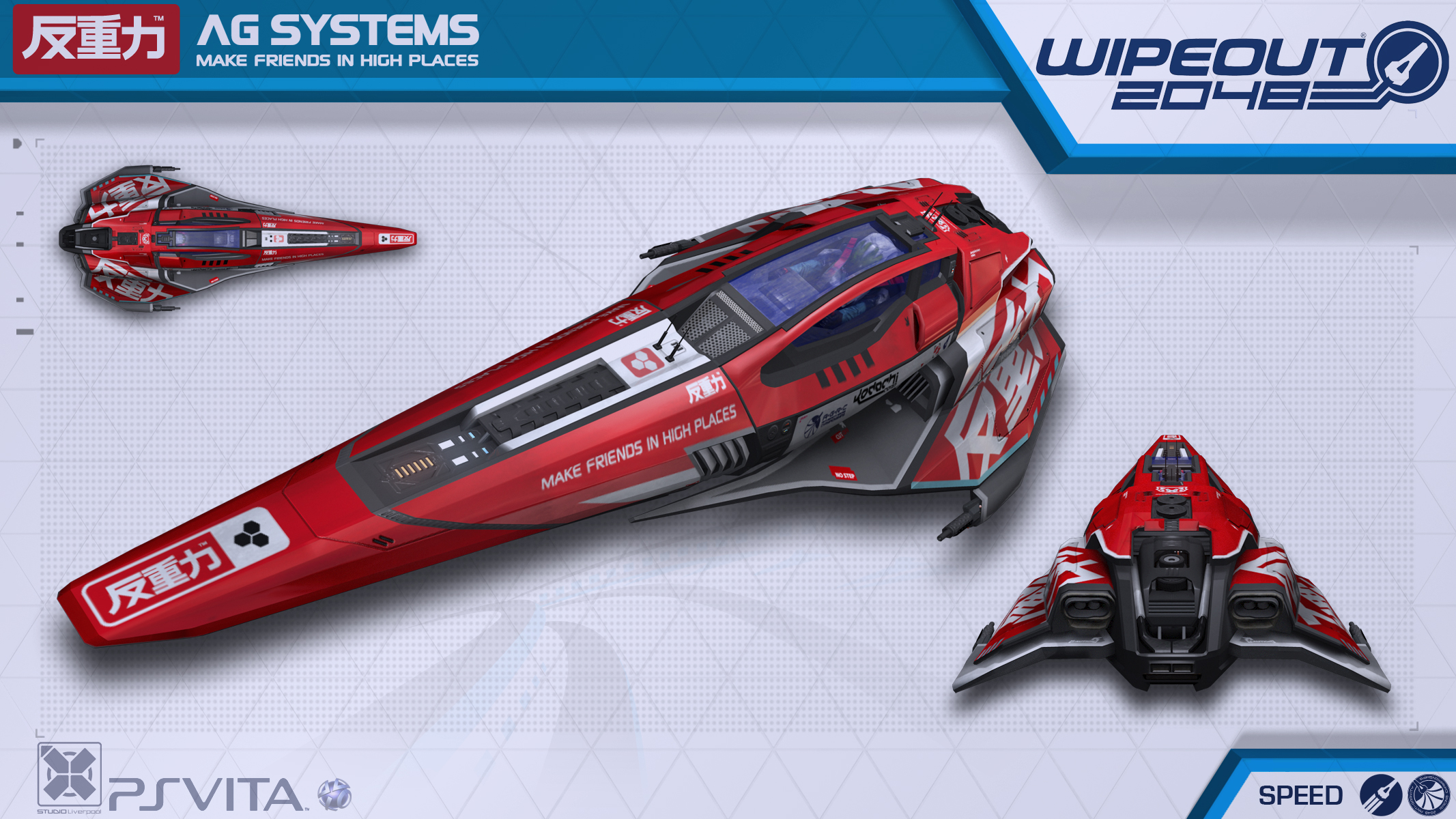
Anti-Gravity Racer from the Wipeout 2048 game.
Reference:
orig11.deviantart.net/3b4a/f/2012/133/4/1/ag_systems_spee...
farm8.staticflickr.com/7017/6440367325_bbdb0460fe_o.jpg

This build is my first major build for about a year and a half, so diving back into my hobby I chose to build something have much affection for: a racer from the racing game series Wipeout. I've built several Wipeout racers before, but since the latest addition Wipeout 2048 I've been dying to recreate one of the sleek ships that blend present-day racecars with the futuristic ships of the previous Wipeout games. However, only recently have I acquired enough red pieces to tackle a build of such scale. I wanted to include custom decals for the sponsors and logos on the ship, but being a purist I opted for strictly brick-built details.
From Exodus Systems comes the future of hoverbike technology: the Exodus Omega 1. With cutting-edge propulsion systems and top of the line materials, the Omega 1 is the pinnacle of single-rider transportation.
A little MOC I've been working on from an old table scrap that eventually formed the front of the bike. Obviously taking some big inspiration from Rey's speeder in The Force Awakens, but leaning more towards "luxury sci-fi bike" than "janky space tractor."
Poseidon - The Lab Tank
Varonis - Hideout Skybox
[CX] - Osseous Species Corset & Stockings in Bronze
[CX] - Yule Lord Tail in Gold
ANA - Trap Nova Helm
CURELESS[+] - Replicant Joints / FRESH
Our WonderPana filter system mounted on an Canon EF Rokinon Cinema Lens mounted on an EOS M camera via our EOS to EOS M Auto adapter.
- Photo by Bohus Blahut
The Devils Spring System has several springs in its short run to the Sante Fe River. The caverns of its spring heads are very popular for cave diving. It is but one of numerous springs that can be accessed at Ginnie Springs, a private campground located outside of High Springs, FL.
Time: 15.8.2021. 20:13 UTC
Location: Zagreb, Medvednica (850m)
Telescope: Celestron C6
Barlow: GSO x2.5
Camera: ASI120MM-s + Zwo RGB filters
Software: Sharpcap, Autostakkert!3, Registax6, Winjupos, Photoshop
Great Horned Owl, Willowbrook Wildlife Center, Glen Ellyn
Nikon D5100, Tamron 18-270, ISO 500, f/6.0, 140mm, 1/200s
Kodak Pony 135 (model c)
Kodak APS 400 (expired)
May 2020
My latest attempt at using the Kodak Pony 135 creatively: Shoot a roll of APS film though it. Why not?
I was given a roll of expired (no clue how old) APS film and decided to try shooting it through the pony. I pulled the film out of the APS cartridge and wound it back into a 135 cartridge and taped it to a 35mm leader to help get the film started. I knew this would work since the pony's shutter isn't connected to the film advance.
Do to the covid crisis I don't have access to the Nikon film scanner I usually use, so I have been doing DSLR scanning. This works well for BW and E6 film, but c41 film is much harder due to me lacking software like negative lab pro. So, its hard for me to know if the weird colors here are due to the film or my lack of competence in getting nice positives from DSLR scanned c41 film. Either way, I am glad to share another fun thing you can do with the Kodak Pony 135.
Thanks again to the film lab at Gene's Camera in South Bend, IN, in this case especially for accomodating such an unconventional request and still only charging me $5.
On February 23rd, 2023 morning, most of the IT systems of Hungarian State Railways stopped working.
This caused problems for passenger information and train tracking systems, and also for almost all MÁV employees. Train drivers and conductors had to fill out (even more) A4 papers throughout the day instead of logging their work in the online systems.
After getting home from university this day, I headed out to the nearby farm to capture passenger train #2923 with this nicely blossoming tree. It was a thrilling experience waiting around without knowing when the train would arrive, but to my luck, it managed to show up before the sun disappeared behind the tree lines.
This is an APS-H photo shot on Fujifilm APS Nexia A200 using a Yashica Profile 4000iX camera.
I did this because all the equipment involved was cheap and easy to get, but it sucked. It wasn't worth it. Here's my blog post about it.
Another Wipeout-inspired ship! The AG-Systems racer from Wipeout HD is one of my favourite ships from the series, and here I`ve just moved the cockpit from that desing a bit forward and changed the colour blocking in order to get the shapes closer to a spearhead.
The easternmost edge of Jupiter’s Great Red Spot and surrounding south tropical disturbance are captured in this image from NASA’s Juno spacecraft. At left, wispy tendrils from the Red Spot give the atmosphere a layered appearance as they partially obscure cloud features below.
Jupiter's appearance is a tapestry of vivid colors and swirling atmospheric vortices. Many aspects of the planet’s atmosphere are still a mystery. For example, the origin of individual storms or churning cloud features is unknown. By studying Jupiter’s weather up close for the first time, Juno is helping researchers better understand how atmospheres work in general – including our own. What we learn about Jupiter’s atmosphere will also help scientists understand how gas-giant planets work in general, including those now being discovered beyond our solar system.
This color-enhanced image was taken at 3:01 a.m. PDT on April 1, 2018 (6:01 a.m. EDT), as the spacecraft performed its 12th close flyby of Jupiter. At the time, Juno was about 7,900 miles (12,750 kilometers) from the planet's cloud tops, above a southern latitude of approximately 26 degrees.
Image Credit: NASA/JPL-Caltech/SwRI/MSSS/Brian Swift/Kevin M. Gill
Si vous voulez afficher cette photo dans un blog/site, merci de préciser l'url et nom qui suivent: Emilie D. / www.flickr.com/akikka
Pour toute utilisation dans la presse, me contacter par mail : l0ots@hotmail.fr