View allAll Photos Tagged maps
While exploring my archive I've stumbled on this map of Amman, it was published by "International Media Services", as you see their credentials at the map footer.
It's really a strange thing to find! I don't recall how it came into my archive.. it's like seeing a visualised memory directly in my hands. Anway, the map is really interesting, it shows you the brands, shops, venues and landmarks of Amman two decades ago, I'm sure many of us still remembering few parts of this map, the map of a vivid city who changed a lot.
The map, obviously, was drawn by hand, the artist who done that used some weird orientations, so you find Rainbow street is west of Al-Husseini Mosque and they share the same horizontal level, then you keep going west until you reach Abdoun, a few steps after Abdoun you find yourself in the Queen Alia Airport! Funny..
However, the artist made a good effort to draw the building's facade, I was impressed to see some iconic buildings of Amman drawn in a nice way, it seems like someone did a big research for photos and logos, and delivered them to the artist's hands.
Many brands in this map have been extinct, and many are still surviving, but it still Amman that we love!
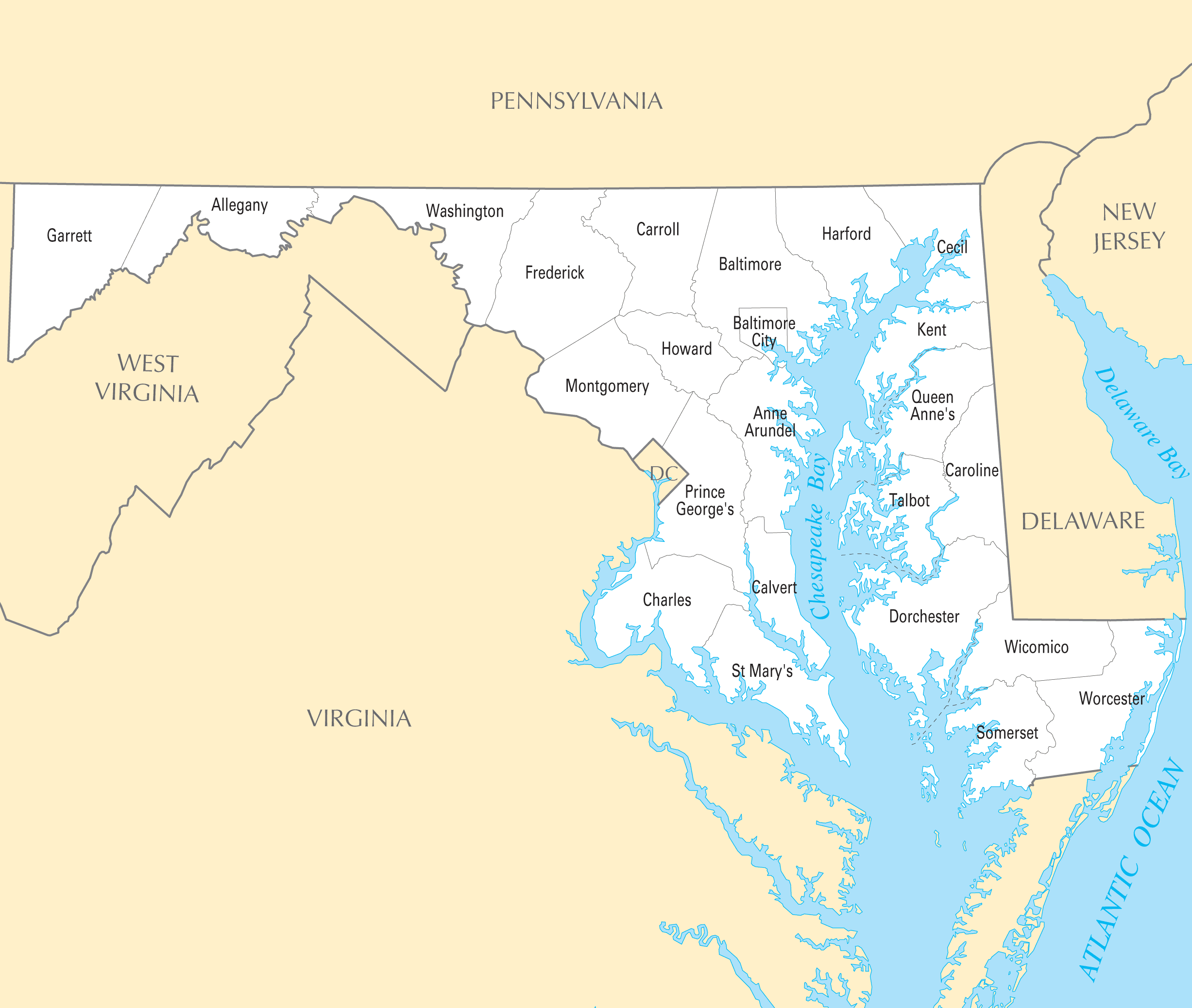
Map background courtesy of:
mapsof.net/uploads/static-maps/maryland_county_map.png
------------------------------------------------------------------------------------------
If you would like to use THIS picture in any sort of media elsewhere (such as newspaper or article), please send me a Flickrmail or send me an email at natehenderson6@gmail.com.
with thanks to www.midlandrailwaystudycentre.org.uk/contents.htm
The railway was an East West link of 183 miles and 20 chains between Yarmouth, Norwich and Peterborough with its works at the four way crossing at Melton Constable. 2 sections survive in use: the Cromer to Sheringham section of the national network and Sheringham to Holt (almost) as a preserved steam operated line.
Thanks to AFB for the store's number
------------------------------------------------------------------------------------------
If you would like to use THIS picture in any sort of media elsewhere (such as newspaper or article), please send me a Flickrmail or send me an email at natehenderson6@gmail.com
Title: Dublin Street Directory Map showing the boundaries of several wards
Year: 1852
Scale: 4 and one-eighth inches to one statute mile
Size: 40.5cm x 28cm
Location / recall no.: Cabinet 7, drawer 12
Notes: General Post Office Directory. Colour map
Dublin City Library and Archive houses a collection of maps of ancient and modern Dublin from the 17th century to the present day. From Speed's map of 1610 to Rocque's map of 1756, through to the Dublin City Development plans of today this collection traces the growth of the capital city. Maps of Ireland and the counties are also held.
Loner's Paradise MOC (still work in progress) is a build inspired by the drawings of the Swedish author Jan Lööf.
I've posted this for somebody else and know nothing about railways, so I'll appreciate any comments.
Thanks.
Collection of old maps scanned from books and other print sources Download them all at Photoshop Roadmap.
Description: Map of Pennsylvania with raised lines and braille.
Note: Map with tactile elements for use by the blind.
Creator: unknown, United States
Date: ca. 1930
Format: map
Digital Identifier: MAPS-00015
Rights: Samuel P. Hayes Research Library, Perkins School for the Blind, Watertown, MA
Printable tourist attractions map of Nashville.
Created by Tripomatic
www.tripomatic.com/United-States-of-America/Tennessee/Nas...
Maps of racial and ethnic divisions in US cities, inspired by Bill Rankin's map of Chicago, updated for Census 2010.
Red is White, Blue is Black, Green is Asian, Orange is Hispanic, Yellow is Other, and each dot is 25 residents.
Data from Census 2010. Base map © OpenStreetMap, CC-BY-SA
Printable tourist attractions map of Orlando.
Created by Tripomatic
www.tripomatic.com/United-States-of-America/Florida/Orlan...
From "Chicago Plans" by H. Evert Kincaid, in the 1943 Proceedings of the Institute of Traffic Engineers.
Turkey map www.mapsofworld.com/turkey/
shows the major geographical boundaries, cities and provinces of Turkey. Mapsofworld.com provides exclusive collection of maps of Turkey including Physical map, outline map, City Maps, Province maps
ck` e ếi ... ♥
bên tay trái nhoeee ... ♥
♥♥♥♥♥♥♥
dnài vào học r` nhưg vui l' ... ♥
hp vô cùg ... ♥
iu ck` e cực luôg ... ♥
ngài nào k~ đc gặp ck` nè ... ♥
ôi ... ♥♥♥
i luv more than i can say ... ♥
...
p/s: vào năm học r` .... ♥
chúc mấi bn. kóa 1 năm học vv~ nhoe ... ♥
ai kóa lòg tút thì fav + note cho mìg luôg he ....
ôi cí f* nì là cí chùaaaaa =]]]] XXX ... ♥
Collection of old maps scanned from books and other print sources Download them all at Photoshop Roadmap.
Seriously! WTF! How am I suppose to drive to get to point B when I'm taking public transportation!!!! Follow the notes.. ;)
I hope this might clear up some confusion on the Banded watersnake species (Nerodia fasciata). I get queries constantly about this from flickerites. There are 3 "Banded" watersnakes:
Southern Banded Watersnake
Broad Banded Watersnake
Florida Watersnake (Florida Banded Watersnake) As you can see the only "Banded" watersnake in most of Florida is the Florida Watersnake (Nerodia fasciata pictiventris) Some folks like to call the Florida Watersnake (Fl. banded watersnake) a Southern Watersnake but this can be very misleading as the Eastern Green Watersnake and the Brown watersnake are both found in the same range and they are both "watersnakes"
THIS MAP IS FROM THE BOOK: North American Watersnakes by Gobbons & Dorcus, Published by the UIniversity of Oklahoma Press>