Diverse California
View allAll Photos Tagged diverse
La Ceja, Colombia
The rufous-collared sparrow or Andean sparrow (Zonotrichia capensis) is an American sparrow found in a wide range of habitats, often near humans, from the extreme south-east of Mexico to Tierra del Fuego, and on the island of Hispaniola. It is famous for its diverse vocalizations.
🎈🌼 A little playful preparation for the winter - dried sage leaves in my garden ☕🍰
PS.: Tablett - handgemalt - russische Kunst vom Künstlermark in Moskau
PS.: Tray - hand-painted - Russian art by the artist Mark in Moscow
Thank you for visiting my gallery, commenting, and favorites – thank you for your appreciation of my pictures – I'm delighted! 🙏🌟🌷
(larger is best).
It is a real problem, is it not? How can we come to an understanding of this utterly diverse and complicated world whilst sitting in the particularity of our home? It is true that the media, from newspapers to TV and social media, offer us a daily digest of selected information. We would, I sincerely hope, critically examine these news and think for ourselves. However, even so, we would have to deal with the selective nature of the information. We never see "the whole picture". Our knowledge, even at the best of times, is necessarily fragmentary. It is absolutely important to be aware of this limitation - it is one of the virtues that make us human.
I am saying this because AI is on the march. AI has never ever left its ivory tower, it never "left home". It never made any experiences. AI has not seen anything. It does not know how to suffer. What it does is to harvest and (often illegally) exploit printed or published materials, information it has neither created nor even collected. It does not know what it does not know. And yet AI will come up with explanations and scenarios that are untroubled by any kind of self-doubt. AI does not know when it is peddling false information. AI will interpret the world whilst staying at its "home" and will not even be aware of it. Leica M8 plus Voigtlaender 35/1.4 at approx. F8.
Muntjac Deer - Muntiacus reevesi
Doe
Reeves’ muntjac are small, stocky and russet brown in colour in summer and grey/brown in winter. Bucks have short (10 cm) antlers growing from long pedicles. Antlers are usually unbranched but a very short brow tine is occasionally found in old bucks. They also have visible upper canines (tusks) suggesting that they are a primitive species. Muntjac have two pairs of large glands on the face. The upper pair are the frontal glands, whilst the lower glands, below the eyes, are called sub-orbitals. Both glands are used to mark territories and boundaries. They have a ginger forehead with pronounced black lines running up the pedicles in bucks, and a dark diamond shape on does. The haunches are higher than the withers giving a hunched appearance. They have a fairly wide tail, which is held erect when disturbed.
Muntjac were brought from China to Woburn Park in Bedfordshire in the early 20th century. They are now widespread and increasing in number and range. Deliberate releases and escapes from Woburn, Northamptonshire, and Warwickshire led to the establishment of feral populations. Movement and release by humans led to their rapid spread across south and central England and Wales, however, north of the Humber distribution is patchy but reaches close to the Scottish border.
Muntjac like deciduous or coniferous forests, preferably with a diverse understorey. They are also found in scrub and overgrown urban gardens. Unlike other species of deer in Britain, muntjac do not cause significant damage to agricultural or timber crops. However, high densities may prevent coppice regeneration and the loss of some plants of conservation importance, such as primulas. Muntjac trophy hunting has only recently become popular so there is little tradition of muntjac stalking on country and forest estates. The most significant direct economic impact that muntjac have on human interests is in collisions with cars. However, this has welfare as well as economic implications.
In contrast to all other species of deer in Britain, muntjac do not have a defined breeding season (rut). Instead, they breed all year round and the does can conceive again within days of giving birth. Bucks may fight for access to does but remain unusually tolerant of subordinate males within their vicinity.
Does are capable of breeding at seven months old. After a gestation period of seven months, they give birth to a single kid and are ready to mate again within a few days.
Bucks can live up to 16 years and does up to 19 years, but these are exceptional.
Muntjac are generally solitary or found in pairs (doe with kid or buck with doe) although pair-bonding does not occur. Bucks defend small exclusive territories against other bucks whereas does' territories overlap with each other and with several bucks.
They are known as ‘barking deer’ from the repeated loud bark given under a number of circumstances. An alarmed muntjac may scream whereas maternal does and kids squeak.
Muntjac are active throughout the 24-hour period but make more use of open spaces during the hours of darkness in populations subject to frequent disturbance. Peak activity is at dawn and dusk. Long periods are spent ‘lying up’, where the deer lies down to ruminate after feeding.
On the edge of Blidworth Woods, Sherwood Forest, Nottinghamshire. Silhouetted Oak and Pines on a snowy morning.
More in Hi-Res @ www.burieddreams.nl
Like or share: www.facebook.com/burieddreamsphotos
Sale: www.burieddreams.nl/category/sale-expo-events
Instagram: www.instagram.com/burieddreams.in.decay/
Na eerst een paar dagen in de Harz te hebben doorgebracht, stonden nu meerdere dagen aan het Werratal op de planning. Dit keer weer 'Dampf trift Kies', met de locomotieven 41 1144-9 (IGE Werratal), 41 1150-6 (Bayerisches Eisenbahnmuseum), 52 8079-7 en 02 201-0 (beide Dampf Plus). Op de tweede dag (vrijdag) reden de 41 1144-9, 41 1150-6 en 52 8079-7 diverse goederentreinen en de 02 201-0 personentreinen tussen Eisenach en Meiningen. 's Avonds reed de 02 201-0 ook nog een rit naar Bebra en terug.
After having spent a few days in the Harz, several days at the Werratal were on the schedule now. This time again 'Dampf trift Kies', with the locomotives 41 1144-9 (IGE Werratal), 41 1150-6 (Bavarian Eisenbahn Museum), 52 8079-7 and 02 201-0 (both Dampf Plus). On the second day (Fryday), the 41 1144-9, 41 1150-6 and 52 8079-7 ran various freight trains and the 02 201-0 personal trains between Eisenach and Meiningen. In the early night the 02 201-0 also went to Bebra and back.
Nach einigen Tagen im Harz standen nun mehrere Tage im Werratal auf dem Programm. Diesmal wieder „Dampf trift Kies“, mit den Lokomotiven 41 1144-9 (IGE Werratal), 41 1150-6 (Bayerisches Eisenbahnmuseum), 52 8079-7 und 02 201-0 (Dampf Plus). Am zweiten Tag (Freitag) fuhren die 41 1144-9, 41 1150-6 und 52 8079-7 verschiedene Güterzüge und die 02 201-0 Personenzüge zwischen Eisenach und Meiningen. Am Abend fuhr die 02 201-0 nach nach Bebra und zurück.
One of its faces, showing many faces in the same frame. The Liverpool Street area is possibly the most diverse part of the Square Mile.
Definitely an interesting, diverse day in NE Kansas today.
After a fantasy football soiree in Lawrence, I decided to head out and managed five trains on three lines, over the course of about two hours. Not bad!
Last up was the UP 1983 east rolling along the Kansas Sub between Midland and Lawrence. This was on the head end of the UEUMPL-10, a loaded ethanol train that runs from Doulom, NE - Peach, TX.
photo rights reserved by B℮n
Tbilisi is the capital and largest city of Georgia, situated in the eastern part of the country along the banks of the Kura River. The city has a rich history that spans over 1,500 years and has been influenced by various cultures and civilizations throughout the centuries. Tbilisi was founded in the 5th century by the Georgian King Vakhtang I Gorgasali. According to legend, the king discovered the warm sulfur springs during a hunting expedition and decided to build a city at that location. Over the centuries, Tbilisi has been influenced by different empires, including the Persians, Arabs, Mongols, Ottomans, and Russians, leading to a rich and diverse cultural mix. The old town center is a maze of narrow streets with traditional houses, balconies, and churches, and it also houses the famous sulfur baths. From the entrance portal of the church you can see the old city walls and the Semeba Cathedral. The Sameba Cathedral, also known as the Holy Trinity Cathedral, is the largest church in Georgia and one of the largest Orthodox churches in the world. Situated on Elijah Hill, the cathedral dominates the landscape of Tbilisi. Construction began in 1995 and was completed in 2004, as a symbol of Georgian religious revival after the collapse of the Soviet Union. The cathedral, with its golden dome, incorporates both traditional and modern elements in its architecture, and serves as the spiritual center of the Georgian Orthodox Church.
From the window of the entrance portal of the Metekhi Church, you are treated to a breathtaking view that includes both the ancient city walls of Tbilisi and the grand Sameba Cathedral. The historic city walls, winding along the hills, stand as a reminder of the city’s rich past, having defended Tbilisi through centuries of invasions and rebuilding. These ancient fortifications offer a glimpse into the resilient spirit of the old city. In the distance, the towering Sameba Cathedral, also known as the Holy Trinity Cathedral, rises above the modern parts of the city. One of the largest Orthodox churches in the world, it dominates the skyline with its golden dome, symbolizing the religious and cultural revival of Georgia after the collapse of the Soviet Union.
Tbilisi is de hoofdstad en grootste stad van Georgië, gelegen in het oosten van het land aan de oevers van de rivier de Koera. De stad heeft een rijke geschiedenis die meer dan 1.500 jaar teruggaat en heeft door de eeuwen heen vele invloeden ondergaan van diverse culturen en beschavingen. Tbilisi werd gesticht in de 5e eeuw door de Georgische koning Vakhtang I Gorgasali. Volgens de legende ontdekte de koning de warme zwavelbronnen tijdens een jachtpartij en besloot hij op die plek een stad te bouwen. Door de eeuwen heen is Tbilisi beïnvloed door verschillende rijken, waaronder de Perzen, Arabieren, Mongolen, Ottomanen en Russen, wat heeft geleid tot een rijke en diverse culturele mix. Het oude stadscentrum is een doolhof van smalle straatjes met traditionele huizen, balkons en kerken, en herbergt ook de beroemde zwavelbaden. Het uitzicht vanaf de Metekhi Kerk in Tbilisi is adembenemend en biedt een panoramisch beeld van de historische stad en de omgeving. De kerk ligt op een hoge klif aan de oever van de rivier de Mtkvari (Kura), waardoor bezoekers een prachtig uitzicht hebben over het oude stadscentrum van Tbilisi. Vanuit het ingangs portaal van de kerk kun je de oude stadmuren en de Semeba Kathedraal zien. De Sameba Kathedraal, ook wel bekend als de Heilige Drievuldigheidskathedraal, is de grootste kerk in Georgië en een van de grootste orthodoxe kerken ter wereld. Gelegen op de Elia-heuvel, domineert de kathedraal het landschap van Tbilisi. De bouw begon in 1995 en werd voltooid in 2004, als symbool van de Georgische religieuze heropleving na het uiteenvallen van de Sovjet-Unie. De kathedraal, met zijn goudkleurige koepel, bevat zowel traditionele als moderne elementen in de architectuur, en fungeert als het spirituele centrum van de Georgisch-Orthodoxe kerk.
Crows are among the most intelligent of birds. Experiments indicate that American crows can count to three or four, are good at solving puzzles, have good memories, employ a diverse and behaviorally complex range of vocalizations, and quickly learn to associate various noises and symbols with food. One report describes an American crow that dropped palm nuts onto a residential street, then waited for passing automobiles to crack them. Crows are keen and wary birds. Consider the number of crows that scavenge along highways; how many have you seen hit by autos? Crows can mimic sounds made by other birds and animals and have been taught to mimic the human voice. The myth that splitting the tongue allows a crow to talk better, however, is not true and is needlessly cruel.
Crows often post a sentinel while feeding. Although studies indicate that the sentinel may be part of a family group, unrelated crows and other birds in the area likely benefit from the sentinel’s presence.
The American crow is one of America’s best-known birds. Males and females are outwardly alike. Their large size (17 to 21 inches [43 to 53 cm] long), completely coal-black plumage, and familiar “caw caw” sound make them easy to identify. They are fairly common in areas near people, and tales of their wit and intelligence have been noted in many stories.
Three other crows occur in the continental United States, the fish crow (Corvus ossifragus), the northwestern crow (Corvus caurinus), and the Mexican crow (Corvus imparatus). Fish crows are primarily inhabitants of the eastern and southeastern coastal United States, but their range extends into the eastern edges of Oklahoma and Texas. Fish crows are somewhat smaller than American crows, but in the field they appear much alike. They can be distinguished, however, by their calls — the fish crow call is a short, nasal “ca,” “car,” or “ca-ha.” Northwestern crows, as their name implies, occur in the northwest along the coastal strip from Washington to Alaska. They are most often seen foraging along beaches. Northwestern crows are smaller than American crows, but in Washington state these two species may hybridize. Mexican crows occur in south Texas (Brownsville area) primarily during fall and winter and are fairly small for crows. Their voice is a low froglike “gurr” or “croak” or, in some areas, a higher-pitched “creow.”
This may be a Fish Crow. He or she is not as big as most of the crows I see. It was cawing up a storm and the caw sounded more of a deep almost bass sound to it. Found it along Joe Overstreet Road, Osceola County, Florida.
This photo appeared in this week's North Hawaii News, which was published this morning.
This was the first assignment where I was both the story writer and photographer. The article I wrote is found below this photo's byline, seen here:
BILL ADAMS | NORTH HAWAII NEWS
2008 Grammy Award nominee Donald Kauli'a, left, prepares to begin a slack key guitar lesson for five students from Cornell University's Earth and Environmental Systems (EES) Field Program.
The students pictured are, from front-row-top, Kourtney Reynolds, a senior from San Diego, California, Hannah Kubica, a junior from Little Falls, New York, Keisuke Irie, a senior from Bergen County, New Jersey, Matt Connelly, a sophomore from Syracuse, New York, and Tyler Huth, a sophomore from Boston, Massachusetts. In the rear is EES Field Program Director and Professor, Dr. Alexandra Moore.
The session was held at the Waimea Music Exchange store in the Parker Ranch Center this past Saturday.
--
Studies In The Art Of The Slack Key
by Bill Adams
The Waimea Music Exchange store at Parker Center was filled with the beautiful sounds of Hawaiian music this past Saturday morning as a group of students from Cornell University participated in a slack key guitar lesson taught by the Big Island's own Don Kauli'a, whose album "Sweet Wahine" was nominated for a 2008 Grammy Award.
The students are enrolled in Cornell's Earth and Environmental Systems (EES) Field Program. A 5-month course which spans the entire spring semester, students engage in field, class and laboratory studies focused on the various ecosystems of our Hawaiian island chain and of Hawaii's history and culture.
Led by Professor Dr. Alexandra Moore, the EES Field Program is based out of Waimea and hosted by the Hawaii Preparatory Academy. The students' living quarters is the 8-bedroom Waiaka House near the main campus of HPA.
Dr. Moore explained, "The students are immersed in studies geared towards "Kumu Pa'a I Ka 'Aina, which translates to 'Knowledge and understanding that comes from the land.'"
The stated mission of the EES Field Program is "To inspire stewardship of the Earth through first-hand experience with the power, and fragility, of Earth's interconnected systems."
Upon completion of the EES Field Program, students will achieve 18 credit hours from courses such as; Field Study of the Earth System, Biogeochemistry of the Hawaiian Islands, Field Study of Marine Ecosystems, Internship Experience, and an Introduction to Hawaiian History and Culture, which included Saturday's slack key guitar lesson.
The Program stresses the importance of respecting the Hawaiian ancestral lands and to give something back to the community by engaging in a variety of service learning (in class) projects and local volunteer opportunities. Students are also encouraged to explore ways in which they can contribute to the well-being of their adopted community.
Before Saturday's lesson began, the students were able to briefly meet and chat with another famous Big Island slack key guitar master, Sonny Lim, a 2007 Grammy Award winner for his work on the album, "Slack Key Guitar Volume 2".
Participating in Saturday's guitar lessons were a diverse group of five Cornell University students; Hannah Kubica, a junior from Little Falls, New York, Keisuke Irie, a senior from Bergen County, New Jersey, Matt Connelly, a sophomore from Syracuse, New York, Kourtney Reynolds, a senior from San Diego, California and Tyler Huth, a sophomore from Boston, Massachusetts.
More information about Cornell University's EES Field Program can be found on the Internet at www.geo.cornell.edu/hawaii.
Na diverse losse locs was daar de SBB Cargo 189 994 met de tekst: "Novelis: not just aluminium, Novelis aluminium" onderweg naar de Waalhaven, Rotterdam 16 april 2020.
"Charm is the smile of the soul!" - Wishing you all a joyful final stretch of Carnival!
in Explore
Thank you for visiting my gallery, commenting, and favorites – thank you for your appreciation of my pictures – I'm delighted! 🙏🌟🌷
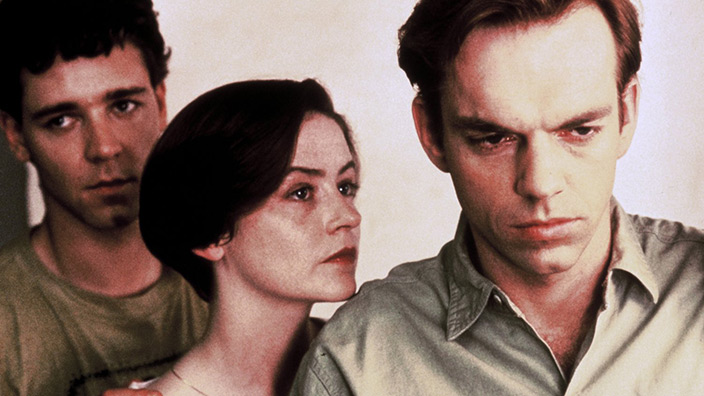
"And so I write this for you, my Sarah. With the hope that one day, when you're old enough, this story that lives with me, will live with you as well. When a story is told, it is not forgotten. It becomes something else: a memory of who we were, the hope of what we can become."
… from the movie “Sarah's Key".
"A volte le storie che non riusciamo a raccontare sono proprio le nostre, ma se una storia non viene raccontata diventa qualcos'altro, una storia dimenticata. Quando una storia viene raccontata, non può essere dimenticata, diventa qualcos'altro. Il ricordo di chi eravamo, la speranza di ciò che possiamo diventare."
… dal film “La chiave di Sara”
-------------------------------
www.imdb.com/it/title/tt0102721/
www.imdb.com/it/title/tt0102721/mediaviewer/rm4025293568/
sbs-au-brightspot.s3.ap-southeast-2.amazonaws.com/drupal/...
d32qys9a6wm9no.cloudfront.net/images/movies/backdrop/4c/8...

m.media-amazon.com/images/I/81T2mYZ41OL._AC_SL1500_.jpg

----------------------------------------------------------
click to activate the small icon of slideshow: the small triangle inscribed in the small rectangle, at the top right, in the photostream (it means the monitor);
or…. Press the “L” button to zoom in the image;
clicca sulla piccola icona per attivare lo slideshow: sulla facciata principale del photostream, in alto a destra c'è un piccolo rettangolo (rappresenta il monitor) con dentro un piccolo triangolo nero;
oppure…. premi il tasto “L” per ingrandire l'immagine;
Qi Bo's photos on Fluidr
Qi Bo's photos on Flickriver
www.worldphoto.org/sony-world-photography-awards/winners-...
www.fotografidigitali.it/gallery/2726/opere-italiane-segn...
......................................................
This is a photographic account of my recent week-long vacation on the island of Favignana, spent at the end of July this year (2026). Specifying the year is a must, as I often post reports from past years.
Favignana is the largest of the Egadi islands, followed by Levanzo (the smallest) and Marettimo, as well as several smaller islets. On this trip, I returned with my wife, years after our honeymoon: we only stayed for one day, and I had with me a compact film camera purchased especially for the occasion on Via Etnea in Catania.
Seen from above, some have poetically glimpsed Favignana as the shape of a butterfly with open wings. The landscape is characterized by gentle hills—with the highest point at Monte Santa Caterina—and several flat areas. The coastline is very rugged, full of inlets, sea caves, hidden coves, and others that are easily accessible; I've visited practically all of the latter. Among the many, I particularly remember Cala Rossa, Cala Azzurra, Bue Marino, Cala Grande, Lido Burrone, and Cala San Nicola. The local road system is dominated by bicycles (traditional and electric), motorcycles, and mopeds, while cars are rare, partly due to an ordinance prohibiting tourist landings except under special conditions.
The history of Favignana is inextricably linked to the Florio family and its imposing tuna fishery, a combination that radically transformed the island between the late 19th and 20th centuries, making it the beating heart of the Mediterranean economy and fishing. The Florios became the symbol of the Sicilian Belle Époque and the southern industrial bourgeoisie when, in 1874, Ignazio Florio Senior purchased the islands of Favignana and Formica. The family didn't limit itself to traditional fishing, but also industrialized the entire process: inaugurated in 1891, the enormous tuna canning plant became one of the largest and most advanced in Europe.
The Florios introduced a revolutionary idea for the time: cooking the tuna and storing it in oil in tins, rather than preserving it in salt, thus allowing the product to be marketed on an industrial scale. The family's influence on the island was widespread. The company employed hundreds of locals and, within the complex, built warehouses, boathouses, workshops, and even a nursery for the workers' children.
The business subsequently gradually declined until it finally closed in the 1970s. After decades of abandonment, the former plant is now an extraordinary museum. Visiting it—which I did with great interest—means stepping back in time among enormous cooking cauldrons, old slaughter boats, and an archaeological site that also houses the bronze rams from the Battle of the Egadi Islands (241 BC). This decisive naval battle, fought and won by the Romans in the waters of the archipelago, marked the end of the First Punic War, destroying the naval power of Carthage, forcing it to surrender and cede control of Sicily to Rome.
I created this photographic story in two parts: the first with color photographs, the second in black and white.
(second part - black and white)
…………………….
Questo è un racconto fotografico della mia recentissima settimana di vacanze nell’isola di Favignana, trascorsa a fine luglio di quest'anno (2026). Specificare l'anno è per me d'obbligo, poiché mi capita spesso di postare reportage realizzati negli anni passati.
Favignana è la maggiore delle isole Egadi, seguita da Levanzo (la più piccola) e da Marettimo, oltre a diversi isolotti minori. In questo viaggio sono tornato con mia moglie, a distanza di anni dal nostro viaggio di nozze: allora ci fermammo solo per una giornata, e io avevo con me una compatta a pellicola acquistata appositamente per l'occasione in via Etnea, a Catania.
Vista dall'alto, qualcuno ha poeticamente intravisto in Favignana la forma di una farfalla con le ali aperte. Il paesaggio è caratterizzato da dolci rilievi collinari — con il punto più alto nel Monte Santa Caterina — e da diverse aree pianeggianti. La costa è molto frastagliata, ricca di insenature, grotte marine, calette nascoste e altre facilmente accessibili; queste ultime le ho visitate praticamente tutte. Tra le tante, ricordo in particolare Cala Rossa, Cala Azzurra, Bue Marino, Cala Grande, Lido Burrone e Cala San Nicola. La viabilità locale è dominata dalla presenza di biciclette (tradizionali ed elettriche), moto e motorini, mentre le automobili circolano in numero ridotto, anche a causa di un'ordinanza che ne vieta lo sbarco turistico se non in particolari condizioni.
La storia di Favignana è indissolubilmente legata alla famiglia Florio e alla sua imponente tonnara, un binomio che ha trasformato radicalmente l'isola tra la fine dell'Ottocento e il Novecento, facendone il cuore pulsante dell'economia e della pesca nel Mediterraneo. I Florio divennero il simbolo della Belle Époque siciliana e della borghesia industriale del Sud quando, nel 1874, Ignazio Florio Senior acquistò le isole di Favignana e Formica. La famiglia non si limitò a gestire la pesca tradizionale, ma volle industrializzare l'intero processo: inaugurato nel 1891, l'enorme stabilimento per la conservazione del tonno divenne una delle tonnare più grandi e avanzate d'Europa.
I Florio introdussero un'intuizione rivoluzionaria per l'epoca: cuocere il tonno e metterlo sott’olio in scatole di latta, anziché conservarlo sotto sale, permettendo così di commercializzare il prodotto su scala industriale. L'influenza della famiglia sull'isola fu totale. L'azienda diede lavoro a centinaia di persone del posto e, all'interno del complesso creò magazzini, rimesse per le barche, officine e persino un asilo nido per i figli degli operai.
Successivamente l'attività andò progressivamente riducendosi fino alla definitiva chiusura negli anni '70. Dopo decenni di abbandono, oggi l'ex stabilimento è uno straordinario museo. Visitarlo — cosa che ho fatto con grandissimo interesse — significa fare un salto indietro nel tempo tra enormi calderoni di cottura, le vecchie barche della mattanza ed un'area archeologica che custodisce anche i rostri di bronzo della Battaglia delle Egadi (241 a.C.). Proprio questo scontro navale decisivo, combattuto e vinto dai Romani nelle acque dell'arcipelago, segnò la fine della Prima Guerra Punica, distruggendo la potenza navale di Cartagine, costringendola alla resa ed a cedere il controllo della Sicilia a Roma.
Ho realizzato questo racconto fotografico in due parti: una prima con fotografie a colori, una seconda in bianco e nero.
(seconda parte - bianco e nero).
…………………………………………………
After years in the southwest, I'm still struck by how diverse the landscape is - barren flat desert, towering mountain ranges, abrupt canyons, life rich rivers and everything in between.
www.instagram.com/michaelpaul.photoworks
Will try to take less "nature bokeh" photos this month. Think I covered most of my town's winter flora during January... ;)
Thank you all so much for my first Explore! :)
The New York Times Ethicist recently published a "ruling" on the ethics of AI generative art. He was responding to a person who wanted to use an Etsy image but was concerned the seller was profiting off the work of artists used to train generative AI. The Ethicist pointed out that artists have always stood on the shoulders of other artists, an argument that resonates with me. The image you see here is not simply the result of prompting an image in Midjourney because I made quite a few changes to it in Kira, using the Stable Diffusion plugin and using my digital painting skills and tools (like rearranging the chickens, recreating the woman in the distance, giving the man a hat etc.). But my influence on the image goes deeper. I used Midjourney's personalize parameter to generate images that reflect my aesthetic, color choices, brush work, level of detail and so on. The training was simple. I was given four thousand sets of widely diverse images and told to choose one of them. In other words, this is my unconscious "style." Unconscious because I did not deliberately tell Midjourney everything I prefer when I am painting. And in the act of grabbing from the gush of images this personalization parameter produced, I chose this image. Probably because I have re-discovered NC Wyeth who is famous for his illustrations of the old childhood novel "Treasure Island." He influences how I use illustration to tell stories. And Edward Hopper influences the mood of my work. And Norman Rockwell. Did Rockwell absorb NC Wyeth? I think so. Caravaggio gives my work its lighting. And perhaps NC Wyeth's son Andrew suffused my work. He taught me how to pay attention to the world immediately around me. And perhaps to some degree hundreds of more artists famous and obscure seen in museums, art workshops, videos and Internet images. In fact I have produced over 800 images of the Ravensway world using this amazing productive power of AI. A world that has storytelling power.
Worthing Borough Council has commissioned Five Rivers Environmental Contracting to create a new thriving natural habitat for a diverse range of wildlife at the lake.
The project is expected to take 12 weeks but this will depend on the weather.
West Coast Railways class 47 382 diesel electric attached to BR(SR) 34067 BoB class steam locomotive 'Tangmere' at Preston. The 47 is about to haul both 34067 and its support coach back to the WCR base at Carnforth Lancs.
'Tangmere' having arrived at Preston about half an hour earlier with the Cumbrian Mountain Express. The route taking in Carlisle, then southbound over the Settle & Carlisle Railway via Appleby, Settle, Hellifield then turning westwards for Wigan to rejoin the WCML.
C506, 48s35, 869 and 44206 continue their journey running light engine from Ardglen to Werris Creek after allowing the Armidale Xplorer to pass.
Quirindi, NSW.
Saturday 29 January 2022.
The area that was to become West Palm Beach was settled in the late 1870s and 1880s by a few hundred settlers who called the vicinity "Lake Worth Country." These settlers were a diverse community from different parts of the United States and the world. They included founding families such at the Potters and the Lainharts, who would go on to become leading members of the business community in the fledgling city. The first white settlers in Palm Beach County lived around Lake Worth, then an enclosed freshwater lake, named for Colonel William Jenkins Worth, who had fought in the Second Seminole War in Florida in 1842. Most settlers engaged in the growing of tropical fruits and vegetables for shipment the north via Lake Worth and the Indian River. By 1890, the U.S. Census counted over 200 people settled along Lake Worth in the vicinity of what would become West Palm Beach. The area at this time also boasted a hotel, the "Cocoanut House", a church, and a post office. The city was platted by Henry Flagler as a community to house the servants working in the two grand hotels on the neighboring island of Palm Beach, across Lake Worth in 1893, coinciding with the arrival of the Florida East Coast railroad. Flagler paid two area settlers, Captain Porter and Louie Hillhouse, a combined sum of $45,000 for the original town site, stretching from Clear Lake to Lake Worth.
On November 5, 1894, 78 people met at the "Calaboose" (the first jail and police station located at Clematis St. and Poinsettia, now Dixie Hwy.) and passed the motion to incorporate the Town of West Palm Beach in what was then Dade County (now Miami-Dade County). This made West Palm Beach the first incorporated municipality in Dade County and in South Florida. The town council quickly addressed the building codes and the tents and shanties were replaced by brick, brick veneer, and stone buildings. The city grew steadily during the 1890s and the first two decades of the 20th century, most residents were engaged in the tourist industry and related services or winter vegetable market and tropical fruit trade. In 1909, Palm Beach County was formed by the Florida State Legislature and West Palm Beach became the county seat. In 1916, a new neo-classical courthouse was opened, which has been painstakingly restored back to its original condition, and is now used as the local history museum.
The city grew rapidly in the 1920s as part of the Florida land boom. The population of West Palm Beach quadrupled from 1920 to 1927, and all kinds of businesses and public services grew along with it. Many of the city's landmark structures and preserved neighborhoods were constructed during this period. Originally, Flagler intended for his Florida East Coast Railway to have its terminus in West Palm, but after the area experienced a deep freeze, he chose to extend the railroad to Miami instead.
The land boom was already faltering when city was devastated by the 1928 Okeechobee hurricane. The Depression years of the 1930s were a quiet time for the area, which saw slight population growth and property values lower than during the 1920s. The city only recovered with the onset of World War II, which saw the construction of Palm Beach Air Force Base, which brought thousands of military personnel to the city. The base was vital to the allied war effort, as it provided an excellent training facility and had unparalleled access to North Africa for a North American city. Also during World War II, German U-Boats sank dozens of merchant ships and oil tankers just off the coast of West Palm Beach. Nearby Palm Beach was under black out conditions to minimize night visibility to German U-boats.
The 1950s saw another boom in population, partly due to the return of many soldiers and airmen who had served in the vicinity during the war. Also, the advent of air conditioning encouraged growth, as year-round living in a tropical climate became more acceptable to northerners. West Palm Beach became the one of the nation's fastest growing metropolitan areas during the 1950s; the city's borders spread west of Military Trail and south to Lake Clarke Shores. However, many of the city's residents still lived within a narrow six-block wide strip from the south to north end. The neighborhoods were strictly segregated between White and African-American populations, a legacy that the city still struggles with today. The primary shopping district remained downtown, centered around Clematis Street.
In the 1960s, Palm Beach County's first enclosed shopping mall, the Palm Beach Mall, and an indoor arena were completed. These projects led to a brief revival for the city, but in the 1970s and 1980s crime continued to be a serious issue and suburban sprawl continued to drain resources and business away from the old downtown area. By the early 1990s there were very high vacancy rates downtown, and serious levels of urban blight.
Since the 1990s, developments such as CityPlace and the preservation and renovation of 1920s architecture in the nightlife hub of Clematis Street have seen a downtown resurgence in the entertainment and shopping district. The city has also placed emphasis on neighborhood development and revitalization, in historic districts such as Northwood, Flamingo Park, and El Cid. Some neighborhoods still struggle with blight and crime, as well as lowered property values caused by the Great Recession, which hit the region particularly hard. Since the recovery, multiple new developments have been completed. The Palm Beach Mall, located at the Interstate 95/Palm Beach Lakes Boulevard interchange became abandoned as the downtown was revitalized - the very mall that initiated the original abandonment of the downtown. The mall was then redeveloped into the Palm Beach Fashion Outlets in February 2014. A station for All Aboard Florida, a high-speed passenger rail service serving Miami, Fort Lauderdale, West Palm Beach, and Orlando, is under construction as of July 2015.
Credit for the data above is given to the following website:
The area that was to become West Palm Beach was settled in the late 1870s and 1880s by a few hundred settlers who called the vicinity "Lake Worth Country." These settlers were a diverse community from different parts of the United States and the world. They included founding families such at the Potters and the Lainharts, who would go on to become leading members of the business community in the fledgling city. The first white settlers in Palm Beach County lived around Lake Worth, then an enclosed freshwater lake, named for Colonel William Jenkins Worth, who had fought in the Second Seminole War in Florida in 1842. Most settlers engaged in the growing of tropical fruits and vegetables for shipment the north via Lake Worth and the Indian River. By 1890, the U.S. Census counted over 200 people settled along Lake Worth in the vicinity of what would become West Palm Beach. The area at this time also boasted a hotel, the "Cocoanut House", a church, and a post office. The city was platted by Henry Flagler as a community to house the servants working in the two grand hotels on the neighboring island of Palm Beach, across Lake Worth in 1893, coinciding with the arrival of the Florida East Coast railroad. Flagler paid two area settlers, Captain Porter and Louie Hillhouse, a combined sum of $45,000 for the original town site, stretching from Clear Lake to Lake Worth.
On November 5, 1894, 78 people met at the "Calaboose" (the first jail and police station located at Clematis St. and Poinsettia, now Dixie Hwy.) and passed the motion to incorporate the Town of West Palm Beach in what was then Dade County (now Miami-Dade County). This made West Palm Beach the first incorporated municipality in Dade County and in South Florida. The town council quickly addressed the building codes and the tents and shanties were replaced by brick, brick veneer, and stone buildings. The city grew steadily during the 1890s and the first two decades of the 20th century, most residents were engaged in the tourist industry and related services or winter vegetable market and tropical fruit trade. In 1909, Palm Beach County was formed by the Florida State Legislature and West Palm Beach became the county seat. In 1916, a new neo-classical courthouse was opened, which has been painstakingly restored back to its original condition, and is now used as the local history museum.
The city grew rapidly in the 1920s as part of the Florida land boom. The population of West Palm Beach quadrupled from 1920 to 1927, and all kinds of businesses and public services grew along with it. Many of the city's landmark structures and preserved neighborhoods were constructed during this period. Originally, Flagler intended for his Florida East Coast Railway to have its terminus in West Palm, but after the area experienced a deep freeze, he chose to extend the railroad to Miami instead.
The land boom was already faltering when city was devastated by the 1928 Okeechobee hurricane. The Depression years of the 1930s were a quiet time for the area, which saw slight population growth and property values lower than during the 1920s. The city only recovered with the onset of World War II, which saw the construction of Palm Beach Air Force Base, which brought thousands of military personnel to the city. The base was vital to the allied war effort, as it provided an excellent training facility and had unparalleled access to North Africa for a North American city. Also during World War II, German U-Boats sank dozens of merchant ships and oil tankers just off the coast of West Palm Beach. Nearby Palm Beach was under black out conditions to minimize night visibility to German U-boats.
The 1950s saw another boom in population, partly due to the return of many soldiers and airmen who had served in the vicinity during the war. Also, the advent of air conditioning encouraged growth, as year-round living in a tropical climate became more acceptable to northerners. West Palm Beach became the one of the nation's fastest growing metropolitan areas during the 1950s; the city's borders spread west of Military Trail and south to Lake Clarke Shores. However, many of the city's residents still lived within a narrow six-block wide strip from the south to north end. The neighborhoods were strictly segregated between White and African-American populations, a legacy that the city still struggles with today. The primary shopping district remained downtown, centered around Clematis Street.
In the 1960s, Palm Beach County's first enclosed shopping mall, the Palm Beach Mall, and an indoor arena were completed. These projects led to a brief revival for the city, but in the 1970s and 1980s crime continued to be a serious issue and suburban sprawl continued to drain resources and business away from the old downtown area. By the early 1990s there were very high vacancy rates downtown, and serious levels of urban blight.
Since the 1990s, developments such as CityPlace and the preservation and renovation of 1920s architecture in the nightlife hub of Clematis Street have seen a downtown resurgence in the entertainment and shopping district. The city has also placed emphasis on neighborhood development and revitalization, in historic districts such as Northwood, Flamingo Park, and El Cid. Some neighborhoods still struggle with blight and crime, as well as lowered property values caused by the Great Recession, which hit the region particularly hard. Since the recovery, multiple new developments have been completed. The Palm Beach Mall, located at the Interstate 95/Palm Beach Lakes Boulevard interchange became abandoned as downtown revitalized - the very mall that initiated the original abandonment of the downtown. The mall was then redeveloped into the Palm Beach Fashion Outlets in February 2014. A station for All Aboard Florida, a high-speed passenger rail service serving Miami, Fort Lauderdale, West Palm Beach, and Orlando, is under construction as of July 2015.
Credit for the data above is given to the following website:
LE GRAND CAPRICORNE DU CHÊNE (Cerambyx cerdo) Avoisinant les 6 cm hors antennes le Grand capricorne du chêne (Cerambyx cerdo) appartient à la famille des Cérambycidés, autrement dit des longicornes, laquelle dépasse les 230 espèces pour la faune française. Comme son nom le laisse supposer, c'est un hôte des chênes, et outre les diverses essences indigènes, il ne dédaigne pas les espèces américaines souvent utilisées en sujets isolés, ou encore comme arbres d'alignements en milieu urbain ou sub-urbain.L'insecte est actuellement protégé par la Loi, mais s'il tend effectivement à se raréfier dans certaines régions (nord), force est de constater qu'en d'autres lieux il est loin d'être rare. Contrairement à d'autres longicornes le cerdo attaque le bois vivant, et de surcroît assez profondément, ce qui peut induire une notable dévalorisation de l'arbre .Contrairement à d'autres longicornes le cerdo attaque le bois vivant, et de surcroît assez profondément, ce qui peut induire une notable dévalorisation de l'arbre.
**
THE GREAT CAPRICORN OF OAK (Cerambyx cerdo) Adjacent to the 6 cm off antennas, the Great Oak Capricorn (Cerambyx cerdo) belongs to the family Cerambycidae, that is to say longhorned beetles, which exceeds 230 species for the French fauna. As its name implies, it is a host of oaks, and besides the various indigenous species, it does not disdain the American species often used in isolated subjects, or as trees of alignments in urban or suburban environment. The insect is currently protected by law, but if it actually tends to become scarce in some areas (north), it is clear that in other places it is far from rare. Unlike other longhorn beetles, the cerdo attacks living wood, and in addition deeply enough, which can induce a significant depreciation of the tree. Unlike other longhorn beetles, the cerdo attacks the living wood, and moreover quite deeply, which can induce a significant depreciation of the tree.
**
EL GRAN CAPRICORNIO DE ROBLE (Cerambyx cerdo) Adyacente a las antenas de 6 cm de distancia, el Gran Capricornio de Roble (Cerambyx cerdo) pertenece a la familia Cerambycidae, es decir, los escarabajos de cuernos largos, que exceden las 230 especies de la fauna francesa. Como su nombre lo indica, es una gran cantidad de robles, y además de las diversas especies indígenas, no desprecia a las especies americanas que se utilizan a menudo en sujetos aislados o como árboles de alineación en entornos urbanos o suburbanos. El insecto actualmente está protegido por la ley, pero si en realidad tiende a escasear en algunas áreas (norte), está claro que en otros lugares está lejos de ser raro. A diferencia de otros escarabajos de cuernos largos, el cerdo ataca la madera viva y, además, lo suficientemente profundo, lo que puede inducir una depreciación significativa del árbol. A diferencia de otros escarabajos de cuernos largos, el cerdo ataca la madera viva y, además, muy profundamente Lo que puede inducir una significativa depreciación del árbol.