
Nostalghia ....
.……………………………….
-
-
………………………………
quinlan.it/upload/images/2021/10/nostalghia-1983-andrej-t...

quinlan.it/upload/images/2021/10/nostalghia-1983-andrej-t...

quinlan.it/upload/images/2021/10/nostalghia-1983-andrej-t...

quinlan.it/upload/images/2021/10/nostalghia-1983-andrej-t...
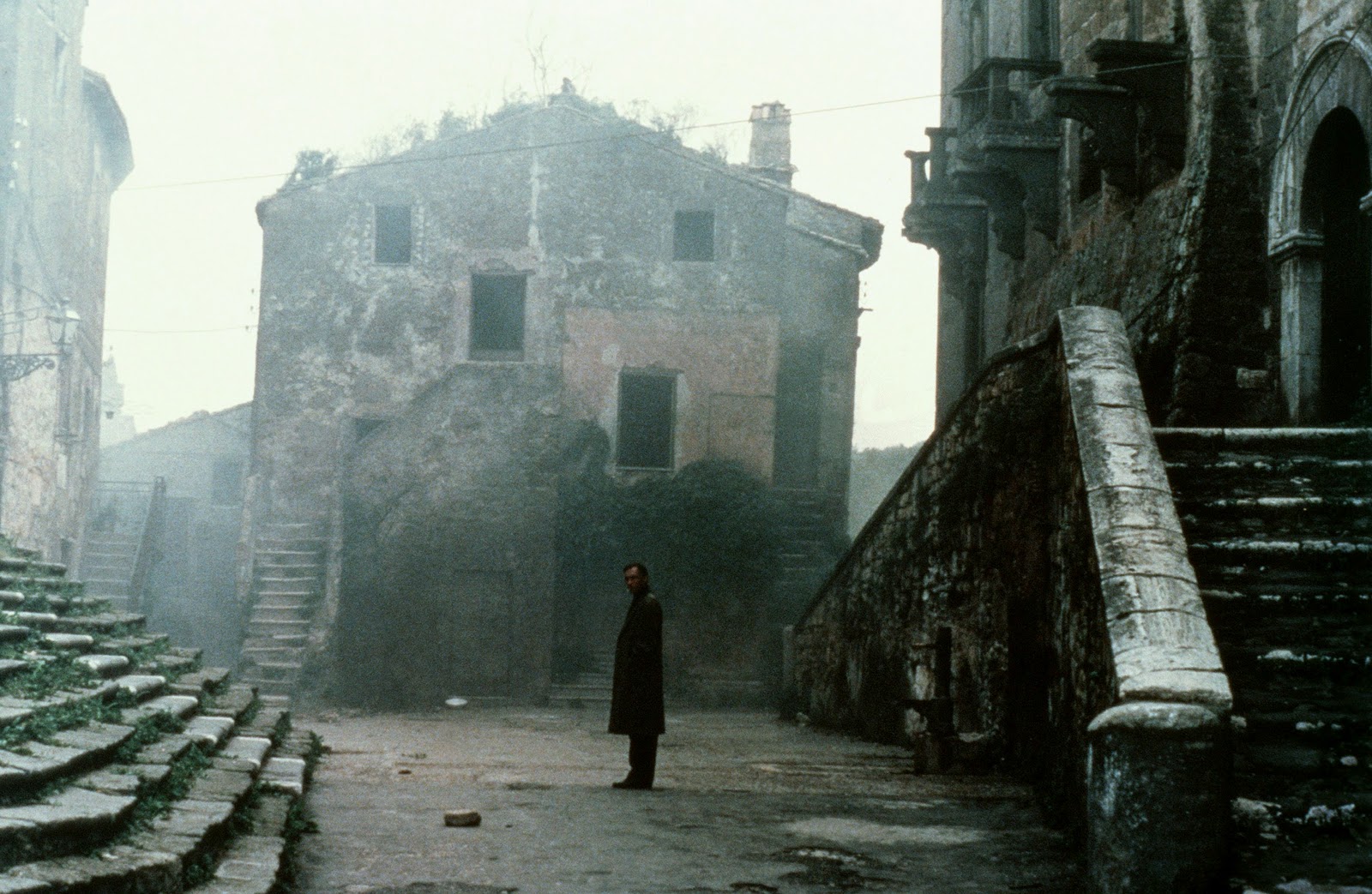
quinlan.it/upload/images/2021/10/nostalghia-1983-andrej-t...
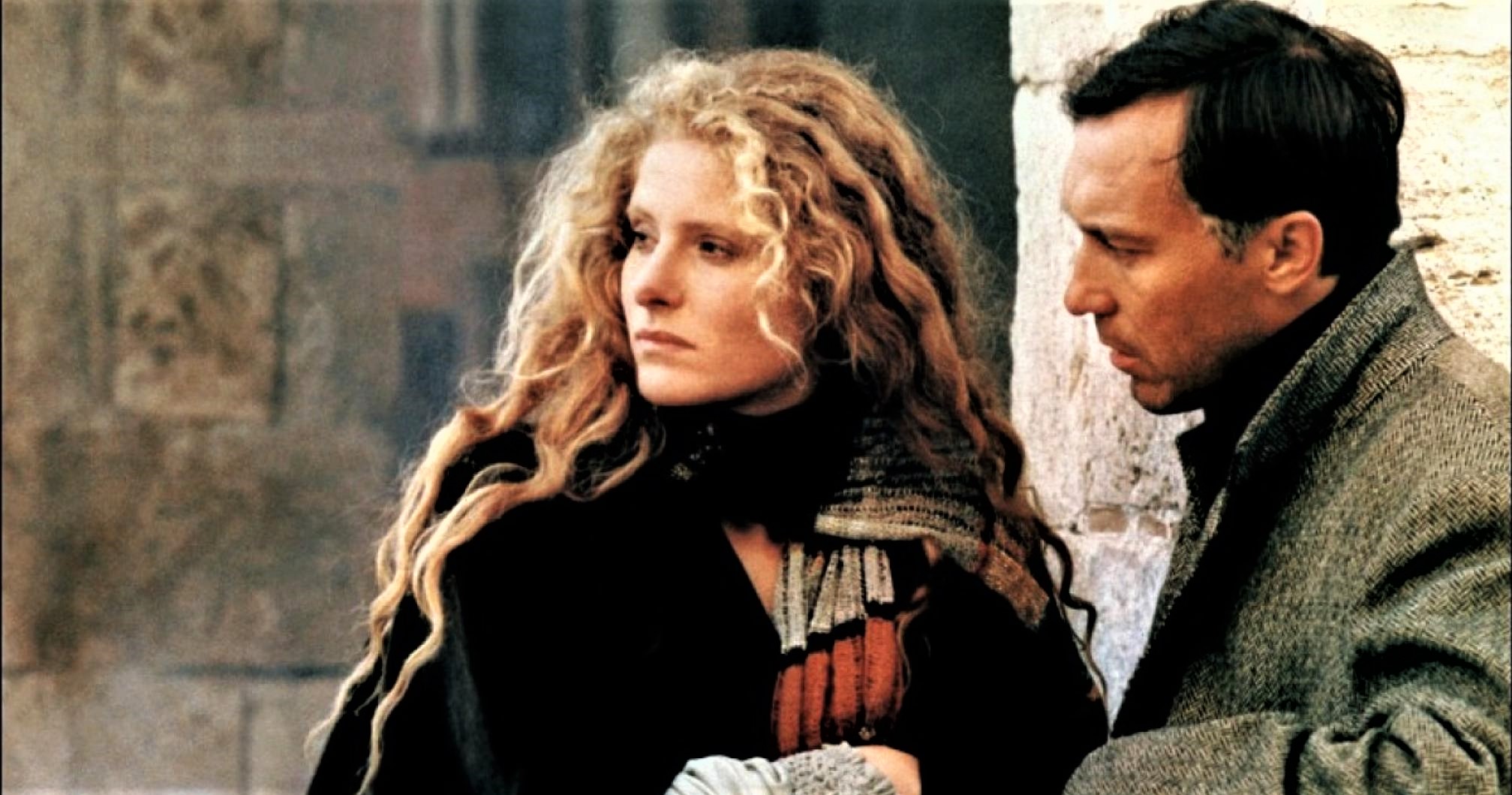
-----------------------------------------------------------------
click to activate the icon of slideshow: the small triangle inscribed in the small rectangle, at the top right, in the photostream;
or…. Press the “L” button to zoom in the image;
clicca sulla piccola icona per attivare lo slideshow: sulla facciata principale del photostream, in alto a destra c'è un piccolo rettangolo (rappresenta il monitor) con dentro un piccolo triangolo nero;
oppure…. premi il tasto “L” per ingrandire l'immagine;
www.fotografidigitali.it/gallery/2726/opere-italiane-segn...
…………………………………………………………………
I begin this photographic story with a description, starting from far away, from very far away, it is a story that speaks of chains, innocent men condemned to death, a voice that comes from a painting, chains that break by themselves, a barred door that opens spontaneously: we are in Palermo (Sicily), it is the 23rd (18th is also reported) August 1392 during the reign of Martin V, the Marina square (located in the Kalsa district of Palermo), overlooking the port (Cala), is the place designated for capital executions by hanging, in this way the population and sailors can witness the hangings, a few meters from the square is the church of " Our Lady of the Port", also known as the "church of the chain" due to the presence nearby of one end of a large and long chain which, when hooked to the two sides of the entrance from the sea to the port, thus put under tension, the same prevented Saracen pirate ships from entering it; the gallows is now ready for three condemned men to death, the sudden arrival of a violent storm prevents the imminent execution, the gendarmes and the condemned men take refuge in the nearby church of Our Lady of the Port, avoiding reaching the prison, the gendarmes tie the three unfortunate men with double chains, barricade the heavy church door from inside, the execution is postponed until the next day; during the night the gendarmes fall asleep, the three condemned men certainly cannot sleep, that is their last night, they approach a painting of the Virgin Mary placed on the altar, ask mercy from the Holy Mother, they invoke her incessantly, a voice is heard coming from the Sacred Image, the Divine Infant that Mary holds in Her arms has granted them freedom, the chains break without making a sound, the door opens spontaneously, the three incredulous men come out into the square, news of what happened immediately spreads, the gendarmes awakened by the clamor recapture the three condemned men, but the population resists, requests the intervention of the king, who arrives and learns of what happened, since the miracle has occurred he considers them innocent and therefore declares them free. Thus was born the cult of the "Our Lady of the Chain", She holds a long chain in Her hands. She is attributed the gift of Powerful Liberator, from all kinds of constraints, both physical and psychological. This cult quickly spread throughout Sicily, but also beyond, to Calabria, Puglia, Campania, and Lazio. In the locality of Cronarmerina, in the Piazza Armerina area (Enna), it is said that in the event of a difficult birth, the chain held by the statue of Our Lady of the Chain was placed on the pregnant woman's belly, thus facilitating the birth. This beginning introduces the current photographic story made on the first Sunday of May 2025, taken on the occasion of the "Great Feast" that Castiglione di Sicilia (Catania) dedicates to its Most Holy. The patron saint, Our Lady of the Chain, is celebrated every 5 years (with several exceptions). This celebration is characterized by the carrying in procession of the heavy marble statue, weighing approximately 800 kgs, made by the Gagini school, through the streets of the town, together with the relic of the “Virgin Mary’s Hair”. Every year, the “normal” celebration is celebrated, without carrying the Sacred Effigy in procession, always on the first Sunday in May and the second Sunday in August. Extraordinary events attributed to this Virgin Mary Statue have occurred in Castiglione. In 1612, the "miracle of sweating" occurred, linked to the "redemption of the mere and mixed empire." In short, during the Aragonese and Spanish occupation, Castiglione di S. (S. as Sicily) was subject to the rule of feudal lords, who exercised the "mere and mixed empire," thus having full powers of jurisdictional sovereignty over Castiglione in place of the king. The population attempted to "redeem" these rights to escape taxes and feudal arbitration, obtain their own autonomy, and be administered by royal magistrates. It is said that during a critical moment in the attempt to redeem the "mere and mixed empire," the statue of the Our Lady of the Chain "sweated," a supernatural phenomenon interpreted as the participation of the Blessed Virgin Mary and Her Infant in the suffering of the population, with her approval and protection in the process of redemption-liberation (a manuscript records what happened). In April 1809, after weeks of incessant prayers, the Statue was carried in procession to invoke Our Lady of the Chain to halt the advance of a lava flow from volcano Etna that threatened to destroy homes and fields in the Castiglione area. In 1879, the Statue was carried in procession behind the Castle to invoke the intercession of the Blessed Virgin Mary to put out a devastating fire; in 1946, at the end of World War II, a solemn procession was organized with the heavy Statue carried on shoulders, to thank the Blessed Virgin Mary for the end of the conflict; in 2020, the "Great Feast" was not celebrated due to the Covid-virus emergency. One aspect worthy of consideration is the deep attachment of the population of Castiglione di S. to the cult of Our Lady of the Chain, a cult that becomes a distinctive feature in the small communities of people of Castiglione scattered across many countries, some very far away. For example, in an interview with people who have moved to Australia (including their children or grandchildren) and now live in Brisbane or Sydney, we read that in every home of people off Castiglione there are always iconographic elements of Our Lady of the Chain, sacred images, small statues, postcards, paintings. And so, the anniversary of the "Great Feast” which occurs every 5 years, is a long-awaited moment for those who live abroad. The time comes to organize themselves into groups, take those who can, the same flight, and thus return to their native land, embrace their families again, and be able to see the Most Holy Mother again who "visits the town" walking its streets. A little curiosity: the first names "Cateno" or "Catena" are typically Sicilian names, originating from this Marian devotion. For example, our current and well-known mayor of Taormina (Messina), a politician, is named Cateno De Luca, as is the writer Catena Fiorello. Finally, a personal thought of mine: my paternal grandfather emigrated to the USA to find work and support his family. My grandmother remained in Taormina with their two children, her work as a photographer (she was the daughter of Gaetano D'Agata, assistant photographer of Baron-photographer Wilhelm von Gloeden, as I mentioned in a previous photo story) was not enough. My grandfather subsequently had to return to Sicily prematurely due to the outbreak of World War II. This photographic story of mine was created with constant, unceasing thought of all those Sicilians who emigrated abroad for work.
…………………………
Inizio questo racconto fotografico con descrizione, partendo da lontano, da molto lontano, è una storia che parla di catene, uomini innocenti condannati a morte, una voce che proviene da un quadro, catene che si spezzano da sole, un portone sbarrato che si apre spontaneamente: siamo a Palermo (Sicilia), è il 23 (viene anche riportato il 18) agosto 1392 durante il regno di Martino V, la Piazza Marina (si trova nel quartiere Kalsa di Palermo), si affaccia sul porto (Cala), è il luogo deputato alle esecuzioni capitali per impiccagione, in tal modo la popolazione ed i marinai possono assistere alle impiccagioni, a pochi metri dalla piazza si trova la chiesa di “S.Maria del porto”, conosciuta anche come la “chiesa della catena” per la presenza nelle vicinanze di una estremità di una grossa e lunga catena che, quando agganciata ai due lati dell’ingresso dal mare del porto, messa così in tensione, la stessa impediva alle navi pirata saracene di entrarvi dentro; la forca è ora pronta per tre condannati a morte, l’improvviso sopraggiungere di un violento temporale impedisce l’imminente esecuzione, gendarmi e condannati riparano nella vicina chiesa di S. Maria, evitando di raggiungere il carcere, i gendarmi legano i tre malcapitati con doppie catene, sbarrano da dentro il pesante portone della chiesa, l’esecuzione viene rimandata all’indomani; durante la notte i gendarmi si addormentano, i tre condannati non possono certo dormire, quella è la loro ultima notte, si avvicinano ad un quadro della Madonna posto sull’altare, chiedono misericordia alla Madre Santissima, la invocano incessantemente, una voce si ode provenire dalla Sacra Immagine, il Divino Infante che Maria sorregge in braccio ha concesso loro la libertà, le catene si spezzano senza fare rumore, il portone si spalanca spontaneamente, i tre increduli escono nella piazza, si sparge immediatamente la notizia di quanto accaduto, i gendarmi svegliati dal clamore riacciuffano i tre condannati, ma la popolazione si oppone, richiede l’intervento del re, il quale sopraggiunge e viene a conoscenza dell’accaduto, poiché c’è stato il miracolo li considera innocenti e quindi li dichiara liberi. Così nacque il culto per la “Madonna della Catena”, Ella regge tra le mani una lunga catena, Le viene attribuito il dono di Potente Liberatrice, da ogni sorta di costrizione in senso lato, fisico e psichico, culto che rapidamente si diffonde maggiormente in tutta la Sicilia, ma anche oltre, in Calabria, Puglia, Campania, Lazio. In località Cronarmerina, sul territorio di Piazza Armerina (Enna), si racconta che in presenza di un parto difficile, sulla gestante si adagiava sul ventre la catena tenuta in mano dalla statua della Madonna della Catena, per favorirne così il parto. Questo incipit, per introdurre l’attuale racconto fotografico, realizzato la prima domenica di maggio del 2025, in occasione della “Festa Grande” che Castiglione di Sicilia (Catania) dedica alla sua SS. Patrona, la Madonna della Catena, che viene celebrata ogni 5 anni (con diverse eccezioni) caratterizzata dal portare in processione la pesante statua di marmo, del peso di circa 800 kg, ad opera della scuola dei Gagini, per le vie del paese, insieme alla reliquia del “Capello della Madonna”, mentre ogni anno si celebra la festa “normale”, senza portare in processione il Sacro Simulacro, sempre la prima domenica di maggio, e la seconda domenica di agosto. Eventi straordinari in quel di Castiglione, attribuiti a questa Madonna ne sono accaduti, nel 1612 avvenne il “miracolo della sudorazione”, legato al “riscatto del mero et mixto imperio”, in breve, Castiglione di S. durante l’occupazione aragonese e spagnola, era soggetta al dominio da parte di signori feudali, che esercitavano il “mero et mixto imperio”, avevano così pieni poteri di sovranità giurisdizionale su Castiglione al posto del re, la popolazione cercò di “riscattare” questi diritti per sottrarsi a tasse ed arbìtri feudali, ottenere una propria autonomia, ed essere amministrati dai magistrati regi, si narra che durante un momento critico del tentativo di riscatto del “mero et mixto imperio” la statua della Madonna della Catena avrebbe “sudato”, fenomeno sovrannaturale interpretato come partecipazione della SS. Maria e del Suo Infante alle sofferenze della popolazione, con la Sua approvazione e protezione nel processo di riscatto – liberazione (si legge quanto accaduto in un manoscritto). Nell’aprile 1809 dopo settimane di incessanti preghiere, la statua fu portata in processione, per invocare la Madonna della Catena nel fermare l’avanzare di una colata lavica proveniente dall’Etna che minacciava di distruggere case e campi del territorio di Castiglione; nel 1879 la statua fu portata in processione dietro il Castello, per invocare l’intercessione della SS. Maria per far cessare un devastante incendio; nel 1946 alla fine della seconda guerra mondiale, si organizzò una solenne processione con la pesante statua portata in spalla, per ringraziare la SS. Maria per la fine del conflitto mondiale; nel 2020 la “Festa Grande” non fu celebrata, causa l’emergenza dettata dal Covid-virus. Un aspetto degno di considerazione è il profondo attaccamento della popolazione di Castiglione di S. al culto della Madonna della Catena, culto che diviene una nota distintiva nelle piccole comunità di Castiglionesi che si trovano sparse in molte nazioni, alcune lontanissime, ad esempio, in una intervista a persone trapiantate in Australia (anche, i loro figli od i loro nipoti) che vivono a Brisbane od a Sydney, si legge che in ogni casa di castiglionesi sono sempre presenti elementi iconografici della Madonna della Catena, immagini sacre, piccole statue, cartoline, quadri, ed ecco che la ricorrenza della “Festa Grande” che si verifica ogni 5 anni, è un momento attesissimo da coloro che vivono all’estero, giunge il momento di organizzarsi in gruppi, prendere chi può, lo stesso volo aereo, e così ritornare alla terra natia, riabbracciare i familiari, poter rivedere la SS. Madre che “fa visita al paese” percorrendo le sue strade. Una piccola curiosità, il nome proprio di persona “Cateno o Catena”, sono nomi tipicamente siciliani, provengono da questa devozione mariana, ad esempio il nostro attuale e conosciuto sindaco di Taormina (ME), uomo politico, si chiama Cateno De Luca, od anche la scrittrice Catena Fiorello. Infine, un mio personale pensiero, mio nonno paterno emigrò negli USA per cercare lavoro e così poter mantenere la famiglia, mia nonna restò a Taormina con i loro due figli, il suo lavoro come fotografa (era la figlia di Gaetano D’Agata, assistente fotografo del barone-fotografo Wilhelm von Gloeden, ne ho parlato in un mio precedente racconto fotografico) non era sufficiente, successivamente mio nonno dovette anzitempo rientrare in Sicilia per il presentarsi del conflitto mondiale, questo mio racconto fotografico è stato realizzato pensando costantemente, incessantemente, a tutti quei Siciliani emigrati all’estero per necessità di lavoro.
…………………………………………..
Nostalghia ....
.……………………………….
-
-
………………………………
quinlan.it/upload/images/2021/10/nostalghia-1983-andrej-t...
quinlan.it/upload/images/2021/10/nostalghia-1983-andrej-t...
quinlan.it/upload/images/2021/10/nostalghia-1983-andrej-t...
quinlan.it/upload/images/2021/10/nostalghia-1983-andrej-t...
quinlan.it/upload/images/2021/10/nostalghia-1983-andrej-t...
-----------------------------------------------------------------
click to activate the icon of slideshow: the small triangle inscribed in the small rectangle, at the top right, in the photostream;
or…. Press the “L” button to zoom in the image;
clicca sulla piccola icona per attivare lo slideshow: sulla facciata principale del photostream, in alto a destra c'è un piccolo rettangolo (rappresenta il monitor) con dentro un piccolo triangolo nero;
oppure…. premi il tasto “L” per ingrandire l'immagine;
www.fotografidigitali.it/gallery/2726/opere-italiane-segn...
…………………………………………………………………
I begin this photographic story with a description, starting from far away, from very far away, it is a story that speaks of chains, innocent men condemned to death, a voice that comes from a painting, chains that break by themselves, a barred door that opens spontaneously: we are in Palermo (Sicily), it is the 23rd (18th is also reported) August 1392 during the reign of Martin V, the Marina square (located in the Kalsa district of Palermo), overlooking the port (Cala), is the place designated for capital executions by hanging, in this way the population and sailors can witness the hangings, a few meters from the square is the church of " Our Lady of the Port", also known as the "church of the chain" due to the presence nearby of one end of a large and long chain which, when hooked to the two sides of the entrance from the sea to the port, thus put under tension, the same prevented Saracen pirate ships from entering it; the gallows is now ready for three condemned men to death, the sudden arrival of a violent storm prevents the imminent execution, the gendarmes and the condemned men take refuge in the nearby church of Our Lady of the Port, avoiding reaching the prison, the gendarmes tie the three unfortunate men with double chains, barricade the heavy church door from inside, the execution is postponed until the next day; during the night the gendarmes fall asleep, the three condemned men certainly cannot sleep, that is their last night, they approach a painting of the Virgin Mary placed on the altar, ask mercy from the Holy Mother, they invoke her incessantly, a voice is heard coming from the Sacred Image, the Divine Infant that Mary holds in Her arms has granted them freedom, the chains break without making a sound, the door opens spontaneously, the three incredulous men come out into the square, news of what happened immediately spreads, the gendarmes awakened by the clamor recapture the three condemned men, but the population resists, requests the intervention of the king, who arrives and learns of what happened, since the miracle has occurred he considers them innocent and therefore declares them free. Thus was born the cult of the "Our Lady of the Chain", She holds a long chain in Her hands. She is attributed the gift of Powerful Liberator, from all kinds of constraints, both physical and psychological. This cult quickly spread throughout Sicily, but also beyond, to Calabria, Puglia, Campania, and Lazio. In the locality of Cronarmerina, in the Piazza Armerina area (Enna), it is said that in the event of a difficult birth, the chain held by the statue of Our Lady of the Chain was placed on the pregnant woman's belly, thus facilitating the birth. This beginning introduces the current photographic story made on the first Sunday of May 2025, taken on the occasion of the "Great Feast" that Castiglione di Sicilia (Catania) dedicates to its Most Holy. The patron saint, Our Lady of the Chain, is celebrated every 5 years (with several exceptions). This celebration is characterized by the carrying in procession of the heavy marble statue, weighing approximately 800 kgs, made by the Gagini school, through the streets of the town, together with the relic of the “Virgin Mary’s Hair”. Every year, the “normal” celebration is celebrated, without carrying the Sacred Effigy in procession, always on the first Sunday in May and the second Sunday in August. Extraordinary events attributed to this Virgin Mary Statue have occurred in Castiglione. In 1612, the "miracle of sweating" occurred, linked to the "redemption of the mere and mixed empire." In short, during the Aragonese and Spanish occupation, Castiglione di S. (S. as Sicily) was subject to the rule of feudal lords, who exercised the "mere and mixed empire," thus having full powers of jurisdictional sovereignty over Castiglione in place of the king. The population attempted to "redeem" these rights to escape taxes and feudal arbitration, obtain their own autonomy, and be administered by royal magistrates. It is said that during a critical moment in the attempt to redeem the "mere and mixed empire," the statue of the Our Lady of the Chain "sweated," a supernatural phenomenon interpreted as the participation of the Blessed Virgin Mary and Her Infant in the suffering of the population, with her approval and protection in the process of redemption-liberation (a manuscript records what happened). In April 1809, after weeks of incessant prayers, the Statue was carried in procession to invoke Our Lady of the Chain to halt the advance of a lava flow from volcano Etna that threatened to destroy homes and fields in the Castiglione area. In 1879, the Statue was carried in procession behind the Castle to invoke the intercession of the Blessed Virgin Mary to put out a devastating fire; in 1946, at the end of World War II, a solemn procession was organized with the heavy Statue carried on shoulders, to thank the Blessed Virgin Mary for the end of the conflict; in 2020, the "Great Feast" was not celebrated due to the Covid-virus emergency. One aspect worthy of consideration is the deep attachment of the population of Castiglione di S. to the cult of Our Lady of the Chain, a cult that becomes a distinctive feature in the small communities of people of Castiglione scattered across many countries, some very far away. For example, in an interview with people who have moved to Australia (including their children or grandchildren) and now live in Brisbane or Sydney, we read that in every home of people off Castiglione there are always iconographic elements of Our Lady of the Chain, sacred images, small statues, postcards, paintings. And so, the anniversary of the "Great Feast” which occurs every 5 years, is a long-awaited moment for those who live abroad. The time comes to organize themselves into groups, take those who can, the same flight, and thus return to their native land, embrace their families again, and be able to see the Most Holy Mother again who "visits the town" walking its streets. A little curiosity: the first names "Cateno" or "Catena" are typically Sicilian names, originating from this Marian devotion. For example, our current and well-known mayor of Taormina (Messina), a politician, is named Cateno De Luca, as is the writer Catena Fiorello. Finally, a personal thought of mine: my paternal grandfather emigrated to the USA to find work and support his family. My grandmother remained in Taormina with their two children, her work as a photographer (she was the daughter of Gaetano D'Agata, assistant photographer of Baron-photographer Wilhelm von Gloeden, as I mentioned in a previous photo story) was not enough. My grandfather subsequently had to return to Sicily prematurely due to the outbreak of World War II. This photographic story of mine was created with constant, unceasing thought of all those Sicilians who emigrated abroad for work.
…………………………
Inizio questo racconto fotografico con descrizione, partendo da lontano, da molto lontano, è una storia che parla di catene, uomini innocenti condannati a morte, una voce che proviene da un quadro, catene che si spezzano da sole, un portone sbarrato che si apre spontaneamente: siamo a Palermo (Sicilia), è il 23 (viene anche riportato il 18) agosto 1392 durante il regno di Martino V, la Piazza Marina (si trova nel quartiere Kalsa di Palermo), si affaccia sul porto (Cala), è il luogo deputato alle esecuzioni capitali per impiccagione, in tal modo la popolazione ed i marinai possono assistere alle impiccagioni, a pochi metri dalla piazza si trova la chiesa di “S.Maria del porto”, conosciuta anche come la “chiesa della catena” per la presenza nelle vicinanze di una estremità di una grossa e lunga catena che, quando agganciata ai due lati dell’ingresso dal mare del porto, messa così in tensione, la stessa impediva alle navi pirata saracene di entrarvi dentro; la forca è ora pronta per tre condannati a morte, l’improvviso sopraggiungere di un violento temporale impedisce l’imminente esecuzione, gendarmi e condannati riparano nella vicina chiesa di S. Maria, evitando di raggiungere il carcere, i gendarmi legano i tre malcapitati con doppie catene, sbarrano da dentro il pesante portone della chiesa, l’esecuzione viene rimandata all’indomani; durante la notte i gendarmi si addormentano, i tre condannati non possono certo dormire, quella è la loro ultima notte, si avvicinano ad un quadro della Madonna posto sull’altare, chiedono misericordia alla Madre Santissima, la invocano incessantemente, una voce si ode provenire dalla Sacra Immagine, il Divino Infante che Maria sorregge in braccio ha concesso loro la libertà, le catene si spezzano senza fare rumore, il portone si spalanca spontaneamente, i tre increduli escono nella piazza, si sparge immediatamente la notizia di quanto accaduto, i gendarmi svegliati dal clamore riacciuffano i tre condannati, ma la popolazione si oppone, richiede l’intervento del re, il quale sopraggiunge e viene a conoscenza dell’accaduto, poiché c’è stato il miracolo li considera innocenti e quindi li dichiara liberi. Così nacque il culto per la “Madonna della Catena”, Ella regge tra le mani una lunga catena, Le viene attribuito il dono di Potente Liberatrice, da ogni sorta di costrizione in senso lato, fisico e psichico, culto che rapidamente si diffonde maggiormente in tutta la Sicilia, ma anche oltre, in Calabria, Puglia, Campania, Lazio. In località Cronarmerina, sul territorio di Piazza Armerina (Enna), si racconta che in presenza di un parto difficile, sulla gestante si adagiava sul ventre la catena tenuta in mano dalla statua della Madonna della Catena, per favorirne così il parto. Questo incipit, per introdurre l’attuale racconto fotografico, realizzato la prima domenica di maggio del 2025, in occasione della “Festa Grande” che Castiglione di Sicilia (Catania) dedica alla sua SS. Patrona, la Madonna della Catena, che viene celebrata ogni 5 anni (con diverse eccezioni) caratterizzata dal portare in processione la pesante statua di marmo, del peso di circa 800 kg, ad opera della scuola dei Gagini, per le vie del paese, insieme alla reliquia del “Capello della Madonna”, mentre ogni anno si celebra la festa “normale”, senza portare in processione il Sacro Simulacro, sempre la prima domenica di maggio, e la seconda domenica di agosto. Eventi straordinari in quel di Castiglione, attribuiti a questa Madonna ne sono accaduti, nel 1612 avvenne il “miracolo della sudorazione”, legato al “riscatto del mero et mixto imperio”, in breve, Castiglione di S. durante l’occupazione aragonese e spagnola, era soggetta al dominio da parte di signori feudali, che esercitavano il “mero et mixto imperio”, avevano così pieni poteri di sovranità giurisdizionale su Castiglione al posto del re, la popolazione cercò di “riscattare” questi diritti per sottrarsi a tasse ed arbìtri feudali, ottenere una propria autonomia, ed essere amministrati dai magistrati regi, si narra che durante un momento critico del tentativo di riscatto del “mero et mixto imperio” la statua della Madonna della Catena avrebbe “sudato”, fenomeno sovrannaturale interpretato come partecipazione della SS. Maria e del Suo Infante alle sofferenze della popolazione, con la Sua approvazione e protezione nel processo di riscatto – liberazione (si legge quanto accaduto in un manoscritto). Nell’aprile 1809 dopo settimane di incessanti preghiere, la statua fu portata in processione, per invocare la Madonna della Catena nel fermare l’avanzare di una colata lavica proveniente dall’Etna che minacciava di distruggere case e campi del territorio di Castiglione; nel 1879 la statua fu portata in processione dietro il Castello, per invocare l’intercessione della SS. Maria per far cessare un devastante incendio; nel 1946 alla fine della seconda guerra mondiale, si organizzò una solenne processione con la pesante statua portata in spalla, per ringraziare la SS. Maria per la fine del conflitto mondiale; nel 2020 la “Festa Grande” non fu celebrata, causa l’emergenza dettata dal Covid-virus. Un aspetto degno di considerazione è il profondo attaccamento della popolazione di Castiglione di S. al culto della Madonna della Catena, culto che diviene una nota distintiva nelle piccole comunità di Castiglionesi che si trovano sparse in molte nazioni, alcune lontanissime, ad esempio, in una intervista a persone trapiantate in Australia (anche, i loro figli od i loro nipoti) che vivono a Brisbane od a Sydney, si legge che in ogni casa di castiglionesi sono sempre presenti elementi iconografici della Madonna della Catena, immagini sacre, piccole statue, cartoline, quadri, ed ecco che la ricorrenza della “Festa Grande” che si verifica ogni 5 anni, è un momento attesissimo da coloro che vivono all’estero, giunge il momento di organizzarsi in gruppi, prendere chi può, lo stesso volo aereo, e così ritornare alla terra natia, riabbracciare i familiari, poter rivedere la SS. Madre che “fa visita al paese” percorrendo le sue strade. Una piccola curiosità, il nome proprio di persona “Cateno o Catena”, sono nomi tipicamente siciliani, provengono da questa devozione mariana, ad esempio il nostro attuale e conosciuto sindaco di Taormina (ME), uomo politico, si chiama Cateno De Luca, od anche la scrittrice Catena Fiorello. Infine, un mio personale pensiero, mio nonno paterno emigrò negli USA per cercare lavoro e così poter mantenere la famiglia, mia nonna restò a Taormina con i loro due figli, il suo lavoro come fotografa (era la figlia di Gaetano D’Agata, assistente fotografo del barone-fotografo Wilhelm von Gloeden, ne ho parlato in un mio precedente racconto fotografico) non era sufficiente, successivamente mio nonno dovette anzitempo rientrare in Sicilia per il presentarsi del conflitto mondiale, questo mio racconto fotografico è stato realizzato pensando costantemente, incessantemente, a tutti quei Siciliani emigrati all’estero per necessità di lavoro.
…………………………………………..