
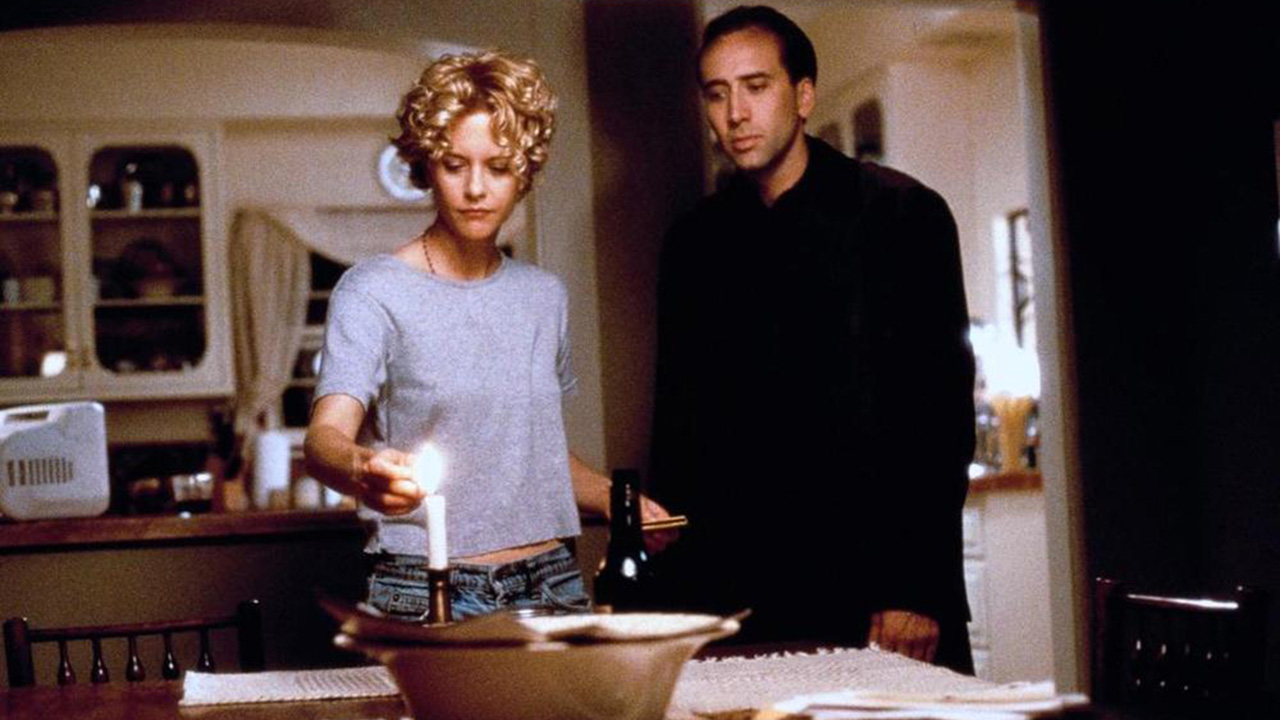
City of Angels ....
……………………………….
Poster:
Locandina:
m.media-amazon.com/images/I/81jc866255L._AC_SX679_.jpg

pad.mymovies.it/filmclub/2006/06/239/coverlg.jpg
m.media-amazon.com/images/I/61X-PuyzEqL._AC_UF894,1000_QL...

minimaleffort.home.blog/wp-content/uploads/2020/09/city-o...

.............................................................................
click to activate the small icon of slideshow: the small triangle inscribed in the small rectangle, at the top right, in the photostream (it means the monitor);
or…. Press the “L” button to zoom in the image;
clicca sulla piccola icona per attivare lo slideshow: sulla facciata principale del photostream, in alto a destra c'è un piccolo rettangolo (rappresenta il monitor) con dentro un piccolo triangolo nero;
oppure…. premi il tasto “L” per ingrandire l'immagine;
www.fotografidigitali.it/gallery/2726/opere-italiane-segn...
………………………………………………………………………
What I present here on Flickr is a photographic account of the festival held every year in Palazzolo Acreide (Syracuse) in honor of Saint Michael the Archangel. This year the festival was celebrated on October 5th. The cult of Saint Michael the Archangel in Palazzolo Acreide seems to date back to the Arab-Norman period of Sicily (in Sicily, that period from the Arab conquest, 827 AD, which took it from the Byzantines, until the complete domination of the Normans, around 1194 AD). This is an era in which Sicily became a "container" of the most diverse cultures, Byzantine, Arab, Latin, Norman, thus creating a cultural, artistic and scientific synthesis: in this period, Christians invoked the "fighting" Archangel so that He could help them drive the Saracens from ancient Palazzolo (Palatiolum). On the eve of the liturgical feast (28 September), the “sciuta ra cammina” takes place, or what in other Sicilian feasts is called “la svelata” (the unveiled). The curtain covering the statue of the Archangel, placed in a “small room” above the main altar, is opened. Remaining behind the curtain, it is blocked from view for almost the entire year. The statue, now exposed for the adoration of the faithful, is moved forward a little (“sciuta ra cammina”, or “la svelata – the exit that walks” referring to the statue, which is carried forward). On the day of the big celebration, at 11:00 a.m., there will be a "hot air balloon launch." The organizers explained to me that the hot air balloons are made entirely of paper. The writing is also made with paper letters that are then glued together. The hot air produced beneath the balloons will make them fly. This year, the writing was in tune with the echo of the "People of Peace" movement, which hopes for an end to the war in Ukraine, waged by Russia, and for an end to Israeli oppression of the Palestinian people. At 1:00 pm the “sciuta” takes place, or the “exit” of the float with the statue of the Saint on it, carried on the shoulders of the devout bearers, to begin the procession. At that eagerly awaited moment, the fireworks are set off simultaneously, as are the “nzareddi” (long ribbons of colored paper, along with large confetti (the same ones seen during the exit of San Paolo, for his feast day, always in Palazzolo A.), the faithful explode in displays of jubilation, with their arms stretched high and invoking San Michele in a loud voice (this seems contagious to me, I too felt the need to raise my arms to the sky invoking San Michele, despite the photographic equipment….:o))…), the festive music of the marching band. Thus begins the procession toward the neighboring neighborhoods. The float is carried bare-shouldered by devout bearers. Long banners proceed at the front of the procession. Many devout women walk barefoot. Many children, both boys and girls, are lifted up and shown to the Archangel to ask for his spiritual intercession to protect them from evil. In thanksgiving, donations of banknotes or gold jewelry are made. Some typical curiosities of this celebration include: the statue of Saint Michael wears a breastplate made from gold from votive offerings donated over the centuries. It was later decided to melt them down and create his "gold-colored" breastplate. The statue of the Archangel, unlike what is seen in other Sicilian celebrations (usually from the "camera" located on the main altar, the saint, or saints, is made to descend by sliding on two tracks to reach the float, placed in front of the altar), here in Palazzolo A., instead, the simulacrum of the Archangel descends with a special ancient "elevator", placed under the small room, then behind the main altar, then lovingly carried in arms up to the float; on the shield of the Archangel, in the church that bears his name, on the T-shirts of the devotees, and on those of the boys and girls exposed to the Archangel, one reads "Quis ut Deus", it is the Latin translation of the name Michael (in Hebrew Mîkhā’ēl), which means “Who is like God?”, this expression is traditionally attributed to Saint Michael the Archangel, leader of the celestial armies, because, according to Christian tradition, it was the cry he uttered when he rebelled against Satan and his angels during the battle in heaven, affirming both the supremacy and uniqueness of God, and his devotion and loyalty towards the divine.
.………………………………………………
Questo che presento qui su Flickr, è un racconto fotografico della festa che si tiene ogni anno a Palazzolo Acreide (Siracusa) in onore di San Michele Arcangelo, quest’anno la festa è stata celebrata il 5 ottobre. Il culto per San Michele Arcangelo a Palazzolo Acreide, sembra risalga al periodo arabo-normanno della Sicilia (in Sicilia quel periodo che va dalla conquista araba, 827 d.C, che la sottrae ai Bizantini, fino al completo dominio dei Normanni, circa 1194 d.C.), questa è un’epoca nella quale la Sicilia diviene un “contenitore” di culture le più diverse, bizantina, araba, latina, normanna, realizzandosi in tal modo una sintesi culturale, artistica e scientifica: in questo periodo i Cristiani invocano l’Arcangelo “che combatte” affinchè Egli li possa aiutare a scacciare i Saraceni dall’antica Palazzolo (Palatiolum). Il giorno della vigilia della festa liturgica (28 settembre), si ha la “sciuta ra cammina”, ovvero quella che in altre feste siciliana si chiama “la svelata”, si apre la tenda che copre la statua dell’Arcangelo, posta in una “cameretta” posta sopra l’altare maggiore, restando dietro la tenda viene preclusa alla vista per quasi tutto l’anno, la statua esposta ora all’adorazione dei fedeli, viene fatta avanzare di poco (“sciuta ra cammina”, ovvero “la svelata-l’uscita che cammina” riferita alla statua, che viene portata in avanti). Il giorno della grande festa alle ore 11:00 c’è la manifestazione del “lancio delle mongolfiere”, gli organizzatori mi hanno spiegato che le mongolfiere sono realizzate completamente con la carta, le scritte sono fatte anch’esse con lettere di carta poi incollate, l’aria calda prodotta sotto tali mongolfiere le farà volare: quest’anno le scritte erano in sintonia con quella eco del “Popolo della Pace” che spera nella fine della guerra in Ucraina ad opera della Russia, e nella fine della oppressione Israeliana verso il popolo Palestinese. Alle ore 13:00 avviene la “sciuta”, ovvero “l’uscita” della vara con sopra il simulacro del Santo, portato in spalla dai devoti portatori, per iniziare la processione, in quel momento, attesissimo, avviene in contemporanea lo sparo dei fuochi d’artificio, lo sparo degli “nzareddi” (sono lunghi nastri di carta colorata, insieme a grossi coriandoli (gli stessi si assistono durante l’uscita di San Paolo, per la sua festa, sempre a Palazzolo A.), i fedeli esplodono in manifestazioni di esultanza, con le braccia protese in alto ed invocando San Michele a gran voce (cosa questa che a me sembra contagiosa, anch’io ho sentito il bisogno di alzare le braccia al cielo invocando San Michele, nonostante l’attrezzatura fotografica….:o))…), la musica festosa della banda musicale. Inizia così la processione verso i quartieri vicini, la vara viene portata con la “spalla nuda” dai devoti portatori, lunghi stendardi procedono davanti nella processione, molte donne devote camminano a piedi scalzi, molti bimbi o bimbe, vengono alzati e mostrati all’Arcangelo, per chiedere la sua intercessione spirituale per essere protetti dal male, in ringraziamento ci sono donazioni di bancanote o monili d’oro. Alcune curiosità tipiche di questa festa sono: la statua di San Michele ha una corazza realizzata con l’oro proveniente dagli Ex Voto donati nei trascorsi secoli, poi si decise di fonderli e realizzare la sua corazza “color oro”; la statua dell’Arcangelo a differenza di ciò che si vede in altre feste siciliane (in genere dalla “cameretta” che si trova sull’altare maggiore, il santo, o più santi, viene fatto scendere scorrendo su due binari per giungere sulla vara, posta davanti l’altare), qui a Palazzolo A., invece il simulacro dell’Arcangelo scende con un particolare antico “ascensore”, posto sotto la cameretta, quindi dietro l’altare maggiore, poi portato amorevolmente in braccio fin sopra la vara; sullo scudo dell’Arcangelo, nella chiesa che porta il suo nome, sulle magliette dei devoti, su quelle dei bimbi e bimbe esposte all’Arcangelo, si legge “Quis ut Deus”, è la traduzione in latino del nome Michele (in ebraico Mîkhā’ēl), che appunto significa “Chi è come Dio?”, questa espressione è tradizionalmente attribuita a San Michele Arcangelo, capo delle milizie celesti, perché, secondo la tradizione cristiana, fu il grido che egli pronunciò quando si ribellò a Satana e ai suoi angeli durante la battaglia in cielo, affermando e la supremazia e unicità di Dio, e la sua devozione e lealtà verso il divino. .
...........................................
City of Angels ....
……………………………….
Poster:
Locandina:
m.media-amazon.com/images/I/81jc866255L._AC_SX679_.jpg
pad.mymovies.it/filmclub/2006/06/239/coverlg.jpg
m.media-amazon.com/images/I/61X-PuyzEqL._AC_UF894,1000_QL...
minimaleffort.home.blog/wp-content/uploads/2020/09/city-o...
.............................................................................
click to activate the small icon of slideshow: the small triangle inscribed in the small rectangle, at the top right, in the photostream (it means the monitor);
or…. Press the “L” button to zoom in the image;
clicca sulla piccola icona per attivare lo slideshow: sulla facciata principale del photostream, in alto a destra c'è un piccolo rettangolo (rappresenta il monitor) con dentro un piccolo triangolo nero;
oppure…. premi il tasto “L” per ingrandire l'immagine;
www.fotografidigitali.it/gallery/2726/opere-italiane-segn...
………………………………………………………………………
What I present here on Flickr is a photographic account of the festival held every year in Palazzolo Acreide (Syracuse) in honor of Saint Michael the Archangel. This year the festival was celebrated on October 5th. The cult of Saint Michael the Archangel in Palazzolo Acreide seems to date back to the Arab-Norman period of Sicily (in Sicily, that period from the Arab conquest, 827 AD, which took it from the Byzantines, until the complete domination of the Normans, around 1194 AD). This is an era in which Sicily became a "container" of the most diverse cultures, Byzantine, Arab, Latin, Norman, thus creating a cultural, artistic and scientific synthesis: in this period, Christians invoked the "fighting" Archangel so that He could help them drive the Saracens from ancient Palazzolo (Palatiolum). On the eve of the liturgical feast (28 September), the “sciuta ra cammina” takes place, or what in other Sicilian feasts is called “la svelata” (the unveiled). The curtain covering the statue of the Archangel, placed in a “small room” above the main altar, is opened. Remaining behind the curtain, it is blocked from view for almost the entire year. The statue, now exposed for the adoration of the faithful, is moved forward a little (“sciuta ra cammina”, or “la svelata – the exit that walks” referring to the statue, which is carried forward). On the day of the big celebration, at 11:00 a.m., there will be a "hot air balloon launch." The organizers explained to me that the hot air balloons are made entirely of paper. The writing is also made with paper letters that are then glued together. The hot air produced beneath the balloons will make them fly. This year, the writing was in tune with the echo of the "People of Peace" movement, which hopes for an end to the war in Ukraine, waged by Russia, and for an end to Israeli oppression of the Palestinian people. At 1:00 pm the “sciuta” takes place, or the “exit” of the float with the statue of the Saint on it, carried on the shoulders of the devout bearers, to begin the procession. At that eagerly awaited moment, the fireworks are set off simultaneously, as are the “nzareddi” (long ribbons of colored paper, along with large confetti (the same ones seen during the exit of San Paolo, for his feast day, always in Palazzolo A.), the faithful explode in displays of jubilation, with their arms stretched high and invoking San Michele in a loud voice (this seems contagious to me, I too felt the need to raise my arms to the sky invoking San Michele, despite the photographic equipment….:o))…), the festive music of the marching band. Thus begins the procession toward the neighboring neighborhoods. The float is carried bare-shouldered by devout bearers. Long banners proceed at the front of the procession. Many devout women walk barefoot. Many children, both boys and girls, are lifted up and shown to the Archangel to ask for his spiritual intercession to protect them from evil. In thanksgiving, donations of banknotes or gold jewelry are made. Some typical curiosities of this celebration include: the statue of Saint Michael wears a breastplate made from gold from votive offerings donated over the centuries. It was later decided to melt them down and create his "gold-colored" breastplate. The statue of the Archangel, unlike what is seen in other Sicilian celebrations (usually from the "camera" located on the main altar, the saint, or saints, is made to descend by sliding on two tracks to reach the float, placed in front of the altar), here in Palazzolo A., instead, the simulacrum of the Archangel descends with a special ancient "elevator", placed under the small room, then behind the main altar, then lovingly carried in arms up to the float; on the shield of the Archangel, in the church that bears his name, on the T-shirts of the devotees, and on those of the boys and girls exposed to the Archangel, one reads "Quis ut Deus", it is the Latin translation of the name Michael (in Hebrew Mîkhā’ēl), which means “Who is like God?”, this expression is traditionally attributed to Saint Michael the Archangel, leader of the celestial armies, because, according to Christian tradition, it was the cry he uttered when he rebelled against Satan and his angels during the battle in heaven, affirming both the supremacy and uniqueness of God, and his devotion and loyalty towards the divine.
.………………………………………………
Questo che presento qui su Flickr, è un racconto fotografico della festa che si tiene ogni anno a Palazzolo Acreide (Siracusa) in onore di San Michele Arcangelo, quest’anno la festa è stata celebrata il 5 ottobre. Il culto per San Michele Arcangelo a Palazzolo Acreide, sembra risalga al periodo arabo-normanno della Sicilia (in Sicilia quel periodo che va dalla conquista araba, 827 d.C, che la sottrae ai Bizantini, fino al completo dominio dei Normanni, circa 1194 d.C.), questa è un’epoca nella quale la Sicilia diviene un “contenitore” di culture le più diverse, bizantina, araba, latina, normanna, realizzandosi in tal modo una sintesi culturale, artistica e scientifica: in questo periodo i Cristiani invocano l’Arcangelo “che combatte” affinchè Egli li possa aiutare a scacciare i Saraceni dall’antica Palazzolo (Palatiolum). Il giorno della vigilia della festa liturgica (28 settembre), si ha la “sciuta ra cammina”, ovvero quella che in altre feste siciliana si chiama “la svelata”, si apre la tenda che copre la statua dell’Arcangelo, posta in una “cameretta” posta sopra l’altare maggiore, restando dietro la tenda viene preclusa alla vista per quasi tutto l’anno, la statua esposta ora all’adorazione dei fedeli, viene fatta avanzare di poco (“sciuta ra cammina”, ovvero “la svelata-l’uscita che cammina” riferita alla statua, che viene portata in avanti). Il giorno della grande festa alle ore 11:00 c’è la manifestazione del “lancio delle mongolfiere”, gli organizzatori mi hanno spiegato che le mongolfiere sono realizzate completamente con la carta, le scritte sono fatte anch’esse con lettere di carta poi incollate, l’aria calda prodotta sotto tali mongolfiere le farà volare: quest’anno le scritte erano in sintonia con quella eco del “Popolo della Pace” che spera nella fine della guerra in Ucraina ad opera della Russia, e nella fine della oppressione Israeliana verso il popolo Palestinese. Alle ore 13:00 avviene la “sciuta”, ovvero “l’uscita” della vara con sopra il simulacro del Santo, portato in spalla dai devoti portatori, per iniziare la processione, in quel momento, attesissimo, avviene in contemporanea lo sparo dei fuochi d’artificio, lo sparo degli “nzareddi” (sono lunghi nastri di carta colorata, insieme a grossi coriandoli (gli stessi si assistono durante l’uscita di San Paolo, per la sua festa, sempre a Palazzolo A.), i fedeli esplodono in manifestazioni di esultanza, con le braccia protese in alto ed invocando San Michele a gran voce (cosa questa che a me sembra contagiosa, anch’io ho sentito il bisogno di alzare le braccia al cielo invocando San Michele, nonostante l’attrezzatura fotografica….:o))…), la musica festosa della banda musicale. Inizia così la processione verso i quartieri vicini, la vara viene portata con la “spalla nuda” dai devoti portatori, lunghi stendardi procedono davanti nella processione, molte donne devote camminano a piedi scalzi, molti bimbi o bimbe, vengono alzati e mostrati all’Arcangelo, per chiedere la sua intercessione spirituale per essere protetti dal male, in ringraziamento ci sono donazioni di bancanote o monili d’oro. Alcune curiosità tipiche di questa festa sono: la statua di San Michele ha una corazza realizzata con l’oro proveniente dagli Ex Voto donati nei trascorsi secoli, poi si decise di fonderli e realizzare la sua corazza “color oro”; la statua dell’Arcangelo a differenza di ciò che si vede in altre feste siciliane (in genere dalla “cameretta” che si trova sull’altare maggiore, il santo, o più santi, viene fatto scendere scorrendo su due binari per giungere sulla vara, posta davanti l’altare), qui a Palazzolo A., invece il simulacro dell’Arcangelo scende con un particolare antico “ascensore”, posto sotto la cameretta, quindi dietro l’altare maggiore, poi portato amorevolmente in braccio fin sopra la vara; sullo scudo dell’Arcangelo, nella chiesa che porta il suo nome, sulle magliette dei devoti, su quelle dei bimbi e bimbe esposte all’Arcangelo, si legge “Quis ut Deus”, è la traduzione in latino del nome Michele (in ebraico Mîkhā’ēl), che appunto significa “Chi è come Dio?”, questa espressione è tradizionalmente attribuita a San Michele Arcangelo, capo delle milizie celesti, perché, secondo la tradizione cristiana, fu il grido che egli pronunciò quando si ribellò a Satana e ai suoi angeli durante la battaglia in cielo, affermando e la supremazia e unicità di Dio, e la sua devozione e lealtà verso il divino. .
...........................................