
Kmart / John Wanamaker's, Astor Place, Manhattan, NY
In addition to the subway-level entrance, Kmart has windows that look into the store from the subway platform. These types of windows were common in cities like Manhattan and Newark, NJ in the early 20th Century, though most of the windows have been closed off over the years.
These were display windows when the store was John Wanamaker’s, but after the store closed in the 1950’s, the windows were bricked over as the building became a low-rent office building. When Kmart took over, they removed the bricks, but opened the windows to look into the store, instead of using them as display windows.
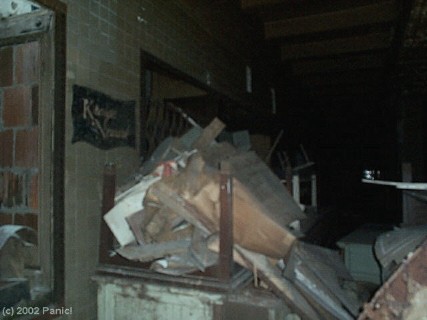
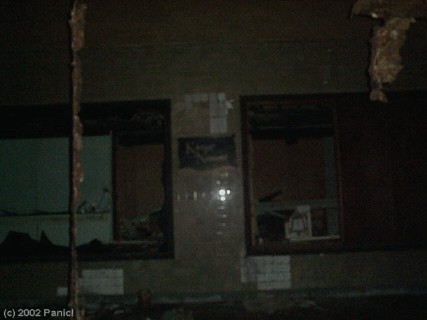
In 2002, in Newark, NJ, an abandoned streetcar tunnel revealed a similar subway-level entrance to the Kresge Department store, closed off since 1966.
-------------------
At 154,000 sq ft, Astor Place Kmart is one of the largest Kmart stores still in operation. This store was opened in a grand former Wanamaker’s department store close to NYU, in Greenwich Village. Kmart occupies the first and second levels, as well as the subway-level (or at least it did until Sears found out how much money Facebook was willing to spend to buy out the second level lease).
The store has an entrance from the street, as well as an extremely cool entrance directly from the No. 6 Subway platform with windows that allow commuters to look directly into the store.
Astor Place Kmart thrives as one of the only places in the neighborhood with suburban-style selection and discount prices, yet this store is notably less busy than its Midtown sister, Penn Plaza Kmart, which benefits greatly from tourist trade and commuters.
The store opened in 1996, a month after the Penn Plaza store, and at a time when Kmart’s formula had stopped working its magic in its traditional suburban comfort zone and the company was looking to urban areas for growth.
*********************************************
Backstory: In 1990, Kmart knew it was in trouble and embarked on a $3 billion program to renovate, expand or relocate all of its aging 2200 Kmart store base. From 1990-95, the company built hundreds of big new and replacement Kmart stores and Super Kmart Centers, financed by lots and lots of borrowed Wall Street money and by selling off divisions like its Pace Warehouse Clubs, Builder’s Square, and Office Max.
The bigger, brighter Kmarts increased store sales for a short while, but as Walmart continued to elbow in on Kmart’s territories, sales slipped. With so much debt, the company had huge interest payments and in 1996, it narrowly avoided bankruptcy by striking a deal with its lenders that slashed its debt rating to junk bond status.
It was during this time that Kmart opened its 2 Manhattan stores, hoping that the company would make up for the higher NYC rents by doing more volume. It seems to have worked, as both Manhattan stores are top 25 stores.
Kmart / John Wanamaker's, Astor Place, Manhattan, NY
In addition to the subway-level entrance, Kmart has windows that look into the store from the subway platform. These types of windows were common in cities like Manhattan and Newark, NJ in the early 20th Century, though most of the windows have been closed off over the years.
These were display windows when the store was John Wanamaker’s, but after the store closed in the 1950’s, the windows were bricked over as the building became a low-rent office building. When Kmart took over, they removed the bricks, but opened the windows to look into the store, instead of using them as display windows.
In 2002, in Newark, NJ, an abandoned streetcar tunnel revealed a similar subway-level entrance to the Kresge Department store, closed off since 1966.
-------------------
At 154,000 sq ft, Astor Place Kmart is one of the largest Kmart stores still in operation. This store was opened in a grand former Wanamaker’s department store close to NYU, in Greenwich Village. Kmart occupies the first and second levels, as well as the subway-level (or at least it did until Sears found out how much money Facebook was willing to spend to buy out the second level lease).
The store has an entrance from the street, as well as an extremely cool entrance directly from the No. 6 Subway platform with windows that allow commuters to look directly into the store.
Astor Place Kmart thrives as one of the only places in the neighborhood with suburban-style selection and discount prices, yet this store is notably less busy than its Midtown sister, Penn Plaza Kmart, which benefits greatly from tourist trade and commuters.
The store opened in 1996, a month after the Penn Plaza store, and at a time when Kmart’s formula had stopped working its magic in its traditional suburban comfort zone and the company was looking to urban areas for growth.
*********************************************
Backstory: In 1990, Kmart knew it was in trouble and embarked on a $3 billion program to renovate, expand or relocate all of its aging 2200 Kmart store base. From 1990-95, the company built hundreds of big new and replacement Kmart stores and Super Kmart Centers, financed by lots and lots of borrowed Wall Street money and by selling off divisions like its Pace Warehouse Clubs, Builder’s Square, and Office Max.
The bigger, brighter Kmarts increased store sales for a short while, but as Walmart continued to elbow in on Kmart’s territories, sales slipped. With so much debt, the company had huge interest payments and in 1996, it narrowly avoided bankruptcy by striking a deal with its lenders that slashed its debt rating to junk bond status.
It was during this time that Kmart opened its 2 Manhattan stores, hoping that the company would make up for the higher NYC rents by doing more volume. It seems to have worked, as both Manhattan stores are top 25 stores.