
What Dreams May Come ....
“things only exist if they are told/narrated”
(maybe of Alessandro Baricco);
“le cose esistono solo se vengono raccontate”
(probabile, di Alessandro Baricco).
www.imdb.com/it/title/tt0120889/mediaviewer/rm1687654401/...
vfxvoice.com/wp-content/uploads/2018/09/PIX-1-WhatDreamsM...
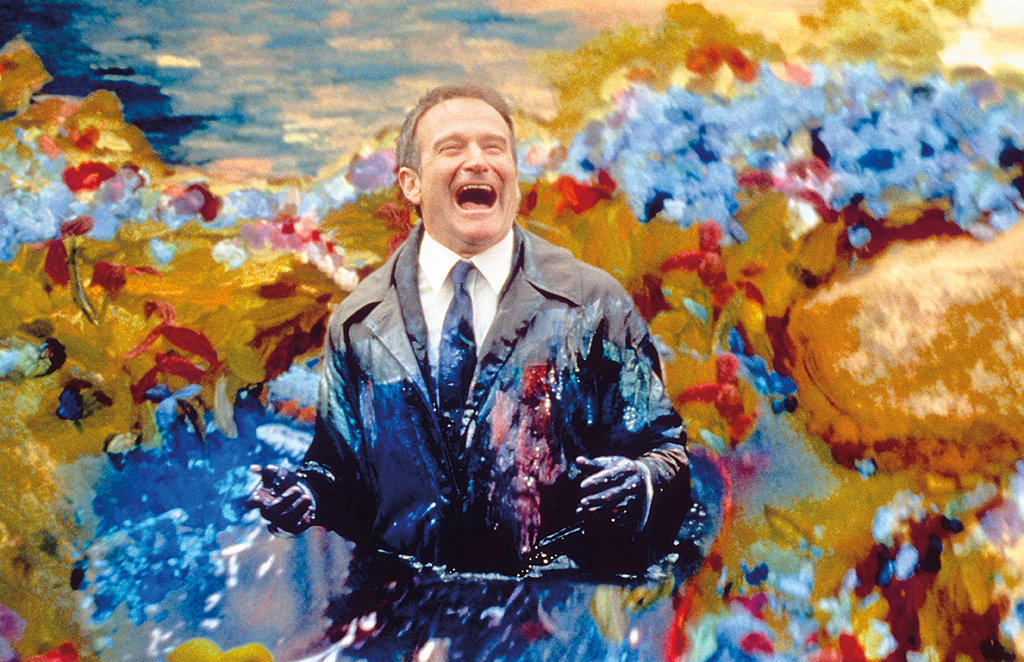
vfxvoice.com/wp-content/uploads/2018/09/PIX-7-WhatDreamsM...
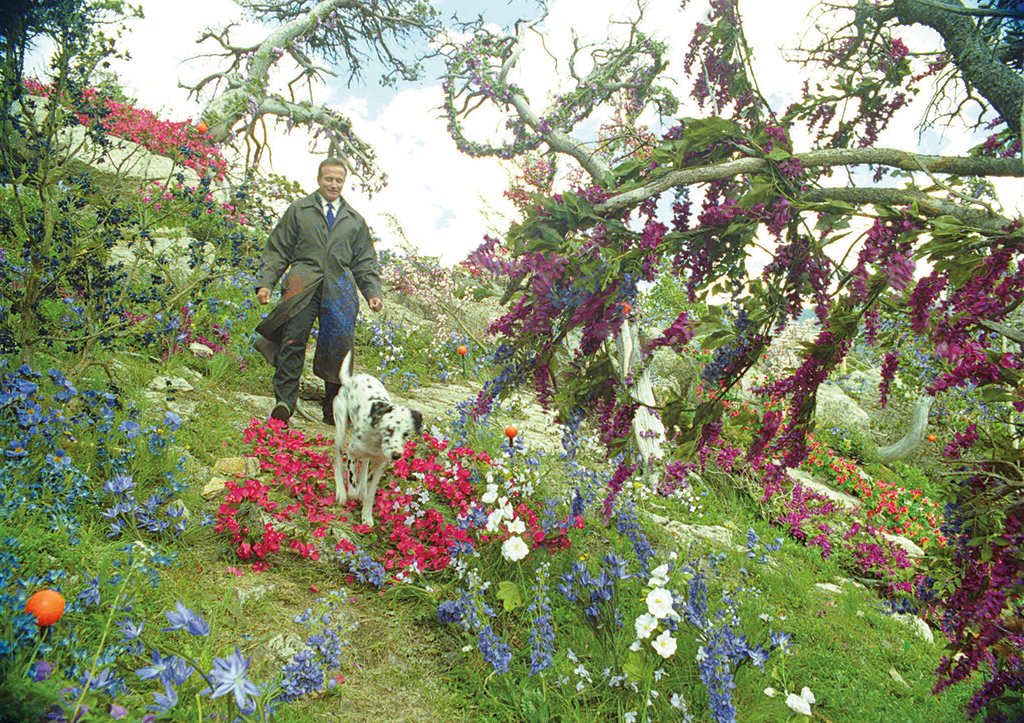
vfxvoice.com/wp-content/uploads/2018/09/PIX-5-WhatDreamsM...
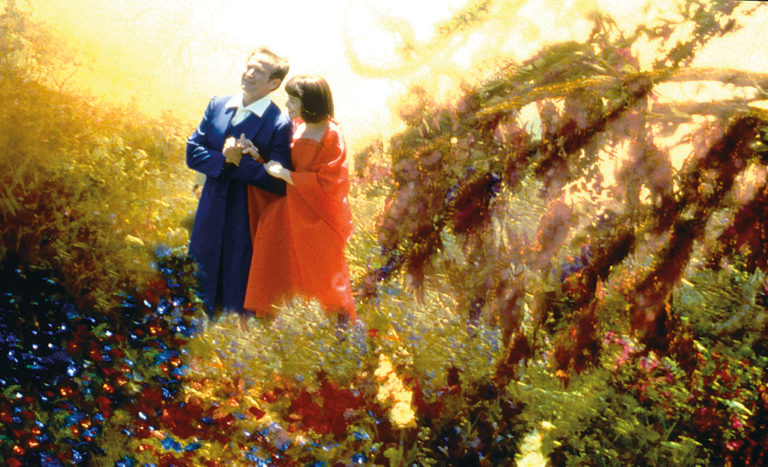
vfxvoice.com/wp-content/uploads/2018/09/PIX-4-WhatDreamsM...
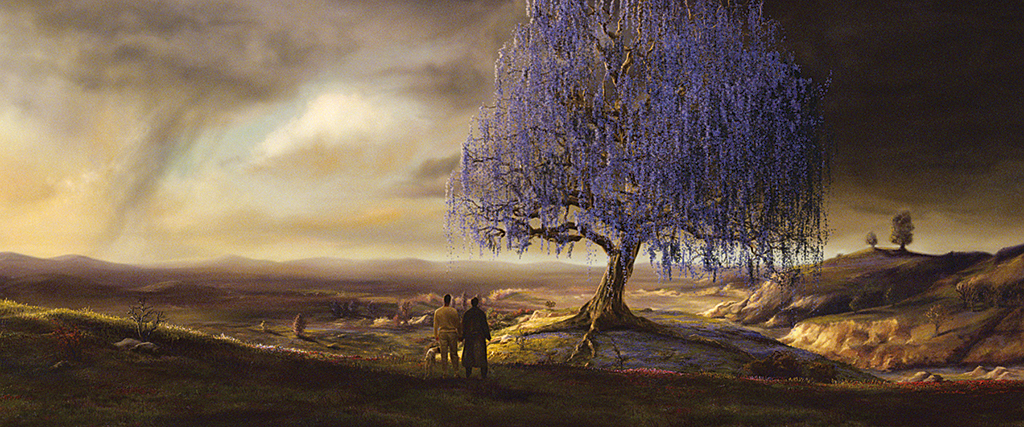
----------------------------------------------------------
click to activate the small icon of slideshow: the small triangle inscribed in the small rectangle, at the top right, in the photostream (it means the monitor);
or…. Press the “L” button to zoom in the image;
clicca sulla piccola icona per attivare lo slideshow: sulla facciata principale del photostream, in alto a destra c'è un piccolo rettangolo (rappresenta il monitor) con dentro un piccolo triangolo nero;
oppure…. premi il tasto “L” per ingrandire l'immagine;
Qi Bo's photos on Fluidr
Qi Bo's photos on Flickriver
www.worldphoto.org/sony-world-photography-awards/winners-...
www.fotografidigitali.it/gallery/2726/opere-italiane-segn...
This photographic series of mine, taken in the Gran Camposanto of Messina, could be considered a continuation of my two previous series on the same theme, taken in various monumental cemeteries in Sicily (for those who want to learn more: flic.kr/p/2rRmE35 - flic.kr/p/2qBy35g ). The monumental cemetery of Messina, one of the most important in Europe, is very large, spanning 22 hectares, and conceived as an urban park, with the idea of an open-air gallery of modern and contemporary art. My interest in this place has roots that go beyond the beauty that is widely found among its works, beautiful sculptures (in marble, in bronze), stories described on the tombstones, architectural structures (the Famedio, a kind of mausoleum; the Cenobio, in the highest part of the cemetery, known as the "conventino"), a section of it called the "English cemetery", but my interest arises above all from the presence of the victims of the terrible earthquake of 1908: at 5:21 am on December 28, 1908, seismographs recorded the occurrence of an earthquake of exceptional intensity and great magnitude, lasting 37 interminable seconds. Coinciding with the earthquake, a terrible tsunami also occurred. Studies report that it was not the earthquake that triggered it, but rather it was caused by a large underwater landslide that occurred off the coast of Giardini-Naxos; When I was sixteen, I was told by word of mouth that during that tsunami, a mother lost her child, who was torn from her by the enormous series of waves that overwhelmed them. They were at the window of a house overlooking the sea in Giardini Naxos, undoubtedly awakened and frightened by the earthquake that had occurred about ten minutes earlier. It is one of those tragedies that belong to our oral memory. The number of victims is estimated to have been between 80,000 and 100,000 people, more than half the population of Messina and a third of that of Reggio Calabria. The tragedy sparked a wave of international solidarity, led initially and immediately by sailors of the Russian fleet, and shortly thereafter by the British, as they were present near the Strait of Messina. Immediately after the disaster, the entire "coterie" of artists then present in Taormina (the town where I live and work) decided to move, combining humanitarian and relief intent with that of testimony, each with their own means of expression: the photographer Baron Wilhelm von Gloeden and his studio assistant, my great-grandfather Gaetano D'Agata, left, bringing with them heavy photographic equipment, to document the apocalypse of Messina with crude realism, I talked about the two photographers here: ( flic.kr/p/2mVA5Ui ), the painters Robert Kitson and Carlo Siligato also left (the latter being my great-grandmother's cousin), he was Robert Kitson's life partner, he was a talented painter who graduated from the Academy of Fine Arts in Venice, and, before meeting the English artist Kitson, he had been one of the most photographed models by Wilhelm von Gloeden himself; I have described their stories here (flic.kr/p/2mYnnzi), the two painters set out with their notebooks, Kitson created historic and touching watercolors, capturing scenes of rubble and survivors, Siligato was close to him both in art and in material relief efforts; the union of this group, which left Taormina and arrived in Messina, was sealed by an extraordinary human event: among those ruins, Kitson and Siligato found an orphaned child, and so decided to adopt him, little Francesco. Kitson, Siligato, von Gloeden, and my great-grandfather Gaetano D’Agata shared a profound vision of art and life, so in the face of the tragedy in Messina, they moved as one to document, photograph, paint, and help. Another cousin by marriage of my father, Prof. Giacomo Altavilla lost his parents in the tragic Messina earthquake. He himself was miraculously saved when a sharp object pierced his skull. He survived, but always wore a plaster on his head because the wound never healed. He was adopted by a Danish family and became honorary consul of Denmark in Taormina. That terrible tragedy created a wonderful human chain of help and solidarity from all over Europe, which has much to teach us about what is happening in our times, where the recurring words are nationalism, hatred and war. The earthquake struck many areas bordering Messina, in the countryside of Castelmola (in the "Francisi" district), in the hinterland of Taormina. The mausoleum dedicated to an intelligent, benefactor and enlightened woman of English origins, Lady Florence Trevelyan, who had died the year before, collapsed. I talk about her here (flic.kr/p/qjn32z).
Now, for some brief and concise observations on what I photographed, I didn't dwell on the beautiful and interesting architectural works present. While photographing with a telephoto lens "an incredible expanse" of little angels, representing the immense pain of those who suffered the loss of those little souls, I was completely unexpectedly overcome by a sense of profound prostration. A desire to cry took over, though I couldn't, a feeling of pain and suffering in seeing that scene. I thought of something similar and at the same time different from those who have experienced the so-called "Stendhal syndrome." It wasn't the beauty of those angels that caused me that discomfort, it was probably because they were "a reflected source of profound pain." When I stopped framing them with the telephoto lens, everything passed. Who hasn't been fascinated by the "Angel of Staglieno," also known as the "Angel of Monteverde" or the Angel of the Resurrection? In the Gran Cimitero, I found a sculptor who imitated him, with a smaller-scale copy (the one in Staglieno, including the base, is about three meters tall, while the one I photographed is much smaller); the terrible earthquake caused massive collapses of buildings in Messina and the surrounding area, and the cemetery also suffered damage. I photographed a testimony from that time, a statue (wearing a fez) whose pedestal had shifted, partially coming off its base; I photographed the bronze face of a Navy lieutenant who died in a tragic accident with his ship in the English Channel. I immediately felt close to that bronze portrait, it evoked my Flickr avatar, Corto Maltese, a character created by Hugo Pratt; Among the illustrious figures present, I have given space only to Giuseppe La Farina, an Italian patriot and politician born in Messina (and died in Turin), a central figure in promoting Italian unification and supporting Giuseppe Garibaldi's Expedition of the Thousand (I hope, sooner or later, to be able to publish the photos taken at the mausoleum of the massacre of Garibaldi's men in Fantina). A compassionate hand, on the graves of many small children, had (long ago) placed small toys, stuffed animals, Lego bricks, rather than candles or flowers. Finally, I have published some faces present in the ancient tombs. It must surely be some distortion of my "photography skills," but in looking at those faces, I perceived that there was a kind of vital light in them. It seemed to me that those faces were still alive and vibrant, not frozen by time, the "temporal gap" did not exist in their gazes…
...……………………………………………….
Questa mia serie fotografica, realizzata nel Gran Camposanto di Messina, potrebbe considerarsi la continuazione delle due mie precedenti sul tema, realizzate in vari cimiteri monumentali della Sicilia (per chi volesse approfondire: flic.kr/p/2rRmE35 - flic.kr/p/2qBy35g ). Il cimitero monumentale di Messina, è uno dei più importanti d’Europa, è molto vasto, si estende per ben 22 ettari, concepito come parco urbano, con l’idea di una galleria d’arte moderna e contemporanea all’aperto. Il mio interesse per questo luogo ha radici che vanno oltre la bellezza che si trova ampiamente tra le sue opere, bellissime sculture (in marmo, in bronzo), storie descritte sulle lapidi, strutture architettoniche (il Famedio, una specie di mausoleo; il Cenobio, nella parte più alta del cimitero, conosciuto come “conventino”), una sua sezione chiamata “cimitero degli Inglesi”, ma il mio interesse nasce soprattutto per la presenza delle vittime del terribile terremoto del 1908: alle ore 05:21 del 28 dicembre 1908 i sismografi registrarono il verificarsi di un terremoto dall’intensità di eccezionale e grande magnitudo, della durata di 37 interminabili secondi, in concomitanza col terremoto si verificò anche un terribile maremoto, studi riportano che non fu il terremoto ad innescarlo, ma piuttosto fu causato da una grande frana sottomarina realizzatasi al largo di Giardini-Naxos; quando avevo sedici anni mi fu tramandato a voce che durante tale maremoto, una madre perse il suo bambino, che le fu strappato dall’enorme serie di ondate che li aveva travolti, poichè si trovavano alla finestra di una casa prospiciente il mare di Giardini-Naxos, certamente svegliati ed impauriti dal terremoto verificatosi circa dieci minuti prima, è uno di quei drammi che appartengono alla nostra memoria orale. Si stima che il numero delle vittime fu tra le 80.000 ed le 100.000 persone, più della metà della popolazione di Messina ed un terzo di quella di Reggio Calabria. La tragedia mosse una catena di solidarietà internazionale, essa fu guidata inizialmente e da subito, dai marinai della flotta russa, e poco dopo da quella inglese, poiché presenti nelle vicinanze dello Stretto di Messina. Subito dopo il verificarsi del disastro l’intero “cenacolo” di artisti allora presenti a Taormina (cittadina dove vivo e lavoro) decise di muoversi, unendo l’intento umanitario e di soccorso a quello di testimonianza, ciascuno con il proprio mezzo espressivo: partirono il barone fotografo Wilhelm von Gloeden ed il suo assistente di studio, il mio bisnonno Gaetano D’Agata, portando con loro le pesanti attrezzature fotografiche, per documentare con crudo realismo l’apocalisse di Messina, ho parlato dei due fotografi qui: ( flic.kr/p/2mVA5Ui ), partirono anche i pittori Robert Kitson e Carlo Siligato (quest’ultimo cugino della mia bisnonna), egli era il compagno di vita di Robert Kitson, era un pittore di talento diplomatosi all’Accademia di Belle Arti di Venezia, e, prima di incontrare l’artista inglese Kitson, era stato uno dei modelli più fotografati dallo stesso Wilhelm von Gloeden; le loro vicende le ho descritta qui (flic.kr/p/2mYnnzi), i due pittori partirono coi loro taccuini, Kitson realizzò storici e toccanti acquerelli, catturando scene di macerie e dei sopravvissuti, Siligato gli era vicino sia nell’arte che nelle azioni di soccorso materiale; l’unione di questo gruppo partito da Taormina, giunti a Messina, è suggellato da un evento umano straordinario, tra quelle rovine Kitson e Siligato trovano un bimbo rimasto orfano, decidono così di adottarlo, era il piccolo Francesco: Kitson, Siligato, von Gloeden ed il mio bisnonno Gaetano D’Agata, condividevano una visione profonda dell’arte e della vita, cosicchè di fronte al dramma di Messina, si mossero come un unico corpo per documentare, fotografare, dipingere, ed aiutare. Un altro cugino acquisito di mio padre, il prof. Giacomo Altavilla, perse i genitori nel tragico terremoto di Messina, egli stesso fu salvo per miracolo dacchè un oggetto penetrante gli perforò la teca cranica, egli sopravvisse ma portò per sempre un cerotto sul capo perché quella ferita non rimarginò mai, fu adottato da una famiglia Danese, diventò console onorario a Taormina della Danimarca: si era creata per quella immane tragedia una meravigliosa catena umana di aiuti e solidarietà proveniente da ogni parte d’Europa, che ha molto da insegnare a quanto accade ai tempi nostri, dove la parola ricorrente è nazionalismi, odio e guerra. Il terremoto colpì molti territori limitrofi a Messina, nelle campagne di Castelmola (in contrada “Francisi”), nell’entroterra di Taormina, crollò il mausoleo dedicato ad una donna intelligente, benefattrice ed illuminata, di origini inglesi, morta l’anno prima, Lady Florence Trevelyan, ne parlo qui ( flic.kr/p/qjn32z ). Ora, delle brevi e sintetiche osservazioni su quanto ho fotografato, non mi sono soffermato sulle pur belle ed interessanti opere architettoniche presenti; nel fotografare col teleobiettivo “una incredibile distesa” di piccoli angeli, rappresentanti dell’immenso dolore di chi ha subito la perdita di quelle piccole anime, sono stato colto in maniera del tutto inaspettata da un senso di profonda prostrazione, era subentrato un desiderio di piangere senza purtuttavia riuscirvi, una sensazione di dolore e di sofferenza nel vedere quella scena, ho pensato a qualcosa di affine ed al contempo diversa da chi ha provato la cosiddetta “sindrome di Stendhal”, non era la bellezza di quegli angioli a procurarmi quel disturbo, era probabilmente perché “fonte riflessa di profondissimo dolore”, quando ho smesso di inquadrarli col teleobiettivo, tutto è passato; chi non è rimasto affascinato nel guardare “l’Angelo di Staglieno” detto anche “l’Angelo di Monteverde o l’Angelo della Resurrezione”, nel Gran Cimitero ho trovato uno scultore suo epigono, con una copia in scala ridotta (quello di Staglieno, compreso di base è alto circa tre metri, quello da me fotografato, di dimensioni molto più contenute); il terribile terremoto causò a Messina e dintorni enormi crolli di palazzi, anche il cimitero subì dei danni, ho fotografato una testimonianza di allora, una statua (col Fez sul capo) il cui piedistallo si è spostato uscendo in parte dal suo basamento; ho fotografato il volto in bronzo di un sottotenente di Marina, morto in un tragico incidente con la sua nave nelle acque della Manica, quel ritratto in bronzo l’ho subito sentito vicino a me, rievocava il mio avatar su Flickr, Corto Maltese, personaggio creato da Hugo Pratt; tra i personaggi illustri presenti, ho dato spazio solo a Giuseppe La Farina, patriota e politico italiano, nato a Messina (e morto a Torino), figura centrale nel promuovere l’Unità d’Italia e nel sostenere la spedizione dei Mille di Giuseppe Garibaldi (spero prima o poi, di riuscire a pubblicare le foto fatte al mausoleo dell’eccidio dei Garibaldini di Fantina); una mano pietosa, su molte tombe di piccoli bimbi, aveva posto (da tempo) dei piccoli giocattoli, pupazzetti di peluche, mattoncini del Lego, piuttosto che lumini o fiori; infine, ho pubblicato alcuni volti presenti nelle vecchie tombe, sarà sicuramente una mia qualche deformazione del “fare fotografie”, ma nel guardarli, quei volti, percepivo che c’era in loro una specie di luce vitale, mi sembrava che quei volti fossero li ancora vivi e palpitanti, non cristallizzati dal tempo, il “gap temporale” non esisteva nei loro sguardi…
……………………………………………..
What Dreams May Come ....
“things only exist if they are told/narrated”
(maybe of Alessandro Baricco);
“le cose esistono solo se vengono raccontate”
(probabile, di Alessandro Baricco).
www.imdb.com/it/title/tt0120889/mediaviewer/rm1687654401/...
vfxvoice.com/wp-content/uploads/2018/09/PIX-1-WhatDreamsM...
vfxvoice.com/wp-content/uploads/2018/09/PIX-7-WhatDreamsM...
vfxvoice.com/wp-content/uploads/2018/09/PIX-5-WhatDreamsM...
vfxvoice.com/wp-content/uploads/2018/09/PIX-4-WhatDreamsM...
----------------------------------------------------------
click to activate the small icon of slideshow: the small triangle inscribed in the small rectangle, at the top right, in the photostream (it means the monitor);
or…. Press the “L” button to zoom in the image;
clicca sulla piccola icona per attivare lo slideshow: sulla facciata principale del photostream, in alto a destra c'è un piccolo rettangolo (rappresenta il monitor) con dentro un piccolo triangolo nero;
oppure…. premi il tasto “L” per ingrandire l'immagine;
Qi Bo's photos on Fluidr
Qi Bo's photos on Flickriver
www.worldphoto.org/sony-world-photography-awards/winners-...
www.fotografidigitali.it/gallery/2726/opere-italiane-segn...
This photographic series of mine, taken in the Gran Camposanto of Messina, could be considered a continuation of my two previous series on the same theme, taken in various monumental cemeteries in Sicily (for those who want to learn more: flic.kr/p/2rRmE35 - flic.kr/p/2qBy35g ). The monumental cemetery of Messina, one of the most important in Europe, is very large, spanning 22 hectares, and conceived as an urban park, with the idea of an open-air gallery of modern and contemporary art. My interest in this place has roots that go beyond the beauty that is widely found among its works, beautiful sculptures (in marble, in bronze), stories described on the tombstones, architectural structures (the Famedio, a kind of mausoleum; the Cenobio, in the highest part of the cemetery, known as the "conventino"), a section of it called the "English cemetery", but my interest arises above all from the presence of the victims of the terrible earthquake of 1908: at 5:21 am on December 28, 1908, seismographs recorded the occurrence of an earthquake of exceptional intensity and great magnitude, lasting 37 interminable seconds. Coinciding with the earthquake, a terrible tsunami also occurred. Studies report that it was not the earthquake that triggered it, but rather it was caused by a large underwater landslide that occurred off the coast of Giardini-Naxos; When I was sixteen, I was told by word of mouth that during that tsunami, a mother lost her child, who was torn from her by the enormous series of waves that overwhelmed them. They were at the window of a house overlooking the sea in Giardini Naxos, undoubtedly awakened and frightened by the earthquake that had occurred about ten minutes earlier. It is one of those tragedies that belong to our oral memory. The number of victims is estimated to have been between 80,000 and 100,000 people, more than half the population of Messina and a third of that of Reggio Calabria. The tragedy sparked a wave of international solidarity, led initially and immediately by sailors of the Russian fleet, and shortly thereafter by the British, as they were present near the Strait of Messina. Immediately after the disaster, the entire "coterie" of artists then present in Taormina (the town where I live and work) decided to move, combining humanitarian and relief intent with that of testimony, each with their own means of expression: the photographer Baron Wilhelm von Gloeden and his studio assistant, my great-grandfather Gaetano D'Agata, left, bringing with them heavy photographic equipment, to document the apocalypse of Messina with crude realism, I talked about the two photographers here: ( flic.kr/p/2mVA5Ui ), the painters Robert Kitson and Carlo Siligato also left (the latter being my great-grandmother's cousin), he was Robert Kitson's life partner, he was a talented painter who graduated from the Academy of Fine Arts in Venice, and, before meeting the English artist Kitson, he had been one of the most photographed models by Wilhelm von Gloeden himself; I have described their stories here (flic.kr/p/2mYnnzi), the two painters set out with their notebooks, Kitson created historic and touching watercolors, capturing scenes of rubble and survivors, Siligato was close to him both in art and in material relief efforts; the union of this group, which left Taormina and arrived in Messina, was sealed by an extraordinary human event: among those ruins, Kitson and Siligato found an orphaned child, and so decided to adopt him, little Francesco. Kitson, Siligato, von Gloeden, and my great-grandfather Gaetano D’Agata shared a profound vision of art and life, so in the face of the tragedy in Messina, they moved as one to document, photograph, paint, and help. Another cousin by marriage of my father, Prof. Giacomo Altavilla lost his parents in the tragic Messina earthquake. He himself was miraculously saved when a sharp object pierced his skull. He survived, but always wore a plaster on his head because the wound never healed. He was adopted by a Danish family and became honorary consul of Denmark in Taormina. That terrible tragedy created a wonderful human chain of help and solidarity from all over Europe, which has much to teach us about what is happening in our times, where the recurring words are nationalism, hatred and war. The earthquake struck many areas bordering Messina, in the countryside of Castelmola (in the "Francisi" district), in the hinterland of Taormina. The mausoleum dedicated to an intelligent, benefactor and enlightened woman of English origins, Lady Florence Trevelyan, who had died the year before, collapsed. I talk about her here (flic.kr/p/qjn32z).
Now, for some brief and concise observations on what I photographed, I didn't dwell on the beautiful and interesting architectural works present. While photographing with a telephoto lens "an incredible expanse" of little angels, representing the immense pain of those who suffered the loss of those little souls, I was completely unexpectedly overcome by a sense of profound prostration. A desire to cry took over, though I couldn't, a feeling of pain and suffering in seeing that scene. I thought of something similar and at the same time different from those who have experienced the so-called "Stendhal syndrome." It wasn't the beauty of those angels that caused me that discomfort, it was probably because they were "a reflected source of profound pain." When I stopped framing them with the telephoto lens, everything passed. Who hasn't been fascinated by the "Angel of Staglieno," also known as the "Angel of Monteverde" or the Angel of the Resurrection? In the Gran Cimitero, I found a sculptor who imitated him, with a smaller-scale copy (the one in Staglieno, including the base, is about three meters tall, while the one I photographed is much smaller); the terrible earthquake caused massive collapses of buildings in Messina and the surrounding area, and the cemetery also suffered damage. I photographed a testimony from that time, a statue (wearing a fez) whose pedestal had shifted, partially coming off its base; I photographed the bronze face of a Navy lieutenant who died in a tragic accident with his ship in the English Channel. I immediately felt close to that bronze portrait, it evoked my Flickr avatar, Corto Maltese, a character created by Hugo Pratt; Among the illustrious figures present, I have given space only to Giuseppe La Farina, an Italian patriot and politician born in Messina (and died in Turin), a central figure in promoting Italian unification and supporting Giuseppe Garibaldi's Expedition of the Thousand (I hope, sooner or later, to be able to publish the photos taken at the mausoleum of the massacre of Garibaldi's men in Fantina). A compassionate hand, on the graves of many small children, had (long ago) placed small toys, stuffed animals, Lego bricks, rather than candles or flowers. Finally, I have published some faces present in the ancient tombs. It must surely be some distortion of my "photography skills," but in looking at those faces, I perceived that there was a kind of vital light in them. It seemed to me that those faces were still alive and vibrant, not frozen by time, the "temporal gap" did not exist in their gazes…
...……………………………………………….
Questa mia serie fotografica, realizzata nel Gran Camposanto di Messina, potrebbe considerarsi la continuazione delle due mie precedenti sul tema, realizzate in vari cimiteri monumentali della Sicilia (per chi volesse approfondire: flic.kr/p/2rRmE35 - flic.kr/p/2qBy35g ). Il cimitero monumentale di Messina, è uno dei più importanti d’Europa, è molto vasto, si estende per ben 22 ettari, concepito come parco urbano, con l’idea di una galleria d’arte moderna e contemporanea all’aperto. Il mio interesse per questo luogo ha radici che vanno oltre la bellezza che si trova ampiamente tra le sue opere, bellissime sculture (in marmo, in bronzo), storie descritte sulle lapidi, strutture architettoniche (il Famedio, una specie di mausoleo; il Cenobio, nella parte più alta del cimitero, conosciuto come “conventino”), una sua sezione chiamata “cimitero degli Inglesi”, ma il mio interesse nasce soprattutto per la presenza delle vittime del terribile terremoto del 1908: alle ore 05:21 del 28 dicembre 1908 i sismografi registrarono il verificarsi di un terremoto dall’intensità di eccezionale e grande magnitudo, della durata di 37 interminabili secondi, in concomitanza col terremoto si verificò anche un terribile maremoto, studi riportano che non fu il terremoto ad innescarlo, ma piuttosto fu causato da una grande frana sottomarina realizzatasi al largo di Giardini-Naxos; quando avevo sedici anni mi fu tramandato a voce che durante tale maremoto, una madre perse il suo bambino, che le fu strappato dall’enorme serie di ondate che li aveva travolti, poichè si trovavano alla finestra di una casa prospiciente il mare di Giardini-Naxos, certamente svegliati ed impauriti dal terremoto verificatosi circa dieci minuti prima, è uno di quei drammi che appartengono alla nostra memoria orale. Si stima che il numero delle vittime fu tra le 80.000 ed le 100.000 persone, più della metà della popolazione di Messina ed un terzo di quella di Reggio Calabria. La tragedia mosse una catena di solidarietà internazionale, essa fu guidata inizialmente e da subito, dai marinai della flotta russa, e poco dopo da quella inglese, poiché presenti nelle vicinanze dello Stretto di Messina. Subito dopo il verificarsi del disastro l’intero “cenacolo” di artisti allora presenti a Taormina (cittadina dove vivo e lavoro) decise di muoversi, unendo l’intento umanitario e di soccorso a quello di testimonianza, ciascuno con il proprio mezzo espressivo: partirono il barone fotografo Wilhelm von Gloeden ed il suo assistente di studio, il mio bisnonno Gaetano D’Agata, portando con loro le pesanti attrezzature fotografiche, per documentare con crudo realismo l’apocalisse di Messina, ho parlato dei due fotografi qui: ( flic.kr/p/2mVA5Ui ), partirono anche i pittori Robert Kitson e Carlo Siligato (quest’ultimo cugino della mia bisnonna), egli era il compagno di vita di Robert Kitson, era un pittore di talento diplomatosi all’Accademia di Belle Arti di Venezia, e, prima di incontrare l’artista inglese Kitson, era stato uno dei modelli più fotografati dallo stesso Wilhelm von Gloeden; le loro vicende le ho descritta qui (flic.kr/p/2mYnnzi), i due pittori partirono coi loro taccuini, Kitson realizzò storici e toccanti acquerelli, catturando scene di macerie e dei sopravvissuti, Siligato gli era vicino sia nell’arte che nelle azioni di soccorso materiale; l’unione di questo gruppo partito da Taormina, giunti a Messina, è suggellato da un evento umano straordinario, tra quelle rovine Kitson e Siligato trovano un bimbo rimasto orfano, decidono così di adottarlo, era il piccolo Francesco: Kitson, Siligato, von Gloeden ed il mio bisnonno Gaetano D’Agata, condividevano una visione profonda dell’arte e della vita, cosicchè di fronte al dramma di Messina, si mossero come un unico corpo per documentare, fotografare, dipingere, ed aiutare. Un altro cugino acquisito di mio padre, il prof. Giacomo Altavilla, perse i genitori nel tragico terremoto di Messina, egli stesso fu salvo per miracolo dacchè un oggetto penetrante gli perforò la teca cranica, egli sopravvisse ma portò per sempre un cerotto sul capo perché quella ferita non rimarginò mai, fu adottato da una famiglia Danese, diventò console onorario a Taormina della Danimarca: si era creata per quella immane tragedia una meravigliosa catena umana di aiuti e solidarietà proveniente da ogni parte d’Europa, che ha molto da insegnare a quanto accade ai tempi nostri, dove la parola ricorrente è nazionalismi, odio e guerra. Il terremoto colpì molti territori limitrofi a Messina, nelle campagne di Castelmola (in contrada “Francisi”), nell’entroterra di Taormina, crollò il mausoleo dedicato ad una donna intelligente, benefattrice ed illuminata, di origini inglesi, morta l’anno prima, Lady Florence Trevelyan, ne parlo qui ( flic.kr/p/qjn32z ). Ora, delle brevi e sintetiche osservazioni su quanto ho fotografato, non mi sono soffermato sulle pur belle ed interessanti opere architettoniche presenti; nel fotografare col teleobiettivo “una incredibile distesa” di piccoli angeli, rappresentanti dell’immenso dolore di chi ha subito la perdita di quelle piccole anime, sono stato colto in maniera del tutto inaspettata da un senso di profonda prostrazione, era subentrato un desiderio di piangere senza purtuttavia riuscirvi, una sensazione di dolore e di sofferenza nel vedere quella scena, ho pensato a qualcosa di affine ed al contempo diversa da chi ha provato la cosiddetta “sindrome di Stendhal”, non era la bellezza di quegli angioli a procurarmi quel disturbo, era probabilmente perché “fonte riflessa di profondissimo dolore”, quando ho smesso di inquadrarli col teleobiettivo, tutto è passato; chi non è rimasto affascinato nel guardare “l’Angelo di Staglieno” detto anche “l’Angelo di Monteverde o l’Angelo della Resurrezione”, nel Gran Cimitero ho trovato uno scultore suo epigono, con una copia in scala ridotta (quello di Staglieno, compreso di base è alto circa tre metri, quello da me fotografato, di dimensioni molto più contenute); il terribile terremoto causò a Messina e dintorni enormi crolli di palazzi, anche il cimitero subì dei danni, ho fotografato una testimonianza di allora, una statua (col Fez sul capo) il cui piedistallo si è spostato uscendo in parte dal suo basamento; ho fotografato il volto in bronzo di un sottotenente di Marina, morto in un tragico incidente con la sua nave nelle acque della Manica, quel ritratto in bronzo l’ho subito sentito vicino a me, rievocava il mio avatar su Flickr, Corto Maltese, personaggio creato da Hugo Pratt; tra i personaggi illustri presenti, ho dato spazio solo a Giuseppe La Farina, patriota e politico italiano, nato a Messina (e morto a Torino), figura centrale nel promuovere l’Unità d’Italia e nel sostenere la spedizione dei Mille di Giuseppe Garibaldi (spero prima o poi, di riuscire a pubblicare le foto fatte al mausoleo dell’eccidio dei Garibaldini di Fantina); una mano pietosa, su molte tombe di piccoli bimbi, aveva posto (da tempo) dei piccoli giocattoli, pupazzetti di peluche, mattoncini del Lego, piuttosto che lumini o fiori; infine, ho pubblicato alcuni volti presenti nelle vecchie tombe, sarà sicuramente una mia qualche deformazione del “fare fotografie”, ma nel guardarli, quei volti, percepivo che c’era in loro una specie di luce vitale, mi sembrava che quei volti fossero li ancora vivi e palpitanti, non cristallizzati dal tempo, il “gap temporale” non esisteva nei loro sguardi…
……………………………………………..