
The Lady ....
“things only exist if they are told/narrated”
(maybe of Alessandro Baricco);
“le cose esistono solo se vengono raccontate”
(probabile, di Alessandro Baricco).
m.media-amazon.com/images/I/71jVCwfxmOL._SY679_.jpg
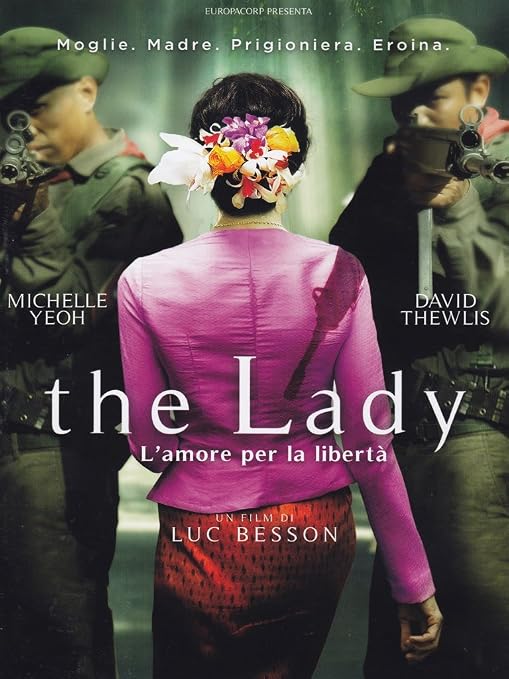
m.media-amazon.com/images/I/914Yn2-X9+L._AC_UF894,1000_QL...

static.rbcasting.com/570403-the-lady-luc-besson-Aung-San-...

www.elle.com/it/showbiz/cinema/news/a826240/the-lady-luc-...
----------------------------------------------------------
click to activate the small icon of slideshow: the small triangle inscribed in the small rectangle, at the top right, in the photostream (it means the monitor);
or…. Press the “L” button to zoom in the image;
clicca sulla piccola icona per attivare lo slideshow: sulla facciata principale del photostream, in alto a destra c'è un piccolo rettangolo (rappresenta il monitor) con dentro un piccolo triangolo nero;
oppure…. premi il tasto “L” per ingrandire l'immagine;
www.worldphoto.org/sony-world-photography-awards/winners-...
www.fotografidigitali.it/gallery/2726/opere-italiane-segn...
I present here on Flickr a photographic series of an ancient “Sicilian traditional and religious festival”, which takes place in what is a “scattered municipality”, as it is made up of the two hamlets of Mongiuffi and Melia, separated by a valley through which a river flows, close to the more famous Taormina; the feast is celebrated on Easter Monday (or Easter Monday)”. Historically, the information I report here, briefly, is taken from the book written by the historian, researcher of popular traditions and photographer, Giovanni Curcuruto (also Art Director of the ancient play that the boys and girls dressed as Angels bring to life on the stage) title of the work “Monfelia” (ETNA printing house, OCTOBER 2006): this feast, initially called “Festival of Peace”, then called “Festival of the Angels”, was established by the Marquis Francesco Rao Corvaja in 1830, to try to bring harmony between the two villages of Mongiuffi and Melia, which had come into disagreement in the past years for trivial reasons, the feast was celebrated until 1843, the year in which the two villages quarreled again, (the two communities quarreled like stadium fans, one was in favor of the clergy, the other was on the side of the nobles), the feast was thus suspended, only to be celebrated again in 1929. When this celebration was established, for forty days before Easter Monday, the two communities would gather in the church of San Sebastiano di Melia to select eight children, four from Mongiuffi in honor of the Madonna, and four from Melia in honor of the Risen Christ, aged between ten and fifteen. On the day of the celebration, they would then be dressed in white clothes and "wings", embellished with ribbons and bows. The children were instructed to recite a text in Sicilian dialect mixed with Latin phrases, written in 1833 by the priest Giovanni Cuzari. On Easter Monday, the various brotherhoods had a lot to do preparing the ceremony. From the church of San Sebastiano di Melia, a procession of men only would leave, the bearers carrying the float with the Risen Christ on their shoulders, while from Mongiuffi a procession of women only would set out, with their heads covered by a black veil, women carrying on her shoulder the float with the Madonna Addolorata, a black veil covered her completely, leaving only her face uncovered, (underneath there was a white veil, which would have "appeared" at the moment of the encounter with the Risen Son with the black veil pulled away by a string): the two processions originally met in Melia (and still meet today), in an area called "'nto chianu di l'Angiuli" (the square of the Angels), in reality now it is little more than a narrow street: what happened in the past, still happens today, except that, the procession with the Madonna Addolorata no longer carried by women does not come from Mongiuffi, but comes from Melia itself, the two processions come from two opposite directions, carrying the two floats, the one with the Madonna Addolorata, and the one with the Risen Christ, they thus arrive one in front of the other, now there is a particular ceremony, two boys meet with their respective Crucifixes making three bows to each other, the same happens with two girls and then two men, With their banners, finally, the highly emotional "Encounter" between the Mother and the Risen Son takes place. The black cloak flies off and the white one appears, amid the applause and emotion of those present. This "encounter" is understood in Sicily as "A Paci (the Peace)" with the ritual bow—an encounter between the two statues that symbolizes the first announcement of the Resurrection that Mary receives from her Son, thus erasing the pain of Good Friday. Finally, hidden until then behind a curtain, on a stage, the Little Angels appear, performing the traditional play. Art Director Giovanni Curcuruto is always beside the "Little Angels," a skilled director and choreographer, like an orchestra conductor, accompanying the movements of the boys and girls during the various phases of the traditional play. At the sides of the stage, there is the sweet and silent presence of Mary of the Angels and the Risen Christ, who have recently been able to embrace each other again, a gesture that symbolizes compassion in the face of pain and the certainty that we are never alone, indicating in Mary the refuge maternal and mediator of hope for all.
………………………………………
Presento qui su Flickr una serie fotografica di una antica “Festa tradizionale e religiosa Siciliana”, che si svolge in quello che è un “comune sparso”, poiché composto dalle due borgate di Mongiuffi e Melia, separate da una vallata nella quale scorre un fiume, vicine alla più conosciuta Taormina; la festa viene celebrata il giorno di Pasquetta (ovvero il Lunedì dell’Angelo)”. Storicamente le notizie che qui riporto, sinteticamente, sono tratte dal libro scritto dallo storico, ricercatore di tradizioni popolari e, fotografo, Giovanni Curcuruto (anche Art Director dell’antica recita che i bimbi e le bimbe vestiti da Angioletti danno vita sul palco) titolo dell’opera “Monfelia” (tipografia ETNA, OTTOBRE 2006): questa festa, chiamata inizialmente “Festa della Pace”, poi chiamata “Festa degli Angeli”, fu istituita dal Marchese Francesco Rao Corvaja nel 1830, per tentare di portare armonia tra i due borghi di Mongiuffi e di Melia, entrati in disaccordo negli anni passati per futili motivi, la festa fu celebrata fino al 1843, anno in cui i due borghi litigarono nuovamente, (le due comunità litigavano come tifoserie di stadio, una era a favore del clero, l’altra era dalla parte dei nobili), la festa fu così sospesa, per poi essere nuovamente celebrata solamente nel 1929. Questa festa quando venne istituita prevedeva che per quaranta giorni prima del Lunedì di Pasqua, le due comunità si riunissero nella chiesa di San Sebastiano di Melia, per selezionare otto ragazzini, quattro di Mongiuffi in onore della Madonna, e quattro di Melia in onore del Cristo Risorto, età tra i dieci ed i quindici anni, il giorno della celebrazione sarebbero poi stati vestiti con abiti ed “ali” di colore bianco, impreziositi con nastri e fiocchetti; i ragazzini venivano istruiti a recitare un testo in dialetto siciliano misto a frasi in latino, scritto nel 1833 dal sacerdote Giovanni Cuzari. Il Lunedì dell’Angelo, le varie confraternite avevano un gran da fare per la preparazione della cerimonia; dalla chiesa di San Sebastiano di Melia, usciva una processione di soli uomini, i portatori recavano in spalla la vara col Cristo Risorto, mentre da Mongiuffi partiva una processione di sole donne, col capo coperto da un velo nero, donne che portavano in spalla la vara con la Madonna Addolorata, un velo nero la copriva completamente, lasciandole scoperto solamente il volto, (sotto era presente un velo bianco, che sarebbe “apparso” nel momento dell’incontro col Figlio Risorto col velo nero tirato via da una funicella): le due processioni originariamente si incontravano a Melia (e si incontrano tutt’ora), in una zona chiamata “’nto chianu di l’Angiuli” (la piazza degli Angeli), in realtà adesso è poco più di una stretta stradina: quanto accadeva in passato, accade tutt’ora, tranne che, la processione con la Madonna Addolorata non più portata dalle donne non proviene da Mongiuffi, ma giunge dalla stessa Melia, le due processioni provengono da due opposte direzioni, recanti le due vare, quella con la Madonna Addolorata, e quella col Cristo Risorto, giungono così una di fronte all’altra, ora c’è una particolare cerimonia, due ragazzi si incontrano coi rispettivi Crocefissi facendosi l’un l’altro tre inchini, lo stesso accade con due ragazze e poi due uomini, con i loro stendardi, infine avviene “l’Incontro” altamente emozionante tra la Madre ed il Figlio Risorto, ecco che vola via il mantello nero, ed appare quello bianco, tra gli applausi e l’emozione dei presenti, “incontro” inteso in Sicilia come “A Paci (la Pace)”, con l’inchino rituale – incontro, tra le due statue, che simboleggia il primo annuncio della Resurrezione che Maria riceve dal Figlio, così cancellando il dolore del Venerdì Santo. Infine, nascosti fino ad allora dietro una tenda, su di un palco, c’è l’apparizione degli Angioletti, che interpretano la recita tradizionale. L’Art Director Giovanni Curcuruto, è sempre accanto agli “Angioletti”, da bravo regista e coreografo come un direttore d’orchestra accompagna le movenze dei bimbi e bimbe, durante le varie fasi della recita tradizionale, mentre ai lati del palco c’è la presenza dolce e silenziosa della Maria degli Angeli e del Cristo Risorto, che da poco hanno potuto riabbracciarsi, gesto che simboleggia la compassione di fronte al dolore e la certezza che non siamo mai soli, indicando in Maria il rifugio materno e mediatrice di speranza per tutti.
…………………………………………………………………..
The Lady ....
“things only exist if they are told/narrated”
(maybe of Alessandro Baricco);
“le cose esistono solo se vengono raccontate”
(probabile, di Alessandro Baricco).
m.media-amazon.com/images/I/71jVCwfxmOL._SY679_.jpg
m.media-amazon.com/images/I/914Yn2-X9+L._AC_UF894,1000_QL...
static.rbcasting.com/570403-the-lady-luc-besson-Aung-San-...
www.elle.com/it/showbiz/cinema/news/a826240/the-lady-luc-...
----------------------------------------------------------
click to activate the small icon of slideshow: the small triangle inscribed in the small rectangle, at the top right, in the photostream (it means the monitor);
or…. Press the “L” button to zoom in the image;
clicca sulla piccola icona per attivare lo slideshow: sulla facciata principale del photostream, in alto a destra c'è un piccolo rettangolo (rappresenta il monitor) con dentro un piccolo triangolo nero;
oppure…. premi il tasto “L” per ingrandire l'immagine;
www.worldphoto.org/sony-world-photography-awards/winners-...
www.fotografidigitali.it/gallery/2726/opere-italiane-segn...
I present here on Flickr a photographic series of an ancient “Sicilian traditional and religious festival”, which takes place in what is a “scattered municipality”, as it is made up of the two hamlets of Mongiuffi and Melia, separated by a valley through which a river flows, close to the more famous Taormina; the feast is celebrated on Easter Monday (or Easter Monday)”. Historically, the information I report here, briefly, is taken from the book written by the historian, researcher of popular traditions and photographer, Giovanni Curcuruto (also Art Director of the ancient play that the boys and girls dressed as Angels bring to life on the stage) title of the work “Monfelia” (ETNA printing house, OCTOBER 2006): this feast, initially called “Festival of Peace”, then called “Festival of the Angels”, was established by the Marquis Francesco Rao Corvaja in 1830, to try to bring harmony between the two villages of Mongiuffi and Melia, which had come into disagreement in the past years for trivial reasons, the feast was celebrated until 1843, the year in which the two villages quarreled again, (the two communities quarreled like stadium fans, one was in favor of the clergy, the other was on the side of the nobles), the feast was thus suspended, only to be celebrated again in 1929. When this celebration was established, for forty days before Easter Monday, the two communities would gather in the church of San Sebastiano di Melia to select eight children, four from Mongiuffi in honor of the Madonna, and four from Melia in honor of the Risen Christ, aged between ten and fifteen. On the day of the celebration, they would then be dressed in white clothes and "wings", embellished with ribbons and bows. The children were instructed to recite a text in Sicilian dialect mixed with Latin phrases, written in 1833 by the priest Giovanni Cuzari. On Easter Monday, the various brotherhoods had a lot to do preparing the ceremony. From the church of San Sebastiano di Melia, a procession of men only would leave, the bearers carrying the float with the Risen Christ on their shoulders, while from Mongiuffi a procession of women only would set out, with their heads covered by a black veil, women carrying on her shoulder the float with the Madonna Addolorata, a black veil covered her completely, leaving only her face uncovered, (underneath there was a white veil, which would have "appeared" at the moment of the encounter with the Risen Son with the black veil pulled away by a string): the two processions originally met in Melia (and still meet today), in an area called "'nto chianu di l'Angiuli" (the square of the Angels), in reality now it is little more than a narrow street: what happened in the past, still happens today, except that, the procession with the Madonna Addolorata no longer carried by women does not come from Mongiuffi, but comes from Melia itself, the two processions come from two opposite directions, carrying the two floats, the one with the Madonna Addolorata, and the one with the Risen Christ, they thus arrive one in front of the other, now there is a particular ceremony, two boys meet with their respective Crucifixes making three bows to each other, the same happens with two girls and then two men, With their banners, finally, the highly emotional "Encounter" between the Mother and the Risen Son takes place. The black cloak flies off and the white one appears, amid the applause and emotion of those present. This "encounter" is understood in Sicily as "A Paci (the Peace)" with the ritual bow—an encounter between the two statues that symbolizes the first announcement of the Resurrection that Mary receives from her Son, thus erasing the pain of Good Friday. Finally, hidden until then behind a curtain, on a stage, the Little Angels appear, performing the traditional play. Art Director Giovanni Curcuruto is always beside the "Little Angels," a skilled director and choreographer, like an orchestra conductor, accompanying the movements of the boys and girls during the various phases of the traditional play. At the sides of the stage, there is the sweet and silent presence of Mary of the Angels and the Risen Christ, who have recently been able to embrace each other again, a gesture that symbolizes compassion in the face of pain and the certainty that we are never alone, indicating in Mary the refuge maternal and mediator of hope for all.
………………………………………
Presento qui su Flickr una serie fotografica di una antica “Festa tradizionale e religiosa Siciliana”, che si svolge in quello che è un “comune sparso”, poiché composto dalle due borgate di Mongiuffi e Melia, separate da una vallata nella quale scorre un fiume, vicine alla più conosciuta Taormina; la festa viene celebrata il giorno di Pasquetta (ovvero il Lunedì dell’Angelo)”. Storicamente le notizie che qui riporto, sinteticamente, sono tratte dal libro scritto dallo storico, ricercatore di tradizioni popolari e, fotografo, Giovanni Curcuruto (anche Art Director dell’antica recita che i bimbi e le bimbe vestiti da Angioletti danno vita sul palco) titolo dell’opera “Monfelia” (tipografia ETNA, OTTOBRE 2006): questa festa, chiamata inizialmente “Festa della Pace”, poi chiamata “Festa degli Angeli”, fu istituita dal Marchese Francesco Rao Corvaja nel 1830, per tentare di portare armonia tra i due borghi di Mongiuffi e di Melia, entrati in disaccordo negli anni passati per futili motivi, la festa fu celebrata fino al 1843, anno in cui i due borghi litigarono nuovamente, (le due comunità litigavano come tifoserie di stadio, una era a favore del clero, l’altra era dalla parte dei nobili), la festa fu così sospesa, per poi essere nuovamente celebrata solamente nel 1929. Questa festa quando venne istituita prevedeva che per quaranta giorni prima del Lunedì di Pasqua, le due comunità si riunissero nella chiesa di San Sebastiano di Melia, per selezionare otto ragazzini, quattro di Mongiuffi in onore della Madonna, e quattro di Melia in onore del Cristo Risorto, età tra i dieci ed i quindici anni, il giorno della celebrazione sarebbero poi stati vestiti con abiti ed “ali” di colore bianco, impreziositi con nastri e fiocchetti; i ragazzini venivano istruiti a recitare un testo in dialetto siciliano misto a frasi in latino, scritto nel 1833 dal sacerdote Giovanni Cuzari. Il Lunedì dell’Angelo, le varie confraternite avevano un gran da fare per la preparazione della cerimonia; dalla chiesa di San Sebastiano di Melia, usciva una processione di soli uomini, i portatori recavano in spalla la vara col Cristo Risorto, mentre da Mongiuffi partiva una processione di sole donne, col capo coperto da un velo nero, donne che portavano in spalla la vara con la Madonna Addolorata, un velo nero la copriva completamente, lasciandole scoperto solamente il volto, (sotto era presente un velo bianco, che sarebbe “apparso” nel momento dell’incontro col Figlio Risorto col velo nero tirato via da una funicella): le due processioni originariamente si incontravano a Melia (e si incontrano tutt’ora), in una zona chiamata “’nto chianu di l’Angiuli” (la piazza degli Angeli), in realtà adesso è poco più di una stretta stradina: quanto accadeva in passato, accade tutt’ora, tranne che, la processione con la Madonna Addolorata non più portata dalle donne non proviene da Mongiuffi, ma giunge dalla stessa Melia, le due processioni provengono da due opposte direzioni, recanti le due vare, quella con la Madonna Addolorata, e quella col Cristo Risorto, giungono così una di fronte all’altra, ora c’è una particolare cerimonia, due ragazzi si incontrano coi rispettivi Crocefissi facendosi l’un l’altro tre inchini, lo stesso accade con due ragazze e poi due uomini, con i loro stendardi, infine avviene “l’Incontro” altamente emozionante tra la Madre ed il Figlio Risorto, ecco che vola via il mantello nero, ed appare quello bianco, tra gli applausi e l’emozione dei presenti, “incontro” inteso in Sicilia come “A Paci (la Pace)”, con l’inchino rituale – incontro, tra le due statue, che simboleggia il primo annuncio della Resurrezione che Maria riceve dal Figlio, così cancellando il dolore del Venerdì Santo. Infine, nascosti fino ad allora dietro una tenda, su di un palco, c’è l’apparizione degli Angioletti, che interpretano la recita tradizionale. L’Art Director Giovanni Curcuruto, è sempre accanto agli “Angioletti”, da bravo regista e coreografo come un direttore d’orchestra accompagna le movenze dei bimbi e bimbe, durante le varie fasi della recita tradizionale, mentre ai lati del palco c’è la presenza dolce e silenziosa della Maria degli Angeli e del Cristo Risorto, che da poco hanno potuto riabbracciarsi, gesto che simboleggia la compassione di fronte al dolore e la certezza che non siamo mai soli, indicando in Maria il rifugio materno e mediatrice di speranza per tutti.
…………………………………………………………………..