View allAll Photos Tagged atomica,
The Dalí Theatre and Museum (Catalan: Teatre-Museu Dalí, IPA: [teˈatɾə muˈzɛw ðəˈɫi], Spanish: Teatro Museo Dalí), is a museum of the artist Salvador Dalí in his home town of Figueres, in Catalonia, Spain.
Building
The heart of the museum is the building that housed the town's theater when Dalí was a child, where one of the first public exhibitions of young Dalí's art was shown. The old theater was burned during the Spanish Civil War and remained in a state of ruin for decades. In 1960, Dalí and the mayor of Figueres decided to rebuild it as a museum dedicated to the town's most famous son.
In 1968, the city council approved the plan, and construction began the following year. The architects were Joaquim de Ros i Ramis and Alexandre Bonaterra. The museum opened on September 28, 1974,with continuing expansion through the mid-1980s. The museum now includes buildings and courtyards adjacent to the old theater building.
The museum displays the single largest and most diverse collection of works by Salvador Dalí, the core of which was from the artist's personal collection. In addition to Dalí paintings from all decades of his career, there are Dalí sculptures, 3-dimensional collages, mechanical devices, and other curiosities from Dalí's imagination. A highlight is a 3-dimensional anamorphic living-room installation with custom furniture that looks like the face of Mae West when viewed from a certain spot.
The museum also houses a small selection of works by other artists collected by Dalí, ranging from El Greco and Bougereau to Marcel Duchamp and John de Andrea, In accordance with Dalí's specific request, a second-floor gallery is devoted to the work of his friend and fellow Catalan artist Antoni Pitxot, who also became director of the museum after Dalí's death.
A glass geodesic dome cupola crowns the stage of the old theater, and Dalí himself is buried in a crypt below the stage floor. The space formerly occupied by the audience has been transformed into a courtyard open to the sky, with Dionysian nude figurines standing in the old balcony windows.
A Dalí installation inside a full-sized automobile, inspired by Rainy Taxi (1938), is parked near the center of the space.
Art collection
The Dalí Theatre and Museum holds the largest collection of major works by Dalí in a single location. Some of the most important exhibited works are Port Alguer (1924), The Spectre of Sex-appeal (1932), Soft self-portrait with grilled bacon (1941), Poetry of America—the Cosmic Athletes (1943), Galarina (1944–45), Basket of Bread (1945), Leda Atomica (1949), Galatea of the Spheres (1952) and Crist de la Tramuntana (1968).
There is also a set of works created by the artist expressly for the Theater-Museum, including the Mae West room, the Palace of the Windroom, the Monument to Francesc Pujols, and the Cadillac plujós.
A collection of holographic art by Dalí, and a collection of jewelry he designed are on display. Another room contains a bathtub and a side table with an open drawer and a lamp, all of which Dalí had installed upside-down on the ceiling.
An extension to the museum building contains a room dedicated to optical illusions, stereographs, and anamorphic art created by Dalí. The artist's final works, including his last oil painting, The Swallow's Tail (1983), are on display here.
6 AGOSTO 1945 ore 8:15
Quella che in origine era la Sala della Prefettura per la Promozione Industriale, e stata oggi trasformata nel Memoriale della pace di Hiroshima. La bomba atomica vi esplose quasi sopra.
La foto della bomba atomica sganciata su Nagasaki è stata scattata da un bombardiere aereo B-29 utilizzato per distruggere la città con tutti i suoi abitanti (Uomini, Donne, Bambini, Bambine e Neonati nati e che dovevano nascere) presenti e futuri.
Giappone: Hiroshima - Nagasaki
Hi everyone!
This is my first quest in lego-train adventure. Fortunately I have great friends in the AFOL world who supported me to finish this project.
This is one of the hugest steam train engines of Spain. Spain is small in comparison with the big american nations, so we don't need large steam boilers. This is big, because is designed for mountain trails. This locomotive served between earlier 1950's and earlier 1970's. Also was one of the last steam engines in Spain. Are "Mountain" series, also known as "Atomic" or "Beautys" for the fans.
This model has PF's motor system, and is totally funcional. As my first trial in train models, I am very happy with the final result. I am a little sad about the motor in the cabin, but I am happy to see this in motion. ^^
Soon, the video.
Birkchslef Gallery (when moderated)

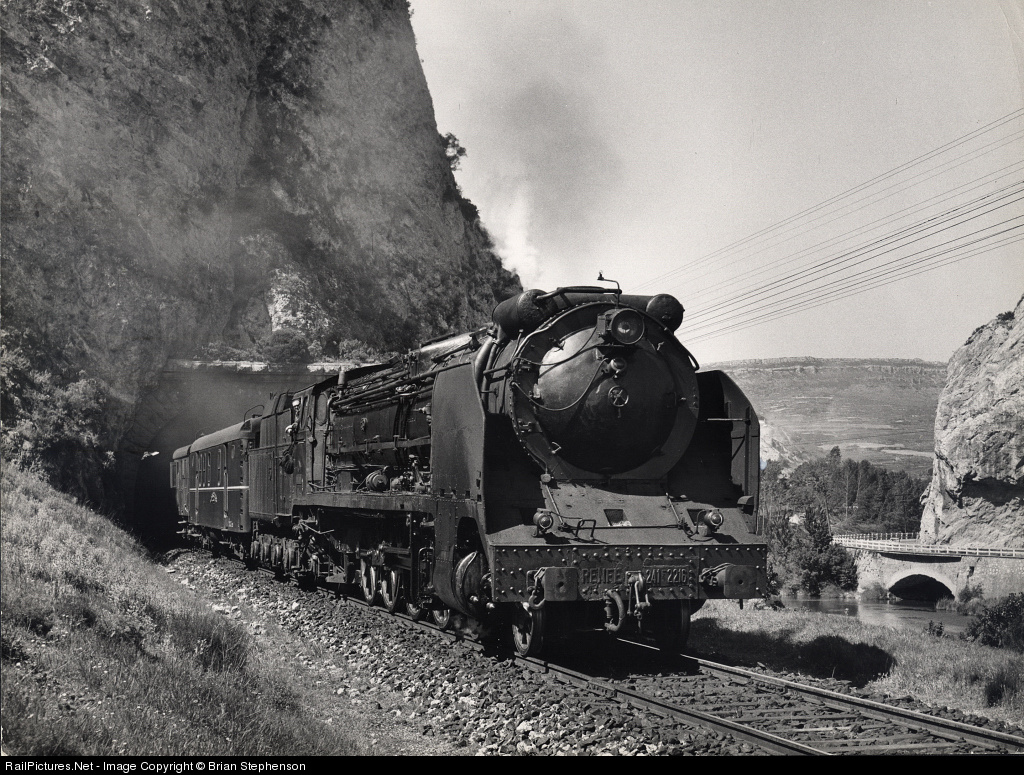
Enjoy!! :)
The Dalí Theatre and Museum Figueres Catalonia Spain
(Catalan: Teatre-Museu Dalí, IPA: [teˈatɾə muˈzɛw ðəˈɫi], Spanish: Teatro Museo Dalí), is a museum of the artist Salvador Dalí in his home town of Figueres, in Catalonia, Spain.
Building
The heart of the museum is the building that housed the town's theater when Dalí was a child, where one of the first public exhibitions of young Dalí's art was shown. The old theater was burned during the Spanish Civil War and remained in a state of ruin for decades. In 1960, Dalí and the mayor of Figueres decided to rebuild it as a museum dedicated to the town's most famous son.
In 1968, the city council approved the plan, and construction began the following year. The architects were Joaquim de Ros i Ramis and Alexandre Bonaterra. The museum opened on September 28, 1974,with continuing expansion through the mid-1980s. The museum now includes buildings and courtyards adjacent to the old theater building.
The museum displays the single largest and most diverse collection of works by Salvador Dalí, the core of which was from the artist's personal collection. In addition to Dalí paintings from all decades of his career, there are Dalí sculptures, 3-dimensional collages, mechanical devices, and other curiosities from Dalí's imagination. A highlight is a 3-dimensional anamorphic living-room installation with custom furniture that looks like the face of Mae West when viewed from a certain spot.
The museum also houses a small selection of works by other artists collected by Dalí, ranging from El Greco and Bougereau to Marcel Duchamp and John de Andrea, In accordance with Dalí's specific request, a second-floor gallery is devoted to the work of his friend and fellow Catalan artist Antoni Pitxot, who also became director of the museum after Dalí's death.
A glass geodesic dome cupola crowns the stage of the old theater, and Dalí himself is buried in a crypt below the stage floor. The space formerly occupied by the audience has been transformed into a courtyard open to the sky, with Dionysian nude figurines standing in the old balcony windows.
A Dalí installation inside a full-sized automobile, inspired by Rainy Taxi (1938), is parked near the center of the space.
Art collection
The Dalí Theatre and Museum holds the largest collection of major works by Dalí in a single location. Some of the most important exhibited works are Port Alguer (1924), The Spectre of Sex-appeal (1932), Soft self-portrait with grilled bacon (1941), Poetry of America—the Cosmic Athletes (1943), Galarina (1944–45), Basket of Bread (1945), Leda Atomica (1949), Galatea of the Spheres (1952) and Crist de la Tramuntana (1968).
There is also a set of works created by the artist expressly for the Theater-Museum, including the Mae West room, the Palace of the Windroom, the Monument to Francesc Pujols, and the Cadillac plujós.
A collection of holographic art by Dalí, and a collection of jewelry he designed are on display. Another room contains a bathtub and a side table with an open drawer and a lamp, all of which Dalí had installed upside-down on the ceiling.
An extension to the museum building contains a room dedicated to optical illusions, stereographs, and anamorphic art created by Dalí. The artist's final works, including his last oil painting, The Swallow's Tail (1983), are on display here.
THE DALINIAN SYMBOLS
A study of the work of Dalí, reveals some systematically present symbols in all his work. It's fetish objects that apparently have little in common: crutches, sea urchins, ants, bread...
Dalí uses these symbols so as to make it more meaningful to the message of his painting. The contrast of a hard shell and a soft interior is at the heart of his thinking and his art. This contrast outside-(hard/soft) is consistent with psychological design whereby individuals produce (hard) defenses around the vulnerable psyche (flexible). Dalí knew very well the work of Freud and his followers, even if its iconography derives absolutely no psychoanalytic thought.
ANGELS
They have the power to enter the celestial vault, communicating with God and thus achieve mystical union that concerns both the painter. Figures of angels painted by Dalí often borrow traits of Gala, incarnation, for Dali, purity and nobility.
CRUTCHES
It may be the only support of a figure or the necessary support of a form unable to stand alone. Dalí the view child, in the attic of his father's House. It should take and will never part. This subject gave him an assurance and an arrogance which he had never yet been able. In the short dictionary of Surrealism (1938), Dalí gives the following definition: "wooden Support deriving from the Cartesian philosophy. Generally used to serve as a support to the tenderness of the soft structures."
ELEPHANTS
The dalinian elephants are usually represented with the long legs of desire invisible to many bearings, bearing on their Obelisk back symbol of power and domination. The weight supported by the frail legs of the animal evokes weightlessness.
SNAILS
The snail is related to an important milestone in the life of Dalí: his encounter with Sigmund Freud. Dalí believed that nothing happens just by accident, he was captivated by the vision of a snail on a bicycle outside the home of Freud. The link is then made him between a human head and the snail, he associated specifically with the head of Freud. As for the egg, the outer part of the (hard) shell and the inner (soft) body of the snail site and the geometry of its curves it enchantèrent.
ANTS
Symbol of decay and decomposition. Dalí ants first met in his childhood, observing the remains decomposed small animals devoured by them. He observed with fascination and repulsion, and continued to use them in his work, as a symbol of decadence and ephemeral.
SOFT WATCHES
Dalí has often said, "the materialization of the flexibility of time and the indivisibility of space... It is a fluid." The unexpected softness of the watch also represents the psychological aspect by which the speed of time, although accurate in its scientific definition, can greatly vary in its human perception. The idea came to him after a meal while he contemplated the remains of a runny camembert. He decided to paint over the landscape that served as backdrop for two soft watches which one hung miserably to an olive branch.
EGG
Christian symbol of the resurrection of Christ and the emblem of purity and perfection. The egg evokes by its appearance and its minerality dear symbolism to Dali, earlier, intrauterine life and re-birth.
SEA URCHIN
His "exoskeleton" (the shell sits outside), Harris of thorns, can make you very unpleasant a first contact with the animal. The shell on the other hand contains soft body (one of the favorite dishes of Dali, who was known to eat a dozen at each meal). The Sea Urchin shell, stripped of its spines, appears in many of his paintings.
BREAD
Is it fear of Miss, Dalí represents it in his paintings and also begins to make surrealist objects with bread. In his paintings, loaves more often have something 'hard' and phallic, opposed to the "soft" watches. Dali has always been a great admirer of the bread. It tapissera of Catalan round loaves Figueras Museum walls.
LANDSCAPES
Traditional space (based on the perspective and the paintings of the Renaissance). Realistic landscape strewn with strange and unreal objects located in a natural environment. The background and how to use landscapes are one of the strengths of the art of Dali. They contribute to create the atmosphere of unreality of his paintings (landscape of his native Catalonia and vast plain of Ampurdan surrounding Figueras).
DRAWERS
Human bodies that open by drawers are found repeatedly in paintings and objects from Dali. They symbolize the memory and the unconscious and refer to "thought to be drawers", a concept inherited from the reading of Freud. They express the mystery of hidden secrets. Most of the children explore each drawer, cabinet and wardrobe of their home.
VENUS OF MILO
It is part long's personal mythology of the painter. She is the first woman he model child in clay from a reproduction adorning the family dining room. It is also that he discovered on a box of crayons in New York. He finds stupid expression on his face that he nevertheless considered own to perfect but inadequate female beauty in an elegant woman whose gaze should be or seem intelligent. Dalí made several transformations of Venus: the space Venus, Venus with drawers...
The Dalí Theatre and Museum Figueres Catalonia Spain
(Catalan: Teatre-Museu Dalí, IPA: [teˈatɾə muˈzɛw ðəˈɫi], Spanish: Teatro Museo Dalí), is a museum of the artist Salvador Dalí in his home town of Figueres, in Catalonia, Spain.
Building
The heart of the museum is the building that housed the town's theater when Dalí was a child, where one of the first public exhibitions of young Dalí's art was shown. The old theater was burned during the Spanish Civil War and remained in a state of ruin for decades. In 1960, Dalí and the mayor of Figueres decided to rebuild it as a museum dedicated to the town's most famous son.
In 1968, the city council approved the plan, and construction began the following year. The architects were Joaquim de Ros i Ramis and Alexandre Bonaterra. The museum opened on September 28, 1974,with continuing expansion through the mid-1980s. The museum now includes buildings and courtyards adjacent to the old theater building.
The museum displays the single largest and most diverse collection of works by Salvador Dalí, the core of which was from the artist's personal collection. In addition to Dalí paintings from all decades of his career, there are Dalí sculptures, 3-dimensional collages, mechanical devices, and other curiosities from Dalí's imagination. A highlight is a 3-dimensional anamorphic living-room installation with custom furniture that looks like the face of Mae West when viewed from a certain spot.
The museum also houses a small selection of works by other artists collected by Dalí, ranging from El Greco and Bougereau to Marcel Duchamp and John de Andrea, In accordance with Dalí's specific request, a second-floor gallery is devoted to the work of his friend and fellow Catalan artist Antoni Pitxot, who also became director of the museum after Dalí's death.
A glass geodesic dome cupola crowns the stage of the old theater, and Dalí himself is buried in a crypt below the stage floor. The space formerly occupied by the audience has been transformed into a courtyard open to the sky, with Dionysian nude figurines standing in the old balcony windows.
A Dalí installation inside a full-sized automobile, inspired by Rainy Taxi (1938), is parked near the center of the space.
Art collection
The Dalí Theatre and Museum holds the largest collection of major works by Dalí in a single location. Some of the most important exhibited works are Port Alguer (1924), The Spectre of Sex-appeal (1932), Soft self-portrait with grilled bacon (1941), Poetry of America—the Cosmic Athletes (1943), Galarina (1944–45), Basket of Bread (1945), Leda Atomica (1949), Galatea of the Spheres (1952) and Crist de la Tramuntana (1968).
There is also a set of works created by the artist expressly for the Theater-Museum, including the Mae West room, the Palace of the Windroom, the Monument to Francesc Pujols, and the Cadillac plujós.
A collection of holographic art by Dalí, and a collection of jewelry he designed are on display. Another room contains a bathtub and a side table with an open drawer and a lamp, all of which Dalí had installed upside-down on the ceiling.
An extension to the museum building contains a room dedicated to optical illusions, stereographs, and anamorphic art created by Dalí. The artist's final works, including his last oil painting, The Swallow's Tail (1983), are on display here.
THE DALINIAN SYMBOLS
A study of the work of Dalí, reveals some systematically present symbols in all his work. It's fetish objects that apparently have little in common: crutches, sea urchins, ants, bread...
Dalí uses these symbols so as to make it more meaningful to the message of his painting. The contrast of a hard shell and a soft interior is at the heart of his thinking and his art. This contrast outside-(hard/soft) is consistent with psychological design whereby individuals produce (hard) defenses around the vulnerable psyche (flexible). Dalí knew very well the work of Freud and his followers, even if its iconography derives absolutely no psychoanalytic thought.
ANGELS
They have the power to enter the celestial vault, communicating with God and thus achieve mystical union that concerns both the painter. Figures of angels painted by Dalí often borrow traits of Gala, incarnation, for Dali, purity and nobility.
CRUTCHES
It may be the only support of a figure or the necessary support of a form unable to stand alone. Dalí the view child, in the attic of his father's House. It should take and will never part. This subject gave him an assurance and an arrogance which he had never yet been able. In the short dictionary of Surrealism (1938), Dalí gives the following definition: "wooden Support deriving from the Cartesian philosophy. Generally used to serve as a support to the tenderness of the soft structures."
ELEPHANTS
The dalinian elephants are usually represented with the long legs of desire invisible to many bearings, bearing on their Obelisk back symbol of power and domination. The weight supported by the frail legs of the animal evokes weightlessness.
SNAILS
The snail is related to an important milestone in the life of Dalí: his encounter with Sigmund Freud. Dalí believed that nothing happens just by accident, he was captivated by the vision of a snail on a bicycle outside the home of Freud. The link is then made him between a human head and the snail, he associated specifically with the head of Freud. As for the egg, the outer part of the (hard) shell and the inner (soft) body of the snail site and the geometry of its curves it enchantèrent.
ANTS
Symbol of decay and decomposition. Dalí ants first met in his childhood, observing the remains decomposed small animals devoured by them. He observed with fascination and repulsion, and continued to use them in his work, as a symbol of decadence and ephemeral.
SOFT WATCHES
Dalí has often said, "the materialization of the flexibility of time and the indivisibility of space... It is a fluid." The unexpected softness of the watch also represents the psychological aspect by which the speed of time, although accurate in its scientific definition, can greatly vary in its human perception. The idea came to him after a meal while he contemplated the remains of a runny camembert. He decided to paint over the landscape that served as backdrop for two soft watches which one hung miserably to an olive branch.
EGG
Christian symbol of the resurrection of Christ and the emblem of purity and perfection. The egg evokes by its appearance and its minerality dear symbolism to Dali, earlier, intrauterine life and re-birth.
SEA URCHIN
His "exoskeleton" (the shell sits outside), Harris of thorns, can make you very unpleasant a first contact with the animal. The shell on the other hand contains soft body (one of the favorite dishes of Dali, who was known to eat a dozen at each meal). The Sea Urchin shell, stripped of its spines, appears in many of his paintings.
BREAD
Is it fear of Miss, Dalí represents it in his paintings and also begins to make surrealist objects with bread. In his paintings, loaves more often have something 'hard' and phallic, opposed to the "soft" watches. Dali has always been a great admirer of the bread. It tapissera of Catalan round loaves Figueras Museum walls.
LANDSCAPES
Traditional space (based on the perspective and the paintings of the Renaissance). Realistic landscape strewn with strange and unreal objects located in a natural environment. The background and how to use landscapes are one of the strengths of the art of Dali. They contribute to create the atmosphere of unreality of his paintings (landscape of his native Catalonia and vast plain of Ampurdan surrounding Figueras).
DRAWERS
Human bodies that open by drawers are found repeatedly in paintings and objects from Dali. They symbolize the memory and the unconscious and refer to "thought to be drawers", a concept inherited from the reading of Freud. They express the mystery of hidden secrets. Most of the children explore each drawer, cabinet and wardrobe of their home.
VENUS OF MILO
It is part long's personal mythology of the painter. She is the first woman he model child in clay from a reproduction adorning the family dining room. It is also that he discovered on a box of crayons in New York. He finds stupid expression on his face that he nevertheless considered own to perfect but inadequate female beauty in an elegant woman whose gaze should be or seem intelligent. Dalí made several transformations of Venus: the space Venus, Venus with drawers...
The Dalí Theatre and Museum (Catalan: Teatre-Museu Dalí, IPA: [teˈatɾə muˈzɛw ðəˈɫi], Spanish: Teatro Museo Dalí), is a museum of the artist Salvador Dalí in his home town of Figueres, in Catalonia, Spain.
Building
The heart of the museum is the building that housed the town's theater when Dalí was a child, where one of the first public exhibitions of young Dalí's art was shown. The old theater was burned during the Spanish Civil War and remained in a state of ruin for decades. In 1960, Dalí and the mayor of Figueres decided to rebuild it as a museum dedicated to the town's most famous son.
In 1968, the city council approved the plan, and construction began the following year. The architects were Joaquim de Ros i Ramis and Alexandre Bonaterra. The museum opened on September 28, 1974,with continuing expansion through the mid-1980s. The museum now includes buildings and courtyards adjacent to the old theater building.
The museum displays the single largest and most diverse collection of works by Salvador Dalí, the core of which was from the artist's personal collection. In addition to Dalí paintings from all decades of his career, there are Dalí sculptures, 3-dimensional collages, mechanical devices, and other curiosities from Dalí's imagination. A highlight is a 3-dimensional anamorphic living-room installation with custom furniture that looks like the face of Mae West when viewed from a certain spot.
The museum also houses a small selection of works by other artists collected by Dalí, ranging from El Greco and Bougereau to Marcel Duchamp and John de Andrea, In accordance with Dalí's specific request, a second-floor gallery is devoted to the work of his friend and fellow Catalan artist Antoni Pitxot, who also became director of the museum after Dalí's death.
A glass geodesic dome cupola crowns the stage of the old theater, and Dalí himself is buried in a crypt below the stage floor. The space formerly occupied by the audience has been transformed into a courtyard open to the sky, with Dionysian nude figurines standing in the old balcony windows.
A Dalí installation inside a full-sized automobile, inspired by Rainy Taxi (1938), is parked near the center of the space.
Art collection
The Dalí Theatre and Museum holds the largest collection of major works by Dalí in a single location. Some of the most important exhibited works are Port Alguer (1924), The Spectre of Sex-appeal (1932), Soft self-portrait with grilled bacon (1941), Poetry of America—the Cosmic Athletes (1943), Galarina (1944–45), Basket of Bread (1945), Leda Atomica (1949), Galatea of the Spheres (1952) and Crist de la Tramuntana (1968).
There is also a set of works created by the artist expressly for the Theater-Museum, including the Mae West room, the Palace of the Windroom, the Monument to Francesc Pujols, and the Cadillac plujós.
A collection of holographic art by Dalí, and a collection of jewelry he designed are on display. Another room contains a bathtub and a side table with an open drawer and a lamp, all of which Dalí had installed upside-down on the ceiling.
An extension to the museum building contains a room dedicated to optical illusions, stereographs, and anamorphic art created by Dalí. The artist's final works, including his last oil painting, The Swallow's Tail (1983), are on display here.
The Dalí Theatre and Museum (Catalan: Teatre-Museu Dalí, IPA: [teˈatɾə muˈzɛw ðəˈɫi], Spanish: Teatro Museo Dalí), is a museum of the artist Salvador Dalí in his home town of Figueres, in Catalonia, Spain.
Building
The heart of the museum is the building that housed the town's theater when Dalí was a child, where one of the first public exhibitions of young Dalí's art was shown. The old theater was burned during the Spanish Civil War and remained in a state of ruin for decades. In 1960, Dalí and the mayor of Figueres decided to rebuild it as a museum dedicated to the town's most famous son.
In 1968, the city council approved the plan, and construction began the following year. The architects were Joaquim de Ros i Ramis and Alexandre Bonaterra. The museum opened on September 28, 1974,with continuing expansion through the mid-1980s. The museum now includes buildings and courtyards adjacent to the old theater building.
The museum displays the single largest and most diverse collection of works by Salvador Dalí, the core of which was from the artist's personal collection. In addition to Dalí paintings from all decades of his career, there are Dalí sculptures, 3-dimensional collages, mechanical devices, and other curiosities from Dalí's imagination. A highlight is a 3-dimensional anamorphic living-room installation with custom furniture that looks like the face of Mae West when viewed from a certain spot.
The museum also houses a small selection of works by other artists collected by Dalí, ranging from El Greco and Bougereau to Marcel Duchamp and John de Andrea, In accordance with Dalí's specific request, a second-floor gallery is devoted to the work of his friend and fellow Catalan artist Antoni Pitxot, who also became director of the museum after Dalí's death.
A glass geodesic dome cupola crowns the stage of the old theater, and Dalí himself is buried in a crypt below the stage floor. The space formerly occupied by the audience has been transformed into a courtyard open to the sky, with Dionysian nude figurines standing in the old balcony windows.
A Dalí installation inside a full-sized automobile, inspired by Rainy Taxi (1938), is parked near the center of the space.
Art collection
The Dalí Theatre and Museum holds the largest collection of major works by Dalí in a single location. Some of the most important exhibited works are Port Alguer (1924), The Spectre of Sex-appeal (1932), Soft self-portrait with grilled bacon (1941), Poetry of America—the Cosmic Athletes (1943), Galarina (1944–45), Basket of Bread (1945), Leda Atomica (1949), Galatea of the Spheres (1952) and Crist de la Tramuntana (1968).
There is also a set of works created by the artist expressly for the Theater-Museum, including the Mae West room, the Palace of the Windroom, the Monument to Francesc Pujols, and the Cadillac plujós.
A collection of holographic art by Dalí, and a collection of jewelry he designed are on display. Another room contains a bathtub and a side table with an open drawer and a lamp, all of which Dalí had installed upside-down on the ceiling.
An extension to the museum building contains a room dedicated to optical illusions, stereographs, and anamorphic art created by Dalí. The artist's final works, including his last oil painting, The Swallow's Tail (1983), are on display here.
The Dalí Theatre and Museum (Catalan: Teatre-Museu Dalí, IPA: [teˈatɾə muˈzɛw ðəˈɫi], Spanish: Teatro Museo Dalí), is a museum of the artist Salvador Dalí in his home town of Figueres, in Catalonia, Spain.
Building
The heart of the museum is the building that housed the town's theater when Dalí was a child, where one of the first public exhibitions of young Dalí's art was shown. The old theater was burned during the Spanish Civil War and remained in a state of ruin for decades. In 1960, Dalí and the mayor of Figueres decided to rebuild it as a museum dedicated to the town's most famous son.
In 1968, the city council approved the plan, and construction began the following year. The architects were Joaquim de Ros i Ramis and Alexandre Bonaterra. The museum opened on September 28, 1974,with continuing expansion through the mid-1980s. The museum now includes buildings and courtyards adjacent to the old theater building.
The museum displays the single largest and most diverse collection of works by Salvador Dalí, the core of which was from the artist's personal collection. In addition to Dalí paintings from all decades of his career, there are Dalí sculptures, 3-dimensional collages, mechanical devices, and other curiosities from Dalí's imagination. A highlight is a 3-dimensional anamorphic living-room installation with custom furniture that looks like the face of Mae West when viewed from a certain spot.
The museum also houses a small selection of works by other artists collected by Dalí, ranging from El Greco and Bougereau to Marcel Duchamp and John de Andrea, In accordance with Dalí's specific request, a second-floor gallery is devoted to the work of his friend and fellow Catalan artist Antoni Pitxot, who also became director of the museum after Dalí's death.
A glass geodesic dome cupola crowns the stage of the old theater, and Dalí himself is buried in a crypt below the stage floor. The space formerly occupied by the audience has been transformed into a courtyard open to the sky, with Dionysian nude figurines standing in the old balcony windows.
A Dalí installation inside a full-sized automobile, inspired by Rainy Taxi (1938), is parked near the center of the space.
Art collection
The Dalí Theatre and Museum holds the largest collection of major works by Dalí in a single location. Some of the most important exhibited works are Port Alguer (1924), The Spectre of Sex-appeal (1932), Soft self-portrait with grilled bacon (1941), Poetry of America—the Cosmic Athletes (1943), Galarina (1944–45), Basket of Bread (1945), Leda Atomica (1949), Galatea of the Spheres (1952) and Crist de la Tramuntana (1968).
There is also a set of works created by the artist expressly for the Theater-Museum, including the Mae West room, the Palace of the Windroom, the Monument to Francesc Pujols, and the Cadillac plujós.
A collection of holographic art by Dalí, and a collection of jewelry he designed are on display. Another room contains a bathtub and a side table with an open drawer and a lamp, all of which Dalí had installed upside-down on the ceiling.
An extension to the museum building contains a room dedicated to optical illusions, stereographs, and anamorphic art created by Dalí. The artist's final works, including his last oil painting, The Swallow's Tail (1983), are on display here.
The Dalí Theatre and Museum (Catalan: Teatre-Museu Dalí, IPA: [teˈatɾə muˈzɛw ðəˈɫi], Spanish: Teatro Museo Dalí), is a museum of the artist Salvador Dalí in his home town of Figueres, in Catalonia, Spain.
Building
The heart of the museum is the building that housed the town's theater when Dalí was a child, where one of the first public exhibitions of young Dalí's art was shown. The old theater was burned during the Spanish Civil War and remained in a state of ruin for decades. In 1960, Dalí and the mayor of Figueres decided to rebuild it as a museum dedicated to the town's most famous son.
In 1968, the city council approved the plan, and construction began the following year. The architects were Joaquim de Ros i Ramis and Alexandre Bonaterra. The museum opened on September 28, 1974,with continuing expansion through the mid-1980s. The museum now includes buildings and courtyards adjacent to the old theater building.
The museum displays the single largest and most diverse collection of works by Salvador Dalí, the core of which was from the artist's personal collection. In addition to Dalí paintings from all decades of his career, there are Dalí sculptures, 3-dimensional collages, mechanical devices, and other curiosities from Dalí's imagination. A highlight is a 3-dimensional anamorphic living-room installation with custom furniture that looks like the face of Mae West when viewed from a certain spot.
The museum also houses a small selection of works by other artists collected by Dalí, ranging from El Greco and Bougereau to Marcel Duchamp and John de Andrea, In accordance with Dalí's specific request, a second-floor gallery is devoted to the work of his friend and fellow Catalan artist Antoni Pitxot, who also became director of the museum after Dalí's death.
A glass geodesic dome cupola crowns the stage of the old theater, and Dalí himself is buried in a crypt below the stage floor. The space formerly occupied by the audience has been transformed into a courtyard open to the sky, with Dionysian nude figurines standing in the old balcony windows.
A Dalí installation inside a full-sized automobile, inspired by Rainy Taxi (1938), is parked near the center of the space.
Art collection
The Dalí Theatre and Museum holds the largest collection of major works by Dalí in a single location. Some of the most important exhibited works are Port Alguer (1924), The Spectre of Sex-appeal (1932), Soft self-portrait with grilled bacon (1941), Poetry of America—the Cosmic Athletes (1943), Galarina (1944–45), Basket of Bread (1945), Leda Atomica (1949), Galatea of the Spheres (1952) and Crist de la Tramuntana (1968).
There is also a set of works created by the artist expressly for the Theater-Museum, including the Mae West room, the Palace of the Windroom, the Monument to Francesc Pujols, and the Cadillac plujós.
A collection of holographic art by Dalí, and a collection of jewelry he designed are on display. Another room contains a bathtub and a side table with an open drawer and a lamp, all of which Dalí had installed upside-down on the ceiling.
An extension to the museum building contains a room dedicated to optical illusions, stereographs, and anamorphic art created by Dalí. The artist's final works, including his last oil painting, The Swallow's Tail (1983), are on display here.
The Dalí Theatre and Museum (Catalan: Teatre-Museu Dalí, IPA: [teˈatɾə muˈzɛw ðəˈɫi], Spanish: Teatro Museo Dalí), is a museum of the artist Salvador Dalí in his home town of Figueres, in Catalonia, Spain.
Building
The heart of the museum is the building that housed the town's theater when Dalí was a child, where one of the first public exhibitions of young Dalí's art was shown. The old theater was burned during the Spanish Civil War and remained in a state of ruin for decades. In 1960, Dalí and the mayor of Figueres decided to rebuild it as a museum dedicated to the town's most famous son.
In 1968, the city council approved the plan, and construction began the following year. The architects were Joaquim de Ros i Ramis and Alexandre Bonaterra. The museum opened on September 28, 1974,with continuing expansion through the mid-1980s. The museum now includes buildings and courtyards adjacent to the old theater building.
The museum displays the single largest and most diverse collection of works by Salvador Dalí, the core of which was from the artist's personal collection. In addition to Dalí paintings from all decades of his career, there are Dalí sculptures, 3-dimensional collages, mechanical devices, and other curiosities from Dalí's imagination. A highlight is a 3-dimensional anamorphic living-room installation with custom furniture that looks like the face of Mae West when viewed from a certain spot.
The museum also houses a small selection of works by other artists collected by Dalí, ranging from El Greco and Bougereau to Marcel Duchamp and John de Andrea, In accordance with Dalí's specific request, a second-floor gallery is devoted to the work of his friend and fellow Catalan artist Antoni Pitxot, who also became director of the museum after Dalí's death.
A glass geodesic dome cupola crowns the stage of the old theater, and Dalí himself is buried in a crypt below the stage floor. The space formerly occupied by the audience has been transformed into a courtyard open to the sky, with Dionysian nude figurines standing in the old balcony windows.
A Dalí installation inside a full-sized automobile, inspired by Rainy Taxi (1938), is parked near the center of the space.
Art collection
The Dalí Theatre and Museum holds the largest collection of major works by Dalí in a single location. Some of the most important exhibited works are Port Alguer (1924), The Spectre of Sex-appeal (1932), Soft self-portrait with grilled bacon (1941), Poetry of America—the Cosmic Athletes (1943), Galarina (1944–45), Basket of Bread (1945), Leda Atomica (1949), Galatea of the Spheres (1952) and Crist de la Tramuntana (1968).
There is also a set of works created by the artist expressly for the Theater-Museum, including the Mae West room, the Palace of the Windroom, the Monument to Francesc Pujols, and the Cadillac plujós.
A collection of holographic art by Dalí, and a collection of jewelry he designed are on display. Another room contains a bathtub and a side table with an open drawer and a lamp, all of which Dalí had installed upside-down on the ceiling.
An extension to the museum building contains a room dedicated to optical illusions, stereographs, and anamorphic art created by Dalí. The artist's final works, including his last oil painting, The Swallow's Tail (1983), are on display here.
The Dalí Theatre and Museum (Catalan: Teatre-Museu Dalí, IPA: [teˈatɾə muˈzɛw ðəˈɫi], Spanish: Teatro Museo Dalí), is a museum of the artist Salvador Dalí in his home town of Figueres, in Catalonia, Spain.
Building
The heart of the museum is the building that housed the town's theater when Dalí was a child, where one of the first public exhibitions of young Dalí's art was shown. The old theater was burned during the Spanish Civil War and remained in a state of ruin for decades. In 1960, Dalí and the mayor of Figueres decided to rebuild it as a museum dedicated to the town's most famous son.
In 1968, the city council approved the plan, and construction began the following year. The architects were Joaquim de Ros i Ramis and Alexandre Bonaterra. The museum opened on September 28, 1974,with continuing expansion through the mid-1980s. The museum now includes buildings and courtyards adjacent to the old theater building.
The museum displays the single largest and most diverse collection of works by Salvador Dalí, the core of which was from the artist's personal collection. In addition to Dalí paintings from all decades of his career, there are Dalí sculptures, 3-dimensional collages, mechanical devices, and other curiosities from Dalí's imagination. A highlight is a 3-dimensional anamorphic living-room installation with custom furniture that looks like the face of Mae West when viewed from a certain spot.
The museum also houses a small selection of works by other artists collected by Dalí, ranging from El Greco and Bougereau to Marcel Duchamp and John de Andrea, In accordance with Dalí's specific request, a second-floor gallery is devoted to the work of his friend and fellow Catalan artist Antoni Pitxot, who also became director of the museum after Dalí's death.
A glass geodesic dome cupola crowns the stage of the old theater, and Dalí himself is buried in a crypt below the stage floor. The space formerly occupied by the audience has been transformed into a courtyard open to the sky, with Dionysian nude figurines standing in the old balcony windows.
A Dalí installation inside a full-sized automobile, inspired by Rainy Taxi (1938), is parked near the center of the space.
Art collection
The Dalí Theatre and Museum holds the largest collection of major works by Dalí in a single location. Some of the most important exhibited works are Port Alguer (1924), The Spectre of Sex-appeal (1932), Soft self-portrait with grilled bacon (1941), Poetry of America—the Cosmic Athletes (1943), Galarina (1944–45), Basket of Bread (1945), Leda Atomica (1949), Galatea of the Spheres (1952) and Crist de la Tramuntana (1968).
There is also a set of works created by the artist expressly for the Theater-Museum, including the Mae West room, the Palace of the Windroom, the Monument to Francesc Pujols, and the Cadillac plujós.
A collection of holographic art by Dalí, and a collection of jewelry he designed are on display. Another room contains a bathtub and a side table with an open drawer and a lamp, all of which Dalí had installed upside-down on the ceiling.
An extension to the museum building contains a room dedicated to optical illusions, stereographs, and anamorphic art created by Dalí. The artist's final works, including his last oil painting, The Swallow's Tail (1983), are on display here.
The Dalí Theatre and Museum Figueres Catalonia Spain
(Catalan: Teatre-Museu Dalí, IPA: [teˈatɾə muˈzɛw ðəˈɫi], Spanish: Teatro Museo Dalí), is a museum of the artist Salvador Dalí in his home town of Figueres, in Catalonia, Spain.
Building
The heart of the museum is the building that housed the town's theater when Dalí was a child, where one of the first public exhibitions of young Dalí's art was shown. The old theater was burned during the Spanish Civil War and remained in a state of ruin for decades. In 1960, Dalí and the mayor of Figueres decided to rebuild it as a museum dedicated to the town's most famous son.
In 1968, the city council approved the plan, and construction began the following year. The architects were Joaquim de Ros i Ramis and Alexandre Bonaterra. The museum opened on September 28, 1974,with continuing expansion through the mid-1980s. The museum now includes buildings and courtyards adjacent to the old theater building.
The museum displays the single largest and most diverse collection of works by Salvador Dalí, the core of which was from the artist's personal collection. In addition to Dalí paintings from all decades of his career, there are Dalí sculptures, 3-dimensional collages, mechanical devices, and other curiosities from Dalí's imagination. A highlight is a 3-dimensional anamorphic living-room installation with custom furniture that looks like the face of Mae West when viewed from a certain spot.
The museum also houses a small selection of works by other artists collected by Dalí, ranging from El Greco and Bougereau to Marcel Duchamp and John de Andrea, In accordance with Dalí's specific request, a second-floor gallery is devoted to the work of his friend and fellow Catalan artist Antoni Pitxot, who also became director of the museum after Dalí's death.
A glass geodesic dome cupola crowns the stage of the old theater, and Dalí himself is buried in a crypt below the stage floor. The space formerly occupied by the audience has been transformed into a courtyard open to the sky, with Dionysian nude figurines standing in the old balcony windows.
A Dalí installation inside a full-sized automobile, inspired by Rainy Taxi (1938), is parked near the center of the space.
Art collection
The Dalí Theatre and Museum holds the largest collection of major works by Dalí in a single location. Some of the most important exhibited works are Port Alguer (1924), The Spectre of Sex-appeal (1932), Soft self-portrait with grilled bacon (1941), Poetry of America—the Cosmic Athletes (1943), Galarina (1944–45), Basket of Bread (1945), Leda Atomica (1949), Galatea of the Spheres (1952) and Crist de la Tramuntana (1968).
There is also a set of works created by the artist expressly for the Theater-Museum, including the Mae West room, the Palace of the Windroom, the Monument to Francesc Pujols, and the Cadillac plujós.
A collection of holographic art by Dalí, and a collection of jewelry he designed are on display. Another room contains a bathtub and a side table with an open drawer and a lamp, all of which Dalí had installed upside-down on the ceiling.
An extension to the museum building contains a room dedicated to optical illusions, stereographs, and anamorphic art created by Dalí. The artist's final works, including his last oil painting, The Swallow's Tail (1983), are on display here.
THE DALINIAN SYMBOLS
A study of the work of Dalí, reveals some systematically present symbols in all his work. It's fetish objects that apparently have little in common: crutches, sea urchins, ants, bread...
Dalí uses these symbols so as to make it more meaningful to the message of his painting. The contrast of a hard shell and a soft interior is at the heart of his thinking and his art. This contrast outside-(hard/soft) is consistent with psychological design whereby individuals produce (hard) defenses around the vulnerable psyche (flexible). Dalí knew very well the work of Freud and his followers, even if its iconography derives absolutely no psychoanalytic thought.
ANGELS
They have the power to enter the celestial vault, communicating with God and thus achieve mystical union that concerns both the painter. Figures of angels painted by Dalí often borrow traits of Gala, incarnation, for Dali, purity and nobility.
CRUTCHES
It may be the only support of a figure or the necessary support of a form unable to stand alone. Dalí the view child, in the attic of his father's House. It should take and will never part. This subject gave him an assurance and an arrogance which he had never yet been able. In the short dictionary of Surrealism (1938), Dalí gives the following definition: "wooden Support deriving from the Cartesian philosophy. Generally used to serve as a support to the tenderness of the soft structures."
ELEPHANTS
The dalinian elephants are usually represented with the long legs of desire invisible to many bearings, bearing on their Obelisk back symbol of power and domination. The weight supported by the frail legs of the animal evokes weightlessness.
SNAILS
The snail is related to an important milestone in the life of Dalí: his encounter with Sigmund Freud. Dalí believed that nothing happens just by accident, he was captivated by the vision of a snail on a bicycle outside the home of Freud. The link is then made him between a human head and the snail, he associated specifically with the head of Freud. As for the egg, the outer part of the (hard) shell and the inner (soft) body of the snail site and the geometry of its curves it enchantèrent.
ANTS
Symbol of decay and decomposition. Dalí ants first met in his childhood, observing the remains decomposed small animals devoured by them. He observed with fascination and repulsion, and continued to use them in his work, as a symbol of decadence and ephemeral.
SOFT WATCHES
Dalí has often said, "the materialization of the flexibility of time and the indivisibility of space... It is a fluid." The unexpected softness of the watch also represents the psychological aspect by which the speed of time, although accurate in its scientific definition, can greatly vary in its human perception. The idea came to him after a meal while he contemplated the remains of a runny camembert. He decided to paint over the landscape that served as backdrop for two soft watches which one hung miserably to an olive branch.
EGG
Christian symbol of the resurrection of Christ and the emblem of purity and perfection. The egg evokes by its appearance and its minerality dear symbolism to Dali, earlier, intrauterine life and re-birth.
SEA URCHIN
His "exoskeleton" (the shell sits outside), Harris of thorns, can make you very unpleasant a first contact with the animal. The shell on the other hand contains soft body (one of the favorite dishes of Dali, who was known to eat a dozen at each meal). The Sea Urchin shell, stripped of its spines, appears in many of his paintings.
BREAD
Is it fear of Miss, Dalí represents it in his paintings and also begins to make surrealist objects with bread. In his paintings, loaves more often have something 'hard' and phallic, opposed to the "soft" watches. Dali has always been a great admirer of the bread. It tapissera of Catalan round loaves Figueras Museum walls.
LANDSCAPES
Traditional space (based on the perspective and the paintings of the Renaissance). Realistic landscape strewn with strange and unreal objects located in a natural environment. The background and how to use landscapes are one of the strengths of the art of Dali. They contribute to create the atmosphere of unreality of his paintings (landscape of his native Catalonia and vast plain of Ampurdan surrounding Figueras).
DRAWERS
Human bodies that open by drawers are found repeatedly in paintings and objects from Dali. They symbolize the memory and the unconscious and refer to "thought to be drawers", a concept inherited from the reading of Freud. They express the mystery of hidden secrets. Most of the children explore each drawer, cabinet and wardrobe of their home.
VENUS OF MILO
It is part long's personal mythology of the painter. She is the first woman he model child in clay from a reproduction adorning the family dining room. It is also that he discovered on a box of crayons in New York. He finds stupid expression on his face that he nevertheless considered own to perfect but inadequate female beauty in an elegant woman whose gaze should be or seem intelligent. Dalí made several transformations of Venus: the space Venus, Venus with drawers...
The Dalí Theatre and Museum Figueres Catalonia Spain
(Catalan: Teatre-Museu Dalí, IPA: [teˈatɾə muˈzɛw ðəˈɫi], Spanish: Teatro Museo Dalí), is a museum of the artist Salvador Dalí in his home town of Figueres, in Catalonia, Spain.
Building
The heart of the museum is the building that housed the town's theater when Dalí was a child, where one of the first public exhibitions of young Dalí's art was shown. The old theater was burned during the Spanish Civil War and remained in a state of ruin for decades. In 1960, Dalí and the mayor of Figueres decided to rebuild it as a museum dedicated to the town's most famous son.
In 1968, the city council approved the plan, and construction began the following year. The architects were Joaquim de Ros i Ramis and Alexandre Bonaterra. The museum opened on September 28, 1974,with continuing expansion through the mid-1980s. The museum now includes buildings and courtyards adjacent to the old theater building.
The museum displays the single largest and most diverse collection of works by Salvador Dalí, the core of which was from the artist's personal collection. In addition to Dalí paintings from all decades of his career, there are Dalí sculptures, 3-dimensional collages, mechanical devices, and other curiosities from Dalí's imagination. A highlight is a 3-dimensional anamorphic living-room installation with custom furniture that looks like the face of Mae West when viewed from a certain spot.
The museum also houses a small selection of works by other artists collected by Dalí, ranging from El Greco and Bougereau to Marcel Duchamp and John de Andrea, In accordance with Dalí's specific request, a second-floor gallery is devoted to the work of his friend and fellow Catalan artist Antoni Pitxot, who also became director of the museum after Dalí's death.
A glass geodesic dome cupola crowns the stage of the old theater, and Dalí himself is buried in a crypt below the stage floor. The space formerly occupied by the audience has been transformed into a courtyard open to the sky, with Dionysian nude figurines standing in the old balcony windows.
A Dalí installation inside a full-sized automobile, inspired by Rainy Taxi (1938), is parked near the center of the space.
Art collection
The Dalí Theatre and Museum holds the largest collection of major works by Dalí in a single location. Some of the most important exhibited works are Port Alguer (1924), The Spectre of Sex-appeal (1932), Soft self-portrait with grilled bacon (1941), Poetry of America—the Cosmic Athletes (1943), Galarina (1944–45), Basket of Bread (1945), Leda Atomica (1949), Galatea of the Spheres (1952) and Crist de la Tramuntana (1968).
There is also a set of works created by the artist expressly for the Theater-Museum, including the Mae West room, the Palace of the Windroom, the Monument to Francesc Pujols, and the Cadillac plujós.
A collection of holographic art by Dalí, and a collection of jewelry he designed are on display. Another room contains a bathtub and a side table with an open drawer and a lamp, all of which Dalí had installed upside-down on the ceiling.
An extension to the museum building contains a room dedicated to optical illusions, stereographs, and anamorphic art created by Dalí. The artist's final works, including his last oil painting, The Swallow's Tail (1983), are on display here.
THE DALINIAN SYMBOLS
A study of the work of Dalí, reveals some systematically present symbols in all his work. It's fetish objects that apparently have little in common: crutches, sea urchins, ants, bread...
Dalí uses these symbols so as to make it more meaningful to the message of his painting. The contrast of a hard shell and a soft interior is at the heart of his thinking and his art. This contrast outside-(hard/soft) is consistent with psychological design whereby individuals produce (hard) defenses around the vulnerable psyche (flexible). Dalí knew very well the work of Freud and his followers, even if its iconography derives absolutely no psychoanalytic thought.
ANGELS
They have the power to enter the celestial vault, communicating with God and thus achieve mystical union that concerns both the painter. Figures of angels painted by Dalí often borrow traits of Gala, incarnation, for Dali, purity and nobility.
CRUTCHES
It may be the only support of a figure or the necessary support of a form unable to stand alone. Dalí the view child, in the attic of his father's House. It should take and will never part. This subject gave him an assurance and an arrogance which he had never yet been able. In the short dictionary of Surrealism (1938), Dalí gives the following definition: "wooden Support deriving from the Cartesian philosophy. Generally used to serve as a support to the tenderness of the soft structures."
ELEPHANTS
The dalinian elephants are usually represented with the long legs of desire invisible to many bearings, bearing on their Obelisk back symbol of power and domination. The weight supported by the frail legs of the animal evokes weightlessness.
SNAILS
The snail is related to an important milestone in the life of Dalí: his encounter with Sigmund Freud. Dalí believed that nothing happens just by accident, he was captivated by the vision of a snail on a bicycle outside the home of Freud. The link is then made him between a human head and the snail, he associated specifically with the head of Freud. As for the egg, the outer part of the (hard) shell and the inner (soft) body of the snail site and the geometry of its curves it enchantèrent.
ANTS
Symbol of decay and decomposition. Dalí ants first met in his childhood, observing the remains decomposed small animals devoured by them. He observed with fascination and repulsion, and continued to use them in his work, as a symbol of decadence and ephemeral.
SOFT WATCHES
Dalí has often said, "the materialization of the flexibility of time and the indivisibility of space... It is a fluid." The unexpected softness of the watch also represents the psychological aspect by which the speed of time, although accurate in its scientific definition, can greatly vary in its human perception. The idea came to him after a meal while he contemplated the remains of a runny camembert. He decided to paint over the landscape that served as backdrop for two soft watches which one hung miserably to an olive branch.
EGG
Christian symbol of the resurrection of Christ and the emblem of purity and perfection. The egg evokes by its appearance and its minerality dear symbolism to Dali, earlier, intrauterine life and re-birth.
SEA URCHIN
His "exoskeleton" (the shell sits outside), Harris of thorns, can make you very unpleasant a first contact with the animal. The shell on the other hand contains soft body (one of the favorite dishes of Dali, who was known to eat a dozen at each meal). The Sea Urchin shell, stripped of its spines, appears in many of his paintings.
BREAD
Is it fear of Miss, Dalí represents it in his paintings and also begins to make surrealist objects with bread. In his paintings, loaves more often have something 'hard' and phallic, opposed to the "soft" watches. Dali has always been a great admirer of the bread. It tapissera of Catalan round loaves Figueras Museum walls.
LANDSCAPES
Traditional space (based on the perspective and the paintings of the Renaissance). Realistic landscape strewn with strange and unreal objects located in a natural environment. The background and how to use landscapes are one of the strengths of the art of Dali. They contribute to create the atmosphere of unreality of his paintings (landscape of his native Catalonia and vast plain of Ampurdan surrounding Figueras).
DRAWERS
Human bodies that open by drawers are found repeatedly in paintings and objects from Dali. They symbolize the memory and the unconscious and refer to "thought to be drawers", a concept inherited from the reading of Freud. They express the mystery of hidden secrets. Most of the children explore each drawer, cabinet and wardrobe of their home.
VENUS OF MILO
It is part long's personal mythology of the painter. She is the first woman he model child in clay from a reproduction adorning the family dining room. It is also that he discovered on a box of crayons in New York. He finds stupid expression on his face that he nevertheless considered own to perfect but inadequate female beauty in an elegant woman whose gaze should be or seem intelligent. Dalí made several transformations of Venus: the space Venus, Venus with drawers...
The Dalí Theatre and Museum Figueres Catalonia Spain
(Catalan: Teatre-Museu Dalí, IPA: [teˈatɾə muˈzɛw ðəˈɫi], Spanish: Teatro Museo Dalí), is a museum of the artist Salvador Dalí in his home town of Figueres, in Catalonia, Spain.
Building
The heart of the museum is the building that housed the town's theater when Dalí was a child, where one of the first public exhibitions of young Dalí's art was shown. The old theater was burned during the Spanish Civil War and remained in a state of ruin for decades. In 1960, Dalí and the mayor of Figueres decided to rebuild it as a museum dedicated to the town's most famous son.
In 1968, the city council approved the plan, and construction began the following year. The architects were Joaquim de Ros i Ramis and Alexandre Bonaterra. The museum opened on September 28, 1974,with continuing expansion through the mid-1980s. The museum now includes buildings and courtyards adjacent to the old theater building.
The museum displays the single largest and most diverse collection of works by Salvador Dalí, the core of which was from the artist's personal collection. In addition to Dalí paintings from all decades of his career, there are Dalí sculptures, 3-dimensional collages, mechanical devices, and other curiosities from Dalí's imagination. A highlight is a 3-dimensional anamorphic living-room installation with custom furniture that looks like the face of Mae West when viewed from a certain spot.
The museum also houses a small selection of works by other artists collected by Dalí, ranging from El Greco and Bougereau to Marcel Duchamp and John de Andrea, In accordance with Dalí's specific request, a second-floor gallery is devoted to the work of his friend and fellow Catalan artist Antoni Pitxot, who also became director of the museum after Dalí's death.
A glass geodesic dome cupola crowns the stage of the old theater, and Dalí himself is buried in a crypt below the stage floor. The space formerly occupied by the audience has been transformed into a courtyard open to the sky, with Dionysian nude figurines standing in the old balcony windows.
A Dalí installation inside a full-sized automobile, inspired by Rainy Taxi (1938), is parked near the center of the space.
Art collection
The Dalí Theatre and Museum holds the largest collection of major works by Dalí in a single location. Some of the most important exhibited works are Port Alguer (1924), The Spectre of Sex-appeal (1932), Soft self-portrait with grilled bacon (1941), Poetry of America—the Cosmic Athletes (1943), Galarina (1944–45), Basket of Bread (1945), Leda Atomica (1949), Galatea of the Spheres (1952) and Crist de la Tramuntana (1968).
There is also a set of works created by the artist expressly for the Theater-Museum, including the Mae West room, the Palace of the Windroom, the Monument to Francesc Pujols, and the Cadillac plujós.
A collection of holographic art by Dalí, and a collection of jewelry he designed are on display. Another room contains a bathtub and a side table with an open drawer and a lamp, all of which Dalí had installed upside-down on the ceiling.
An extension to the museum building contains a room dedicated to optical illusions, stereographs, and anamorphic art created by Dalí. The artist's final works, including his last oil painting, The Swallow's Tail (1983), are on display here.
THE DALINIAN SYMBOLS
A study of the work of Dalí, reveals some systematically present symbols in all his work. It's fetish objects that apparently have little in common: crutches, sea urchins, ants, bread...
Dalí uses these symbols so as to make it more meaningful to the message of his painting. The contrast of a hard shell and a soft interior is at the heart of his thinking and his art. This contrast outside-(hard/soft) is consistent with psychological design whereby individuals produce (hard) defenses around the vulnerable psyche (flexible). Dalí knew very well the work of Freud and his followers, even if its iconography derives absolutely no psychoanalytic thought.
ANGELS
They have the power to enter the celestial vault, communicating with God and thus achieve mystical union that concerns both the painter. Figures of angels painted by Dalí often borrow traits of Gala, incarnation, for Dali, purity and nobility.
CRUTCHES
It may be the only support of a figure or the necessary support of a form unable to stand alone. Dalí the view child, in the attic of his father's House. It should take and will never part. This subject gave him an assurance and an arrogance which he had never yet been able. In the short dictionary of Surrealism (1938), Dalí gives the following definition: "wooden Support deriving from the Cartesian philosophy. Generally used to serve as a support to the tenderness of the soft structures."
ELEPHANTS
The dalinian elephants are usually represented with the long legs of desire invisible to many bearings, bearing on their Obelisk back symbol of power and domination. The weight supported by the frail legs of the animal evokes weightlessness.
SNAILS
The snail is related to an important milestone in the life of Dalí: his encounter with Sigmund Freud. Dalí believed that nothing happens just by accident, he was captivated by the vision of a snail on a bicycle outside the home of Freud. The link is then made him between a human head and the snail, he associated specifically with the head of Freud. As for the egg, the outer part of the (hard) shell and the inner (soft) body of the snail site and the geometry of its curves it enchantèrent.
ANTS
Symbol of decay and decomposition. Dalí ants first met in his childhood, observing the remains decomposed small animals devoured by them. He observed with fascination and repulsion, and continued to use them in his work, as a symbol of decadence and ephemeral.
SOFT WATCHES
Dalí has often said, "the materialization of the flexibility of time and the indivisibility of space... It is a fluid." The unexpected softness of the watch also represents the psychological aspect by which the speed of time, although accurate in its scientific definition, can greatly vary in its human perception. The idea came to him after a meal while he contemplated the remains of a runny camembert. He decided to paint over the landscape that served as backdrop for two soft watches which one hung miserably to an olive branch.
EGG
Christian symbol of the resurrection of Christ and the emblem of purity and perfection. The egg evokes by its appearance and its minerality dear symbolism to Dali, earlier, intrauterine life and re-birth.
SEA URCHIN
His "exoskeleton" (the shell sits outside), Harris of thorns, can make you very unpleasant a first contact with the animal. The shell on the other hand contains soft body (one of the favorite dishes of Dali, who was known to eat a dozen at each meal). The Sea Urchin shell, stripped of its spines, appears in many of his paintings.
BREAD
Is it fear of Miss, Dalí represents it in his paintings and also begins to make surrealist objects with bread. In his paintings, loaves more often have something 'hard' and phallic, opposed to the "soft" watches. Dali has always been a great admirer of the bread. It tapissera of Catalan round loaves Figueras Museum walls.
LANDSCAPES
Traditional space (based on the perspective and the paintings of the Renaissance). Realistic landscape strewn with strange and unreal objects located in a natural environment. The background and how to use landscapes are one of the strengths of the art of Dali. They contribute to create the atmosphere of unreality of his paintings (landscape of his native Catalonia and vast plain of Ampurdan surrounding Figueras).
DRAWERS
Human bodies that open by drawers are found repeatedly in paintings and objects from Dali. They symbolize the memory and the unconscious and refer to "thought to be drawers", a concept inherited from the reading of Freud. They express the mystery of hidden secrets. Most of the children explore each drawer, cabinet and wardrobe of their home.
VENUS OF MILO
It is part long's personal mythology of the painter. She is the first woman he model child in clay from a reproduction adorning the family dining room. It is also that he discovered on a box of crayons in New York. He finds stupid expression on his face that he nevertheless considered own to perfect but inadequate female beauty in an elegant woman whose gaze should be or seem intelligent. Dalí made several transformations of Venus: the space Venus, Venus with drawers...
The Dalí Theatre and Museum (Catalan: Teatre-Museu Dalí, IPA: [teˈatɾə muˈzɛw ðəˈɫi], Spanish: Teatro Museo Dalí), is a museum of the artist Salvador Dalí in his home town of Figueres, in Catalonia, Spain.
Building
The heart of the museum is the building that housed the town's theater when Dalí was a child, where one of the first public exhibitions of young Dalí's art was shown. The old theater was burned during the Spanish Civil War and remained in a state of ruin for decades. In 1960, Dalí and the mayor of Figueres decided to rebuild it as a museum dedicated to the town's most famous son.
In 1968, the city council approved the plan, and construction began the following year. The architects were Joaquim de Ros i Ramis and Alexandre Bonaterra. The museum opened on September 28, 1974,with continuing expansion through the mid-1980s. The museum now includes buildings and courtyards adjacent to the old theater building.
The museum displays the single largest and most diverse collection of works by Salvador Dalí, the core of which was from the artist's personal collection. In addition to Dalí paintings from all decades of his career, there are Dalí sculptures, 3-dimensional collages, mechanical devices, and other curiosities from Dalí's imagination. A highlight is a 3-dimensional anamorphic living-room installation with custom furniture that looks like the face of Mae West when viewed from a certain spot.
The museum also houses a small selection of works by other artists collected by Dalí, ranging from El Greco and Bougereau to Marcel Duchamp and John de Andrea, In accordance with Dalí's specific request, a second-floor gallery is devoted to the work of his friend and fellow Catalan artist Antoni Pitxot, who also became director of the museum after Dalí's death.
A glass geodesic dome cupola crowns the stage of the old theater, and Dalí himself is buried in a crypt below the stage floor. The space formerly occupied by the audience has been transformed into a courtyard open to the sky, with Dionysian nude figurines standing in the old balcony windows.
A Dalí installation inside a full-sized automobile, inspired by Rainy Taxi (1938), is parked near the center of the space.
Art collection
The Dalí Theatre and Museum holds the largest collection of major works by Dalí in a single location. Some of the most important exhibited works are Port Alguer (1924), The Spectre of Sex-appeal (1932), Soft self-portrait with grilled bacon (1941), Poetry of America—the Cosmic Athletes (1943), Galarina (1944–45), Basket of Bread (1945), Leda Atomica (1949), Galatea of the Spheres (1952) and Crist de la Tramuntana (1968).
There is also a set of works created by the artist expressly for the Theater-Museum, including the Mae West room, the Palace of the Windroom, the Monument to Francesc Pujols, and the Cadillac plujós.
A collection of holographic art by Dalí, and a collection of jewelry he designed are on display. Another room contains a bathtub and a side table with an open drawer and a lamp, all of which Dalí had installed upside-down on the ceiling.
An extension to the museum building contains a room dedicated to optical illusions, stereographs, and anamorphic art created by Dalí. The artist's final works, including his last oil painting, The Swallow's Tail (1983), are on display here.
The Dalí Theatre and Museum (Catalan: Teatre-Museu Dalí, IPA: [teˈatɾə muˈzɛw ðəˈɫi], Spanish: Teatro Museo Dalí), is a museum of the artist Salvador Dalí in his home town of Figueres, in Catalonia, Spain.
Building
The heart of the museum is the building that housed the town's theater when Dalí was a child, where one of the first public exhibitions of young Dalí's art was shown. The old theater was burned during the Spanish Civil War and remained in a state of ruin for decades. In 1960, Dalí and the mayor of Figueres decided to rebuild it as a museum dedicated to the town's most famous son.
In 1968, the city council approved the plan, and construction began the following year. The architects were Joaquim de Ros i Ramis and Alexandre Bonaterra. The museum opened on September 28, 1974,with continuing expansion through the mid-1980s. The museum now includes buildings and courtyards adjacent to the old theater building.
The museum displays the single largest and most diverse collection of works by Salvador Dalí, the core of which was from the artist's personal collection. In addition to Dalí paintings from all decades of his career, there are Dalí sculptures, 3-dimensional collages, mechanical devices, and other curiosities from Dalí's imagination. A highlight is a 3-dimensional anamorphic living-room installation with custom furniture that looks like the face of Mae West when viewed from a certain spot.
The museum also houses a small selection of works by other artists collected by Dalí, ranging from El Greco and Bougereau to Marcel Duchamp and John de Andrea, In accordance with Dalí's specific request, a second-floor gallery is devoted to the work of his friend and fellow Catalan artist Antoni Pitxot, who also became director of the museum after Dalí's death.
A glass geodesic dome cupola crowns the stage of the old theater, and Dalí himself is buried in a crypt below the stage floor. The space formerly occupied by the audience has been transformed into a courtyard open to the sky, with Dionysian nude figurines standing in the old balcony windows.
A Dalí installation inside a full-sized automobile, inspired by Rainy Taxi (1938), is parked near the center of the space.
Art collection
The Dalí Theatre and Museum holds the largest collection of major works by Dalí in a single location. Some of the most important exhibited works are Port Alguer (1924), The Spectre of Sex-appeal (1932), Soft self-portrait with grilled bacon (1941), Poetry of America—the Cosmic Athletes (1943), Galarina (1944–45), Basket of Bread (1945), Leda Atomica (1949), Galatea of the Spheres (1952) and Crist de la Tramuntana (1968).
There is also a set of works created by the artist expressly for the Theater-Museum, including the Mae West room, the Palace of the Windroom, the Monument to Francesc Pujols, and the Cadillac plujós.
A collection of holographic art by Dalí, and a collection of jewelry he designed are on display. Another room contains a bathtub and a side table with an open drawer and a lamp, all of which Dalí had installed upside-down on the ceiling.
An extension to the museum building contains a room dedicated to optical illusions, stereographs, and anamorphic art created by Dalí. The artist's final works, including his last oil painting, The Swallow's Tail (1983), are on display here.
The Dalí Theatre and Museum (Catalan: Teatre-Museu Dalí, IPA: [teˈatɾə muˈzɛw ðəˈɫi], Spanish: Teatro Museo Dalí), is a museum of the artist Salvador Dalí in his home town of Figueres, in Catalonia, Spain.
Building
The heart of the museum is the building that housed the town's theater when Dalí was a child, where one of the first public exhibitions of young Dalí's art was shown. The old theater was burned during the Spanish Civil War and remained in a state of ruin for decades. In 1960, Dalí and the mayor of Figueres decided to rebuild it as a museum dedicated to the town's most famous son.
In 1968, the city council approved the plan, and construction began the following year. The architects were Joaquim de Ros i Ramis and Alexandre Bonaterra. The museum opened on September 28, 1974,with continuing expansion through the mid-1980s. The museum now includes buildings and courtyards adjacent to the old theater building.
The museum displays the single largest and most diverse collection of works by Salvador Dalí, the core of which was from the artist's personal collection. In addition to Dalí paintings from all decades of his career, there are Dalí sculptures, 3-dimensional collages, mechanical devices, and other curiosities from Dalí's imagination. A highlight is a 3-dimensional anamorphic living-room installation with custom furniture that looks like the face of Mae West when viewed from a certain spot.
The museum also houses a small selection of works by other artists collected by Dalí, ranging from El Greco and Bougereau to Marcel Duchamp and John de Andrea, In accordance with Dalí's specific request, a second-floor gallery is devoted to the work of his friend and fellow Catalan artist Antoni Pitxot, who also became director of the museum after Dalí's death.
A glass geodesic dome cupola crowns the stage of the old theater, and Dalí himself is buried in a crypt below the stage floor. The space formerly occupied by the audience has been transformed into a courtyard open to the sky, with Dionysian nude figurines standing in the old balcony windows.
A Dalí installation inside a full-sized automobile, inspired by Rainy Taxi (1938), is parked near the center of the space.
Art collection
The Dalí Theatre and Museum holds the largest collection of major works by Dalí in a single location. Some of the most important exhibited works are Port Alguer (1924), The Spectre of Sex-appeal (1932), Soft self-portrait with grilled bacon (1941), Poetry of America—the Cosmic Athletes (1943), Galarina (1944–45), Basket of Bread (1945), Leda Atomica (1949), Galatea of the Spheres (1952) and Crist de la Tramuntana (1968).
There is also a set of works created by the artist expressly for the Theater-Museum, including the Mae West room, the Palace of the Windroom, the Monument to Francesc Pujols, and the Cadillac plujós.
A collection of holographic art by Dalí, and a collection of jewelry he designed are on display. Another room contains a bathtub and a side table with an open drawer and a lamp, all of which Dalí had installed upside-down on the ceiling.
An extension to the museum building contains a room dedicated to optical illusions, stereographs, and anamorphic art created by Dalí. The artist's final works, including his last oil painting, The Swallow's Tail (1983), are on display here.
The Dalí Theatre and Museum (Catalan: Teatre-Museu Dalí, IPA: [teˈatɾə muˈzɛw ðəˈɫi], Spanish: Teatro Museo Dalí), is a museum of the artist Salvador Dalí in his home town of Figueres, in Catalonia, Spain.
Building
The heart of the museum is the building that housed the town's theater when Dalí was a child, where one of the first public exhibitions of young Dalí's art was shown. The old theater was burned during the Spanish Civil War and remained in a state of ruin for decades. In 1960, Dalí and the mayor of Figueres decided to rebuild it as a museum dedicated to the town's most famous son.
In 1968, the city council approved the plan, and construction began the following year. The architects were Joaquim de Ros i Ramis and Alexandre Bonaterra. The museum opened on September 28, 1974,with continuing expansion through the mid-1980s. The museum now includes buildings and courtyards adjacent to the old theater building.
The museum displays the single largest and most diverse collection of works by Salvador Dalí, the core of which was from the artist's personal collection. In addition to Dalí paintings from all decades of his career, there are Dalí sculptures, 3-dimensional collages, mechanical devices, and other curiosities from Dalí's imagination. A highlight is a 3-dimensional anamorphic living-room installation with custom furniture that looks like the face of Mae West when viewed from a certain spot.
The museum also houses a small selection of works by other artists collected by Dalí, ranging from El Greco and Bougereau to Marcel Duchamp and John de Andrea, In accordance with Dalí's specific request, a second-floor gallery is devoted to the work of his friend and fellow Catalan artist Antoni Pitxot, who also became director of the museum after Dalí's death.
A glass geodesic dome cupola crowns the stage of the old theater, and Dalí himself is buried in a crypt below the stage floor. The space formerly occupied by the audience has been transformed into a courtyard open to the sky, with Dionysian nude figurines standing in the old balcony windows.
A Dalí installation inside a full-sized automobile, inspired by Rainy Taxi (1938), is parked near the center of the space.
Art collection
The Dalí Theatre and Museum holds the largest collection of major works by Dalí in a single location. Some of the most important exhibited works are Port Alguer (1924), The Spectre of Sex-appeal (1932), Soft self-portrait with grilled bacon (1941), Poetry of America—the Cosmic Athletes (1943), Galarina (1944–45), Basket of Bread (1945), Leda Atomica (1949), Galatea of the Spheres (1952) and Crist de la Tramuntana (1968).
There is also a set of works created by the artist expressly for the Theater-Museum, including the Mae West room, the Palace of the Windroom, the Monument to Francesc Pujols, and the Cadillac plujós.
A collection of holographic art by Dalí, and a collection of jewelry he designed are on display. Another room contains a bathtub and a side table with an open drawer and a lamp, all of which Dalí had installed upside-down on the ceiling.
An extension to the museum building contains a room dedicated to optical illusions, stereographs, and anamorphic art created by Dalí. The artist's final works, including his last oil painting, The Swallow's Tail (1983), are on display here.
The Dalí Theatre and Museum (Catalan: Teatre-Museu Dalí, IPA: [teˈatɾə muˈzɛw ðəˈɫi], Spanish: Teatro Museo Dalí), is a museum of the artist Salvador Dalí in his home town of Figueres, in Catalonia, Spain.
Building
The heart of the museum is the building that housed the town's theater when Dalí was a child, where one of the first public exhibitions of young Dalí's art was shown. The old theater was burned during the Spanish Civil War and remained in a state of ruin for decades. In 1960, Dalí and the mayor of Figueres decided to rebuild it as a museum dedicated to the town's most famous son.
In 1968, the city council approved the plan, and construction began the following year. The architects were Joaquim de Ros i Ramis and Alexandre Bonaterra. The museum opened on September 28, 1974,with continuing expansion through the mid-1980s. The museum now includes buildings and courtyards adjacent to the old theater building.
The museum displays the single largest and most diverse collection of works by Salvador Dalí, the core of which was from the artist's personal collection. In addition to Dalí paintings from all decades of his career, there are Dalí sculptures, 3-dimensional collages, mechanical devices, and other curiosities from Dalí's imagination. A highlight is a 3-dimensional anamorphic living-room installation with custom furniture that looks like the face of Mae West when viewed from a certain spot.
The museum also houses a small selection of works by other artists collected by Dalí, ranging from El Greco and Bougereau to Marcel Duchamp and John de Andrea, In accordance with Dalí's specific request, a second-floor gallery is devoted to the work of his friend and fellow Catalan artist Antoni Pitxot, who also became director of the museum after Dalí's death.
A glass geodesic dome cupola crowns the stage of the old theater, and Dalí himself is buried in a crypt below the stage floor. The space formerly occupied by the audience has been transformed into a courtyard open to the sky, with Dionysian nude figurines standing in the old balcony windows.
A Dalí installation inside a full-sized automobile, inspired by Rainy Taxi (1938), is parked near the center of the space.
Art collection
The Dalí Theatre and Museum holds the largest collection of major works by Dalí in a single location. Some of the most important exhibited works are Port Alguer (1924), The Spectre of Sex-appeal (1932), Soft self-portrait with grilled bacon (1941), Poetry of America—the Cosmic Athletes (1943), Galarina (1944–45), Basket of Bread (1945), Leda Atomica (1949), Galatea of the Spheres (1952) and Crist de la Tramuntana (1968).
There is also a set of works created by the artist expressly for the Theater-Museum, including the Mae West room, the Palace of the Windroom, the Monument to Francesc Pujols, and the Cadillac plujós.
A collection of holographic art by Dalí, and a collection of jewelry he designed are on display. Another room contains a bathtub and a side table with an open drawer and a lamp, all of which Dalí had installed upside-down on the ceiling.
An extension to the museum building contains a room dedicated to optical illusions, stereographs, and anamorphic art created by Dalí. The artist's final works, including his last oil painting, The Swallow's Tail (1983), are on display here.
My Coho custom Randonneuse
Dura ace to open pro wheelset
Panaracer Pasela 32c
42mm Honjo fenders
Nitto Technomic deluxe stem
Nitto Noodle bars
Berthoud bag
Sugino Swiss Cross crankset (48-34)
IRD 12-28 9 speed cassette
Shimano 9 speed bar end shifters
Tektro r556 brakes with salmon Kool Stop pads
Dura ace long cage rear derailleur
FSA compact front derailleur
Selle An-atomica saddle
Nitto S83 seatpost
Tektro brake levers
Uses repainted DC Comics Icons 12 Atomica. Repainted head from Marvel Avengers Captain Marvel (one with limited articulation). Arms from WWE Alexa Bliss (Battle Pack w/Nia Jax). Repainted hands from DC Collectibles Arrow Black Canary. The cuffs are cut from the ends of 2 6" TBS General Veers' holsters (which I had used for the 6" Imperial Officer customs). Boots from DC Collectibles Batman Arkham City Talia Al Ghul - the feet weren't articulated so I cut them off and dremeled them to fit the Atomica ankle pegs, then hollowed out the boot calf pieces to slot over the Atomica lower legs.
Repainted and modified cowl from 6" TBS Rey (w/Jakku speeder). Goggles cut and repainted from helmet of 3.75" TVC 72 Naboo Pilot with elastic attached. Harness straps made from synthetic leather strips. Harness disc is made from a plastic washer cut to shape with an added smaller plastic disc. Repainted and modified belt from 6" TBS 22 Jyn Erso - added a plastic piece for lightsaber hook, back holster is from 6" TBS 44 Rey Jedi Training. Retouched holdout blaster from 3.75" POTF/EU Mara Jade. Side blaster and lightsaber from 6" TBS 56 Jaina Solo.
IMG_6866_210225-1_Low
The Dalí Theatre and Museum (Catalan: Teatre-Museu Dalí, IPA: [teˈatɾə muˈzɛw ðəˈɫi], Spanish: Teatro Museo Dalí), is a museum of the artist Salvador Dalí in his home town of Figueres, in Catalonia, Spain.
Building
The heart of the museum is the building that housed the town's theater when Dalí was a child, where one of the first public exhibitions of young Dalí's art was shown. The old theater was burned during the Spanish Civil War and remained in a state of ruin for decades. In 1960, Dalí and the mayor of Figueres decided to rebuild it as a museum dedicated to the town's most famous son.
In 1968, the city council approved the plan, and construction began the following year. The architects were Joaquim de Ros i Ramis and Alexandre Bonaterra. The museum opened on September 28, 1974,with continuing expansion through the mid-1980s. The museum now includes buildings and courtyards adjacent to the old theater building.
The museum displays the single largest and most diverse collection of works by Salvador Dalí, the core of which was from the artist's personal collection. In addition to Dalí paintings from all decades of his career, there are Dalí sculptures, 3-dimensional collages, mechanical devices, and other curiosities from Dalí's imagination. A highlight is a 3-dimensional anamorphic living-room installation with custom furniture that looks like the face of Mae West when viewed from a certain spot.
The museum also houses a small selection of works by other artists collected by Dalí, ranging from El Greco and Bougereau to Marcel Duchamp and John de Andrea, In accordance with Dalí's specific request, a second-floor gallery is devoted to the work of his friend and fellow Catalan artist Antoni Pitxot, who also became director of the museum after Dalí's death.
A glass geodesic dome cupola crowns the stage of the old theater, and Dalí himself is buried in a crypt below the stage floor. The space formerly occupied by the audience has been transformed into a courtyard open to the sky, with Dionysian nude figurines standing in the old balcony windows.
A Dalí installation inside a full-sized automobile, inspired by Rainy Taxi (1938), is parked near the center of the space.
Art collection
The Dalí Theatre and Museum holds the largest collection of major works by Dalí in a single location. Some of the most important exhibited works are Port Alguer (1924), The Spectre of Sex-appeal (1932), Soft self-portrait with grilled bacon (1941), Poetry of America—the Cosmic Athletes (1943), Galarina (1944–45), Basket of Bread (1945), Leda Atomica (1949), Galatea of the Spheres (1952) and Crist de la Tramuntana (1968).
There is also a set of works created by the artist expressly for the Theater-Museum, including the Mae West room, the Palace of the Windroom, the Monument to Francesc Pujols, and the Cadillac plujós.
A collection of holographic art by Dalí, and a collection of jewelry he designed are on display. Another room contains a bathtub and a side table with an open drawer and a lamp, all of which Dalí had installed upside-down on the ceiling.
An extension to the museum building contains a room dedicated to optical illusions, stereographs, and anamorphic art created by Dalí. The artist's final works, including his last oil painting, The Swallow's Tail (1983), are on display here.
The Dalí Theatre and Museum (Catalan: Teatre-Museu Dalí, IPA: [teˈatɾə muˈzɛw ðəˈɫi], Spanish: Teatro Museo Dalí), is a museum of the artist Salvador Dalí in his home town of Figueres, in Catalonia, Spain.
Building
The heart of the museum is the building that housed the town's theater when Dalí was a child, where one of the first public exhibitions of young Dalí's art was shown. The old theater was burned during the Spanish Civil War and remained in a state of ruin for decades. In 1960, Dalí and the mayor of Figueres decided to rebuild it as a museum dedicated to the town's most famous son.
In 1968, the city council approved the plan, and construction began the following year. The architects were Joaquim de Ros i Ramis and Alexandre Bonaterra. The museum opened on September 28, 1974,with continuing expansion through the mid-1980s. The museum now includes buildings and courtyards adjacent to the old theater building.
The museum displays the single largest and most diverse collection of works by Salvador Dalí, the core of which was from the artist's personal collection. In addition to Dalí paintings from all decades of his career, there are Dalí sculptures, 3-dimensional collages, mechanical devices, and other curiosities from Dalí's imagination. A highlight is a 3-dimensional anamorphic living-room installation with custom furniture that looks like the face of Mae West when viewed from a certain spot.
The museum also houses a small selection of works by other artists collected by Dalí, ranging from El Greco and Bougereau to Marcel Duchamp and John de Andrea, In accordance with Dalí's specific request, a second-floor gallery is devoted to the work of his friend and fellow Catalan artist Antoni Pitxot, who also became director of the museum after Dalí's death.
A glass geodesic dome cupola crowns the stage of the old theater, and Dalí himself is buried in a crypt below the stage floor. The space formerly occupied by the audience has been transformed into a courtyard open to the sky, with Dionysian nude figurines standing in the old balcony windows.
A Dalí installation inside a full-sized automobile, inspired by Rainy Taxi (1938), is parked near the center of the space.
Art collection
The Dalí Theatre and Museum holds the largest collection of major works by Dalí in a single location. Some of the most important exhibited works are Port Alguer (1924), The Spectre of Sex-appeal (1932), Soft self-portrait with grilled bacon (1941), Poetry of America—the Cosmic Athletes (1943), Galarina (1944–45), Basket of Bread (1945), Leda Atomica (1949), Galatea of the Spheres (1952) and Crist de la Tramuntana (1968).
There is also a set of works created by the artist expressly for the Theater-Museum, including the Mae West room, the Palace of the Windroom, the Monument to Francesc Pujols, and the Cadillac plujós.
A collection of holographic art by Dalí, and a collection of jewelry he designed are on display. Another room contains a bathtub and a side table with an open drawer and a lamp, all of which Dalí had installed upside-down on the ceiling.
An extension to the museum building contains a room dedicated to optical illusions, stereographs, and anamorphic art created by Dalí. The artist's final works, including his last oil painting, The Swallow's Tail (1983), are on display here.
The Dalí Theatre and Museum (Catalan: Teatre-Museu Dalí, IPA: [teˈatɾə muˈzɛw ðəˈɫi], Spanish: Teatro Museo Dalí), is a museum of the artist Salvador Dalí in his home town of Figueres, in Catalonia, Spain.
Building
The heart of the museum is the building that housed the town's theater when Dalí was a child, where one of the first public exhibitions of young Dalí's art was shown. The old theater was burned during the Spanish Civil War and remained in a state of ruin for decades. In 1960, Dalí and the mayor of Figueres decided to rebuild it as a museum dedicated to the town's most famous son.
In 1968, the city council approved the plan, and construction began the following year. The architects were Joaquim de Ros i Ramis and Alexandre Bonaterra. The museum opened on September 28, 1974,with continuing expansion through the mid-1980s. The museum now includes buildings and courtyards adjacent to the old theater building.
The museum displays the single largest and most diverse collection of works by Salvador Dalí, the core of which was from the artist's personal collection. In addition to Dalí paintings from all decades of his career, there are Dalí sculptures, 3-dimensional collages, mechanical devices, and other curiosities from Dalí's imagination. A highlight is a 3-dimensional anamorphic living-room installation with custom furniture that looks like the face of Mae West when viewed from a certain spot.
The museum also houses a small selection of works by other artists collected by Dalí, ranging from El Greco and Bougereau to Marcel Duchamp and John de Andrea, In accordance with Dalí's specific request, a second-floor gallery is devoted to the work of his friend and fellow Catalan artist Antoni Pitxot, who also became director of the museum after Dalí's death.
A glass geodesic dome cupola crowns the stage of the old theater, and Dalí himself is buried in a crypt below the stage floor. The space formerly occupied by the audience has been transformed into a courtyard open to the sky, with Dionysian nude figurines standing in the old balcony windows.
A Dalí installation inside a full-sized automobile, inspired by Rainy Taxi (1938), is parked near the center of the space.
Art collection
The Dalí Theatre and Museum holds the largest collection of major works by Dalí in a single location. Some of the most important exhibited works are Port Alguer (1924), The Spectre of Sex-appeal (1932), Soft self-portrait with grilled bacon (1941), Poetry of America—the Cosmic Athletes (1943), Galarina (1944–45), Basket of Bread (1945), Leda Atomica (1949), Galatea of the Spheres (1952) and Crist de la Tramuntana (1968).
There is also a set of works created by the artist expressly for the Theater-Museum, including the Mae West room, the Palace of the Windroom, the Monument to Francesc Pujols, and the Cadillac plujós.
A collection of holographic art by Dalí, and a collection of jewelry he designed are on display. Another room contains a bathtub and a side table with an open drawer and a lamp, all of which Dalí had installed upside-down on the ceiling.
An extension to the museum building contains a room dedicated to optical illusions, stereographs, and anamorphic art created by Dalí. The artist's final works, including his last oil painting, The Swallow's Tail (1983), are on display here.
Per sempre més la ciutat d'Hiroshima estarà lligada a la destrucció nuclear, des del fatidic 6 d'agost del 1945. És dificil d'explicar tot l'horror que aquest nom ara implica.
Aqui es pot veure el punt exacte sobre el cual, a uns 300 metres d'alçada, va explotar la bomba atòmica. Està just a la cantonada de la més famosa 'Cupula atomica'.
--------------------------------
For ever more the name of Hiroshima would be linked with nuclear destruction and the madness of war. It's dificult to write down all that this name means.
This is the exact place where the atomic bomb exploded (well, at an altitude of 300 meters over here). Its located just in the next street to the most famous Atomic Bomb Dome.
en.wikipedia.org/wiki/Hiroshima
en.wikipedia.org/wiki/Atomic_bombings_of_Hiroshima_and_Na...
www.youtube.com/watch?v=x9lwvImJqT0
Un anime japonès sobre la explosió (aviso, és violent)// A japanese anime video (caution, very explicit):
www.youtube.com/watch?v=2lDFLLKSkUg&feature=related
www.pcf.city.hiroshima.jp/top_e.html
Here is a detailed picture of the memorial:
nocomments.com/2/Japan/Hiroshima/images/Hiroshima Hypocenter Marker.JPG
Here's a map detailing the A-Bomb Dome and the Hypocenter (Ground Zero):

The Dalí Theatre and Museum (Catalan: Teatre-Museu Dalí, IPA: [teˈatɾə muˈzɛw ðəˈɫi], Spanish: Teatro Museo Dalí), is a museum of the artist Salvador Dalí in his home town of Figueres, in Catalonia, Spain.
Building
The heart of the museum is the building that housed the town's theater when Dalí was a child, where one of the first public exhibitions of young Dalí's art was shown. The old theater was burned during the Spanish Civil War and remained in a state of ruin for decades. In 1960, Dalí and the mayor of Figueres decided to rebuild it as a museum dedicated to the town's most famous son.
In 1968, the city council approved the plan, and construction began the following year. The architects were Joaquim de Ros i Ramis and Alexandre Bonaterra. The museum opened on September 28, 1974,with continuing expansion through the mid-1980s. The museum now includes buildings and courtyards adjacent to the old theater building.
The museum displays the single largest and most diverse collection of works by Salvador Dalí, the core of which was from the artist's personal collection. In addition to Dalí paintings from all decades of his career, there are Dalí sculptures, 3-dimensional collages, mechanical devices, and other curiosities from Dalí's imagination. A highlight is a 3-dimensional anamorphic living-room installation with custom furniture that looks like the face of Mae West when viewed from a certain spot.
The museum also houses a small selection of works by other artists collected by Dalí, ranging from El Greco and Bougereau to Marcel Duchamp and John de Andrea, In accordance with Dalí's specific request, a second-floor gallery is devoted to the work of his friend and fellow Catalan artist Antoni Pitxot, who also became director of the museum after Dalí's death.
A glass geodesic dome cupola crowns the stage of the old theater, and Dalí himself is buried in a crypt below the stage floor. The space formerly occupied by the audience has been transformed into a courtyard open to the sky, with Dionysian nude figurines standing in the old balcony windows.
A Dalí installation inside a full-sized automobile, inspired by Rainy Taxi (1938), is parked near the center of the space.
Art collection
The Dalí Theatre and Museum holds the largest collection of major works by Dalí in a single location. Some of the most important exhibited works are Port Alguer (1924), The Spectre of Sex-appeal (1932), Soft self-portrait with grilled bacon (1941), Poetry of America—the Cosmic Athletes (1943), Galarina (1944–45), Basket of Bread (1945), Leda Atomica (1949), Galatea of the Spheres (1952) and Crist de la Tramuntana (1968).
There is also a set of works created by the artist expressly for the Theater-Museum, including the Mae West room, the Palace of the Windroom, the Monument to Francesc Pujols, and the Cadillac plujós.
A collection of holographic art by Dalí, and a collection of jewelry he designed are on display. Another room contains a bathtub and a side table with an open drawer and a lamp, all of which Dalí had installed upside-down on the ceiling.
An extension to the museum building contains a room dedicated to optical illusions, stereographs, and anamorphic art created by Dalí. The artist's final works, including his last oil painting, The Swallow's Tail (1983), are on display here.
Fotografía: United States Department of Defense / Wikimedia Commons
Explosión Baker tomada desde el atolón Bikini, a unos seis kilómetros de distancia de la zona cero.
La detonación, conocida como la prueba Baker, era parte de la operación Crossroads (encrucijada). Consistió en dos pruebas con bombas atómicas ―cada una con una potencia de 21 kilotones― realizadas por los Estados Unidos, en el atolón Bikini en el verano de 1946.
El propósito de las pruebas era investigar el daño de las armas nucleares en buques de guerra según la distancia.
El agua liberada por la explosión era altamente radiactiva y contaminó muchos de los barcos que se instalaron cerca de ella. Algunos no sufrieron daños y fueron enviados a Hunter's Point en San Francisco, California, Estados Unidos, para su descontaminación. Los que no pudieron ser descontaminados fueron hundidos a varias millas de la costa de San Francisco.
La detonación se produjo a una profundidad de 90 pies (27 m).
Baker explosion taken from Bikini Atoll, about six kilometers away from ground zero.
The detonation, known as the Baker test, was part of Operation Crossroads. It consisted of two atomic bomb tests-each with a 21-kiloton yield-conducted by the United States at Bikini Atoll in the summer of 1946.
The purpose of the tests was to investigate the damage of nuclear weapons on warships depending on distance.
The water released by the explosion was highly radioactive and contaminated many of the ships that were set up near it. Some were not damaged and were sent to Hunter's Point in San Francisco, California, USA, for decontamination. Those that could not be decontaminated were sunk several miles off the coast of San Francisco.
The detonation occurred at a depth of 90 feet (27 m).
© Restauración y coloreado: Jaime Gea Ortigas.
The Dalí Theatre and Museum (Catalan: Teatre-Museu Dalí, IPA: [teˈatɾə muˈzɛw ðəˈɫi], Spanish: Teatro Museo Dalí), is a museum of the artist Salvador Dalí in his home town of Figueres, in Catalonia, Spain.
Building
The heart of the museum is the building that housed the town's theater when Dalí was a child, where one of the first public exhibitions of young Dalí's art was shown. The old theater was burned during the Spanish Civil War and remained in a state of ruin for decades. In 1960, Dalí and the mayor of Figueres decided to rebuild it as a museum dedicated to the town's most famous son.
In 1968, the city council approved the plan, and construction began the following year. The architects were Joaquim de Ros i Ramis and Alexandre Bonaterra. The museum opened on September 28, 1974,with continuing expansion through the mid-1980s. The museum now includes buildings and courtyards adjacent to the old theater building.
The museum displays the single largest and most diverse collection of works by Salvador Dalí, the core of which was from the artist's personal collection. In addition to Dalí paintings from all decades of his career, there are Dalí sculptures, 3-dimensional collages, mechanical devices, and other curiosities from Dalí's imagination. A highlight is a 3-dimensional anamorphic living-room installation with custom furniture that looks like the face of Mae West when viewed from a certain spot.
The museum also houses a small selection of works by other artists collected by Dalí, ranging from El Greco and Bougereau to Marcel Duchamp and John de Andrea, In accordance with Dalí's specific request, a second-floor gallery is devoted to the work of his friend and fellow Catalan artist Antoni Pitxot, who also became director of the museum after Dalí's death.
A glass geodesic dome cupola crowns the stage of the old theater, and Dalí himself is buried in a crypt below the stage floor. The space formerly occupied by the audience has been transformed into a courtyard open to the sky, with Dionysian nude figurines standing in the old balcony windows.
A Dalí installation inside a full-sized automobile, inspired by Rainy Taxi (1938), is parked near the center of the space.
Art collection
The Dalí Theatre and Museum holds the largest collection of major works by Dalí in a single location. Some of the most important exhibited works are Port Alguer (1924), The Spectre of Sex-appeal (1932), Soft self-portrait with grilled bacon (1941), Poetry of America—the Cosmic Athletes (1943), Galarina (1944–45), Basket of Bread (1945), Leda Atomica (1949), Galatea of the Spheres (1952) and Crist de la Tramuntana (1968).
There is also a set of works created by the artist expressly for the Theater-Museum, including the Mae West room, the Palace of the Windroom, the Monument to Francesc Pujols, and the Cadillac plujós.
A collection of holographic art by Dalí, and a collection of jewelry he designed are on display. Another room contains a bathtub and a side table with an open drawer and a lamp, all of which Dalí had installed upside-down on the ceiling.
An extension to the museum building contains a room dedicated to optical illusions, stereographs, and anamorphic art created by Dalí. The artist's final works, including his last oil painting, The Swallow's Tail (1983), are on display here.
Atomica 2017 Full Movie Free Download HD 720p BluRay.
#Atomica #2017 #Full #Movie #Free #Download #HD #720p #BluRay.
hdmoviesstock.com/hollywood-movies/atomica-2017-full-movi...
The Dalí Theatre and Museum (Catalan: Teatre-Museu Dalí, IPA: [teˈatɾə muˈzɛw ðəˈɫi], Spanish: Teatro Museo Dalí), is a museum of the artist Salvador Dalí in his home town of Figueres, in Catalonia, Spain.
Building
The heart of the museum is the building that housed the town's theater when Dalí was a child, where one of the first public exhibitions of young Dalí's art was shown. The old theater was burned during the Spanish Civil War and remained in a state of ruin for decades. In 1960, Dalí and the mayor of Figueres decided to rebuild it as a museum dedicated to the town's most famous son.
In 1968, the city council approved the plan, and construction began the following year. The architects were Joaquim de Ros i Ramis and Alexandre Bonaterra. The museum opened on September 28, 1974,with continuing expansion through the mid-1980s. The museum now includes buildings and courtyards adjacent to the old theater building.
The museum displays the single largest and most diverse collection of works by Salvador Dalí, the core of which was from the artist's personal collection. In addition to Dalí paintings from all decades of his career, there are Dalí sculptures, 3-dimensional collages, mechanical devices, and other curiosities from Dalí's imagination. A highlight is a 3-dimensional anamorphic living-room installation with custom furniture that looks like the face of Mae West when viewed from a certain spot.
The museum also houses a small selection of works by other artists collected by Dalí, ranging from El Greco and Bougereau to Marcel Duchamp and John de Andrea, In accordance with Dalí's specific request, a second-floor gallery is devoted to the work of his friend and fellow Catalan artist Antoni Pitxot, who also became director of the museum after Dalí's death.
A glass geodesic dome cupola crowns the stage of the old theater, and Dalí himself is buried in a crypt below the stage floor. The space formerly occupied by the audience has been transformed into a courtyard open to the sky, with Dionysian nude figurines standing in the old balcony windows.
A Dalí installation inside a full-sized automobile, inspired by Rainy Taxi (1938), is parked near the center of the space.
Art collection
The Dalí Theatre and Museum holds the largest collection of major works by Dalí in a single location. Some of the most important exhibited works are Port Alguer (1924), The Spectre of Sex-appeal (1932), Soft self-portrait with grilled bacon (1941), Poetry of America—the Cosmic Athletes (1943), Galarina (1944–45), Basket of Bread (1945), Leda Atomica (1949), Galatea of the Spheres (1952) and Crist de la Tramuntana (1968).
There is also a set of works created by the artist expressly for the Theater-Museum, including the Mae West room, the Palace of the Windroom, the Monument to Francesc Pujols, and the Cadillac plujós.
A collection of holographic art by Dalí, and a collection of jewelry he designed are on display. Another room contains a bathtub and a side table with an open drawer and a lamp, all of which Dalí had installed upside-down on the ceiling.
An extension to the museum building contains a room dedicated to optical illusions, stereographs, and anamorphic art created by Dalí. The artist's final works, including his last oil painting, The Swallow's Tail (1983), are on display here.
The Dalí Theatre and Museum (Catalan: Teatre-Museu Dalí, IPA: [teˈatɾə muˈzɛw ðəˈɫi], Spanish: Teatro Museo Dalí), is a museum of the artist Salvador Dalí in his home town of Figueres, in Catalonia, Spain.
Building
The heart of the museum is the building that housed the town's theater when Dalí was a child, where one of the first public exhibitions of young Dalí's art was shown. The old theater was burned during the Spanish Civil War and remained in a state of ruin for decades. In 1960, Dalí and the mayor of Figueres decided to rebuild it as a museum dedicated to the town's most famous son.
In 1968, the city council approved the plan, and construction began the following year. The architects were Joaquim de Ros i Ramis and Alexandre Bonaterra. The museum opened on September 28, 1974,with continuing expansion through the mid-1980s. The museum now includes buildings and courtyards adjacent to the old theater building.
The museum displays the single largest and most diverse collection of works by Salvador Dalí, the core of which was from the artist's personal collection. In addition to Dalí paintings from all decades of his career, there are Dalí sculptures, 3-dimensional collages, mechanical devices, and other curiosities from Dalí's imagination. A highlight is a 3-dimensional anamorphic living-room installation with custom furniture that looks like the face of Mae West when viewed from a certain spot.
The museum also houses a small selection of works by other artists collected by Dalí, ranging from El Greco and Bougereau to Marcel Duchamp and John de Andrea, In accordance with Dalí's specific request, a second-floor gallery is devoted to the work of his friend and fellow Catalan artist Antoni Pitxot, who also became director of the museum after Dalí's death.
A glass geodesic dome cupola crowns the stage of the old theater, and Dalí himself is buried in a crypt below the stage floor. The space formerly occupied by the audience has been transformed into a courtyard open to the sky, with Dionysian nude figurines standing in the old balcony windows.
A Dalí installation inside a full-sized automobile, inspired by Rainy Taxi (1938), is parked near the center of the space.
Art collection
The Dalí Theatre and Museum holds the largest collection of major works by Dalí in a single location. Some of the most important exhibited works are Port Alguer (1924), The Spectre of Sex-appeal (1932), Soft self-portrait with grilled bacon (1941), Poetry of America—the Cosmic Athletes (1943), Galarina (1944–45), Basket of Bread (1945), Leda Atomica (1949), Galatea of the Spheres (1952) and Crist de la Tramuntana (1968).
There is also a set of works created by the artist expressly for the Theater-Museum, including the Mae West room, the Palace of the Windroom, the Monument to Francesc Pujols, and the Cadillac plujós.
A collection of holographic art by Dalí, and a collection of jewelry he designed are on display. Another room contains a bathtub and a side table with an open drawer and a lamp, all of which Dalí had installed upside-down on the ceiling.
An extension to the museum building contains a room dedicated to optical illusions, stereographs, and anamorphic art created by Dalí. The artist's final works, including his last oil painting, The Swallow's Tail (1983), are on display here.
The Dalí Theatre and Museum (Catalan: Teatre-Museu Dalí, IPA: [teˈatɾə muˈzɛw ðəˈɫi], Spanish: Teatro Museo Dalí), is a museum of the artist Salvador Dalí in his home town of Figueres, in Catalonia, Spain.
Building
The heart of the museum is the building that housed the town's theater when Dalí was a child, where one of the first public exhibitions of young Dalí's art was shown. The old theater was burned during the Spanish Civil War and remained in a state of ruin for decades. In 1960, Dalí and the mayor of Figueres decided to rebuild it as a museum dedicated to the town's most famous son.
In 1968, the city council approved the plan, and construction began the following year. The architects were Joaquim de Ros i Ramis and Alexandre Bonaterra. The museum opened on September 28, 1974,with continuing expansion through the mid-1980s. The museum now includes buildings and courtyards adjacent to the old theater building.
The museum displays the single largest and most diverse collection of works by Salvador Dalí, the core of which was from the artist's personal collection. In addition to Dalí paintings from all decades of his career, there are Dalí sculptures, 3-dimensional collages, mechanical devices, and other curiosities from Dalí's imagination. A highlight is a 3-dimensional anamorphic living-room installation with custom furniture that looks like the face of Mae West when viewed from a certain spot.
The museum also houses a small selection of works by other artists collected by Dalí, ranging from El Greco and Bougereau to Marcel Duchamp and John de Andrea, In accordance with Dalí's specific request, a second-floor gallery is devoted to the work of his friend and fellow Catalan artist Antoni Pitxot, who also became director of the museum after Dalí's death.
A glass geodesic dome cupola crowns the stage of the old theater, and Dalí himself is buried in a crypt below the stage floor. The space formerly occupied by the audience has been transformed into a courtyard open to the sky, with Dionysian nude figurines standing in the old balcony windows.
A Dalí installation inside a full-sized automobile, inspired by Rainy Taxi (1938), is parked near the center of the space.
Art collection
The Dalí Theatre and Museum holds the largest collection of major works by Dalí in a single location. Some of the most important exhibited works are Port Alguer (1924), The Spectre of Sex-appeal (1932), Soft self-portrait with grilled bacon (1941), Poetry of America—the Cosmic Athletes (1943), Galarina (1944–45), Basket of Bread (1945), Leda Atomica (1949), Galatea of the Spheres (1952) and Crist de la Tramuntana (1968).
There is also a set of works created by the artist expressly for the Theater-Museum, including the Mae West room, the Palace of the Windroom, the Monument to Francesc Pujols, and the Cadillac plujós.
A collection of holographic art by Dalí, and a collection of jewelry he designed are on display. Another room contains a bathtub and a side table with an open drawer and a lamp, all of which Dalí had installed upside-down on the ceiling.
An extension to the museum building contains a room dedicated to optical illusions, stereographs, and anamorphic art created by Dalí. The artist's final works, including his last oil painting, The Swallow's Tail (1983), are on display here.
The Dalí Theatre and Museum (Catalan: Teatre-Museu Dalí, IPA: [teˈatɾə muˈzɛw ðəˈɫi], Spanish: Teatro Museo Dalí), is a museum of the artist Salvador Dalí in his home town of Figueres, in Catalonia, Spain.
Building
The heart of the museum is the building that housed the town's theater when Dalí was a child, where one of the first public exhibitions of young Dalí's art was shown. The old theater was burned during the Spanish Civil War and remained in a state of ruin for decades. In 1960, Dalí and the mayor of Figueres decided to rebuild it as a museum dedicated to the town's most famous son.
In 1968, the city council approved the plan, and construction began the following year. The architects were Joaquim de Ros i Ramis and Alexandre Bonaterra. The museum opened on September 28, 1974,with continuing expansion through the mid-1980s. The museum now includes buildings and courtyards adjacent to the old theater building.
The museum displays the single largest and most diverse collection of works by Salvador Dalí, the core of which was from the artist's personal collection. In addition to Dalí paintings from all decades of his career, there are Dalí sculptures, 3-dimensional collages, mechanical devices, and other curiosities from Dalí's imagination. A highlight is a 3-dimensional anamorphic living-room installation with custom furniture that looks like the face of Mae West when viewed from a certain spot.
The museum also houses a small selection of works by other artists collected by Dalí, ranging from El Greco and Bougereau to Marcel Duchamp and John de Andrea, In accordance with Dalí's specific request, a second-floor gallery is devoted to the work of his friend and fellow Catalan artist Antoni Pitxot, who also became director of the museum after Dalí's death.
A glass geodesic dome cupola crowns the stage of the old theater, and Dalí himself is buried in a crypt below the stage floor. The space formerly occupied by the audience has been transformed into a courtyard open to the sky, with Dionysian nude figurines standing in the old balcony windows.
A Dalí installation inside a full-sized automobile, inspired by Rainy Taxi (1938), is parked near the center of the space.
Art collection
The Dalí Theatre and Museum holds the largest collection of major works by Dalí in a single location. Some of the most important exhibited works are Port Alguer (1924), The Spectre of Sex-appeal (1932), Soft self-portrait with grilled bacon (1941), Poetry of America—the Cosmic Athletes (1943), Galarina (1944–45), Basket of Bread (1945), Leda Atomica (1949), Galatea of the Spheres (1952) and Crist de la Tramuntana (1968).
There is also a set of works created by the artist expressly for the Theater-Museum, including the Mae West room, the Palace of the Windroom, the Monument to Francesc Pujols, and the Cadillac plujós.
A collection of holographic art by Dalí, and a collection of jewelry he designed are on display. Another room contains a bathtub and a side table with an open drawer and a lamp, all of which Dalí had installed upside-down on the ceiling.
An extension to the museum building contains a room dedicated to optical illusions, stereographs, and anamorphic art created by Dalí. The artist's final works, including his last oil painting, The Swallow's Tail (1983), are on display here.
The Dalí Theatre and Museum (Catalan: Teatre-Museu Dalí, IPA: [teˈatɾə muˈzɛw ðəˈɫi], Spanish: Teatro Museo Dalí), is a museum of the artist Salvador Dalí in his home town of Figueres, in Catalonia, Spain.
Building
The heart of the museum is the building that housed the town's theater when Dalí was a child, where one of the first public exhibitions of young Dalí's art was shown. The old theater was burned during the Spanish Civil War and remained in a state of ruin for decades. In 1960, Dalí and the mayor of Figueres decided to rebuild it as a museum dedicated to the town's most famous son.
In 1968, the city council approved the plan, and construction began the following year. The architects were Joaquim de Ros i Ramis and Alexandre Bonaterra. The museum opened on September 28, 1974,with continuing expansion through the mid-1980s. The museum now includes buildings and courtyards adjacent to the old theater building.
The museum displays the single largest and most diverse collection of works by Salvador Dalí, the core of which was from the artist's personal collection. In addition to Dalí paintings from all decades of his career, there are Dalí sculptures, 3-dimensional collages, mechanical devices, and other curiosities from Dalí's imagination. A highlight is a 3-dimensional anamorphic living-room installation with custom furniture that looks like the face of Mae West when viewed from a certain spot.
The museum also houses a small selection of works by other artists collected by Dalí, ranging from El Greco and Bougereau to Marcel Duchamp and John de Andrea, In accordance with Dalí's specific request, a second-floor gallery is devoted to the work of his friend and fellow Catalan artist Antoni Pitxot, who also became director of the museum after Dalí's death.
A glass geodesic dome cupola crowns the stage of the old theater, and Dalí himself is buried in a crypt below the stage floor. The space formerly occupied by the audience has been transformed into a courtyard open to the sky, with Dionysian nude figurines standing in the old balcony windows.
A Dalí installation inside a full-sized automobile, inspired by Rainy Taxi (1938), is parked near the center of the space.
Art collection
The Dalí Theatre and Museum holds the largest collection of major works by Dalí in a single location. Some of the most important exhibited works are Port Alguer (1924), The Spectre of Sex-appeal (1932), Soft self-portrait with grilled bacon (1941), Poetry of America—the Cosmic Athletes (1943), Galarina (1944–45), Basket of Bread (1945), Leda Atomica (1949), Galatea of the Spheres (1952) and Crist de la Tramuntana (1968).
There is also a set of works created by the artist expressly for the Theater-Museum, including the Mae West room, the Palace of the Windroom, the Monument to Francesc Pujols, and the Cadillac plujós.
A collection of holographic art by Dalí, and a collection of jewelry he designed are on display. Another room contains a bathtub and a side table with an open drawer and a lamp, all of which Dalí had installed upside-down on the ceiling.
An extension to the museum building contains a room dedicated to optical illusions, stereographs, and anamorphic art created by Dalí. The artist's final works, including his last oil painting, The Swallow's Tail (1983), are on display here.
The Dalí Theatre and Museum (Catalan: Teatre-Museu Dalí, IPA: [teˈatɾə muˈzɛw ðəˈɫi], Spanish: Teatro Museo Dalí), is a museum of the artist Salvador Dalí in his home town of Figueres, in Catalonia, Spain.
Building
The heart of the museum is the building that housed the town's theater when Dalí was a child, where one of the first public exhibitions of young Dalí's art was shown. The old theater was burned during the Spanish Civil War and remained in a state of ruin for decades. In 1960, Dalí and the mayor of Figueres decided to rebuild it as a museum dedicated to the town's most famous son.
In 1968, the city council approved the plan, and construction began the following year. The architects were Joaquim de Ros i Ramis and Alexandre Bonaterra. The museum opened on September 28, 1974,with continuing expansion through the mid-1980s. The museum now includes buildings and courtyards adjacent to the old theater building.
The museum displays the single largest and most diverse collection of works by Salvador Dalí, the core of which was from the artist's personal collection. In addition to Dalí paintings from all decades of his career, there are Dalí sculptures, 3-dimensional collages, mechanical devices, and other curiosities from Dalí's imagination. A highlight is a 3-dimensional anamorphic living-room installation with custom furniture that looks like the face of Mae West when viewed from a certain spot.
The museum also houses a small selection of works by other artists collected by Dalí, ranging from El Greco and Bougereau to Marcel Duchamp and John de Andrea, In accordance with Dalí's specific request, a second-floor gallery is devoted to the work of his friend and fellow Catalan artist Antoni Pitxot, who also became director of the museum after Dalí's death.
A glass geodesic dome cupola crowns the stage of the old theater, and Dalí himself is buried in a crypt below the stage floor. The space formerly occupied by the audience has been transformed into a courtyard open to the sky, with Dionysian nude figurines standing in the old balcony windows.
A Dalí installation inside a full-sized automobile, inspired by Rainy Taxi (1938), is parked near the center of the space.
Art collection
The Dalí Theatre and Museum holds the largest collection of major works by Dalí in a single location. Some of the most important exhibited works are Port Alguer (1924), The Spectre of Sex-appeal (1932), Soft self-portrait with grilled bacon (1941), Poetry of America—the Cosmic Athletes (1943), Galarina (1944–45), Basket of Bread (1945), Leda Atomica (1949), Galatea of the Spheres (1952) and Crist de la Tramuntana (1968).
There is also a set of works created by the artist expressly for the Theater-Museum, including the Mae West room, the Palace of the Windroom, the Monument to Francesc Pujols, and the Cadillac plujós.
A collection of holographic art by Dalí, and a collection of jewelry he designed are on display. Another room contains a bathtub and a side table with an open drawer and a lamp, all of which Dalí had installed upside-down on the ceiling.
An extension to the museum building contains a room dedicated to optical illusions, stereographs, and anamorphic art created by Dalí. The artist's final works, including his last oil painting, The Swallow's Tail (1983), are on display here.
The Dalí Theatre and Museum (Catalan: Teatre-Museu Dalí, IPA: [teˈatɾə muˈzɛw ðəˈɫi], Spanish: Teatro Museo Dalí), is a museum of the artist Salvador Dalí in his home town of Figueres, in Catalonia, Spain.
Building
The heart of the museum is the building that housed the town's theater when Dalí was a child, where one of the first public exhibitions of young Dalí's art was shown. The old theater was burned during the Spanish Civil War and remained in a state of ruin for decades. In 1960, Dalí and the mayor of Figueres decided to rebuild it as a museum dedicated to the town's most famous son.
In 1968, the city council approved the plan, and construction began the following year. The architects were Joaquim de Ros i Ramis and Alexandre Bonaterra. The museum opened on September 28, 1974,with continuing expansion through the mid-1980s. The museum now includes buildings and courtyards adjacent to the old theater building.
The museum displays the single largest and most diverse collection of works by Salvador Dalí, the core of which was from the artist's personal collection. In addition to Dalí paintings from all decades of his career, there are Dalí sculptures, 3-dimensional collages, mechanical devices, and other curiosities from Dalí's imagination. A highlight is a 3-dimensional anamorphic living-room installation with custom furniture that looks like the face of Mae West when viewed from a certain spot.
The museum also houses a small selection of works by other artists collected by Dalí, ranging from El Greco and Bougereau to Marcel Duchamp and John de Andrea, In accordance with Dalí's specific request, a second-floor gallery is devoted to the work of his friend and fellow Catalan artist Antoni Pitxot, who also became director of the museum after Dalí's death.
A glass geodesic dome cupola crowns the stage of the old theater, and Dalí himself is buried in a crypt below the stage floor. The space formerly occupied by the audience has been transformed into a courtyard open to the sky, with Dionysian nude figurines standing in the old balcony windows.
A Dalí installation inside a full-sized automobile, inspired by Rainy Taxi (1938), is parked near the center of the space.
Art collection
The Dalí Theatre and Museum holds the largest collection of major works by Dalí in a single location. Some of the most important exhibited works are Port Alguer (1924), The Spectre of Sex-appeal (1932), Soft self-portrait with grilled bacon (1941), Poetry of America—the Cosmic Athletes (1943), Galarina (1944–45), Basket of Bread (1945), Leda Atomica (1949), Galatea of the Spheres (1952) and Crist de la Tramuntana (1968).
There is also a set of works created by the artist expressly for the Theater-Museum, including the Mae West room, the Palace of the Windroom, the Monument to Francesc Pujols, and the Cadillac plujós.
A collection of holographic art by Dalí, and a collection of jewelry he designed are on display. Another room contains a bathtub and a side table with an open drawer and a lamp, all of which Dalí had installed upside-down on the ceiling.
An extension to the museum building contains a room dedicated to optical illusions, stereographs, and anamorphic art created by Dalí. The artist's final works, including his last oil painting, The Swallow's Tail (1983), are on display here.
The Dalí Theatre and Museum (Catalan: Teatre-Museu Dalí, IPA: [teˈatɾə muˈzɛw ðəˈɫi], Spanish: Teatro Museo Dalí), is a museum of the artist Salvador Dalí in his home town of Figueres, in Catalonia, Spain.
Building
The heart of the museum is the building that housed the town's theater when Dalí was a child, where one of the first public exhibitions of young Dalí's art was shown. The old theater was burned during the Spanish Civil War and remained in a state of ruin for decades. In 1960, Dalí and the mayor of Figueres decided to rebuild it as a museum dedicated to the town's most famous son.
In 1968, the city council approved the plan, and construction began the following year. The architects were Joaquim de Ros i Ramis and Alexandre Bonaterra. The museum opened on September 28, 1974,with continuing expansion through the mid-1980s. The museum now includes buildings and courtyards adjacent to the old theater building.
The museum displays the single largest and most diverse collection of works by Salvador Dalí, the core of which was from the artist's personal collection. In addition to Dalí paintings from all decades of his career, there are Dalí sculptures, 3-dimensional collages, mechanical devices, and other curiosities from Dalí's imagination. A highlight is a 3-dimensional anamorphic living-room installation with custom furniture that looks like the face of Mae West when viewed from a certain spot.
The museum also houses a small selection of works by other artists collected by Dalí, ranging from El Greco and Bougereau to Marcel Duchamp and John de Andrea, In accordance with Dalí's specific request, a second-floor gallery is devoted to the work of his friend and fellow Catalan artist Antoni Pitxot, who also became director of the museum after Dalí's death.
A glass geodesic dome cupola crowns the stage of the old theater, and Dalí himself is buried in a crypt below the stage floor. The space formerly occupied by the audience has been transformed into a courtyard open to the sky, with Dionysian nude figurines standing in the old balcony windows.
A Dalí installation inside a full-sized automobile, inspired by Rainy Taxi (1938), is parked near the center of the space.
Art collection
The Dalí Theatre and Museum holds the largest collection of major works by Dalí in a single location. Some of the most important exhibited works are Port Alguer (1924), The Spectre of Sex-appeal (1932), Soft self-portrait with grilled bacon (1941), Poetry of America—the Cosmic Athletes (1943), Galarina (1944–45), Basket of Bread (1945), Leda Atomica (1949), Galatea of the Spheres (1952) and Crist de la Tramuntana (1968).
There is also a set of works created by the artist expressly for the Theater-Museum, including the Mae West room, the Palace of the Windroom, the Monument to Francesc Pujols, and the Cadillac plujós.
A collection of holographic art by Dalí, and a collection of jewelry he designed are on display. Another room contains a bathtub and a side table with an open drawer and a lamp, all of which Dalí had installed upside-down on the ceiling.
An extension to the museum building contains a room dedicated to optical illusions, stereographs, and anamorphic art created by Dalí. The artist's final works, including his last oil painting, The Swallow's Tail (1983), are on display here.
The Dalí Theatre and Museum (Catalan: Teatre-Museu Dalí, IPA: [teˈatɾə muˈzɛw ðəˈɫi], Spanish: Teatro Museo Dalí), is a museum of the artist Salvador Dalí in his home town of Figueres, in Catalonia, Spain.
Building
The heart of the museum is the building that housed the town's theater when Dalí was a child, where one of the first public exhibitions of young Dalí's art was shown. The old theater was burned during the Spanish Civil War and remained in a state of ruin for decades. In 1960, Dalí and the mayor of Figueres decided to rebuild it as a museum dedicated to the town's most famous son.
In 1968, the city council approved the plan, and construction began the following year. The architects were Joaquim de Ros i Ramis and Alexandre Bonaterra. The museum opened on September 28, 1974,with continuing expansion through the mid-1980s. The museum now includes buildings and courtyards adjacent to the old theater building.
The museum displays the single largest and most diverse collection of works by Salvador Dalí, the core of which was from the artist's personal collection. In addition to Dalí paintings from all decades of his career, there are Dalí sculptures, 3-dimensional collages, mechanical devices, and other curiosities from Dalí's imagination. A highlight is a 3-dimensional anamorphic living-room installation with custom furniture that looks like the face of Mae West when viewed from a certain spot.
The museum also houses a small selection of works by other artists collected by Dalí, ranging from El Greco and Bougereau to Marcel Duchamp and John de Andrea, In accordance with Dalí's specific request, a second-floor gallery is devoted to the work of his friend and fellow Catalan artist Antoni Pitxot, who also became director of the museum after Dalí's death.
A glass geodesic dome cupola crowns the stage of the old theater, and Dalí himself is buried in a crypt below the stage floor. The space formerly occupied by the audience has been transformed into a courtyard open to the sky, with Dionysian nude figurines standing in the old balcony windows.
A Dalí installation inside a full-sized automobile, inspired by Rainy Taxi (1938), is parked near the center of the space.
Art collection
The Dalí Theatre and Museum holds the largest collection of major works by Dalí in a single location. Some of the most important exhibited works are Port Alguer (1924), The Spectre of Sex-appeal (1932), Soft self-portrait with grilled bacon (1941), Poetry of America—the Cosmic Athletes (1943), Galarina (1944–45), Basket of Bread (1945), Leda Atomica (1949), Galatea of the Spheres (1952) and Crist de la Tramuntana (1968).
There is also a set of works created by the artist expressly for the Theater-Museum, including the Mae West room, the Palace of the Windroom, the Monument to Francesc Pujols, and the Cadillac plujós.
A collection of holographic art by Dalí, and a collection of jewelry he designed are on display. Another room contains a bathtub and a side table with an open drawer and a lamp, all of which Dalí had installed upside-down on the ceiling.
An extension to the museum building contains a room dedicated to optical illusions, stereographs, and anamorphic art created by Dalí. The artist's final works, including his last oil painting, The Swallow's Tail (1983), are on display here.
Tags
"Dalí Theatre and Museum Figueres Catalonia Spain" "Salvador Dalí" Spanish "Civil War » "" alanamorphic "El Greco" Bougereau "Marcel Duchamp" "John de Andrea" Catalan "Antoni Pitxo" geodesic dome crypt Dionysian "nude figurines" Rainy Taxi"1938 Alguer 1924 "The Spectre of Sex-appeal" 1932 "Soft self-portrait with grilled bacon" 1941 "Poetry of America—the Cosmic Athletes" 1943 Galarina "1944–45" "Basket of Bread"1945 "Leda Atomica" 1949 "Galatea of the Spheres" 1952 "Crist de la Tramuntana" 1968 holographic "artholo graphic art" jewelry bathtub "optical illusions" stereographs "The Swallow's Tail » 1983
The Dalí Theatre and Museum (Catalan: Teatre-Museu Dalí, IPA: [teˈatɾə muˈzɛw ðəˈɫi], Spanish: Teatro Museo Dalí), is a museum of the artist Salvador Dalí in his home town of Figueres, in Catalonia, Spain.
Building
The heart of the museum is the building that housed the town's theater when Dalí was a child, where one of the first public exhibitions of young Dalí's art was shown. The old theater was burned during the Spanish Civil War and remained in a state of ruin for decades. In 1960, Dalí and the mayor of Figueres decided to rebuild it as a museum dedicated to the town's most famous son.
In 1968, the city council approved the plan, and construction began the following year. The architects were Joaquim de Ros i Ramis and Alexandre Bonaterra. The museum opened on September 28, 1974,with continuing expansion through the mid-1980s. The museum now includes buildings and courtyards adjacent to the old theater building.
The museum displays the single largest and most diverse collection of works by Salvador Dalí, the core of which was from the artist's personal collection. In addition to Dalí paintings from all decades of his career, there are Dalí sculptures, 3-dimensional collages, mechanical devices, and other curiosities from Dalí's imagination. A highlight is a 3-dimensional anamorphic living-room installation with custom furniture that looks like the face of Mae West when viewed from a certain spot.
The museum also houses a small selection of works by other artists collected by Dalí, ranging from El Greco and Bougereau to Marcel Duchamp and John de Andrea, In accordance with Dalí's specific request, a second-floor gallery is devoted to the work of his friend and fellow Catalan artist Antoni Pitxot, who also became director of the museum after Dalí's death.
A glass geodesic dome cupola crowns the stage of the old theater, and Dalí himself is buried in a crypt below the stage floor. The space formerly occupied by the audience has been transformed into a courtyard open to the sky, with Dionysian nude figurines standing in the old balcony windows.
A Dalí installation inside a full-sized automobile, inspired by Rainy Taxi (1938), is parked near the center of the space.
Art collection
The Dalí Theatre and Museum holds the largest collection of major works by Dalí in a single location. Some of the most important exhibited works are Port Alguer (1924), The Spectre of Sex-appeal (1932), Soft self-portrait with grilled bacon (1941), Poetry of America—the Cosmic Athletes (1943), Galarina (1944–45), Basket of Bread (1945), Leda Atomica (1949), Galatea of the Spheres (1952) and Crist de la Tramuntana (1968).
There is also a set of works created by the artist expressly for the Theater-Museum, including the Mae West room, the Palace of the Windroom, the Monument to Francesc Pujols, and the Cadillac plujós.
A collection of holographic art by Dalí, and a collection of jewelry he designed are on display. Another room contains a bathtub and a side table with an open drawer and a lamp, all of which Dalí had installed upside-down on the ceiling.
An extension to the museum building contains a room dedicated to optical illusions, stereographs, and anamorphic art created by Dalí. The artist's final works, including his last oil painting, The Swallow's Tail (1983), are on display here.